RastaIQ
AI inventory and pricing for Uzbek neighborhood retailers, forecasting demand from POS data, Telegram orders, and seasonality. Reduce dead stock and capture missed sales.
What RastaIQ could become
RastaIQ is an AI inventory and pricing platform designed for Uzbek neighborhood retailers. It would help shop owners use information from point-of-sale systems, Telegram orders, and seasonal patterns to make better decisions about what to stock, when to reorder, and how to price products.
The core promise is straightforward: help small retailers reduce money tied up in slow-moving stock while avoiding missed sales caused by empty shelves. Instead of expecting a shop owner to interpret spreadsheets or manually track every product, RastaIQ would turn everyday sales and order data into practical recommendations.
This is not simply an inventory dashboard with an AI label. Its opportunity lies in connecting the way local retailers actually sell with the decisions they must make every day. That means supporting varied data sources, working well for businesses with limited time and technical capacity, and presenting advice in a language and format that shop owners can readily use.
For founders evaluating the idea, the important question is not whether forecasting technology exists. It does. The question is whether RastaIQ can make reliable forecasting useful, affordable, and easy to adopt for retailers whose sales data may be incomplete or spread across several channels.
The customer problem RastaIQ addresses
Small retailers make recurring decisions under uncertainty. They need enough stock to serve customers, but excessive purchasing ties up cash and increases the chance of spoilage, markdowns, or products that sit unsold.
A shop might reorder based on memory, a supplier’s recommendation, a quick visual check, or a fixed weekly routine. These approaches can work when the assortment is small and demand is stable. They become less reliable when buying patterns change, product variety grows, or sales arrive through multiple channels.
Common challenges include:
- Dead stock: Products remain on shelves longer than expected, consuming cash and storage space.
- Missed sales: A popular product sells out before the next order arrives.
- Fragmented sales records: Transactions may be split between a POS system, manual records, and orders received through Telegram.
- Seasonal variation: Demand shifts around holidays, weather changes, school schedules, and local events.
- Unclear margins: Owners may know a product’s purchase cost and sale price but lack an easy way to track the effect of discounts, supplier price changes, or waste.
- Limited time: Shop owners typically cannot spend hours reviewing reports or maintaining complex planning spreadsheets.
- Supplier constraints: Minimum order quantities, delivery schedules, and changing availability can make an ideal forecast difficult to act on.
RastaIQ should focus on improving the decisions behind these problems. A report that says sales increased last month is not enough. A useful product should help answer questions such as: Which items are likely to run out before the next delivery? Which products have been overstocked? What should I order, and how much?
Target audience and early customer segments
“Neighborhood retailers” is a useful starting point, but it is too broad to guide a product launch. Different businesses have different product lifecycles, margins, supplier relationships, and tolerance for stockouts. RastaIQ should begin with one or two segments where the problem is frequent and the data is practical to collect.
Independent grocery and convenience shops
These shops often handle many everyday products and frequent replenishment. Demand can vary by day of the week, season, local habits, and promotions. A stock recommendation that accounts for recent sales and supplier lead times may be more useful than a general-purpose inventory report.
The challenge is product complexity. Some items sell steadily, while others move quickly during specific periods. The product should let users distinguish between reliable everyday sellers and items whose demand is more volatile.
Small specialty retailers
A specialty shop may carry fewer products but face higher costs when it misjudges demand. RastaIQ could help with categories such as household goods, personal care, accessories, or other nonperishable products, depending on local discovery and partner feedback.
This segment may be easier for an initial pilot if its sales catalog is manageable and its owners are already comfortable using digital sales records.
Retailers accepting Telegram orders
Telegram can be a meaningful sales and communication channel for some merchants. Orders received in chats may not automatically appear in a POS system, which means sales and demand signals can be incomplete.
RastaIQ could help by capturing order information through a carefully designed integration or a simple assisted workflow. However, Telegram support should not be treated as a checkbox. The product must determine how to identify a confirmed order, avoid counting duplicate or cancelled requests, and map informal product names to the retailer’s catalog.
Multi-branch small businesses
Businesses with more than one location may need to compare sales, stock levels, and replenishment across branches. This can create a strong use case, but multi-location inventory introduces additional complexity, including stock transfers and location-specific demand.
A sensible sequence is to first establish reliable recommendations for one location, then add multi-branch workflows once the underlying data model and customer demand justify them.
A focused ideal customer profile
An ideal first customer is likely to have:
- A consistent product catalog, even if the catalog needs cleanup.
- Enough transaction history to identify basic sales patterns.
- Regular replenishment decisions that cause financial or operational pain.
- An owner or manager willing to review and correct recommendations.
- A POS system, exportable sales file, or repeatable method for recording sales.
- A clear reason to reduce either stockouts or overstock.
Founders should validate these characteristics through interviews and real store workflows rather than assume that every small retailer is ready for AI-based planning.
Market opportunity and the product gap
RastaIQ sits at the intersection of retail operations software, demand forecasting, and local commerce. The opportunity is not necessarily to replace established POS or enterprise planning platforms. It is to make a narrow set of valuable inventory decisions accessible to smaller retailers who may not want a large system implementation.
There are several gaps the product could investigate:
- The gap between transaction capture and action. A POS system may record what sold but leave the owner to decide what to reorder.
- The gap between digital and conversational sales. Sales from formal checkout systems and orders from messaging channels may be separated.
- The gap between analytics and usability. A technically accurate forecast is not useful if a busy shop owner cannot understand or act on it.
- The gap between generic software and local operating conditions. Language preferences, supplier practices, payment expectations, and product naming conventions can affect adoption.
- The gap between sophisticated planning and affordable simplicity. A small retailer may need actionable recommendations without the overhead of a complex enterprise resource planning system.
These are hypotheses, not established market facts. Before making market-size claims, the RastaIQ team should research the number of target businesses, their current software usage, willingness to pay, and the time or cost associated with existing inventory workflows. For any published market statistics, use a clearly identified source and include the year, geography, definition, and methodology. Avoid applying global retail software estimates directly to Uzbek neighborhood stores.
Core product features for an effective AI inventory platform
RastaIQ should earn trust by solving routine problems consistently. The initial product should prioritize data reliability and clear recommendations over a large collection of AI features.
1. Sales data ingestion
The system needs to collect and standardize sales information from the sources customers already use. Depending on pilot partners, that could include POS integrations, spreadsheet uploads, structured exports, or data entered through a lightweight interface.
A good onboarding flow should explain:
- Which fields are required, such as product identifier, quantity, transaction date, and sale status.
- How often new data is imported.
- What happens when a product has no reliable identifier.
- How returns, cancelled transactions, and discounts are handled.
- How the retailer can correct an import problem.
Start with a small number of proven integrations rather than promising compatibility with every POS provider. If direct integrations are not available, a dependable CSV upload workflow can be a practical way to test whether customers value the recommendations.
2. Product catalog cleanup
Forecasts depend on usable product data. The same item may appear under several names, units, or spelling variations. A shop may sell one product by piece and another by pack, while supplier records use a different unit.
RastaIQ should offer tools to:
- Match similar product names and flag uncertain matches.
- Store product identifiers, unit size, and category.
- Record supplier, purchase cost, and lead time when known.
- Preserve a history of changes to key product details.
- Let the retailer confirm or correct proposed matches.
The system should not silently combine products when it is uncertain. A false match can distort both inventory counts and demand forecasts.
3. Demand forecasting that communicates uncertainty
A useful forecast should estimate future demand over a defined period and make its limitations visible. For each product, RastaIQ might show expected demand, a confidence range, the data period used, and key factors that affected the recommendation.
Not every product needs a complex machine-learning model. A baseline that uses recent sales, day-of-week patterns, and known seasonality may outperform an elaborate model trained on sparse or noisy data. The appropriate approach should be selected through backtesting and ongoing measurement.
The product should handle:
- New products with little or no sales history.
- Intermittent demand for products that sell infrequently.
- Outliers caused by bulk purchases or one-off events.
- Promotions and temporary price changes.
- Missing sales records and incomplete stock counts.
- Seasonal shifts that do not repeat in a simple pattern.
Where data is limited, the system can combine a transparent baseline with retailer input. For example, a shop owner might mark a product as newly promoted or temporarily unavailable. The forecast should then communicate that it is using limited evidence rather than presenting a precise number as fact.
4. Reorder recommendations
A forecast becomes operational when it informs a purchase decision. RastaIQ should translate expected demand into a proposed reorder quantity using available stock, supplier lead time, minimum order quantity, and a configurable safety buffer.
The recommendation should answer:
- What should be ordered?
- How many units are suggested?
- When is the product expected to run low?
- Which assumptions influence the recommendation?
- What happens if the retailer accepts, edits, or ignores it?
A retailer should be able to review a complete suggested order rather than open each product separately. The system can also highlight recommendations that are especially urgent or uncertain.
5. Dead-stock and stockout alerts
Alerts should be prioritized, not noisy. Too many notifications can cause users to ignore all of them. RastaIQ could surface a short list of high-impact actions, such as products at risk of running out or items with unusually slow movement.
Useful alert logic might include:
- A product is projected to run out before the next expected delivery.
- Stock levels are higher than a chosen coverage target.
- Sales have changed sharply compared with a relevant baseline.
- An item has not sold for a configurable period.
- A supplier lead time or purchase cost has changed.
The interface should explain why an alert appeared and let the user dismiss, snooze, or correct it.
6. Pricing and margin support
Pricing recommendations require more care than inventory alerts because they affect customer expectations and business reputation. RastaIQ can begin with decision support rather than automatic price changes.
The platform might help retailers view:
- Current sale price and recorded purchase cost.
- Estimated gross margin, where cost data is available.
- Price changes over time.
- Slow-moving inventory that may require a promotion.
- The potential effect of a proposed discount on margin.
The system should never imply that a suggested price guarantees improved profit. Costs may be incomplete, supplier terms may be outdated, and customers may respond differently than a model predicts. Price recommendations should be explainable, optional, and easy to override.
7. Uzbek-language and locally usable interfaces
Language choices should be based on customer research. RastaIQ may need to support Uzbek in Latin and Cyrillic scripts, and some businesses may also prefer Russian for particular workflows. The team should verify these preferences with actual users rather than assume a single language configuration fits everyone.
Localization also goes beyond translation. Product terminology, number formats, date formats, and common retail workflows should be tested with shop owners. A clear mobile-first interface may be more important than a feature-rich desktop dashboard for customers who manage their businesses while moving around the shop.
8. Telegram workflows
Telegram could provide a familiar channel for notifications or order capture, but it should be added in response to validated use cases. A first version might send an owner a concise reorder summary or alert when a product is at risk of running out.
For order ingestion, RastaIQ needs safeguards for:
- Duplicate messages and repeated orders.
- Orders that are changed or cancelled.
- Product names that do not match the catalog.
- Messages that are inquiries rather than confirmed purchases.
- Consent, access control, and retention of message data.
A human confirmation step is often appropriate until the system demonstrates reliable interpretation.
A practical technical architecture
The technology stack should support a secure, maintainable product without creating unnecessary infrastructure before the business model is validated. The best choice depends on the founding team’s experience, integration needs, and deployment constraints.
Application and interface
A TypeScript application can support a shared language across the web interface and server-side services. React is a practical option for building interactive dashboards and data-entry workflows. A framework such as Next.js may suit teams that want routing, server rendering, and application features in one ecosystem.
A responsive web app is likely a sensible starting point. It can serve desktop users who review reports and mobile users who check alerts without requiring the cost and maintenance of separate native applications. The interface should be tested on the devices customers actually use, including lower-powered phones and inconsistent network connections where relevant.
Backend and data storage
A relational database such as PostgreSQL is a strong candidate for customers, stores, products, sales transactions, inventory snapshots, suppliers, and recommendations. These entities have relationships that benefit from structured schemas and transactional consistency.
A backend service should manage:
- Authentication and role-based access.
- Store and product records.
- Sales imports and validation.
- Forecast jobs and recommendation history.
- Audit trails for user corrections and accepted orders.
- Integration credentials and scheduled synchronization.
Keep the first system as simple as possible. A modular monolith can be easier to build and operate than a distributed set of microservices for an early-stage product. Separate services can be introduced later when workload, team size, or reliability requirements justify them.
Forecasting and data processing
Forecasting can begin with a dedicated job pipeline that cleans records, computes features, generates predictions, and stores results with timestamps and model versions. This makes it easier to compare forecasts with actual outcomes and investigate errors.
The team should build a baseline before adopting complex machine learning. Possible starting methods include moving averages, seasonal baselines, and models designed for intermittent demand. Model performance should be evaluated per product category and forecast horizon rather than summarized by one number for the entire retailer.
Avoid running heavy forecasting work inside a web request. Scheduled background jobs make processing more reliable and leave room to retry failed imports or calculations.
Security, privacy, and access control
Retail sales records can reveal commercially sensitive information. RastaIQ should collect only what is necessary, clearly explain how data is used, and restrict access by business and user role.
Important controls include:
- Encrypting data in transit and at rest where supported by the chosen infrastructure.
- Using secure secret storage for integration credentials.
- Applying tenant isolation so one retailer cannot access another retailer’s records.
- Maintaining backups and testing restoration procedures.
- Logging administrative access and important data changes.
- Defining retention and deletion policies.
- Using sample or anonymized data for development whenever practical.
The team should obtain appropriate legal advice about applicable data-protection and commercial obligations before launch. Do not treat a generic privacy policy as a substitute for understanding the data flows and local requirements.
Integrations and deployment trade-offs
Integrations are often more demanding than the prediction model. Each POS provider may have different authentication, data formats, rate limits, and error behavior. A robust import process should make failures visible and allow safe retries without duplicating transactions.
A cloud-hosted architecture can simplify managed databases, backups, and scheduled jobs, but the provider, region, and service configuration should be selected with customer requirements and legal advice in mind. A single cloud vendor may reduce operational work while increasing dependency on its services. Keeping core business logic portable can limit that risk.
For teams that need a faster route to a subscription application foundation, TurboStarter may help accelerate common SaaS scaffolding. It does not replace product discovery, secure data design, or the domain-specific inventory logic that RastaIQ needs.
How RastaIQ can differentiate itself
RastaIQ’s competitive advantage should be expressed as a specific customer outcome, not simply as “AI for retail.” Established POS systems may already provide sales reports, while larger inventory products may offer advanced planning features. RastaIQ needs to complement or outperform the alternatives that its target customers actually use.
Its strongest potential differentiators are:
- Local-first workflows: Design around the data sources and communication habits confirmed by Uzbek retailers.
- Multiple sales signals: Combine POS records, manually verified sales, and supported Telegram workflows without pretending all inputs are equally reliable.
- Actionable recommendations: Focus on what to reorder, what to review, and why, rather than burying users in charts.
- Transparent confidence: Show uncertainty and source data so retailers can judge recommendations instead of blindly trusting a black box.
- Low-friction onboarding: Support a useful first experience even when a store has imperfect data.
- Human control: Let the retailer approve, edit, or reject recommendations, especially for price changes and purchase orders.
- Practical affordability: Align pricing with the value and operating capacity of small businesses rather than copying enterprise software economics.
A focused promise
Help a retailer make better stock decisions using the sales information they already have.
A defensible foundation
Build trust through clean data, explainable recommendations, and dependable local workflows.
A measured AI strategy
Use advanced models where they improve decisions, and transparent baselines where data is limited.
The defensibility of RastaIQ may grow through integration quality, retailer trust, product-specific data cleaning, and a deep understanding of local workflows. Data volume alone is not a moat. Data must be collected with permission, accurately mapped, and converted into results that customers can verify.
Monetization strategy options
RastaIQ should test willingness to pay before settling on a pricing model. A pricing structure that seems logical to the software team may not align with how shop owners budget for operational tools.
Subscription by store
A monthly or annual subscription per store is easy to explain and can match the value of inventory recommendations. Plans could vary by limits such as product count, connected data sources, or access to multi-location features.
The trade-off is that a flat fee may feel expensive to the smallest retailer and underprice the product for larger businesses.
Tiered subscriptions
A tiered model could reserve more advanced features for higher plans. For example, a basic plan might provide sales imports and stock alerts, while a higher plan includes multiple locations, supplier workflows, or more detailed forecasting.
Keep tiers understandable. If important features are scattered across confusing limits, prospects may struggle to identify the right plan.
Usage-based pricing
Pricing could vary with transaction volume, number of products, or forecast frequency. This may align revenue with infrastructure use, but unpredictable bills can make small businesses reluctant to adopt the product. If testing usage-based pricing, provide clear limits and cost estimates.
Paid onboarding or assisted setup
Some retailers may benefit from hands-on catalog cleanup, POS import configuration, or staff training. A one-time onboarding service can generate revenue and improve the quality of initial data. It may also reveal repeated setup tasks that should later be automated.
Partner or channel revenue
POS vendors, distributors, accountants, and retail associations could become acquisition or implementation partners. Partnership revenue may be possible, but it should not compromise retailer trust or create incentives to recommend products that are not best for the customer.
A practical early strategy is to test a simple subscription alongside optional paid setup. Measure activation, continued use, support burden, and renewal intent before adding multiple pricing variables.
Risks and ways to reduce them
Poor or incomplete data
Risk: Forecasts may be unreliable when transactions are missing, products are duplicated, or inventory counts are inaccurate.
Mitigation: Validate imports, flag data-quality issues, show the period and completeness of the data used, and offer a useful baseline even when information is limited. Track forecast quality against actual outcomes.
Low retailer trust in AI recommendations
Risk: A shop owner may ignore recommendations if they seem arbitrary or conflict with experience.
Mitigation: Explain the reasoning behind each suggestion. Start with decision support rather than automatic purchasing or repricing. Allow users to correct assumptions and record why they overrode a recommendation.
Integration complexity
Risk: Each POS or messaging integration can require more engineering and support than expected.
Mitigation: Interview customers to identify the most common systems, start with a small number of integrations, and offer a carefully designed file-import fallback. Build monitoring and retry behavior before scaling integrations.
False confidence in forecasts
Risk: A prediction shown as a precise quantity may be interpreted as a guarantee.
Mitigation: Present confidence ranges or clear uncertainty labels. Use conservative recommendations when the data is sparse, and distinguish an estimate from a confirmed inventory count.
Unintended pricing harm
Risk: A price suggestion could reduce margin, frustrate customers, or damage the retailer’s reputation.
Mitigation: Keep pricing recommendations optional, display the assumptions and cost data behind them, and require the retailer to approve any change. Begin with margin visibility and scenario analysis before suggesting automated prices.
Slow onboarding and product fatigue
Risk: Retailers may abandon the product if setup requires lengthy catalog work or too many configuration choices.
Mitigation: Focus onboarding on the smallest useful set of products and workflows. Show value early, provide guided data cleanup, and offer human support during pilots.
Privacy and security incidents
Risk: Exposure of sales information or integration credentials could harm customers and the business.
Mitigation: Minimize stored data, use tenant isolation and secure credential handling, test backups, limit staff access, and prepare an incident response process. Seek qualified legal and security advice before handling live customer data at scale.
Seasonality and unusual events
Risk: A model trained on historical data may fail during a holiday, a local disruption, a promotion, or a sudden supplier change.
Mitigation: Let retailers annotate known events and promotions, monitor forecast errors, and provide manual adjustment controls. Use a staged rollout and avoid presenting one model as equally reliable across all products.
How to validate the idea before building too much
The fastest path to learning is not necessarily to build a full AI platform. Start by testing whether retailers will use and pay for a recommendation workflow.
- Interview a focused group of shop owners. Ask how they currently decide what to reorder, what information they consult, and what happens when they overbuy or run out. Ask about recent examples rather than hypothetical interest.
- Observe the workflow. With permission, watch how a retailer reviews sales, checks shelves, contacts suppliers, and places orders. Note the tools and interruptions involved.
- Collect sample data with consent. Request a small, representative export or create a synthetic dataset for early technical experiments. Document missing fields and inconsistencies.
- Test a manual recommendation service. Prepare a small reorder report using transparent rules and review it with the retailer. This can test whether the output is useful before investing in automation.
- Measure behavior, not compliments. Track whether users review recommendations, change them, place orders, and return to the product. Positive feedback alone does not prove ongoing value.
- Test a paid pilot. Ask qualified prospects to pay for a limited trial or onboarding service. Payment provides stronger evidence of willingness to adopt than an informal expression of interest.
- Compare alternatives. Learn whether a retailer currently relies on memory, spreadsheets, POS reports, supplier advice, or another software product. Identify what would need to improve for the customer to switch or add RastaIQ.
- Define success criteria. Agree on measurable pilot outcomes, such as fewer emergency restocks, improved availability for selected products, less time spent preparing orders, or reduced excess stock. Establish a baseline and a measurement period before claiming impact.
A practical roadmap for building RastaIQ
A phased roadmap can keep the product focused while establishing the operational foundation needed for trustworthy recommendations.
Phase 1: Discovery and workflow design
Choose one retail segment and a small set of pilot businesses. Map how each business records sales, counts stock, and orders from suppliers. Identify the most common product data problems and the decision that causes the greatest financial or operational pain.
The output of this phase should be a specific first use case, such as a weekly suggested reorder list for a defined product category, rather than a broad promise to optimize every retail decision.
Phase 2: Data import and product catalog
Build customer accounts, store setup, product records, and one reliable sales ingestion method. Add import validation and an error report that a nontechnical user can understand.
Before generating forecasts, make sure the system can show what data it received, which products it matched, and what needs correction. Data quality is part of the customer experience, not just a backend concern.
Phase 3: Baseline recommendations
Create transparent demand estimates and reorder rules. Let the retailer enter or confirm stock on hand, supplier lead time, and any relevant minimum order quantities. Store each recommendation with the input data and assumptions used to produce it.
Evaluate the output with historical data where available, then review it with pilot customers before making it a standard product feature.
Phase 4: Workflow integration
Add a simple way to review, adjust, and mark recommendations as ordered. Consider notifications through email or Telegram only after confirming how customers want to receive them. Make sure messages are actionable and do not expose sensitive information unnecessarily.
Phase 5: Measurement and improvement
Compare predicted demand with actual sales at suitable time intervals. Track errors by product type, store, and forecast horizon. Review cases where recommendations were wrong, but also investigate whether the underlying sales or inventory data was incorrect.
Prioritize model improvements only when they improve a decision that customers care about. A lower mathematical error score is not automatically a better customer outcome.
Phase 6: Expansion
After demonstrating retention and a measurable customer benefit in the initial segment, consider adding more POS integrations, multi-location support, advanced pricing tools, or additional retailer categories. Expand based on observed demand and operational readiness rather than feature ambition alone.
What success should look like
RastaIQ should not define success only through model accuracy, sign-ups, or the number of charts in the dashboard. The product exists to improve retail decisions, so its measures should connect to customer behavior and outcomes.
Potential metrics include:
- Recommendation review and acceptance rates.
- The proportion of recommendations that require significant edits.
- Forecast error by product group and forecast horizon.
- Stockout frequency for products included in the pilot.
- Excess stock or time-on-hand for selected products.
- Time spent preparing replenishment orders.
- Customer retention and paid renewal.
- Import failure rates and time required to resolve data issues.
- Support requests per active store.
- The percentage of users who return to review recommendations.
Each metric needs context. For example, a low recommendation acceptance rate may indicate poor forecasts, but it may also mean that stock counts are wrong or supplier constraints are missing. Combine quantitative measures with interviews and case reviews to understand what is happening.
The RastaIQ opportunity
RastaIQ has a compelling product direction because it targets a recurring, financially meaningful problem and proposes a practical outcome: better inventory and pricing decisions for neighborhood retailers. Its potential advantage is not merely applying AI to sales records. It is connecting fragmented retail signals to recommendations that fit local workflows and are understandable enough to earn trust.
The biggest challenge will be operational rather than promotional. RastaIQ must obtain usable data, handle imperfect catalogs, demonstrate dependable value, and make setup manageable for busy shop owners. A focused pilot can reveal whether retailers will act on the recommendations and pay for the resulting improvement.
Founders should start with one customer segment, one inventory decision, and a transparent product experience. Build the data foundation first, test forecasts against actual outcomes, and let customer evidence guide each expansion. If RastaIQ can reliably help retailers avoid preventable stockouts and reduce unproductive inventory, it can develop into a valuable local SaaS product with room to grow.
More 🤖 AI Startup SaaS ideas
Discover more innovative ai startup SaaS ideas that are trending in 2026. Each idea is AI-generated with market validation and growth potential to help you find your next profitable venture faster than competitors.
Your competitors are building with TurboStarter
Below are some of the SaaS ideas that have been generated and built with our starter kit.

Statiko
Monitor any Telegram channel in real time - track posts, edits, deletions, and growth with AI recaps 📡

Shibui
AI website builder - describe your business, pick a niche template, edit by chatting, and publish instantly ✨

Pro Service
Find verified home service professionals, compare quotes, and pay securely through escrow - built for Brazilians across the US 🏠

RankGrow
Fix your SEO with AI agents - connect Search Console, get prioritized tasks, and grow organic traffic 📈
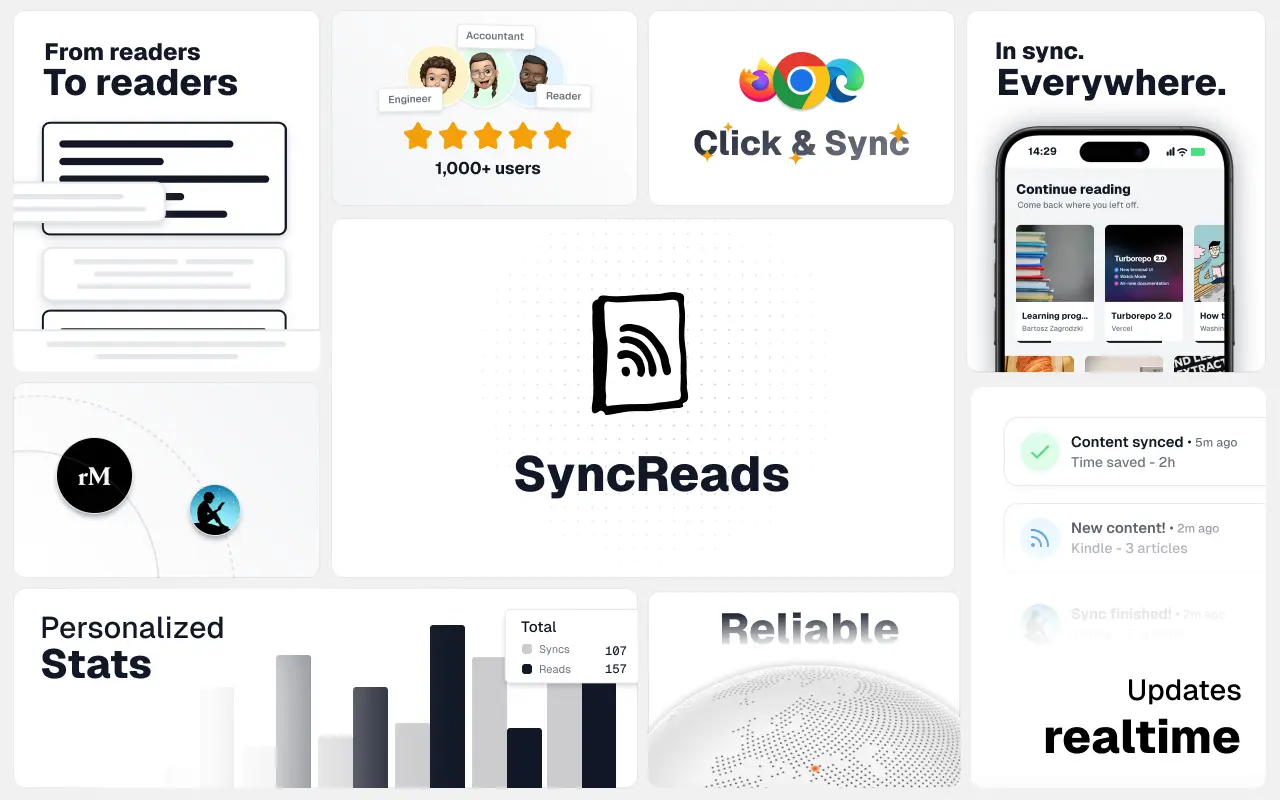
SyncReads
Sync your favorite content for distraction-free reading, save time and replace multiple apps. Anytime, anywhere 🔄
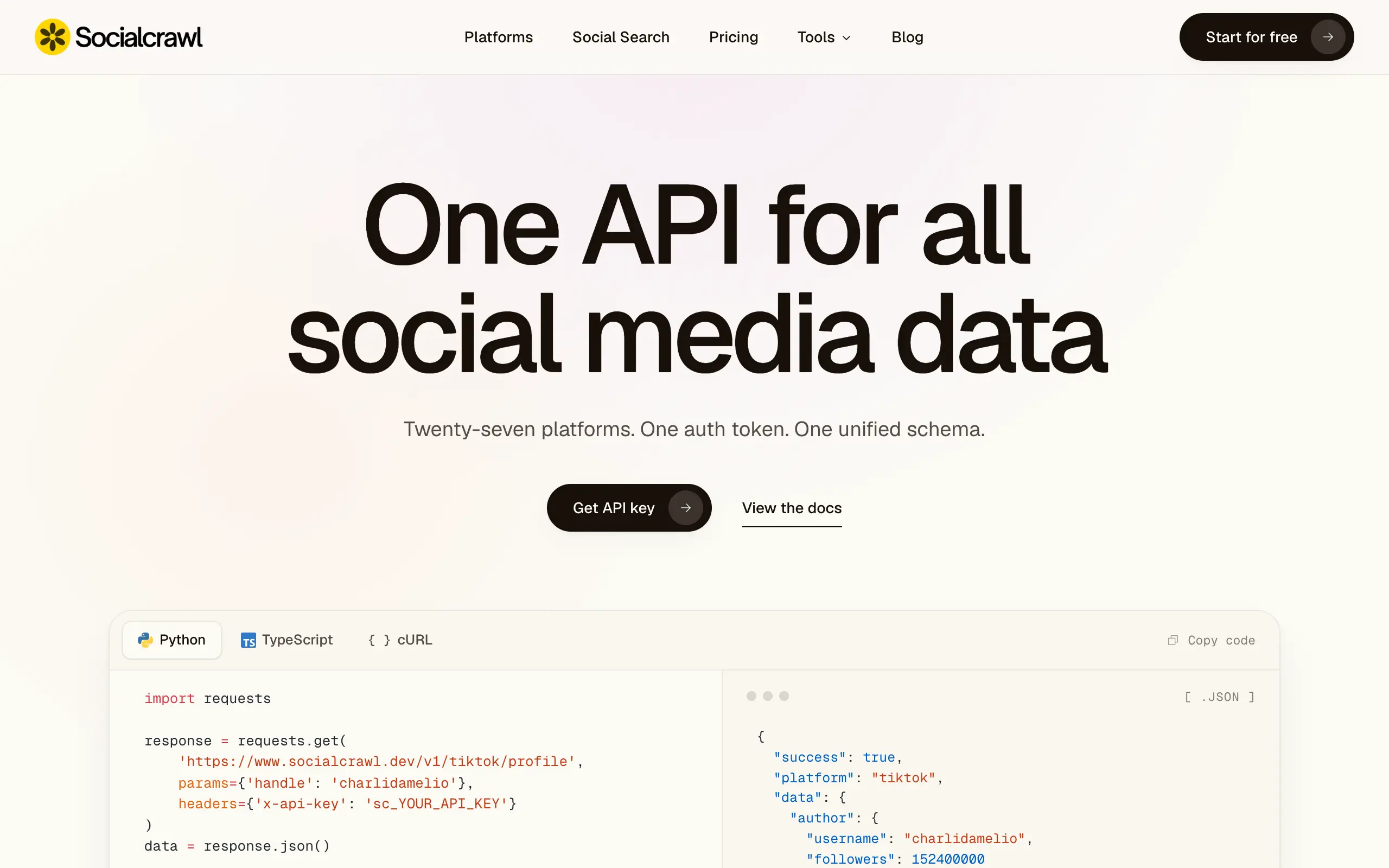
Socialcrawl
Get clean, structured data from 21 platforms like TikTok, Instagram, and YouTube with a single request 📊
Statiko
Monitor any Telegram channel in real time - track posts, edits, deletions, and growth with AI recaps 📡
Shibui
AI website builder - describe your business, pick a niche template, edit by chatting, and publish instantly ✨
Pro Service
Find verified home service professionals, compare quotes, and pay securely through escrow - built for Brazilians across the US 🏠
RankGrow
Fix your SEO with AI agents - connect Search Console, get prioritized tasks, and grow organic traffic 📈
SyncReads
Sync your favorite content for distraction-free reading, save time and replace multiple apps. Anytime, anywhere 🔄
Socialcrawl
Get clean, structured data from 21 platforms like TikTok, Instagram, and YouTube with a single request 📊
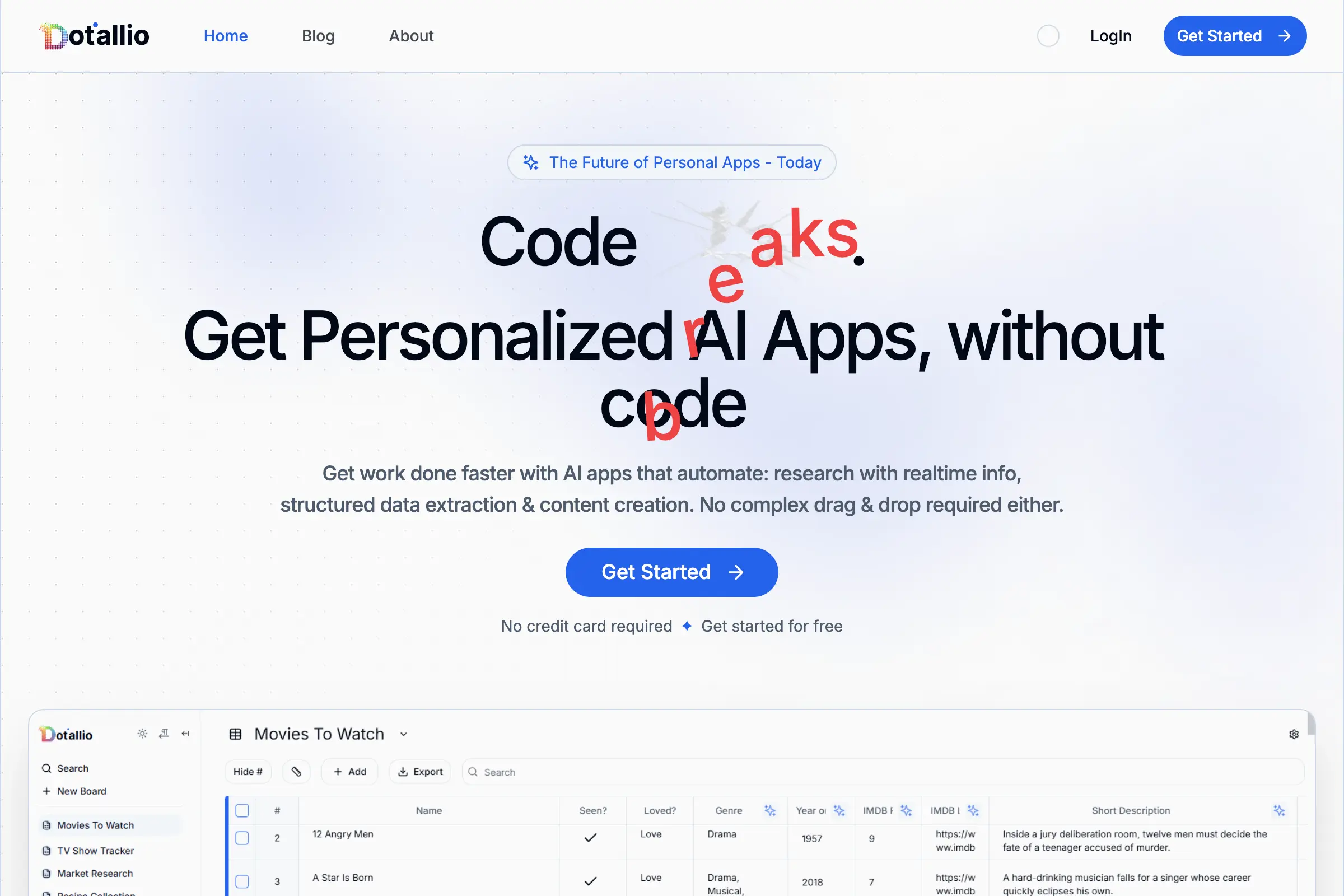
Dotallio
Personalized AI apps that automate research, data extraction, and content creation without code 🤖

Talk to Santa
Enjoy a magical live video chat or receive a unique AI-generated video greeting from Santa Claus 🎅

pozywka.pl
Scalable blog for food journalist, focused on performance and user experience 🌭
zagrodzki.me
Personal blog and portfolio of Bart Zagrodzki, where he shares his knowledge and work 💼

TurboStarter
Ship your startup everywhere. In minutes.
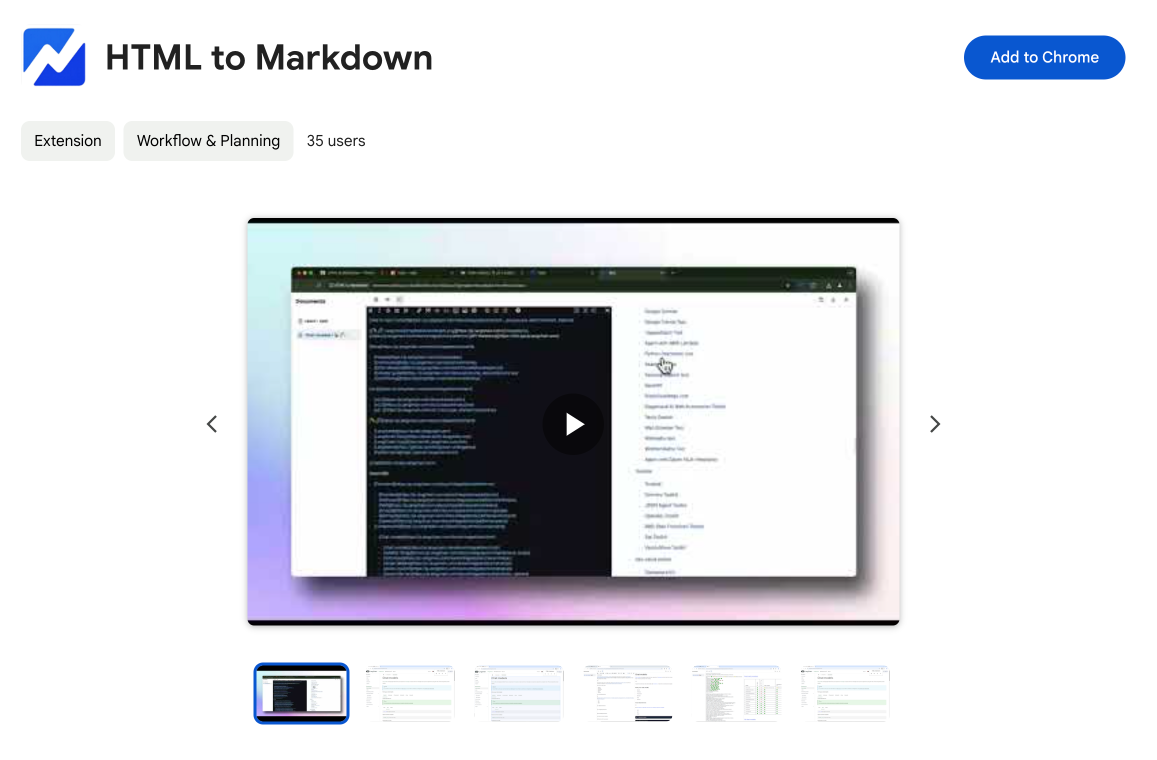
HTML to Markdown
Convert HTML to Markdown with ease, directly in your browser 📄
Dotallio
Personalized AI apps that automate research, data extraction, and content creation without code 🤖
Talk to Santa
Enjoy a magical live video chat or receive a unique AI-generated video greeting from Santa Claus 🎅
pozywka.pl
Scalable blog for food journalist, focused on performance and user experience 🌭
zagrodzki.me
Personal blog and portfolio of Bart Zagrodzki, where he shares his knowledge and work 💼
TurboStarter
Ship your startup everywhere. In minutes.
HTML to Markdown
Convert HTML to Markdown with ease, directly in your browser 📄
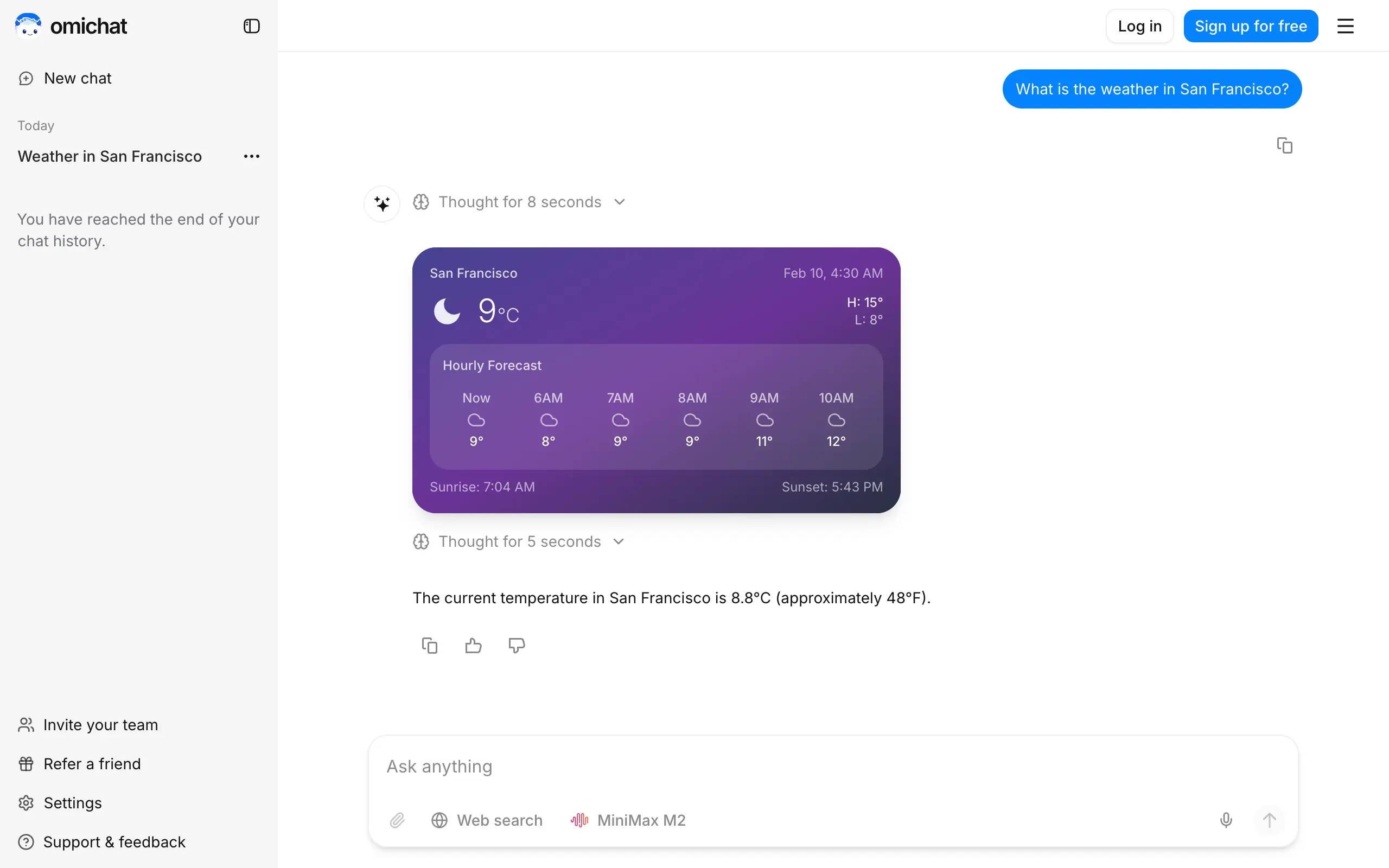
Omichat
Chat with 50+ AI models, including ChatGPT and Claude, in one place - switch models anytime without losing context 🤖
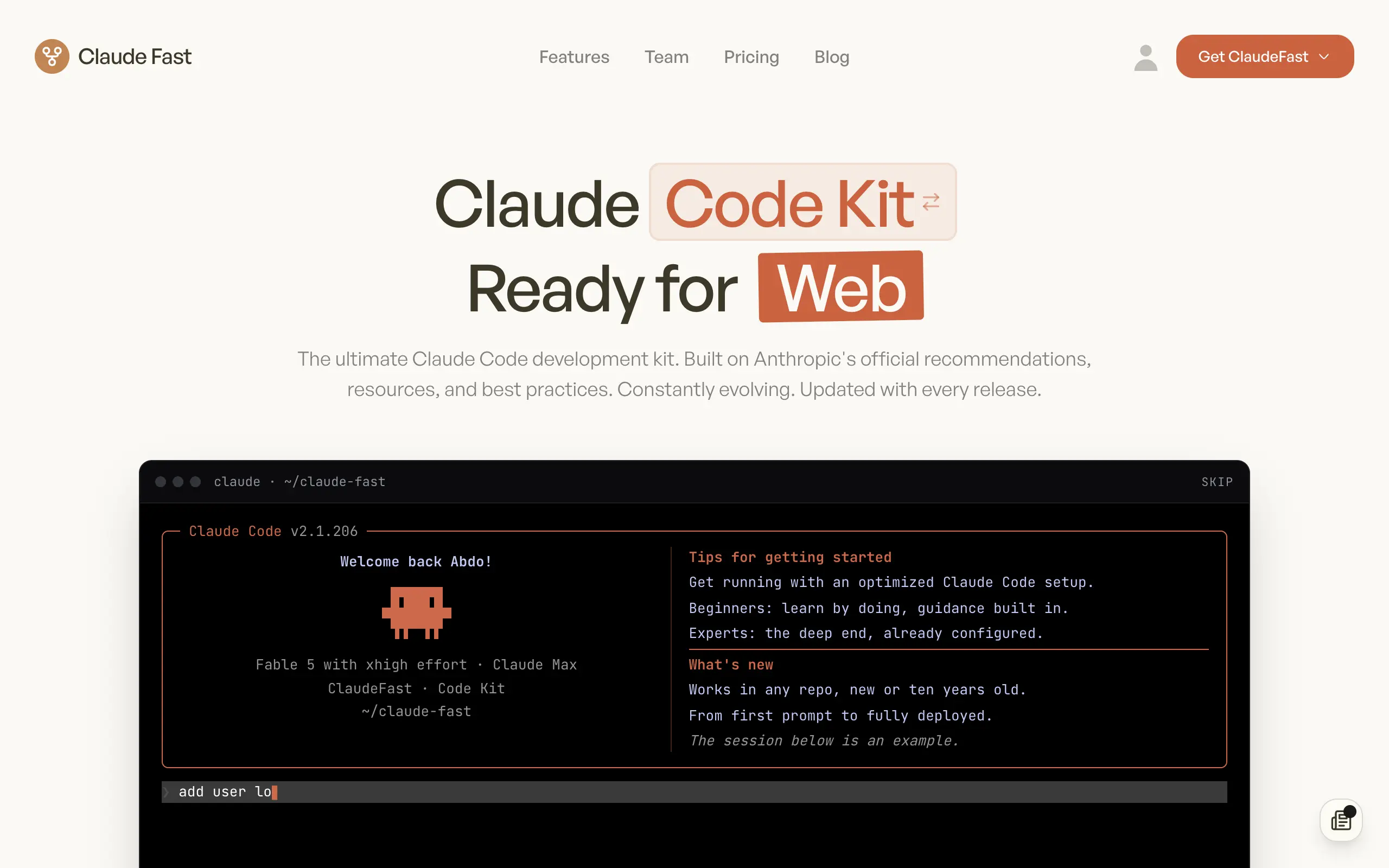
Claude Fast
Supercharge your Claude Code with 6x effective context window and specialized AI agents 🤖

EmojAI
AI-powered emoji picker with smart, context-aware suggestions 🤖

Solohacker
Autonomous company launcher - AI agents work 24/7, escalate what matters, and you stay in control 🤖

BeRawi: Storytelling Coach
Practice storytelling daily with instant feedback to sound clearer, more engaging, and confident 🎤
Omichat
Chat with 50+ AI models, including ChatGPT and Claude, in one place - switch models anytime without losing context 🤖
Claude Fast
Supercharge your Claude Code with 6x effective context window and specialized AI agents 🤖
EmojAI
AI-powered emoji picker with smart, context-aware suggestions 🤖
Solohacker
Autonomous company launcher - AI agents work 24/7, escalate what matters, and you stay in control 🤖
BeRawi: Storytelling Coach
Practice storytelling daily with instant feedback to sound clearer, more engaging, and confident 🎤

Connect with like-minded people
Join our community to get feedback, support, and grow together with 1,000+ builders on board, let's ship it!
Join usShip your startup everywhere. In minutes.
Don't burn tokens on setup and start building features on day one.