RebatePilot
Find commercial HVAC rebates and prepare utility applications from project documents, giving installers a faster way to capture incentives for clients.
Why commercial HVAC rebate discovery is a strong SaaS opportunity
Commercial HVAC projects can qualify for utility rebates, energy-efficiency incentives, and other forms of financial support. Yet finding the right programs and preparing complete applications can be time-consuming. Installers may need to investigate utility rules, confirm equipment eligibility, gather project documents, and submit information in different formats—all while keeping the project moving.
RebatePilot is an AI-powered commercial HVAC rebate finder and application-preparation platform. It helps installers identify potentially relevant incentives from project details and documents, then organizes the information needed to apply.
The opportunity is not simply to make rebate searches faster. It is to help contractors turn incentive research into a repeatable part of their sales and project-delivery process. If RebatePilot can surface relevant programs, explain its reasoning, and reduce application errors without promising unverified savings, it can become a practical tool for HVAC teams and a more useful experience for their customers.
This article examines the idea from a product and SaaS strategy perspective: who it serves, where the market gap may be, how the product could work, which technology choices fit, how to monetize it, and what to validate before investing heavily in development.
The problem RebatePilot should solve
The rebate journey often begins with a project opportunity: a commercial building needs new heating or cooling equipment, a system upgrade, or an efficiency improvement. The contractor may know that incentives exist, but may not know which programs currently apply to the project.
Eligibility can depend on details such as:
- The building’s location and serving utility
- The equipment type, capacity, efficiency rating, and configuration
- Whether the project is a retrofit, replacement, or new installation
- Customer type, building use, or project size
- Installation dates and pre-approval requirements
- Required invoices, forms, commissioning records, or photographs
The exact rules vary by program. A rebate that appears relevant in a search result may not apply to a particular site, equipment model, customer, or project stage. Program details can also change, and some incentives require action before equipment is purchased or installed.
That creates a coordination problem. Contractors need useful information early enough to plan a project, but accurate guidance depends on a combination of project data and current program rules. The application itself may then require information spread across quotes, equipment schedules, invoices, manufacturer documentation, and job records.
RebatePilot should therefore focus on the full workflow:
- Capture project details from a form or existing documents.
- Resolve the site’s likely utility service area.
- Find potentially relevant commercial HVAC incentives.
- Compare program requirements with project facts.
- Identify missing information and eligibility uncertainties.
- Prepare a structured application packet for human review.
- Track submission status, deadlines, and follow-up.
This is more valuable than a directory that returns a list of rebate links. The product’s job is to help users make a qualified next move, while making clear where a person must verify program requirements.
Target audience analysis
A strong initial market is easier to serve when the product is designed around one user’s most frequent workflow. RebatePilot can eventually support several roles, but its early product decisions should favor a clear buyer and use case.
HVAC contractors and installation companies
This is the most natural initial audience. Contractors need to quote projects, explain customer costs, and manage paperwork without slowing down field and sales teams.
Potential users include:
- Owners and general managers at small and midsize HVAC companies
- Sales representatives who prepare commercial proposals
- Estimators responsible for equipment selection and project pricing
- Office staff who handle rebate forms and customer follow-up
- Energy-efficiency or sustainability teams at larger contractors
Their main value proposition is operational. RebatePilot could reduce time spent searching program websites, make incentive research more consistent across employees, and help teams identify missing documents before an application is submitted.
The buyer and the user may not be the same person. A company owner may approve the subscription, while an estimator or administrator uses the product each day. Product onboarding should address both: demonstrate the effect on sales and project workflow for managers, and make project entry and document review straightforward for staff.
HVAC distributors and equipment representatives
Distributors may support multiple contractors and have an interest in helping customers understand the financial factors around equipment choices. They could use RebatePilot to provide incentive information alongside product recommendations or quote support.
This channel could offer valuable distribution, but it brings partnership complexity. The platform would need to distinguish general incentive information from product promotion, avoid implying that a specific product qualifies without evidence, and maintain clear accountability for application decisions.
Building owners and property managers
Owners and managers may want a clearer view of the incentives associated with planned upgrades. They may not know which contractor is handling the application or what information is still needed.
This audience may be a later expansion rather than the first target. Building owners often need broader project planning, budgeting, and energy-management support. Serving them well could require portfolio views, approval workflows, and reporting that are not essential to a contractor-focused minimum viable product.
Energy consultants and engineering firms
Consultants may help customers assess energy projects, compare equipment, and navigate incentives. RebatePilot could support their research and documentation workflows, especially when they manage projects across multiple utility territories.
Consultants are a useful design-partner segment. They can reveal edge cases and help test whether the system explains program requirements clearly. However, their workflows may be more specialized than those of a typical contractor, so product priorities should be validated rather than assumed.
Market opportunity and the gap to investigate
The market opportunity comes from the distance between incentive awareness and application completion. A user may be able to locate program information online, yet still need to interpret requirements, connect them to a specific project, assemble documents, and manage deadlines.
RebatePilot can investigate several gaps:
Program information is distributed
Incentive information may be published by utilities, public agencies, program administrators, or other organizations. Each source can use different terminology and formats. Users may have to search by location, equipment type, project category, and customer eligibility.
A centralized interface can reduce search friction, but centralization alone is not a defensible product. The data must be sourced, dated, normalized, and linked to the original program information.
Search results are not the same as project-specific guidance
A generic search can return programs that are geographically or technically relevant but not necessarily applicable to the project. RebatePilot’s opportunity is to connect program criteria to structured project facts and communicate the strength of each match.
For example, the product should distinguish between:
- A likely match with all key fields supported by evidence
- A possible match that requires one or more confirmations
- A program that appears relevant but has a disqualifying condition
- A program that cannot be assessed because data is missing
This kind of explanation is more useful than a single “eligible” label.
Application preparation creates administrative work
Once a program is identified, users still need to find the correct form, assemble required information, and meet submission conditions. RebatePilot can create value by generating a program-specific checklist and organizing relevant project facts in a reviewable format.
The platform should not imply that an application has been submitted unless it has actually been submitted through an approved integration or by an authorized user. In early versions, producing a clean, human-reviewed application packet may be more dependable than attempting to automate every portal interaction.
Program changes create a data-maintenance challenge
Rebate values, deadlines, required forms, and eligibility rules can change. A search product that relies on stale information can damage trust, even if the interface is polished.
RebatePilot should treat data operations as a core product capability. That means tracking source URLs, last-checked dates, effective dates where available, and verification status. A smaller database of well-maintained programs may be more useful than a larger database with uncertain freshness.
How to validate the opportunity
Before estimating the market or building a large program database, interview contractors and observe how they handle real projects. Ask participants to walk through a recent application rather than asking only whether they “would use” a rebate tool.
Useful discovery questions include:
- How do you currently find incentives for a commercial HVAC project?
- Who is responsible for checking eligibility and preparing paperwork?
- At what point in the sales process do you investigate rebates?
- Which project details are hardest to collect?
- How often do you discover a program too late to meet a requirement?
- How do you track program changes and application status?
- What would make you trust a recommendation from software?
- Would your company pay per user, per project, or through a broader subscription?
Document the current process, time spent, failure points, and existing tools. Those observations are more actionable than broad assumptions about the size of the incentive market. For formal market sizing, use a transparent bottom-up model based on the number of reachable contractor businesses, relevant project volume, expected adoption, and realistic pricing. Cite the original source for every external market statistic used in investor or marketing materials.
Core features for a commercial HVAC rebate platform
A successful first product should help users progress from a project description to a verified, reviewable application workflow. It does not need to automate every part of the process on day one.
Project intake and document extraction
Users should be able to create a project manually or upload relevant documents. Documents might include proposals, equipment schedules, invoices, product submittals, and customer or site information.
AI can extract candidate fields such as:
- Site address and building type
- Equipment category and model number
- Capacity and efficiency details
- Project scope and installation timing
- Customer or business information
- Quoted costs and document dates
The interface should display extracted values alongside the source document and let a user correct them. Extraction is a suggestion, not authoritative evidence. For critical fields, store both the normalized value and a reference to where it came from, such as a file name and page number.
Utility and program matching
The matching workflow should combine location, project details, and program rules. Utility territory identification can be difficult because postal addresses do not always cleanly map to service areas. Where the system cannot establish a confident match, it should ask the user to confirm the utility rather than silently guessing.
Each result should include:
- Program name and administering organization
- A link to the original source
- Relevant equipment or project requirements
- Important deadlines or pre-approval conditions
- The information that supports the match
- Missing fields or unresolved conditions
- The date the program information was last checked
The goal is not to present a definitive eligibility ruling. It is to prioritize research and make the basis for a recommendation understandable.
Eligibility explanations and confidence
A useful result explains why a program was surfaced. For example, it could state that the project’s location appears to be within a service area and the uploaded equipment document contains a model number that needs confirmation against the current program list.
Confidence should not be represented as a precise probability unless the underlying method has been calibrated and tested. Labels such as “high confidence,” “needs review,” and “insufficient information” are often more honest, especially during an MVP.
Application checklists and document packs
Once a user chooses a program, RebatePilot can generate a checklist based on known requirements. It could organize documents, identify missing fields, and create a draft application packet for review.
The checklist should distinguish between:
- Information already supported by an uploaded document
- Information entered by the user
- Items that still need confirmation
- Items that require an external form or customer signature
This makes the product more useful without overstating its ability to complete a program’s process automatically.
Deadline and status tracking
A project dashboard can show which incentives are under review, which documents are missing, and what the next action is. Notifications can help teams follow up on pre-approval, installation, submission, or program deadlines where those dates are known.
Status labels should be simple and operational, such as “researching,” “needs project details,” “ready for review,” “submitted by user,” and “closed.” Avoid a “paid” status unless the user confirms receipt or the platform has a reliable integration that verifies it.
Team collaboration and audit history
Commercial projects can involve estimators, sales staff, administrators, and customers. RebatePilot should support assignment, comments, and a record of changes. An audit history is especially important when project facts or program rules change after an initial recommendation.
A manager should be able to answer basic questions:
- Who reviewed the incentive recommendation?
- Which source was used?
- What information was missing at the time?
- When was the program data last checked?
- What did the team send to the customer?
A practical MVP scope
A focused MVP should prove that users can move from project information to a credible next step more efficiently than they can with their current process.
A reasonable first release could include:
- Project creation and address entry
- Manual project data entry plus document upload
- Extraction of a limited set of fields with user review
- A curated set of programs in a narrow launch region
- Program matching with source links and freshness dates
- Eligibility gap explanations
- A project-specific application checklist
- Exportable summaries for internal or customer review
- Basic team access and project status tracking
Do not begin by promising universal coverage across every utility and every HVAC technology. Start with a region and project category that can be maintained reliably. The product’s first proof point should be the accuracy and usefulness of its workflow, not the raw number of programs in the database.
Recommended technology stack
The best stack is the one the team can maintain while meeting the product’s data, security, and reliability needs. RebatePilot combines standard SaaS workflows with document processing and potentially AI-assisted matching.
Web application
A TypeScript-based application can support a shared language across the front end and server-side code. React is a suitable option for building interactive project and review interfaces. Tailwind CSS can help a small team build consistent interfaces quickly, provided the team establishes reusable design patterns rather than scattering one-off styles.
For the application framework, select a mature React-based option that supports the team’s deployment model, routing requirements, and server-side needs. Prioritize maintainability, authentication support, and a clear path to background processing.
Backend and data model
A relational database such as PostgreSQL is a strong fit for structured records and relationships among organizations, users, projects, equipment, programs, requirements, and applications. Use explicit relationships and versioned program records rather than storing all source information in unstructured text.
A program record could include fields such as:
type IncentiveProgram = {
  id: string;
  name: string;
  administrator: string;
  sourceUrl: string;
  serviceAreaId: string | null;
  equipmentCategories: string[];
  effectiveFrom: string | null;
  effectiveTo: string | null;
  lastVerifiedAt: string | null;
  verificationStatus: "unverified" | "reviewed" | "needs_update";
};
This is an illustrative data shape, not a complete eligibility model. Real program requirements may need typed rules, documents, and exception handling.
Document storage and processing
Store uploaded files in private object storage and process them through a controlled pipeline. Typical steps include:
- Validate file type and size.
- Scan and store the original securely.
- Extract text or structured content.
- Associate extracted fields with document references.
- Show the user a review screen before using extracted values in a match.
- Apply retention and deletion rules based on the customer’s needs.
Avoid sending sensitive documents to an AI provider without reviewing that provider’s data handling terms and configuring appropriate protections. Give customers clear information about what is processed, how long it is retained, and whether data is used to train models.
AI and rules-based matching
Use AI where it provides value, such as extracting fields from documents, mapping inconsistent terminology, or summarizing program instructions. Use deterministic rules for hard constraints whenever possible.
A safer pattern is:
- Extract candidate facts with AI.
- Validate formats and normalize values in application code.
- Apply explicit, testable eligibility rules.
- Use AI to summarize evidence and identify missing information.
- Require a human review for uncertain or consequential decisions.
This separation helps reduce the risk of a language model inventing a requirement or treating an ambiguous document as definitive. Keep the source text and rule version available for review.
Authentication, billing, and product foundations
RebatePilot will need secure organization-level access, role management, subscription billing, and reliable transactional email. A SaaS starter kit can reduce time spent on common infrastructure so the team can focus on program data quality and the rebate workflow. For example, TurboStarter can be evaluated as a foundation, with an architecture review to confirm that its current capabilities fit RebatePilot’s security, tenancy, and deployment requirements.
A starter kit is not a substitute for threat modeling or product-specific testing. Review access control, tenant isolation, data export, backups, and account deletion before handling customer project documents.
Competitive advantage and positioning
RebatePilot will compete with more than dedicated software. Its alternatives include utility websites, internal spreadsheets, search engines, contractor procedures, distributor support, and consultants.
| Alternative | What it does well | Common limitation | RebatePilot opportunity | Main risk |
|---|---|---|---|---|
| Utility or program websites | Publish official requirements | Information is spread across sources | Organize project-specific research | Source changes can make records stale |
| Spreadsheets and internal notes | Flexible and familiar | Hard to standardize and maintain | Create repeatable workflows | Teams may resist changing habits |
| General web search | Broad discovery | Results may not map to project facts | Filter and explain relevant programs | Search engines can improve |
| Consultant support | Human judgment and expertise | Can require manual coordination | Reduce repetitive preparation work | Software cannot replace specialist judgment |
| Contractor management software | Supports core job workflows | Incentive workflows may be limited | Add a focused rebate layer | Existing platforms may build similar features |
The most defensible competitive advantage is unlikely to be AI alone. General-purpose AI capabilities are becoming widely available. More durable differentiation could come from:
- A carefully maintained, source-linked incentive dataset
- A clear record of program changes and verification
- HVAC-specific project and equipment workflows
- Evidence-backed matching and explainable recommendations
- Repeatable application checklists and team handoffs
- Integrations that reduce duplicate entry
- Feedback from real applications that improves data quality and workflow design
A strong USP could be framed as commercial HVAC incentive workflow software that connects project documents to explainable rebate matches and application-ready tasks. This positions the product around the full job, not just “AI rebate search.”
Monetization strategy options
Pricing should reflect the value delivered and how often customers use the product. It should also be simple enough for contractors to understand during a sales conversation.
Subscription pricing
A monthly or annual subscription can be based on company size, user seats, project volume, or a combination. For example, a small contractor plan might include a limited number of active projects, while larger plans support teams, reporting, and integrations.
The advantage is predictable recurring revenue. The challenge is that project volumes can vary seasonally, and small firms may hesitate to pay for a tool they use only occasionally. Customer interviews and pilot usage should inform the metric.
Usage-based pricing
Charging per project, application packet, or processed document can align cost with usage. This may suit contractors who handle a low volume of commercial work or want to test the product before committing to a large subscription.
Usage pricing must be transparent. If a project generates multiple potential incentive matches, explain what counts as a billable unit and avoid charging for failed or duplicate processing without clear customer value.
Tiered plans
A tiered model can combine a predictable base plan with increasing project limits and team capabilities. Possible differences include:
- Number of active projects
- Team seats and permission controls
- Document processing volume
- Portfolio reporting
- CRM or contractor software integrations
- Priority support or onboarding
Keep the core value available in the entry plan. If customers cannot evaluate match quality without paying for a higher tier, acquisition and trust may suffer.
Channel or enterprise partnerships
Distributors, manufacturers, and larger contractor groups may support a partnership model. This can create reach, but partner arrangements should preserve the independence and transparency of program recommendations. If a partner sponsors content or receives a commercial benefit, disclose it clearly.
Avoid building a business model that depends on taking a percentage of a customer’s rebate unless the legal, operational, and customer-trust implications have been carefully assessed. Incentive amounts may be uncertain, program rules can vary, and customers may not want their application support tied to a success fee.
Risks and mitigation
Incorrect or outdated incentive information
This is the central product risk. A wrong deadline, eligibility condition, or rebate amount can create wasted effort and harm customer trust.
Mitigation: Track primary sources, verification dates, effective dates, and change history. Create a review queue for programs that are near expiration or have not been checked recently. Show users when information was last verified and link directly to the source.
Overstated eligibility claims
An automated match may be mistaken for a guarantee. Users could make customer commitments based on incomplete data or assumptions.
Mitigation: Use qualified language, explain unresolved conditions, and make human review part of the workflow. Distinguish “potentially relevant” from “confirmed by program administrator.” Do not guarantee incentive approval or payment.
Poor document extraction
Scanned files, inconsistent layouts, and conflicting project documents can lead to incorrect field extraction.
Mitigation: Show extracted values with document references and require confirmation for critical fields. Measure extraction quality by document type and field. Provide a manual entry path so users are not blocked by an unreadable file.
Program data coverage costs
Maintaining comprehensive, current coverage may require significant research and review. Expanding coverage too quickly can create a large but unreliable catalog.
Mitigation: Start with a narrow region and track the cost of maintaining each program. Expand only when the team can meet a defined freshness and quality standard. Treat data operations as an ongoing budget item, not a one-time setup task.
Privacy and security concerns
Project documents may contain personal, commercial, or financial information. Contractors will expect careful handling, particularly if they upload customer paperwork.
Mitigation: Collect only necessary data, restrict access by organization and role, encrypt data in transit and at rest, use secure file storage, and establish deletion and retention controls. Document subprocessors and review their terms. Consider independent security review as the product grows.
Integration complexity
Contractors may already work in CRM, quoting, project management, or accounting tools. Integrations can increase adoption but require ongoing maintenance.
Mitigation: Validate which systems customers actually use before building integrations. Start with practical exports, structured summaries, or a simple API where appropriate. Add deeper integrations based on repeated customer demand.
Long sales cycles and uneven usage
A company may value rebate support but still delay a purchase because its commercial project volume is unpredictable or the buyer is difficult to reach.
Mitigation: Test pricing with companies of different sizes, offer a time-limited pilot with clear success criteria, and measure repeat project usage. Tie onboarding to an actual project rather than a generic product tour.
How to measure product-market fit
RebatePilot should measure whether it improves real work, not simply whether users log in.
Useful early metrics include:
- Time from project creation to first relevant program result
- Percentage of suggested programs that users mark relevant
- Share of matches with complete source and verification data
- Percentage of projects with missing information identified before submission
- Time required to prepare an application packet
- Number of projects reaching a user-confirmed submission
- Repeat usage by contractor and by team
- Trial-to-paid conversion and customer retention
- Support requests related to incorrect or stale program information
Use qualitative feedback alongside these metrics. If a contractor rejects a match, record why. If a user edits extracted equipment data, determine whether the issue came from the document, the extraction system, or the data model. A disciplined feedback loop can improve both the product and its operating procedures.
For public marketing claims, use measured results from pilots and describe the methodology. For example, report how many projects were observed, what counted as “time saved,” and whether the measurement was self-reported or captured in the product. Avoid presenting a small pilot as proof of universal results.
Actionable implementation steps
Choose a narrow customer and launch market. Decide whether the first user is a commercial HVAC estimator, an office administrator, or another specific role. Select one region and project category where program information can be researched and maintained well.
Map the current rebate workflow. Interview contractors and observe real project research. Record every handoff, document, source, decision, and deadline. Identify where users lose time or confidence.
Build a source-backed program dataset. Create a small catalog with official source links, eligibility fields, effective dates, and verification status. Define who checks the information and how often it is reviewed.
Prototype the project-to-match experience. Let a user enter project facts, review potential programs, see why each result appeared, and understand what still needs confirmation. Test the prototype with actual projects before adding complex automation.
Add document extraction with human review. Start with a small number of common document types and a limited set of high-value fields. Show the source for each extracted value and make corrections easy.
Create the application-preparation workflow. Generate checklists, identify missing documents, and prepare reviewable summaries. Keep submission under user control until program requirements and portal processes are reliably understood.
Pilot with a small group of contractors. Agree on success measures in advance, such as reduced research time, better application completeness, or repeat usage. Review both successful and failed matches.
Refine pricing and expand carefully. Test subscription and usage models against actual customer behavior. Expand coverage only when the team can maintain program accuracy and freshness at the required service level.
Build trust into the product
For RebatePilot, accuracy is a feature—not just a data-quality task. Every recommendation should be understandable, traceable to a source, and clear about what remains uncertain.
Final perspective
RebatePilot addresses a practical, specific problem at the intersection of commercial HVAC projects, incentive research, and application administration. Its best opportunity is to help contractors move from scattered program information and project documents to a clear, reviewable next step.
The product’s long-term strength will depend on more than document AI or a large incentive database. It will depend on trustworthy program data, explainable matching, careful handling of uncertainty, and a workflow that fits how contractors actually sell and deliver projects.
Start with one audience, one region, and a measurable workflow improvement. Validate the process with real projects, show users the evidence behind every recommendation, and expand only as the team can maintain quality. That approach gives RebatePilot a credible path from promising SaaS idea to dependable commercial HVAC rebate software.
More 🤖 AI Startup SaaS ideas
Discover more innovative ai startup SaaS ideas that are trending in 2026. Each idea is AI-generated with market validation and growth potential to help you find your next profitable venture faster than competitors.
Your competitors are building with TurboStarter
Below are some of the SaaS ideas that have been generated and built with our starter kit.
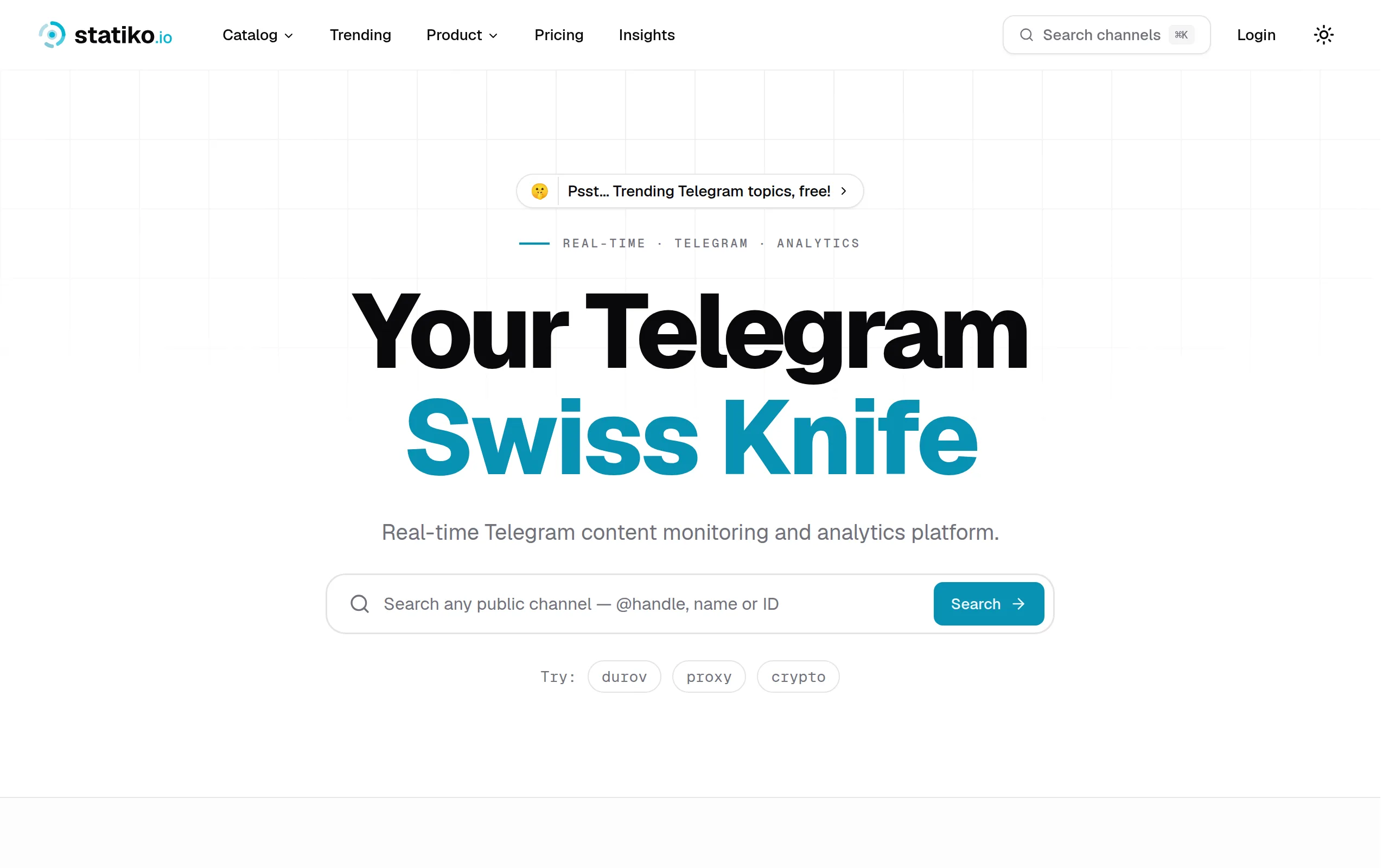
Statiko
Monitor any Telegram channel in real time - track posts, edits, deletions, and growth with AI recaps 📡

Shibui
AI website builder - describe your business, pick a niche template, edit by chatting, and publish instantly ✨

Pro Service
Find verified home service professionals, compare quotes, and pay securely through escrow - built for Brazilians across the US 🏠
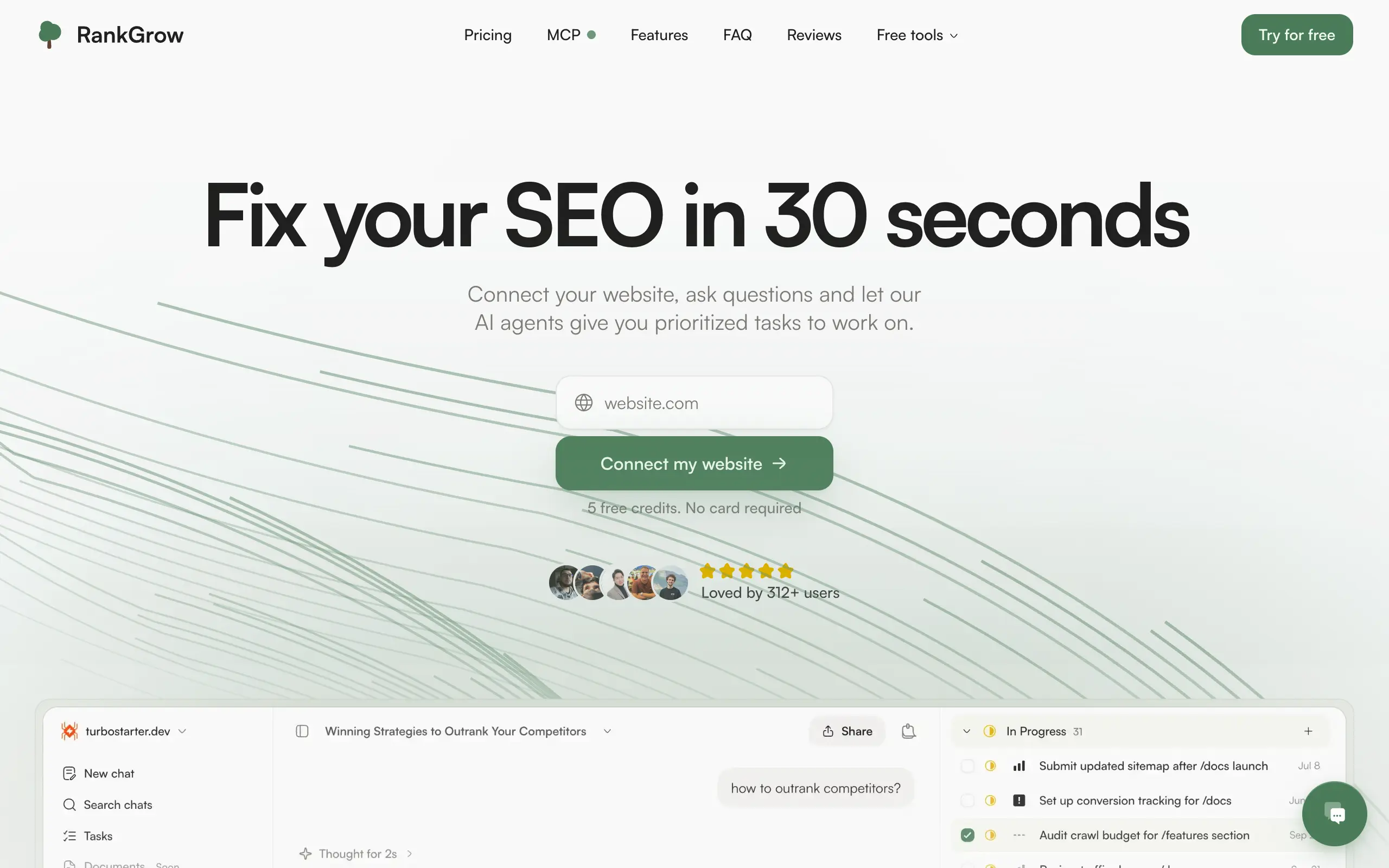
RankGrow
Fix your SEO with AI agents - connect Search Console, get prioritized tasks, and grow organic traffic 📈
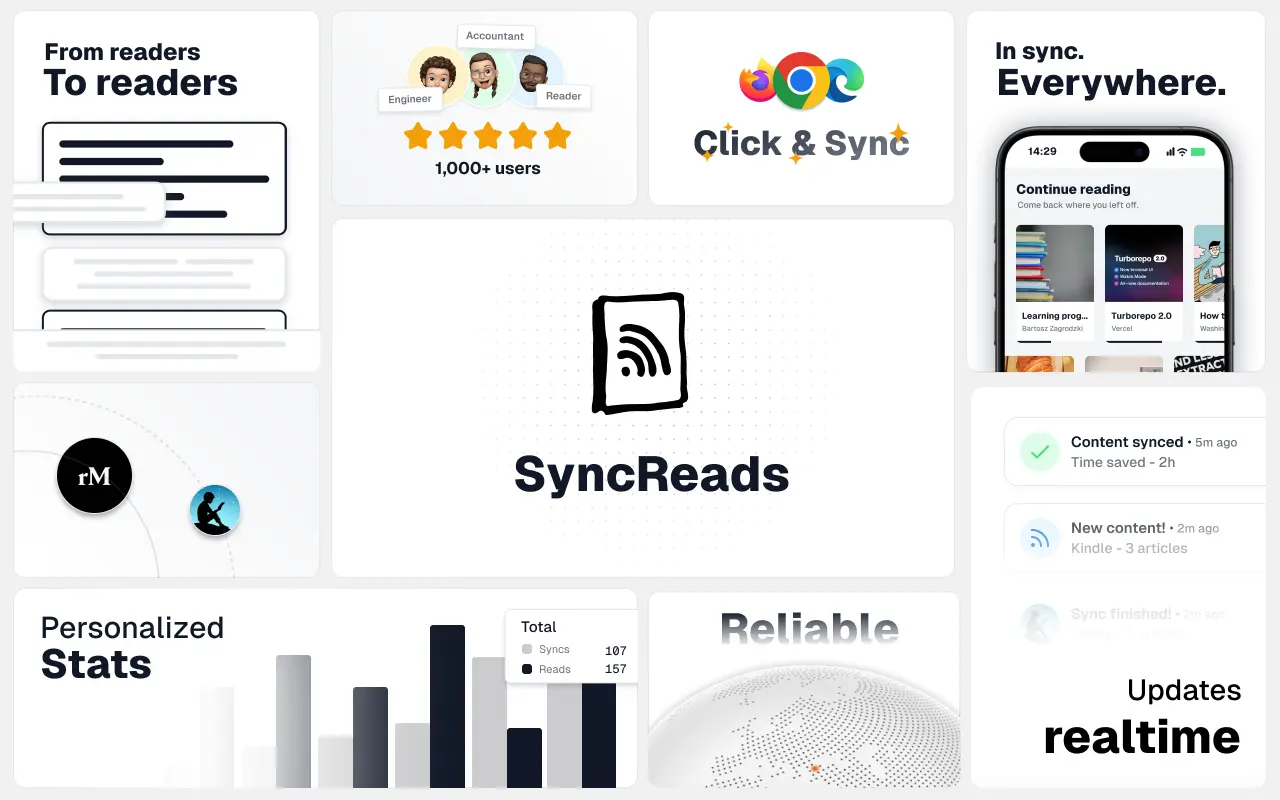
SyncReads
Sync your favorite content for distraction-free reading, save time and replace multiple apps. Anytime, anywhere 🔄
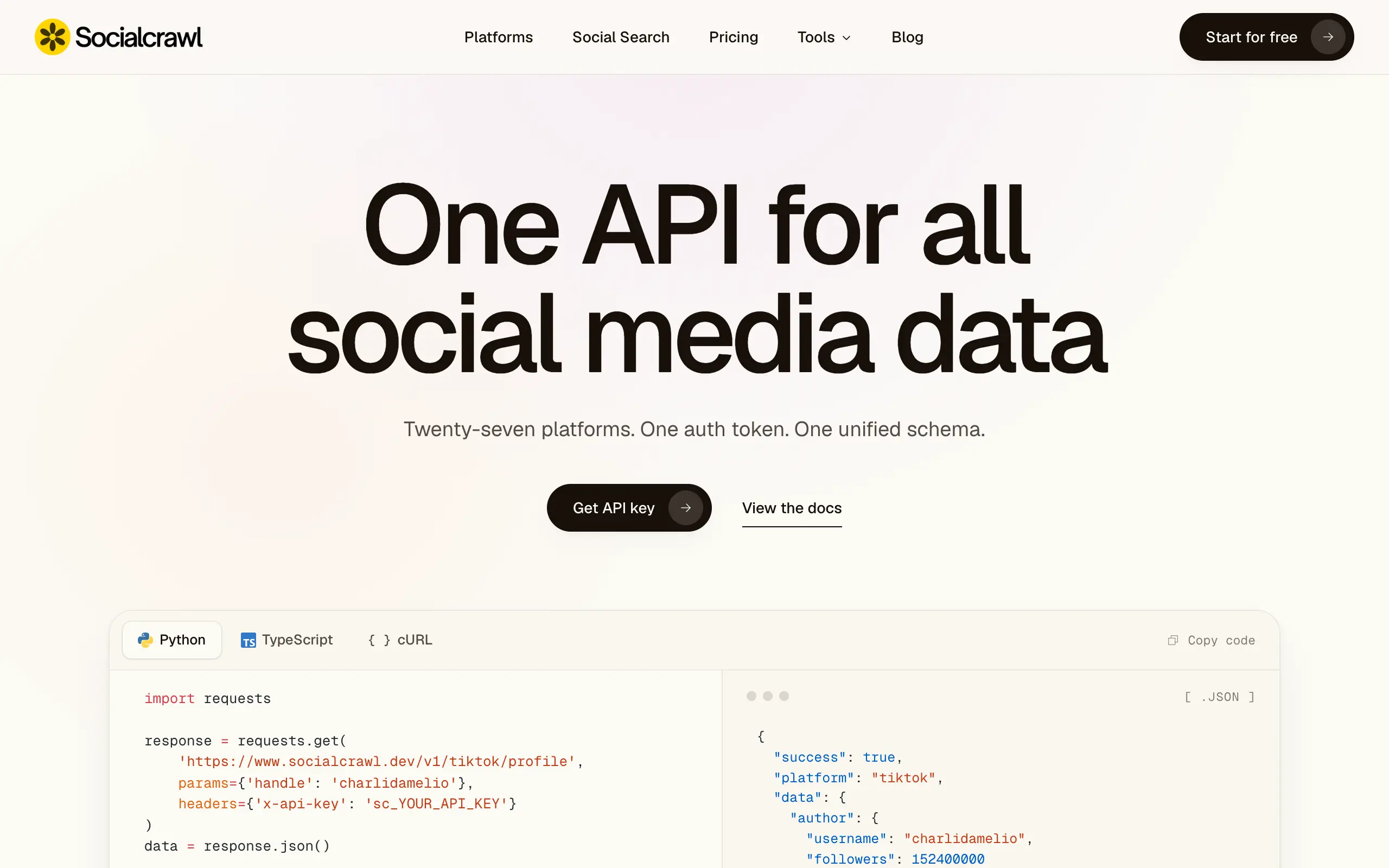
Socialcrawl
Get clean, structured data from 21 platforms like TikTok, Instagram, and YouTube with a single request 📊
Statiko
Monitor any Telegram channel in real time - track posts, edits, deletions, and growth with AI recaps 📡
Shibui
AI website builder - describe your business, pick a niche template, edit by chatting, and publish instantly ✨
Pro Service
Find verified home service professionals, compare quotes, and pay securely through escrow - built for Brazilians across the US 🏠
RankGrow
Fix your SEO with AI agents - connect Search Console, get prioritized tasks, and grow organic traffic 📈
SyncReads
Sync your favorite content for distraction-free reading, save time and replace multiple apps. Anytime, anywhere 🔄
Socialcrawl
Get clean, structured data from 21 platforms like TikTok, Instagram, and YouTube with a single request 📊
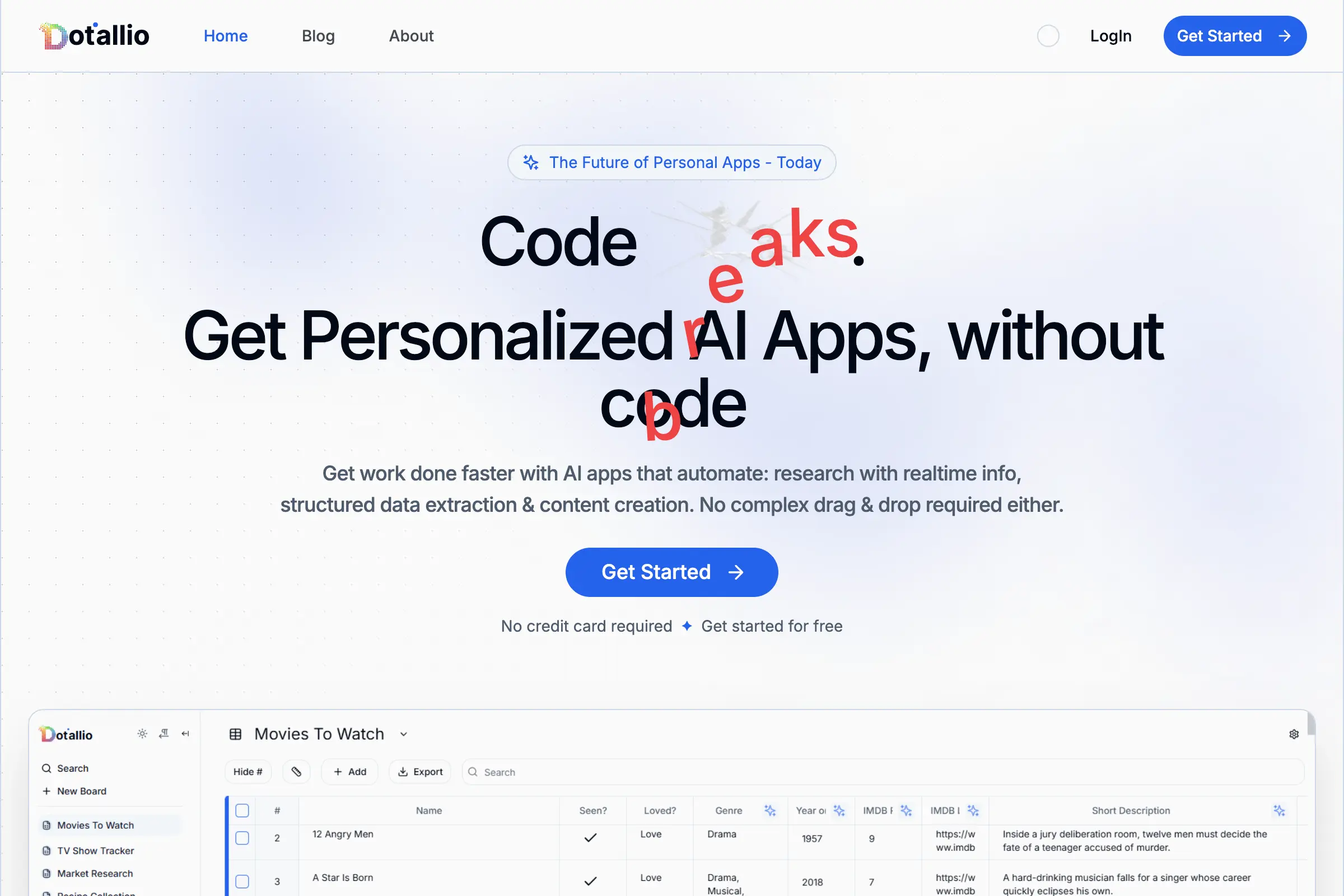
Dotallio
Personalized AI apps that automate research, data extraction, and content creation without code 🤖
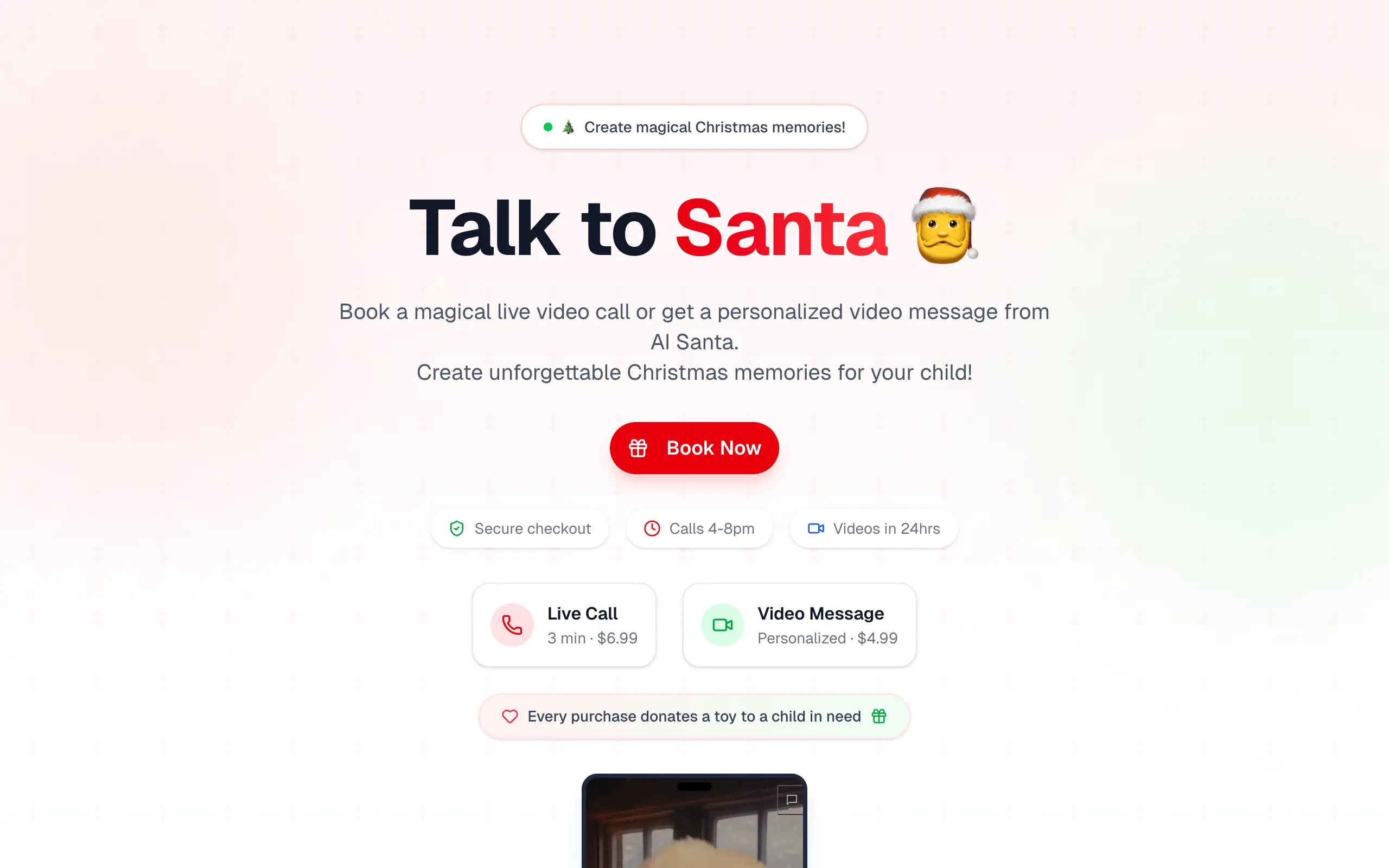
Talk to Santa
Enjoy a magical live video chat or receive a unique AI-generated video greeting from Santa Claus 🎅
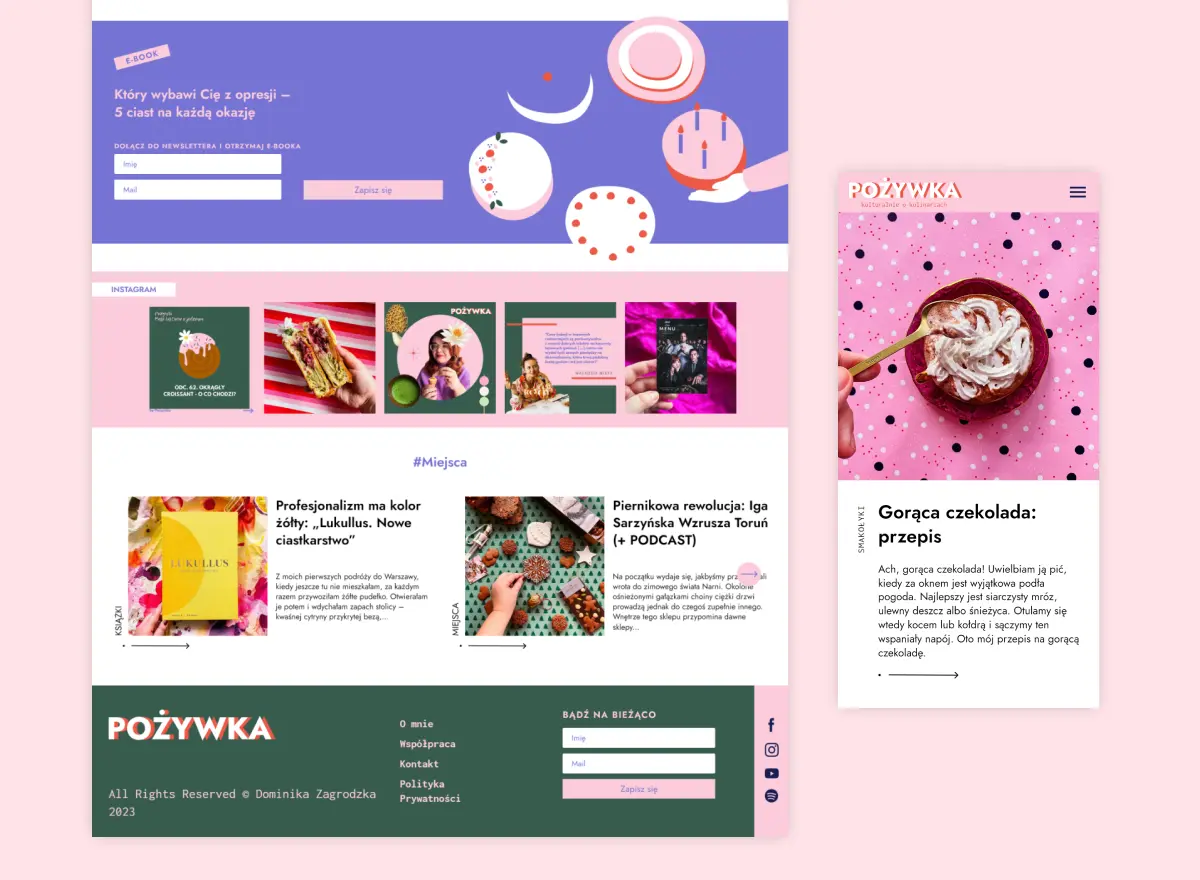
pozywka.pl
Scalable blog for food journalist, focused on performance and user experience 🌭
zagrodzki.me
Personal blog and portfolio of Bart Zagrodzki, where he shares his knowledge and work 💼
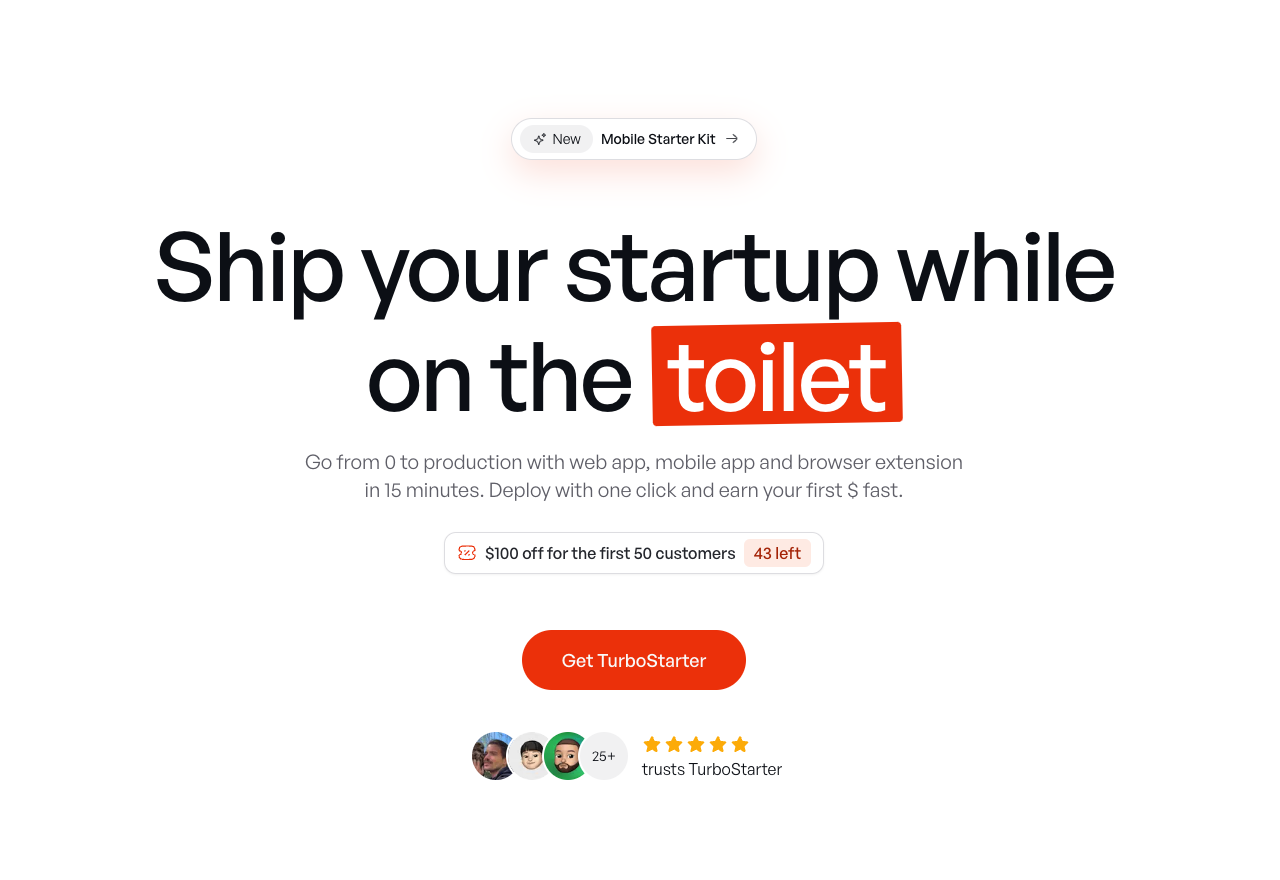
TurboStarter
Ship your startup everywhere. In minutes.
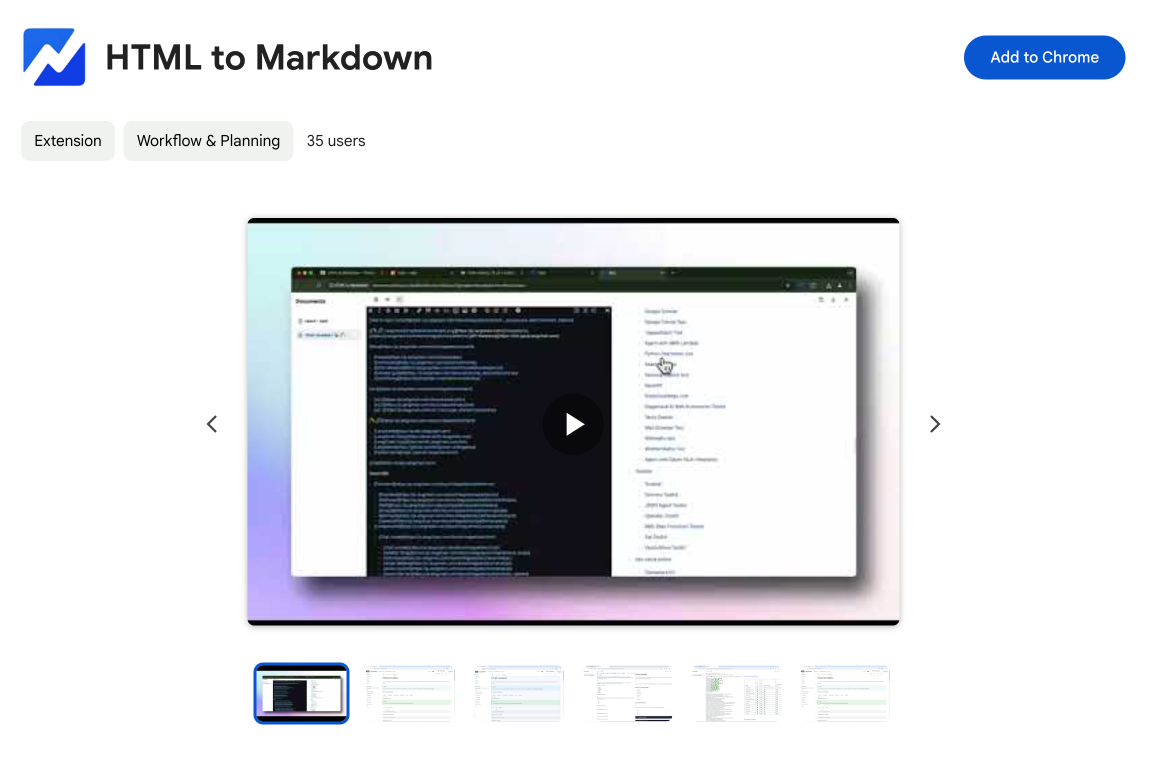
HTML to Markdown
Convert HTML to Markdown with ease, directly in your browser 📄
Dotallio
Personalized AI apps that automate research, data extraction, and content creation without code 🤖
Talk to Santa
Enjoy a magical live video chat or receive a unique AI-generated video greeting from Santa Claus 🎅
pozywka.pl
Scalable blog for food journalist, focused on performance and user experience 🌭
zagrodzki.me
Personal blog and portfolio of Bart Zagrodzki, where he shares his knowledge and work 💼
TurboStarter
Ship your startup everywhere. In minutes.
HTML to Markdown
Convert HTML to Markdown with ease, directly in your browser 📄
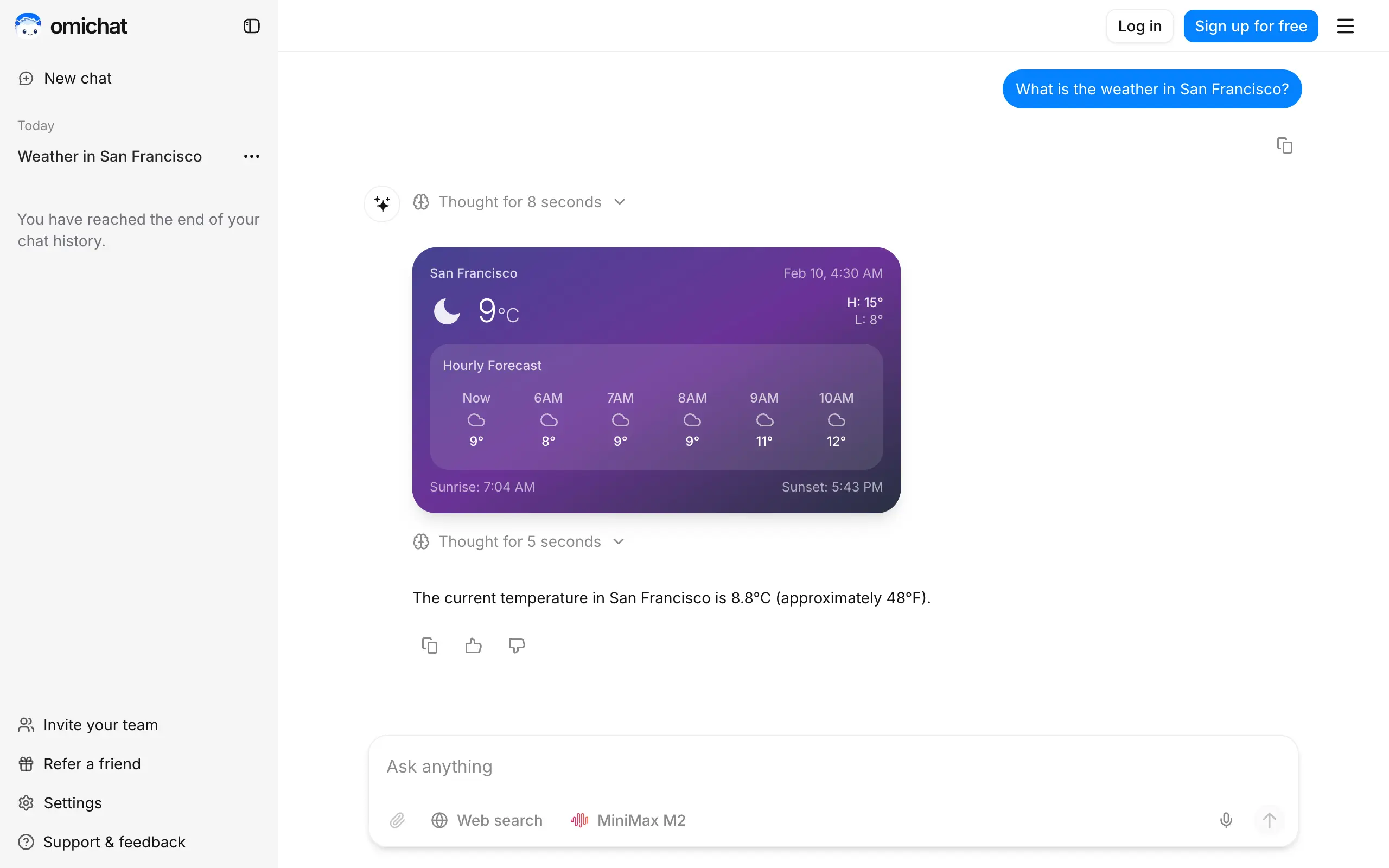
Omichat
Chat with 50+ AI models, including ChatGPT and Claude, in one place - switch models anytime without losing context 🤖
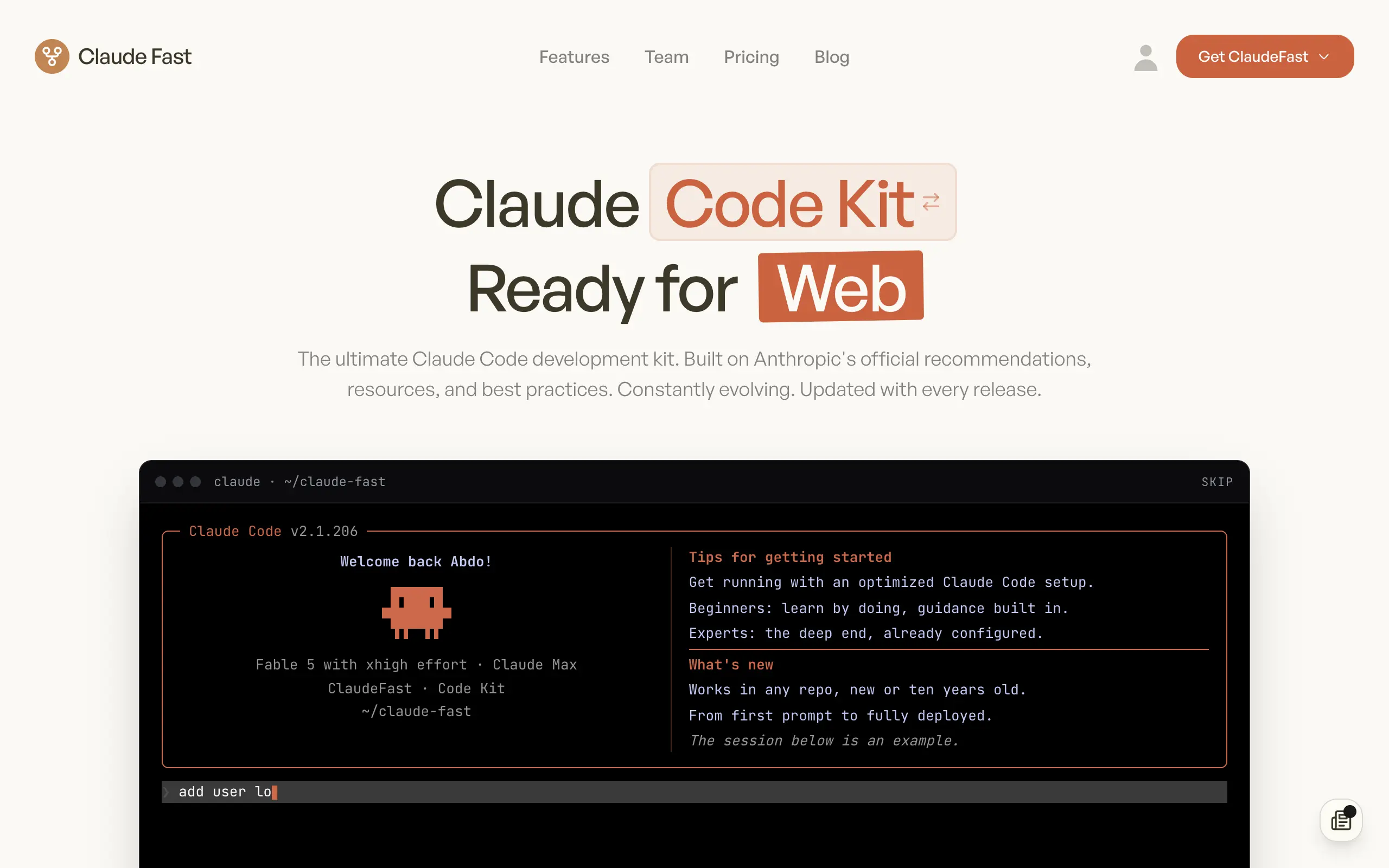
Claude Fast
Supercharge your Claude Code with 6x effective context window and specialized AI agents 🤖
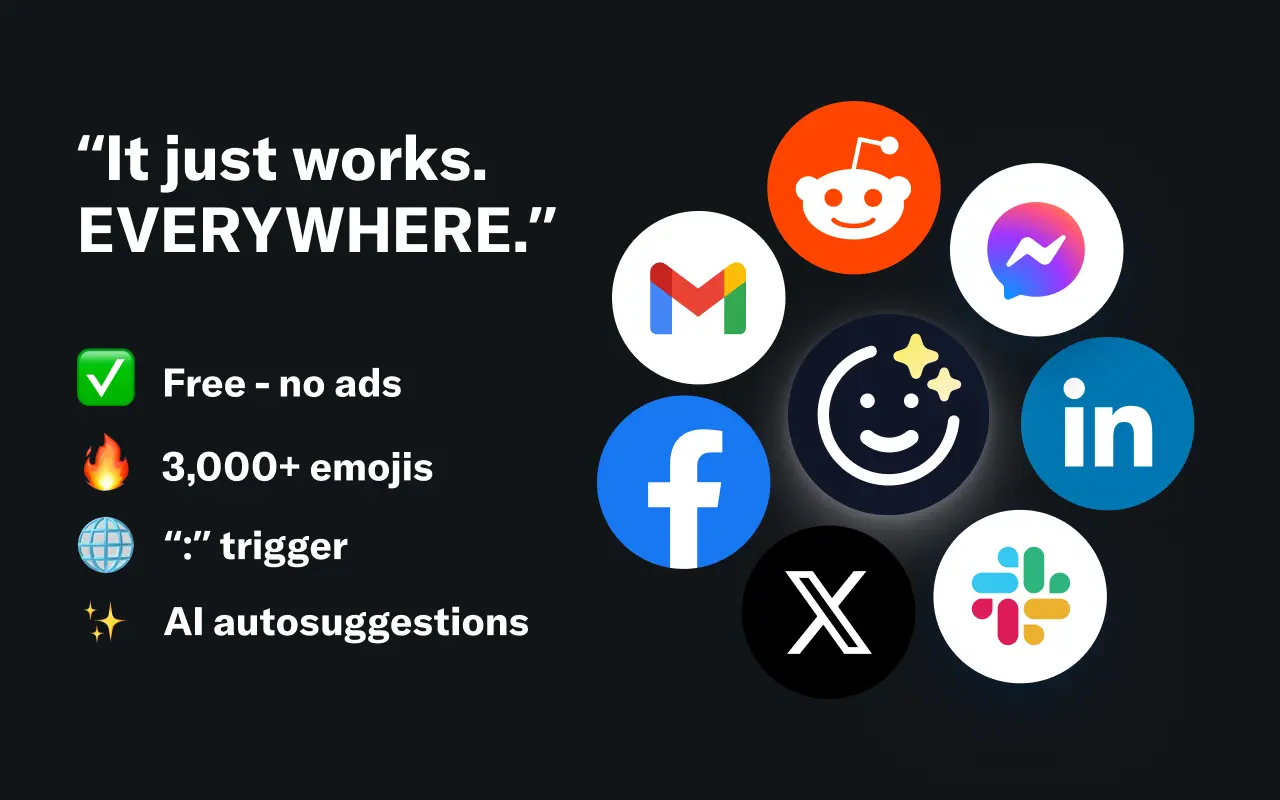
EmojAI
AI-powered emoji picker with smart, context-aware suggestions 🤖
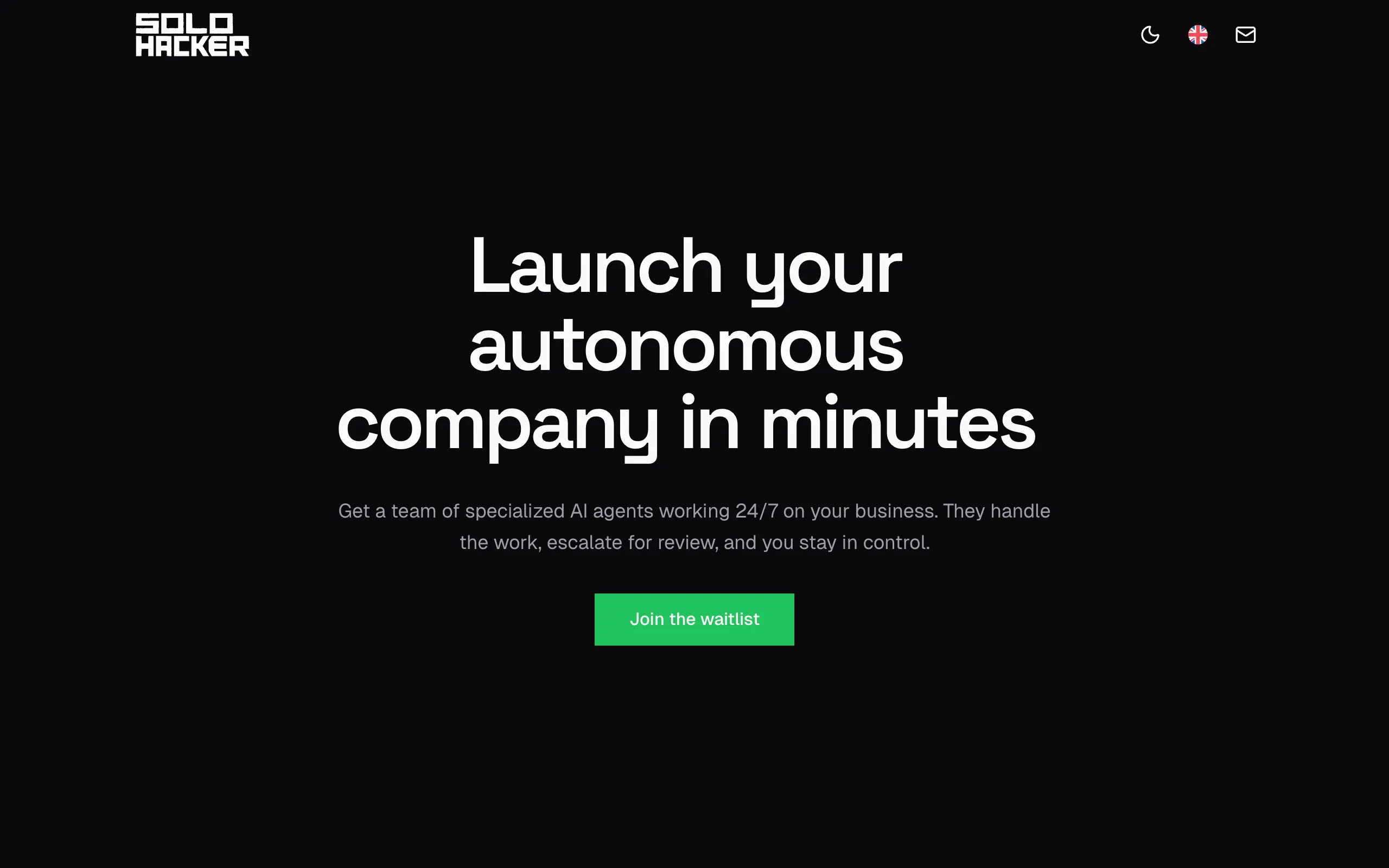
Solohacker
Autonomous company launcher - AI agents work 24/7, escalate what matters, and you stay in control 🤖
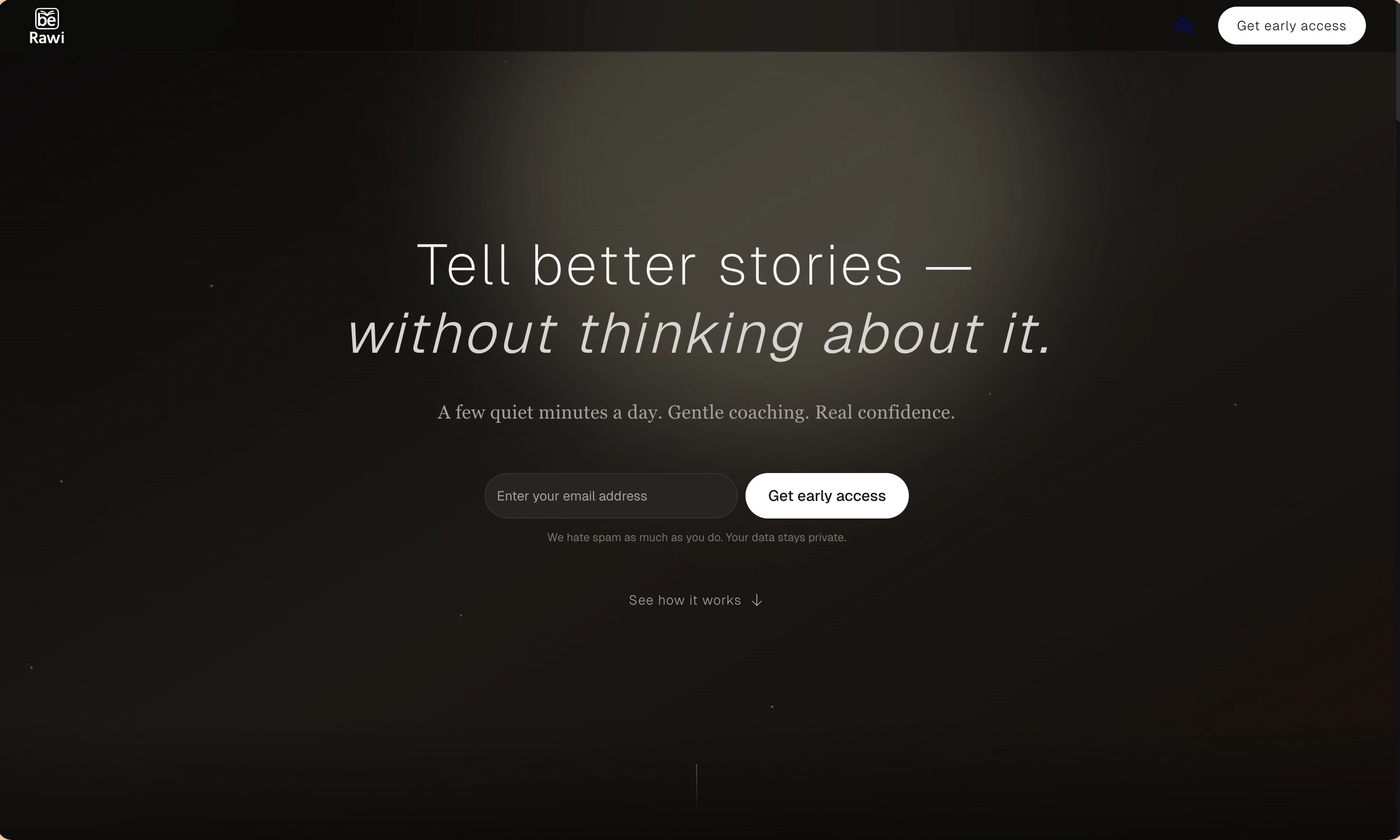
BeRawi: Storytelling Coach
Practice storytelling daily with instant feedback to sound clearer, more engaging, and confident 🎤
Omichat
Chat with 50+ AI models, including ChatGPT and Claude, in one place - switch models anytime without losing context 🤖
Claude Fast
Supercharge your Claude Code with 6x effective context window and specialized AI agents 🤖
EmojAI
AI-powered emoji picker with smart, context-aware suggestions 🤖
Solohacker
Autonomous company launcher - AI agents work 24/7, escalate what matters, and you stay in control 🤖
BeRawi: Storytelling Coach
Practice storytelling daily with instant feedback to sound clearer, more engaging, and confident 🎤

Connect with like-minded people
Join our community to get feedback, support, and grow together with 1,000+ builders on board, let's ship it!
Join usShip your startup everywhere. In minutes.
Don't burn tokens on setup and start building features on day one.