RebelArchive AI
An AI-powered platform that transforms scattered historical records into interactive stories about global freedom fighters for educators and researchers.
Why an AI-powered historical archive platform is needed now
Across the world, archives are filled with fragmented documents: letters, trial transcripts, newspaper clippings, government memos, oral histories, and academic papers about global freedom fighters. Yet for educators and researchers, these records are often:
- Scattered across multiple institutions
- Locked behind inconsistent metadata
- Buried in PDFs or poorly digitized scans
- Written in archaic or highly technical language
- Hard to contextualize within broader historical narratives
At the same time, there is rising global demand for:
- Decolonized and inclusive history education
- Digitally accessible primary sources
- Engaging, narrative-driven learning experiences
- AI-assisted research tools
An AI-powered historical archive platform like RebelArchive AI directly addresses this gap by transforming scattered historical records into interactive, contextualized stories about global freedom fighters—making them accessible for educators, researchers, and students.
This article explores the market opportunity, feature set, technical architecture, monetization model, competitive landscape, and actionable implementation steps for launching and scaling RebelArchive AI.
Understanding the target audience
To build a high-impact AI historical archive platform, we must deeply understand user intent. Users searching for solutions in this space are typically looking for:
- Reliable primary and secondary sources
- Faster academic research workflows
- Curriculum-ready educational content
- Interactive digital humanities tools
- Ethical AI usage in historical interpretation
Core audience segments
K–12 educators
Teachers seeking engaging, standards-aligned content about freedom movements and historical resistance figures.
University researchers
Historians, graduate students, and digital humanities scholars needing structured, searchable archives.
Curriculum designers
Educational publishers and nonprofits developing inclusive, globally diverse history curricula.
Independent researchers & writers
Journalists, authors, and documentary creators researching social movements and resistance history.
Pain points by segment
1. Educators
- Lack of time to compile coherent narratives from fragmented sources
- Difficulty accessing global archives outside their country
- Need for age-appropriate contextualization
- Pressure to align content with educational standards
2. Academic researchers
- Metadata inconsistencies across archives
- Limited searchability of scanned documents
- Language barriers
- Manual citation extraction
- Inefficient cross-referencing
3. Institutions
- Large digitization backlogs
- Poor discoverability of existing collections
- No interactive storytelling interface
- Limited budget for custom digital platforms
RebelArchive AI should position itself as both:
- A research infrastructure tool
- A storytelling engine for education
Market opportunity and gap analysis
Growth in digital humanities and AI in education
Recent trends strongly support this idea:
- The global EdTech market continues rapid growth (often cited in industry reports by HolonIQ and others).
- AI in education is expanding due to generative AI adoption in lesson planning and content creation.
- Universities are investing in digital humanities labs.
- Cultural institutions are digitizing archives at scale.
However, most digitization efforts stop at:
“Scan the document, upload a PDF, add minimal metadata.”
Very few platforms:
- Transform archival documents into interactive narrative journeys
- Connect individuals across movements and geographies
- Provide AI-powered contextual summaries and timelines
- Integrate primary sources with AI-generated structured metadata
Competitive landscape
Competitors fall into four categories:
- Traditional digital archives (e.g., national libraries)
- Academic databases
- AI summarization tools
- Educational content platforms
But none fully combine:
- Archival ingestion
- AI-based entity linking
- Interactive storytelling
- Academic citation traceability
- Education-ready content layers
This creates a strong positioning opportunity for RebelArchive AI.
Core value proposition of RebelArchive AI
RebelArchive AI transforms fragmented historical records into interactive, AI-powered narrative experiences centered on global freedom fighters.
Key differentiators:
- AI entity extraction (people, events, locations, dates)
- Interactive timelines and relationship graphs
- Narrative reconstruction from primary documents
- Multi-perspective storytelling
- Citation-backed summaries
- Classroom-ready modules
Unique selling proposition (USP)
Unlike static digital archives, RebelArchive AI:
Converts primary source chaos into structured, interactive, citation-linked stories while preserving academic integrity.
That blend of AI synthesis + traceable sources + educational usability is the competitive advantage.
Core features and solution architecture
1. AI-powered document ingestion
The platform should support:
- PDF uploads
- OCR processing of scanned documents
- Image-to-text extraction
- Audio transcript ingestion
- Bulk import from partner archives
AI tasks:
- Named entity recognition (NER)
- Event extraction
- Topic modeling
- Sentiment analysis (with historical caution)
- Cross-document linking
2. Interactive storytelling engine
Instead of static pages, each historical figure becomes an interactive profile:
- Timeline of key events
- Relationship network graph
- Document-backed narrative summaries
- Primary source links embedded inline
Example structure:
Profile: Nelson Mandela
  ├── Timeline (1918–2013)
  ├── Key relationships
  ├── Major trials & speeches
  ├── Archival documents
  └── AI-generated thematic overview
3. Multi-layered content modes
- Full document access
- Citation export (APA/MLA/Chicago)
- Advanced filtering
- Raw source comparison
- Simplified summaries
- Discussion prompts
- Timeline visualizations
- Standards alignment tags
This dual-layer approach ensures academic integrity while maximizing usability.
4. AI-assisted research tools
- “Compare perspectives” button
- Automatic citation generator
- Bias detection indicators
- Contextual glossary generation
- Cross-movement similarity analysis
Example AI citation generation snippet:
function generateCitation(source) {
  return `${source.author}. "${source.title}." ${source.publisher}, ${source.year}.`;
}
5. Ethical AI guardrails
Historical interpretation is sensitive.
Critical consideration
AI should never fabricate historical events or sources. All summaries must link back to verifiable primary documents.
Best practices:
- Retrieval-Augmented Generation (RAG)
- Confidence scoring
- Human-in-the-loop moderation
- Transparency indicators for AI-generated summaries
Recommended tech stack (with trade-offs)
Frontend
- React — component-based UI
- TailwindCSS — fast styling
- D3.js — interactive graphs and timelines
Trade-off:
- D3 adds complexity but enables advanced visualization.
Backend
- Node.js or Python (FastAPI)
- PostgreSQL for structured metadata
- Elasticsearch for semantic search
- Vector database (e.g., Pinecone, Weaviate) for embeddings
Trade-off:
- Vector databases increase cost but enable advanced semantic retrieval.
AI layer
- OpenAI or open-source LLMs
- OCR engine (e.g., Tesseract)
- spaCy for NER
- Embedding pipelines for document similarity
Architecture approach:
- Upload document
- OCR & clean
- Extract entities
- Generate embeddings
- Store in vector DB
- Enable RAG-based narrative generation
Data sourcing strategy
To build authority:
- Partner with universities
- Work with digital humanities projects
- Integrate public domain archives
- Allow institutional uploads
Prioritize public domain records to reduce legal complexity.
Monetization strategies
1. Institutional SaaS licensing
- University subscription tiers
- District-wide K–12 licenses
- Museum partnerships
2. Tiered subscription model
| Tier | Features | Target |
|---|---|---|
| Free | Limited profiles | Teachers |
| Pro | Full archive access | Researchers |
| Institutional | Bulk upload & API | Universities |
3. API access
Offer API endpoints for:
- Narrative summaries
- Entity linking
- Historical timeline data
This expands into digital humanities tooling.
Risk analysis and mitigation
Risk 1: AI hallucination
Mitigation:
- Strict RAG architecture
- Source citation enforcement
- Manual review for high-impact content
Risk 2: Political sensitivity
Mitigation:
- Multi-perspective narratives
- Transparent sourcing
- Advisory board of historians
Risk 3: Copyright issues
Mitigation:
- Focus on public domain
- Licensing agreements
- Clear content policies
Competitive comparison
| Feature | Traditional archives | Academic databases | AI summarizers | RebelArchive AI |
|---|---|---|---|---|
| Interactive storytelling | ❌ | ❌ | ❌ | ✅ |
| Primary source linking | ✅ | ✅ | ❌ | ✅ |
RebelArchive AI uniquely merges structured archives with AI-powered narrative transformation.
Go-to-market strategy
Phase 1: Academic pilot
- Partner with 2–3 universities
- Focus on a single region (e.g., Latin American independence movements)
- Publish case studies
Phase 2: Educator expansion
- Create free lesson modules
- Present at EdTech conferences
- Offer educator discounts
Phase 3: Global archive partnerships
- Collaborate with NGOs
- Seek grant funding for digitization
Actionable implementation roadmap
Building efficiently with a startup framework
Launching a complex AI SaaS like RebelArchive AI requires:
- Authentication
- Subscription billing
- Admin dashboards
- AI API integration
- Multi-tenant architecture
Using a pre-built SaaS foundation like TurboStarter can significantly reduce time to market by providing:
- Authentication flows
- Payment integrations
- Scalable architecture
- Production-ready frontend stack
Instead of building infrastructure from scratch, focus engineering resources on:
- AI ingestion pipelines
- Narrative transformation logic
- Historical integrity safeguards
Long-term vision and expansion
Future expansion possibilities:
- Interactive 3D historical maps
- AI-powered debate simulations
- Cross-movement comparative analytics
- Public-facing documentary builder tools
- Multilingual narrative generation
As AI models improve, RebelArchive AI could become the backbone of digital resistance history research globally.
Final thoughts
RebelArchive AI sits at the intersection of:
- AI
- Digital humanities
- EdTech
- Archival science
- Inclusive global history
The market gap is clear: digitization exists, but intelligent transformation does not.
By focusing on:
- Citation-backed AI
- Ethical design
- Multi-perspective storytelling
- Research-grade accuracy
RebelArchive AI can establish itself as the leading AI-powered historical archive platform for global freedom fighters.
With the right execution, it won’t just be another AI tool — it will be a new infrastructure layer for how history is researched, taught, and experienced in the digital age.
More 🤖 AI Startup SaaS ideas
Discover more innovative ai startup SaaS ideas that are trending in 2026. Each idea is AI-generated with market validation and growth potential to help you find your next profitable venture faster than competitors.
Your competitors are building with TurboStarter
Below are some of the SaaS ideas that have been generated and built with our starter kit.
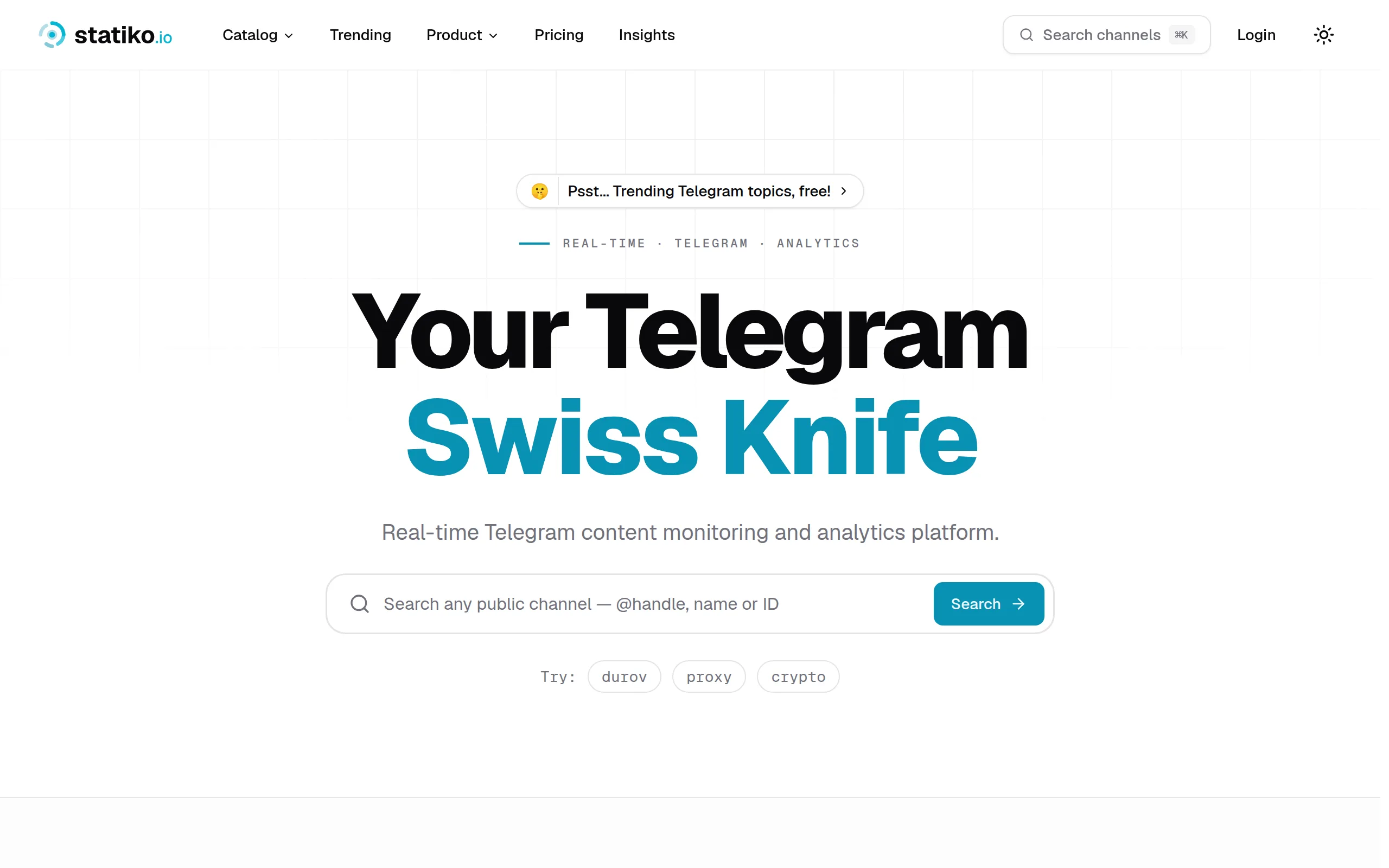
Statiko
Monitor any Telegram channel in real time - track posts, edits, deletions, and growth with AI recaps 📡

Shibui
AI website builder - describe your business, pick a niche template, edit by chatting, and publish instantly ✨

Pro Service
Find verified home service professionals, compare quotes, and pay securely through escrow - built for Brazilians across the US 🏠
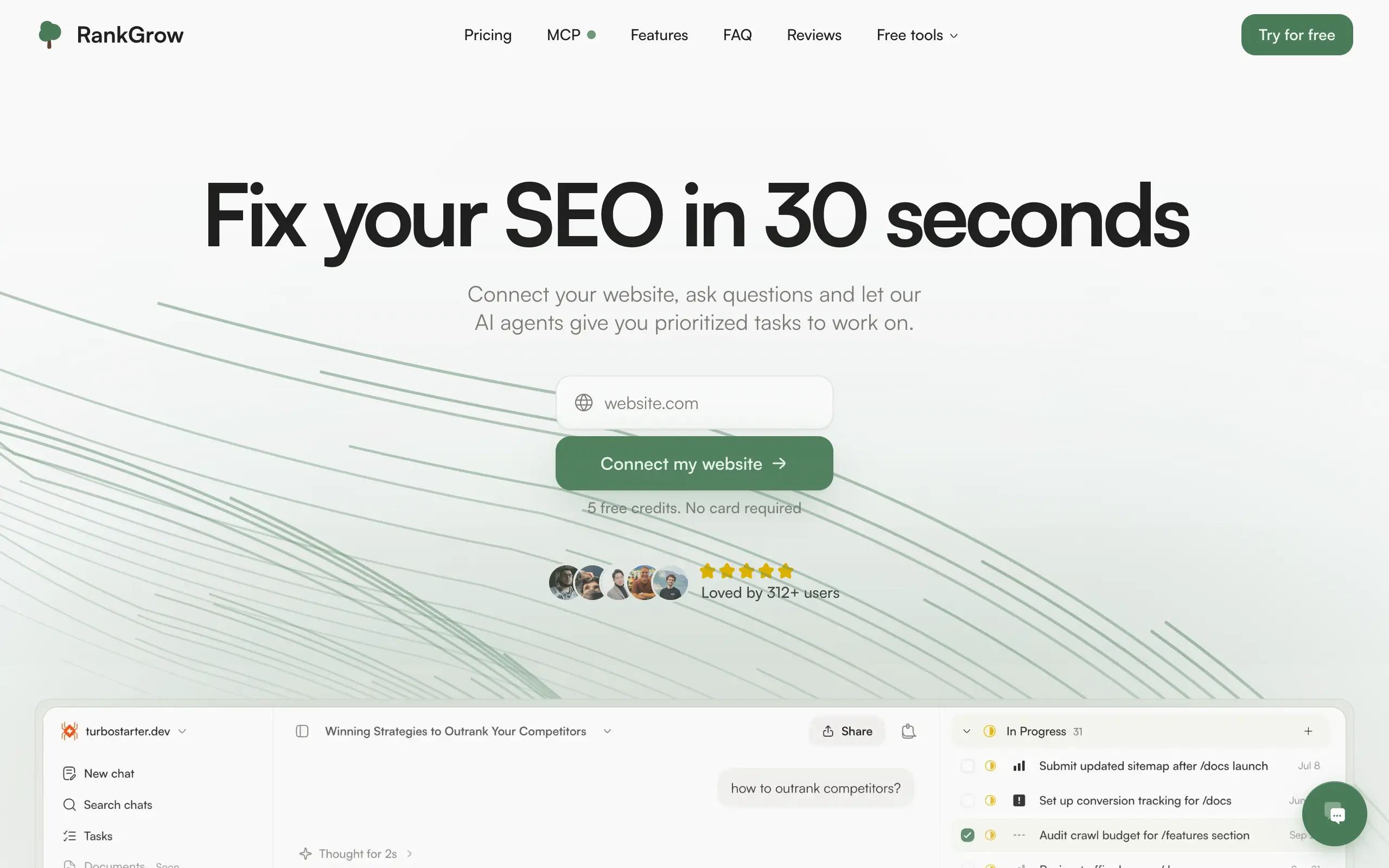
RankGrow
Fix your SEO with AI agents - connect Search Console, get prioritized tasks, and grow organic traffic 📈
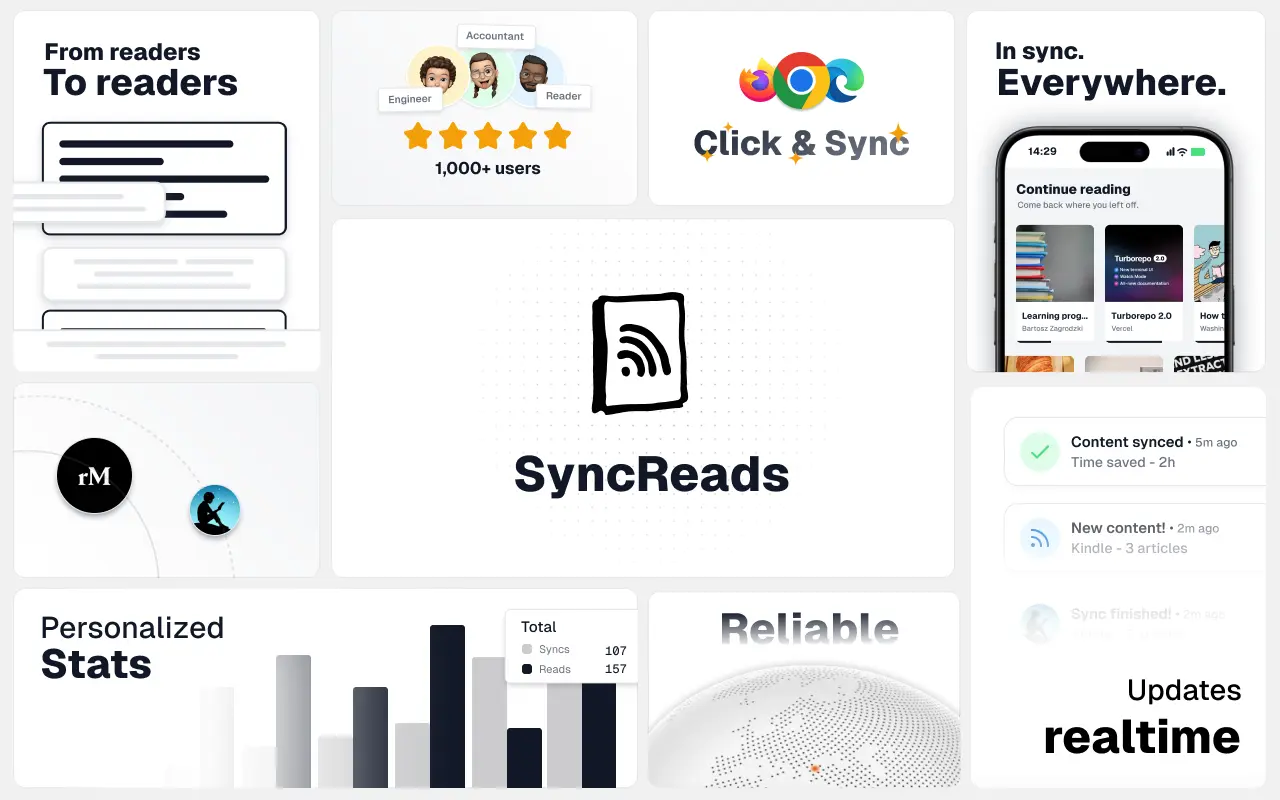
SyncReads
Sync your favorite content for distraction-free reading, save time and replace multiple apps. Anytime, anywhere 🔄
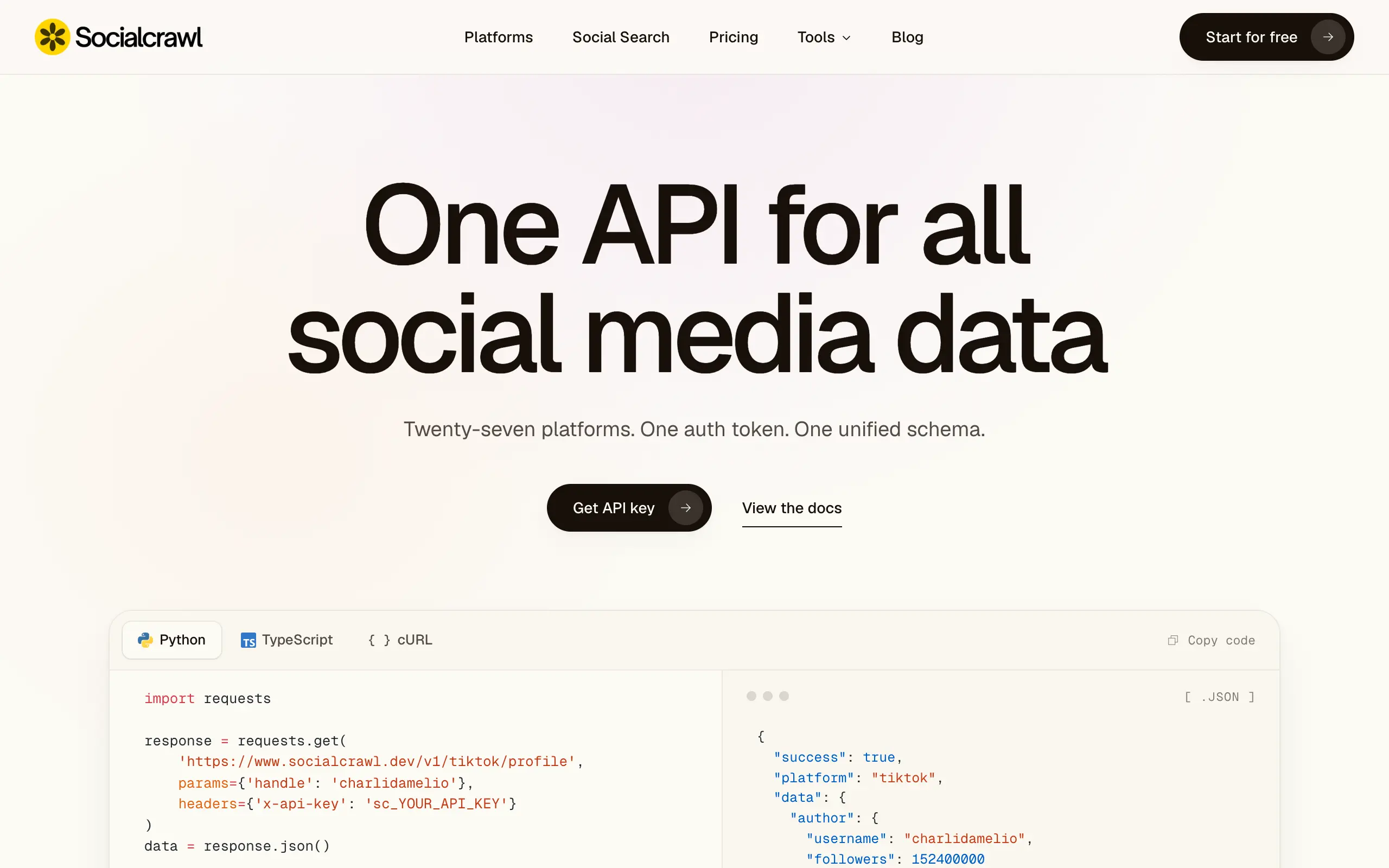
Socialcrawl
Get clean, structured data from 21 platforms like TikTok, Instagram, and YouTube with a single request 📊
Statiko
Monitor any Telegram channel in real time - track posts, edits, deletions, and growth with AI recaps 📡
Shibui
AI website builder - describe your business, pick a niche template, edit by chatting, and publish instantly ✨
Pro Service
Find verified home service professionals, compare quotes, and pay securely through escrow - built for Brazilians across the US 🏠
RankGrow
Fix your SEO with AI agents - connect Search Console, get prioritized tasks, and grow organic traffic 📈
SyncReads
Sync your favorite content for distraction-free reading, save time and replace multiple apps. Anytime, anywhere 🔄
Socialcrawl
Get clean, structured data from 21 platforms like TikTok, Instagram, and YouTube with a single request 📊
Statiko
Monitor any Telegram channel in real time - track posts, edits, deletions, and growth with AI recaps 📡
Shibui
AI website builder - describe your business, pick a niche template, edit by chatting, and publish instantly ✨
Pro Service
Find verified home service professionals, compare quotes, and pay securely through escrow - built for Brazilians across the US 🏠
RankGrow
Fix your SEO with AI agents - connect Search Console, get prioritized tasks, and grow organic traffic 📈
SyncReads
Sync your favorite content for distraction-free reading, save time and replace multiple apps. Anytime, anywhere 🔄
Socialcrawl
Get clean, structured data from 21 platforms like TikTok, Instagram, and YouTube with a single request 📊
Statiko
Monitor any Telegram channel in real time - track posts, edits, deletions, and growth with AI recaps 📡
Shibui
AI website builder - describe your business, pick a niche template, edit by chatting, and publish instantly ✨
Pro Service
Find verified home service professionals, compare quotes, and pay securely through escrow - built for Brazilians across the US 🏠
RankGrow
Fix your SEO with AI agents - connect Search Console, get prioritized tasks, and grow organic traffic 📈
SyncReads
Sync your favorite content for distraction-free reading, save time and replace multiple apps. Anytime, anywhere 🔄
Socialcrawl
Get clean, structured data from 21 platforms like TikTok, Instagram, and YouTube with a single request 📊
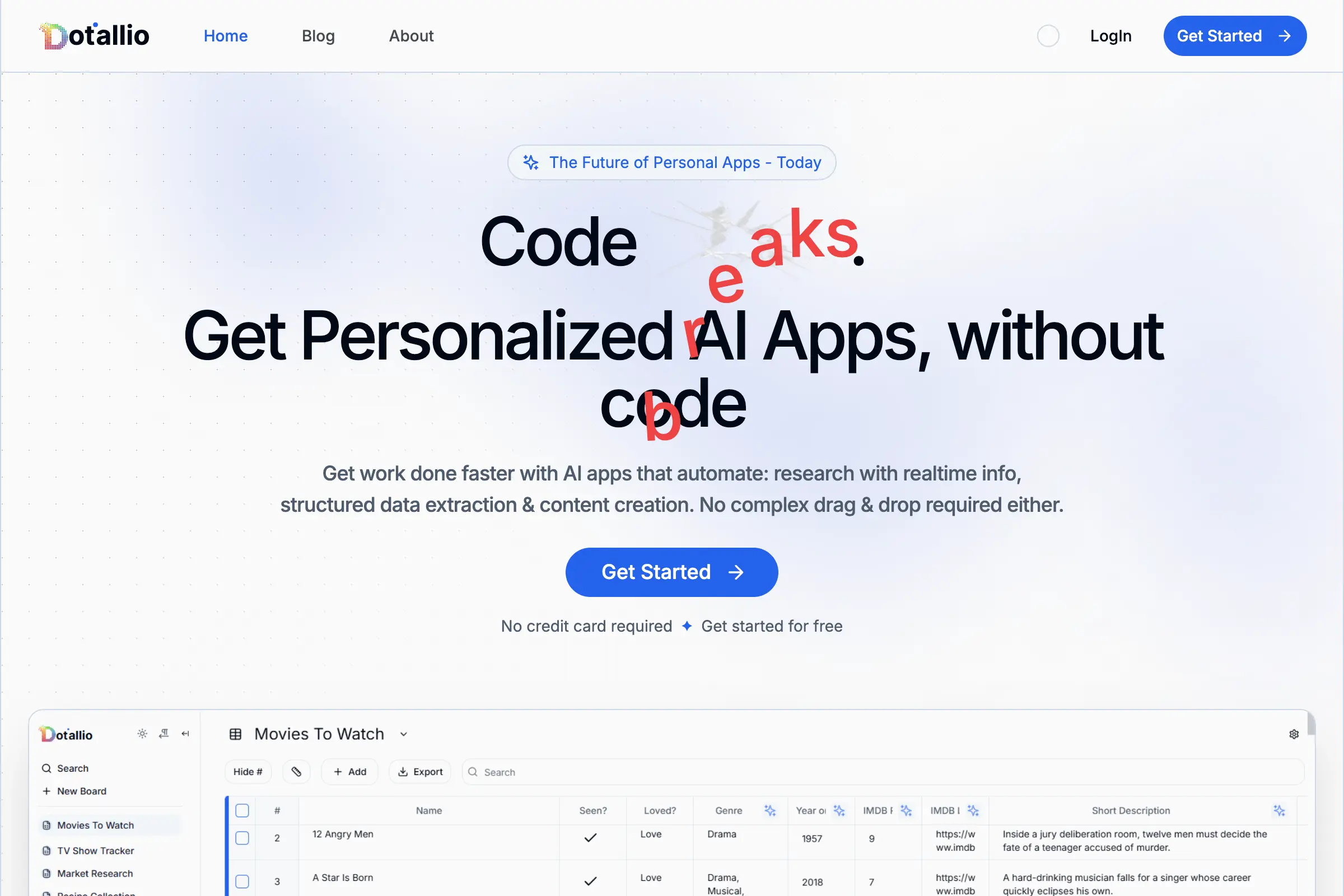
Dotallio
Personalized AI apps that automate research, data extraction, and content creation without code 🤖

Talk to Santa
Enjoy a magical live video chat or receive a unique AI-generated video greeting from Santa Claus 🎅

pozywka.pl
Scalable blog for food journalist, focused on performance and user experience 🌭
zagrodzki.me
Personal blog and portfolio of Bart Zagrodzki, where he shares his knowledge and work 💼
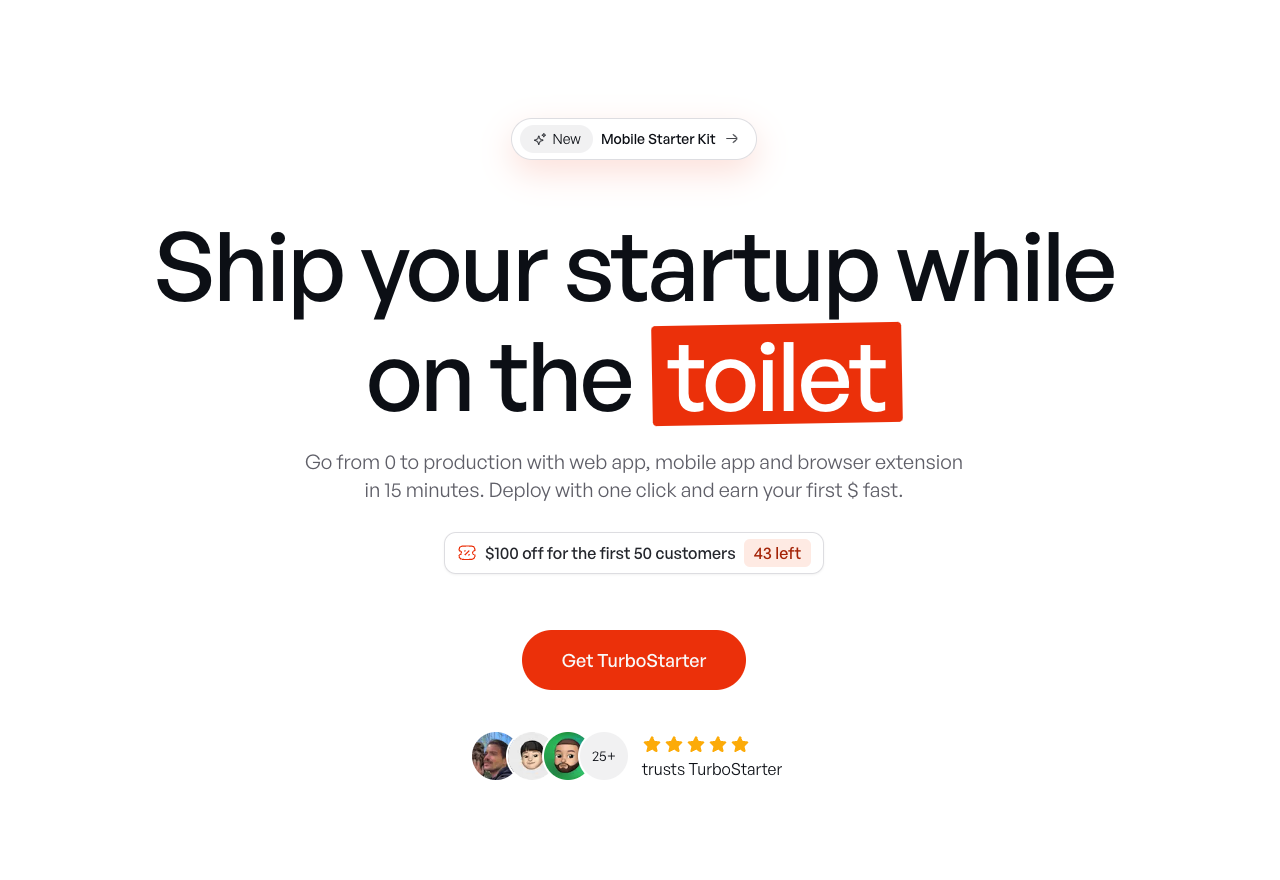
TurboStarter
Ship your startup everywhere. In minutes.
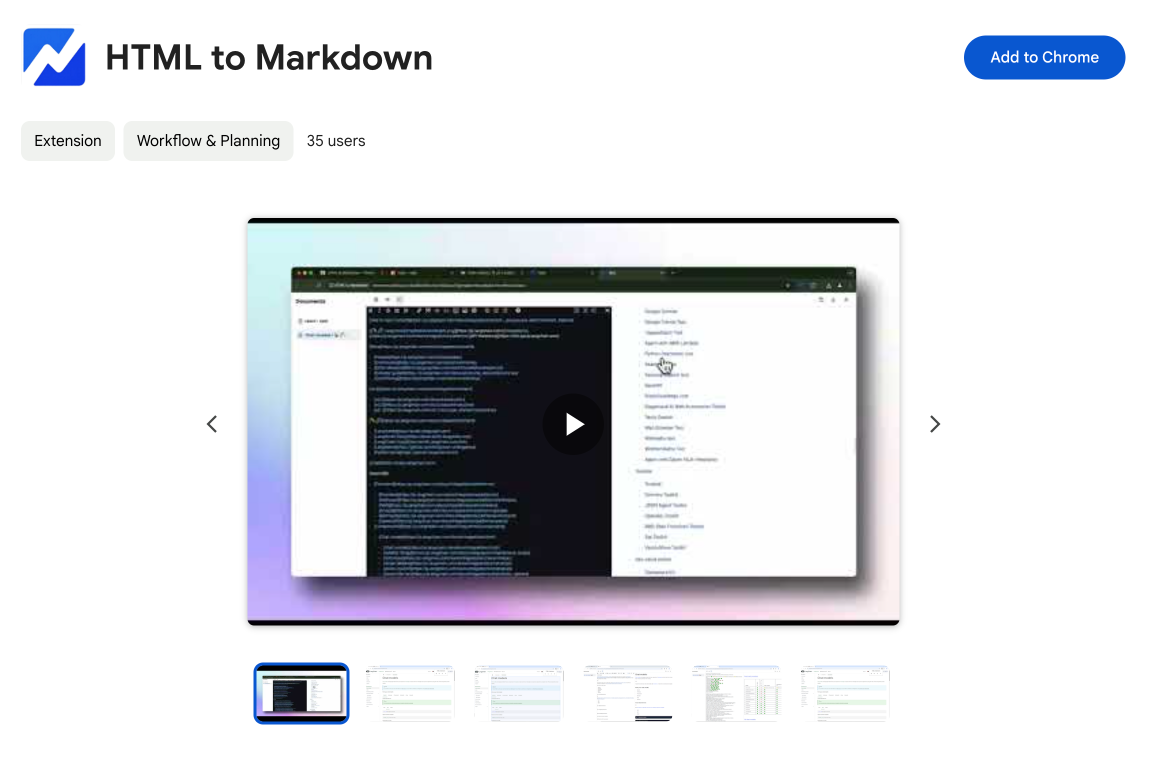
HTML to Markdown
Convert HTML to Markdown with ease, directly in your browser 📄
Dotallio
Personalized AI apps that automate research, data extraction, and content creation without code 🤖
Talk to Santa
Enjoy a magical live video chat or receive a unique AI-generated video greeting from Santa Claus 🎅
pozywka.pl
Scalable blog for food journalist, focused on performance and user experience 🌭
zagrodzki.me
Personal blog and portfolio of Bart Zagrodzki, where he shares his knowledge and work 💼
TurboStarter
Ship your startup everywhere. In minutes.
HTML to Markdown
Convert HTML to Markdown with ease, directly in your browser 📄
Dotallio
Personalized AI apps that automate research, data extraction, and content creation without code 🤖
Talk to Santa
Enjoy a magical live video chat or receive a unique AI-generated video greeting from Santa Claus 🎅
pozywka.pl
Scalable blog for food journalist, focused on performance and user experience 🌭
zagrodzki.me
Personal blog and portfolio of Bart Zagrodzki, where he shares his knowledge and work 💼
TurboStarter
Ship your startup everywhere. In minutes.
HTML to Markdown
Convert HTML to Markdown with ease, directly in your browser 📄
Dotallio
Personalized AI apps that automate research, data extraction, and content creation without code 🤖
Talk to Santa
Enjoy a magical live video chat or receive a unique AI-generated video greeting from Santa Claus 🎅
pozywka.pl
Scalable blog for food journalist, focused on performance and user experience 🌭
zagrodzki.me
Personal blog and portfolio of Bart Zagrodzki, where he shares his knowledge and work 💼
TurboStarter
Ship your startup everywhere. In minutes.
HTML to Markdown
Convert HTML to Markdown with ease, directly in your browser 📄
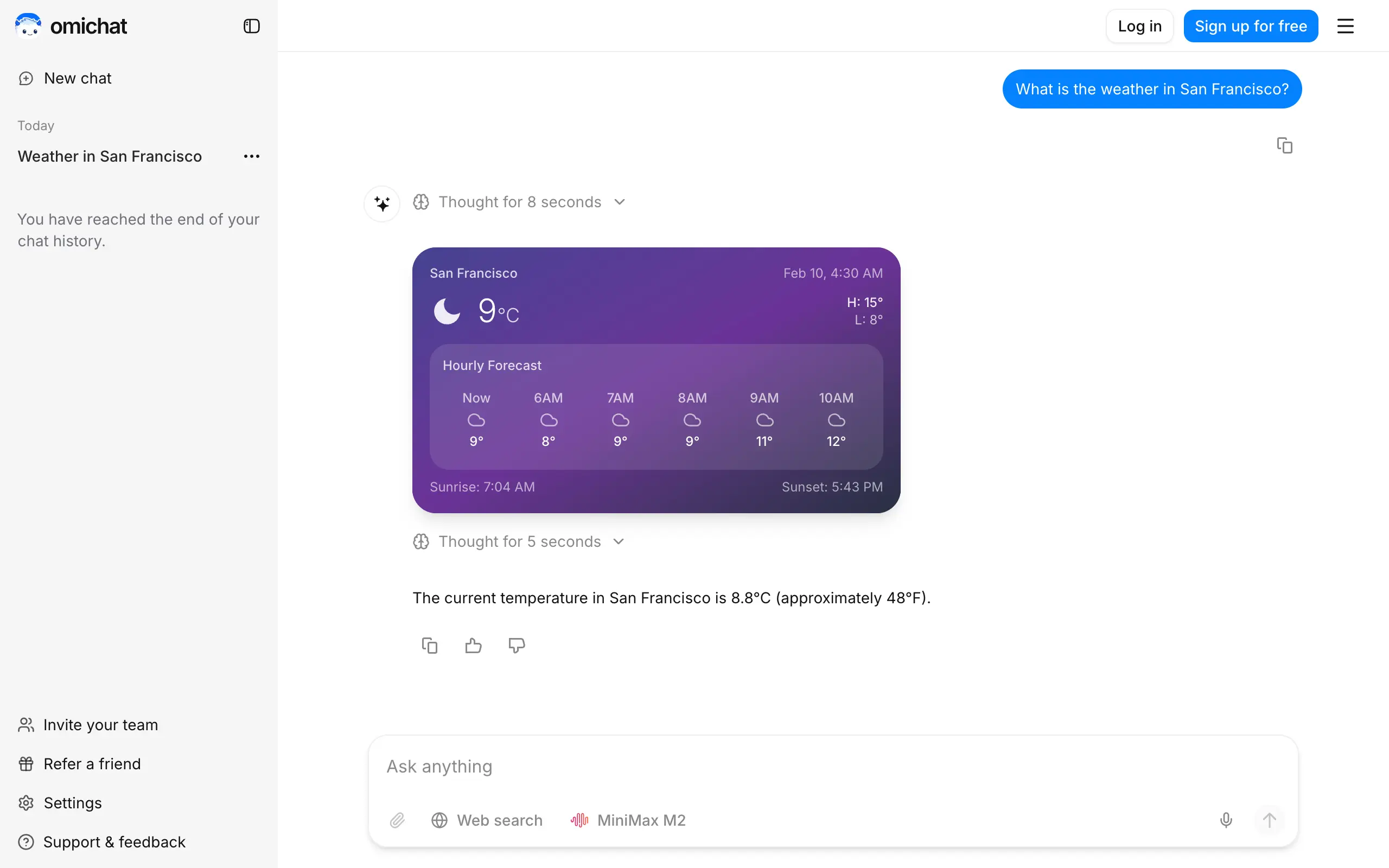
Omichat
Chat with 50+ AI models, including ChatGPT and Claude, in one place - switch models anytime without losing context 🤖
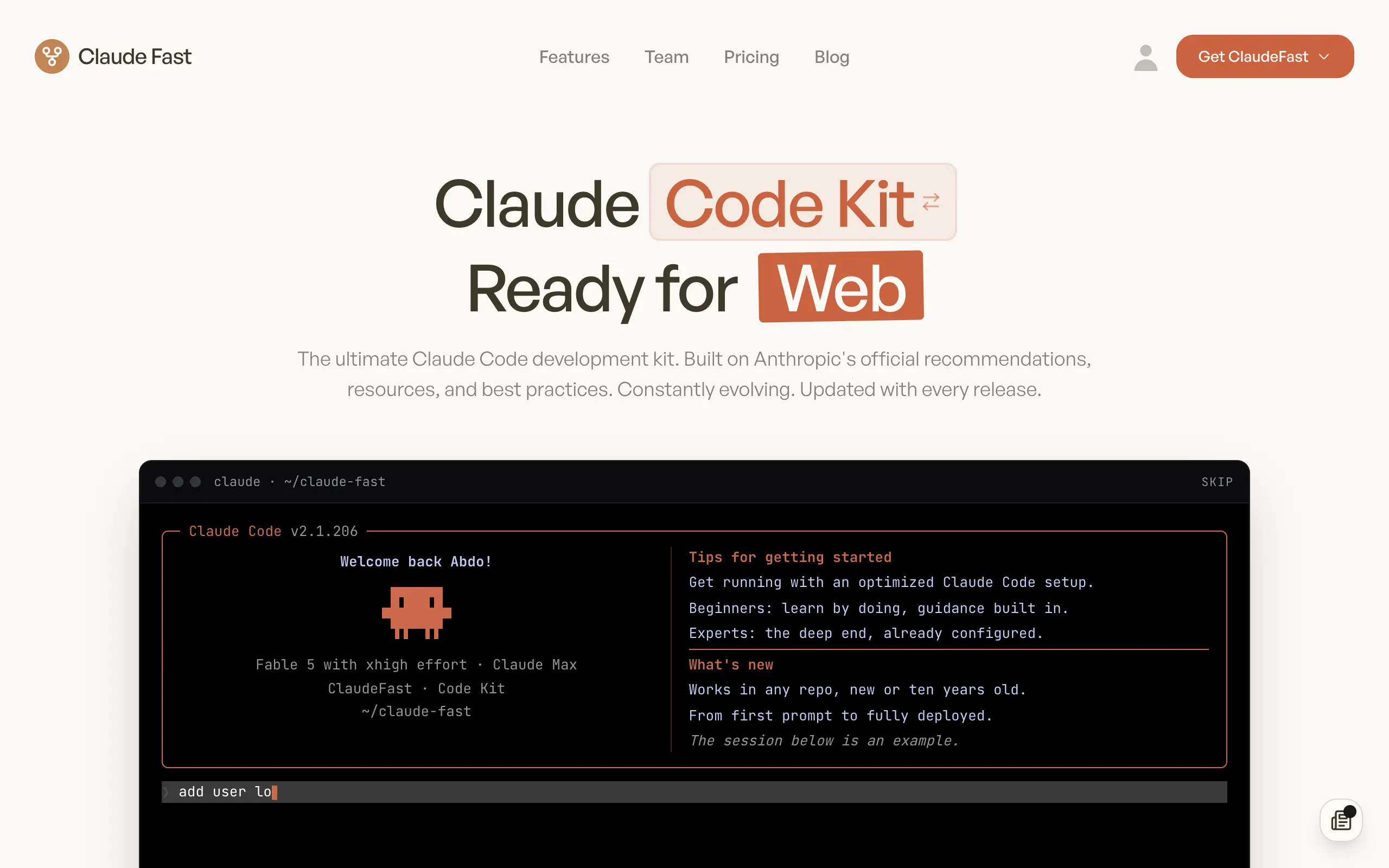
Claude Fast
Supercharge your Claude Code with 6x effective context window and specialized AI agents 🤖
EmojAI
AI-powered emoji picker with smart, context-aware suggestions 🤖
Solohacker
Autonomous company launcher - AI agents work 24/7, escalate what matters, and you stay in control 🤖

BeRawi: Storytelling Coach
Practice storytelling daily with instant feedback to sound clearer, more engaging, and confident 🎤
Omichat
Chat with 50+ AI models, including ChatGPT and Claude, in one place - switch models anytime without losing context 🤖
Claude Fast
Supercharge your Claude Code with 6x effective context window and specialized AI agents 🤖
EmojAI
AI-powered emoji picker with smart, context-aware suggestions 🤖
Solohacker
Autonomous company launcher - AI agents work 24/7, escalate what matters, and you stay in control 🤖
BeRawi: Storytelling Coach
Practice storytelling daily with instant feedback to sound clearer, more engaging, and confident 🎤
Omichat
Chat with 50+ AI models, including ChatGPT and Claude, in one place - switch models anytime without losing context 🤖
Claude Fast
Supercharge your Claude Code with 6x effective context window and specialized AI agents 🤖
EmojAI
AI-powered emoji picker with smart, context-aware suggestions 🤖
Solohacker
Autonomous company launcher - AI agents work 24/7, escalate what matters, and you stay in control 🤖
BeRawi: Storytelling Coach
Practice storytelling daily with instant feedback to sound clearer, more engaging, and confident 🎤
Omichat
Chat with 50+ AI models, including ChatGPT and Claude, in one place - switch models anytime without losing context 🤖
Claude Fast
Supercharge your Claude Code with 6x effective context window and specialized AI agents 🤖
EmojAI
AI-powered emoji picker with smart, context-aware suggestions 🤖
Solohacker
Autonomous company launcher - AI agents work 24/7, escalate what matters, and you stay in control 🤖
BeRawi: Storytelling Coach
Practice storytelling daily with instant feedback to sound clearer, more engaging, and confident 🎤

Connect with like-minded people
Join our community to get feedback, support, and grow together with 1,000+ builders on board, let's ship it!
Join usShip your startup everywhere. In minutes.
Don't burn tokens on setup and start building features on day one.