RecallForge
Turn class notes and textbooks into guided retrieval practice with AI feedback, escalating clues, and personalized revision plans that build lasting learning.
Why AI retrieval practice is a high-value education SaaS opportunity
RecallForge is an AI retrieval practice platform that helps learners transform passive materials such as class notes, lecture slides, textbook chapters, and study guides into active recall sessions. Instead of simply summarizing content or generating a static set of flashcards, the product guides students through increasingly difficult questions, provides targeted feedback, and builds personalized revision plans based on demonstrated recall.
This distinction matters. Students do not usually fail because they cannot find more information. They fail because they cannot reliably retrieve and apply the information they have already encountered under exam conditions. An AI study tool that supports retrieval practice, spaced repetition, metacognition, and feedback can solve a meaningful learning problem that conventional note-taking apps and generic AI chatbots often leave unresolved.
The core search intent around this category is practical. Students, tutors, teachers, learning designers, and founders want to know:
- Whether an AI-powered study app can create real learning value rather than superficial engagement
- How retrieval practice software should work in a real study workflow
- Which features make an AI revision platform credible and useful
- How to build, validate, and monetize an AI education SaaS product
- How to differentiate from flashcard apps, AI note tools, and general-purpose chatbots
RecallForge should position itself as a learning system for durable memory, not as another chatbot that summarizes notes.
The central product principle
RecallForge should reward effortful recall over passive recognition. A learner should be asked to produce an answer before they see the explanation, clue, or source-backed correction.
The learning problem RecallForge solves
Most students already have access to content. They have lecture recordings, textbooks, note documents, PDFs, course portals, slides, and increasingly, AI-generated summaries. The bottleneck is converting those materials into a reliable revision process.
Passive review feels productive because it is familiar. Re-reading notes, highlighting pages, and watching explanation videos can increase short-term familiarity. However, familiarity is not the same as recall. In an exam, interview, clinical placement, or professional certification setting, the learner must retrieve concepts without the original material directly in front of them.
An effective AI retrieval practice app must therefore help users do four things well:
- Identify what knowledge is worth retrieving.
- Attempt an answer before receiving help.
- Receive feedback that explains both correctness and gaps.
- Revisit concepts at appropriate intervals based on performance.
RecallForge combines these needs into a structured system. A student uploads or pastes learning materials, the platform extracts concepts and relationships, and then it creates guided recall activities. The learner can answer in their own words, request escalating clues only when needed, and receive AI feedback that is grounded in the source content.
This is more pedagogically valuable than automatically producing dozens of disconnected flashcards. It encourages explanation, application, error correction, and confidence calibration.
Why generic AI tools do not fully solve the problem
General-purpose AI assistants can explain a topic and generate questions. They are useful, but they do not inherently create a durable, adaptive study loop.
A generic conversation has several limitations:
- It may not maintain a structured model of course concepts over time.
- It may not distinguish between recognition and genuine recall.
- It may provide answers too quickly, reducing productive struggle.
- It may not use a learner’s previous errors to schedule future revision.
- It may provide confident-sounding output that is insufficiently tied to course materials.
- It may lack accountability features that turn occasional studying into a repeatable habit.
RecallForge can stand apart by making the learning workflow deliberate. It should be designed around question quality, source traceability, learner performance, and revision scheduling rather than open-ended chat alone.
Target audience for an AI retrieval practice platform
The first version of RecallForge should focus narrowly enough to achieve strong product-market fit while maintaining a clear path to adjacent customer segments.
University and college students
University students are the most accessible primary market. They routinely deal with content-dense courses, high-stakes assessments, inconsistent study habits, and fragmented materials spread across PDFs, slides, learning management systems, and notebooks.
The strongest early adopters are likely to be students in subjects with substantial factual, conceptual, or applied knowledge requirements:
- Medicine, nursing, pharmacy, and allied health
- Law and legal studies
- Psychology and social sciences
- Biology, chemistry, and engineering
- Computer science and technical certifications
- Finance, accounting, and economics
- Language learning and humanities survey courses
These learners often understand that active recall and spaced repetition are effective, but they struggle with the setup burden. Creating high-quality prompts, maintaining decks, and deciding what to review consumes time they would rather spend learning.
RecallForge removes this setup friction while preserving the active nature of revision.
Professional exam candidates
Professional learners are a compelling second segment because they frequently have a specific deadline and a measurable result. Examples include certification candidates, licensing exam candidates, compliance professionals, and career switchers.
They value a tool that can:
- Convert official study materials into practice sessions
- Track weak objectives and topic coverage
- Build a realistic revision plan around an exam date
- Provide scenario-based questions, not only definitions
- Show readiness trends in a simple dashboard
This segment may support higher willingness to pay than casual students, especially when the platform maps learning to exam blueprints.
Tutors, educators, and academic support teams
Educators and tutors can become high-leverage users if RecallForge provides controlled content creation and transparent review. They need to trust that generated questions are appropriate, factually aligned, and editable.
A tutor-oriented workflow might allow a teacher to upload a topic pack, inspect generated questions, approve or revise them, and assign a retrieval practice pathway to a cohort. Aggregate performance data can then reveal misconceptions before an exam.
Institutional learning teams
Schools, universities, and training organizations are a longer sales-cycle opportunity. They require enterprise controls, privacy assurances, accessibility, procurement support, and reporting. They should not be the first go-to-market focus, but the product architecture should avoid blocking future institutional adoption.
Primary user
A university student with content-heavy classes who wants structured revision without manually building flashcards.
High-value user
A professional exam candidate who needs personalized practice tied to a fixed assessment date.
Expansion buyer
A tutor, educator, or academic support team that wants reviewable AI-generated retrieval practice for groups.
The market gap in AI study tools
The education technology market contains many study products, but there remains a meaningful gap between content capture and evidence-informed revision.
Note-taking products help learners collect and organize information. Flashcard platforms help learners review discrete prompts. AI chat products help explain material on demand. Learning management systems distribute course content and assessments. Yet learners often have to stitch those tools together manually.
The market gap is a product that turns a learner’s own materials into a guided retrieval practice system with verifiable feedback and an adaptive plan.
RecallForge should be built around the following gap statement:
Students do not need more summaries. They need a trustworthy system that makes them retrieve, reveals what they cannot yet explain, and tells them what to practice next.
That proposition is particularly timely because generative AI has made content creation cheap. The differentiator is no longer merely generating questions. The differentiator is generating the right question at the right difficulty, evaluating a free-form response responsibly, and using that response to improve the next study session.
The difference between flashcards and guided retrieval
Flashcards remain useful, especially for vocabulary, definitions, formulas, anatomy, terminology, and other atomic knowledge. However, many exam questions require more than fact recall. Learners need to compare concepts, explain mechanisms, diagnose errors, justify decisions, and apply knowledge to new scenarios.
RecallForge can support a spectrum of retrieval modes:
- Simple recall prompts for foundational facts
- Cloze-style prompts for key terminology
- Explain-in-your-own-words questions
- Compare-and-contrast prompts
- Worked-example completion
- Clinical or business scenarios
- Multi-step reasoning questions
- Misconception checks that surface likely errors
- Oral-exam style prompts for verbal practice
This makes RecallForge an AI revision platform rather than a flashcard generator.
Core RecallForge features and product experience
A successful product should have a simple user experience on the surface and sophisticated learning logic underneath. The student should feel that they can upload material and begin a focused study session within minutes.
Source ingestion and course workspaces
Users should create a workspace for each course, module, certification, or topic. Within the workspace, they can add materials such as:
- Pasted notes and markdown documents
- PDF lecture handouts and reading extracts
- Slide deck text exports
- Study guides and syllabi
- Structured outlines
- Manually entered learning objectives
The ingestion pipeline should classify content by topic, extract important terms, identify claims and relationships, and preserve source references. The system should never treat source materials as an undifferentiated blob of text.
For trust, every generated question and feedback item should link back to a source excerpt or page reference where available. This gives learners a way to verify an explanation and correct poor source materials.
Guided recall sessions with escalating clues
Escalating clues are RecallForge’s signature interaction model. Rather than immediately exposing the answer, the platform can offer increasingly helpful prompts.
A typical interaction might work like this:
- The learner receives a question without hints.
- They submit a written or spoken response.
- If they are stuck, they request a light cue.
- If necessary, they request a more direct clue.
- They submit a revised answer.
- The system reveals a model answer and source-grounded explanation.
- The learner self-rates confidence and difficulty.
- RecallForge schedules the concept for future review.
The clues must be carefully designed. A good first clue might identify the relevant category or relationship. A later clue might provide a partial structure. The final clue can direct the learner to a key idea without simply giving away the complete answer.
For example, instead of revealing a definition, RecallForge could guide the student with:
- “Think about the mechanism that changes after the initial trigger.”
- “Your answer should include the cause, the intermediate process, and the observable outcome.”
- “Start by naming the relevant system, then explain why the response is delayed.”
This process supports productive struggle while avoiding unnecessary frustration.
AI feedback that evaluates understanding
Free-response feedback is powerful but technically demanding. RecallForge should not grade student answers as though every topic has only one acceptable phrase. Instead, it should use a rubric-driven feedback model.
The system can evaluate:
- Factual accuracy
- Coverage of essential points
- Missing concepts
- Contradictory statements
- Quality of reasoning
- Appropriate use of terminology
- Confidence calibration
Feedback should be constructive and concise. It should identify what the learner got right before explaining the most important gap. The product should avoid excessive correction that overwhelms students.
A useful feedback format includes:
- A clear outcome such as “secure,” “partially secure,” or “needs review”
- One sentence recognizing correct reasoning
- A short explanation of the main omission or error
- A model answer or concept checklist
- A source reference
- The next recommended review interval
Do not present AI judgment as unquestionable
For high-stakes subjects, RecallForge should clearly label feedback as study guidance, show the supporting source passage, and provide a simple way to report an incorrect question or explanation.
Personalized revision plans
The revision plan is where RecallForge can generate long-term retention value. Instead of merely showing a large question bank, the platform should recommend what to study today and why.
The plan should consider:
- Upcoming exam date or target deadline
- Topic importance and user-selected priorities
- Historical recall performance
- Repeated misconceptions
- Time available each day
- Review intervals
- Confidence ratings
- Question difficulty and cognitive level
The daily plan should feel manageable. A student who sees an overwhelming backlog may abandon the product. The interface should prioritize the highest-value reviews and give users options such as a five-minute warm-up, a standard twenty-minute session, or a focused deep-review block.
Progress analytics that support metacognition
Analytics should help users make better decisions, not simply generate attractive charts. Useful measures include:
- Recall strength by topic
- Confidence versus actual performance
- Concepts repeatedly missed
- Time spent in retrieval sessions
- Completion of recommended reviews
- Readiness trend toward an exam date
- Performance by question type
The confidence-performance comparison is especially important. Students often overestimate mastery after re-reading. RecallForge can gently surface this gap, helping them redirect study time toward weaker concepts.
A practical learner workflow
The best workflow minimizes setup while preserving learner control.
Create a course workspace and upload notes, reading excerpts, or an outline of learning objectives.
Review the topic map, remove irrelevant sections, and set an exam date or learning deadline.
Complete an initial diagnostic retrieval session to establish a baseline across major concepts.
Use guided recall sessions with escalating clues and source-grounded AI feedback.
Follow the personalized daily revision plan and revisit weak concepts at scheduled intervals.
Review readiness analytics, correct flagged content, and complete targeted mock sessions before the assessment.
This workflow gives the learner a clear beginning, middle, and end. It also makes product value visible quickly, which is critical for retention in student SaaS.
Recommended tech stack for RecallForge
RecallForge should optimize for fast iteration, reliable document processing, secure data handling, and AI observability. A modern TypeScript-based stack is a practical choice because it allows a small product team to move quickly across the web application, API routes, background jobs, and shared schemas.
Frontend and application layer
Use React with Next.js for the web application. Next.js supports server rendering, route handlers, authentication patterns, and a mature deployment ecosystem. It is well suited to a SaaS application with a student-facing dashboard, user accounts, uploads, and subscription gating.
For styling, Tailwind CSS enables rapid iteration on focused study interfaces. RecallForge needs calm, accessible interaction design more than visual novelty. Tailwind can help maintain consistency across question cards, feedback states, progress views, and responsive layouts.
Use TypeScript across the product to reduce errors in key areas such as question schemas, source citations, review schedules, and billing permissions.
Database, authentication, and storage
PostgreSQL is a strong primary database choice because the product needs relational data for users, workspaces, documents, concepts, question items, attempts, review events, and subscriptions.
Supabase can accelerate early development by combining managed Postgres, authentication, storage, row-level security, and real-time capabilities. Its trade-off is that teams must still design their data model and authorization rules carefully. A managed backend does not remove the need for robust multi-tenant isolation.
File uploads should be stored in object storage, with documents processed asynchronously. Store original files separately from extracted text, chunk metadata, embeddings, citations, and generated learning objects.
AI and retrieval architecture
The AI system should use retrieval-augmented generation rather than relying solely on model memory. In practice, that means every generated question and feedback response should be supplied with relevant source chunks from the learner’s uploaded materials.
A reliable pipeline includes:
- Parse and clean uploaded content.
- Segment it into meaningful sections rather than arbitrary character limits.
- Extract headings, learning objectives, terms, and relationships.
- Create embeddings for semantic retrieval.
- Generate question candidates from grounded source segments.
- Validate questions against content coverage and answerability rules.
- Retrieve relevant excerpts when evaluating a learner answer.
- Generate feedback using a structured rubric and cited evidence.
A vector capability such as pgvector can keep semantic search close to PostgreSQL during the early stages. This reduces system complexity. A dedicated vector database may become worthwhile later for very large document collections, advanced retrieval configurations, or demanding latency requirements.
For model access, use an established provider with structured-output support and carefully version prompts, schemas, and evaluation datasets. The exact provider can change over time. Product differentiation should live in RecallForge’s retrieval logic, pedagogical workflows, safety controls, and learner data model rather than in dependence on a single model vendor.
Background jobs and observability
Document processing, embedding generation, question creation, revision plan recalculation, and large feedback tasks should run outside the user request cycle. Use a queue and background worker architecture from the beginning.
You also need observability for both traditional software and AI behavior:
- Error tracking for failed uploads and processing jobs
- Latency monitoring for study interactions
- Prompt and model version logs
- Feedback quality evaluation samples
- User report workflows for inaccurate content
- Cost monitoring by workspace, feature, and model task
The trade-off is additional operational complexity. It is justified because unreliable processing or untraceable AI behavior will quickly damage trust in an education product.
Fast SaaS implementation
A production-ready SaaS starter can reduce the time spent building non-differentiating infrastructure such as authentication, teams, user management, billing patterns, and application layout. TurboStarter is useful when the goal is to reserve engineering capacity for RecallForge’s learning engine, content pipeline, and study experience.
Data model and AI quality controls
The quality of an AI retrieval practice product is determined less by its chat interface and more by the structure behind it.
A robust data model should represent the learning system explicitly.
| Entity | Purpose | Key fields | Why it matters | Risk if omitted |
|---|---|---|---|---|
| Source document | Stores original learning material | File, text, page markers, owner | Enables citation and correction | Ungrounded feedback |
| Concept | Represents a teachable idea | Topic, prerequisites, importance | Supports adaptive planning | Disconnected questions |
| Question item | Defines a retrieval prompt | Rubric, clues, source links | Enables consistent evaluation | Variable learning quality |
| Attempt | Records learner performance | Answer, confidence, score, timestamp | Personalizes future review | Generic study plans |
Question-generation safeguards
RecallForge should not publish every AI-generated question directly to a learner. It needs automated quality checks and user-facing controls.
Question validation should check whether the item:
- Is answerable from the supplied source material
- Has a clear expected answer or rubric
- Avoids duplicate wording and repeated concepts
- Matches the intended difficulty level
- Does not contain unsupported claims
- Does not disclose the answer in the question itself
- Includes a useful progression of clues
- Uses accessible, unambiguous language
For initial launches, the product can use a conservative approach. Generate fewer questions, prioritize quality, and allow users to regenerate, edit, archive, or report items. This is better than promising unlimited question generation and delivering a noisy study experience.
Monetization strategy for RecallForge
The best pricing model should align with the moments when students feel value. That value is strongest around exam periods, after users upload substantial material, and once they begin to see a personalized revision plan.
Freemium for acquisition
A free tier can allow a student to test the core experience without requiring immediate payment. The free plan could include:
- One active course workspace
- A limited number of uploads or processed pages
- A capped number of AI feedback interactions each month
- Basic daily review recommendations
- Standard progress tracking
The free experience must still deliver a genuine “aha” moment. A user should complete a guided retrieval session and see a clear gap between confidence and performance.
Student premium subscription
A monthly and annual premium plan can unlock:
- Multiple course workspaces
- Larger document limits
- Unlimited or higher-cap guided recall sessions
- Advanced question formats
- Exam-date planning
- Full revision analytics
- Voice answers and oral practice
- Priority document processing
- Exportable learning reports
Student pricing should be simple and transparent. A discounted annual plan can improve cash flow and retention, while a flexible monthly plan accommodates students who subscribe during high-pressure exam periods.
Cohort and educator plans
Tutors, study groups, and educators can pay for collaborative features such as:
- Shared content packs
- Teacher-approved question libraries
- Student assignments
- Cohort analytics
- Topic-level performance reports
- White-label exports or branded study pathways
This is a natural expansion because it raises average revenue per account without changing the product’s fundamental learning engine.
Institutional licensing
For universities and professional training providers, price around active seats, managed content libraries, and support requirements. Institutional buyers will expect privacy documentation, data-processing agreements, accessibility support, and administrative controls.
Do not lead with enterprise sales before proving student retention. A product that students actively choose gives institutional sales teams a much stronger adoption story.
Competitive advantage and unique selling proposition
RecallForge’s USP is not “AI creates study questions.” That feature is easy to copy. Its defensible value comes from a tightly integrated learning loop:
RecallForge turns a learner’s own materials into source-grounded guided retrieval practice, then adapts future revision based on what the learner can actually recall.
The strongest competitive advantages are:
- Guided difficulty through escalating clues rather than instant answers
- Source-grounded feedback that can point learners back to their own notes and readings
- Free-response evaluation that supports explanation and reasoning, not only card flips
- Personalized revision scheduling based on actual attempts and confidence
- Concept-level learning analytics that identify persistent weaknesses
- Trust controls including citations, content reporting, and editable questions
- Exam-oriented workflows that translate learning data into a daily action plan
A flashcard app may be excellent at review scheduling. A note app may be excellent at organization. A chatbot may be excellent at explanation. RecallForge can own the workflow between those tools: converting course materials into adaptive, effortful practice that builds durable recall.
Risks and mitigation strategies
AI education products face real product, technical, commercial, and ethical risks. A credible strategy acknowledges them early.
Use retrieval-augmented generation, require source references, evaluate outputs against representative course materials, and give users an obvious report-and-correct workflow. Avoid presenting AI output as authoritative fact.
Make answering before hints the default. Track hint usage, encourage written explanations, and avoid interfaces that reveal model answers too early.
Use tiered model routing, cache stable learning objects, process documents asynchronously, set plan limits, and reserve expensive evaluations for moments where they create clear learning value.
Build a lightweight daily habit with short sessions, visible progress, realistic reminders, and momentum features. Broaden into professional certification and lifelong learning to smooth seasonality.
Collect only necessary data, provide deletion controls, isolate tenant data, secure files, document retention practices, and make it clear how uploaded content is processed.
Academic integrity considerations
RecallForge should explicitly position itself as a study and revision tool, not an answer-generation system for graded work. The product should discourage uploading live assessments or using the platform to bypass learning.
Useful safeguards include:
- Clear acceptable-use policies
- Warnings around assessment-like content
- A focus on formative feedback and explanation
- Educator controls for shared content
- Audit trails for institutionally managed accounts where appropriate
Trust is a product feature in education. A platform that respects academic integrity will have a stronger long-term reputation with educators and institutions.
Validation plan before building the full platform
Before investing deeply in sophisticated adaptive algorithms, validate that learners want the core workflow and return to it.
Start with a narrow vertical. For example, choose first-year biology, nursing pharmacology, legal exam preparation, or a popular professional certification. A focused content domain makes it easier to evaluate question quality and understand what “good” looks like.
Run customer discovery interviews
Interview students who have recently prepared for an exam. Ask about actual behavior rather than abstract preferences.
Good questions include:
- “Show me how you prepared for your last exam.”
- “Which materials did you repeatedly return to?”
- “When did you know what to study next?”
- “Have you used flashcards or AI tools, and where did they fail?”
- “What would make you trust AI feedback on your answers?”
- “Would you upload your notes to receive a daily revision plan?”
Look for repeated pain, existing workarounds, and willingness to change behavior.
Build a concierge MVP
The first MVP does not need fully automated ingestion or advanced personalization. A small team can manually support a limited group of early users.
A concierge version might include:
- A simple upload form
- Human-reviewed AI-generated question packs
- Guided recall sessions in a lightweight web interface
- Manual weekly revision recommendations
- Feedback collection after every session
This approach reveals whether the value comes from question generation, feedback quality, scheduling, accountability, or a combination of these elements.
Measure learning behavior, not vanity metrics
Early success metrics should include:
- Time from upload to first completed recall session
- Percentage of users who complete three sessions in the first week
- Weekly returning learners
- Number of questions answered before requesting a clue
- Reported usefulness of feedback
- Accuracy improvement on repeated concepts
- Conversion after users receive a revision plan
- Retention approaching an exam date
If users generate a question set once but do not return, the product has not yet solved the ongoing revision problem.
Actionable implementation roadmap
A disciplined rollout protects the team from building too much before proving demand.
Phase one: build the trustable core
Create course workspaces, document ingestion, topic organization, and a small set of retrieval question types. Support text and PDF uploads first. Generate questions from source chunks and show citations on every answer explanation.
The core session should include question presentation, free-text answer submission, escalating clues, feedback, confidence rating, and a next-review date.
Phase two: improve personalization
Add learner models that track performance by concept, question type, confidence, and review history. Introduce an exam date and generate a daily revision plan that balances urgent weaknesses with spaced review.
At this stage, invest in evaluation datasets. Build a library of source materials, expected questions, acceptable answers, and known failure cases. Test each prompt or model change against that set before release.
Phase three: unlock collaboration and monetization
Launch premium limits, subscription billing, and multi-course support. Add educator review tools, shared content packs, and cohort analytics only after the individual learner workflow is reliable.
Phase four: deepen the learning moat
Expand into voice-based oral recall, diagram labeling, scenario practice, adaptive mock exams, and prerequisite maps. These features should be driven by customer evidence, not novelty.
Final perspective
RecallForge has the potential to become more than an AI note tool or flashcard generator. Its opportunity is to become a trusted AI retrieval practice platform that helps learners convert knowledge exposure into knowledge they can actually use.
The product wins by respecting how learning works. It should ask before telling, guide before revealing, cite before claiming, and adapt based on demonstrated recall rather than passive consumption. By combining source-grounded AI feedback, escalating clues, and personalized revision planning, RecallForge can offer a study experience that is both immediately useful before an exam and valuable enough to become a daily learning habit.
The most important implementation decision is to prioritize learning quality over content volume. Start with a narrow audience, make every question defensible, give learners clear next steps, and use their real study behavior to refine the system.
More 🤖 AI Startup SaaS ideas
Discover more innovative ai startup SaaS ideas that are trending in 2026. Each idea is AI-generated with market validation and growth potential to help you find your next profitable venture faster than competitors.
Your competitors are building with TurboStarter
Below are some of the SaaS ideas that have been generated and built with our starter kit.
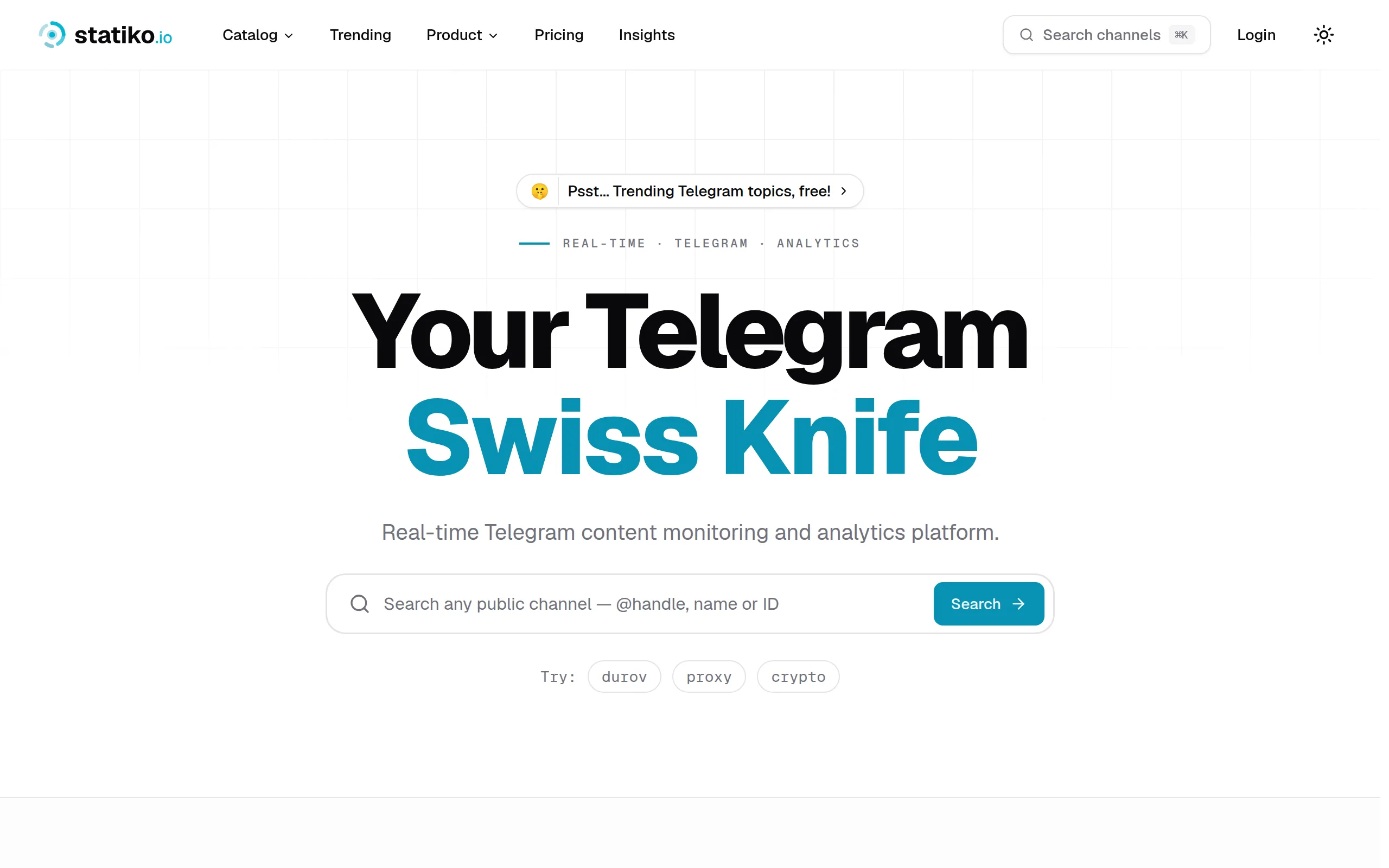
Statiko
Monitor any Telegram channel in real time - track posts, edits, deletions, and growth with AI recaps 📡

Shibui
AI website builder - describe your business, pick a niche template, edit by chatting, and publish instantly ✨

Pro Service
Find verified home service professionals, compare quotes, and pay securely through escrow - built for Brazilians across the US 🏠
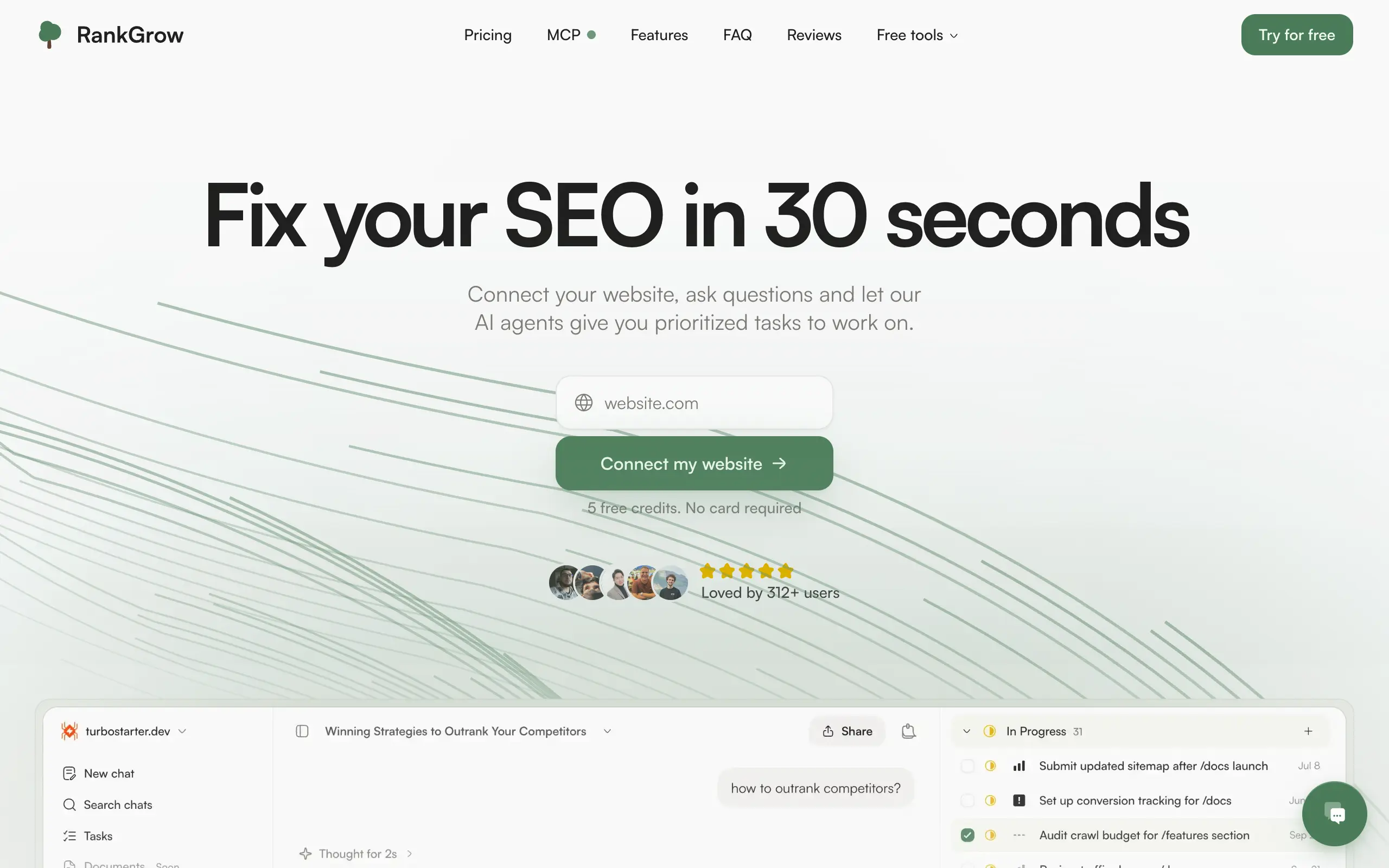
RankGrow
Fix your SEO with AI agents - connect Search Console, get prioritized tasks, and grow organic traffic 📈
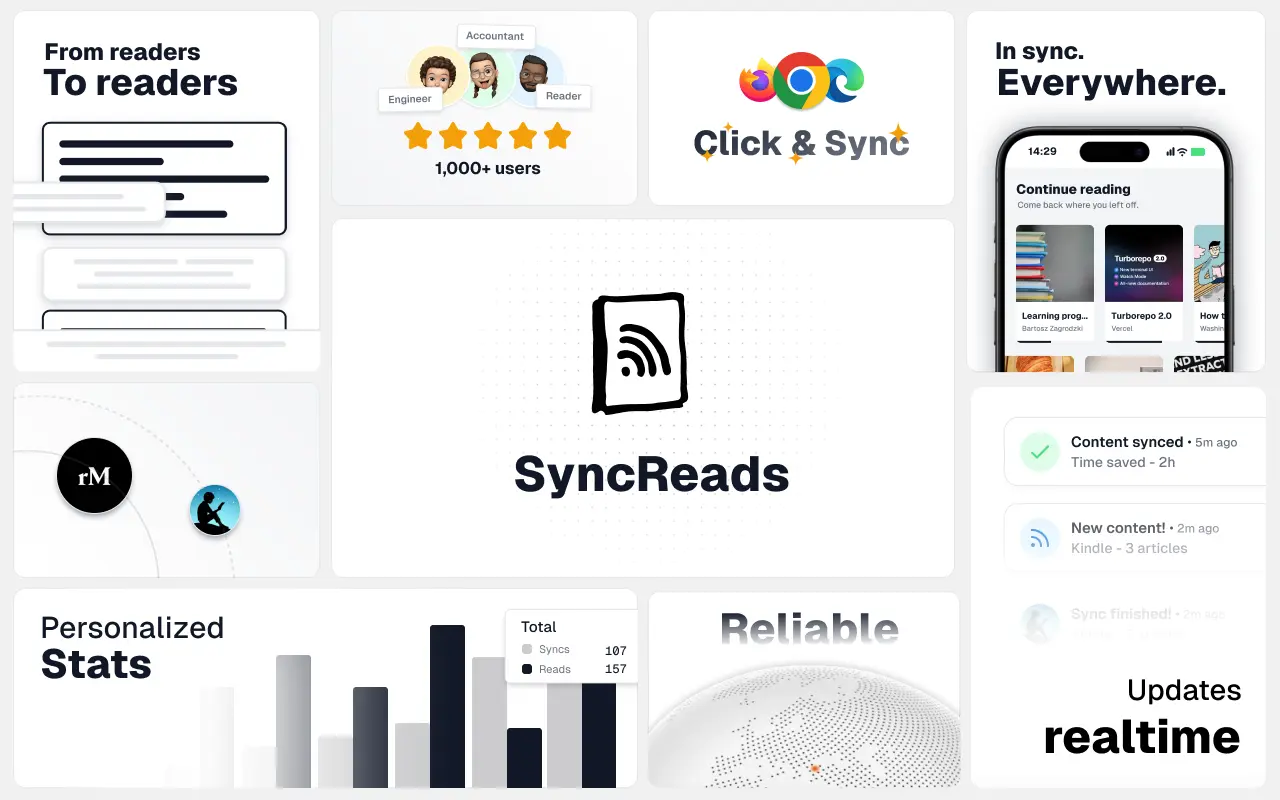
SyncReads
Sync your favorite content for distraction-free reading, save time and replace multiple apps. Anytime, anywhere 🔄
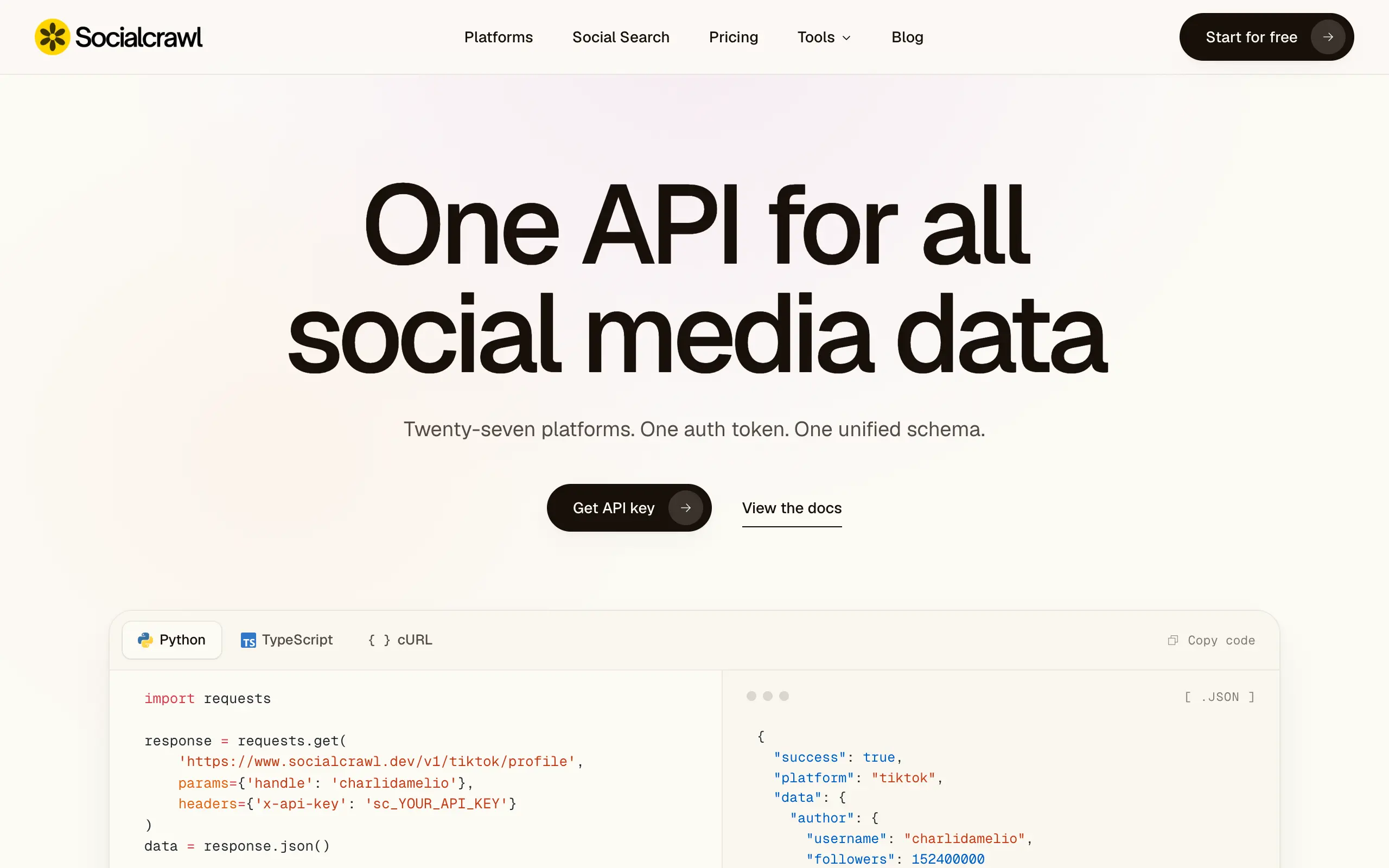
Socialcrawl
Get clean, structured data from 21 platforms like TikTok, Instagram, and YouTube with a single request 📊
Statiko
Monitor any Telegram channel in real time - track posts, edits, deletions, and growth with AI recaps 📡
Shibui
AI website builder - describe your business, pick a niche template, edit by chatting, and publish instantly ✨
Pro Service
Find verified home service professionals, compare quotes, and pay securely through escrow - built for Brazilians across the US 🏠
RankGrow
Fix your SEO with AI agents - connect Search Console, get prioritized tasks, and grow organic traffic 📈
SyncReads
Sync your favorite content for distraction-free reading, save time and replace multiple apps. Anytime, anywhere 🔄
Socialcrawl
Get clean, structured data from 21 platforms like TikTok, Instagram, and YouTube with a single request 📊
Statiko
Monitor any Telegram channel in real time - track posts, edits, deletions, and growth with AI recaps 📡
Shibui
AI website builder - describe your business, pick a niche template, edit by chatting, and publish instantly ✨
Pro Service
Find verified home service professionals, compare quotes, and pay securely through escrow - built for Brazilians across the US 🏠
RankGrow
Fix your SEO with AI agents - connect Search Console, get prioritized tasks, and grow organic traffic 📈
SyncReads
Sync your favorite content for distraction-free reading, save time and replace multiple apps. Anytime, anywhere 🔄
Socialcrawl
Get clean, structured data from 21 platforms like TikTok, Instagram, and YouTube with a single request 📊
Statiko
Monitor any Telegram channel in real time - track posts, edits, deletions, and growth with AI recaps 📡
Shibui
AI website builder - describe your business, pick a niche template, edit by chatting, and publish instantly ✨
Pro Service
Find verified home service professionals, compare quotes, and pay securely through escrow - built for Brazilians across the US 🏠
RankGrow
Fix your SEO with AI agents - connect Search Console, get prioritized tasks, and grow organic traffic 📈
SyncReads
Sync your favorite content for distraction-free reading, save time and replace multiple apps. Anytime, anywhere 🔄
Socialcrawl
Get clean, structured data from 21 platforms like TikTok, Instagram, and YouTube with a single request 📊
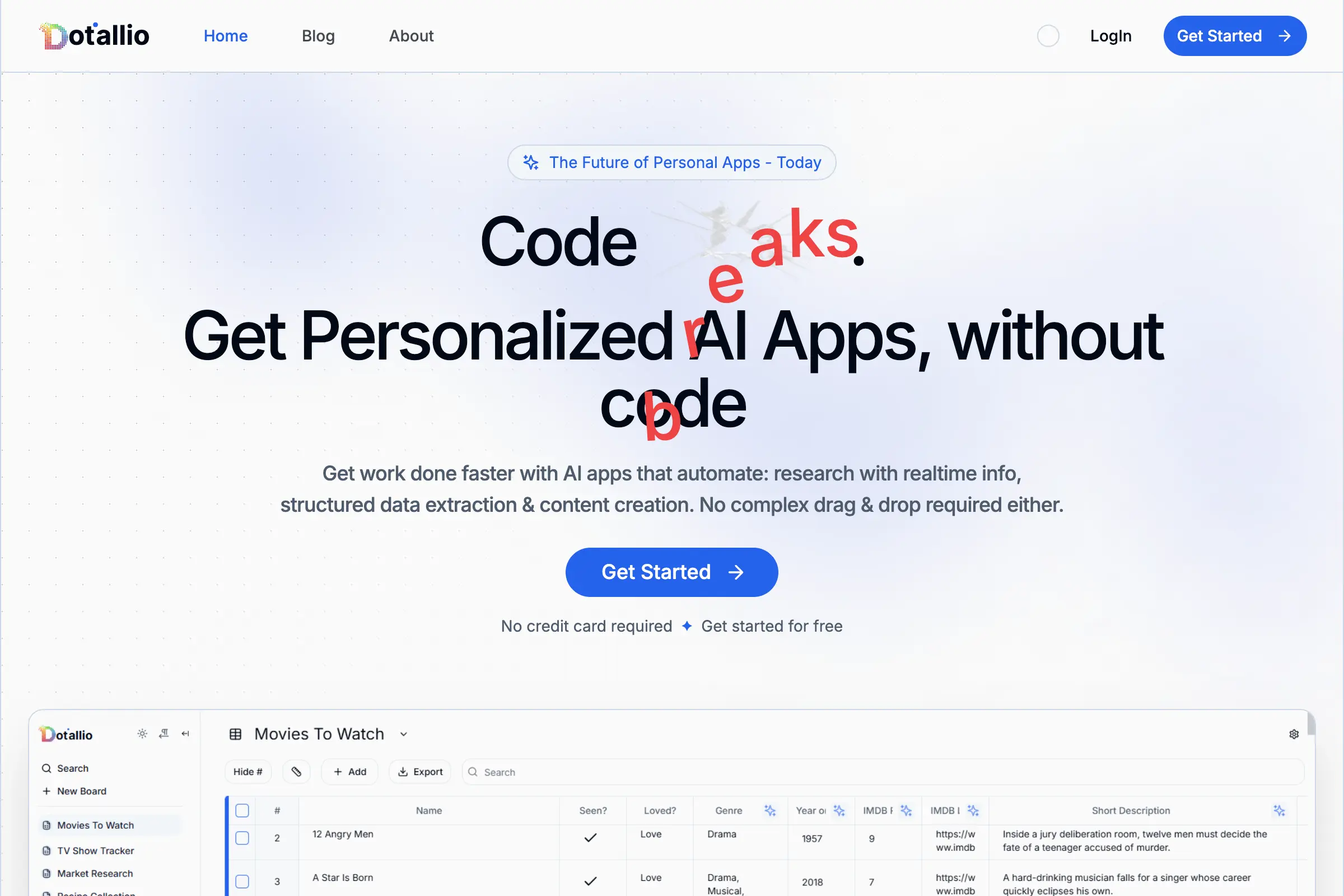
Dotallio
Personalized AI apps that automate research, data extraction, and content creation without code 🤖
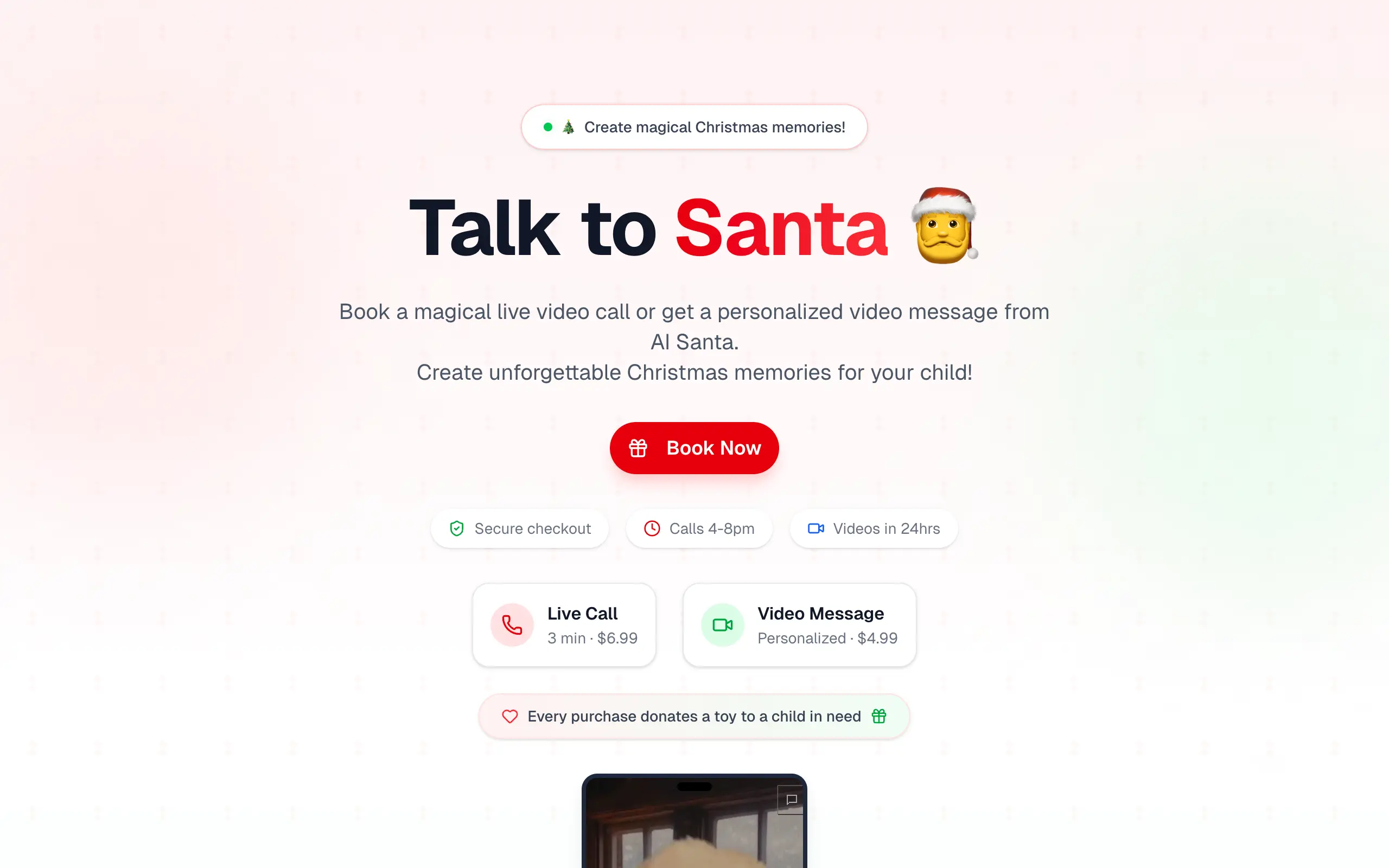
Talk to Santa
Enjoy a magical live video chat or receive a unique AI-generated video greeting from Santa Claus 🎅

pozywka.pl
Scalable blog for food journalist, focused on performance and user experience 🌭
zagrodzki.me
Personal blog and portfolio of Bart Zagrodzki, where he shares his knowledge and work 💼
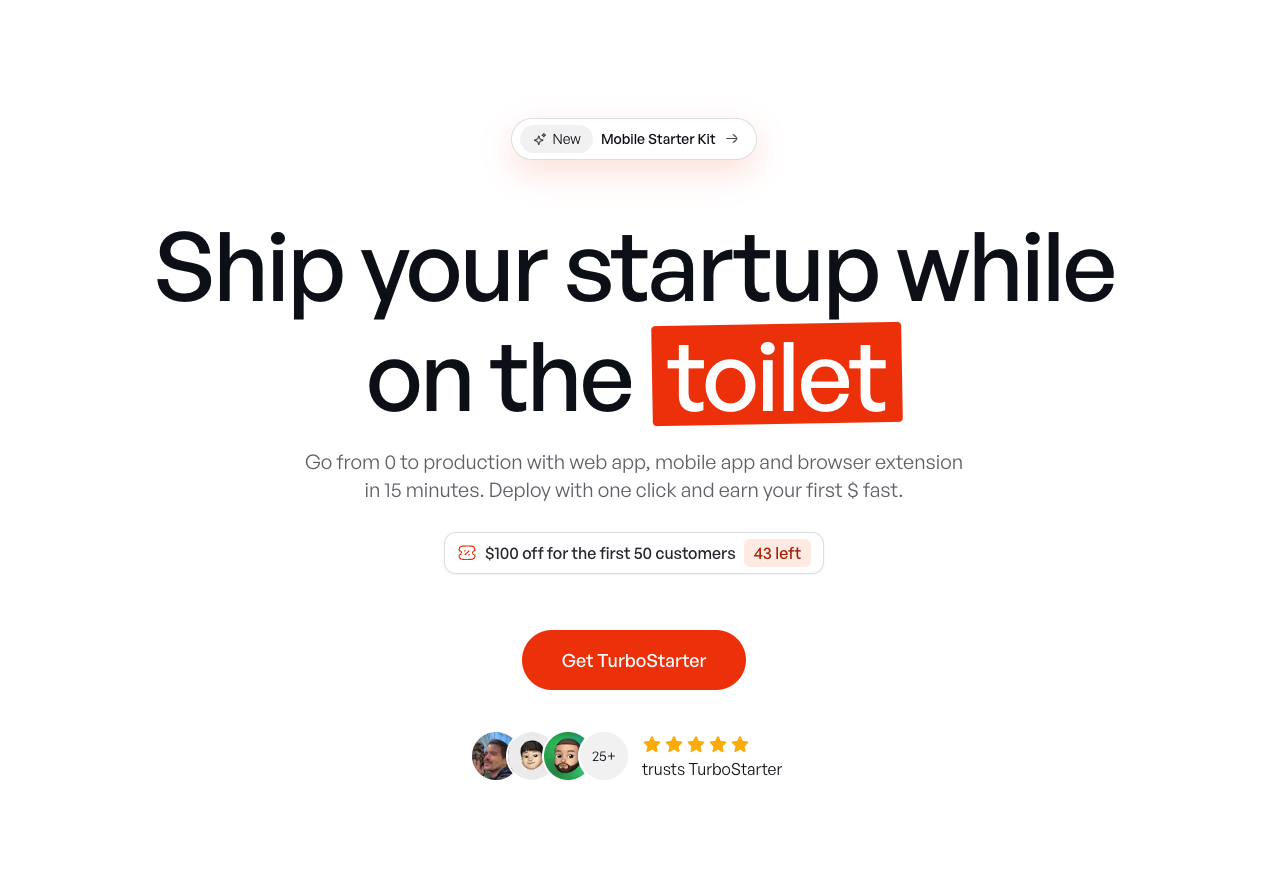
TurboStarter
Ship your startup everywhere. In minutes.
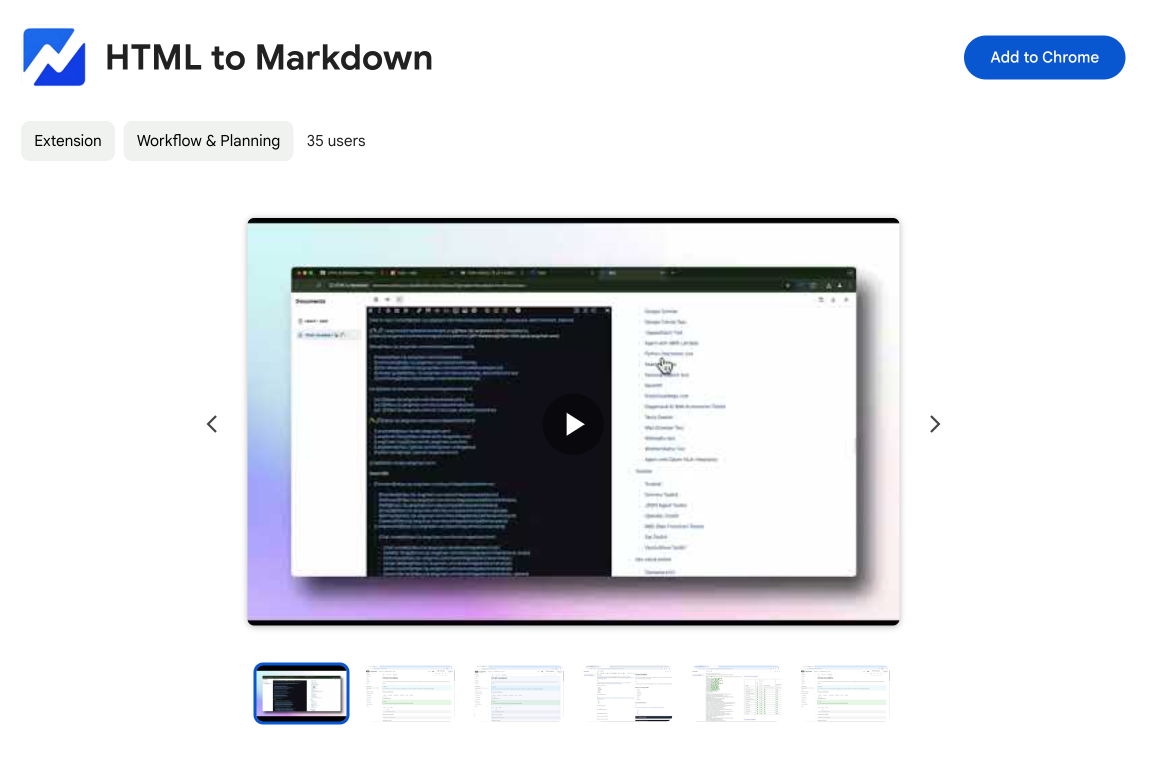
HTML to Markdown
Convert HTML to Markdown with ease, directly in your browser 📄
Dotallio
Personalized AI apps that automate research, data extraction, and content creation without code 🤖
Talk to Santa
Enjoy a magical live video chat or receive a unique AI-generated video greeting from Santa Claus 🎅
pozywka.pl
Scalable blog for food journalist, focused on performance and user experience 🌭
zagrodzki.me
Personal blog and portfolio of Bart Zagrodzki, where he shares his knowledge and work 💼
TurboStarter
Ship your startup everywhere. In minutes.
HTML to Markdown
Convert HTML to Markdown with ease, directly in your browser 📄
Dotallio
Personalized AI apps that automate research, data extraction, and content creation without code 🤖
Talk to Santa
Enjoy a magical live video chat or receive a unique AI-generated video greeting from Santa Claus 🎅
pozywka.pl
Scalable blog for food journalist, focused on performance and user experience 🌭
zagrodzki.me
Personal blog and portfolio of Bart Zagrodzki, where he shares his knowledge and work 💼
TurboStarter
Ship your startup everywhere. In minutes.
HTML to Markdown
Convert HTML to Markdown with ease, directly in your browser 📄
Dotallio
Personalized AI apps that automate research, data extraction, and content creation without code 🤖
Talk to Santa
Enjoy a magical live video chat or receive a unique AI-generated video greeting from Santa Claus 🎅
pozywka.pl
Scalable blog for food journalist, focused on performance and user experience 🌭
zagrodzki.me
Personal blog and portfolio of Bart Zagrodzki, where he shares his knowledge and work 💼
TurboStarter
Ship your startup everywhere. In minutes.
HTML to Markdown
Convert HTML to Markdown with ease, directly in your browser 📄
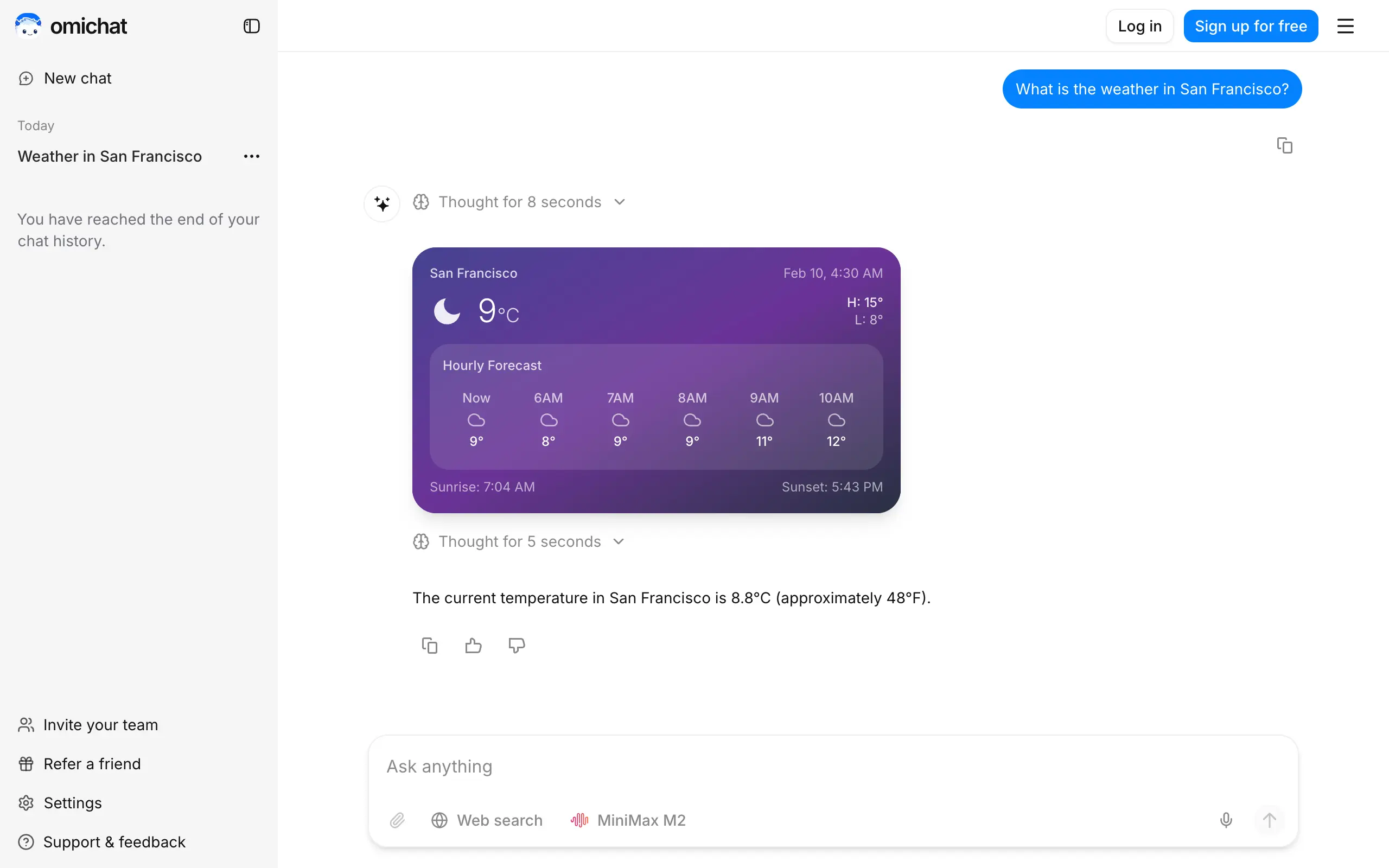
Omichat
Chat with 50+ AI models, including ChatGPT and Claude, in one place - switch models anytime without losing context 🤖
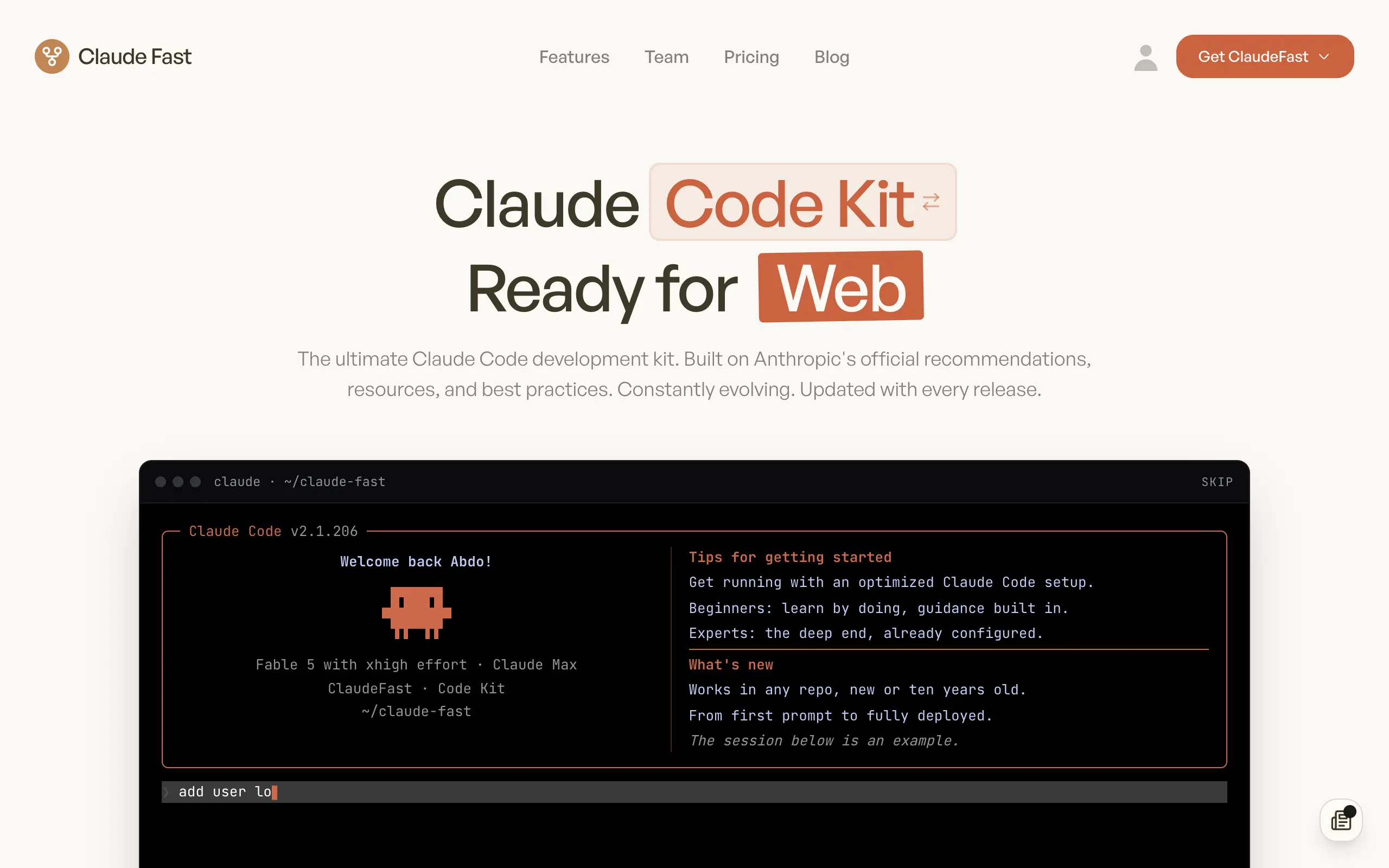
Claude Fast
Supercharge your Claude Code with 6x effective context window and specialized AI agents 🤖
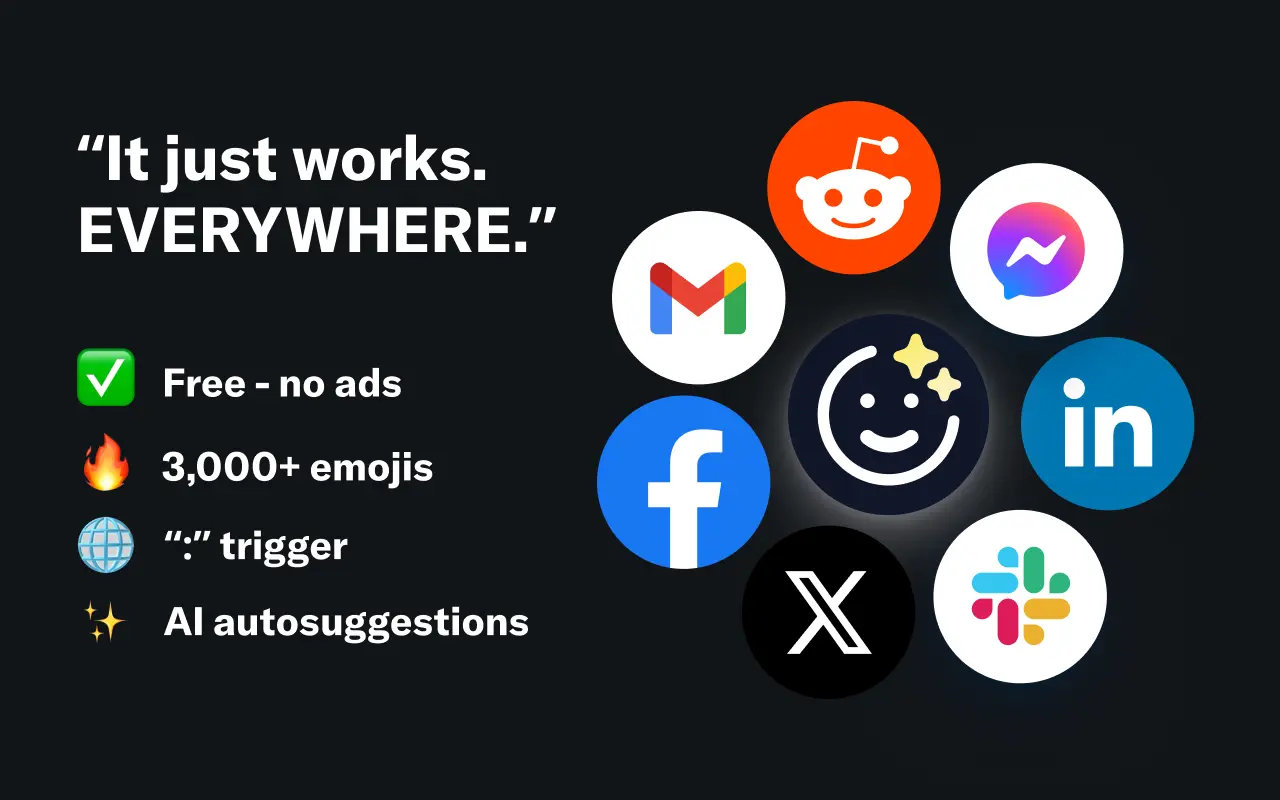
EmojAI
AI-powered emoji picker with smart, context-aware suggestions 🤖
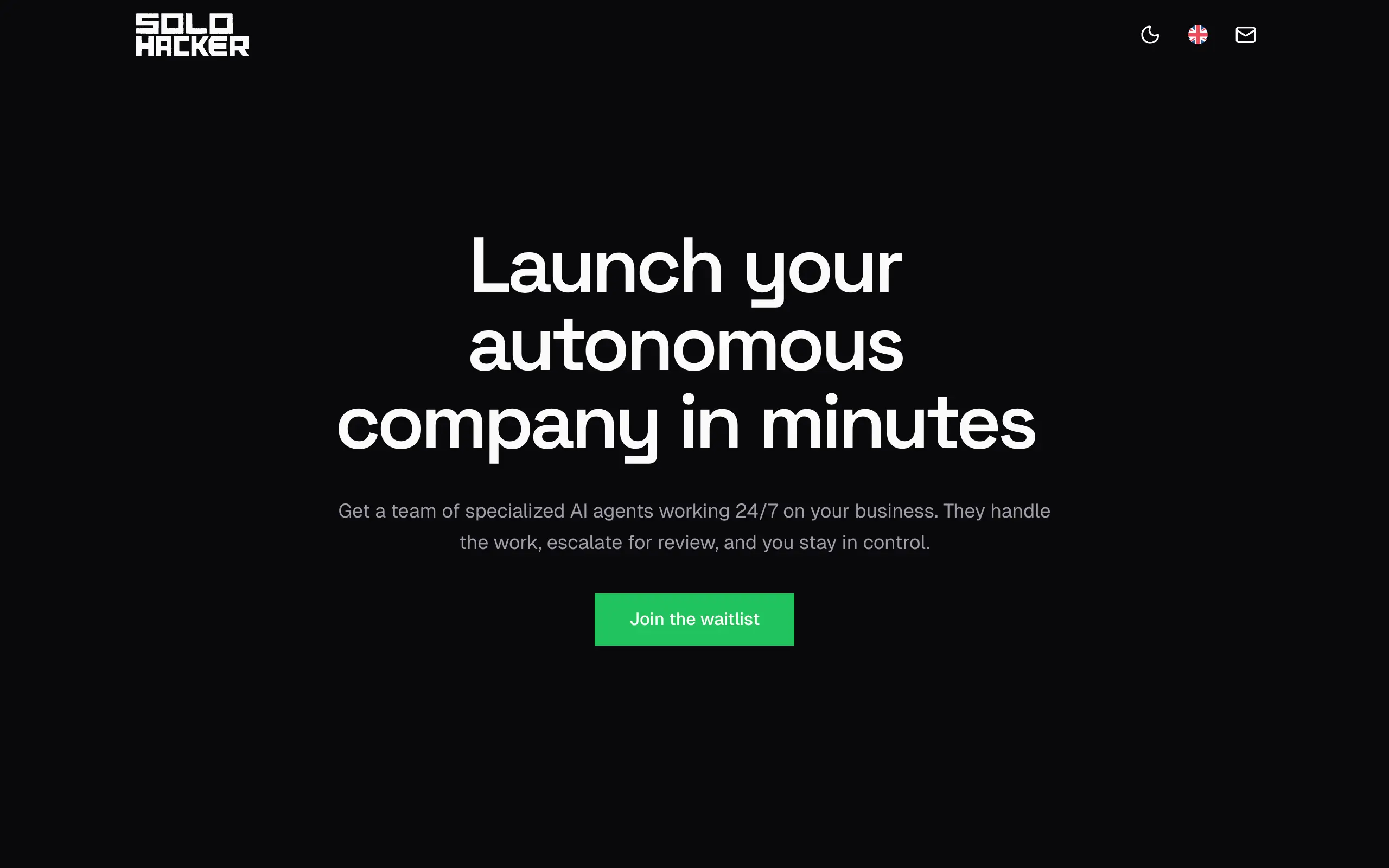
Solohacker
Autonomous company launcher - AI agents work 24/7, escalate what matters, and you stay in control 🤖
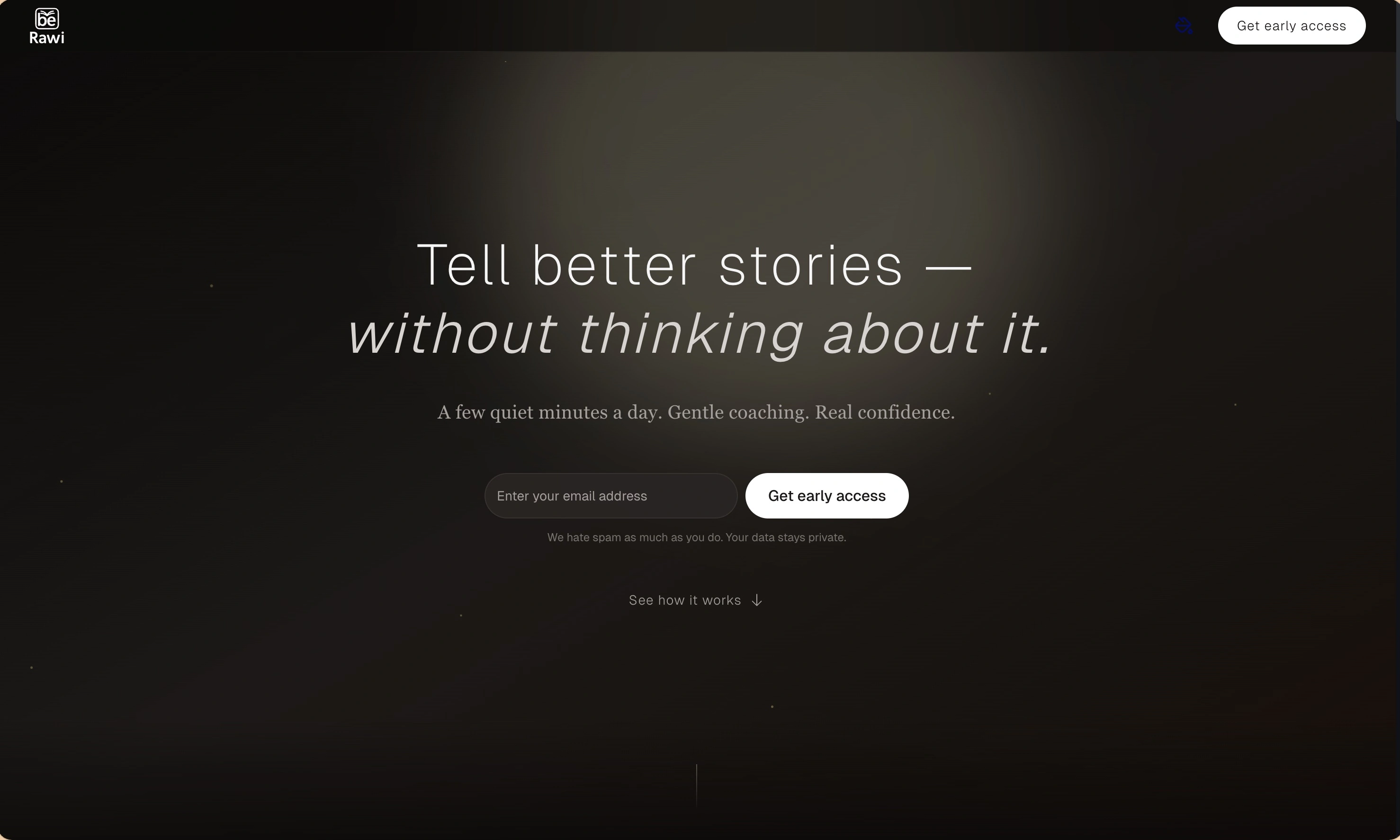
BeRawi: Storytelling Coach
Practice storytelling daily with instant feedback to sound clearer, more engaging, and confident 🎤
Omichat
Chat with 50+ AI models, including ChatGPT and Claude, in one place - switch models anytime without losing context 🤖
Claude Fast
Supercharge your Claude Code with 6x effective context window and specialized AI agents 🤖
EmojAI
AI-powered emoji picker with smart, context-aware suggestions 🤖
Solohacker
Autonomous company launcher - AI agents work 24/7, escalate what matters, and you stay in control 🤖
BeRawi: Storytelling Coach
Practice storytelling daily with instant feedback to sound clearer, more engaging, and confident 🎤
Omichat
Chat with 50+ AI models, including ChatGPT and Claude, in one place - switch models anytime without losing context 🤖
Claude Fast
Supercharge your Claude Code with 6x effective context window and specialized AI agents 🤖
EmojAI
AI-powered emoji picker with smart, context-aware suggestions 🤖
Solohacker
Autonomous company launcher - AI agents work 24/7, escalate what matters, and you stay in control 🤖
BeRawi: Storytelling Coach
Practice storytelling daily with instant feedback to sound clearer, more engaging, and confident 🎤
Omichat
Chat with 50+ AI models, including ChatGPT and Claude, in one place - switch models anytime without losing context 🤖
Claude Fast
Supercharge your Claude Code with 6x effective context window and specialized AI agents 🤖
EmojAI
AI-powered emoji picker with smart, context-aware suggestions 🤖
Solohacker
Autonomous company launcher - AI agents work 24/7, escalate what matters, and you stay in control 🤖
BeRawi: Storytelling Coach
Practice storytelling daily with instant feedback to sound clearer, more engaging, and confident 🎤

Connect with like-minded people
Join our community to get feedback, support, and grow together with 1,000+ builders on board, let's ship it!
Join usShip your startup everywhere. In minutes.
Don't burn tokens on setup and start building features on day one.