ReconBot
Automate reconnaissance with AI-driven OSINT aggregation, target profiling, and real-time alerting for ethical hackers and red teams.
ReconBot is an AI-powered SaaS platform designed to automate reconnaissance for ethical hackers and red teams. By leveraging advanced OSINT (Open Source Intelligence) aggregation, target profiling, and real-time alerting, ReconBot streamlines the information-gathering phase of security assessments. This comprehensive guide explores the market need, core features, technical considerations, and actionable steps to bring ReconBot to life—demonstrating deep expertise and practical insight for anyone evaluating or building such a solution.
Understanding the target audience for ReconBot
A successful SaaS product starts with a clear understanding of its users. ReconBot’s primary audience includes:
- Ethical hackers (penetration testers): Professionals conducting authorized security assessments for organizations.
- Red teams: Security teams simulating real-world attacks to test organizational defenses.
- Security consultants: Experts providing vulnerability assessments and risk analysis.
- Corporate security teams: In-house teams responsible for ongoing threat monitoring and risk management.
- Bug bounty hunters: Individuals seeking vulnerabilities in public or private programs.
What are their core needs and pain points?
- Time efficiency: Manual reconnaissance is time-consuming and repetitive.
- Comprehensive data: Aggregating OSINT from multiple sources is challenging.
- Accuracy: False positives and outdated information can derail assessments.
- Real-time updates: Threat landscapes change rapidly; timely alerts are crucial.
- Compliance and ethics: Ensuring all data collection is legal and within scope.
User intent: What are they searching for?
Most users searching for “AI OSINT automation,” “automated reconnaissance tools,” or “real-time threat intelligence for red teams” are looking for:
- Tools to save time and increase accuracy in reconnaissance.
- Solutions that aggregate data from diverse OSINT sources.
- Platforms that profile targets and alert on new findings.
- Ways to automate repetitive tasks while maintaining ethical standards.
Market opportunity and gap analysis
The cybersecurity market is experiencing explosive growth, with the global market for security testing tools projected to exceed $20 billion by 2027 (see: Statista). Yet, the reconnaissance phase remains largely manual, fragmented, and error-prone.
Key market gaps ReconBot addresses
- Fragmented OSINT tools: Most solutions focus on a single data source or require manual integration.
- Lack of AI-driven insights: Few platforms leverage AI to prioritize, correlate, and contextualize findings.
- Limited real-time alerting: Many tools provide static reports rather than ongoing monitoring.
- Complexity: Existing solutions often require significant setup or scripting knowledge.
Industry trends supporting ReconBot’s value
- AI adoption in cybersecurity: AI is increasingly used for threat detection, but less so for reconnaissance automation.
- Remote work and attack surface expansion: Organizations need continuous, automated monitoring as their digital footprint grows.
- Compliance requirements: Regulations like GDPR and CCPA demand careful, auditable data handling—favoring platforms with built-in compliance features.
Core features and solution details
ReconBot’s unique value lies in its combination of AI-driven automation, comprehensive OSINT aggregation, and actionable real-time alerts. Here’s a breakdown of its core features:
1. AI-driven OSINT aggregation
- Multi-source data collection: Automatically gathers intelligence from public sources (e.g., Shodan, Censys, social media, paste sites, domain registries).
- Data normalization: Cleans and structures data for easy analysis.
- Continuous updates: Monitors sources for new information.
2. Target profiling and enrichment
- Entity resolution: Uses AI to correlate disparate data points (e.g., domains, IPs, emails) into unified profiles.
- Risk scoring: Assigns risk levels based on exposure, vulnerabilities, and context.
- Relationship mapping: Visualizes connections between assets, people, and organizations.
3. Real-time alerting and reporting
- Customizable alerts: Notifies users of significant changes, exposures, or new findings.
- Integration with collaboration tools: Supports Slack, email, and webhooks for seamless workflow integration.
- Exportable reports: Generates detailed, auditable reports for compliance and documentation.
4. Ethical and compliant reconnaissance
- Scope management: Ensures all activities remain within authorized boundaries.
- Audit trails: Logs all actions for transparency and compliance.
- Data privacy controls: Allows users to manage and delete collected data as needed.
AI-powered aggregation
Automate data collection from dozens of OSINT sources, reducing manual effort and missed findings.
Real-time alerting
Stay ahead of threats with instant notifications on new exposures or changes.
Target profiling
Leverage AI to build comprehensive, actionable profiles of assets and organizations.
Compliance-first design
Built-in audit trails and privacy controls ensure ethical, legal reconnaissance.
Recommended tech stack for ReconBot
Choosing the right technology stack is critical for scalability, performance, and maintainability. Here’s a recommended stack for building ReconBot, with trade-offs considered:
Backend
- Python: Ideal for rapid development, rich AI/ML libraries (e.g., scikit-learn, TensorFlow), and mature OSINT scraping tools.
- FastAPI: High-performance, async-ready API framework for Python.
- Celery: Distributed task queue for handling background jobs (e.g., periodic data collection).
- PostgreSQL: Robust, scalable relational database for structured data.
- Redis: In-memory cache for fast alerting and temporary data storage.
AI/ML
- spaCy: NLP for entity extraction and correlation.
- scikit-learn: Machine learning for risk scoring and anomaly detection.
- OpenAI API: For advanced language understanding (optional, for summarization or enrichment).
Frontend
- React: Modern, component-based UI framework.
- TailwindCSS: Utility-first CSS for rapid, consistent styling.
- Next.js: Server-side rendering and API routes for SEO and performance.
DevOps & Infrastructure
- Docker: Containerization for consistent deployment.
- Kubernetes: Orchestration for scaling and reliability.
- AWS / GCP: Cloud hosting, managed databases, and serverless functions.
Trade-offs to consider
- Python vs. Node.js: Python excels in AI/ML and OSINT tooling, but Node.js may offer better real-time performance for some use cases.
- Self-hosted vs. managed services: Managed cloud services reduce operational overhead but may increase costs and limit customization.
- Open-source vs. proprietary AI models: Open-source models offer transparency and control, while proprietary APIs (like OpenAI) may provide superior results but introduce vendor lock-in.
Monetization strategy options
ReconBot’s value proposition supports several monetization models. The optimal approach depends on target market segment and growth goals.
1. Subscription-based SaaS
- Tiered pricing: Offer plans based on number of monitored assets, data sources, or alert frequency.
- Free trial or freemium: Attract users with limited free access, upsell advanced features.
2. Pay-per-scan or usage-based
- On-demand scans: Charge per reconnaissance job or per asset profiled.
- API access: Monetize via API calls for integration with other tools.
3. Enterprise licensing
- Custom deployments: Offer on-premises or private cloud versions for large organizations with strict compliance needs.
- Dedicated support and SLAs: Premium support packages for enterprise clients.
4. Add-on marketplace
- Integrations: Sell premium connectors (e.g., to SIEMs, ticketing systems).
- Advanced analytics: Offer AI-powered enrichment or visualization as paid add-ons.
Potential risks and mitigation strategies
Launching an AI-driven OSINT platform involves unique risks. Proactively addressing these is essential for trust and long-term success.
- Risk: Unintentional collection of sensitive or out-of-scope data.
- Mitigation: Strict scope management, user-defined boundaries, and audit trails.
- Risk: Handling personal data in violation of GDPR, CCPA, or other regulations.
- Mitigation: Data minimization, user controls for data deletion, and clear privacy policies.
- Risk: AI models may misclassify or correlate data incorrectly.
- Mitigation: Human-in-the-loop review, transparent scoring, and user feedback mechanisms.
- Risk: Malicious actors using ReconBot for unauthorized reconnaissance.
- Mitigation: Strict user verification, terms of service enforcement, and monitoring for abuse patterns.
- Risk: High data volume or rapid growth may strain infrastructure.
- Mitigation: Cloud-native architecture, auto-scaling, and robust monitoring.
Competitive advantage analysis
ReconBot stands out in a crowded market by combining automation, AI, and compliance-first design. Here’s how it compares to typical alternatives:
| AI-driven aggregation | Real-time alerts | Compliance features | Target profiling | Manual setup required |
|---|---|---|---|---|
| ✅ | ❌ | ❌ | ✅ | ❌ |
| ✅ | ❌ | ✅ | ✅ | ❌ |
Unique selling proposition (USP)
- End-to-end automation: Eliminates manual, repetitive tasks.
- AI-powered insights: Surfaces the most relevant, actionable intelligence.
- Compliance and transparency: Built-in controls for ethical, auditable reconnaissance.
- Real-time, actionable alerts: Enables proactive defense and rapid response.
Actionable implementation steps
Building ReconBot requires a structured, iterative approach. Here’s a step-by-step roadmap:
Example: AI-powered OSINT aggregation code snippet
Here’s a simplified example of how ReconBot might aggregate and process OSINT data using Python and spaCy:
import requests
import spacy

nlp = spacy.load("en_core_web_sm")

def fetch_osint_data(url):
    response = requests.get(url)
    return response.text

def extract_entities(text):
    doc = nlp(text)
    return [(ent.text, ent.label_) for ent in doc.ents]

# Example usage
data = fetch_osint_data("https://pastebin.com/raw/example")
entities = extract_entities(data)
print(entities)
This code demonstrates fetching data from a public source and extracting entities (e.g., domains, emails) for profiling.
Conclusion: Why ReconBot is the future of ethical reconnaissance
ReconBot addresses a critical gap in the cybersecurity landscape by automating the most tedious, error-prone phase of security assessments. Its AI-driven OSINT aggregation, real-time alerting, and compliance-first design empower ethical hackers and red teams to work faster, smarter, and more ethically.
By leveraging a modern tech stack, robust risk mitigation, and a user-centric approach, ReconBot is positioned to become the go-to platform for automated reconnaissance. Whether you’re a security professional seeking efficiency or a SaaS founder exploring the next big opportunity, ReconBot offers a blueprint for innovation in AI-powered cybersecurity.
Further resources
- TurboStarter — Accelerate your SaaS MVP development.
- OWASP OSINT Framework — Comprehensive list of OSINT tools and resources.
- spaCy documentation — Advanced NLP for entity extraction.
- FastAPI documentation — High-performance Python APIs.
- React documentation — Build modern, interactive UIs.
Stay ahead with AI-driven reconnaissance
ReconBot is more than a tool—it's a strategic advantage for ethical hackers and red teams. By automating OSINT and profiling, you can focus on what matters most: securing your organization and staying one step ahead of adversaries.
More 🤖 AI Startup SaaS ideas
Discover more innovative ai startup SaaS ideas that are trending in 2026. Each idea is AI-generated with market validation and growth potential to help you find your next profitable venture faster than competitors.
Your competitors are building with TurboStarter
Below are some of the SaaS ideas that have been generated and built with our starter kit.
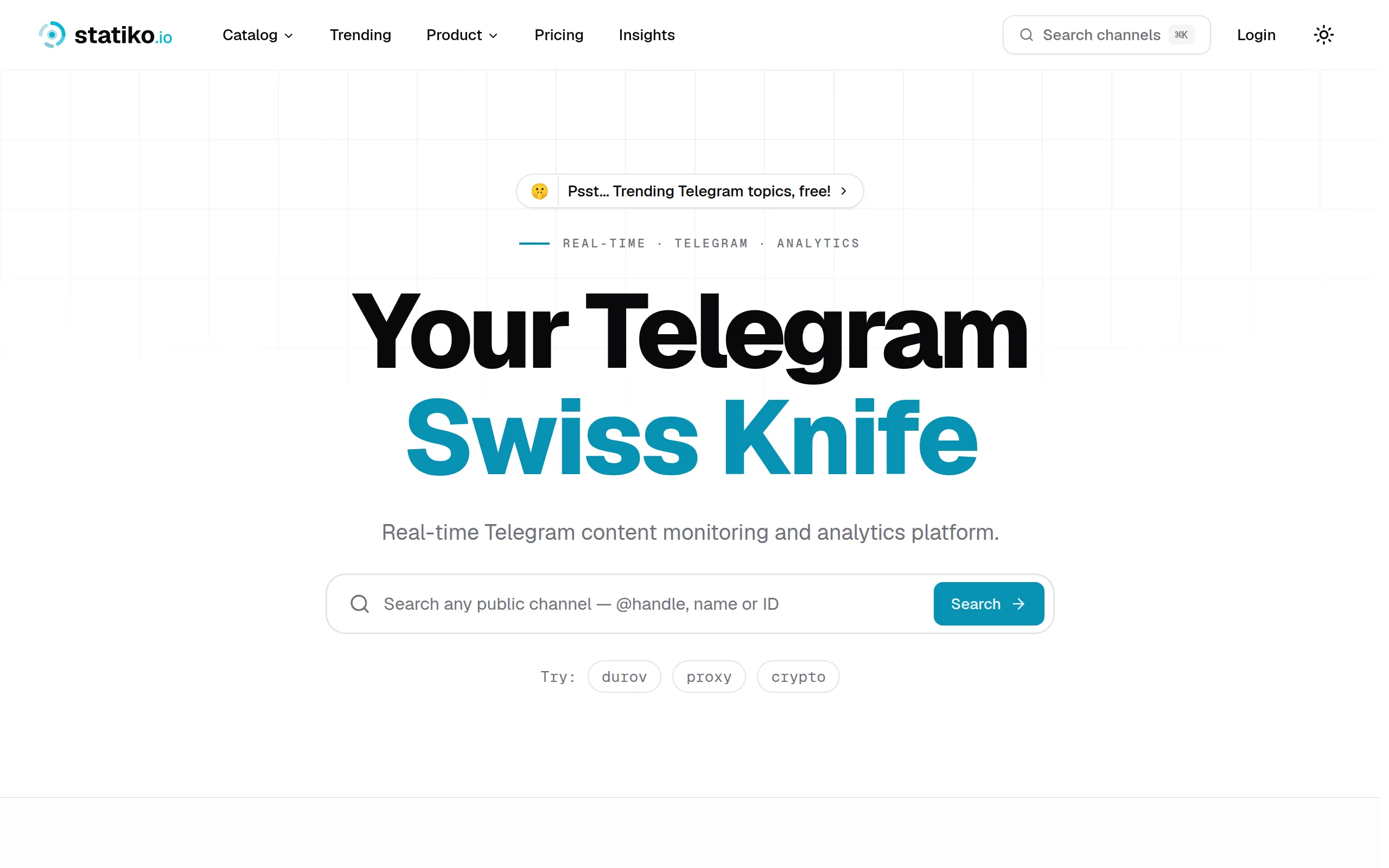
Statiko
Monitor any Telegram channel in real time - track posts, edits, deletions, and growth with AI recaps 📡

Shibui
AI website builder - describe your business, pick a niche template, edit by chatting, and publish instantly ✨

Pro Service
Find verified home service professionals, compare quotes, and pay securely through escrow - built for Brazilians across the US 🏠
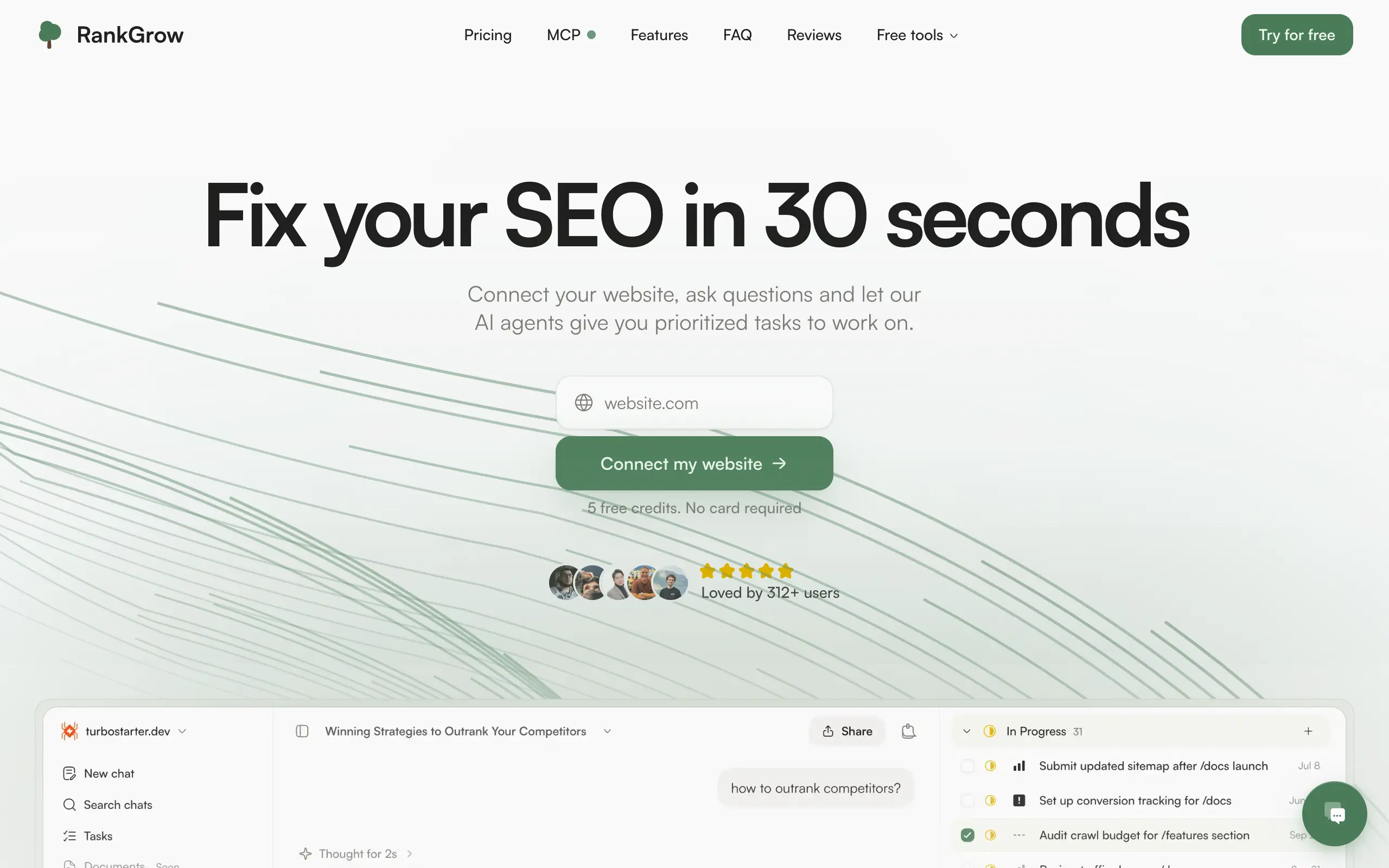
RankGrow
Fix your SEO with AI agents - connect Search Console, get prioritized tasks, and grow organic traffic 📈
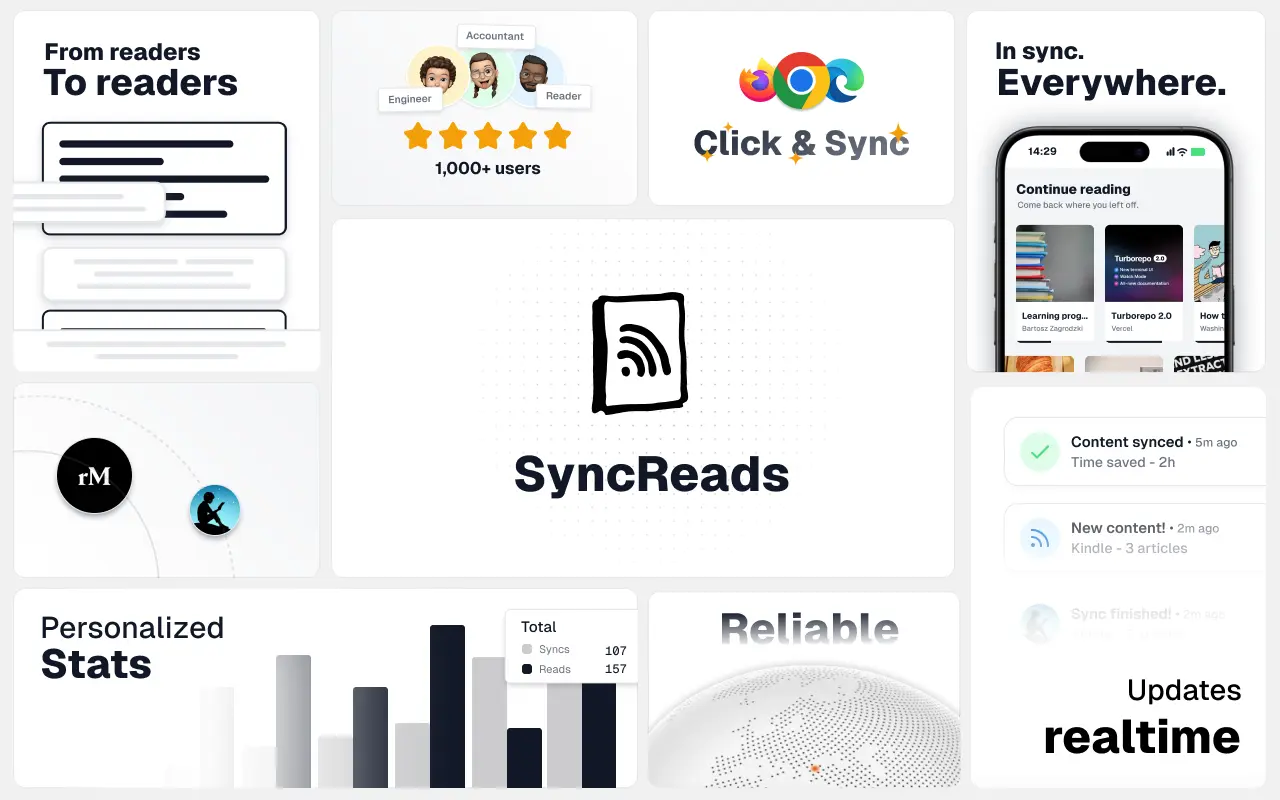
SyncReads
Sync your favorite content for distraction-free reading, save time and replace multiple apps. Anytime, anywhere 🔄
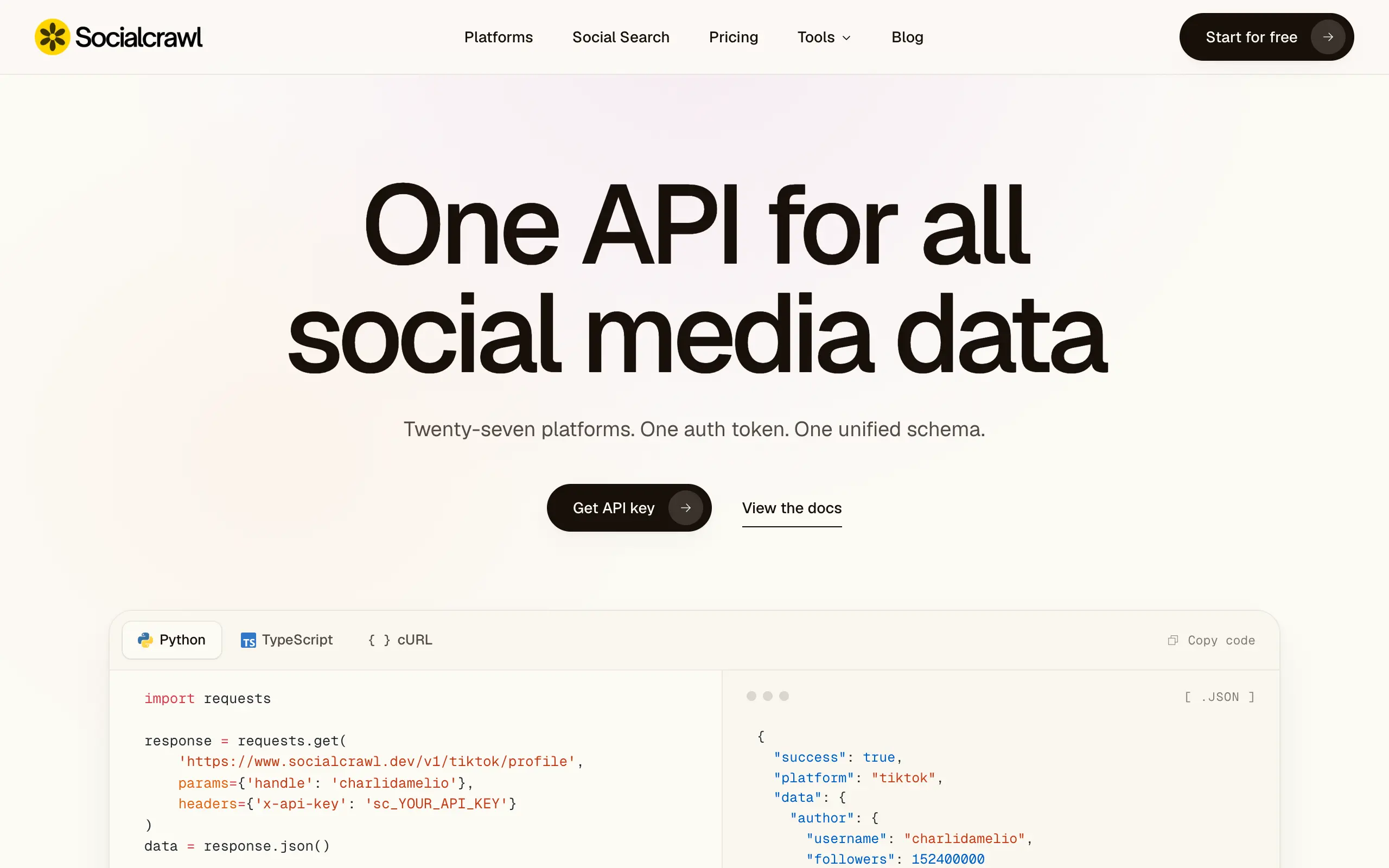
Socialcrawl
Get clean, structured data from 21 platforms like TikTok, Instagram, and YouTube with a single request 📊
Statiko
Monitor any Telegram channel in real time - track posts, edits, deletions, and growth with AI recaps 📡
Shibui
AI website builder - describe your business, pick a niche template, edit by chatting, and publish instantly ✨
Pro Service
Find verified home service professionals, compare quotes, and pay securely through escrow - built for Brazilians across the US 🏠
RankGrow
Fix your SEO with AI agents - connect Search Console, get prioritized tasks, and grow organic traffic 📈
SyncReads
Sync your favorite content for distraction-free reading, save time and replace multiple apps. Anytime, anywhere 🔄
Socialcrawl
Get clean, structured data from 21 platforms like TikTok, Instagram, and YouTube with a single request 📊
Statiko
Monitor any Telegram channel in real time - track posts, edits, deletions, and growth with AI recaps 📡
Shibui
AI website builder - describe your business, pick a niche template, edit by chatting, and publish instantly ✨
Pro Service
Find verified home service professionals, compare quotes, and pay securely through escrow - built for Brazilians across the US 🏠
RankGrow
Fix your SEO with AI agents - connect Search Console, get prioritized tasks, and grow organic traffic 📈
SyncReads
Sync your favorite content for distraction-free reading, save time and replace multiple apps. Anytime, anywhere 🔄
Socialcrawl
Get clean, structured data from 21 platforms like TikTok, Instagram, and YouTube with a single request 📊
Statiko
Monitor any Telegram channel in real time - track posts, edits, deletions, and growth with AI recaps 📡
Shibui
AI website builder - describe your business, pick a niche template, edit by chatting, and publish instantly ✨
Pro Service
Find verified home service professionals, compare quotes, and pay securely through escrow - built for Brazilians across the US 🏠
RankGrow
Fix your SEO with AI agents - connect Search Console, get prioritized tasks, and grow organic traffic 📈
SyncReads
Sync your favorite content for distraction-free reading, save time and replace multiple apps. Anytime, anywhere 🔄
Socialcrawl
Get clean, structured data from 21 platforms like TikTok, Instagram, and YouTube with a single request 📊
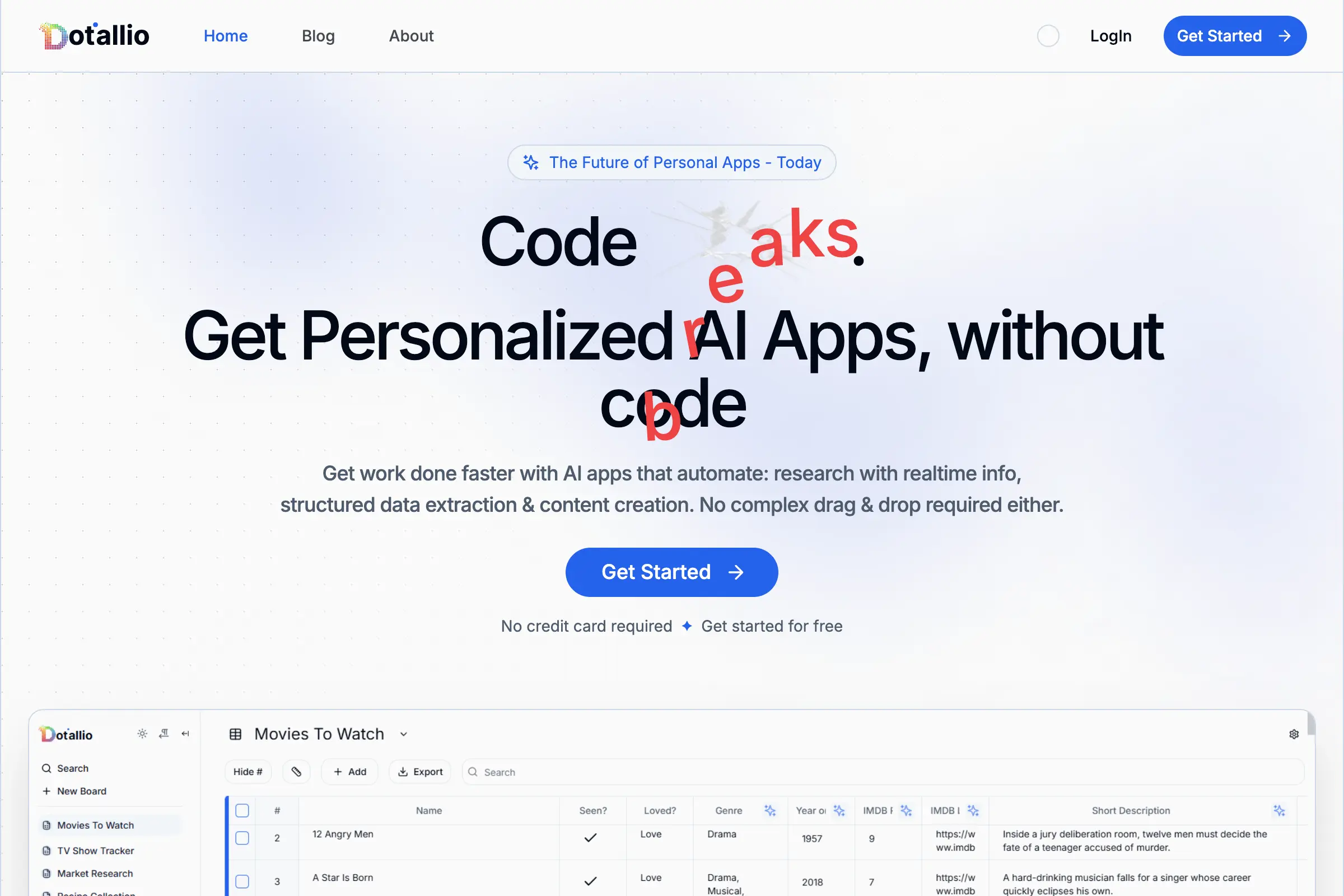
Dotallio
Personalized AI apps that automate research, data extraction, and content creation without code 🤖

Talk to Santa
Enjoy a magical live video chat or receive a unique AI-generated video greeting from Santa Claus 🎅

pozywka.pl
Scalable blog for food journalist, focused on performance and user experience 🌭
zagrodzki.me
Personal blog and portfolio of Bart Zagrodzki, where he shares his knowledge and work 💼
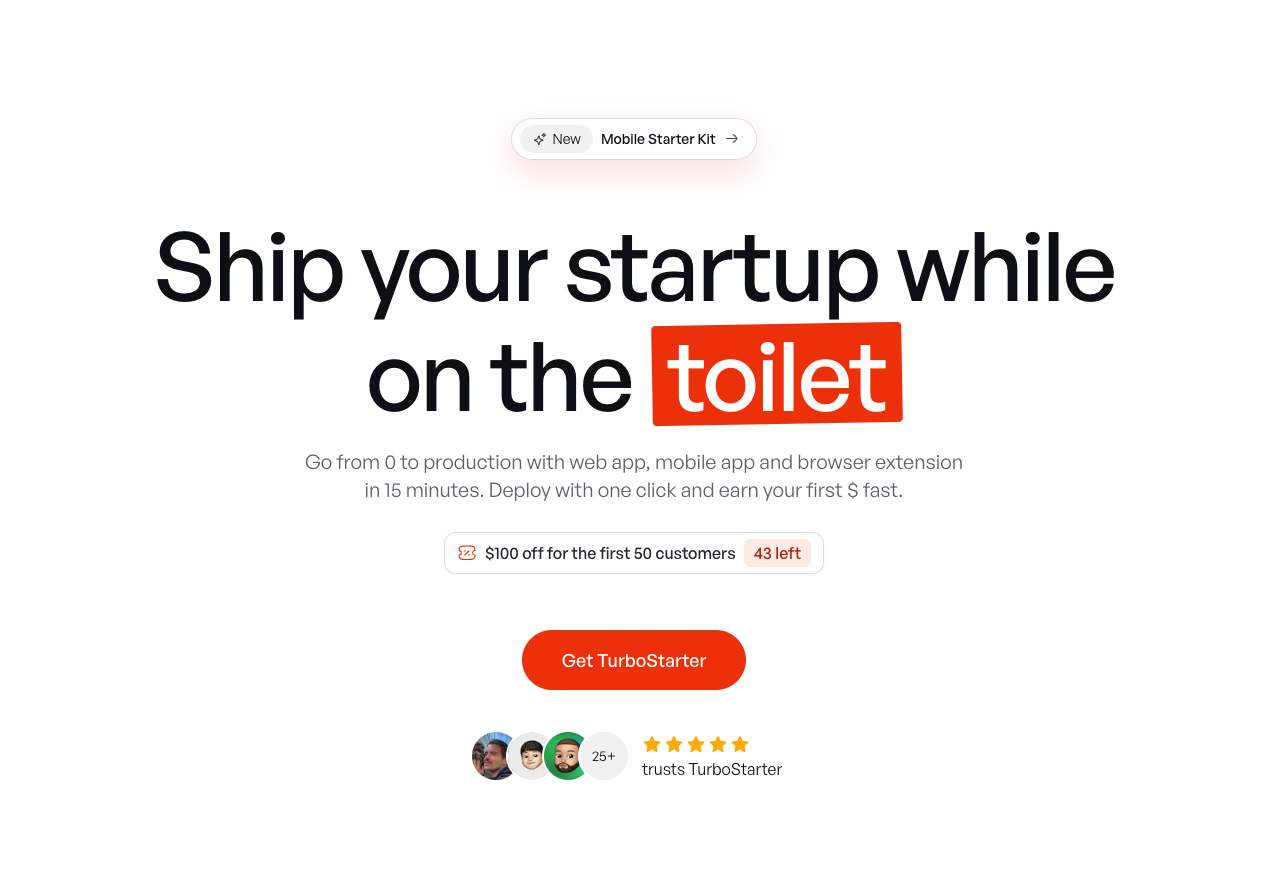
TurboStarter
Ship your startup everywhere. In minutes.
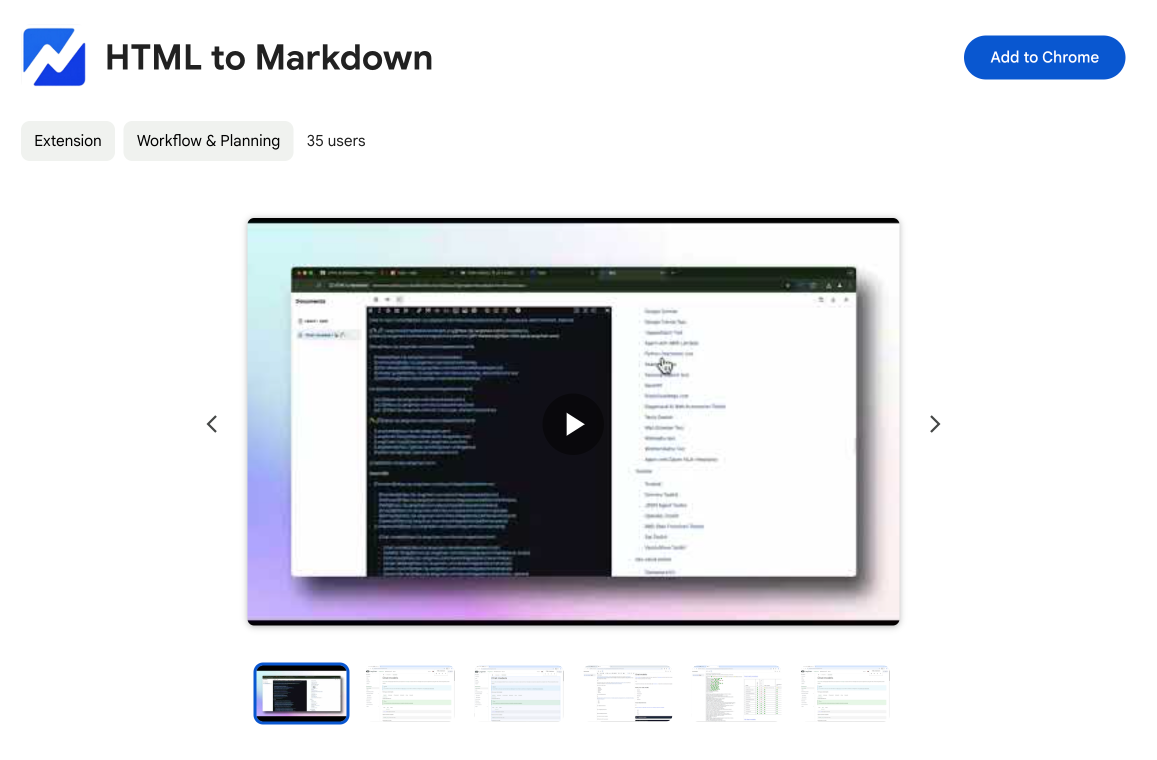
HTML to Markdown
Convert HTML to Markdown with ease, directly in your browser 📄
Dotallio
Personalized AI apps that automate research, data extraction, and content creation without code 🤖
Talk to Santa
Enjoy a magical live video chat or receive a unique AI-generated video greeting from Santa Claus 🎅
pozywka.pl
Scalable blog for food journalist, focused on performance and user experience 🌭
zagrodzki.me
Personal blog and portfolio of Bart Zagrodzki, where he shares his knowledge and work 💼
TurboStarter
Ship your startup everywhere. In minutes.
HTML to Markdown
Convert HTML to Markdown with ease, directly in your browser 📄
Dotallio
Personalized AI apps that automate research, data extraction, and content creation without code 🤖
Talk to Santa
Enjoy a magical live video chat or receive a unique AI-generated video greeting from Santa Claus 🎅
pozywka.pl
Scalable blog for food journalist, focused on performance and user experience 🌭
zagrodzki.me
Personal blog and portfolio of Bart Zagrodzki, where he shares his knowledge and work 💼
TurboStarter
Ship your startup everywhere. In minutes.
HTML to Markdown
Convert HTML to Markdown with ease, directly in your browser 📄
Dotallio
Personalized AI apps that automate research, data extraction, and content creation without code 🤖
Talk to Santa
Enjoy a magical live video chat or receive a unique AI-generated video greeting from Santa Claus 🎅
pozywka.pl
Scalable blog for food journalist, focused on performance and user experience 🌭
zagrodzki.me
Personal blog and portfolio of Bart Zagrodzki, where he shares his knowledge and work 💼
TurboStarter
Ship your startup everywhere. In minutes.
HTML to Markdown
Convert HTML to Markdown with ease, directly in your browser 📄
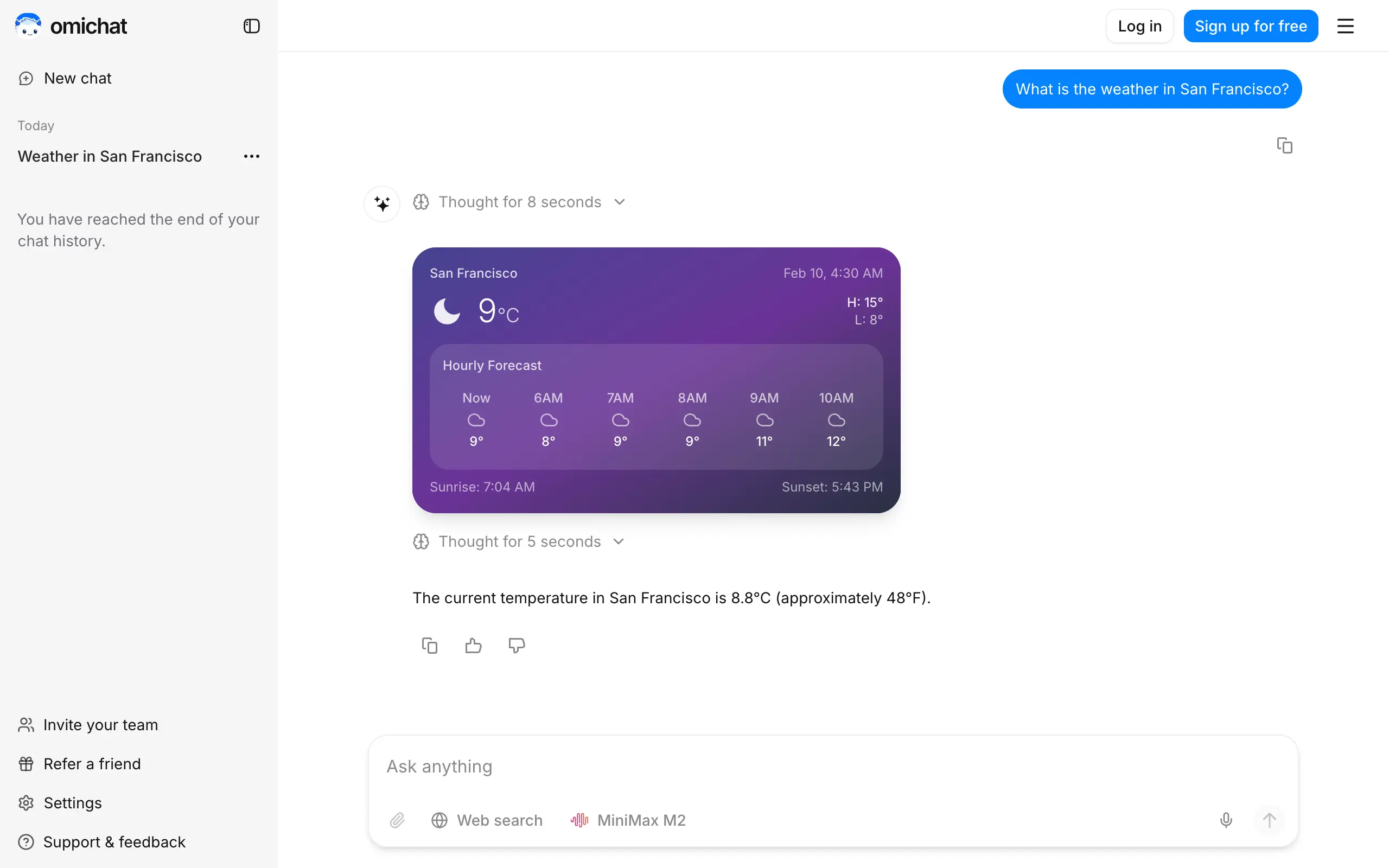
Omichat
Chat with 50+ AI models, including ChatGPT and Claude, in one place - switch models anytime without losing context 🤖
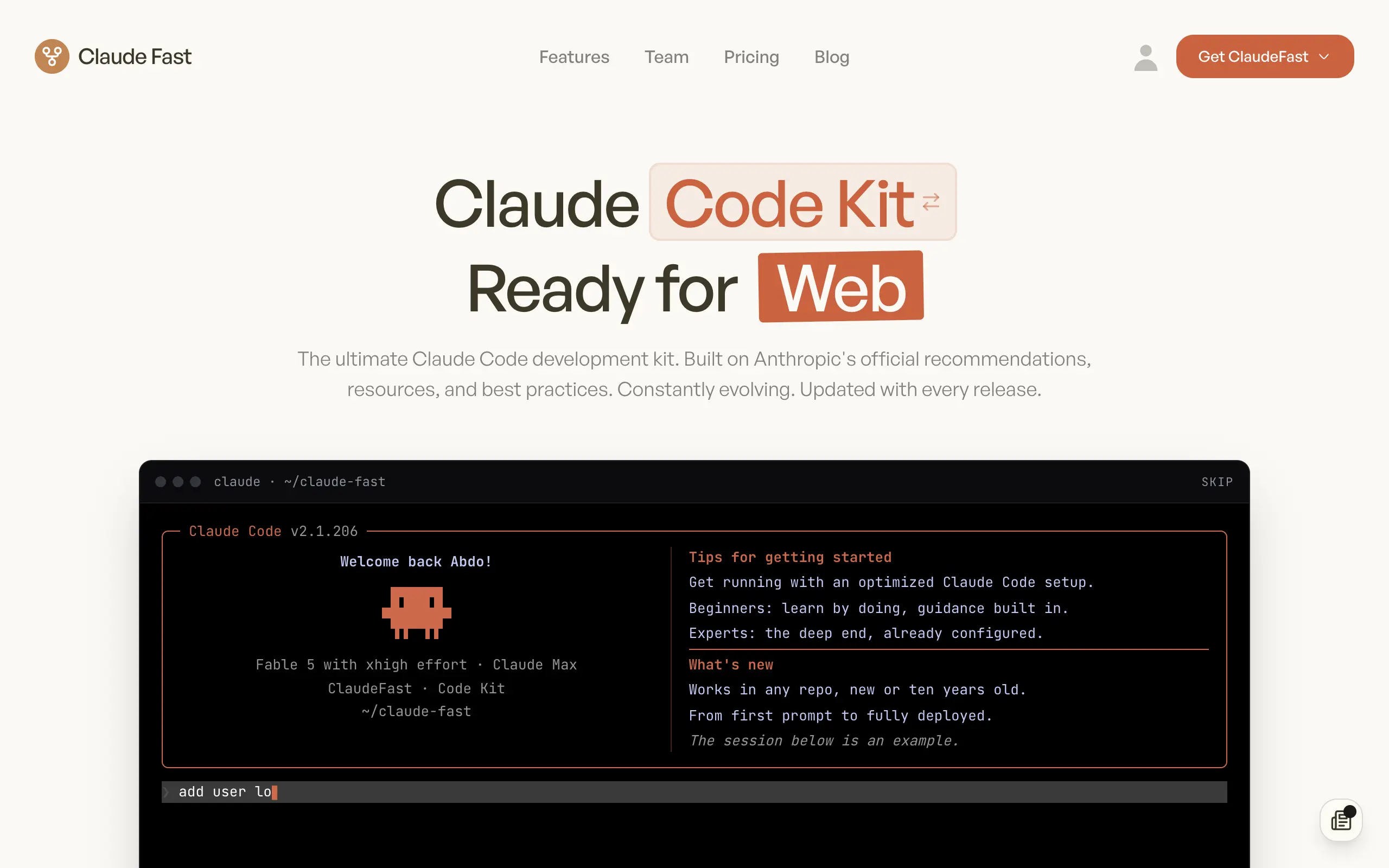
Claude Fast
Supercharge your Claude Code with 6x effective context window and specialized AI agents 🤖
EmojAI
AI-powered emoji picker with smart, context-aware suggestions 🤖
Solohacker
Autonomous company launcher - AI agents work 24/7, escalate what matters, and you stay in control 🤖

BeRawi: Storytelling Coach
Practice storytelling daily with instant feedback to sound clearer, more engaging, and confident 🎤
Omichat
Chat with 50+ AI models, including ChatGPT and Claude, in one place - switch models anytime without losing context 🤖
Claude Fast
Supercharge your Claude Code with 6x effective context window and specialized AI agents 🤖
EmojAI
AI-powered emoji picker with smart, context-aware suggestions 🤖
Solohacker
Autonomous company launcher - AI agents work 24/7, escalate what matters, and you stay in control 🤖
BeRawi: Storytelling Coach
Practice storytelling daily with instant feedback to sound clearer, more engaging, and confident 🎤
Omichat
Chat with 50+ AI models, including ChatGPT and Claude, in one place - switch models anytime without losing context 🤖
Claude Fast
Supercharge your Claude Code with 6x effective context window and specialized AI agents 🤖
EmojAI
AI-powered emoji picker with smart, context-aware suggestions 🤖
Solohacker
Autonomous company launcher - AI agents work 24/7, escalate what matters, and you stay in control 🤖
BeRawi: Storytelling Coach
Practice storytelling daily with instant feedback to sound clearer, more engaging, and confident 🎤
Omichat
Chat with 50+ AI models, including ChatGPT and Claude, in one place - switch models anytime without losing context 🤖
Claude Fast
Supercharge your Claude Code with 6x effective context window and specialized AI agents 🤖
EmojAI
AI-powered emoji picker with smart, context-aware suggestions 🤖
Solohacker
Autonomous company launcher - AI agents work 24/7, escalate what matters, and you stay in control 🤖
BeRawi: Storytelling Coach
Practice storytelling daily with instant feedback to sound clearer, more engaging, and confident 🎤

Connect with like-minded people
Join our community to get feedback, support, and grow together with 1,000+ builders on board, let's ship it!
Join usShip your startup everywhere. In minutes.
Don't burn tokens on setup and start building features on day one.