RecoveryOS
An AI recovery coach that turns wearable, sleep and workout data into daily training readiness plans, mobility sessions and injury-risk alerts.
RecoveryOS: the AI recovery coach opportunity for athletes and active people
Training plans have become increasingly sophisticated, but recovery guidance has not kept pace. Most athletes can see sleep scores, heart rate variability, resting heart rate, strain, and workout history across multiple apps. The problem is interpretation. They are left to decide whether a low readiness score means they should rest, reduce volume, perform mobility work, or simply ignore the number.
RecoveryOS is positioned to solve that decision problem. It is an AI recovery coach that translates wearable, sleep, and workout data into a clear daily plan that includes training readiness recommendations, targeted mobility sessions, recovery actions, and injury-risk alerts.
The primary keyword opportunity is AI recovery coach, supported by relevant search terms such as:
- Recovery readiness app
- AI fitness coach
- Wearable data insights
- Training readiness score
- Injury prevention app
- Sleep and workout analytics
- Personalized recovery plan
- HRV training recommendations
- Mobility coach app
- Athlete recovery software
The strongest version of RecoveryOS is not another dashboard for biometric data. It is a practical decision layer that answers a high-value daily question:
What should I do today to improve performance without increasing unnecessary injury or burnout risk?
Positioning principle
RecoveryOS should frame itself as decision support for training and recovery, not as a diagnostic medical product. It can flag patterns, explain uncertainty, and encourage users to consult qualified professionals when symptoms, pain, or abnormal data require clinical evaluation.
Why an AI recovery coach has a meaningful market opportunity
The fitness technology market has shifted from basic activity tracking toward personalized health intelligence. Wearables can now collect a large volume of signals, including sleep duration, sleep consistency, resting heart rate, heart rate variability, training load, activity intensity, skin temperature on some devices, and movement patterns.
However, the average person still receives fragmented advice.
A runner may see a sleep score in one application, recovery data in another, strength training volume in a third, and a generic mobility video on social media. None of these systems reliably combines the signals into an understandable plan based on the athlete's context, goals, schedule, and recent workload.
That gap creates room for an AI recovery coach with a focused product promise:
- Turn complex recovery data into a recommended action.
- Explain why the recommendation changed.
- Adapt guidance to the user's sport and training objective.
- Identify potentially risky workload and recovery combinations early.
- Make mobility and recovery easier to complete than to postpone.
The gap between wearable data and actionable recovery plans
Most wearable platforms are excellent at collection and visualization. Their limitations usually emerge in the final mile of behavior change.
A user does not simply need to know that their HRV was lower than their rolling average. They need context:
- Is the reduction statistically meaningful for them?
- Could it be explained by a hard workout, alcohol, travel, illness, stress, or poor sleep?
- Is it safe to perform intervals today?
- Should they replace heavy lifting with zone 2 cardio?
- Which mobility routine is most relevant after yesterday's training?
- When should they treat a warning as a reason to see a clinician?
RecoveryOS can bridge this gap through a personalized readiness engine and conversational coaching interface. Rather than presenting data as the final product, it can treat data as evidence for a daily recommendation.
Why generic readiness scores are insufficient
A single readiness score is useful because it simplifies complexity. It is also incomplete because recovery is highly individual.
For example, two users can receive the same score while needing different advice:
- A recreational runner training for a first half marathon may benefit from an easy aerobic session and calf mobility.
- A powerlifter during a high-intensity block may need reduced lower-body volume but can still complete upper-body accessory work.
- A cyclist returning from travel may need hydration, light movement, and an earlier bedtime rather than a full rest day.
- A team sport athlete may have mandatory practice and need a pre-session warm-up modification instead of a training cancellation.
The RecoveryOS opportunity is to move beyond a generic score toward an adaptive recovery plan. That plan should account for baseline physiology, recent training load, sport-specific movement demands, stated soreness, subjective stress, available time, and scheduled events.
Target audience analysis for RecoveryOS
RecoveryOS should start with audiences that already use wearables, care about performance, and feel the pain of making recovery decisions. These users are more likely to connect data sources, complete onboarding, and pay for meaningful personalization.
| Audience | Primary problem | RecoveryOS value | Buying trigger | Best initial channel |
|---|---|---|---|---|
| Endurance athletes | Balancing volume, intensity, and fatigue | Daily readiness and workout adjustments | Race preparation or recurring overuse issues | Running and cycling communities |
| Strength trainees | Managing soreness and progressive overload | Lift modifications and mobility programming | Plateaus, poor sleep, or nagging discomfort | Coaches and lifting creators |
| Hybrid fitness users | Combining running, lifting, and classes | Cross-training load visibility | Burnout from inconsistent training | Fitness communities |
| Personal trainers | Scaling individualized check-ins | Client readiness summaries | Need to retain more coaching clients | Coach partnerships |
| Active professionals | Limited time and inconsistent recovery habits | Fast, practical daily recommendations | Sleep decline or return to exercise | Workplace wellness and direct-to-consumer |
Primary beachhead: data-literate endurance and hybrid athletes
The best initial customer segment is likely wearable-owning endurance and hybrid athletes aged roughly 25 to 45. These people are already familiar with concepts like HRV, resting heart rate, training load, zone 2, deload weeks, and mobility. They often have enough training ambition to experience the downside of poor recovery decisions, but may not have access to daily human coaching.
This segment values three things:
- Confidence that today’s training choice is reasonable.
- Efficiency because they do not want to analyze several apps every morning.
- Specificity because generic advice feels disconnected from their actual training.
An early product should avoid trying to serve every kind of athlete equally. A credible launch could focus on runners, cyclists, strength trainees, and hybrid athletes, then expand to sport-specific plans after validation.
Secondary customer: coaches and small performance businesses
Coaches represent a compelling business-to-business or business-to-professional expansion path. A running coach, strength coach, physical therapist, or performance studio often has more clients than they can monitor closely every day.
A coach dashboard could allow professionals to review:
- Clients with elevated recovery-risk signals
- Missed recovery routines
- Training load spikes
- Self-reported pain or soreness changes
- Recommended modifications that require coach approval
- Week-over-week readiness trends
This model should preserve the coach's authority. RecoveryOS should not position AI as a replacement for professional judgment. Instead, it should function as an operational assistant that surfaces patterns and creates more informed conversations.
The RecoveryOS product promise and unique selling proposition
RecoveryOS should own a clear category statement:
An AI recovery coach that turns wearable and training data into an explainable daily readiness plan, personalized mobility, and early workload-risk guidance.
Its unique selling proposition is the combination of data aggregation, contextual reasoning, actionable programming, and transparent explanations.
Many products offer one or two of those elements:
- Wearables collect recovery data.
- Workout apps track sessions.
- Mobility libraries provide video content.
- Coaches provide individualized judgment.
- AI chat tools answer general fitness questions.
RecoveryOS can differentiate by connecting all four layers into a single daily workflow.
Interpret the signals
Combine wearable trends, sleep, workouts, subjective feedback, and personal baselines rather than relying on a single metric.
Recommend an action
Translate readiness into a specific train, modify, recover, or rest recommendation that fits the athlete's goals.
Deliver the intervention
Provide a short mobility, warm-up, breathing, or recovery session immediately inside the workflow.
Explain the reasoning
Show the contributing factors, confidence level, and practical alternatives so users can make informed choices.
A defensible AI recovery coach is explainable
Trust is central in fitness and health-adjacent products. Users may tolerate an inaccurate movie recommendation, but they will question opaque advice that tells them to skip a planned long run or heavy squat day.
Every RecoveryOS recommendation should provide a concise explanation. For example:
Readiness is moderate today. Your overnight resting heart rate is above your 21-day baseline, sleep duration was lower than usual, and yesterday’s lower-body training load was high. Keep your run easy for 30 to 45 minutes, avoid intervals, and complete the 8-minute hip and calf mobility session.
This explanation is valuable because it:
- Teaches users how recovery patterns work.
- Reduces black-box skepticism.
- Makes recommendations easier to follow.
- Helps users identify lifestyle patterns affecting performance.
- Creates a feedback loop for improving the model.
The product should also communicate uncertainty. If a wearable connection is missing, a user has sparse baseline data, or device readings conflict with self-reported symptoms, RecoveryOS should say so rather than projecting false precision.
Core features for an AI recovery coach app
A successful minimum viable product should focus tightly on the daily recovery decision. It does not need to replicate every workout tracker, social fitness network, or clinical health platform.
Daily readiness briefing
The daily briefing is the core retention loop. It should load quickly, be easy to understand, and lead directly to an action.
An effective briefing includes:
- A readiness state such as ready, moderate, recover, or rest.
- A trend view compared with the user’s personal baseline.
- The top factors influencing the recommendation.
- A recommended training intensity or workout modification.
- A recovery priority for the day.
- A time-aware mobility or movement session.
- A quick check-in for soreness, energy, stress, and pain.
Avoid presenting readiness as a medical diagnosis. Use language such as “training capacity appears reduced” or “consider a lighter session” rather than definitive medical claims.
Personalized readiness model
The readiness model should combine objective and subjective data. Neither category is sufficient on its own.
Potential inputs include:
- Sleep duration and sleep consistency
- Resting heart rate trends
- Heart rate variability trends
- Recent workout duration and intensity
- Acute versus chronic training load
- Consecutive hard training days
- Training modality and muscle group history
- Menstrual cycle preferences where users explicitly choose to track them
- Self-reported soreness, fatigue, mood, and stress
- Self-reported illness symptoms or pain flags
- Travel, alcohol, and major schedule disruptions when logged
The core principle is personal baselining. A resting heart rate of 55 bpm has little universal meaning. A change from an individual’s stable pattern may be much more meaningful.
Training modification recommendations
Users should not be forced into an all-or-nothing decision between “train” and “rest.” RecoveryOS should offer proportional modifications.
For each planned workout, the AI recovery coach can recommend one of these paths:
- Proceed as planned.
- Reduce intensity while preserving duration.
- Reduce duration while preserving skill practice.
- Swap high-impact work for low-impact aerobic work.
- Shift the session to another muscle group.
- Perform a recovery session instead.
- Take a rest day and reassess tomorrow.
For example, a user scheduled for speed intervals after poor sleep and a high fatigue trend could receive an alternative:
- 35 minutes easy zone 2 movement
- 10-minute ankle, calf, and hip mobility routine
- Reassess readiness tomorrow morning
This is more useful than a vague instruction to “listen to your body.”
Adaptive mobility and recovery sessions
Mobility content becomes valuable when it is tied to context. A generic library of stretches has low differentiation. RecoveryOS should generate or select sessions based on recent training, available time, soreness location, equipment, and readiness state.
Useful session formats include:
- Five-minute desk reset
- Eight-minute pre-run ankle and hip warm-up
- Ten-minute post-lift thoracic and shoulder mobility
- Fifteen-minute low-readiness recovery flow
- Breathwork and downregulation session before sleep
- Travel recovery routine
- Low-impact movement protocol for heavy legs
Each session should explain its intended purpose without overstating outcomes. For instance, “This routine is designed to support comfortable movement and warm-up quality” is more responsible than claiming it will prevent injury.
Injury-risk alerts with appropriate guardrails
Injury-risk alerts are potentially valuable and potentially sensitive. The product should distinguish between workload-risk signals and medical injury prediction.
Safe alert patterns may include:
- A rapid increase in weekly running volume.
- Repeated high-intensity sessions with limited recovery.
- High lower-body load paired with reported knee soreness.
- Declining recovery markers across multiple days.
- A sharp divergence between planned and completed training.
- Repeatedly ignored recovery recommendations.
The alert should identify the pattern, suggest conservative adjustments, and provide escalation guidance. If users report severe pain, swelling, loss of function, chest symptoms, fainting, or concerning health signs, the app should clearly direct them toward qualified medical care or urgent services as appropriate.
Product safety requirement
Do not market injury-risk alerts as injury diagnosis or guaranteed prevention. Build a clear safety policy, clinical review process, and escalation flows before releasing alerts that could influence health decisions.
Conversational coaching interface
A chat interface can make RecoveryOS feel like a coach rather than a static analytics tool. But it must be grounded in the user’s actual data and constrained by safety policies.
High-value questions include:
- “Can I do leg day today?”
- “Why is my readiness lower this morning?”
- “What should I do instead of my planned tempo run?”
- “How can I recover better before tomorrow’s race?”
- “Show me a 10-minute routine for tight hips after cycling.”
- “What changed in my recovery this week?”
The assistant should cite the user’s trends in plain language, avoid making diagnoses, and ask follow-up questions where subjective context is missing.
How the readiness engine should work
A reliable readiness system should use a hybrid approach. Pure rules are easy to explain but rigid. Pure machine learning may detect patterns but can become difficult to audit. A hybrid architecture gives RecoveryOS a practical path to launch and improve.
Start with transparent rules and personalized baselines
For the first version, define a set of interpretable signals:
- HRV deviation from rolling baseline
- Resting heart rate deviation from rolling baseline
- Sleep debt across recent nights
- Training load over the past 7, 14, and 28 days
- Consecutive high-strain days
- Reported soreness and pain
- Recent changes in training volume or intensity
These signals can produce a readiness band and recommendation confidence level. The app can state which inputs mattered most.
A simple conceptual formula might look like this:
type RecoveryInputs = {
  hrvDeviation: number;
  restingHeartRateDeviation: number;
  sleepDebtHours: number;
  acuteChronicLoadRatio: number;
  sorenessScore: number;
  painFlag: boolean;
};

export function calculateReadiness(input: RecoveryInputs) {
  if (input.painFlag) {
    return {
      status: "recover",
      confidence: "high",
      recommendation: "Avoid aggravating activity and consider professional guidance."
    };
  }

  const score =
    100 -
    input.hrvDeviation * 8 -
    input.restingHeartRateDeviation * 6 -
    input.sleepDebtHours * 5 -
    Math.max(0, input.acuteChronicLoadRatio - 1) * 20 -
    input.sorenessScore * 4;

  return Math.max(0, Math.min(100, Math.round(score)));
}
This is not a clinically validated formula. It demonstrates an important product principle: recommendations should be based on understandable inputs and bounded outputs.
Add machine learning only when the data supports it
As RecoveryOS collects consented longitudinal data, it can develop more personalized models. The objective should not be to claim certainty about injury or performance. Instead, the model can improve prediction of outcomes such as:
- Likelihood a user will report high fatigue tomorrow
- Likelihood a user will complete their planned workout
- Expected perceived exertion for a planned session
- Which recovery interventions users find most effective
- Which training modifications improve adherence
Machine learning should be evaluated by subgroup, sport, device type, and training experience. A model that performs well for experienced male cyclists, for example, cannot automatically be assumed to work equally well for beginners, women, shift workers, or strength athletes.
Use feedback to personalize recommendations
The fastest way to improve coaching quality is to ask for lightweight outcome feedback:
- “How did the session feel?”
- “Did this mobility routine help?”
- “Was the recommendation too easy, appropriate, or too demanding?”
- “Did pain improve, stay the same, or worsen?”
- “How was your energy after training?”
This information is useful for both user personalization and model evaluation. Keep it optional and fast. A daily check-in should take less than 30 seconds.
Recommended tech stack for RecoveryOS
RecoveryOS needs a stack that supports a polished consumer experience, secure health-adjacent data handling, wearable integrations, AI workflows, and reliable scheduled processing.
Product application stack
A pragmatic web-first stack could include:
- React for the user interface.
- Next.js for full-stack rendering, routing, API endpoints, and performance.
- TypeScript for safer data models across wearable integrations and scoring logic.
- Tailwind CSS for rapid, consistent interface development.
- PostgreSQL for durable relational user, subscription, consent, and normalized activity data.
- Prisma for type-safe database access and migrations.
- Stripe for subscriptions, trials, invoicing, and billing portal workflows.
For founders who want to reach a production-ready SaaS foundation faster, TurboStarter can reduce the time spent rebuilding common authentication, billing, dashboard, and application scaffolding.
Wearable integration architecture
Wearable integrations are strategically important and operationally complex. The product should use a provider abstraction layer instead of tightly coupling business logic to a single device API.
A normalized data model might include:
- Daily sleep summary
- Daily resting heart rate
- HRV sample or daily HRV summary
- Workout session
- Training load estimate
- Steps and general activity
- User-entered subjective check-in
- Data source, timestamp, timezone, and confidence metadata
This abstraction makes it easier to add or replace integrations later. It also avoids a common failure mode where each new wearable forces a rewrite of the readiness engine.
Start with the integrations most requested by the target audience. The precise rollout depends on available partner APIs, terms of service, data permissions, and reliability. Validate current integration requirements directly with each platform before making public compatibility claims.
AI and analytics layer
The AI system should separate tasks by risk and reliability requirements.
Use deterministic calculations for baselines, load metrics, alert thresholds, consent rules, and safety triggers. This layer should be testable, versioned, and auditable.
Use a language model for explanation, conversation, session recommendations, and natural-language summaries. Provide structured data and approved content as context rather than allowing unsupported freeform coaching.
Use product analytics to measure activation, recommendation adherence, retention, routine completion, and outcomes. Evaluate whether guidance creates better decisions rather than simply more screen time.
Trade-offs to consider
A web application is the fastest way to validate the core recovery workflow, especially for onboarding, coach dashboards, and subscription management. Native mobile development may become necessary when RecoveryOS needs deeper health data access, background sync, notifications, or a frictionless morning-check-in experience.
The trade-off is clear:
- Web-first approach offers faster iteration, lower initial engineering complexity, and easier SEO content distribution.
- Native-first approach offers better device integration and notification capability, but costs more to build and maintain across platforms.
A sensible path is a responsive web product with a mobile-friendly experience, followed by native companion apps once retention validates the daily use case.
Monetization strategies for a recovery readiness app
RecoveryOS has several viable revenue models. The strongest initial approach is likely a freemium consumer product with a premium subscription, followed by coach and team offerings.
Consumer freemium subscription
The free tier should prove value without giving away the entire personalized coaching loop.
A possible structure is:
- "Free plan" includes manual check-ins, basic readiness history, one connected source, and limited mobility sessions.
- "Premium plan" includes daily AI recovery plans, deeper wearable analysis, workout modifications, adaptive mobility, trends, alerts, and AI coaching.
- "Annual plan" offers a meaningful discount to improve cash flow and retention.
- "Race or training block add-on" offers event-specific recovery support for runners, cyclists, or hybrid athletes.
Price testing matters more than assumptions. A consumer product can begin with a price range that reflects its direct value against coaching alternatives, then test willingness to pay by segment and geography.
Coach and practitioner plans
A professional plan can create higher average revenue per account and lower churn when RecoveryOS becomes part of a coach’s client workflow.
Potential pricing dimensions include:
- Number of active clients
- Number of connected data sources
- Team dashboards and reporting
- White-label branding
- Automated client check-ins
- Coach notes and interventions
- API access for larger organizations
Be careful with practitioner positioning. If physical therapists or clinical organizations use the platform, privacy, consent, security, and regulatory expectations may become substantially more demanding.
Partnerships and employer wellness
Later-stage opportunities include partnerships with gyms, training platforms, wellness benefits providers, and wearable-adjacent brands. These channels can reduce customer acquisition cost, but they should not distract the early team from proving direct consumer retention.
The best partnership pitch is outcome-focused:
- Better consistency with training and recovery habits
- More personalized member engagement
- Improved coach capacity
- Reduced confusion around wearable metrics
Competitive advantage analysis
RecoveryOS will operate in a crowded environment that includes wearable brands, training applications, AI fitness tools, mobility platforms, and human coaches. It should not attempt to win by claiming that it has more data alone.
Its advantage should come from the quality of the recovery decision loop.
| Capability | Wearable dashboards | Workout trackers | Mobility libraries | Human coaches | RecoveryOS |
|---|---|---|---|---|---|
| Collects biometric signals | ✅ | Sometimes | ❌ | Sometimes | ✅ |
| Explains daily readiness | Sometimes | ❌ | ❌ | ✅ | |
| Adjusts planned training | Limited | Sometimes | ❌ | ✅ | |
| Delivers targeted mobility | Limited | Limited | ✅ | Sometimes | |
| Scales personalized daily guidance | ✅ | ✅ | ✅ | Limited | ✅ |
Building a moat beyond an LLM interface
An AI chat interface alone is easy to copy. The more defensible assets are:
- Longitudinal, consented recovery and outcome data
- Personalized baseline models
- A high-quality exercise and mobility content system
- Recommendation feedback loops
- Trusted integrations
- Coach workflows and professional distribution
- Strong safety, privacy, and explainability standards
- Brand credibility built through expert review
The product should invest early in structured data, not just chat prompts. A well-designed recovery model, content taxonomy, and outcome dataset will create more durable differentiation than a generic conversational interface.
Risks and mitigation strategies
RecoveryOS is a promising concept, but it sits close to health, performance, and behavior-change decisions. The team should address risks as product requirements, not afterthoughts.
Risk: unreliable or incomplete wearable data
Wearable data can be delayed, missing, inconsistent across devices, or affected by user behavior. A low HRV reading may be valid, but it may also be influenced by poor sensor contact, unusual measurement timing, or an incomplete sync.
Mitigation
- Show data freshness and source information.
- Build graceful fallbacks using self-reported check-ins.
- Detect missing data and lower recommendation confidence.
- Avoid overreacting to a single abnormal metric.
- Use rolling trends rather than isolated daily values.
Risk: users treat advice as medical guidance
Some users may interpret injury-risk alerts or recovery recommendations as a medical diagnosis. This creates trust, safety, and potential legal concerns.
Mitigation
- Use carefully reviewed product language.
- Add clear boundaries around non-diagnostic recommendations.
- Create symptom escalation flows.
- Include qualified domain experts in content and policy review.
- Maintain an audit trail of recommendation logic and model versions.
Risk: inaccurate AI-generated recommendations
Language models can generate plausible but unsupported responses. In a fitness context, that can lead to unsafe or irrelevant recommendations.
Mitigation
- Use retrieval from approved training and mobility content.
- Require structured outputs for recommendations.
- Add rule-based safety gates before response delivery.
- Block disallowed medical claims.
- Monitor conversations and user feedback for failure patterns.
- Test high-risk prompts before release.
Risk: weak retention after initial curiosity
Wearable users often install recovery apps, view data for a few days, and then stop opening them. RecoveryOS must prove recurring value.
Mitigation
- Make the daily briefing actionable in under one minute.
- Deliver a small, relevant next step instead of overwhelming users.
- Use weekly insights that reveal meaningful trends.
- Show whether users followed guidance and how they felt afterward.
- Build streaks around healthy behavior carefully, without encouraging compulsive tracking.
Risk: privacy and data trust
Recovery data is personal. Users may hesitate to connect sleep, activity, and health-related signals if they do not understand how data is stored and used.
Mitigation
- Use explicit, granular consent.
- Collect only what is necessary for the stated product value.
- Explain retention and deletion options in plain language.
- Encrypt sensitive data in transit and at rest.
- Conduct security reviews and maintain clear incident procedures.
- Do not sell identifiable health or activity data.
Go-to-market strategy for RecoveryOS
The initial go-to-market strategy should align with a narrow, credible use case: helping committed athletes make better daily training and recovery decisions.
Build authority through educational content
SEO can be a durable acquisition channel because users actively search for help interpreting recovery metrics. High-intent content topics include:
- What does a low HRV reading mean for training?
- Should you work out after poor sleep?
- How to use a readiness score without overtraining
- Training load versus recovery explained
- How to know when to take a deload week
- Best mobility routine after running or leg day
- Resting heart rate changes after hard training
- How to combine strength training and endurance training
Each article should prioritize evidence-aware education over sensational claims. Where publishing specific statistics, cite authoritative research, recognized sports medicine organizations, or primary sources. A useful editorial process includes expert review from certified coaches, exercise physiologists, or sports medicine professionals.
Use coaches as trusted distribution
Coach partnerships can create credibility faster than paid advertising alone. Offer selected coaches early access in exchange for structured feedback, not vague endorsements.
The partnership program can include:
- A coach dashboard beta
- Educational webinars about recovery data interpretation
- Referral incentives
- Co-branded athlete onboarding
- Templates for client check-ins
- Case studies based on aggregated, consented outcomes
Design a high-conversion onboarding flow
The first session must make the value proposition tangible. Users should see a useful recommendation before they are asked to do too much setup.
A strong onboarding sequence is:
Actionable implementation roadmap
The most efficient path is to validate behavior change before building an overly complex predictive system.
Phase one: define the narrow MVP
Build the smallest product that can answer the daily question of whether and how to train.
The initial release should include:
- Account creation and consent management
- One or two priority wearable connections
- Manual sleep, soreness, energy, and stress check-ins
- A rules-based readiness model
- Daily recommendation cards
- A focused library of targeted mobility routines
- Basic workout modification suggestions
- A feedback loop after each recommendation
- Subscription infrastructure for premium testing
Do not start with broad injury prediction, every wearable integration, social feeds, meal planning, or a massive content library.
Phase two: validate the core metrics
Measure whether users receive ongoing value, not just whether they open the app once.
The most important early metrics include:
- Activation rate after connecting data
- Percentage of users viewing a daily briefing
- Recommendation completion rate
- Mobility session completion rate
- Day 7 and day 30 retention
- Trial-to-paid conversion
- Self-reported usefulness of recommendations
- Frequency of users overriding recommendations
- Reasons for churn
Qualitative interviews matter just as much. Ask users which recommendation felt most useful, when they distrusted the app, and what they did instead.
Phase three: expand personalization carefully
After the core loop is validated, add:
- Sport-specific training modifications
- More sophisticated workload trends
- Calendar-aware coaching
- Race and event preparation modes
- Coach dashboards
- More wearable sources
- Personalized content ranking
- Native mobile experiences and notifications
- Expert-reviewed injury-risk pattern alerts
Build the daily readiness briefing, a simple check-in, one reliable wearable integration, and targeted mobility recommendations. This combination tests the central promise without requiring a large predictive model or extensive content operation.
Every data point should lead to a decision or action. Instead of emphasizing charts alone, show the user what to do today, why that action fits their recent trends, and how to modify it if their schedule changes.
Users pay when the product saves time, reduces uncertainty, and gives them a credible personalized plan. Explainable recommendations, practical workout alternatives, and routines that fit into real schedules are stronger value drivers than raw scores.
Final recommendation
RecoveryOS has a strong SaaS opportunity because it addresses a real and growing problem: athletes have more recovery data than ever, but they still lack clear, personalized guidance about what to do next.
The winning product will not promise perfect injury prediction or treat wearable metrics as medical truth. It will earn trust by using personal baselines, explaining its reasoning, acknowledging uncertainty, protecting data, and delivering practical recovery actions that fit the user’s training reality.
Start with a focused AI recovery coach for endurance and hybrid athletes. Make the daily readiness briefing genuinely useful. Connect data to an immediate training or mobility decision. Then use outcome feedback, expert review, and disciplined experimentation to build a more personalized recovery intelligence platform over time.
More 🤖 AI Startup SaaS ideas
Discover more innovative ai startup SaaS ideas that are trending in 2026. Each idea is AI-generated with market validation and growth potential to help you find your next profitable venture faster than competitors.
Your competitors are building with TurboStarter
Below are some of the SaaS ideas that have been generated and built with our starter kit.
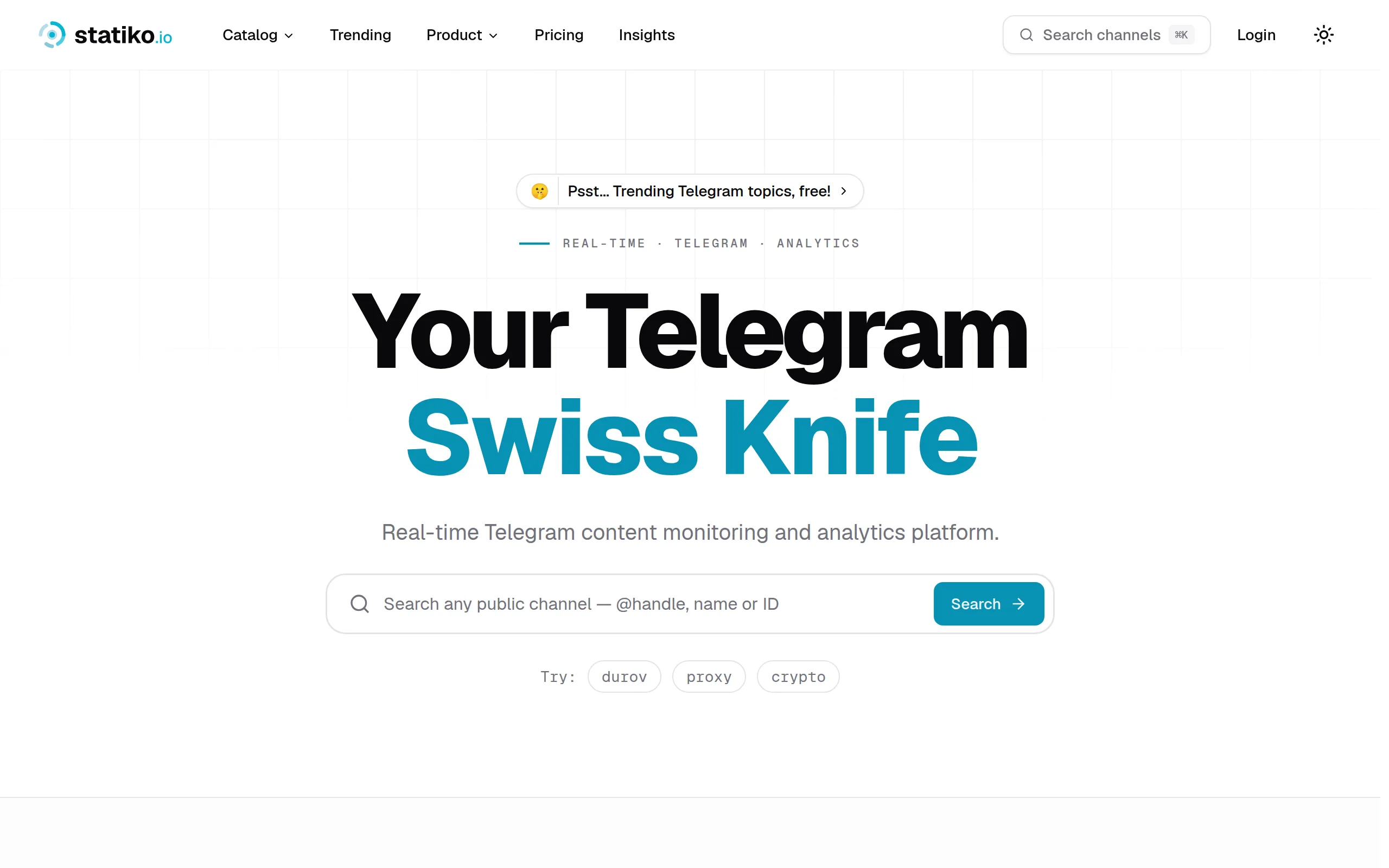
Statiko
Monitor any Telegram channel in real time - track posts, edits, deletions, and growth with AI recaps 📡
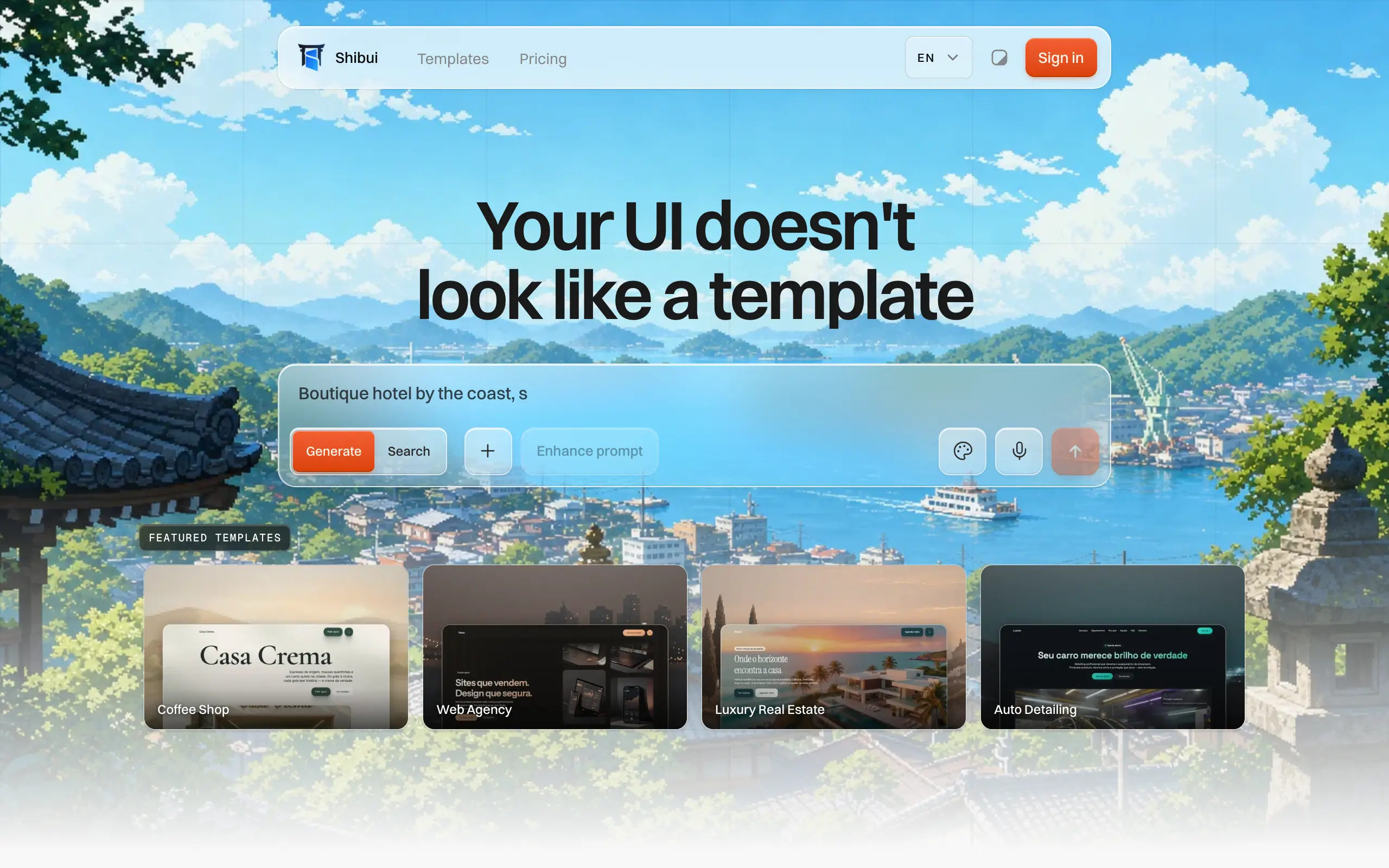
Shibui
AI website builder - describe your business, pick a niche template, edit by chatting, and publish instantly ✨
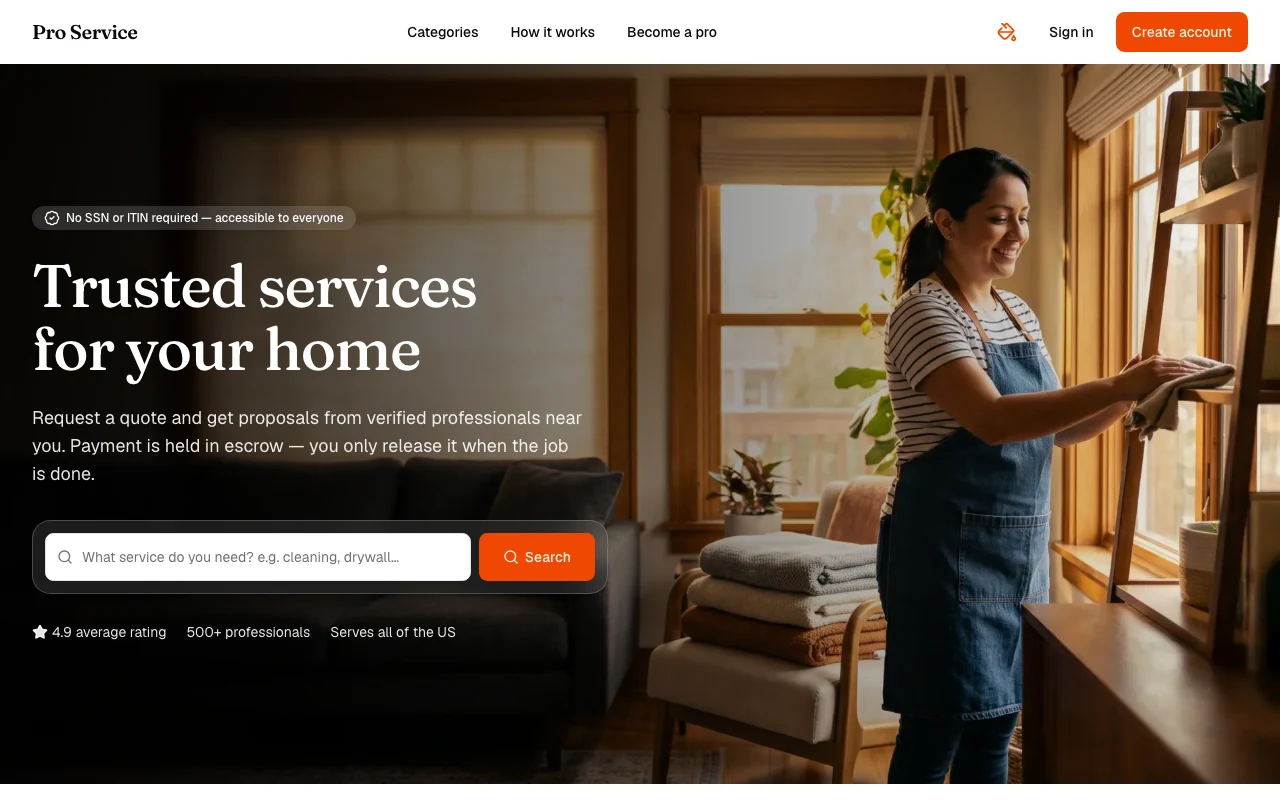
Pro Service
Find verified home service professionals, compare quotes, and pay securely through escrow - built for Brazilians across the US 🏠
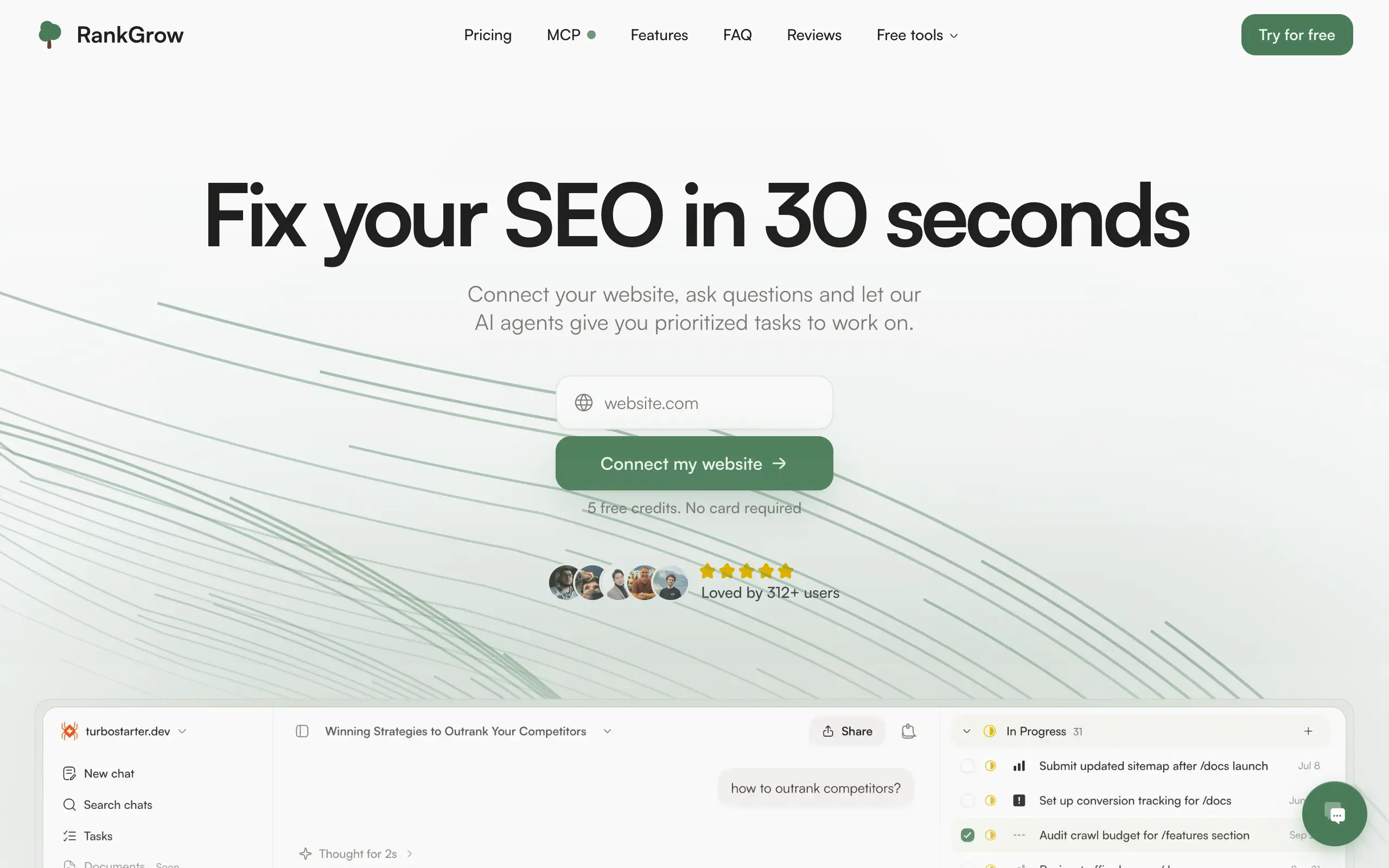
RankGrow
Fix your SEO with AI agents - connect Search Console, get prioritized tasks, and grow organic traffic 📈
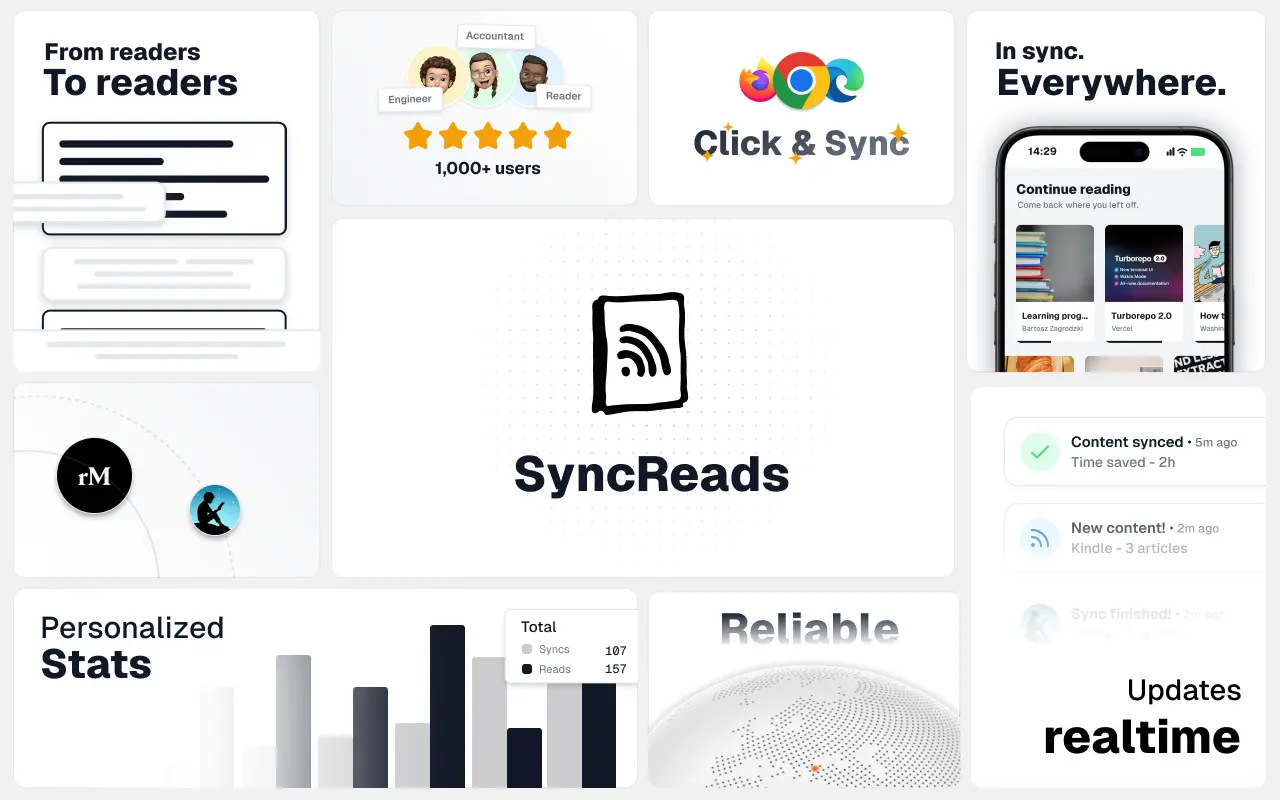
SyncReads
Sync your favorite content for distraction-free reading, save time and replace multiple apps. Anytime, anywhere 🔄
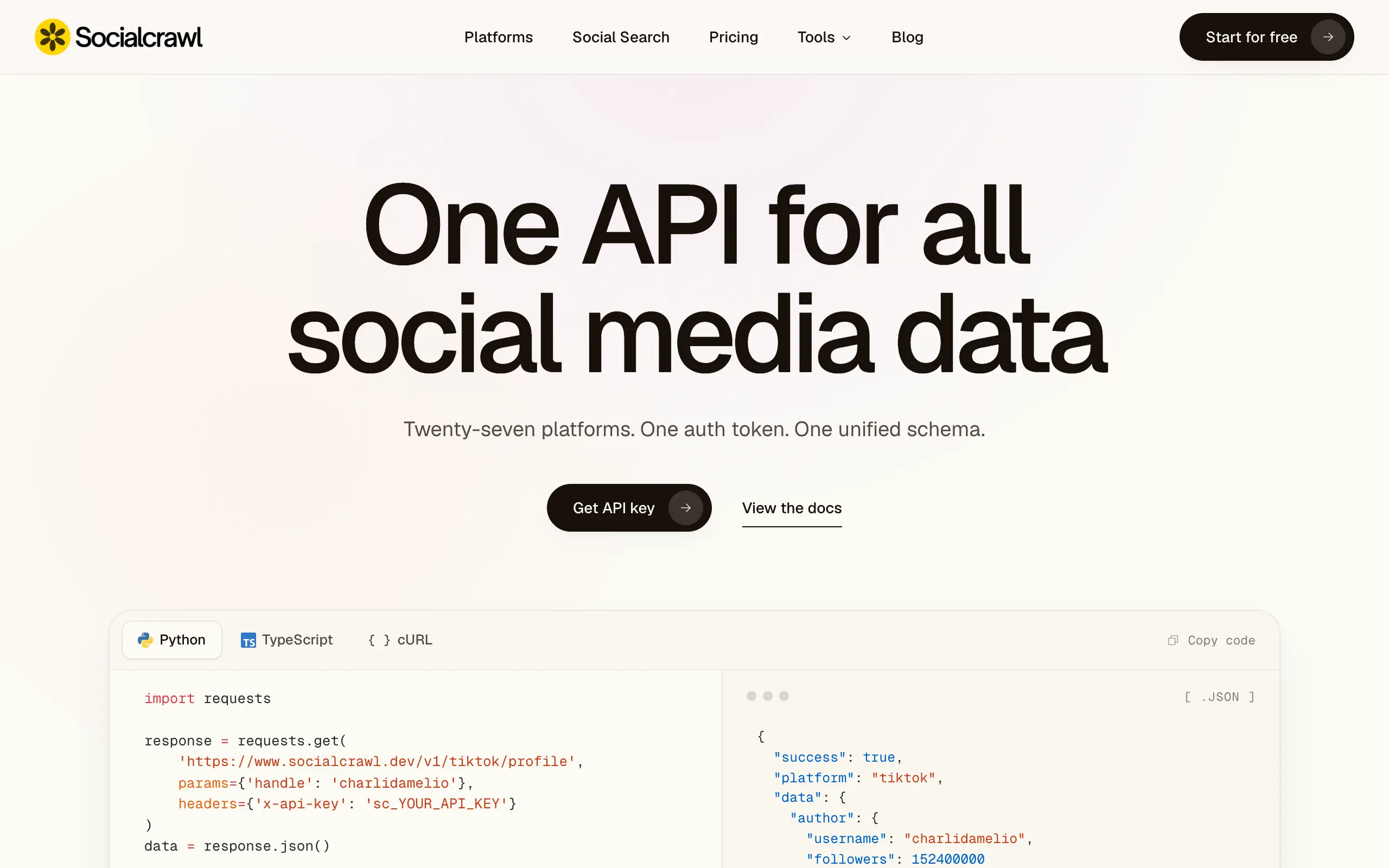
Socialcrawl
Get clean, structured data from 21 platforms like TikTok, Instagram, and YouTube with a single request 📊
Statiko
Monitor any Telegram channel in real time - track posts, edits, deletions, and growth with AI recaps 📡
Shibui
AI website builder - describe your business, pick a niche template, edit by chatting, and publish instantly ✨
Pro Service
Find verified home service professionals, compare quotes, and pay securely through escrow - built for Brazilians across the US 🏠
RankGrow
Fix your SEO with AI agents - connect Search Console, get prioritized tasks, and grow organic traffic 📈
SyncReads
Sync your favorite content for distraction-free reading, save time and replace multiple apps. Anytime, anywhere 🔄
Socialcrawl
Get clean, structured data from 21 platforms like TikTok, Instagram, and YouTube with a single request 📊
Statiko
Monitor any Telegram channel in real time - track posts, edits, deletions, and growth with AI recaps 📡
Shibui
AI website builder - describe your business, pick a niche template, edit by chatting, and publish instantly ✨
Pro Service
Find verified home service professionals, compare quotes, and pay securely through escrow - built for Brazilians across the US 🏠
RankGrow
Fix your SEO with AI agents - connect Search Console, get prioritized tasks, and grow organic traffic 📈
SyncReads
Sync your favorite content for distraction-free reading, save time and replace multiple apps. Anytime, anywhere 🔄
Socialcrawl
Get clean, structured data from 21 platforms like TikTok, Instagram, and YouTube with a single request 📊
Statiko
Monitor any Telegram channel in real time - track posts, edits, deletions, and growth with AI recaps 📡
Shibui
AI website builder - describe your business, pick a niche template, edit by chatting, and publish instantly ✨
Pro Service
Find verified home service professionals, compare quotes, and pay securely through escrow - built for Brazilians across the US 🏠
RankGrow
Fix your SEO with AI agents - connect Search Console, get prioritized tasks, and grow organic traffic 📈
SyncReads
Sync your favorite content for distraction-free reading, save time and replace multiple apps. Anytime, anywhere 🔄
Socialcrawl
Get clean, structured data from 21 platforms like TikTok, Instagram, and YouTube with a single request 📊
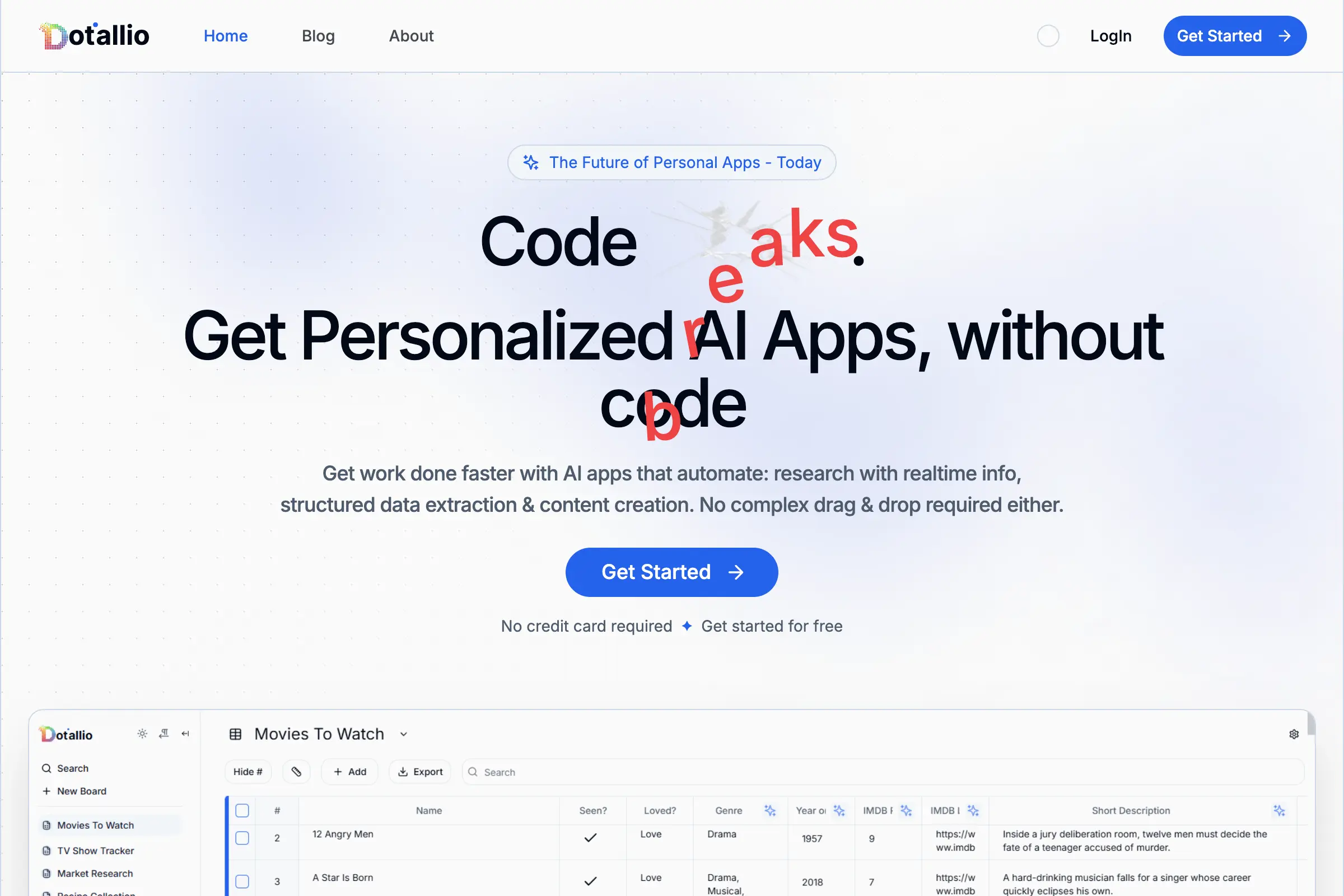
Dotallio
Personalized AI apps that automate research, data extraction, and content creation without code 🤖
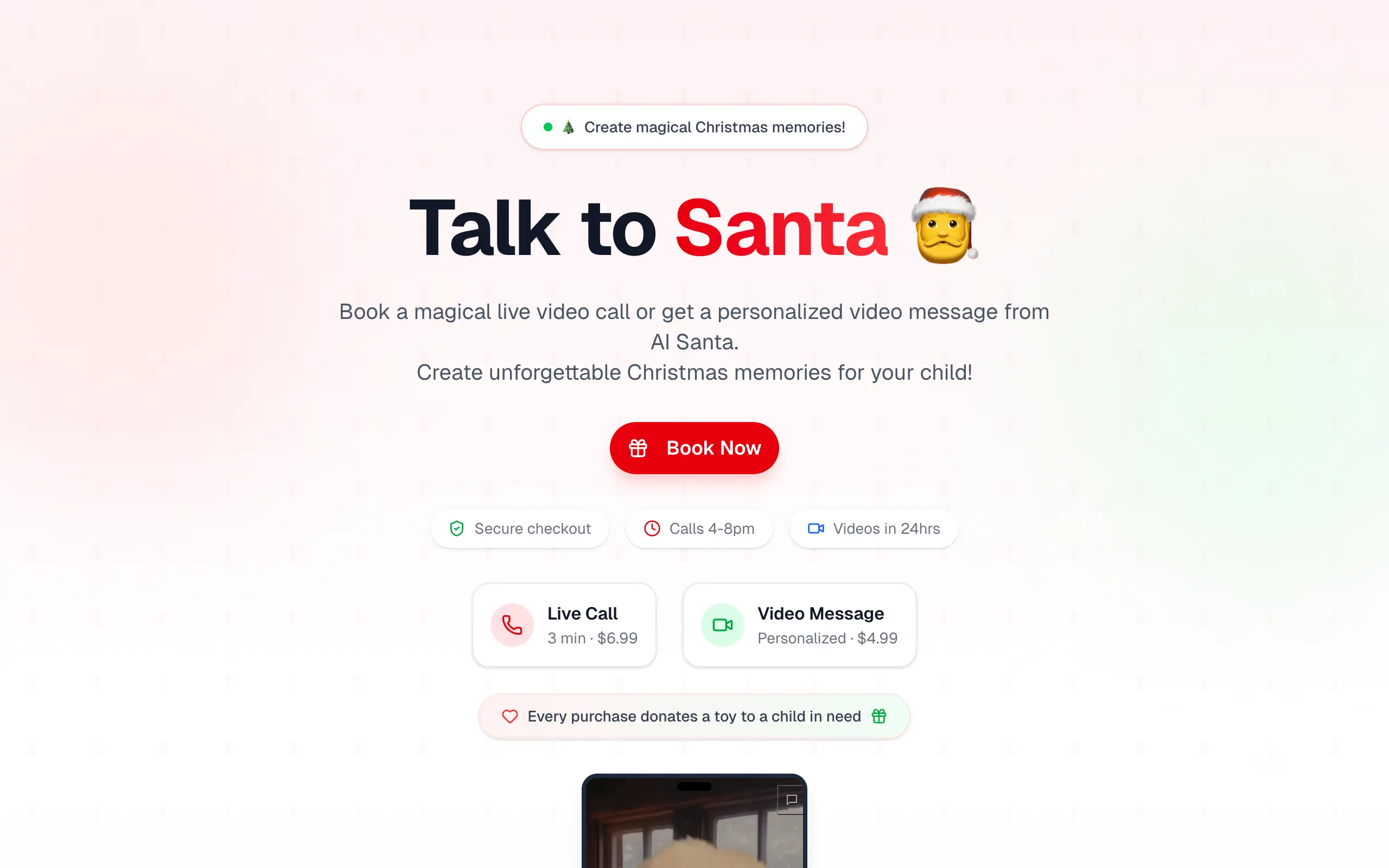
Talk to Santa
Enjoy a magical live video chat or receive a unique AI-generated video greeting from Santa Claus 🎅
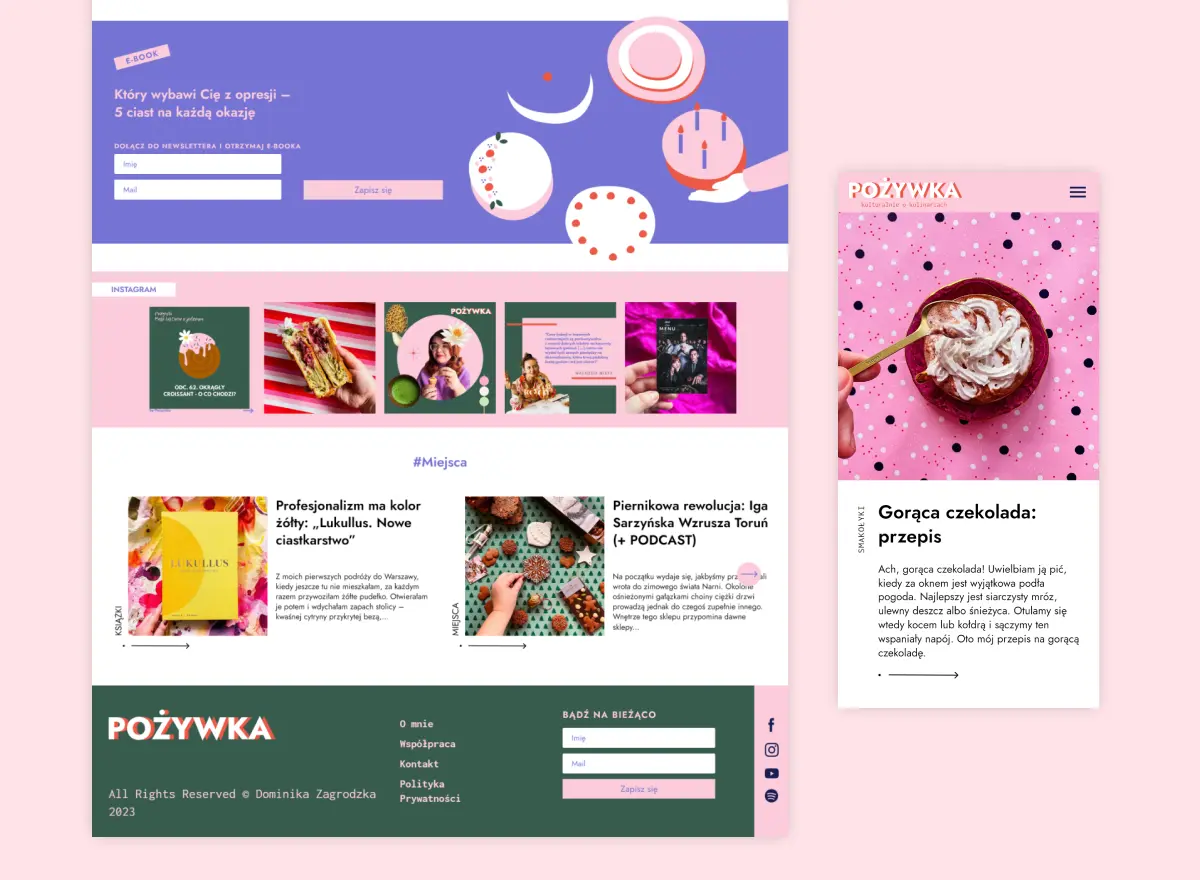
pozywka.pl
Scalable blog for food journalist, focused on performance and user experience 🌭
zagrodzki.me
Personal blog and portfolio of Bart Zagrodzki, where he shares his knowledge and work 💼
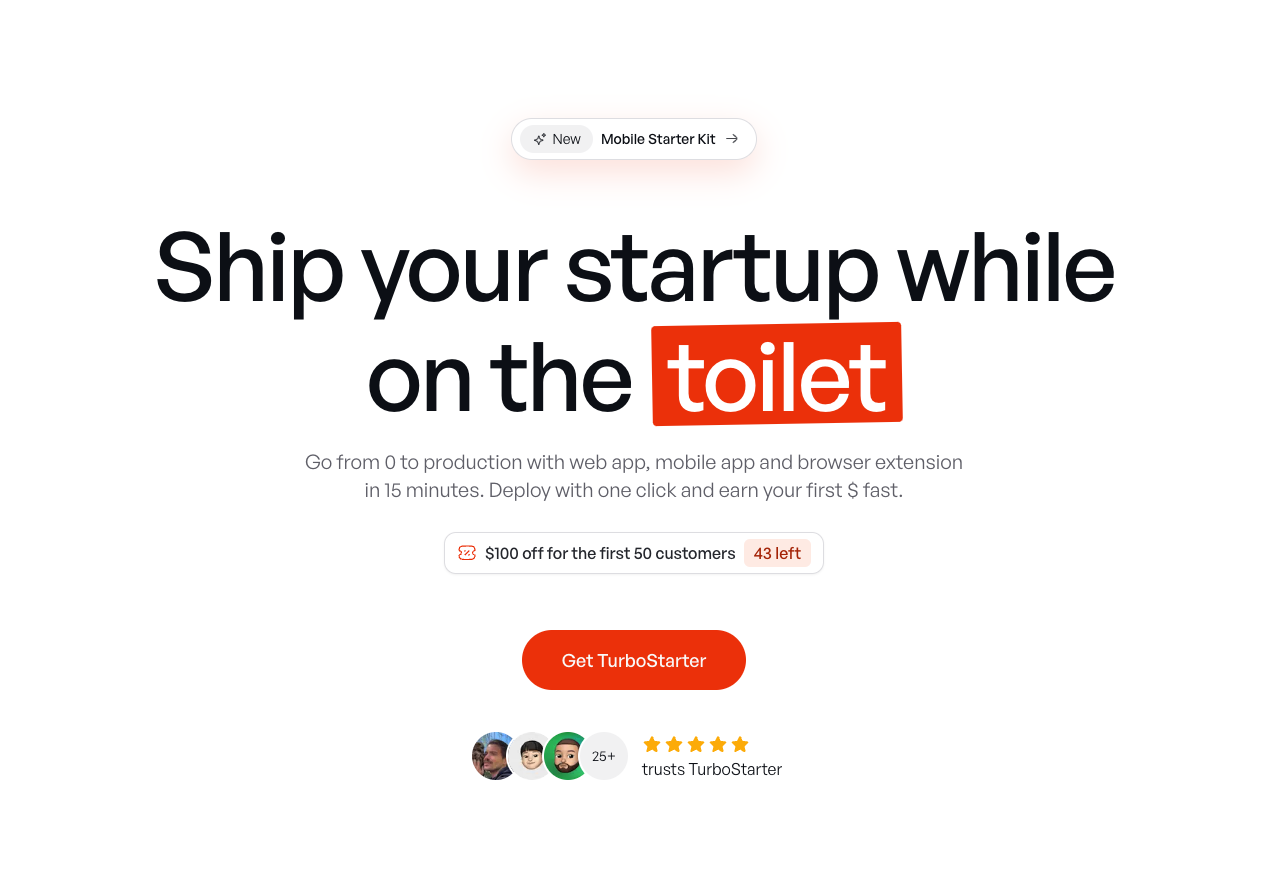
TurboStarter
Ship your startup everywhere. In minutes.
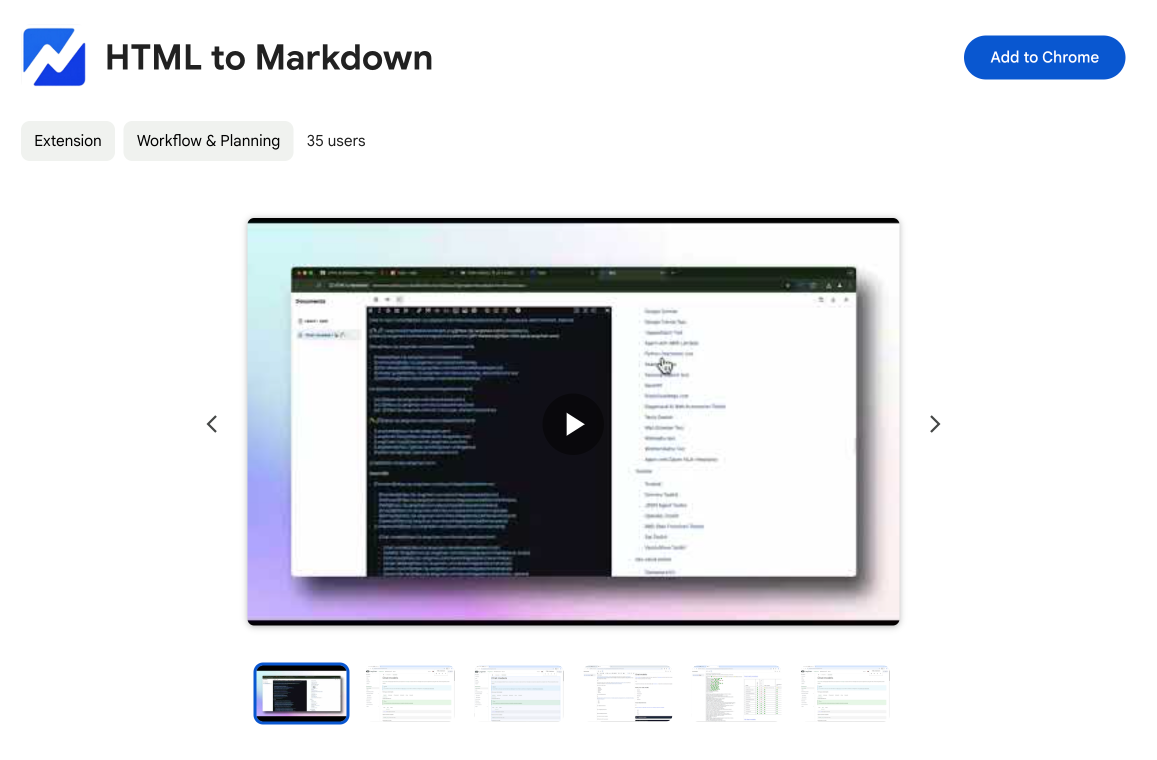
HTML to Markdown
Convert HTML to Markdown with ease, directly in your browser 📄
Dotallio
Personalized AI apps that automate research, data extraction, and content creation without code 🤖
Talk to Santa
Enjoy a magical live video chat or receive a unique AI-generated video greeting from Santa Claus 🎅
pozywka.pl
Scalable blog for food journalist, focused on performance and user experience 🌭
zagrodzki.me
Personal blog and portfolio of Bart Zagrodzki, where he shares his knowledge and work 💼
TurboStarter
Ship your startup everywhere. In minutes.
HTML to Markdown
Convert HTML to Markdown with ease, directly in your browser 📄
Dotallio
Personalized AI apps that automate research, data extraction, and content creation without code 🤖
Talk to Santa
Enjoy a magical live video chat or receive a unique AI-generated video greeting from Santa Claus 🎅
pozywka.pl
Scalable blog for food journalist, focused on performance and user experience 🌭
zagrodzki.me
Personal blog and portfolio of Bart Zagrodzki, where he shares his knowledge and work 💼
TurboStarter
Ship your startup everywhere. In minutes.
HTML to Markdown
Convert HTML to Markdown with ease, directly in your browser 📄
Dotallio
Personalized AI apps that automate research, data extraction, and content creation without code 🤖
Talk to Santa
Enjoy a magical live video chat or receive a unique AI-generated video greeting from Santa Claus 🎅
pozywka.pl
Scalable blog for food journalist, focused on performance and user experience 🌭
zagrodzki.me
Personal blog and portfolio of Bart Zagrodzki, where he shares his knowledge and work 💼
TurboStarter
Ship your startup everywhere. In minutes.
HTML to Markdown
Convert HTML to Markdown with ease, directly in your browser 📄
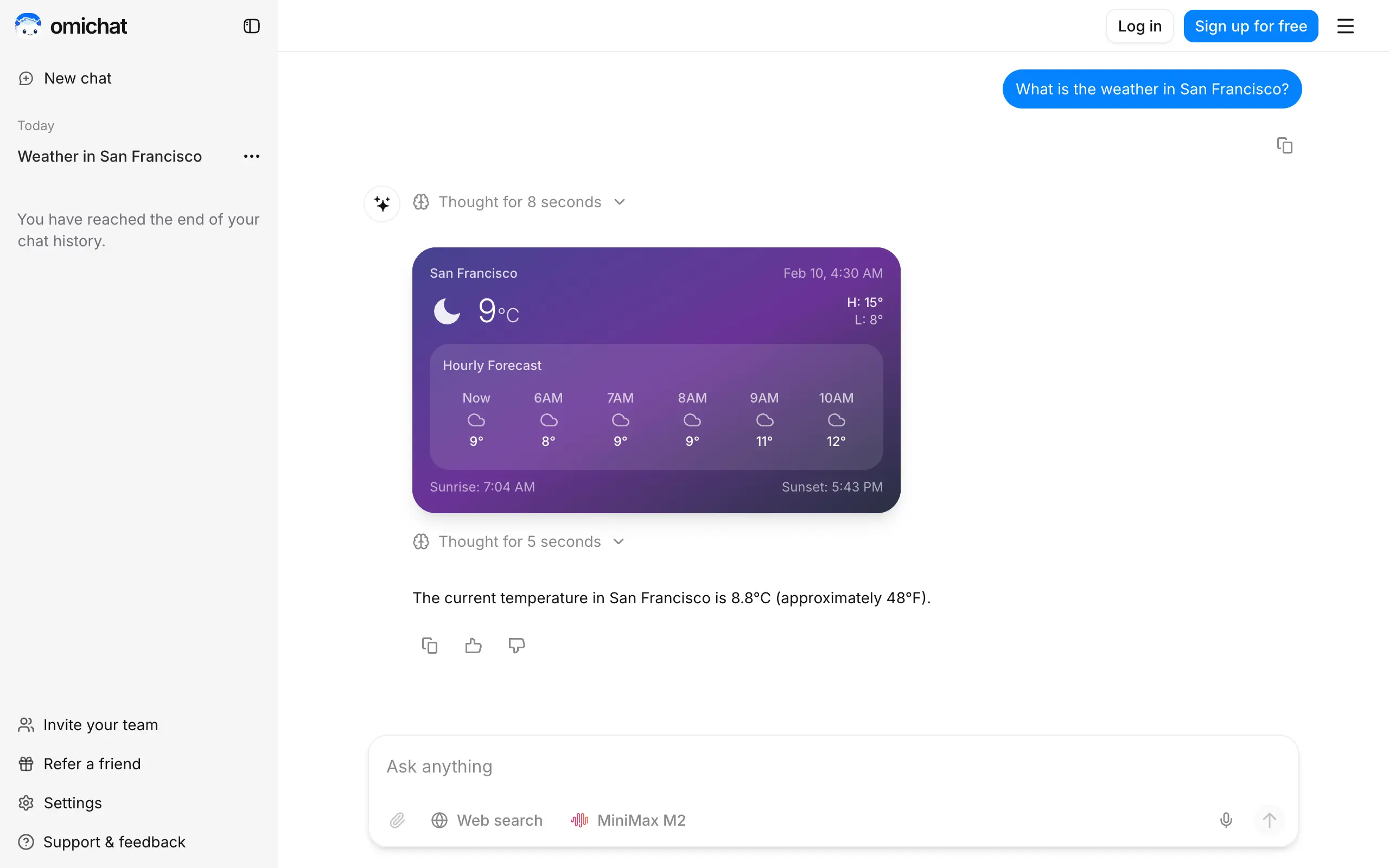
Omichat
Chat with 50+ AI models, including ChatGPT and Claude, in one place - switch models anytime without losing context 🤖
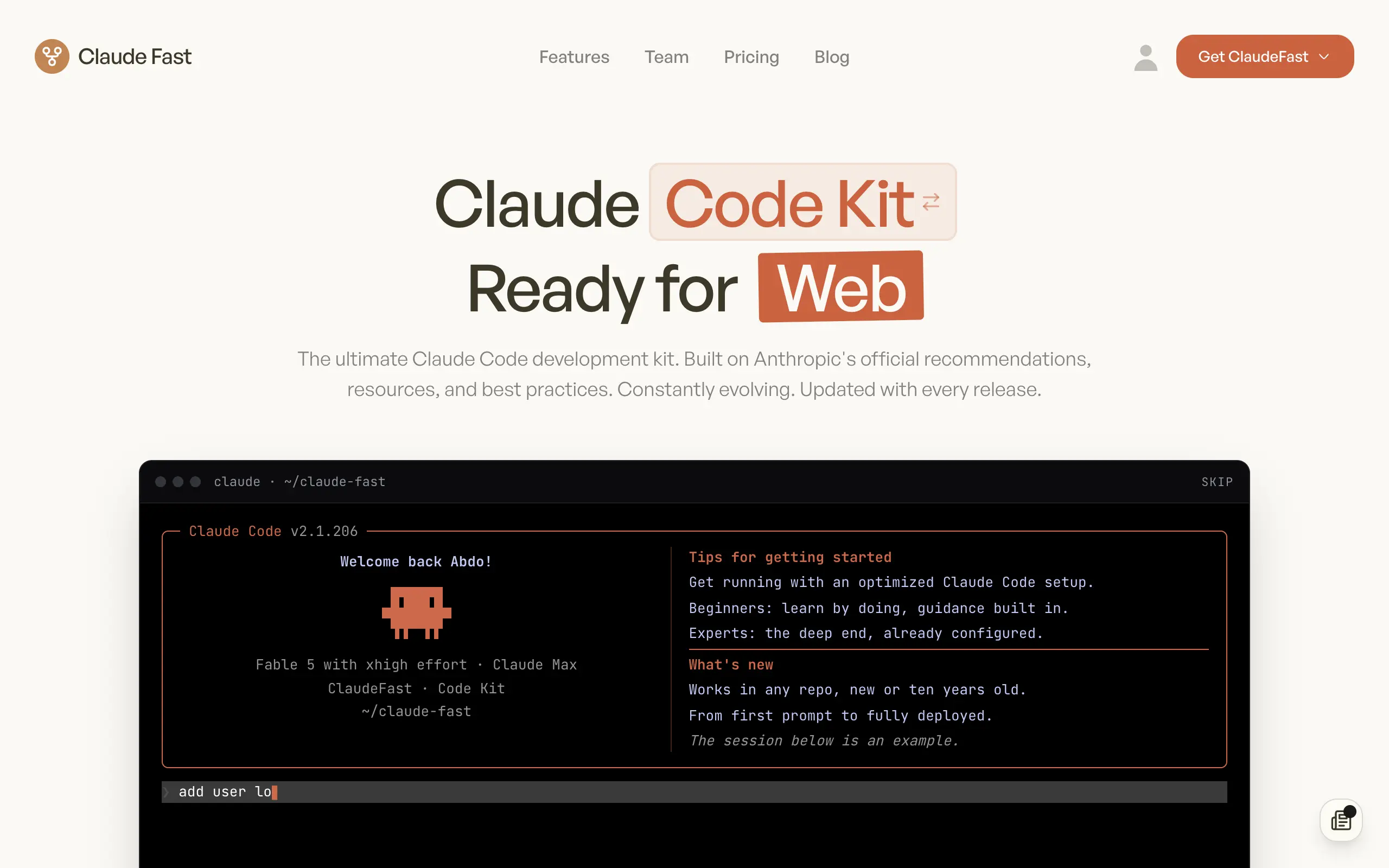
Claude Fast
Supercharge your Claude Code with 6x effective context window and specialized AI agents 🤖
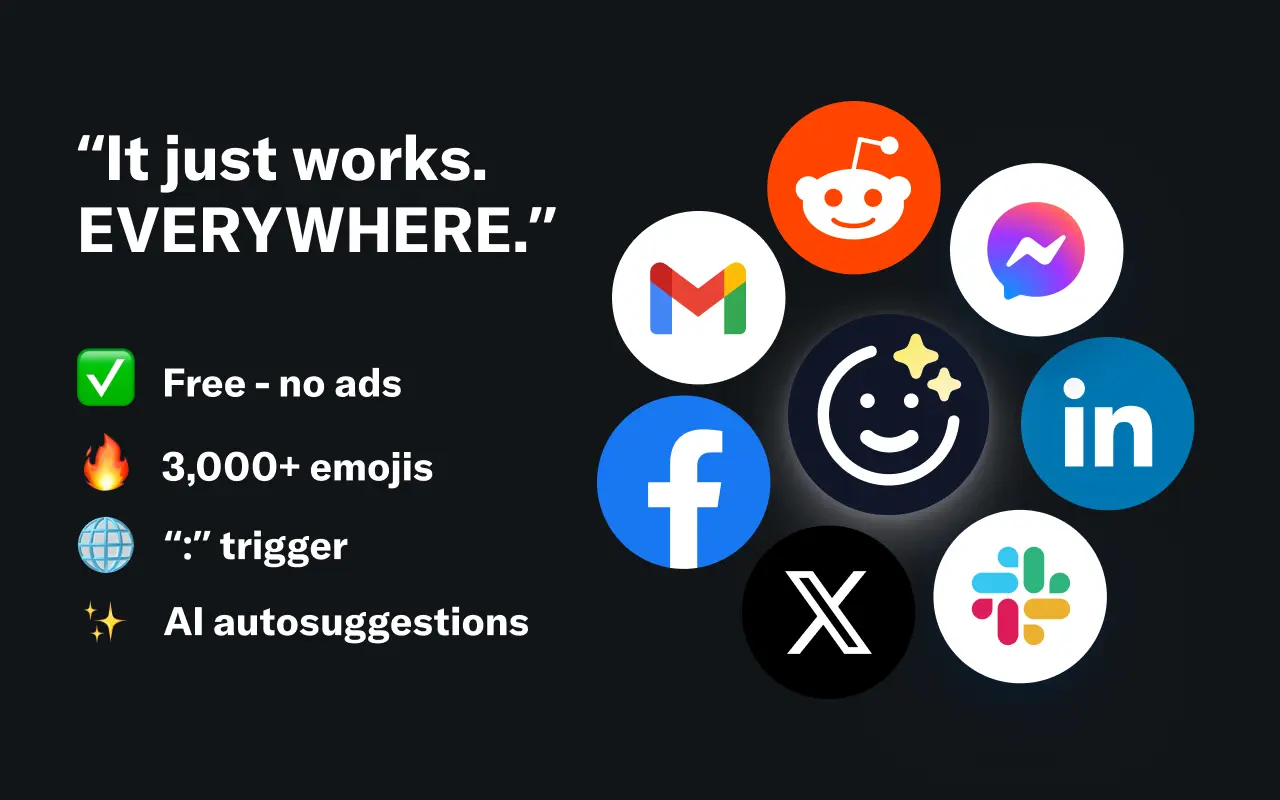
EmojAI
AI-powered emoji picker with smart, context-aware suggestions 🤖
Solohacker
Autonomous company launcher - AI agents work 24/7, escalate what matters, and you stay in control 🤖
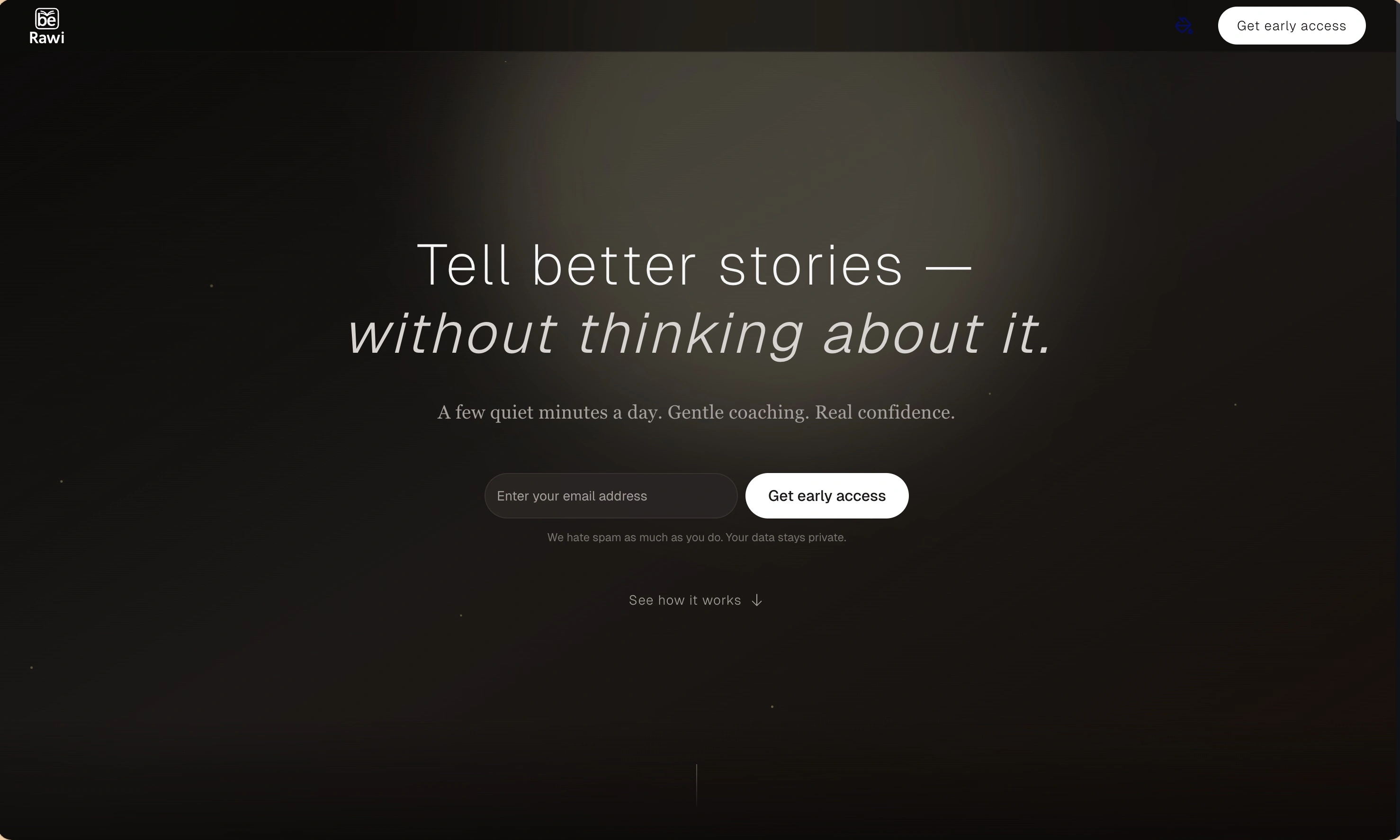
BeRawi: Storytelling Coach
Practice storytelling daily with instant feedback to sound clearer, more engaging, and confident 🎤
Omichat
Chat with 50+ AI models, including ChatGPT and Claude, in one place - switch models anytime without losing context 🤖
Claude Fast
Supercharge your Claude Code with 6x effective context window and specialized AI agents 🤖
EmojAI
AI-powered emoji picker with smart, context-aware suggestions 🤖
Solohacker
Autonomous company launcher - AI agents work 24/7, escalate what matters, and you stay in control 🤖
BeRawi: Storytelling Coach
Practice storytelling daily with instant feedback to sound clearer, more engaging, and confident 🎤
Omichat
Chat with 50+ AI models, including ChatGPT and Claude, in one place - switch models anytime without losing context 🤖
Claude Fast
Supercharge your Claude Code with 6x effective context window and specialized AI agents 🤖
EmojAI
AI-powered emoji picker with smart, context-aware suggestions 🤖
Solohacker
Autonomous company launcher - AI agents work 24/7, escalate what matters, and you stay in control 🤖
BeRawi: Storytelling Coach
Practice storytelling daily with instant feedback to sound clearer, more engaging, and confident 🎤
Omichat
Chat with 50+ AI models, including ChatGPT and Claude, in one place - switch models anytime without losing context 🤖
Claude Fast
Supercharge your Claude Code with 6x effective context window and specialized AI agents 🤖
EmojAI
AI-powered emoji picker with smart, context-aware suggestions 🤖
Solohacker
Autonomous company launcher - AI agents work 24/7, escalate what matters, and you stay in control 🤖
BeRawi: Storytelling Coach
Practice storytelling daily with instant feedback to sound clearer, more engaging, and confident 🎤

Connect with like-minded people
Join our community to get feedback, support, and grow together with 1,000+ builders on board, let's ship it!
Join usShip your startup everywhere. In minutes.
Don't burn tokens on setup and start building features on day one.