Reelcraft
Gives film fans an AI assistant that tracks what they have watched and suggests the next movie based on mood. Users stop scrolling streaming menus for an hour and start the film sooner.
Reelcraft is an AI movie companion that logs what you have watched and recommends tonight's film based on your mood, so you stop scrolling streaming menus and press play within minutes. The opportunity in 2026 is that viewing is split across many subscriptions, while every recommendation engine only sees its own catalog. An independent, mood-aware AI movie recommendation app that knows your whole history can be useful in a way no single streamer is incentivized to build.
Key takeaways
- Target customer: film fans who subscribe to two or more streaming services and lose 20 to 60 minutes a night deciding what to watch.
- Pricing angle: free tier with a capped number of mood picks, then a roughly $4 to $6 per month subscription for unlimited picks, shared watchlists and history import.
- Biggest risk: retention. Choosing a movie is a few times a week at best, so the product has to become a habit or die in the churn pile.
- Time to MVP: about 3 to 5 weeks for a solo founder using a starter kit, mostly spent on recommendation quality rather than plumbing.
What problem does an AI movie recommendation app solve?
It removes decision fatigue at the moment people are most impatient: the start of an evening. Someone sits down with a free night, opens a streaming app, scrolls through rows of thumbnails and either gives up or picks something familiar. The decision costs more than it should, and the film often disappoints anyway.
Who is the ideal customer?
The sharpest early customer is a film-loving adult, aged roughly 25 to 45, who pays for two to four streaming services and watches several films a month. They already care about cinema. Many keep a Letterboxd account, a notes app list or a screenshot folder of titles they meant to watch.
Couples and small households are a close second. Negotiating a film between two people with different moods is a real, recurring friction, and it makes a shared mode a natural feature.
What do they do today, and why does it fail?
Current workarounds are patchy:
- Streaming service home screens: optimized to keep you inside one catalog, not to find the best film for your mood.
- Watchlist apps and spreadsheets: good at storage, bad at answering "what fits tonight?" Lists grow into guilt piles.
- Asking friends or Reddit: high quality, but slow and not available at 9pm on a Tuesday.
- General chatbots: can suggest films, but they forget your history and do not know where a title is streaming in your country.
The common failure is that nobody combines memory (what you have seen and loved), context (your mood tonight) and availability (what you can actually play now).
Is there a market gap for mood-based movie recommendations?
Yes, in the space between logging tools and platform recommenders. Letterboxd is well loved for logging and social film discussion, and services like Netflix invest heavily in personalization, but each serves a different job. Logging apps record the past. Platform engines promote their own catalog. Few products answer the single question "what should I watch right now, given how I feel?"
Why now in 2026?
- Subscription fragmentation: viewers juggle multiple services, so a neutral layer across them gains value.
- Cheaper language models: mood is fuzzy text such as "something warm but not cheesy," and modern models handle that kind of input far better than genre filters.
- Users are comfortable with conversational assistants: typing a vibe into a chat box is now a normal behavior.
- Catalog data is accessible: public movie metadata sources and streaming availability APIs exist, so you do not need to build a database of films from scratch.
The honest caveat: recommendation is a crowded idea, and a thin wrapper around a chatbot will not hold users. The opening is in memory and context, not in the model itself.
What should the Reelcraft MVP include?
Build the shortest path to the aha moment: a user states a mood, gets three films that clearly fit their taste, and sees where to stream each one, all in under a minute. Everything else is secondary.
Watch history import
Add films by search, quick rating taps or a CSV import so the assistant learns taste fast without tedious setup.
Mood-based picks
Type or tap a mood and get three tailored suggestions with a one-line reason each, grounded in what you have watched.
Where to watch
Show which of your own subscriptions carry each pick, so a suggestion is always playable tonight.
Shared tonight mode
Two people enter moods and get a compromise shortlist, which solves the couples negotiation problem.
What to cut from version one
- Social feeds, reviews and followers. Letterboxd owns that.
- Native mobile apps. Ship a responsive web app first.
- TV series. Films have a clear start and end, which keeps the recommendation problem tighter.
- Complex taste dashboards and year-in-review stats. Nice later, irrelevant to the first session.
Designing the aha moment
Reduce onboarding to rating about ten films the user knows. If a new user does not see a surprisingly good pick in their first session, they will not return. Measure time from signup to first "I'll watch that" tap and treat it as your core metric.
How is Reelcraft different from existing options?
The unique selling proposition is simple: one assistant that remembers everything you have watched, understands tonight's mood and checks your own subscriptions. No incumbent has an incentive to be neutral across services, and logging apps have not focused on the decision moment.
| Option | Remembers your history | Mood-aware | Filters to your subscriptions | Neutral across services |
|---|---|---|---|---|
| Reelcraft | ✅ | ✅ | ✅ | ✅ |
| Streaming service home screens | Own catalog only | Limited | ❌ | ❌ |
| Logging and watchlist apps | ✅ | ❌ | Depends | ✅ |
| General AI chatbots | ❌ | ✅ | ❌ | ✅ |
| Spreadsheet or notes list | ✅ | ❌ | ❌ | ✅ |
The moat is not technology. It is accumulated taste data per user, which makes switching painful after a few months of ratings.
How would Reelcraft make money?
Consumer entertainment tools earn low willingness to pay, so keep pricing modest and the free tier genuinely useful.
Option 1: freemium subscription
Free users get a few mood picks per week. Paid users get unlimited picks, shared mode and history import. Assume $5 per month and a 3% conversion of active free users: you need roughly 1,700 active free users to reach $250 per month. It is slow, but costs are low.
Option 2: annual plan with household sharing
A $39 to $49 per year plan for two people matches how couples watch. Annual billing improves cash flow and reduces monthly churn, which matters given infrequent use.
Option 3: affiliate and partnership revenue
Some streaming and rental services offer affiliate programs. Treat this as a supplement, not a plan, because it can bias recommendations and erode trust if users sense the picks are paid.
Which growth channel works first?
Start with film communities and short-form content. Post "I told an AI my mood, here is what it picked" demos, and engage in film subreddits and newsletters where people already trade recommendations. A shareable result card (three picks for a mood) gives a natural viral loop.
How do you validate the idea before building?
Spend one to two weeks proving that people will give you their watch history and come back.
Interview ten film fans
Ask how they chose their last three films and how long it took. Listen for frustration with choosing, not enthusiasm for AI.
Run a manual concierge test
Take mood requests from five people over chat and send picks by hand, using their ratings. If they reply "watching it now," the core loop works.
Ship a landing page with a demo
State one promise, such as "Tell us your mood, start your film in five minutes," and collect emails. Track the share of visitors who join the waitlist.
Test willingness to pay
Offer a founding-member annual price to waitlist members. Even a handful of paid pre-orders is a stronger signal than a hundred emails.
What tech stack do you need to build an AI movie recommender?
The product needs accounts, a database of users, ratings and picks, a recommendation pipeline, billing and transactional email. Most of that is undifferentiated, so starting from TurboStarter saves the first weeks. It ships a monorepo with web and mobile apps, authentication, billing, database, emails, storage, AI, background tasks and an admin panel.
What TurboStarter covers for Reelcraft
- Accounts: email and social sign-in through the authentication setup, so users can save history from day one.
- Subscriptions: the billing module handles plans and checkout for your freemium tier.
- Data: the database layer gives you a typed place for ratings and moods.
- Recommendations: the AI integration is the starting point for your model calls.
A later mobile app can reuse the same monorepo, which matters because people often decide what to watch on the couch with a phone in hand.
A minimal data model
type Rating = {
  userId: string;
  movieId: number; // external catalog ID
  score: number; // 1 to 10
  watchedAt: Date;
  note?: string;
};

type PickRequest = {
  userId: string;
  mood: string; // free text, e.g. "cozy but smart"
  runtimeMax?: number;
  services: string[]; // user's subscriptions
};
Which approach for recommendations?
Fetch a candidate list from catalog metadata, pass the user's top-rated films and mood to a language model, and ask it to choose and explain three. It is fastest to build and handles odd moods well. The trade-off is per-request cost and occasional invented titles, so always validate picks against your catalog.
Embed films and user taste, then rank candidates by similarity and use a model only for the explanation. It is cheaper at scale and more consistent, but needs more engineering and tuning. Move here after you have real usage and cost pressure.
Begin with the first approach. Optimize cost only once people are paying. For catalog metadata and streaming availability, use an established third-party movie data API and check its terms for commercial use before launch.
What could make Reelcraft fail?
Biggest risk: weak retention
Picking a film is an occasional need, not a daily one. If users try Reelcraft twice and drift back to scrolling, subscriptions will churn within a month or two. Counter this by building habit hooks early: a weekly "tonight's pick" email, a growing taste profile users do not want to lose, and shared mode that pulls in a second person.
Other real risks
- Recommendation quality: a few bad picks erode trust. Mitigate with quick feedback taps ("seen it," "not tonight") that improve results immediately.
- Data dependency: catalog and availability data come from third parties whose terms and pricing can change. Abstract the provider behind one interface so you can swap it.
- Platform response: large services can add mood search. Your defense is neutrality across services and a loyal niche, not out-building them on features.
- Model cost: heavy use of a language model per request can eat a $5 subscription. Cache candidate lists, cap free picks and track cost per active user.
What is the 30-day plan to launch Reelcraft?
Week 1: validate and set up
Run interviews and the concierge test, then start a project from TurboStarter with auth, billing and database configured.
Week 2: build the core loop
Implement film search, rating import and the mood pick flow with three suggestions and reasons.
Week 3: add availability and billing
Connect streaming availability, filter by the user's services and turn on the free and paid plans.
Week 4: launch to a small audience
Invite waitlist members, post demos in film communities and watch time to first accepted pick and week-two return rate.
Pick one narrow audience, such as couples who subscribe to three or more services, and make them love it before widening. Start from a ready foundation and spend your time on recommendation quality.
FAQ
Run a manual concierge test: take mood requests from a few film fans and send picks by hand. If they actually watch the films and ask again, the core loop has value. Then test a waitlist and a founding-member price.
Most entertainment utilities support a low price, typically a few dollars per month or a modest annual plan. Start near $5 per month or $39 to $49 per year for a household, then adjust based on conversion and your model cost per user.
Letterboxd for logging and community, the recommendation engines inside streaming services, and general AI chatbots used ad hoc. None combines long-term memory, mood and availability across your own subscriptions, which is the gap to target.
A TypeScript web app with a relational database, a language model API and a third-party movie metadata source works well. A starter like TurboStarter provides auth, billing, database and AI scaffolding so you can focus on recommendation quality.
A solo founder can typically reach a usable MVP in three to five weeks with a starter kit. Main costs are model usage, a movie data API and hosting, which stay small until you have meaningful traffic.
You need to follow the terms of whichever metadata provider you use, including attribution and commercial-use rules. Read them before launch and avoid scraping streaming sites.
More 🤖 AI Startup SaaS ideas
Discover more innovative ai startup SaaS ideas that are trending in 2026. Each idea is AI-generated with market validation and growth potential to help you find your next profitable venture faster than competitors.
Your competitors are building with TurboStarter
Below are some of the SaaS ideas that have been generated and built with our starter kit.

Monitor any Telegram channel in real time - track posts, edits, deletions, and growth with AI recaps 📡

AI website builder - describe your business, pick a niche template, edit by chatting, and publish instantly ✨

Find verified home service professionals, compare quotes, and pay securely through escrow - built for Brazilians across the US 🏠
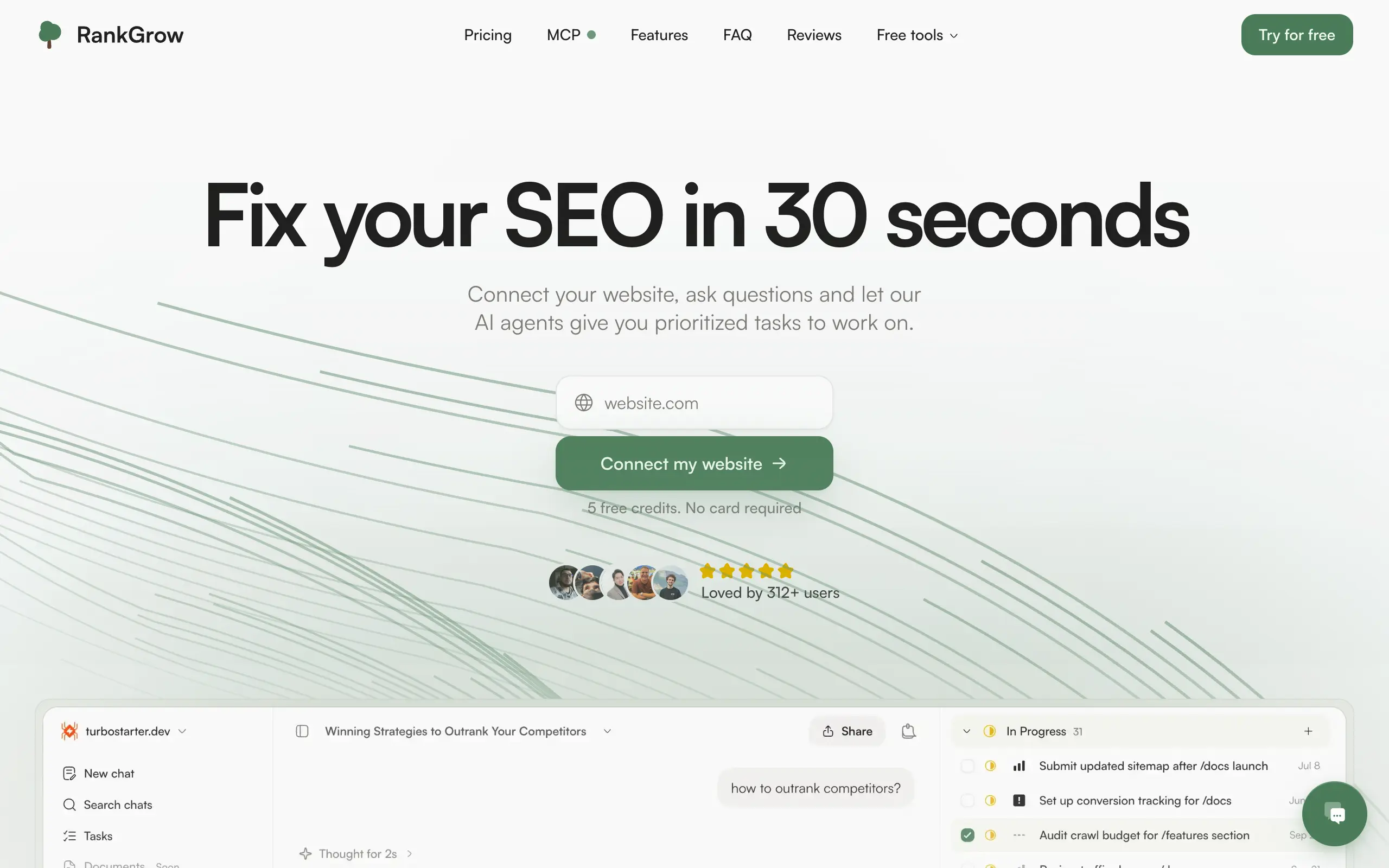
Fix your SEO with AI agents - connect Search Console, get prioritized tasks, and grow organic traffic 📈
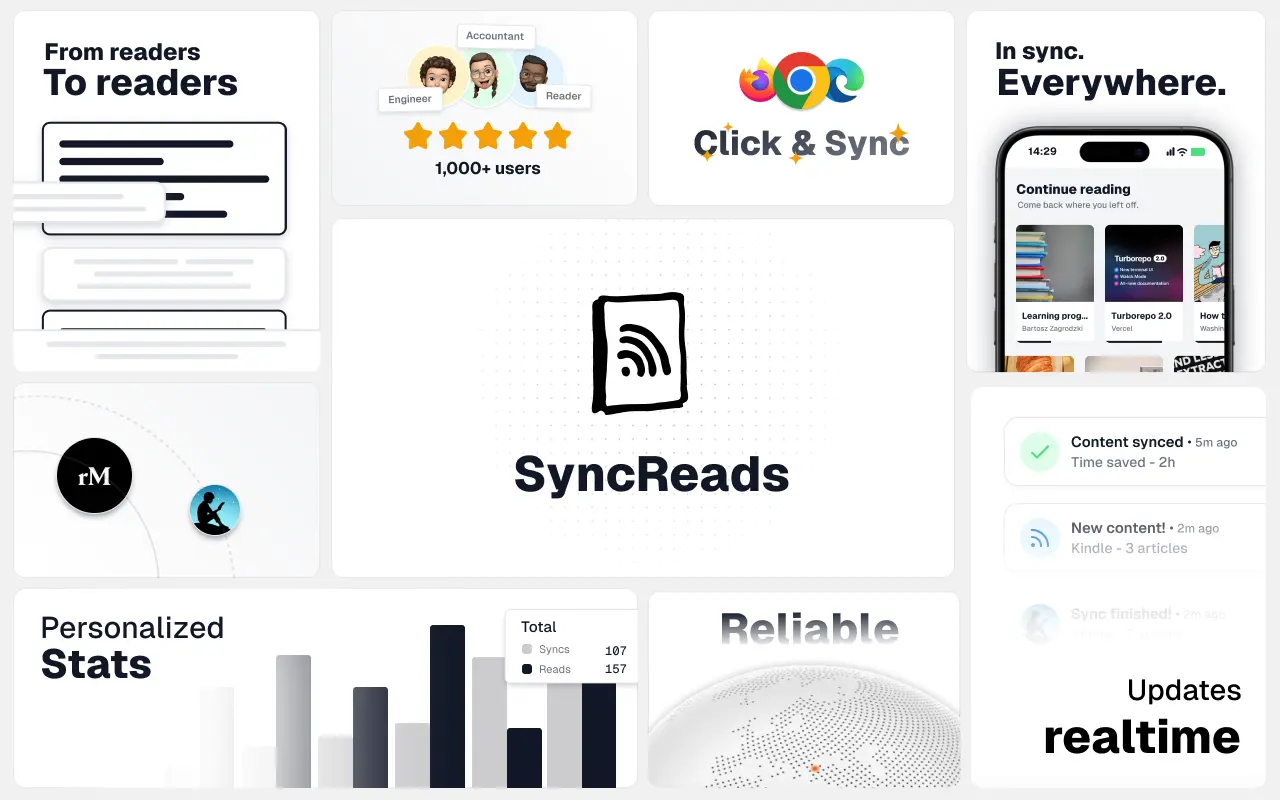
Sync your favorite content for distraction-free reading, save time and replace multiple apps. Anytime, anywhere 🔄
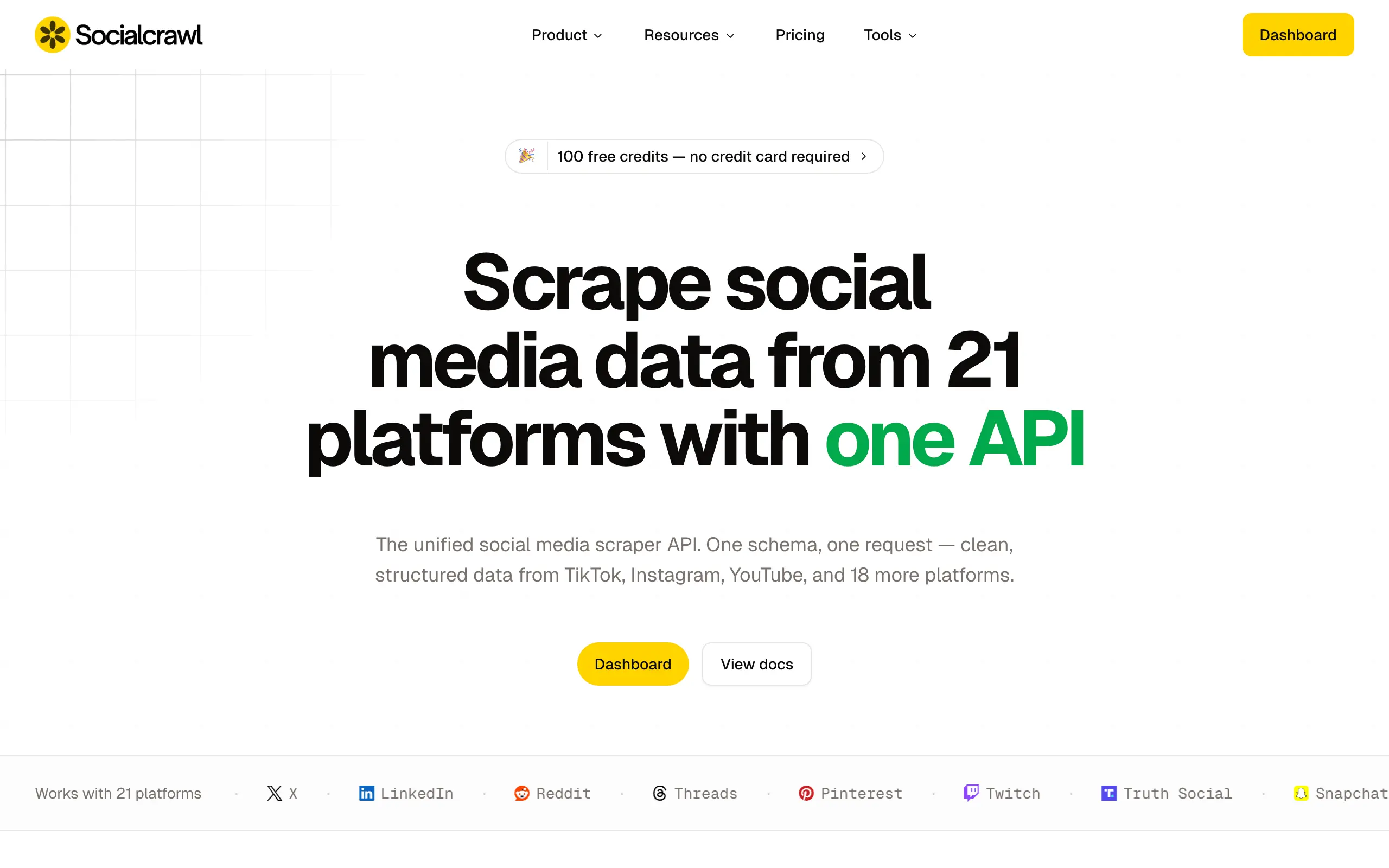
Get clean, structured data from 21 platforms like TikTok, Instagram, and YouTube with a single request 📊
Monitor any Telegram channel in real time - track posts, edits, deletions, and growth with AI recaps 📡
AI website builder - describe your business, pick a niche template, edit by chatting, and publish instantly ✨
Find verified home service professionals, compare quotes, and pay securely through escrow - built for Brazilians across the US 🏠
Fix your SEO with AI agents - connect Search Console, get prioritized tasks, and grow organic traffic 📈
Sync your favorite content for distraction-free reading, save time and replace multiple apps. Anytime, anywhere 🔄
Get clean, structured data from 21 platforms like TikTok, Instagram, and YouTube with a single request 📊
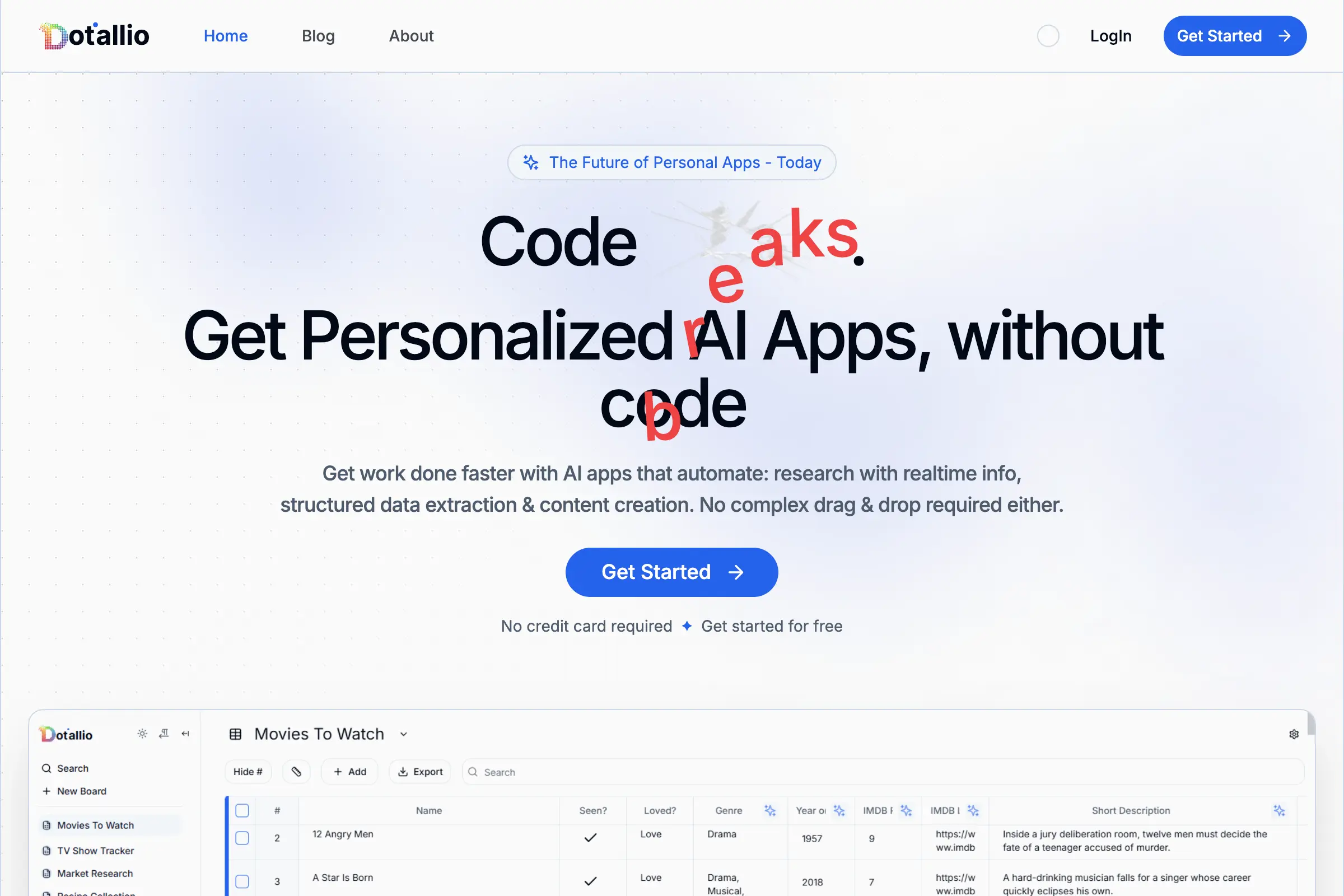
Personalized AI apps that automate research, data extraction, and content creation without code 🤖
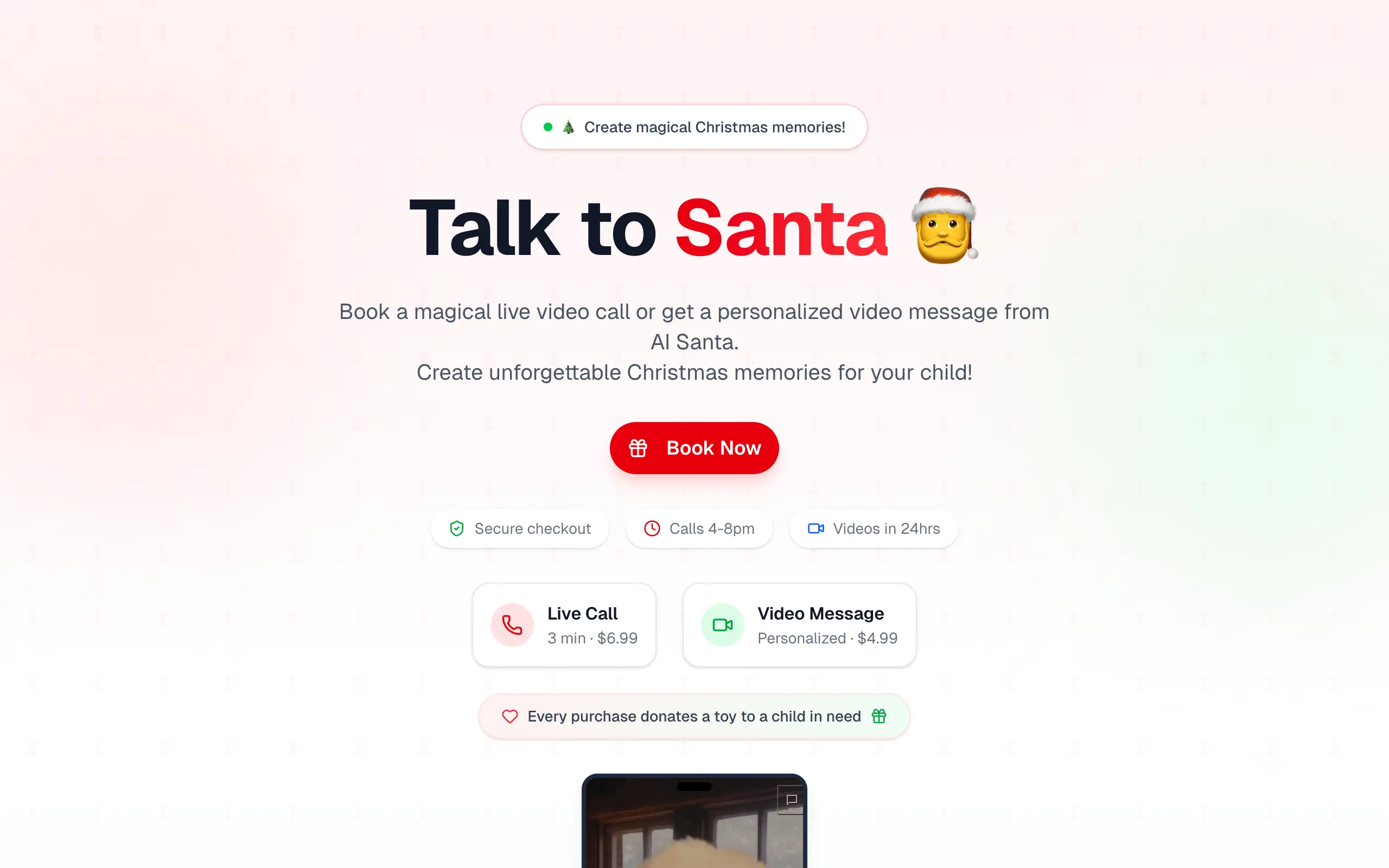
Enjoy a magical live video chat or receive a unique AI-generated video greeting from Santa Claus 🎅
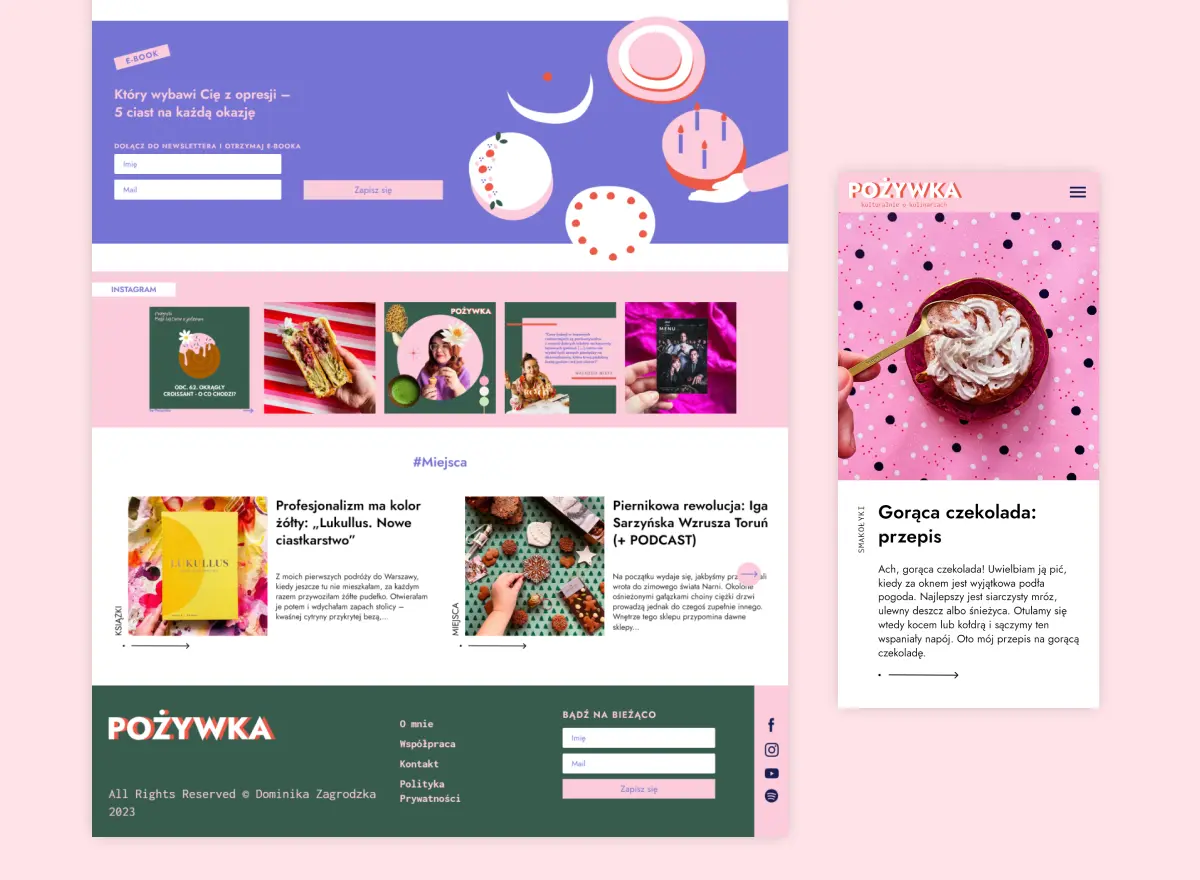
Scalable blog for food journalist, focused on performance and user experience 🌭
Personal blog and portfolio of Bart Zagrodzki, where he shares his knowledge and work 💼
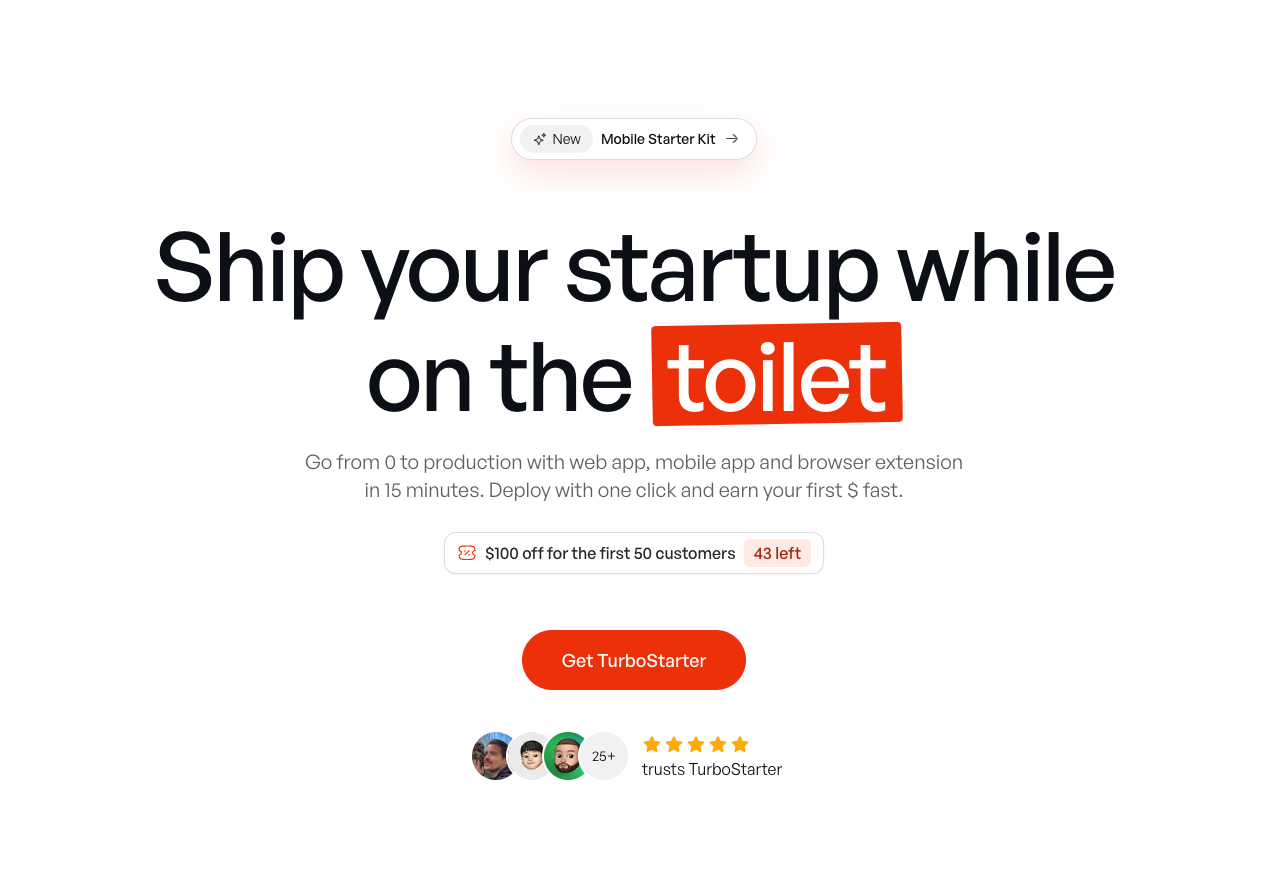
Ship your startup everywhere. In minutes.
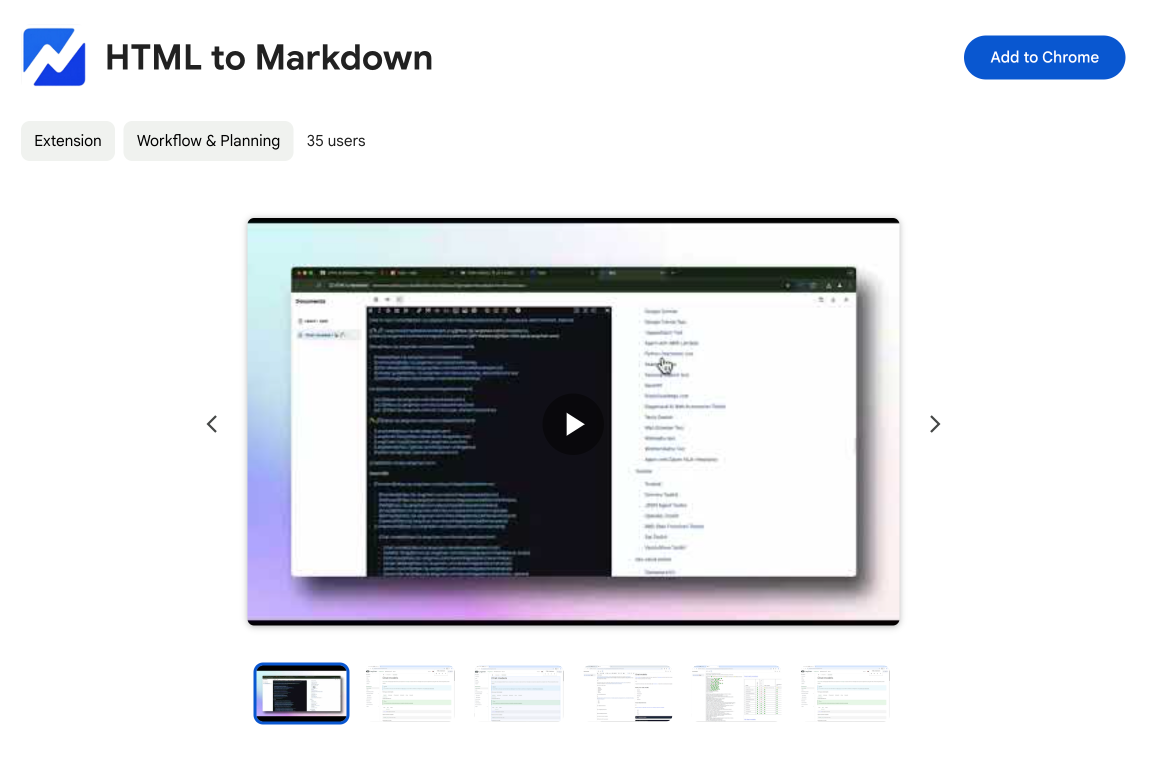
Convert HTML to Markdown with ease, directly in your browser 📄
Personalized AI apps that automate research, data extraction, and content creation without code 🤖
Enjoy a magical live video chat or receive a unique AI-generated video greeting from Santa Claus 🎅
Scalable blog for food journalist, focused on performance and user experience 🌭
Personal blog and portfolio of Bart Zagrodzki, where he shares his knowledge and work 💼
Ship your startup everywhere. In minutes.
Convert HTML to Markdown with ease, directly in your browser 📄
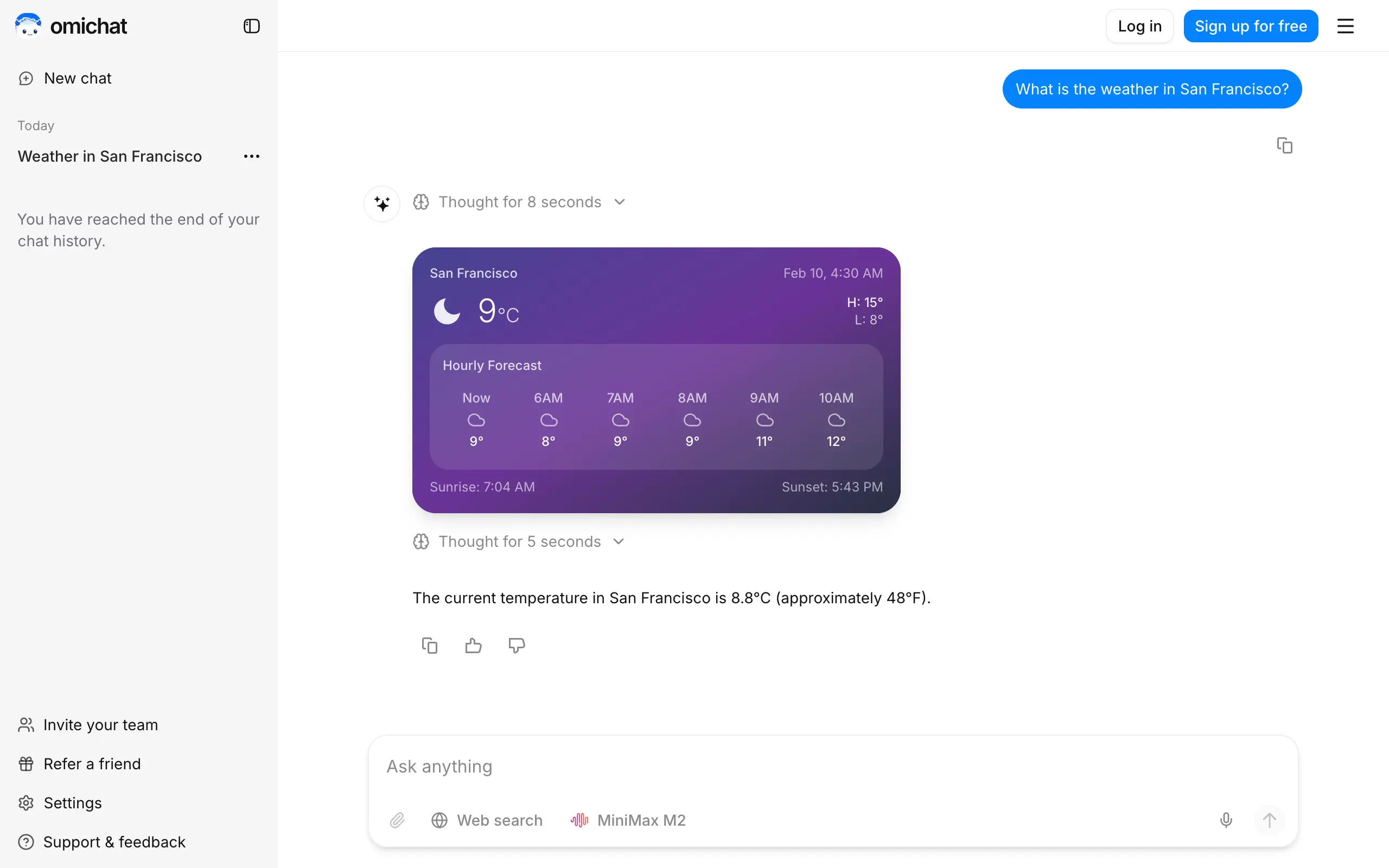
Chat with 50+ AI models, including ChatGPT and Claude, in one place - switch models anytime without losing context 🤖
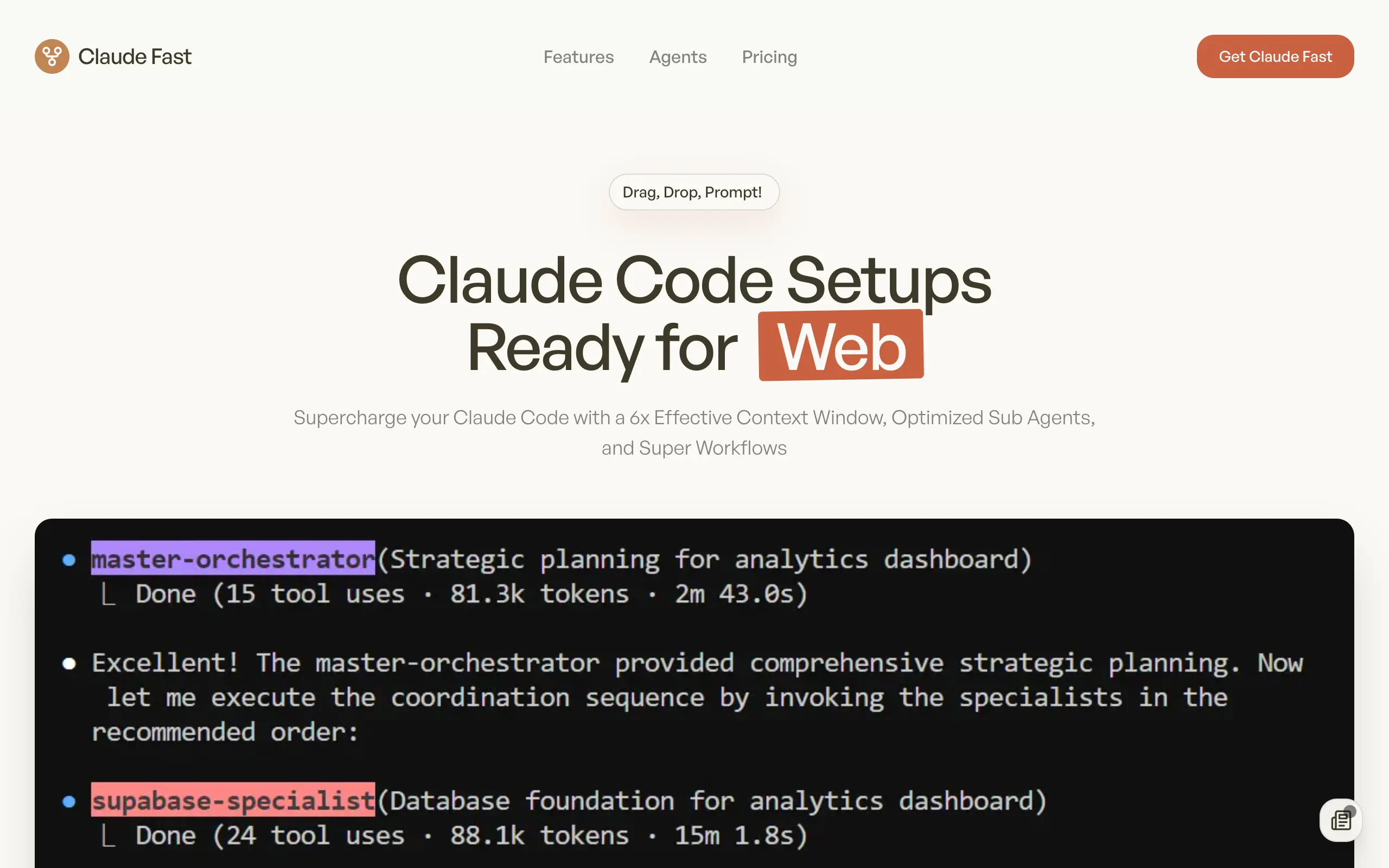
Supercharge your Claude Code with 6x effective context window and specialized AI agents 🤖
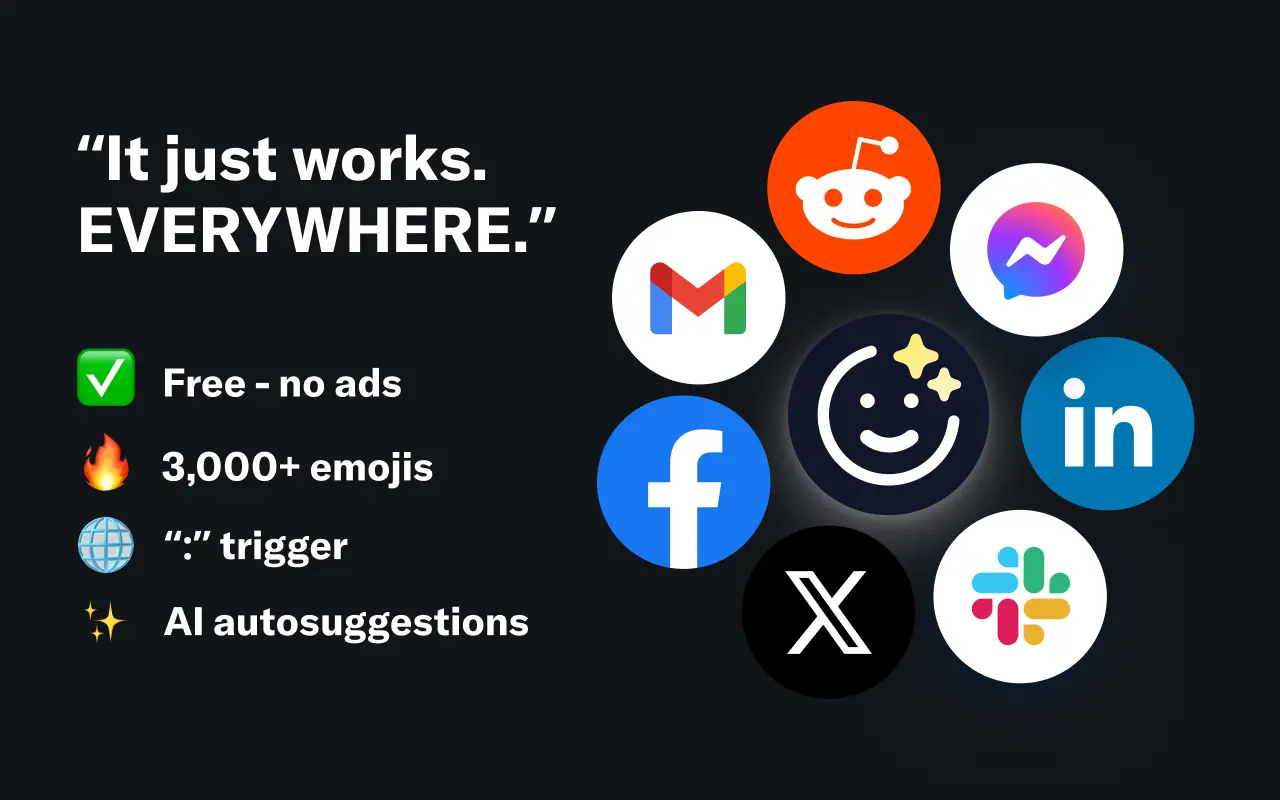
AI-powered emoji picker with smart, context-aware suggestions 🤖
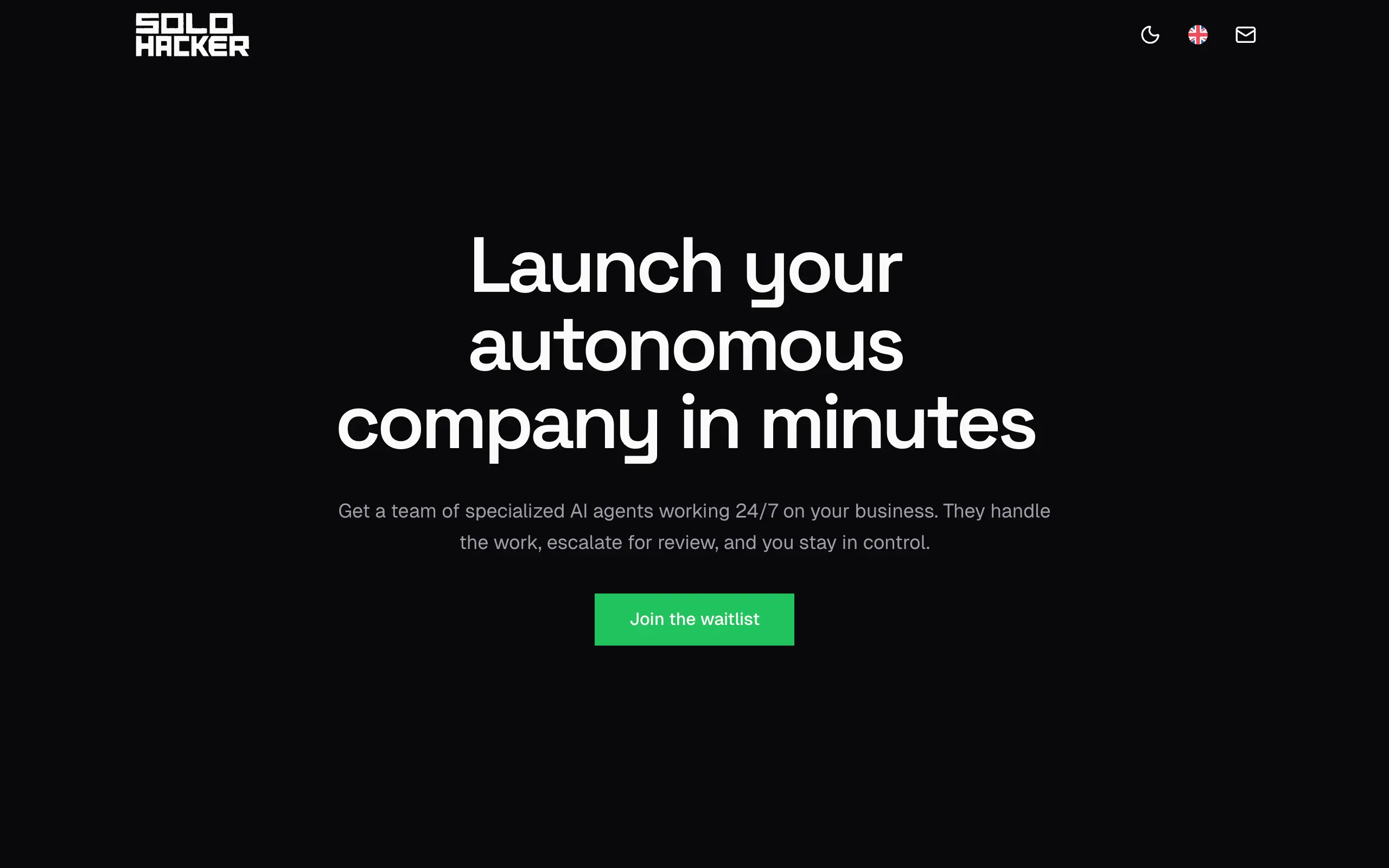
Autonomous company launcher - AI agents work 24/7, escalate what matters, and you stay in control 🤖
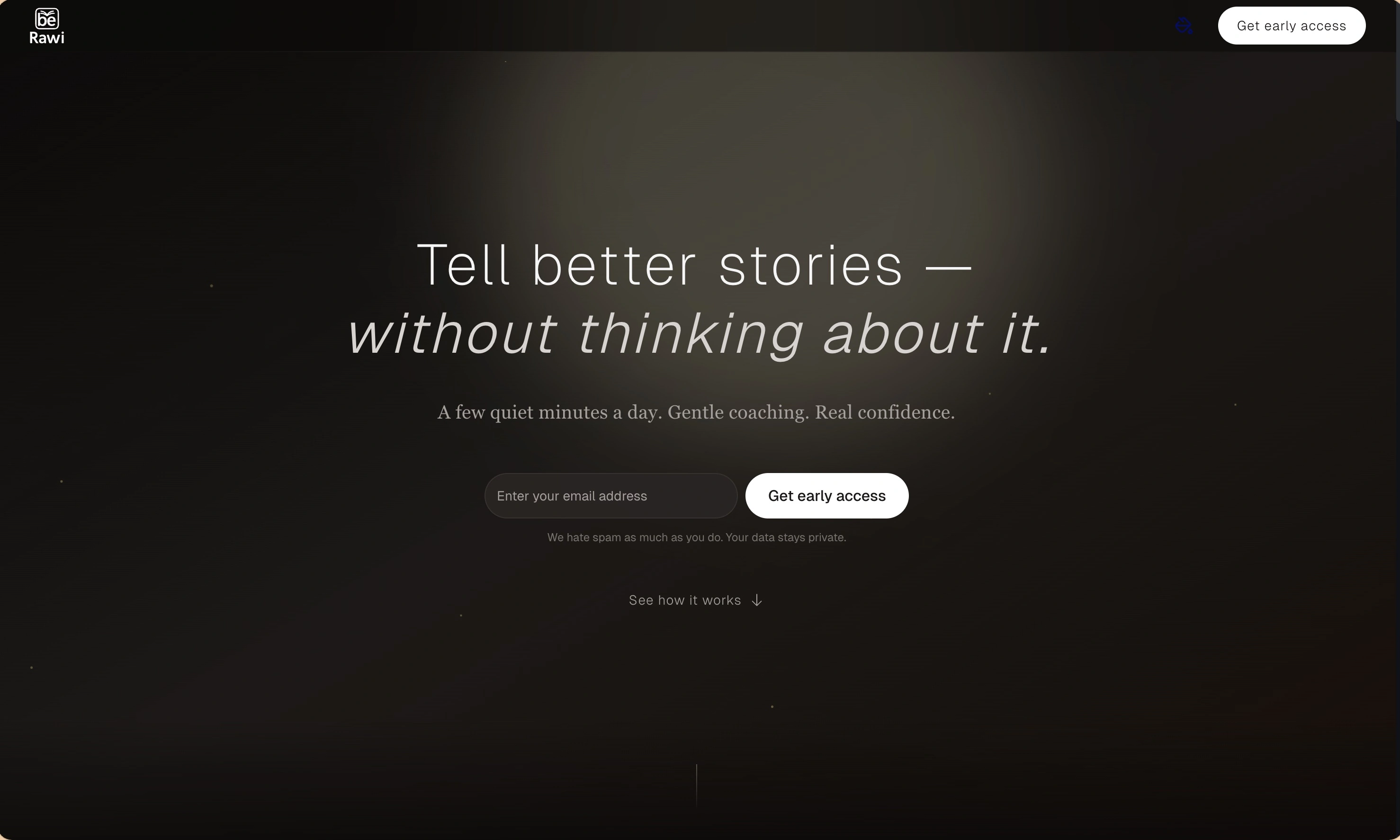
Practice storytelling daily with instant feedback to sound clearer, more engaging, and confident 🎤
Chat with 50+ AI models, including ChatGPT and Claude, in one place - switch models anytime without losing context 🤖
Supercharge your Claude Code with 6x effective context window and specialized AI agents 🤖
AI-powered emoji picker with smart, context-aware suggestions 🤖
Autonomous company launcher - AI agents work 24/7, escalate what matters, and you stay in control 🤖
Practice storytelling daily with instant feedback to sound clearer, more engaging, and confident 🎤

Connect with like-minded people
Join our community to get feedback, support, and grow together with 1,000+ builders on board, let's ship it!
Join usShip your startup everywhere. In minutes.
Don't burn tokens on setup and start building features on day one.