RegNarrate
AI compliance co-pilot that monitors fintech regulations globally and translates changes into actionable tasks tailored to your product and market.
The future of AI-driven regulatory compliance in fintech
Financial technology companies operate in one of the most complex and rapidly evolving regulatory environments in the world. New rules on digital payments, crypto assets, open banking, anti-money laundering (AML), data privacy, and consumer protection emerge across jurisdictions every month. For startups and scale-ups, staying compliant is not just a legal obligation—it’s existential.
An AI compliance co-pilot like RegNarrate addresses a critical pain point: it continuously monitors global fintech regulations and translates regulatory changes into actionable, product-specific tasks tailored to a company’s business model and markets.
This article explores the full business, technical, and strategic landscape behind building and scaling an AI-powered regulatory compliance SaaS platform like RegNarrate.
Understanding the user intent behind “AI compliance co-pilot for fintech”
When someone searches for:
- “AI compliance software for fintech”
- “fintech regulatory monitoring tool”
- “automated regulatory change management”
- “AI regtech platform”
- “global fintech compliance solution”
They are usually looking for one (or more) of the following:
- A better way to monitor regulatory changes
- Automation of compliance workflows
- Reduced legal and compliance costs
- Audit-ready documentation
- Scalable compliance infrastructure for international expansion
This article addresses those needs by breaking down:
- Market opportunity
- Target users
- Product architecture
- Core features
- Monetization
- Risks and mitigation
- Competitive differentiation
- Implementation roadmap
The market opportunity: why regtech is exploding
The regulatory technology (RegTech) market has seen sustained growth over the past decade. Multiple industry analyses (e.g., reports from Gartner, Deloitte, and McKinsey) highlight increasing compliance costs, particularly in financial services.
Why fintech compliance is uniquely painful
Fintech startups face:
- Rapid regulatory change (e.g., PSD2 in Europe, evolving crypto regulations, open banking rules)
- Multi-jurisdictional complexity
- Overlapping regulations (AML, KYC, GDPR, PCI DSS, etc.)
- Limited internal legal resources
- High penalties for non-compliance
Traditional compliance processes involve:
- Manual tracking of regulatory updates
- Legal memos that are difficult for product teams to interpret
- Disconnected compliance checklists in spreadsheets
- Reactive, not proactive, change management
This creates a clear market gap for an AI-powered compliance co-pilot that:
- Monitors regulations continuously
- Interprets changes in context
- Maps them to the company’s product features
- Generates actionable tasks
Target audience analysis
Primary audience
-
Fintech startups (Seed to Series C)
- Digital banks
- Payment processors
- Crypto platforms
- Lending marketplaces
- Neobanks
-
Compliance officers and legal teams
- Head of Compliance
- Chief Risk Officer
- General Counsel
-
Product and engineering leaders
- CTO
- VP Product
- Engineering Managers
These teams need clarity and speed. They are not looking for generic regulatory news—they need contextualized, product-aware guidance.
Secondary audience
- Compliance consultants
- RegTech integrators
- Venture-backed fintech founders preparing for fundraising
- Fintech companies expanding into new jurisdictions
Core problem: regulations are written for lawyers, not product teams
Regulatory texts are:
- Dense
- Ambiguous
- Jurisdiction-specific
- Often not machine-readable
A product team launching a new feature (e.g., embedded lending in Germany) must:
- Identify relevant laws
- Interpret their applicability
- Translate them into requirements
- Implement changes
- Document evidence for audit
This process is slow, manual, and error-prone.
The solution: an AI compliance co-pilot
RegNarrate functions as a regulatory intelligence layer on top of a fintech’s product and operational data.
At a high level, it:
- Monitors global regulatory sources
- Uses AI to summarize and classify updates
- Maps changes to specific product components
- Generates actionable tasks
- Tracks implementation and compliance status
High-level workflow
Core features of RegNarrate
1. Global regulatory monitoring engine
This module:
- Tracks official publications from:
- Financial regulators
- Central banks
- Data protection authorities
- Crypto and digital asset regulators
- Uses NLP to extract:
- Scope
- Effective date
- Affected entities
- Enforcement risk
Trust & transparency
All regulatory sources should be official government or regulator websites. The platform must store source URLs and version history for audit defensibility.
2. AI-powered regulation summarization
Using LLMs, the system:
- Converts long legal texts into:
- Plain-English summaries
- Impact assessments
- Risk scores
- Tags content by:
- Jurisdiction
- Regulation type (AML, data privacy, payments, etc.)
- Enforcement severity
Example output:
- “New AML reporting threshold lowered from €15,000 to €10,000 in France effective July 2026.”
- Impact: High for payment processors operating in France.
3. Product-aware impact mapping
This is the core differentiator.
Unlike generic regtech monitoring tools, RegNarrate builds a digital compliance profile of each customer:
- Markets of operation
- Product features (e.g., card issuing, crypto custody)
- Licensing status
- Data flows
- Customer segments
When a regulation changes, the AI:
- Compares it to the product profile
- Identifies affected modules
- Generates concrete tasks
Example:
“Update transaction monitoring rules to reflect new threshold in French AML directive. Engineering task: modify rule engine configuration. Compliance task: update internal AML policy document.”
4. Actionable task generation
Tasks include:
- Clear description
- Risk level
- Deadline
- Suggested owner (Compliance, Engineering, Product)
- Required documentation
Example task:
- Title: Update KYC onboarding flow for UK residency checks
- Owner: Engineering
- Risk: Medium
- Due: 30 days before regulation effective date
5. Audit-ready documentation
RegNarrate automatically logs:
- Regulatory change detection date
- Internal review timestamp
- Task creation
- Task completion
- Policy updates
This produces:
- Downloadable audit reports
- Versioned compliance trails
- Board-ready compliance dashboards
Competitive landscape and differentiation
There are existing players in:
- Regulatory news aggregation
- Compliance management software
- Governance, risk, and compliance (GRC) platforms
However, many:
- Focus on large banks
- Require manual interpretation
- Lack AI-driven product mapping
- Are not fintech-native
Competitive comparison
| Feature | Generic News Feed | Traditional GRC | Consultancy | RegNarrate | Manual Process |
|---|---|---|---|---|---|
| Global regulatory monitoring | ✅ | ✅ | ✅ | ✅ | ❌ |
| AI summarization | ❌ | ❌ | ❌ | ✅ | ❌ |
| Product-aware impact mapping | ❌ | ❌ | ✅ | ✅ | ❌ |
| Automated task generation | ❌ | ✅ | ❌ | ✅ | ❌ |
| Audit-ready logs | ❌ | ✅ | ✅ | ✅ | ❌ |
Key USP: RegNarrate bridges the gap between legal text and engineering execution using AI.
Recommended tech stack for building RegNarrate
Building an AI compliance co-pilot requires careful architectural decisions.
Frontend
- React for UI
- TailwindCSS for styling
- TypeScript for type safety
Backend
- Node.js or Python (FastAPI)
- PostgreSQL for structured regulatory metadata
- Vector database (e.g., Pinecone or similar) for semantic search
AI & NLP
- Large language models (LLMs) for:
- Summarization
- Classification
- Task generation
- Embedding models for:
- Regulatory document similarity matching
- Product profile comparison
Data ingestion
- Web scraping pipelines
- API integrations with regulator feeds
- Scheduled crawlers
- Change detection diffing
Example: regulation classification logic (simplified)
// Example: classify regulatory document
import { classifyRegulation } from "./ai";

async function processRegulation(doc: string) {
  const result = await classifyRegulation({
    text: doc,
    categories: ["AML", "KYC", "Payments", "Crypto", "Data Privacy"]
  });

  return {
    summary: result.summary,
    category: result.category,
    riskScore: result.riskScore
  };
}
Trade-offs in architecture
1. Fully automated vs human-in-the-loop
- Fully automated → scalable but risk of misinterpretation
- Human-in-the-loop → higher trust, better for enterprise clients
Recommendation: Hybrid model
AI drafts → Compliance analyst reviews → Finalized output
2. Multi-tenant vs single-tenant architecture
- Multi-tenant reduces cost
- Single-tenant improves security for large financial institutions
Early stage: multi-tenant
Enterprise tier: optional isolated deployment
Monetization strategy
RegNarrate can adopt a SaaS pricing model with tiered plans.
Tiered pricing model
Startup Plan
Limited jurisdictions, core monitoring, basic task generation.
Growth Plan
Multi-jurisdiction monitoring, product mapping, audit logs.
Enterprise Plan
Custom integrations, dedicated support, SLA, single-tenant deployment.
Pricing levers
- Number of jurisdictions
- Number of monitored regulations
- Number of users
- Advanced AI analysis
- API access
Go-to-market strategy
1. Niche down first
Start with:
- Crypto exchanges
- Payment processors in EU
- Neobanks expanding internationally
2. Content marketing & SEO
Target keywords:
- “Fintech regulatory monitoring software”
- “AI regtech platform”
- “Automated compliance for fintech”
- “Global AML regulation tracking tool”
Create:
- Regulatory change reports
- Compliance playbooks
- Country-specific fintech compliance guides
Risks and mitigation strategies
1. AI hallucinations
Risk: Incorrect interpretation of regulations.
Mitigation:
- Human review layer
- Source citation links
- Version tracking
- Conservative risk labeling
2. Liability exposure
Compliance advice may create legal liability.
Mitigation:
- Clear disclaimers
- “Decision support tool” positioning
- Encourage consultation with licensed legal counsel
3. Data security concerns
Fintech companies are highly sensitive to data privacy.
Mitigation:
- SOC 2 compliance
- Encryption at rest and in transit
- Role-based access control
- Audit logging
Why RegNarrate has strong defensibility
1. Data network effects
As more fintechs use the platform:
- More product profiles
- Better regulatory mapping
- Improved AI training signals
2. High switching cost
Once integrated into:
- Compliance workflows
- Audit documentation
- Product lifecycle
Switching becomes operationally risky.
3. Domain specialization
Most LLM-based startups are horizontal.
RegNarrate is deeply vertical in fintech compliance.
Implementation roadmap
Phase 1: MVP (3–4 months)
Phase 2: Automation & workflows
- Task management dashboard
- Audit log generation
- Slack / email alerts
- Compliance calendar
Phase 3: Advanced intelligence
- Predictive regulatory trend analysis
- Cross-jurisdiction comparison engine
- API for integration with internal systems
How to build faster with modern SaaS infrastructure
If you’re launching RegNarrate as a startup, time-to-market is critical.
Instead of building:
- Auth
- Billing
- Multi-tenancy
- Dashboard scaffolding
- Role-based access control
From scratch, you can use a production-ready SaaS foundation like TurboStarter to accelerate development and focus on the AI compliance core logic.
This dramatically reduces:
- Engineering cost
- Time-to-first-customer
- Infrastructure mistakes
Final thoughts: the future of AI compliance co-pilots
The global regulatory environment is only becoming more complex. Fintech innovation outpaces legislation, creating continuous updates and ambiguity.
An AI compliance co-pilot like RegNarrate transforms compliance from:
- Reactive → Proactive
- Manual → Automated
- Legal-heavy → Product-integrated
- Static → Continuously adaptive
The companies that embed compliance into their product lifecycle—rather than treating it as an afterthought—will move faster, raise capital more easily, and expand internationally with confidence.
Actionable next steps to launch RegNarrate
If executed with domain rigor, AI safety guardrails, and strong product integration, RegNarrate can become the central compliance intelligence layer for the global fintech ecosystem.
More 🤖 AI Startup SaaS ideas
Discover more innovative ai startup SaaS ideas that are trending in 2026. Each idea is AI-generated with market validation and growth potential to help you find your next profitable venture faster than competitors.
Your competitors are building with TurboStarter
Below are some of the SaaS ideas that have been generated and built with our starter kit.
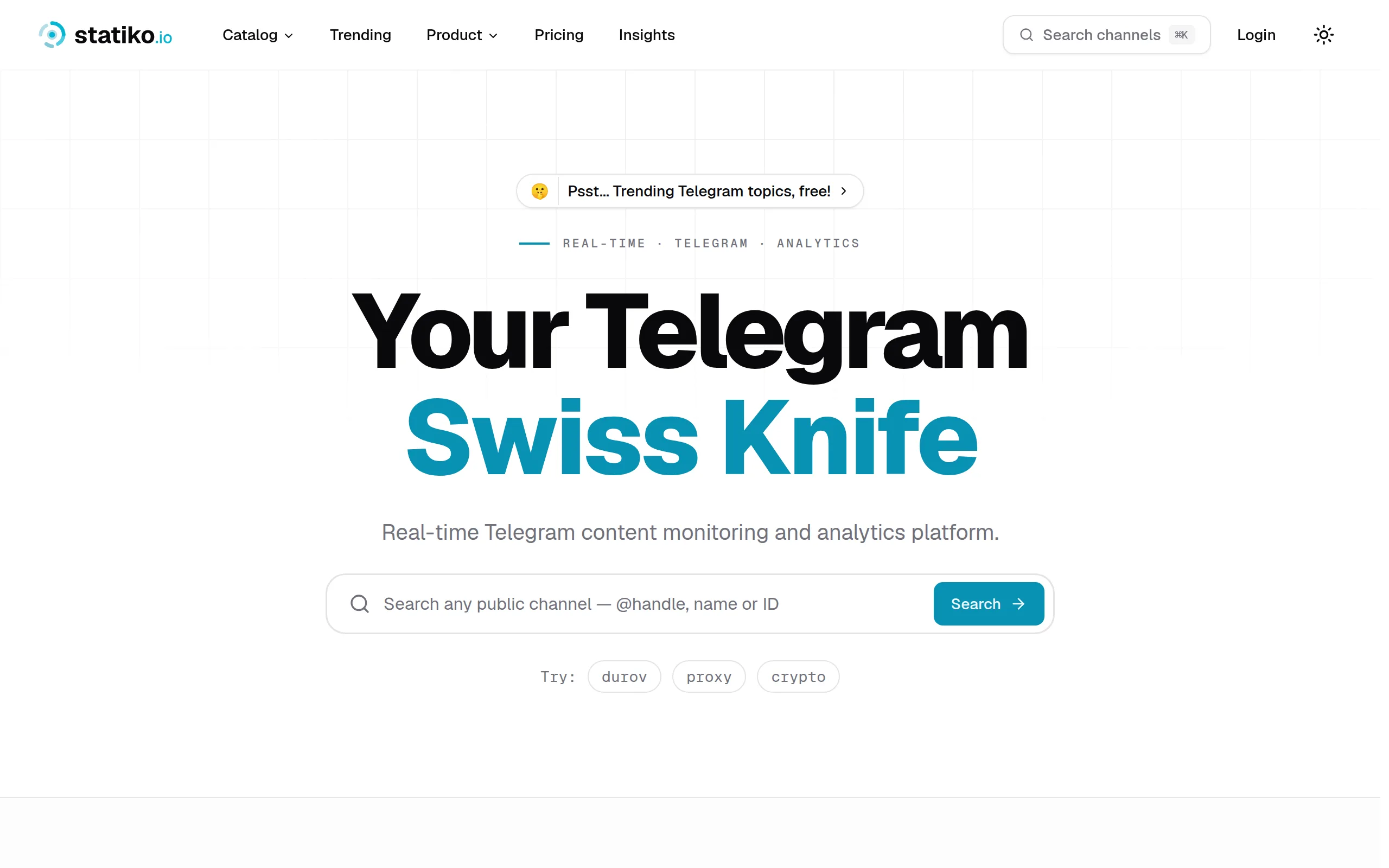
Statiko
Monitor any Telegram channel in real time - track posts, edits, deletions, and growth with AI recaps 📡

Shibui
AI website builder - describe your business, pick a niche template, edit by chatting, and publish instantly ✨

Pro Service
Find verified home service professionals, compare quotes, and pay securely through escrow - built for Brazilians across the US 🏠
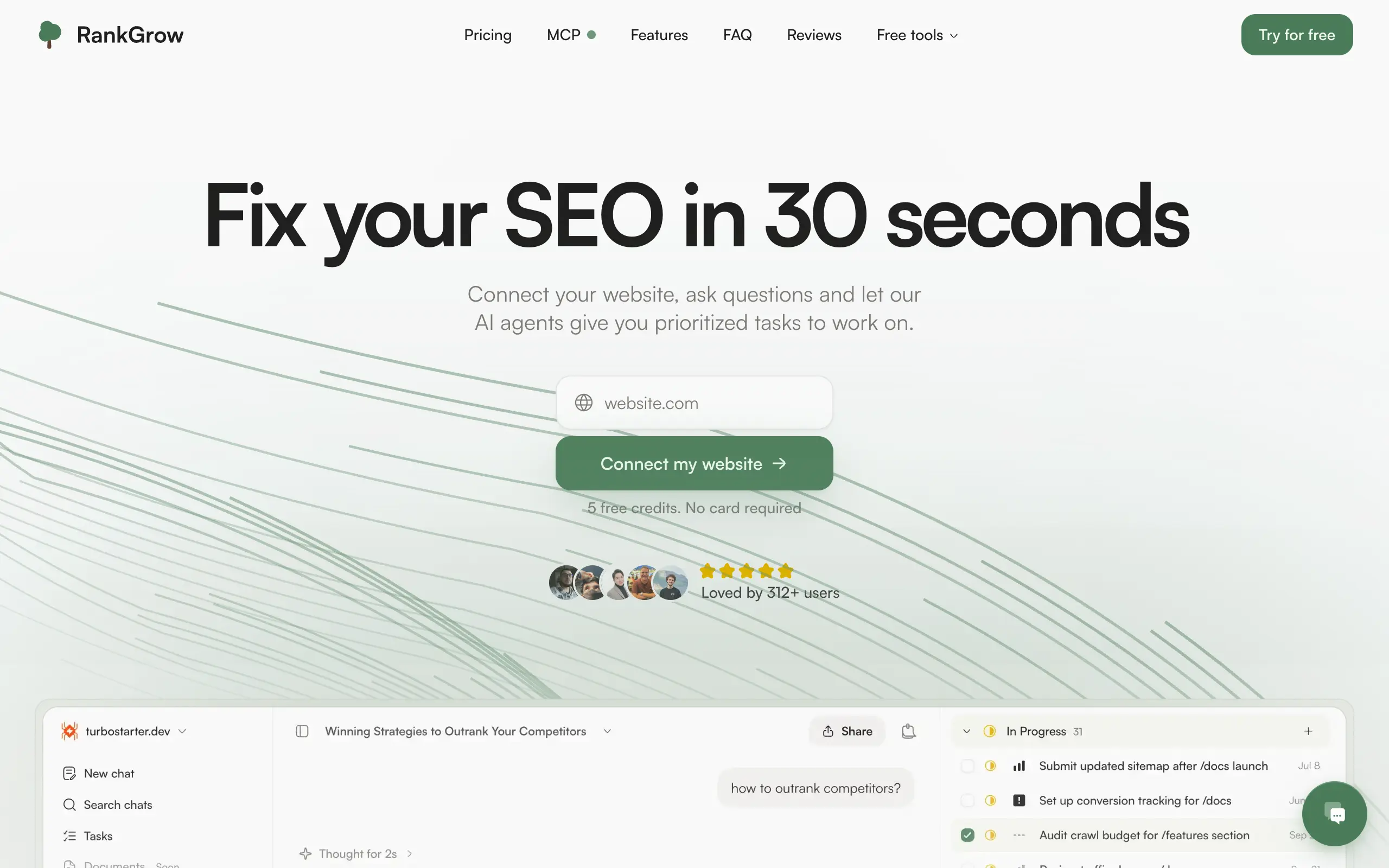
RankGrow
Fix your SEO with AI agents - connect Search Console, get prioritized tasks, and grow organic traffic 📈
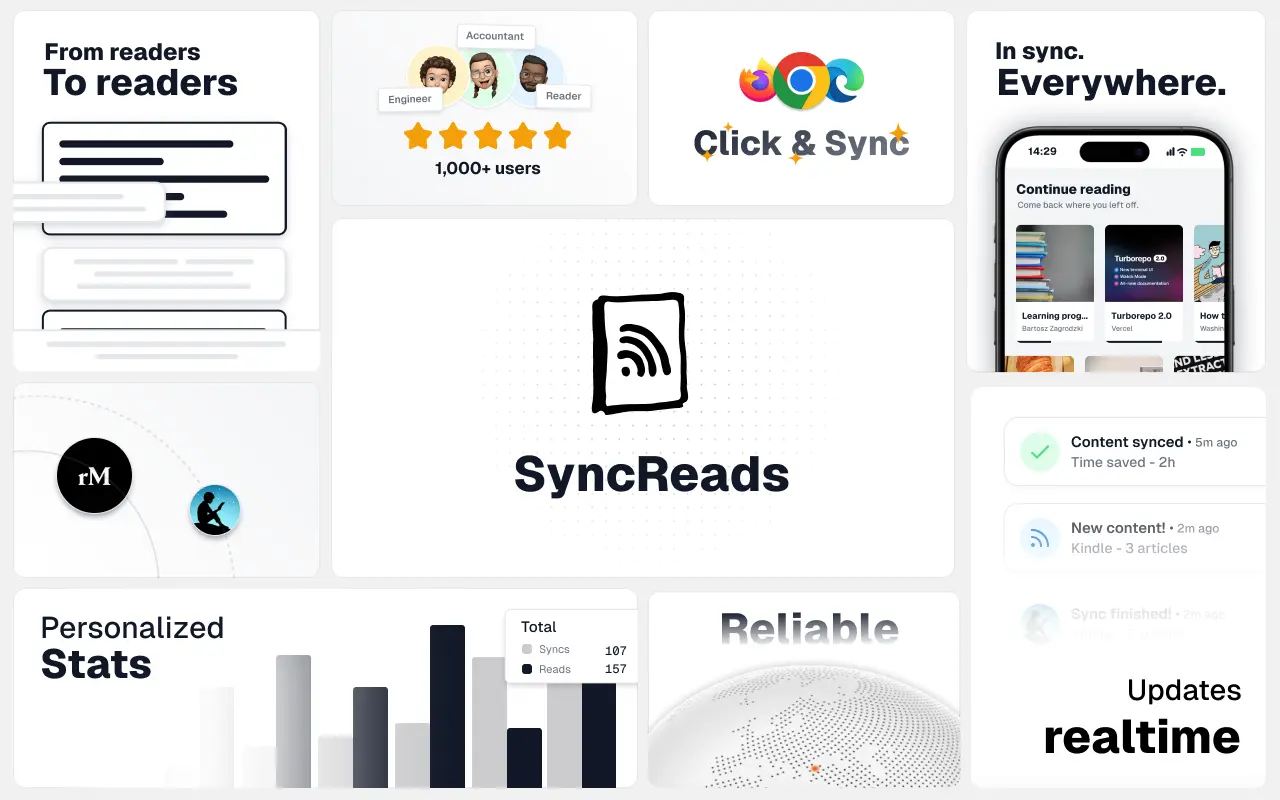
SyncReads
Sync your favorite content for distraction-free reading, save time and replace multiple apps. Anytime, anywhere 🔄
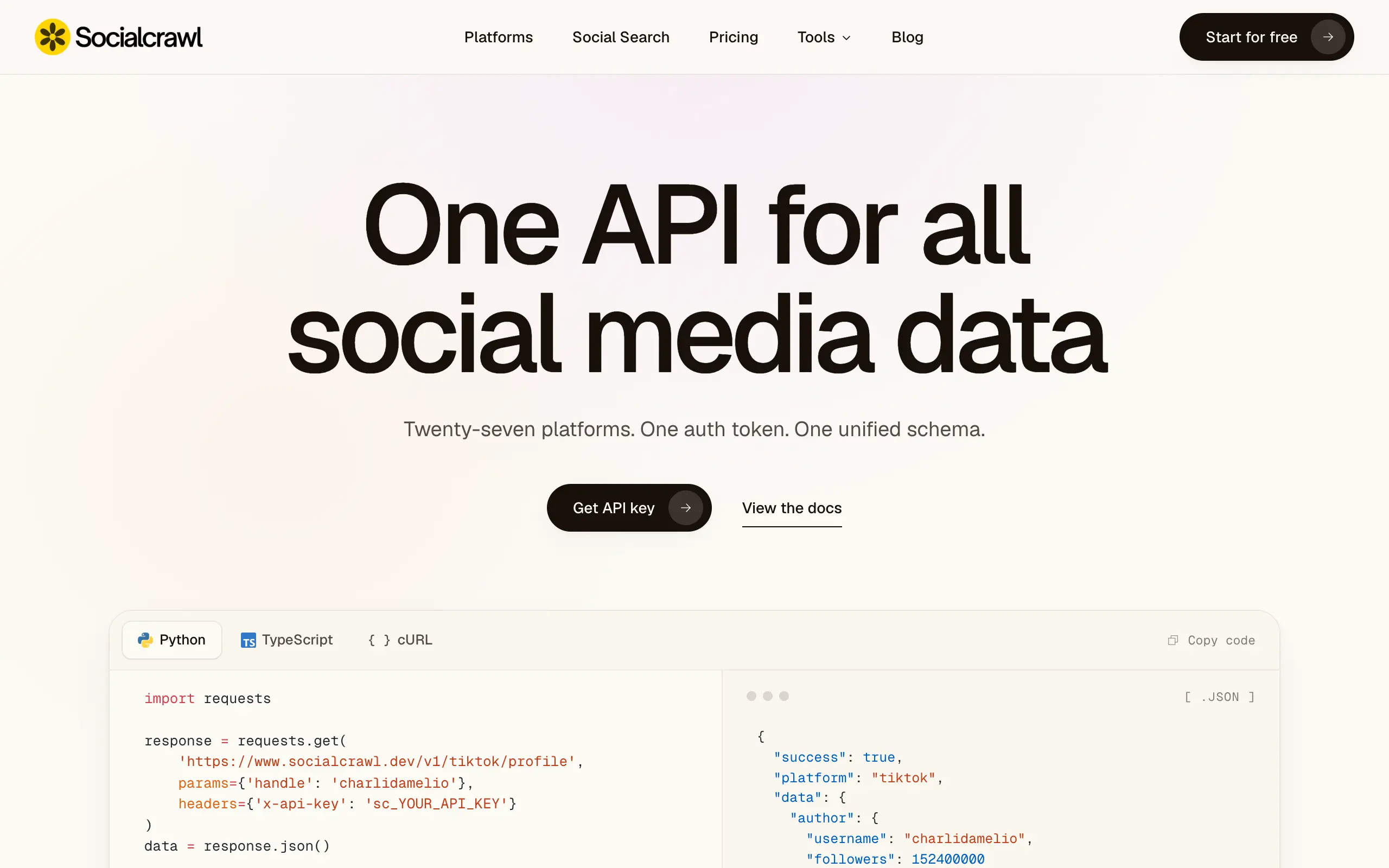
Socialcrawl
Get clean, structured data from 21 platforms like TikTok, Instagram, and YouTube with a single request 📊
Statiko
Monitor any Telegram channel in real time - track posts, edits, deletions, and growth with AI recaps 📡
Shibui
AI website builder - describe your business, pick a niche template, edit by chatting, and publish instantly ✨
Pro Service
Find verified home service professionals, compare quotes, and pay securely through escrow - built for Brazilians across the US 🏠
RankGrow
Fix your SEO with AI agents - connect Search Console, get prioritized tasks, and grow organic traffic 📈
SyncReads
Sync your favorite content for distraction-free reading, save time and replace multiple apps. Anytime, anywhere 🔄
Socialcrawl
Get clean, structured data from 21 platforms like TikTok, Instagram, and YouTube with a single request 📊
Statiko
Monitor any Telegram channel in real time - track posts, edits, deletions, and growth with AI recaps 📡
Shibui
AI website builder - describe your business, pick a niche template, edit by chatting, and publish instantly ✨
Pro Service
Find verified home service professionals, compare quotes, and pay securely through escrow - built for Brazilians across the US 🏠
RankGrow
Fix your SEO with AI agents - connect Search Console, get prioritized tasks, and grow organic traffic 📈
SyncReads
Sync your favorite content for distraction-free reading, save time and replace multiple apps. Anytime, anywhere 🔄
Socialcrawl
Get clean, structured data from 21 platforms like TikTok, Instagram, and YouTube with a single request 📊
Statiko
Monitor any Telegram channel in real time - track posts, edits, deletions, and growth with AI recaps 📡
Shibui
AI website builder - describe your business, pick a niche template, edit by chatting, and publish instantly ✨
Pro Service
Find verified home service professionals, compare quotes, and pay securely through escrow - built for Brazilians across the US 🏠
RankGrow
Fix your SEO with AI agents - connect Search Console, get prioritized tasks, and grow organic traffic 📈
SyncReads
Sync your favorite content for distraction-free reading, save time and replace multiple apps. Anytime, anywhere 🔄
Socialcrawl
Get clean, structured data from 21 platforms like TikTok, Instagram, and YouTube with a single request 📊
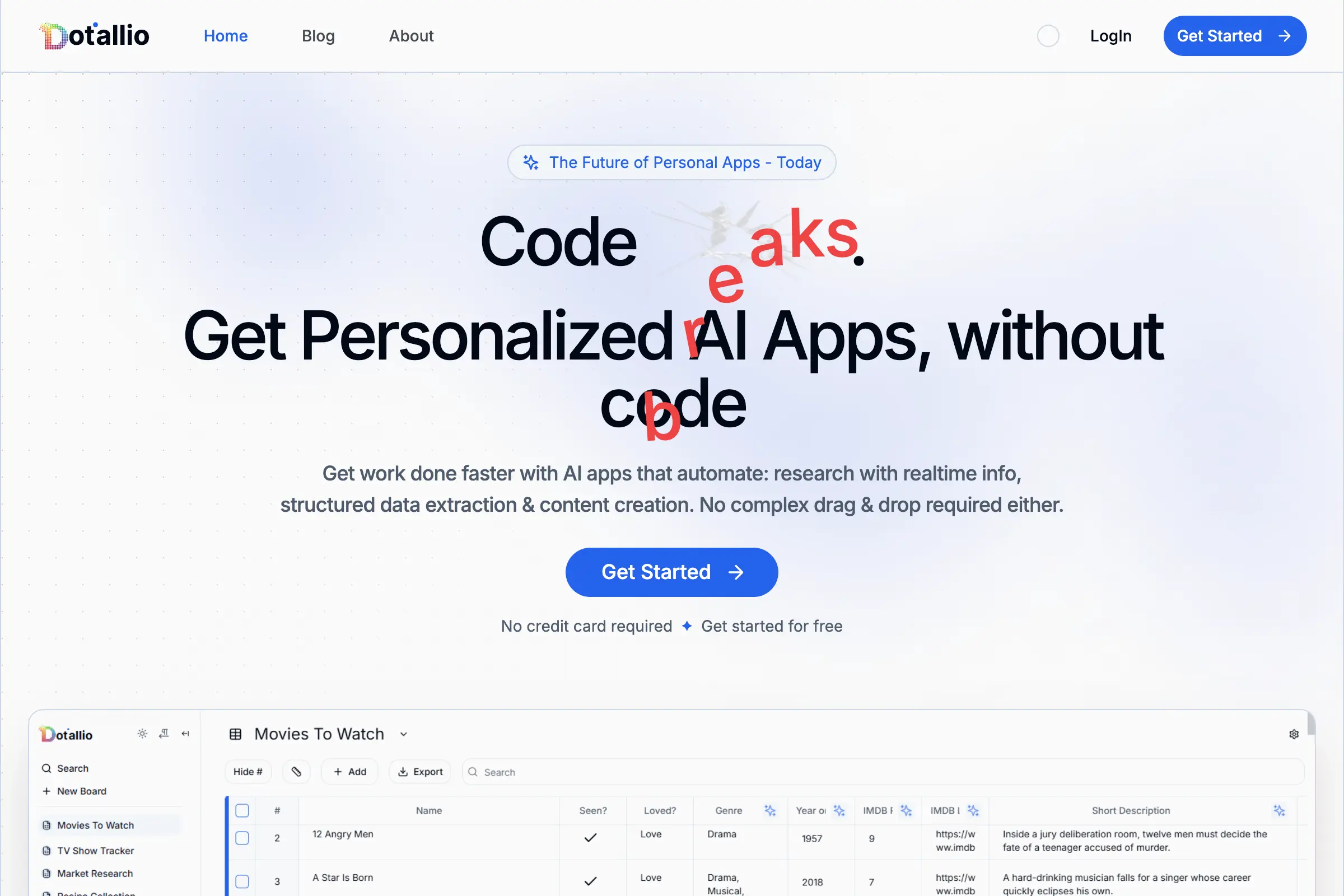
Dotallio
Personalized AI apps that automate research, data extraction, and content creation without code 🤖

Talk to Santa
Enjoy a magical live video chat or receive a unique AI-generated video greeting from Santa Claus 🎅

pozywka.pl
Scalable blog for food journalist, focused on performance and user experience 🌭
zagrodzki.me
Personal blog and portfolio of Bart Zagrodzki, where he shares his knowledge and work 💼
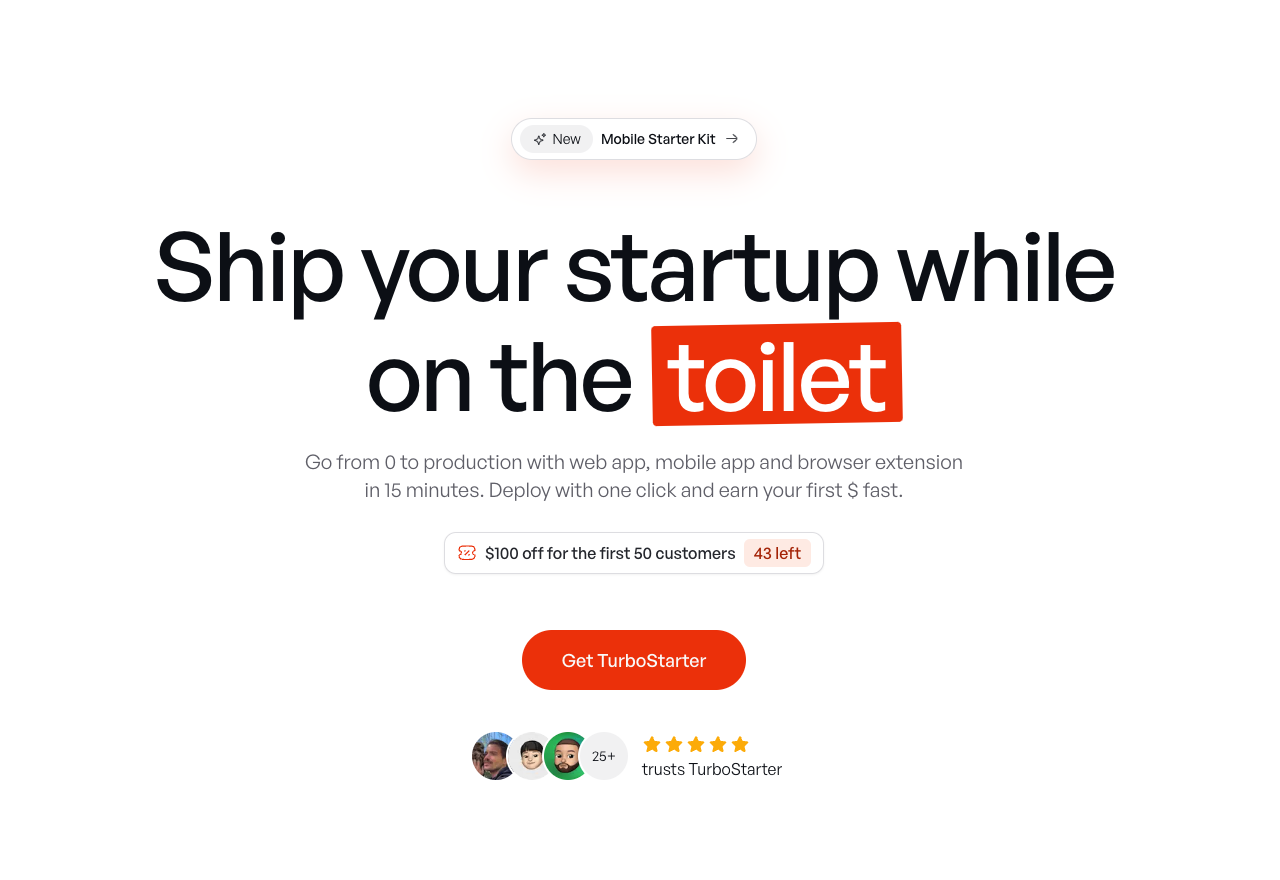
TurboStarter
Ship your startup everywhere. In minutes.
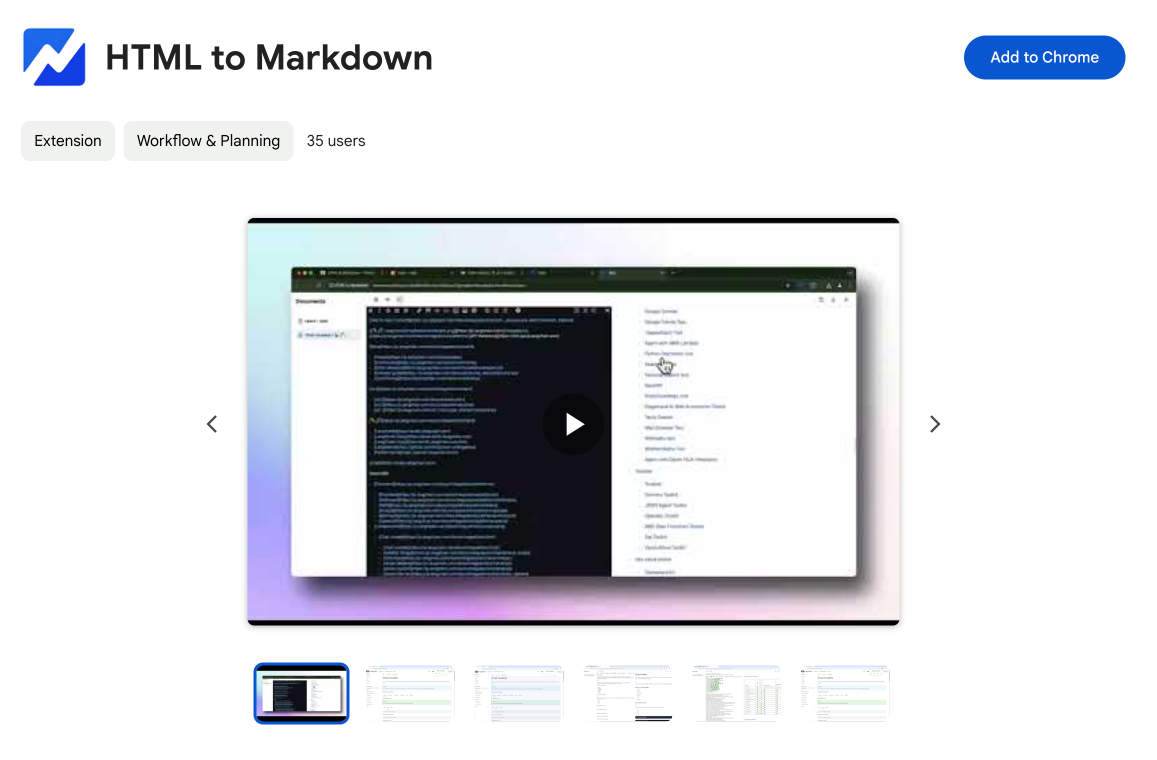
HTML to Markdown
Convert HTML to Markdown with ease, directly in your browser 📄
Dotallio
Personalized AI apps that automate research, data extraction, and content creation without code 🤖
Talk to Santa
Enjoy a magical live video chat or receive a unique AI-generated video greeting from Santa Claus 🎅
pozywka.pl
Scalable blog for food journalist, focused on performance and user experience 🌭
zagrodzki.me
Personal blog and portfolio of Bart Zagrodzki, where he shares his knowledge and work 💼
TurboStarter
Ship your startup everywhere. In minutes.
HTML to Markdown
Convert HTML to Markdown with ease, directly in your browser 📄
Dotallio
Personalized AI apps that automate research, data extraction, and content creation without code 🤖
Talk to Santa
Enjoy a magical live video chat or receive a unique AI-generated video greeting from Santa Claus 🎅
pozywka.pl
Scalable blog for food journalist, focused on performance and user experience 🌭
zagrodzki.me
Personal blog and portfolio of Bart Zagrodzki, where he shares his knowledge and work 💼
TurboStarter
Ship your startup everywhere. In minutes.
HTML to Markdown
Convert HTML to Markdown with ease, directly in your browser 📄
Dotallio
Personalized AI apps that automate research, data extraction, and content creation without code 🤖
Talk to Santa
Enjoy a magical live video chat or receive a unique AI-generated video greeting from Santa Claus 🎅
pozywka.pl
Scalable blog for food journalist, focused on performance and user experience 🌭
zagrodzki.me
Personal blog and portfolio of Bart Zagrodzki, where he shares his knowledge and work 💼
TurboStarter
Ship your startup everywhere. In minutes.
HTML to Markdown
Convert HTML to Markdown with ease, directly in your browser 📄
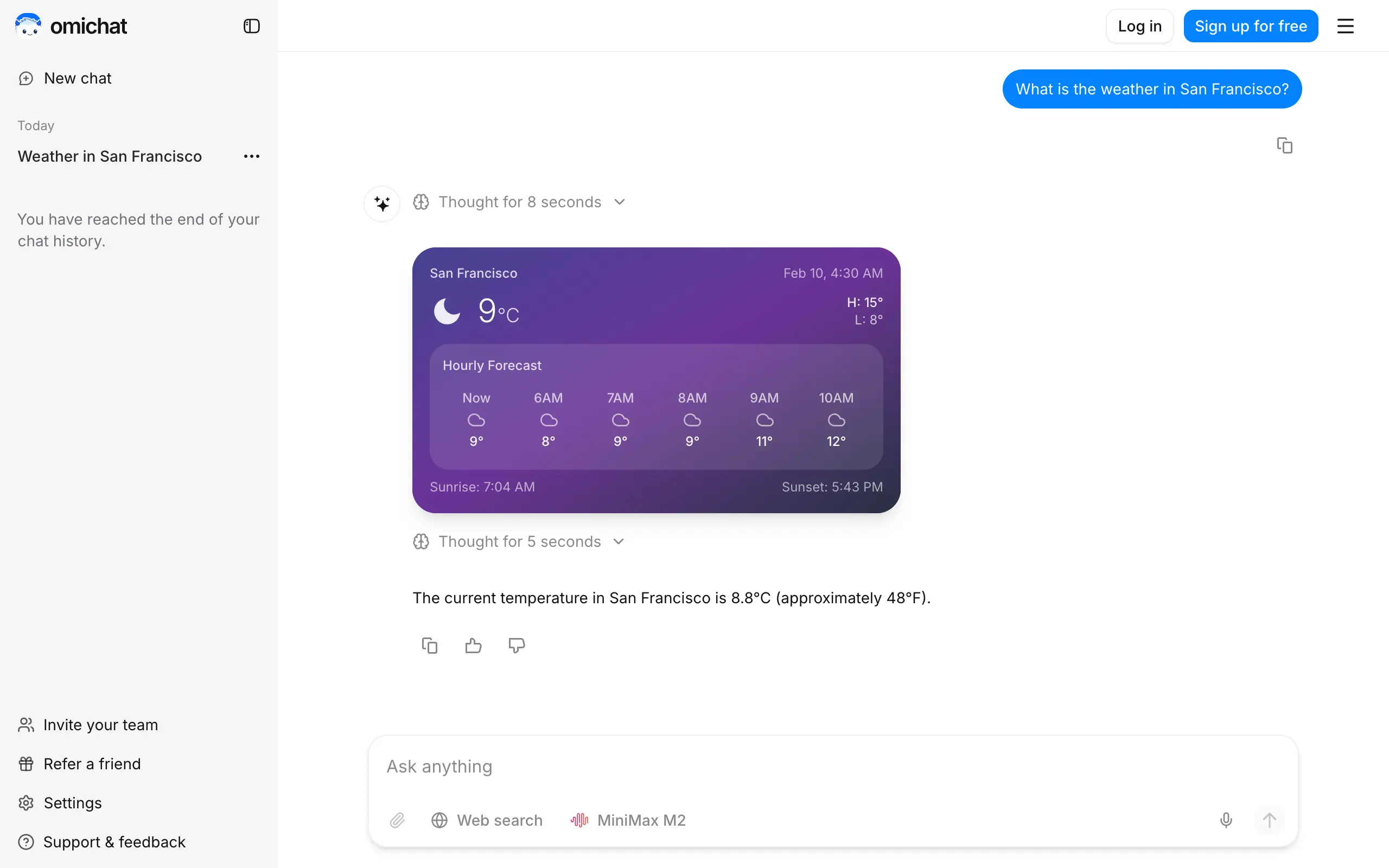
Omichat
Chat with 50+ AI models, including ChatGPT and Claude, in one place - switch models anytime without losing context 🤖
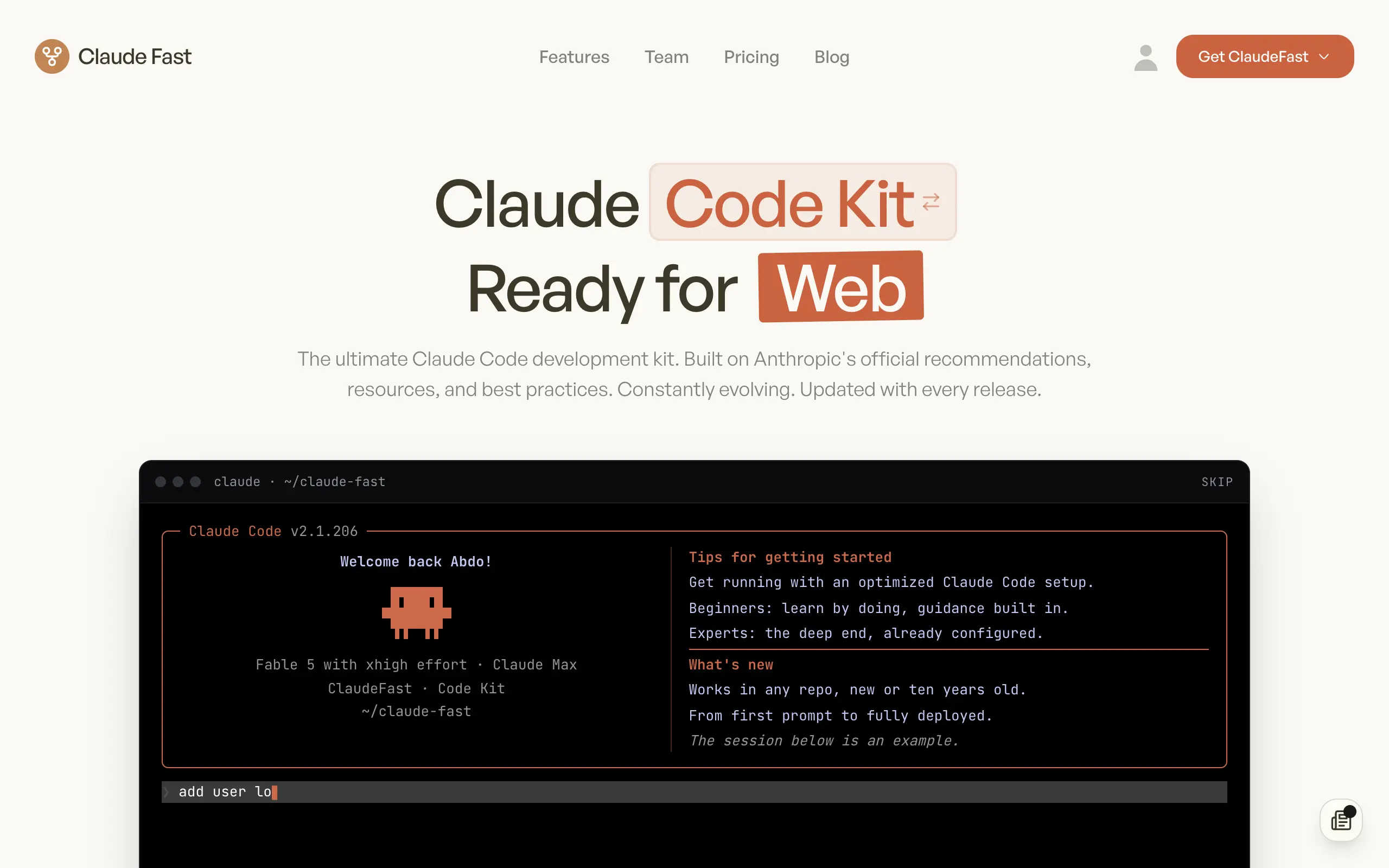
Claude Fast
Supercharge your Claude Code with 6x effective context window and specialized AI agents 🤖
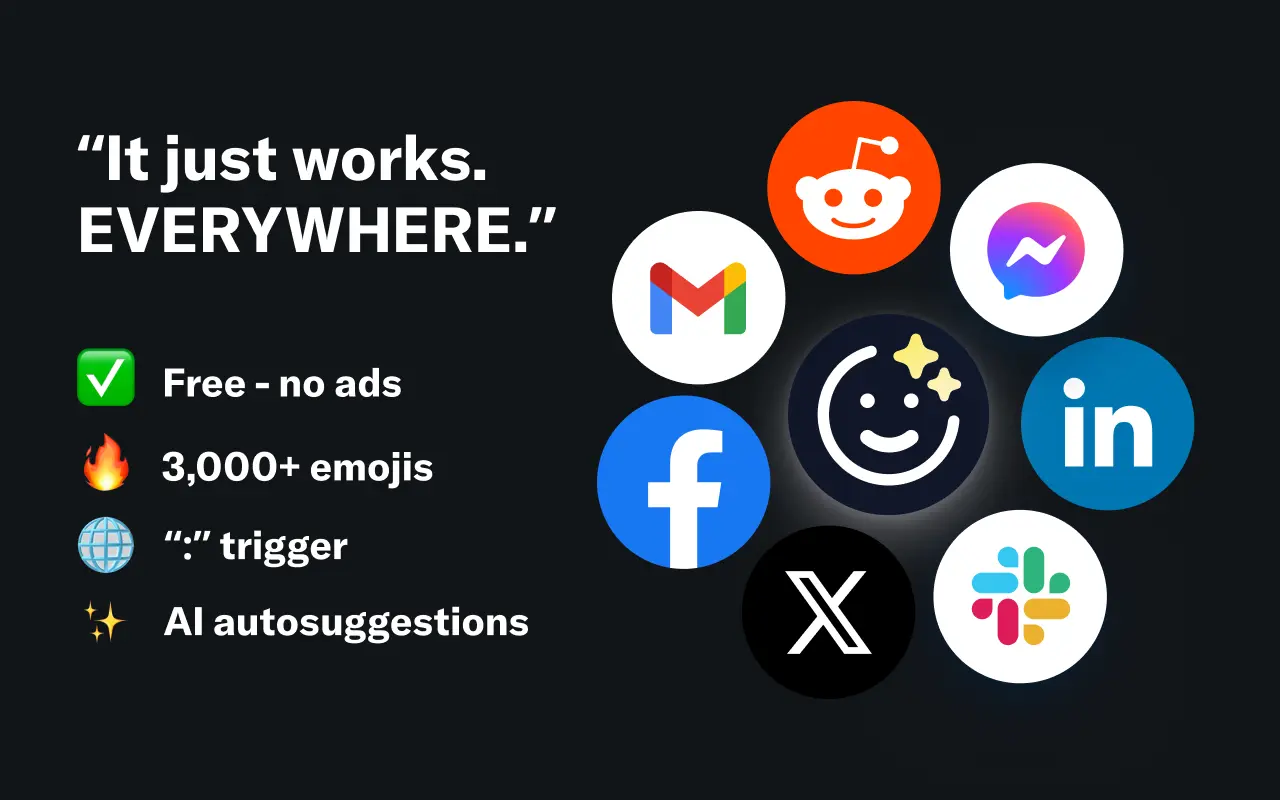
EmojAI
AI-powered emoji picker with smart, context-aware suggestions 🤖

Solohacker
Autonomous company launcher - AI agents work 24/7, escalate what matters, and you stay in control 🤖

BeRawi: Storytelling Coach
Practice storytelling daily with instant feedback to sound clearer, more engaging, and confident 🎤
Omichat
Chat with 50+ AI models, including ChatGPT and Claude, in one place - switch models anytime without losing context 🤖
Claude Fast
Supercharge your Claude Code with 6x effective context window and specialized AI agents 🤖
EmojAI
AI-powered emoji picker with smart, context-aware suggestions 🤖
Solohacker
Autonomous company launcher - AI agents work 24/7, escalate what matters, and you stay in control 🤖
BeRawi: Storytelling Coach
Practice storytelling daily with instant feedback to sound clearer, more engaging, and confident 🎤
Omichat
Chat with 50+ AI models, including ChatGPT and Claude, in one place - switch models anytime without losing context 🤖
Claude Fast
Supercharge your Claude Code with 6x effective context window and specialized AI agents 🤖
EmojAI
AI-powered emoji picker with smart, context-aware suggestions 🤖
Solohacker
Autonomous company launcher - AI agents work 24/7, escalate what matters, and you stay in control 🤖
BeRawi: Storytelling Coach
Practice storytelling daily with instant feedback to sound clearer, more engaging, and confident 🎤
Omichat
Chat with 50+ AI models, including ChatGPT and Claude, in one place - switch models anytime without losing context 🤖
Claude Fast
Supercharge your Claude Code with 6x effective context window and specialized AI agents 🤖
EmojAI
AI-powered emoji picker with smart, context-aware suggestions 🤖
Solohacker
Autonomous company launcher - AI agents work 24/7, escalate what matters, and you stay in control 🤖
BeRawi: Storytelling Coach
Practice storytelling daily with instant feedback to sound clearer, more engaging, and confident 🎤

Connect with like-minded people
Join our community to get feedback, support, and grow together with 1,000+ builders on board, let's ship it!
Join usShip your startup everywhere. In minutes.
Don't burn tokens on setup and start building features on day one.