RegressionBrain
Smart regression impact analyzer that maps code changes to historical defects and test cases, auto-generating optimized test suites to reduce QA cycles.
The future of AI-powered regression testing: why smarter impact analysis matters
Modern software teams ship faster than ever. Continuous integration, continuous deployment (CI/CD), trunk-based development, and microservices architectures have dramatically accelerated release cycles. But with speed comes risk: regression bugs—defects introduced when new code breaks existing functionality—remain one of the most costly and frustrating problems in software engineering.
Traditional regression testing approaches often rely on:
- Running the entire test suite after every change
- Manually selecting “high-risk” areas
- Relying on outdated test case mappings
- Reactive debugging after production failures
These methods waste time, inflate infrastructure costs, and still miss critical issues.
This is where RegressionBrain, an AI-powered regression impact analyzer, transforms the landscape. By mapping code changes to historical defects and test cases, and auto-generating optimized test suites, it reduces QA cycles while increasing confidence in every release.
In this comprehensive guide, we’ll explore:
- The target audience and urgent pain points
- The market opportunity for AI-powered regression testing
- How smart regression impact analysis works
- Core features and architecture
- Recommended tech stack (with trade-offs)
- Monetization strategy
- Competitive positioning
- Risks and mitigation
- Actionable implementation steps
Understanding the target audience
1. Engineering teams in fast-moving product companies
These teams typically:
- Deploy multiple times per week (or per day)
- Manage large and growing test suites
- Struggle with slow CI pipelines
- Experience flaky or redundant tests
Their core problem: CI pipelines are too slow, but reducing tests increases risk.
RegressionBrain solves this by intelligently selecting only the most relevant tests for each code change.
2. QA leads and test automation managers
QA leaders are under constant pressure to:
- Improve release velocity
- Reduce escaped defects
- Optimize test infrastructure cost
- Increase automation coverage
They need data-driven insights into:
- Which test cases actually prevent regressions
- Which are redundant
- Which areas are historically high-risk
RegressionBrain provides visibility and predictive prioritization.
3. CTOs and engineering executives
At the executive level, concerns shift toward:
- Cost of downtime
- Dev productivity
- CI/CD infrastructure spend
- Technical debt
By reducing unnecessary test execution and preventing regressions earlier, RegressionBrain directly improves engineering ROI.
4. Enterprise DevOps teams
Large enterprises often:
- Maintain monorepos with millions of lines of code
- Have thousands of test cases
- Experience extremely long regression cycles
They need a scalable regression impact analysis engine that works across teams and services.
Market opportunity: why AI-powered regression testing is inevitable
Rising complexity of software systems
Modern systems involve:
- Microservices
- Distributed architectures
- Event-driven pipelines
- Infrastructure-as-code
- Feature flags
Traditional regression strategies can’t keep up with this complexity.
CI/CD acceleration
According to industry DevOps reports (e.g., DORA reports by Google Cloud), high-performing teams deploy multiple times per day. However, faster deployment increases regression risk without smart safeguards.
There’s a clear gap:
Teams want faster CI pipelines without sacrificing quality.
RegressionBrain directly targets this gap.
Cost of regressions
Regressions cause:
- Customer churn
- Revenue loss
- Brand damage
- Incident response costs
Even a single production outage can cost thousands—or millions—depending on scale. Preventing regressions is far cheaper than responding to them.
The core problem with traditional regression testing
Let’s break down the limitations of current methods:
1. Full-suite regression
- ✅ High coverage
- ❌ Extremely slow
- ❌ High compute cost
- ❌ Often redundant
2. Manual test selection
- ✅ Faster
- ❌ Highly subjective
- ❌ Error-prone
- ❌ Doesn’t scale
3. Code coverage-based filtering
- ✅ Data-driven
- ❌ Doesn’t consider historical defect patterns
- ❌ Ignores risk clusters
- ❌ Misses indirect impact
What’s missing is context-aware, risk-weighted test selection.
That’s where RegressionBrain’s AI engine steps in.
How RegressionBrain works
RegressionBrain combines:
- Static code analysis
- Git diff analysis
- Historical defect mining
- Test case mapping
- Machine learning models
Step 1: Change impact detection
When a developer pushes code:
- Git diff is analyzed
- Affected files and functions are identified
- Dependency graph is traversed
Step 2: Historical defect correlation
The system examines:
- Past bugs related to modified files
- Defect density in modules
- Recurring regression patterns
Step 3: Test case mapping
RegressionBrain links:
- Test cases to specific code areas
- Historical defect types to test categories
- Risk score to test priority
Step 4: Optimized test suite generation
It generates:
- A minimal but high-confidence test set
- Prioritized execution order
- Risk explanation dashboard
Core features of RegressionBrain
AI-driven impact analysis
Maps code changes to historical defect data and code dependency graphs to predict regression risk.
Optimized test suite generation
Automatically creates minimal, high-confidence regression test sets.
Risk scoring engine
Assigns weighted risk scores based on defect history and module complexity.
CI/CD integration
Seamlessly integrates with modern pipelines to optimize regression workflows.
Deep dive into feature architecture
1. Code dependency graph engine
Build a graph where:
- Nodes = files, classes, functions
- Edges = dependencies
When code changes, propagate impact across the graph.
Recommended tools:
- AST parsing (language-specific)
- Static analysis frameworks
- Custom graph database (e.g., Neo4j) or in-memory graph models
2. Defect intelligence engine
Mine historical data from:
- Jira
- Git commit messages
- Pull request comments
- Bug tracking systems
Use NLP models to classify defect types and map them to modules.
3. Test mapping engine
Connect:
- Tests → code coverage
- Tests → defect categories
- Tests → risk profiles
The more historically effective a test has been at catching regressions, the higher its weight.
4. ML risk prediction model
Model inputs:
- Changed lines of code
- Complexity metrics
- Developer churn rate
- Module defect density
- Historical regression frequency
Outputs:
- Risk score
- Test prioritization ranking
Recommended tech stack (with trade-offs)
Frontend
- React – component-driven UI
- TailwindCSS – rapid styling
Pros:
- Fast iteration
- Excellent ecosystem
Trade-off:
- Requires strong state management for large dashboards
Backend
- Node.js (fast integration with JS ecosystem)
- OR Python (better ML ecosystem)
If ML-heavy:
- Python + FastAPI
If CI-integration-heavy:
- Node.js
Machine learning layer
- Python
- Scikit-learn or PyTorch
- Feature engineering pipelines
Trade-off:
- Training pipelines require MLOps setup
Data storage
- PostgreSQL for relational data
- Graph DB for dependency mapping
- Object storage for logs
CI/CD integration
Support:
- GitHub Actions
- GitLab CI
- Jenkins
Provide CLI tool:
npx regressionbrain analyze --commit HEAD --generate-suiteCompetitive landscape
Let’s compare approaches:
| Feature | Traditional QA | Code Coverage Tools | Static Analysis | RegressionBrain |
|---|---|---|---|---|
| Impact-aware testing | ❌ | ❌ | ❌ | ✅ |
| Historical defect mapping | ❌ | ❌ | ❌ | ✅ |
| Optimized test suite generation | ❌ | ✅ (partial) | ❌ | ✅ |
| AI-based risk scoring | ❌ | ❌ | ❌ | ✅ |
Unique selling proposition (USP)
RegressionBrain stands out because it:
- Combines historical defect intelligence with change impact analysis
- Goes beyond coverage to deliver risk-weighted test optimization
- Reduces regression cycle time while improving confidence
- Learns from each release cycle
Most tools optimize speed.
RegressionBrain optimizes speed + confidence.
Monetization strategy
1. SaaS subscription tiers
- Starter: Small teams
- Growth: Mid-sized companies
- Enterprise: Large orgs with advanced analytics
Pricing drivers:
- Number of repositories
- Number of test cases
- CI integrations
- Advanced analytics
2. Usage-based pricing
Charge based on:
- Number of analyzed commits
- Test optimization runs
- AI inference volume
3. Enterprise add-ons
- On-prem deployment
- Custom ML models
- Dedicated support
Potential risks and mitigation
Adoption resistance
Teams may distrust AI-selected test suites.
Mitigation:
- Provide explainability dashboards
- Offer shadow mode (run full suite + optimized suite comparison)
Model drift
Defect patterns evolve.
Mitigation:
- Continuous retraining
- Feedback loop from production incidents
Integration complexity
Enterprise pipelines are complex.
Mitigation:
- Offer robust APIs
- Provide CLI tools
- Build official CI plugins
Implementation roadmap
MVP scope definition
Initial MVP should include:
- Git diff analysis
- Code coverage mapping
- Basic risk heuristic scoring
- Optimized test selection
- CI integration
Skip initially:
- Advanced ML
- Multi-language support
- Complex graph DB
Focus on proving:
Can we reduce test execution time by 40–60% without increasing escaped defects?
Go-to-market strategy
1. Target early adopters
- DevOps-heavy SaaS startups
- Scale-ups with >1000 test cases
- Teams struggling with CI delays
2. Content marketing
Rank for keywords like:
- AI regression testing
- regression impact analysis
- test suite optimization
- reduce CI pipeline time
- intelligent test selection
Publish:
- Case studies
- Technical deep dives
- Benchmark results
3. Developer-first approach
Provide:
- Free CLI tool
- GitHub marketplace app
- Open documentation
Scaling the product
After PMF:
- Add language support (Java, JS, Python, Go)
- Add monorepo optimization
- Add cross-repo dependency mapping
- Add production telemetry integration
Eventually evolve into:
An AI-powered software reliability intelligence platform.
Actionable next steps to build RegressionBrain
If you want to build this SaaS efficiently:
- Define your ideal customer profile
- Build a narrow MVP for one ecosystem (e.g., JS/TS)
- Launch beta via developer communities
- Measure reduction in regression cycle time
- Iterate on explainability features
- Gradually introduce ML sophistication
For faster SaaS development, structured boilerplates like TurboStarter can accelerate authentication, billing, and dashboard setup so you can focus on the regression intelligence core.
Final thoughts
Regression testing is overdue for intelligent disruption.
As software systems grow more complex and release cycles accelerate, traditional regression approaches simply don’t scale. AI-powered regression impact analysis—especially when enriched with historical defect intelligence—represents the next evolution in QA automation.
RegressionBrain is positioned at the intersection of:
- DevOps acceleration
- AI-driven engineering tools
- Cost-efficient CI optimization
- Reliability engineering
By reducing unnecessary test execution while increasing confidence in code changes, it delivers measurable ROI to engineering teams.
The opportunity is clear:
Build smarter regression systems that learn from the past to protect the future.
And RegressionBrain is exactly that system.
More 🤖 AI Startup SaaS ideas
Discover more innovative ai startup SaaS ideas that are trending in 2026. Each idea is AI-generated with market validation and growth potential to help you find your next profitable venture faster than competitors.
Your competitors are building with TurboStarter
Below are some of the SaaS ideas that have been generated and built with our starter kit.
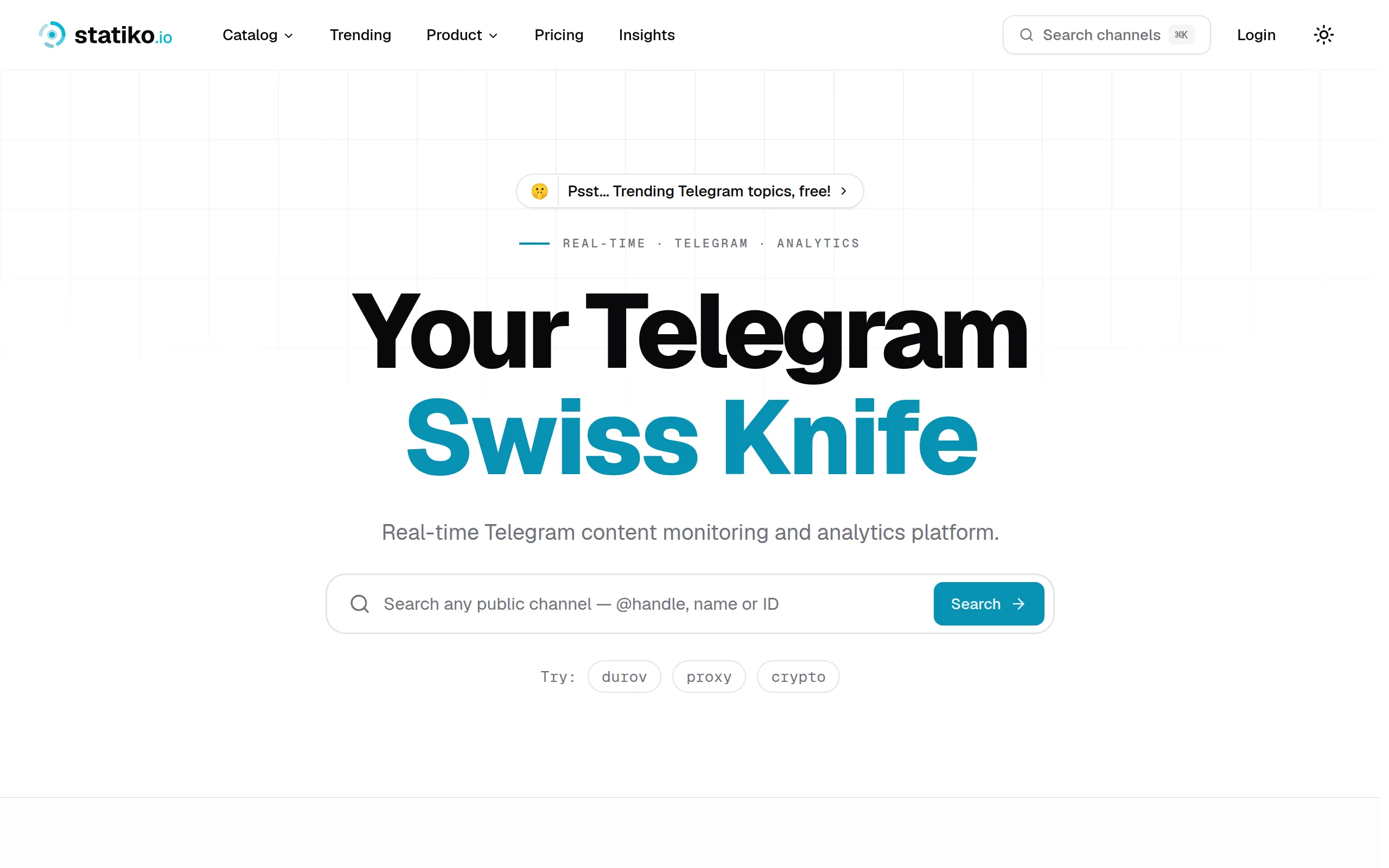
Statiko
Monitor any Telegram channel in real time - track posts, edits, deletions, and growth with AI recaps 📡

Shibui
AI website builder - describe your business, pick a niche template, edit by chatting, and publish instantly ✨

Pro Service
Find verified home service professionals, compare quotes, and pay securely through escrow - built for Brazilians across the US 🏠
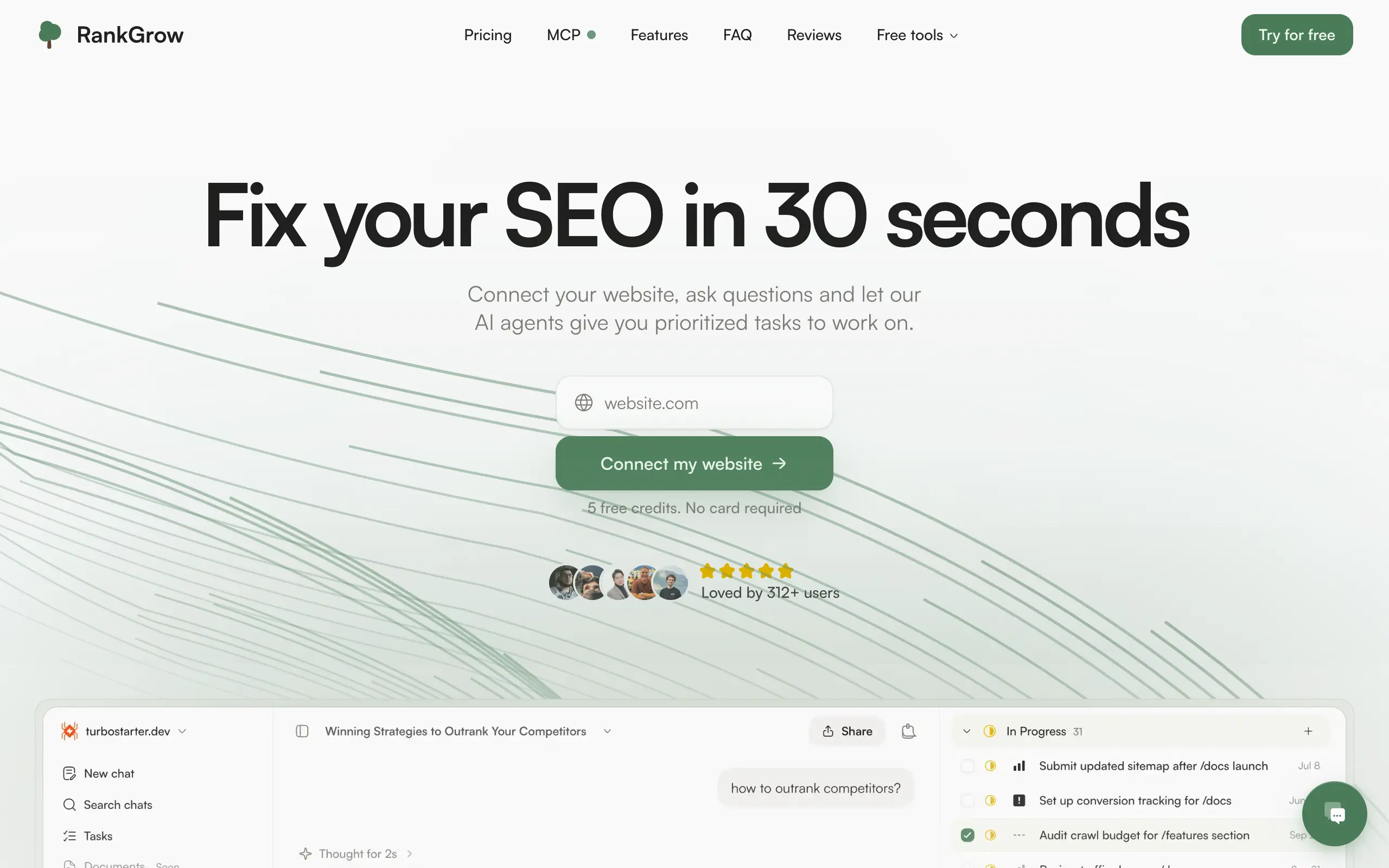
RankGrow
Fix your SEO with AI agents - connect Search Console, get prioritized tasks, and grow organic traffic 📈
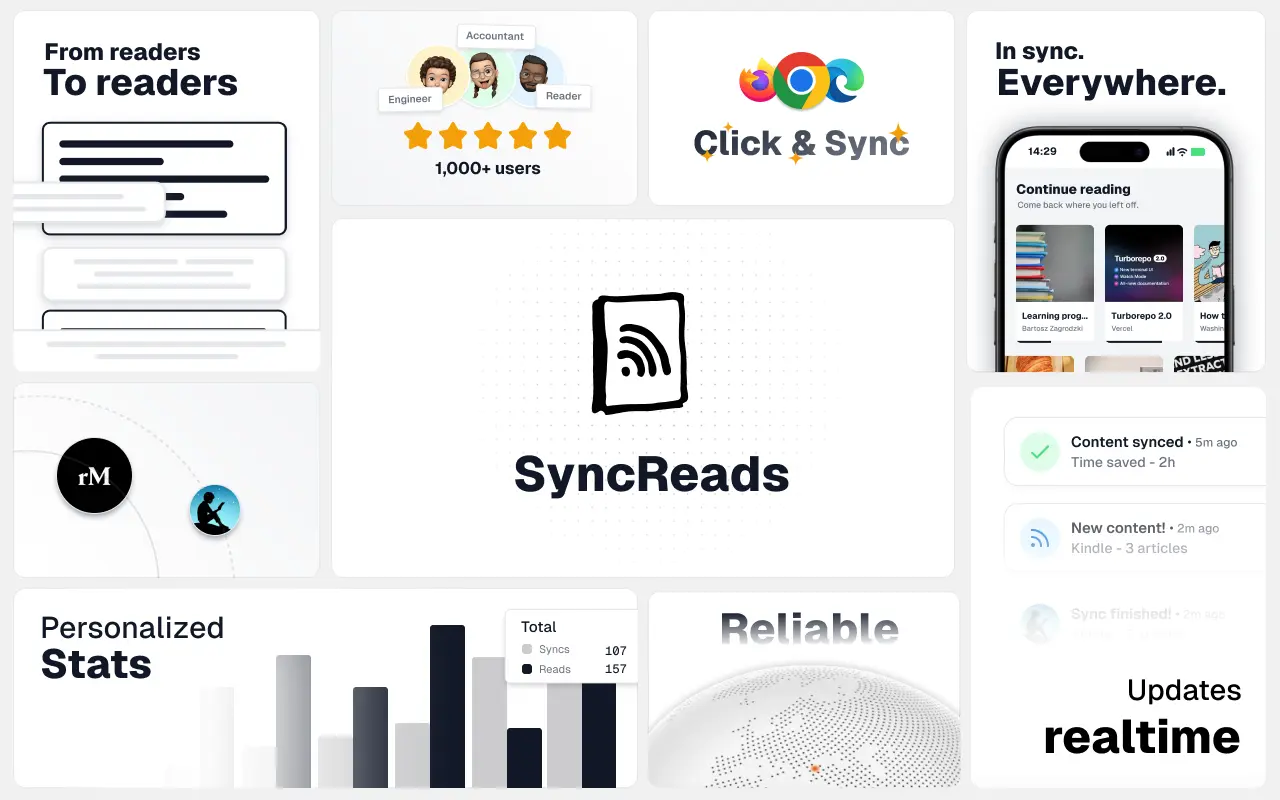
SyncReads
Sync your favorite content for distraction-free reading, save time and replace multiple apps. Anytime, anywhere 🔄
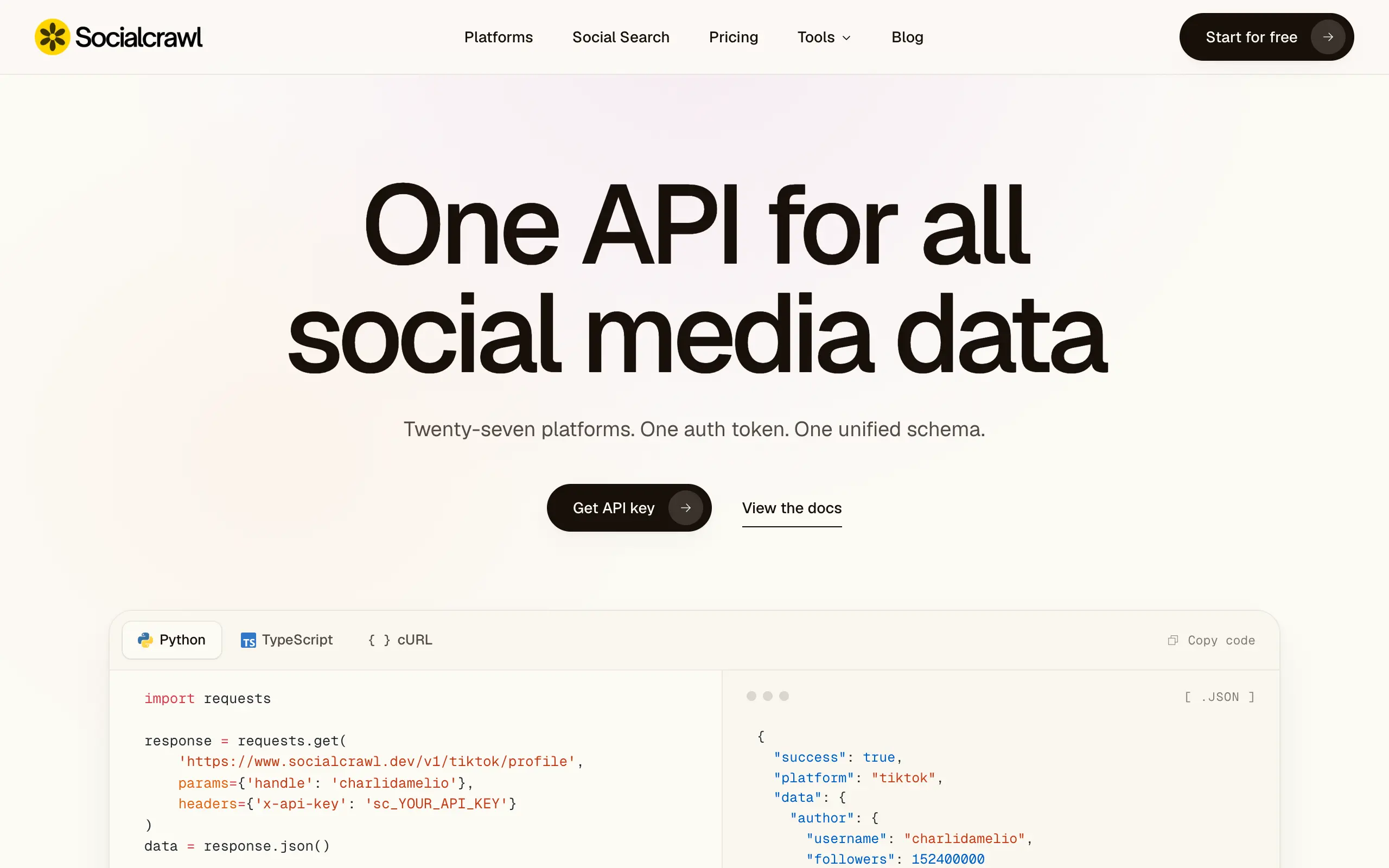
Socialcrawl
Get clean, structured data from 21 platforms like TikTok, Instagram, and YouTube with a single request 📊
Statiko
Monitor any Telegram channel in real time - track posts, edits, deletions, and growth with AI recaps 📡
Shibui
AI website builder - describe your business, pick a niche template, edit by chatting, and publish instantly ✨
Pro Service
Find verified home service professionals, compare quotes, and pay securely through escrow - built for Brazilians across the US 🏠
RankGrow
Fix your SEO with AI agents - connect Search Console, get prioritized tasks, and grow organic traffic 📈
SyncReads
Sync your favorite content for distraction-free reading, save time and replace multiple apps. Anytime, anywhere 🔄
Socialcrawl
Get clean, structured data from 21 platforms like TikTok, Instagram, and YouTube with a single request 📊
Statiko
Monitor any Telegram channel in real time - track posts, edits, deletions, and growth with AI recaps 📡
Shibui
AI website builder - describe your business, pick a niche template, edit by chatting, and publish instantly ✨
Pro Service
Find verified home service professionals, compare quotes, and pay securely through escrow - built for Brazilians across the US 🏠
RankGrow
Fix your SEO with AI agents - connect Search Console, get prioritized tasks, and grow organic traffic 📈
SyncReads
Sync your favorite content for distraction-free reading, save time and replace multiple apps. Anytime, anywhere 🔄
Socialcrawl
Get clean, structured data from 21 platforms like TikTok, Instagram, and YouTube with a single request 📊
Statiko
Monitor any Telegram channel in real time - track posts, edits, deletions, and growth with AI recaps 📡
Shibui
AI website builder - describe your business, pick a niche template, edit by chatting, and publish instantly ✨
Pro Service
Find verified home service professionals, compare quotes, and pay securely through escrow - built for Brazilians across the US 🏠
RankGrow
Fix your SEO with AI agents - connect Search Console, get prioritized tasks, and grow organic traffic 📈
SyncReads
Sync your favorite content for distraction-free reading, save time and replace multiple apps. Anytime, anywhere 🔄
Socialcrawl
Get clean, structured data from 21 platforms like TikTok, Instagram, and YouTube with a single request 📊
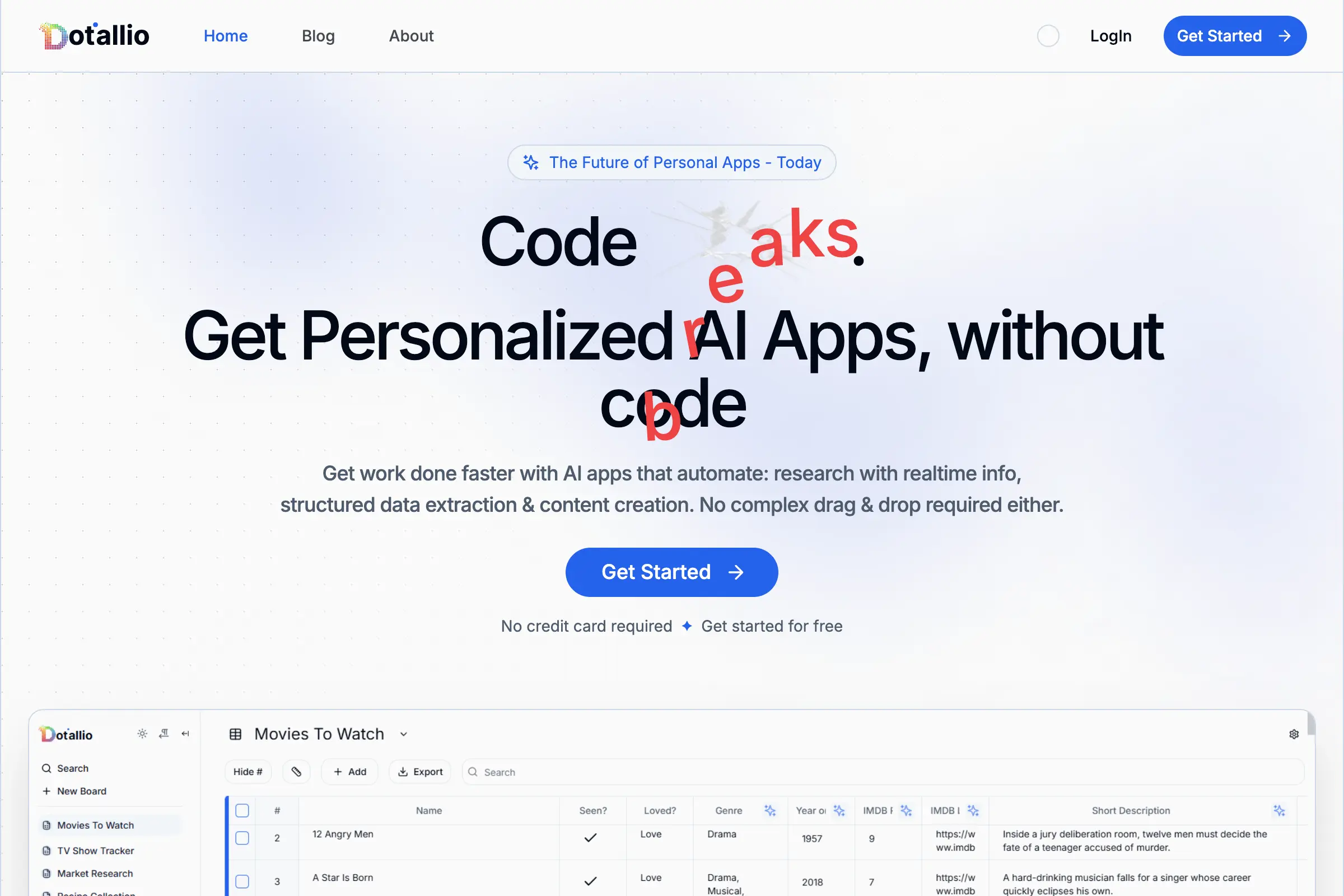
Dotallio
Personalized AI apps that automate research, data extraction, and content creation without code 🤖

Talk to Santa
Enjoy a magical live video chat or receive a unique AI-generated video greeting from Santa Claus 🎅

pozywka.pl
Scalable blog for food journalist, focused on performance and user experience 🌭
zagrodzki.me
Personal blog and portfolio of Bart Zagrodzki, where he shares his knowledge and work 💼
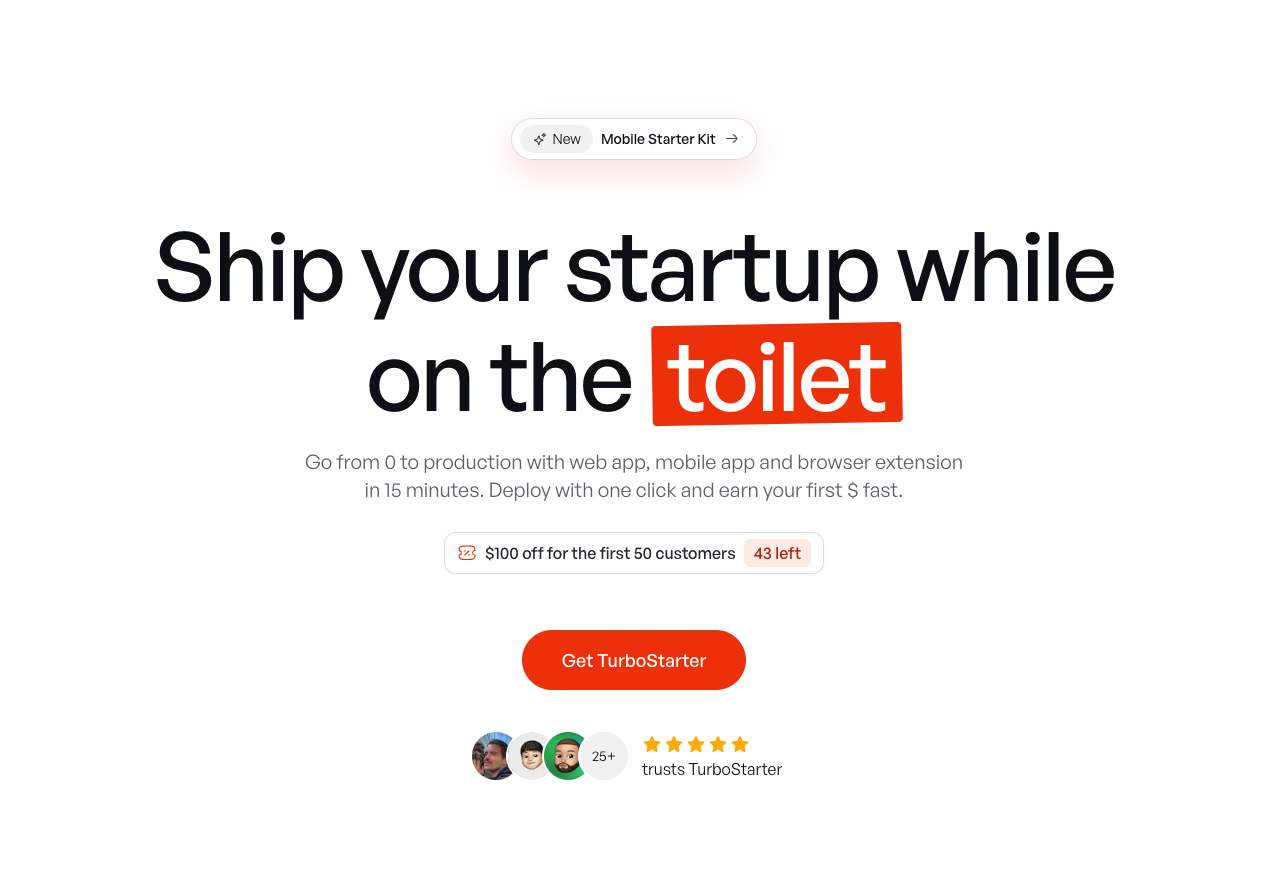
TurboStarter
Ship your startup everywhere. In minutes.
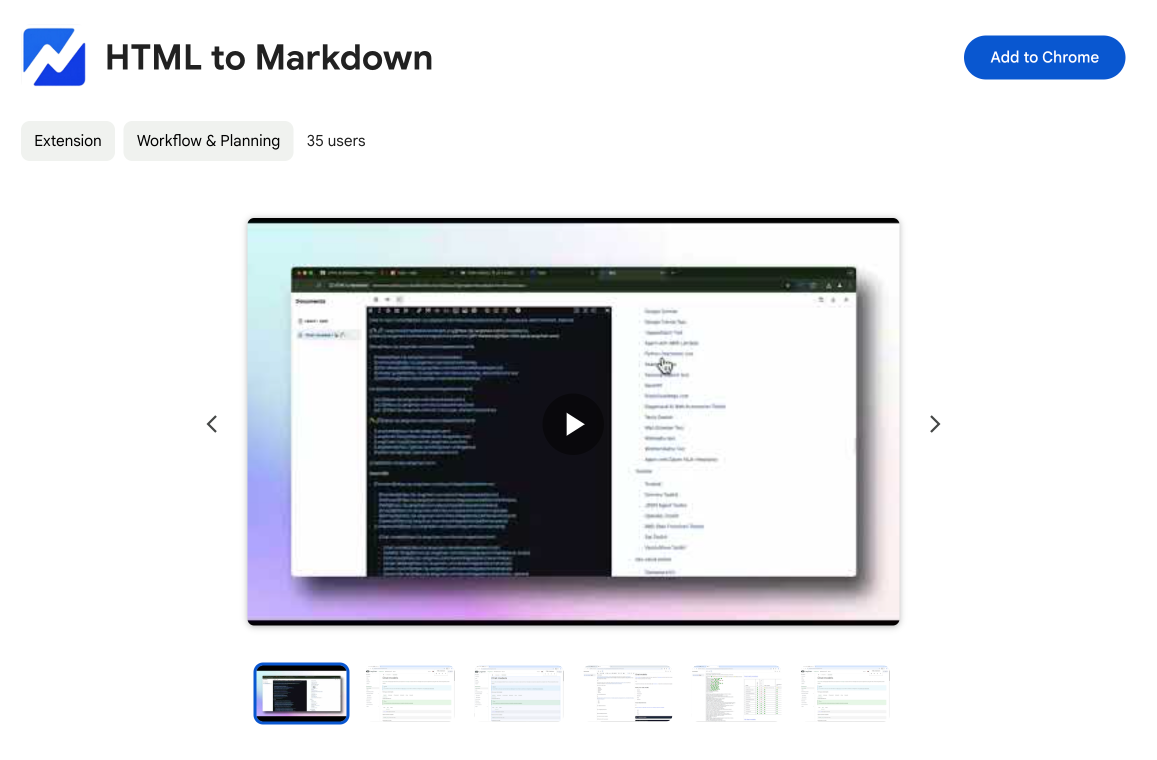
HTML to Markdown
Convert HTML to Markdown with ease, directly in your browser 📄
Dotallio
Personalized AI apps that automate research, data extraction, and content creation without code 🤖
Talk to Santa
Enjoy a magical live video chat or receive a unique AI-generated video greeting from Santa Claus 🎅
pozywka.pl
Scalable blog for food journalist, focused on performance and user experience 🌭
zagrodzki.me
Personal blog and portfolio of Bart Zagrodzki, where he shares his knowledge and work 💼
TurboStarter
Ship your startup everywhere. In minutes.
HTML to Markdown
Convert HTML to Markdown with ease, directly in your browser 📄
Dotallio
Personalized AI apps that automate research, data extraction, and content creation without code 🤖
Talk to Santa
Enjoy a magical live video chat or receive a unique AI-generated video greeting from Santa Claus 🎅
pozywka.pl
Scalable blog for food journalist, focused on performance and user experience 🌭
zagrodzki.me
Personal blog and portfolio of Bart Zagrodzki, where he shares his knowledge and work 💼
TurboStarter
Ship your startup everywhere. In minutes.
HTML to Markdown
Convert HTML to Markdown with ease, directly in your browser 📄
Dotallio
Personalized AI apps that automate research, data extraction, and content creation without code 🤖
Talk to Santa
Enjoy a magical live video chat or receive a unique AI-generated video greeting from Santa Claus 🎅
pozywka.pl
Scalable blog for food journalist, focused on performance and user experience 🌭
zagrodzki.me
Personal blog and portfolio of Bart Zagrodzki, where he shares his knowledge and work 💼
TurboStarter
Ship your startup everywhere. In minutes.
HTML to Markdown
Convert HTML to Markdown with ease, directly in your browser 📄
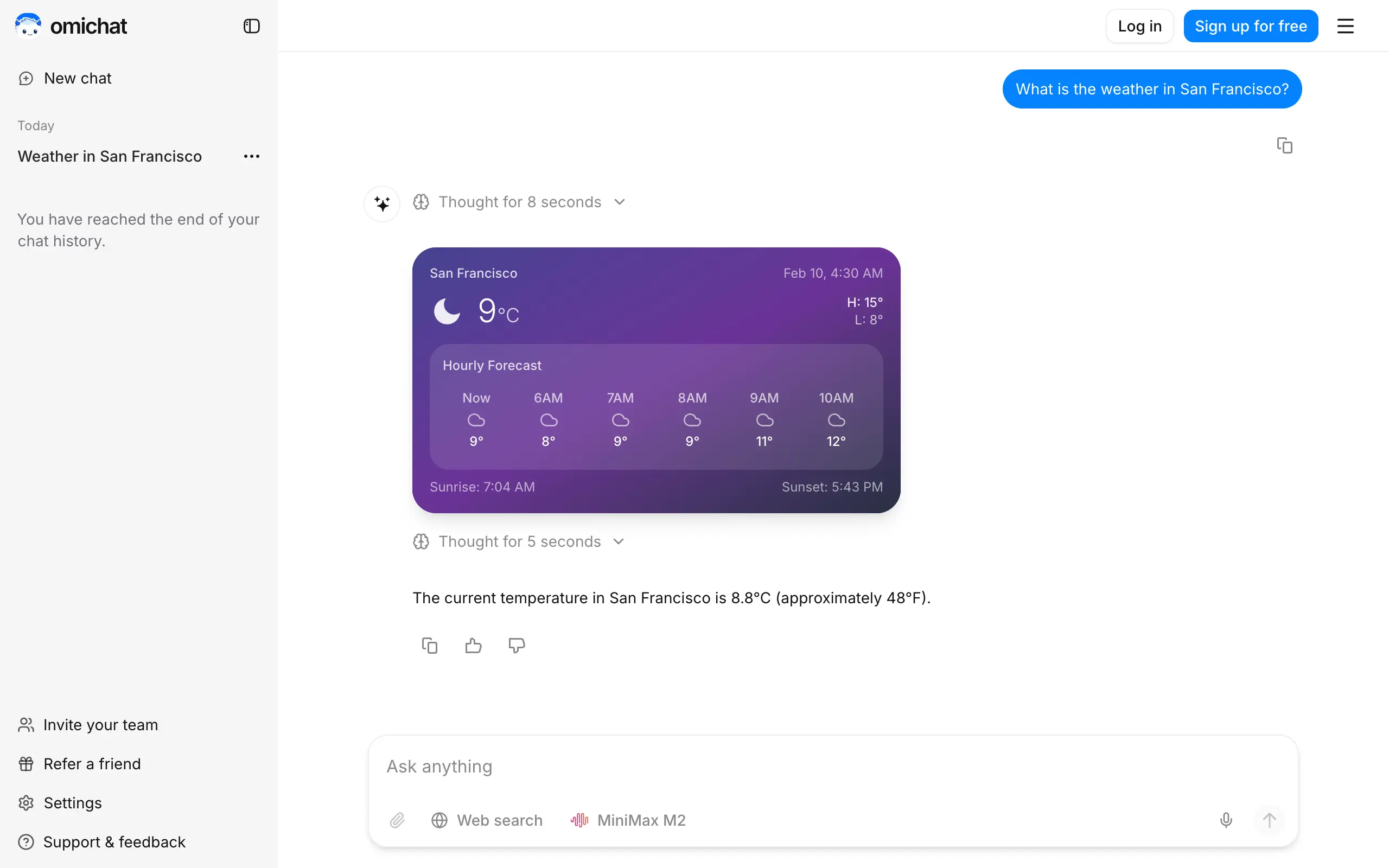
Omichat
Chat with 50+ AI models, including ChatGPT and Claude, in one place - switch models anytime without losing context 🤖
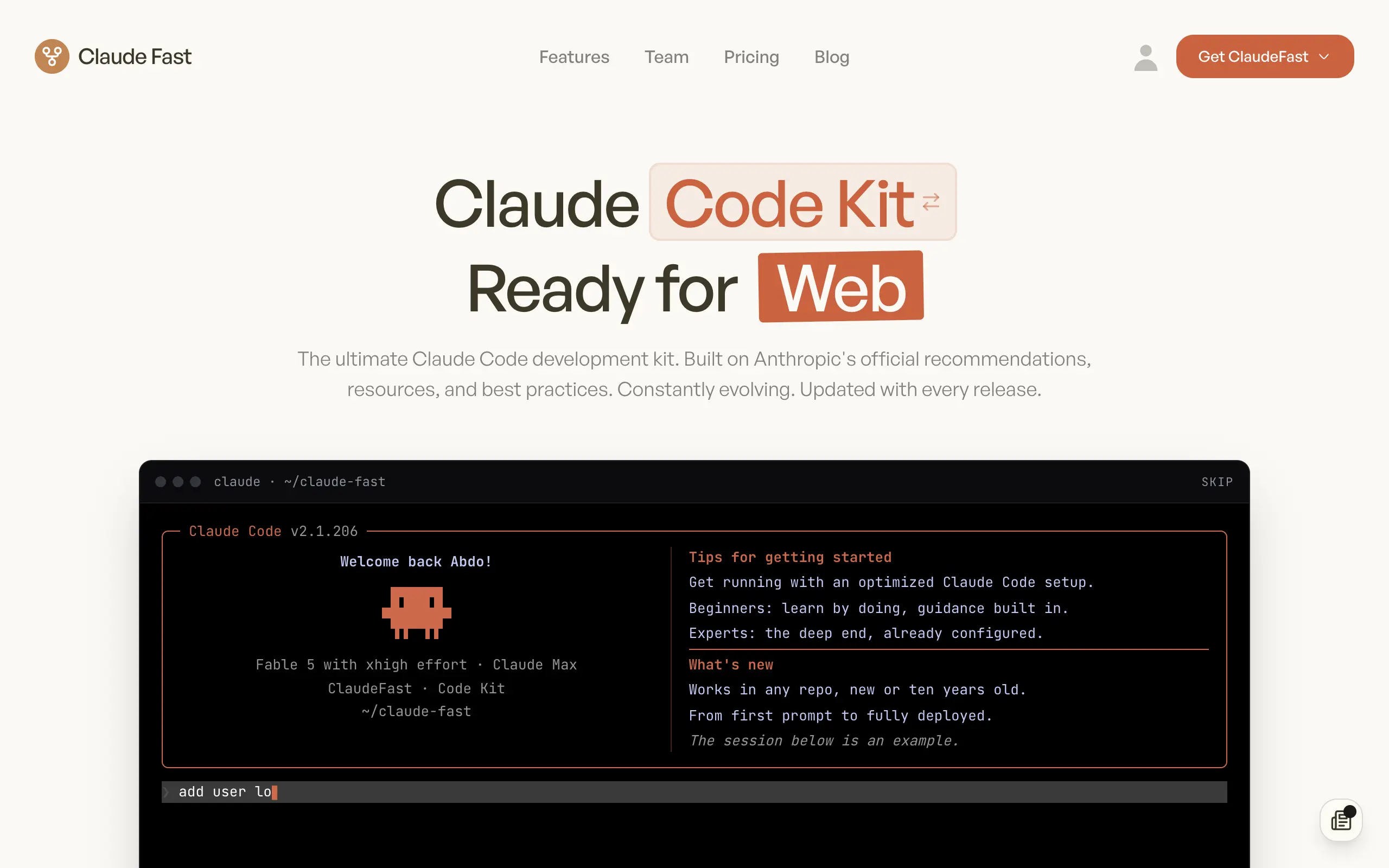
Claude Fast
Supercharge your Claude Code with 6x effective context window and specialized AI agents 🤖
EmojAI
AI-powered emoji picker with smart, context-aware suggestions 🤖
Solohacker
Autonomous company launcher - AI agents work 24/7, escalate what matters, and you stay in control 🤖

BeRawi: Storytelling Coach
Practice storytelling daily with instant feedback to sound clearer, more engaging, and confident 🎤
Omichat
Chat with 50+ AI models, including ChatGPT and Claude, in one place - switch models anytime without losing context 🤖
Claude Fast
Supercharge your Claude Code with 6x effective context window and specialized AI agents 🤖
EmojAI
AI-powered emoji picker with smart, context-aware suggestions 🤖
Solohacker
Autonomous company launcher - AI agents work 24/7, escalate what matters, and you stay in control 🤖
BeRawi: Storytelling Coach
Practice storytelling daily with instant feedback to sound clearer, more engaging, and confident 🎤
Omichat
Chat with 50+ AI models, including ChatGPT and Claude, in one place - switch models anytime without losing context 🤖
Claude Fast
Supercharge your Claude Code with 6x effective context window and specialized AI agents 🤖
EmojAI
AI-powered emoji picker with smart, context-aware suggestions 🤖
Solohacker
Autonomous company launcher - AI agents work 24/7, escalate what matters, and you stay in control 🤖
BeRawi: Storytelling Coach
Practice storytelling daily with instant feedback to sound clearer, more engaging, and confident 🎤
Omichat
Chat with 50+ AI models, including ChatGPT and Claude, in one place - switch models anytime without losing context 🤖
Claude Fast
Supercharge your Claude Code with 6x effective context window and specialized AI agents 🤖
EmojAI
AI-powered emoji picker with smart, context-aware suggestions 🤖
Solohacker
Autonomous company launcher - AI agents work 24/7, escalate what matters, and you stay in control 🤖
BeRawi: Storytelling Coach
Practice storytelling daily with instant feedback to sound clearer, more engaging, and confident 🎤

Connect with like-minded people
Join our community to get feedback, support, and grow together with 1,000+ builders on board, let's ship it!
Join usShip your startup everywhere. In minutes.
Don't burn tokens on setup and start building features on day one.