Rehab Reel
Record a patient performing exercises once, then AI trims clips, adds spoken cues, reps and safety notes into a shareable home rehab program instantly.
The opportunity for AI home rehab program software
Rehab Reel is an AI home rehab program software concept for physical therapists, occupational therapists, athletic trainers, chiropractors, and rehabilitation clinics. Its central promise is simple but powerful: a clinician records a patient performing prescribed exercises once, and the platform automatically turns that footage into a polished, shareable home exercise program with trimmed clips, spoken instructions, repetition guidance, and safety notes.
The idea addresses one of the most persistent problems in rehabilitation care: patients often leave appointments with incomplete recall of what they were taught. Even when clinicians provide printed instructions or generic exercise libraries, patients may struggle to remember the correct technique, pace, range of motion, precautions, or number of repetitions.
That gap affects outcomes.
A patient who performs the wrong movement at home may see slower progress, lose confidence, or aggravate an existing condition. Meanwhile, clinicians spend valuable treatment time repeating instructions, manually documenting home programs, hunting through exercise libraries, and responding to follow-up questions that could have been answered by a clear personalized video.
Rehab Reel turns the therapist’s live clinical instruction into a reusable digital care asset. Instead of asking providers to choose a generic animation from a library, it preserves the patient-specific movement and the clinician’s actual cueing.
The core value proposition
Rehab Reel is not just another exercise video tool. It is a workflow product that converts in-clinic rehabilitation instruction into a patient-ready, personalized home program in minutes.
The timing is favorable. Hybrid care models, remote patient monitoring, consumer expectations for digital healthcare experiences, and progress in multimodal AI all create a stronger market for better patient education tools. To validate market sizing or digital health adoption claims in an investor-facing version of this plan, cite current research from organizations such as the American Physical Therapy Association, the Centers for Medicare & Medicaid Services, or reputable health IT research firms.
Who needs an AI home rehab program builder
The strongest initial market is not every healthcare provider. Rehab Reel should begin with users who have a frequent home exercise workflow, repeatable documentation needs, and a clear financial reason to improve adherence.
Primary users: outpatient physical therapists
Outpatient physical therapy clinics are the most natural early customer segment. Therapists regularly prescribe home exercise programs for orthopedic recovery, post-operative rehabilitation, chronic pain, sports injuries, mobility limitations, and return-to-activity plans.
Their recurring challenges include:
- Creating home exercise programs after every evaluation or follow-up session
- Explaining movement quality in a limited appointment window
- Managing patients with different learning styles and digital comfort levels
- Using generic exercise library content that does not reflect the patient’s actual form
- Documenting education and instructions in a way that supports clinical continuity
- Reducing inbound questions between appointments
- Encouraging completion without sounding repetitive or impersonal
For this audience, the ideal message is not “AI video generation.” It is “send a personalized home program before the patient gets to the parking lot.”
Secondary users: occupational therapy and hand therapy practices
Occupational therapists can use the product for upper-extremity rehabilitation, hand therapy, workplace ergonomics, activities of daily living, adaptive techniques, and neurological rehabilitation education.
This segment may particularly value:
- Visual demonstrations for fine motor and functional tasks
- Condition-specific safety reminders
- Personalized modifications for splints, braces, assistive devices, or household constraints
- Simple caregiver-friendly sharing
- Multi-language spoken cues and captions
A patient recovering from a wrist injury, for example, may need more than a generic “wrist flexion” animation. They may need to see how far to move, when to stop, whether to use a support, and how the movement should feel.
Secondary users: sports medicine and athletic performance teams
Sports physical therapists, athletic trainers, and collegiate or private performance facilities often need to deliver high-quality exercise guidance quickly. Their patients and athletes are usually comfortable with mobile video, which makes adoption easier.
Relevant workflows include:
- Return-to-play plans
- Warm-up and mobility routines
- Injury prevention programs
- Post-surgical strengthening progressions
- Off-season conditioning support
- Technique reminders between training sessions
This audience may respond well to branded athlete portals, team-level program templates, and adherence summaries for coaches or care teams, subject to appropriate privacy controls.
Buyers versus end users
Rehab Reel has a classic B2B2C healthcare SaaS structure.
| Stakeholder | Primary job | Desired outcome | Buying influence | Key concern |
|---|---|---|---|---|
| Clinician | Create and send plans | Less admin and better adherence | High | Workflow speed |
| Clinic owner | Improve operations | Retention and differentiation | High | ROI and compliance |
| Patient | Complete exercises safely | Clarity and confidence | Indirect | Ease of use |
| Practice manager | Support clinic systems | Low-friction operations | Medium | Permissions and cost |
The clinician must love the product first. But the clinic owner or operations leader often approves the purchase. Product messaging, onboarding, and pricing should reflect both audiences.
The market gap: generic exercise libraries are not personalized education
Many rehabilitation software platforms already offer home exercise program features. This means Rehab Reel should not position itself as merely “a way to assign exercises.” That category is established.
The gap is between generic assignment tools and personalized, clinician-led instruction delivered at scale.
Traditional home exercise program workflows often look like this:
- The therapist teaches an exercise in person.
- The therapist searches a library for a similar movement.
- The therapist selects a stock image, animation, or generic video.
- The therapist edits instructions and dosage.
- The patient receives a handout, email, app notification, or portal link.
- The patient tries to translate generic material into what happened during the session.
At each handoff, context is lost.
The stock model in a library may not reflect the patient’s equipment, starting position, limitation, surgical precautions, or therapist-approved modifications. A generic description also cannot fully reproduce verbal cues such as “keep your shoulder down,” “do not twist through your low back,” or “stop if you feel sharp pain.”
Rehab Reel can close this gap by making the actual treatment interaction the source material for the home program.
Why personalization matters in rehabilitation
Personalization is not a cosmetic feature. It can change comprehension and confidence.
A patient is more likely to understand a program when they can see:
- Their own body position or a familiar clinician demonstration
- The exact equipment used in the clinic
- The modification chosen for their ability level
- The therapist’s intended pace and range
- Clear text and audio instructions in plain language
- Safety notes that are specific to the prescribed activity
The platform should be designed to improve communication, not make autonomous clinical decisions. AI can streamline editing, transcription, formatting, captioning, and suggested structure. The licensed clinician must remain responsible for reviewing and approving the final program.
Important clinical boundary
Rehab Reel should never imply that AI diagnoses conditions, prescribes treatment, or replaces professional judgment. The product should be framed as a clinician-controlled education and workflow tool.
How Rehab Reel should work
The best version of Rehab Reel is fast enough to fit into a real clinic day. If recording, editing, reviewing, and sending takes longer than a therapist’s current workflow, adoption will suffer no matter how impressive the AI is.
The product should aim for a three-minute post-session workflow.
The ideal clinician experience
A clinician opens a patient session in Rehab Reel, records one or several exercises on a phone or tablet, and speaks naturally while demonstrating or coaching. The recording can include the patient, the clinician, or both depending on consent and practice preference.
The AI then processes the footage to:
- Detect useful exercise segments
- Trim setup and transition time
- Generate a transcript of spoken instruction
- Identify likely rep counts and holds when stated verbally
- Create editable exercise titles
- Add on-screen dosage information
- Generate captions
- Surface a clinician-editable safety note field
- Create a patient-friendly share page or mobile program
- Record review and delivery events for auditability
The clinician reviews the draft, corrects anything needed, selects delivery preferences, and sends the program securely.
A practical program structure
Each home rehab plan should be easy for patients to scan on a phone.
Exercise card
A short video clip, simple title, setup guidance, dosage, and therapist-approved notes.
Safety guidance
Visible instructions for stopping, modifying, or contacting the clinic when appropriate.
Schedule view
A clear daily or weekly cadence that reduces uncertainty about when to complete the program.
A patient-facing exercise card can include:
- Exercise name
- Personalized video
- Spoken cue playback
- Captions
- Sets, repetitions, duration, or frequency
- Equipment list
- “What you should feel” guidance
- “Avoid this” precautions
- Pain or difficulty check-in
- Completion action
- A button to message or contact the clinic, depending on the provider’s workflow
AI should assist, not silently decide
The key product design principle is reviewable automation.
AI outputs should be presented as editable suggestions. For example, if the system transcribes “three sets of ten,” the clinician should be able to change it before sending. If clip detection mistakenly joins two movements, the provider should be able to split or re-trim the segments with minimal effort.
A safe interface makes uncertainty visible. The product can flag low-confidence transcription, unclear audio, uncertain rep extraction, or potentially missing safety instructions. It should not pretend that uncertain output is definitive.
Here is a simplified data model for an exercise plan:
type Exercise = {
  id: string;
  title: string;
  videoUrl: string;
  instructions: string[];
  sets?: number;
  reps?: number;
  holdSeconds?: number;
  frequency?: string;
  safetyNotes: string[];
  clinicianApprovedAt?: string;
};

type HomeProgram = {
  patientId: string;
  clinicianId: string;
  exercises: Exercise[];
  status: "draft" | "reviewed" | "sent" | "archived";
  consentRecordedAt: string;
};
The product does not need to infer every clinical detail from video. In fact, forcing the AI to do too much can create risk. The early product should excel at transforming clinician-provided guidance into clear media, while keeping clinical configuration explicit and editable.
The MVP for an AI rehabilitation video platform
A focused minimum viable product is more likely to earn real clinical adoption than an oversized rehabilitation operating system.
Essential MVP features
The first release should include the smallest set of features needed to test whether clinics will consistently use and pay for the workflow.
-
Secure clinician login and clinic workspace
Support individual providers and small clinics first. Include role-based access for clinicians, administrators, and support staff.
-
Patient profiles with minimal necessary data
Store only what is needed to create and deliver a program. Avoid collecting broad clinical history before there is a clear product need.
-
Mobile-first exercise recording
Let clinicians record vertical video from a phone or tablet. Offer basic prompts for framing, audio quality, and patient consent.
-
AI clip segmentation
Convert one raw recording into several exercise clips. Make manual trim and split controls easy and fast.
-
Speech-to-text and cue extraction
Generate captions and pull out likely instructions, repetitions, holds, and frequencies. Every field remains editable.
-
Program builder and clinician approval
Assemble clips into a home exercise program, preview it as a patient would see it, and require a clear approval action before sharing.
-
Secure sharing
Deliver through a secure link, patient portal, email workflow, or SMS workflow depending on the compliance architecture and patient consent. Avoid exposing protected health information in notification previews.
-
Patient completion tracking
Start with simple self-reported completion. Do not overbuild outcome analytics before validating that patients use the program.
-
Basic audit trail
Log who created, edited, approved, and sent a program, along with timestamps.
Features to defer until product-market fit
Avoid delaying launch with features that make the product look comprehensive but do not prove the core value.
Defer these initially:
- Full electronic health record replacement
- Automated diagnosis or treatment recommendations
- Complex insurance billing workflows
- Computer vision scoring of exercise form
- Broad wearable-device integrations
- Large generic exercise libraries
- Enterprise single sign-on for every identity provider
- Deep analytics dashboards with dozens of metrics
These are reasonable expansion paths, but they should follow validated demand.
Differentiation in the home exercise program software market
Rehab Reel needs a sharper competitive advantage than “we use AI.” AI alone is quickly becoming table stakes. The defensible positioning comes from a focused combination of workflow design, personalization, trust, and clinical control.
The unique selling proposition
Rehab Reel transforms the exact rehabilitation instruction given in a session into a clinician-approved, patient-ready home program without forcing providers to rebuild that guidance from generic library content.
That positioning has several differentiators.
Patient-specific video instead of stock content
Generic exercise content has a role, especially for standardization. However, patient-specific video can provide better context for modifications, equipment, pace, and clinician cueing.
Rehab Reel can make personalization practical at scale by removing the editing burden that normally prevents clinicians from recording custom videos.
Capture once, create many assets
One short recording can produce:
- Individual exercise clips
- Captioned videos
- A structured program
- A caregiver-friendly summary
- A printable fallback version
- A follow-up program template
- Documentation snippets for clinician review
This creates more value from work clinicians already perform.
Clinician-in-the-loop safeguards
Healthcare buyers will often trust a product more when it clearly states what AI does and does not do. A required approval step, editable content, traceable changes, and prominent safety controls are not obstacles to growth. They are part of the value proposition.
Better patient experience without another complex app
Patients should not need to learn a full clinical software suite to follow three exercises. A secure mobile web experience can reduce friction, particularly for older adults or patients with low app tolerance.
The patient interface should prioritize large tap targets, readable typography, playback controls, captions, clear dosage, and minimal navigation.
Recommended technology stack for Rehab Reel
The right stack depends on whether the product is validating with a few clinics or preparing for a large regulated healthcare deployment. The foundation should support rapid iteration while avoiding architectural choices that make privacy and auditability impossible later.
Frontend and application layer
A strong web application stack could include:
- React for the user interface
- Next.js for full-stack rendering, routing, and server-side application patterns
- TypeScript for safer data handling and maintainable domain models
- Tailwind CSS for consistent, fast interface development
- Prisma for typed database access and migrations
For a SaaS founder building the initial product, TurboStarter can accelerate the non-differentiated foundation, such as authentication flows, billing foundations, application structure, and common SaaS patterns. The clinical workflow, media pipeline, approval experience, and compliance design should still receive deliberate product-specific engineering.
Backend and data layer
For early-stage development, a relational database such as PostgreSQL is a practical choice. Rehabilitation programs have structured relationships among clinics, users, patients, sessions, exercises, media assets, approvals, and delivery events.
Core backend capabilities should include:
- Tenant-aware data isolation
- Role-based access control
- Audit logging
- Encryption in transit and at rest
- Data retention controls
- Consent records
- Background processing for video and transcription jobs
- Observability for failed processing and delivery events
A queue-based architecture is important because video processing is asynchronous. The clinician should be able to upload footage, continue documenting, and receive a notification when the draft program is ready.
Video processing choices and trade-offs
Video is central to the product, so media architecture deserves early attention.
A managed video platform can reduce the complexity of upload handling, transcoding, adaptive streaming, thumbnail generation, and secure delivery. The trade-off is vendor dependence and potentially higher unit costs as usage grows.
A cloud-native workflow provides more control but requires significantly more operational expertise. It may involve object storage, upload signing, transcoding pipelines, content delivery, monitoring, lifecycle policies, and access controls.
For an MVP, managed infrastructure often wins because the goal is to validate clinician behavior rather than build a media platform. Before choosing any vendor, verify whether its contractual, security, and data-processing posture can support the intended handling of protected health information.
AI pipeline design
The first AI workflow can be built from several bounded tasks:
- Upload validation and media normalization
- Speech-to-text transcription
- Speaker and timestamp alignment where useful
- Clip segmentation based on pauses, keywords, or manual markers
- Structured extraction of dosage and cues
- Caption generation
- Draft safety prompt generation from a clinician-controlled template
- Human review and final approval
The AI model should return structured JSON rather than free-form prose whenever possible. Structured outputs are easier to validate, display, audit, and edit.
A safer output contract might require fields such as:
type AiExerciseDraft = {
  clipStartSeconds: number;
  clipEndSeconds: number;
  suggestedTitle: string;
  spokenCues: string[];
  suggestedDosage: {
    sets?: number;
    reps?: number;
    holdSeconds?: number;
  };
  confidence: "high" | "medium" | "low";
  reviewFlags: string[];
};
The trade-off is that structured workflows take more upfront product design than a simple “summarize this video” prompt. In healthcare, that extra discipline is worthwhile.
Privacy, security, and compliance risks
Healthcare-related software cannot treat compliance as a late-stage checkbox. If Rehab Reel stores identifiable patient video, voice recordings, names, appointment context, or treatment information, it may handle protected health information in the United States.
The exact obligations depend on the business model, customer type, geography, contracts, and data flows. Product teams should work with qualified legal and compliance professionals rather than relying on generic online guidance.
Key risk areas
- Patient consent: Patients should understand why they are being recorded, how footage will be used, who can access it, and how long it will be retained.
- Data minimization: Record and retain only what is necessary for the clinical and product purpose.
- Unauthorized access: Shared devices, weak passwords, open links, and improper staff permissions can expose sensitive information.
- AI vendor processing: Transcription or model providers may receive sensitive audio or video data unless the architecture prevents it.
- Messaging exposure: SMS and email notifications can accidentally reveal health information in lock-screen previews or inboxes.
- Incorrect AI output: A mistaken rep count, caption, clip boundary, or safety statement could confuse a patient if not reviewed.
- Video retention: Raw session recordings may carry more sensitive context than the final exercise clips.
Risk mitigation strategy
Rehab Reel should build trust through product design and operational controls.
Present a clear consent workflow before recording. Store the consent event, date, applicable policy version, and the person who confirmed it. Give clinics configurable language because local policies and care settings differ.
Do not send an AI-generated program automatically. Require an authorized clinician to review and approve the plan before patient delivery.
Treat raw recordings and final clips differently. Offer configurable retention policies, limit raw video access, and support deletion workflows that clinics can understand.
Use authenticated portals or appropriately protected access links. Keep notification messages neutral, short-lived, and free of unnecessary clinical details.
A credible security roadmap should include documented access controls, incident response planning, vendor review, penetration testing as the product matures, backup and recovery processes, and clear data deletion procedures. If selling to larger clinics or health systems, expect detailed security questionnaires and contractual requirements.
Monetization options for Rehab Reel
The best monetization model aligns price with recurring value and does not punish clinicians for using the product successfully.
Per-clinician monthly subscription
This is the simplest initial model.
Possible tiers could be based on:
- Number of clinicians
- Monthly video processing minutes
- Number of active patients
- Branded patient experience
- Analytics access
- Integration availability
- Support level
A per-clinician model is easy for small practices to understand. Its downside is that high-volume clinics may create unpredictable media processing costs if usage is unlimited.
Clinic subscription with included usage
A clinic plan with a monthly base fee and included video-processing capacity can create a clearer unit economics model.
For example, the plan can include a defined amount of processing, storage, and patient program delivery, with overage pricing above the included threshold. The customer gets a predictable base price, while the business protects gross margin.
Enterprise pricing
Larger multi-location groups may require:
- Business associate agreement review where applicable
- Single sign-on
- Advanced audit controls
- Custom retention policies
- Integration support
- Dedicated onboarding
- Service-level commitments
- Procurement and security review
These customers are suitable for annual contracts and implementation fees. However, enterprise sales cycles are longer, so they should not be the only early go-to-market path.
Avoid patient-paid monetization initially
A consumer subscription may look attractive, but it creates misaligned incentives and can complicate the care relationship. Early revenue should come from providers or clinics that benefit from saved staff time, improved patient experience, and differentiated care delivery.
Measuring product-market fit and clinical value
Rehab Reel should measure more than signups. The critical question is whether clinicians repeatedly use it in their real workflow and whether patients engage with the programs.
North-star metric
A useful north-star metric is:
Clinician-approved personalized home programs delivered per active clinician per week.
This metric captures real product value better than raw uploads or generated clips. It also reflects the point at which a clinician trusts the content enough to send it.
Supporting product metrics
Track these metrics carefully:
- Time from recording completion to shareable program
- Percentage of AI drafts approved without major edits
- Median clinician editing time
- Program delivery rate
- Patient first-view rate
- Patient exercise completion rate
- Seven-day patient return rate
- Clinician weekly retention
- Number of support requests per 100 programs
- Raw video processing failure rate
- Cost per processed minute
- Expansion from individual clinician to clinic account
Outcomes research opportunity
Long-term differentiation may come from responsibly measuring whether personalized video programs improve adherence, confidence, or patient-reported understanding compared with existing handouts.
Do not make outcome claims before the evidence supports them. Instead, partner with forward-thinking clinics or academic rehabilitation programs to conduct pilot studies. Define outcomes in advance, use appropriate consent and governance, and publish results transparently where possible.
Potential pilot questions include:
- Do patients view personalized videos more often than generic exercise content?
- Does video-based cueing reduce patient-reported confusion?
- Does a faster home program workflow save clinician administrative time?
- Which patient groups benefit most from captions, caregiver sharing, or spoken guidance?
Go-to-market strategy for Rehab Reel
The initial go-to-market motion should be narrow, relationship-driven, and evidence-oriented.
Start with a focused beachhead
The best early segment may be independent outpatient orthopedic physical therapy clinics with two to 20 clinicians. They often have enough volume to feel the workflow pain, but they can make decisions faster than large health systems.
A focused pilot offer can include:
- White-glove onboarding
- A limited number of clinicians
- Weekly feedback sessions
- Clear security and consent documentation
- Usage reporting
- A defined pilot duration
- A success plan based on program creation and patient viewing behavior
The goal is not to collect compliments. The goal is to observe whether clinicians incorporate Rehab Reel into appointments without being repeatedly prompted.
Sell workflow outcomes, not AI novelty
The marketing message should emphasize concrete outcomes:
- Send personalized home exercises faster
- Help patients remember exactly what to do
- Reduce generic handout dependence
- Deliver clinician-approved video guidance
- Create a more premium patient experience
- Keep the provider in control of every program
Avoid overstating clinical outcomes or promising that the product prevents injuries, guarantees adherence, or replaces therapy.
Distribution channels
Potential channels include:
- Direct outreach to physical therapy clinic owners
- Partnerships with rehabilitation consultants
- Continuing education communities
- Physical therapy conferences
- Practice management software ecosystems
- Educational content for clinicians
- Referral programs for independent practices
- Case studies from early pilot clinics
Content marketing can be particularly effective when it helps clinicians solve genuine workflow problems. Useful topics include how to improve home exercise program adherence, how to record patient education videos safely, how to standardize exercise instructions, and how to evaluate AI tools in rehabilitation.
A 90-day implementation plan
A disciplined implementation plan helps turn Rehab Reel from an appealing SaaS idea into a validated product.
The first version should be intentionally narrow. A clinician who says, “I used this for every patient today because it was faster than my old system,” is a much stronger signal than a long feature list.
Final assessment: why Rehab Reel can win
Rehab Reel has a credible opportunity because it targets a high-frequency, emotionally important, and operationally inefficient workflow. Home rehabilitation is where much of the patient’s recovery effort happens, yet the educational handoff from clinic to home is often generic, fragmented, or forgotten.
The product’s advantage is not simply that it records exercise videos. Many tools can store a video. Its advantage is that it can turn the clinician’s real-world instruction into a structured, accessible, clinician-approved home rehabilitation program with far less manual effort.
To succeed, the company must remain disciplined about three things:
- Workflow speed: The product must save clinicians time rather than add another administrative task.
- Clinical trust: AI assistance must be transparent, editable, and governed by clinician approval.
- Privacy by design: Sensitive patient video requires thoughtful consent, secure architecture, and clear retention controls.
If Rehab Reel proves it can help providers send better home exercise programs quickly while giving patients more confidence outside the clinic, it can earn a defensible place in the growing rehabilitation technology market.
More 🤖 AI Startup SaaS ideas
Discover more innovative ai startup SaaS ideas that are trending in 2026. Each idea is AI-generated with market validation and growth potential to help you find your next profitable venture faster than competitors.
Your competitors are building with TurboStarter
Below are some of the SaaS ideas that have been generated and built with our starter kit.

Statiko
Monitor any Telegram channel in real time - track posts, edits, deletions, and growth with AI recaps 📡

Shibui
AI website builder - describe your business, pick a niche template, edit by chatting, and publish instantly ✨
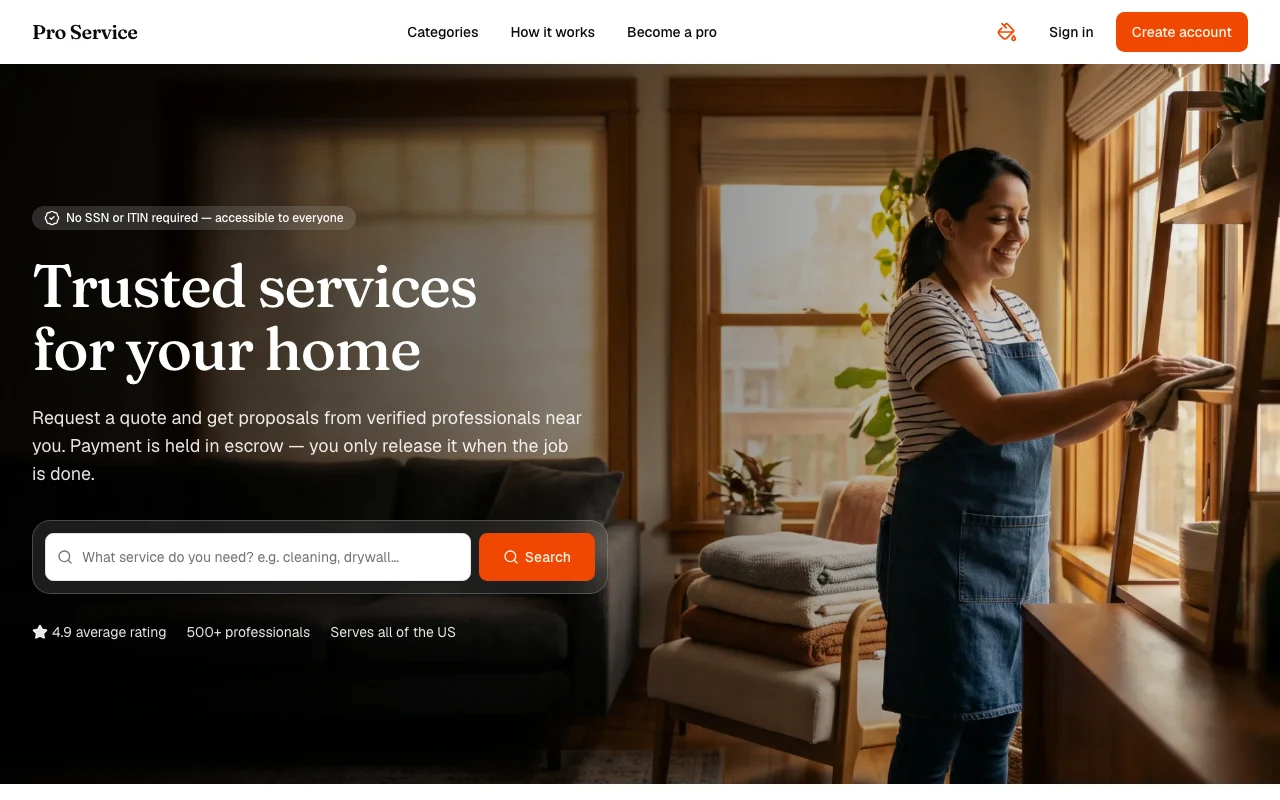
Pro Service
Find verified home service professionals, compare quotes, and pay securely through escrow - built for Brazilians across the US 🏠
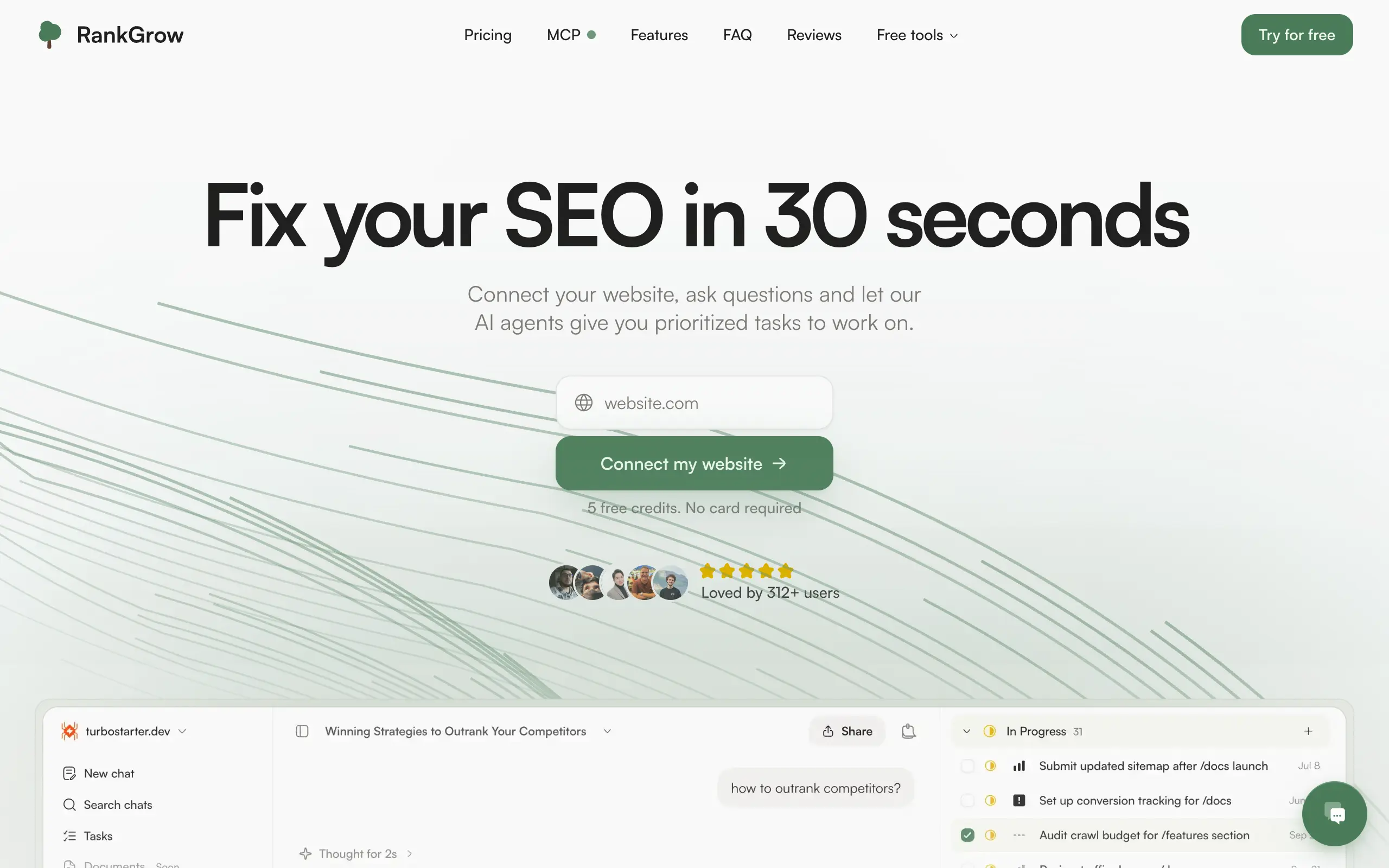
RankGrow
Fix your SEO with AI agents - connect Search Console, get prioritized tasks, and grow organic traffic 📈
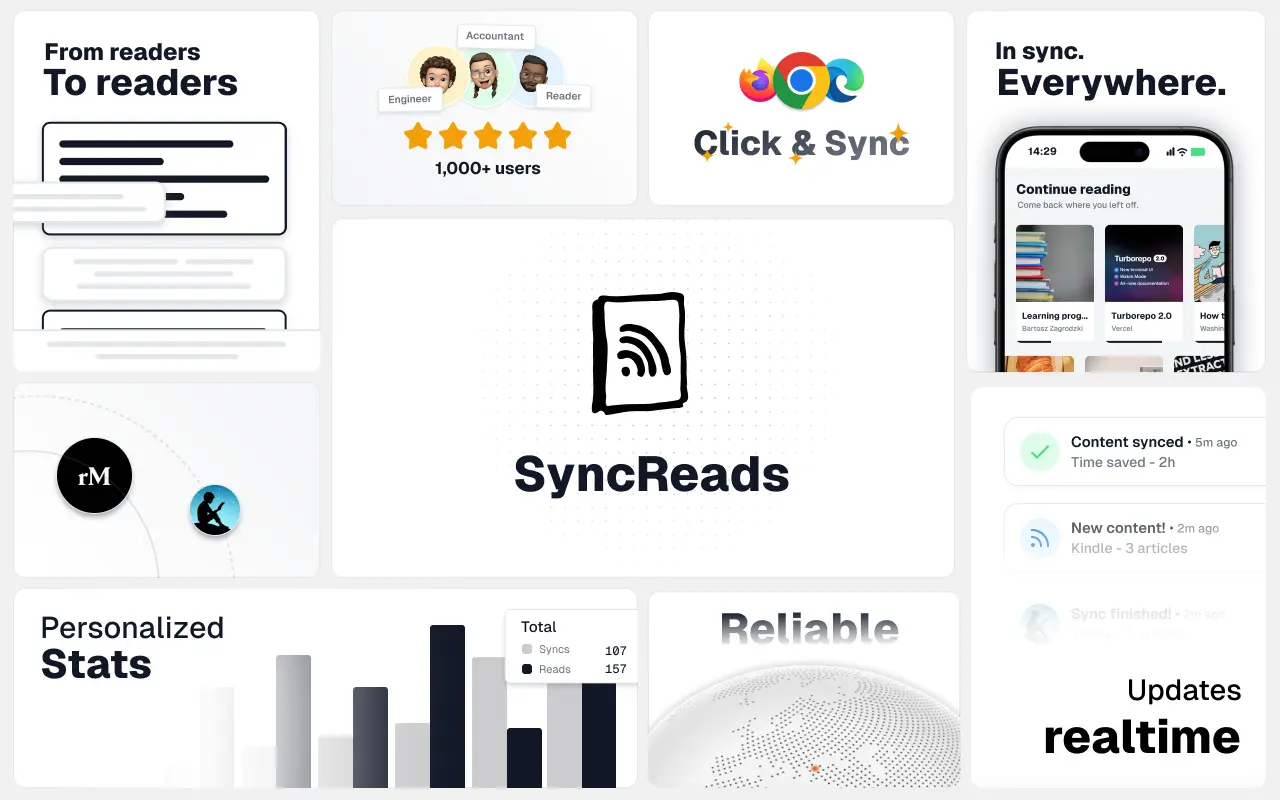
SyncReads
Sync your favorite content for distraction-free reading, save time and replace multiple apps. Anytime, anywhere 🔄
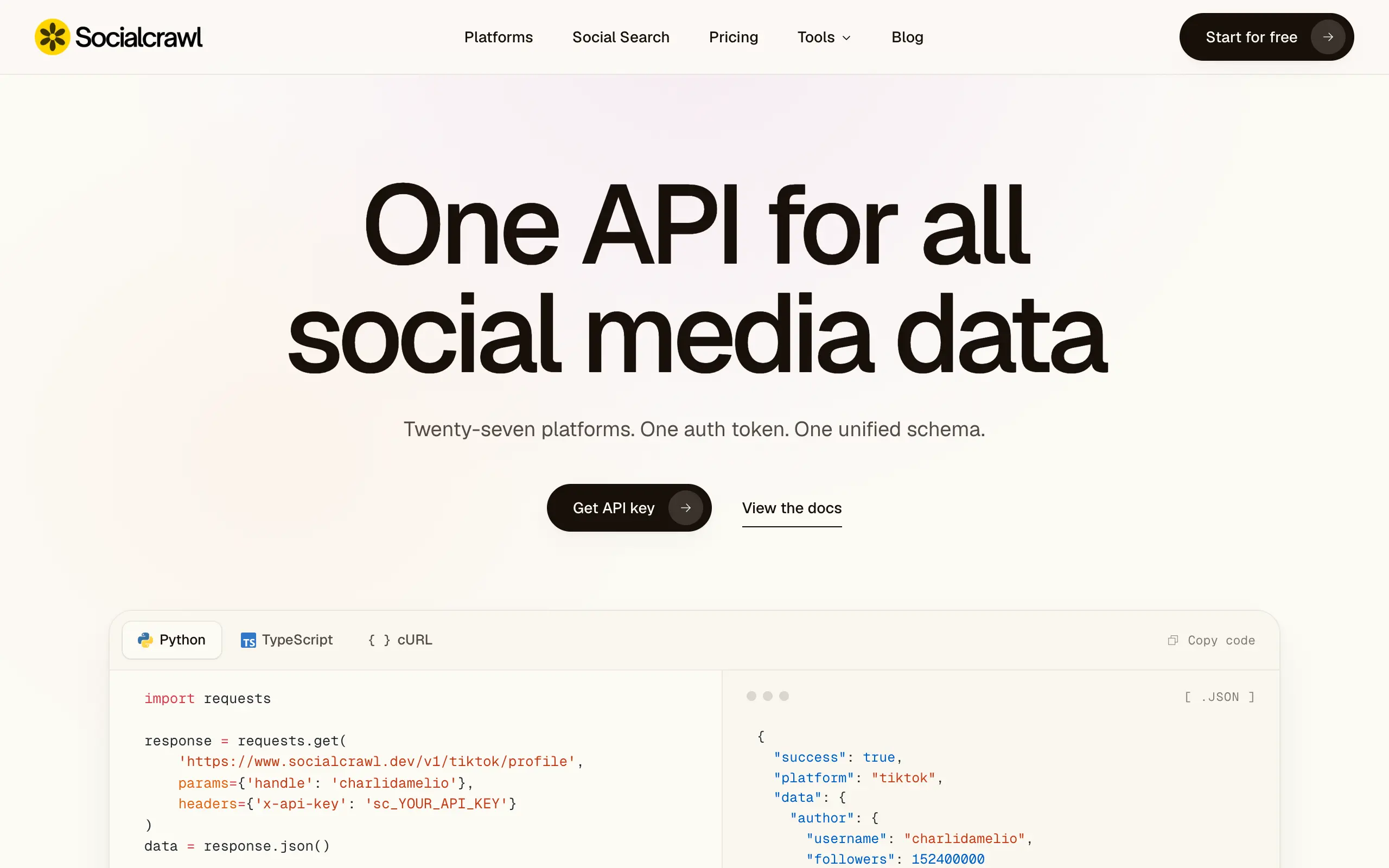
Socialcrawl
Get clean, structured data from 21 platforms like TikTok, Instagram, and YouTube with a single request 📊
Statiko
Monitor any Telegram channel in real time - track posts, edits, deletions, and growth with AI recaps 📡
Shibui
AI website builder - describe your business, pick a niche template, edit by chatting, and publish instantly ✨
Pro Service
Find verified home service professionals, compare quotes, and pay securely through escrow - built for Brazilians across the US 🏠
RankGrow
Fix your SEO with AI agents - connect Search Console, get prioritized tasks, and grow organic traffic 📈
SyncReads
Sync your favorite content for distraction-free reading, save time and replace multiple apps. Anytime, anywhere 🔄
Socialcrawl
Get clean, structured data from 21 platforms like TikTok, Instagram, and YouTube with a single request 📊
Statiko
Monitor any Telegram channel in real time - track posts, edits, deletions, and growth with AI recaps 📡
Shibui
AI website builder - describe your business, pick a niche template, edit by chatting, and publish instantly ✨
Pro Service
Find verified home service professionals, compare quotes, and pay securely through escrow - built for Brazilians across the US 🏠
RankGrow
Fix your SEO with AI agents - connect Search Console, get prioritized tasks, and grow organic traffic 📈
SyncReads
Sync your favorite content for distraction-free reading, save time and replace multiple apps. Anytime, anywhere 🔄
Socialcrawl
Get clean, structured data from 21 platforms like TikTok, Instagram, and YouTube with a single request 📊
Statiko
Monitor any Telegram channel in real time - track posts, edits, deletions, and growth with AI recaps 📡
Shibui
AI website builder - describe your business, pick a niche template, edit by chatting, and publish instantly ✨
Pro Service
Find verified home service professionals, compare quotes, and pay securely through escrow - built for Brazilians across the US 🏠
RankGrow
Fix your SEO with AI agents - connect Search Console, get prioritized tasks, and grow organic traffic 📈
SyncReads
Sync your favorite content for distraction-free reading, save time and replace multiple apps. Anytime, anywhere 🔄
Socialcrawl
Get clean, structured data from 21 platforms like TikTok, Instagram, and YouTube with a single request 📊
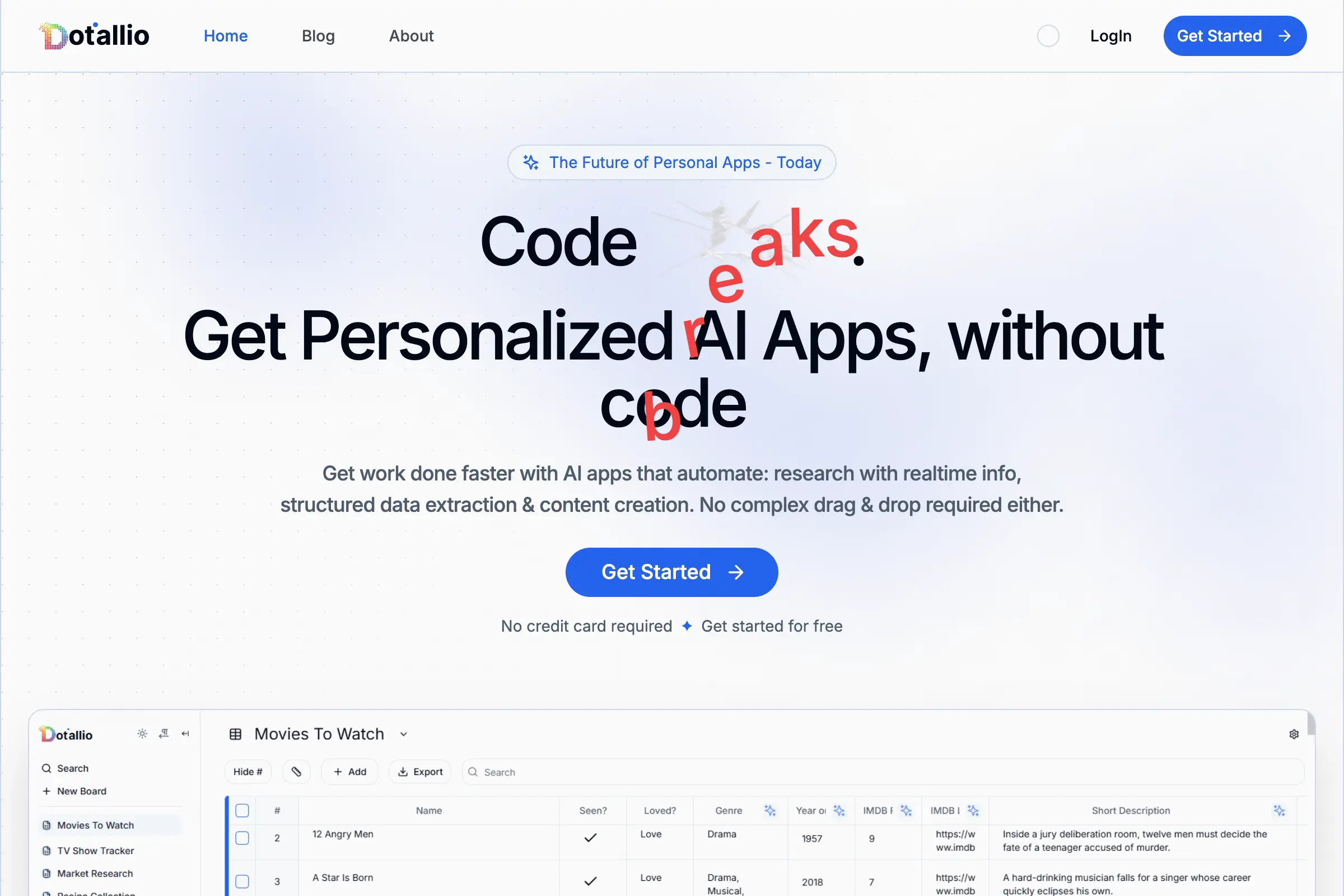
Dotallio
Personalized AI apps that automate research, data extraction, and content creation without code 🤖
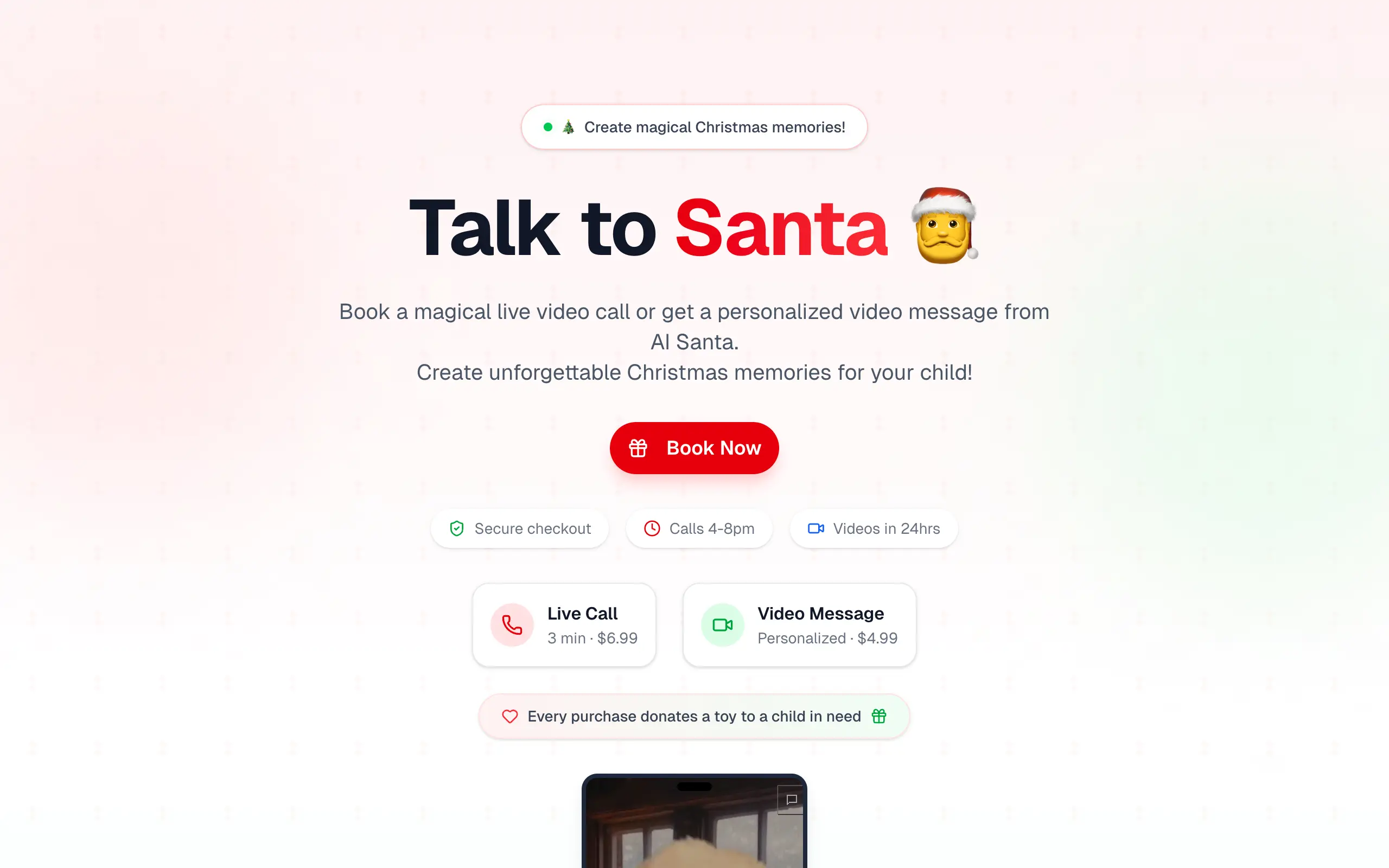
Talk to Santa
Enjoy a magical live video chat or receive a unique AI-generated video greeting from Santa Claus 🎅
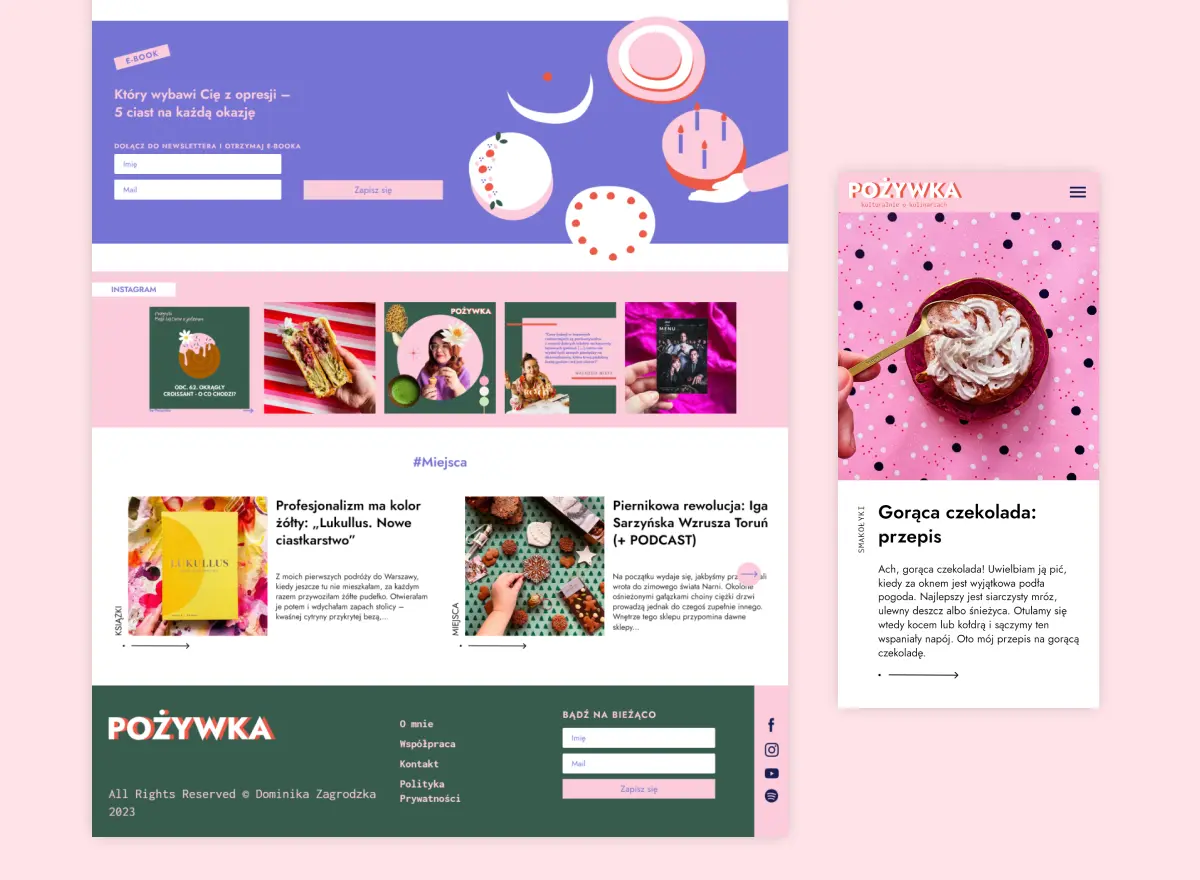
pozywka.pl
Scalable blog for food journalist, focused on performance and user experience 🌭
zagrodzki.me
Personal blog and portfolio of Bart Zagrodzki, where he shares his knowledge and work 💼
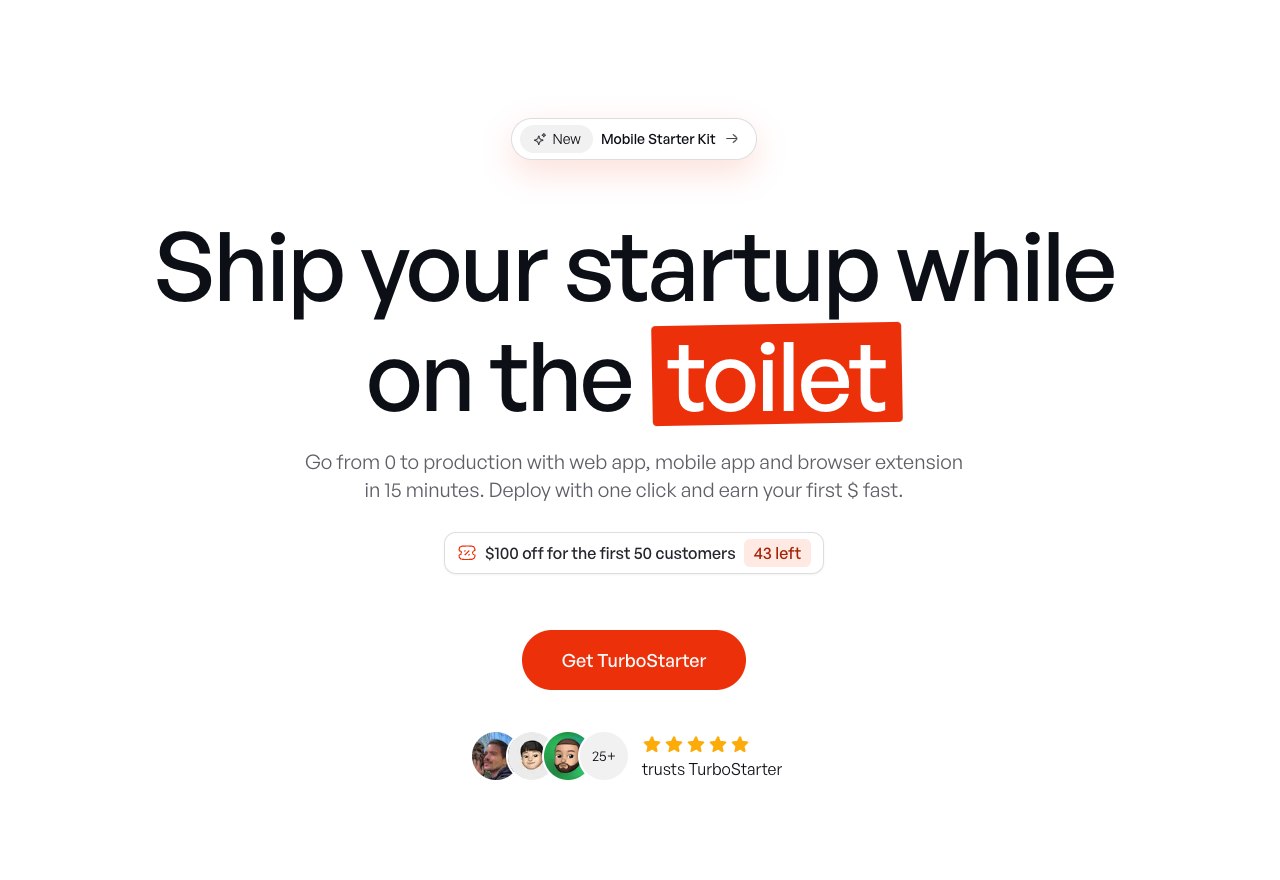
TurboStarter
Ship your startup everywhere. In minutes.
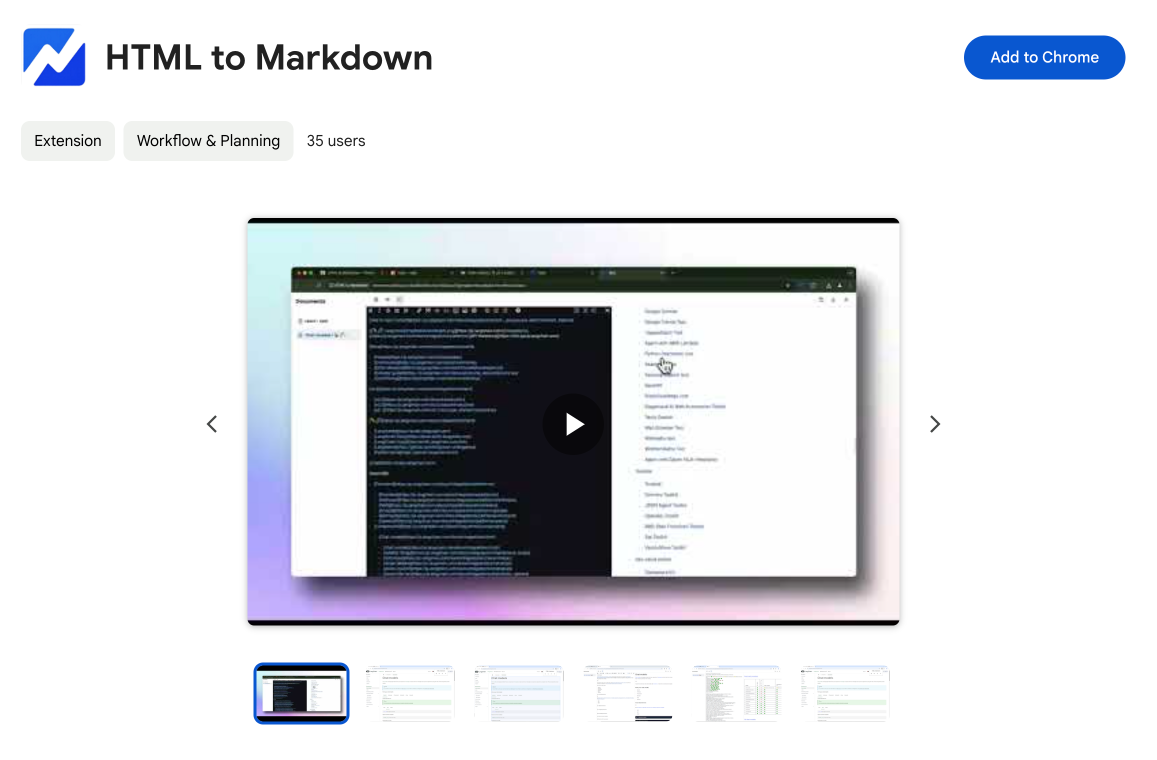
HTML to Markdown
Convert HTML to Markdown with ease, directly in your browser 📄
Dotallio
Personalized AI apps that automate research, data extraction, and content creation without code 🤖
Talk to Santa
Enjoy a magical live video chat or receive a unique AI-generated video greeting from Santa Claus 🎅
pozywka.pl
Scalable blog for food journalist, focused on performance and user experience 🌭
zagrodzki.me
Personal blog and portfolio of Bart Zagrodzki, where he shares his knowledge and work 💼
TurboStarter
Ship your startup everywhere. In minutes.
HTML to Markdown
Convert HTML to Markdown with ease, directly in your browser 📄
Dotallio
Personalized AI apps that automate research, data extraction, and content creation without code 🤖
Talk to Santa
Enjoy a magical live video chat or receive a unique AI-generated video greeting from Santa Claus 🎅
pozywka.pl
Scalable blog for food journalist, focused on performance and user experience 🌭
zagrodzki.me
Personal blog and portfolio of Bart Zagrodzki, where he shares his knowledge and work 💼
TurboStarter
Ship your startup everywhere. In minutes.
HTML to Markdown
Convert HTML to Markdown with ease, directly in your browser 📄
Dotallio
Personalized AI apps that automate research, data extraction, and content creation without code 🤖
Talk to Santa
Enjoy a magical live video chat or receive a unique AI-generated video greeting from Santa Claus 🎅
pozywka.pl
Scalable blog for food journalist, focused on performance and user experience 🌭
zagrodzki.me
Personal blog and portfolio of Bart Zagrodzki, where he shares his knowledge and work 💼
TurboStarter
Ship your startup everywhere. In minutes.
HTML to Markdown
Convert HTML to Markdown with ease, directly in your browser 📄
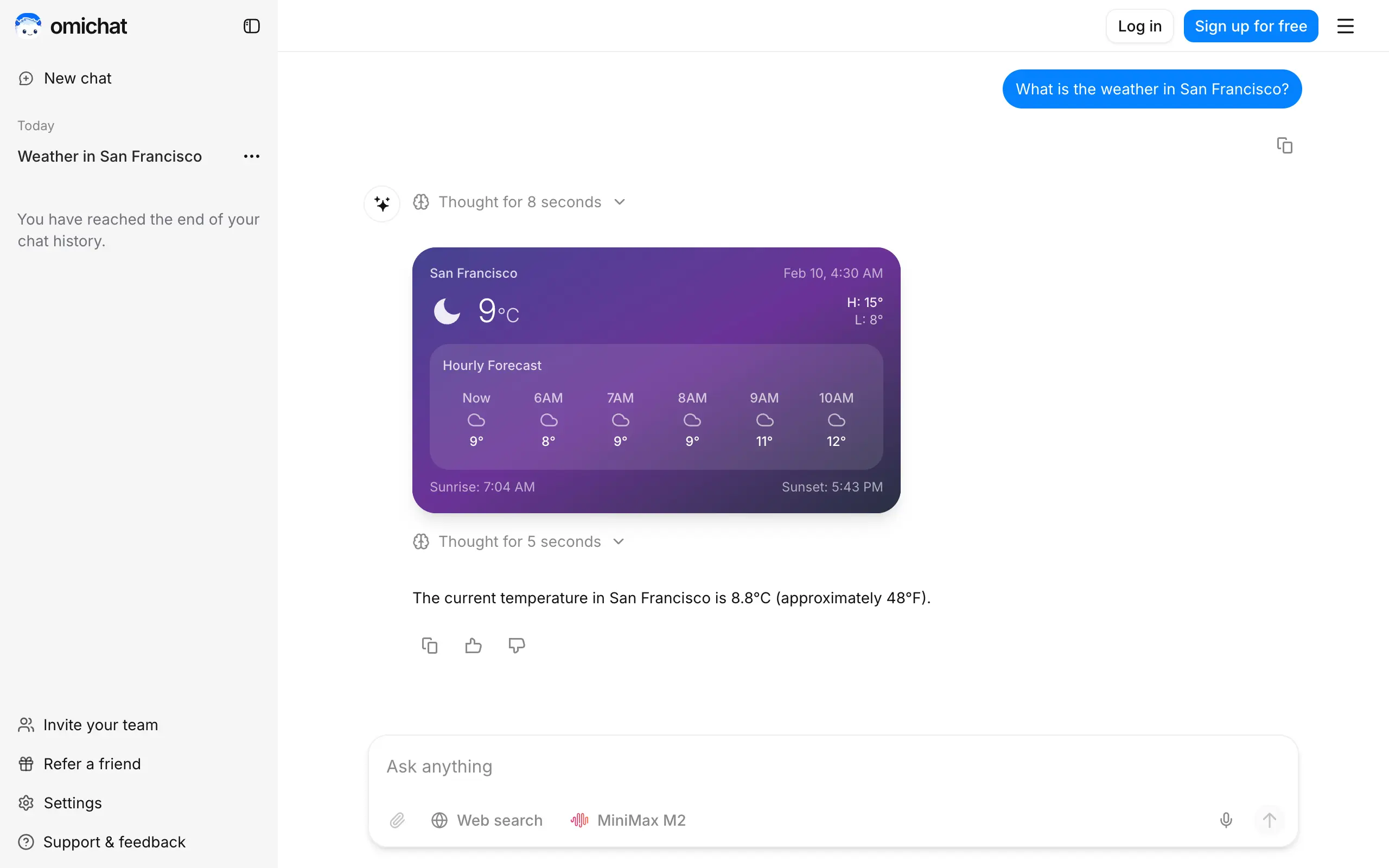
Omichat
Chat with 50+ AI models, including ChatGPT and Claude, in one place - switch models anytime without losing context 🤖
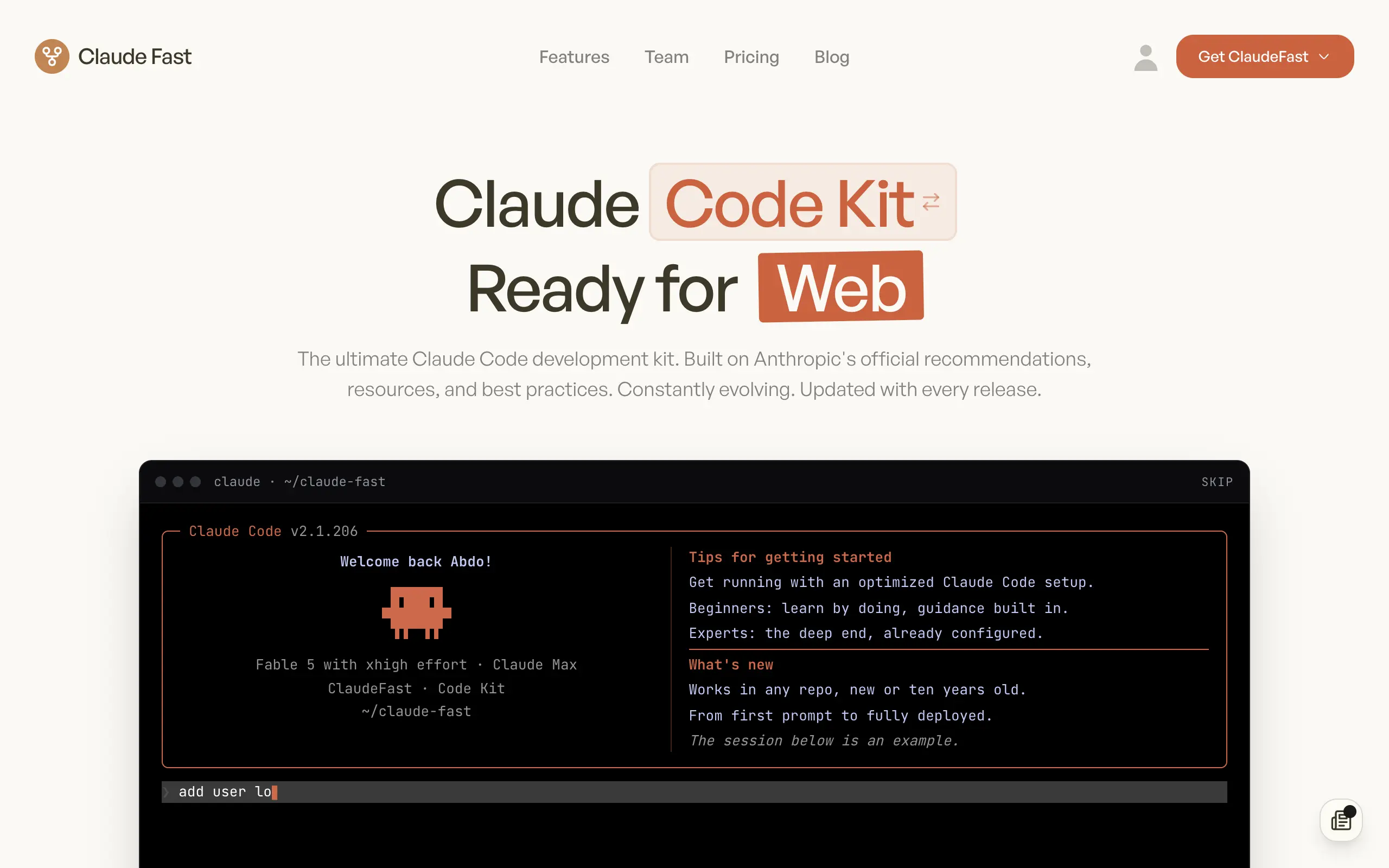
Claude Fast
Supercharge your Claude Code with 6x effective context window and specialized AI agents 🤖
EmojAI
AI-powered emoji picker with smart, context-aware suggestions 🤖

Solohacker
Autonomous company launcher - AI agents work 24/7, escalate what matters, and you stay in control 🤖
BeRawi: Storytelling Coach
Practice storytelling daily with instant feedback to sound clearer, more engaging, and confident 🎤
Omichat
Chat with 50+ AI models, including ChatGPT and Claude, in one place - switch models anytime without losing context 🤖
Claude Fast
Supercharge your Claude Code with 6x effective context window and specialized AI agents 🤖
EmojAI
AI-powered emoji picker with smart, context-aware suggestions 🤖
Solohacker
Autonomous company launcher - AI agents work 24/7, escalate what matters, and you stay in control 🤖
BeRawi: Storytelling Coach
Practice storytelling daily with instant feedback to sound clearer, more engaging, and confident 🎤
Omichat
Chat with 50+ AI models, including ChatGPT and Claude, in one place - switch models anytime without losing context 🤖
Claude Fast
Supercharge your Claude Code with 6x effective context window and specialized AI agents 🤖
EmojAI
AI-powered emoji picker with smart, context-aware suggestions 🤖
Solohacker
Autonomous company launcher - AI agents work 24/7, escalate what matters, and you stay in control 🤖
BeRawi: Storytelling Coach
Practice storytelling daily with instant feedback to sound clearer, more engaging, and confident 🎤
Omichat
Chat with 50+ AI models, including ChatGPT and Claude, in one place - switch models anytime without losing context 🤖
Claude Fast
Supercharge your Claude Code with 6x effective context window and specialized AI agents 🤖
EmojAI
AI-powered emoji picker with smart, context-aware suggestions 🤖
Solohacker
Autonomous company launcher - AI agents work 24/7, escalate what matters, and you stay in control 🤖
BeRawi: Storytelling Coach
Practice storytelling daily with instant feedback to sound clearer, more engaging, and confident 🎤

Connect with like-minded people
Join our community to get feedback, support, and grow together with 1,000+ builders on board, let's ship it!
Join usShip your startup everywhere. In minutes.
Don't burn tokens on setup and start building features on day one.