RelayForge
AI automation software that turns messy client emails into approved B2B workflows, tasks, CRM updates, and audit-ready action logs.
What RelayForge solves for B2B operations teams
RelayForge is an AI email workflow automation software concept built for a problem that costs B2B organizations hours every day: critical operational instructions arrive in unstructured client emails, then get manually interpreted, copied into internal systems, assigned to people, and documented for compliance.
A client might send an email containing a mixture of requests:
- “Please onboard the new location by Friday.”
- “Update our billing contact.”
- “Our finance team needs a copy of the latest compliance certificate.”
- “Do not activate the new user until legal approves the contract amendment.”
For a human operations team, this is manageable at low volume. At scale, it becomes a source of missed requests, inconsistent data, delayed handoffs, and audit gaps. Staff must read messages carefully, determine the right workflow, update a CRM, create tasks, request approvals, and record what happened.
RelayForge turns that fragmented process into a controlled workflow.
The platform would ingest authorized shared inbox messages, classify intent, extract structured information, propose a workflow, route it for approval when needed, and execute approved actions in connected systems. Every decision, source email, approval, and completed action becomes part of an audit-ready action log.
The core value proposition is straightforward:
RelayForge helps B2B teams convert unstructured client email into trusted, approved, traceable operational work.
This positioning differentiates the product from generic AI inbox assistants, basic email parsers, and broad automation platforms. RelayForge is not simply about drafting replies or extracting data. It is designed around operational control, human approval, and defensible records.
The central product principle
Automation should reduce repetitive work without removing accountability. RelayForge should recommend, prepare, and execute workflow actions only within clear policy boundaries and approval rules.
Why AI email workflow automation is a growing market opportunity
Email remains a primary system of record for many B2B relationships, even when companies use sophisticated CRMs, project management tools, ticketing systems, and ERP platforms. Customers often do not log into a vendor portal to request changes. They email their account manager, implementation team, customer success manager, support desk, or operations inbox.
That creates a persistent gap between external communication and internal execution.
Traditional workflow automation requires structured triggers. A new form submission, webhook event, tagged record, or API event can initiate a flow. But a client email is ambiguous. It may contain multiple requests, incomplete details, contradictions, attachments, or language that requires business context.
Modern large language models make it possible to interpret this unstructured content at a useful level. However, raw AI extraction is not enough for high-stakes B2B work. Organizations need confidence that automation is governed, explainable, reversible, and aligned with company policy.
RelayForge sits at the intersection of several durable software trends:
- AI-assisted operations that reduce manual back-office processing
- Human-in-the-loop automation for high-confidence but controlled execution
- Revenue operations automation that keeps CRM and customer records current
- Compliance-by-design workflows that produce evidence rather than reconstructing it later
- Shared inbox intelligence for support, onboarding, procurement, and account management teams
- Agentic workflow orchestration that can plan actions while respecting approval gates
For market validation, a RelayForge founder should reference credible sources such as annual reports from Gartner, Forrester, McKinsey, Microsoft Work Trend Index, and major CRM ecosystem research. Rather than relying on broad AI adoption claims, focus research on measurable buyer pain:
- Time spent manually processing inbound client requests
- Percentage of CRM fields that become stale or incomplete
- Volume of requests handled through shared inboxes
- SLA breaches caused by routing and handoff delays
- Cost of audit preparation for regulated workflows
- Error rates in manually entered customer data
The opportunity is especially compelling because email-driven operations are common in industries with high customer lifetime value. If RelayForge prevents a compliance issue, shortens customer onboarding, or reduces a revenue-impacting fulfillment delay, its value can be substantially higher than that of a generic productivity tool.
The target audience for RelayForge
RelayForge should not initially target every company that uses email. A focused ideal customer profile will make product design, go-to-market messaging, and sales qualification much stronger.
Primary buyers and champions
The most likely economic buyers are leaders accountable for process efficiency, customer experience, data quality, or risk management.
| Buyer role | Core pain | RelayForge value | Buying trigger | Success metric |
|---|---|---|---|---|
| Head of operations | Manual routing and repeated follow-up | Standardized execution | Growing request volume | Hours saved per workflow |
| RevOps leader | Incomplete CRM records | Controlled CRM updates | Forecast or data-quality issues | Record accuracy |
| Customer success leader | Slow customer request handling | Faster handoffs and visibility | SLA misses | Resolution time |
| Compliance leader | Weak evidence trails | Immutable action logs | Upcoming audit | Audit preparation effort |
Best early adopter segments
The strongest early adopter segment is likely a mid-market or enterprise B2B company with repeatable email-based processes, a modern SaaS stack, and meaningful operational risk.
Potential verticals include:
- B2B SaaS companies with onboarding, renewal, provisioning, and account-change requests
- Financial services providers handling documentation, approvals, customer servicing, and compliance-sensitive changes
- Insurance organizations processing broker communications and policy service requests
- Healthcare technology vendors managing implementation, access, and customer documentation workflows
- Logistics and supply chain businesses coordinating customer changes, shipment exceptions, and account requests
- Managed service providers that receive recurring operational requests through client email
- Professional services firms that need documented client intake, project setup, and change management
The first vertical should be selected based on workflow repetition, willingness to pay, availability of integrations, and regulatory urgency. A vertical with clear process templates is usually a better starting point than a broad horizontal market.
End users and their jobs to be done
RelayForge must serve the people who do the work, not only executives who approve the budget.
Typical end users include:
- Shared inbox agents
- Customer success operations specialists
- Revenue operations analysts
- Implementation managers
- Account managers
- Support operations teams
- Compliance coordinators
- Sales operations administrators
Their core job is not “use AI.” Their job is to turn a customer request into the correct outcome quickly and safely.
RelayForge should help them answer practical questions:
- What is this customer asking for?
- Is this request complete?
- Which workflow applies?
- What systems need updating?
- Does this need manager, legal, or compliance approval?
- Who owns the next step?
- What happened after the request was received?
- Can we prove the process was followed?
The market gap between inbox AI and enterprise workflow platforms
The competitive landscape contains useful but incomplete alternatives. Understanding the gaps is essential to building a credible competitive advantage.
Generic AI assistants
AI assistants can summarize messages, extract action items, and draft responses. They are helpful at an individual level, but they rarely provide governed execution across multiple enterprise systems.
Their limitations often include:
- Weak workflow-specific policy controls
- Limited auditability of extracted facts and decisions
- No reliable approval routing
- No durable workflow state across teams
- Limited controls over downstream data changes
- Lack of domain-specific templates
RelayForge should use AI assistance as an input layer, not as the entire product.
Integration automation platforms
Platforms such as Zapier, Make, and n8n are powerful for connecting systems. They are excellent infrastructure choices for some workflows and may be integration partners rather than direct enemies.
However, these products typically assume the trigger is already structured. They do not inherently solve the harder business problem of interpreting a messy client email, assessing risk, collecting missing information, mapping it to a governed process, and producing a compliance-ready action trail.
Shared inbox and help desk software
Tools such as Zendesk, Intercom, and Front organize customer communications. They can support routing, collaboration, and customer service.
RelayForge can complement these tools by becoming the workflow intelligence layer behind the message. Rather than replacing a company’s customer communication interface on day one, RelayForge can receive a message event, build a proposed action plan, and write results back to the system of record.
CRM automation and workflow tools
CRMs such as Salesforce and HubSpot have workflow features, but CRM-native automation often depends on data already being structured correctly. The email-to-action translation problem remains.
RelayForge’s wedge is the bridge from customer language to approved operational execution.
The RelayForge competitive advantage
RelayForge can stand out through five connected capabilities:
-
Email-native understanding
It interprets messy client messages, threads, attachments, and context rather than requiring a form. -
Workflow-specific intelligence
It maps requests to approved process templates rather than generating unconstrained suggestions. -
Policy-driven approvals
It identifies actions that can run automatically, actions that require review, and actions that should be blocked. -
System-of-record execution
It creates tasks, updates CRM records, starts tickets, and triggers downstream workflows through verified integrations. -
Audit-ready action logs
It preserves evidence from the original message through every recommendation, approval, exception, and action.
This is a stronger narrative than “AI that reads emails.” It is trusted workflow automation for customer operations.
Core RelayForge features and product experience
A successful MVP should make one high-value workflow dramatically easier before expanding into a broad automation platform. The product architecture can support many workflows, but the user experience should initially be opinionated.
Inbox ingestion and thread context
RelayForge needs secure access to authorized mailboxes, ideally starting with Microsoft 365 and Google Workspace. It should ingest new messages through provider APIs, preserve thread context, capture metadata, and store attachments safely.
Relevant message inputs include:
- Sender identity and company domain
- Recipients, CC fields, and shared inbox address
- Message subject and body
- Historical thread context
- Attachments and extracted document text
- Existing CRM account and contact records
- Customer tier, contract status, and account ownership
- Previous workflow history
The system should not treat each email as an isolated event. A request that looks safe in a single message can be risky when earlier thread context shows a dispute, an unresolved approval, or conflicting instructions.
AI request classification and data extraction
The intelligence layer should classify incoming emails into a controlled taxonomy. Examples might include onboarding request, user access change, billing update, contract amendment, document request, account escalation, support issue, renewal request, or data deletion request.
For each request, RelayForge should extract structured fields such as:
- Customer account
- Request type
- Requested effective date
- Affected users or entities
- Product or service scope
- Required documents
- Urgency indicators
- Approval requirements
- Confidence score
- Evidence snippets from the email
The user interface should always show why the system reached a conclusion. Highlighting the exact email text that supported each extracted field creates a far more trustworthy experience than presenting opaque AI output.
Workflow recommendation engine
After classification, RelayForge should recommend a workflow template.
For example, an “add users to enterprise account” request could generate a plan containing:
- Verify sender authorization.
- Match the customer account in the CRM.
- Extract requested user details.
- Check contract seat availability.
- Create a provisioning task.
- Request approval if the request exceeds approved seat limits.
- Update the CRM after provisioning.
- Send a confirmation draft for human review.
- Write all actions to the audit log.
The workflow recommendation should be deterministic wherever possible. AI can interpret the message and select a workflow, but the actions inside the approved workflow should follow explicit rules.
Human approval center
The approval center is the core trust mechanism for RelayForge. It should provide a queue where authorized users can approve, edit, reject, or escalate proposed actions.
A useful approval card includes:
- The customer request summary
- Original email evidence
- Extracted data fields
- Recommended workflow
- Planned downstream actions
- Confidence level
- Applicable policy rule
- Assigned owner
- Risk classification
- Full history of edits and approvals
Approval requirements should be configurable by workflow, account tier, amount, geography, data sensitivity, or role.
For example:
- Low-risk contact updates can be auto-executed after high-confidence validation.
- Contract changes may require legal approval.
- Billing changes may require finance approval.
- Data deletion requests may require privacy team review.
- Customer access changes may require identity validation and manager approval.
Connected system actions
RelayForge should execute actions only through narrowly scoped, documented integrations. The first integration set should prioritize the systems customers already use daily.
A practical initial integration roadmap could include:
CRM integrations
Sync account, contact, opportunity, owner, and lifecycle updates with Salesforce or HubSpot.
Task and ticket systems
Create accountable work in Jira, Asana, Linear, ServiceNow, or Zendesk.
Team communication
Route exceptions and approvals to Slack or Microsoft Teams.
Document systems
Link customer evidence and generated documents through SharePoint, Google Drive, or a secure internal repository.
For each integration, RelayForge should offer:
- OAuth-based authorization where available
- Least-privilege permission scopes
- Field mapping controls
- Sandbox or dry-run testing
- Idempotency protections
- Action retries with clear failure states
- Webhook or polling status updates
- Integration-specific audit events
Audit-ready action logs
The audit log is not a secondary feature. It is central to the RelayForge product category.
A complete workflow record should show:
- Original message ID and immutable source copy
- Email receipt timestamp
- Classification result and model version
- Extracted fields with evidence
- Workflow template and policy version used
- Risk score and confidence score
- Every proposed action
- Every approval, rejection, or edit
- User identity for human decisions
- Downstream system request and response
- Final status
- Exception and retry history
For industries with significant compliance requirements, customers may need exportable evidence packages. RelayForge could eventually support workflow-level exports in CSV, PDF, JSON, or direct connections to governance systems.
Do not promise full autonomy too early
A product that makes irreversible customer, financial, or access-control changes without robust validation can create more risk than it removes. Start with suggestion mode and approval-first workflows, then earn the right to automate low-risk steps.
Designing trustworthy AI workflow automation
AI automation software must be evaluated differently from ordinary SaaS. A visually polished interface is not enough. Buyers will ask whether the system is safe, reliable, explainable, and controllable.
Use structured outputs instead of free-form instructions
The AI layer should return validated schemas, not vague prose. For example, an email classification response should follow a typed contract with constrained enums, evidence spans, confidence levels, and fields marked as unknown when information is missing.
type WorkflowRecommendation = {
  requestType:
    | "contact_update"
    | "access_change"
    | "billing_request"
    | "document_request"
    | "contract_change"
    | "unknown";
  confidence: number;
  extractedFields: Array<{
    field: string;
    value: string | null;
    evidence: string;
    confidence: number;
  }>;
  recommendedWorkflowId: string | null;
  requiresHumanApproval: boolean;
  riskLevel: "low" | "medium" | "high";
};
Structured outputs make validation, routing, testing, and auditability much more reliable. They also make it easier to detect uncertainty rather than forcing the model to guess.
Build confidence thresholds and fallback paths
A confidence score should never be the only decision mechanism. Combine model confidence with deterministic business rules.
A safer routing model might work as follows:
- High confidence and low-risk workflows can proceed to automated validation.
- Moderate confidence should be routed to a review queue.
- Low confidence should be classified as unknown and assigned to a human.
- Any workflow involving sensitive data, financial changes, legal terms, or access control should require explicit approval regardless of confidence.
The platform should optimize for the cost of errors, not just automation rate. A missed low-priority task can be inconvenient. An unauthorized account change can be severe.
Protect against prompt injection and malicious content
Inbound email is untrusted input. A bad actor can place text in an email intended to manipulate an AI model, such as instructions to ignore policies, disclose data, or take unauthorized actions.
RelayForge should treat all message content as data, never as executable instruction. Strong safeguards include:
- System prompts that clearly separate policy from email content
- Strict schema validation
- Allowlisted workflow actions
- No arbitrary tool use based on email text
- Sender and domain verification
- Attachment scanning
- Sensitive action approval gates
- Tenant-level data isolation
- Comprehensive security testing using adversarial email samples
For technical guidance, teams should monitor the OWASP guidance on application security and AI-related risks as the ecosystem evolves.
Recommended tech stack for RelayForge
The right RelayForge tech stack should support secure multi-tenancy, asynchronous workflow execution, integration reliability, and AI observability.
Application layer
A practical web application foundation is Next.js with React and TypeScript. This combination supports a modern admin interface, server-side capabilities, API routes, and a large hiring ecosystem.
Tailwind CSS is a strong option for building consistent internal-product interfaces quickly. RelayForge will need dense workflow tables, approval cards, filters, audit timelines, and role-aware states, all of which benefit from a reusable design system.
Data layer
PostgreSQL is an excellent primary database choice because RelayForge needs relational integrity, transactions, tenant scoping, flexible JSON fields, and robust indexing.
Use a relational model for:
- Organizations and users
- Connected mailboxes
- Customer accounts
- Workflow templates
- Workflow instances
- Approval policies
- Action records
- Integration credentials
- Audit events
JSONB can store model responses, raw provider payloads, flexible metadata, and evolving integration fields without sacrificing the reliability of a relational core.
Prisma can accelerate development with type-safe database access. The trade-off is that highly complex reporting queries, custom indexing strategies, and event-heavy workloads may eventually require direct SQL or a more specialized data-access approach.
Workflow orchestration
Reliable multi-step execution is critical. Workflow systems must handle retries, timeouts, human approval waits, external API failures, idempotency, and resumable state.
Temporal is a strong choice for durable workflow orchestration. It is especially valuable when a process may pause for days waiting for an approval or external event.
The trade-off is operational complexity. A lean MVP could use a queue-based architecture with BullMQ and Redis, provided that the team designs idempotency and recovery carefully. For an enterprise-focused product, Temporal may create a more defensible long-term foundation.
AI and retrieval layer
RelayForge can use a model provider API such as the OpenAI API for extraction, classification, summarization, and workflow recommendation. The product should maintain a provider abstraction so customers are not locked into one model vendor.
Use retrieval selectively. A retrieval-augmented generation layer can provide workflow-specific policies, customer account context, product documentation, and operating procedures. However, retrieval should not be used as a substitute for explicit authorization logic.
For vector search, pgvector is a pragmatic option when PostgreSQL is already the primary store. A dedicated vector database can be considered later if retrieval scale, latency, or hybrid search needs become more demanding.
Observability and security
RelayForge should include observability from the first production release.
Recommended capabilities include:
- Structured application logs
- Error monitoring with Sentry
- Distributed tracing through OpenTelemetry
- AI request logging with sensitive-content redaction
- Model evaluation datasets
- Integration health monitoring
- Audit event integrity checks
- Role-based access control
- SSO and SCIM for enterprise plans
- Encryption in transit and at rest
- Configurable data retention
The trade-off is development time. Yet security and observability are not optional extras for a product asking customers to connect email and operational systems.
Monetization strategy for RelayForge
RelayForge should avoid pricing only by seats. The platform creates value through workflow volume, automation depth, integration complexity, and compliance requirements.
A hybrid pricing model is likely the best fit.
Suggested pricing structure
- Starter plan for small operations teams with a limited shared inbox, a small number of workflows, and human approval required for all actions.
- Growth plan with higher email volume, CRM integration, custom workflow templates, configurable approvals, and analytics.
- Enterprise plan with SSO, SCIM, advanced audit retention, private deployment options, dedicated support, custom integrations, and security reviews.
- Usage-based component based on processed requests, completed workflows, or AI extraction volume.
- Professional services for workflow mapping, integration setup, migration, and policy design.
The value metric should align with customer outcomes. Charging only for email volume may discourage adoption during busy periods. Charging per completed, governed workflow is easier to connect to operational value.
Land-and-expand motion
The best sales motion is likely to begin with one expensive workflow inside one team.
Examples include:
- Customer onboarding requests for a B2B SaaS company
- CRM change requests handled by RevOps
- Compliance document requests in financial services
- User access and provisioning changes for enterprise accounts
- Contract amendment routing for account management teams
Once RelayForge proves value in one shared inbox, it can expand into adjacent workflows and departments. This expansion path increases net revenue retention while making the product more deeply embedded in customer operations.
Risks and mitigation strategies
RelayForge has meaningful upside, but it also faces risks that must be handled explicitly.
Incorrect extraction can create bad tasks, inaccurate CRM updates, or customer-facing mistakes. Mitigate this with evidence-backed fields, confidence thresholds, deterministic validation, and human approval for material actions. Maintain a labeled evaluation dataset from real workflow examples, with customer data anonymized or handled under appropriate controls.
Email is sensitive, particularly in regulated industries. Offer transparent permission scopes, clear data retention controls, encryption, tenant isolation, security documentation, and an architecture that minimizes stored raw content. Enterprise buyers may also require regional data residency and a path toward independent security attestations.
External APIs can time out, reject changes, or return inconsistent results. Use idempotency keys, retry policies, dead-letter queues, reconciliation jobs, and a visible exception queue. The audit log must show whether an action was planned, attempted, completed, or failed.
Every customer will believe its process is unique. Start with configurable templates and policy rules, not bespoke code. Limit early implementation work to a narrow set of supported patterns, then productize repeated requests into reusable workflow blocks.
CRM, help desk, and productivity vendors can add AI email parsing features. RelayForge’s moat should come from workflow depth, cross-system integrations, operational data, policy controls, evaluation quality, and trusted audit infrastructure. Build expertise in a specific vertical before trying to compete across every category.
A practical MVP scope for RelayForge
An MVP should demonstrate one complete loop from email to approved action log. It does not need to support every workflow, every mailbox provider, or every integration.
A focused first version could support:
- One shared inbox integration
- One CRM integration
- Three email request categories
- A workflow template builder with limited branching
- AI classification and structured extraction
- An approval queue
- Task creation in one work management tool
- Immutable audit events
- Basic operational analytics
- Role-based access for administrators and approvers
A compelling initial use case could be customer account change requests from a shared operations inbox. This use case is common, measurable, and has a clear before-and-after state in the CRM.
Success metrics should include:
- Percentage of emails correctly classified
- Percentage of extracted fields accepted without edits
- Median time from email receipt to completed action
- Approval turnaround time
- Reduction in manual data entry
- SLA compliance improvement
- Workflow exceptions by category
- Number of prevented duplicate or invalid updates
Do not define success as “the model generated an answer.” Define success as “the customer request was completed correctly, safely, and with evidence.”
How to validate demand before building extensively
Before investing in extensive AI orchestration, interview potential users with real email examples. Ask prospects to walk through actual workflows instead of describing idealized processes.
Useful discovery questions include:
- Which shared inboxes create the most manual work?
- Which types of requests are repeated most often?
- Which requests are most costly when mishandled?
- What information must be extracted before work can begin?
- Which approvals delay execution?
- Which systems must be updated?
- What evidence is required for audits or disputes?
- Where do teams currently lose track of requests?
- Which actions are safe to automate after validation?
- What would make a security or compliance team reject the product?
A strong design-partner program should recruit five to ten teams with similar workflows. In exchange for discounted early access and direct product influence, ask them to provide anonymized workflow examples, participate in weekly feedback sessions, and validate outcome metrics.
The most valuable early asset may not be the model prompt. It is the labeled library of real-world workflow patterns, exception cases, approval policies, and successful resolutions.
Actionable implementation roadmap
For founders who want to move quickly without rebuilding standard SaaS infrastructure, TurboStarter can provide a useful foundation for authentication, billing, application structure, and production-ready SaaS patterns. That allows the RelayForge team to concentrate its engineering effort on the areas that create differentiation: secure email ingestion, workflow orchestration, approval controls, integrations, and auditability.
Final perspective on building RelayForge
RelayForge has the potential to become more than another AI productivity application. The strongest version of the product is a trusted operations layer that helps B2B companies turn customer communication into correct, governed, and measurable execution.
Its unique selling proposition is the combination of email-native AI understanding, policy-based workflow orchestration, human approval, connected system actions, and audit-ready action logs.
The product should not compete on how creatively it summarizes an email. It should compete on whether a business can confidently say:
- The request was understood correctly.
- The right people approved the right actions.
- The correct systems were updated.
- Exceptions were visible and resolved.
- Every decision can be explained later.
That is the real promise of AI email workflow automation software. When built with security, controls, and customer operations expertise at the center, RelayForge can help teams scale service delivery without scaling manual inbox work at the same rate.
More 🤖 AI Startup SaaS ideas
Discover more innovative ai startup SaaS ideas that are trending in 2026. Each idea is AI-generated with market validation and growth potential to help you find your next profitable venture faster than competitors.
Your competitors are building with TurboStarter
Below are some of the SaaS ideas that have been generated and built with our starter kit.
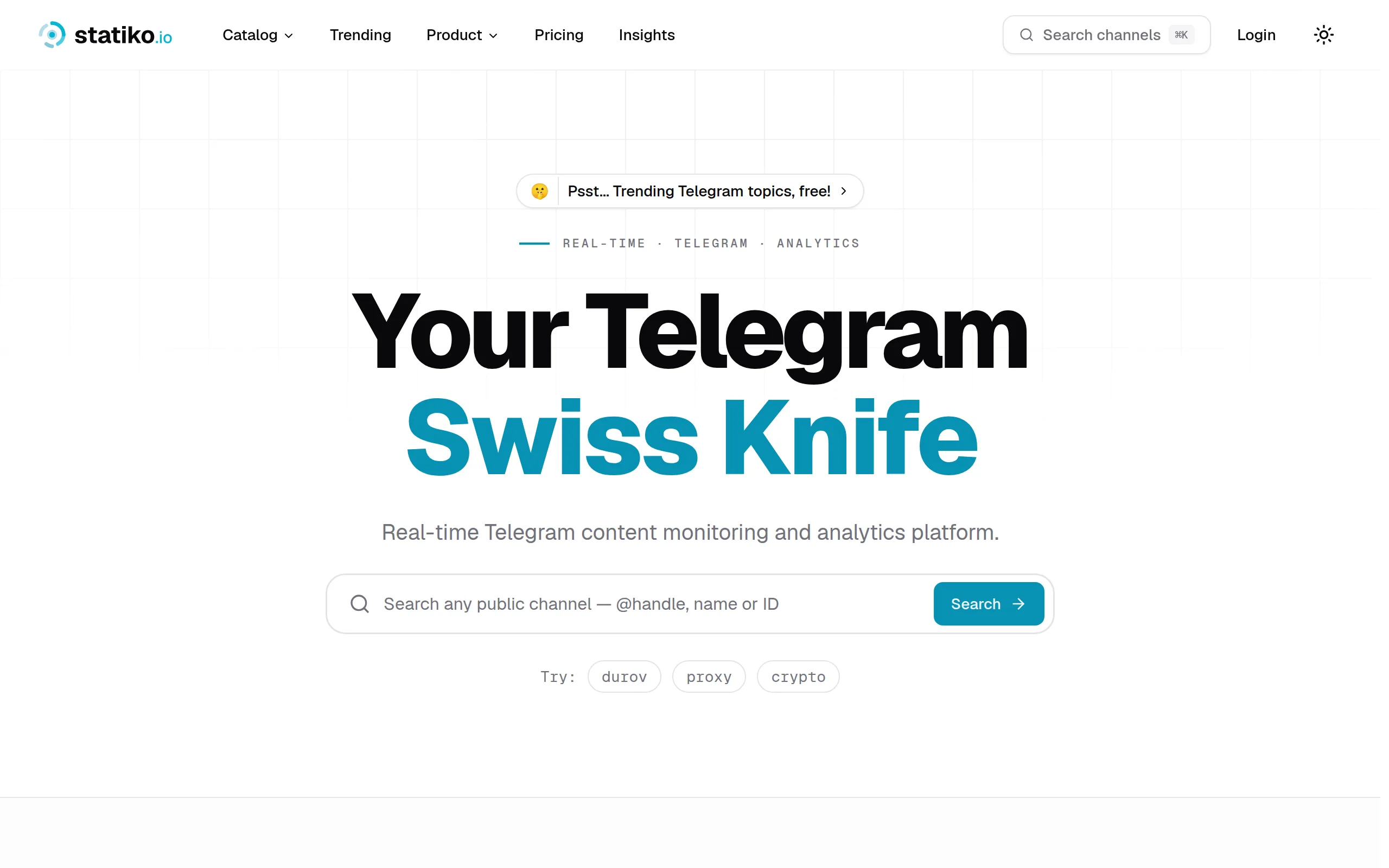
Statiko
Monitor any Telegram channel in real time - track posts, edits, deletions, and growth with AI recaps 📡

Shibui
AI website builder - describe your business, pick a niche template, edit by chatting, and publish instantly ✨

Pro Service
Find verified home service professionals, compare quotes, and pay securely through escrow - built for Brazilians across the US 🏠
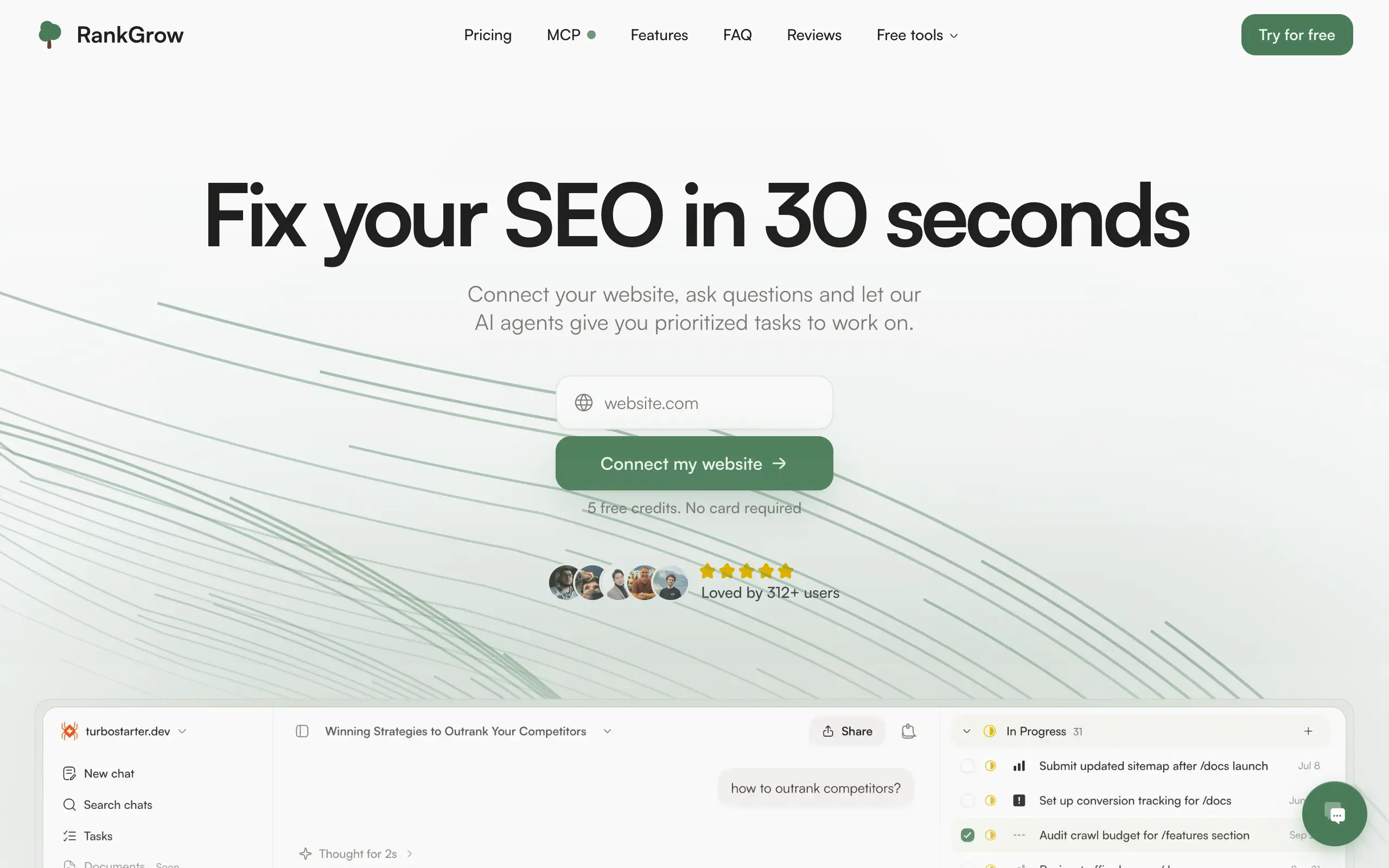
RankGrow
Fix your SEO with AI agents - connect Search Console, get prioritized tasks, and grow organic traffic 📈
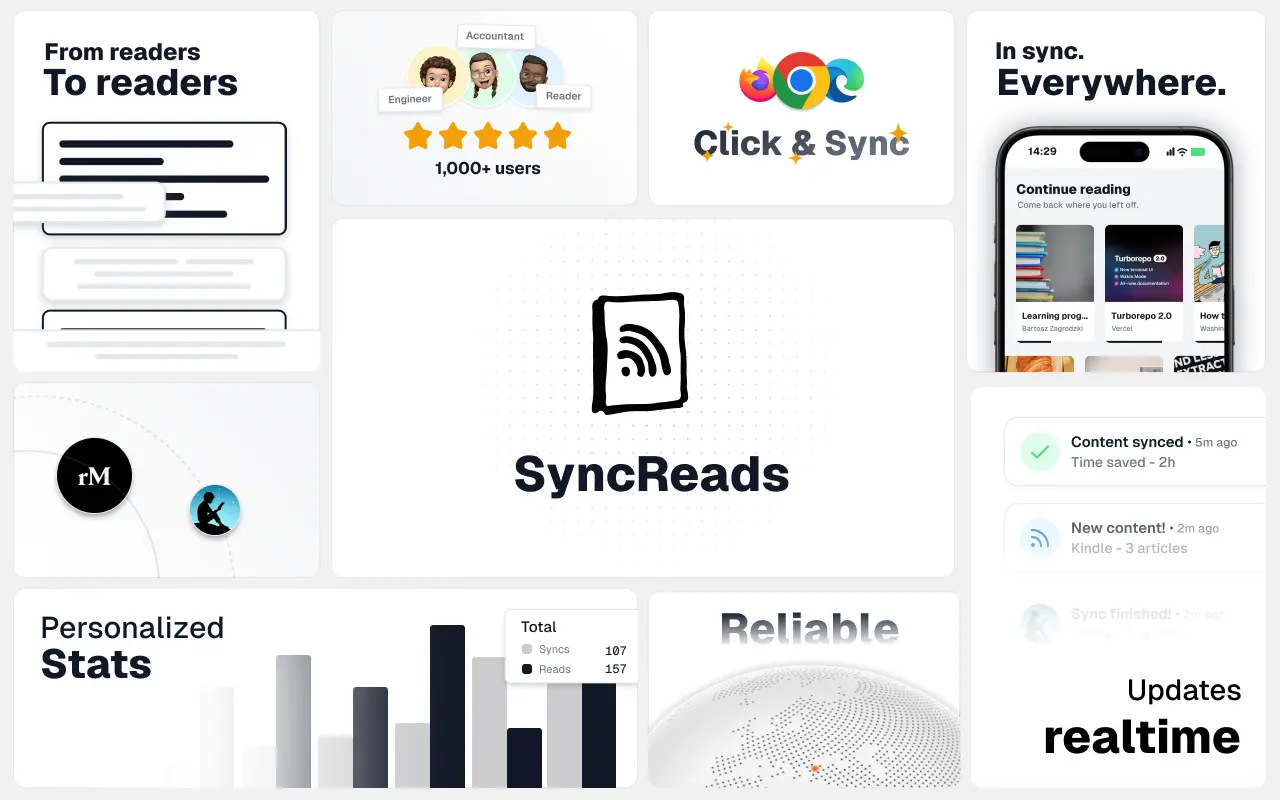
SyncReads
Sync your favorite content for distraction-free reading, save time and replace multiple apps. Anytime, anywhere 🔄
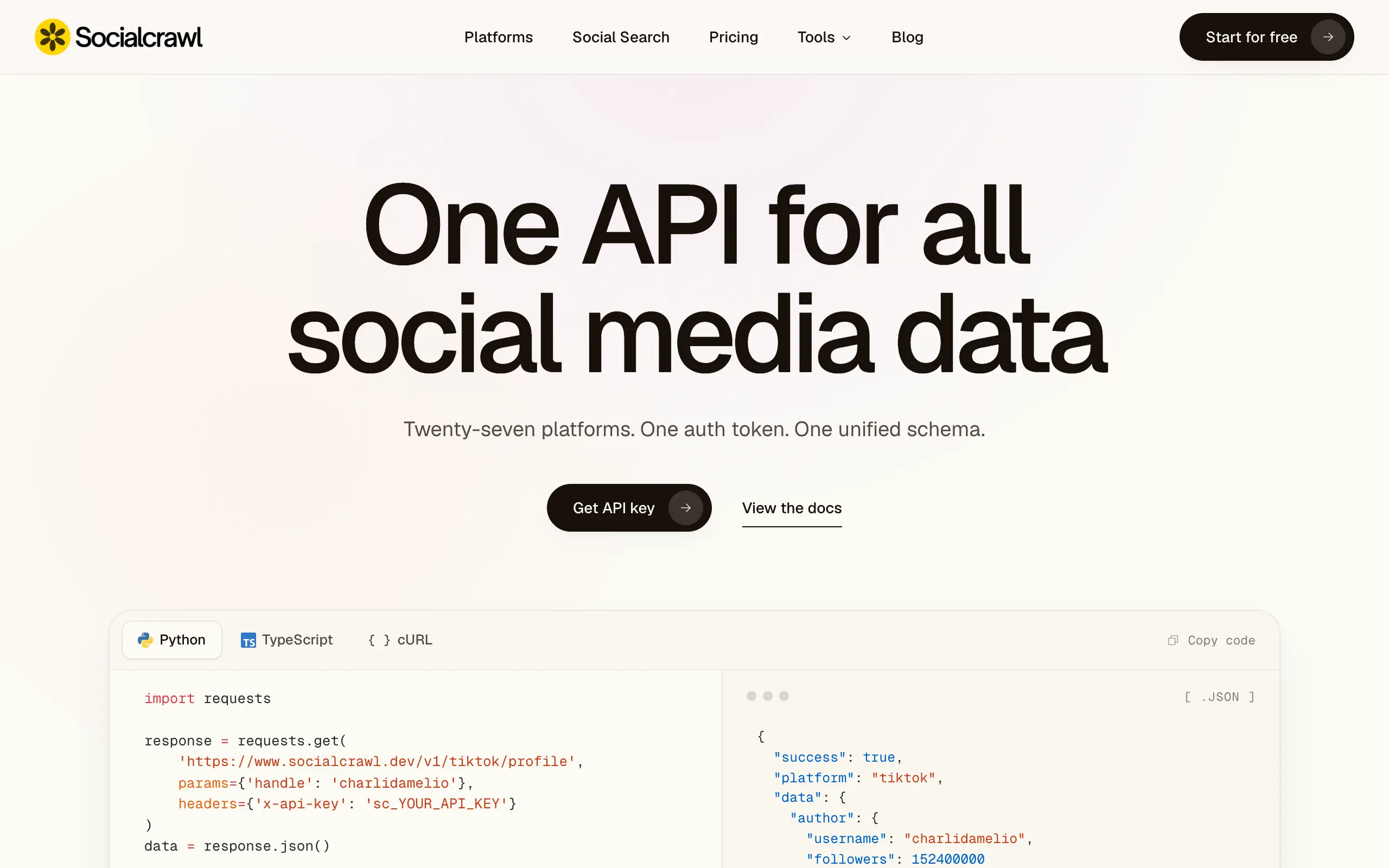
Socialcrawl
Get clean, structured data from 21 platforms like TikTok, Instagram, and YouTube with a single request 📊
Statiko
Monitor any Telegram channel in real time - track posts, edits, deletions, and growth with AI recaps 📡
Shibui
AI website builder - describe your business, pick a niche template, edit by chatting, and publish instantly ✨
Pro Service
Find verified home service professionals, compare quotes, and pay securely through escrow - built for Brazilians across the US 🏠
RankGrow
Fix your SEO with AI agents - connect Search Console, get prioritized tasks, and grow organic traffic 📈
SyncReads
Sync your favorite content for distraction-free reading, save time and replace multiple apps. Anytime, anywhere 🔄
Socialcrawl
Get clean, structured data from 21 platforms like TikTok, Instagram, and YouTube with a single request 📊
Statiko
Monitor any Telegram channel in real time - track posts, edits, deletions, and growth with AI recaps 📡
Shibui
AI website builder - describe your business, pick a niche template, edit by chatting, and publish instantly ✨
Pro Service
Find verified home service professionals, compare quotes, and pay securely through escrow - built for Brazilians across the US 🏠
RankGrow
Fix your SEO with AI agents - connect Search Console, get prioritized tasks, and grow organic traffic 📈
SyncReads
Sync your favorite content for distraction-free reading, save time and replace multiple apps. Anytime, anywhere 🔄
Socialcrawl
Get clean, structured data from 21 platforms like TikTok, Instagram, and YouTube with a single request 📊
Statiko
Monitor any Telegram channel in real time - track posts, edits, deletions, and growth with AI recaps 📡
Shibui
AI website builder - describe your business, pick a niche template, edit by chatting, and publish instantly ✨
Pro Service
Find verified home service professionals, compare quotes, and pay securely through escrow - built for Brazilians across the US 🏠
RankGrow
Fix your SEO with AI agents - connect Search Console, get prioritized tasks, and grow organic traffic 📈
SyncReads
Sync your favorite content for distraction-free reading, save time and replace multiple apps. Anytime, anywhere 🔄
Socialcrawl
Get clean, structured data from 21 platforms like TikTok, Instagram, and YouTube with a single request 📊
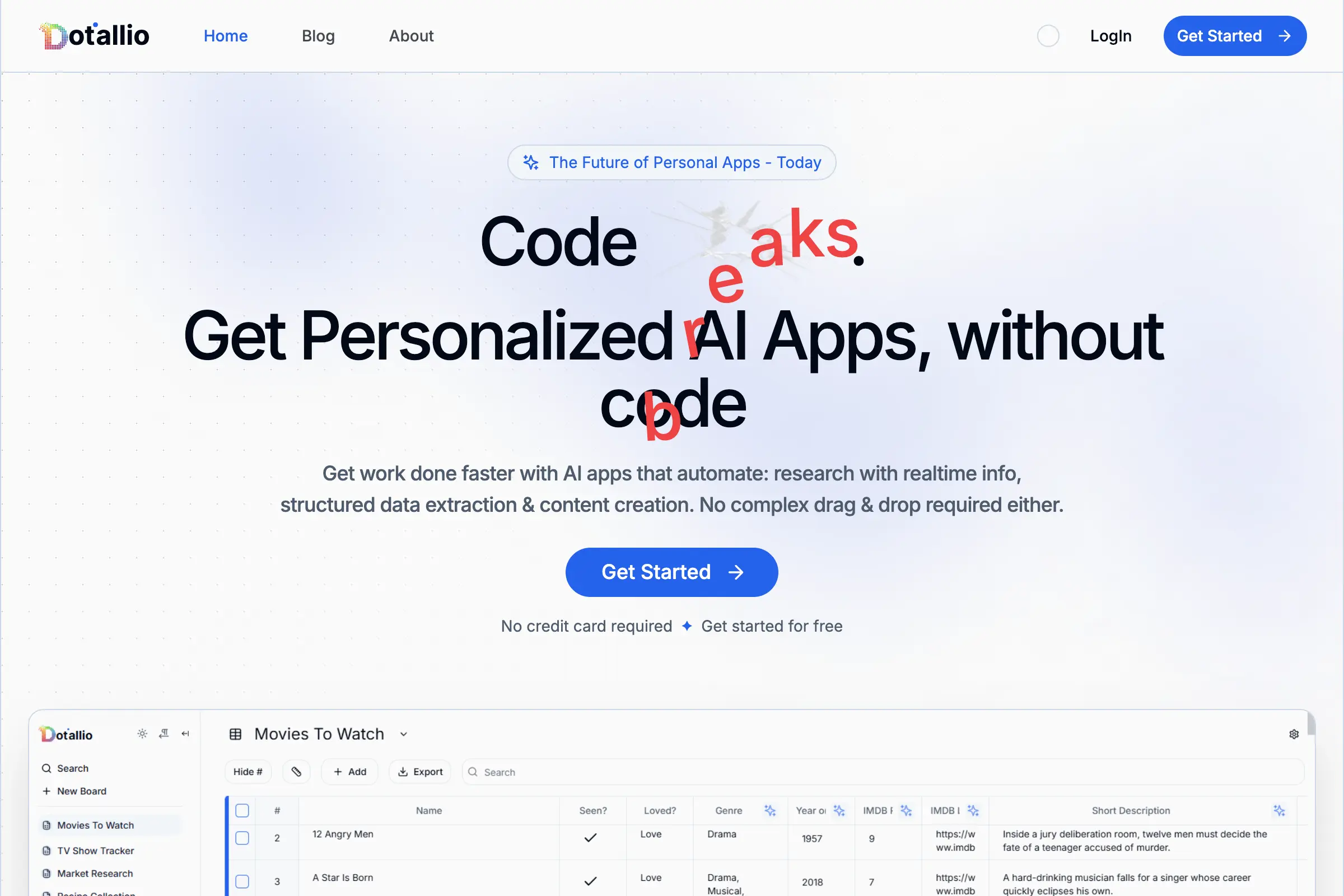
Dotallio
Personalized AI apps that automate research, data extraction, and content creation without code 🤖

Talk to Santa
Enjoy a magical live video chat or receive a unique AI-generated video greeting from Santa Claus 🎅
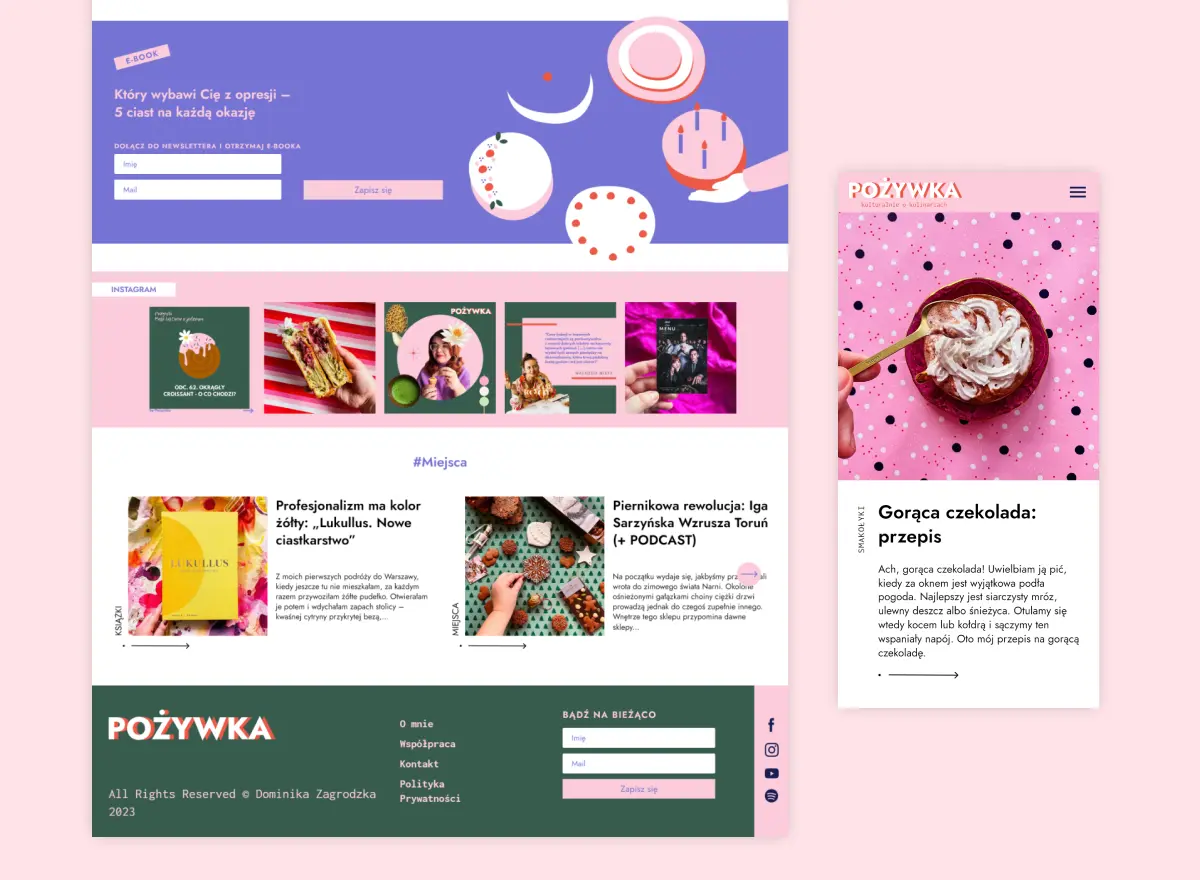
pozywka.pl
Scalable blog for food journalist, focused on performance and user experience 🌭
zagrodzki.me
Personal blog and portfolio of Bart Zagrodzki, where he shares his knowledge and work 💼
TurboStarter
Ship your startup everywhere. In minutes.
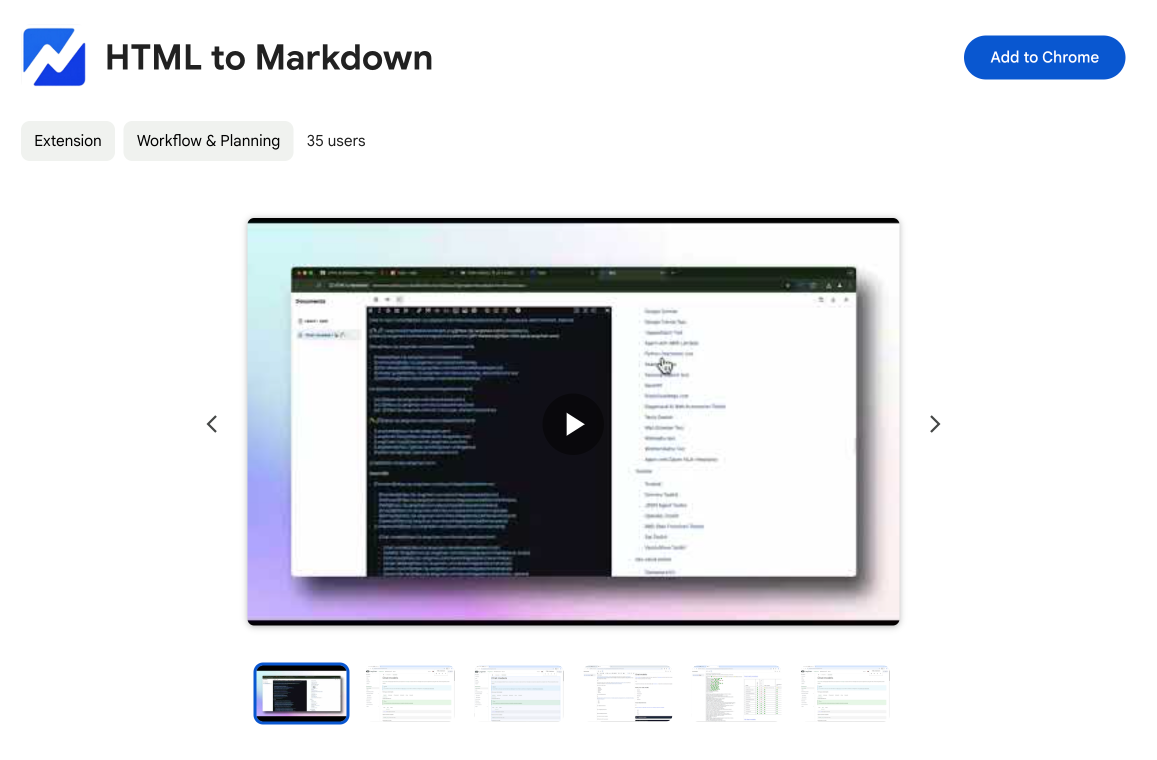
HTML to Markdown
Convert HTML to Markdown with ease, directly in your browser 📄
Dotallio
Personalized AI apps that automate research, data extraction, and content creation without code 🤖
Talk to Santa
Enjoy a magical live video chat or receive a unique AI-generated video greeting from Santa Claus 🎅
pozywka.pl
Scalable blog for food journalist, focused on performance and user experience 🌭
zagrodzki.me
Personal blog and portfolio of Bart Zagrodzki, where he shares his knowledge and work 💼
TurboStarter
Ship your startup everywhere. In minutes.
HTML to Markdown
Convert HTML to Markdown with ease, directly in your browser 📄
Dotallio
Personalized AI apps that automate research, data extraction, and content creation without code 🤖
Talk to Santa
Enjoy a magical live video chat or receive a unique AI-generated video greeting from Santa Claus 🎅
pozywka.pl
Scalable blog for food journalist, focused on performance and user experience 🌭
zagrodzki.me
Personal blog and portfolio of Bart Zagrodzki, where he shares his knowledge and work 💼
TurboStarter
Ship your startup everywhere. In minutes.
HTML to Markdown
Convert HTML to Markdown with ease, directly in your browser 📄
Dotallio
Personalized AI apps that automate research, data extraction, and content creation without code 🤖
Talk to Santa
Enjoy a magical live video chat or receive a unique AI-generated video greeting from Santa Claus 🎅
pozywka.pl
Scalable blog for food journalist, focused on performance and user experience 🌭
zagrodzki.me
Personal blog and portfolio of Bart Zagrodzki, where he shares his knowledge and work 💼
TurboStarter
Ship your startup everywhere. In minutes.
HTML to Markdown
Convert HTML to Markdown with ease, directly in your browser 📄
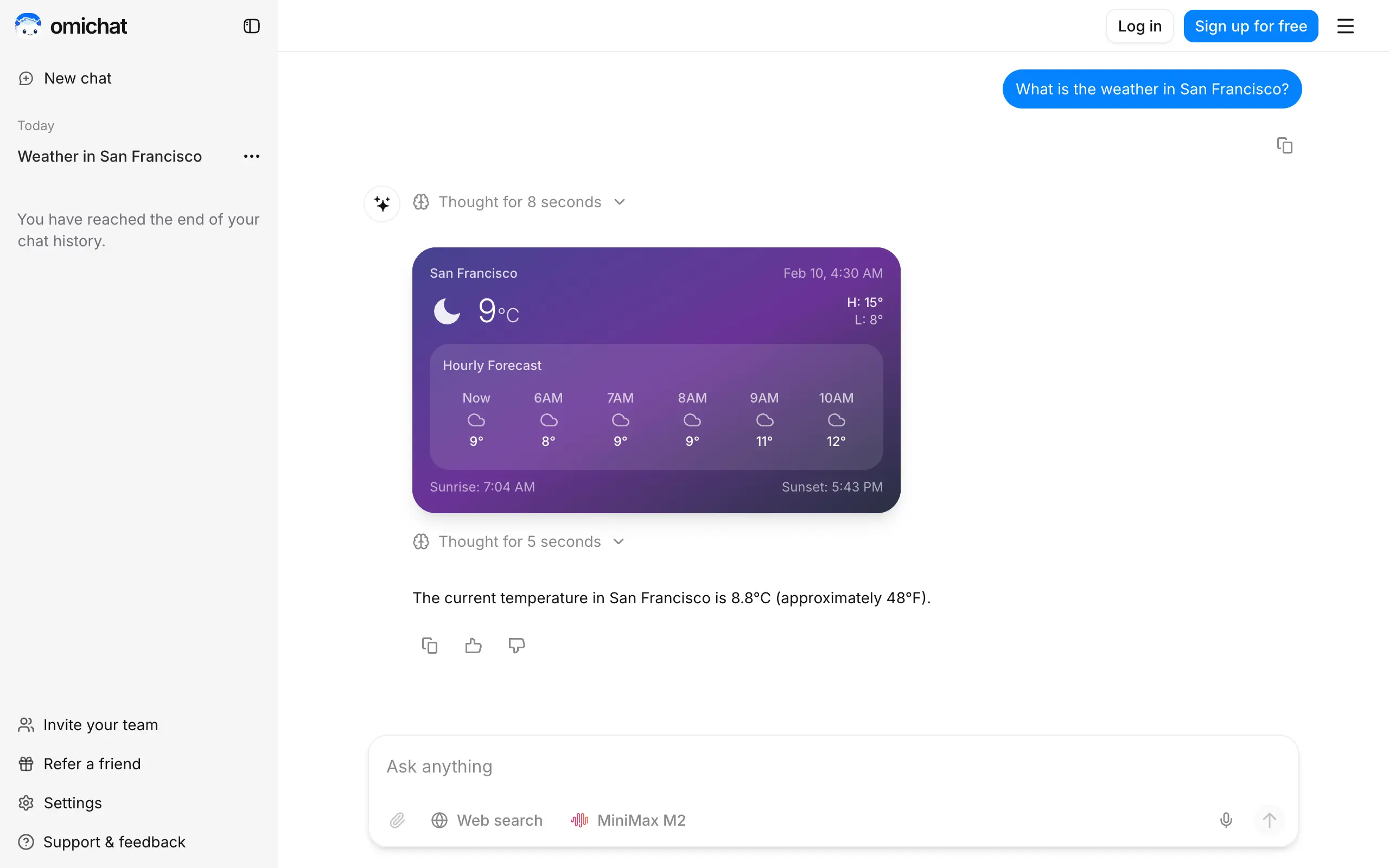
Omichat
Chat with 50+ AI models, including ChatGPT and Claude, in one place - switch models anytime without losing context 🤖
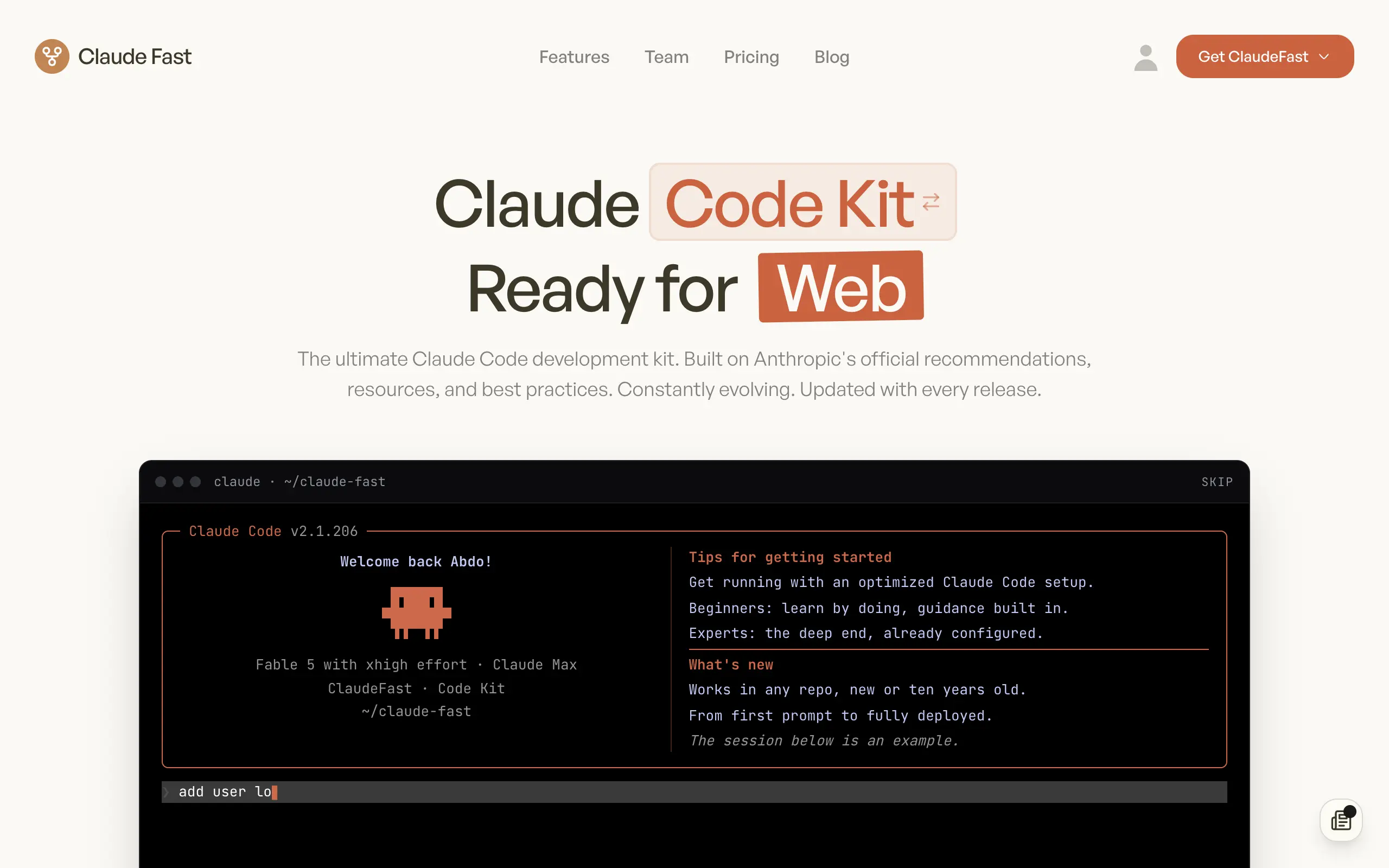
Claude Fast
Supercharge your Claude Code with 6x effective context window and specialized AI agents 🤖
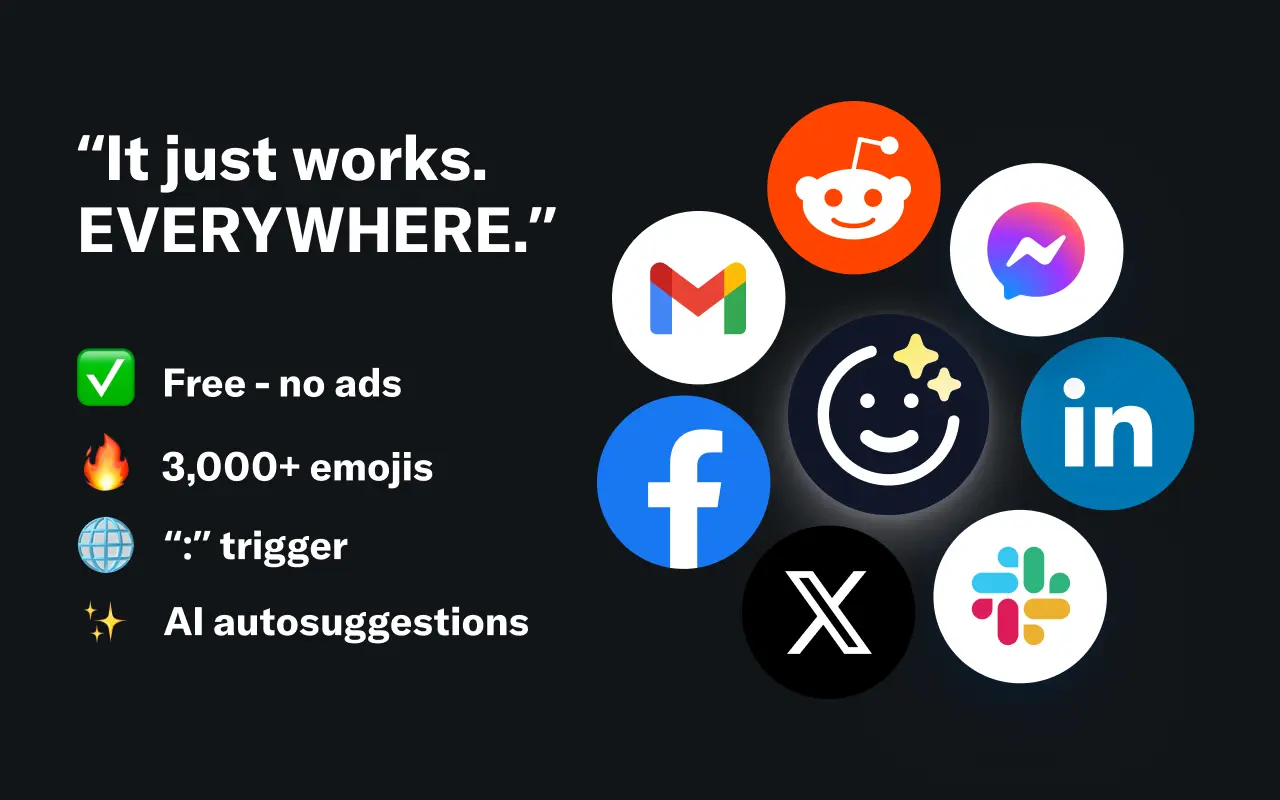
EmojAI
AI-powered emoji picker with smart, context-aware suggestions 🤖
Solohacker
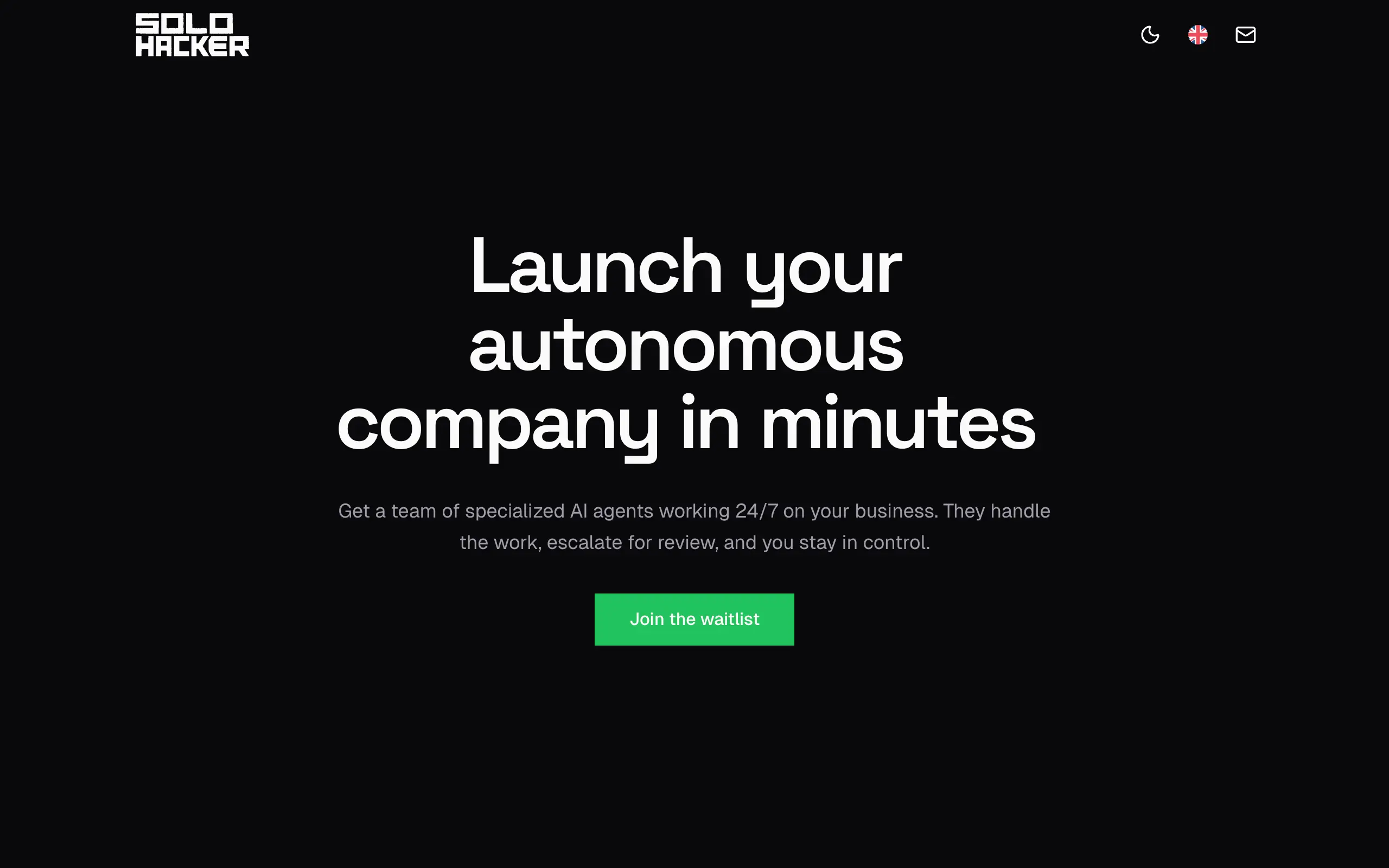
Autonomous company launcher - AI agents work 24/7, escalate what matters, and you stay in control 🤖

BeRawi: Storytelling Coach
Practice storytelling daily with instant feedback to sound clearer, more engaging, and confident 🎤
Omichat
Chat with 50+ AI models, including ChatGPT and Claude, in one place - switch models anytime without losing context 🤖
Claude Fast
Supercharge your Claude Code with 6x effective context window and specialized AI agents 🤖
EmojAI
AI-powered emoji picker with smart, context-aware suggestions 🤖
Solohacker
Autonomous company launcher - AI agents work 24/7, escalate what matters, and you stay in control 🤖
BeRawi: Storytelling Coach
Practice storytelling daily with instant feedback to sound clearer, more engaging, and confident 🎤
Omichat
Chat with 50+ AI models, including ChatGPT and Claude, in one place - switch models anytime without losing context 🤖
Claude Fast
Supercharge your Claude Code with 6x effective context window and specialized AI agents 🤖
EmojAI
AI-powered emoji picker with smart, context-aware suggestions 🤖
Solohacker
Autonomous company launcher - AI agents work 24/7, escalate what matters, and you stay in control 🤖
BeRawi: Storytelling Coach
Practice storytelling daily with instant feedback to sound clearer, more engaging, and confident 🎤
Omichat
Chat with 50+ AI models, including ChatGPT and Claude, in one place - switch models anytime without losing context 🤖
Claude Fast
Supercharge your Claude Code with 6x effective context window and specialized AI agents 🤖
EmojAI
AI-powered emoji picker with smart, context-aware suggestions 🤖
Solohacker
Autonomous company launcher - AI agents work 24/7, escalate what matters, and you stay in control 🤖
BeRawi: Storytelling Coach
Practice storytelling daily with instant feedback to sound clearer, more engaging, and confident 🎤

Connect with like-minded people
Join our community to get feedback, support, and grow together with 1,000+ builders on board, let's ship it!
Join usShip your startup everywhere. In minutes.
Don't burn tokens on setup and start building features on day one.