ReleaseRadar
AI calendar intelligence for developers that spots crunch-free windows and recommends nearby screenings, co-op games, and group outings.
Developers do not experience time as a blank calendar. They experience it as a sequence of release deadlines, incident rotations, sprint commitments, planning meetings, code reviews, launch follow-ups, and the rare windows when a team can step away together without creating operational risk.
That is the opportunity behind ReleaseRadar, an AI calendar intelligence platform for developers that identifies lower-pressure windows and recommends timely nearby activities such as movie screenings, co-op gaming sessions, team outings, and social events. Rather than treating a calendar as a passive schedule, ReleaseRadar turns it into a practical decision engine for sustainable team culture.
The core value proposition is simple: help engineering teams protect focus during high-risk delivery periods while making it easier to plan restorative, inclusive activities when capacity genuinely exists.
For distributed and hybrid software teams, this can solve a growing operational problem. Leaders want stronger connection and healthier work habits, but manually coordinating calendars, release plans, local events, preferences, and availability is tedious. ReleaseRadar can provide a privacy-conscious layer of intelligence that converts scattered signals into relevant recommendations.
What is AI calendar intelligence for developers?
AI calendar intelligence for developers is software that interprets engineering schedules and team constraints to recommend better timing for work, meetings, planning, and team activities.
In ReleaseRadar's case, the system does not simply find empty calendar blocks. It identifies crunch-free windows by evaluating the context around a team's schedule, including upcoming releases, deployment freezes, sprint boundaries, on-call coverage, planned PTO, incident history, meeting density, and stated team preferences.
A free evening before a major production launch is not truly free. A Friday afternoon after a successful release, with no critical work scheduled and broad team availability, may be a much better opportunity for a co-op game night or local screening.
This distinction is where a developer-focused calendar intelligence product can stand apart from generic scheduling assistants.
The key product insight
A calendar gap is not the same as team capacity. ReleaseRadar should optimize for low operational risk, realistic participation, and restorative value rather than merely detecting unbooked time.
The platform can ingest data from a team’s existing tools, model each period with a confidence score, and recommend activities that match the team’s location, working style, interests, and availability. The result is a more thoughtful version of team social planning: one that is informed by engineering reality.
Why ReleaseRadar addresses a real developer team problem
Software organizations are increasingly aware that developer productivity is not only about shipping more code. Sustainable delivery depends on psychological safety, manageable workload, clear priorities, and social connection. Yet team-building often gets planned with little awareness of release cycles.
A people operations manager may schedule an outing on the same week engineering is preparing a major launch. An engineering manager may want to celebrate a milestone but lack the time to compare availability across multiple calendars. Remote team members may feel excluded when activity options assume everyone is local.
ReleaseRadar can bridge these gaps by treating team activities as a scheduling and operational-intelligence challenge.
The cost of poorly timed team activities
Poor timing can turn a well-intended event into another obligation. Teams may experience:
- Lower attendance because the event conflicts with deadlines or on-call responsibility
- Frustration when social commitments interrupt deep work before a release
- Unequal participation when local, remote, introverted, or caregiving team members are overlooked
- Wasted budget on bookings that need to be canceled
- Reduced trust in leadership when “wellness” activities ignore actual workload
By contrast, activities that occur after a milestone, during a lighter sprint, or within a known low-risk window can feel like a genuine reward rather than another meeting.
The shift toward operationally aware employee experience
The market is moving beyond isolated point solutions. Calendar platforms, employee-experience tools, team collaboration products, and AI assistants are converging around the same question: how can work systems help people make better decisions with less administrative effort?
ReleaseRadar’s unique angle is its focus on the engineering delivery lifecycle. It can analyze signals that general employee-engagement platforms often miss:
- Release milestones and deployment schedules
- Sprint start and end dates
- Code freeze periods
- PagerDuty-style on-call rotations
- Post-incident recovery needs
- Backlog health and project risk markers
- Meeting load across time zones
- Team-defined “do not schedule” rules
That engineering context makes the recommendations more credible and more useful.
Target audience for ReleaseRadar
ReleaseRadar should begin with customers who already feel the administrative burden of coordinating technical teams. The strongest early audience is likely not an individual developer buying a personal app. It is a team leader or operations stakeholder responsible for culture, delivery, or workforce experience.
| Audience | Primary problem | What they value | Buying role | Best initial message |
|---|---|---|---|---|
| Engineering managers | Balancing morale with delivery commitments | Low-friction planning and team health | Champion | Celebrate wins without disrupting releases |
| People operations leaders | Creating inclusive engagement programs | Attendance, inclusion, and budget efficiency | Economic buyer | Plan events around real team capacity |
| Engineering operations | Fragmented planning data across tools | Reliable workflow automation | Champion or buyer | Turn delivery signals into smarter scheduling |
| Remote-first startup founders | Maintaining culture as the team scales | Speed, simplicity, and retention | Economic buyer | Keep distributed teams connected at the right time |
| Developer community managers | Matching members to relevant events | Participation and personalization | Champion | Recommend events members can actually attend |
Primary customer profile: engineering teams with 20 to 500 people
The most attractive early segment is likely product engineering organizations with enough complexity to need automation but not so much enterprise procurement overhead that pilots become slow.
These teams commonly use Google Workspace or Microsoft 365, Slack, Linear or Jira, GitHub or GitLab, and an incident-management platform. They have recurring release rhythms, distributed employees, limited people-operations capacity, and a clear desire to avoid burnout.
A 50-person SaaS company is an especially compelling initial customer. It may have multiple squads, frequent releases, a modest team-event budget, and managers who know that culture needs more structure than an occasional ad hoc happy hour.
Secondary audience: local developer communities and coworking spaces
ReleaseRadar could later support developer relations teams, coworking communities, startup accelerators, and technical meetup organizers. These organizations want to recommend relevant local activities, but they often lack a useful model of member availability.
This segment may be valuable for partnerships and data enrichment, although it should not distract from the core B2B engineering-team use case during the minimum viable product phase.
The market gap: calendars know meetings, not release pressure
Most calendars are optimized for seeing events, sharing availability, and booking meetings. They do not understand whether a team is preparing for a release, recovering from an incident, or entering a low-intensity period.
Likewise, employee-engagement platforms may provide surveys, recognition, or benefits, but they typically do not use engineering workflow data to time a recommendation. Event-discovery products can identify nearby screenings or activities, but they rarely understand whether a group of developers can join without creating delivery stress.
ReleaseRadar sits at the intersection of three categories:
- Calendar scheduling software
- Engineering productivity and delivery intelligence
- Team engagement and local activity discovery
The whitespace is an operationally aware team experience platform. Its recommendation engine can answer a decision that existing tools leave to manual coordination:
“What is the best time for this team to connect, based on actual delivery conditions, and what activity is most likely to work?”
Why generic AI scheduling tools are not enough
A general scheduling assistant may identify open time on calendars. However, it will not necessarily know that:
- A pull-request backlog is increasing before a release
- The primary on-call engineer cannot attend
- A release train is expected to ship within 48 hours
- The team has been in high meeting density for two weeks
- A planned outing conflicts with key time zones
- The organization has a rule against nonessential events during code freeze
ReleaseRadar should make these constraints explicit and configurable. This creates trust because teams can see that recommendations reflect their actual operating model.
ReleaseRadar’s unique selling proposition
ReleaseRadar’s USP is AI-powered, developer-aware activity planning that finds the safest and most meaningful windows for team connection.
The product is not another calendar overlay and not another generic event directory. Its defensible value comes from combining technical workflow awareness with human-centered recommendation logic.
A strong positioning statement could be:
ReleaseRadar helps engineering teams spot crunch-free moments and turn them into better team experiences, using delivery signals, calendar context, and personalized local recommendations.
This positioning speaks to both outcomes:
- Engineering leaders reduce the risk of poorly timed interruptions.
- People leaders improve participation and make team budgets work harder.
Core ReleaseRadar features and how they should work
A successful ReleaseRadar product should prioritize recommendation quality, transparency, and low-friction workflows. The first version does not need to “understand everything” about an organization. It needs to produce recommendations that users recognize as sensible.
Crunch-free window detection
Scores candidate time periods using calendars, release schedules, sprint dates, on-call rotations, and organization-defined constraints.
Activity recommendations
Suggests nearby screenings, co-op games, casual outings, remote-friendly options, and milestone celebrations based on group preferences.
Team availability matching
Finds viable attendance windows without exposing unnecessary personal calendar details.
Explainable AI insights
Shows why a date is recommended, why a date is risky, and which constraints shaped the recommendation.
Planning workflow automation
Creates polls, Slack notifications, calendar holds, RSVP tracking, and booking handoff workflows.
Team health trend view
Highlights repeated crunch patterns and missed opportunities for recovery or recognition.
Crunch-free window detection
This is the product’s central intelligence layer. ReleaseRadar should score each potential time window based on a weighted model rather than using a simplistic availability check.
Possible signals include:
- Calendar availability across invited participants
- Release and deployment dates from engineering planning tools
- Sprint cadence and planning ceremonies
- On-call schedules and escalation coverage
- PTO and local public holidays
- Meeting density before and after the proposed event
- Time-zone overlap for remote attendees
- Historical attendance at similar times
- Explicit team blackout periods
- Workload or risk indicators supplied by integrations
The recommendation output should be human-readable. For example:
Thursday, 5:30 PM is a high-confidence option. The next release is five days away, no primary on-call coverage is affected, 82% of the invited team is available, and the team’s meeting load is below its recent average.
This explanation is essential. Managers should never need to blindly trust a black-box score.
Local and remote activity recommendations
The activity engine should support both in-person and distributed teams. Recommendations could include:
- Nearby cinema screenings with group-friendly times
- Co-op video games that support the team’s preferred platform
- Board-game cafés and low-pressure social venues
- Escape rooms, bowling, mini golf, or casual sports
- Developer talks, local meetups, and workshops
- Food experiences that accommodate dietary requirements
- Remote game sessions and hosted online experiences
- Async celebration packages for teams across many time zones
The product should ask for preferences during onboarding, then improve over time through acceptance, RSVP, attendance, and feedback signals.
Avoid presenting the system as a tool that “forces fun.” The recommendation language should emphasize choice, inclusion, and ease of planning.
Privacy-aware availability and preference controls
Calendar intelligence can quickly become sensitive. ReleaseRadar needs privacy controls that are easy to understand and strong enough for security-conscious engineering organizations.
Important controls include:
- Read-only calendar access by default
- Free/busy analysis without ingesting meeting titles where possible
- Individual opt-in for personal preference data
- Clear data retention settings
- Admin-configured integrations and access scopes
- Aggregated workload insights rather than employee surveillance
- Separate handling for personal and work calendars
- A visible explanation of data used in each recommendation
Do not build a surveillance product
ReleaseRadar should not rank individual employee productivity, infer emotional states from calendars, or expose sensitive personal schedule details. The product should optimize team coordination, not monitor people.
Slack and calendar-native workflows
The product’s recommendations must reach users where work already happens. A standalone dashboard is useful for administrators, but adoption will depend on embedded workflows.
A practical flow might look like this:
- An engineering manager receives a Slack message after a release milestone.
- ReleaseRadar suggests three low-risk windows and two activity formats.
- The manager selects a recommendation or starts a poll.
- Invitees vote without exposing detailed calendar information.
- ReleaseRadar creates a calendar hold and manages reminders.
- The team provides lightweight feedback after the activity.
This creates a closed loop. The platform gets better at recommending options, and users avoid the tedious back-and-forth that normally kills team-event planning.
Building the AI recommendation engine
ReleaseRadar does not require a fully autonomous AI agent to deliver meaningful value. In fact, an overly autonomous approach could damage trust. The best early architecture uses deterministic rules for high-stakes constraints and AI for interpretation, personalization, and communication.
Use rules for constraints and machine learning for ranking
Hard constraints should be deterministic. For example, do not recommend an activity during a code freeze if the organization has disabled nonessential events during that period.
Soft constraints can inform a scoring model. A team may still choose a moderate-risk window if it is the only time that supports broad attendance.
A simplified recommendation score could look like this:
type WindowScore = {
  availability: number;
  releaseRisk: number;
  onCallCoverage: number;
  meetingLoad: number;
  timezoneFit: number;
  activityMatch: number;
};

export function scoreWindow(input: WindowScore) {
  const positiveSignals =
    input.availability * 0.3 +
    input.onCallCoverage * 0.15 +
    input.timezoneFit * 0.15 +
    input.activityMatch * 0.2;

  const operationalRisk =
    input.releaseRisk * 0.15 +
    input.meetingLoad * 0.05;

  return Math.max(0, Math.min(100, positiveSignals * 100 - operationalRisk * 100));
}
The exact weights should be configurable and validated with real customer behavior. Early on, explainability matters more than mathematical sophistication.
Where generative AI adds real value
Generative AI is useful when it makes complex information easier to act on. In ReleaseRadar, strong use cases include:
- Summarizing why a proposed window is low risk
- Translating scheduling data into a concise Slack recommendation
- Generating inclusive event descriptions and RSVP messages
- Suggesting backup plans when attendance is low
- Interpreting natural-language manager requests
- Creating post-event feedback summaries without exposing personal responses
For example, a manager could ask:
Find a low-risk two-hour window for the platform team next week and suggest a remote-friendly celebration after their migration milestone.
The AI layer can translate that request into filters, retrieve structured schedule data, rank appropriate options, and provide a transparent answer.
Avoid unsupported AI claims
Marketing should not claim that ReleaseRadar can predict burnout, guarantee attendance, or accurately forecast release outcomes from calendar data alone. Those claims would be difficult to substantiate and could create ethical and legal risk.
A more credible promise is that ReleaseRadar helps teams make better-informed scheduling decisions using the operational signals they choose to connect.
Recommended tech stack for ReleaseRadar
The ideal tech stack must support secure integrations, background processing, multi-tenant SaaS requirements, real-time notifications, and AI-assisted recommendation workflows.
For a fast, production-ready implementation, a modern TypeScript stack offers excellent hiring availability, strong SDK support, and shared types from frontend to backend.
Frontend and application framework
Use Next.js with React and TypeScript. This combination supports a responsive web application, server-rendered marketing pages, API routes or route handlers, authentication patterns, and administrative dashboards.
Use Tailwind CSS for an efficient design system. A scheduling product benefits from a consistent visual language because it must present dense information, such as calendar overlays, confidence scores, availability summaries, and recommendation rationale.
For teams that want to reduce setup time for authentication, billing, dashboards, and SaaS fundamentals, TurboStarter can provide a strong launch foundation.
Backend and data architecture
Use PostgreSQL as the primary relational database. ReleaseRadar has naturally relational data: organizations, teams, users, connected accounts, events, availability windows, recommendations, activities, RSVPs, and permissions.
A strong backend architecture includes:
- A TypeScript API layer for product logic
- PostgreSQL for durable tenant data
- A job queue for calendar syncs, score recalculation, and notifications
- Redis for caching, rate limiting, and short-lived coordination data
- Object storage for audit exports or optional attachment handling
- Structured logging and observability from the first production release
For AI retrieval, begin with normal relational queries and structured data. Add vector search only when it provides a clear benefit, such as semantic matching of activities to stated team preferences or knowledge-base retrieval for support. Prematurely adding embeddings can increase complexity without improving the core scheduling experience.
Integration priorities
The MVP should integrate with the systems that create the most reliable scheduling context.
Prioritize Google Calendar or Microsoft Outlook Calendar, Slack, one engineering planning source such as Linear or Jira, and one version-control or deployment signal source such as GitHub. Add manual release-date entry for teams with unsupported tools.
Expand to on-call platforms, HRIS systems, travel tools, event-ticketing providers, venue reservation tools, Microsoft Teams, GitLab, and employee-engagement platforms after validating the core recommendation workflow.
Each integration improves recommendation quality but adds OAuth, permission, support, and compliance complexity. Start with fewer integrations and make the value visible before expanding the data surface.
Event data and recommendation sources
Local activity recommendations are technically and commercially challenging because availability, pricing, age restrictions, accessibility, group capacity, and booking policies can change frequently.
ReleaseRadar should begin by separating discovery from transactional booking:
- In the first phase, recommend activities and route users to trusted external booking or venue pages.
- In the second phase, support curated activity partners and affiliate relationships where transparent and permitted.
- In the third phase, offer direct booking only after validating demand, support requirements, and liability exposure.
This staged approach prevents the product from becoming an operationally heavy marketplace too early.
Monetization strategies for ReleaseRadar
ReleaseRadar is best positioned as B2B SaaS. The customer receives ongoing value through workflow integration, learning effects, and better timing over many release cycles.
Per-seat pricing with a team minimum
A straightforward model is monthly or annual pricing per active employee, with a minimum workspace price. This aligns with team size while protecting revenue from small accounts.
Potential pricing tiers could be structured around features rather than arbitrary limits:
- "Starter": small teams, calendar intelligence, basic Slack recommendations, and limited activity suggestions
- "Growth": multiple teams, engineering-tool integrations, advanced preferences, reporting, and custom scheduling rules
- "Enterprise": SSO, audit logs, advanced privacy controls, data retention policies, dedicated support, and custom integrations
Avoid charging separately for every recommendation. Customers should feel encouraged to use the platform frequently.
Platform pricing for people operations teams
Larger organizations may prefer a platform fee based on the number of engineering teams or locations rather than individual seats. This can simplify budgeting for employee-experience programs.
A location-aware tier could be especially valuable for organizations with several offices, each needing local activity discovery and different event preferences.
Partner and affiliate revenue
Activity partnerships can create an additional revenue stream, but they must not undermine trust. If ReleaseRadar earns a referral fee from a venue, screening service, or event provider, disclose it clearly and preserve recommendation neutrality.
The primary ranking should still be based on team fit, accessibility, timing, and stated preferences. Paid placement should never silently distort the “best option” recommendation.
Competitive advantage and defensibility
ReleaseRadar’s defensibility will not come from having a calendar integration alone. Calendar APIs are accessible, and general AI features can be copied. The durable advantage comes from a combination of domain modeling, workflow adoption, privacy trust, and proprietary feedback loops.
Build a release-aware scheduling graph
Over time, ReleaseRadar can create an anonymized internal model of how engineering organizations actually plan around delivery cycles. It can learn patterns such as:
- Which release stages correlate with low attendance
- How long teams typically need to recover after major launches
- Which activity types work best for different team configurations
- How time zones affect participation in remote social events
- Which scheduling explanations lead to faster manager approval
This should be handled with strict tenant isolation and privacy controls. The goal is not to expose cross-company data. It is to use product-level learning to improve recommendation quality.
Win through trust and explainability
Engineering leaders are skeptical of opaque productivity software, often for good reason. ReleaseRadar can differentiate by making every recommendation inspectable.
Instead of saying “AI recommends Thursday,” show the contributing factors:
- High availability across the selected group
- No critical release milestone within the configured buffer
- On-call coverage remains intact
- The activity is within the team’s preferred travel radius
- Similar events had strong attendance on Thursdays
That transparency gives managers control and makes the product feel like decision support rather than automation theater.
Create a workflow moat
A product becomes harder to replace when it is integrated into recurring behavior. ReleaseRadar should become the place teams go to:
- Celebrate releases
- Plan offsites and casual outings
- Coordinate remote social time
- Avoid scheduling activities during crunch periods
- Review whether culture rituals are happening consistently
The more teams use it for these repeatable moments, the richer its preference and timing model becomes.
Risks and mitigation strategies
Every SaaS idea involving calendars, AI, employee data, and local recommendations needs a deliberate risk plan.
Mitigate this risk with least-privilege OAuth scopes, encryption in transit and at rest, tenant isolation, explicit consent flows, configurable retention, audit logs, and clear documentation of what data is read, stored, and displayed. Obtain expert legal and security guidance before selling to regulated enterprises.
Start with transparent, configurable rules and a narrow integration set. Allow users to override recommendations and collect structured feedback such as “too close to release,” “wrong time zone,” or “activity not inclusive.” Use this feedback to improve ranking before increasing automation.
Design for eventual consistency. Track sync status, show data freshness in the interface, support manual refresh, and provide graceful fallback behavior when an integration is unavailable. Never imply a recommendation is current if the source data is stale.
Use proactive but restrained Slack notifications around meaningful moments, such as completed releases or detected low-pressure periods. Make the recommendation actionable in a few clicks, and avoid turning the product into a noisy bot.
Launch with high-quality curated categories and clear outbound booking handoffs. Focus first on recommendation relevance rather than attempting to maintain a global real-time activity marketplace.
Go-to-market strategy for an AI calendar intelligence SaaS
ReleaseRadar should avoid broad “AI for work” messaging. That market is crowded, and vague positioning will make customer acquisition expensive. Instead, lead with a sharp use case: help engineering teams celebrate, connect, and recharge without colliding with releases.
Start with design partners
Recruit 10 to 20 design partners from SaaS startups, developer-tool companies, and remote-first engineering organizations. Offer implementation support and preferred pricing in exchange for regular feedback, permission to measure outcomes, and potential case-study participation.
Ask design partners concrete questions:
- Did the suggested window feel operationally safe?
- Did the recommendation reduce coordination time?
- Did participation improve compared with manually planned events?
- Which signals were missing or misleading?
- Would the team pay to keep the workflow after the pilot?
The goal is not to collect compliments. The goal is to identify repeatable evidence of value.
Use content marketing built around release-aware team culture
High-intent SEO content can target queries around engineering team morale, release planning, developer burnout prevention, remote team activities, and developer team-building ideas.
Potential content themes include:
- How to schedule team events around software release cycles
- Developer team-building activities that do not feel forced
- A practical guide to post-release celebrations for engineering teams
- How engineering managers can protect focus during crunch periods
- Remote-friendly co-op games for distributed developer teams
- Calendar planning best practices for on-call engineering teams
When citing burnout, retention, engagement, or productivity statistics, reference primary research from reputable organizations in the published version. Use a citation format that identifies the original report, publication date, and methodology rather than relying on unverified figures.
Partner with communities that serve engineering leaders
Potential channels include engineering leadership communities, developer relations groups, HR technology consultants, coworking spaces, and providers of offsite planning services.
The partnership message is attractive because ReleaseRadar does not replace community programming. It helps participants choose better timing and more relevant activities.
Metrics that validate product-market fit
Vanity metrics such as registered workspaces or generated recommendations are not enough. ReleaseRadar should measure whether it creates real planning and participation outcomes.
Track metrics at several levels:
- "Activation": percentage of workspaces that connect a calendar, configure release constraints, and create a first recommendation
- "Time to value": time from signup to the first manager-approved scheduling suggestion
- "Recommendation acceptance": percentage of recommendations turned into polls, holds, or confirmed events
- "Attendance rate": RSVP and actual-attendance rate where customers choose to share it
- "Planning efficiency": reported reduction in time spent coordinating an event
- "Repeat behavior": number of teams that plan a second event within 60 or 90 days
- "Retention": workspace retention and expansion across additional engineering teams
- "Trust signal": percentage of users who view or positively rate recommendation explanations
A strong product-market fit signal would be teams returning after each release cycle because ReleaseRadar has become part of their celebration and recovery ritual.
Actionable implementation plan for ReleaseRadar
The fastest path is to build a narrow product that proves the central hypothesis: engineering-aware timing recommendations are more useful than generic availability checks.
Define the first customer segment as engineering teams with 20 to 100 employees using Google Calendar, Slack, and Linear or Jira. Interview at least 15 managers and people operations leaders before finalizing the workflow.
Build secure authentication, organization setup, role-based access, Google Calendar connection, and a manual release-calendar input. Start with read-only permissions and clear data-use explanations.
Create a rules-based crunch-free scoring engine using calendar availability, release buffers, sprint dates, on-call exclusions, time-zone overlap, and team-configured blackout periods.
Launch a manager dashboard that shows three recommended windows, confidence scores, reasons behind each score, and simple activity categories such as remote game night, local screening, casual meal, or team celebration.
Add Slack delivery so managers can review a recommendation, run a poll, and create a calendar hold without leaving their normal workflow.
Run a design-partner pilot, collect feedback on recommendation quality, and measure planning time, acceptance rate, attendance, and repeat usage.
Add AI-assisted natural-language requests and personalized activity ranking only after the rules-based system earns trust. Keep deterministic constraints visible and editable.
The MVP should deliberately avoid direct ticketing, a massive global activity inventory, complex predictive claims, and deep enterprise integrations. Those additions can come later. Early success depends on delivering one credible, repeatable outcome: a manager sees a recommendation and thinks, “Yes, this is exactly when our team can do this.”
ReleaseRadar has the potential to turn a neglected scheduling problem into a meaningful category of developer-focused workplace intelligence. By combining release awareness, privacy-conscious calendar analysis, and genuinely useful activity recommendations, it can help teams protect delivery focus while making time for the human moments that sustain strong engineering cultures.
More 🤖 AI Startup SaaS ideas
Discover more innovative ai startup SaaS ideas that are trending in 2026. Each idea is AI-generated with market validation and growth potential to help you find your next profitable venture faster than competitors.
Your competitors are building with TurboStarter
Below are some of the SaaS ideas that have been generated and built with our starter kit.
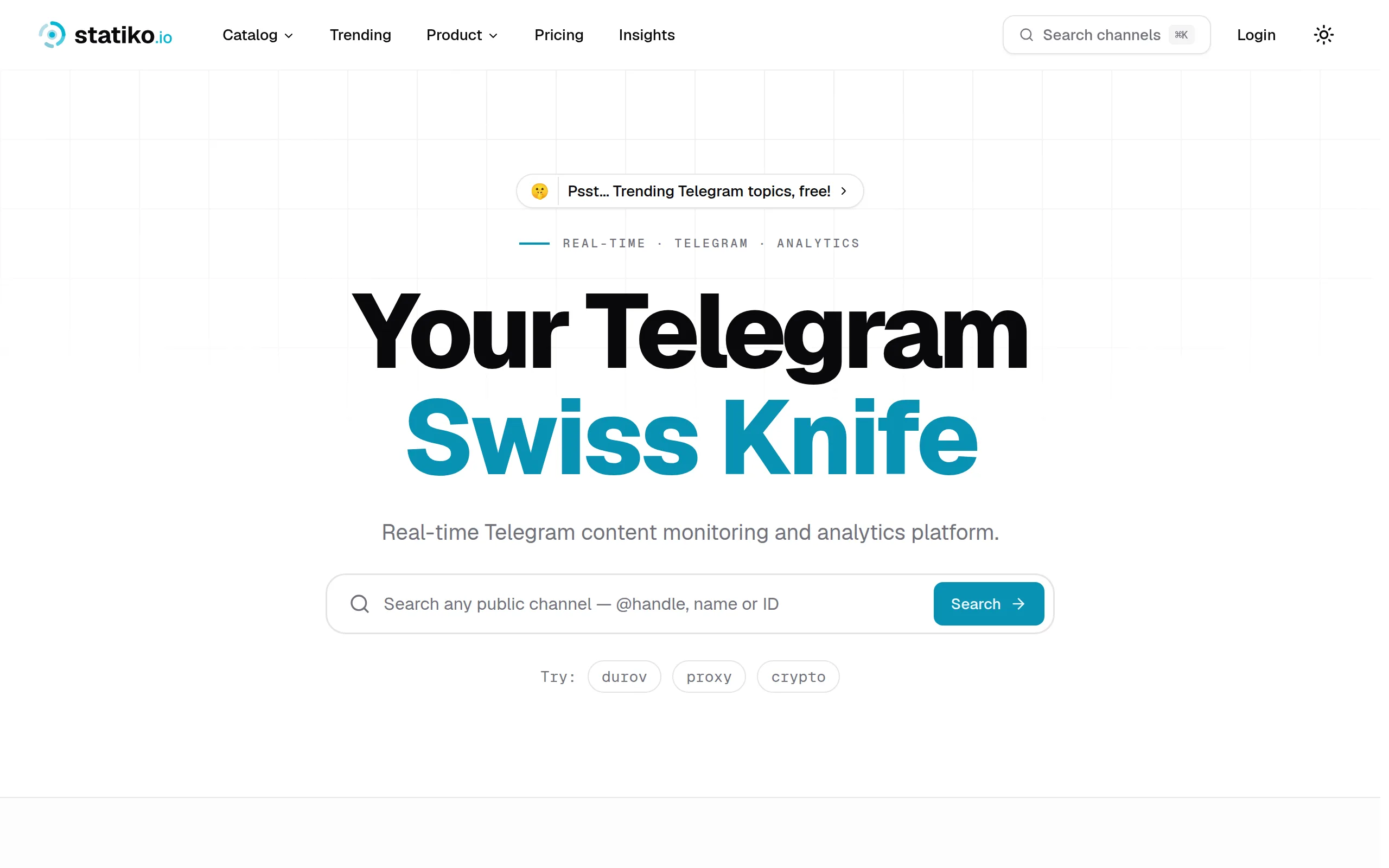
Statiko
Monitor any Telegram channel in real time - track posts, edits, deletions, and growth with AI recaps 📡
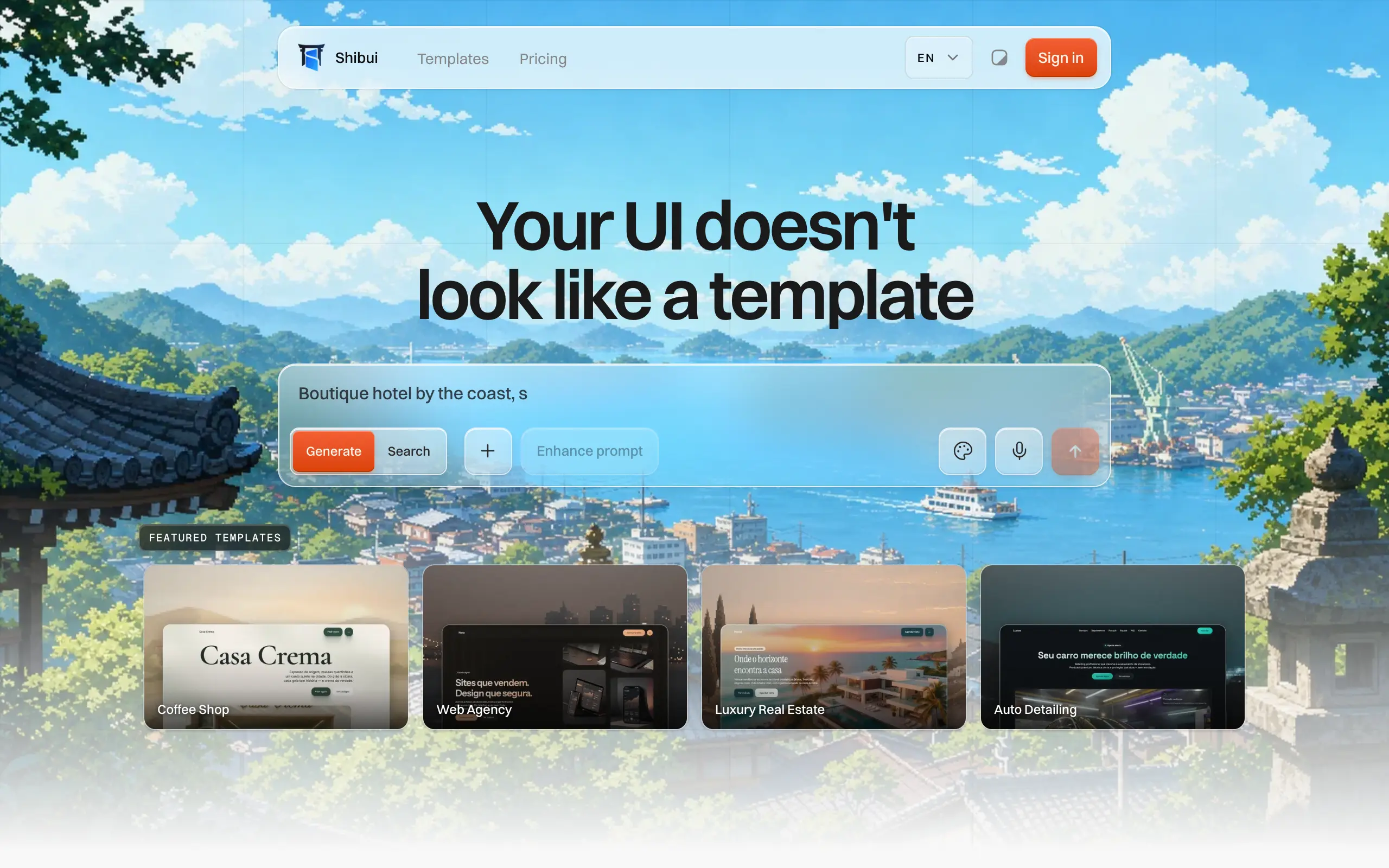
Shibui
AI website builder - describe your business, pick a niche template, edit by chatting, and publish instantly ✨

Pro Service
Find verified home service professionals, compare quotes, and pay securely through escrow - built for Brazilians across the US 🏠
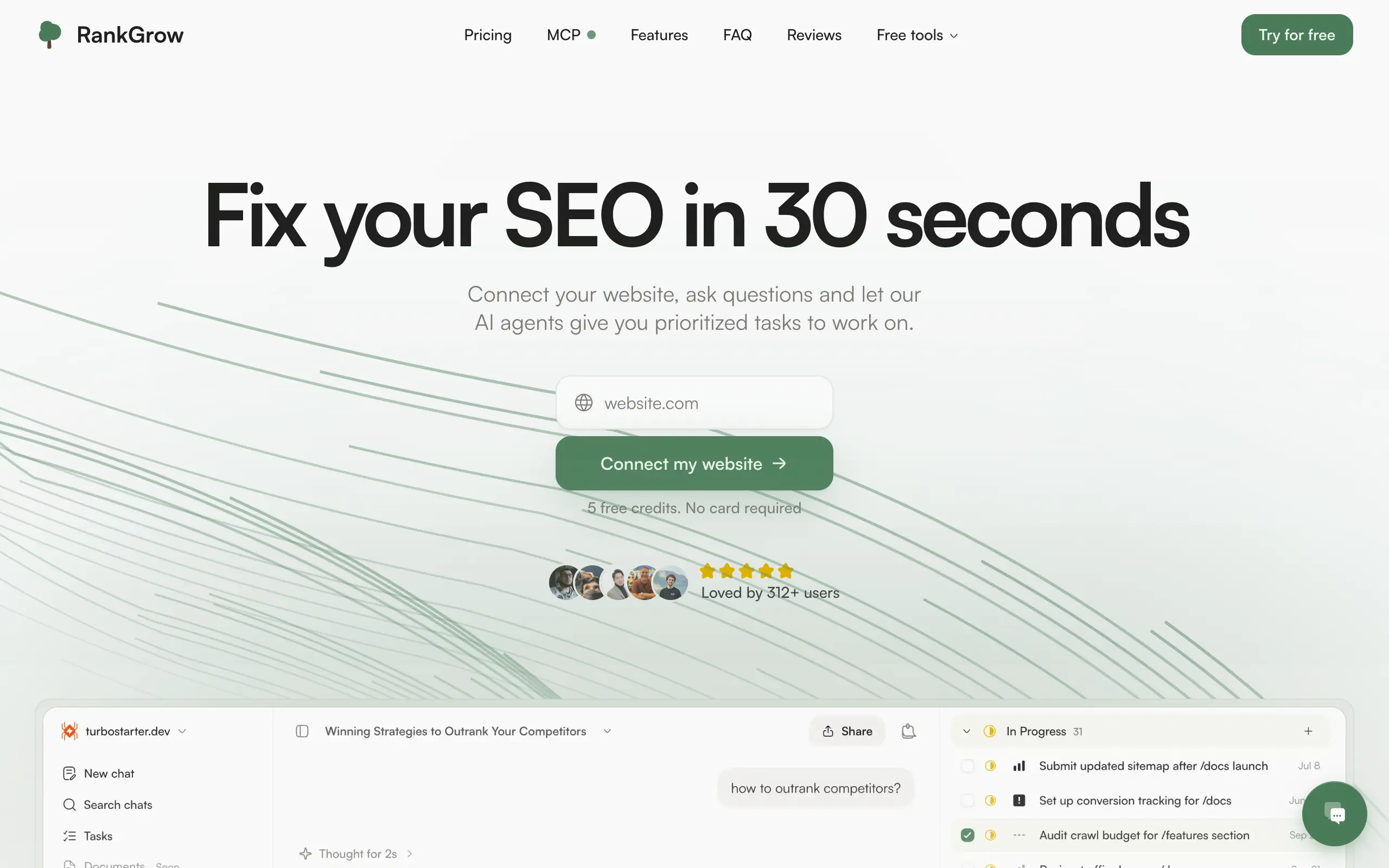
RankGrow
Fix your SEO with AI agents - connect Search Console, get prioritized tasks, and grow organic traffic 📈
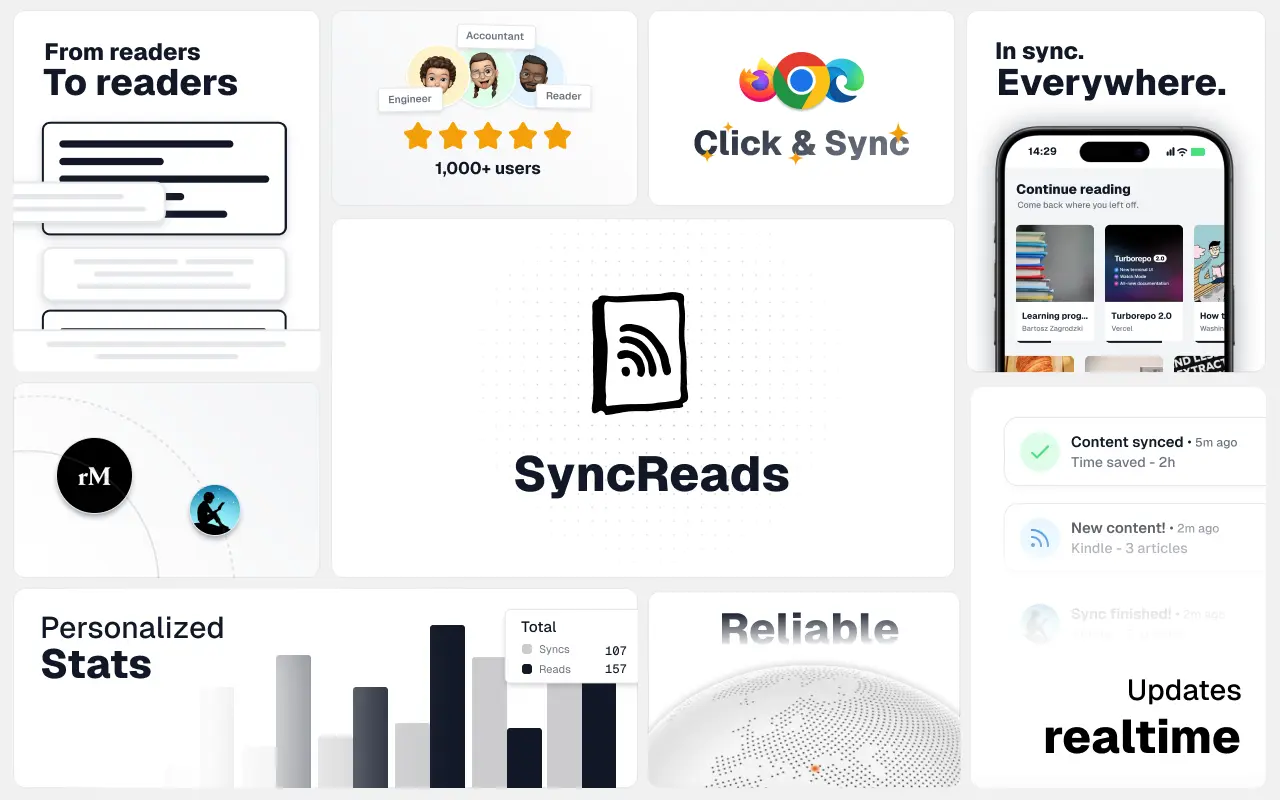
SyncReads
Sync your favorite content for distraction-free reading, save time and replace multiple apps. Anytime, anywhere 🔄
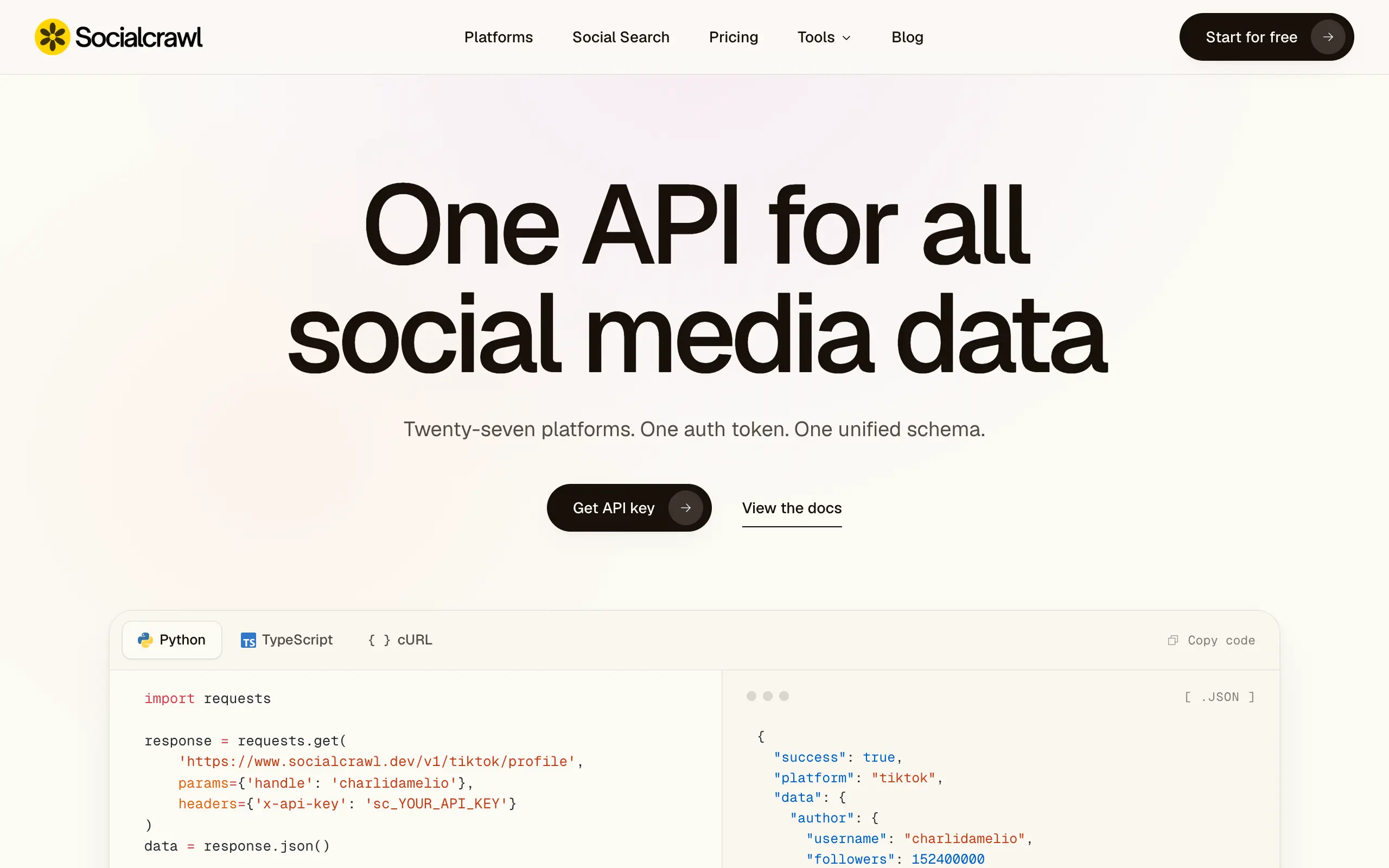
Socialcrawl
Get clean, structured data from 21 platforms like TikTok, Instagram, and YouTube with a single request 📊
Statiko
Monitor any Telegram channel in real time - track posts, edits, deletions, and growth with AI recaps 📡
Shibui
AI website builder - describe your business, pick a niche template, edit by chatting, and publish instantly ✨
Pro Service
Find verified home service professionals, compare quotes, and pay securely through escrow - built for Brazilians across the US 🏠
RankGrow
Fix your SEO with AI agents - connect Search Console, get prioritized tasks, and grow organic traffic 📈
SyncReads
Sync your favorite content for distraction-free reading, save time and replace multiple apps. Anytime, anywhere 🔄
Socialcrawl
Get clean, structured data from 21 platforms like TikTok, Instagram, and YouTube with a single request 📊
Statiko
Monitor any Telegram channel in real time - track posts, edits, deletions, and growth with AI recaps 📡
Shibui
AI website builder - describe your business, pick a niche template, edit by chatting, and publish instantly ✨
Pro Service
Find verified home service professionals, compare quotes, and pay securely through escrow - built for Brazilians across the US 🏠
RankGrow
Fix your SEO with AI agents - connect Search Console, get prioritized tasks, and grow organic traffic 📈
SyncReads
Sync your favorite content for distraction-free reading, save time and replace multiple apps. Anytime, anywhere 🔄
Socialcrawl
Get clean, structured data from 21 platforms like TikTok, Instagram, and YouTube with a single request 📊
Statiko
Monitor any Telegram channel in real time - track posts, edits, deletions, and growth with AI recaps 📡
Shibui
AI website builder - describe your business, pick a niche template, edit by chatting, and publish instantly ✨
Pro Service
Find verified home service professionals, compare quotes, and pay securely through escrow - built for Brazilians across the US 🏠
RankGrow
Fix your SEO with AI agents - connect Search Console, get prioritized tasks, and grow organic traffic 📈
SyncReads
Sync your favorite content for distraction-free reading, save time and replace multiple apps. Anytime, anywhere 🔄
Socialcrawl
Get clean, structured data from 21 platforms like TikTok, Instagram, and YouTube with a single request 📊
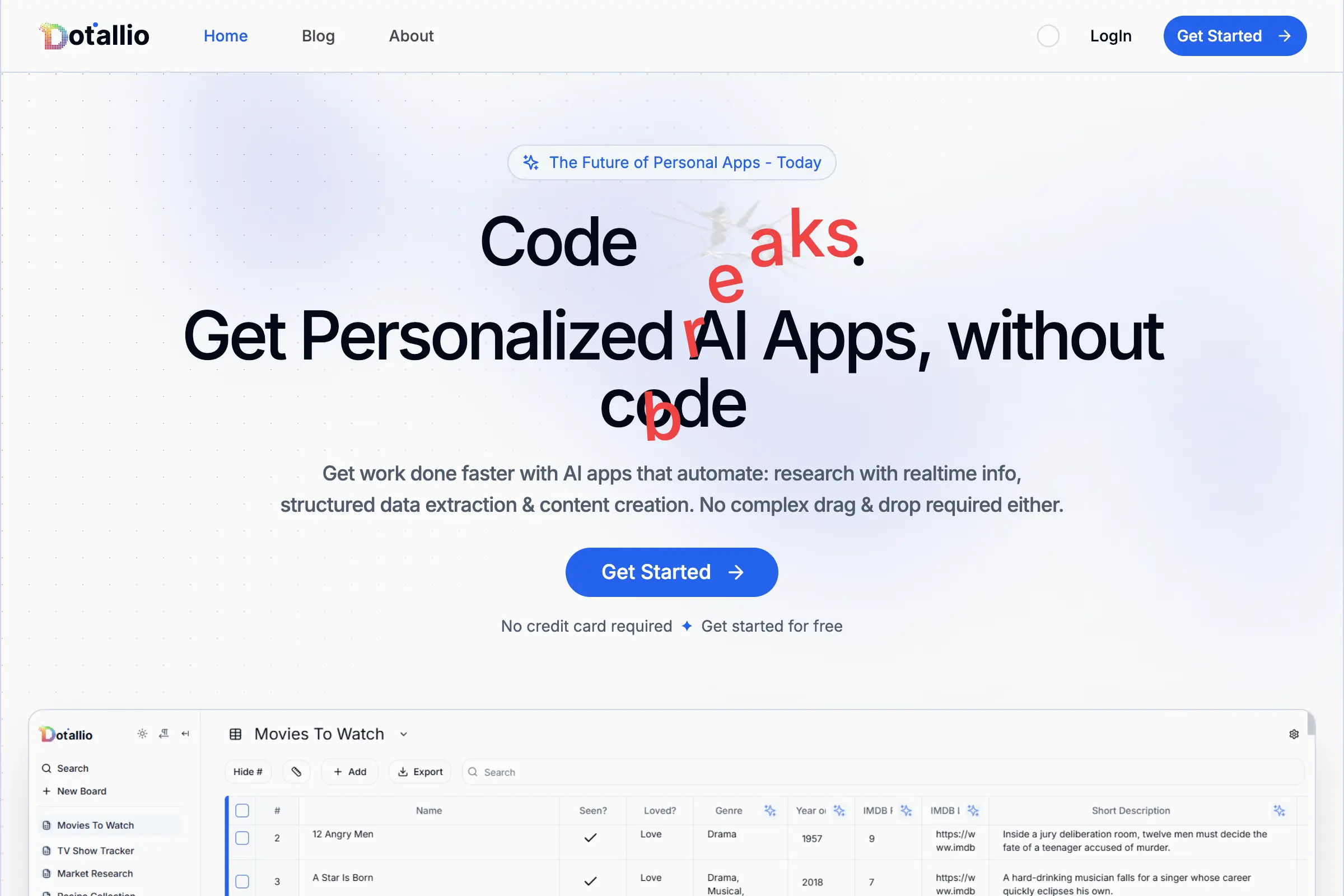
Dotallio
Personalized AI apps that automate research, data extraction, and content creation without code 🤖
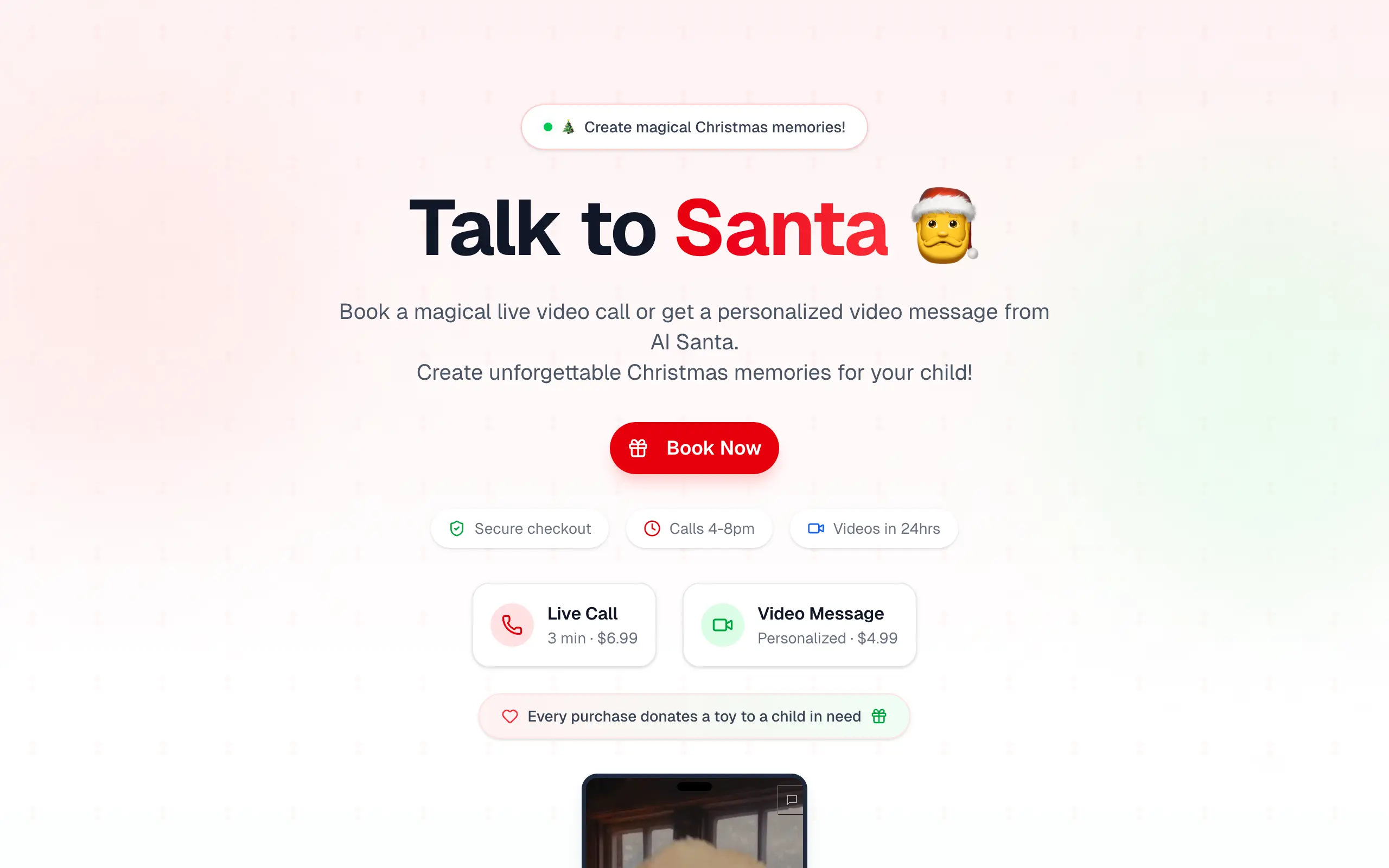
Talk to Santa
Enjoy a magical live video chat or receive a unique AI-generated video greeting from Santa Claus 🎅
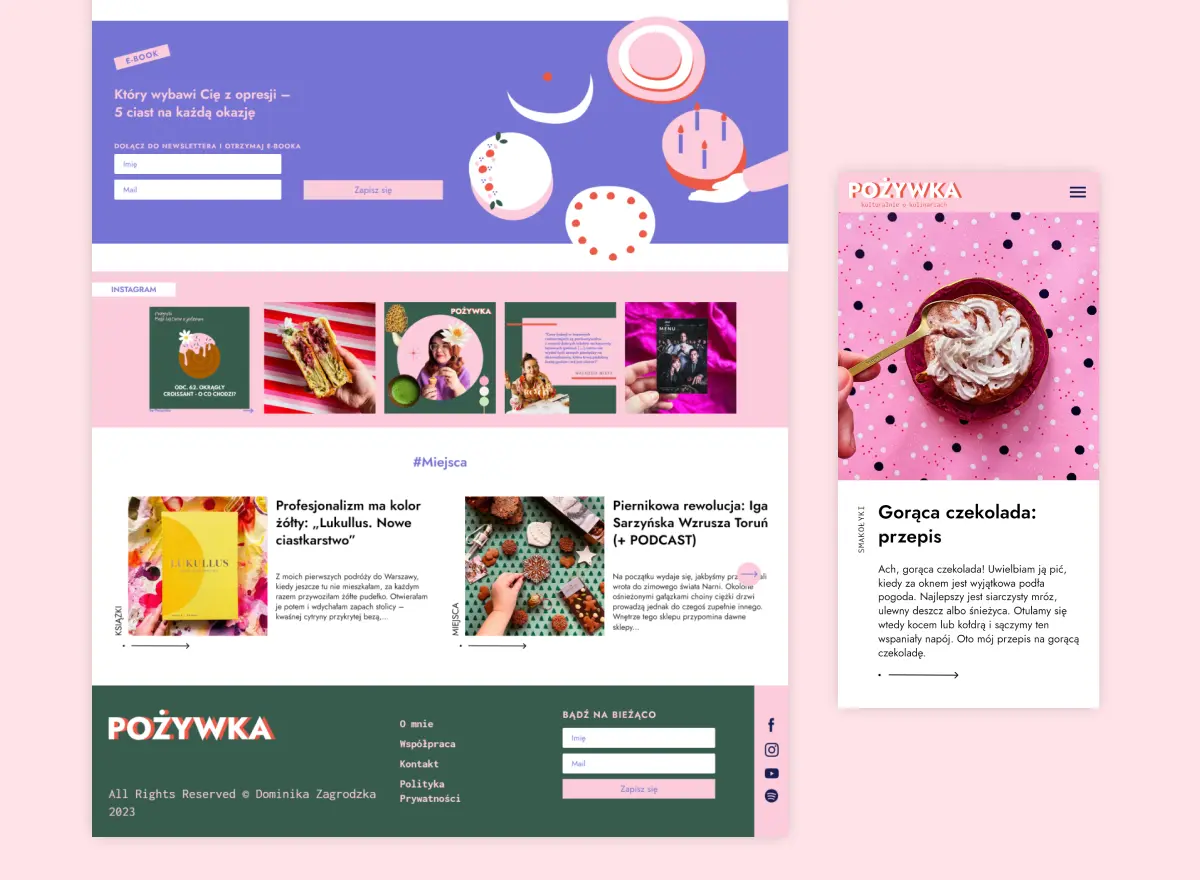
pozywka.pl
Scalable blog for food journalist, focused on performance and user experience 🌭
zagrodzki.me
Personal blog and portfolio of Bart Zagrodzki, where he shares his knowledge and work 💼
TurboStarter
Ship your startup everywhere. In minutes.
HTML to Markdown
Convert HTML to Markdown with ease, directly in your browser 📄
Dotallio
Personalized AI apps that automate research, data extraction, and content creation without code 🤖
Talk to Santa
Enjoy a magical live video chat or receive a unique AI-generated video greeting from Santa Claus 🎅
pozywka.pl
Scalable blog for food journalist, focused on performance and user experience 🌭
zagrodzki.me
Personal blog and portfolio of Bart Zagrodzki, where he shares his knowledge and work 💼
TurboStarter
Ship your startup everywhere. In minutes.
HTML to Markdown
Convert HTML to Markdown with ease, directly in your browser 📄
Dotallio
Personalized AI apps that automate research, data extraction, and content creation without code 🤖
Talk to Santa
Enjoy a magical live video chat or receive a unique AI-generated video greeting from Santa Claus 🎅
pozywka.pl
Scalable blog for food journalist, focused on performance and user experience 🌭
zagrodzki.me
Personal blog and portfolio of Bart Zagrodzki, where he shares his knowledge and work 💼
TurboStarter
Ship your startup everywhere. In minutes.
HTML to Markdown
Convert HTML to Markdown with ease, directly in your browser 📄
Dotallio
Personalized AI apps that automate research, data extraction, and content creation without code 🤖
Talk to Santa
Enjoy a magical live video chat or receive a unique AI-generated video greeting from Santa Claus 🎅
pozywka.pl
Scalable blog for food journalist, focused on performance and user experience 🌭
zagrodzki.me
Personal blog and portfolio of Bart Zagrodzki, where he shares his knowledge and work 💼
TurboStarter
Ship your startup everywhere. In minutes.
HTML to Markdown
Convert HTML to Markdown with ease, directly in your browser 📄
Omichat
Chat with 50+ AI models, including ChatGPT and Claude, in one place - switch models anytime without losing context 🤖
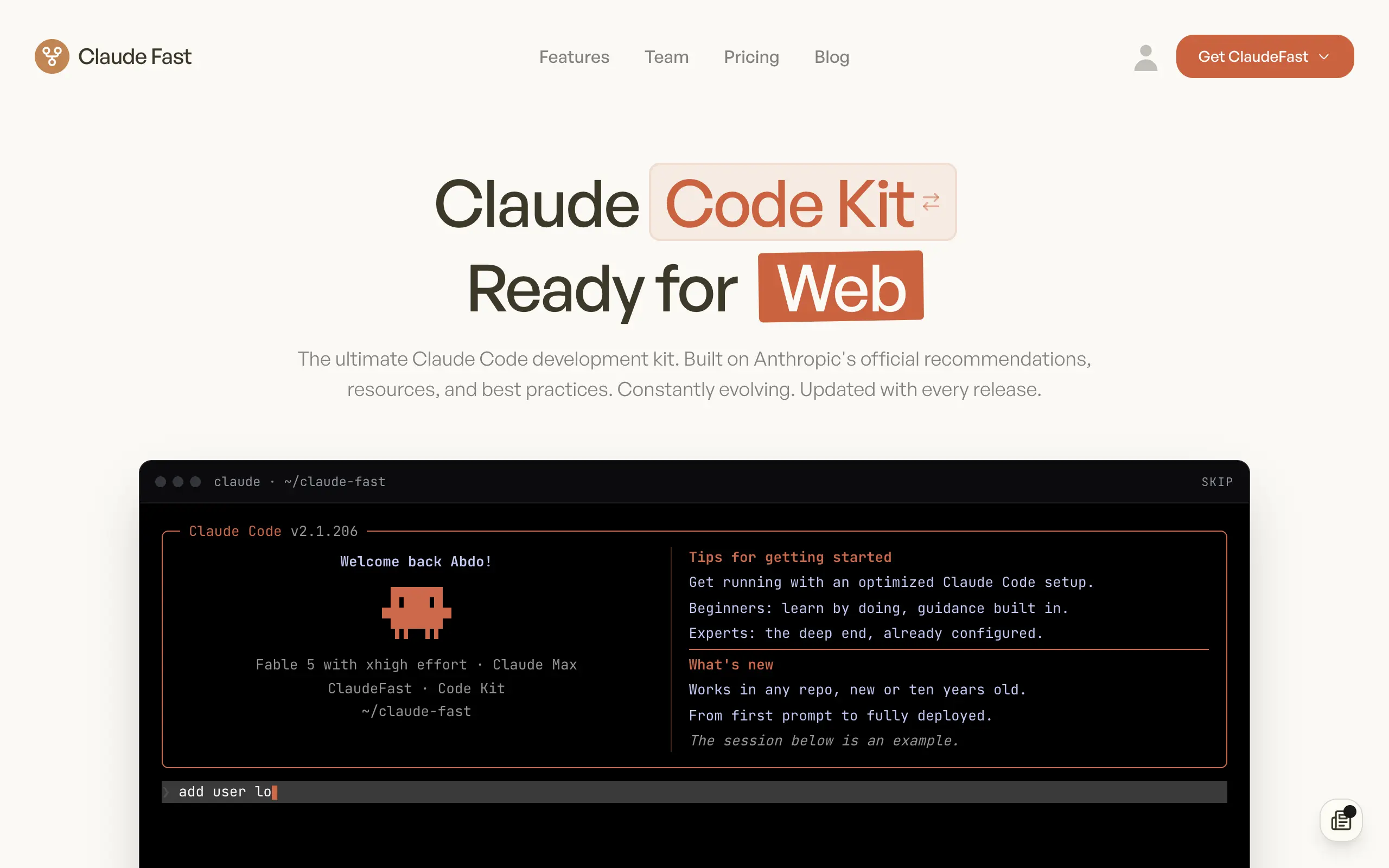
Claude Fast
Supercharge your Claude Code with 6x effective context window and specialized AI agents 🤖
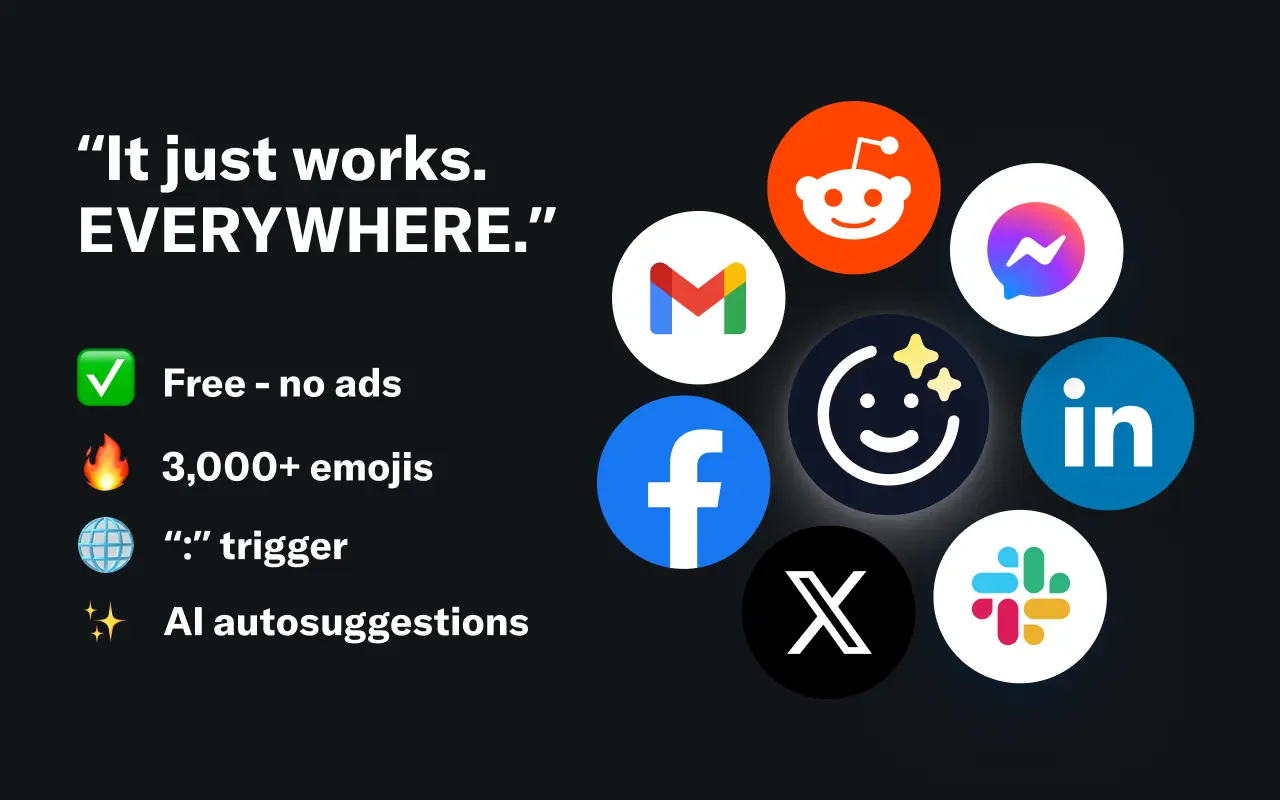
EmojAI
AI-powered emoji picker with smart, context-aware suggestions 🤖
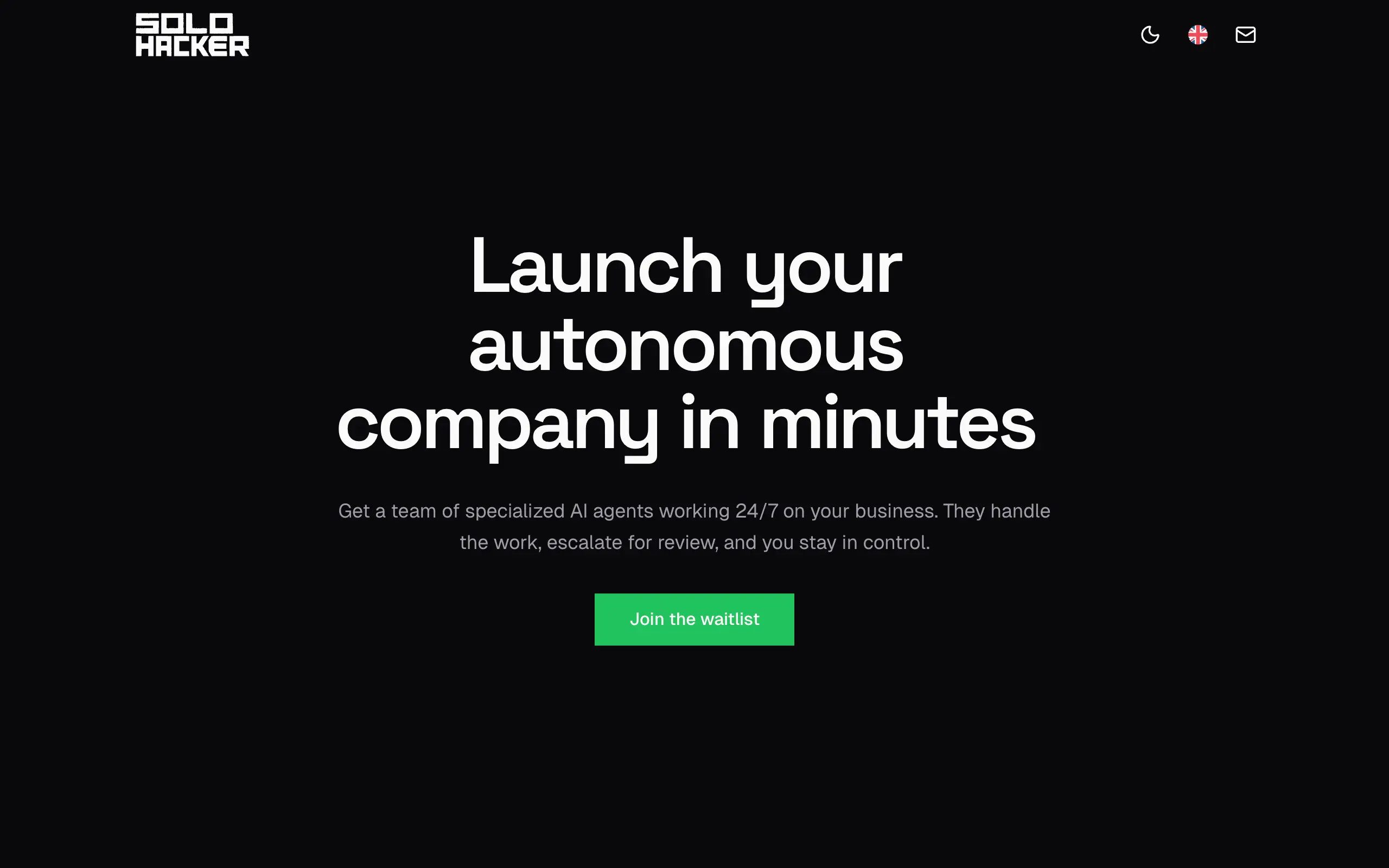
Solohacker
Autonomous company launcher - AI agents work 24/7, escalate what matters, and you stay in control 🤖
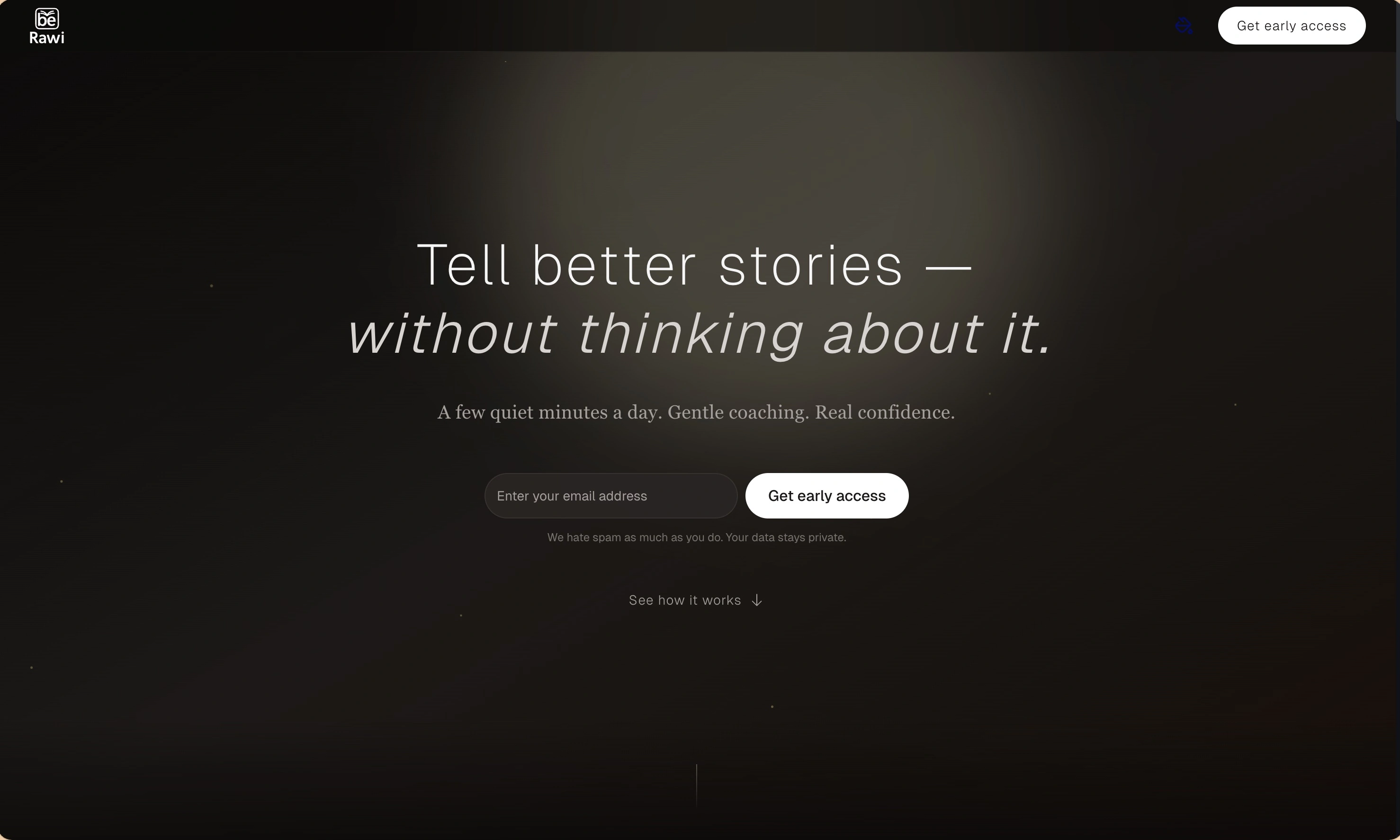
BeRawi: Storytelling Coach
Practice storytelling daily with instant feedback to sound clearer, more engaging, and confident 🎤
Omichat
Chat with 50+ AI models, including ChatGPT and Claude, in one place - switch models anytime without losing context 🤖
Claude Fast
Supercharge your Claude Code with 6x effective context window and specialized AI agents 🤖
EmojAI
AI-powered emoji picker with smart, context-aware suggestions 🤖
Solohacker
Autonomous company launcher - AI agents work 24/7, escalate what matters, and you stay in control 🤖
BeRawi: Storytelling Coach
Practice storytelling daily with instant feedback to sound clearer, more engaging, and confident 🎤
Omichat
Chat with 50+ AI models, including ChatGPT and Claude, in one place - switch models anytime without losing context 🤖
Claude Fast
Supercharge your Claude Code with 6x effective context window and specialized AI agents 🤖
EmojAI
AI-powered emoji picker with smart, context-aware suggestions 🤖
Solohacker
Autonomous company launcher - AI agents work 24/7, escalate what matters, and you stay in control 🤖
BeRawi: Storytelling Coach
Practice storytelling daily with instant feedback to sound clearer, more engaging, and confident 🎤
Omichat
Chat with 50+ AI models, including ChatGPT and Claude, in one place - switch models anytime without losing context 🤖
Claude Fast
Supercharge your Claude Code with 6x effective context window and specialized AI agents 🤖
EmojAI
AI-powered emoji picker with smart, context-aware suggestions 🤖
Solohacker
Autonomous company launcher - AI agents work 24/7, escalate what matters, and you stay in control 🤖
BeRawi: Storytelling Coach
Practice storytelling daily with instant feedback to sound clearer, more engaging, and confident 🎤

Connect with like-minded people
Join our community to get feedback, support, and grow together with 1,000+ builders on board, let's ship it!
Join usShip your startup everywhere. In minutes.
Don't burn tokens on setup and start building features on day one.