ReplyRoom
An AI workspace that drafts thoughtful replies from your inbox and chat context while preserving your personal writing style.
What ReplyRoom solves for modern knowledge workers
ReplyRoom is an AI workspace that drafts thoughtful replies from inbox and chat context while preserving the user’s personal writing style. Its core promise is simple but commercially meaningful: help people communicate faster without sounding automated, generic, or unlike themselves.
The primary keyword for this product category is AI reply assistant. Relevant semantic keywords include AI email assistant, AI writing workspace, personalized reply generator, inbox productivity software, communication copilot, tone-aware AI, AI chat response generator, and email drafting tool.
The problem is not that professionals cannot write replies. The problem is that high-volume communication imposes constant context switching, emotional labor, and decision fatigue. A founder may need to respond to an investor, a customer escalation, and a team discussion within the same hour. A customer success manager may need to balance empathy, precision, brand policy, and urgency across dozens of messages per day.
Generic generative AI tools can create a draft, but they often miss the context that determines whether a reply is actually useful:
- The recipient relationship and past tone
- The thread’s unresolved questions
- Commitments already made in prior messages
- Organization-specific language and policies
- The user’s preferred writing style
- The channel’s social norms, whether email, Slack, or another team chat tool
ReplyRoom can position itself as a personal communication intelligence layer, not merely another chatbot. Instead of asking users to copy and paste messages into a blank prompt window, it brings the relevant conversation, style guidance, and response controls into one reviewable workspace.
The product principle
The strongest ReplyRoom experience is not “AI writes for you.” It is “AI helps you respond with your own judgment, voice, and context intact.”
This distinction is essential. Users will trust an AI reply assistant only when it gives them control over what leaves their inbox, makes uncertainty visible, and avoids inventing facts.
Target audience for an AI reply assistant
ReplyRoom should avoid launching as a broad “tool for everyone who writes emails.” That positioning is familiar, difficult to differentiate, and expensive to market. The stronger approach is to begin with groups that experience high communication volume and can clearly quantify the cost of delayed or inconsistent replies.
Primary users: client-facing professionals
The first ideal customer profile is individual professionals and small teams whose work depends on written communication quality.
These users include:
- "Consultants and agencies": people who must communicate expertise, manage scope, and maintain client confidence.
- "Customer success managers": operators who handle renewals, onboarding questions, support escalations, and relationship-sensitive updates.
- "Recruiters and talent teams": professionals who need warm, consistent, timely outreach and follow-ups.
- "Founders and operators": leaders navigating investor updates, hiring, partnerships, customer messages, and internal alignment.
- "Account executives": revenue teams that need tailored follow-ups after calls, proposals, and stakeholder conversations.
- "Freelancers": independent professionals who frequently write proposals, project updates, invoice reminders, and client replies.
These audiences share an important characteristic: a bad response can cost money, trust, or time. That creates willingness to pay for a tone-aware AI writing workspace that is materially better than a general-purpose AI assistant.
Secondary users: internal collaboration teams
Once email drafting works reliably, ReplyRoom can expand toward teams using chat-heavy workflows. Product managers, engineering managers, people operations teams, and distributed leadership groups all spend substantial time translating complex work into clear updates.
A chat response generator can be especially valuable for:
- Turning meeting notes into an informed follow-up
- Writing concise decision summaries after a long discussion
- Responding to sensitive internal messages with more care
- Adjusting communication style between executive, peer, and customer channels
- Creating an asynchronous update from scattered project context
The opportunity is not only speed. It is better organizational communication: fewer misunderstandings, fewer incomplete handoffs, and more consistent follow-through.
Buyers, champions, and end users
ReplyRoom will often have three different stakeholders.
| Stakeholder | Primary concern | What ReplyRoom should prove | Likely objection | Winning message |
|---|---|---|---|---|
| Individual user | Speed and confidence | Useful drafts in their actual voice | “I can use a generic AI tool” | Less prompting, more context, better control |
| Team lead | Consistency and throughput | Faster responses without lower quality | “AI will make the team sound robotic” | Shared standards plus individual voice |
| Security or IT buyer | Data governance | Clear permissions, retention, and audit controls | “Inbox access is too risky” | User-controlled, least-privilege architecture |
Market opportunity and the gap in AI communication tools
The market for AI-assisted communication is growing because knowledge work has become increasingly message-driven. Email, chat, CRM comments, ticketing systems, and collaborative documents are where work gets requested, clarified, approved, and delayed.
However, the market remains fragmented. Most existing options sit in one of four categories:
- General AI chat assistants that require users to manually provide the relevant context.
- Email clients with lightweight AI drafting that offer convenience but limited personalization and workflow depth.
- Grammar and rewriting tools that improve wording but do not understand thread-level intent.
- Enterprise communication platforms that may provide summaries but rarely act as a user-controlled reply workspace across channels.
The gap is a context-aware product that can combine relevant conversation history, user preferences, recipient relationship patterns, and policy-aware guidance into a draft that feels credible.
Why generic drafting is not enough
A generic AI response is often technically correct but socially wrong. It may be too enthusiastic when a customer is frustrated, too vague when the thread requires a clear commitment, or too formal for a long-standing teammate.
Consider the difference between these two instructions:
- “Write a polite response to this email.”
- “Draft a concise reply in my direct but warm style. Acknowledge the delay, confirm that the integration issue is assigned to engineering, avoid promising a delivery date, and ask whether their team can share the error timestamp.”
The second request contains the actual work. ReplyRoom’s opportunity is to retrieve and structure that context automatically, then let users verify it before sending.
The shift toward human-in-the-loop AI
Recent adoption patterns favor AI systems that support professional judgment rather than replace it. Users increasingly recognize the risks of unreviewed automation, especially in customer service, legal, recruiting, healthcare, finance, and leadership communication.
This is favorable for ReplyRoom. The product should explicitly optimize for draft, review, refine, and send rather than autonomous sending.
When publishing market claims or usage statistics, cite primary research or reputable industry analysis. Good sources to review include productivity reports from major workplace software vendors, peer-reviewed human-computer interaction research, and annual reports from recognized research firms. Avoid presenting broad market-size figures without a dated, verifiable source.
A focused wedge creates a defendable market entry
The best early wedge is likely high-stakes client communication for agencies, consultants, and customer-facing SaaS teams. These users have repetitive message patterns, valuable relationship context, and a direct return on better response quality.
The wedge can expand in sequence:
Core ReplyRoom features that create real product value
ReplyRoom should not try to build every possible AI writing feature at launch. Its minimum viable product needs to solve the complete workflow around one high-value action: drafting a reliable reply from an existing conversation.
Context-aware thread understanding
The application should ingest the currently selected email or chat thread and identify the parts that matter before generating a response.
A high-quality context engine should extract:
- The latest explicit question or request
- Open commitments and deadlines
- Named people, companies, and projects
- Sentiment and urgency signals
- Prior decisions made in the thread
- Facts that need verification before inclusion
- Suggested next steps
This is more useful than simply passing the last message to a model. In a long thread, the final message may refer to a decision made ten messages earlier. ReplyRoom needs a structured conversation memory that distinguishes established facts from assumptions.
Personal writing style profiles
Style preservation is the product’s most important differentiator. A user should not need to write “make this sound like me” in every prompt.
ReplyRoom can create a style profile from user-approved writing samples and ongoing edits. That profile should represent patterns such as:
- Preferred greeting and sign-off conventions
- Average response length
- Degree of formality
- Sentence structure and punctuation habits
- Use of warmth, directness, humor, or hedging
- Preferred words and avoided phrases
- Channel-specific preferences for email versus chat
Crucially, style learning should be transparent. Users need the ability to inspect, edit, pause, or delete the profile. A style model should never be presented as a perfect replica of a person. It is a configurable writing preference system, not identity simulation.
Draft controls that reflect real communication choices
One-click generation is convenient, but professional communication requires choices. ReplyRoom should surface those choices through visible controls.
Let users choose options such as warm, direct, diplomatic, confident, concise, or empathetic. These controls should modify the draft while preserving factual constraints from the thread.
Offer short reply, standard reply, and detailed reply options. The product should explain when a longer reply is warranted, such as resolving a complicated customer issue or documenting a decision.
Let users select the primary outcome: answer a question, ask for clarification, decline a request, move a conversation forward, apologize, summarize decisions, or schedule a next step.
The best interface makes the AI’s output editable rather than precious. Users should feel free to change a sentence, regenerate one paragraph, or tell the system to make a specific commitment clearer.
Reply quality checks and factual grounding
A key product requirement is a pre-send review layer. Before presenting a draft as ready, ReplyRoom should check for common communication risks.
Examples include:
- Unsupported dates, metrics, or product promises
- References to attachments that are not available
- Missing answers to direct questions
- An overly confident response when context is incomplete
- Tone mismatch with a complaint or sensitive issue
- Sensitive data appearing in a response
- Repetition or unclear calls to action
The interface can flag issues without becoming intrusive. For example, “This draft mentions a Friday delivery date, but no confirmed date was found in the thread” is actionable and trustworthy.
Playbooks and reusable communication patterns
As adoption grows, playbooks become a meaningful retention feature. A playbook is a reusable set of instructions and guardrails for a recurring reply type.
Examples include:
- Customer escalation acknowledgment
- New client kickoff follow-up
- Candidate rejection with respectful language
- Invoice reminder
- Partnership inquiry response
- Security questionnaire follow-up
- Weekly project status response
Playbooks should include both what to say and what not to say. A customer success team may require a specific escalation process, while an agency may want a consistent approach to scope expansion requests.
Approval and collaboration workflows
For team plans, ReplyRoom should provide optional review workflows rather than forcing every message through approval. High-stakes templates, new team members, and regulated communication are suitable use cases.
Useful capabilities include:
- Draft sharing with internal comments
- Team-approved snippets and terminology
- Suggested reviewers based on account ownership
- Audit history for edited drafts
- Rules requiring review for selected playbooks
- Workspace-level policy instructions
These features help ReplyRoom sell beyond individual productivity and into team communication operations.
How ReplyRoom creates a sustainable competitive advantage
An AI reply assistant is relatively easy to copy at the surface level. Competitors can add a “generate reply” button. A defensible advantage comes from the quality of context, the trust model, and workflow integration.
The ReplyRoom USP
ReplyRoom’s unique selling proposition can be expressed as:
A personal AI communication workspace that drafts replies from real conversation context while preserving the user’s voice, boundaries, and judgment.
This is stronger than “write emails faster” because it identifies the core fear users have about AI-written messages: losing authenticity or sending something inaccurate.
Defensibility through user-approved communication memory
The product’s long-term moat is not the underlying language model alone. Foundation models will continue to improve and become more accessible. The durable asset is a privacy-conscious, user-approved layer of communication preferences and structured relationship context.
Over time, ReplyRoom can learn:
- Which draft edits a user repeatedly makes
- Which tone works for particular contacts or account types
- Which requests typically need escalation
- Which terms are approved by a team
- Which messages users choose not to answer immediately
- Which suggested calls to action produce better workflows
This data must be handled with explicit consent and strong privacy controls. But when it is user-owned and transparent, it creates a highly personalized experience that a blank AI chat window cannot replicate.
Trust is a product feature, not a legal footer
For communication tools, trust determines adoption. A polished user interface will not compensate for unclear data practices or surprising behavior.
ReplyRoom should make these principles visible inside the product:
- Users decide which accounts and channels to connect.
- Permissions follow the least-privilege principle.
- Users can disconnect integrations and delete imported data.
- AI-generated content is clearly labeled before it is sent.
- Draft generation does not imply autonomous send authority.
- Administrators have clear workspace governance controls.
- Data retention and model-training policies are stated in plain language.
Avoid hidden automation
Automatically sending messages, silently learning from private content, or implying that drafts are factually verified will damage trust. Keep the user in control at every consequential step.
Recommended tech stack for an AI writing workspace
ReplyRoom needs a stack that supports responsive drafting, secure integrations, asynchronous processing, and observability. The right architecture should start simple enough for a small team while leaving room for enterprise controls.
Frontend and application layer
A practical foundation is React with Next.js. This combination supports a fast product interface, server-rendered marketing pages, authenticated application routes, and server-side API handlers in one ecosystem.
For UI development, Tailwind CSS provides fast iteration and consistent design tokens. The product should prioritize keyboard navigation, inline editing, and responsive draft streaming because ReplyRoom will be used by people moving quickly between messages.
Recommended frontend choices include:
- "Framework": Next.js for full-stack React delivery and routing.
- "Language": TypeScript for safer integration contracts and complex state handling.
- "Styling": Tailwind CSS for rapid, maintainable interface composition.
- "Forms": schema-based validation for connection flows, settings, and team policies.
- "Editor": a structured rich-text editor that preserves formatting while exposing plain-text context for model processing.
Backend, database, and workflow architecture
A relational database such as PostgreSQL is well suited to users, connected accounts, messages, workspaces, permissions, audit events, and billing records. It provides mature query capabilities and strong transactional behavior.
Use asynchronous jobs for operations that do not belong in the request-response cycle, such as inbox synchronization, embedding generation, large thread summarization, and style profile updates.
A sensible initial architecture includes:
- A secure API layer for authenticated application actions
- Postgres for core relational data
- Encrypted object storage for raw message artifacts when retention is necessary
- A job queue and workers for integration sync and AI processing
- A vector retrieval layer only when semantic memory is proven necessary
- Centralized logging, metrics, and error monitoring
The main trade-off is complexity. Adding a vector database on day one may sound sophisticated, but many early workflows can use deterministic thread retrieval and structured summaries. Start with the current thread, recent relevant conversations, and explicit user-selected context. Add semantic retrieval only after measuring missed-context cases.
AI orchestration and model strategy
ReplyRoom should use a model abstraction layer rather than hard-coding the product around one AI provider. Model quality, cost, latency, and privacy options change rapidly.
The orchestration layer should support:
- Context assembly from thread content, user profile, and workspace policies.
- Structured extraction of facts, questions, commitments, and risks.
- Draft generation with explicit tone and intent instructions.
- Automated quality checks against source context.
- A fallback path when a provider is unavailable or a request times out.
Use structured outputs for intermediate steps wherever possible. Instead of asking a model to “understand the email,” ask it to return validated fields such as open_questions, confirmed_facts, unknowns, and suggested_next_action.
type ReplyBrief = {
  recipientRelationship: "customer" | "prospect" | "teammate" | "partner" | "other";
  openQuestions: string[];
  confirmedFacts: string[];
  uncertainClaims: string[];
  requestedTone: "warm" | "direct" | "diplomatic" | "concise";
  responseGoal: string;
};

const generationPolicy = {
  requireHumanReview: true,
  neverInventDates: true,
  flagUncertainClaims: true,
  preserveUserStyle: true,
};
This approach makes the system easier to test and reduces the chance that an attractive but inaccurate draft reaches the user.
Security requirements for inbox-connected SaaS
Security must be built before broad adoption, not retrofitted after a large customer asks for it.
ReplyRoom should prioritize:
- OAuth-based account connections instead of stored mailbox passwords
- Encryption in transit and at rest
- Token encryption and rotation
- Minimal integration scopes
- Role-based workspace permissions
- Comprehensive audit logging
- Data deletion workflows
- Secure secrets management
- Rate limiting and abuse prevention
- Vendor review for AI and infrastructure providers
For larger customers, roadmap items may include SSO, SCIM provisioning, data residency options, customer-managed retention settings, and formal compliance attestations. Do not claim a compliance certification until it has been completed and independently verified.
Monetization strategy for ReplyRoom
ReplyRoom should use a product-led pricing model that lets individual users experience personalized drafting quickly, then creates a natural path to team adoption.
Recommended pricing tiers
A freemium or limited trial can work well because users need to see the difference between a generic draft and a contextual, voice-aware draft before they will pay.
Free or trial
A limited number of AI drafts, one connected account, and basic tone controls. The goal is activation, not permanent heavy usage.
Pro
Unlimited or high-volume personal drafting, style profile learning, playbooks, advanced context controls, and priority processing.
Team
Shared playbooks, collaborative reviews, centralized billing, workspace policies, basic reporting, and team knowledge controls.
Enterprise
Advanced security, SSO, governance, custom retention, procurement support, and negotiated usage limits.
Pricing metrics that align with value
The most intuitive primary pricing metric is per active seat, because ReplyRoom delivers ongoing personal productivity value. A secondary fair-use limit may be needed for expensive generation volume, but it should not make normal use feel unpredictable.
Avoid pricing only by number of emails connected. The product’s value is in quality and workflow acceleration, not account count. For enterprise plans, usage-based AI overages can be introduced transparently when customers have unusually high volume or custom model requirements.
Expansion revenue opportunities
Expansion can come from:
- Additional workspace seats
- Premium team playbooks
- CRM and help desk integrations
- Advanced analytics
- Compliance and governance packages
- Higher-priority model processing
- Custom brand voice and policy configuration
- Dedicated implementation support
The most valuable expansion motion is likely converting a successful individual champion into a team workspace. Build sharing and playbook collaboration so that upgrade path happens organically.
Risks and mitigation strategies
Every inbox-connected AI SaaS product faces operational, legal, and product risks. Addressing them directly improves the product plan and makes sales conversations more credible.
Hallucinations and incorrect commitments
The largest product risk is a draft that invents a date, policy, price, or commitment. Even if the user reviews it, repeated inaccuracies will undermine trust.
Mitigation should include:
- Source-grounded draft generation
- Explicit uncertainty flags
- No autonomous sending in the initial product
- Retrieval limited to relevant, permissioned context
- Quality checks for numbers, dates, and commitments
- Easy “report issue” feedback loops tied to the draft
Privacy concerns and data sensitivity
Users may hesitate to connect private inboxes or customer communications. Enterprise buyers will ask detailed questions about data storage, access, and model providers.
Mitigate this by practicing data minimization. Retrieve only the content required for the requested task, give users granular connection controls, document retention behavior clearly, and separate tenant data strictly. Commission security testing as the product matures and publish security documentation that is accurate, not aspirational.
Inconsistent writing style
Style preservation is subjective. A user may dislike a draft even if it is grammatically sound.
Mitigation requires a tight learning loop. Let users rate drafts, compare alternative tones, save edits as preferences, and explicitly define phrases to prefer or avoid. Start with controllable style settings before relying heavily on implicit behavioral learning.
Platform dependency
ReplyRoom may depend on third-party email providers, chat APIs, model vendors, and OAuth policies. API changes or pricing shifts can affect the product.
Reduce dependency risk with a provider abstraction layer, modular integration architecture, cautious scope requests, and a roadmap that does not depend on a single proprietary feature. Maintain a useful standalone workspace experience even when some integrations are unavailable.
Overbuilding before validation
It is tempting to build team analytics, multi-channel integrations, complex memory, and autonomous workflows before proving the main interaction.
The mitigation is simple: measure whether users repeatedly accept or meaningfully edit drafts. If ReplyRoom cannot consistently save time while preserving voice in one channel, additional integrations will not solve the core problem.
Metrics that prove product-market fit
ReplyRoom should instrument product quality from the beginning. Traditional signups and page views are insufficient for an AI writing workspace.
Track activation and retention metrics such as:
- "Time to first useful draft": minutes from signup to a user generating and saving or using a reply.
- "Draft acceptance rate": percentage of drafts sent or copied with minimal modification.
- "Meaningful edit rate": percentage of drafts substantially revised, which can identify weak quality or healthy user control depending on context.
- "Weekly active drafters": users who generate drafts across multiple weeks.
- "Replies per active user": a practical engagement signal when paired with satisfaction data.
- "Style satisfaction score": direct user feedback on whether drafts sound like them.
- "Team expansion rate": individual users who invite colleagues or create shared playbooks.
- "Error report rate": reported factual, tone, or safety issues per generated draft.
Do not optimize exclusively for acceptance rate. A dangerously overconfident product might increase acceptance in the short term. Pair behavioral metrics with user trust surveys and audits of factual grounding.
Actionable implementation roadmap
A disciplined launch plan can get ReplyRoom to real user learning faster than a feature-heavy build.
Phase one: validate the core draft loop
Build a narrow product for one inbox integration and a small set of high-value reply actions.
The first release should include:
- Secure sign-in and a single email account connection.
- Thread selection and context extraction.
- User-defined style settings with a short onboarding flow.
- Draft generation with tone, length, and intent controls.
- Inline editing and copy or send-back-to-client workflow.
- Factual uncertainty warnings.
- Feedback controls for draft quality and style fit.
- Basic analytics for activation and draft outcomes.
Recruit 15 to 30 design partners from a tightly defined segment, such as agency account managers or B2B customer success professionals. Interview them before implementation, observe their existing reply workflow, and review anonymized examples only with explicit permission.
Phase two: make personalization measurable
Once the core drafting loop is useful, invest in the features that make ReplyRoom feel uniquely personal.
Focus on:
- Style profile calibration from approved examples
- Saved instructions and preferred phrases
- Contact and relationship-aware tone suggestions
- Reusable playbooks for common reply categories
- Thread summaries that expose known facts and open questions
- Better confidence and risk indicators
At this stage, establish an evaluation dataset with user consent. The dataset should include realistic communication scenarios and a scoring rubric for factual accuracy, tone fit, completeness, and safety. Evaluate model or prompt changes against this benchmark before deploying them broadly.
Phase three: build team readiness
After individual users demonstrate repeat usage, build the collaborative controls that unlock higher-value accounts.
Prioritize shared playbooks, workspace roles, review workflows, audit history, billing administration, and team-level policy settings. Add only the integrations that target customers repeatedly request and that reinforce the core use case.
A launch-ready SaaS foundation can reduce time spent assembling authentication, billing, teams, and dashboard infrastructure. TurboStarter is worth considering for founders who want to focus engineering effort on ReplyRoom’s differentiated context, drafting, and trust layers instead of rebuilding common SaaS plumbing.
Final recommendation
ReplyRoom has a compelling opportunity in the AI reply assistant market because it focuses on the part generic AI tools struggle to deliver: contextual communication that still sounds human and personal.
The product should lead with a narrow, high-trust workflow rather than broad claims about replacing communication work. Start with inbox-based drafting for a specific client-facing audience. Make personal writing style configurable, show users exactly what context the AI used, flag uncertainty before a message is sent, and make editing effortless.
If ReplyRoom consistently helps people write responses that are faster, clearer, and recognizably their own, it can evolve from a convenient AI email assistant into an essential communication operating layer for professionals and teams.
More 🤖 AI Startup SaaS ideas
Discover more innovative ai startup SaaS ideas that are trending in 2026. Each idea is AI-generated with market validation and growth potential to help you find your next profitable venture faster than competitors.
Your competitors are building with TurboStarter
Below are some of the SaaS ideas that have been generated and built with our starter kit.
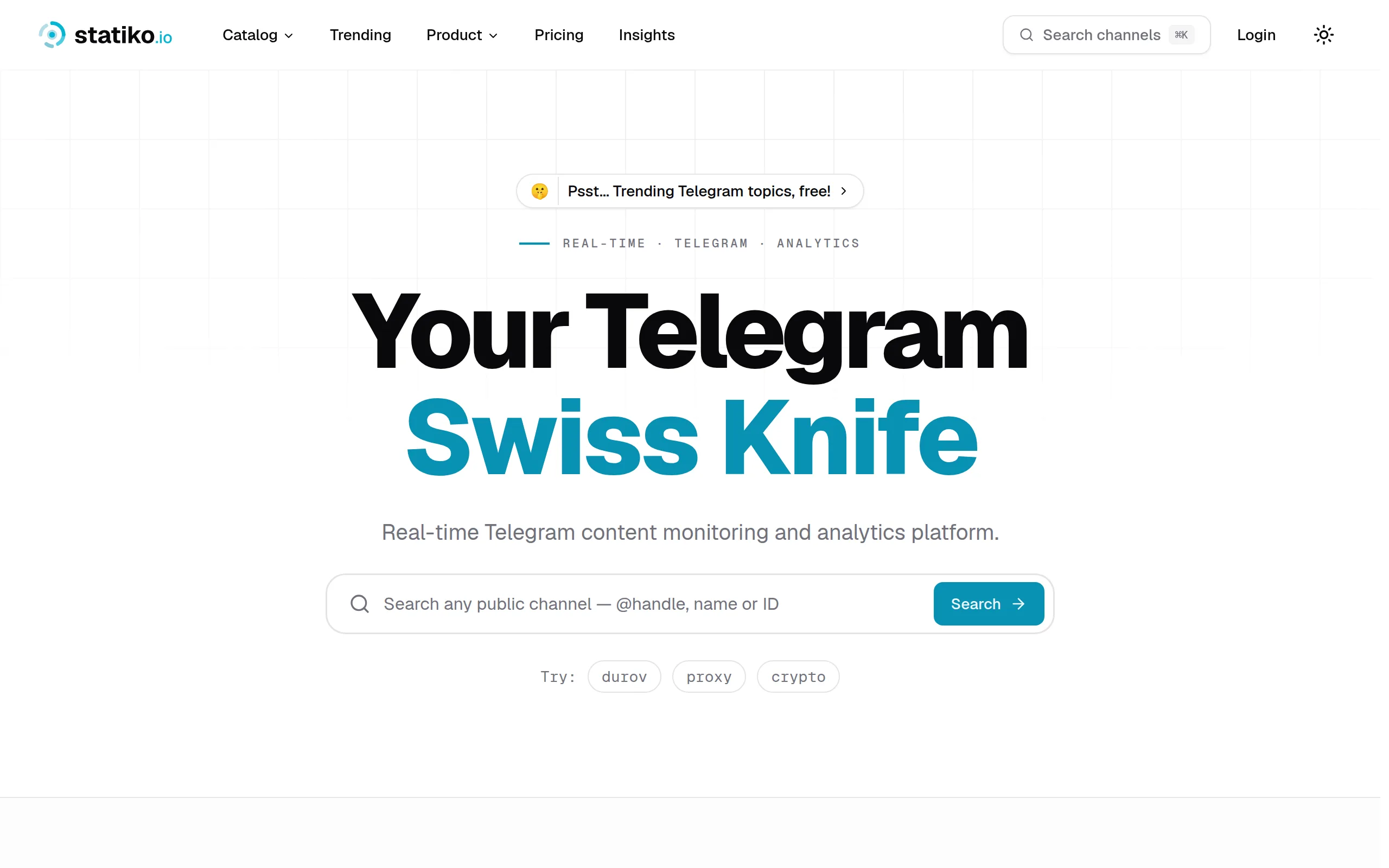
Statiko
Monitor any Telegram channel in real time - track posts, edits, deletions, and growth with AI recaps 📡

Shibui
AI website builder - describe your business, pick a niche template, edit by chatting, and publish instantly ✨

Pro Service
Find verified home service professionals, compare quotes, and pay securely through escrow - built for Brazilians across the US 🏠
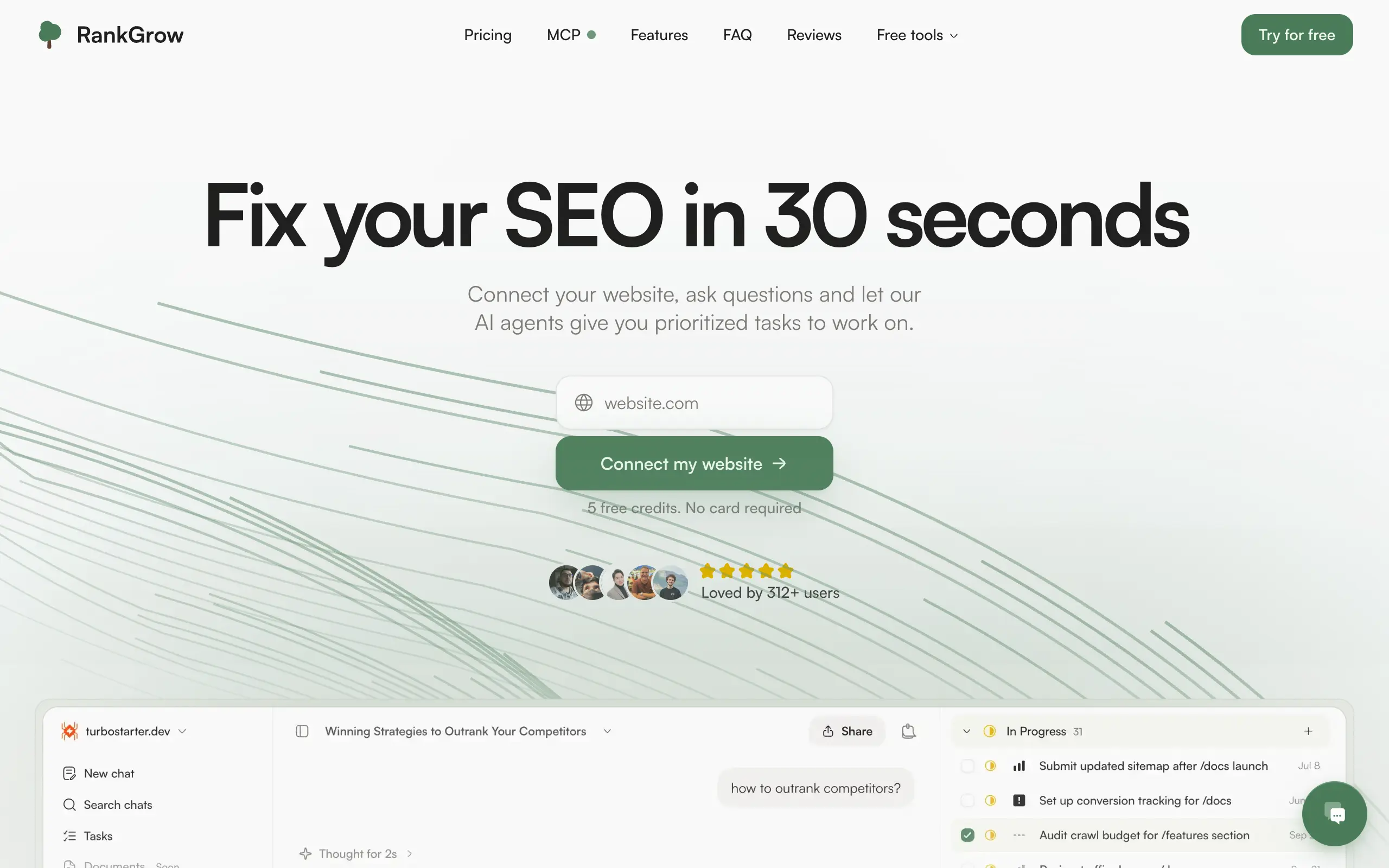
RankGrow
Fix your SEO with AI agents - connect Search Console, get prioritized tasks, and grow organic traffic 📈
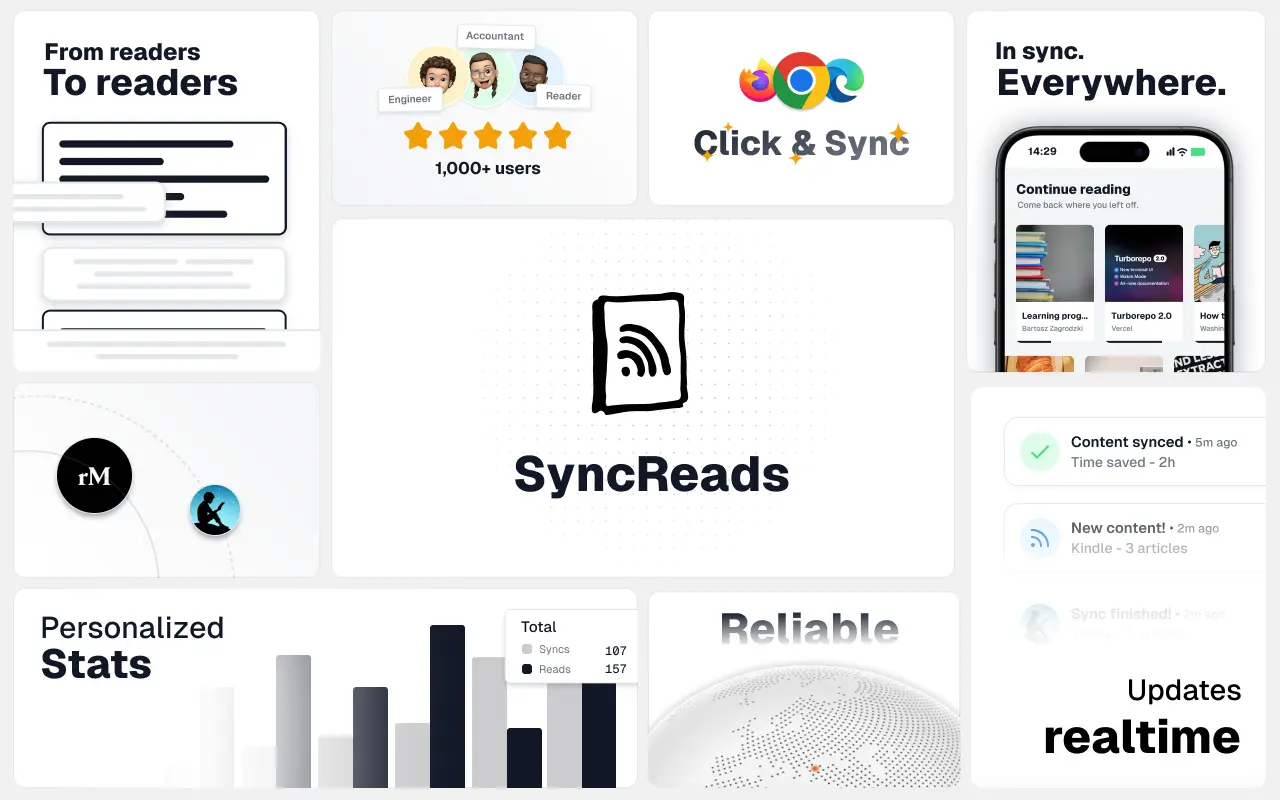
SyncReads
Sync your favorite content for distraction-free reading, save time and replace multiple apps. Anytime, anywhere 🔄
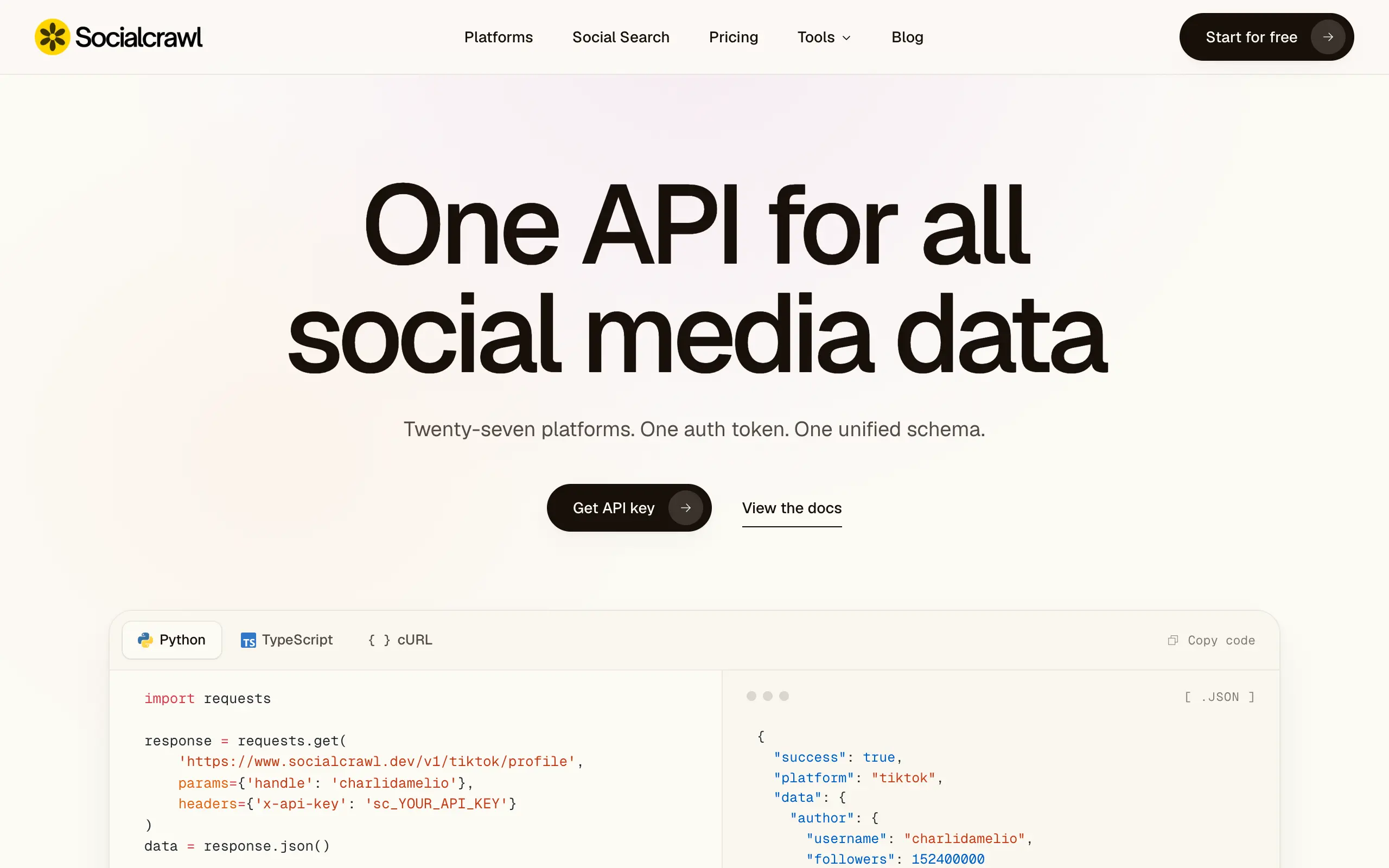
Socialcrawl
Get clean, structured data from 21 platforms like TikTok, Instagram, and YouTube with a single request 📊
Statiko
Monitor any Telegram channel in real time - track posts, edits, deletions, and growth with AI recaps 📡
Shibui
AI website builder - describe your business, pick a niche template, edit by chatting, and publish instantly ✨
Pro Service
Find verified home service professionals, compare quotes, and pay securely through escrow - built for Brazilians across the US 🏠
RankGrow
Fix your SEO with AI agents - connect Search Console, get prioritized tasks, and grow organic traffic 📈
SyncReads
Sync your favorite content for distraction-free reading, save time and replace multiple apps. Anytime, anywhere 🔄
Socialcrawl
Get clean, structured data from 21 platforms like TikTok, Instagram, and YouTube with a single request 📊
Statiko
Monitor any Telegram channel in real time - track posts, edits, deletions, and growth with AI recaps 📡
Shibui
AI website builder - describe your business, pick a niche template, edit by chatting, and publish instantly ✨
Pro Service
Find verified home service professionals, compare quotes, and pay securely through escrow - built for Brazilians across the US 🏠
RankGrow
Fix your SEO with AI agents - connect Search Console, get prioritized tasks, and grow organic traffic 📈
SyncReads
Sync your favorite content for distraction-free reading, save time and replace multiple apps. Anytime, anywhere 🔄
Socialcrawl
Get clean, structured data from 21 platforms like TikTok, Instagram, and YouTube with a single request 📊
Statiko
Monitor any Telegram channel in real time - track posts, edits, deletions, and growth with AI recaps 📡
Shibui
AI website builder - describe your business, pick a niche template, edit by chatting, and publish instantly ✨
Pro Service
Find verified home service professionals, compare quotes, and pay securely through escrow - built for Brazilians across the US 🏠
RankGrow
Fix your SEO with AI agents - connect Search Console, get prioritized tasks, and grow organic traffic 📈
SyncReads
Sync your favorite content for distraction-free reading, save time and replace multiple apps. Anytime, anywhere 🔄
Socialcrawl
Get clean, structured data from 21 platforms like TikTok, Instagram, and YouTube with a single request 📊
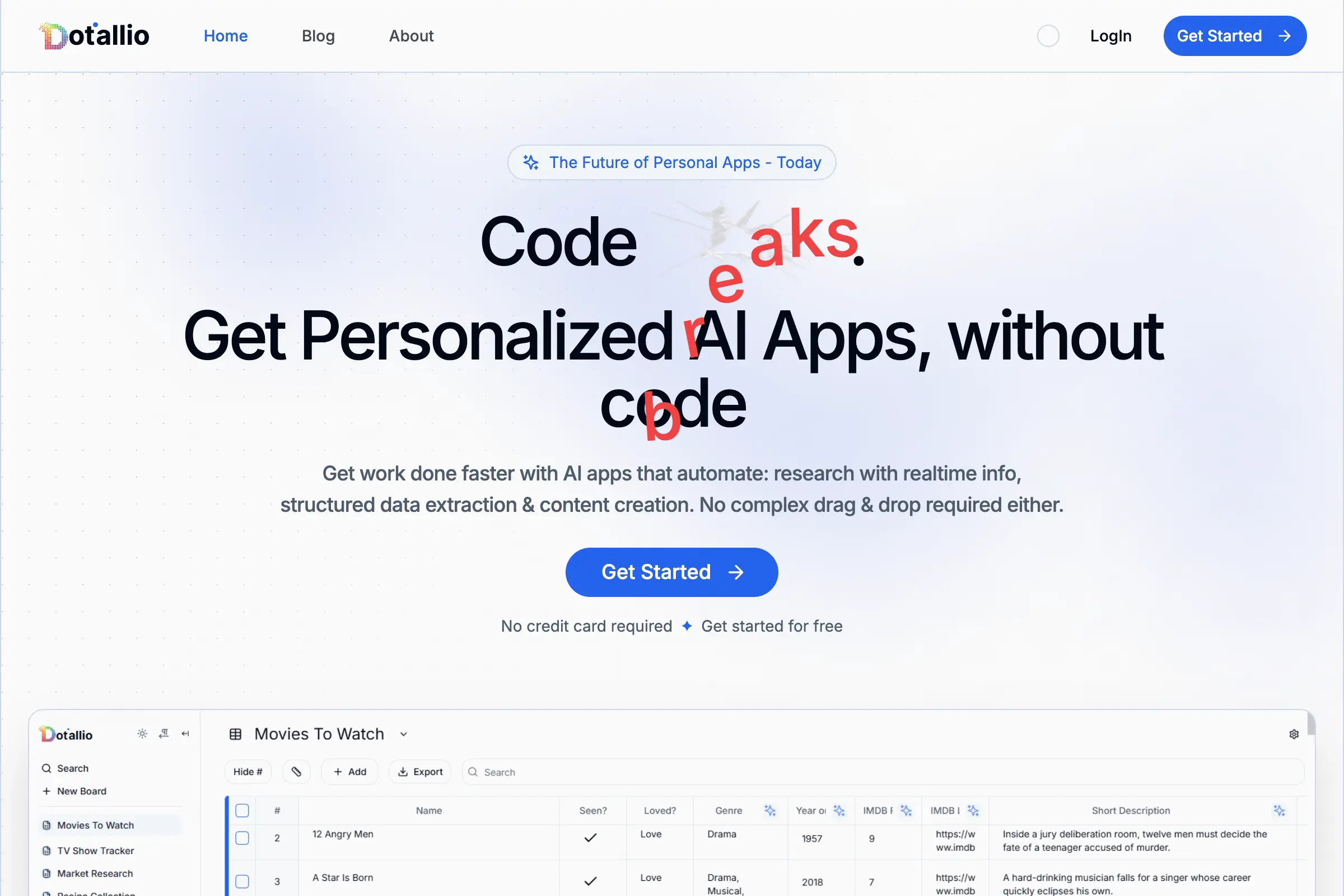
Dotallio
Personalized AI apps that automate research, data extraction, and content creation without code 🤖

Talk to Santa
Enjoy a magical live video chat or receive a unique AI-generated video greeting from Santa Claus 🎅
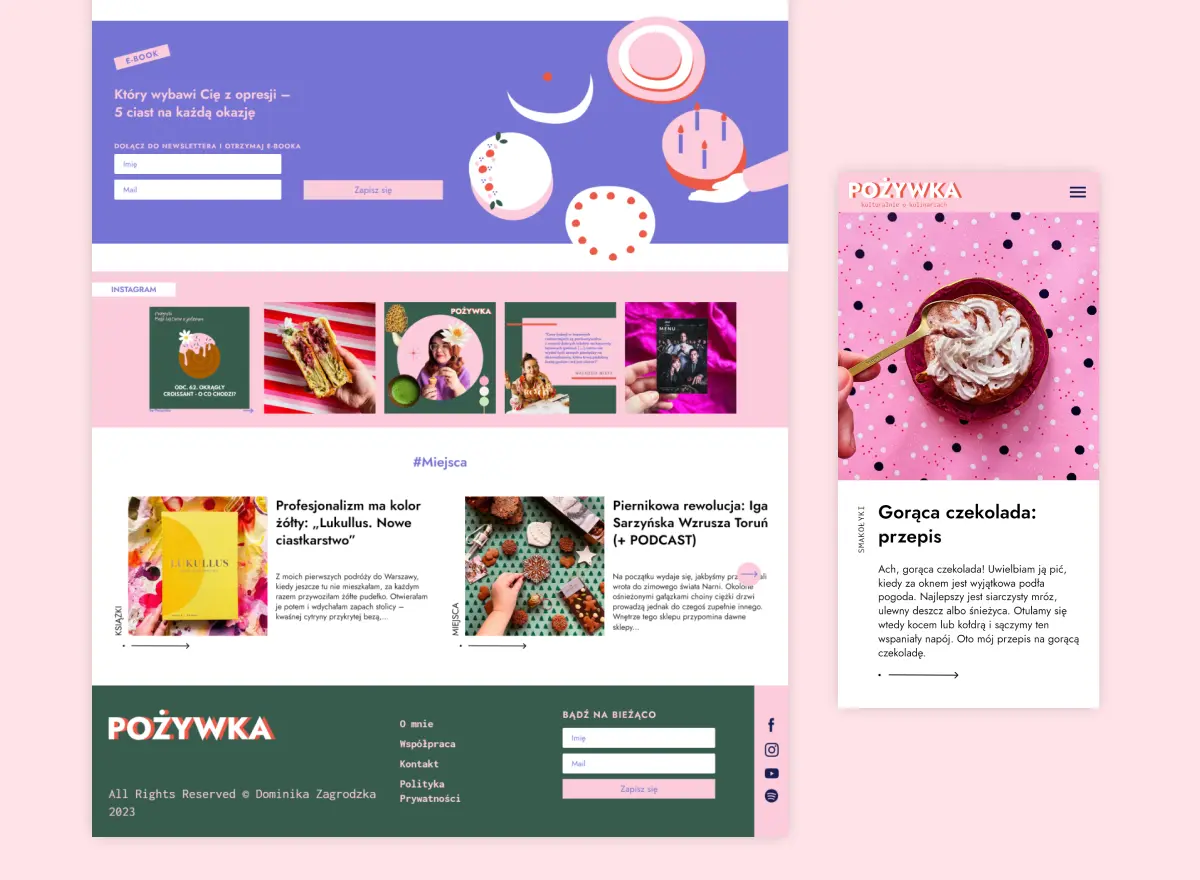
pozywka.pl
Scalable blog for food journalist, focused on performance and user experience 🌭
zagrodzki.me
Personal blog and portfolio of Bart Zagrodzki, where he shares his knowledge and work 💼
TurboStarter
Ship your startup everywhere. In minutes.
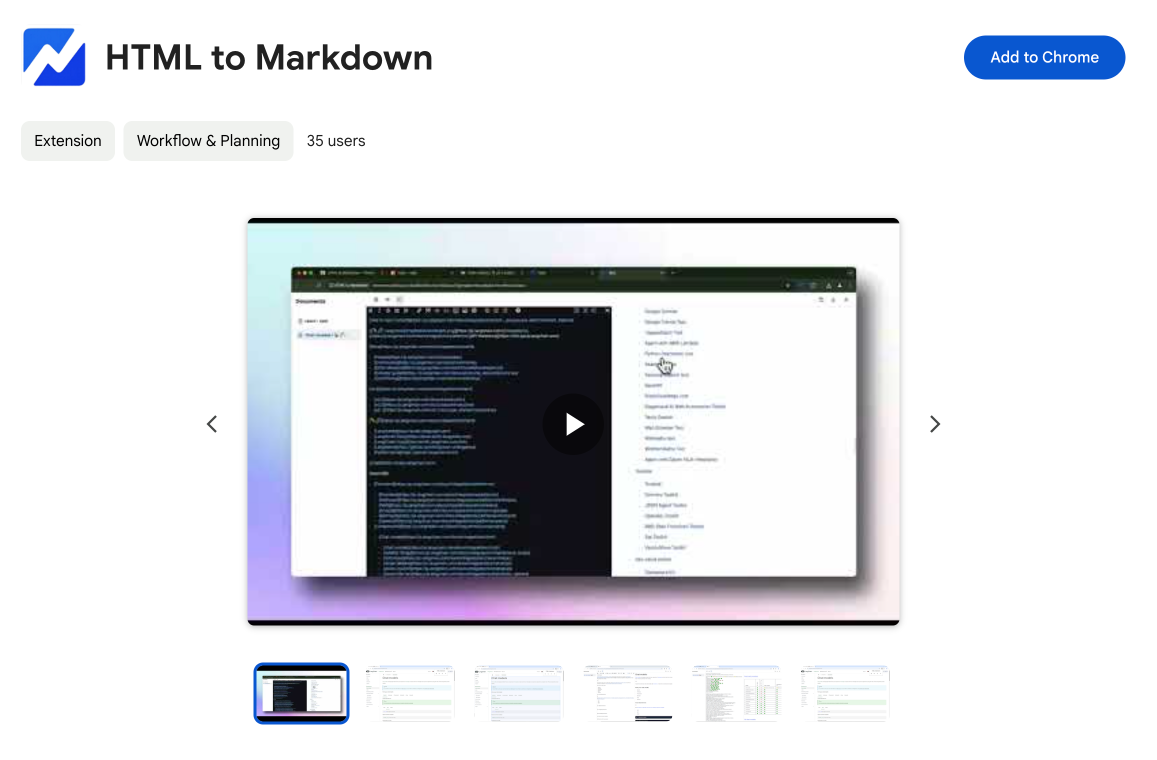
HTML to Markdown
Convert HTML to Markdown with ease, directly in your browser 📄
Dotallio
Personalized AI apps that automate research, data extraction, and content creation without code 🤖
Talk to Santa
Enjoy a magical live video chat or receive a unique AI-generated video greeting from Santa Claus 🎅
pozywka.pl
Scalable blog for food journalist, focused on performance and user experience 🌭
zagrodzki.me
Personal blog and portfolio of Bart Zagrodzki, where he shares his knowledge and work 💼
TurboStarter
Ship your startup everywhere. In minutes.
HTML to Markdown
Convert HTML to Markdown with ease, directly in your browser 📄
Dotallio
Personalized AI apps that automate research, data extraction, and content creation without code 🤖
Talk to Santa
Enjoy a magical live video chat or receive a unique AI-generated video greeting from Santa Claus 🎅
pozywka.pl
Scalable blog for food journalist, focused on performance and user experience 🌭
zagrodzki.me
Personal blog and portfolio of Bart Zagrodzki, where he shares his knowledge and work 💼
TurboStarter
Ship your startup everywhere. In minutes.
HTML to Markdown
Convert HTML to Markdown with ease, directly in your browser 📄
Dotallio
Personalized AI apps that automate research, data extraction, and content creation without code 🤖
Talk to Santa
Enjoy a magical live video chat or receive a unique AI-generated video greeting from Santa Claus 🎅
pozywka.pl
Scalable blog for food journalist, focused on performance and user experience 🌭
zagrodzki.me
Personal blog and portfolio of Bart Zagrodzki, where he shares his knowledge and work 💼
TurboStarter
Ship your startup everywhere. In minutes.
HTML to Markdown
Convert HTML to Markdown with ease, directly in your browser 📄
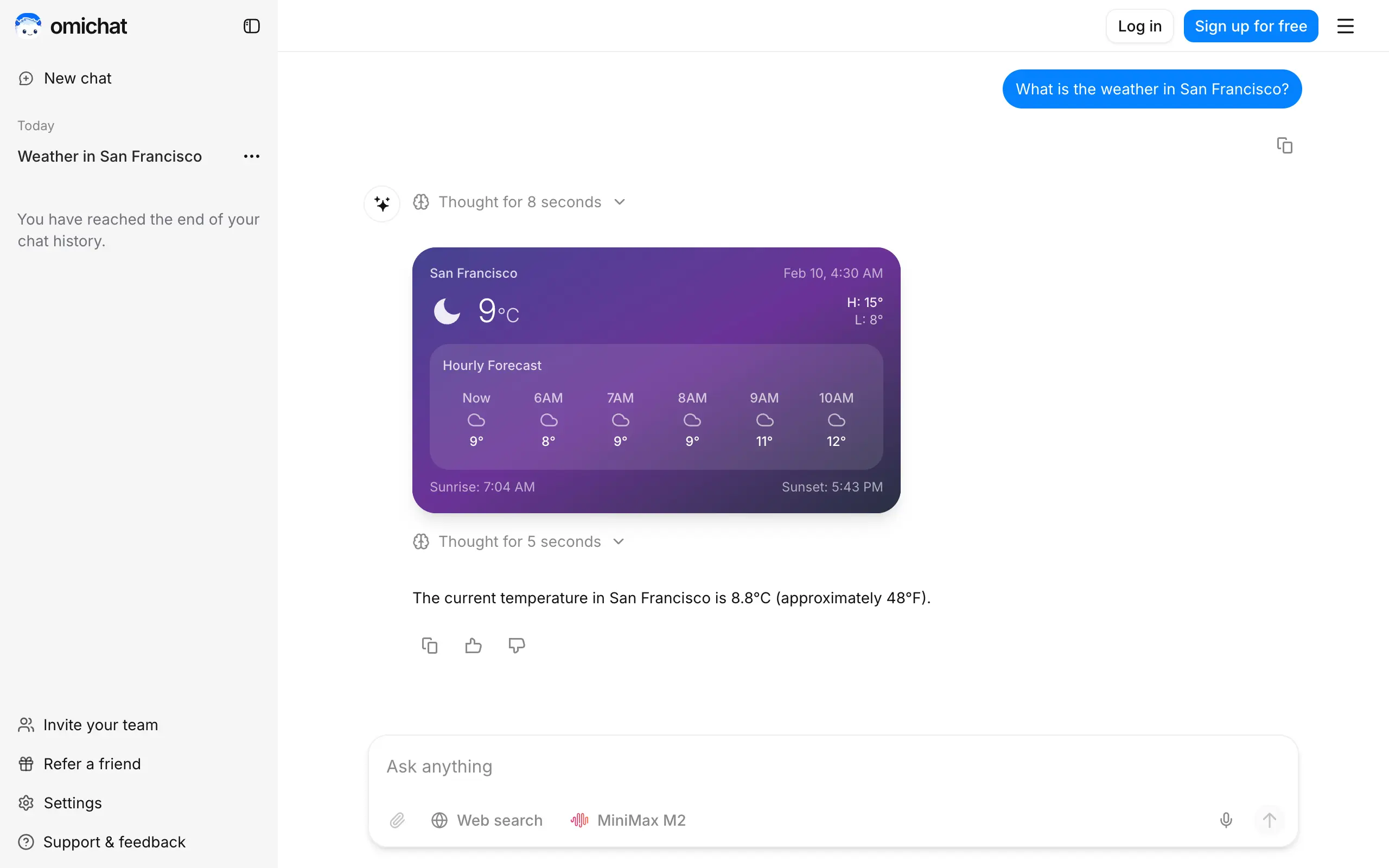
Omichat
Chat with 50+ AI models, including ChatGPT and Claude, in one place - switch models anytime without losing context 🤖
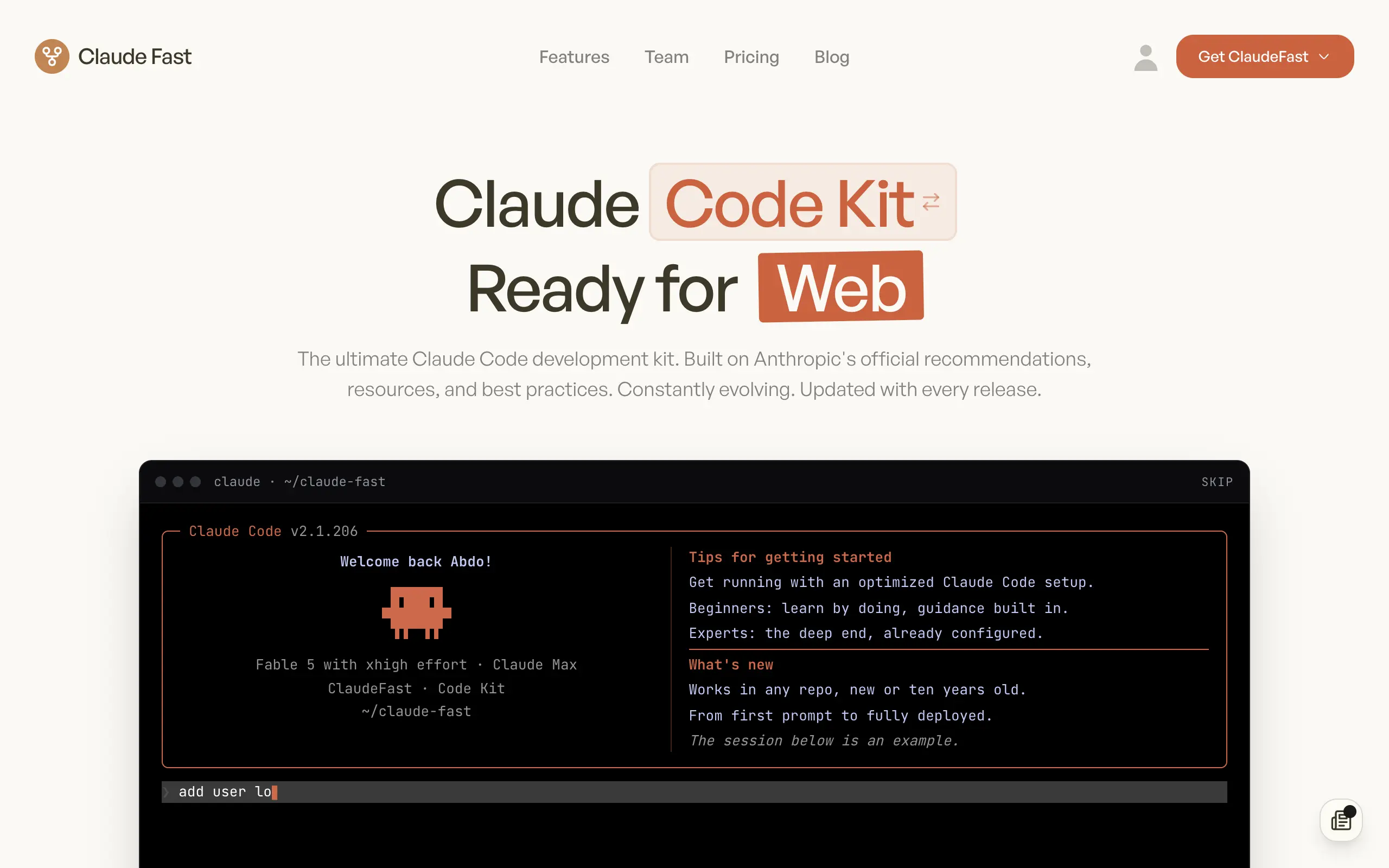
Claude Fast
Supercharge your Claude Code with 6x effective context window and specialized AI agents 🤖
EmojAI
AI-powered emoji picker with smart, context-aware suggestions 🤖
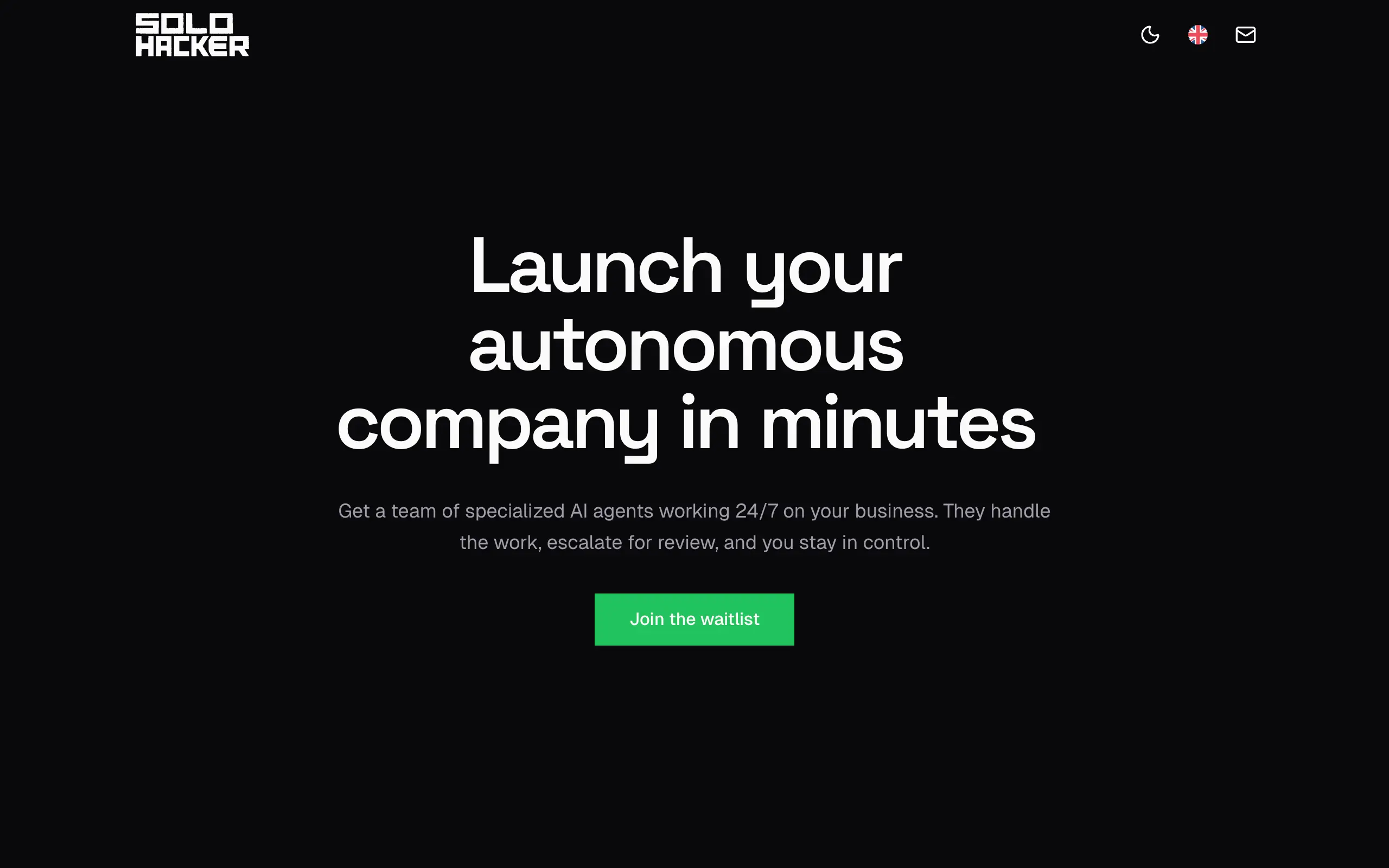
Solohacker
Autonomous company launcher - AI agents work 24/7, escalate what matters, and you stay in control 🤖
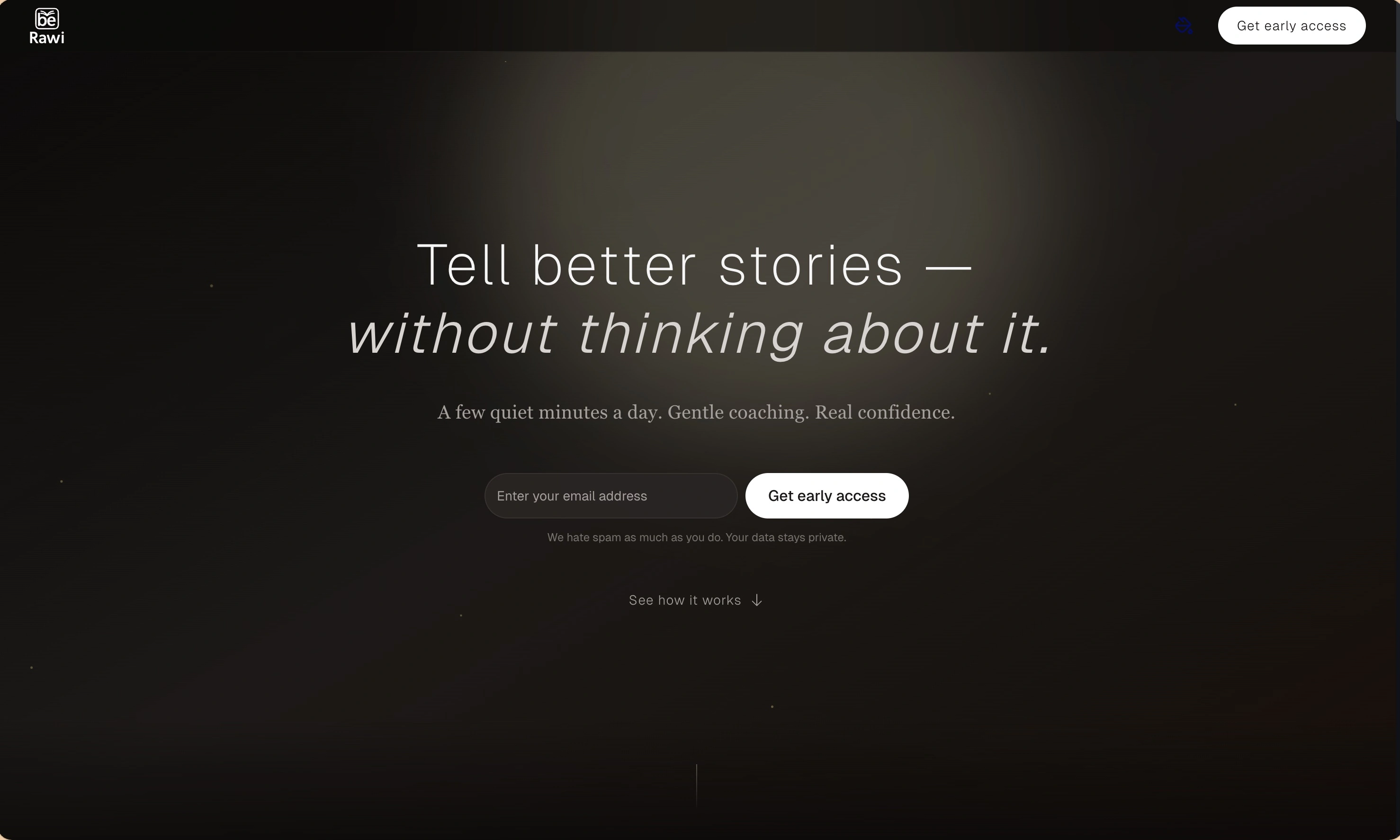
BeRawi: Storytelling Coach
Practice storytelling daily with instant feedback to sound clearer, more engaging, and confident 🎤
Omichat
Chat with 50+ AI models, including ChatGPT and Claude, in one place - switch models anytime without losing context 🤖
Claude Fast
Supercharge your Claude Code with 6x effective context window and specialized AI agents 🤖
EmojAI
AI-powered emoji picker with smart, context-aware suggestions 🤖
Solohacker
Autonomous company launcher - AI agents work 24/7, escalate what matters, and you stay in control 🤖
BeRawi: Storytelling Coach
Practice storytelling daily with instant feedback to sound clearer, more engaging, and confident 🎤
Omichat
Chat with 50+ AI models, including ChatGPT and Claude, in one place - switch models anytime without losing context 🤖
Claude Fast
Supercharge your Claude Code with 6x effective context window and specialized AI agents 🤖
EmojAI
AI-powered emoji picker with smart, context-aware suggestions 🤖
Solohacker
Autonomous company launcher - AI agents work 24/7, escalate what matters, and you stay in control 🤖
BeRawi: Storytelling Coach
Practice storytelling daily with instant feedback to sound clearer, more engaging, and confident 🎤
Omichat
Chat with 50+ AI models, including ChatGPT and Claude, in one place - switch models anytime without losing context 🤖
Claude Fast
Supercharge your Claude Code with 6x effective context window and specialized AI agents 🤖
EmojAI
AI-powered emoji picker with smart, context-aware suggestions 🤖
Solohacker
Autonomous company launcher - AI agents work 24/7, escalate what matters, and you stay in control 🤖
BeRawi: Storytelling Coach
Practice storytelling daily with instant feedback to sound clearer, more engaging, and confident 🎤

Connect with like-minded people
Join our community to get feedback, support, and grow together with 1,000+ builders on board, let's ship it!
Join usShip your startup everywhere. In minutes.
Don't burn tokens on setup and start building features on day one.