ReputationCommand
Real-time global reputation command center that predicts, prevents, and neutralizes media, legal, and social threats before they damage elite personal brands.
The rise of AI-powered reputation management for elite personal brands
In a hyper-connected world where a single post can move markets, destroy careers, or trigger regulatory scrutiny, real-time reputation management is no longer a reactive PR function — it’s a strategic command operation.
High-net-worth individuals, CEOs, public figures, athletes, investors, and political leaders operate under permanent digital surveillance. News cycles move in minutes. Social media amplifies rumors instantly. AI-generated misinformation spreads at unprecedented speed.
This is where an AI-powered global reputation command center becomes mission-critical.
ReputationCommand is positioned as a predictive, preventive, and defensive AI system that monitors, analyzes, and neutralizes threats across media, legal, and social channels — before they escalate into crises.
This article explores the full strategic opportunity behind building an AI reputation management SaaS like ReputationCommand, including:
- Target audience analysis
- Market gaps and opportunity validation
- Core feature architecture
- Recommended AI and tech stack
- Monetization strategies
- Competitive landscape
- Risk analysis
- Step-by-step implementation roadmap
Why real-time reputation intelligence is now mission-critical
The digital threat landscape has changed
Several macro trends have transformed reputation risk:
- AI-generated misinformation (deepfakes, synthetic voice, fabricated articles)
- Algorithm-driven outrage amplification
- Decentralized media ecosystems (Substack, podcasts, influencers)
- Cross-border legal exposure
- Permanent digital memory
According to widely cited reports from firms like Edelman and PwC, brand trust and executive credibility directly influence enterprise value, investor confidence, and regulatory exposure. Public perception now impacts:
- Stock price volatility
- Board stability
- Investor relations
- Partnership negotiations
- Regulatory scrutiny
- Personal safety
Traditional PR monitoring tools focus on mentions. They don’t predict escalation patterns.
That’s the opportunity.
Target audience analysis: who needs a reputation command center?
ReputationCommand targets a premium segment. This is not a mass-market SaaS.
Primary customer segments
Ultra-high-net-worth individuals (UHNWIs)
Family offices, global investors, public-facing entrepreneurs who require proactive threat detection.
Fortune 500 CEOs & founders
Executives whose personal reputation directly impacts shareholder value.
Political figures & diplomats
Leaders vulnerable to coordinated disinformation campaigns.
Elite athletes & entertainers
Public figures exposed to viral controversies and contract risks.
Family offices & private equity firms
Firms needing portfolio-level reputation oversight.
Buyer persona breakdown
The actual economic buyer is typically:
- Chief of Staff
- Head of Communications
- General Counsel
- Private security advisor
- Family office CIO
They care about:
- Early detection
- Discretion
- Legal defensibility
- Escalation workflows
- Confidentiality
This is a high-ACV, low-volume SaaS model.
Market opportunity and gap analysis
Existing solutions fall into four categories
Platforms that track mentions but lack predictive analytics or threat modeling.
Reactive services engaged after damage occurs.
High-cost retainers focused on damage control, not prevention.
Security-focused intelligence tools that lack brand context and PR workflows.
The gap
There is no unified platform that:
- Predicts escalation probability
- Detects coordinated attack patterns
- Integrates legal risk modeling
- Provides real-time countermeasure workflows
- Uses AI to simulate media narratives before they spread
This is where an AI reputation command center differentiates itself.
Core features of an AI reputation command center
To truly deliver predictive reputation intelligence, ReputationCommand must go beyond monitoring.
1. Real-time global monitoring engine
Sources should include:
- News APIs
- Social platforms (X, LinkedIn, Instagram, TikTok where accessible)
- Blogs and forums
- Podcasts (via transcription)
- Legal filings
- Dark web signals (where legally permissible)
2. AI-powered threat prediction model
Using NLP and machine learning:
- Sentiment velocity analysis
- Narrative clustering
- Virality forecasting
- Influencer amplification modeling
- Bot network detection
Example conceptual scoring model:
interface ThreatScore {
  sentimentVelocity: number; // rate of negative change
  influencerReach: number;   // weighted audience size
  legalRiskFactor: number;   // regulatory exposure score
  coordinationProbability: number; // bot/organized activity
}

function calculateThreatLevel(score: ThreatScore): number {
  return (
    score.sentimentVelocity * 0.3 +
    score.influencerReach * 0.25 +
    score.legalRiskFactor * 0.25 +
    score.coordinationProbability * 0.2
  );
}
This enables automated escalation tiers.
3. Escalation command center dashboard
The UI must feel like a mission control interface, not a marketing dashboard.
Key modules:
- Live threat map (geographic clustering)
- Escalation timeline
- Legal exposure alerts
- AI-generated response drafts
- Secure internal chat for rapid coordination
4. Legal and regulatory risk integration
This is a critical differentiator.
Features:
- SEC filing monitoring
- Litigation tracking
- Regulatory keyword alerts
- Cross-border jurisdiction flags
5. Countermeasure automation
Instead of simply alerting, the platform can:
- Generate holding statements
- Draft media responses
- Suggest influencer counter-narrative strategies
- Recommend legal escalation paths
- Trigger takedown workflows
6. Deepfake and synthetic media detection
With AI-generated media rising, reputation protection must include:
- Facial recognition anomaly detection
- Voiceprint validation
- Reverse media lookup
- AI watermark detection
This capability alone could justify premium pricing.
Competitive advantage: what makes ReputationCommand defensible?
| Feature | Traditional Monitoring | PR Agency | Security Firm | ReputationCommand |
|---|---|---|---|---|
| Predictive AI modeling | ❌ | ❌ | ❌ | ✅ |
| Legal integration | ❌ | ✅ | ✅ | ✅ |
| Real-time dashboard | ✅ | ❌ | ✅ | ✅ |
| Automated countermeasures | ❌ | ❌ | ❌ | ✅ |
The moat comes from:
- Proprietary threat modeling data
- Historical narrative pattern learning
- High switching costs
- Trust relationships
- Integration with legal counsel workflows
Recommended tech stack for building ReputationCommand
A high-security AI SaaS demands scalability and reliability.
Frontend
- React for dynamic dashboard UI
- TailwindCSS for rapid styling
- Real-time updates via WebSockets
Backend
- Node.js with TypeScript
- Event-driven architecture
- GraphQL for flexible data queries
AI & data layer
- Python microservices for NLP
- Transformer models (BERT/GPT-class models)
- Vector databases for narrative clustering
- Real-time stream processing (Kafka or equivalent)
Infrastructure
- Multi-region cloud deployment
- End-to-end encryption
- Zero-trust architecture
- Role-based access control
Development acceleration
Using a SaaS starter framework like TurboStarter can significantly reduce time-to-market for:
- Authentication
- Billing
- Role management
- Admin panels
This allows founders to focus on AI differentiation instead of infrastructure basics.
Monetization strategy for a premium AI reputation SaaS
This is not a $29/month tool.
Pricing tiers
Additional revenue streams
- Incident-based surge pricing
- Legal partner referral fees
- Custom AI model training
- Private intelligence briefings
- API access for security firms
High-touch onboarding increases lifetime value and defensibility.
Risk analysis and mitigation
Risk 1: Legal liability
Mitigation:
- Clear disclaimers
- Human oversight in escalation
- Compliance audits
Risk 2: Data privacy concerns
Mitigation:
- SOC 2 compliance
- Encryption
- Transparent data policies
Risk 3: False positives
Mitigation:
- Human-in-the-loop verification
- Confidence scoring transparency
Critical operational consideration
A reputation platform must never amplify threats unintentionally. Alert design must avoid unnecessary panic or internal leaks.
Go-to-market strategy for elite clientele
Mass marketing won’t work.
Recommended GTM approach
- Private referrals
- Executive roundtables
- Partnerships with law firms
- Strategic PR alliances
- Private security networks
Brand positioning must emphasize:
- Discretion
- Intelligence-grade AI
- Preventive capability
- Confidentiality
Implementation roadmap
The long-term vision: autonomous reputation defense
In the next 5 years, AI-driven misinformation will escalate.
The future of AI reputation management includes:
- Autonomous counter-narrative deployment
- AI agent media negotiation
- Cross-platform suppression coordination
- Predictive geopolitical risk modeling
ReputationCommand can evolve from a monitoring system into a reputation defense operating system.
Why this SaaS idea has high defensibility and upside
- High willingness to pay
- Increasing global threat surface
- Strong enterprise stickiness
- Deep data moat
- Cross-industry demand
The total addressable market includes:
- 50,000+ global UHNWIs
- 10,000+ publicly exposed executives
- Thousands of political leaders
- Global entertainment and sports elites
Even a small penetration rate creates a substantial revenue base.
Final thoughts: building the future of AI reputation protection
Reputation is no longer managed. It is defended.
An AI-powered reputation command center shifts the paradigm from:
- Reactive PR
to - Predictive intelligence
For founders considering building ReputationCommand:
- Focus on trust before scale
- Build AI differentiation early
- Design for discretion
- Prioritize predictive accuracy over feature volume
The convergence of AI, media fragmentation, and digital volatility makes this one of the most strategically important SaaS categories emerging today.
If executed correctly, ReputationCommand could become the operating system for elite personal brand protection in the AI era.
Next steps for founders
If you're serious about building a high-ticket AI SaaS like this:
- Conduct deep market validation interviews.
- Map the full threat lifecycle.
- Build a narrow but powerful MVP.
- Secure pilot clients before expanding.
- Invest heavily in AI differentiation.
Then scale carefully.
The window of opportunity is open — but only for teams capable of building trust, intelligence-grade AI, and enterprise-level reliability.
More 🤖 AI Startup SaaS ideas
Discover more innovative ai startup SaaS ideas that are trending in 2026. Each idea is AI-generated with market validation and growth potential to help you find your next profitable venture faster than competitors.
Your competitors are building with TurboStarter
Below are some of the SaaS ideas that have been generated and built with our starter kit.

Statiko
Monitor any Telegram channel in real time - track posts, edits, deletions, and growth with AI recaps 📡

Shibui
AI website builder - describe your business, pick a niche template, edit by chatting, and publish instantly ✨

Pro Service
Find verified home service professionals, compare quotes, and pay securely through escrow - built for Brazilians across the US 🏠
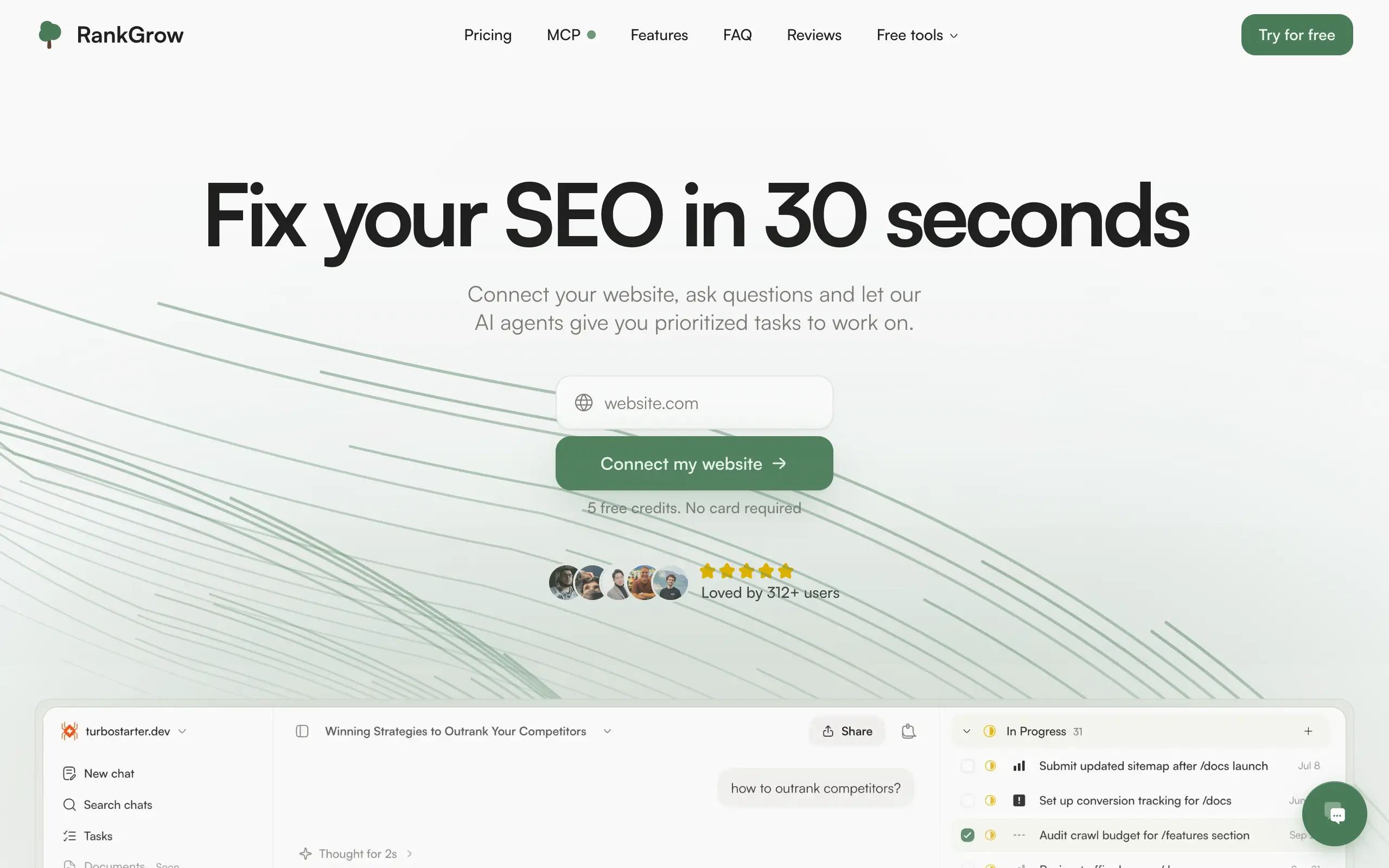
RankGrow
Fix your SEO with AI agents - connect Search Console, get prioritized tasks, and grow organic traffic 📈
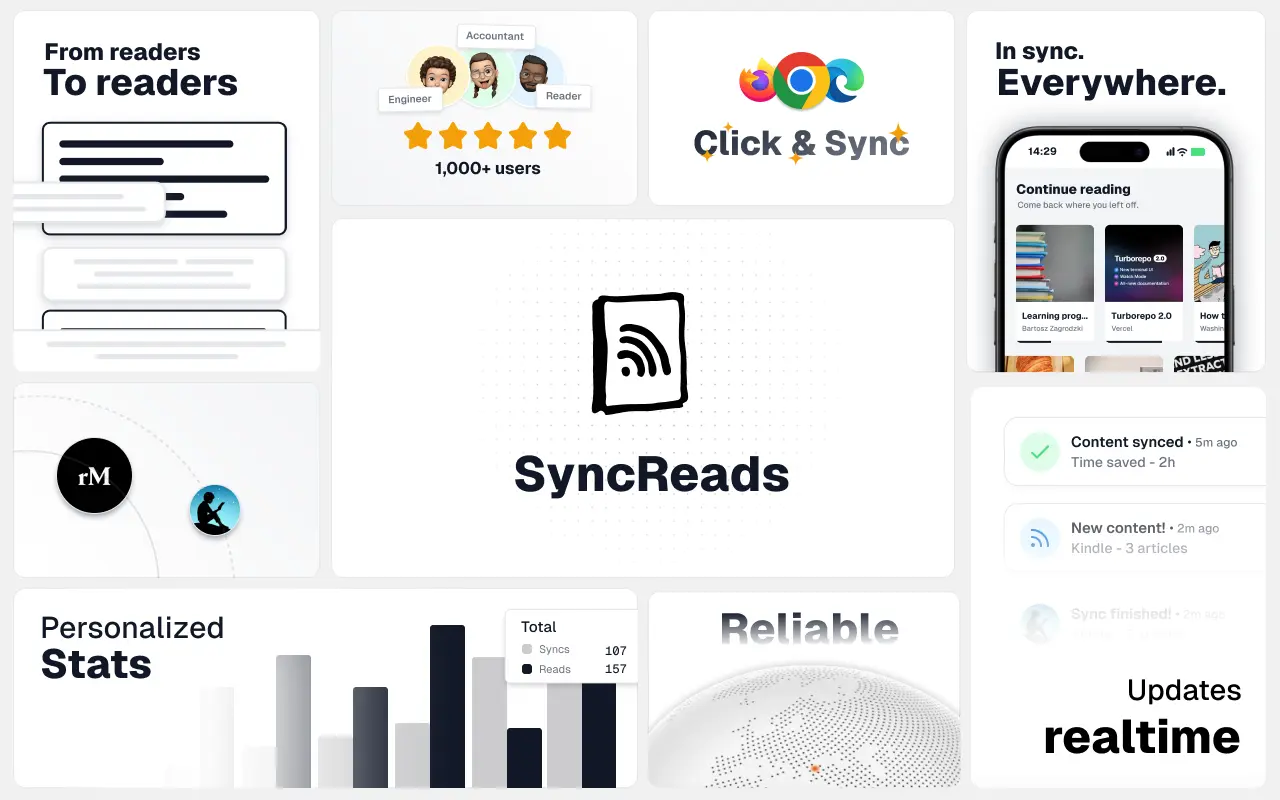
SyncReads
Sync your favorite content for distraction-free reading, save time and replace multiple apps. Anytime, anywhere 🔄
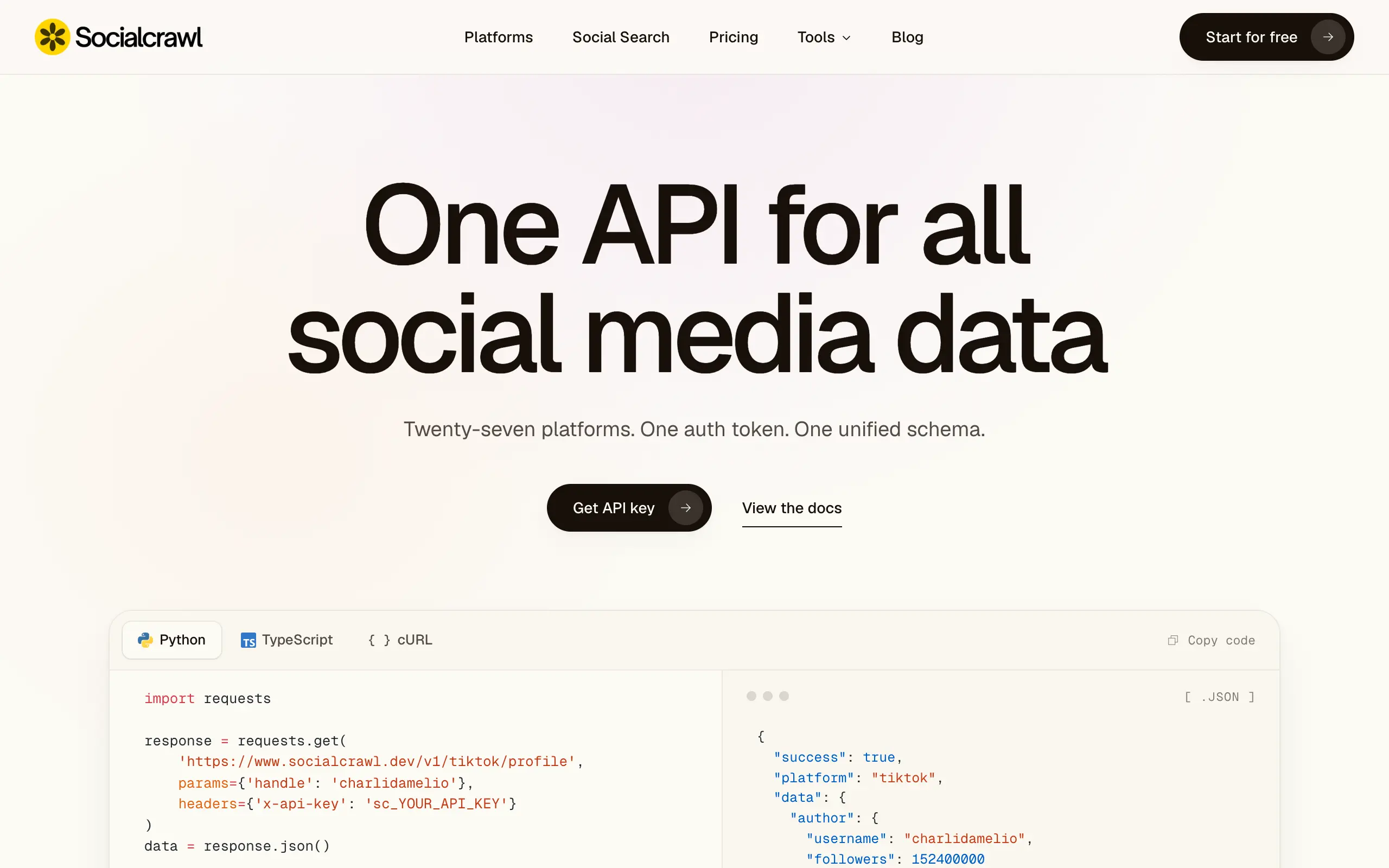
Socialcrawl
Get clean, structured data from 21 platforms like TikTok, Instagram, and YouTube with a single request 📊
Statiko
Monitor any Telegram channel in real time - track posts, edits, deletions, and growth with AI recaps 📡
Shibui
AI website builder - describe your business, pick a niche template, edit by chatting, and publish instantly ✨
Pro Service
Find verified home service professionals, compare quotes, and pay securely through escrow - built for Brazilians across the US 🏠
RankGrow
Fix your SEO with AI agents - connect Search Console, get prioritized tasks, and grow organic traffic 📈
SyncReads
Sync your favorite content for distraction-free reading, save time and replace multiple apps. Anytime, anywhere 🔄
Socialcrawl
Get clean, structured data from 21 platforms like TikTok, Instagram, and YouTube with a single request 📊
Statiko
Monitor any Telegram channel in real time - track posts, edits, deletions, and growth with AI recaps 📡
Shibui
AI website builder - describe your business, pick a niche template, edit by chatting, and publish instantly ✨
Pro Service
Find verified home service professionals, compare quotes, and pay securely through escrow - built for Brazilians across the US 🏠
RankGrow
Fix your SEO with AI agents - connect Search Console, get prioritized tasks, and grow organic traffic 📈
SyncReads
Sync your favorite content for distraction-free reading, save time and replace multiple apps. Anytime, anywhere 🔄
Socialcrawl
Get clean, structured data from 21 platforms like TikTok, Instagram, and YouTube with a single request 📊
Statiko
Monitor any Telegram channel in real time - track posts, edits, deletions, and growth with AI recaps 📡
Shibui
AI website builder - describe your business, pick a niche template, edit by chatting, and publish instantly ✨
Pro Service
Find verified home service professionals, compare quotes, and pay securely through escrow - built for Brazilians across the US 🏠
RankGrow
Fix your SEO with AI agents - connect Search Console, get prioritized tasks, and grow organic traffic 📈
SyncReads
Sync your favorite content for distraction-free reading, save time and replace multiple apps. Anytime, anywhere 🔄
Socialcrawl
Get clean, structured data from 21 platforms like TikTok, Instagram, and YouTube with a single request 📊
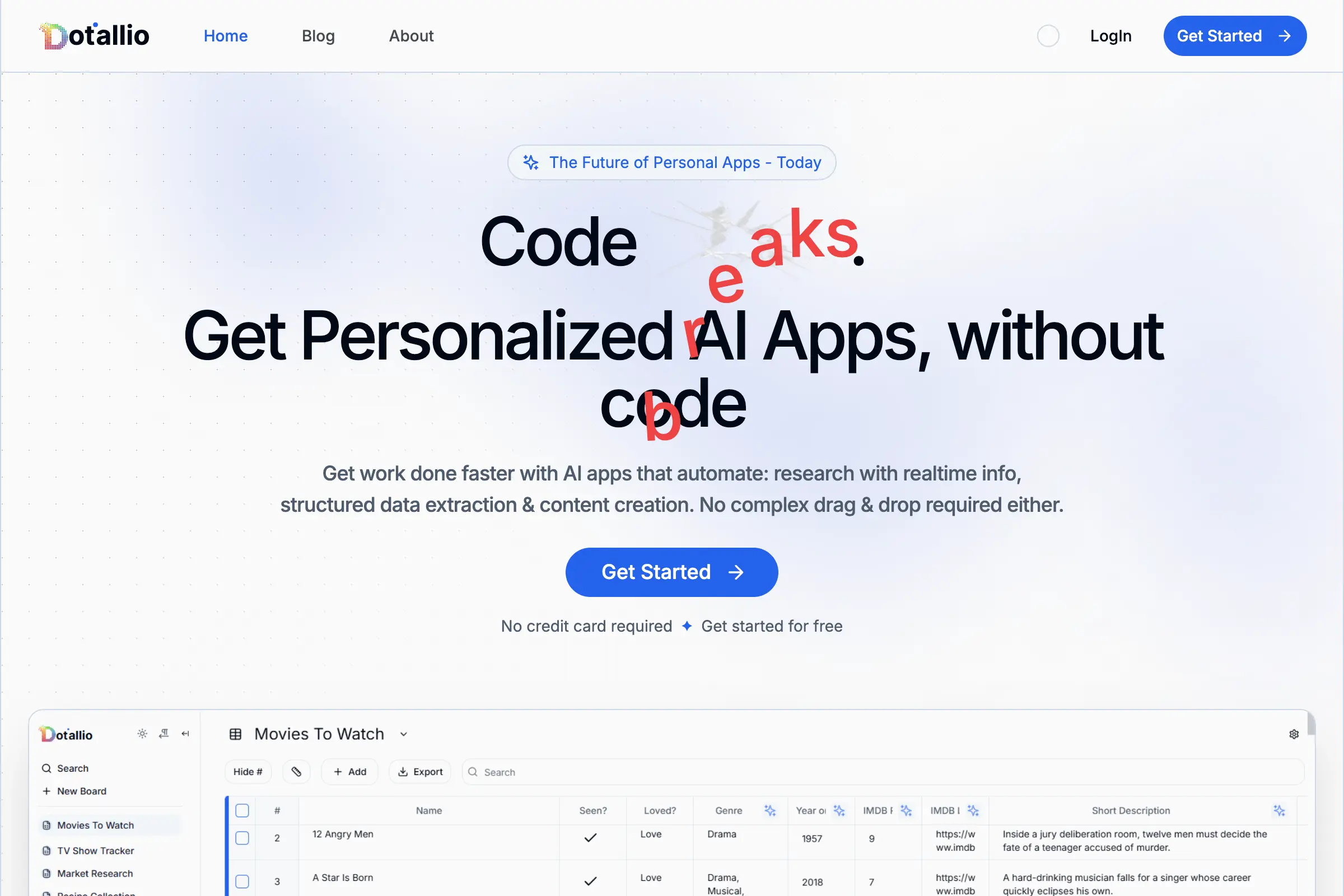
Dotallio
Personalized AI apps that automate research, data extraction, and content creation without code 🤖

Talk to Santa
Enjoy a magical live video chat or receive a unique AI-generated video greeting from Santa Claus 🎅

pozywka.pl
Scalable blog for food journalist, focused on performance and user experience 🌭
zagrodzki.me
Personal blog and portfolio of Bart Zagrodzki, where he shares his knowledge and work 💼
TurboStarter
Ship your startup everywhere. In minutes.
HTML to Markdown
Convert HTML to Markdown with ease, directly in your browser 📄
Dotallio
Personalized AI apps that automate research, data extraction, and content creation without code 🤖
Talk to Santa
Enjoy a magical live video chat or receive a unique AI-generated video greeting from Santa Claus 🎅
pozywka.pl
Scalable blog for food journalist, focused on performance and user experience 🌭
zagrodzki.me
Personal blog and portfolio of Bart Zagrodzki, where he shares his knowledge and work 💼
TurboStarter
Ship your startup everywhere. In minutes.
HTML to Markdown
Convert HTML to Markdown with ease, directly in your browser 📄
Dotallio
Personalized AI apps that automate research, data extraction, and content creation without code 🤖
Talk to Santa
Enjoy a magical live video chat or receive a unique AI-generated video greeting from Santa Claus 🎅
pozywka.pl
Scalable blog for food journalist, focused on performance and user experience 🌭
zagrodzki.me
Personal blog and portfolio of Bart Zagrodzki, where he shares his knowledge and work 💼
TurboStarter
Ship your startup everywhere. In minutes.
HTML to Markdown
Convert HTML to Markdown with ease, directly in your browser 📄
Dotallio
Personalized AI apps that automate research, data extraction, and content creation without code 🤖
Talk to Santa
Enjoy a magical live video chat or receive a unique AI-generated video greeting from Santa Claus 🎅
pozywka.pl
Scalable blog for food journalist, focused on performance and user experience 🌭
zagrodzki.me
Personal blog and portfolio of Bart Zagrodzki, where he shares his knowledge and work 💼
TurboStarter
Ship your startup everywhere. In minutes.
HTML to Markdown
Convert HTML to Markdown with ease, directly in your browser 📄
Omichat
Chat with 50+ AI models, including ChatGPT and Claude, in one place - switch models anytime without losing context 🤖
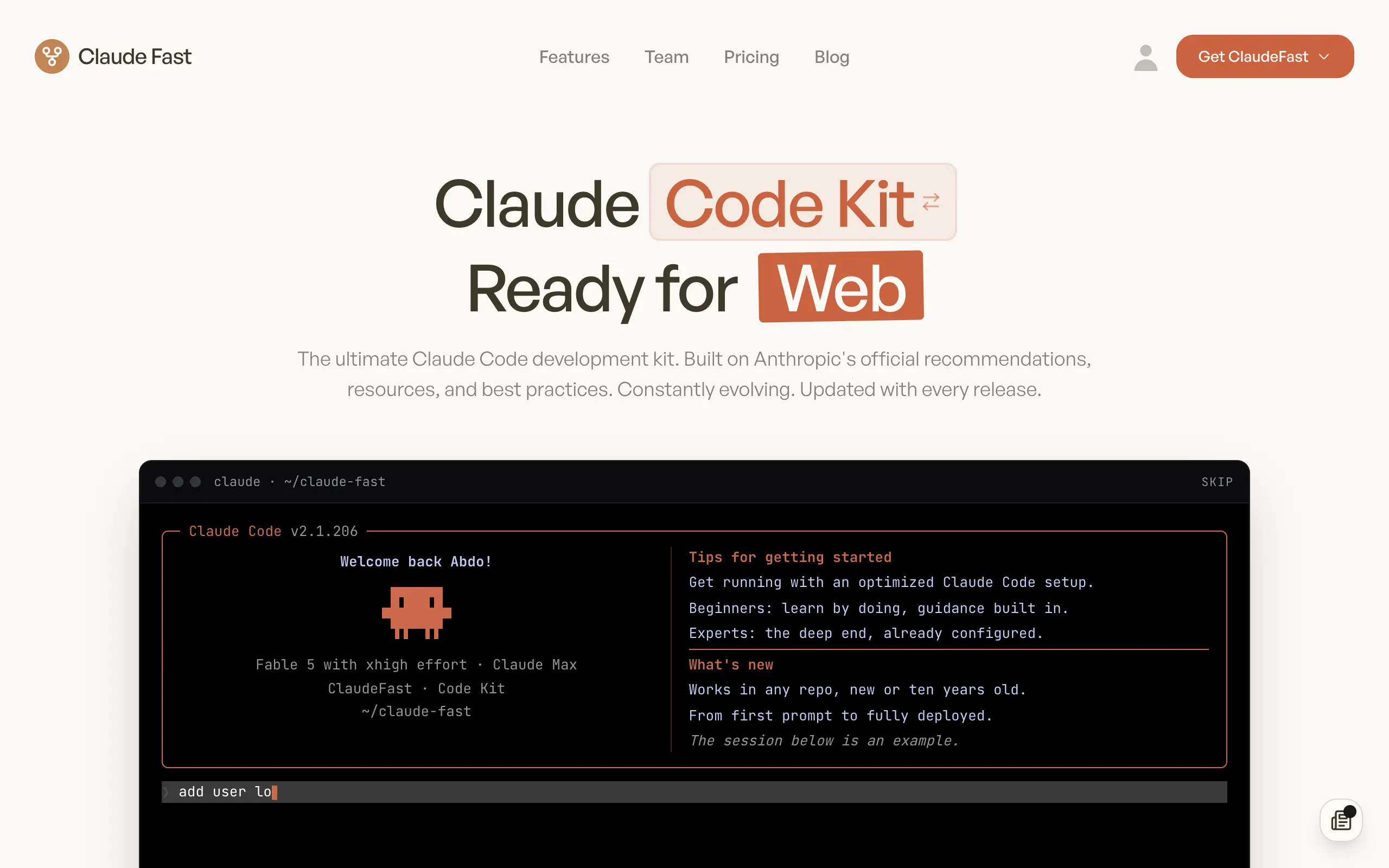
Claude Fast
Supercharge your Claude Code with 6x effective context window and specialized AI agents 🤖
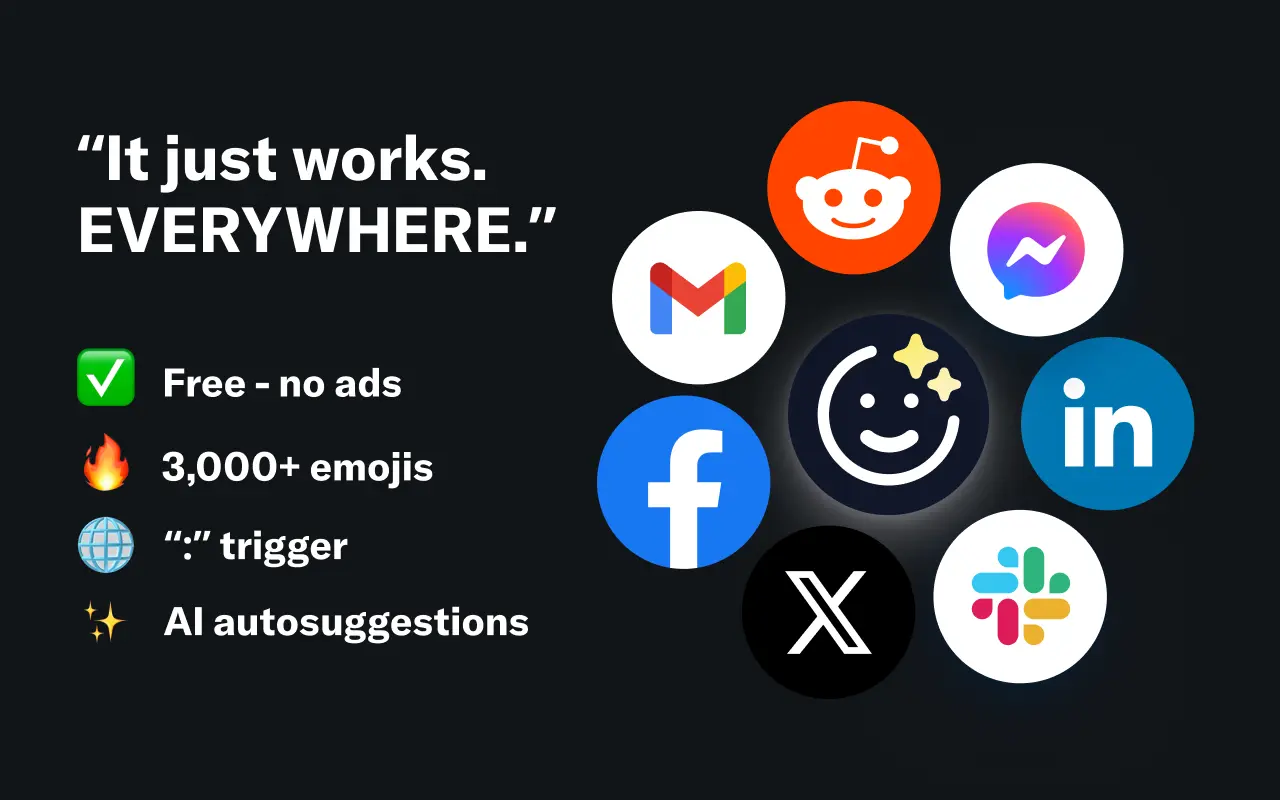
EmojAI
AI-powered emoji picker with smart, context-aware suggestions 🤖

Solohacker
Autonomous company launcher - AI agents work 24/7, escalate what matters, and you stay in control 🤖

BeRawi: Storytelling Coach
Practice storytelling daily with instant feedback to sound clearer, more engaging, and confident 🎤
Omichat
Chat with 50+ AI models, including ChatGPT and Claude, in one place - switch models anytime without losing context 🤖
Claude Fast
Supercharge your Claude Code with 6x effective context window and specialized AI agents 🤖
EmojAI
AI-powered emoji picker with smart, context-aware suggestions 🤖
Solohacker
Autonomous company launcher - AI agents work 24/7, escalate what matters, and you stay in control 🤖
BeRawi: Storytelling Coach
Practice storytelling daily with instant feedback to sound clearer, more engaging, and confident 🎤
Omichat
Chat with 50+ AI models, including ChatGPT and Claude, in one place - switch models anytime without losing context 🤖
Claude Fast
Supercharge your Claude Code with 6x effective context window and specialized AI agents 🤖
EmojAI
AI-powered emoji picker with smart, context-aware suggestions 🤖
Solohacker
Autonomous company launcher - AI agents work 24/7, escalate what matters, and you stay in control 🤖
BeRawi: Storytelling Coach
Practice storytelling daily with instant feedback to sound clearer, more engaging, and confident 🎤
Omichat
Chat with 50+ AI models, including ChatGPT and Claude, in one place - switch models anytime without losing context 🤖
Claude Fast
Supercharge your Claude Code with 6x effective context window and specialized AI agents 🤖
EmojAI
AI-powered emoji picker with smart, context-aware suggestions 🤖
Solohacker
Autonomous company launcher - AI agents work 24/7, escalate what matters, and you stay in control 🤖
BeRawi: Storytelling Coach
Practice storytelling daily with instant feedback to sound clearer, more engaging, and confident 🎤

Connect with like-minded people
Join our community to get feedback, support, and grow together with 1,000+ builders on board, let's ship it!
Join usShip your startup everywhere. In minutes.
Don't burn tokens on setup and start building features on day one.