Resilient Pathways
AI-driven scenario planner for non-profits, offering simulations and actionable recommendations on housing, resiliency, and balanced development in urban spaces.
Resilient Pathways is an advanced AI scenario planner specifically designed for non-profits working in urban planning. Its primary goal: to empower organizations with simulations and actionable insights around housing, urban resiliency, and sustainable, balanced city development. In this in-depth article, we’ll analyze the market need, core features, recommended tech stack, and real-world impact of Resilient Pathways. You’ll find strategic guidance, industry trends, monetization suggestions, and actionable steps to turn this AI SaaS vision into a vital tool for mission-driven urban transformation.
Understanding the user intent: What do non-profits search for in urban planning tools?
Resilient Pathways aims to answer a deep-seated need. Non-profit organizations, research institutes, and advocacy groups working on urban challenges crave smarter, more data-driven ways to:
- Model “what-if” urban development scenarios easily and affordably.
- Test housing, climate resilience, and equitable growth policies before costly real-world implementation.
- Translate dense data into clear, actionable recommendations for boards, funders, and communities.
Typical user search intents include:
- “AI scenario planning tools for housing non-profits”
- “Urban resiliency simulation software for cities”
- “How can non-profits forecast development outcomes?”
- “Best tech for equitable urban planning”
These organizations want actionable tools, not just raw data or academic models. They demand platforms built for limited budgets, technical fluency, and the need to communicate complex projections accessibly.
Target audience analysis: Who needs Resilient Pathways most?
Resilient Pathways is built for leaders in non-profits, urban advocacy groups, and mission-driven policy organizations. It’s also relevant for:
Primary audiences:
- Housing and homelessness non-profits: Groups like Habitat for Humanity or community land trusts needing hard evidence for their proposals.
- Climate and resiliency NGOs: Organizations responding to increased floods, heatwaves, and infrastructure stressors due to climate change.
- Urban equity and policy coalitions: Advocates for inclusive zoning, anti-displacement, and just development.
- Urban planners and consultants: Especially those working on municipal grants or with limited civic budgets.
- Academic labs focusing on applied urban research.
Key user personas:
- The grant writer: Needs visuals and projections to support funding proposals, but lacks data science skills.
- The policy director: Must compare two policy paths and quickly gauge risks and returns for board decisions.
- The program officer: Seeks ways to measure impact and communicate scenarios to grass-roots communities.
Grassroots leadership
Community organizers who need practical visual tools to explain complex planning trade-offs.
Funders & stakeholders
Philanthropists or government agencies demanding evidence-based reasoning from non-profits before approving grants or partnerships.
Technical allies
Urban data analysts and consultants seeking time-saving tools to build better scenarios and recommendations.
Market opportunity and gap analysis
The challenge: Under-served needs in non-profit urban planning
Non-profits have unique requirements:
- Tight budgets, limited staffing, and varied technical backgrounds.
- A need for clear, actionable insights—not simply raw model outputs.
- Regulatory pressures and growing expectations to demonstrate resiliency and impact.
Current market pain points:
- Existing scenario tools (e.g., urban design or GIS platforms) are:
- Expensive, often built for city governments or researchers.
- Overly complex, requiring technical or academic expertise.
- Oriented toward infrastructure, not the broader community impacts non-profits care about.
Industry trends highlight the gap:
- According to published studies, scenario simulation and AI policy modeling are rising in municipal and non-profit contexts, but accessible solutions remain rare.
- Growing grant requirements demand more evidence-based, scenario-driven proposals, yet existing platforms are cost- or skill-prohibitive.
Why now?
The surge in climate adaptation needs and housing instability post-pandemic is reshaping cities. Non-profit leaders must move fast with credible plans. Resilient Pathways addresses this window, offering AI-powered foresight previously out of reach for these organizations.
Core features: What sets Resilient Pathways’ AI scenario planning apart?
Resilient Pathways isn’t just another mapping tool or urban simulator. Its unique AI-driven approach delivers:
1. Intelligent urban scenario simulation
- Easy, guided workflows: Upload, select, or enter key datasets — property values, demographic trends, infrastructure investments.
- AI scenario engine: Instantly simulate policy options: e.g., inclusionary zoning, new affordable units, climate adaptation, or mixed-use upgrades.
- Drag-and-drop inputs: Non-technical staff can tweak levers, no advanced GIS or Excel skills needed.
2. Actionable recommendations — not just raw output
- Narrative ‘What-If’ reporting: Automated, plain-language summaries translating technical results into board-ready presentations.
- Evidence-based suggestions: AI recommends best-fit policies (e.g., “Increase floodplain setbacks by 10% to protect 200 affordable homes”).
3. Housing, resiliency, and balanced growth modules — tailored for non-profits
- Dedicated modules: Focus on housing policy, climate hazard resilience, and equitable/balanced development.
- Equity impact flagging: Highlights potential risks for marginalized groups.
4. Collaboration, transparency, and versioning
- Scenario version history: Compare, duplicate, or roll back simulations.
- Commenting and sharing: Usersannotate results, generate shareable links for funders, and enable team feedback.
5. Built-in reporting and visualizations
- Infographics, charts, and impact maps that illustrate findings in seconds.
- Export options: Board-ready PDFs, CSVs, and links.
Resilient Pathways leverages machine learning models fine-tuned on urban planning datasets, policy outcomes, climate projections, and socio-economic indicators. The system translates user inputs and public datasets into predictive models, balancing housing, climate, and social equity outcomes with interpretable outputs non-profits can trust.
Absolutely. The interface is designed for usability; even staff without GIS or data science backgrounds can simulate scenarios, get AI-powered recommendations, and communicate findings.
The platform’s narrative engine writes summary reports, highlights trade-offs (“Scenario B protects more homes, but increases commute times by 9%”), and suggests next best steps, all in clear language ready for grant writing or public meetings.
Recommended tech stack for Resilient Pathways
Building a robust, trustworthy AI SaaS for urban non-profits requires balancing rapid development, scalability, and security. Here’s an expert-curated stack, including trade-offs for each major component:
| Layer | Recommended | Alternatives | Pros | Cons |
|---|---|---|---|---|
| Frontend | React | Vue | Highly modular, strong ecosystem, integrates well with AI tools | Steeper learning curve for new contributors vs simpler frameworks |
| Styling | TailwindCSS | ChakraUI | Utility-first, responsive design out of the box | Less “out-of-the-box” UI components, more setup |
| Backend/API | Node.js + Express | Python (FastAPI) | Fast prototyping and compatible with JS-based frontends | Heavy compute can strain Node (consider Python for ML-heavy work) |
| AI/ML Models | Python (scikit-learn, PyTorch, TensorFlow) | R + caret | Largest library of urban planning ML models and open datasets, scalable | Requires careful API integration with JS stack |
| Maps/Visualization | Mapbox | Google Maps API | Customizable, nonprofit discounts, top-tier map visuals | More setup than common closed solutions |
| Hosting | Vercel | AWS | CI/CD, serverless, fast CDN globally | Potentially higher costs at scale |
| Database | PostgreSQL | MongoDB | Strong for spatial & structured urban data, open source | Requires operational support as data grows |
Highlight: Integration with TurboStarter
Leverage TurboStarter for rapid SaaS scaffolding, authentication, billing, and scaling — reducing development costs and time to product-market fit.
Monetization strategy: Sustainable SaaS for non-profits
Non-profit SaaS needs a tailored, value-aligned funding approach. Some proven strategies:
- Tiered subscriptions:
- Free/trial: Access to basic scenario analysis and limited simulations.
- Non-profit/education pricing: Deep discounts or grants for qualified users.
- Premium: Advanced modules (custom simulations, integrations), unlimited collaboration, priority support.
- Pay-per-report or export: Charge small fees for downloadable reports, grant-ready infographics.
- White-label or consulting services: Custom deployments for larger NGOs, philanthropic organizations, or multi-city coalitions.
- Foundation or government partnership grants: Invite philanthropic funders and governments to underwrite features/expansions.
- “Give back” model: Offer free tiers for grassroots or frontline groups, supported by fees from larger orgs or sponsors.
Trend towards social enterprise
Modern non-profit technology increasingly blends SaaS recurring revenue and mission-aligned grant support, ensuring both sustainability and impact.
Competitive advantage: Why Resilient Pathways stands out
Most alternatives are either inflexible commercial modeling tools or free-but-incomplete academic or open-source simulators. Resilient Pathways’ unique selling proposition (USP):
- Mission-driven focus: Built for and with non-profits—understands their real-world workflows and constraints.
- AI-powered, actionable guidance: Most legacy tools stop at scenario output. This platform provides plain-language, evidence-backed recommendations.
- Radical usability: Designed for staff without data science training, with a focus on practical, board-ready deliverables.
- Transparency and trust: Outputs scenarios with clear audit trails and explainable logic; crucial for trust by funders and community members.
- Sustainable, equitable pricing: Flexible tiers and access-for-all philosophy, supporting organizations regardless of size.
Key risks and mitigation strategies
Urban planning software—especially for non-profits—faces specific risks:
Data trustworthiness and bias
- Risk: AI models can perpetuate or magnify historical injustices (e.g., redlining data).
- Mitigation: Use diverse data sources, flag possible biases, and allow users to “challenge” or manually adjust model assumptions.
Privacy and data security
- Risk: Sensitive local data or personally identifiable info is sometimes uploaded.
- Mitigation: End-to-end encryption, SOC2-compliant practices, and clear user consent flows.
Over-complexity or poor adoption by non-technical users
- Risk: Overloading users with features or technical jargon; low engagement.
- Mitigation: User-centric design, onboarding wizards, in-app tutorials, continuous user feedback loops.
Funding sustainability
- Risk: Non-profits may have uncertain budgets or seasonal grants.
- Mitigation: Offer flexible pricing, free/freemium options, and pursue foundation underwriting for core features.
Implementation: Actionable steps for launching Resilient Pathways
Bringing an AI-powered scenario planner like Resilient Pathways to life requires strategic planning, partnerships, and technical execution. Here’s a pragmatic pathway:
Putting it together: Next steps and final insights
Resilient Pathways brings accessible, AI-powered scenario planning to a critical but underserved audience—non-profits shaping the future of our cities. By combining transparent AI, mission-driven design, and pricing that puts values before profit, this SaaS can have an outsized social impact.
- Validate deeply with real frontline users—they’re the key to rapid, meaningful iteration.
- Build with “explainability” front and center. No black-box recommendations.
- Leverage modern SaaS accelerators like TurboStarter to stay focused on user value, not just code.
For further insight into building non-profit technology or the latest in AI for urban planning, consult reputable sources such as:
- Lincoln Institute of Land Policy
- Urban Institute
- Stanford Center for AI in Society
Frequently asked questions (FAQ)
Housing policy, climate preparedness (floods, heat), anti-displacement, redevelopment, equity impact, and more.
No. It supports neighborhood, city, and multi-city coalitions—any scale with the data available.
Yes—models are audited, evidence-based, and the platform is transparent about data sources and trade-offs. Users can adjust assumptions or override flagged results.
By focusing on actionable, AI-driven insights for non-profit needs, Resilient Pathways is poised to become the scenario planning standard for a new era of just and resilient urban development.
More 🤖 AI Startup SaaS ideas
Discover more innovative ai startup SaaS ideas that are trending in 2026. Each idea is AI-generated with market validation and growth potential to help you find your next profitable venture faster than competitors.
Your competitors are building with TurboStarter
Below are some of the SaaS ideas that have been generated and built with our starter kit.
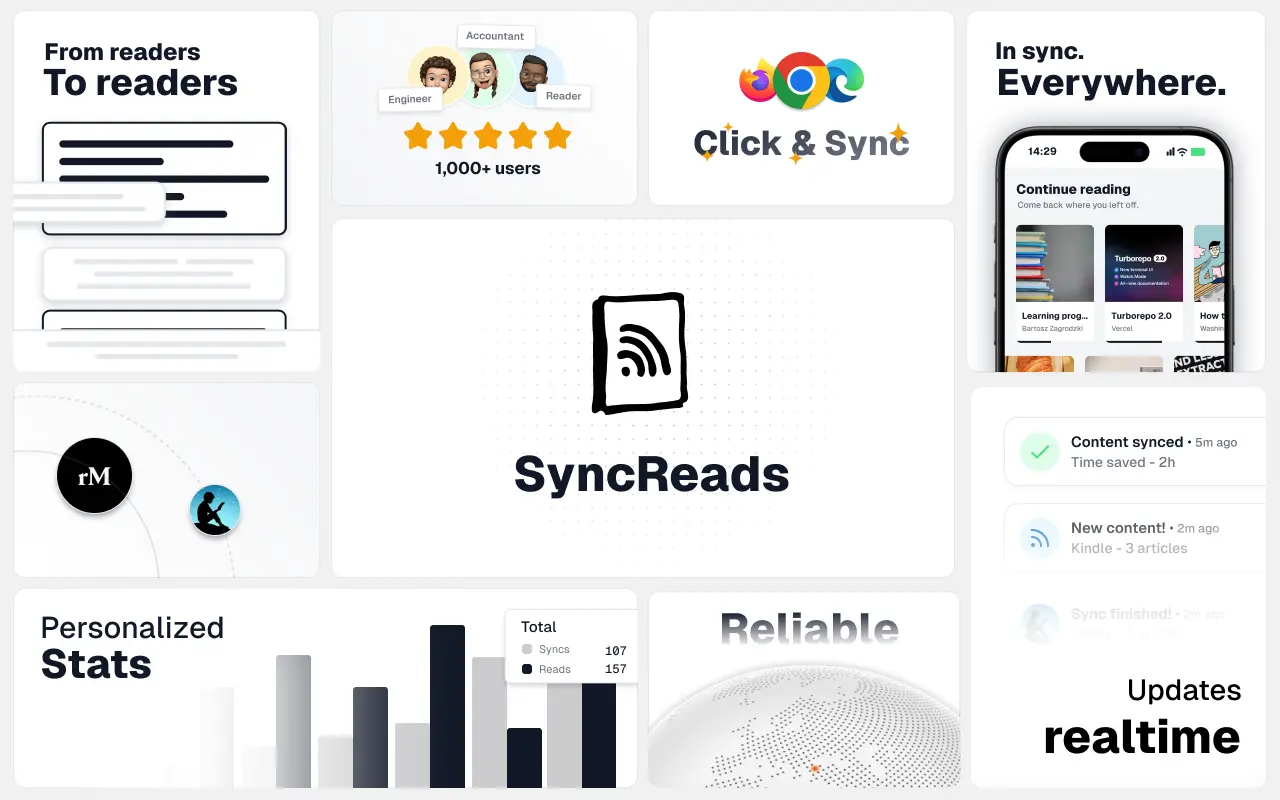
SyncReads
Sync your favorite content for distraction-free reading, save time and replace multiple apps. Anytime, anywhere 🔄
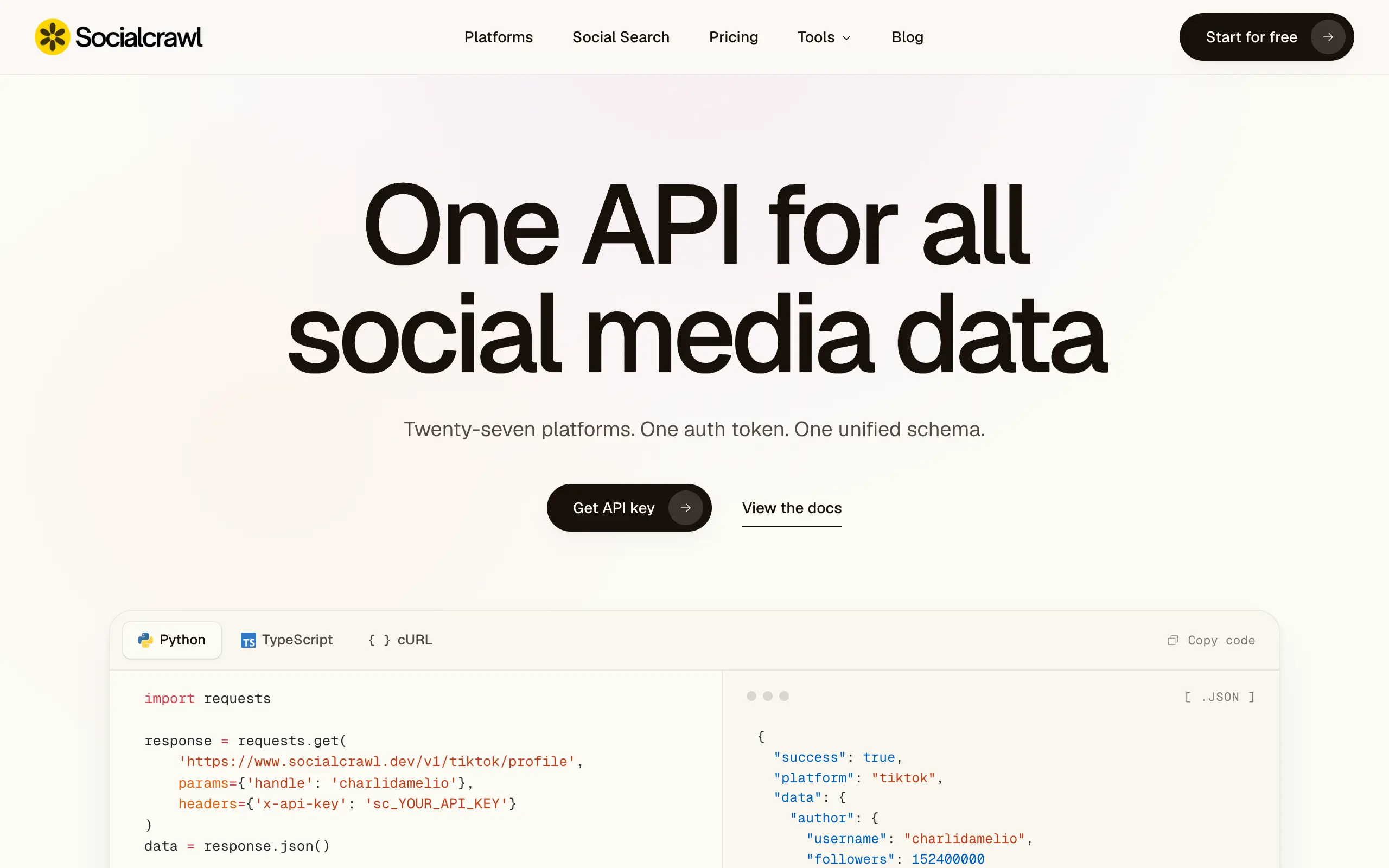
Socialcrawl
Get clean, structured data from 21 platforms like TikTok, Instagram, and YouTube with a single request 📊
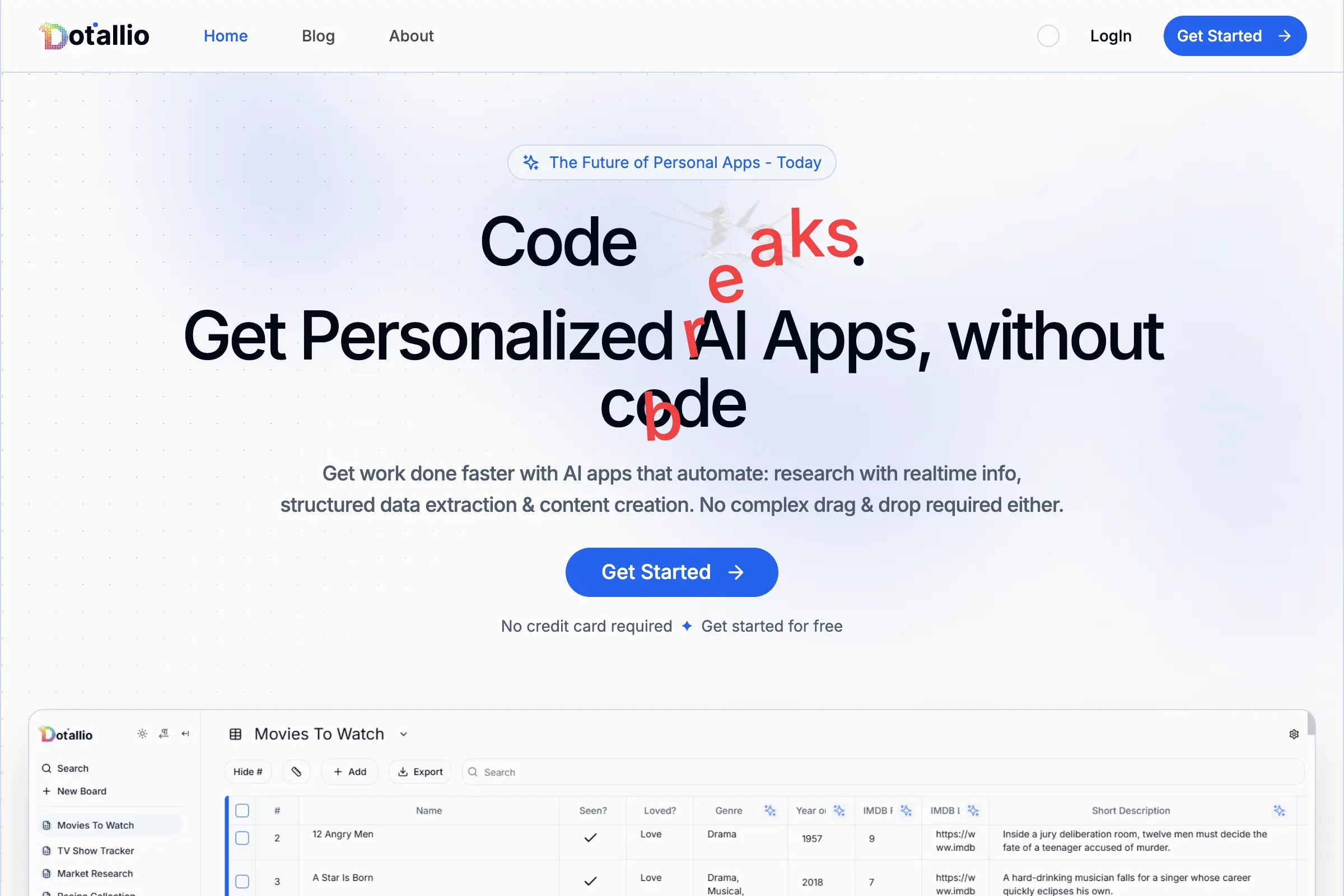
Dotallio
Personalized AI apps that automate research, data extraction, and content creation without code 🤖

Talk to Santa
Enjoy a magical live video chat or receive a unique AI-generated video greeting from Santa Claus 🎅
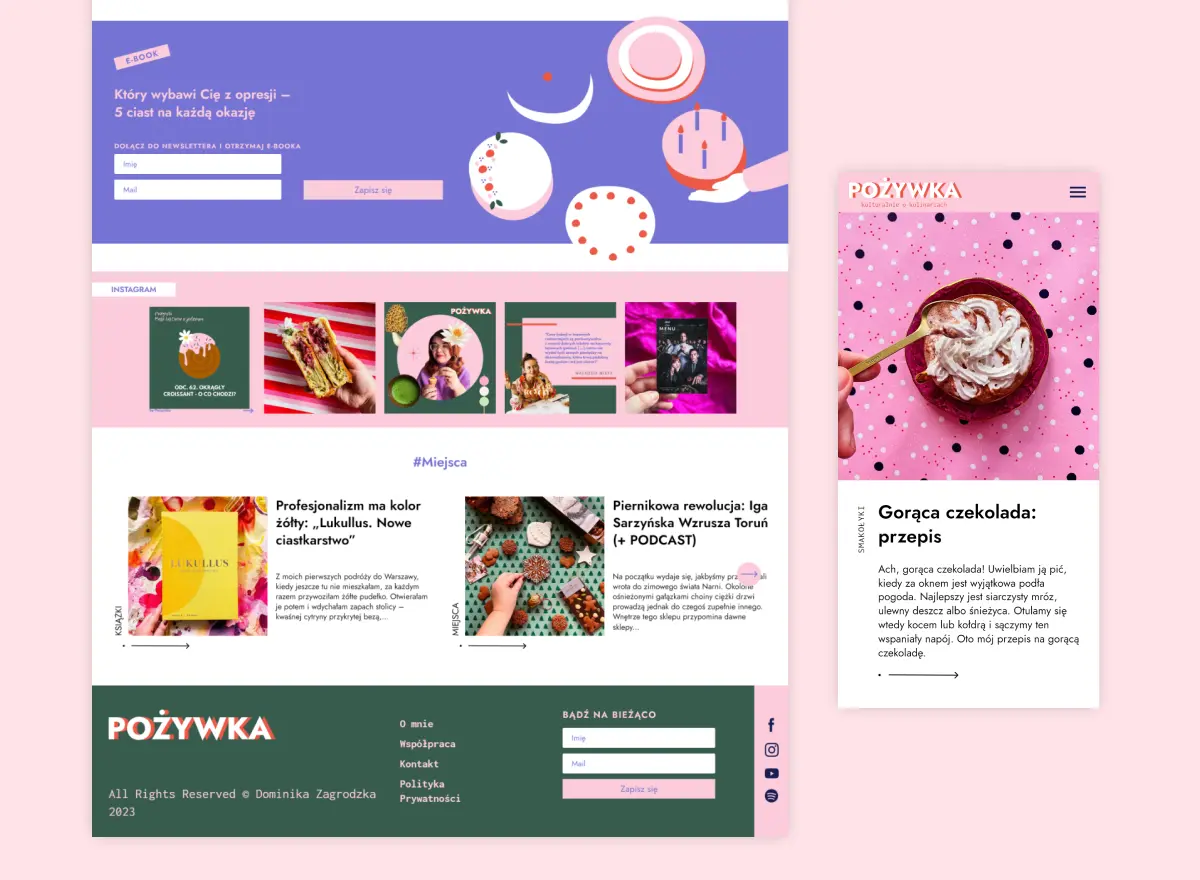
pozywka.pl
Scalable blog for food journalist, focused on performance and user experience 🌭
SyncReads
Sync your favorite content for distraction-free reading, save time and replace multiple apps. Anytime, anywhere 🔄
Socialcrawl
Get clean, structured data from 21 platforms like TikTok, Instagram, and YouTube with a single request 📊
Dotallio
Personalized AI apps that automate research, data extraction, and content creation without code 🤖
Talk to Santa
Enjoy a magical live video chat or receive a unique AI-generated video greeting from Santa Claus 🎅
pozywka.pl
Scalable blog for food journalist, focused on performance and user experience 🌭
SyncReads
Sync your favorite content for distraction-free reading, save time and replace multiple apps. Anytime, anywhere 🔄
Socialcrawl
Get clean, structured data from 21 platforms like TikTok, Instagram, and YouTube with a single request 📊
Dotallio
Personalized AI apps that automate research, data extraction, and content creation without code 🤖
Talk to Santa
Enjoy a magical live video chat or receive a unique AI-generated video greeting from Santa Claus 🎅
pozywka.pl
Scalable blog for food journalist, focused on performance and user experience 🌭
SyncReads
Sync your favorite content for distraction-free reading, save time and replace multiple apps. Anytime, anywhere 🔄
Socialcrawl
Get clean, structured data from 21 platforms like TikTok, Instagram, and YouTube with a single request 📊
Dotallio
Personalized AI apps that automate research, data extraction, and content creation without code 🤖
Talk to Santa
Enjoy a magical live video chat or receive a unique AI-generated video greeting from Santa Claus 🎅
pozywka.pl
Scalable blog for food journalist, focused on performance and user experience 🌭
zagrodzki.me
Personal blog and portfolio of Bart Zagrodzki, where he share his knowledge and work 💼
TurboStarter
Ship your startup everywhere. In minutes.
HTML to Markdown
Convert HTML to Markdown with ease, directly in your browser 📄
Omichat
Chat with 50+ AI models, including ChatGPT and Claude, in one place - switch models anytime without losing context 🤖
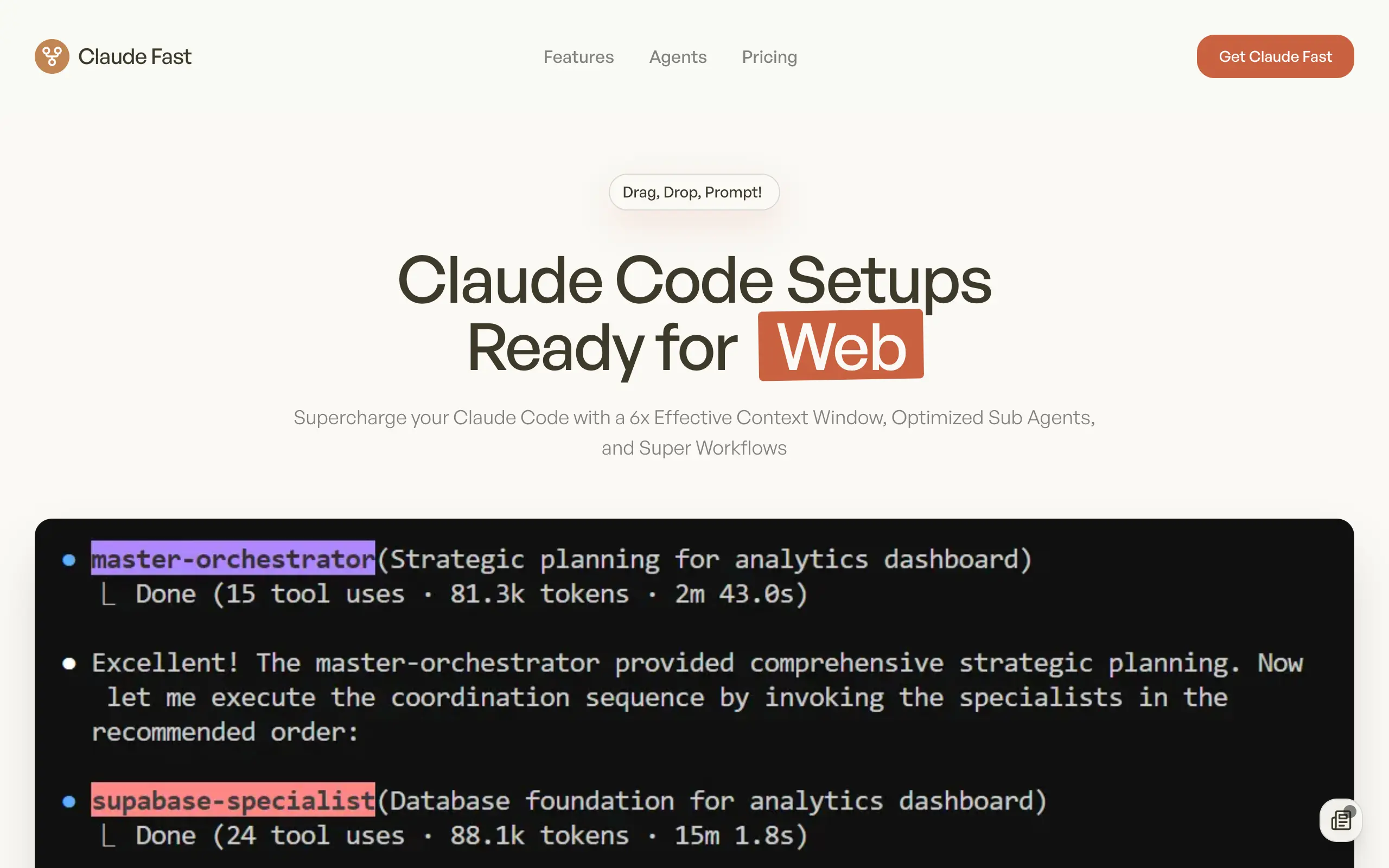
Claude Fast
Supercharge your Claude Code with 6x effective context window and specialized AI agents 🤖
zagrodzki.me
Personal blog and portfolio of Bart Zagrodzki, where he share his knowledge and work 💼
TurboStarter
Ship your startup everywhere. In minutes.
HTML to Markdown
Convert HTML to Markdown with ease, directly in your browser 📄
Omichat
Chat with 50+ AI models, including ChatGPT and Claude, in one place - switch models anytime without losing context 🤖
Claude Fast
Supercharge your Claude Code with 6x effective context window and specialized AI agents 🤖
zagrodzki.me
Personal blog and portfolio of Bart Zagrodzki, where he share his knowledge and work 💼
TurboStarter
Ship your startup everywhere. In minutes.
HTML to Markdown
Convert HTML to Markdown with ease, directly in your browser 📄
Omichat
Chat with 50+ AI models, including ChatGPT and Claude, in one place - switch models anytime without losing context 🤖
Claude Fast
Supercharge your Claude Code with 6x effective context window and specialized AI agents 🤖
zagrodzki.me
Personal blog and portfolio of Bart Zagrodzki, where he share his knowledge and work 💼
TurboStarter
Ship your startup everywhere. In minutes.
HTML to Markdown
Convert HTML to Markdown with ease, directly in your browser 📄
Omichat
Chat with 50+ AI models, including ChatGPT and Claude, in one place - switch models anytime without losing context 🤖
Claude Fast
Supercharge your Claude Code with 6x effective context window and specialized AI agents 🤖
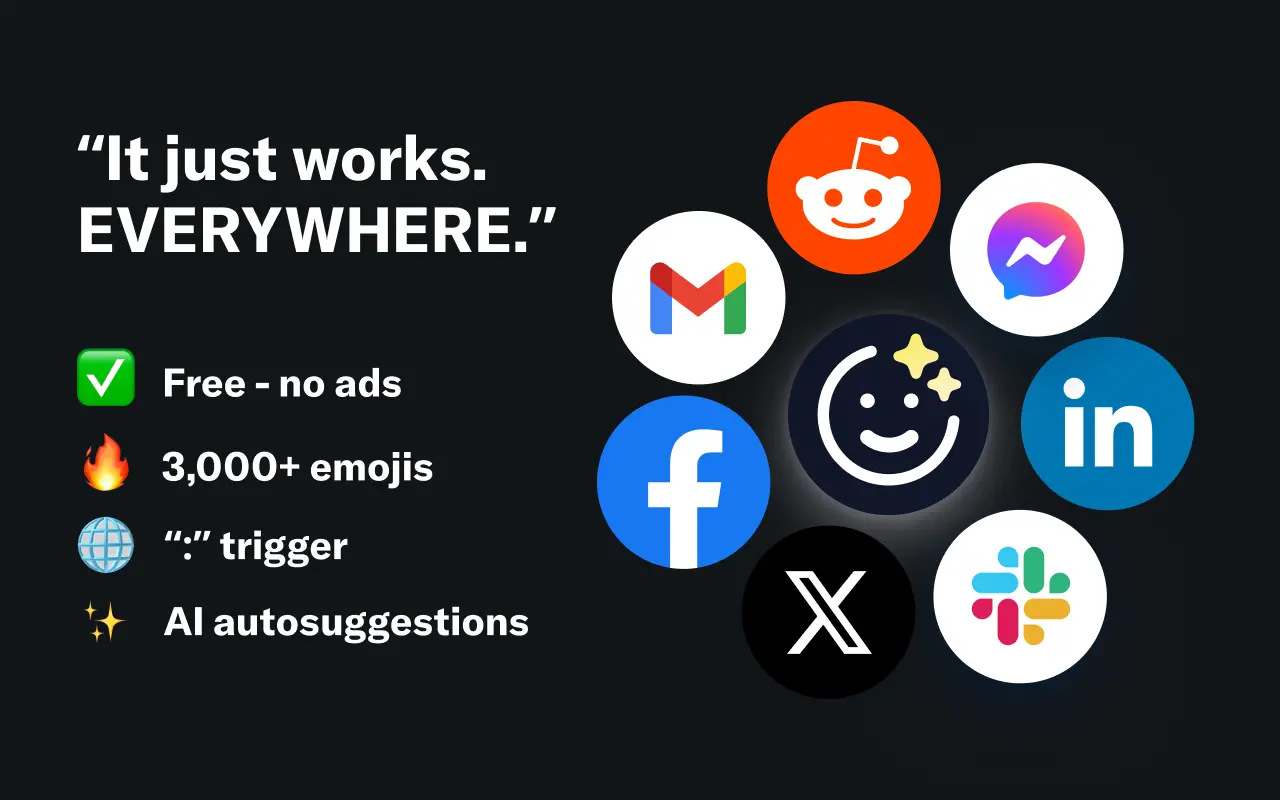
EmojAI
AI-powered emoji picker with smart, context-aware suggestions 🤖
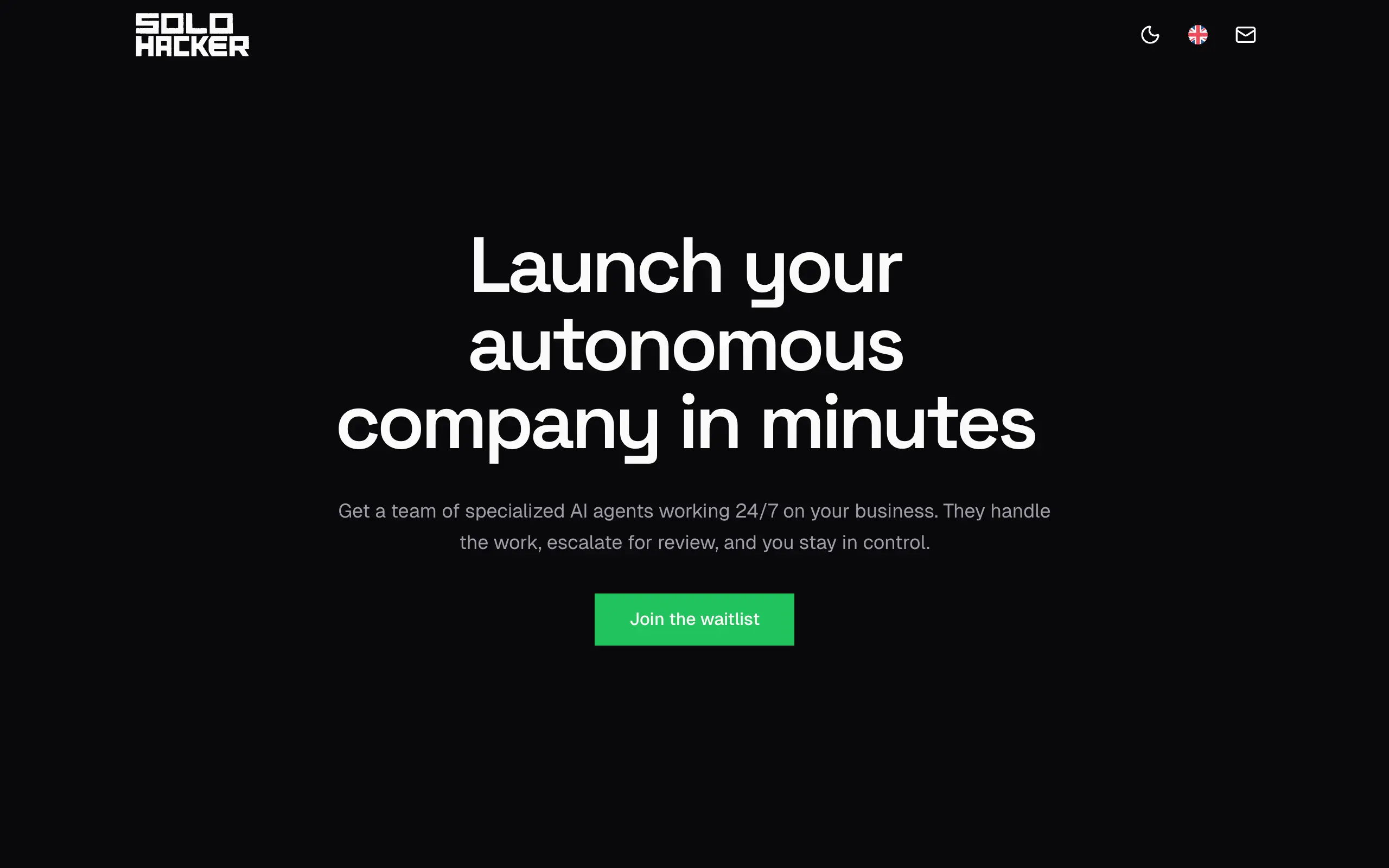
Solohacker
Autonomous company launcher—AI agents work 24/7, escalate what matters, and you stay in control 🤖
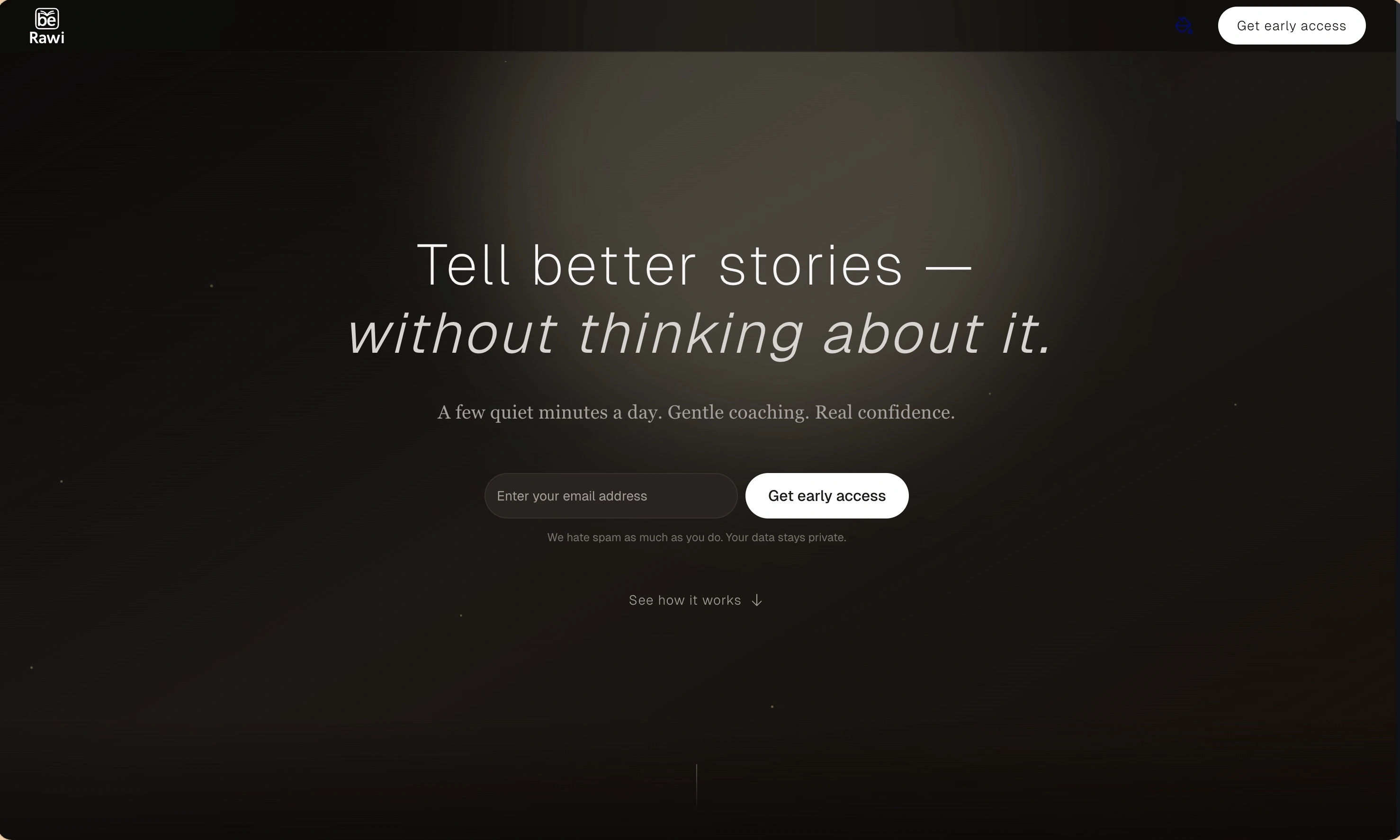
BeRawi: Storytelling Coach
Practice storytelling daily with instant feedback to sound clearer, more engaging, and confident 🎤
EmojAI
AI-powered emoji picker with smart, context-aware suggestions 🤖
Solohacker
Autonomous company launcher—AI agents work 24/7, escalate what matters, and you stay in control 🤖
BeRawi: Storytelling Coach
Practice storytelling daily with instant feedback to sound clearer, more engaging, and confident 🎤
EmojAI
AI-powered emoji picker with smart, context-aware suggestions 🤖
Solohacker
Autonomous company launcher—AI agents work 24/7, escalate what matters, and you stay in control 🤖
BeRawi: Storytelling Coach
Practice storytelling daily with instant feedback to sound clearer, more engaging, and confident 🎤
EmojAI
AI-powered emoji picker with smart, context-aware suggestions 🤖
Solohacker
Autonomous company launcher—AI agents work 24/7, escalate what matters, and you stay in control 🤖
BeRawi: Storytelling Coach
Practice storytelling daily with instant feedback to sound clearer, more engaging, and confident 🎤

Connect with like-minded people
Join our community to get feedback, support, and grow together with 600+ builders on board, let's ship it!
Join usShip your startup everywhere. In minutes.
Skip the complex setups and start building features on day one.