RetroWeb AI Sandbox
Simulate pre-2010 free internet environments in a secure GAN-driven sandbox, letting users explore, research, and experiment with unfiltered web archives safely.
RetroWeb AI Sandbox is an innovative SaaS platform designed to faithfully simulate the experience of the pre-2010 internet, leveraging advanced AI (GAN-driven environments) to offer users a secure, isolated sandbox of historical web content. This article will provide a comprehensive look into the RetroWeb AI Sandbox—analyzing its target users and market opportunity, unpacking its core AI-powered features, examining technical recommendations, and providing a deep dive into monetization, risks, and competitive advantages. Whether you’re an entrepreneur, researcher, educator, or web enthusiast, you’ll find the insights and actionable steps here to evaluate, leverage, or help build RetroWeb AI Sandbox.
Understanding the target audience for RetroWeb AI Sandbox
Pinpointing the right audience is essential for any SaaS product, particularly a niche tool like the RetroWeb AI Sandbox. Here’s who stands to benefit most.
Who wants access to simulated pre-2010 internet environments?
- Digital historians and researchers: Those studying the early web, social change, or digital literacy need access to authentic, “unfiltered” archived environments.
- Journalists and documentary creators: To recreate digital backdrops for narratives or uncover information lost to modern web curation.
- Educators and students: Particularly in digital media, internet history, or IT security courses exploring the evolution of web technologies, online communities, or cyber threats.
- Nostalgia-driven users and hobbyists: Web enthusiasts yearning for the experience of “free internet” environments—before social algorithmic curation, heavy content moderation, or paywalls.
- Security and malware researchers: Testing behaviors, vulnerabilities, and threats in a safe sandboxed version of the vintage web.
- Data scientists and AI developers: Wanting to examine emergent behavior or train models on legacy web data.
- Marketers and UX designers: Researching societal web trends, SEO techniques of the past, or legacy UI/UX inspiration.
Researchers & historians
Dive into authentic web archives for digital history studies.
Educators & students
Create engaging curricula exploring digital culture, web literacy, and early tech.
Security analysts
Safely analyze historic vulnerabilities in a sandboxed ecosystem.
Nostalgic web users
Revisit and experiment with the unfiltered web of the past.
Pain points & primary user goals
- Safe, accessible legacy web interaction—Modern browsers and security settings make accessing old, unfiltered internet content risky or impossible.
- Unbiased, uncensored exploration—By simulating the “wild west” of the early web, users can conduct research unaffected by modern content filters or page removals.
- Controlled experimentation—Sandboxing ensures no cross-contamination with present-day devices or networks, mitigating malware or data risks.
- Authenticity—GAN-driven environments promise true-to-era renderings, from HTML quirks to ad banners and social platforms.
Market opportunity: Gap analysis and industry trends
Despite the web’s meteoric growth, truly authentic and interactive explorations of its early days have become rare.
What’s missing on the modern web?
- Limited and static web archives: While projects like The Wayback Machine preserve some web history, interaction is limited to browsing snapshots. Sandbox-style, interactive archives are virtually nonexistent.
- Modern content curation and loss: Many pages are censored, updated, or lost entirely, removing the “unfiltered” feel of pre-2010 internet.
- Heightened security risks: Direct interaction with historic software—or even accessing legacy sites—can expose users to malware, old exploits, or data leaks.
- Demand for authentic environments in research and education: Communication, design, and digital history disciplines are seeking hands-on learning and teaching tools.
Industry and technology trends empowering RetroWeb AI Sandbox
- Generative Adversarial Networks (GANs): The latest GANs, especially when fine-tuned on archival datasets, can convincingly simulate content, design, and even emergent community behavior (see Google DeepMind’s generative models for context).
- Growing nostalgia market: Platforms like Reddit’s /r/nostalgia and “retro web” communities demonstrate rising interest and engagement.
- Increased importance of digital citizenship education: Schools and universities are expanding curricula related to media literacy and the history of the online world.
- AI-powered cyber defense research: Security teams increasingly simulate legacy environments to test against evolving exploits.
Key market takeaway
RetroWeb AI Sandbox uniquely addresses the intersection of digital preservation, safe research, and the nostalgia economy—a market space few SaaS solutions have entered.
Core features of RetroWeb AI Sandbox: The AI-powered advantage
The secret sauce of RetroWeb AI Sandbox lies in its advanced feature set. Here’s a deep dive into what sets it apart.
GAN-driven web simulation
- Authentic experience: Using GANs trained on pre-2010 web archives, the platform replicates classic HTML/CSS, primitive JavaScript, broken image links, early flash objects, and era-appropriate advertising.
- Interactive sandboxing: Unlike static web snapshots, users interact naturally—posting to old forums, signing guest books, navigating “ring” sites, or breaking CSS in real-time.
Safe, secure browsing & experimentation
- Containerization: Each user session is fully isolated, leveraging modern virtualization/container technology so malware threats, XSS, or other legacy exploits cannot impact user devices.
- Network firewalls: All external calls from the sandbox are intercepted, ensuring simulated threats remain internal.
- Periodic state resets: On session end, environments are wiped, guaranteeing no persistence or cross-session contamination.
Time-period switching & customization
- Year-based simulation: Users can select specific years or periods (e.g., 2002-2007), with GANs adapting designs, content, and available plugins to match the selected era.
- Manual overrides: Advanced users can tweak environment settings—choice of browser engine, plugin activation, “dial-up” speed emulation, etc.
Advanced tools for research and analysis
- Event recording and replay: Capture user interactions for sharing or analysis (essential for security or UX research).
- Data export tools: Download anonymized session logs or reconstructed “web archives” for local, offline study.
- API access: For research teams needing deep integration with digital humanities or AI projects.
Users can post to discussion boards, see their text rendered in era-appropriate BBCode, and even receive GAN-generated replies imitating authentic early-2000s community norms.
Isolate and execute known malware samples (e.g., Blaster worm) within a contained, virtualized early-internet OS, safely observing behavior and impact.
Simulate sluggish downloads, browser timeouts, or broken CSS under “Internet Explorer 6” for content accessibility research.
Recommended tech stack for a secure, scalable AI sandbox
Building RetroWeb AI Sandbox demands a carefully chosen stack, balancing authenticity, security, performance, and ease of scaling.
Frontend
- React: For flexible, component-driven UI development and interactive controls.
- TailwindCSS: Rapid styling with utility-first classes, aiding quick prototyping and consistent, retro-inspired UI themes.
- Redux / Zustand: State management—crucial for large, interactive sandbox sessions.
Backend
- Sandbox orchestration:
- Docker: For containerized user environments, guaranteeing isolation and easy resets.
- Kubernetes: Automated deployment, scaling, and management of containerized environments.
- AI engine:
- PyTorch or TensorFlow: For training and serving bespoke GANs.
- FastAPI: Modern, high-performance API gateway for fast GAN inference and secure communication with the frontend.
- Storage:
- PostgreSQL: Relational storage for user data, session logs, and settings.
- MinIO: Object storage for large archive datasets and GAN model checkpoints.
Security layers
- Network isolation: Kubernetes network policies, container-level firewalling.
- Threat monitoring: Integration with Falco for runtime security in the cluster.
- Regular container scanning: Using Trivy.
Trade-offs and rationale
- Performance vs. authenticity: While emulation using Docker and lightweight VMs is secure and scalable, there may be minimal authenticity gaps compared to real hardware. However, this is offset by safety and operational manageability.
- Cloud vs. on-premises: Cloud-native deployment enables rapid scaling but may present compliance challenges for sensitive user research.
| Tech | Security | Scalability | Authenticity | Ease of Implementation |
|---|---|---|---|---|
| Docker | ✅ | ✅ | ❌ | ✅ |
| Physical Emulation | ✅ | ❌ | ✅ | ❌ |
Monetization strategy for a niche but high-value SaaS
With its specialized audience, how should RetroWeb AI Sandbox be priced and monetized?
Subscription-based pricing tiers
- Individual Plan: Limited hours/month or limited archive access. Suitable for hobbyists and students.
- Academic/Nonprofit Plan: Discounted full-access, multi-seat options, API credits for research teams.
- Professional/Enterprise Plan: Unlimited sessions, priority computing resources, flexible API limits, and premium support for institutional clients.
Specialized add-ons
- Custom archive ingestion: Customers can upload their own web archives or datasets for sandbox integration (e.g., universities, museums).
- White-label solutions: Enterprises running closed, on-premise simulation environments for sensitive research or security needs.
- Pay-per-use for high-load AI: Additional charges for extra compute-intensive, multi-user, or custom GAN training sessions.
Freemium model viability
A limited demo (“explore one hour of 2004 web for free”) to drive viral interest while protecting infrastructure from abuse and managing server costs.
Ancillary revenue streams
- Educational partnerships: Offer as a resource for digital history courses, charging institutions for access or integration.
- Sponsorships: Collaborate with digital history museums or web nostalgia brands.
A targeted, tiered SaaS pricing structure aligns revenue with resource-intensive computation and the specialized value delivered.
Risks and mitigation strategies
Any SaaS leveraging unfiltered, simulated internet archives—especially with user interaction—faces unique risks.
Content and legal risks
-
Exposure to harmful or offensive content: Even with simulation, users might encounter or intentionally generate objectionable material.
-
IP and privacy challenges: Displaying or simulating archived content may raise copyright or privacy questions.
Mitigation:
- Provide user-level “content warning” toggles and optional filters.
- Partner with legal experts to define and document fair use and research exemptions.
Security and ethical risks
-
Malware escape or lateral threat movement: The core value is safe experimentation; any environment escape could be catastrophic.
-
Abuse for cybercrime or illegal access: Bad actors could attempt to use the sandbox as a launchpad or to reverse-engineer legacy exploits.
Mitigation:
- Enforce strict network isolation, periodic container resets, and runtime monitoring (Falco).
- User identity verification and rate-limiting for high-risk operations.
- Retain audit logs for research compliance and security.
Operational and cost risks
-
High compute costs: Training and serving GANs for rich simulation is resource-intensive.
-
Scaling spikes: Viral success or research interest could create unexpected load.
Mitigation:
- Auto-scaling via Kubernetes, proactive resource monitoring.
- Cloud cost controls and usage-based pricing tiers.
Competitive advantage & market positioning
How does RetroWeb AI Sandbox stand out in a field with archive.org and cyber range tools?
Unique selling proposition (USP)
- Interactive, AI-powered web simulation: Not just snapshots or static HTML—GAN-driven, time-shifted, truly dynamic environments.
- Best-in-class security: Unlike academic archives, guarantees safe experimentation even with malicious web code or malware.
- Customization and research-grade tooling: Time-travel, data exports, and API integrations tailored to digital research and education.
- Focused market: Purpose-built for historians, educators, and researchers—no generic “web nostalgia” competitor matches its features.
Comparison with indirect competitors
- Wayback Machine: Limited to static snapshots, no interaction or simulation of server-side code, non-isolated.
- Cyber ranges: Focused on contemporary security training/lab exercises, not historical authenticity or open research.
- Nostalgia apps/sites: Typically surface-level (e.g., retro-themed memes/galleries) with no safe exploration or technical depth.
Step-by-step guide to launching RetroWeb AI Sandbox
Bringing this AI SaaS from concept to reality is ambitious—but feasible for a focused, tech-savvy team.
Actionable implementation checklist
- Identify first-mover institutional partners (digital humanities centers, IT research groups).
- Secure high-quality archival data with clear licensing.
- Prototype GAN-powered web environment; benchmark against static archives.
- Layer security from day one—sandboxed containers, air-gapped execution, and continuous threat monitoring.
- Market to researcher and education-focused communities on academic and developer platforms.
- Price according to compute and support needs, using freemium to generate early interest.
- Collect continuous feedback and maintain rapid improvement cycles with user-centric iteration.
Conclusion: Why RetroWeb AI Sandbox could redefine web archival and research
RetroWeb AI Sandbox occupies a singular position in the SaaS market: an AI-driven web simulation and research platform, optimized for secure, interactive, and authentic digital history exploration. It fuses generative AI, modern cloud containerization, and researcher-focused functionality in a way that bridges nostalgia, scholarship, and cybersecurity—outpacing static archives or generic retro apps.
By proactively managing technical, legal, and ethical risks, while delivering unmatched value to historians, educators, and digital researchers, RetroWeb AI Sandbox has the potential to become a foundational tool for the next decade of web literacy and internet studies.
For those interested in building, collaborating with, or using platforms like RetroWeb AI Sandbox to empower digital research, consider leveraging specialized SaaS launch frameworks like TurboStarter for rapid development and go-to-market speed.
More 🤖 AI Startup SaaS ideas
Discover more innovative ai startup SaaS ideas that are trending in 2026. Each idea is AI-generated with market validation and growth potential to help you find your next profitable venture faster than competitors.
Your competitors are building with TurboStarter
Below are some of the SaaS ideas that have been generated and built with our starter kit.
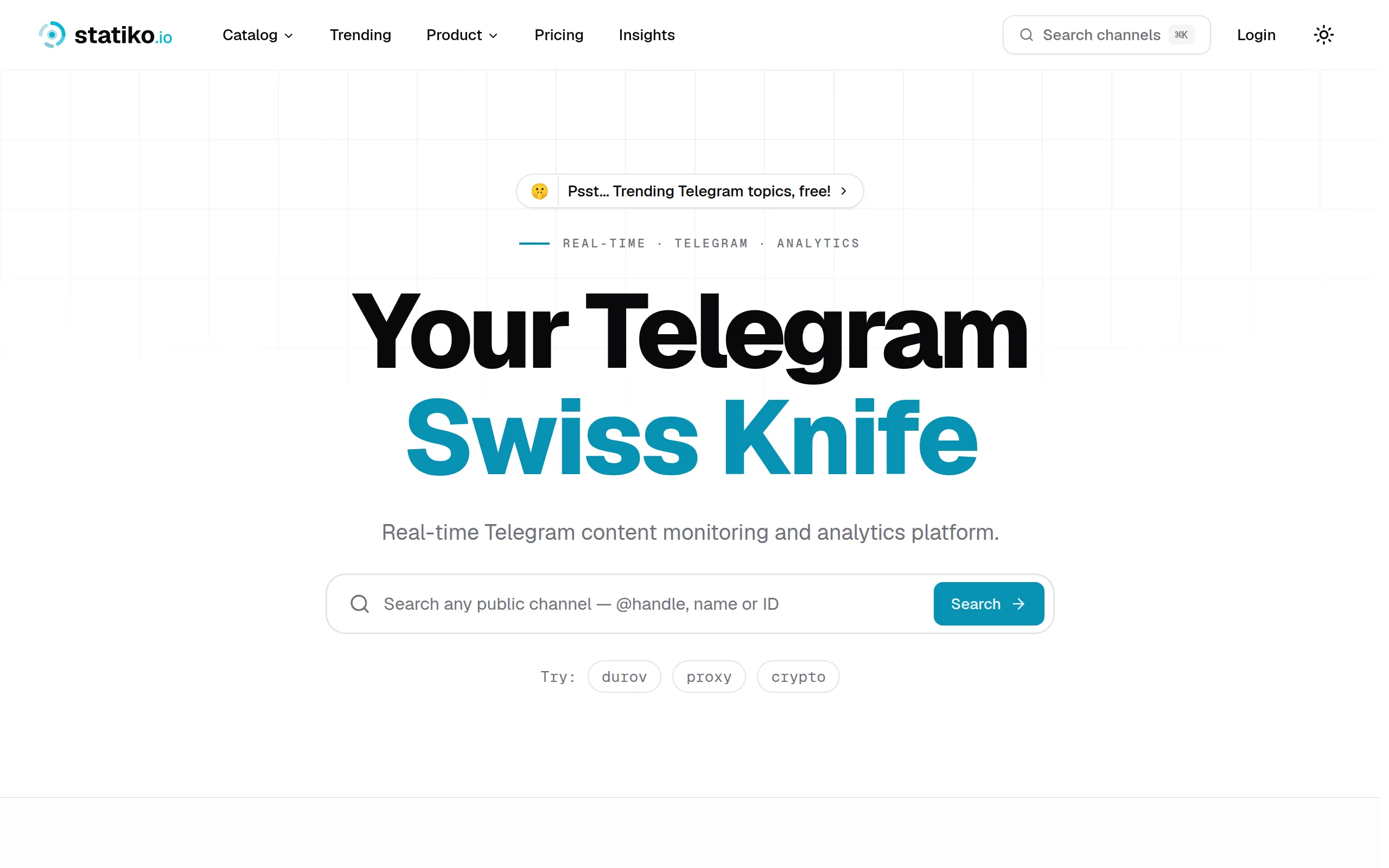
Statiko
Monitor any Telegram channel in real time - track posts, edits, deletions, and growth with AI recaps 📡

Shibui
AI website builder - describe your business, pick a niche template, edit by chatting, and publish instantly ✨

Pro Service
Find verified home service professionals, compare quotes, and pay securely through escrow - built for Brazilians across the US 🏠
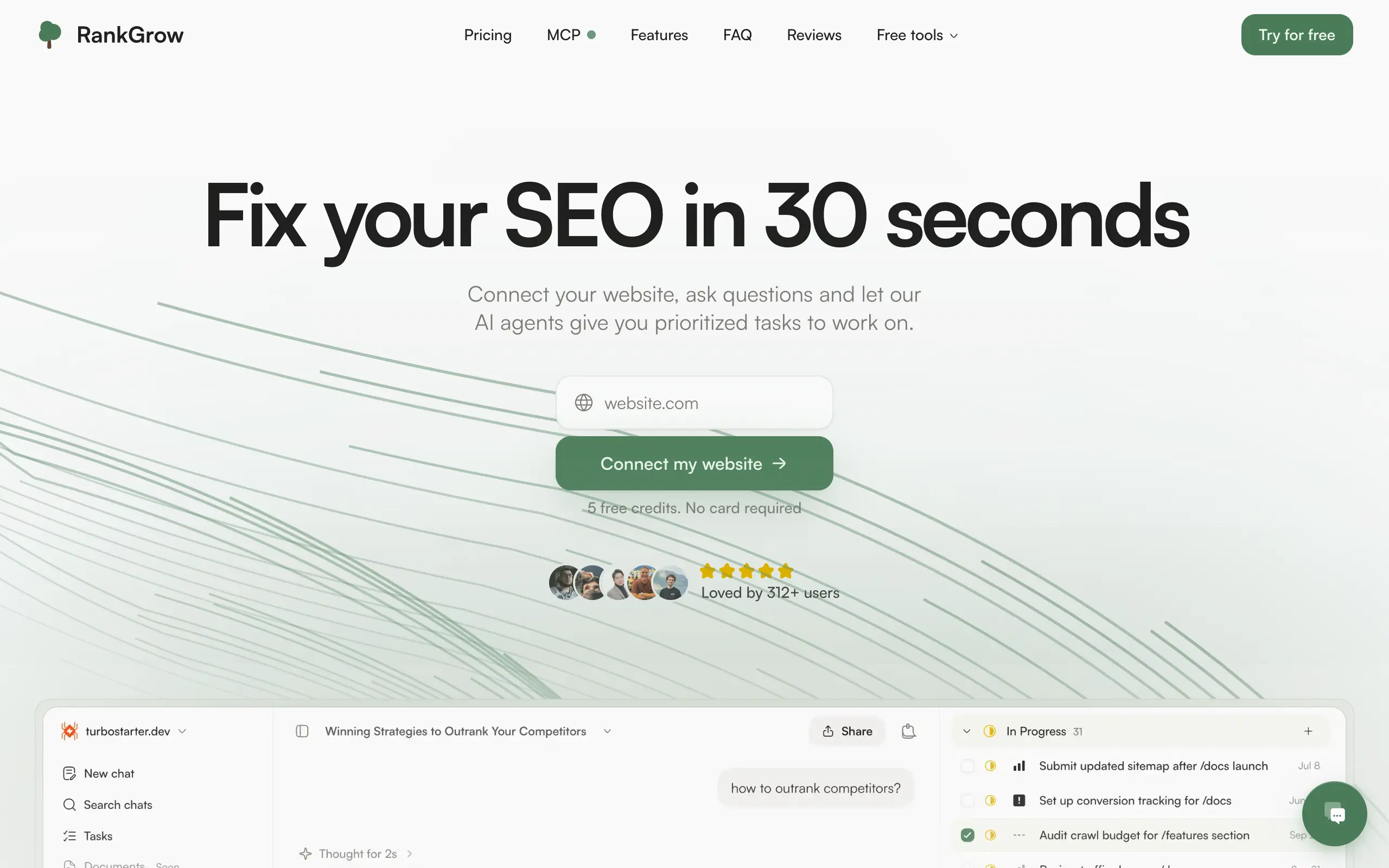
RankGrow
Fix your SEO with AI agents - connect Search Console, get prioritized tasks, and grow organic traffic 📈

SyncReads
Sync your favorite content for distraction-free reading, save time and replace multiple apps. Anytime, anywhere 🔄
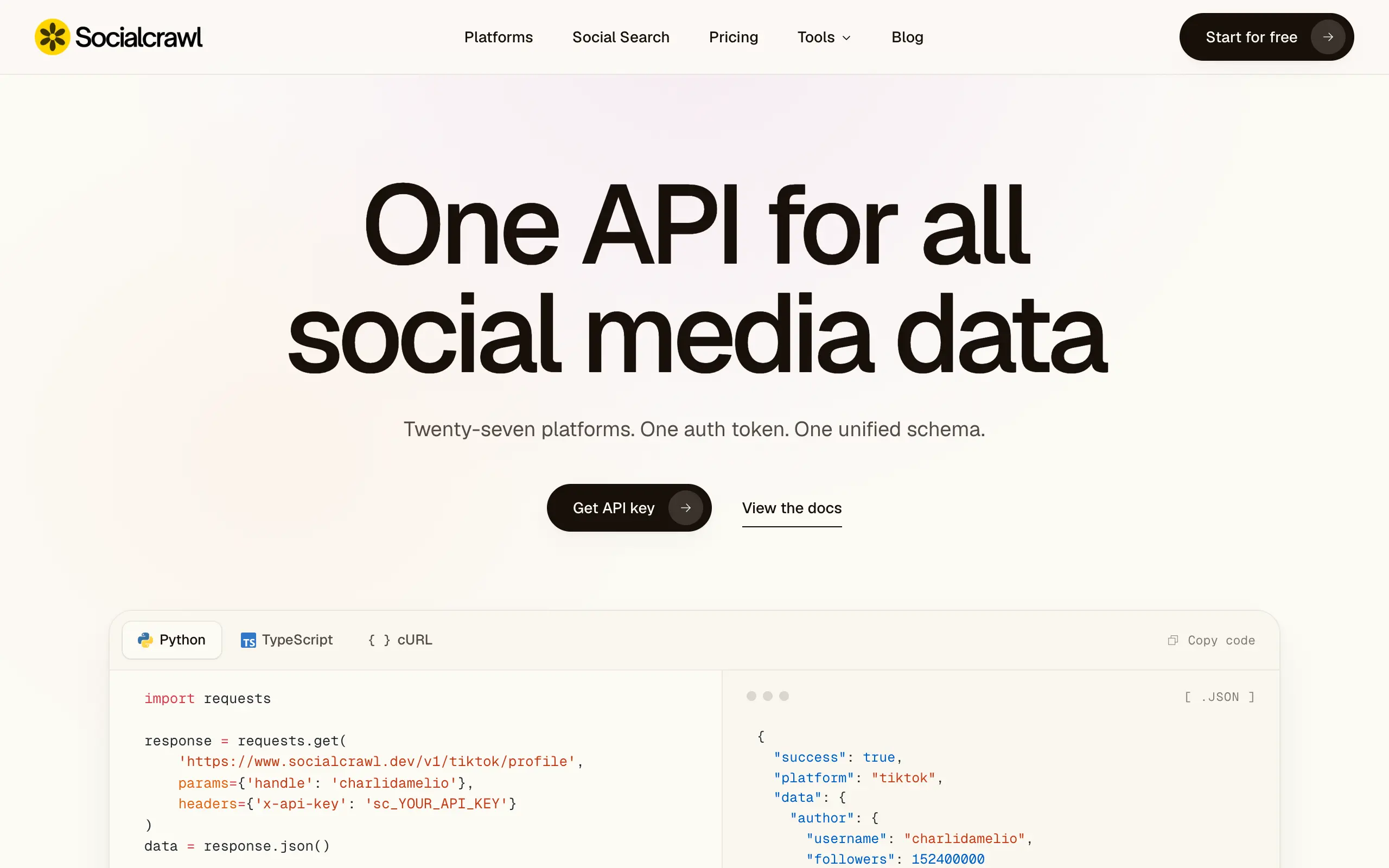
Socialcrawl
Get clean, structured data from 21 platforms like TikTok, Instagram, and YouTube with a single request 📊
Statiko
Monitor any Telegram channel in real time - track posts, edits, deletions, and growth with AI recaps 📡
Shibui
AI website builder - describe your business, pick a niche template, edit by chatting, and publish instantly ✨
Pro Service
Find verified home service professionals, compare quotes, and pay securely through escrow - built for Brazilians across the US 🏠
RankGrow
Fix your SEO with AI agents - connect Search Console, get prioritized tasks, and grow organic traffic 📈
SyncReads
Sync your favorite content for distraction-free reading, save time and replace multiple apps. Anytime, anywhere 🔄
Socialcrawl
Get clean, structured data from 21 platforms like TikTok, Instagram, and YouTube with a single request 📊
Statiko
Monitor any Telegram channel in real time - track posts, edits, deletions, and growth with AI recaps 📡
Shibui
AI website builder - describe your business, pick a niche template, edit by chatting, and publish instantly ✨
Pro Service
Find verified home service professionals, compare quotes, and pay securely through escrow - built for Brazilians across the US 🏠
RankGrow
Fix your SEO with AI agents - connect Search Console, get prioritized tasks, and grow organic traffic 📈
SyncReads
Sync your favorite content for distraction-free reading, save time and replace multiple apps. Anytime, anywhere 🔄
Socialcrawl
Get clean, structured data from 21 platforms like TikTok, Instagram, and YouTube with a single request 📊
Statiko
Monitor any Telegram channel in real time - track posts, edits, deletions, and growth with AI recaps 📡
Shibui
AI website builder - describe your business, pick a niche template, edit by chatting, and publish instantly ✨
Pro Service
Find verified home service professionals, compare quotes, and pay securely through escrow - built for Brazilians across the US 🏠
RankGrow
Fix your SEO with AI agents - connect Search Console, get prioritized tasks, and grow organic traffic 📈
SyncReads
Sync your favorite content for distraction-free reading, save time and replace multiple apps. Anytime, anywhere 🔄
Socialcrawl
Get clean, structured data from 21 platforms like TikTok, Instagram, and YouTube with a single request 📊
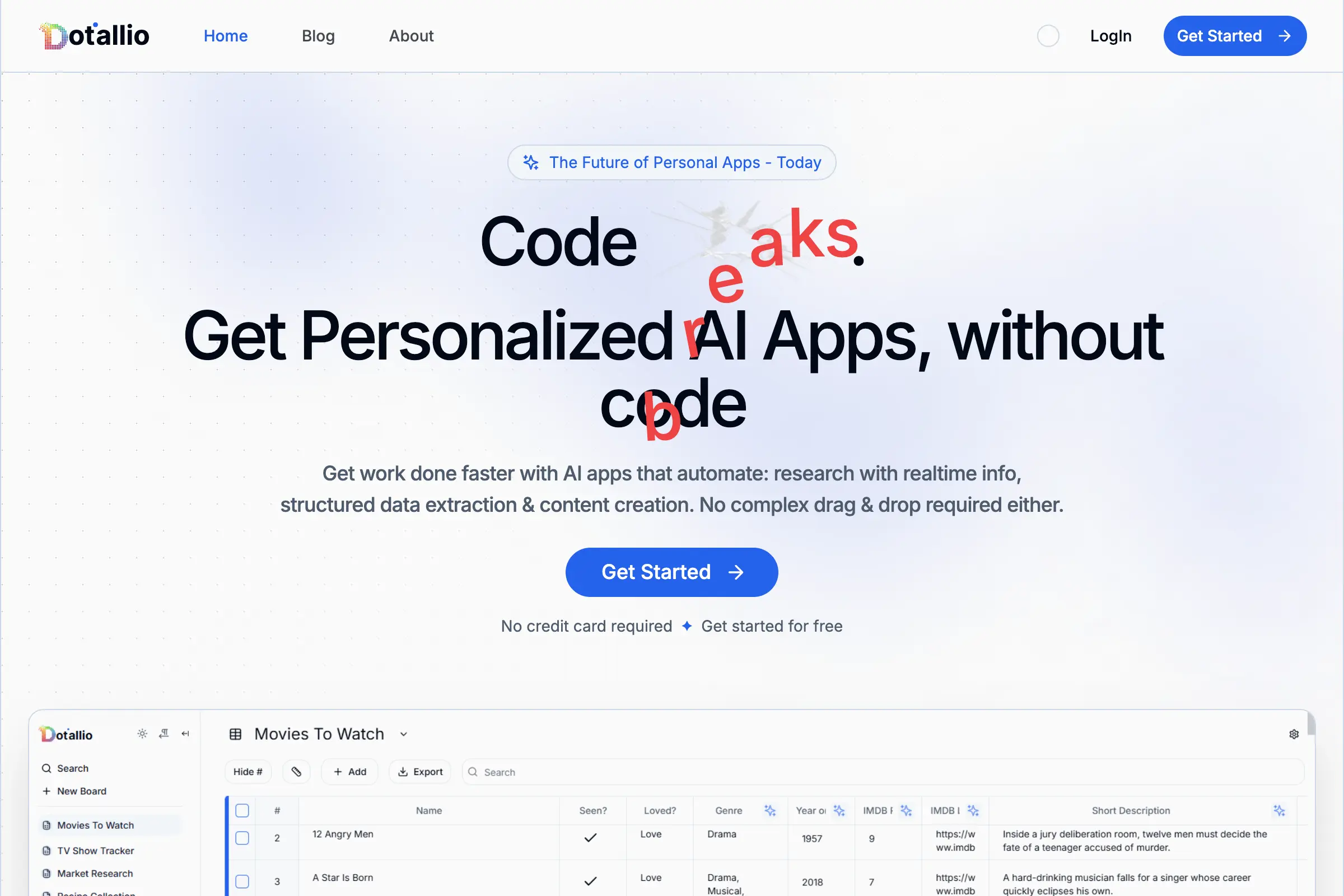
Dotallio
Personalized AI apps that automate research, data extraction, and content creation without code 🤖

Talk to Santa
Enjoy a magical live video chat or receive a unique AI-generated video greeting from Santa Claus 🎅

pozywka.pl
Scalable blog for food journalist, focused on performance and user experience 🌭
zagrodzki.me
Personal blog and portfolio of Bart Zagrodzki, where he shares his knowledge and work 💼
TurboStarter
Ship your startup everywhere. In minutes.
HTML to Markdown
Convert HTML to Markdown with ease, directly in your browser 📄
Dotallio
Personalized AI apps that automate research, data extraction, and content creation without code 🤖
Talk to Santa
Enjoy a magical live video chat or receive a unique AI-generated video greeting from Santa Claus 🎅
pozywka.pl
Scalable blog for food journalist, focused on performance and user experience 🌭
zagrodzki.me
Personal blog and portfolio of Bart Zagrodzki, where he shares his knowledge and work 💼
TurboStarter
Ship your startup everywhere. In minutes.
HTML to Markdown
Convert HTML to Markdown with ease, directly in your browser 📄
Dotallio
Personalized AI apps that automate research, data extraction, and content creation without code 🤖
Talk to Santa
Enjoy a magical live video chat or receive a unique AI-generated video greeting from Santa Claus 🎅
pozywka.pl
Scalable blog for food journalist, focused on performance and user experience 🌭
zagrodzki.me
Personal blog and portfolio of Bart Zagrodzki, where he shares his knowledge and work 💼
TurboStarter
Ship your startup everywhere. In minutes.
HTML to Markdown
Convert HTML to Markdown with ease, directly in your browser 📄
Dotallio
Personalized AI apps that automate research, data extraction, and content creation without code 🤖
Talk to Santa
Enjoy a magical live video chat or receive a unique AI-generated video greeting from Santa Claus 🎅
pozywka.pl
Scalable blog for food journalist, focused on performance and user experience 🌭
zagrodzki.me
Personal blog and portfolio of Bart Zagrodzki, where he shares his knowledge and work 💼
TurboStarter
Ship your startup everywhere. In minutes.
HTML to Markdown
Convert HTML to Markdown with ease, directly in your browser 📄
Omichat
Chat with 50+ AI models, including ChatGPT and Claude, in one place - switch models anytime without losing context 🤖
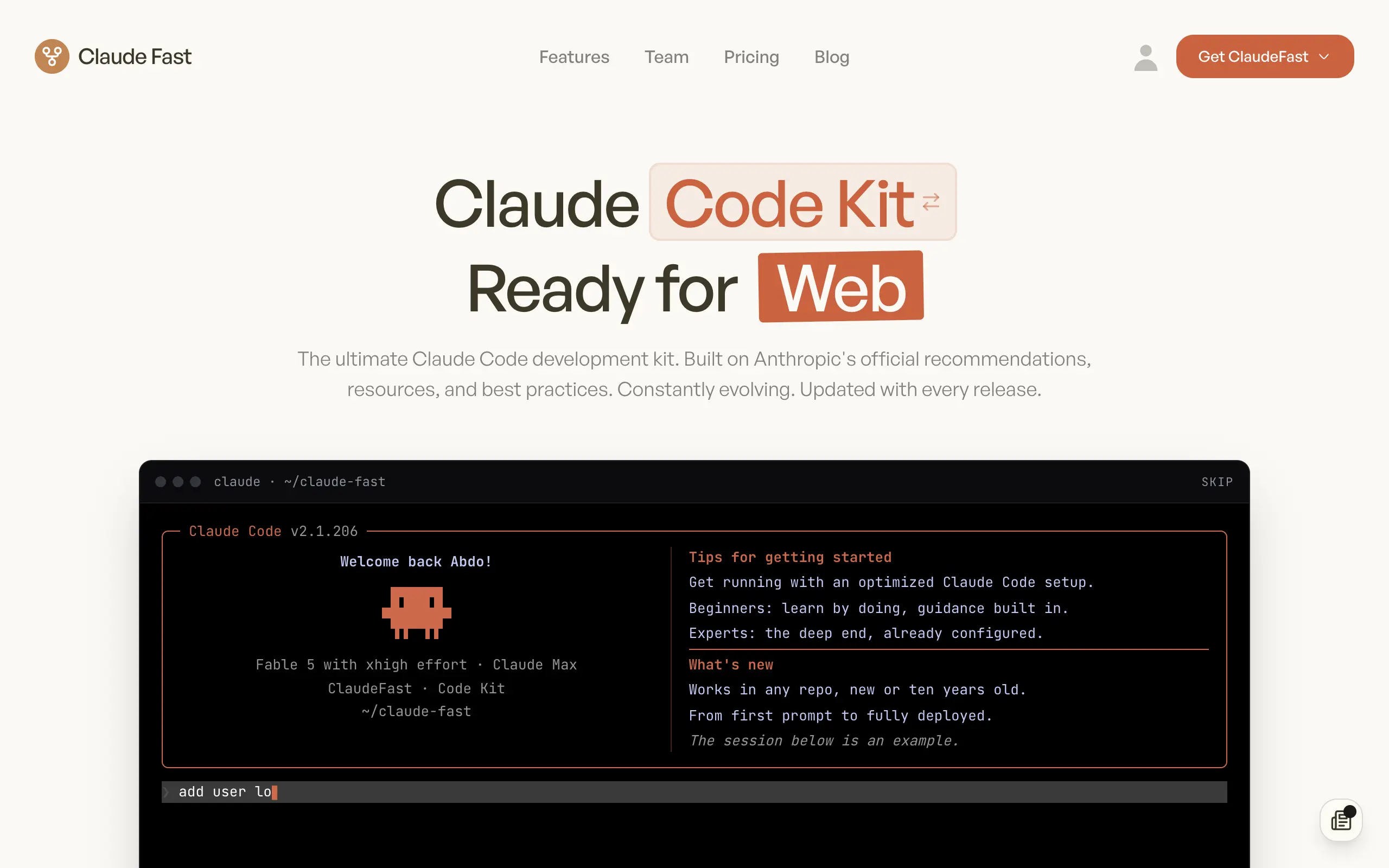
Claude Fast
Supercharge your Claude Code with 6x effective context window and specialized AI agents 🤖
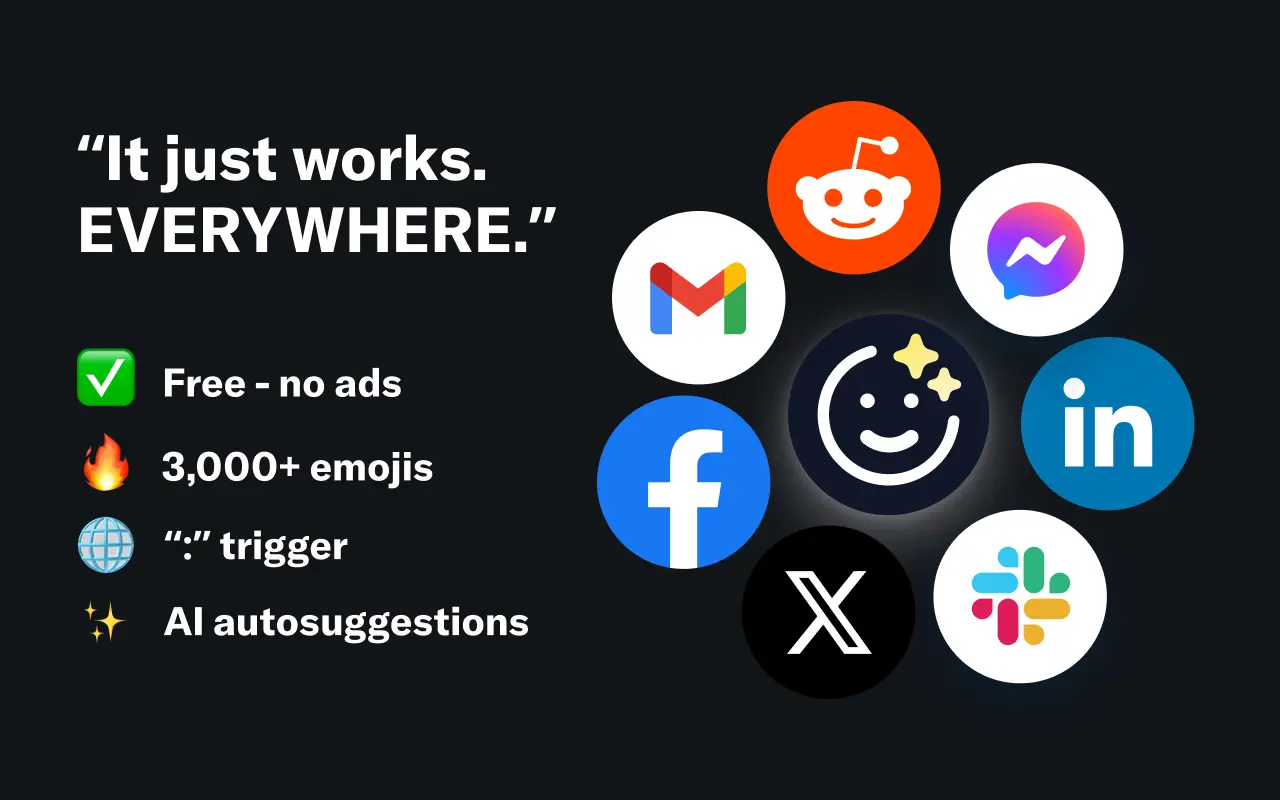
EmojAI
AI-powered emoji picker with smart, context-aware suggestions 🤖
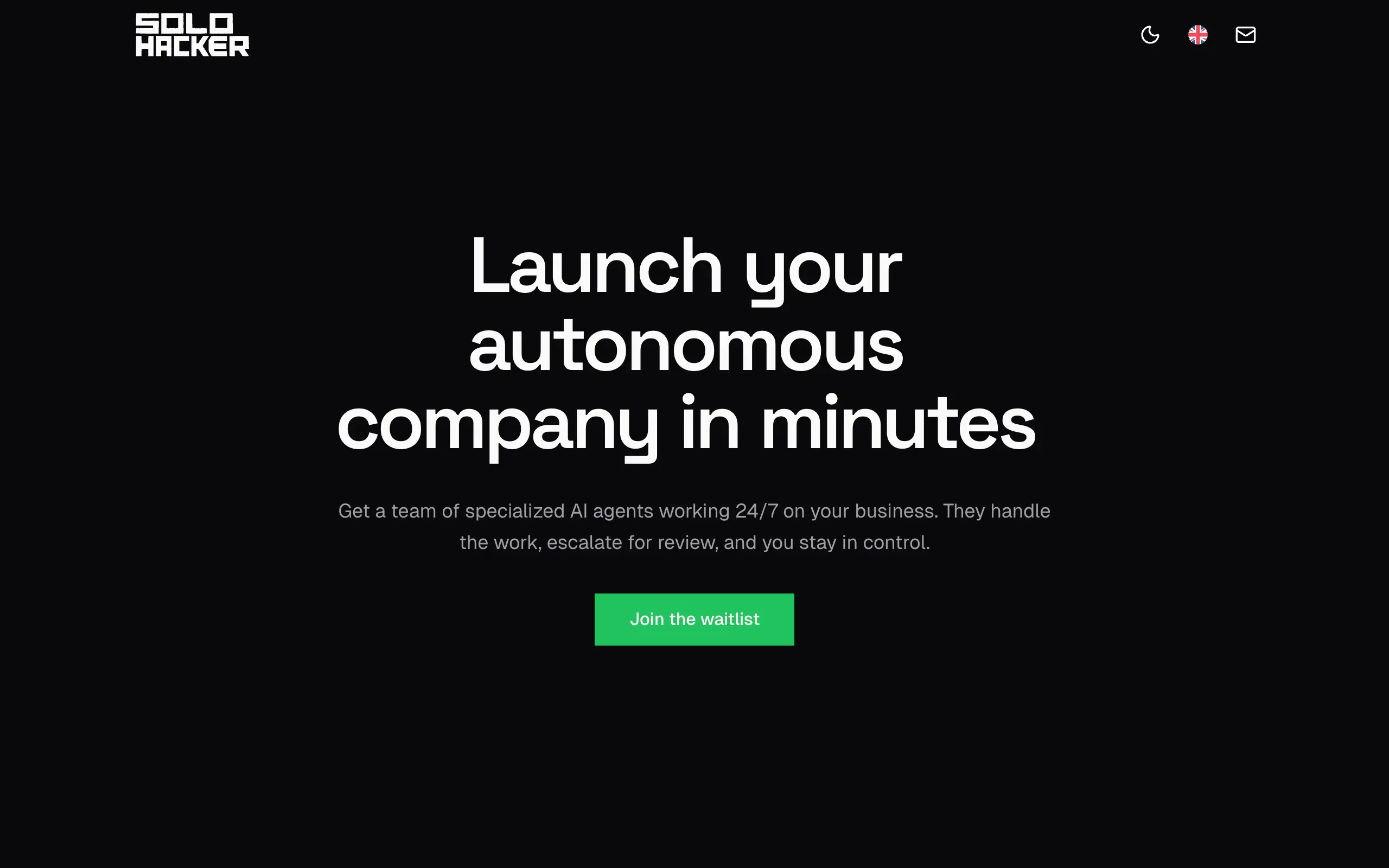
Solohacker
Autonomous company launcher - AI agents work 24/7, escalate what matters, and you stay in control 🤖
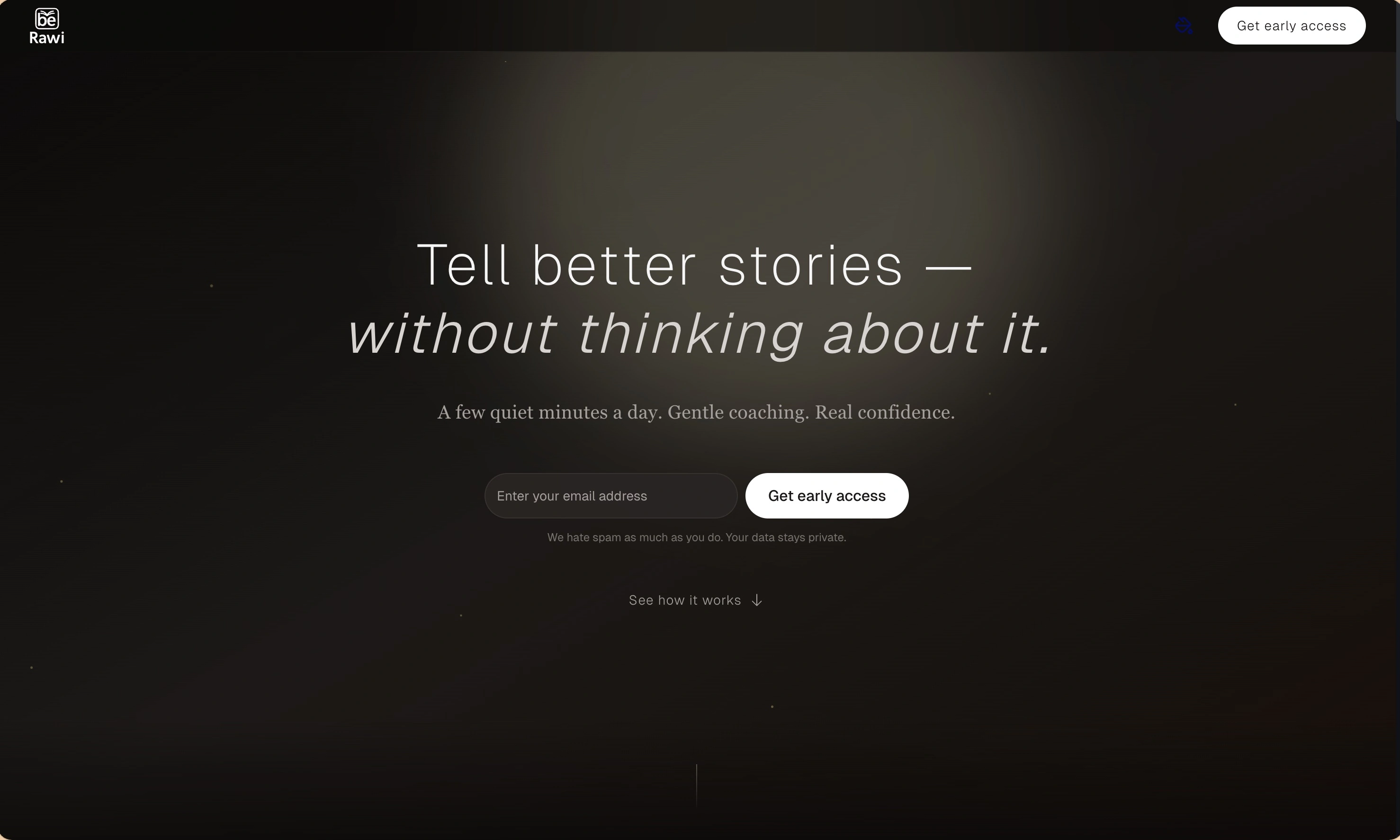
BeRawi: Storytelling Coach
Practice storytelling daily with instant feedback to sound clearer, more engaging, and confident 🎤
Omichat
Chat with 50+ AI models, including ChatGPT and Claude, in one place - switch models anytime without losing context 🤖
Claude Fast
Supercharge your Claude Code with 6x effective context window and specialized AI agents 🤖
EmojAI
AI-powered emoji picker with smart, context-aware suggestions 🤖
Solohacker
Autonomous company launcher - AI agents work 24/7, escalate what matters, and you stay in control 🤖
BeRawi: Storytelling Coach
Practice storytelling daily with instant feedback to sound clearer, more engaging, and confident 🎤
Omichat
Chat with 50+ AI models, including ChatGPT and Claude, in one place - switch models anytime without losing context 🤖
Claude Fast
Supercharge your Claude Code with 6x effective context window and specialized AI agents 🤖
EmojAI
AI-powered emoji picker with smart, context-aware suggestions 🤖
Solohacker
Autonomous company launcher - AI agents work 24/7, escalate what matters, and you stay in control 🤖
BeRawi: Storytelling Coach
Practice storytelling daily with instant feedback to sound clearer, more engaging, and confident 🎤
Omichat
Chat with 50+ AI models, including ChatGPT and Claude, in one place - switch models anytime without losing context 🤖
Claude Fast
Supercharge your Claude Code with 6x effective context window and specialized AI agents 🤖
EmojAI
AI-powered emoji picker with smart, context-aware suggestions 🤖
Solohacker
Autonomous company launcher - AI agents work 24/7, escalate what matters, and you stay in control 🤖
BeRawi: Storytelling Coach
Practice storytelling daily with instant feedback to sound clearer, more engaging, and confident 🎤

Connect with like-minded people
Join our community to get feedback, support, and grow together with 1,000+ builders on board, let's ship it!
Join usShip your startup everywhere. In minutes.
Don't burn tokens on setup and start building features on day one.