ReturnMuse
AI return-reduction platform that spots product-page confusion, predicts return reasons, and recommends fixes for Shopify stores.
Why AI return reduction matters for Shopify stores
Product returns are one of the most expensive hidden costs in ecommerce. A return is rarely just a refunded order. It can also mean payment processing costs, reverse logistics, customer support time, damaged inventory, repackaging labor, and a lost opportunity to build long-term customer trust.
For Shopify merchants, the most frustrating part is that many returns are preventable. Customers often return products because the product page did not answer a practical question before purchase:
- Will this fit my body, space, device, or use case?
- Is the color accurate in normal lighting?
- Does this item include the accessories I expect?
- Is the material thicker, softer, smaller, or more technical than it appears?
- Does this product work with my specific model or configuration?
- Is the product difficult to assemble, install, or operate?
ReturnMuse is an AI return-reduction platform for Shopify stores designed to identify this product-page confusion before it becomes a costly return. Instead of treating returns as an unavoidable operational issue, it helps merchants understand their root causes, predict likely return reasons, and prioritize product-page improvements that can reduce avoidable refunds.
The core opportunity is straightforward: ecommerce teams already have signals buried in support tickets, review text, return portals, product metadata, customer feedback, and order history. The challenge is turning that fragmented data into clear, actionable recommendations. ReturnMuse can become the decision layer between customer feedback and storefront optimization.
The central insight
Most avoidable returns begin before checkout. They begin when a shopper cannot confidently understand what they are buying.
The target audience for Shopify return reduction software
The strongest early customers for ReturnMuse are Shopify merchants with enough order volume to feel return costs, but not enough internal data science capacity to diagnose product-page issues at scale.
Shopify brands with high return exposure
The most promising initial verticals are categories where product expectation mismatch is common.
Apparel and footwear
Sizing, fit, fabric feel, color accuracy, and style expectations make this category highly vulnerable to avoidable returns.
Beauty and personal care
Ingredient concerns, shade mismatch, skin compatibility, and unclear usage instructions create preventable post-purchase dissatisfaction.
Home and furniture
Dimensions, assembly requirements, texture, scale, and color expectations often drive costly reverse logistics.
Consumer electronics
Compatibility, setup complexity, included accessories, technical specifications, and device support are common confusion points.
Other viable segments include supplements, pet products, sporting goods, baby products, jewelry, specialty food, automotive accessories, and B2B supplies. The key qualification is not simply product category. It is whether the merchant has recurring, diagnosable reasons for returns that could be prevented through clearer buying guidance.
Primary buyer personas
ReturnMuse should speak to several stakeholders, each with a different definition of value.
- "Ecommerce director": wants higher profitability, lower return rates, and a prioritized plan for improving conversion quality.
- "Head of customer experience": needs fewer repetitive tickets, clearer customer communication, and evidence behind policy or content changes.
- "Retention or lifecycle lead": wants to reduce buyer remorse and improve the post-purchase experience without harming conversion.
- "Merchandising manager": needs product-level insight into why shoppers are disappointed or confused.
- "Operations leader": focuses on return volume, warehouse burden, damaged stock, and reverse logistics costs.
- "Agency partner": wants a differentiated Shopify optimization service that produces measurable merchant outcomes.
For smaller brands, the founder or general manager may be the buyer. Their language is less technical. They need to know which products are hurting margins and exactly what to change this week.
Jobs to be done
ReturnMuse should be positioned around concrete customer jobs rather than generic AI capabilities.
A Shopify merchant hires an AI return-reduction platform to:
- Discover why customers are returning specific products.
- Separate preventable expectation failures from normal fit or preference-related returns.
- Identify product pages that are likely to generate returns before the problem becomes severe.
- Receive recommended fixes that a merchandising or content team can actually implement.
- Measure whether product-page changes reduce returns over time.
- Create a shared evidence base across ecommerce, support, operations, and product teams.
This framing matters because merchants do not want another analytics dashboard. They want an operational system that turns return data into profitable actions.
The market gap: return data exists, but actionable insight does not
Shopify merchants can already access basic return data through return management tools, helpdesk platforms, spreadsheets, and Shopify reports. However, this data is often incomplete, inconsistent, and disconnected from the storefront decisions that caused the purchase expectation gap.
A return portal may capture a reason such as “too small” or “not as expected.” Support tickets may contain much richer detail, but they are difficult to analyze manually. Product reviews can reveal recurring objections, but they are generally reviewed after the damage has already occurred. Meanwhile, conversion-rate optimization tools may show behavioral friction without explaining whether customers who convert are likely to regret their purchase.
That is the gap ReturnMuse can fill.
Where existing tools fall short
Most ecommerce tools address one part of the return lifecycle:
- Return platforms manage labels, exchanges, credits, and policies.
- Helpdesk platforms organize customer conversations.
- Review tools collect feedback and social proof.
- Product analytics tools track clicks and funnels.
- Customer data platforms unify event data.
- Ecommerce agencies improve conversion pages through audits and experimentation.
These categories are useful, but they typically do not connect return outcomes to specific content gaps on a Shopify product page. ReturnMuse should be built to answer questions such as:
- Which products have the highest preventable-return risk?
- What phrases appear repeatedly across tickets, reviews, and return notes?
- Which product attributes are unclear or misleading?
- What content should be added, removed, clarified, or visually demonstrated?
- Which recommendation is likely to deliver the greatest margin impact?
| Capability | Return portal | Helpdesk | Product analytics | ReturnMuse |
|---|---|---|---|---|
| Capture return events | ✅ | ❌ | ❌ | ✅ |
| Analyze unstructured feedback | Limited | ✅ | Limited | ✅ |
| Connect feedback to product-page gaps | ❌ | ❌ | ❌ | ✅ |
| Prioritize fixes by financial impact | Limited | ❌ | ❌ | ✅ |
| Track outcomes after content changes | Limited | ❌ | ✅ | ✅ |
The differentiation is not simply that ReturnMuse uses artificial intelligence. Many platforms now make that claim. Its advantage is a purpose-built workflow for identifying return-causing product-page confusion and helping a merchant resolve it.
How ReturnMuse should work
A strong product experience should make the path from raw feedback to implemented improvement feel simple and trustworthy.
The merchant connects Shopify, imports return and order data, optionally connects customer support and review sources, and receives a product-level return intelligence report. The report should not overwhelm users with every possible observation. It should rank opportunities by confidence, estimated impact, recurrence, and ease of implementation.
Step 1: unify return and product signals
ReturnMuse needs a structured view of every relevant signal.
Useful inputs include:
- Shopify orders, refunds, line items, and product variants
- Return portal reasons and free-text customer comments
- Customer support conversations from tools such as Gorgias, Zendesk, or Intercom
- Product reviews and ratings
- Product titles, descriptions, images, variant labels, and metafields
- Size charts, specifications, FAQs, and shipping information
- Inventory and margin data where available
- Exchange outcomes and repeat purchase behavior
- On-site search queries and product-page engagement signals
The platform should normalize data around products, variants, orders, customer issues, and timestamps. Variant-level analysis is especially important. A single product may perform well overall while one color, size, device compatibility option, or bundle configuration produces disproportionate dissatisfaction.
Step 2: classify return reasons with AI
The AI layer should convert inconsistent customer language into a practical taxonomy. For example, “smaller than I thought,” “not big enough for my room,” and “the photo made it look larger” can be grouped into a dimension or scale-expectation issue.
A useful taxonomy could include:
- Size or fit mismatch
- Color or visual mismatch
- Material or quality expectation gap
- Compatibility failure
- Missing accessory or bundle misunderstanding
- Shipping damage
- Product defect
- Difficult setup or unclear instructions
- Performance mismatch
- Changed mind
- Delivery timing issue
- Duplicate purchase
- Incorrect item sent
The system should retain the original evidence alongside the AI-generated classification. This is essential for trust. Ecommerce teams need to see the supporting customer language, not just accept an opaque model conclusion.
Step 3: compare customer expectations with product-page content
This is where ReturnMuse becomes more than a return analytics tool.
For each high-risk product, the platform can inspect the current Shopify product page and identify whether key expectation-setting information is missing, weak, contradictory, or hard to find. It might recognize that a product generates frequent “not as pictured” returns while the page lacks user-generated images, includes heavily edited photography, or omits contextual scale references.
Potential product-page diagnostics include:
- Missing dimensions, weight, or scale examples
- Incomplete material specifications
- Ambiguous compatibility language
- Unclear “what’s included” sections
- Missing care, setup, or installation instructions
- Weak size chart placement or size guidance
- Missing comparison information between variants
- Inadequate product imagery
- Confusing variant names
- Inconsistent claims between product copy, FAQs, and support responses
Step 4: recommend specific fixes
Recommendations must be concrete. “Improve product clarity” is not useful. A merchant needs a task their team can execute.
For example, a ReturnMuse recommendation could say:
Customers frequently describe the Sage Green throw as smaller and lighter than expected. Add an above-the-fold dimensions callout, a lifestyle image with a recognizable object for scale, and a fabric-weight statement. This issue appears in 18% of return comments for this SKU.
The recommendation should include:
- A concise diagnosis
- Supporting evidence and representative customer phrases
- The affected products or variants
- Suggested copy or content changes
- Expected impact range, clearly labeled as an estimate
- Implementation difficulty
- A way to assign, export, or mark the recommendation as complete
- Before-and-after tracking
Step 5: measure whether fixes worked
A credible Shopify return reduction platform cannot stop at recommendations. It must help teams validate changes.
ReturnMuse should support change annotations. When a merchant updates a size chart, adds a compatibility quiz, changes product photography, or rewrites a product description, they should record the change and date. The platform can then compare return-rate trends before and after the intervention while accounting for seasonality, promotions, inventory changes, and order volume.
This does not require promising scientific certainty from small datasets. Instead, ReturnMuse should communicate confidence honestly:
- "High confidence": large and consistent signal across multiple sources.
- "Moderate confidence": meaningful signal but limited sample size or mixed evidence.
- "Exploratory": an emerging pattern that needs monitoring.
That transparency supports trust and reduces the risk of merchants making expensive changes based on weak evidence.
Core features for an AI return-reduction platform
An initial version should focus on solving one painful workflow extremely well. Feature breadth can come later.
Return risk dashboard
The main dashboard should show where the merchant is losing money and why.
Important views include:
- Return rate by product, variant, collection, channel, and date range
- Estimated value at risk based on revenue, return costs, and margin inputs
- Top AI-classified return reasons
- Products with worsening return trends
- Products with high order volume and high preventable-return potential
- Recent product-page changes and measured outcomes
Avoid vanity metrics. A merchant should be able to open the dashboard and identify the top three actions likely to improve return economics.
Product-page confusion score
A proprietary product-page confusion score can be a powerful, defensible feature if it is explainable. The score should combine signals such as return frequency, return reason severity, language similarity in customer feedback, product-page completeness, variant complexity, support contact rate, and historical impact of similar fixes.
The score should never be presented as magical certainty. Show the drivers behind it.
For example:
- "High return frequency": 35% of score
- "Repeated size expectation complaints": 25% of score
- "No visible size guide above the fold": 20% of score
- "Variant naming ambiguity": 20% of score
This provides a useful prioritization tool while preserving merchant confidence.
AI recommendation workspace
The recommendation workspace should transform insights into work items. Each recommendation can include suggested product copy, FAQ entries, image briefs, video concepts, size-chart improvements, or customer support macros.
For content generation, the AI should use the brand’s existing voice, product facts, and approved claims. It should avoid inventing specifications, guarantees, medical claims, or compatibility details.
A safe recommendation workflow includes a human review step before publishing changes to Shopify.
type Recommendation = {
  productId: string
  issue: "size_expectation" | "compatibility" | "visual_mismatch"
  confidence: "high" | "moderate" | "exploratory"
  evidenceCount: number
  suggestedFix: string
  estimatedAnnualSavings: number
  requiresHumanReview: boolean
}
Evidence explorer
AI summaries are valuable, but source evidence is non-negotiable. Let users inspect the return comments, support tickets, and review excerpts behind every insight.
The evidence explorer should support:
- Filtering by product, variant, date range, issue type, and channel
- Redaction of personally identifiable information
- Theme clustering across similar comments
- Search for customer phrases
- Links back to the source system when permissions allow
- Exportable reports for agency or internal stakeholder reviews
Shopify content and workflow integration
The product becomes more valuable when it fits existing merchant workflows. Start with insight and recommendation delivery, then add optional integrations.
Potential actions include:
- Create a Shopify product content draft
- Generate a task in Asana, ClickUp, Jira, or Notion
- Send a weekly opportunity digest to Slack
- Export a prioritized CSV for merchandising teams
- Create customer support macros for recurring confusion
- Alert a team when a product’s return risk rises materially
For the Shopify integration, build against the official Shopify Dev platform and request only the scopes needed for the merchant’s chosen features.
Recommended tech stack and architecture
ReturnMuse needs a stack that supports secure commerce integrations, scheduled data ingestion, AI analysis, multi-tenant access controls, and a responsive analytics experience.
A modern TypeScript stack is a pragmatic choice because it allows a small SaaS team to share types and business logic across frontend and backend systems.
Application layer
A strong starting stack could include:
- Next.js for the SaaS application, server rendering, route handlers, and dashboard experience
- React for interactive UI components
- TypeScript for safer data contracts across ingestion, analytics, and recommendation workflows
- Tailwind CSS for rapid, consistent interface development
- Prisma for database access and schema management
- PostgreSQL for core relational data such as tenants, products, orders, return records, and recommendation status
For a production-ready foundation that reduces setup time, TurboStarter can accelerate the launch of a SaaS dashboard with common building blocks already considered.
Data ingestion and processing
Shopify order and product data should be imported through webhooks and scheduled reconciliation jobs. Webhooks create timelier updates, while periodic syncs help correct for missed events and historical edits.
A practical architecture separates operational requests from slower AI analysis:
- Webhooks capture new orders, refunds, product updates, and relevant events.
- A queue receives and deduplicates incoming jobs.
- Workers normalize raw events into a unified internal schema.
- A classification pipeline extracts structured reasons from free text.
- An analytics layer updates product-level risk scores and recommendations.
- The dashboard reads precomputed aggregates for fast performance.
Use a durable background job system such as Inngest or a managed queue provider. The trade-off is extra operational complexity, but it prevents long-running AI tasks from slowing down the merchant-facing application.
AI and retrieval design
Large language models are well suited to extracting themes from unstructured return comments and support messages. However, they should not become the system of record.
Use a hybrid approach:
- Deterministic rules for known structured return reasons
- Embeddings for semantic similarity and feedback clustering
- LLM classification for nuanced free-text interpretation
- Retrieval-augmented prompts that include the current product page and approved product metadata
- Human review for high-impact copy suggestions or uncertain classifications
For vector search, pgvector is attractive when the team wants to keep embeddings close to PostgreSQL. A dedicated vector database may become useful at very large scale, but it adds another system to operate.
Trade-offs to consider
A fast MVP can use Shopify imports, PostgreSQL, a background job service, and one LLM provider. This is the right choice for validating whether merchants act on recommendations before investing in complex machine learning infrastructure.
A scalable platform adds event queues, warehouse-friendly analytics models, idempotent syncs, feature flags, observability, and a robust evaluation pipeline for AI classification accuracy.
Enterprise readiness requires role-based access controls, audit logs, configurable retention, security documentation, data processing agreements, SSO considerations, and careful personal data minimization.
The most important technical principle is not model sophistication. It is data reliability. Merchants will reject insights if product mappings, refund records, or attribution logic are wrong.
Monetization strategies for ReturnMuse
ReturnMuse has room for several pricing models, but the pricing metric should align with merchant value and data-processing costs.
Tiered subscription based on order volume
A tiered monthly plan based on Shopify order volume is easy for merchants to understand.
Possible plan structure:
- "Starter": for smaller Shopify stores that need core return analytics and a limited number of recommendations.
- "Growth": for scaling brands that need support integrations, product-level risk scoring, and team workflows.
- "Pro": for larger merchants requiring advanced segmentation, multiple stores, API access, and custom reporting.
- "Enterprise": for brands with custom security, onboarding, data retention, and service requirements.
This model is predictable, though order volume does not always map perfectly to return complexity. A low-volume furniture merchant may have greater economic need than a high-volume low-ticket accessory store.
Value-based pricing using recoverable margin
A more differentiated model prices against estimated preventable return cost or recoverable margin. This better reflects the product’s economic value, but calculations need to be transparent and credible.
A hybrid approach is often best: a platform fee based on order volume plus a premium analytics tier for margin modeling, experimentation tracking, and agency reporting.
Agency and multi-store plans
Shopify agencies can become an efficient distribution channel. Offer a multi-store workspace where an agency can benchmark clients, export branded audits, and manage recommendations across accounts.
This model can support:
- Wholesale seat packages
- Per-client pricing
- White-label reports
- Managed implementation services
- Revenue-share arrangements for qualified partners
Be cautious with pure success fees early on. Return rates are influenced by seasonality, promotions, product quality, and customer mix, which can complicate attribution.
Competitive advantage and defensibility
The clearest ReturnMuse USP is this:
ReturnMuse helps Shopify stores find the exact product-page misunderstandings driving returns, then turns those findings into prioritized fixes with evidence and measurable outcomes.
That positioning is stronger than “AI-powered return analytics.” It names the customer problem, the mechanism, and the outcome.
Defensible advantages over time
The product can build durable advantages through data, workflow adoption, and vertical specialization.
- "Cross-source feedback intelligence": combines return notes, support conversations, reviews, order data, and product-page content.
- "Product-page context": does not merely classify return reasons; it compares feedback against the page customers actually saw.
- "Actionability": converts patterns into specific copy, imagery, FAQ, sizing, and compatibility recommendations.
- "Outcome history": learns which types of improvements reduce returns for particular categories and merchant profiles.
- "Shopify-native workflow": integrates directly into the tools and processes ecommerce teams already use.
- "Category benchmarks": eventually offers anonymized benchmarks, provided privacy and aggregation standards are rigorous.
The highest-value moat is the recommendation feedback loop. When merchants mark recommendations as implemented and ReturnMuse observes post-change return outcomes, the platform can improve prioritization. Over time, it learns not only what customers complain about, but which interventions are most likely to resolve the complaint.
Risks and how to mitigate them
A thoughtful product strategy must acknowledge the limits of return prediction. Not every return can or should be prevented. Some returns result from defects, damage, changing preferences, gifting behavior, or intentional multi-size ordering.
Data quality and incomplete return reasons
Many merchants have low-quality or inconsistent return data. Some customers choose generic reasons because it is faster than writing an explanation.
Mitigation strategies include:
- Combining structured return data with support tickets and reviews
- Displaying confidence levels rather than overstating conclusions
- Allowing merchants to customize their reason taxonomy
- Providing setup guidance for better return-reason collection
- Flagging when sample sizes are too small for reliable analysis
AI hallucinations and unsafe copy generation
AI-generated recommendations can accidentally invent product facts or create claims the merchant cannot support.
Mitigation strategies include:
- Ground every recommendation in merchant-approved product data
- Require human approval before publishing any storefront change
- Cite the underlying evidence inside the workspace
- Block unsupported claims and sensitive category language
- Maintain evaluation datasets for classification and recommendation quality
Trust is a product feature
Never position estimated savings or AI classifications as guarantees. Explain the evidence, uncertainty, and assumptions behind every high-stakes recommendation.
Privacy, security, and customer data
Support tickets and return notes may contain personal information. ReturnMuse should minimize collection, redact sensitive data where possible, encrypt data in transit and at rest, and define clear retention controls.
Merchants will expect transparent answers about:
- What data is collected
- How long data is retained
- Which subprocessors are involved
- Whether customer data trains shared models
- How data deletion requests are handled
- Which Shopify API scopes are requested and why
For trust-building content, publish a clear security page and privacy policy, then have legal and security specialists review all claims before making compliance statements.
Attribution challenges
A reduction in returns after a product-page update may be caused by many factors. Inventory quality may change, a promotion may end, seasonal customer behavior may shift, or product mix may be different.
Mitigation requires cautious analytics:
- Compare comparable periods where possible
- Annotate promotions, price changes, and inventory changes
- Use sufficient observation windows
- Avoid causal claims when data only shows correlation
- Encourage controlled tests for high-traffic products
Go-to-market strategy for ReturnMuse
The best initial go-to-market strategy is likely a narrow, outcome-oriented wedge.
Start with Shopify brands in one or two return-heavy categories, such as apparel and home goods. A focused vertical lets ReturnMuse develop stronger taxonomies, better recommendations, and more relevant marketing language.
Lead with a return opportunity audit
A compelling acquisition offer is a lightweight return opportunity audit. A merchant provides an export or connects a limited data source, and ReturnMuse produces a concise report showing:
- Top products driving return cost
- Most common customer expectation gaps
- Evidence excerpts from customer feedback
- Estimated preventable-return opportunity
- Three recommended product-page improvements
This is more persuasive than a generic product demo because it gives the merchant immediate value and demonstrates the product’s analytical depth.
Build authority with practical content
SEO content should target high-intent searches around ecommerce return reduction, Shopify return analytics, reducing apparel returns, product-page optimization, and return reason analysis.
Useful content topics include:
- How to reduce returns on Shopify without making your return policy restrictive
- Product page mistakes that increase ecommerce returns
- How to analyze return reasons by SKU and variant
- Size chart optimization for Shopify apparel brands
- How to reduce “not as described” returns
- Shopify return rate benchmarks by category
When publishing benchmark content, cite current, reputable research. If using a statistic, include the report name, publication year, methodology, and source organization rather than relying on unsourced numbers. Potential research sources worth reviewing include official Shopify materials, the National Retail Federation, and peer-reviewed logistics research.
Actionable implementation plan
The goal is to validate whether merchants will act on ReturnMuse recommendations and see measurable operational value. Do not begin by building every integration or a complex predictive model.
The first version should answer one question better than any spreadsheet or generic analytics dashboard:
What should this Shopify store change on this product page to reduce preventable returns?
That clarity gives ReturnMuse a sharp product narrative, a credible sales motion, and a foundation for long-term differentiation. By pairing AI classification with transparent evidence, product-page context, and measurable implementation workflows, ReturnMuse can help ecommerce teams protect margin without creating a worse customer experience.
More 🤖 AI Startup SaaS ideas
Discover more innovative ai startup SaaS ideas that are trending in 2026. Each idea is AI-generated with market validation and growth potential to help you find your next profitable venture faster than competitors.
Your competitors are building with TurboStarter
Below are some of the SaaS ideas that have been generated and built with our starter kit.

Shibui
AI website builder - describe your business, pick a niche template, edit by chatting, and publish instantly ✨

Pro Service
Find verified home service professionals, compare quotes, and pay securely through escrow - built for Brazilians across the US 🏠
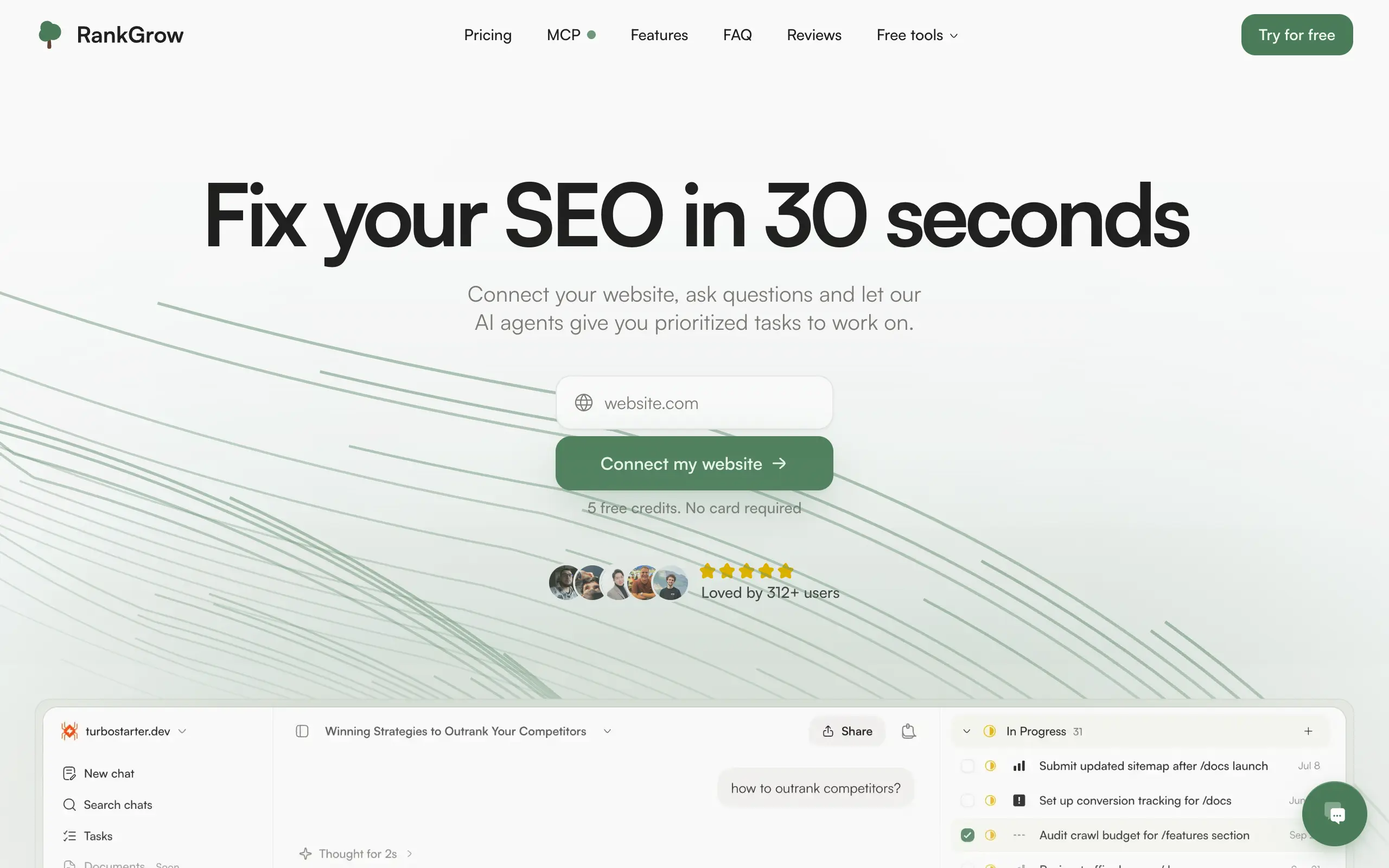
RankGrow
Fix your SEO with AI agents - connect Search Console, get prioritized tasks, and grow organic traffic 📈
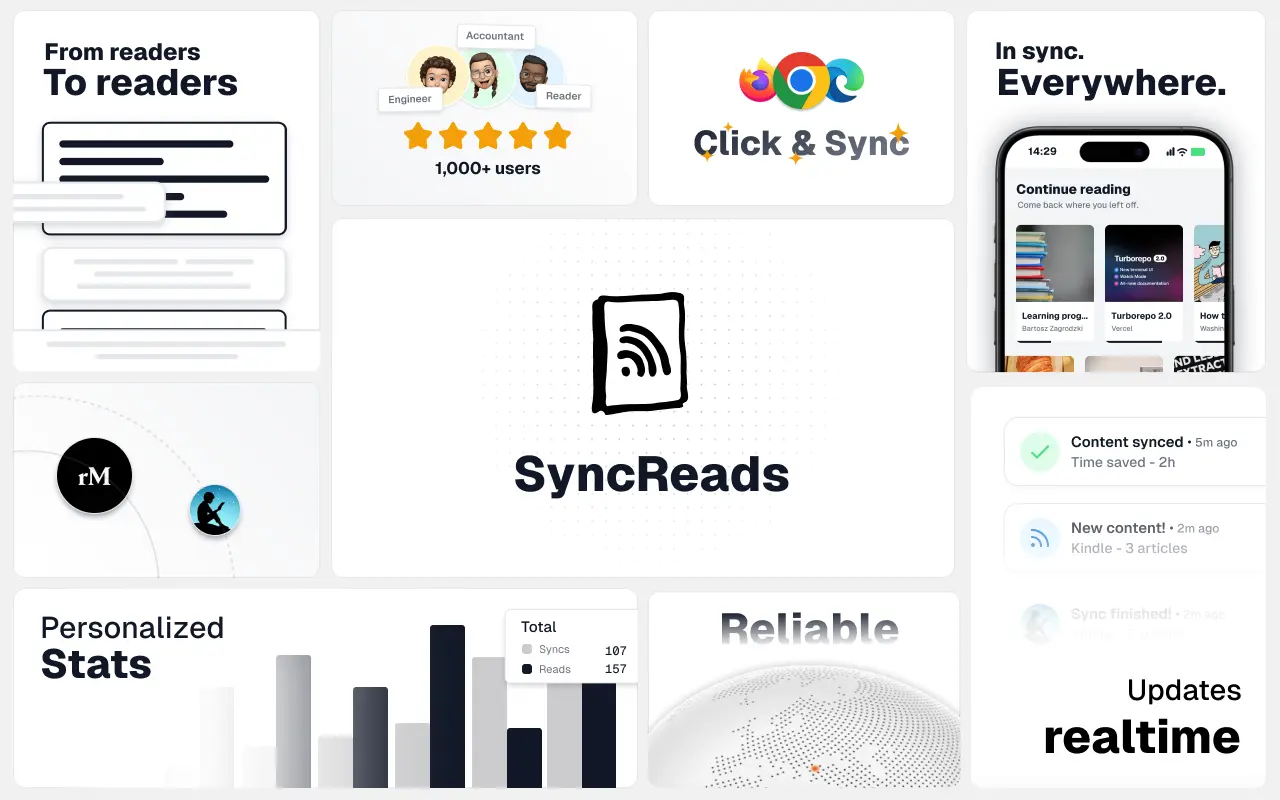
SyncReads
Sync your favorite content for distraction-free reading, save time and replace multiple apps. Anytime, anywhere 🔄
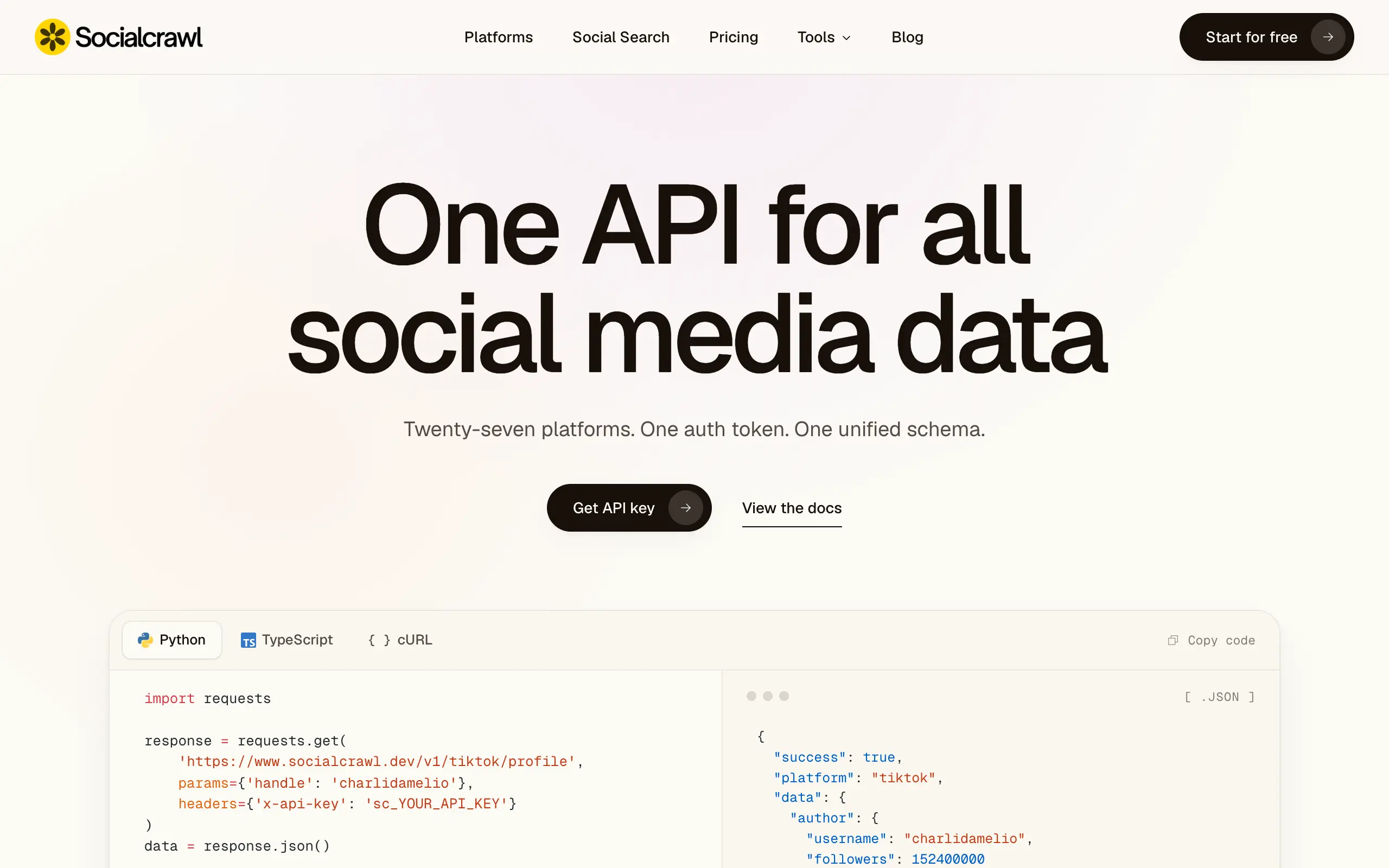
Socialcrawl
Get clean, structured data from 21 platforms like TikTok, Instagram, and YouTube with a single request 📊
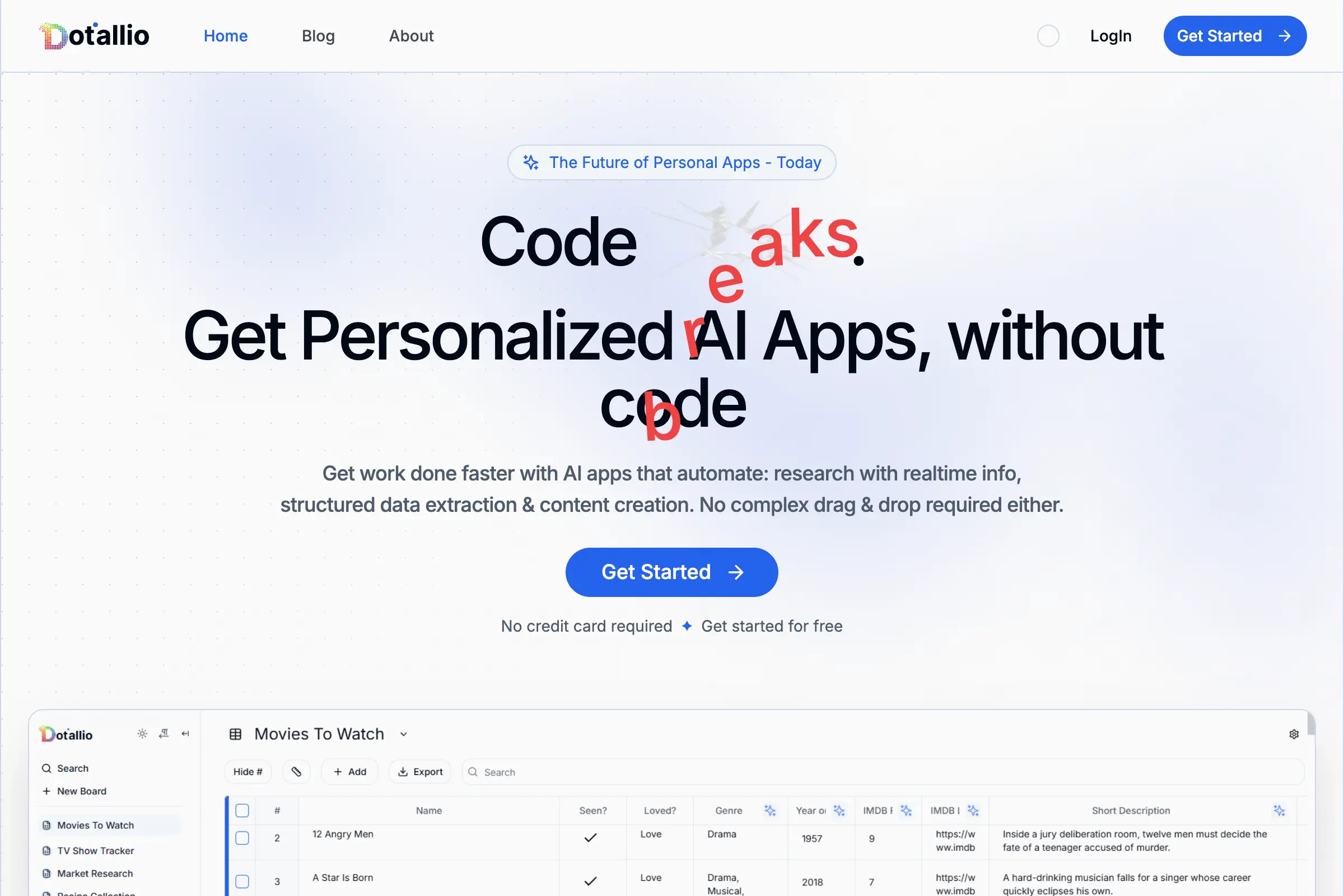
Dotallio
Personalized AI apps that automate research, data extraction, and content creation without code 🤖
Shibui
AI website builder - describe your business, pick a niche template, edit by chatting, and publish instantly ✨
Pro Service
Find verified home service professionals, compare quotes, and pay securely through escrow - built for Brazilians across the US 🏠
RankGrow
Fix your SEO with AI agents - connect Search Console, get prioritized tasks, and grow organic traffic 📈
SyncReads
Sync your favorite content for distraction-free reading, save time and replace multiple apps. Anytime, anywhere 🔄
Socialcrawl
Get clean, structured data from 21 platforms like TikTok, Instagram, and YouTube with a single request 📊
Dotallio
Personalized AI apps that automate research, data extraction, and content creation without code 🤖
Shibui
AI website builder - describe your business, pick a niche template, edit by chatting, and publish instantly ✨
Pro Service
Find verified home service professionals, compare quotes, and pay securely through escrow - built for Brazilians across the US 🏠
RankGrow
Fix your SEO with AI agents - connect Search Console, get prioritized tasks, and grow organic traffic 📈
SyncReads
Sync your favorite content for distraction-free reading, save time and replace multiple apps. Anytime, anywhere 🔄
Socialcrawl
Get clean, structured data from 21 platforms like TikTok, Instagram, and YouTube with a single request 📊
Dotallio
Personalized AI apps that automate research, data extraction, and content creation without code 🤖
Shibui
AI website builder - describe your business, pick a niche template, edit by chatting, and publish instantly ✨
Pro Service
Find verified home service professionals, compare quotes, and pay securely through escrow - built for Brazilians across the US 🏠
RankGrow
Fix your SEO with AI agents - connect Search Console, get prioritized tasks, and grow organic traffic 📈
SyncReads
Sync your favorite content for distraction-free reading, save time and replace multiple apps. Anytime, anywhere 🔄
Socialcrawl
Get clean, structured data from 21 platforms like TikTok, Instagram, and YouTube with a single request 📊
Dotallio
Personalized AI apps that automate research, data extraction, and content creation without code 🤖

Talk to Santa
Enjoy a magical live video chat or receive a unique AI-generated video greeting from Santa Claus 🎅

pozywka.pl
Scalable blog for food journalist, focused on performance and user experience 🌭
zagrodzki.me
Personal blog and portfolio of Bart Zagrodzki, where he shares his knowledge and work 💼
TurboStarter
Ship your startup everywhere. In minutes.
HTML to Markdown
Convert HTML to Markdown with ease, directly in your browser 📄
Omichat
Chat with 50+ AI models, including ChatGPT and Claude, in one place - switch models anytime without losing context 🤖
Talk to Santa
Enjoy a magical live video chat or receive a unique AI-generated video greeting from Santa Claus 🎅
pozywka.pl
Scalable blog for food journalist, focused on performance and user experience 🌭
zagrodzki.me
Personal blog and portfolio of Bart Zagrodzki, where he shares his knowledge and work 💼
TurboStarter
Ship your startup everywhere. In minutes.
HTML to Markdown
Convert HTML to Markdown with ease, directly in your browser 📄
Omichat
Chat with 50+ AI models, including ChatGPT and Claude, in one place - switch models anytime without losing context 🤖
Talk to Santa
Enjoy a magical live video chat or receive a unique AI-generated video greeting from Santa Claus 🎅
pozywka.pl
Scalable blog for food journalist, focused on performance and user experience 🌭
zagrodzki.me
Personal blog and portfolio of Bart Zagrodzki, where he shares his knowledge and work 💼
TurboStarter
Ship your startup everywhere. In minutes.
HTML to Markdown
Convert HTML to Markdown with ease, directly in your browser 📄
Omichat
Chat with 50+ AI models, including ChatGPT and Claude, in one place - switch models anytime without losing context 🤖
Talk to Santa
Enjoy a magical live video chat or receive a unique AI-generated video greeting from Santa Claus 🎅
pozywka.pl
Scalable blog for food journalist, focused on performance and user experience 🌭
zagrodzki.me
Personal blog and portfolio of Bart Zagrodzki, where he shares his knowledge and work 💼
TurboStarter
Ship your startup everywhere. In minutes.
HTML to Markdown
Convert HTML to Markdown with ease, directly in your browser 📄
Omichat
Chat with 50+ AI models, including ChatGPT and Claude, in one place - switch models anytime without losing context 🤖
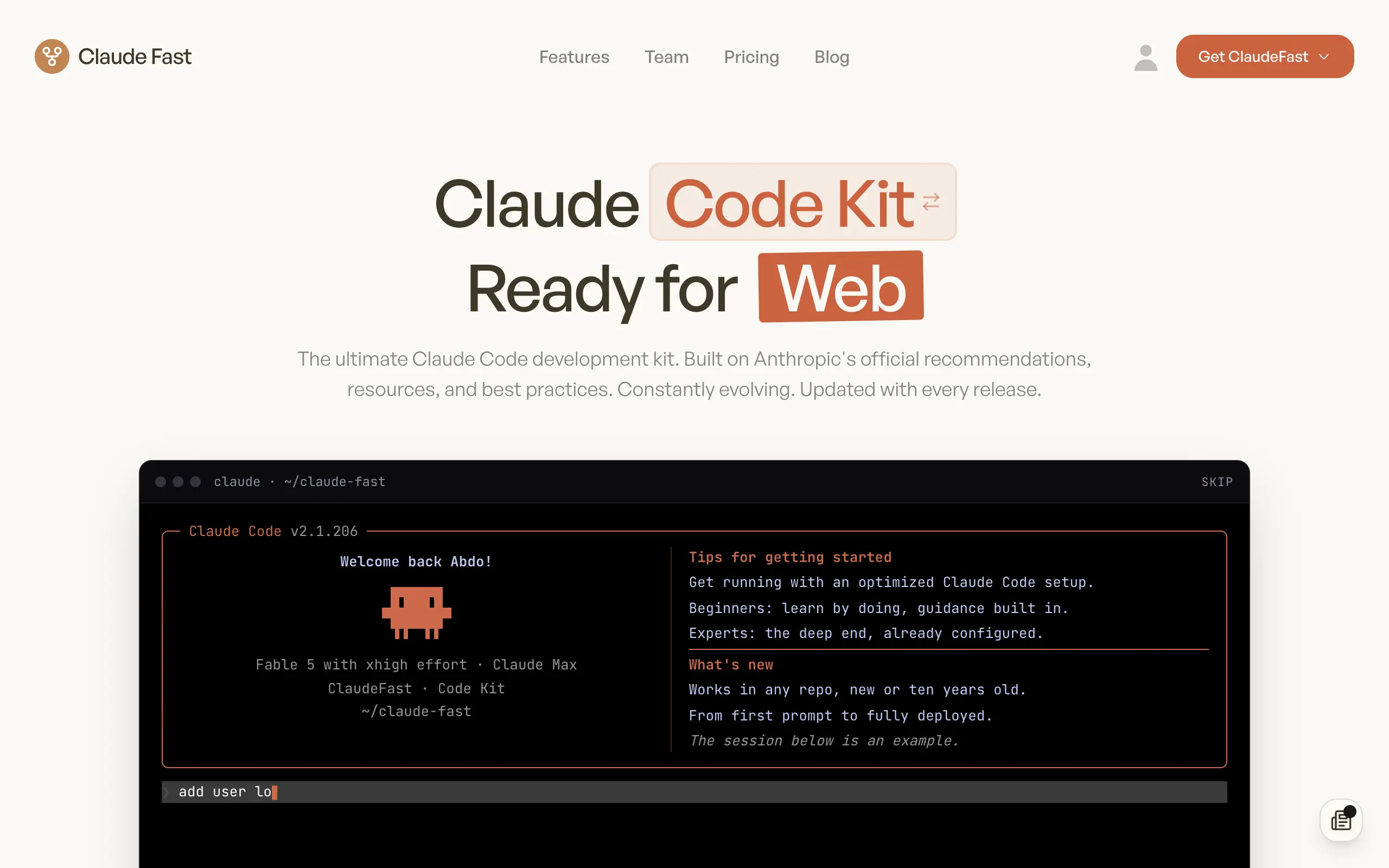
Claude Fast
Supercharge your Claude Code with 6x effective context window and specialized AI agents 🤖
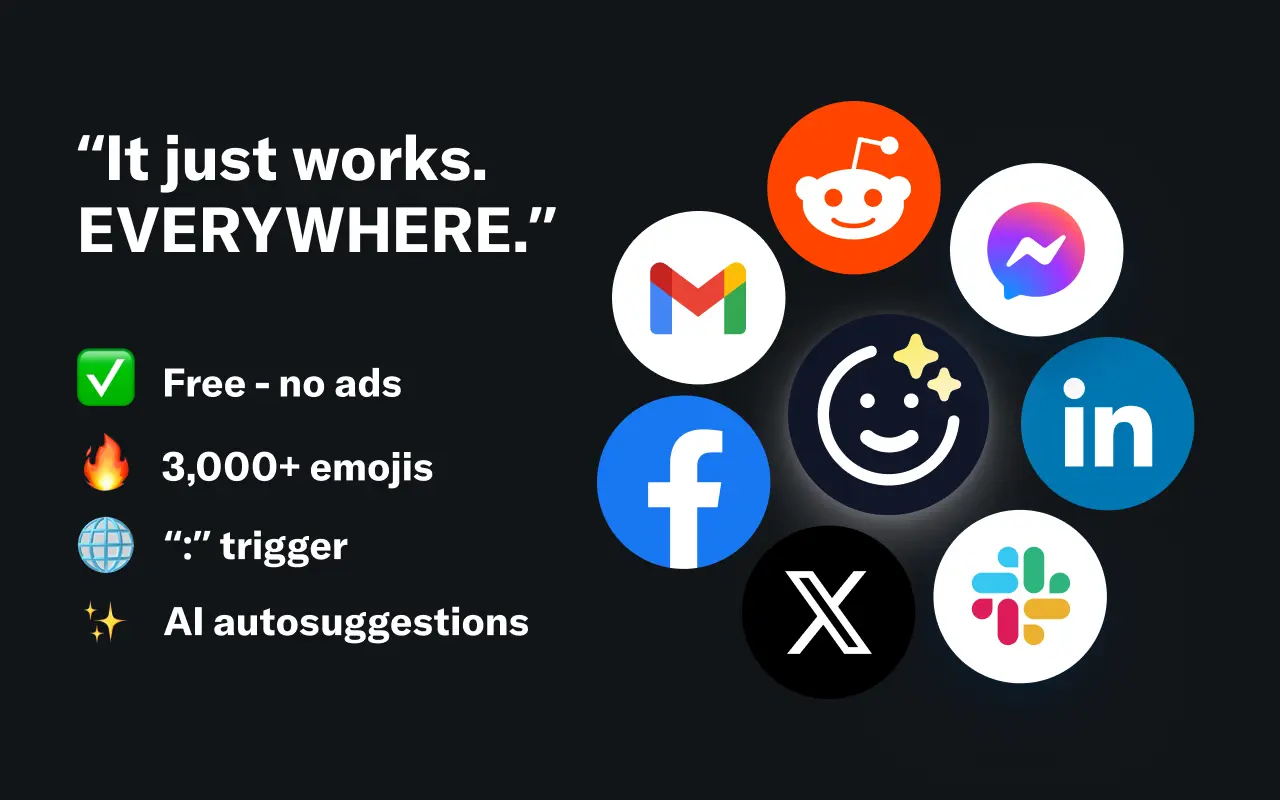
EmojAI
AI-powered emoji picker with smart, context-aware suggestions 🤖

Solohacker
Autonomous company launcher - AI agents work 24/7, escalate what matters, and you stay in control 🤖

BeRawi: Storytelling Coach
Practice storytelling daily with instant feedback to sound clearer, more engaging, and confident 🎤
Claude Fast
Supercharge your Claude Code with 6x effective context window and specialized AI agents 🤖
EmojAI
AI-powered emoji picker with smart, context-aware suggestions 🤖
Solohacker
Autonomous company launcher - AI agents work 24/7, escalate what matters, and you stay in control 🤖
BeRawi: Storytelling Coach
Practice storytelling daily with instant feedback to sound clearer, more engaging, and confident 🎤
Claude Fast
Supercharge your Claude Code with 6x effective context window and specialized AI agents 🤖
EmojAI
AI-powered emoji picker with smart, context-aware suggestions 🤖
Solohacker
Autonomous company launcher - AI agents work 24/7, escalate what matters, and you stay in control 🤖
BeRawi: Storytelling Coach
Practice storytelling daily with instant feedback to sound clearer, more engaging, and confident 🎤
Claude Fast
Supercharge your Claude Code with 6x effective context window and specialized AI agents 🤖
EmojAI
AI-powered emoji picker with smart, context-aware suggestions 🤖
Solohacker
Autonomous company launcher - AI agents work 24/7, escalate what matters, and you stay in control 🤖
BeRawi: Storytelling Coach
Practice storytelling daily with instant feedback to sound clearer, more engaging, and confident 🎤

Connect with like-minded people
Join our community to get feedback, support, and grow together with 1,000+ builders on board, let's ship it!
Join usShip your startup everywhere. In minutes.
Don't burn tokens on setup and start building features on day one.