ReturnSignal
Predict TikTok Shop return risks from reviews, video claims, and order data so sellers can fix listings before margins disappear.
Why TikTok Shop return risk prediction is becoming essential for sellers
TikTok Shop creates a uniquely fast path from product discovery to purchase. A short creator video, a compelling live demonstration, or a limited-time promotion can generate a sudden surge of orders within hours. That velocity is valuable, but it also makes return-related mistakes much more expensive.
For many sellers, returns are not simply a customer service metric. They are a margin problem, a listing quality problem, a creator partnership problem, and sometimes an operational forecasting problem. A product can appear to perform well based on gross merchandise value while quietly losing money through avoidable refunds, return shipping, damaged inventory, chargebacks, and negative post-purchase reviews.
ReturnSignal is an AI-powered TikTok Shop return risk prediction platform designed to identify those issues before they become costly. It analyzes signals across reviews, product listings, video claims, creator content, and order data to help sellers understand which products, variants, campaigns, and claims are most likely to cause returns.
The core promise is straightforward:
Help TikTok Shop sellers detect return risk early, fix misleading or incomplete listings, and protect contribution margin before a viral sales spike turns into a refund spike.
This is not another generic ecommerce analytics dashboard. ReturnSignal should focus specifically on the gap between what shoppers believe they are buying and what they actually receive.
That gap is where preventable returns begin.
The return problem in social commerce
Traditional ecommerce returns often happen because shoppers cannot touch, try, or inspect a product before buying. Social commerce introduces another layer of complexity. Customers may purchase based on an entertaining video, a creator’s personal recommendation, a fast-paced livestream, or a visual demonstration that leaves out important product details.
This environment can create expectation mismatch at scale.
A shopper may return a product because:
- The size, dimensions, or fit differed from what they expected
- The color looked different in creator content than in real life
- A video implied capabilities that the product does not consistently provide
- The listing lacked setup instructions, compatibility information, or material details
- A discounted bundle was misunderstood
- A product arrived later than expected or in damaged condition
- A product has a quality issue concentrated in one SKU, supplier batch, or variant
- The creator demo was technically accurate but incomplete for common use cases
The challenge is that these reasons are usually scattered across unstructured reviews, support tickets, return reasons, comments, product listings, and order records. Most TikTok Shop sellers can see that a return rate increased, but they cannot quickly answer the more important questions:
- Which customer expectation caused the increase?
- Which creator video or listing phrase amplified that expectation?
- Is the issue limited to a specific variant?
- Is this a product quality defect, a content problem, or a fulfillment issue?
- Which change will reduce returns without lowering conversion rate?
TikTok Shop return risk prediction software can turn this messy data into a prioritized action plan.
The key operating principle
A high return rate is a lagging indicator. ReturnSignal should help merchants act on leading indicators such as repeated review language, risky product claims, confusing video demonstrations, rising support questions, and abnormal order-pattern changes.
Who ReturnSignal is built for
ReturnSignal has several potential customer segments, but the strongest initial market is not every seller on TikTok Shop. The product should begin with merchants that have sufficient order volume, a meaningful paid or affiliate content operation, and enough return exposure to feel the financial pain.
High-volume TikTok Shop brands
Established direct-to-consumer brands selling beauty, apparel, wellness, home goods, accessories, gadgets, and lifestyle products are strong early customers.
These businesses often have:
- Multiple products and variants
- In-house ecommerce or marketplace teams
- Creator and affiliate partnerships
- A growing amount of customer feedback
- Pressure to improve profitability rather than just revenue
- Existing dashboards that report returns but do not explain them
Their primary need is a clear, financially grounded view of return risk. They want to know where to intervene first and whether a listing update, content correction, product change, or fulfillment action will have the greatest impact.
TikTok Shop agencies and social commerce operators
Agencies managing several TikTok Shop accounts are another valuable segment. They frequently oversee creator relationships, promotions, listing optimization, advertising, and content production across brands.
For an agency, ReturnSignal can become a retention tool. Instead of reporting only sales, an agency can show clients that it is actively protecting margins and improving customer experience.
Agency workflows could include:
- Monitoring return-risk alerts across a portfolio of stores
- Flagging creator claims that need clarification or approval
- Producing client-ready return-risk reports
- Comparing return drivers by product category
- Creating reusable listing improvement playbooks
Affiliate-heavy sellers
Sellers that depend heavily on creator-generated content have an especially acute version of the problem. More content creates more sales opportunities, but it also creates more chances for product claims to become inconsistent.
One creator may accurately say that a skincare product supports hydration. Another may imply that it solves a medical condition. One may show a garment under studio lighting, while another uses a filter that shifts the perceived color.
Affiliate-heavy brands need a system that can identify these inconsistencies before they spread.
Marketplace aggregators and multibrand operators
Operators with many storefronts, brands, or catalogs need a portfolio-level view. They may care less about a single return and more about identifying repeatable patterns across categories, suppliers, and fulfillment partners.
For these buyers, ReturnSignal can evolve into a return intelligence layer that reveals:
- Recurring supplier quality issues
- Product categories with repeated expectation mismatch
- Creators associated with higher post-purchase dissatisfaction
- Listing templates that reduce avoidable return reasons
- Inventory exposure from high-risk SKUs
The market gap for TikTok Shop return analytics
Many ecommerce tools track revenue, conversion rates, customer acquisition costs, inventory, reviews, and customer support. Return data is often available as well. However, most tools fall into one of four categories.
Generic analytics tools
Useful for reporting historical returns, but often weak at explaining the content, product, and expectation signals behind them.
Review platforms
Strong at collecting feedback, but rarely connect review themes to creator claims, order cohorts, or return-margin exposure.
Customer support systems
Capture complaint conversations, yet usually do not predict which products or campaigns will create future return risk.
Listing optimization tools
Improve discoverability and conversion, but may not evaluate whether marketing language creates an unrealistic customer expectation.
The opportunity for ReturnSignal is to connect these disconnected workflows.
A seller should not have to manually compare reviews, TikTok videos, product descriptions, order records, and return reasons in separate systems. The platform can act as an intelligence layer that converts fragmented evidence into an understandable risk score.
The most defensible product wedge is not simply “AI for returns.” It is:
Return intelligence for TikTok Shop that links customer expectations to the exact listing, video claim, product variant, and operational factor likely to trigger a return.
That positioning matters because it makes the product action-oriented. Sellers do not want an abstract machine learning score. They want a practical recommendation such as:
- Add exact garment measurements to the product page
- Clarify that a device requires a specific adapter
- Remove or reframe an overbroad creator claim
- Pause a high-risk video from paid amplification
- Investigate a supplier batch linked to defect complaints
- Add a setup video to reduce “not as expected” returns
- Separate a risky variant from an otherwise healthy product listing
How ReturnSignal should work
The best version of ReturnSignal combines structured commercial data with unstructured customer and content data. Its output should be understandable enough for a marketplace manager to use daily and rigorous enough for an operations leader to trust.
Ingest the right data sources
The product should start by connecting data that is already close to the return decision.
Core inputs can include:
- TikTok Shop order data
- Product catalog and SKU metadata
- Variant-level order and refund data
- Return reasons and refund outcomes
- Product titles, descriptions, images, and specifications
- Customer reviews and ratings
- Customer support tags or ticket excerpts where available
- Creator video transcripts and captions
- Product comments and frequently asked questions
- Shipment, delivery, and fulfillment exception data
- Promotion and campaign metadata
- Inventory lot, supplier, or warehouse information when available
The value comes from connecting these inputs rather than treating them independently.
For example, a sudden rise in returns for a beauty product may initially look like a quality issue. But ReturnSignal could detect that the increase began shortly after a creator video repeatedly used language such as “works for everyone” or “instant results,” while reviews mention skin sensitivity and customer expectations that the product would solve a specific concern.
That is a content-expectation mismatch, not necessarily a defective product.
Convert messy feedback into return themes
Natural language processing should identify themes in customer reviews, support messages, and return reasons. The model should classify both explicit and implied dissatisfaction.
Useful theme categories include:
- Sizing and fit mismatch
- Color or appearance mismatch
- Product quality and durability
- Material, texture, scent, or feel
- Missing accessories or incomplete bundles
- Compatibility and installation issues
- Confusing setup or product use
- Delivery and packaging issues
- Misleading claims or performance expectations
- Duplicate purchases or accidental ordering
- Buyer remorse related to price or promotion confusion
The system should preserve evidence. A merchant must be able to click into a risk category and see the reviews, comments, and order segments contributing to it.
This is critical for trust. Black-box recommendations are difficult to operationalize, particularly when teams are deciding whether to alter a high-performing creator campaign.
Analyze claims in listings and videos
ReturnSignal’s differentiating AI capability should be claim analysis.
The platform can extract statements from product descriptions, captions, transcripts, and creator videos, then classify those statements by risk. It should identify claims that are:
- Absolute or overly broad
- Missing important conditions
- Potentially ambiguous
- Inconsistent with the product listing
- Inconsistent across different creator videos
- Repeated frequently in high-converting content
- Correlated with post-purchase dissatisfaction themes
For example, a claim such as “fits all body types” may be commercially appealing but risky for apparel. A more precise and lower-risk version could specify stretch, cut, model measurements, available sizes, and fit guidance.
The goal is not to make content bland. It is to help sellers use persuasive content that sets accurate expectations.
Generate a transparent return risk score
A useful return risk score should operate at multiple levels.
| Risk level | What is scored | Primary evidence | Typical action | Business impact |
|---|---|---|---|---|
| Product | Overall product return exposure | Orders, refunds, reviews, listing claims | Prioritize listing or product fixes | Protect SKU-level margin |
| Variant | Size, color, bundle, or configuration risk | Variant return patterns and complaint themes | Update guidance or investigate quality | Reduce hidden problem variants |
| Content asset | Risk from a specific creator video or claim | Transcript, captions, comments, conversion cohort | Correct, pause, or replace content | Prevent scalable expectation mismatch |
| Campaign | Promotion or traffic-source risk | Order cohorts, discount structure, content source | Adjust targeting or offer framing | Improve profitable growth |
The score should not be positioned as a definitive prediction of every individual return. Instead, it should be a decision-support model that ranks relative risk and explains the drivers.
A merchant should see something like:
High risk
The “Midnight Blue, Large” variant has a rising return-risk score. Recent reviews cite color mismatch and a tighter-than-expected fit. The risk increase is concentrated in orders attributed to two videos using heavily filtered lighting and “true to size” language.
That level of detail makes the recommendation useful.
Prioritize by financial impact, not only return rate
A return rate alone can be misleading. A low-cost product with a 12% return rate may create less financial damage than a premium item with a 6% return rate, particularly when shipping, handling, restocking, discounting, and resale loss are considered.
ReturnSignal should estimate return margin exposure.
A simple first-pass model could calculate:
type ReturnExposureInput = {
  orders: number;
  predictedReturnRate: number;
  averageOrderValue: number;
  reverseLogisticsCost: number;
  resaleRecoveryRate: number;
};

export function estimateReturnExposure(input: ReturnExposureInput) {
  const expectedReturns = input.orders * input.predictedReturnRate;
  const unrecoveredValue = input.averageOrderValue * (1 - input.resaleRecoveryRate);

  return expectedReturns * (unrecoveredValue + input.reverseLogisticsCost);
}
In production, the calculation should expand to include processing fees, promotional discounts, shipping subsidies, inventory disposition, customer service labor, and potential customer lifetime value implications.
The point is to prioritize changes that matter commercially. A product team can then focus on the top return-margin opportunities rather than chasing every minor issue.
Core ReturnSignal features for a focused MVP
A strong MVP should solve one painful workflow exceptionally well. It should not attempt to become a complete ecommerce operating system on day one.
Return risk dashboard
The dashboard should give sellers a weekly and daily view of where margin risk is emerging.
Key dashboard elements can include:
- Overall return-risk trend
- Products with the largest predicted return-margin exposure
- Fastest-rising risk themes
- High-risk product variants
- Creator videos or campaigns associated with elevated returns
- Return reasons compared with historical baselines
- Recommended actions and expected impact
- A confidence indicator for every insight
The central question the dashboard answers is simple:
What should the team fix this week to prevent the most expensive avoidable returns?
Claim and content risk scanner
Users should be able to submit a product listing URL, catalog description, caption, or video transcript for analysis.
The scanner can flag:
- Vague promises
- Unqualified performance claims
- Missing fit or compatibility context
- Inconsistencies between video content and product details
- Claims that conflict with known review complaints
- Language likely to increase post-purchase confusion
This feature also creates a useful pre-launch workflow. A seller can evaluate a listing or creator brief before the video begins driving high-volume orders.
Review intelligence and theme clustering
Reviews should be grouped into clear, merchant-friendly themes rather than presented as a raw wall of text.
For every theme, show:
- Volume and trend direction
- Representative customer language
- Related products and variants
- Associated content assets or traffic cohorts
- Estimated return impact
- Recommended remediation
A review cluster such as “smaller than expected” becomes more valuable when the platform shows that it is concentrated in a specific size range and linked to a particular creator’s fit recommendation.
Listing improvement recommendations
The platform should translate detection into action. Recommendations might include:
- Add measurements and a fit comparison chart
- Include a video showing the real product scale
- Add a compatibility checklist
- Clarify required accessories or batteries
- Update bundle contents in the title and first image
- Add care instructions to reduce quality complaints
- Replace ambiguous before-and-after language
- Add a material close-up or color disclaimer
Recommendations should be tailored to the detected problem, not generated as generic conversion-rate advice.
Alerts for emerging return risk
ReturnSignal should send alerts when a signal crosses a meaningful threshold.
Examples include:
- A return theme rises sharply compared with the previous period
- Negative reviews mention the same issue across multiple newly delivered orders
- A high-converting video contains a claim not supported by the listing
- A single variant has a materially different return pattern
- A supplier batch shows elevated defect-related feedback
- A promotional campaign attracts a cohort with higher buyer-remorse signals
Alerts should be configurable. Sellers will ignore the system if every small fluctuation creates a notification.
A recommended technical architecture
ReturnSignal needs an architecture that can support AI analysis, ecommerce integrations, secure multi-tenant data handling, and explainable reporting.
For an early-stage SaaS product, a modern TypeScript-based web stack is a practical choice.
Application layer
Use React for the user interface and Next.js for the full-stack application framework. This combination supports server-rendered pages, authenticated dashboards, API routes, background job triggers, and strong developer velocity.
Tailwind CSS is well suited to building dense analytics interfaces quickly while maintaining a consistent design system.
TypeScript is strongly recommended because data contracts are central to a return intelligence product. Product records, order events, review themes, risk scores, and recommendation objects should have explicit types.
Data storage and analytics
A relational database such as PostgreSQL is a strong foundation for tenant data, account configuration, product catalogs, user permissions, and normalized transactional records.
For larger customers, consider separating operational and analytical workloads.
- Use PostgreSQL for core application data
- Use object storage for raw transcripts and large source exports
- Use a warehouse or columnar analytics system when event volumes increase
- Use a vector index for semantic retrieval across reviews, transcripts, and support content
The trade-off is complexity. A startup should avoid building a complicated data platform before validating that merchants will pay for the insights. Begin with a clean relational model and add specialized systems only when query patterns and scale justify them.
AI and machine learning pipeline
The AI layer should combine deterministic rules, statistical analysis, and large language model capabilities.
A practical pipeline can include:
- Data normalization for orders, products, reviews, and content
- Transcript extraction for available creator video content
- Entity matching between videos, products, SKUs, and campaigns
- Theme classification for reviews and return reasons
- Claim extraction and claim-risk classification
- Time-series anomaly detection for emerging issues
- Risk scoring using historical outcome data
- Retrieval-based explanations that cite the underlying evidence
Large language models are useful for summarization, classification, recommendation drafting, and semantic comparison. They should not be the only system deciding risk. Deterministic controls and measurable outcome models are important for consistency.
For example, a rule can reliably flag phrases such as “guaranteed,” “works for everyone,” or “one size fits all.” A machine learning model can then estimate whether those phrases correlate with returns for a specific category, product, or customer cohort.
Data security and trust controls
ReturnSignal will process commercially sensitive order data and potentially customer feedback. Trust must be built into the product from the start.
Important controls include:
- Tenant isolation at the database and application layers
- Encryption in transit and at rest
- Role-based access controls
- Audit logs for critical data access
- Clear data retention settings
- A documented deletion workflow
- Minimal collection of personally identifiable information
- Redaction or hashing of unnecessary customer identifiers
- Clear consent and permission handling for connected data sources
Avoid making unsupported compliance claims. Instead, publish a transparent security page, maintain internal controls, and work toward relevant certifications as the customer segment requires them.
Monetization options for ReturnSignal
The strongest pricing model aligns with customer value while remaining easy to understand.
Tiered subscription based on order volume
A monthly SaaS subscription based on processed orders is likely the best starting point.
Possible packaging can include:
- A starter plan for smaller brands with limited order volume and basic risk alerts
- A growth plan with content analysis, variant-level insights, and integrations
- A scale plan for high-volume sellers with advanced cohort analysis and multiple workspaces
- An enterprise plan for agencies, multibrand operators, custom data sources, and security requirements
Order volume is a logical value metric because return exposure generally grows with transaction volume. However, it should be paired with clear limits around data retention, connected stores, analyzed content assets, or user seats.
Usage-based AI analysis
For customers that need high-frequency video scanning or large back-catalog analysis, add usage-based credits.
This works well for:
- Bulk creator transcript analysis
- Large historical review imports
- On-demand listing audits
- High-volume campaign monitoring
- Custom reporting exports
The risk of a purely usage-based model is pricing uncertainty. Most sellers prefer predictable costs, so usage should be an add-on rather than the only pricing mechanism.
Agency and portfolio pricing
Agencies need a different packaging model. Charge based on managed stores, brand workspaces, or portfolio order volume. Add features that make the agency more effective, such as white-label reports, team roles, portfolio alerts, and client-level exports.
Premium implementation services
Early in the company’s life, paid onboarding and return-reduction audits can be strategically useful. Services create revenue, accelerate learning, and reveal what the product should automate next.
A premium service package could include:
- Historical return analysis
- Listing and creator content audit
- Return-risk baseline report
- Priority remediation roadmap
- Dashboard configuration
- Team training
The long-term goal is still software leverage, but implementation services can build credibility with early customers.
Competitive advantage and the ReturnSignal USP
ReturnSignal should avoid competing head-on with broad ecommerce analytics platforms. Its competitive advantage comes from the depth of the relationship between social content and post-purchase outcomes.
The unique selling proposition can be stated as:
ReturnSignal identifies the product claims, creator videos, listing gaps, and variant-level issues most likely to create TikTok Shop returns, then turns those signals into prioritized margin-protection actions.
Several elements make this defensible.
It connects content to downstream returns
Most dashboards stop at conversion. ReturnSignal follows the customer journey further. It measures whether a video that drives orders also drives customers who later feel disappointed, confused, or misled.
That is particularly valuable in TikTok Shop, where content can scale faster than operations teams can manually review it.
It makes AI explainable
A risk score alone is not enough. The product should show evidence, including customer language, claim excerpts, affected variants, time windows, and confidence levels.
Explainability improves adoption because the seller can verify the recommendation before changing a listing or pausing a creator partnership.
It focuses on prevention, not post-mortem reporting
Historical return reports tell merchants what went wrong. ReturnSignal should focus on what is becoming risky now and what action can reduce future losses.
It links insights to margin impact
The platform should frame its recommendations in financial terms. A seller is more likely to act when the recommendation says that clarifying a fit claim could reduce estimated return-margin exposure by a meaningful amount.
Risks and mitigation strategies
Every AI SaaS idea involving commerce data has meaningful execution risks. Addressing them directly will make ReturnSignal more credible.
TikTok Shop data access, policies, and integration capabilities can vary by market and evolve over time. Build a flexible ingestion layer that supports official APIs where available, approved partner connections, scheduled exports, and merchant-uploaded files. Avoid making the business dependent on a single undocumented data source.
New sellers may not have enough return history for robust merchant-specific modeling. Use category benchmarks, rules-based claim detection, review sentiment, and confidence labels until enough account data accumulates. Be explicit when an insight is directional rather than statistically strong.
Incorrectly flagging a successful creator video can create friction with marketing teams. Provide evidence, confidence scores, human review workflows, and a recommendation to monitor rather than pause content when certainty is low.
Generic advice reduces trust. Ground every recommendation in retrieved customer feedback, product metadata, and observed performance patterns. Measure whether implemented recommendations actually improve return outcomes.
Keep personally identifiable information to a minimum, redact unnecessary fields, and provide strong access controls. Create a documented data governance process before selling to larger brands or agencies.
A further risk is organizational rather than technical. Marketing, ecommerce, customer experience, and operations teams may disagree about who owns returns. The product should support shared workflows rather than assigning blame.
For example, a return spike may involve product quality, a vague listing, and an aggressive promotion at the same time. ReturnSignal should present the evidence as a collaborative diagnosis.
Metrics that prove ReturnSignal delivers value
A return intelligence platform must demonstrate impact beyond dashboard usage.
The most important customer outcome metrics include:
- Reduction in return rate for targeted products or variants
- Reduction in estimated return-margin exposure
- Time from emerging issue to corrective action
- Percentage of high-risk listings remediated
- Return-rate difference before and after content changes
- Reduction in repeated review complaints
- Percentage of recommendations accepted by merchants
- Revenue protected through avoided returns
- Improvement in customer rating or sentiment after remediation
Product metrics should also measure trust and usability.
- Insight open rate
- Alert resolution rate
- Evidence panel engagement
- Time spent investigating a risk
- Recommendation export or task creation rate
- Percentage of scores with sufficient evidence
- False-positive feedback rate
For external validation, publish case studies only with customer permission and clearly define the methodology. When citing industry return statistics, reference authoritative sources such as major industry reports, marketplace policy documentation, or audited retailer filings rather than relying on unsupported benchmarks.
An actionable plan to launch ReturnSignal
The most efficient way to build ReturnSignal is to validate the workflow before investing heavily in predictive modeling.
For founders building the initial SaaS product, speed matters, but so does a reliable foundation for authentication, billing, database design, team roles, and transactional workflows. TurboStarter can help reduce the time spent assembling common SaaS infrastructure so the team can focus on return-risk intelligence and customer-specific workflows.
The long-term opportunity for ReturnSignal
ReturnSignal can begin as TikTok Shop return risk prediction software, but the long-term platform opportunity is broader. The company can become the system of intelligence that helps social commerce brands understand whether their marketing promises match the real customer experience.
Over time, the product could support additional capabilities such as:
- Pre-publication creator claim approvals
- Predictive sizing and fit guidance
- Supplier and batch quality monitoring
- Return-risk forecasting for new product launches
- Automated listing experiments
- Cross-channel social commerce analysis
- Customer expectation benchmarks by category
- Creator quality scoring based on downstream satisfaction
- Return prevention workflows for support and operations teams
The strategic advantage is that ReturnSignal is not merely trying to reduce returns. It is helping merchants create more accurate, trustworthy product experiences at the moment demand is generated.
In social commerce, that is a powerful position.
The sellers that win over time will not just be the ones that create viral content. They will be the ones that convert attention into satisfied customers, repeat purchases, and durable margins. ReturnSignal can give them the intelligence to do exactly that.
More 🤖 AI Startup SaaS ideas
Discover more innovative ai startup SaaS ideas that are trending in 2026. Each idea is AI-generated with market validation and growth potential to help you find your next profitable venture faster than competitors.
Your competitors are building with TurboStarter
Below are some of the SaaS ideas that have been generated and built with our starter kit.

Shibui
AI website builder - describe your business, pick a niche template, edit by chatting, and publish instantly ✨

Pro Service
Find verified home service professionals, compare quotes, and pay securely through escrow - built for Brazilians across the US 🏠

RankGrow
Fix your SEO with AI agents - connect Search Console, get prioritized tasks, and grow organic traffic 📈
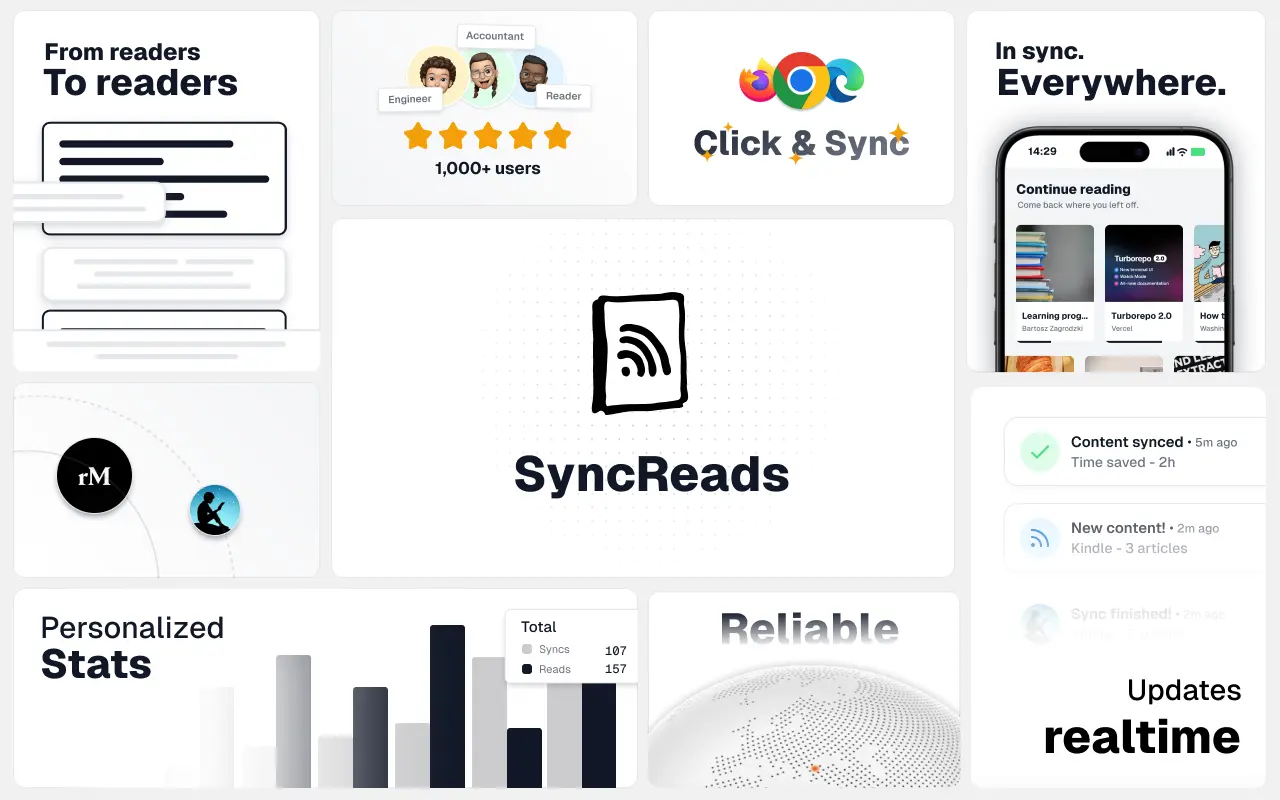
SyncReads
Sync your favorite content for distraction-free reading, save time and replace multiple apps. Anytime, anywhere 🔄
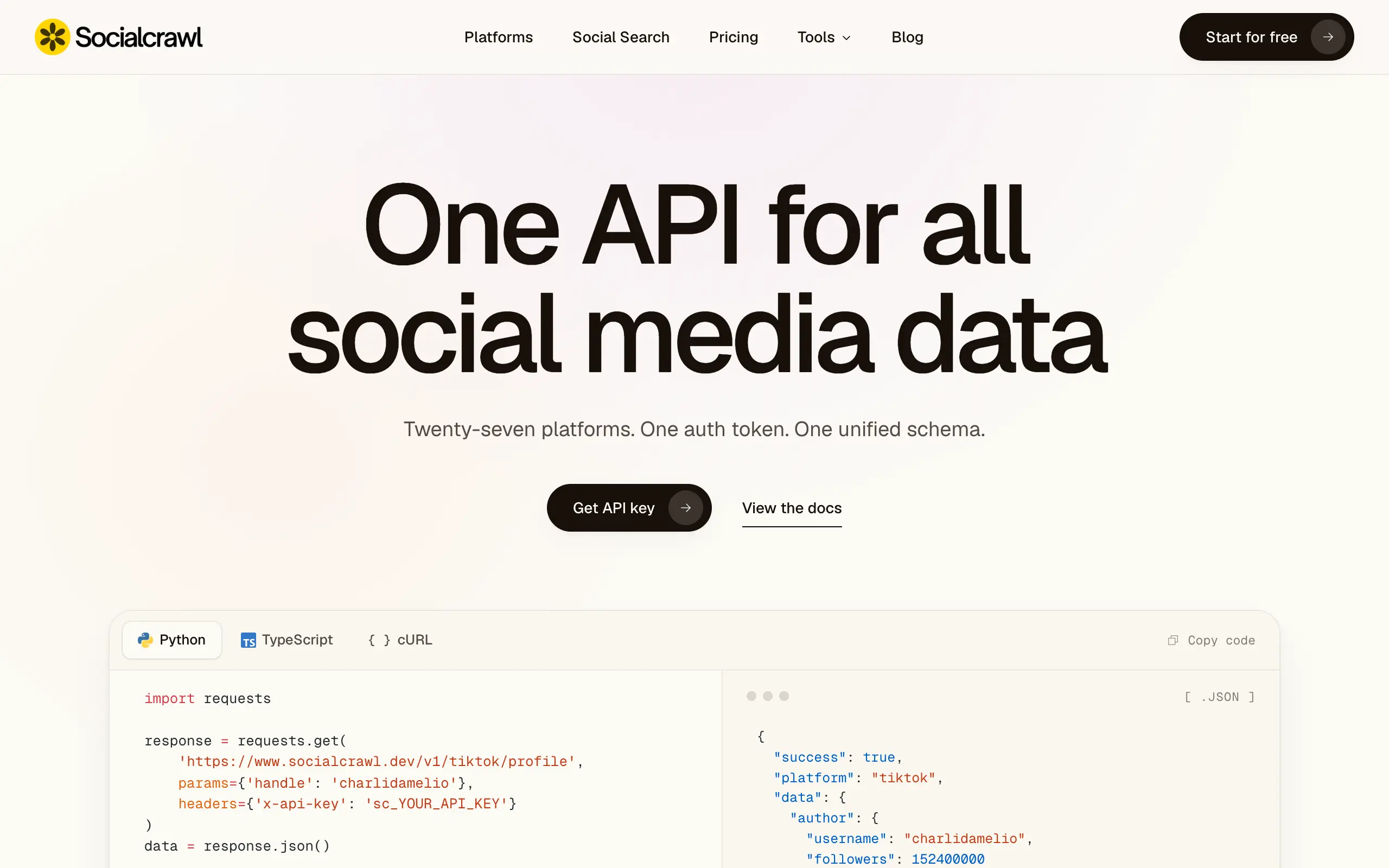
Socialcrawl
Get clean, structured data from 21 platforms like TikTok, Instagram, and YouTube with a single request 📊
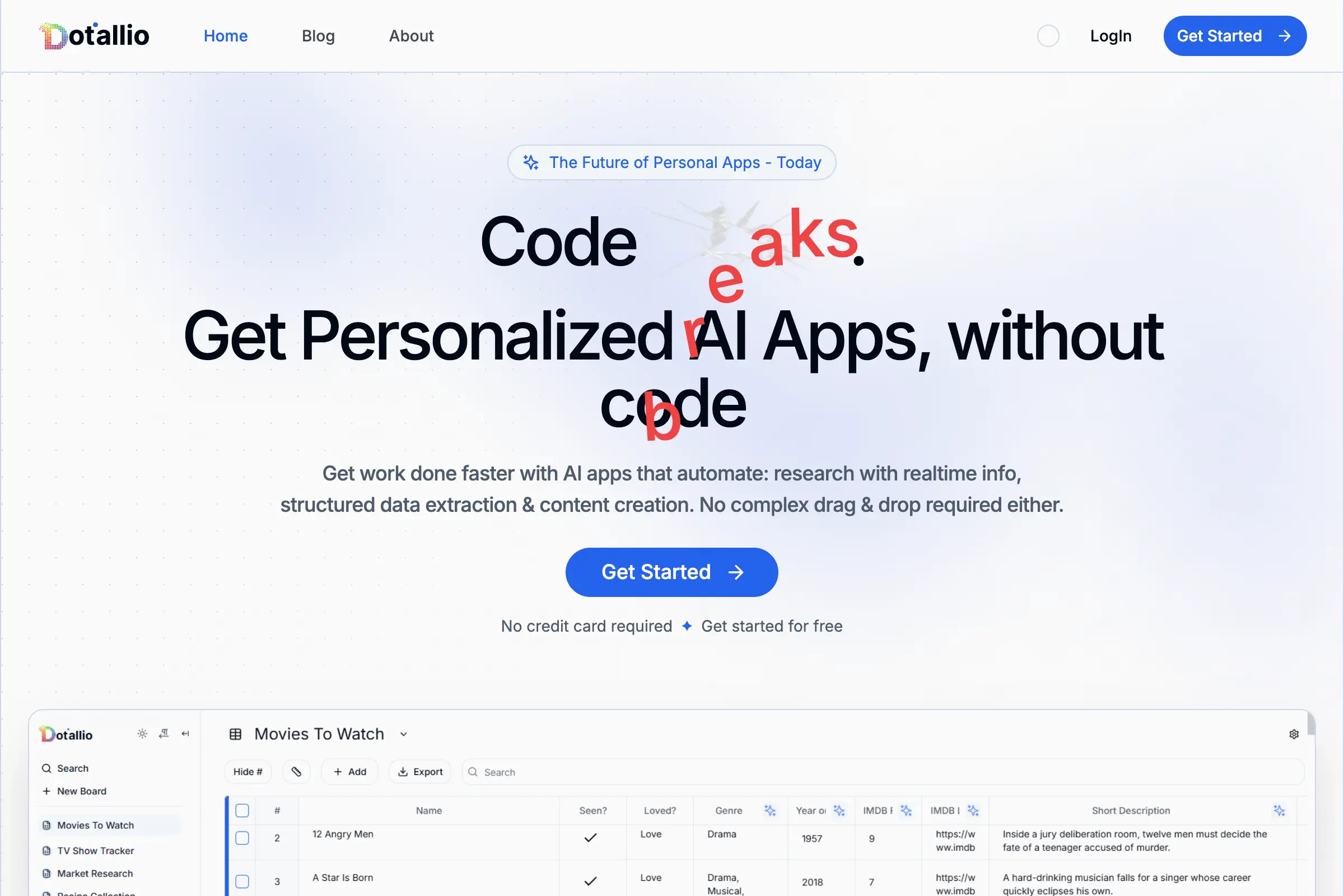
Dotallio
Personalized AI apps that automate research, data extraction, and content creation without code 🤖
Shibui
AI website builder - describe your business, pick a niche template, edit by chatting, and publish instantly ✨
Pro Service
Find verified home service professionals, compare quotes, and pay securely through escrow - built for Brazilians across the US 🏠
RankGrow
Fix your SEO with AI agents - connect Search Console, get prioritized tasks, and grow organic traffic 📈
SyncReads
Sync your favorite content for distraction-free reading, save time and replace multiple apps. Anytime, anywhere 🔄
Socialcrawl
Get clean, structured data from 21 platforms like TikTok, Instagram, and YouTube with a single request 📊
Dotallio
Personalized AI apps that automate research, data extraction, and content creation without code 🤖
Shibui
AI website builder - describe your business, pick a niche template, edit by chatting, and publish instantly ✨
Pro Service
Find verified home service professionals, compare quotes, and pay securely through escrow - built for Brazilians across the US 🏠
RankGrow
Fix your SEO with AI agents - connect Search Console, get prioritized tasks, and grow organic traffic 📈
SyncReads
Sync your favorite content for distraction-free reading, save time and replace multiple apps. Anytime, anywhere 🔄
Socialcrawl
Get clean, structured data from 21 platforms like TikTok, Instagram, and YouTube with a single request 📊
Dotallio
Personalized AI apps that automate research, data extraction, and content creation without code 🤖
Shibui
AI website builder - describe your business, pick a niche template, edit by chatting, and publish instantly ✨
Pro Service
Find verified home service professionals, compare quotes, and pay securely through escrow - built for Brazilians across the US 🏠
RankGrow
Fix your SEO with AI agents - connect Search Console, get prioritized tasks, and grow organic traffic 📈
SyncReads
Sync your favorite content for distraction-free reading, save time and replace multiple apps. Anytime, anywhere 🔄
Socialcrawl
Get clean, structured data from 21 platforms like TikTok, Instagram, and YouTube with a single request 📊
Dotallio
Personalized AI apps that automate research, data extraction, and content creation without code 🤖

Talk to Santa
Enjoy a magical live video chat or receive a unique AI-generated video greeting from Santa Claus 🎅

pozywka.pl
Scalable blog for food journalist, focused on performance and user experience 🌭
zagrodzki.me
Personal blog and portfolio of Bart Zagrodzki, where he shares his knowledge and work 💼

TurboStarter
Ship your startup everywhere. In minutes.
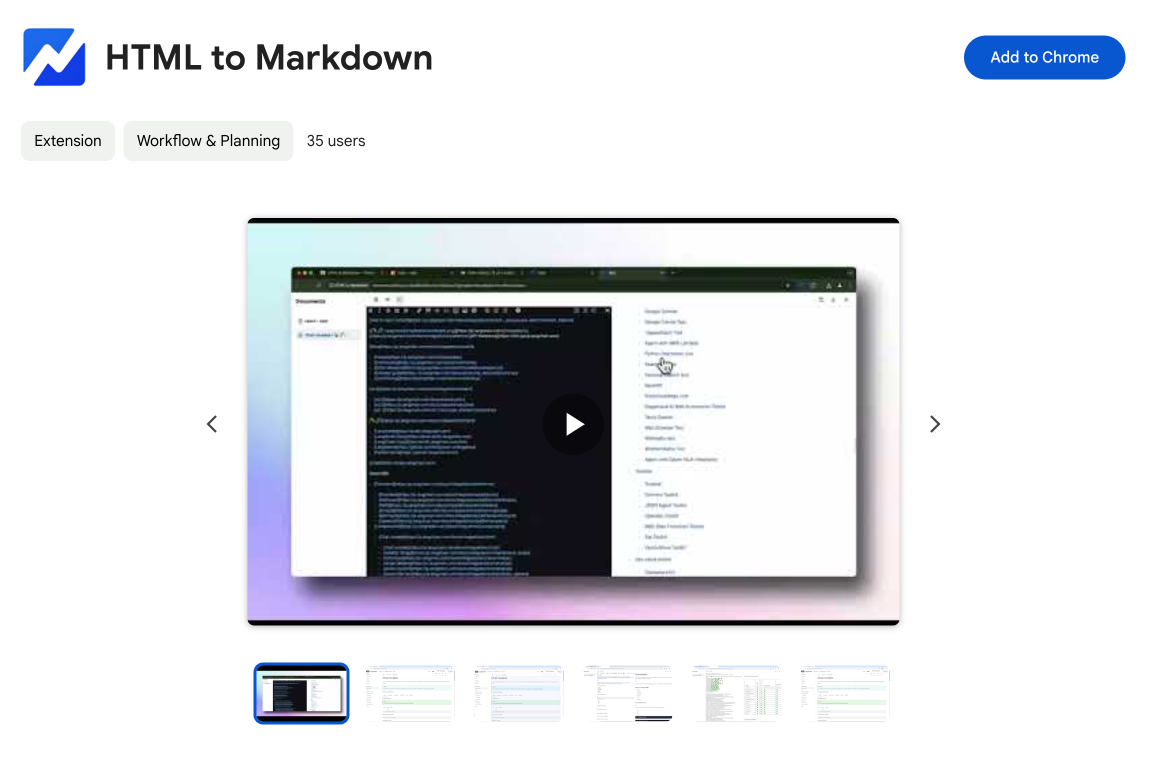
HTML to Markdown
Convert HTML to Markdown with ease, directly in your browser 📄
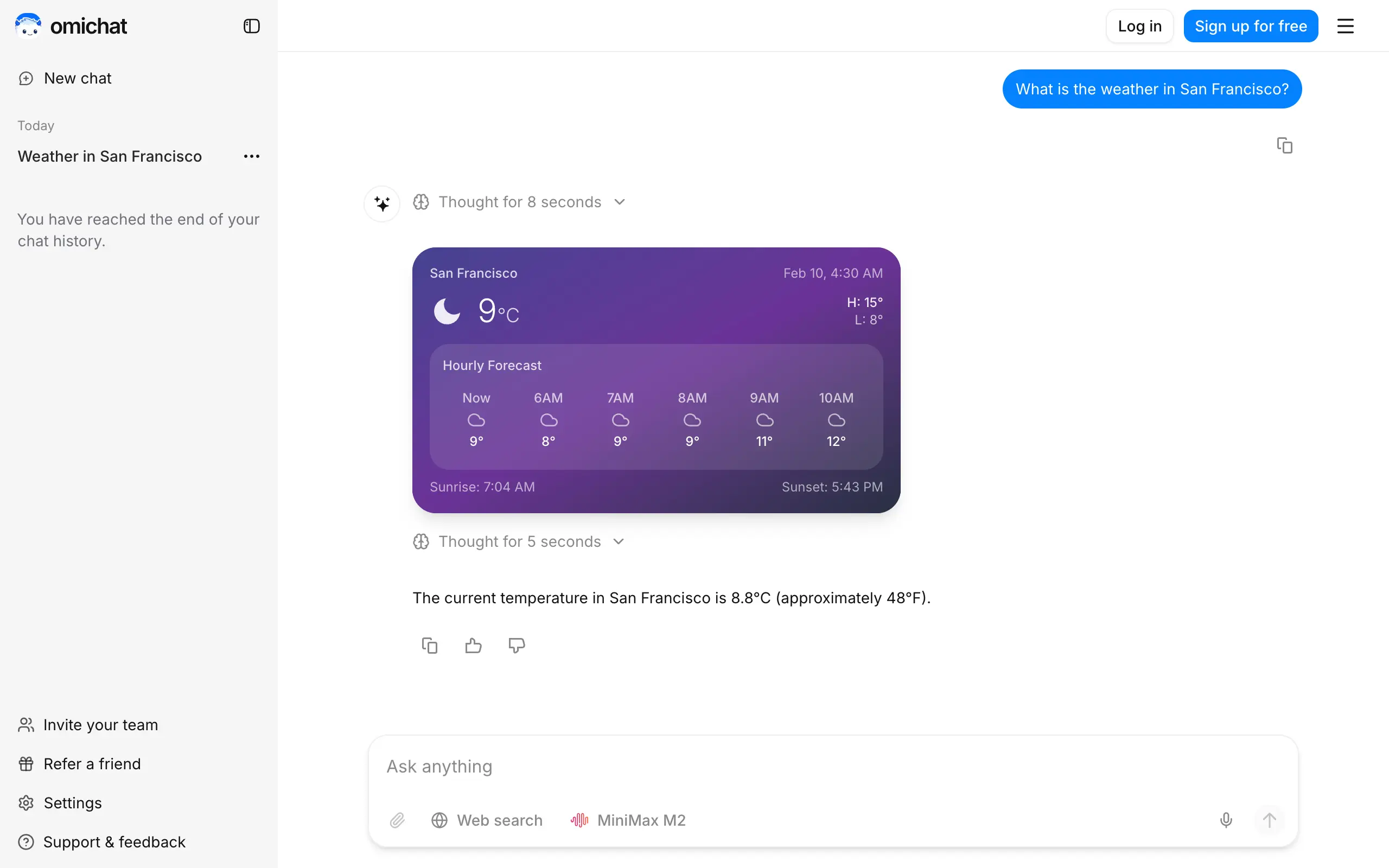
Omichat
Chat with 50+ AI models, including ChatGPT and Claude, in one place - switch models anytime without losing context 🤖
Talk to Santa
Enjoy a magical live video chat or receive a unique AI-generated video greeting from Santa Claus 🎅
pozywka.pl
Scalable blog for food journalist, focused on performance and user experience 🌭
zagrodzki.me
Personal blog and portfolio of Bart Zagrodzki, where he shares his knowledge and work 💼
TurboStarter
Ship your startup everywhere. In minutes.
HTML to Markdown
Convert HTML to Markdown with ease, directly in your browser 📄
Omichat
Chat with 50+ AI models, including ChatGPT and Claude, in one place - switch models anytime without losing context 🤖
Talk to Santa
Enjoy a magical live video chat or receive a unique AI-generated video greeting from Santa Claus 🎅
pozywka.pl
Scalable blog for food journalist, focused on performance and user experience 🌭
zagrodzki.me
Personal blog and portfolio of Bart Zagrodzki, where he shares his knowledge and work 💼
TurboStarter
Ship your startup everywhere. In minutes.
HTML to Markdown
Convert HTML to Markdown with ease, directly in your browser 📄
Omichat
Chat with 50+ AI models, including ChatGPT and Claude, in one place - switch models anytime without losing context 🤖
Talk to Santa
Enjoy a magical live video chat or receive a unique AI-generated video greeting from Santa Claus 🎅
pozywka.pl
Scalable blog for food journalist, focused on performance and user experience 🌭
zagrodzki.me
Personal blog and portfolio of Bart Zagrodzki, where he shares his knowledge and work 💼
TurboStarter
Ship your startup everywhere. In minutes.
HTML to Markdown
Convert HTML to Markdown with ease, directly in your browser 📄
Omichat
Chat with 50+ AI models, including ChatGPT and Claude, in one place - switch models anytime without losing context 🤖
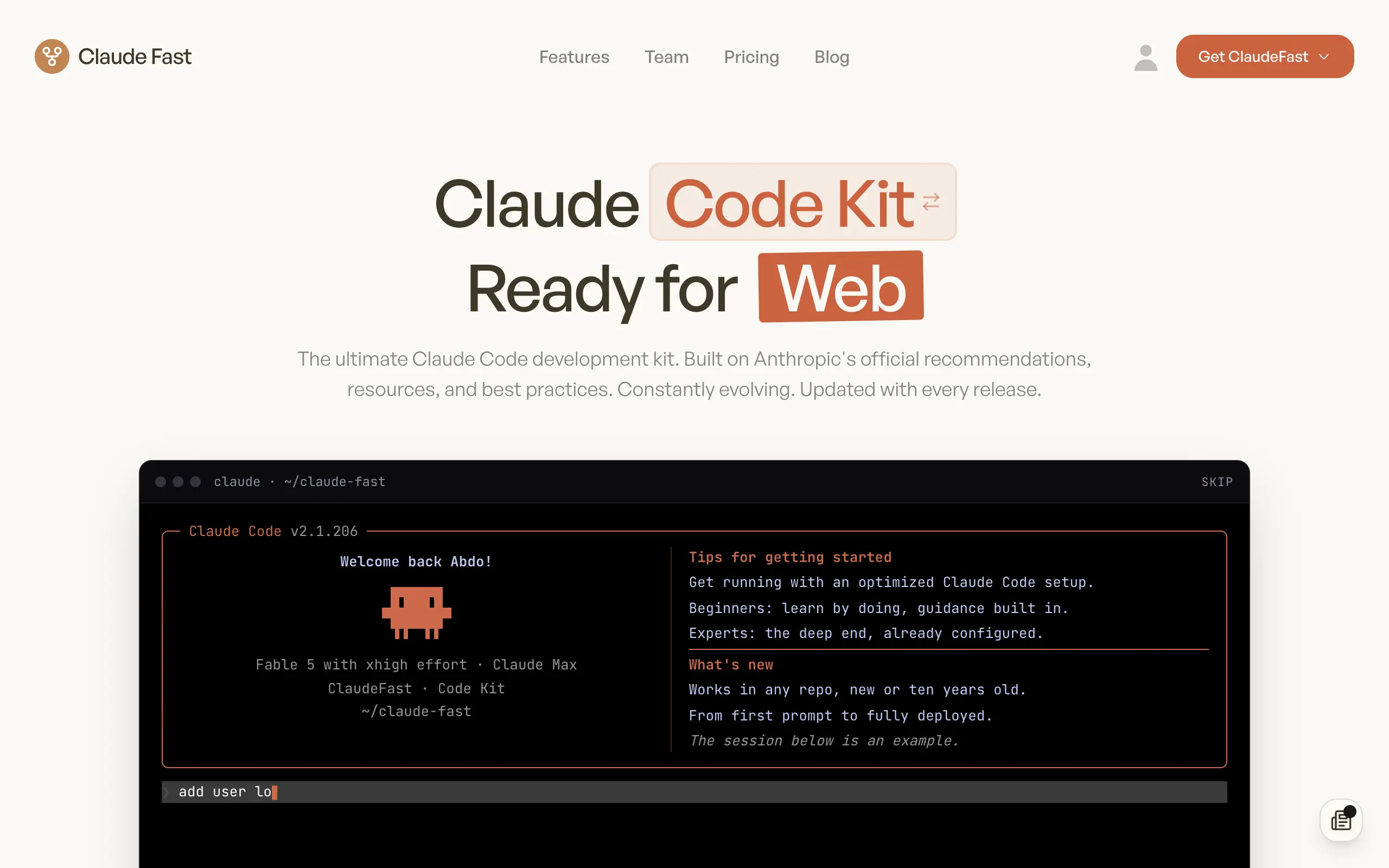
Claude Fast
Supercharge your Claude Code with 6x effective context window and specialized AI agents 🤖
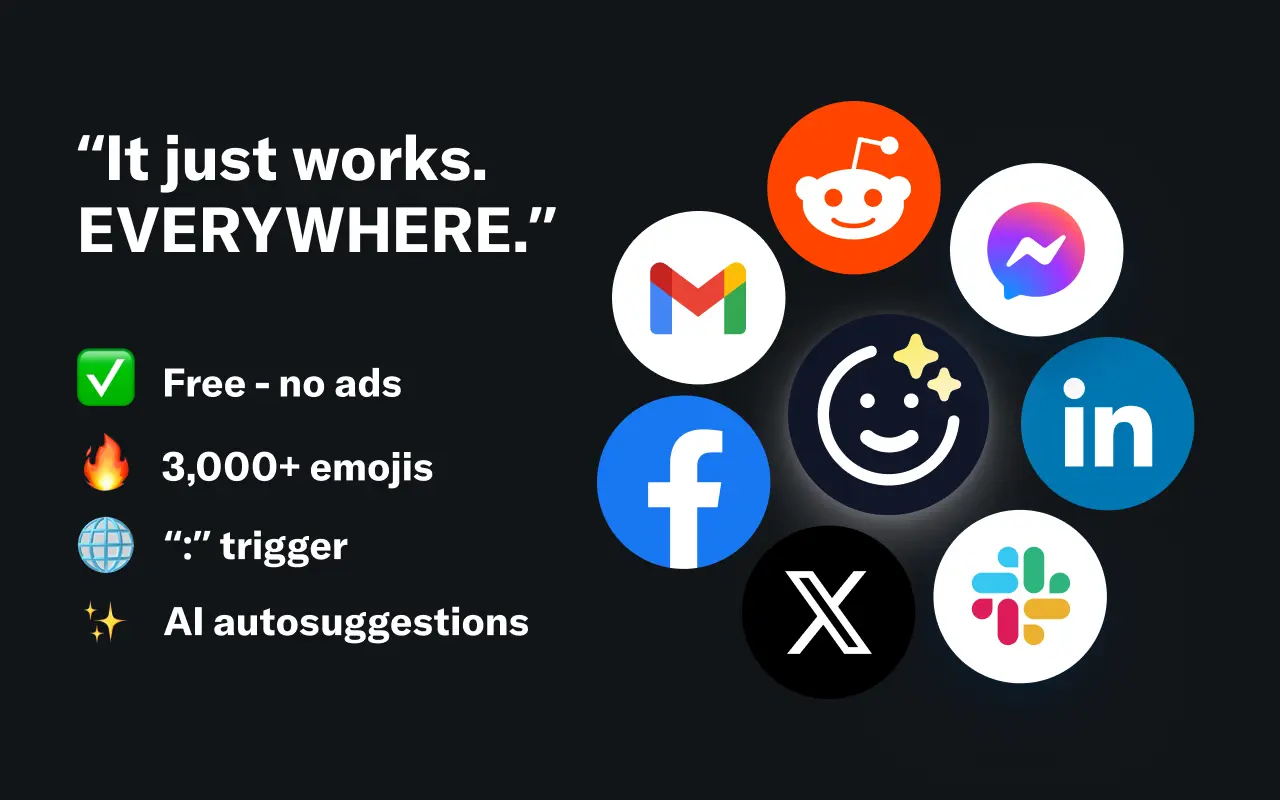
EmojAI
AI-powered emoji picker with smart, context-aware suggestions 🤖

Solohacker
Autonomous company launcher - AI agents work 24/7, escalate what matters, and you stay in control 🤖

BeRawi: Storytelling Coach
Practice storytelling daily with instant feedback to sound clearer, more engaging, and confident 🎤
Claude Fast
Supercharge your Claude Code with 6x effective context window and specialized AI agents 🤖
EmojAI
AI-powered emoji picker with smart, context-aware suggestions 🤖
Solohacker
Autonomous company launcher - AI agents work 24/7, escalate what matters, and you stay in control 🤖
BeRawi: Storytelling Coach
Practice storytelling daily with instant feedback to sound clearer, more engaging, and confident 🎤
Claude Fast
Supercharge your Claude Code with 6x effective context window and specialized AI agents 🤖
EmojAI
AI-powered emoji picker with smart, context-aware suggestions 🤖
Solohacker
Autonomous company launcher - AI agents work 24/7, escalate what matters, and you stay in control 🤖
BeRawi: Storytelling Coach
Practice storytelling daily with instant feedback to sound clearer, more engaging, and confident 🎤
Claude Fast
Supercharge your Claude Code with 6x effective context window and specialized AI agents 🤖
EmojAI
AI-powered emoji picker with smart, context-aware suggestions 🤖
Solohacker
Autonomous company launcher - AI agents work 24/7, escalate what matters, and you stay in control 🤖
BeRawi: Storytelling Coach
Practice storytelling daily with instant feedback to sound clearer, more engaging, and confident 🎤

Connect with like-minded people
Join our community to get feedback, support, and grow together with 1,000+ builders on board, let's ship it!
Join usShip your startup everywhere. In minutes.
Don't burn tokens on setup and start building features on day one.