ReviewRelay
AI reputation desk for local businesses that drafts brand-safe review replies, spots recurring complaints, and routes issues to staff.
Why AI reputation management software is becoming essential for local businesses
Online reviews are no longer a passive marketing asset. For local businesses, they are a public operating system where customers describe service failures, staff wins, product quality, wait times, billing confusion, and trust concerns in real time.
A missed negative review can turn a recoverable experience into a visible reputational problem. A generic reply can make a customer feel ignored. Meanwhile, a thoughtful response can demonstrate accountability to both the reviewer and every future customer reading the exchange.
This is the opportunity behind ReviewRelay, an AI reputation desk for local businesses. Rather than acting as a simple review response generator, ReviewRelay can help teams:
- Draft brand-safe, context-aware review replies
- Detect recurring complaints before they become systemic issues
- Route urgent feedback to the right location, role, or staff member
- Maintain a consistent voice across teams and locations
- Turn customer feedback into operational insight
The core value proposition is clear: help local businesses respond faster without sounding automated, while converting review data into action.
That positioning distinguishes ReviewRelay from generic AI writing tools and basic reputation management dashboards. A restaurant owner, dental practice manager, auto shop operator, or multi-location franchise does not merely need help writing replies. They need a practical system for deciding what matters, who owns the issue, and how to protect customer trust at scale.
The strategic positioning
ReviewRelay should be positioned as an AI reputation operations platform, not just an AI review reply tool. The reply is the visible outcome. The real product is the workflow that detects patterns, applies guardrails, and ensures accountability.
The target audience for ReviewRelay
The best initial customers are local businesses with a meaningful review volume, limited time, and an established need to protect a public-facing brand. These organizations often know reviews matter but lack the capacity to respond consistently or analyze feedback systematically.
Primary customer segments
ReviewRelay is especially relevant for businesses where customer experience is directly tied to local reputation.
Multi-location local businesses
Restaurants, salons, fitness studios, clinics, repair shops, and home service businesses need consistent review handling across locations.
Franchises and franchise groups
Franchisors need approved brand language while local operators need autonomy and fast issue escalation.
Local agencies and consultants
Marketing agencies can manage reputation workflows for multiple clients and offer a higher-value managed service.
Owner-operators and small local teams
Independent business owners usually wear too many hats. They may check Google reviews between customer appointments, after closing time, or only after a negative review becomes impossible to ignore.
Their needs include:
- Fast response drafts that do not feel robotic
- Simple alerts for urgent complaints
- Clear guidance on when to take a conversation offline
- Affordable pricing tied to a single location
- Minimal setup and no complicated reporting burden
For this audience, ReviewRelay should emphasize time savings and confidence. The promise is not “AI writes your responses.” It is “you can stay on top of customer feedback without spending your evenings in review portals.”
Operations managers and location leaders
Operations leaders care less about individual review copy and more about recurring patterns. If customers repeatedly mention long waits, inconsistent service, confusing invoices, cleanliness, or missed appointments, that feedback should reach someone who can fix the root cause.
Their needs include:
- Complaint categorization by topic and severity
- Alerts when a theme appears repeatedly
- Location-level comparison
- Ownership and resolution workflows
- Historical reporting that identifies whether changes worked
This persona makes ReviewRelay more defensible as a workflow product. A response generator can be copied easily. A system that turns review themes into operational accountability is much harder to replace.
Marketing teams and reputation managers
Marketing professionals care about sentiment, brand consistency, response rates, and public perception. They may work across multiple locations, business units, or clients.
Their needs include:
- Brand voice controls
- Review response approval workflows
- Templates for common situations
- Reporting that can be shared with leadership
- Clear audit trails for who approved or posted content
- Competitive and location-level reputation trends
For them, ReviewRelay should act as a brand-safe review management workspace rather than another disconnected AI assistant.
Regulated and high-trust local businesses
Healthcare practices, legal services, financial advisors, senior care providers, and certain professional services need extra safeguards. A careless reply can reveal personal information, make an unapproved claim, or create legal and compliance risk.
These customers need:
- Restricted response templates
- Required human approval for sensitive review categories
- PII detection and redaction prompts
- Role-based access controls
- Immutable activity logs
- Custom escalation rules
A regulated vertical may not be the ideal first market because integrations and policy requirements can lengthen sales cycles. However, it can become a strong expansion path once ReviewRelay has mature governance features.
The market gap in local review management
Local reputation management tools have existed for years, but the market still contains a meaningful gap between monitoring reviews and acting on them intelligently.
Many existing solutions focus on one or more of these capabilities:
- Pulling reviews from major platforms
- Tracking star ratings and response rates
- Sending review request campaigns
- Publishing templated responses
- Providing broad social listening reports
These capabilities are useful, but they do not always solve the daily workflow problem. A location manager still has to decide whether a review is urgent, whether it identifies a recurring service issue, who should investigate it, and whether an AI-generated reply is safe to publish.
The gap is operational, not merely analytical
Most review dashboards tell businesses what happened. Fewer products reliably help them decide what to do next.
For example, a three-star review that mentions “great staff but waited 45 minutes” may be more operationally important than a one-star review with no detail. A generic sentiment score may classify both as negative, but it does not explain whether the issue is staffing, scheduling, check-in procedures, or an isolated event.
ReviewRelay can address this gap through an opinionated workflow:
- Ingest the review from connected channels.
- Classify the sentiment, topic, urgency, and risk level.
- Generate a reply using the business’s approved brand rules.
- Identify whether the complaint matches a growing pattern.
- Route the issue to the person responsible for follow-up.
- Track whether the issue was acknowledged, resolved, and reduced over time.
This turns review management into a lightweight customer experience intelligence system.
Why timing matters now
Recent advances in large language models, retrieval systems, and structured AI outputs make it more practical to build AI-assisted workflows that are useful without giving an AI unrestricted publishing power.
At the same time, local businesses face increasing pressure to manage public feedback quickly. Consumers routinely research reviews before contacting local providers, booking appointments, visiting restaurants, or requesting estimates. Rather than relying on a single data point, validate category-specific buying behavior with current research from sources such as Google, BrightLocal, and platform-specific consumer reports before publishing marketing claims.
The timing is especially favorable for a product that combines three trends:
- AI-assisted customer communication
- Multi-location operational analytics
- Stronger expectations for fast, authentic public responses
ReviewRelay’s unique selling proposition
The most compelling USP for ReviewRelay is:
Brand-safe AI review responses combined with complaint intelligence and staff routing for local businesses.
This is stronger than “write review replies with AI” because it connects communication with resolution.
A business does not gain much from a polished apology if the same complaint appears ten times next month. ReviewRelay should make it easy to identify that pattern and assign it to the person who can fix it.
The ReviewRelay differentiation model
| Capability | Generic AI writer | Basic review dashboard | ReviewRelay | Business impact |
|---|---|---|---|---|
| Draft reply text | ✅ | Sometimes | ✅ | Faster customer acknowledgement |
| Brand safety rules | Limited | Limited | ✅ | Lower communication risk |
| Recurring complaint detection | ❌ | Partial | ✅ | Earlier operational intervention |
| Issue routing and ownership | ❌ | ❌ | ✅ | Clear accountability |
| Location-level workflows | ❌ | Partial | ✅ | Scalable multi-site management |
The product promise should stay specific
Avoid broad claims such as “manage your entire online reputation automatically.” That message may sound impressive, but it creates unrealistic expectations and invites trust concerns.
A more credible message is:
- Respond to reviews with brand-approved AI drafts
- Escalate serious feedback before it is forgotten
- See which customer problems repeat across locations
- Give staff clear ownership for follow-up
Specific promises are easier to demonstrate in a product tour, a landing page, and early customer onboarding.
Core features for an AI reputation desk
ReviewRelay should launch with a focused feature set that produces immediate value, then expand based on verified usage patterns.
Unified review inbox
The review inbox is the operational center of the product. It should consolidate incoming feedback from supported sources into a single queue.
Each review record should include:
- Platform and location
- Star rating
- Reviewer name when available
- Review text
- Date and time received
- Sentiment classification
- Complaint topic labels
- Urgency level
- Draft reply status
- Assigned owner
- Resolution state
The inbox should allow filtering by location, rating, topic, urgency, status, and date range. This sounds basic, but a clear inbox design is essential. Local teams should not need analytics training to identify which reviews require attention today.
Brand-safe AI review reply generation
The AI reply assistant is the most visible feature, so it must be trustworthy. ReviewRelay should not simply send raw review text to a model and publish whatever comes back.
Instead, the drafting system should apply structured context:
- Approved brand voice rules
- Business type and location details
- Topics that require human approval
- Prohibited claims and phrases
- Rules for handling reviewer names
- Escalation language for sensitive situations
- Existing response templates
- Whether the business prefers public resolution or offline follow-up
A restaurant may prefer warm, concise replies. A dental office may need language that avoids discussing treatment details. A home services company may need a workflow that asks customers to contact a support line without admitting liability.
Do not fully automate sensitive replies
Automated publishing should be disabled by default for reviews involving alleged discrimination, safety incidents, legal threats, medical information, financial disputes, harassment, or personally identifiable information. AI can prepare a draft, but a trained human should approve the final response.
Configurable brand voice profiles
A useful feature is a brand profile editor that lets businesses define how ReviewRelay writes. The product should convert subjective style guidance into concrete instructions.
For example, a brand profile can include:
- “Tone”: warm, calm, concise, and solution-oriented
- “Greeting”: use the reviewer’s first name only when clearly available
- “Apology policy”: apologize for the experience without admitting unverified fault
- “Escalation phrase”: invite the reviewer to contact the location manager
- “Forbidden language”: avoid discounts, legal admissions, medical details, and defensive wording
- “Sign-off”: use the business name or a designated team role
The more structured these inputs are, the more consistent the AI output becomes.
Complaint clustering and trend detection
This is where ReviewRelay can create lasting value. The system should group related review content into understandable issue themes, such as:
- Long wait times
- Rude staff interactions
- Billing or pricing confusion
- Product quality issues
- Scheduling problems
- Cleanliness concerns
- Parking or accessibility issues
- Delayed service
- Communication breakdowns
The product should not rely solely on keyword matching. Customers describe the same problem in different ways. Semantic clustering can identify that “we waited forever,” “the line barely moved,” and “our appointment started 40 minutes late” likely belong to the same operational theme.
A strong interface should show:
- The issue category
- The number of mentions in a selected period
- Change compared with a previous period
- Locations affected
- Representative review excerpts
- Assigned owner
- Current resolution status
Issue routing and staff accountability
Routing converts insight into action. Each complaint category should be configurable with a destination, an escalation threshold, and a response expectation.
For example:
- “Safety complaint” routes immediately to an owner or regional manager
- “Billing issue” routes to the finance or front desk lead
- “Staff behavior complaint” routes to HR or a location manager
- “Long wait time” creates an operations task when the topic reaches a defined threshold
- “Praise for employee” can route to a recognition channel or team leader
Integrations with email, Slack, Microsoft Teams, or project management tools can be added later. In an MVP, an in-app assignment system and email notifications may be sufficient.
Approval workflows and audit trails
Trust depends on control. ReviewRelay should support simple approval states:
- Drafted
- Needs review
- Approved
- Published
- Escalated
- Closed
For multi-location businesses, the workflow can become more granular. A location manager may draft or edit a response, while a regional brand manager approves messages for high-risk categories.
An audit trail should capture:
- Who created or edited the draft
- Whether the AI generated the original copy
- Which brand rules were applied
- Who approved the final response
- When the reply was published
- How the underlying issue was resolved
This is particularly valuable for agency customers, franchises, and regulated industries.
Insight reports that drive decisions
Avoid vanity-heavy dashboards. A business does not need dozens of charts if none of them lead to action.
A useful weekly report should answer:
- Which locations improved or declined in review volume and sentiment?
- Which complaint themes increased most?
- Which urgent issues remain unresolved?
- How quickly did the team respond to reviews?
- Which positive themes should the business reinforce in marketing or staff training?
This framing makes ReviewRelay useful to operators, not just marketers.
How the AI workflow should work
A reliable AI reputation management workflow needs a deliberate pipeline. The model should not be the only system making decisions.
When a review arrives, ReviewRelay extracts structured information such as rating, sentiment, topics, urgency, potential privacy concerns, and whether a response is recommended. Use a confidence score so uncertain classifications are queued for human review.
The system selects relevant brand rules and an approved response pattern, then generates a concise draft. The draft should include a reason summary explaining which review details and brand rules influenced it.
If the review matches high-risk rules or a recurring complaint trend, ReviewRelay creates an issue and assigns an owner. The public response and internal resolution should be tracked separately.
Use structured outputs for reliability
An AI model should return validated fields rather than only prose. This makes automation safer and easier to test.
type ReviewAnalysis = {
  sentiment: "positive" | "neutral" | "negative" | "mixed";
  urgency: "low" | "medium" | "high" | "critical";
  topics: string[];
  requiresHumanApproval: boolean;
  containsSensitiveContent: boolean;
  recommendedAction: "reply" | "escalate" | "monitor";
  rationale: string;
};
A schema-based approach makes it possible to build deterministic business rules around probabilistic AI output. For example, any review marked critical or containsSensitiveContent can bypass auto-drafting and go straight to the escalation queue.
Build a feedback loop into the product
The product should learn from user edits without creating opaque behavior. Track whether staff accept, edit, reject, or rewrite AI drafts. These signals can improve prompt instructions, template selection, and brand profiles over time.
However, be explicit about data usage. Businesses should know whether their data is used only for their workspace configuration, for aggregated product improvement, or not used for model training at all. Clear consent controls are essential for trust.
Recommended tech stack for ReviewRelay
The ideal ReviewRelay tech stack should prioritize speed to market, secure multi-tenant architecture, dependable background processing, and auditable AI workflows.
Frontend and application layer
A modern web application built with Next.js and React is a practical fit. Next.js supports server rendering, route handlers, authentication patterns, and a strong ecosystem for SaaS products.
For interface development:
- Tailwind CSS supports fast, consistent UI implementation
- TypeScript improves safety for review states and AI outputs
- TanStack Query can simplify server-state caching and data synchronization
- Zod can validate forms, API payloads, and model outputs
Backend, database, and storage
A relational database is a strong default because the product has interconnected entities such as organizations, locations, users, reviews, drafts, assignments, policies, and audit events.
PostgreSQL is particularly well suited for this workload. It supports structured relational data, JSON fields for flexible metadata, full-text capabilities, and mature tooling.
A recommended foundation includes:
- PostgreSQL for core multi-tenant data
- Object storage for exported reports and attachments
- Redis for queues, caching, and rate-limit support
- A background job system for polling, classification, draft generation, and notifications
AI and retrieval architecture
AI response quality improves substantially when ReviewRelay uses the business’s own approved guidance. A retrieval-augmented generation approach can provide relevant policy context to the model at draft time.
Store and retrieve content such as:
- Brand voice documents
- Approved response examples
- Sensitive-topic handling instructions
- Location information
- Service recovery policies
- Frequently asked questions
- Prohibited claims and terms
Do not overbuild vector search in the first version. If each organization has a modest knowledge base, PostgreSQL-backed search may be enough initially. Add a dedicated vector database only when scale, retrieval quality, or latency justifies the operational complexity.
Integration strategy and trade-offs
Review-platform integrations can be the hardest part of the business. API availability, permissions, publication rights, rate limits, and approval processes vary by platform.
A sensible rollout sequence is:
- Start with import or forwarding workflows where necessary.
- Build integrations for the review source most requested by early customers.
- Add direct response publishing only where official APIs and permissions support it.
- Maintain an export or copy-to-clipboard fallback so the product remains useful without full publishing access.
This approach reduces the risk of making the entire roadmap dependent on third-party APIs.
Why a SaaS starter can accelerate the build
Founders should avoid spending early months recreating billing, authentication, teams, user roles, emails, landing pages, and SaaS foundations. A production-oriented starter can help the team focus on the review intelligence workflow that makes ReviewRelay distinct.
TurboStarter can provide a faster starting point for founders building a modern SaaS application, especially when the priority is validating a workflow-heavy product rather than assembling boilerplate infrastructure from scratch.
Monetization options for AI reputation management software
ReviewRelay has several viable monetization models. The strongest early model is likely subscription pricing based on locations, monthly review volume, and workflow sophistication.
Recommended pricing structure
A simple tiered model can align price with business value.
- “Starter” is for one location with a review inbox, limited AI drafts, and basic reporting.
- “Growth” is for growing businesses with multiple locations, brand voice controls, routing rules, and higher review limits.
- “Multi-location” is for regional groups with advanced analytics, approval workflows, and additional seats.
- “Agency” is for consultants managing multiple client organizations with white-label reporting or client workspaces.
- “Enterprise” is for franchises and regulated organizations needing SSO, advanced permissions, onboarding support, and custom agreements.
Avoid charging only by AI generations. Customers do not want to calculate tokens or drafts. They understand locations, users, and review volume.
Value-based expansion revenue
Expansion can come from features that solve deeper operational needs:
- Additional locations
- More managed brands or client workspaces
- Advanced reporting
- Custom routing automations
- API access
- Compliance controls
- Priority support
- Managed response services through agency partners
A human-in-the-loop managed service may also become a high-margin option for agencies. ReviewRelay can provide the intelligence and workflow layer while an agency team handles final review responses for clients.
Competitive advantage and defensibility
The local reputation software category is competitive, so ReviewRelay needs more than AI-generated prose to win.
Build a data advantage around issue patterns
As customers use the product, ReviewRelay can accumulate valuable first-party operational context within each workspace:
- Which topics matter most for each business type
- Which response styles are approved most often
- Which complaints become recurring trends
- Which issues are resolved quickly or left open
- Which locations improve after interventions
This does not mean customer data should be used carelessly. It means the product can use permissioned, tenant-specific history to make better recommendations for that customer.
Create workflow lock-in, not artificial lock-in
The goal is not to make exports difficult. The goal is to become the system teams rely on every week.
ReviewRelay becomes embedded when it owns:
- Brand response policies
- Approval flows
- Escalation routes
- Issue ownership
- Resolution history
- Weekly operating reports
That creates genuine switching costs because the system captures how a business handles reputation, not merely a list of reviews.
Focus on a vertical before expanding broadly
A broad “for every local business” launch can produce vague messaging and scattered feature requests. Consider choosing one wedge such as:
- Restaurants with three to 30 locations
- Dental and medical practices
- Home services franchises
- Boutique fitness studios
- Automotive service groups
A vertical focus enables sharper onboarding, stronger templates, better complaint taxonomies, and more relevant case studies. Once product-market fit is proven, the underlying platform can expand.
Risks and mitigation strategies
Every AI SaaS product handling public communication has risks. Addressing them early improves customer trust and reduces expensive rework.
Mitigate this through brand profiles, approved response patterns, structured prompts, human approval defaults, and clear edit controls. Never imply that an AI draft is factual verification of the customer’s claim.
Detect potential personal information, restrict sensitive categories, retain only necessary data, and provide deletion controls. Consult qualified legal counsel on privacy obligations in target regions and verticals.
Design the product to remain useful with imports, notifications, browser-assisted workflows, and supported integrations. Do not base all product value on a single platform API.
Show confidence indicators, allow users to correct categories, and prioritize human review for uncertain or high-impact classifications. Measure quality with real labeled review samples.
Make drafts editable, concise, and context-aware. Position AI as a capable assistant that helps staff respond thoughtfully, not as a replacement for accountability.
Security should be a product requirement
Reputation data may not always be highly sensitive, but it can contain names, contact details, medical references, incident descriptions, and business-sensitive internal notes.
ReviewRelay should plan for:
- Tenant isolation
- Encryption in transit and at rest
- Role-based access control
- Audit logs
- Secure secret management
- Data retention settings
- Deletion workflows
- Vendor security reviews for AI and infrastructure providers
For larger customers, a documented security posture will be a sales asset, not merely a technical requirement.
An actionable implementation roadmap
The fastest way to validate ReviewRelay is to avoid building a full reputation suite before proving that users value the AI-plus-workflow loop.
Phase one: validate the highest-value workflow
Interview 15 to 25 potential customers in one chosen vertical. Focus on businesses that receive enough reviews to experience real operational pain.
Ask practical questions:
- How many reviews do you receive each month?
- Who responds today?
- How quickly do you respond to negative reviews?
- Which review topics are hardest to handle?
- How are recurring issues currently discovered?
- What happens after a serious complaint is identified?
- Which platform integrations are non-negotiable?
- Would the team approve AI drafts, edit them, or trust them to publish under certain rules?
Build the MVP around the most repeated workflow, not the loudest feature request.
Phase two: ship a constrained MVP
The initial product should include:
A review inbox with manual import or one high-demand review source integration.
AI analysis that assigns sentiment, topics, urgency, and a confidence score.
Brand-configured reply drafts with required human approval before publishing.
Basic routing that assigns urgent or recurring complaints to an internal owner.
A weekly summary showing response performance and top complaint themes.
At this stage, prioritize reliability and user trust over feature count. If users consistently approve drafts, act on escalations, and return for weekly reports, the core value proposition is working.
Phase three: measure the right product metrics
Track metrics that demonstrate workflow adoption and customer value.
- “Time to first response” measures how quickly reviews receive attention.
- “Draft acceptance rate” indicates whether AI output is genuinely useful.
- “Edit distance” shows how much users modify drafts before approving them.
- “Escalation resolution rate” measures whether routed issues are actually closed.
- “Recurring issue reduction” shows whether identified themes decline after action.
- “Weekly active locations” indicates operational stickiness.
- “Net revenue retention” demonstrates expansion potential across locations and features.
Do not treat reply volume alone as success. A business can publish many replies while still failing to resolve the problems customers keep reporting.
Phase four: expand integrations and vertical intelligence
Once the core workflow is proven, expand toward:
- More review source integrations
- Direct publishing where supported
- Slack or Microsoft Teams alerts
- Location benchmarking
- Agency workspaces
- Advanced approval chains
- Vertical-specific policy packs
- Customer feedback integrations beyond public reviews
This is the point where ReviewRelay can evolve from review response software into a broader local customer experience operations platform.
Final perspective
ReviewRelay has a compelling opportunity because it addresses a problem that local businesses feel every day but rarely solve systematically. Reviews are public, time-sensitive, emotionally charged, and full of operational signals. Businesses need more than a dashboard and more than generic AI text.
The winning product will help teams respond with a consistent voice, identify what customers are repeatedly saying, and ensure the right person takes ownership before small problems become lasting reputational damage.
The most important strategic choice is to build for action. If ReviewRelay becomes the place where a business sees a complaint, creates a safe response, assigns responsibility, and verifies improvement, it can earn a durable place in the local business software stack.
More 🤖 AI Startup SaaS ideas
Discover more innovative ai startup SaaS ideas that are trending in 2026. Each idea is AI-generated with market validation and growth potential to help you find your next profitable venture faster than competitors.
Your competitors are building with TurboStarter
Below are some of the SaaS ideas that have been generated and built with our starter kit.
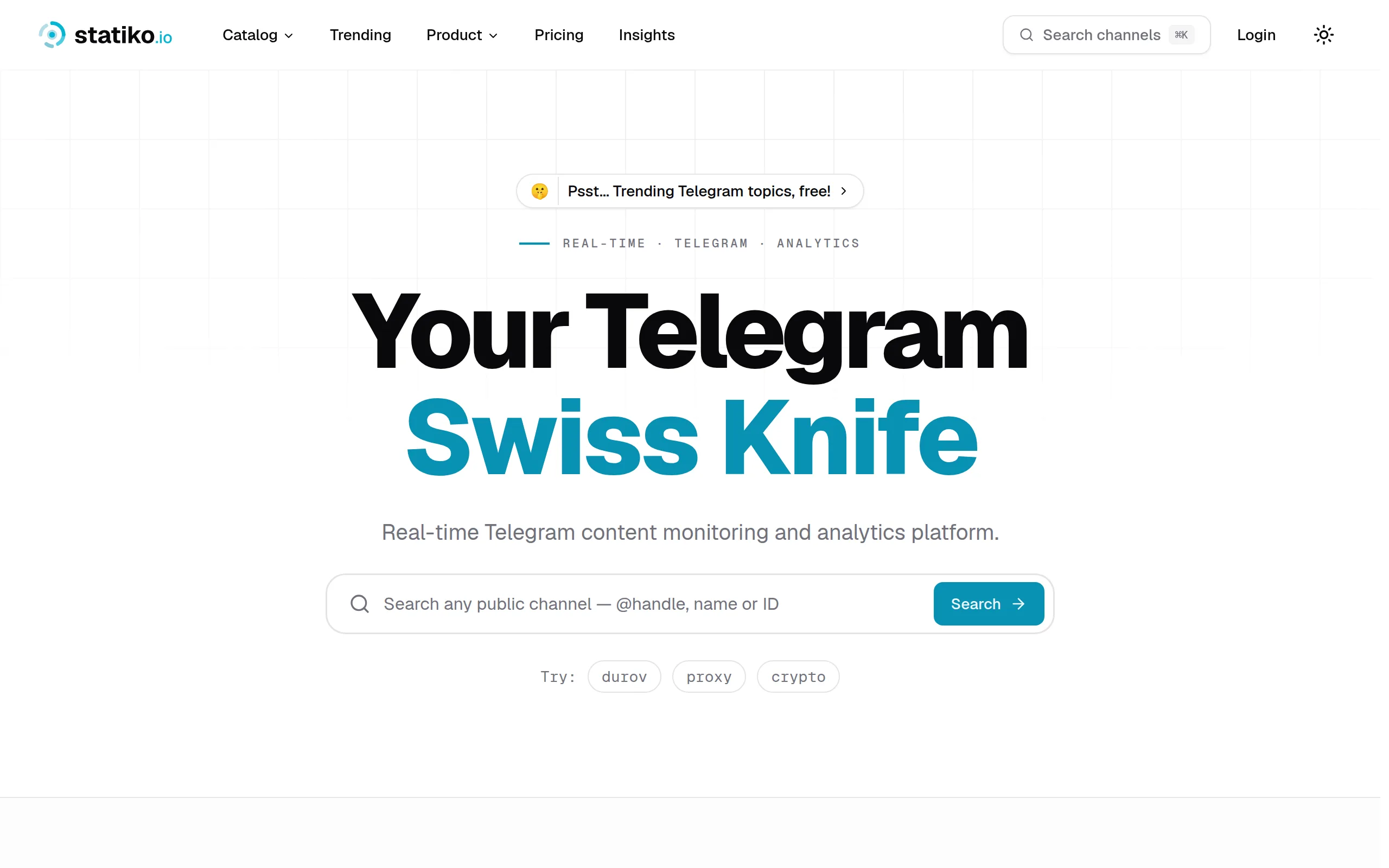
Statiko
Monitor any Telegram channel in real time - track posts, edits, deletions, and growth with AI recaps 📡

Shibui
AI website builder - describe your business, pick a niche template, edit by chatting, and publish instantly ✨

Pro Service
Find verified home service professionals, compare quotes, and pay securely through escrow - built for Brazilians across the US 🏠
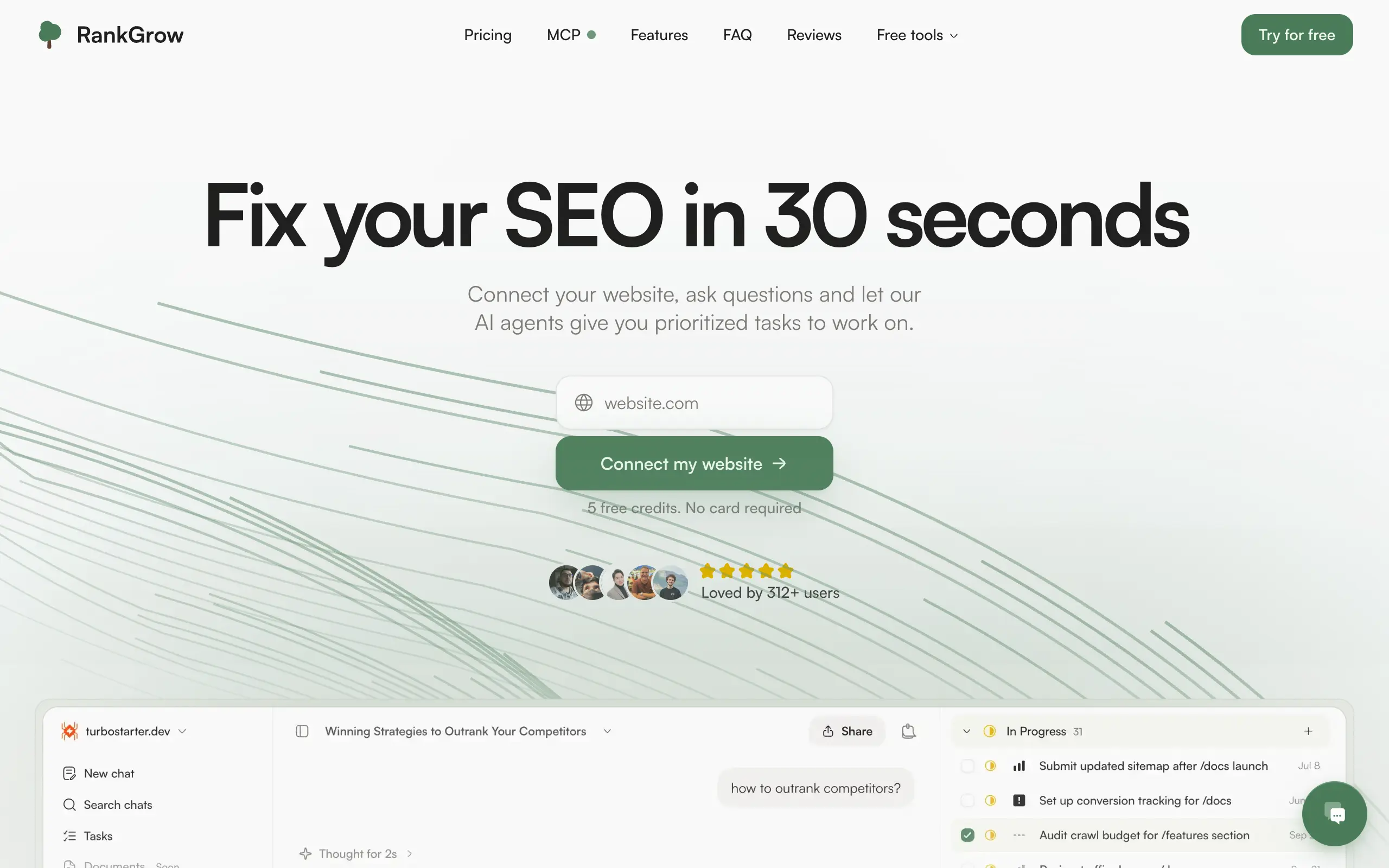
RankGrow
Fix your SEO with AI agents - connect Search Console, get prioritized tasks, and grow organic traffic 📈
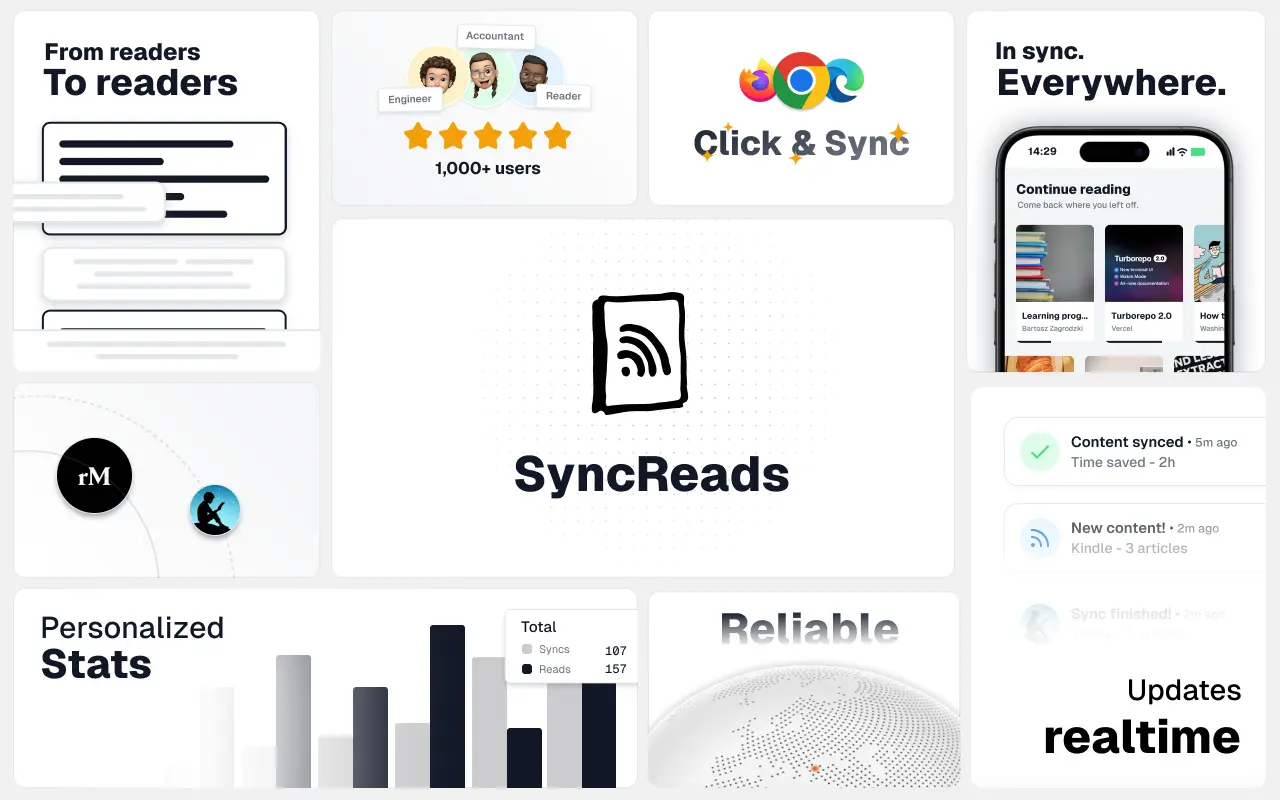
SyncReads
Sync your favorite content for distraction-free reading, save time and replace multiple apps. Anytime, anywhere 🔄
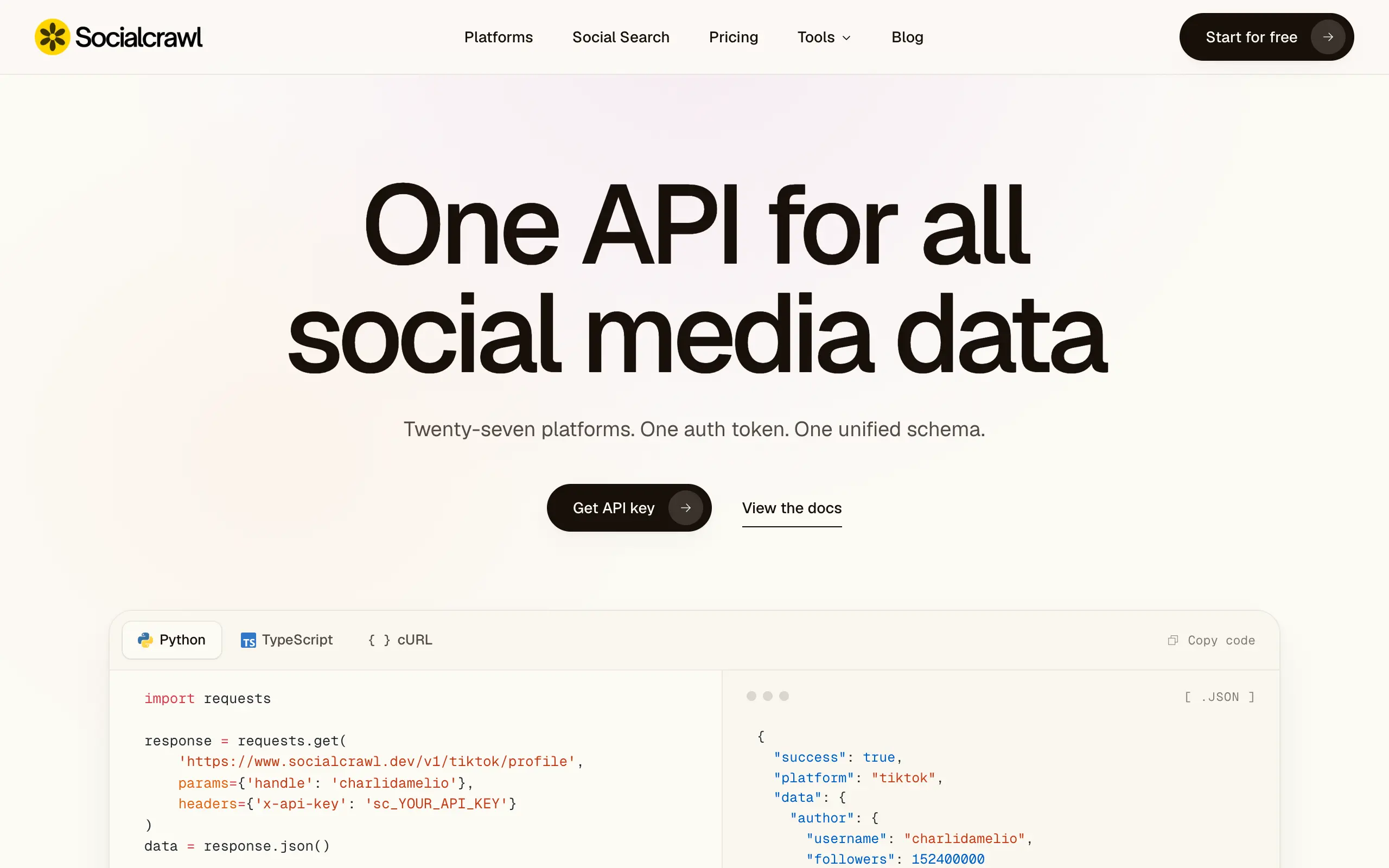
Socialcrawl
Get clean, structured data from 21 platforms like TikTok, Instagram, and YouTube with a single request 📊
Statiko
Monitor any Telegram channel in real time - track posts, edits, deletions, and growth with AI recaps 📡
Shibui
AI website builder - describe your business, pick a niche template, edit by chatting, and publish instantly ✨
Pro Service
Find verified home service professionals, compare quotes, and pay securely through escrow - built for Brazilians across the US 🏠
RankGrow
Fix your SEO with AI agents - connect Search Console, get prioritized tasks, and grow organic traffic 📈
SyncReads
Sync your favorite content for distraction-free reading, save time and replace multiple apps. Anytime, anywhere 🔄
Socialcrawl
Get clean, structured data from 21 platforms like TikTok, Instagram, and YouTube with a single request 📊
Statiko
Monitor any Telegram channel in real time - track posts, edits, deletions, and growth with AI recaps 📡
Shibui
AI website builder - describe your business, pick a niche template, edit by chatting, and publish instantly ✨
Pro Service
Find verified home service professionals, compare quotes, and pay securely through escrow - built for Brazilians across the US 🏠
RankGrow
Fix your SEO with AI agents - connect Search Console, get prioritized tasks, and grow organic traffic 📈
SyncReads
Sync your favorite content for distraction-free reading, save time and replace multiple apps. Anytime, anywhere 🔄
Socialcrawl
Get clean, structured data from 21 platforms like TikTok, Instagram, and YouTube with a single request 📊
Statiko
Monitor any Telegram channel in real time - track posts, edits, deletions, and growth with AI recaps 📡
Shibui
AI website builder - describe your business, pick a niche template, edit by chatting, and publish instantly ✨
Pro Service
Find verified home service professionals, compare quotes, and pay securely through escrow - built for Brazilians across the US 🏠
RankGrow
Fix your SEO with AI agents - connect Search Console, get prioritized tasks, and grow organic traffic 📈
SyncReads
Sync your favorite content for distraction-free reading, save time and replace multiple apps. Anytime, anywhere 🔄
Socialcrawl
Get clean, structured data from 21 platforms like TikTok, Instagram, and YouTube with a single request 📊
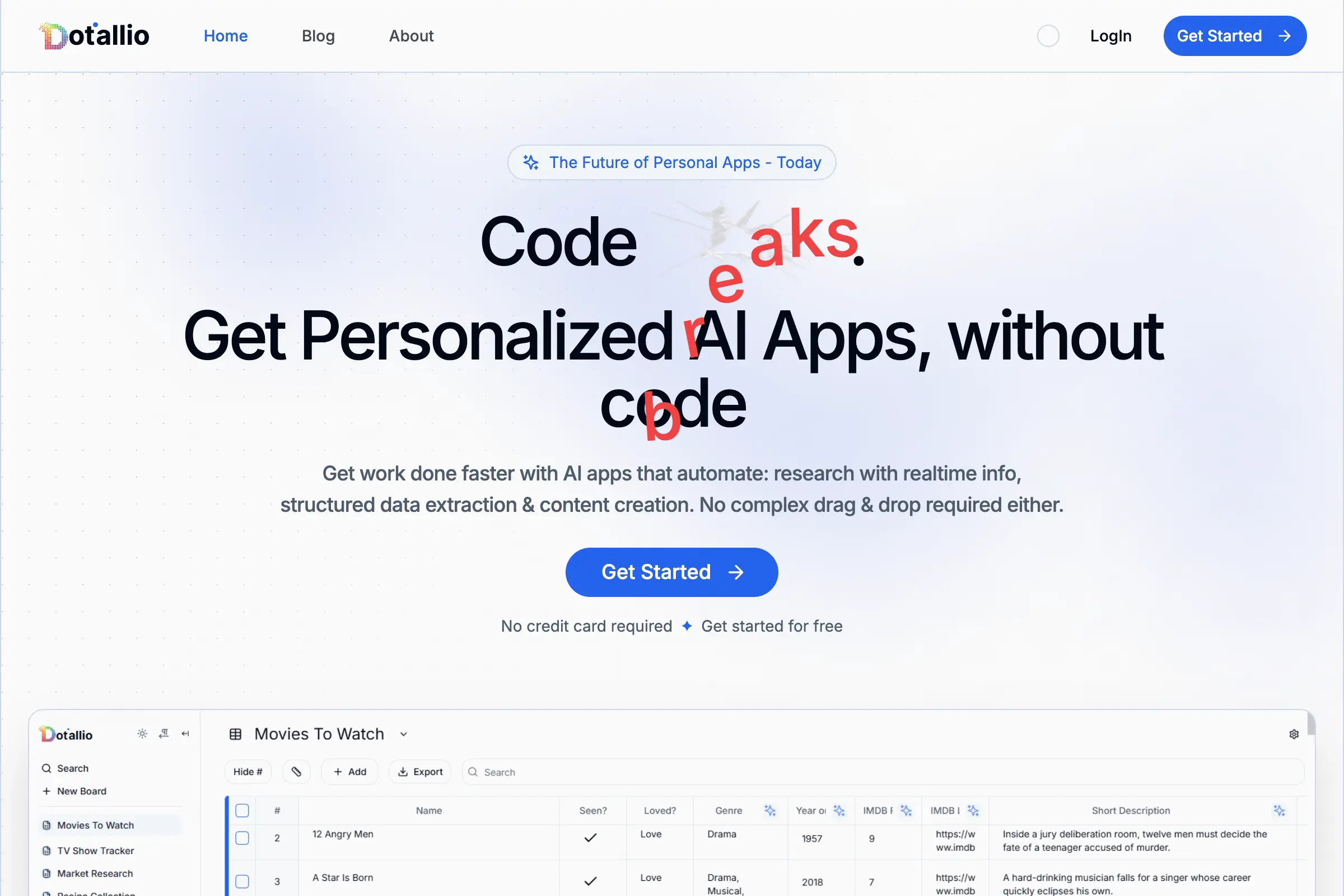
Dotallio
Personalized AI apps that automate research, data extraction, and content creation without code 🤖

Talk to Santa
Enjoy a magical live video chat or receive a unique AI-generated video greeting from Santa Claus 🎅

pozywka.pl
Scalable blog for food journalist, focused on performance and user experience 🌭
zagrodzki.me
Personal blog and portfolio of Bart Zagrodzki, where he shares his knowledge and work 💼
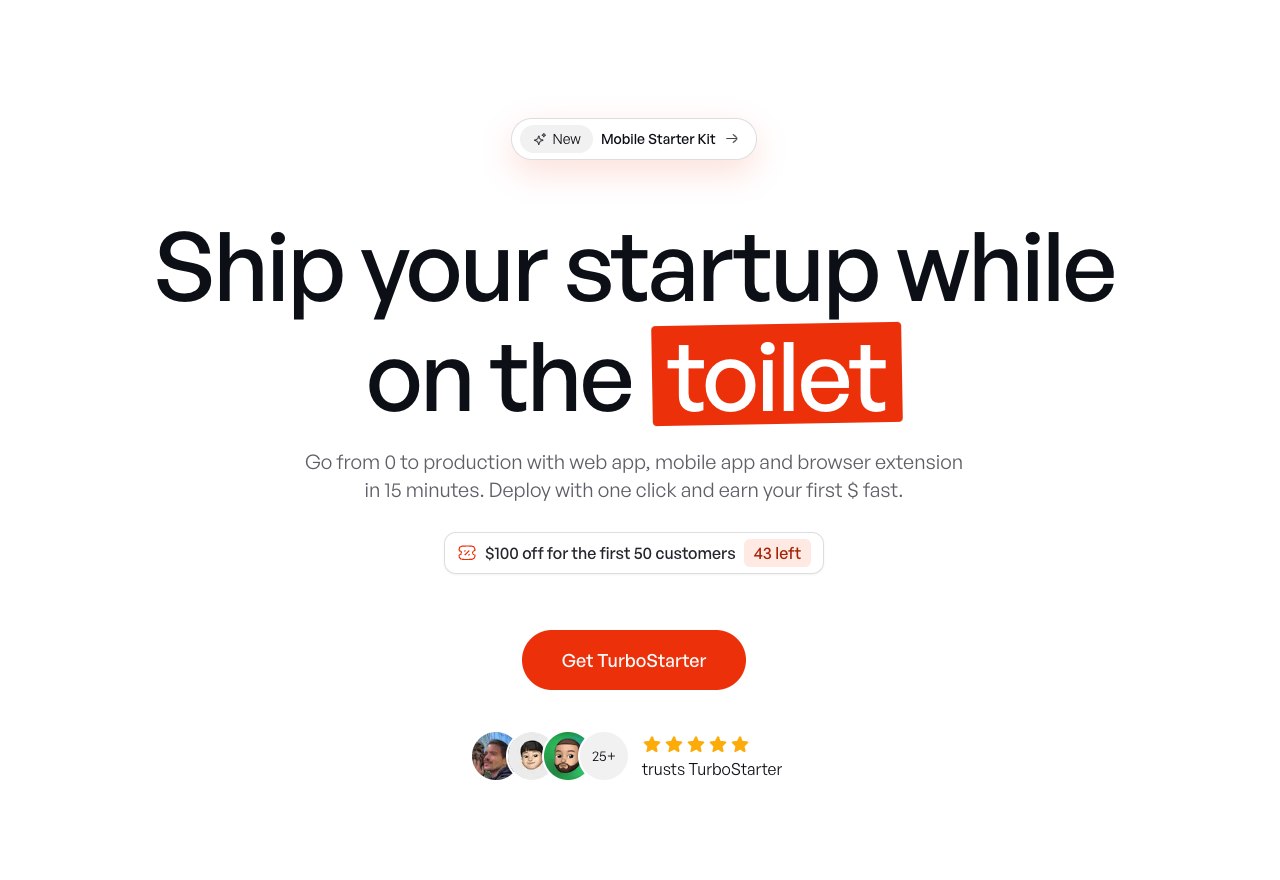
TurboStarter
Ship your startup everywhere. In minutes.
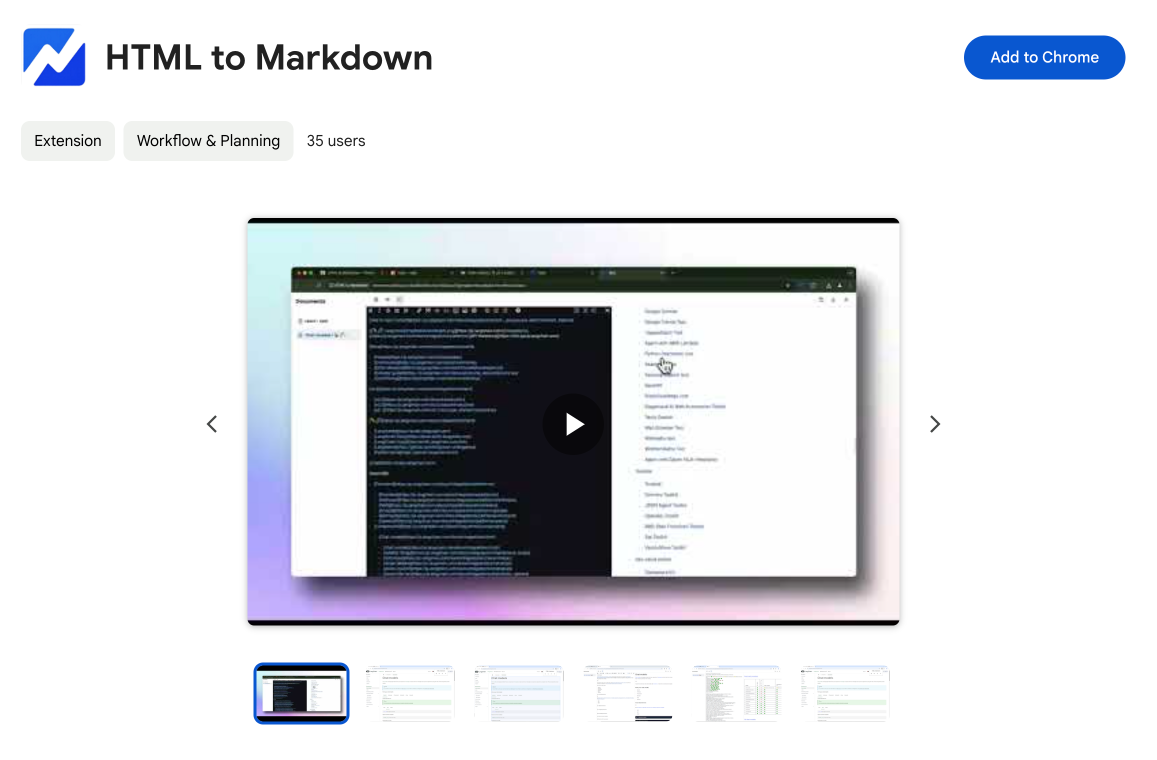
HTML to Markdown
Convert HTML to Markdown with ease, directly in your browser 📄
Dotallio
Personalized AI apps that automate research, data extraction, and content creation without code 🤖
Talk to Santa
Enjoy a magical live video chat or receive a unique AI-generated video greeting from Santa Claus 🎅
pozywka.pl
Scalable blog for food journalist, focused on performance and user experience 🌭
zagrodzki.me
Personal blog and portfolio of Bart Zagrodzki, where he shares his knowledge and work 💼
TurboStarter
Ship your startup everywhere. In minutes.
HTML to Markdown
Convert HTML to Markdown with ease, directly in your browser 📄
Dotallio
Personalized AI apps that automate research, data extraction, and content creation without code 🤖
Talk to Santa
Enjoy a magical live video chat or receive a unique AI-generated video greeting from Santa Claus 🎅
pozywka.pl
Scalable blog for food journalist, focused on performance and user experience 🌭
zagrodzki.me
Personal blog and portfolio of Bart Zagrodzki, where he shares his knowledge and work 💼
TurboStarter
Ship your startup everywhere. In minutes.
HTML to Markdown
Convert HTML to Markdown with ease, directly in your browser 📄
Dotallio
Personalized AI apps that automate research, data extraction, and content creation without code 🤖
Talk to Santa
Enjoy a magical live video chat or receive a unique AI-generated video greeting from Santa Claus 🎅
pozywka.pl
Scalable blog for food journalist, focused on performance and user experience 🌭
zagrodzki.me
Personal blog and portfolio of Bart Zagrodzki, where he shares his knowledge and work 💼
TurboStarter
Ship your startup everywhere. In minutes.
HTML to Markdown
Convert HTML to Markdown with ease, directly in your browser 📄
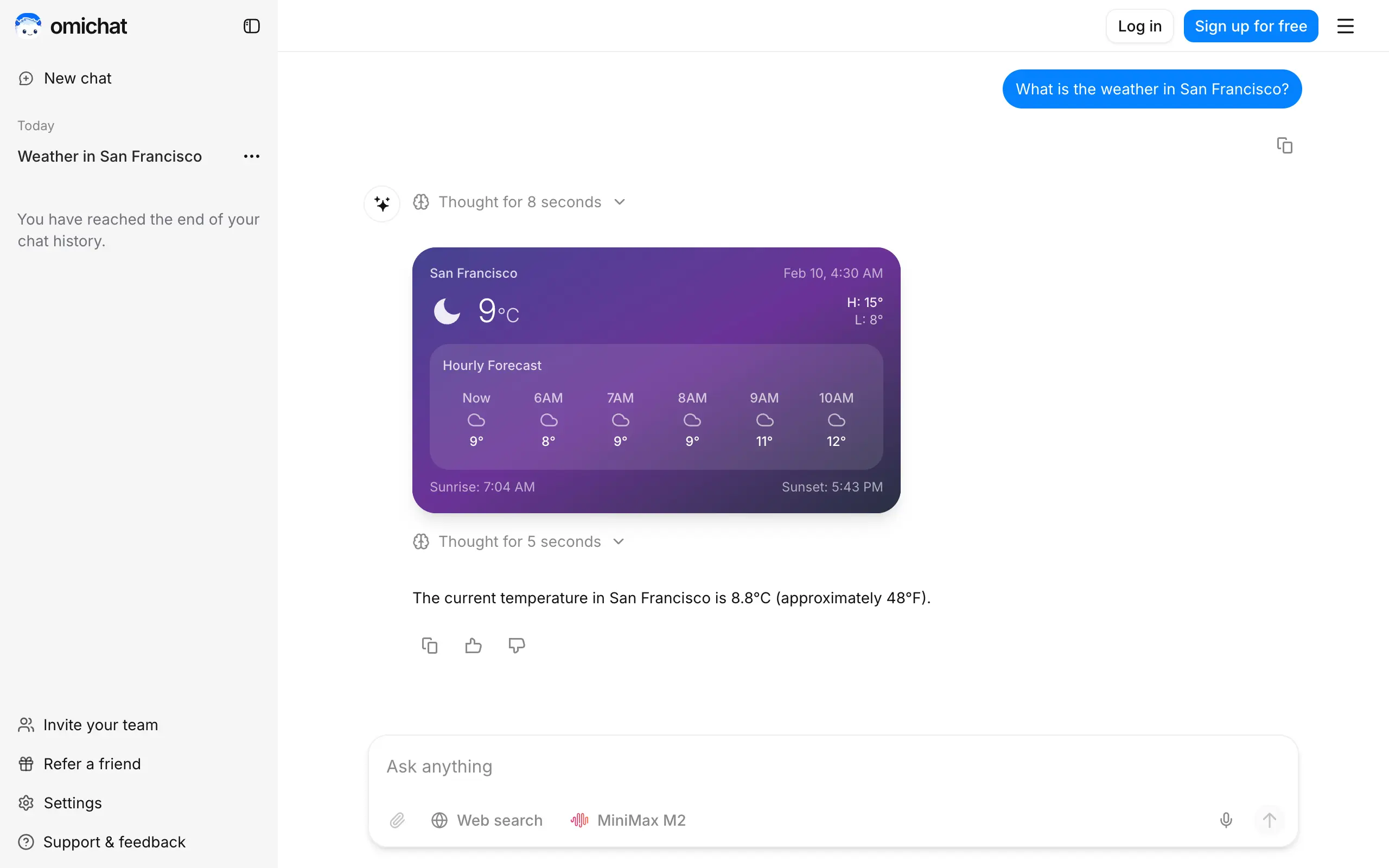
Omichat
Chat with 50+ AI models, including ChatGPT and Claude, in one place - switch models anytime without losing context 🤖
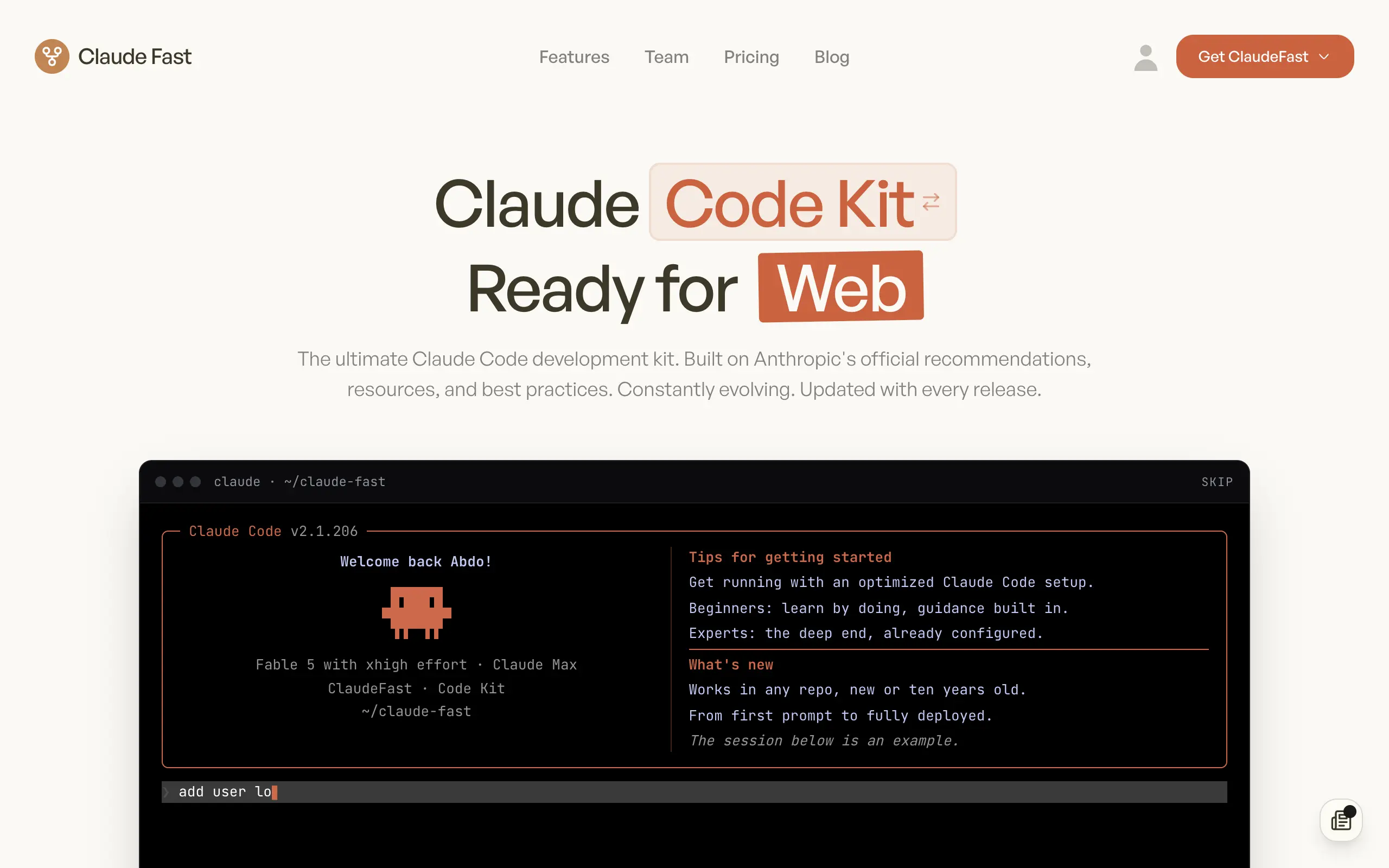
Claude Fast
Supercharge your Claude Code with 6x effective context window and specialized AI agents 🤖

EmojAI
AI-powered emoji picker with smart, context-aware suggestions 🤖
Solohacker
Autonomous company launcher - AI agents work 24/7, escalate what matters, and you stay in control 🤖

BeRawi: Storytelling Coach
Practice storytelling daily with instant feedback to sound clearer, more engaging, and confident 🎤
Omichat
Chat with 50+ AI models, including ChatGPT and Claude, in one place - switch models anytime without losing context 🤖
Claude Fast
Supercharge your Claude Code with 6x effective context window and specialized AI agents 🤖
EmojAI
AI-powered emoji picker with smart, context-aware suggestions 🤖
Solohacker
Autonomous company launcher - AI agents work 24/7, escalate what matters, and you stay in control 🤖
BeRawi: Storytelling Coach
Practice storytelling daily with instant feedback to sound clearer, more engaging, and confident 🎤
Omichat
Chat with 50+ AI models, including ChatGPT and Claude, in one place - switch models anytime without losing context 🤖
Claude Fast
Supercharge your Claude Code with 6x effective context window and specialized AI agents 🤖
EmojAI
AI-powered emoji picker with smart, context-aware suggestions 🤖
Solohacker
Autonomous company launcher - AI agents work 24/7, escalate what matters, and you stay in control 🤖
BeRawi: Storytelling Coach
Practice storytelling daily with instant feedback to sound clearer, more engaging, and confident 🎤
Omichat
Chat with 50+ AI models, including ChatGPT and Claude, in one place - switch models anytime without losing context 🤖
Claude Fast
Supercharge your Claude Code with 6x effective context window and specialized AI agents 🤖
EmojAI
AI-powered emoji picker with smart, context-aware suggestions 🤖
Solohacker
Autonomous company launcher - AI agents work 24/7, escalate what matters, and you stay in control 🤖
BeRawi: Storytelling Coach
Practice storytelling daily with instant feedback to sound clearer, more engaging, and confident 🎤

Connect with like-minded people
Join our community to get feedback, support, and grow together with 1,000+ builders on board, let's ship it!
Join usShip your startup everywhere. In minutes.
Don't burn tokens on setup and start building features on day one.