ReviewSynth Pro
Turn scattered business reviews into AI-generated insights, sentiment summaries, and competitive benchmarks to help users decide faster and businesses improve smarter.
Why AI-powered review analysis is the next competitive edge
Online reviews have become the new currency of trust. Whether someone is choosing a SaaS tool, a local restaurant, a hotel, or a B2B vendor, reviews shape buying decisions. According to widely cited industry research (e.g., from BrightLocal and similar consumer behavior studies), the majority of consumers read multiple reviews before making a purchase decision, and many trust them as much as personal recommendations.
But here’s the problem:
- Reviews are scattered across platforms (Google, G2, Yelp, Trustpilot, App Store, Amazon, niche forums).
- They are unstructured and inconsistent.
- They often contain conflicting opinions.
- Competitor comparisons require manual effort.
- Businesses struggle to extract actionable insights at scale.
This is the gap that AI review analysis platforms like ReviewSynth Pro aim to fill.
ReviewSynth Pro is positioned as an AI-powered review intelligence SaaS that transforms scattered business reviews into:
- Structured sentiment analysis
- Thematic summaries
- Competitive benchmarks
- Actionable product and service insights
This article explores the full business potential of this idea—from market validation and user intent to monetization, technical architecture, and competitive strategy.
Understanding the core search intent
People searching for solutions in this space typically fall into two categories:
-
Decision-makers (buyers)
- “Is this product worth it?”
- “What are real customers saying?”
- “How does X compare to Y?”
-
Business owners and product teams
- “What are customers complaining about?”
- “How do we compare to competitors?”
- “What insights can we extract from reviews?”
- “How can AI analyze customer feedback?”
ReviewSynth Pro must satisfy both informational and analytical intent:
- For buyers → faster decision-making through summarized insights.
- For businesses → strategic intelligence and product improvement data.
The SEO strategy should therefore target keywords such as:
- AI review analysis tool
- Review sentiment analysis software
- AI customer feedback insights
- Review aggregation SaaS
- Competitive review benchmarking
- AI-powered review summarizer
The market opportunity: review overload meets AI maturity
1. Explosion of review data
Every major digital platform encourages reviews. Businesses now face:
- Hundreds or thousands of reviews
- Multi-channel feedback fragmentation
- Text, star ratings, and sometimes media content
The more reviews available, the harder it becomes to synthesize them into meaningful insights.
2. AI is now capable enough
With the maturity of large language models (LLMs), sentiment classification, and semantic clustering:
- Summaries can be human-quality.
- Themes can be auto-clustered (e.g., pricing, support, UX).
- Competitive comparisons can be generated programmatically.
Five years ago, this required a data science team.
Today, it can be delivered as a SaaS product.
3. Competitive intelligence is underserved
Many tools focus on:
- Social listening
- NPS analytics
- Review management
But very few offer AI-generated competitive benchmarks based on public reviews, especially in a way that is:
- Easy to understand
- Visual
- Actionable
This is a clear opportunity gap.
Target audience analysis
ReviewSynth Pro has multiple high-value customer segments.
Segment 1: SaaS founders & product teams
Pain points:
- Too many reviews across G2, Capterra, Reddit, App Store.
- No structured view of feature requests.
- Hard to benchmark competitors objectively.
What they want:
- Automated review aggregation.
- Sentiment breakdown by feature.
- Competitive positioning reports.
- Monthly trend tracking.
Segment 2: E-commerce brands
Pain points:
- Thousands of product reviews.
- Manual tagging is impossible.
- Hidden patterns in returns and complaints.
What they want:
- AI categorization of feedback.
- Sentiment by product SKU.
- Insight into recurring complaints.
- Feature importance analysis.
Segment 3: Agencies & consultants
Pain points:
- Manual competitor research is time-consuming.
- Clients want data-backed strategy.
- Hard to scale insight generation.
What they want:
- White-label reports.
- Automated competitor comparison.
- Executive-ready summaries.
Segment 4: Individual buyers (freemium tier)
Pain points:
- Too many reviews to read.
- Conflicting ratings.
- Suspicious fake reviews.
What they want:
- Instant AI-generated summary.
- Pros/cons breakdown.
- Real sentiment score.
- “Should you buy?” style verdict.
Core features of ReviewSynth Pro
To be competitive and valuable, the product must go beyond simple sentiment analysis.
1. Multi-platform review aggregation
- Google Reviews
- Yelp
- Trustpilot
- G2
- App Store / Play Store
- Amazon (where permitted by terms)
- Public web scraping (compliant with policies)
Key value: Unified dashboard with normalized ratings and timestamps.
2. AI-powered sentiment analysis
Instead of just “positive vs negative,” the system should provide:
- Overall sentiment score
- Sentiment by topic
- Emotion classification (frustration, satisfaction, confusion, delight)
- Trend over time
Example output:
{
  "overallSentiment": 0.78,
  "topPositiveThemes": ["Ease of use", "Customer support", "Automation"],
  "topNegativeThemes": ["Pricing", "Limited integrations"],
  "sentimentTrend": "Improving over last 3 months"
}
3. Thematic clustering and topic extraction
Using embeddings and clustering:
- Automatically group feedback into themes
- Identify emerging issues
- Detect new product feature requests
This enables businesses to see:
- “40% of negative reviews mention onboarding difficulty.”
- “Mentions of AI features increased 120% in 6 months.”
4. Competitive benchmarking dashboard
This is the core differentiator.
Your brand sentiment score
Track your brand's sentiment and key themes over time.
Competitor comparison
Benchmark against competitors across features, support, pricing, and UX.
Feature gap analysis
Identify features competitors are praised for but you lack.
Example insights:
- Competitor A is praised for integrations.
- You are praised for UX.
- Competitor B receives frequent complaints about support response time.
This moves ReviewSynth Pro from analytics tool → strategic intelligence engine.
5. AI-generated executive reports
Automatically generate:
- Monthly review insights PDF
- Competitive comparison briefs
- SWOT analysis derived from reviews
- Board-ready summaries
This adds immediate business value.
6. Buyer-facing summary mode (optional)
For end-users:
- One-click summary of all reviews
- Pros/cons breakdown
- “Verdict” score
- Confidence level (data volume based)
This could drive traffic through SEO and monetization via affiliate partnerships.
Competitive landscape analysis
Let’s compare ReviewSynth Pro against common solution types:
| Feature | Basic Review Tools | Social Listening Tools | Manual Research | ReviewSynth Pro | BI Platforms |
|---|---|---|---|---|---|
| AI sentiment depth | ❌ | ✅ | ❌ | ✅ | ❌ |
| Competitive benchmarking | ❌ | ❌ | ✅ | ✅ | ✅ |
Why this matters
- Review tools focus on managing reviews.
- Social listening focuses on social platforms.
- BI tools require technical expertise.
- Manual research doesn’t scale.
ReviewSynth Pro can position itself as:
The AI-powered review intelligence layer for modern businesses.
Recommended tech stack
To build a scalable AI review analysis SaaS, the architecture must support:
- High-volume text processing
- Real-time summarization
- Competitive data aggregation
- Secure multi-tenant SaaS infrastructure
Frontend
Benefits:
- SEO-friendly (especially important for public review summaries)
- Fast performance
- Component-based UI for dashboards
Backend
- Node.js or Python (FastAPI)
- PostgreSQL for structured data
- Vector database (e.g., Pinecone, Weaviate) for embeddings
- Redis for caching
Trade-offs:
- Node.js: Great for unified JS stack.
- Python: Strong ecosystem for NLP and ML.
AI layer
- LLM APIs for summarization
- Embedding models for semantic clustering
- Custom fine-tuned models (optional for scale)
Pipeline:
- Fetch reviews.
- Normalize.
- Generate embeddings.
- Cluster by topic.
- Run sentiment classification.
- Generate executive summaries.
Example pseudocode:
async function analyzeReviews(reviews: string[]) {
  const embeddings = await generateEmbeddings(reviews);
  const clusters = clusterBySimilarity(embeddings);
  const sentiments = await analyzeSentiment(reviews);
  const summary = await generateExecutiveSummary(clusters, sentiments);

  return {
    clusters,
    sentiments,
    summary
  };
}
Monetization strategy
ReviewSynth Pro can support multiple monetization models.
SMB subscription
- $49–$149/month
- Limited review volume
- Basic competitor tracking
- Monthly AI report
Enterprise tier
- Custom pricing
- API access
- Unlimited competitors
- White-label reports
- Dedicated support
Buyer-facing freemium
- Free summary view
- Affiliate links
- Sponsored listings
- Premium “deep analysis” unlock
Additional revenue streams
- API access for agencies
- Data insights licensing
- Custom market research reports
- Integration marketplace
SEO growth strategy
Because reviews are inherently searchable, ReviewSynth Pro has strong organic potential.
1. Programmatic SEO
Create AI-generated pages like:
- “X vs Y Review Summary”
- “Is [Product] worth it? AI review breakdown”
- “Top complaints about [Brand]”
Each page:
- AI summary
- Sentiment charts
- Key pros/cons
- Comparison snippets
2. Long-tail keywords
Target:
- AI review analysis software
- Best sentiment analysis tool for reviews
- Customer feedback AI insights
- Review benchmarking SaaS
3. Authority building
To establish E-E-A-T:
- Publish transparent methodology.
- Explain AI pipeline.
- Offer case studies.
- Provide sample reports.
- Reference credible consumer research sources.
Potential risks and mitigation strategies
Ensure compliance with platform policies. Use official APIs where available. Offer user-uploaded review option.
Implement structured summarization with source citations. Allow traceability to original review snippets.
Clearly communicate sample size and coverage. Show confidence scores.
Differentiate through benchmarking, report automation, and UX simplicity.
Unique selling proposition (USP)
ReviewSynth Pro is not just another review monitoring tool.
Its differentiation lies in:
- AI-native architecture (not legacy analytics retrofitted with AI)
- Competitive benchmarking at scale
- Executive-level summaries
- Decision-accelerating insights for both buyers and businesses
Positioning statement:
ReviewSynth Pro transforms scattered customer reviews into strategic intelligence that drives faster decisions and smarter growth.
Implementation roadmap
Go-to-market strategy
- Launch in SaaS niche first.
- Publish competitor analysis reports publicly.
- Offer free limited competitor insights.
- Partner with growth agencies.
- Use LinkedIn thought leadership content.
Long-term expansion vision
- Industry-specific dashboards (SaaS, hospitality, e-commerce)
- Predictive churn modeling
- Integration with CRM systems
- Real-time alert system
- AI-driven product roadmap recommendations
Why now is the right time
Three converging trends:
- Explosion of user-generated content.
- Mainstream acceptance of AI analytics.
- Growing demand for competitive intelligence.
Businesses no longer want raw data.
They want interpreted, contextualized, decision-ready insights.
ReviewSynth Pro sits at that intersection.
Actionable next steps for founders
If you want to build ReviewSynth Pro:
- Define your niche (start narrow).
- Build ingestion + normalization pipeline.
- Use LLMs for structured summaries.
- Focus heavily on UX clarity.
- Prioritize competitive benchmarking as your signature feature.
- Offer free value to drive organic growth.
If you want to accelerate development, using a pre-built SaaS foundation like TurboStarter can significantly reduce setup time for authentication, billing, and dashboard scaffolding—allowing you to focus on AI differentiation instead of boilerplate.
Final thoughts
AI-powered review analysis is more than a convenience tool—it is becoming a strategic necessity.
As reviews continue to shape consumer behavior and brand perception:
- Buyers need clarity.
- Businesses need intelligence.
- Executives need summarized insights.
ReviewSynth Pro has the potential to become the AI review intelligence layer that bridges the gap between raw feedback and strategic action.
The opportunity is real.
The technology is ready.
The market is waiting for smarter insights.
More 🤖 AI Startup SaaS ideas
Discover more innovative ai startup SaaS ideas that are trending in 2026. Each idea is AI-generated with market validation and growth potential to help you find your next profitable venture faster than competitors.
Your competitors are building with TurboStarter
Below are some of the SaaS ideas that have been generated and built with our starter kit.
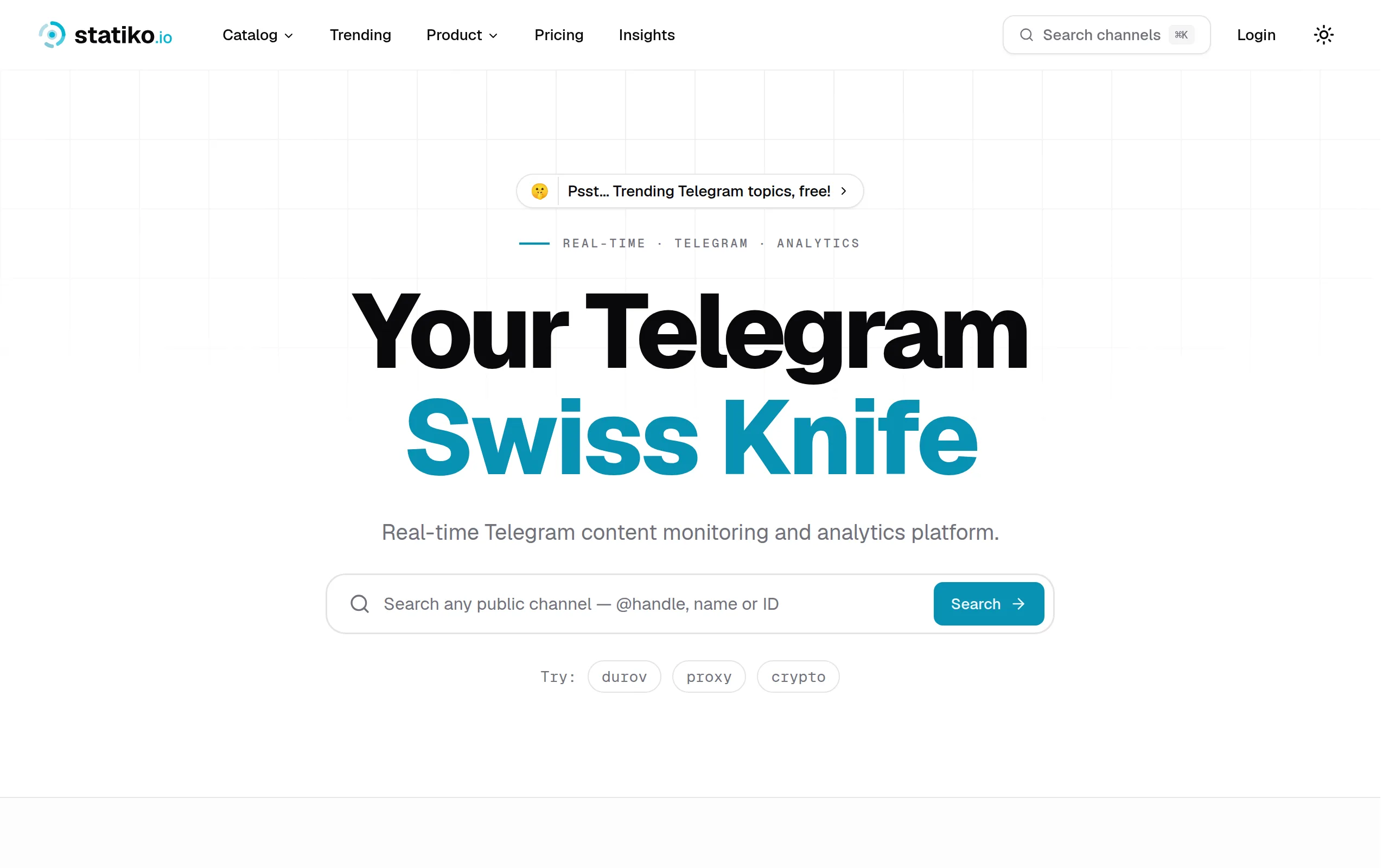
Statiko
Monitor any Telegram channel in real time - track posts, edits, deletions, and growth with AI recaps 📡

Shibui
AI website builder - describe your business, pick a niche template, edit by chatting, and publish instantly ✨

Pro Service
Find verified home service professionals, compare quotes, and pay securely through escrow - built for Brazilians across the US 🏠
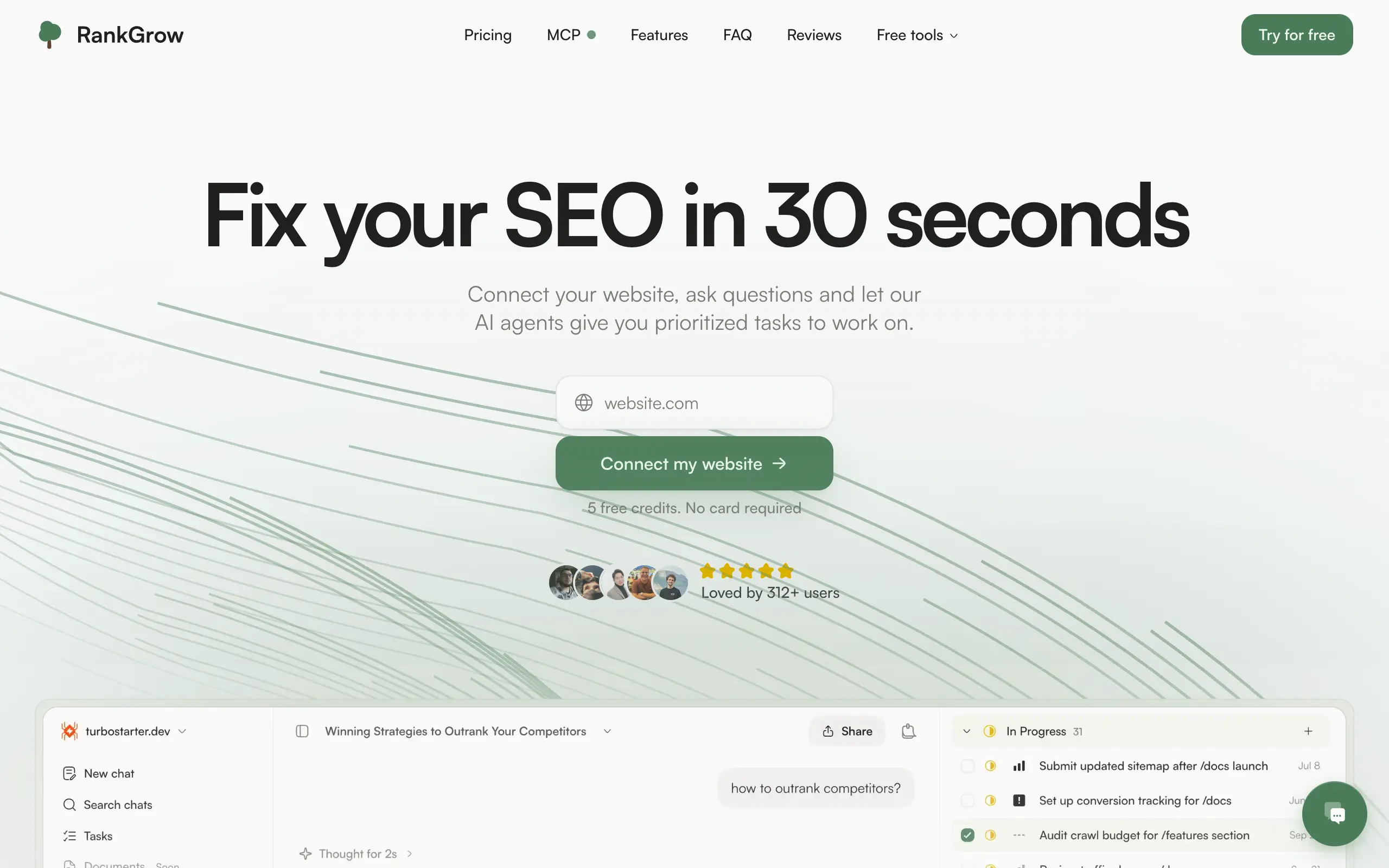
RankGrow
Fix your SEO with AI agents - connect Search Console, get prioritized tasks, and grow organic traffic 📈
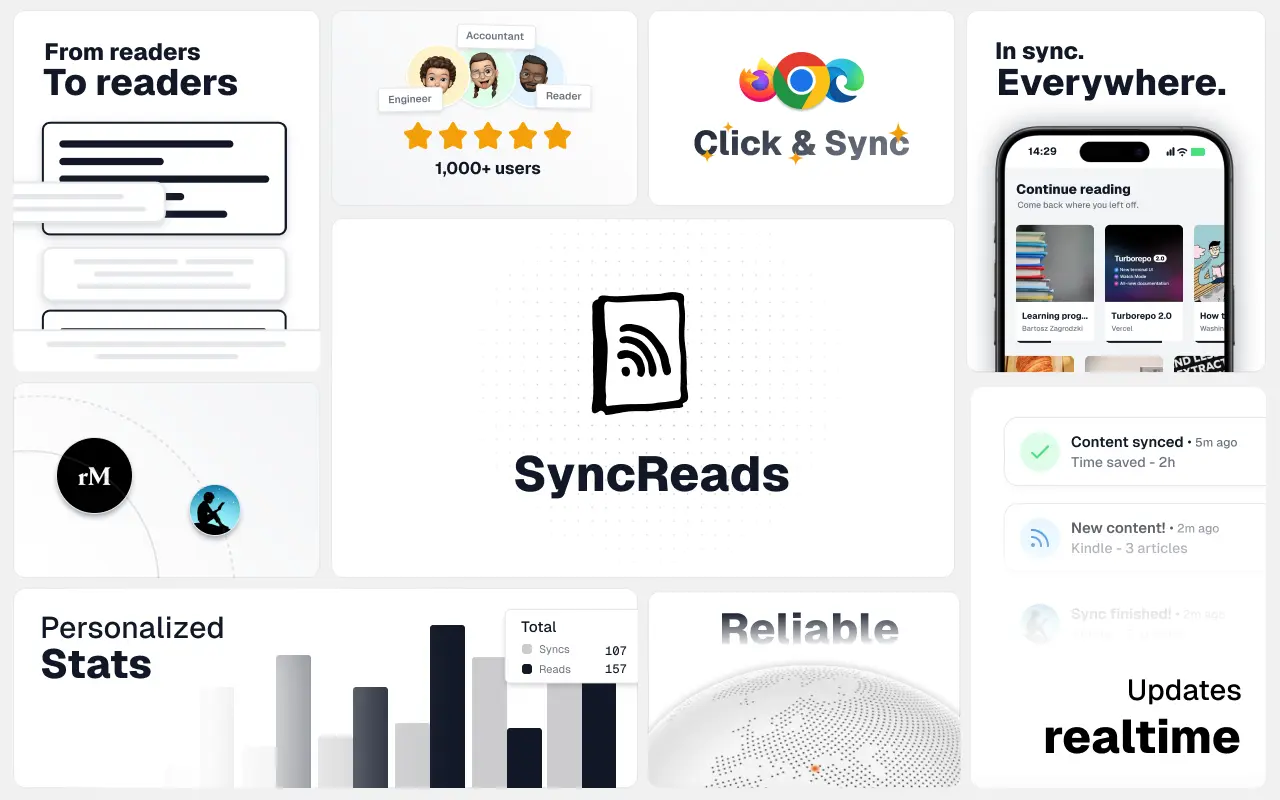
SyncReads
Sync your favorite content for distraction-free reading, save time and replace multiple apps. Anytime, anywhere 🔄
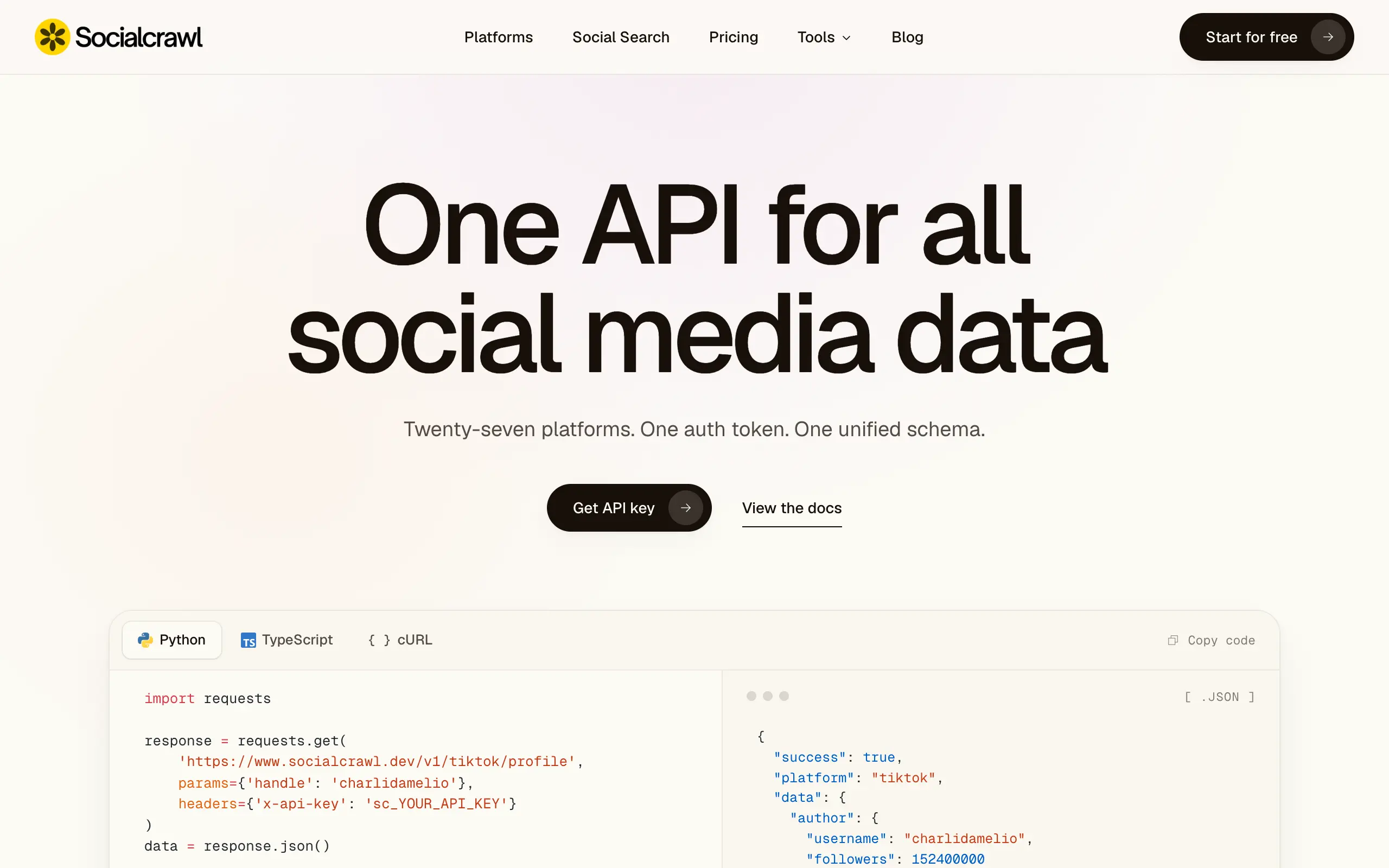
Socialcrawl
Get clean, structured data from 21 platforms like TikTok, Instagram, and YouTube with a single request 📊
Statiko
Monitor any Telegram channel in real time - track posts, edits, deletions, and growth with AI recaps 📡
Shibui
AI website builder - describe your business, pick a niche template, edit by chatting, and publish instantly ✨
Pro Service
Find verified home service professionals, compare quotes, and pay securely through escrow - built for Brazilians across the US 🏠
RankGrow
Fix your SEO with AI agents - connect Search Console, get prioritized tasks, and grow organic traffic 📈
SyncReads
Sync your favorite content for distraction-free reading, save time and replace multiple apps. Anytime, anywhere 🔄
Socialcrawl
Get clean, structured data from 21 platforms like TikTok, Instagram, and YouTube with a single request 📊
Statiko
Monitor any Telegram channel in real time - track posts, edits, deletions, and growth with AI recaps 📡
Shibui
AI website builder - describe your business, pick a niche template, edit by chatting, and publish instantly ✨
Pro Service
Find verified home service professionals, compare quotes, and pay securely through escrow - built for Brazilians across the US 🏠
RankGrow
Fix your SEO with AI agents - connect Search Console, get prioritized tasks, and grow organic traffic 📈
SyncReads
Sync your favorite content for distraction-free reading, save time and replace multiple apps. Anytime, anywhere 🔄
Socialcrawl
Get clean, structured data from 21 platforms like TikTok, Instagram, and YouTube with a single request 📊
Statiko
Monitor any Telegram channel in real time - track posts, edits, deletions, and growth with AI recaps 📡
Shibui
AI website builder - describe your business, pick a niche template, edit by chatting, and publish instantly ✨
Pro Service
Find verified home service professionals, compare quotes, and pay securely through escrow - built for Brazilians across the US 🏠
RankGrow
Fix your SEO with AI agents - connect Search Console, get prioritized tasks, and grow organic traffic 📈
SyncReads
Sync your favorite content for distraction-free reading, save time and replace multiple apps. Anytime, anywhere 🔄
Socialcrawl
Get clean, structured data from 21 platforms like TikTok, Instagram, and YouTube with a single request 📊
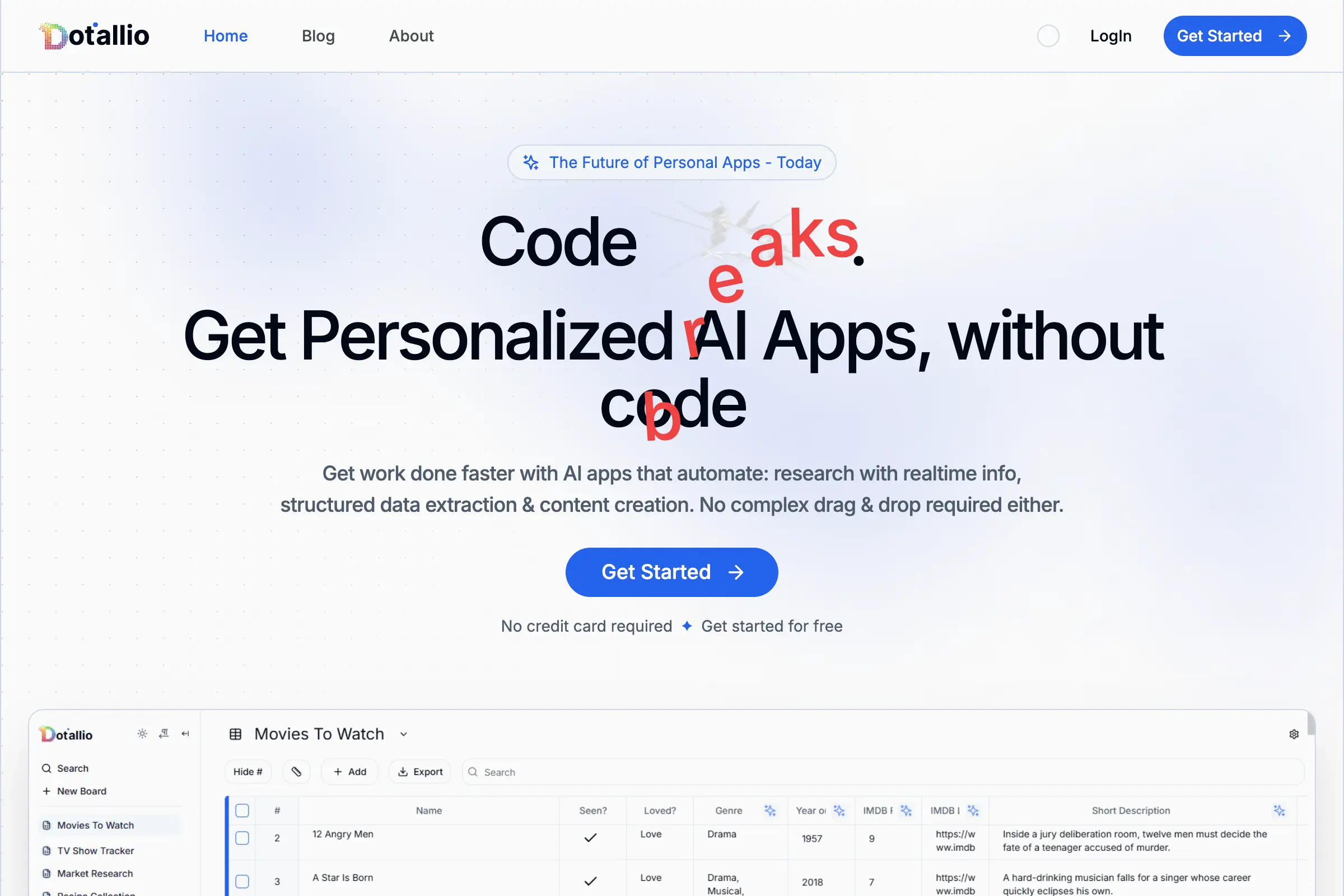
Dotallio
Personalized AI apps that automate research, data extraction, and content creation without code 🤖

Talk to Santa
Enjoy a magical live video chat or receive a unique AI-generated video greeting from Santa Claus 🎅

pozywka.pl
Scalable blog for food journalist, focused on performance and user experience 🌭
zagrodzki.me
Personal blog and portfolio of Bart Zagrodzki, where he shares his knowledge and work 💼
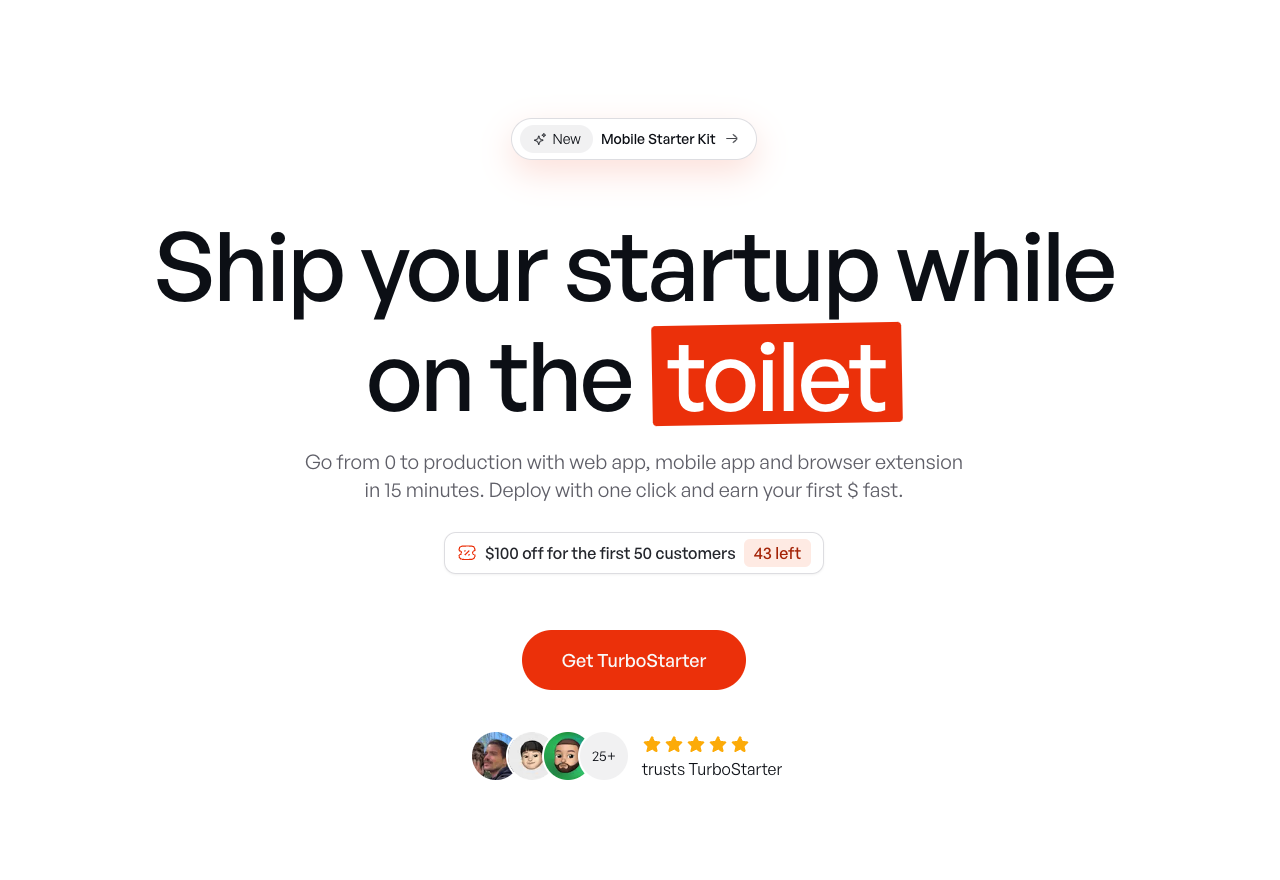
TurboStarter
Ship your startup everywhere. In minutes.
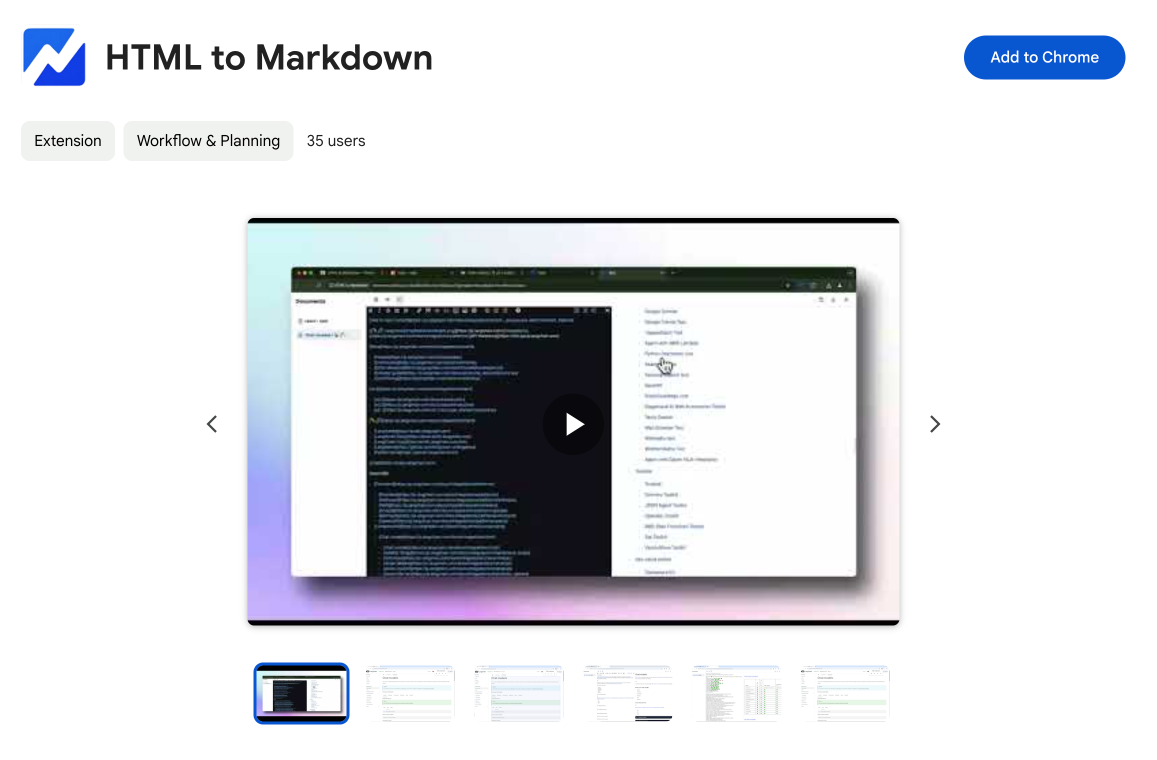
HTML to Markdown
Convert HTML to Markdown with ease, directly in your browser 📄
Dotallio
Personalized AI apps that automate research, data extraction, and content creation without code 🤖
Talk to Santa
Enjoy a magical live video chat or receive a unique AI-generated video greeting from Santa Claus 🎅
pozywka.pl
Scalable blog for food journalist, focused on performance and user experience 🌭
zagrodzki.me
Personal blog and portfolio of Bart Zagrodzki, where he shares his knowledge and work 💼
TurboStarter
Ship your startup everywhere. In minutes.
HTML to Markdown
Convert HTML to Markdown with ease, directly in your browser 📄
Dotallio
Personalized AI apps that automate research, data extraction, and content creation without code 🤖
Talk to Santa
Enjoy a magical live video chat or receive a unique AI-generated video greeting from Santa Claus 🎅
pozywka.pl
Scalable blog for food journalist, focused on performance and user experience 🌭
zagrodzki.me
Personal blog and portfolio of Bart Zagrodzki, where he shares his knowledge and work 💼
TurboStarter
Ship your startup everywhere. In minutes.
HTML to Markdown
Convert HTML to Markdown with ease, directly in your browser 📄
Dotallio
Personalized AI apps that automate research, data extraction, and content creation without code 🤖
Talk to Santa
Enjoy a magical live video chat or receive a unique AI-generated video greeting from Santa Claus 🎅
pozywka.pl
Scalable blog for food journalist, focused on performance and user experience 🌭
zagrodzki.me
Personal blog and portfolio of Bart Zagrodzki, where he shares his knowledge and work 💼
TurboStarter
Ship your startup everywhere. In minutes.
HTML to Markdown
Convert HTML to Markdown with ease, directly in your browser 📄
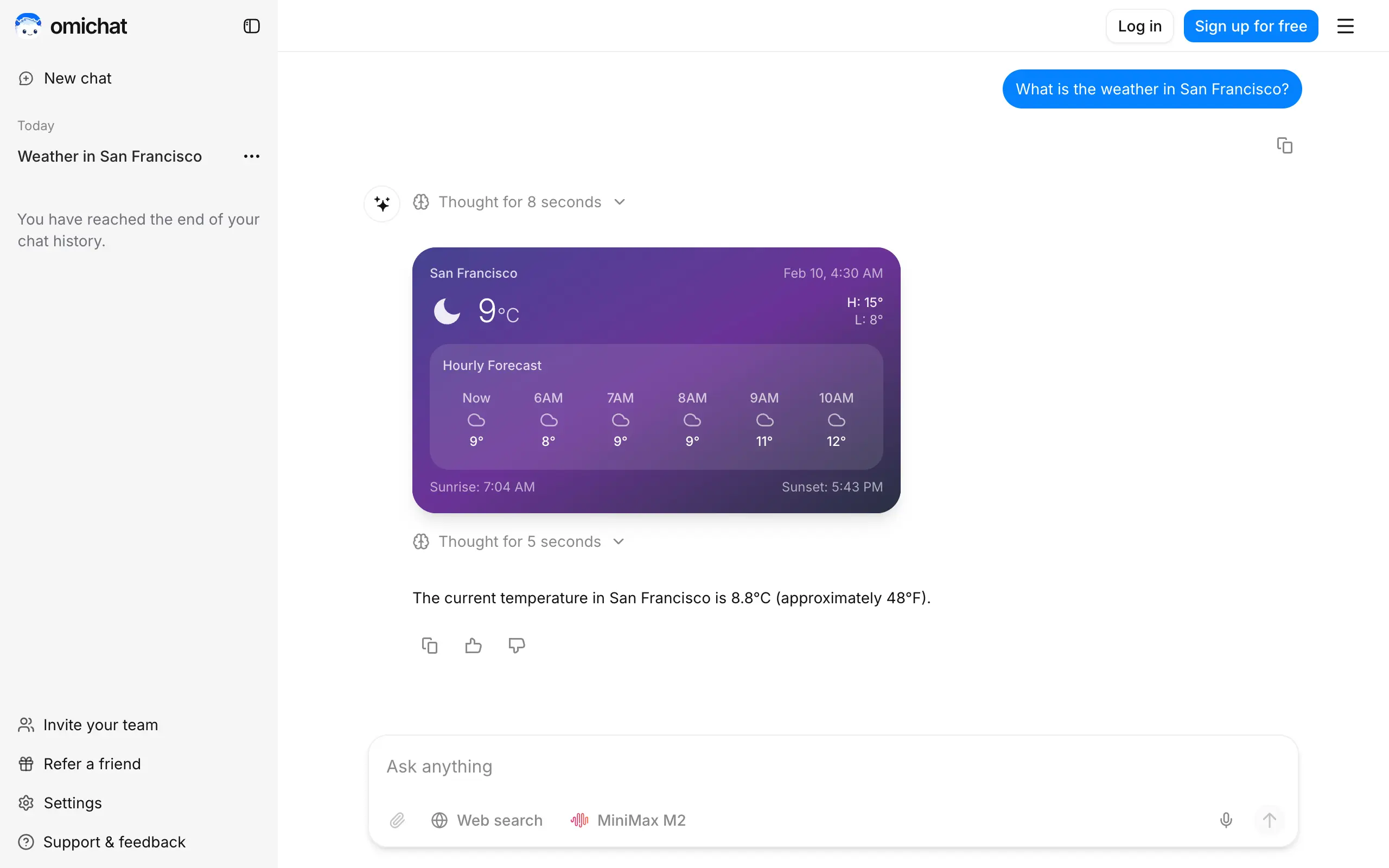
Omichat
Chat with 50+ AI models, including ChatGPT and Claude, in one place - switch models anytime without losing context 🤖
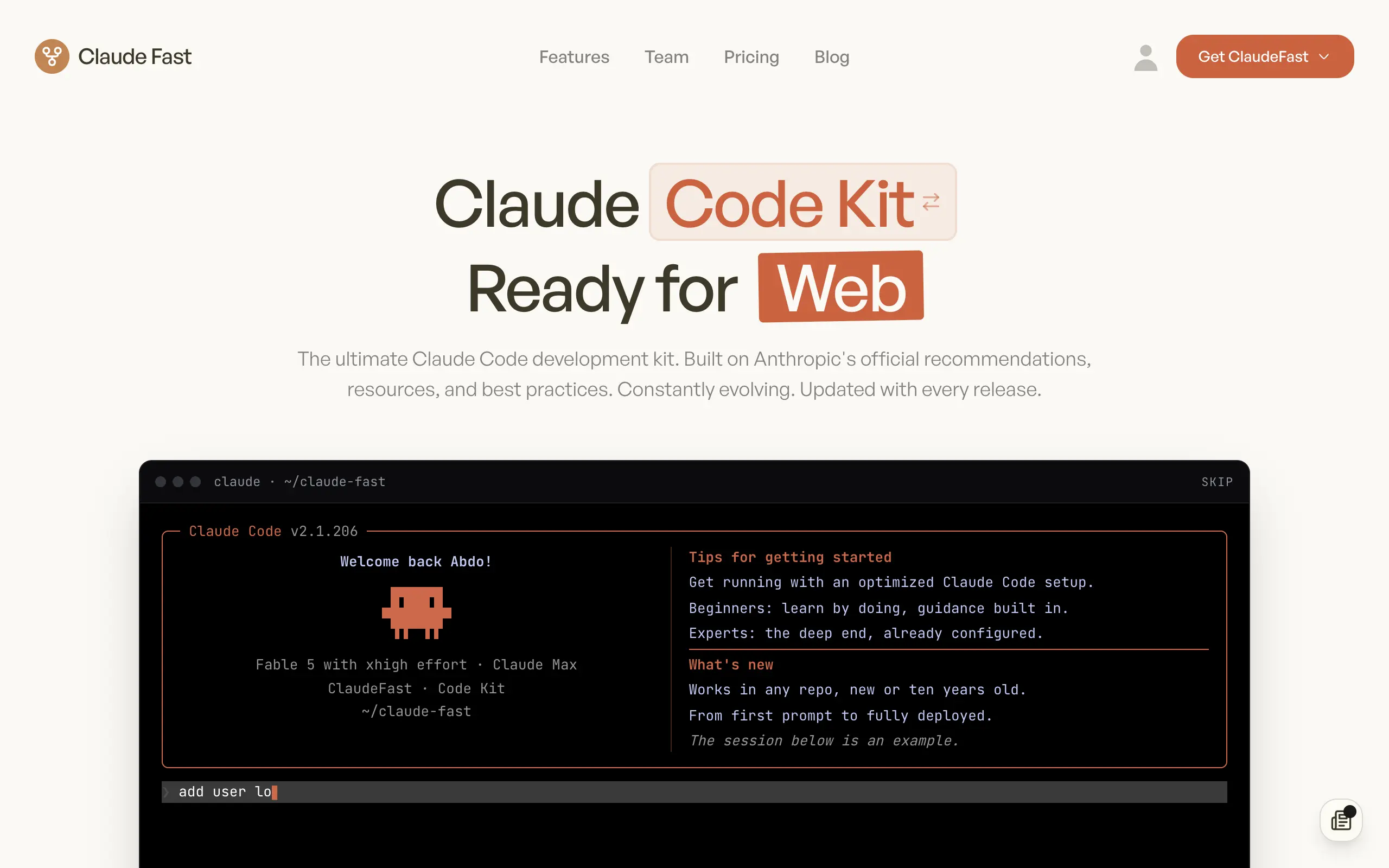
Claude Fast
Supercharge your Claude Code with 6x effective context window and specialized AI agents 🤖
EmojAI
AI-powered emoji picker with smart, context-aware suggestions 🤖
Solohacker
Autonomous company launcher - AI agents work 24/7, escalate what matters, and you stay in control 🤖
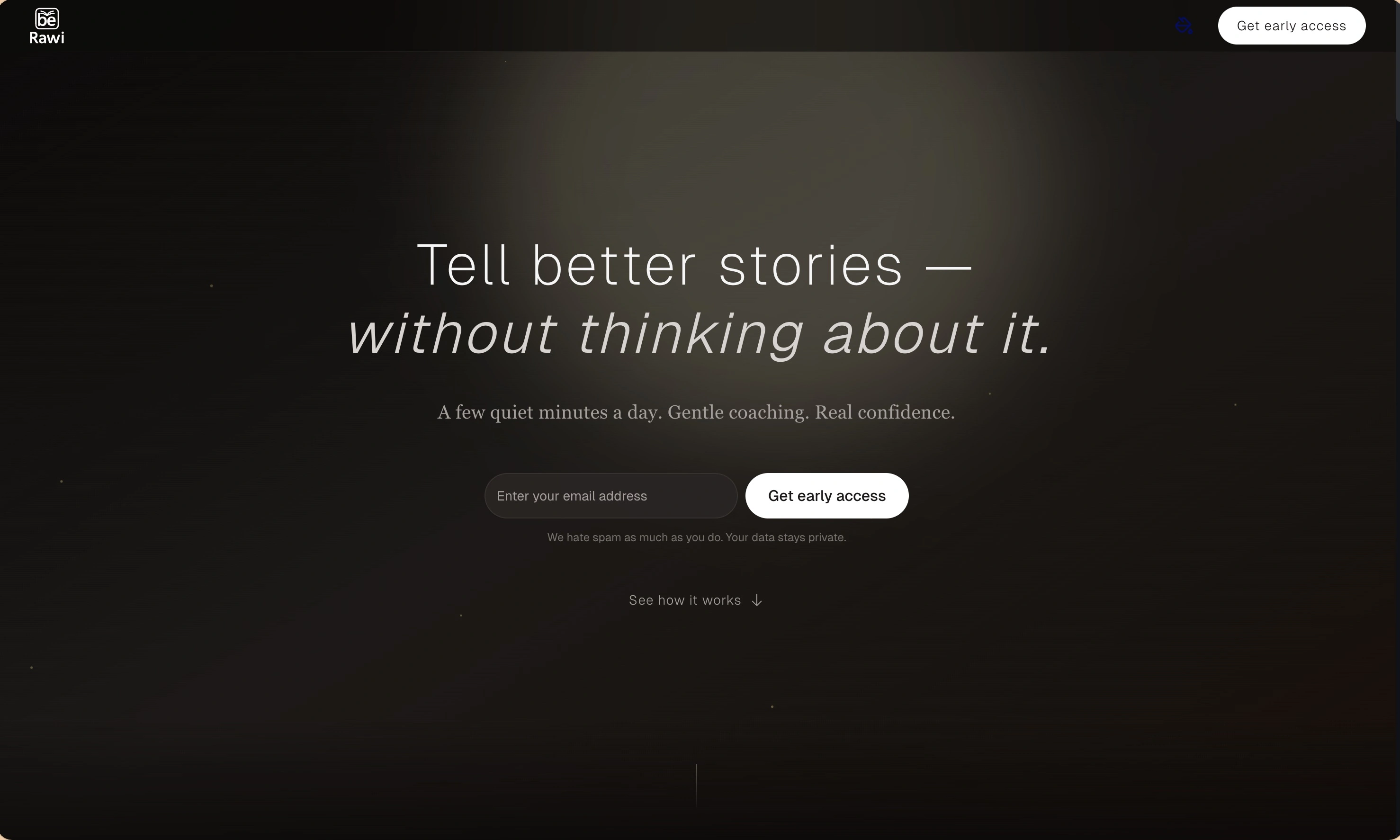
BeRawi: Storytelling Coach
Practice storytelling daily with instant feedback to sound clearer, more engaging, and confident 🎤
Omichat
Chat with 50+ AI models, including ChatGPT and Claude, in one place - switch models anytime without losing context 🤖
Claude Fast
Supercharge your Claude Code with 6x effective context window and specialized AI agents 🤖
EmojAI
AI-powered emoji picker with smart, context-aware suggestions 🤖
Solohacker
Autonomous company launcher - AI agents work 24/7, escalate what matters, and you stay in control 🤖
BeRawi: Storytelling Coach
Practice storytelling daily with instant feedback to sound clearer, more engaging, and confident 🎤
Omichat
Chat with 50+ AI models, including ChatGPT and Claude, in one place - switch models anytime without losing context 🤖
Claude Fast
Supercharge your Claude Code with 6x effective context window and specialized AI agents 🤖
EmojAI
AI-powered emoji picker with smart, context-aware suggestions 🤖
Solohacker
Autonomous company launcher - AI agents work 24/7, escalate what matters, and you stay in control 🤖
BeRawi: Storytelling Coach
Practice storytelling daily with instant feedback to sound clearer, more engaging, and confident 🎤
Omichat
Chat with 50+ AI models, including ChatGPT and Claude, in one place - switch models anytime without losing context 🤖
Claude Fast
Supercharge your Claude Code with 6x effective context window and specialized AI agents 🤖
EmojAI
AI-powered emoji picker with smart, context-aware suggestions 🤖
Solohacker
Autonomous company launcher - AI agents work 24/7, escalate what matters, and you stay in control 🤖
BeRawi: Storytelling Coach
Practice storytelling daily with instant feedback to sound clearer, more engaging, and confident 🎤

Connect with like-minded people
Join our community to get feedback, support, and grow together with 1,000+ builders on board, let's ship it!
Join usShip your startup everywhere. In minutes.
Don't burn tokens on setup and start building features on day one.