RevMatch AI
AI-powered platform that matches drivers with ideal cars based on lifestyle, budget, and driving habits using real-world data insights.
redefining car buying with AI-powered car matching
Buying a car has always been a high-stakes, high-friction decision. Consumers are expected to evaluate dozens of variables—budget, fuel efficiency, lifestyle fit, safety, resale value—often with fragmented or biased information. Traditional tools like dealership recommendations, static comparison websites, and generic “best car” lists fail to account for the nuanced realities of individual drivers.
This is where AI-powered car matching platforms like RevMatch AI introduce a transformative shift. Instead of asking “what are the best cars?”, RevMatch AI answers a far more relevant question: “what is the best car for you, based on how you actually live and drive?”
This article explores the full strategic, technical, and market potential of an AI car recommendation SaaS like RevMatch AI, including audience analysis, feature architecture, monetization, and implementation strategy.
understanding the user intent behind AI car matching
People searching for an “AI car recommendation tool” or “best car for my lifestyle” typically fall into one of these categories:
- First-time buyers overwhelmed by options
- Upgraders seeking better alignment with evolving lifestyle
- Urban vs suburban drivers with different mobility patterns
- Budget-conscious users optimizing total cost of ownership
- Tech-savvy consumers expecting personalization (like Spotify or Netflix)
Their expectations are clear:
- Personalized recommendations (not generic lists)
- Data-backed insights (fuel cost, maintenance, depreciation)
- Transparency (why a car is recommended)
- Simplicity (no dealership pressure)
RevMatch AI directly addresses all of these.
market opportunity and gap analysis
the broken traditional model
The current car discovery ecosystem is fragmented:
- Review sites focus on editorial rankings
- Dealerships push inventory, not fit
- Marketplaces prioritize listings, not intelligence
- Comparison tools lack personalization
This leads to:
- Decision fatigue
- Mismatched purchases
- Buyer’s remorse
- Inefficient sales funnels for dealerships
the opportunity for AI-driven personalization
AI has already transformed:
- Entertainment (Netflix recommendations)
- Shopping (Amazon suggestions)
- Finance (credit risk modeling)
The automotive buying journey is overdue for the same disruption.
Market insight
The global automotive digital retail market is projected to grow significantly, driven by online-first car buying behaviors. You can reference McKinsey or Deloitte automotive reports for supporting data.
why now?
Several trends make RevMatch AI particularly timely:
- Increased availability of vehicle telematics and driving data
- Growth of EV adoption, adding complexity to decision-making
- Consumer expectation for hyper-personalization
- AI maturity (LLMs + predictive models)
target audience segmentation
primary users
1. young professionals (25–40)
- Urban or suburban
- Budget-conscious but lifestyle-driven
- Value convenience and efficiency
2. families
- Safety and space prioritized
- Interested in long-term reliability
- Often overwhelmed by options
3. car enthusiasts (light)
- Care about performance, but need practicality
- Appreciate data-backed insights
secondary users
- Fleet buyers (small businesses)
- Ride-share drivers optimizing earnings
- EV adopters comparing charging vs fuel costs
how RevMatch AI works (core concept)
At its core, RevMatch AI acts as a decision intelligence engine.
It combines:
- User input (budget, location, lifestyle)
- Behavioral inference (commute patterns, driving habits)
- External datasets (fuel prices, maintenance costs, insurance)
- AI modeling (recommendation + scoring engine)
input signals
- Daily commute distance
- City vs highway driving ratio
- Climate and geography
- Family size
- Parking constraints
- Budget (upfront + monthly)
output
- Ranked list of vehicles
- Match score (e.g., 92% fit)
- Explanation (why this car fits)
- Cost breakdown (TCO)
- Alternatives and trade-offs
core features of RevMatch AI
1. intelligent car matching engine
The heart of the platform.
- Uses ML models to evaluate fit
- Scores vehicles across multiple dimensions:
- Cost efficiency
- Lifestyle compatibility
- Performance needs
- Environmental impact
2. lifestyle profiling
Instead of static forms, use dynamic profiling:
- Adaptive questions
- Behavioral inference
- Optional integrations (Google Maps, Apple Health driving trends)
3. real-world cost calculator
Includes:
- Fuel or charging cost
- Insurance estimates
- Maintenance projections
- Depreciation curves
4. explainable AI recommendations
Transparency builds trust.
Example:
“This hybrid SUV is recommended because your 40-mile daily commute and urban driving pattern benefit from fuel efficiency while maintaining cargo space for family use.”
5. scenario simulation
Users can tweak inputs:
- “What if I move cities?”
- “What if gas prices increase?”
- “What if I switch to EV?”
6. marketplace integration (optional)
- Link to available listings
- Partner dealerships
- Financing options
feature comparison vs traditional tools
| Feature | Dealerships | Car Review Sites | Marketplaces | RevMatch AI |
|---|---|---|---|---|
| Personalized recommendations | ❌ | ❌ | ❌ | ✅ |
| Data-driven matching | ❌ | ✅ | ❌ | ✅ |
| Total cost insights | ❌ | ✅ | ✅ | ✅ |
| Behavioral intelligence | ❌ | ❌ | ❌ | ✅ |
recommended tech stack
Building an AI-powered SaaS like RevMatch AI requires a balance of scalability, performance, and data processing.
frontend
- React – dynamic UI
- Next.js – SSR for SEO
- TailwindCSS – fast styling
backend
- Node.js (API layer)
- Python (ML pipelines)
- GraphQL or REST APIs
AI & data
- Recommendation models (collaborative + content-based filtering)
- LLMs for explanation layer
- Data sources:
- Vehicle specs databases
- Fuel/energy pricing APIs
- Insurance estimation APIs
infrastructure
- AWS / GCP
- Serverless functions for scaling
- PostgreSQL for structured data
- Redis for caching
example recommendation logic
function calculateMatchScore(user, vehicle) {
  let score = 0;

  if (vehicle.price <= user.budget) score += 20;
  if (vehicle.mpg >= user.minFuelEfficiency) score += 15;
  if (vehicle.type === user.preferredType) score += 15;

  score += lifestyleFit(user, vehicle); // custom ML function
  score += costEfficiency(vehicle, user.location);

  return score;
}
monetization strategies
1. affiliate revenue
- Earn commission from:
- Car marketplaces
- Dealerships
- Financing providers
2. premium subscription
Offer advanced features:
- Deep cost simulations
- Exclusive insights
- Priority recommendations
3. B2B SaaS (high potential)
Sell to:
- Dealerships
- Automotive platforms
- Fleet managers
Provide:
- White-labeled recommendation engine
- Customer profiling tools
4. lead generation
Sell qualified leads to:
- Dealerships
- Insurance companies
- Leasing companies
competitive advantage (USP)
RevMatch AI stands out because it combines:
1. behavioral intelligence
Most tools ask “what do you want?” RevMatch AI asks: “how do you actually live?”
2. explainable AI
Users trust recommendations because they understand them.
3. total cost transparency
Not just price—full lifecycle cost.
4. adaptive personalization
The system improves with:
- User feedback
- Behavioral data
- Market changes
risks and mitigation strategies
data accuracy risk
If inputs or datasets are wrong, recommendations suffer.
Mitigation:
- Use verified APIs
- Regular dataset updates
- User feedback loops
trust barrier
Users may distrust AI recommendations.
Mitigation:
- Provide clear explanations
- Show comparisons
- Include user reviews
marketplace dependency
Relying on partners for monetization can be risky.
Mitigation:
- Diversify revenue streams
- Build direct subscription value
future expansion opportunities
EV intelligence layer
Advanced EV recommendations based on charging infrastructure and battery degradation modeling.
insurance optimization
Suggest cars with lowest insurance premiums based on user profile.
real-time driving insights
Integrate with telematics for continuous recommendations.
implementation roadmap
MVP scope (what to build first)
Focus on:
- User questionnaire
- Basic matching algorithm
- Top 5 car recommendations
- Cost breakdown
- Simple UI
Avoid:
- Marketplace integrations (initially)
- Complex AI models
- Over-engineering personalization
go-to-market strategy
organic SEO
Target keywords like:
- “best car for my lifestyle”
- “AI car recommendation”
- “what car should I buy quiz”
content strategy
- Interactive tools
- Comparison guides
- EV vs gas calculators
partnerships
- Automotive blogs
- YouTube reviewers
- Dealership networks
FAQs
It uses AI to personalize recommendations based on behavior, not just specs or popularity.
Yes, and it can be especially valuable for EV decisions due to charging and cost complexity.
Yes, with proper encryption and privacy-first architecture, user data can be securely handled.
actionable next steps
If you're building RevMatch AI or a similar AI car recommendation SaaS:
- Define your core dataset (vehicles + cost factors)
- Build a lightweight recommendation engine
- Focus heavily on UX simplicity
- Add explainability early
- Validate with real users before scaling AI complexity
final thoughts
RevMatch AI sits at the intersection of AI personalization, automotive commerce, and consumer decision intelligence. It solves a real, expensive, and emotionally charged problem with a scalable and data-driven approach.
As AI continues to reshape how consumers make decisions, platforms that reduce complexity and increase confidence will dominate.
If executed well, RevMatch AI can become the default decision engine for car buying.
build faster with the right foundation
If you're serious about launching a SaaS like RevMatch AI, starting from scratch can slow you down significantly.
Using a production-ready SaaS starter like TurboStarter can help you:
- Skip boilerplate setup
- Launch faster
- Focus on core AI features
- Scale with confidence
This is especially critical when building AI-first products where speed and iteration matter most.
More 🤖 AI Startup SaaS ideas
Discover more innovative ai startup SaaS ideas that are trending in 2026. Each idea is AI-generated with market validation and growth potential to help you find your next profitable venture faster than competitors.
Your competitors are building with TurboStarter
Below are some of the SaaS ideas that have been generated and built with our starter kit.
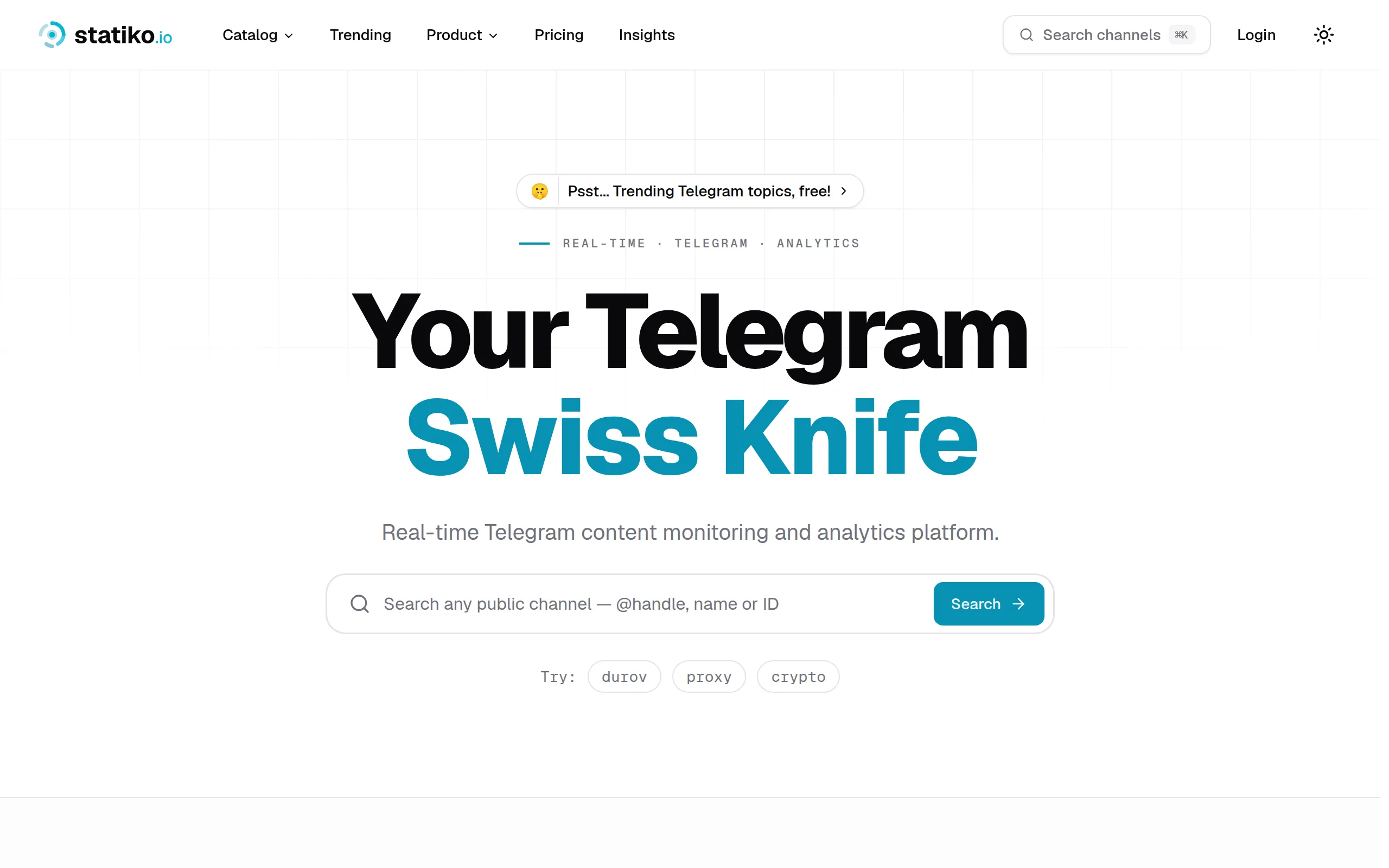
Statiko
Monitor any Telegram channel in real time - track posts, edits, deletions, and growth with AI recaps 📡

Shibui
AI website builder - describe your business, pick a niche template, edit by chatting, and publish instantly ✨

Pro Service
Find verified home service professionals, compare quotes, and pay securely through escrow - built for Brazilians across the US 🏠
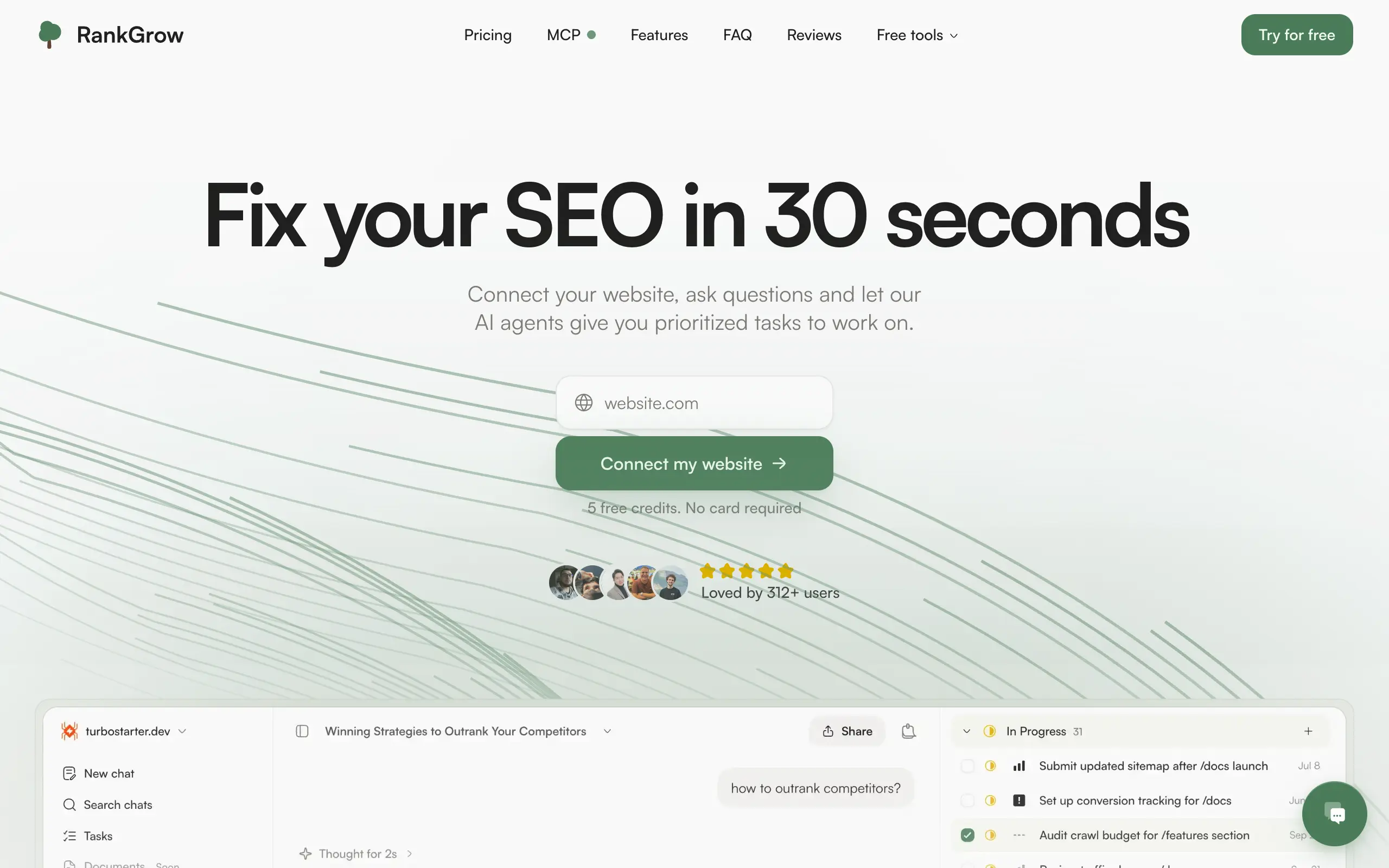
RankGrow
Fix your SEO with AI agents - connect Search Console, get prioritized tasks, and grow organic traffic 📈
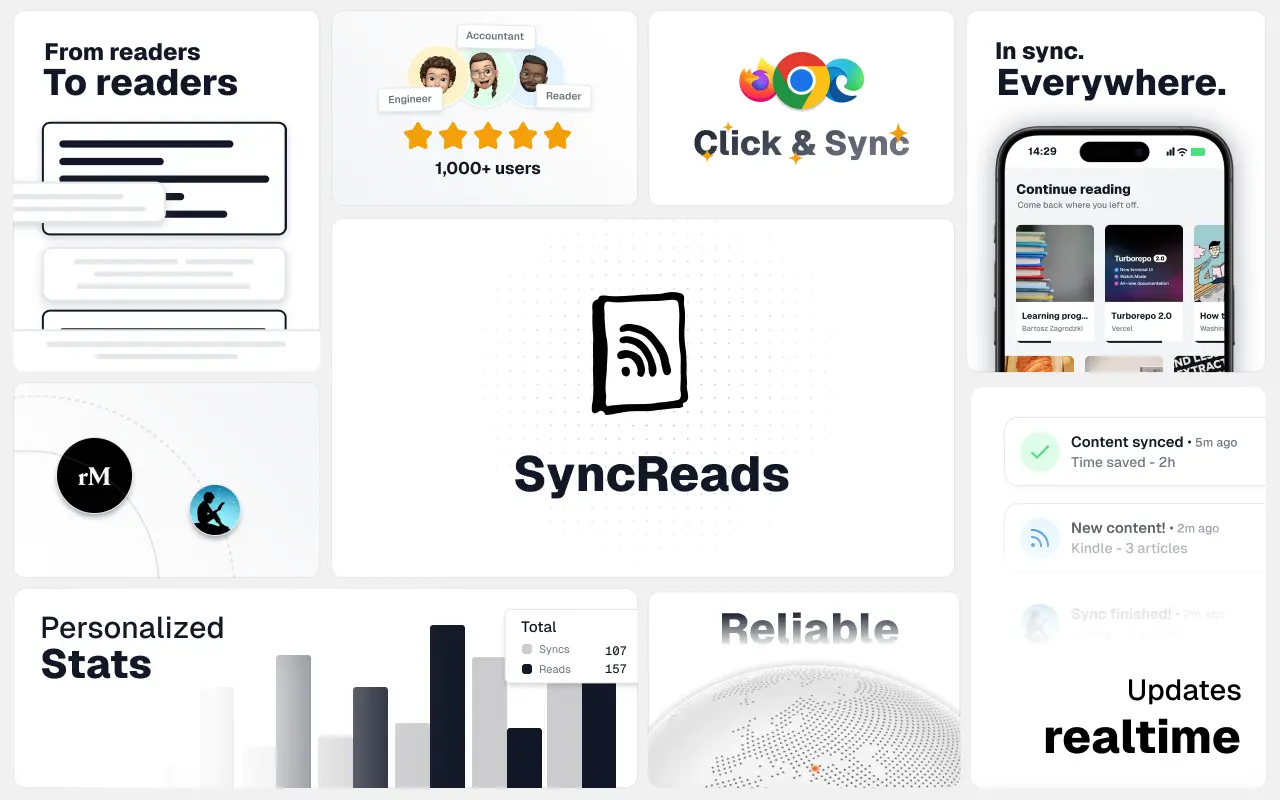
SyncReads
Sync your favorite content for distraction-free reading, save time and replace multiple apps. Anytime, anywhere 🔄
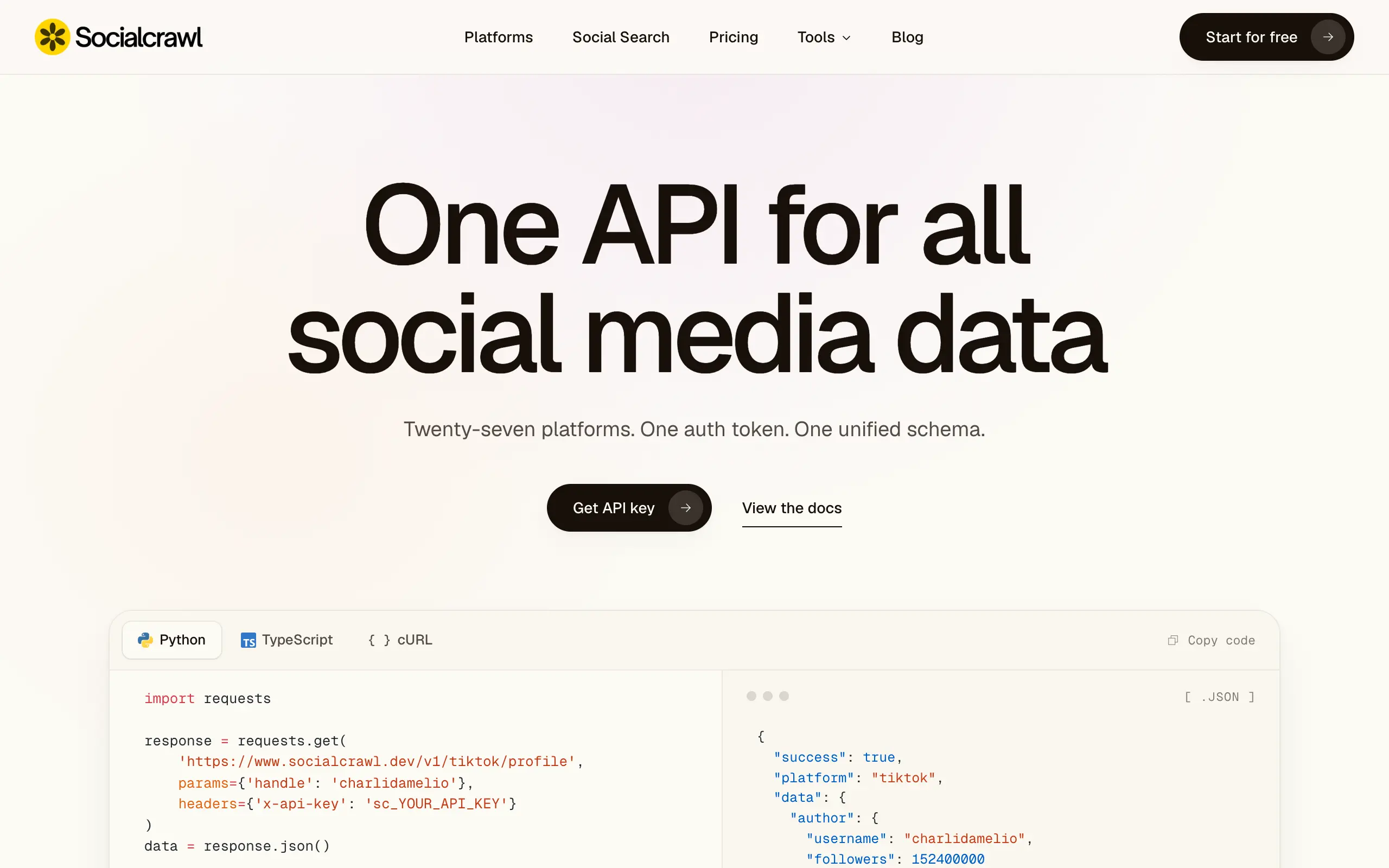
Socialcrawl
Get clean, structured data from 21 platforms like TikTok, Instagram, and YouTube with a single request 📊
Statiko
Monitor any Telegram channel in real time - track posts, edits, deletions, and growth with AI recaps 📡
Shibui
AI website builder - describe your business, pick a niche template, edit by chatting, and publish instantly ✨
Pro Service
Find verified home service professionals, compare quotes, and pay securely through escrow - built for Brazilians across the US 🏠
RankGrow
Fix your SEO with AI agents - connect Search Console, get prioritized tasks, and grow organic traffic 📈
SyncReads
Sync your favorite content for distraction-free reading, save time and replace multiple apps. Anytime, anywhere 🔄
Socialcrawl
Get clean, structured data from 21 platforms like TikTok, Instagram, and YouTube with a single request 📊
Statiko
Monitor any Telegram channel in real time - track posts, edits, deletions, and growth with AI recaps 📡
Shibui
AI website builder - describe your business, pick a niche template, edit by chatting, and publish instantly ✨
Pro Service
Find verified home service professionals, compare quotes, and pay securely through escrow - built for Brazilians across the US 🏠
RankGrow
Fix your SEO with AI agents - connect Search Console, get prioritized tasks, and grow organic traffic 📈
SyncReads
Sync your favorite content for distraction-free reading, save time and replace multiple apps. Anytime, anywhere 🔄
Socialcrawl
Get clean, structured data from 21 platforms like TikTok, Instagram, and YouTube with a single request 📊
Statiko
Monitor any Telegram channel in real time - track posts, edits, deletions, and growth with AI recaps 📡
Shibui
AI website builder - describe your business, pick a niche template, edit by chatting, and publish instantly ✨
Pro Service
Find verified home service professionals, compare quotes, and pay securely through escrow - built for Brazilians across the US 🏠
RankGrow
Fix your SEO with AI agents - connect Search Console, get prioritized tasks, and grow organic traffic 📈
SyncReads
Sync your favorite content for distraction-free reading, save time and replace multiple apps. Anytime, anywhere 🔄
Socialcrawl
Get clean, structured data from 21 platforms like TikTok, Instagram, and YouTube with a single request 📊
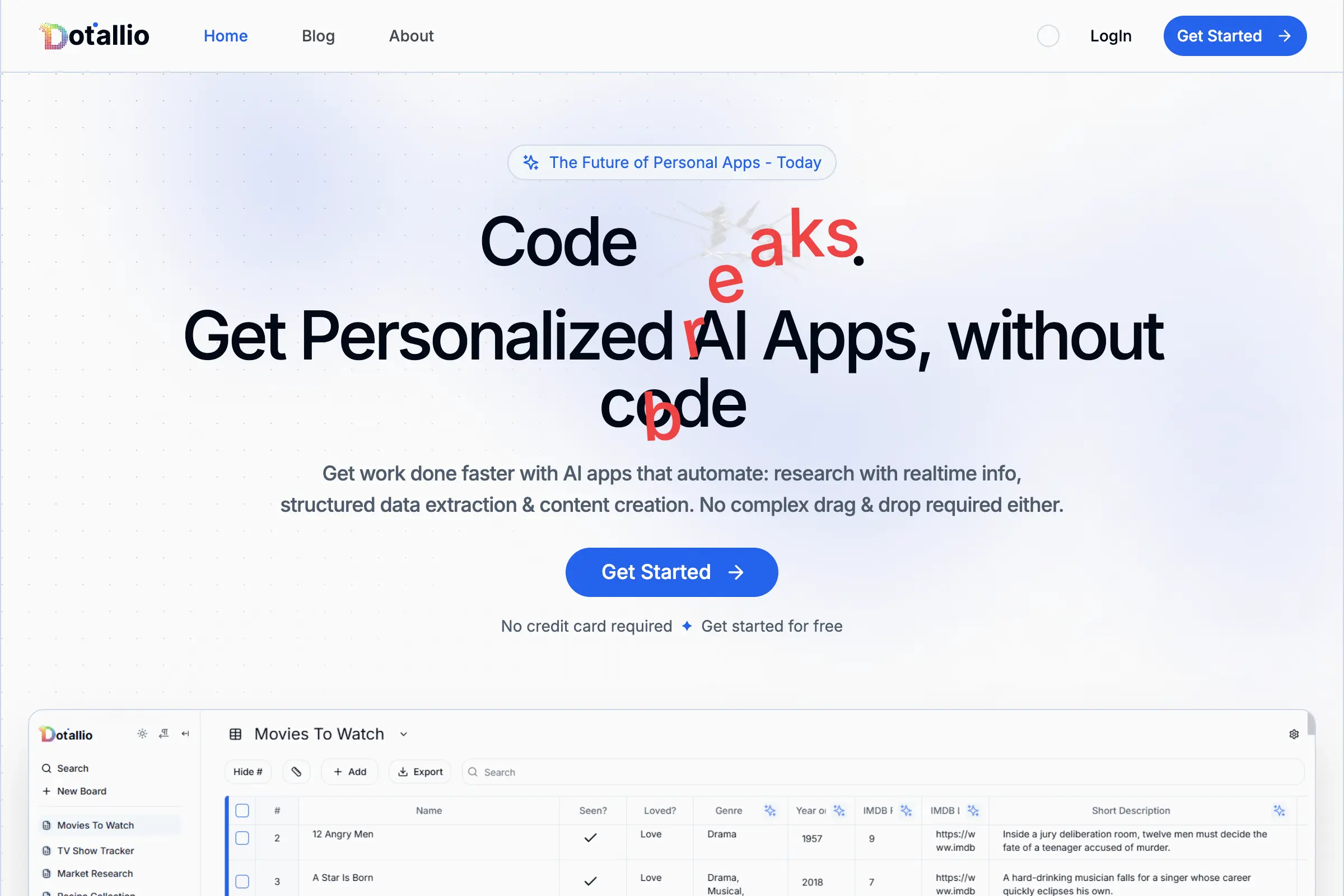
Dotallio
Personalized AI apps that automate research, data extraction, and content creation without code 🤖

Talk to Santa
Enjoy a magical live video chat or receive a unique AI-generated video greeting from Santa Claus 🎅

pozywka.pl
Scalable blog for food journalist, focused on performance and user experience 🌭
zagrodzki.me
Personal blog and portfolio of Bart Zagrodzki, where he shares his knowledge and work 💼
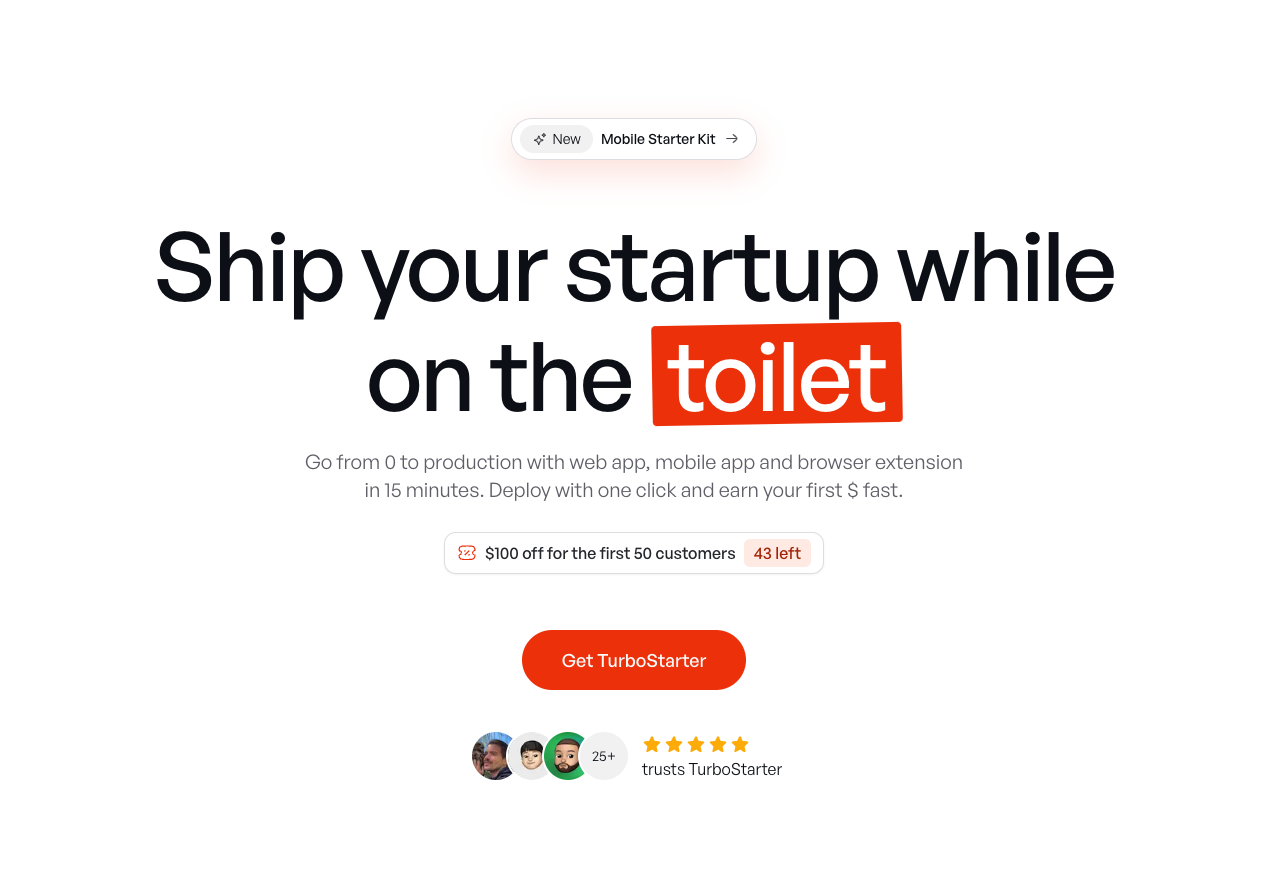
TurboStarter
Ship your startup everywhere. In minutes.
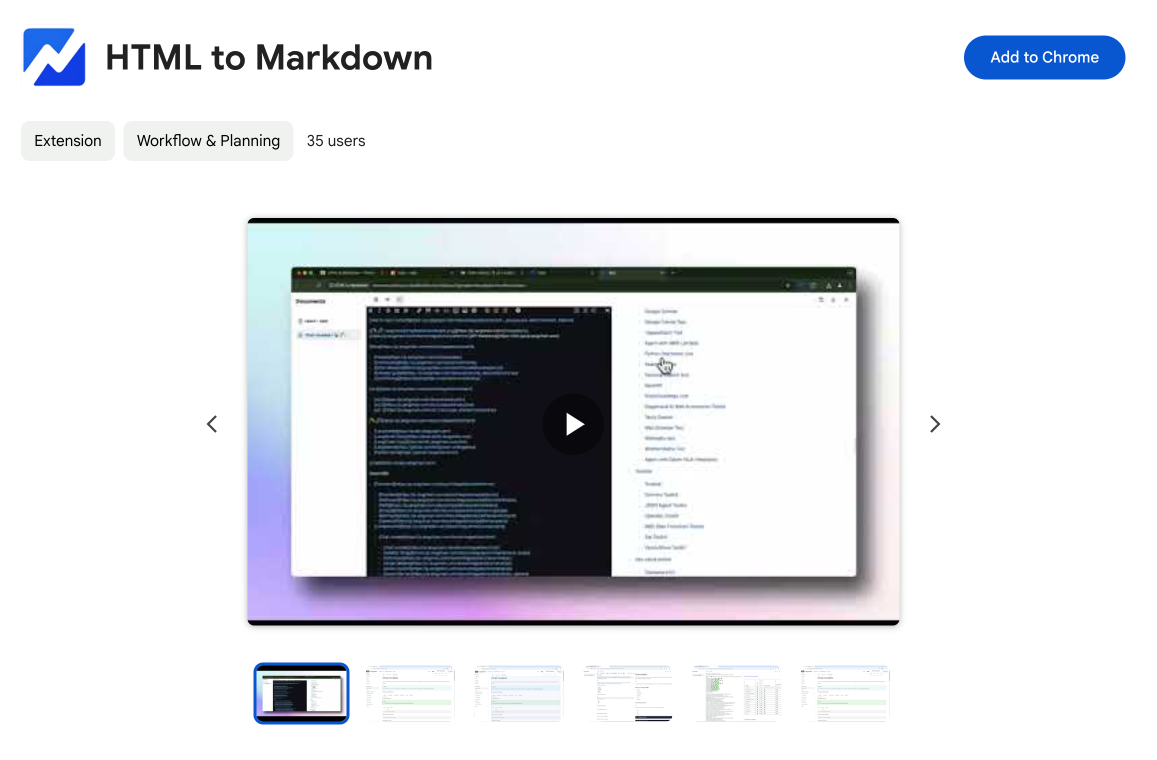
HTML to Markdown
Convert HTML to Markdown with ease, directly in your browser 📄
Dotallio
Personalized AI apps that automate research, data extraction, and content creation without code 🤖
Talk to Santa
Enjoy a magical live video chat or receive a unique AI-generated video greeting from Santa Claus 🎅
pozywka.pl
Scalable blog for food journalist, focused on performance and user experience 🌭
zagrodzki.me
Personal blog and portfolio of Bart Zagrodzki, where he shares his knowledge and work 💼
TurboStarter
Ship your startup everywhere. In minutes.
HTML to Markdown
Convert HTML to Markdown with ease, directly in your browser 📄
Dotallio
Personalized AI apps that automate research, data extraction, and content creation without code 🤖
Talk to Santa
Enjoy a magical live video chat or receive a unique AI-generated video greeting from Santa Claus 🎅
pozywka.pl
Scalable blog for food journalist, focused on performance and user experience 🌭
zagrodzki.me
Personal blog and portfolio of Bart Zagrodzki, where he shares his knowledge and work 💼
TurboStarter
Ship your startup everywhere. In minutes.
HTML to Markdown
Convert HTML to Markdown with ease, directly in your browser 📄
Dotallio
Personalized AI apps that automate research, data extraction, and content creation without code 🤖
Talk to Santa
Enjoy a magical live video chat or receive a unique AI-generated video greeting from Santa Claus 🎅
pozywka.pl
Scalable blog for food journalist, focused on performance and user experience 🌭
zagrodzki.me
Personal blog and portfolio of Bart Zagrodzki, where he shares his knowledge and work 💼
TurboStarter
Ship your startup everywhere. In minutes.
HTML to Markdown
Convert HTML to Markdown with ease, directly in your browser 📄
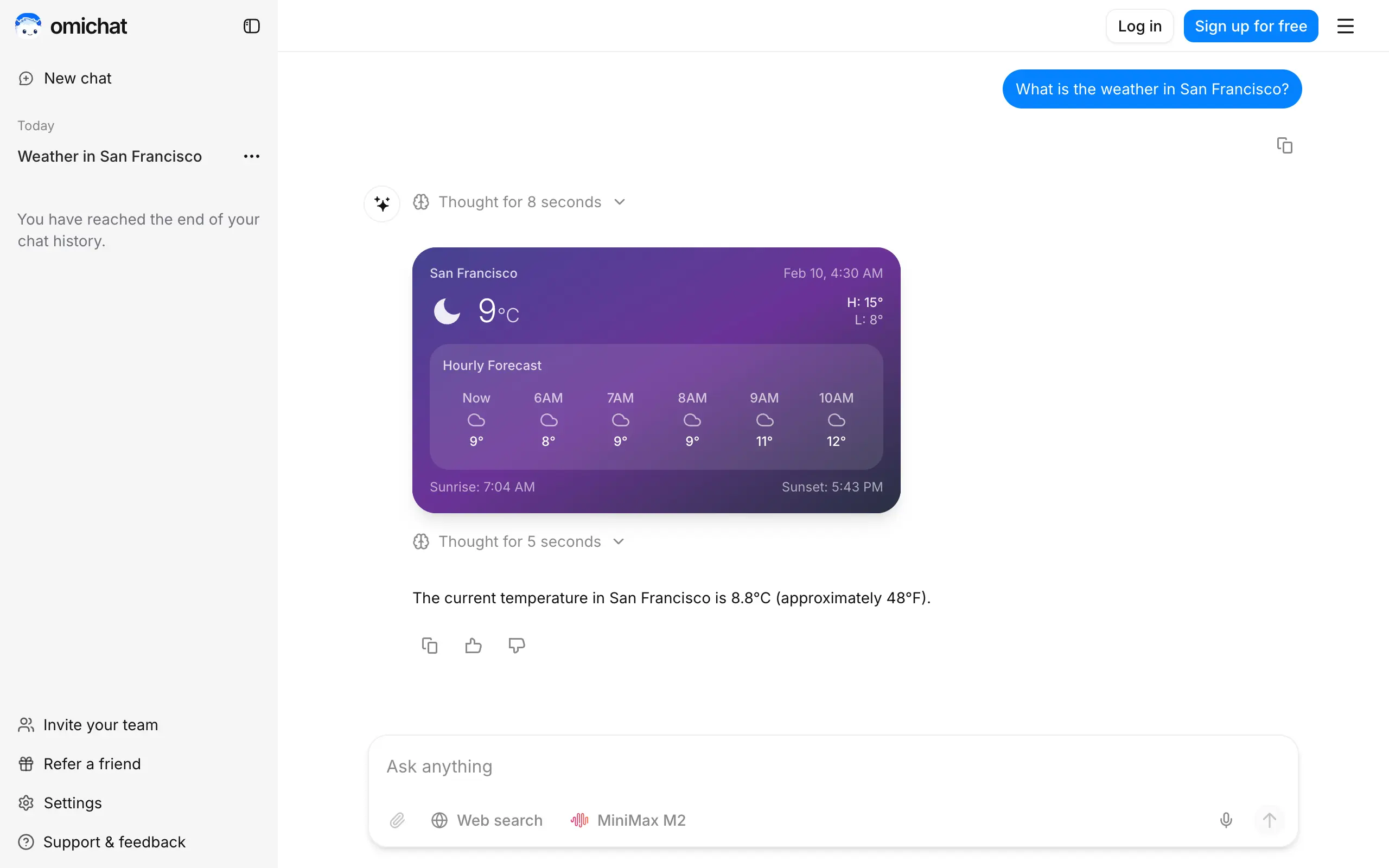
Omichat
Chat with 50+ AI models, including ChatGPT and Claude, in one place - switch models anytime without losing context 🤖
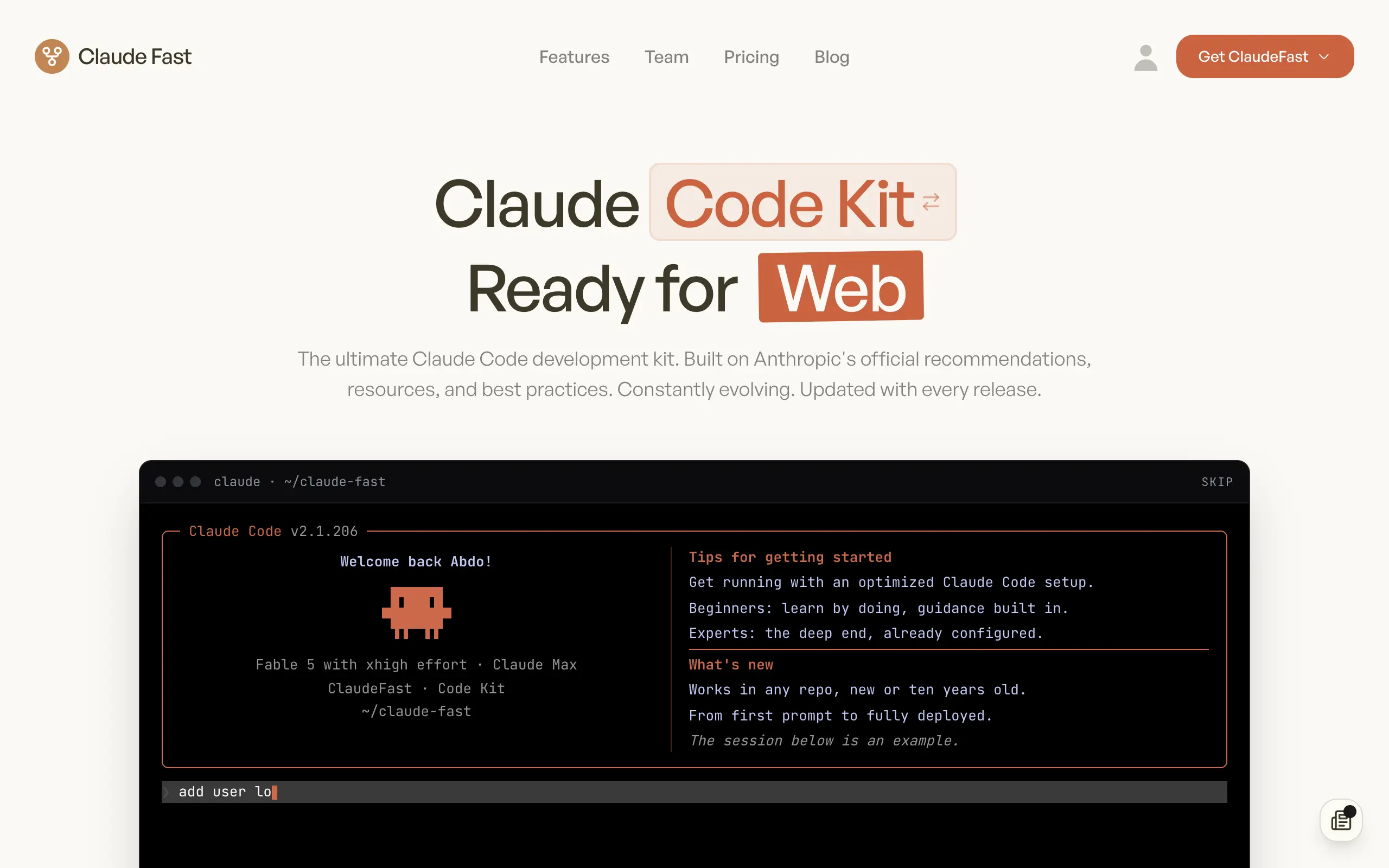
Claude Fast
Supercharge your Claude Code with 6x effective context window and specialized AI agents 🤖
EmojAI
AI-powered emoji picker with smart, context-aware suggestions 🤖
Solohacker
Autonomous company launcher - AI agents work 24/7, escalate what matters, and you stay in control 🤖
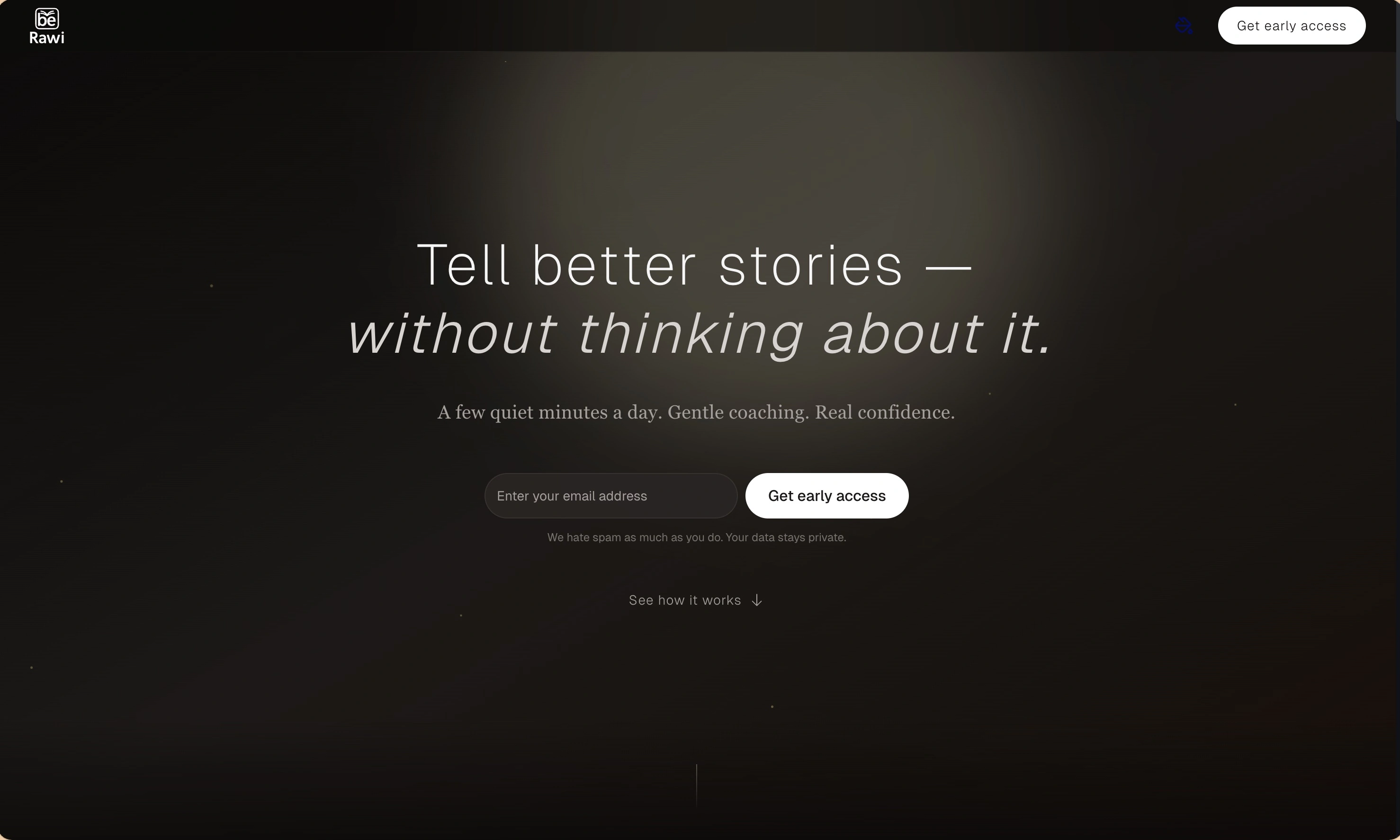
BeRawi: Storytelling Coach
Practice storytelling daily with instant feedback to sound clearer, more engaging, and confident 🎤
Omichat
Chat with 50+ AI models, including ChatGPT and Claude, in one place - switch models anytime without losing context 🤖
Claude Fast
Supercharge your Claude Code with 6x effective context window and specialized AI agents 🤖
EmojAI
AI-powered emoji picker with smart, context-aware suggestions 🤖
Solohacker
Autonomous company launcher - AI agents work 24/7, escalate what matters, and you stay in control 🤖
BeRawi: Storytelling Coach
Practice storytelling daily with instant feedback to sound clearer, more engaging, and confident 🎤
Omichat
Chat with 50+ AI models, including ChatGPT and Claude, in one place - switch models anytime without losing context 🤖
Claude Fast
Supercharge your Claude Code with 6x effective context window and specialized AI agents 🤖
EmojAI
AI-powered emoji picker with smart, context-aware suggestions 🤖
Solohacker
Autonomous company launcher - AI agents work 24/7, escalate what matters, and you stay in control 🤖
BeRawi: Storytelling Coach
Practice storytelling daily with instant feedback to sound clearer, more engaging, and confident 🎤
Omichat
Chat with 50+ AI models, including ChatGPT and Claude, in one place - switch models anytime without losing context 🤖
Claude Fast
Supercharge your Claude Code with 6x effective context window and specialized AI agents 🤖
EmojAI
AI-powered emoji picker with smart, context-aware suggestions 🤖
Solohacker
Autonomous company launcher - AI agents work 24/7, escalate what matters, and you stay in control 🤖
BeRawi: Storytelling Coach
Practice storytelling daily with instant feedback to sound clearer, more engaging, and confident 🎤

Connect with like-minded people
Join our community to get feedback, support, and grow together with 1,000+ builders on board, let's ship it!
Join usShip your startup everywhere. In minutes.
Don't burn tokens on setup and start building features on day one.