RFP Ninja AI
AI-powered micro-SaaS that helps small B2B agencies auto-generate tailored RFP responses in minutes, saving hours per proposal and boosting win rates.
The growing demand for AI-powered RFP automation in B2B services
For small and mid-sized B2B agencies, responding to Requests for Proposals (RFPs) is both a growth engine and a massive operational burden. Crafting tailored, high-quality RFP responses can take 10–40 hours per proposal, often pulling senior strategists away from billable work.
An AI-powered solution like RFP Ninja AI—a micro-SaaS designed to auto-generate tailored RFP responses in minutes—directly addresses this pain point. The core promise is simple:
Save hours per proposal. Improve response quality. Increase win rates.
In this comprehensive guide, we’ll explore the market opportunity, target audience, feature set, tech stack, monetization strategy, competitive landscape, and a step-by-step roadmap to build and launch an AI RFP response generator that stands out.
Understanding the target audience: small B2B agencies under pressure
The primary keyword focus here is AI RFP response software and closely related terms such as:
- RFP automation tool
- RFP response generator
- AI proposal writing software
- RFP management SaaS
- B2B agency proposal automation
Who exactly is RFP Ninja AI for?
The ideal customer profile (ICP):
- Small to mid-sized B2B agencies (5–50 employees)
- Marketing, digital, branding, PR, IT consulting, and software development firms
- Founder-led or partner-led agencies
- Limited sales operations resources
- Frequently respond to RFPs from:
- Enterprises
- Mid-market companies
- Government or public sector entities
Their core pain points
- Time drain
- Senior staff rewriting the same answers repeatedly.
- Manually tailoring boilerplate responses.
- Inconsistent quality
- Responses vary depending on who writes them.
- Important differentiators get buried.
- Low win rates
- Generic answers fail to stand out.
- Weak personalization.
- Deadline stress
- Tight turnaround times.
- Last-minute scrambles.
- Knowledge fragmentation
- Case studies scattered across Google Docs.
- No centralized content library.
User intent insight
Most users searching for “AI RFP response software” or “RFP automation tool for agencies” are looking for validation and implementation guidance. They want to know: Is this viable? Will it actually improve win rates? How do I build or choose the right solution?
The market opportunity for AI RFP response software
Why now?
Three converging trends make this the ideal time:
-
Explosion of generative AI adoption
- Tools powered by large language models (LLMs) have become mainstream.
- Businesses are increasingly comfortable with AI-assisted content.
-
Increased RFP competition
- Remote work and global outsourcing increase bidder pools.
- Agencies must differentiate more effectively.
-
Operational efficiency pressure
- Economic uncertainty pushes agencies to reduce non-billable hours.
- Founders seek automation for internal workflows.
According to industry reports from major consulting firms (e.g., McKinsey, Deloitte—cite recent productivity studies), generative AI can improve knowledge worker productivity by 20–40% in content-heavy workflows. RFP writing is a prime example.
Market gap analysis
Existing RFP tools often fall into two categories:
-
Enterprise RFP management platforms
- Complex, expensive
- Built for large enterprises
- Overkill for small agencies
-
Generic AI writing tools
- Not structured for RFP workflows
- No knowledge base integration
- No compliance or formatting optimization
Gap: A focused, lightweight, AI-native RFP automation tool tailored specifically to small B2B agencies.
Core value proposition of RFP Ninja AI
RFP Ninja AI should be positioned as:
“The AI-powered RFP response generator built specifically for small B2B agencies.”
Unique selling proposition (USP)
- Purpose-built for agency workflows
- Trained on and optimized for RFP structure
- Combines:
- AI content generation
- Smart knowledge base retrieval
- Tone and differentiation optimization
- Compliance checking
Instead of generic AI writing, it delivers context-aware, structured, and persuasive RFP responses.
Core features and solution architecture
Below is a recommended feature breakdown for MVP and beyond.
1. RFP document ingestion and parsing
Users upload:
- DOCX
- Google Docs (via integration)
The system:
- Extracts questions
- Detects sections (technical, pricing, case studies, compliance)
- Tags requirements (e.g., “must include 3 references”)
Technical approach
- Use document parsing libraries (e.g., PDF parsers, DOCX extraction tools).
- Chunk content into structured prompts for the LLM.
- Store in a structured schema:
type RFPQuestion = {
  id: string;
  section: string;
  questionText: string;
  requirements: string[];
  wordLimit?: number;
};
2. AI-powered response generation
This is the heart of the platform.
For each question:
- Pull relevant past answers from knowledge base.
- Retrieve case studies and differentiators.
- Generate tailored responses based on:
- Industry
- Client size
- RFP tone
- Mandatory requirements
Prompt strategy
Instead of a simple prompt like:
“Write a response to this RFP question.”
Use structured, role-based prompts:
- Context: Agency positioning
- Input: RFP question
- Constraints: Word count, compliance
- Differentiation: Unique strengths
This improves output consistency and reduces hallucination.
3. Smart knowledge base
Agencies upload:
- Case studies
- Past RFP responses
- Service descriptions
- Team bios
- Certifications
The system uses:
- Embeddings
- Vector search
- Retrieval-augmented generation (RAG)
This ensures:
- Responses are grounded in real company data.
- Less generic output.
- Higher trust and credibility.
4. Win-rate optimization engine
Advanced feature for V2:
- Analyze past wins vs. losses.
- Detect patterns:
- Length
- Tone
- Specific keywords
- Provide recommendations:
- “Add more quantifiable metrics.”
- “Highlight ISO certification in compliance-heavy RFPs.”
5. Collaboration and export
Essential workflow features:
- Commenting and internal review
- Version history
- Export to:
- DOCX
- Google Docs
- Branded formatting templates
Competitive analysis
Let’s compare positioning.
| Feature | RFP Ninja AI | Generic AI Tool | Enterprise RFP Platform | Manual Process |
|---|---|---|---|---|
| AI-generated responses | ✅ | ✅ | ✅ | ❌ |
| Agency-focused templates | ✅ | ❌ | ❌ | ❌ |
| Knowledge base RAG | ✅ | ⚠️ Limited | ✅ | ❌ |
| Affordable for small teams | ✅ | ✅ | ❌ | ✅ |
| Compliance-aware generation | ✅ | ❌ | ✅ | ❌ |
Competitive advantage summary
RFP Ninja AI wins by being:
- Narrowly focused
- AI-native
- Affordable
- Workflow-centric
Recommended tech stack (with trade-offs)
For a fast-moving AI micro-SaaS, choose tools optimized for speed and scalability.
Frontend
- React – Mature ecosystem, flexible UI
- Next.js – SSR/SEO benefits, API routes
- TailwindCSS – Fast UI development
Trade-off:
Next.js offers great SEO and full-stack capability, but may add complexity for very simple MVPs.
Backend
- Node.js (via Next.js API routes)
- Or a separate service using:
- Express
- Fastify
For more structured architecture:
- tRPC or RESTful APIs.
AI layer
- LLM provider (e.g., OpenAI or other enterprise-ready LLM APIs)
- Embeddings API
- Vector database:
- Pinecone
- Weaviate
- Supabase vector
Trade-off:
- Managed vector DB = faster setup, higher cost.
- Self-hosted = lower cost, higher DevOps overhead.
Database
- PostgreSQL (reliable, scalable)
- Use Supabase or managed Postgres for speed.
Authentication & billing
- Auth:
- Clerk
- Auth0
- Payments:
- Stripe
Monetization strategy
The best pricing model for an AI RFP response generator:
Tiered SaaS subscription
Starter – $49/month
- 5 RFP uploads/month
- Basic AI generation
- Limited knowledge base
Growth – $99/month
- 20 RFP uploads/month
- Advanced AI personalization
- Knowledge base integration
- Export features
Pro – $199/month
- Unlimited RFPs
- Collaboration
- Win-rate analytics
- Priority AI processing
Alternative monetization options
- Usage-based (per RFP)
- Credit system (AI tokens)
- Agency bundle pricing
Avoid this mistake
Do not price too low. If you save 20 hours per proposal and bill $150/hour, you’re creating $3,000 in value per RFP. Pricing must reflect ROI, not just AI cost.
Potential risks and mitigation strategies
1. AI hallucinations
Risk: Incorrect claims in responses.
Mitigation:
- RAG-based generation.
- Source citation within internal editor.
- Clear human review step.
2. Data privacy concerns
Agencies upload sensitive client info.
Mitigation:
- Clear privacy policy.
- No data used for model training.
- Enterprise-ready encryption.
- SOC 2 roadmap (long term).
3. Over-reliance on AI
Users may copy-paste without editing.
Mitigation:
- Built-in “Review checklist.”
- Compliance validation warnings.
Go-to-market strategy
Phase 1: Niche down aggressively
Target:
- Digital marketing agencies
- 5–20 employees
- Respond to 2–10 RFPs/month
Positioning:
“The AI RFP response tool for boutique B2B agencies.”
Phase 2: Authority-based content marketing
SEO strategy:
Primary keywords:
- AI RFP response software
- RFP automation tool
- How to write RFP responses faster
- Improve RFP win rate
Content types:
- Case studies
- RFP templates
- Industry-specific guides
Phase 3: Partnerships
- Agency consultants
- Fractional CROs
- Sales coaches
- RFP consultants
Step-by-step implementation roadmap
Building fast with the right foundation
Instead of building everything from scratch, use a production-ready SaaS boilerplate like TurboStarter to accelerate:
- Authentication
- Payments
- SaaS architecture
- Multi-tenant structure
- Dashboard layout
This can reduce time-to-market by weeks and let you focus on the AI logic—the real differentiator.
Long-term vision: beyond RFP responses
Once product-market fit is achieved, expand into:
Proposal analytics dashboard
Track win rates, proposal length, keywords, and trends.
Industry-specific AI models
Fine-tuned generation for IT, marketing, healthcare, etc.
RFP opportunity scoring
Predict win probability before investing time.
Auto case study matching
Suggest best-fit case studies per opportunity.
Why RFP Ninja AI can win
RFP Ninja AI is not just another AI writing tool. It’s:
- A vertical AI SaaS
- Built for a specific buyer
- Solving a high-friction workflow
- Delivering measurable ROI
In a world flooded with generic AI apps, focus is the moat.
By targeting small B2B agencies with a deeply tailored AI RFP response generator, you create:
- Strong positioning
- Faster product-market fit
- Clear messaging
- High perceived value
Final actionable blueprint
If you want to build RFP Ninja AI:
- Validate the workflow pain.
- Start narrow (one agency niche).
- Focus on knowledge-base-grounded generation.
- Price based on ROI.
- Build authority with SEO.
- Expand only after clear traction.
The opportunity for AI-powered RFP automation is real—and growing. Small B2B agencies are overwhelmed, under-resourced, and highly motivated to improve win rates.
If executed correctly, RFP Ninja AI can become the go-to AI RFP response software for agencies—a focused, profitable micro-SaaS with strong recurring revenue and defensible positioning.
More 🤖 AI Startup SaaS ideas
Discover more innovative ai startup SaaS ideas that are trending in 2026. Each idea is AI-generated with market validation and growth potential to help you find your next profitable venture faster than competitors.
Your competitors are building with TurboStarter
Below are some of the SaaS ideas that have been generated and built with our starter kit.
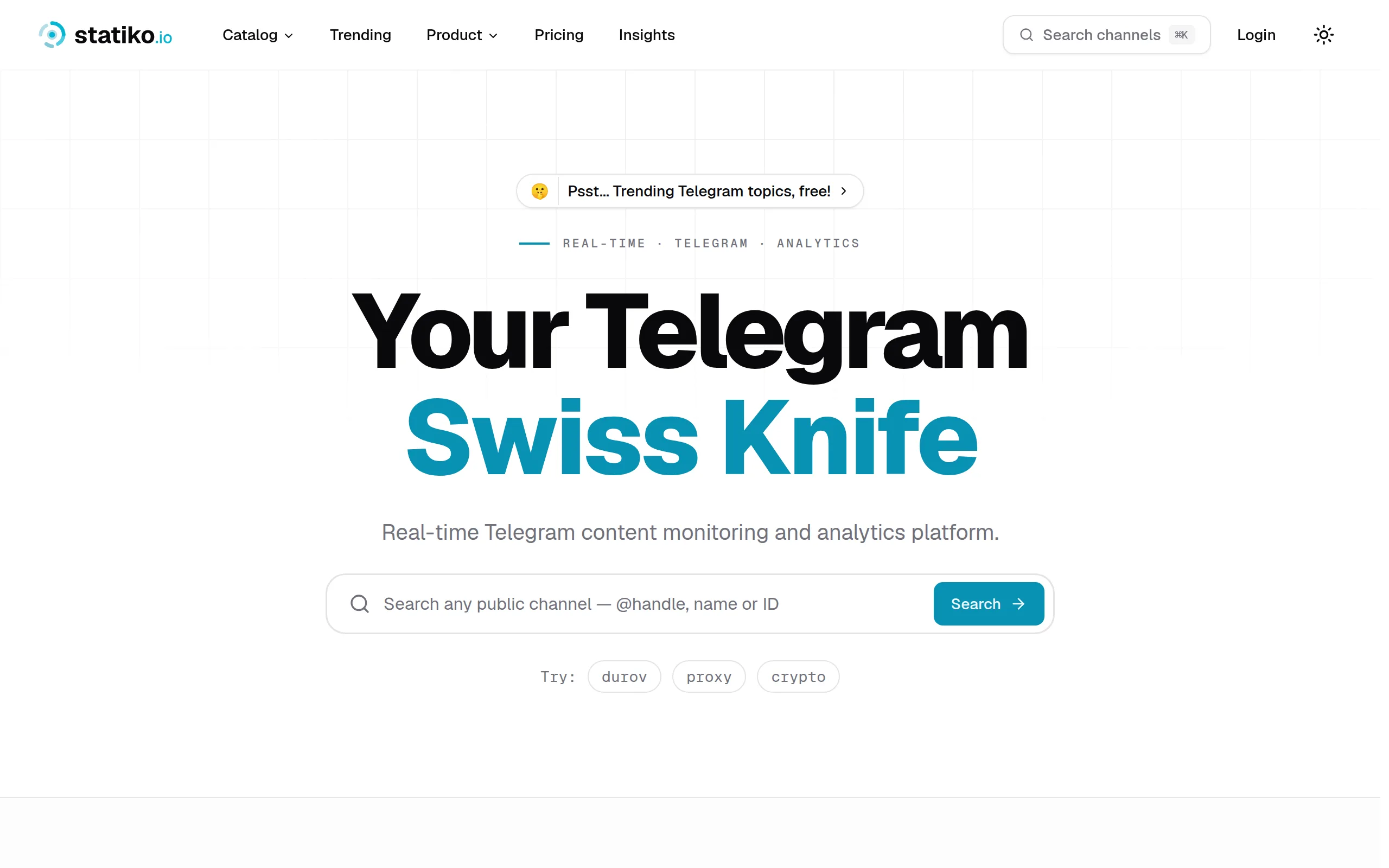
Statiko
Monitor any Telegram channel in real time - track posts, edits, deletions, and growth with AI recaps 📡

Shibui
AI website builder - describe your business, pick a niche template, edit by chatting, and publish instantly ✨

Pro Service
Find verified home service professionals, compare quotes, and pay securely through escrow - built for Brazilians across the US 🏠
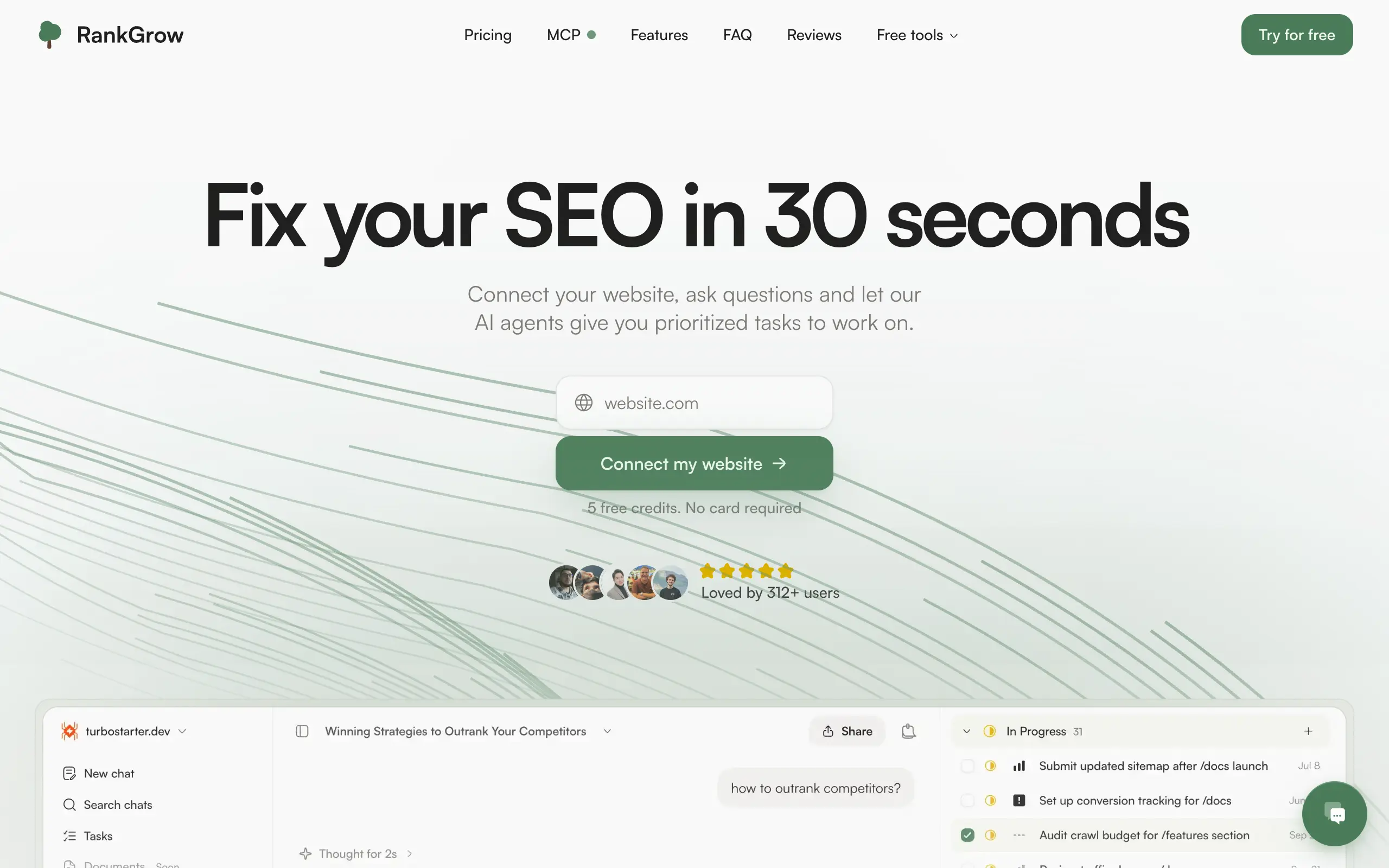
RankGrow
Fix your SEO with AI agents - connect Search Console, get prioritized tasks, and grow organic traffic 📈
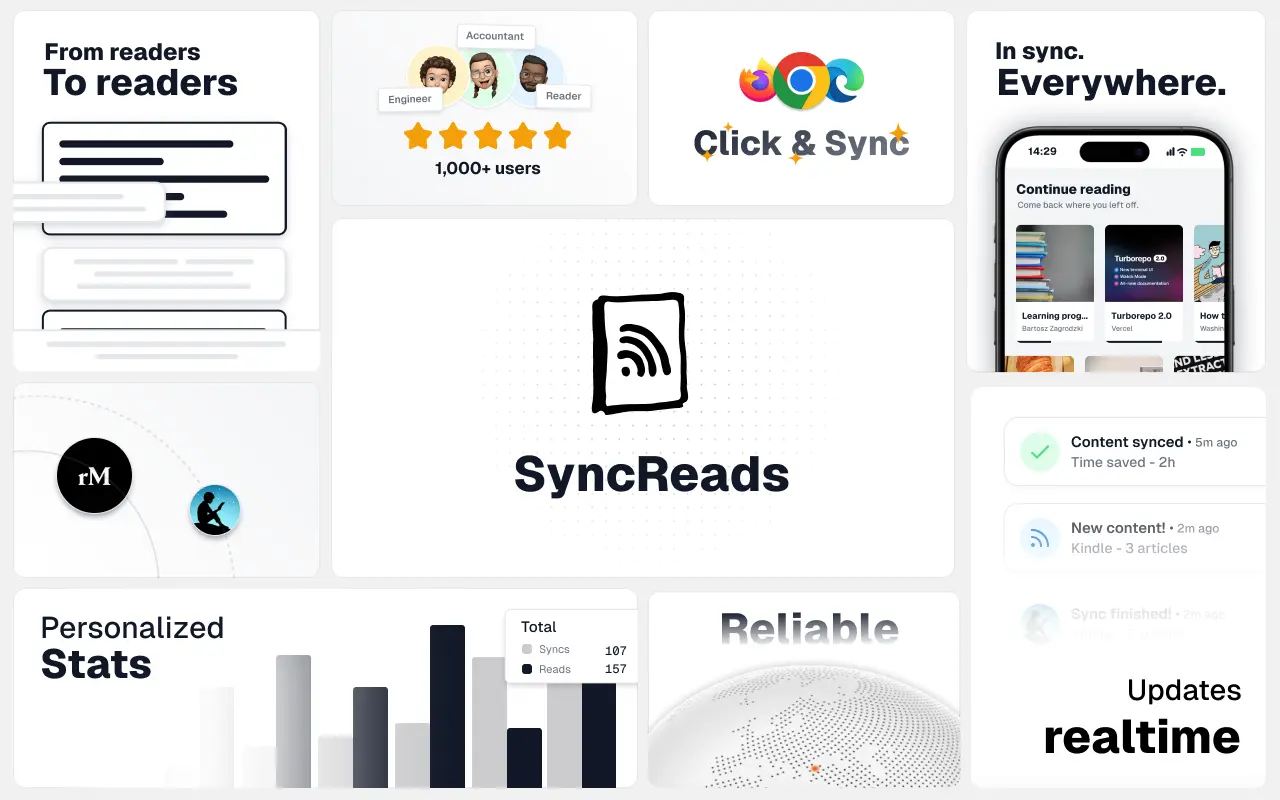
SyncReads
Sync your favorite content for distraction-free reading, save time and replace multiple apps. Anytime, anywhere 🔄
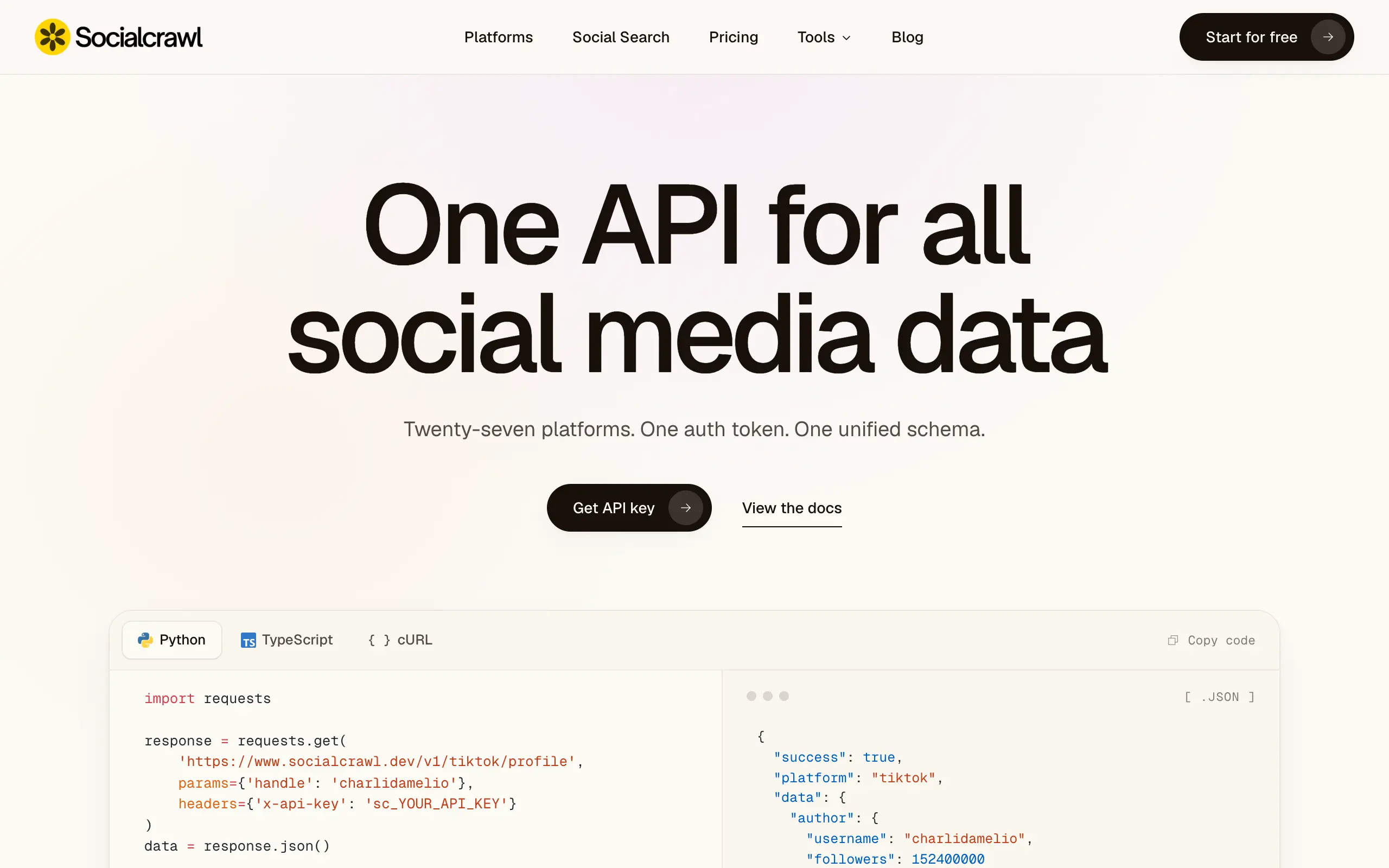
Socialcrawl
Get clean, structured data from 21 platforms like TikTok, Instagram, and YouTube with a single request 📊
Statiko
Monitor any Telegram channel in real time - track posts, edits, deletions, and growth with AI recaps 📡
Shibui
AI website builder - describe your business, pick a niche template, edit by chatting, and publish instantly ✨
Pro Service
Find verified home service professionals, compare quotes, and pay securely through escrow - built for Brazilians across the US 🏠
RankGrow
Fix your SEO with AI agents - connect Search Console, get prioritized tasks, and grow organic traffic 📈
SyncReads
Sync your favorite content for distraction-free reading, save time and replace multiple apps. Anytime, anywhere 🔄
Socialcrawl
Get clean, structured data from 21 platforms like TikTok, Instagram, and YouTube with a single request 📊
Statiko
Monitor any Telegram channel in real time - track posts, edits, deletions, and growth with AI recaps 📡
Shibui
AI website builder - describe your business, pick a niche template, edit by chatting, and publish instantly ✨
Pro Service
Find verified home service professionals, compare quotes, and pay securely through escrow - built for Brazilians across the US 🏠
RankGrow
Fix your SEO with AI agents - connect Search Console, get prioritized tasks, and grow organic traffic 📈
SyncReads
Sync your favorite content for distraction-free reading, save time and replace multiple apps. Anytime, anywhere 🔄
Socialcrawl
Get clean, structured data from 21 platforms like TikTok, Instagram, and YouTube with a single request 📊
Statiko
Monitor any Telegram channel in real time - track posts, edits, deletions, and growth with AI recaps 📡
Shibui
AI website builder - describe your business, pick a niche template, edit by chatting, and publish instantly ✨
Pro Service
Find verified home service professionals, compare quotes, and pay securely through escrow - built for Brazilians across the US 🏠
RankGrow
Fix your SEO with AI agents - connect Search Console, get prioritized tasks, and grow organic traffic 📈
SyncReads
Sync your favorite content for distraction-free reading, save time and replace multiple apps. Anytime, anywhere 🔄
Socialcrawl
Get clean, structured data from 21 platforms like TikTok, Instagram, and YouTube with a single request 📊
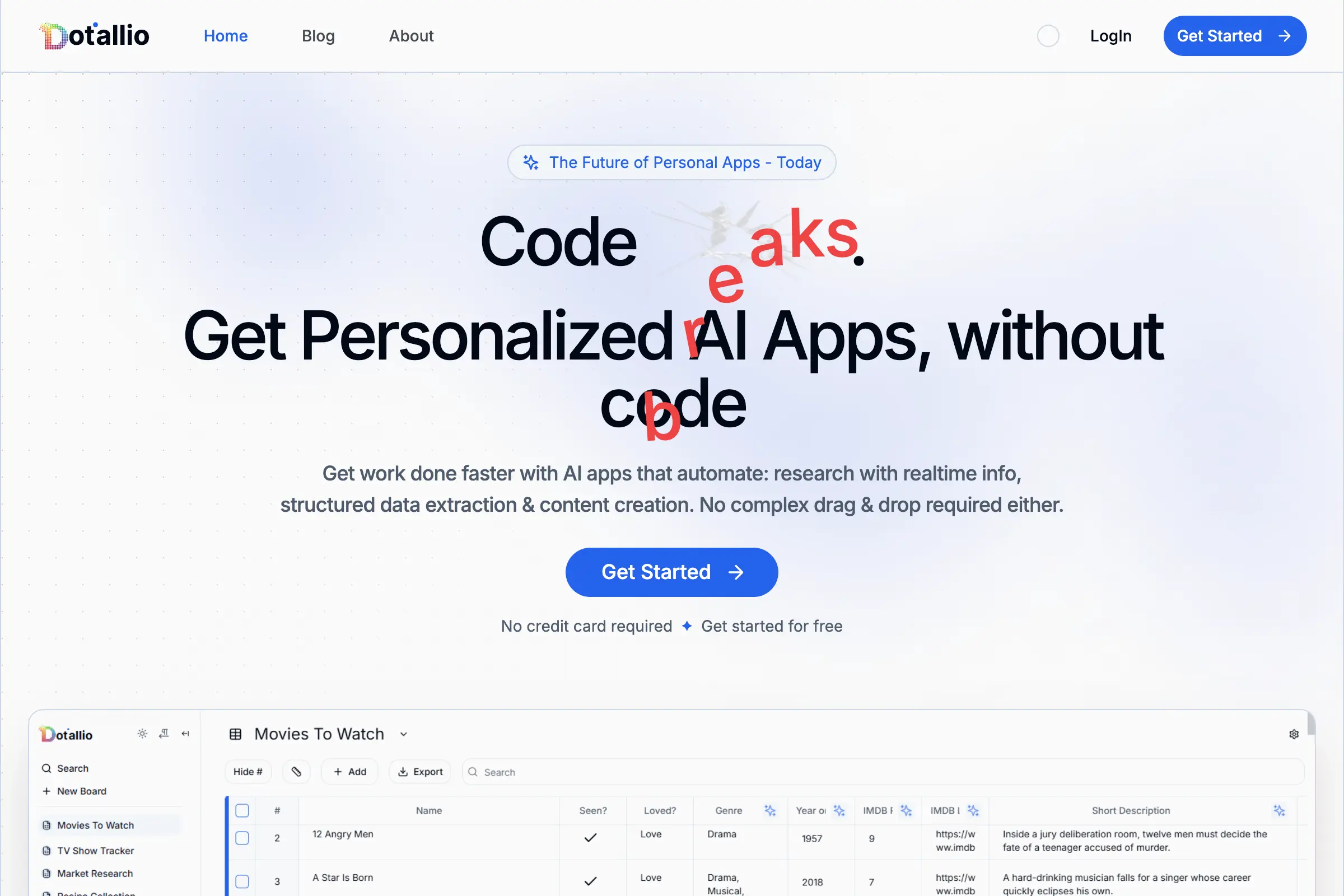
Dotallio
Personalized AI apps that automate research, data extraction, and content creation without code 🤖
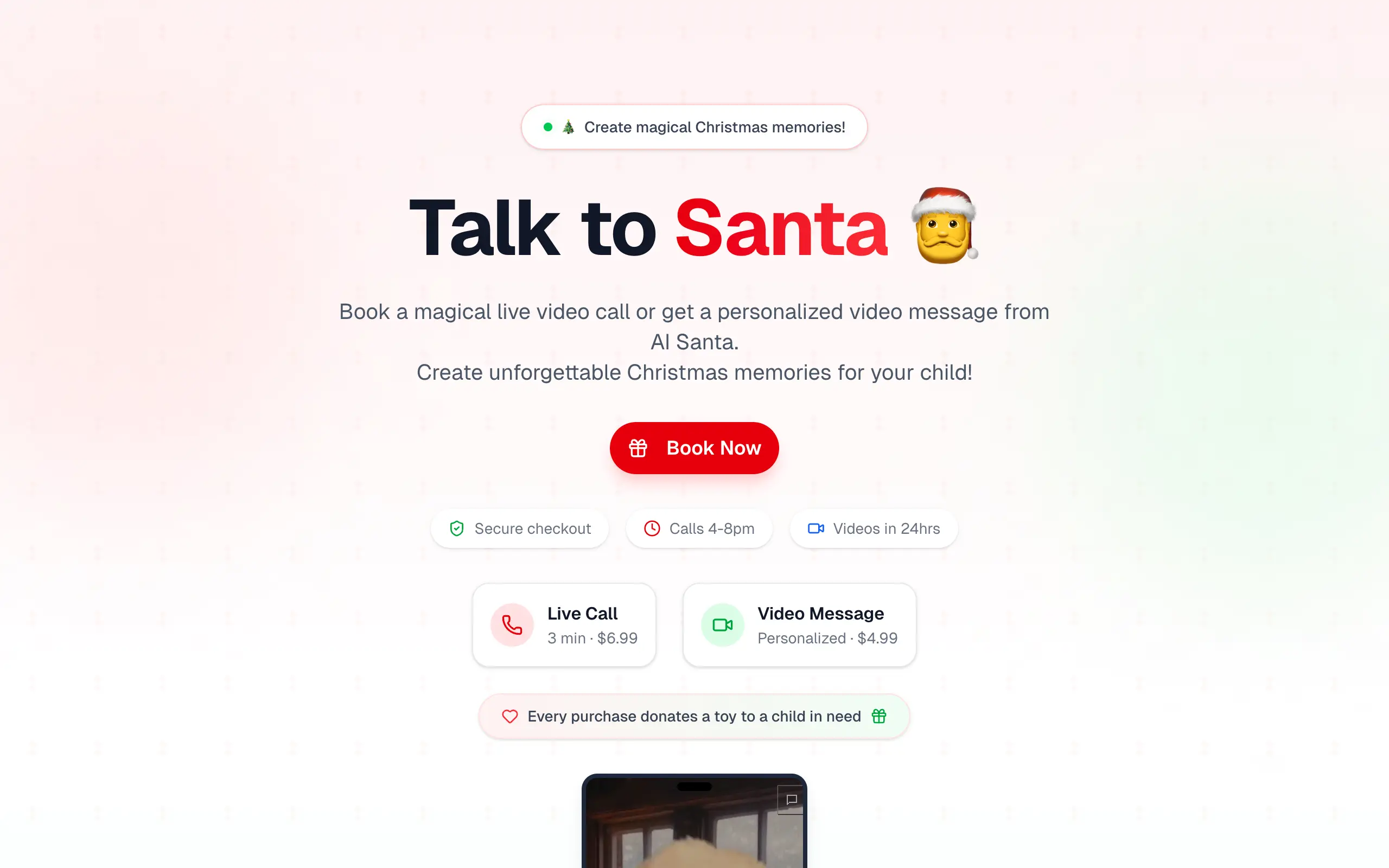
Talk to Santa
Enjoy a magical live video chat or receive a unique AI-generated video greeting from Santa Claus 🎅
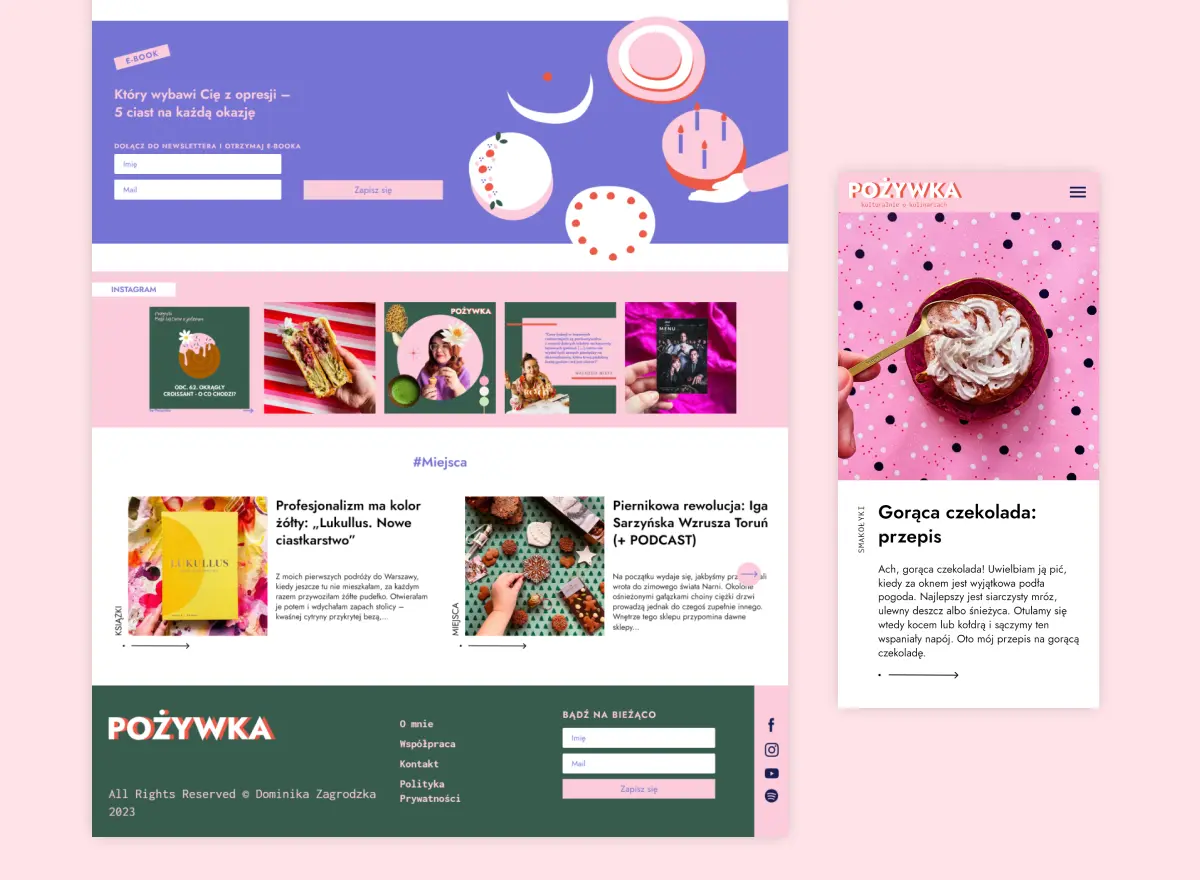
pozywka.pl
Scalable blog for food journalist, focused on performance and user experience 🌭
zagrodzki.me
Personal blog and portfolio of Bart Zagrodzki, where he shares his knowledge and work 💼
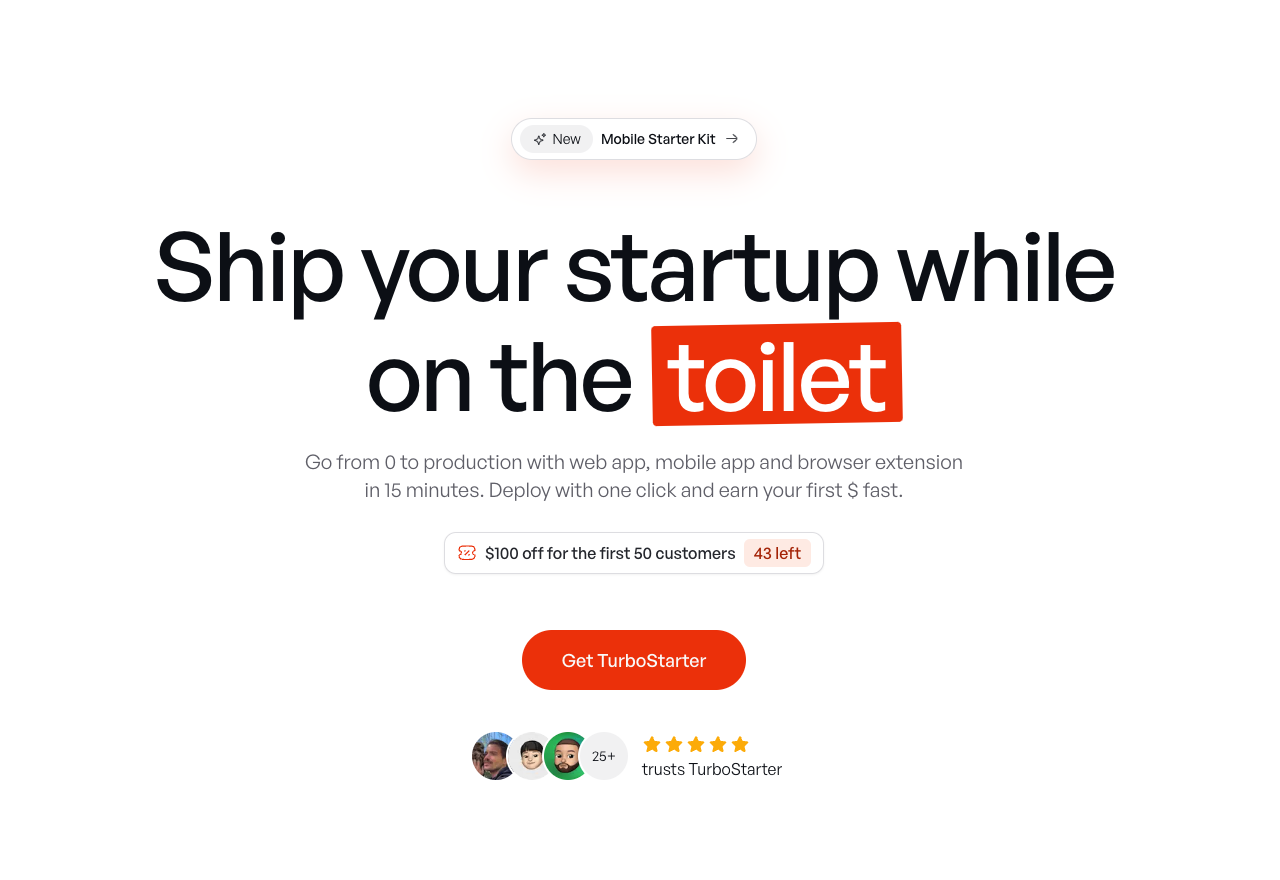
TurboStarter
Ship your startup everywhere. In minutes.
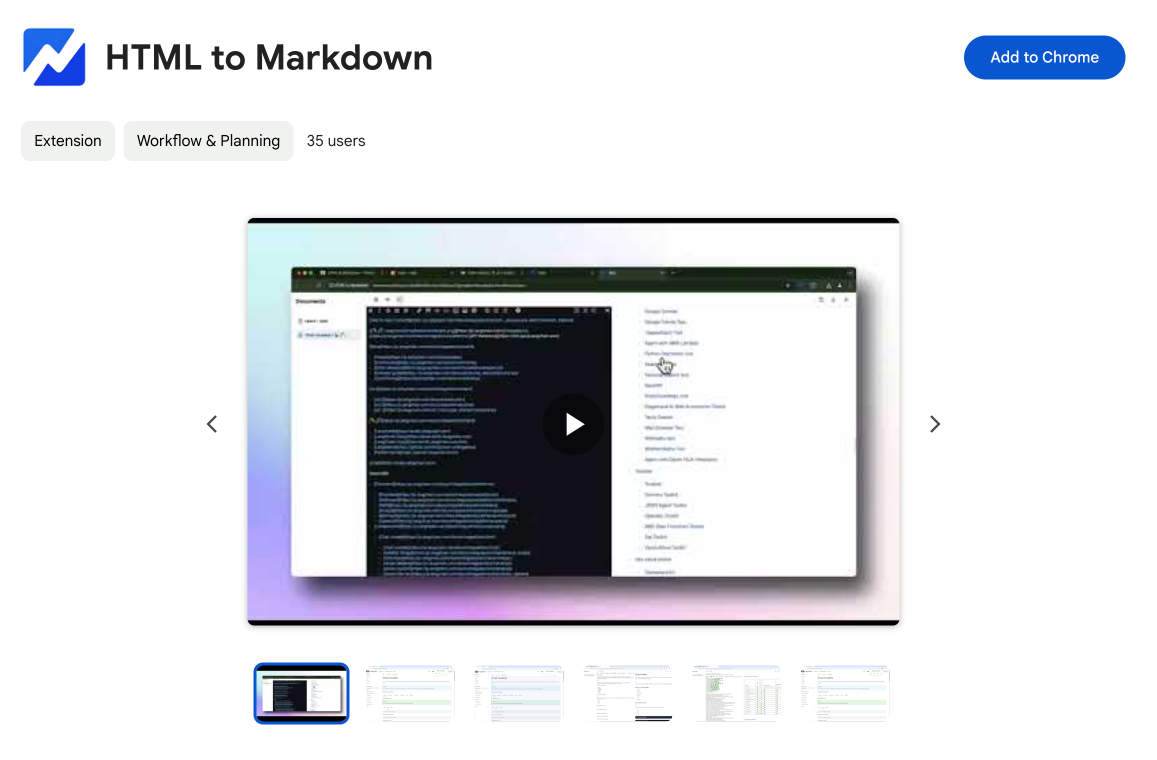
HTML to Markdown
Convert HTML to Markdown with ease, directly in your browser 📄
Dotallio
Personalized AI apps that automate research, data extraction, and content creation without code 🤖
Talk to Santa
Enjoy a magical live video chat or receive a unique AI-generated video greeting from Santa Claus 🎅
pozywka.pl
Scalable blog for food journalist, focused on performance and user experience 🌭
zagrodzki.me
Personal blog and portfolio of Bart Zagrodzki, where he shares his knowledge and work 💼
TurboStarter
Ship your startup everywhere. In minutes.
HTML to Markdown
Convert HTML to Markdown with ease, directly in your browser 📄
Dotallio
Personalized AI apps that automate research, data extraction, and content creation without code 🤖
Talk to Santa
Enjoy a magical live video chat or receive a unique AI-generated video greeting from Santa Claus 🎅
pozywka.pl
Scalable blog for food journalist, focused on performance and user experience 🌭
zagrodzki.me
Personal blog and portfolio of Bart Zagrodzki, where he shares his knowledge and work 💼
TurboStarter
Ship your startup everywhere. In minutes.
HTML to Markdown
Convert HTML to Markdown with ease, directly in your browser 📄
Dotallio
Personalized AI apps that automate research, data extraction, and content creation without code 🤖
Talk to Santa
Enjoy a magical live video chat or receive a unique AI-generated video greeting from Santa Claus 🎅
pozywka.pl
Scalable blog for food journalist, focused on performance and user experience 🌭
zagrodzki.me
Personal blog and portfolio of Bart Zagrodzki, where he shares his knowledge and work 💼
TurboStarter
Ship your startup everywhere. In minutes.
HTML to Markdown
Convert HTML to Markdown with ease, directly in your browser 📄
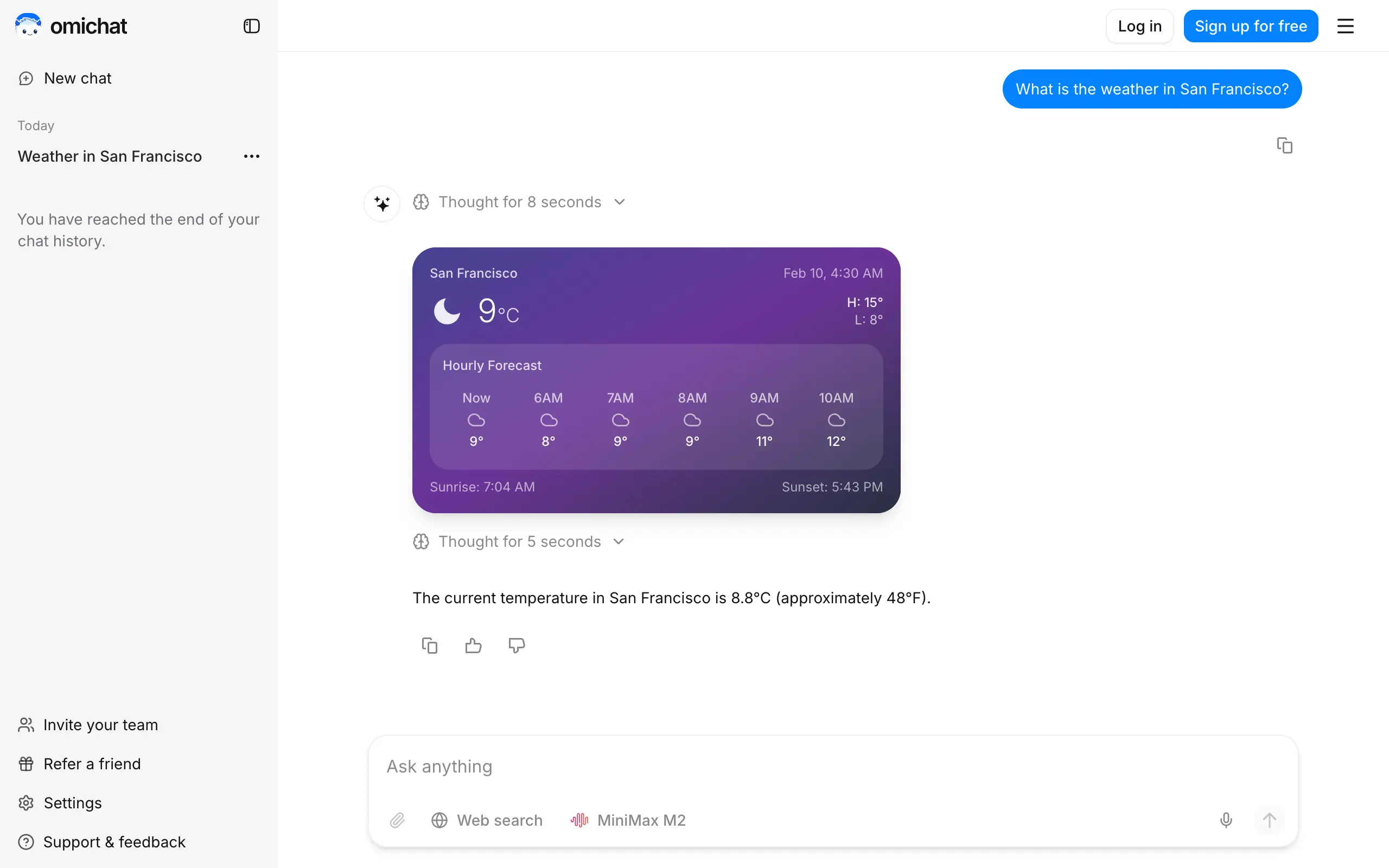
Omichat
Chat with 50+ AI models, including ChatGPT and Claude, in one place - switch models anytime without losing context 🤖
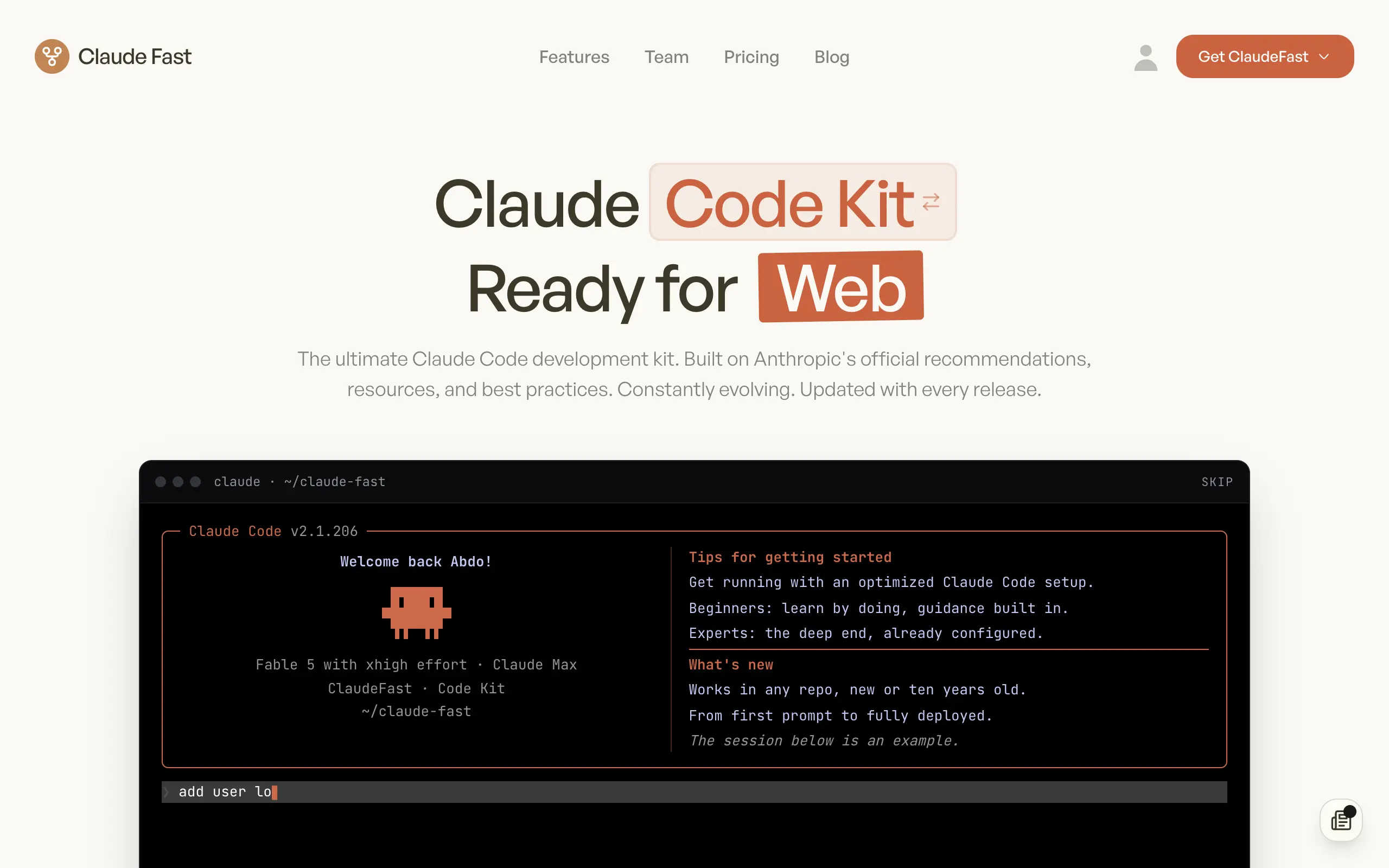
Claude Fast
Supercharge your Claude Code with 6x effective context window and specialized AI agents 🤖
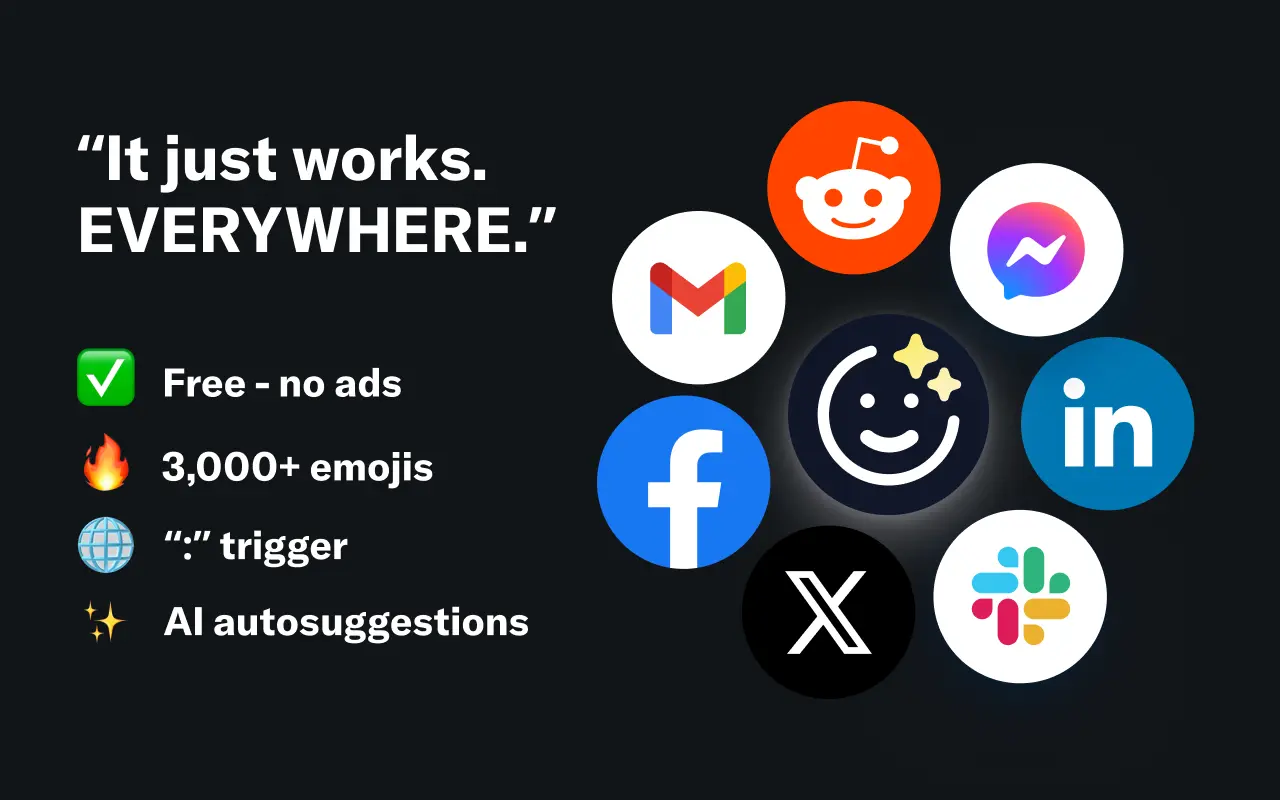
EmojAI
AI-powered emoji picker with smart, context-aware suggestions 🤖
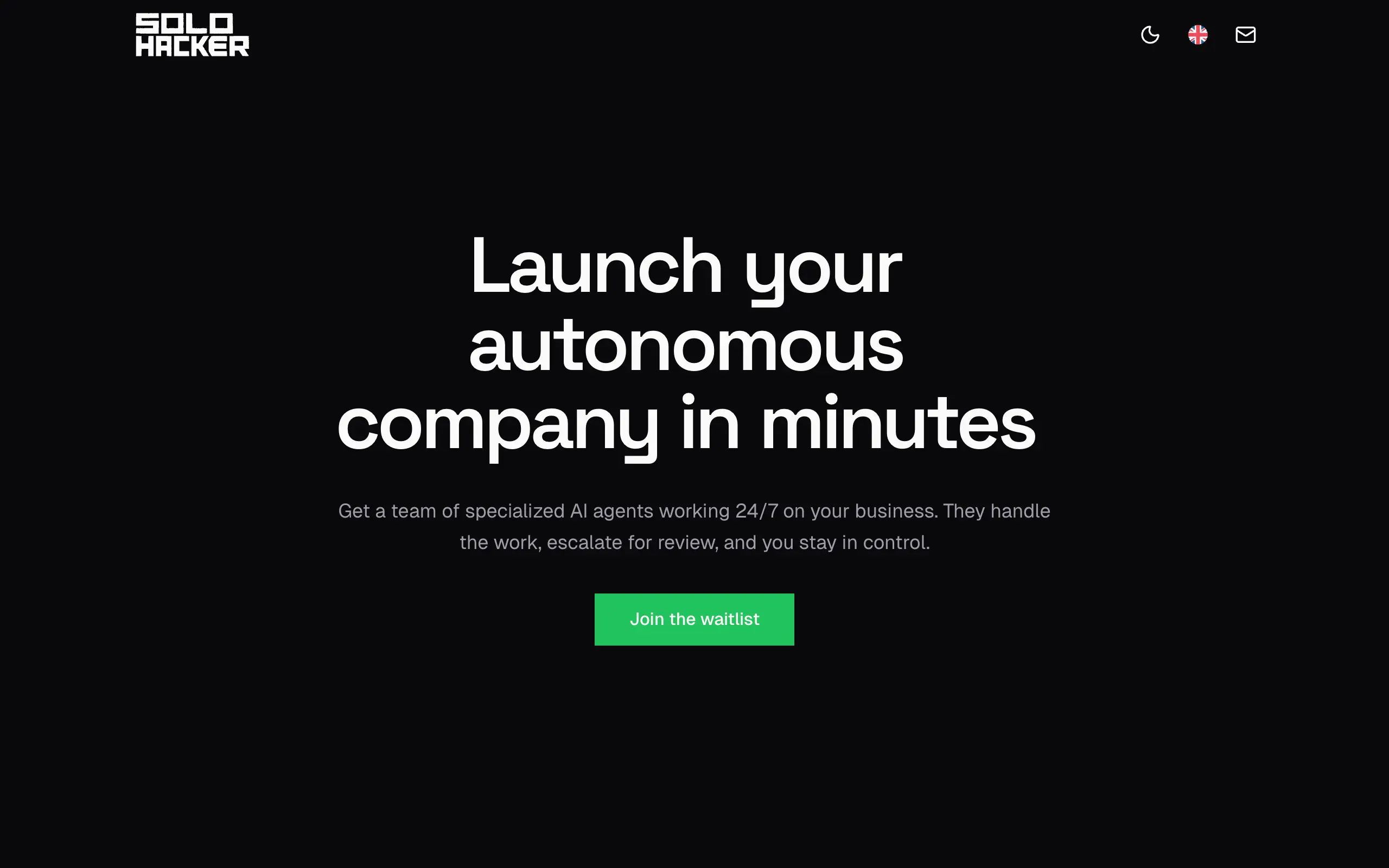
Solohacker
Autonomous company launcher - AI agents work 24/7, escalate what matters, and you stay in control 🤖
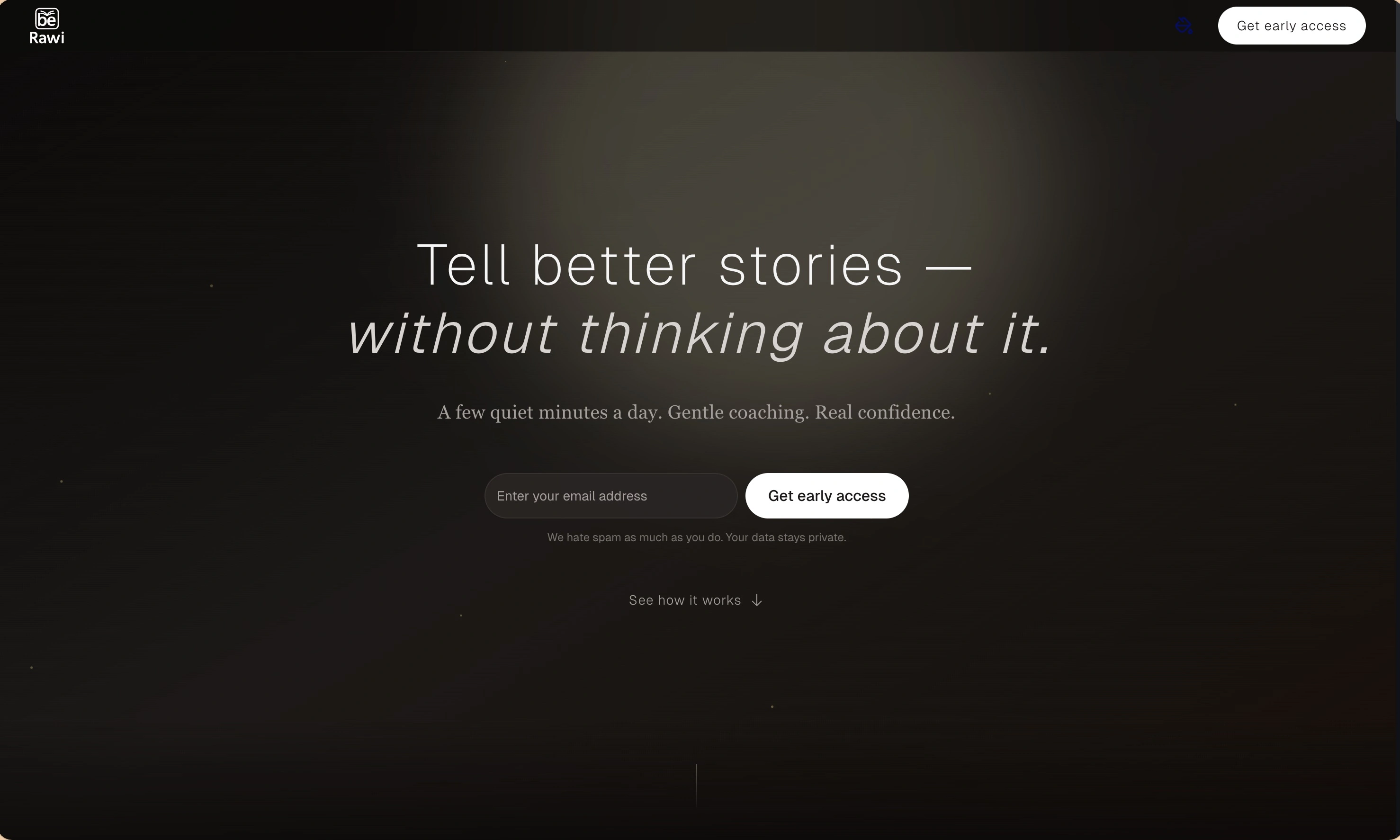
BeRawi: Storytelling Coach
Practice storytelling daily with instant feedback to sound clearer, more engaging, and confident 🎤
Omichat
Chat with 50+ AI models, including ChatGPT and Claude, in one place - switch models anytime without losing context 🤖
Claude Fast
Supercharge your Claude Code with 6x effective context window and specialized AI agents 🤖
EmojAI
AI-powered emoji picker with smart, context-aware suggestions 🤖
Solohacker
Autonomous company launcher - AI agents work 24/7, escalate what matters, and you stay in control 🤖
BeRawi: Storytelling Coach
Practice storytelling daily with instant feedback to sound clearer, more engaging, and confident 🎤
Omichat
Chat with 50+ AI models, including ChatGPT and Claude, in one place - switch models anytime without losing context 🤖
Claude Fast
Supercharge your Claude Code with 6x effective context window and specialized AI agents 🤖
EmojAI
AI-powered emoji picker with smart, context-aware suggestions 🤖
Solohacker
Autonomous company launcher - AI agents work 24/7, escalate what matters, and you stay in control 🤖
BeRawi: Storytelling Coach
Practice storytelling daily with instant feedback to sound clearer, more engaging, and confident 🎤
Omichat
Chat with 50+ AI models, including ChatGPT and Claude, in one place - switch models anytime without losing context 🤖
Claude Fast
Supercharge your Claude Code with 6x effective context window and specialized AI agents 🤖
EmojAI
AI-powered emoji picker with smart, context-aware suggestions 🤖
Solohacker
Autonomous company launcher - AI agents work 24/7, escalate what matters, and you stay in control 🤖
BeRawi: Storytelling Coach
Practice storytelling daily with instant feedback to sound clearer, more engaging, and confident 🎤

Connect with like-minded people
Join our community to get feedback, support, and grow together with 1,000+ builders on board, let's ship it!
Join usShip your startup everywhere. In minutes.
Don't burn tokens on setup and start building features on day one.