RiffRoutine
A practice coach for busy adult guitarists that creates adaptive routines from songs, goals, and short daily sessions.
What RiffRoutine solves for adult guitarists
RiffRoutine is an AI guitar practice coach built for busy adult players who want measurable progress without spending 30 minutes deciding what to practice.
The core problem is not a lack of guitar lessons, tabs, videos, backing tracks, or online courses. Adult guitarists already have more learning material than they can use. The real friction is converting a vague goal such as “learn this song,” “improve my lead playing,” or “get better at rhythm” into a short, realistic, repeatable routine.
A guitarist with a demanding job, family responsibilities, and limited mental energy needs a practice plan that answers four questions immediately:
- What should I practice today?
- Why is this the highest-value use of my time?
- How long should each activity take?
- What should change tomorrow based on how today went?
That is where an adaptive guitar practice routine becomes valuable. RiffRoutine can turn a player’s favorite songs, self-assessed skill level, goals, pain points, and available daily minutes into structured sessions that evolve over time.
Instead of giving users a static lesson plan, the product can behave like a personal practice coach. It can recommend warmups, technique drills, chord transitions, rhythm exercises, fretboard work, song sections, tempo targets, and review intervals based on real progress.
The core product promise
RiffRoutine should not position itself as another guitar lesson library. Its strongest promise is simple: tell the app what you want to play and how much time you have, then receive the most useful guitar practice session for today.
The primary keyword opportunity is AI guitar practice coach, supported by related terms such as:
- adaptive guitar practice routine
- guitar practice planner
- daily guitar practice app
- guitar practice schedule
- adult guitar learning app
- guitar practice tracker
- personalized guitar lessons
- song-based guitar practice
- guitar practice for busy adults
- guitar technique routine
Why an AI guitar practice coach has a clear market opportunity
The online guitar education market is mature, but its most common products are still content-first. They sell lesson catalogs, song libraries, video courses, tablature access, instructor marketplaces, or generic practice tools.
Those offerings are useful, but they often leave adult learners with an unsolved execution problem. A player may have access to hundreds of lessons and still ask, “What do I do for the next 15 minutes?”
The gap between guitar content and consistent practice
Most adult guitarists do not quit because they cannot find information. They stop because practice becomes inconsistent, unfocused, or emotionally discouraging.
Common patterns include:
- Saving dozens of guitar lesson videos without completing any of them
- Repeating favorite riffs while avoiding weak areas
- Practicing only when there is enough free time for a “proper” session
- Starting songs but never finishing difficult transitions or bridge sections
- Playing at a comfortable tempo rather than a challenging but sustainable tempo
- Forgetting what was practiced last week
- Having no feedback loop for whether practice is working
This creates an opportunity for a product centered on practice decision-making, not simply guitar instruction.
RiffRoutine can close the gap by translating user inputs into an actionable plan. The inputs are simple:
- Songs the guitarist wants to learn
- Current playing ability
- Short-term and long-term goals
- Available practice time
- Preferred genres and techniques
- Areas of frustration
- Recent practice performance
- Confidence ratings after each session
The output should be equally simple: a focused routine for today, a reason behind each task, and a clear next step.
Why busy adults are the right initial audience
Busy adult guitarists are a particularly strong audience because they have both high pain and high willingness to pay for efficiency.
Many adult learners have disposable income, clear musical aspirations, and limited time. They may have played earlier in life, recently purchased a guitar, or want a creative outlet that fits around work and family. Unlike full-time music students, they cannot rely on long, unstructured practice blocks.
Their needs are distinct:
- They need routines that work in 10, 15, 20, or 30 minutes
- They need reassurance that small sessions can still produce progress
- They need flexible plans that survive missed days
- They need instructions that reduce overwhelm
- They want to play recognizable music, not only abstract exercises
- They appreciate clear milestones and visible improvement
An AI-powered guitar practice planner can make “I only have 15 minutes” a productive practice window rather than a reason to skip playing.
Search intent behind guitar practice planning
Users searching for terms like “guitar practice routine,” “how long should I practice guitar,” “guitar practice schedule,” or “best guitar practice app” generally want practical structure. They are not only looking for inspiration. They want a plan they can follow today.
High-intent content and product onboarding should directly answer questions such as:
- What should a beginner practice on guitar every day?
- How can adults improve at guitar with only 15 minutes a day?
- How do I practice a difficult song section effectively?
- What is the best order for guitar warmups, technique, theory, and songs?
- How do I track guitar practice progress?
- How can I stop jumping between guitar lessons?
RiffRoutine should meet this intent with concrete routines, configurable session lengths, progress indicators, and song-specific recommendations.
Target audience analysis for RiffRoutine
A broad “guitarists” audience is too generic for an early-stage SaaS product. RiffRoutine should begin with a narrow, high-fit segment and expand after validating the core workflow.
Returning adult guitarist
A player who learned basic chords years ago, wants to rebuild confidence, and needs a low-pressure practice system.
Time-constrained beginner
A new guitarist who feels overwhelmed by lesson choices and needs a clear daily sequence.
Intermediate song learner
A player who can perform familiar riffs but struggles to finish songs, improve timing, or play at full tempo.
Primary persona: the returning adult guitarist
The ideal early adopter is often between beginner and intermediate level. They may know open chords, a few scales, or portions of popular songs, but their practice lacks continuity.
Their internal dialogue often sounds like this:
“I know I could get better if I practiced consistently, but every time I pick up the guitar, I waste time figuring out what to work on.”
This persona values momentum over musical perfection. They do not necessarily want conservatory-level theory. They want to play songs they enjoy, improve their hands, and feel that their time with the instrument is paying off.
RiffRoutine should lead with outcomes such as:
- Build a guitar habit in short daily sessions
- Learn songs without getting stuck on the hard parts
- Improve timing and technique with a clear plan
- Know exactly what to practice each time you play
- Turn inconsistent guitar time into visible progress
Secondary persona: the self-directed intermediate player
Intermediate guitarists may already use tabs, videos, a metronome, and backing tracks. Their challenge is that self-direction becomes fragmented.
They can benefit from features such as:
- Targeted tempo progression
- Weak-section detection
- Song breakdowns by riff, verse, chorus, solo, and transition
- Technique recommendations connected to songs
- Spaced repetition for neglected skills
- Goal-based practice cycles for improvisation, rhythm, or repertoire
This audience may be less interested in basic onboarding but more interested in personalization depth and credible practice logic.
Users to avoid in the first version
RiffRoutine should not initially try to serve every guitarist. Early product scope should avoid overcommitting to:
- Professional touring musicians who need advanced performance workflows
- Classical guitar students following a formal curriculum
- Conservatory learners requiring detailed instructor assessment
- Guitar teachers looking for classroom management software
- Players expecting real-time audio transcription from day one
- Users who primarily want a tab library or streaming lesson catalog
These can become future segments, but they dilute the initial promise of a simple adaptive practice coach.
The RiffRoutine product concept and unique selling proposition
The unique selling proposition is not merely “AI-generated routines.” Generic AI output is easy to copy and rarely enough to retain customers.
RiffRoutine’s defensible value is a song-aware, time-aware, adaptive practice system for adult guitarists.
The product should connect three things that are usually separate:
- The music a player actually wants to play
- The limited amount of time they have today
- The specific skills holding them back
That creates a routine that feels personal and useful rather than generic.
The practice engine should be the product moat
A strong RiffRoutine experience can follow this loop:
- The user chooses goals, songs, available days, and session length.
- The product creates a baseline practice plan.
- The user completes tasks and reports difficulty, confidence, and tempo.
- The system adjusts future sessions.
- The app schedules review before skills decay.
- The user sees progress toward concrete musical outcomes.
The AI layer should be constrained by a reliable practice model. Large language models are helpful for explanations, encouragement, exercise variations, and adapting language to a user’s goals. They should not be the sole authority deciding pedagogy.
A robust practice engine can combine:
- A curated guitar skill taxonomy
- Song metadata and technique tags
- A rules-based scheduling layer
- User performance signals
- AI-generated natural-language coaching
- Confidence-based review intervals
- Human-reviewed practice templates
Example of an adaptive daily routine
A 20-minute session for an adult guitarist learning a rock song might include:
- 2 minutes of finger and wrist warmup
- 4 minutes of alternate picking at a manageable metronome tempo
- 6 minutes on a difficult verse-to-chorus chord transition
- 5 minutes on a song riff at 70 percent of target tempo
- 2 minutes of full-context playback with a backing track
- 1 minute of reflection and confidence scoring
If the user reports that the transition felt easy but the riff was unstable above 85 BPM, tomorrow’s session can shift attention toward rhythm accuracy and a smaller tempo increase.
That is a more compelling experience than a fixed checklist repeated every day.
Essential features for an adaptive guitar practice routine
The first release should prioritize repeat usage over feature volume. If users do not return several times a week, advanced analysis features will not matter.
Goal-based onboarding
The onboarding flow should gather only the information needed to create a credible first routine.
Recommended inputs include:
- Guitar type and playing style
- Self-rated skill level
- Musical goals
- Favorite artists, genres, and songs
- Available daily practice time
- Preferred practice days
- Current challenges
- Whether the user is learning with tabs, videos, an instructor, or independently
Avoid asking users to complete a lengthy musical profile before providing value. The best onboarding moment is when a player sees a realistic first session in less than a few minutes.
Daily practice session generator
This is the central RiffRoutine feature. Each session should have:
- A total time estimate
- A visible sequence of tasks
- Short instructions for each task
- A stated purpose for each exercise
- An optional metronome or tempo reference
- A completion control
- A difficulty and confidence check-in
- A clear recommendation for the next session
The routine should never feel like a random AI list. Every activity should map to a skill, goal, song, or recovery need.
Song-first practice plans
Adult players are motivated by songs. RiffRoutine should allow users to select songs and then connect them to underlying skills.
For example, a song practice plan may identify:
- Chord vocabulary
- Chord changes
- Strumming patterns
- Palm muting
- Alternate picking
- String bending
- Slides and hammer-ons
- Timing challenges
- Fast transitions
- Section-specific tempo targets
A user may say, “I want to learn the intro riff.” The app should respond with a sequence that prepares the player to learn it, rather than dropping them into the most difficult version immediately.
Smart practice tracking
Tracking should be useful, not performative. A streak alone is a weak measure because missing one day can feel like failure.
Better progress indicators include:
- Minutes practiced by goal category
- Completed song sections
- Current comfortable tempo
- Tempo improvements over time
- Skills that need review
- Confidence trend
- Practice consistency across weeks
- Estimated readiness for a full song playthrough
The product should celebrate meaningful actions such as mastering a troublesome transition or returning after a missed week.
Adaptive review and spaced repetition
Spaced repetition is commonly associated with flashcards, but the underlying principle can support instrument practice. Skills that are improving but not yet stable should return at useful intervals.
For guitar practice, the product can schedule reviews based on:
- User-reported confidence
- Days since the last attempt
- Tempo stability
- Number of successful repetitions
- Whether a skill is part of an active song goal
- Whether the user has repeatedly skipped it
This approach helps users retain chord changes, riffs, scale patterns, and rhythm concepts without building unnecessarily long routines.
Practice reflection with low friction
After each session, RiffRoutine should ask only a few high-value questions:
- How difficult did this session feel?
- Which activity felt least stable?
- Did you complete the planned tempo?
- How confident do you feel playing the target section?
Simple structured inputs are better than forcing a journal entry every day. Optional free-text notes can be available for users who want them.
| Feature | User problem solved | Retention impact | MVP priority | AI dependence |
|---|---|---|---|---|
| Daily routine generator | Practice indecision | Very high | High | Moderate |
| Song-based plans | Low motivation and stalled songs | High | High | Moderate |
| Tempo and confidence tracking | No visible progress | High | High | Low |
| Audio performance analysis | Limited self-feedback | Potentially high | Later | High |
How the AI should work without becoming unreliable
An AI guitar practice coach needs clear boundaries. A language model can produce polished explanations, but it can also invent inaccurate musical details, recommend unrealistic drills, or overstate what it knows about a song.
The solution is a hybrid architecture.
Use structured data for decisions
The system should store structured entities for:
- Skills and subskills
- Exercise templates
- Common beginner and intermediate challenges
- Song sections
- Difficulty levels
- Technique requirements
- Tempo ranges
- Prerequisite relationships
- Review intervals
- User performance history
The deterministic practice engine decides the session structure. The AI improves the experience by explaining, adapting, and personalizing that structure.
For example, a rules engine can determine that a user needs 5 minutes of chord-change work because they have low confidence and have not reviewed the transition in four days. The AI can explain how to practice that transition, offer a simplified version, and provide encouraging feedback in the user’s preferred tone.
Keep the first version honest about audio feedback
Real-time guitar audio analysis is appealing, but it is technically difficult to make reliable across phone microphones, electric and acoustic guitars, background noise, different tones, and playing styles.
An MVP should begin with manual tempo, completion, and confidence inputs. Later releases can introduce optional audio features such as:
- Note onset and timing detection
- Tempo consistency estimation
- Chord recognition for limited exercise types
- Recording playback and annotation
- Before-and-after practice clips
Do not claim the system can accurately evaluate all aspects of guitar playing until that has been thoroughly tested with diverse players and instruments.
Avoid false precision
A practice app should not tell users they are “92 percent accurate” unless the underlying measurement is genuinely reliable. Trust is more valuable than flashy but questionable scoring.
Recommended tech stack for RiffRoutine
RiffRoutine should be built as a responsive web application first, with a mobile-first interface. Most users will open it near their instrument on a phone, tablet, or laptop, but a web app lowers initial development and distribution complexity.
Frontend and application framework
A practical stack includes Next.js for the application framework, React for user interface composition, and TypeScript for stronger application-level safety.
Next.js is a strong fit because it supports:
- Fast public pages for SEO
- Authenticated application routes
- Server-side actions and API endpoints
- Subscription checkout flows
- Content pages for organic acquisition
- Flexible deployment options
For styling, Tailwind CSS can speed up consistent responsive UI development. The product should use large tap targets, readable typography, high contrast, and low-friction session controls because users may interact with the app while holding a guitar.
Data, authentication, and payments
A relational database is well suited for users, routines, practice events, songs, skills, goals, subscriptions, and historical performance. PostgreSQL is a reliable default because the product has clearly relational data and will benefit from flexible queries as personalization evolves.
For authentication, Clerk or Auth0 can reduce implementation time. For payments, Stripe offers subscription billing, customer portal tooling, tax support options, and mature checkout flows.
AI orchestration and observability
The AI layer should be versioned and observable. Store:
- Prompt versions
- Model versions
- Structured inputs
- Generated routine explanations
- User feedback signals
- Safety filters triggered
- Response latency
- Estimated per-user inference cost
This makes it possible to detect when a prompt change harms retention or generates confusing routines.
An example routine payload could look like this:
type PracticeTask = {
  skillId: string;
  durationMinutes: number;
  targetTempo?: number;
  instruction: string;
  successCheck: string;
};

type DailyRoutine = {
  userId: string;
  totalMinutes: number;
  goal: string;
  tasks: PracticeTask[];
  reflectionPrompt: string;
};
Trade-offs to consider
Start with templates, user-selected goals, manual confidence ratings, and a rules-based scheduler. This creates a useful product quickly while validating retention before investing heavily in complex music intelligence.
Add a skill graph, song-section metadata, performance history, and experimentation infrastructure once users consistently return. This is where RiffRoutine becomes increasingly personalized and harder to replace.
Treat audio analysis as a later capability. It can improve feedback, but it introduces signal-processing complexity, privacy considerations, device variability, and elevated expectations around accuracy.
For founders who want to move faster, TurboStarter can provide a practical foundation for a SaaS build, including common application concerns such as authentication, payments, product structure, and deployment workflows. The product-specific differentiation should still be invested in the practice engine, music data model, and user experience.
Monetization strategy for a guitar practice planner
RiffRoutine should use a freemium subscription model because practice coaching is inherently recurring. Users receive value over weeks and months as routines adapt and skills improve.
A practical pricing structure
A possible pricing approach includes:
- Free plan with a limited number of generated weekly routines, basic practice tracking, and one active goal
- Premium monthly plan with unlimited adaptive routines, multiple song plans, deeper progress insights, and advanced personalization
- Premium annual plan with a meaningful discount to improve cash flow and encourage commitment
- Future coach plan for guitar teachers managing student practice plans
Pricing should be tested against perceived value, not only competitor pricing. The customer is paying for clarity, consistency, and progress, not for the number of exercises in a database.
Premium features worth charging for
Potential premium gates include:
- Unlimited active song goals
- Adaptive weekly practice plans
- Personalized skill reviews
- Progress reporting and tempo history
- Advanced goal paths
- Practice schedule customization
- AI coaching explanations
- Custom routines for performances or milestones
- Exportable practice summaries
- Optional audio feedback tools in a future release
Avoid locking the basic “today’s routine” behind an aggressive paywall too early. Let users experience a meaningful improvement in practice decisions before asking them to subscribe.
Retention is more important than acquisition volume
The subscription business will depend on whether users return to practice. Key metrics should include:
- Activation rate after onboarding
- First routine completion rate
- Number of completed sessions in the first seven days
- Weekly active practice users
- Average sessions per active user
- Routine completion rate
- Free-to-paid conversion
- Monthly subscriber retention
- Churn reasons
- Time to first visible milestone
A useful early activation event could be completing three sessions within the first seven days. That behavior suggests the user has begun forming a habit and understands the product’s core value.
Competitive advantage in the guitar learning market
The guitar learning space includes lesson platforms, tab products, YouTube creators, metronome apps, habit trackers, and private instructors. RiffRoutine does not need to replace all of them.
Its competitive advantage comes from acting as the coordination layer between those resources.
RiffRoutine versus generic lesson libraries
Lesson libraries excel at breadth. RiffRoutine should excel at relevance.
A lesson platform might ask users to choose a course. RiffRoutine can ask what song they want to play, what is frustrating them, and how much time they have today. It then creates a small, specific practice plan.
RiffRoutine versus generic habit trackers
Habit trackers can tell users whether they practiced. RiffRoutine can tell them what to practice and why.
That distinction matters because musicians do not only need consistency. They need high-quality repetition. Ten minutes spent deliberately on a weak transition may be more valuable than 30 minutes of unfocused playing.
RiffRoutine versus private guitar teachers
Private teachers provide nuanced feedback, accountability, and human connection. RiffRoutine should not pretend to replace a great teacher.
Instead, it can complement instruction by helping students execute between lessons. A teacher could eventually assign goals while RiffRoutine creates the daily practice structure and captures progress data.
Defensibility through accumulated practice data
Over time, RiffRoutine can build an ethically collected dataset around which routines help specific types of players progress. The strongest long-term moat is not access to a general AI model. It is learning patterns such as:
- Which exercise sequences help returning adults improve chord changes
- Which session lengths drive the best completion rates
- Where beginners most often abandon song plans
- Which confidence signals predict stalled progress
- Which reminders bring users back without causing notification fatigue
- How genre preferences affect practice adherence
This should be done transparently, with clear privacy controls and meaningful user consent.
Risks and mitigation strategies
Every AI SaaS product has execution risk. RiffRoutine’s risks are manageable when addressed deliberately.
Risk: generic routines feel interchangeable
If users receive generic “practice scales and chords” advice, they will not see a reason to return.
Mitigation involves connecting every task to a stated user goal, skill gap, song section, or recent practice result. Personalized explanations should make the adaptation visible.
Risk: music content and song data become legally complicated
Song names, lyrics, tabs, notation, and recordings can involve different rights issues. A product should not assume that publicly visible content is free to reproduce.
Mitigation involves starting with user-entered song references, original exercise descriptions, technique tags, and high-level skill metadata. Seek legal guidance before distributing copyrighted lyrics, proprietary tablature, recordings, or detailed transcriptions.
Risk: users overestimate AI feedback accuracy
Guitarists may assume an AI coach can hear every mistake or assess technique correctly.
Mitigation involves transparent capability descriptions, careful wording, and manual reflection in early versions. When audio analysis is added, clearly explain what it measures and what it cannot reliably assess.
Risk: plans become too complex
Personalization can create bloated routines that discourage users.
Mitigation involves strict time budgets, a “minimum viable session” option, and a default focus on one or two high-impact outcomes per session.
Risk: motivation drops after the novelty phase
A polished onboarding experience does not guarantee durable behavior.
Mitigation involves designing for meaningful milestones, flexible recovery after missed sessions, song completion moments, and weekly reflection. Avoid punishing streak mechanics that make users feel they have failed after a busy week.
RiffRoutine should not simply resume the old schedule. It should offer a short re-entry routine, revisit confidence levels, and reduce the cognitive load of returning. The message should be supportive and practical rather than guilt-driven.
No. A tab library is expensive to build, difficult to differentiate, and can create licensing complexity. Start by helping users practice songs and techniques more effectively with original guidance and user-selected goals.
Not fully. An AI guitar practice coach can provide consistency, planning, and accessible guidance, but it should be positioned as a practical coaching layer that can also complement human instruction.
SEO strategy for growing RiffRoutine organically
The product’s SEO strategy should target practical, high-intent questions from adult players. The website should build topical authority around guitar practice planning rather than trying to compete immediately for broad terms like “learn guitar.”
High-value content clusters
A strong content cluster can include:
- 15-minute guitar practice routines
- 20-minute guitar practice routines
- Guitar practice routines for beginners
- Guitar practice routines for intermediate players
- Guitar practice for busy adults
- How to practice guitar consistently
- How to learn a guitar song faster
- How to use a metronome for guitar practice
- Guitar chord transition exercises
- How to build a guitar practice schedule
- Guitar practice tracker templates
- How to practice guitar without a teacher
Each article should offer genuinely useful guidance, then naturally show how RiffRoutine automates the planning process.
Build content from real user problems
The best content ideas should come from onboarding responses, support conversations, search queries, and user interviews. If users repeatedly say they struggle with “not knowing what to practice,” create content that gives a real framework instead of a vague promotional answer.
For claims involving market size, learning outcomes, practice habits, or consumer trends, cite reliable research in the published version. A suitable reference format is an inline source note naming the research organization, publication title, year, and direct source URL after editorial verification.
Product-led SEO opportunities
RiffRoutine can eventually create useful indexable tools such as:
- A guitar practice routine generator
- A practice-time calculator
- A song learning planner
- A chord-change practice planner
- A guitar goal-setting worksheet
- A weekly guitar practice schedule builder
These pages must provide real utility. Thin tool pages created only for ranking will not build trust or long-term search performance.
Actionable implementation roadmap
The best launch strategy is to validate whether users complete and return to adaptive practice sessions before building advanced music analysis.
The first MVP should answer one question exceptionally well: what should this guitarist practice today, given their goals and limited time?
If RiffRoutine can consistently deliver a session that feels achievable, specific, and musically relevant, it can become a durable practice companion rather than another abandoned guitar app.
Final takeaway
RiffRoutine has a strong SaaS opportunity because it addresses a persistent and emotionally real problem for adult musicians. Most guitarists do not need more content. They need a practical system that turns intention into action.
The winning version of an AI guitar practice coach will combine structured music-learning logic with adaptive personalization. It will avoid generic advice, respect the limits of automated feedback, and make short practice sessions feel meaningful.
By focusing on busy adult guitarists, song-based motivation, low-friction daily routines, and transparent progress tracking, RiffRoutine can occupy a valuable position between static lesson libraries and expensive private instruction. The product’s long-term advantage will come from helping users build a sustainable relationship with practice—one focused session at a time.
More 🤖 AI Startup SaaS ideas
Discover more innovative ai startup SaaS ideas that are trending in 2026. Each idea is AI-generated with market validation and growth potential to help you find your next profitable venture faster than competitors.
Your competitors are building with TurboStarter
Below are some of the SaaS ideas that have been generated and built with our starter kit.

Statiko
Monitor any Telegram channel in real time - track posts, edits, deletions, and growth with AI recaps 📡

Shibui
AI website builder - describe your business, pick a niche template, edit by chatting, and publish instantly ✨

Pro Service
Find verified home service professionals, compare quotes, and pay securely through escrow - built for Brazilians across the US 🏠
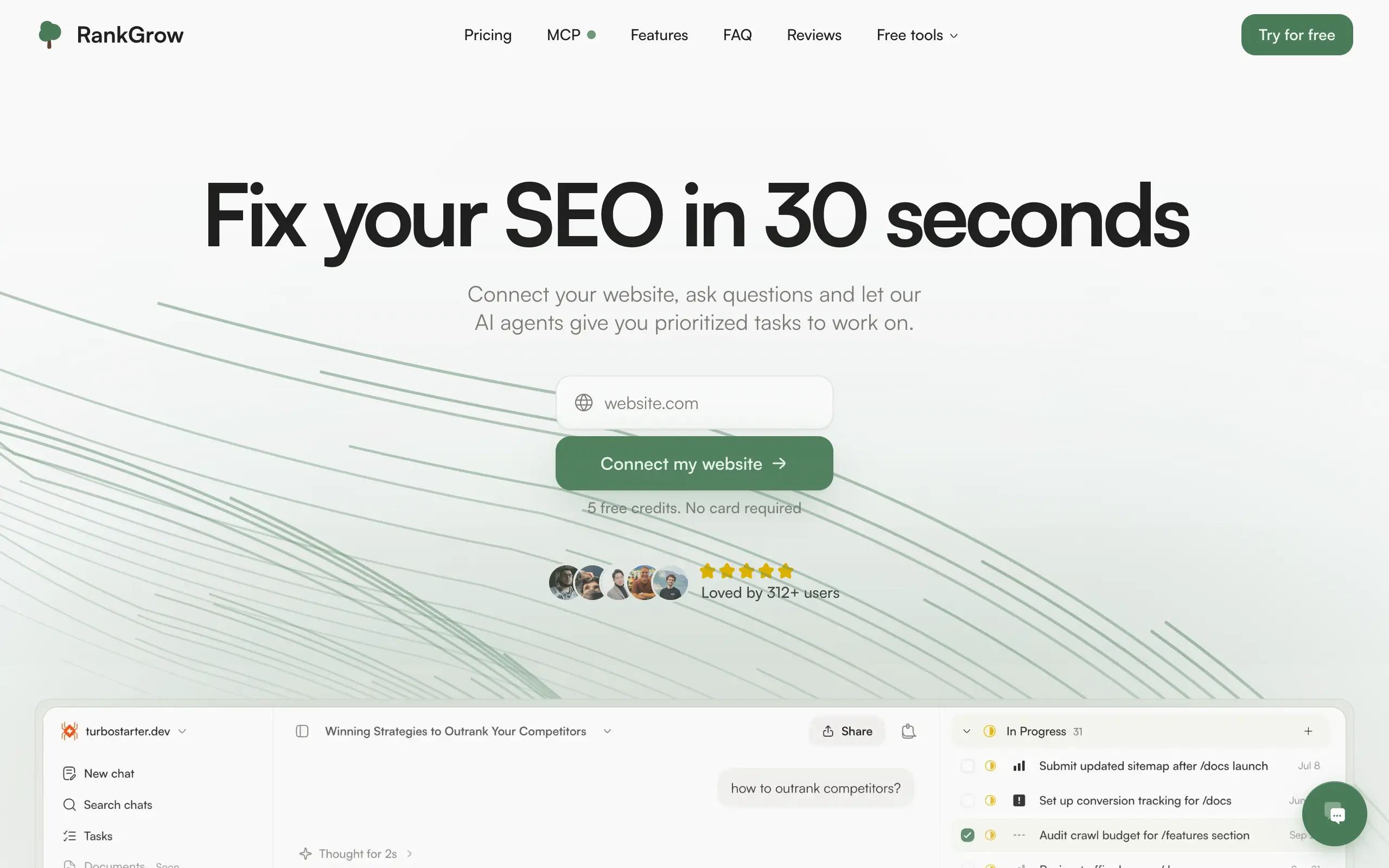
RankGrow
Fix your SEO with AI agents - connect Search Console, get prioritized tasks, and grow organic traffic 📈
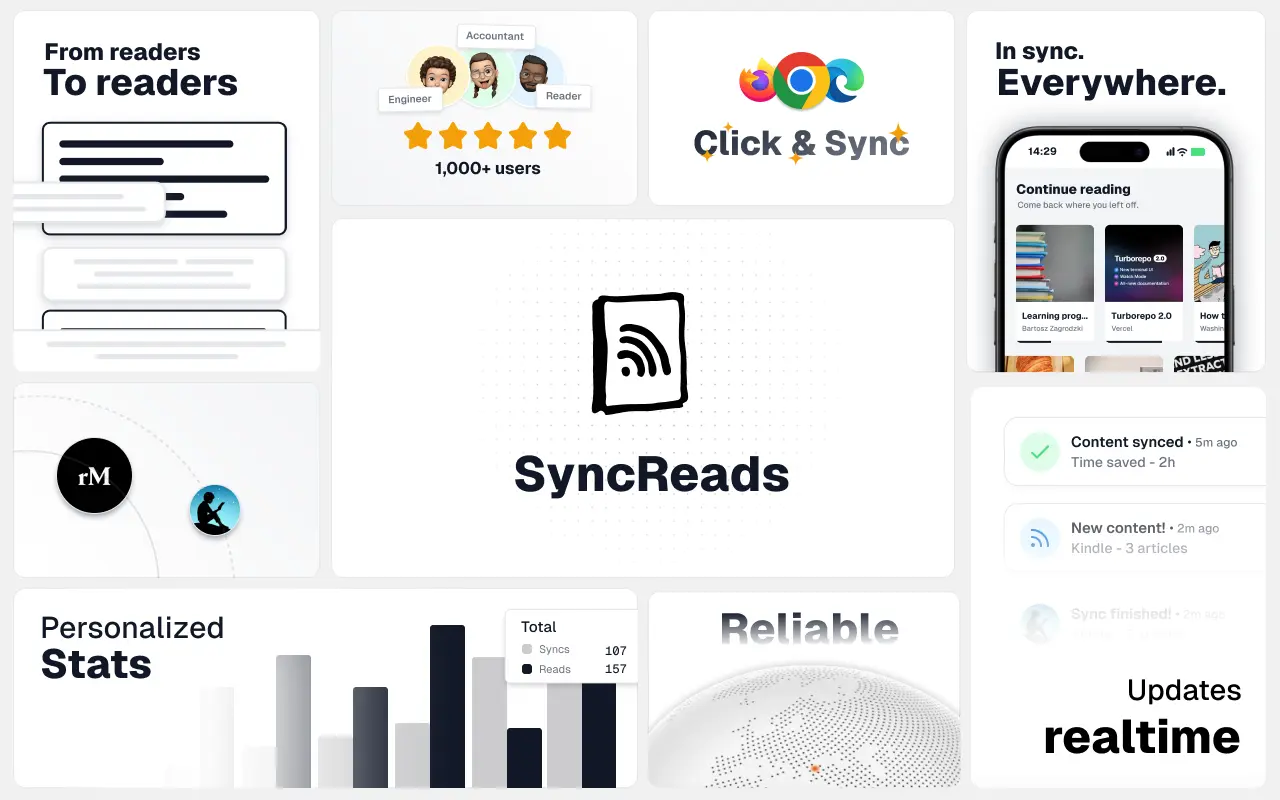
SyncReads
Sync your favorite content for distraction-free reading, save time and replace multiple apps. Anytime, anywhere 🔄
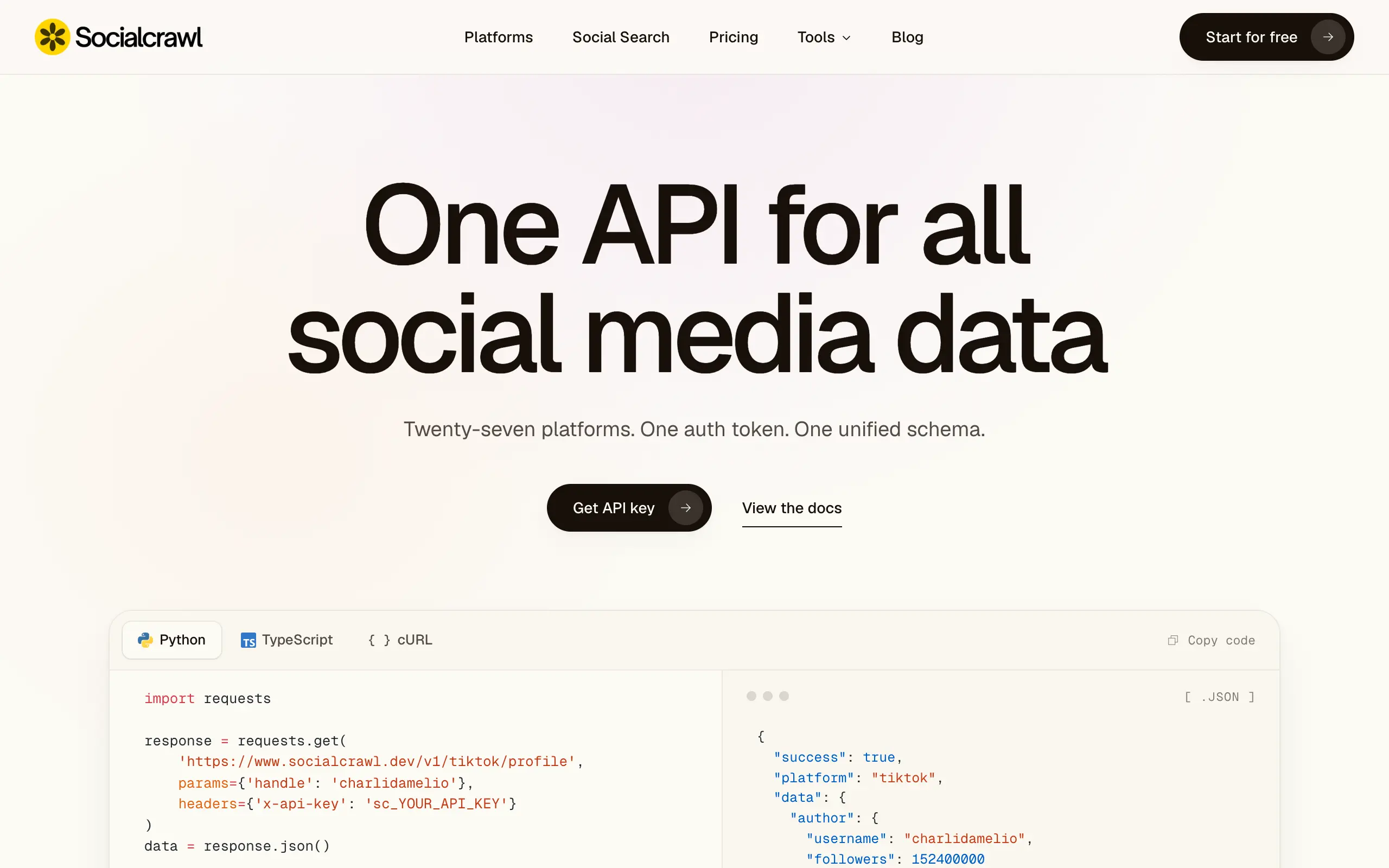
Socialcrawl
Get clean, structured data from 21 platforms like TikTok, Instagram, and YouTube with a single request 📊
Statiko
Monitor any Telegram channel in real time - track posts, edits, deletions, and growth with AI recaps 📡
Shibui
AI website builder - describe your business, pick a niche template, edit by chatting, and publish instantly ✨
Pro Service
Find verified home service professionals, compare quotes, and pay securely through escrow - built for Brazilians across the US 🏠
RankGrow
Fix your SEO with AI agents - connect Search Console, get prioritized tasks, and grow organic traffic 📈
SyncReads
Sync your favorite content for distraction-free reading, save time and replace multiple apps. Anytime, anywhere 🔄
Socialcrawl
Get clean, structured data from 21 platforms like TikTok, Instagram, and YouTube with a single request 📊
Statiko
Monitor any Telegram channel in real time - track posts, edits, deletions, and growth with AI recaps 📡
Shibui
AI website builder - describe your business, pick a niche template, edit by chatting, and publish instantly ✨
Pro Service
Find verified home service professionals, compare quotes, and pay securely through escrow - built for Brazilians across the US 🏠
RankGrow
Fix your SEO with AI agents - connect Search Console, get prioritized tasks, and grow organic traffic 📈
SyncReads
Sync your favorite content for distraction-free reading, save time and replace multiple apps. Anytime, anywhere 🔄
Socialcrawl
Get clean, structured data from 21 platforms like TikTok, Instagram, and YouTube with a single request 📊
Statiko
Monitor any Telegram channel in real time - track posts, edits, deletions, and growth with AI recaps 📡
Shibui
AI website builder - describe your business, pick a niche template, edit by chatting, and publish instantly ✨
Pro Service
Find verified home service professionals, compare quotes, and pay securely through escrow - built for Brazilians across the US 🏠
RankGrow
Fix your SEO with AI agents - connect Search Console, get prioritized tasks, and grow organic traffic 📈
SyncReads
Sync your favorite content for distraction-free reading, save time and replace multiple apps. Anytime, anywhere 🔄
Socialcrawl
Get clean, structured data from 21 platforms like TikTok, Instagram, and YouTube with a single request 📊
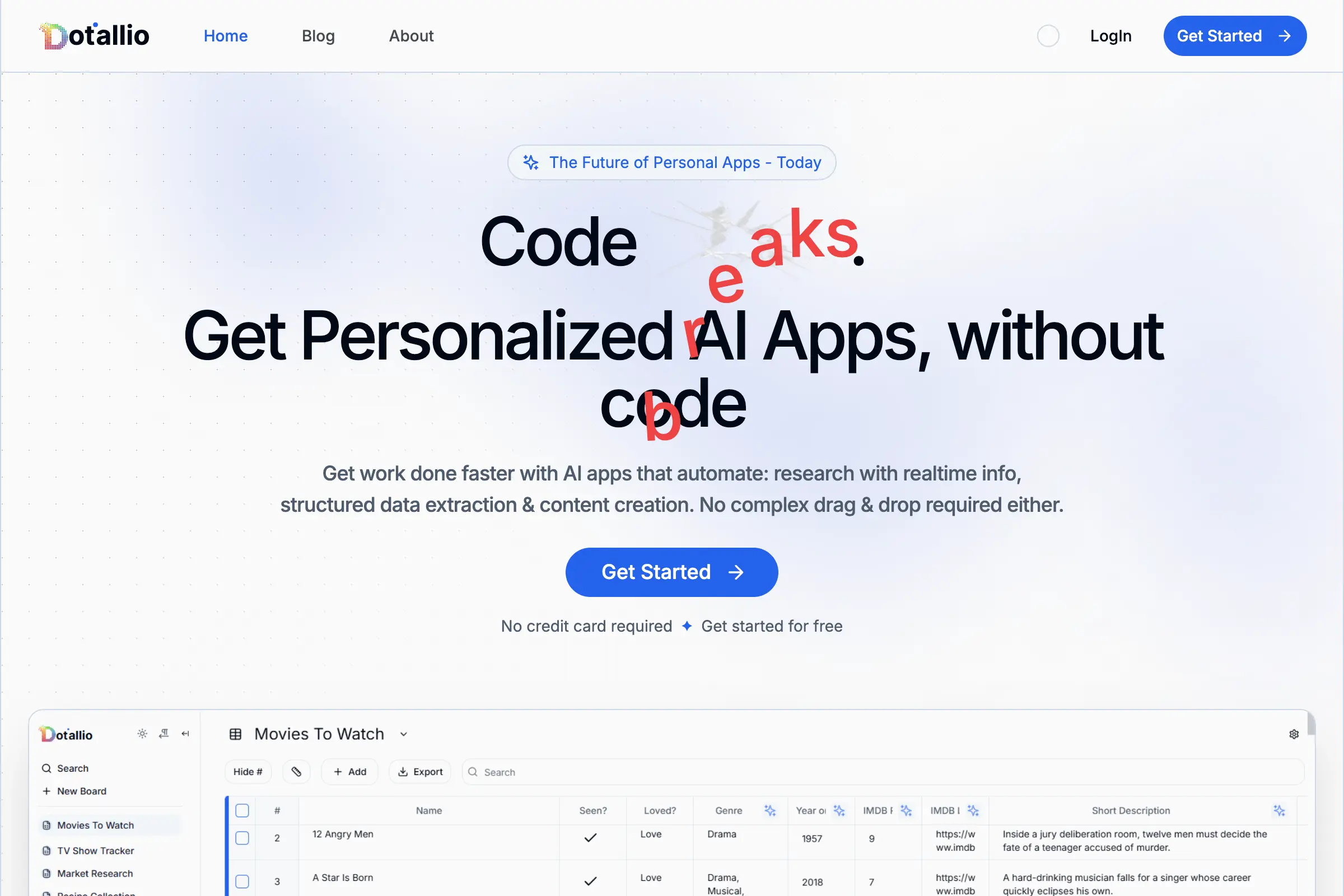
Dotallio
Personalized AI apps that automate research, data extraction, and content creation without code 🤖
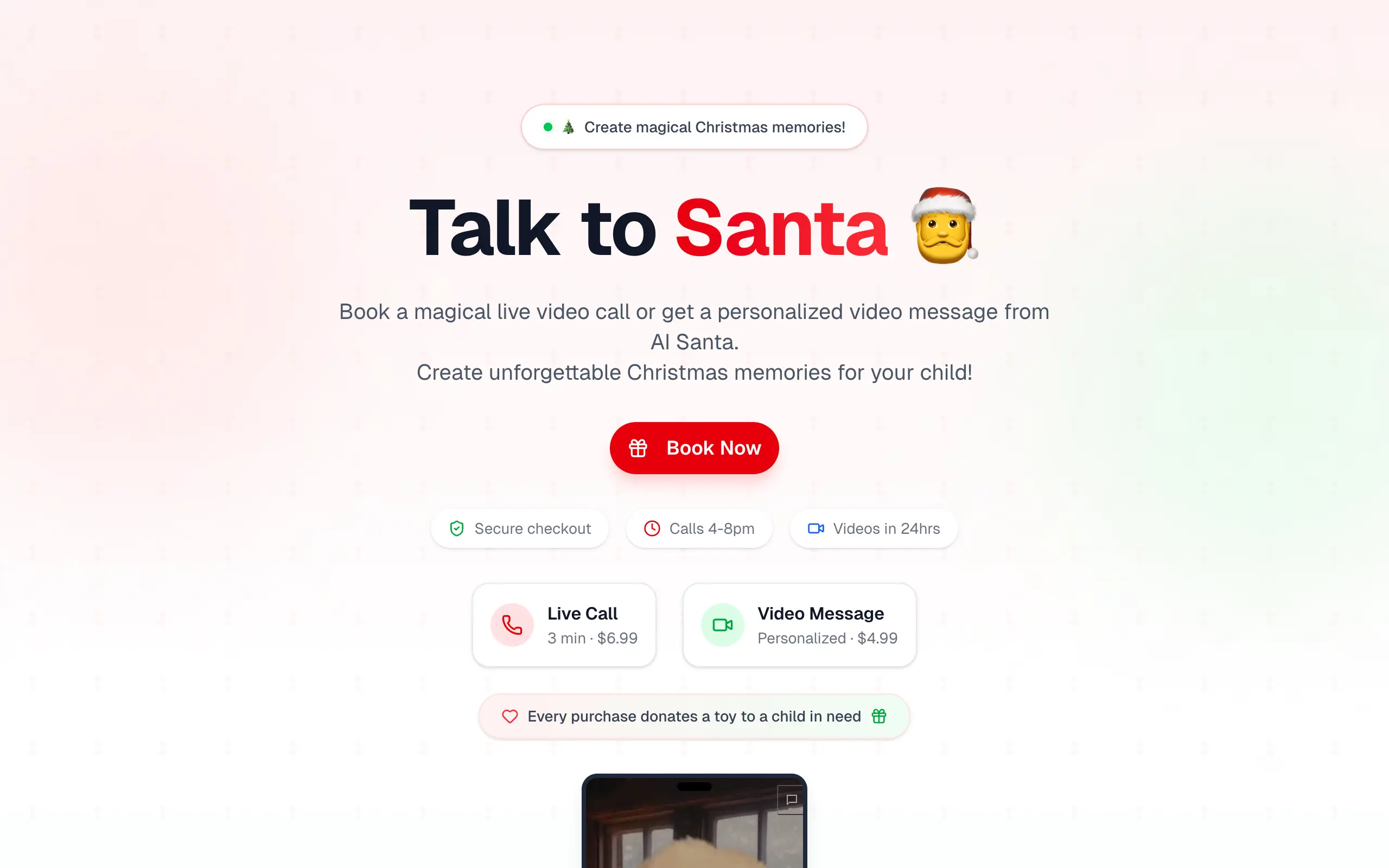
Talk to Santa
Enjoy a magical live video chat or receive a unique AI-generated video greeting from Santa Claus 🎅

pozywka.pl
Scalable blog for food journalist, focused on performance and user experience 🌭
zagrodzki.me
Personal blog and portfolio of Bart Zagrodzki, where he shares his knowledge and work 💼
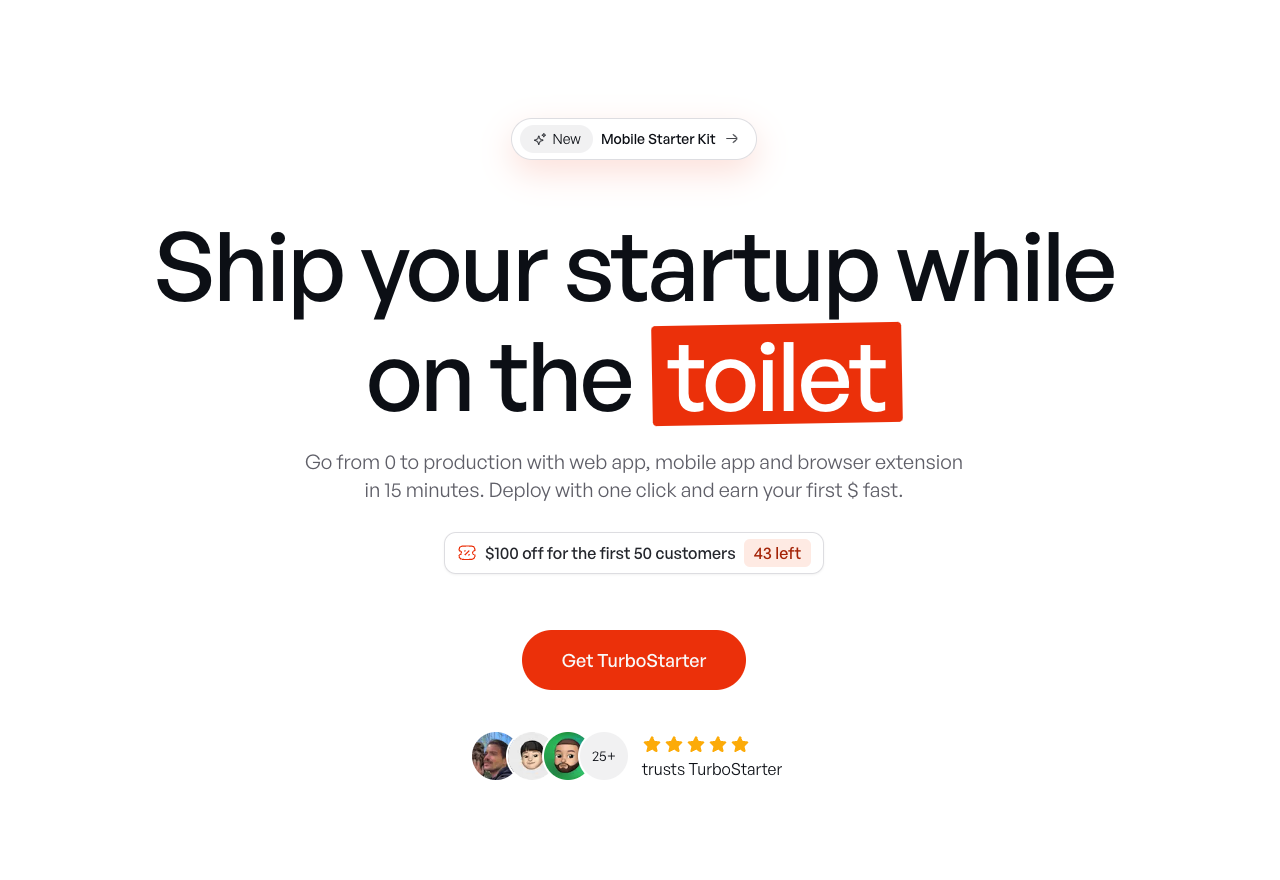
TurboStarter
Ship your startup everywhere. In minutes.
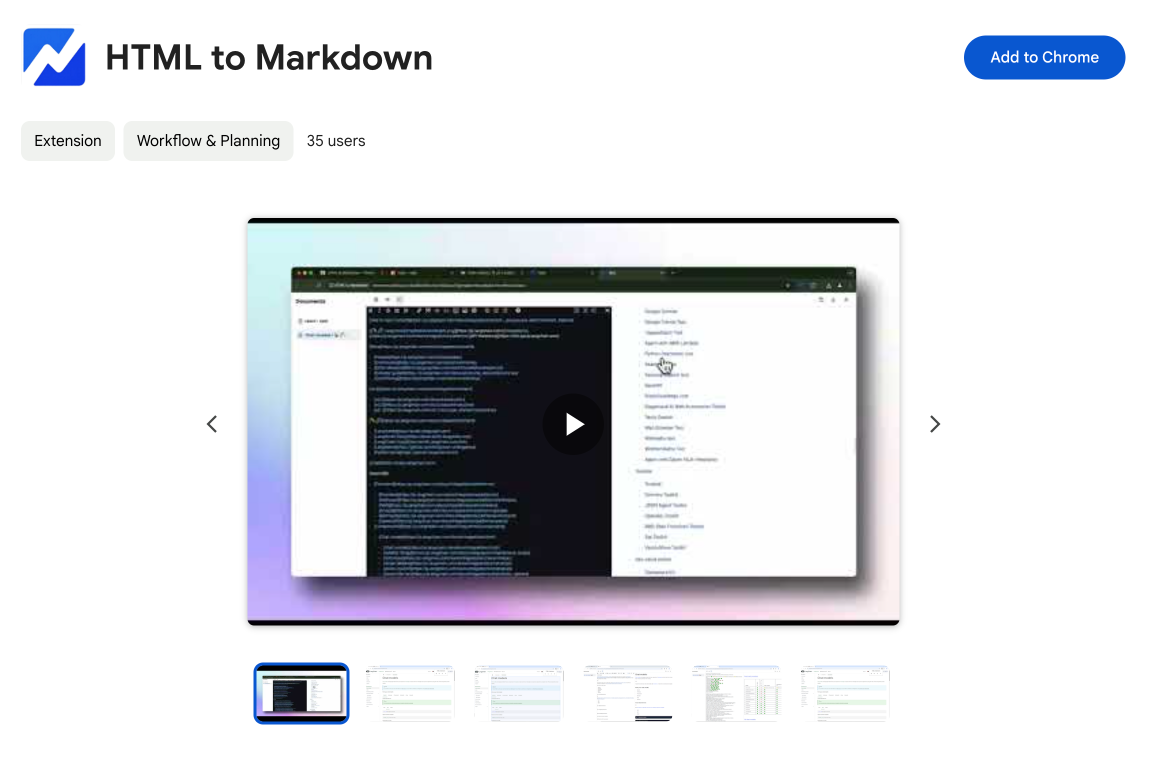
HTML to Markdown
Convert HTML to Markdown with ease, directly in your browser 📄
Dotallio
Personalized AI apps that automate research, data extraction, and content creation without code 🤖
Talk to Santa
Enjoy a magical live video chat or receive a unique AI-generated video greeting from Santa Claus 🎅
pozywka.pl
Scalable blog for food journalist, focused on performance and user experience 🌭
zagrodzki.me
Personal blog and portfolio of Bart Zagrodzki, where he shares his knowledge and work 💼
TurboStarter
Ship your startup everywhere. In minutes.
HTML to Markdown
Convert HTML to Markdown with ease, directly in your browser 📄
Dotallio
Personalized AI apps that automate research, data extraction, and content creation without code 🤖
Talk to Santa
Enjoy a magical live video chat or receive a unique AI-generated video greeting from Santa Claus 🎅
pozywka.pl
Scalable blog for food journalist, focused on performance and user experience 🌭
zagrodzki.me
Personal blog and portfolio of Bart Zagrodzki, where he shares his knowledge and work 💼
TurboStarter
Ship your startup everywhere. In minutes.
HTML to Markdown
Convert HTML to Markdown with ease, directly in your browser 📄
Dotallio
Personalized AI apps that automate research, data extraction, and content creation without code 🤖
Talk to Santa
Enjoy a magical live video chat or receive a unique AI-generated video greeting from Santa Claus 🎅
pozywka.pl
Scalable blog for food journalist, focused on performance and user experience 🌭
zagrodzki.me
Personal blog and portfolio of Bart Zagrodzki, where he shares his knowledge and work 💼
TurboStarter
Ship your startup everywhere. In minutes.
HTML to Markdown
Convert HTML to Markdown with ease, directly in your browser 📄
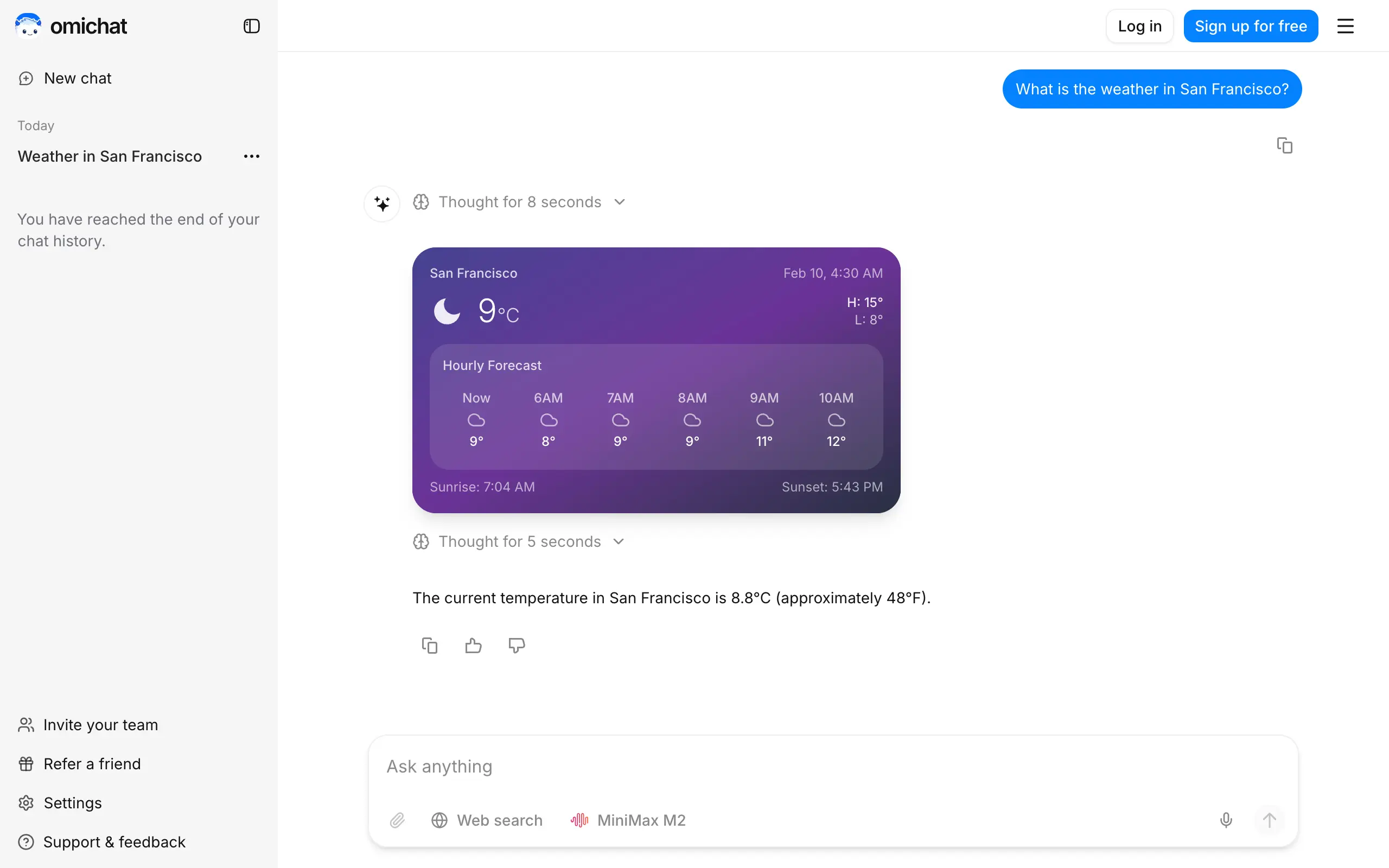
Omichat
Chat with 50+ AI models, including ChatGPT and Claude, in one place - switch models anytime without losing context 🤖
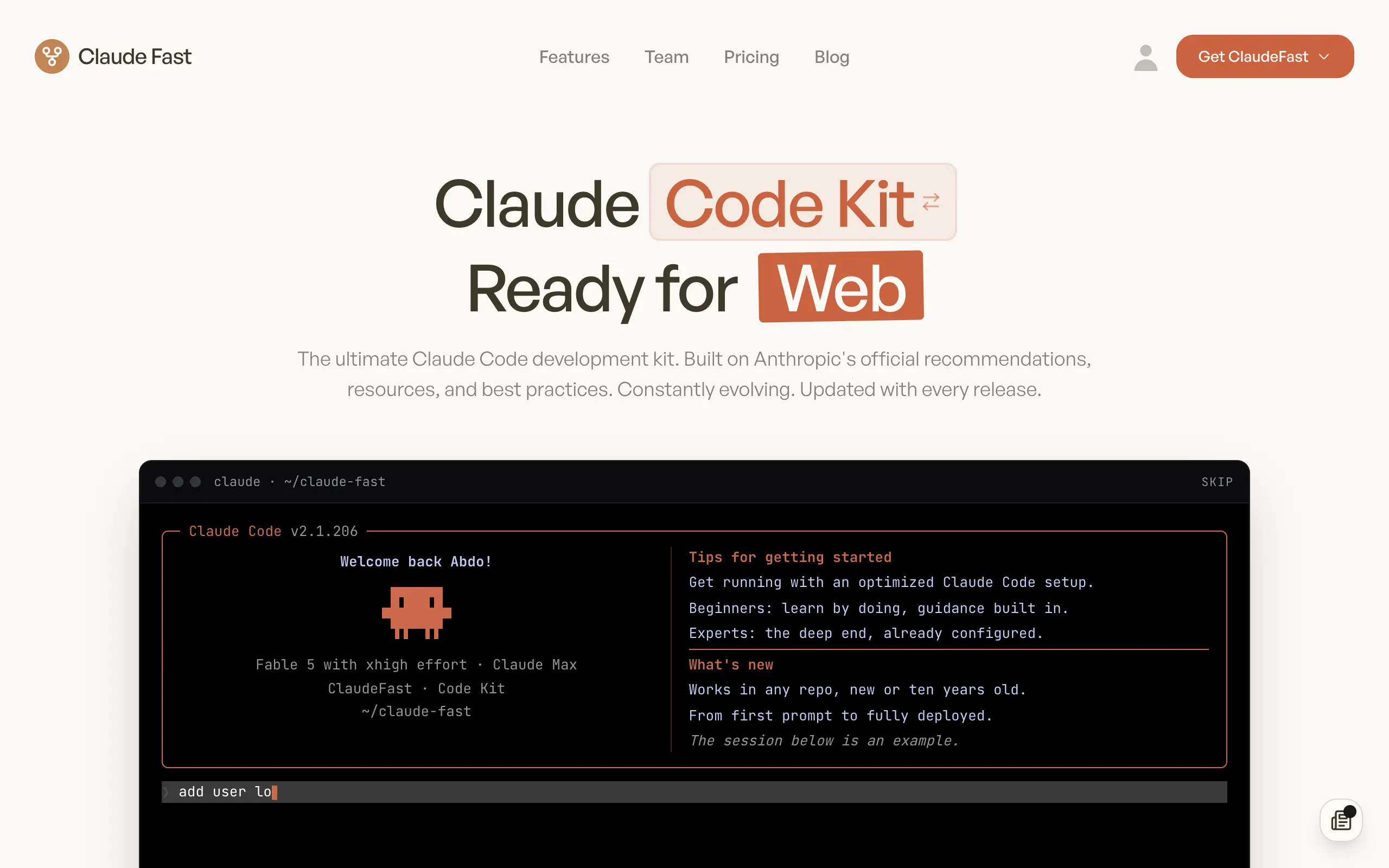
Claude Fast
Supercharge your Claude Code with 6x effective context window and specialized AI agents 🤖
EmojAI
AI-powered emoji picker with smart, context-aware suggestions 🤖
Solohacker
Autonomous company launcher - AI agents work 24/7, escalate what matters, and you stay in control 🤖
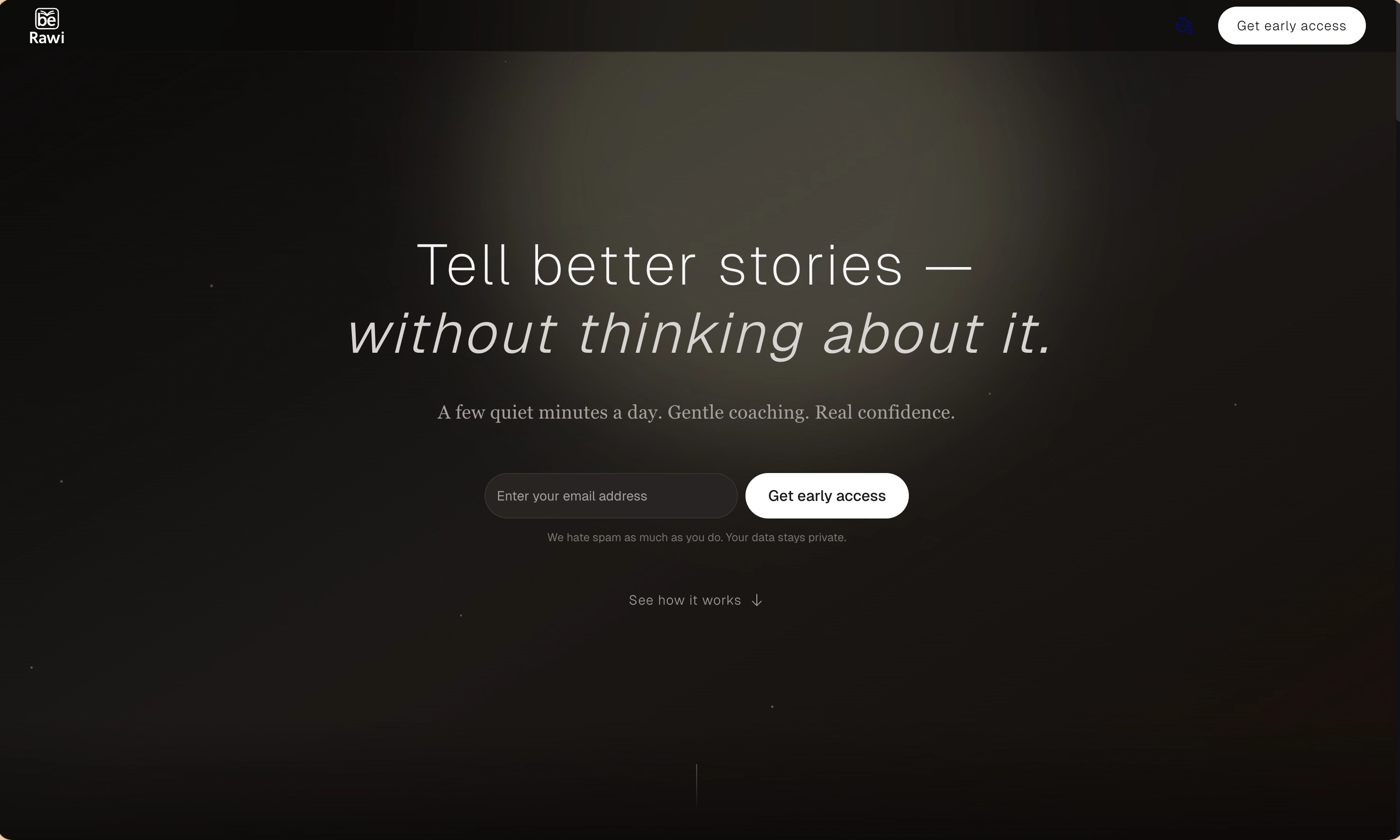
BeRawi: Storytelling Coach
Practice storytelling daily with instant feedback to sound clearer, more engaging, and confident 🎤
Omichat
Chat with 50+ AI models, including ChatGPT and Claude, in one place - switch models anytime without losing context 🤖
Claude Fast
Supercharge your Claude Code with 6x effective context window and specialized AI agents 🤖
EmojAI
AI-powered emoji picker with smart, context-aware suggestions 🤖
Solohacker
Autonomous company launcher - AI agents work 24/7, escalate what matters, and you stay in control 🤖
BeRawi: Storytelling Coach
Practice storytelling daily with instant feedback to sound clearer, more engaging, and confident 🎤
Omichat
Chat with 50+ AI models, including ChatGPT and Claude, in one place - switch models anytime without losing context 🤖
Claude Fast
Supercharge your Claude Code with 6x effective context window and specialized AI agents 🤖
EmojAI
AI-powered emoji picker with smart, context-aware suggestions 🤖
Solohacker
Autonomous company launcher - AI agents work 24/7, escalate what matters, and you stay in control 🤖
BeRawi: Storytelling Coach
Practice storytelling daily with instant feedback to sound clearer, more engaging, and confident 🎤
Omichat
Chat with 50+ AI models, including ChatGPT and Claude, in one place - switch models anytime without losing context 🤖
Claude Fast
Supercharge your Claude Code with 6x effective context window and specialized AI agents 🤖
EmojAI
AI-powered emoji picker with smart, context-aware suggestions 🤖
Solohacker
Autonomous company launcher - AI agents work 24/7, escalate what matters, and you stay in control 🤖
BeRawi: Storytelling Coach
Practice storytelling daily with instant feedback to sound clearer, more engaging, and confident 🎤

Connect with like-minded people
Join our community to get feedback, support, and grow together with 1,000+ builders on board, let's ship it!
Join usShip your startup everywhere. In minutes.
Don't burn tokens on setup and start building features on day one.