RoomGenius AI
AI-powered dynamic pricing and occupancy optimization for hotels, maximizing revenue by analyzing demand, local events, and competitor rates in real time.
Understanding the need for AI-powered dynamic pricing in hospitality
The hospitality industry is in a constant state of flux, with demand, guest expectations, and competitive pressures shifting rapidly. For hotel operators, maximizing revenue while maintaining high occupancy rates is a daily challenge. Traditional pricing strategies—often based on static rates or manual adjustments—struggle to keep pace with real-time market dynamics. This is where RoomGenius AI steps in, offering a sophisticated, AI-powered solution for dynamic pricing and occupancy optimization.
By leveraging artificial intelligence to analyze demand patterns, local events, and competitor rates in real time, RoomGenius AI empowers hotels to make data-driven decisions that maximize revenue and occupancy. In this article, we’ll explore the market opportunity, target audience, core features, technology stack, monetization strategies, risks, and implementation steps for RoomGenius AI, providing a comprehensive guide for hoteliers and SaaS founders alike.
Who benefits from RoomGenius AI? Target audience analysis
Understanding the target audience is crucial for any SaaS product, especially in a competitive space like hotel technology. RoomGenius AI is designed for:
- Independent hotels and boutique properties: These operators often lack the resources for in-house revenue management teams and need automated, intelligent solutions.
- Hotel chains and groups: Even large brands can benefit from advanced AI-driven insights to supplement their existing revenue management systems.
- Short-term rental managers: Property managers overseeing multiple units (e.g., on Airbnb or Vrbo) can use RoomGenius AI to optimize nightly rates and occupancy.
- Revenue managers and hotel owners: Professionals responsible for maximizing RevPAR (Revenue per Available Room) and overall profitability.
- Hospitality consultants: Advisors seeking to recommend cutting-edge technology to their clients.
User intent for this audience typically includes:
- Finding ways to increase hotel revenue and occupancy.
- Automating manual pricing processes.
- Gaining a competitive edge through real-time data analysis.
- Understanding how AI can be applied to hospitality pricing.
Identifying the market opportunity and gaps
The global hotel revenue management software market is projected to grow significantly, driven by the need for smarter, more agile pricing strategies. However, several gaps persist:
- Manual or rule-based pricing: Many hotels still rely on spreadsheets or basic rule engines, which can’t react quickly to market changes.
- Lack of real-time data integration: Existing solutions may not incorporate live data from local events, weather, or competitor rates.
- Complexity and cost: Enterprise-grade revenue management systems are often expensive and difficult to implement for smaller properties.
- Limited AI adoption: While AI is transforming many industries, its application in hotel pricing is still emerging, especially for mid-market and independent operators.
RoomGenius AI addresses these gaps by offering an accessible, AI-driven platform that democratizes advanced pricing strategies.
How RoomGenius AI works: Core features and solution details
RoomGenius AI is more than just a dynamic pricing tool—it’s a comprehensive revenue optimization platform. Here’s how it delivers value:
Real-time demand analysis
- Aggregates data from booking engines, OTAs (Online Travel Agencies), and direct channels.
- Monitors local events (concerts, conferences, holidays) that impact demand.
- Analyzes historical occupancy trends to forecast future demand.
Competitor rate tracking
- Scrapes and analyzes competitor pricing in real time.
- Benchmarks your rates against similar properties in the area.
- Identifies pricing opportunities to capture more bookings.
AI-powered dynamic pricing engine
- Machine learning algorithms adjust room rates automatically based on demand, competition, and other variables.
- Customizable pricing rules allow hoteliers to set minimum/maximum rates, blackout dates, and more.
- Continuous learning ensures the system improves over time as more data is collected.
Occupancy optimization
- Suggests promotions or discounts during low-demand periods.
- Recommends overbooking strategies based on historical no-show rates.
- Integrates with PMS (Property Management Systems) for seamless inventory management.
Intuitive dashboard and reporting
- Visualizes key metrics: RevPAR, ADR (Average Daily Rate), occupancy, and more.
- Provides actionable insights and recommendations.
- Exports reports for management and stakeholders.
Seamless integrations
- Connects with major PMS and channel managers for automated data flow.
- API access for custom integrations.
Real-time pricing updates
Instantly adjust rates based on live market data and demand signals.
Competitor benchmarking
Stay ahead by tracking and responding to competitor pricing strategies.
Event-driven demand forecasting
Leverage local event data to anticipate spikes in bookings.
Automated occupancy optimization
Maximize room utilization with AI-driven recommendations.
Recommended tech stack for RoomGenius AI
Choosing the right technology stack is critical for scalability, performance, and maintainability. Here’s a recommended stack for RoomGenius AI, along with trade-offs:
Frontend
- React: Popular, component-based UI library with a large ecosystem.
- TailwindCSS: Utility-first CSS framework for rapid, responsive design.
- Next.js: For server-side rendering and SEO optimization.
Trade-off: React and Next.js offer flexibility and performance, but require experienced developers for optimal results.
Backend
- Node.js: Non-blocking, event-driven server environment, ideal for real-time data processing.
- Python (for AI/ML modules): Rich ecosystem for machine learning (e.g., TensorFlow, scikit-learn).
- FastAPI: For building high-performance APIs in Python.
Trade-off: Combining Node.js and Python can increase complexity, but allows leveraging the best tools for each task.
Data and AI
- PostgreSQL: Robust, scalable relational database.
- Redis: In-memory data store for caching and real-time analytics.
- TensorFlow / PyTorch: Leading frameworks for machine learning and deep learning.
Integrations
- PMS and channel manager APIs: For data synchronization.
- Web scraping tools: For competitor rate tracking (ensure compliance with legal and ethical standards).
Hosting and DevOps
- AWS or Google Cloud: Scalable cloud infrastructure.
- Docker: For containerization and deployment.
- CI/CD pipelines: For automated testing and deployment.
Node.js excels at handling real-time data streams and API requests, while Python is the industry standard for machine learning. By using both, RoomGenius AI can deliver fast, responsive user experiences and powerful AI-driven insights.
Web scraping is a common practice for market intelligence, but it’s important to respect robots.txt, terms of service, and local laws. Consider using official APIs where available.
Monetization strategies for RoomGenius AI
A successful SaaS product needs a clear path to revenue. Here are proven monetization models for RoomGenius AI:
Subscription-based pricing
- Tiered plans based on number of rooms, properties, or features.
- Monthly or annual billing for predictable revenue.
Usage-based pricing
- Charge per API call or per pricing update.
- Appeals to large hotel groups with variable usage patterns.
Freemium model
- Basic features free, with premium AI modules or integrations as paid add-ons.
- Encourages adoption among smaller hotels.
Revenue share
- Percentage of incremental revenue generated by the platform.
- Aligns incentives with hotel performance.
White-label solutions
- Custom-branded versions for hotel chains or consultants.
| Subscription | Usage-based | Freemium | Revenue share | White-label |
|---|---|---|---|---|
| ✅ | ❌ | ❌ | ✅ | ❌ |
| ✅ | ❌ | ✅ | ✅ | ❌ |
Tip: Start with a simple subscription model, then expand to usage-based or revenue share as you scale.
Potential risks and mitigation strategies
Launching an AI-powered SaaS for hotel pricing comes with challenges. Here’s how to address them:
Data privacy and security
- Risk: Handling sensitive booking and pricing data.
- Mitigation: Implement robust encryption, comply with GDPR and other regulations, and conduct regular security audits.
AI model accuracy
- Risk: Inaccurate pricing recommendations could hurt revenue or occupancy.
- Mitigation: Use continuous model training, allow human overrides, and provide transparent explanations for pricing decisions.
Integration complexity
- Risk: Difficulty connecting with diverse PMS and channel managers.
- Mitigation: Build modular, well-documented APIs and prioritize integrations with the most popular systems.
Market adoption
- Risk: Hoteliers may be skeptical of AI or resistant to change.
- Mitigation: Offer free trials, case studies, and clear ROI demonstrations.
Legal and ethical considerations
- Risk: Issues with web scraping or data usage.
- Mitigation: Use official APIs where possible, respect terms of service, and consult legal experts.
Transparency is key
Always provide clear explanations for AI-driven pricing changes. This builds trust with users and helps them understand the value of automation.
Competitive advantage: What makes RoomGenius AI unique?
RoomGenius AI stands out in a crowded market by combining several unique selling points:
- True real-time pricing: Many competitors update rates daily or hourly; RoomGenius AI reacts instantly to market changes.
- Event-driven demand forecasting: Integrates local event data, a feature often missing from legacy systems.
- Accessible AI: Designed for both independent hotels and large chains, with an intuitive interface and flexible pricing.
- Seamless integrations: Connects with a wide range of PMS and channel managers, reducing onboarding friction.
- Continuous learning: The AI engine improves over time, adapting to each property’s unique patterns.
Real-time, event-aware pricing
Stay ahead of the competition with instant, data-driven rate adjustments.
Designed for all property sizes
From boutique hotels to large chains, RoomGenius AI scales to your needs.
Transparent, explainable AI
Build trust with clear, actionable insights and override options.
Implementation steps: How to launch RoomGenius AI
Ready to bring RoomGenius AI to market? Here’s a step-by-step guide:
Conclusion: The future of hotel revenue management is AI-driven
RoomGenius AI represents a new era in hotel revenue management—one where data, automation, and intelligence work together to maximize both occupancy and profitability. By addressing real-world pain points with cutting-edge technology, RoomGenius AI empowers hoteliers to stay competitive in a rapidly evolving market.
Whether you’re an independent property owner or a revenue manager at a global chain, adopting AI-powered dynamic pricing is no longer optional—it’s essential for sustainable growth. With its unique blend of real-time analytics, event-driven forecasting, and seamless integrations, RoomGenius AI is poised to become the go-to solution for forward-thinking hospitality professionals.
For those looking to accelerate their SaaS journey, platforms like TurboStarter can help you build, launch, and scale innovative products like RoomGenius AI faster than ever.
Frequently asked questions
RoomGenius AI uses real-time data and machine learning to adjust prices instantly, while traditional systems often rely on static rules or manual updates. It also integrates local event data and competitor rates for a more holistic approach.
Absolutely. The platform is designed to be accessible and scalable, making it ideal for independent hotels, boutique properties, and large groups alike.
Yes. RoomGenius AI provides transparent explanations for its decisions and allows users to set custom rules or manually adjust rates as needed.
RoomGenius AI connects with major PMS and channel managers, with an open API for custom integrations.
Next steps
- Explore AI-powered pricing: Start with a pilot property to see the impact of dynamic pricing.
- Gather feedback: Involve your revenue management team early to ensure buy-in.
- Stay informed: Follow industry trends and best practices to maximize your investment in AI.
By embracing solutions like RoomGenius AI, hotels can unlock new levels of efficiency, profitability, and guest satisfaction—setting the stage for long-term success in the digital age.
More 🤖 AI Startup SaaS ideas
Discover more innovative ai startup SaaS ideas that are trending in 2026. Each idea is AI-generated with market validation and growth potential to help you find your next profitable venture faster than competitors.
Your competitors are building with TurboStarter
Below are some of the SaaS ideas that have been generated and built with our starter kit.
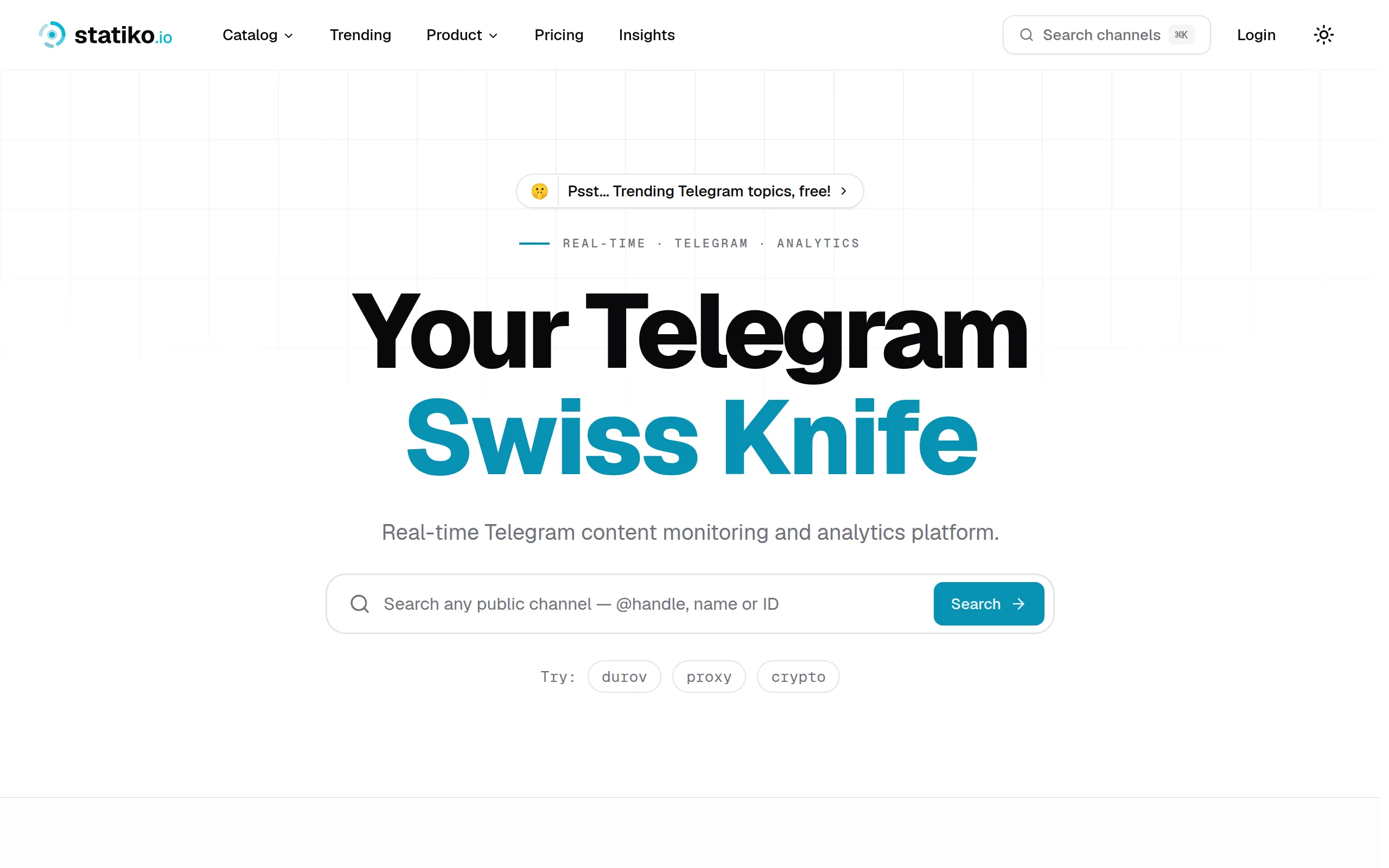
Statiko
Monitor any Telegram channel in real time - track posts, edits, deletions, and growth with AI recaps 📡
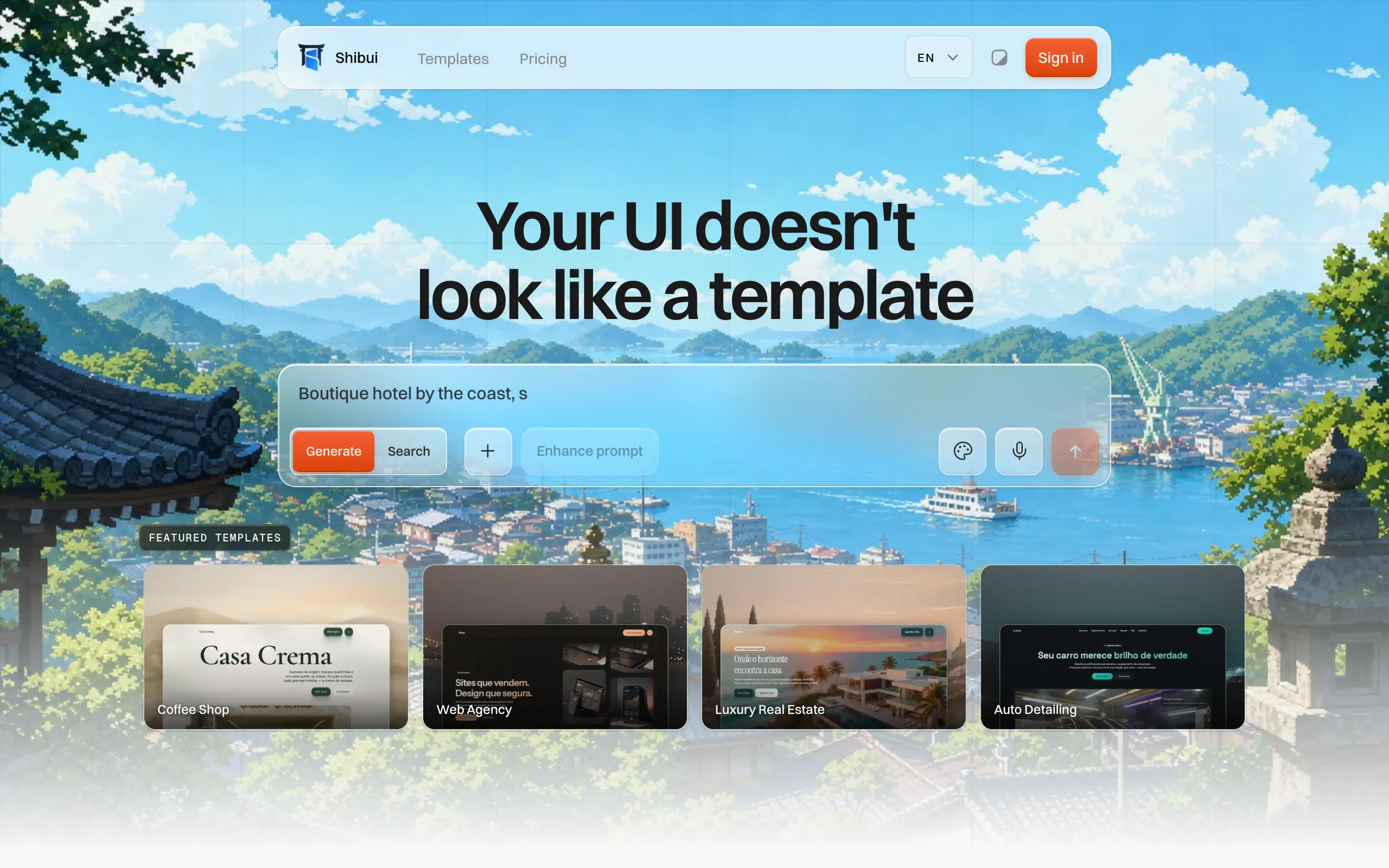
Shibui
AI website builder - describe your business, pick a niche template, edit by chatting, and publish instantly ✨

Pro Service
Find verified home service professionals, compare quotes, and pay securely through escrow - built for Brazilians across the US 🏠
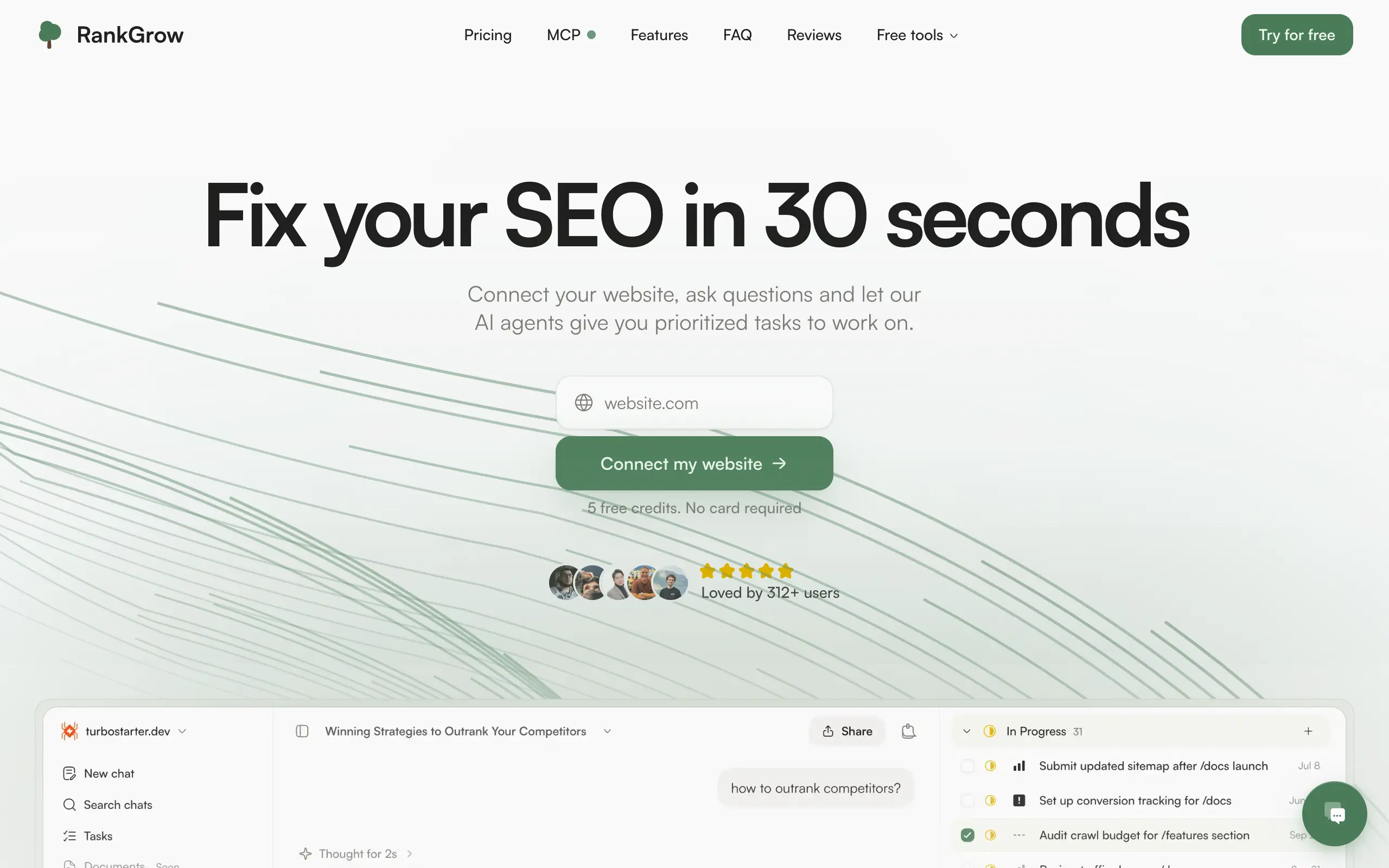
RankGrow
Fix your SEO with AI agents - connect Search Console, get prioritized tasks, and grow organic traffic 📈
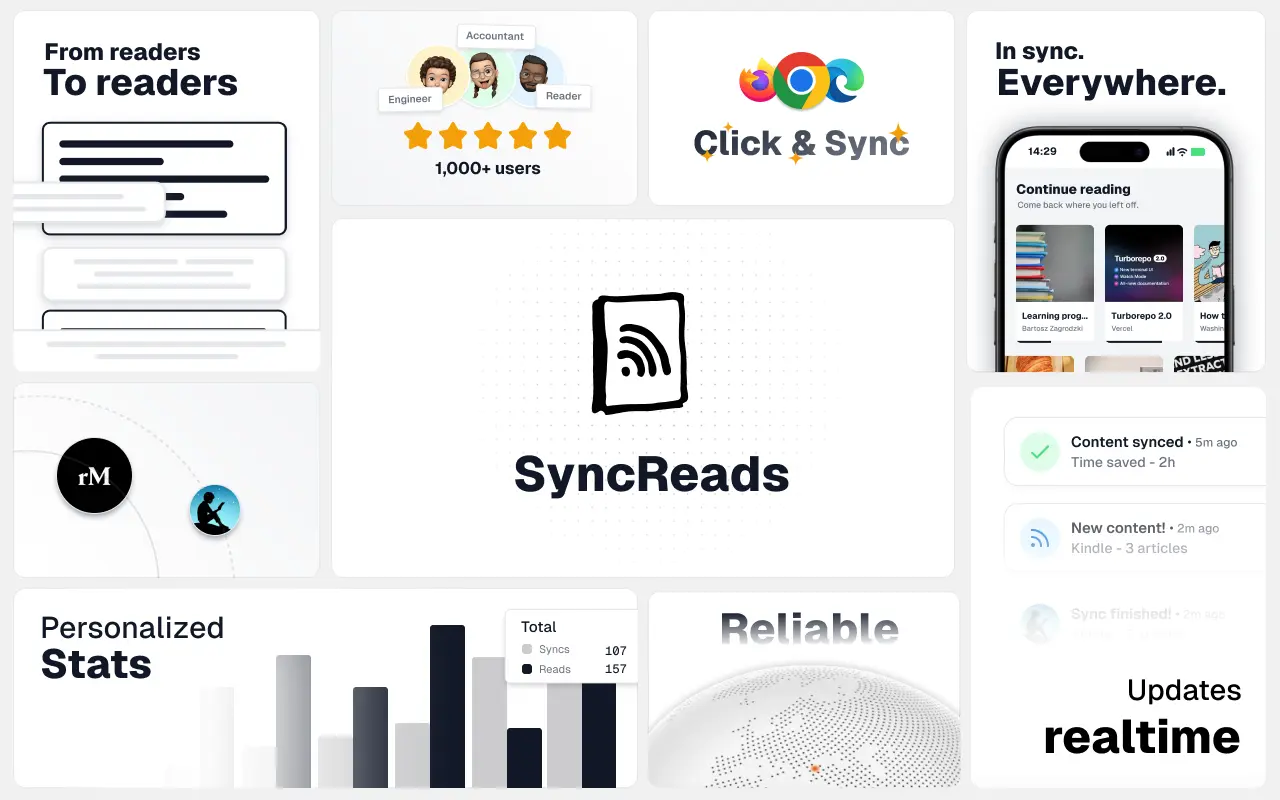
SyncReads
Sync your favorite content for distraction-free reading, save time and replace multiple apps. Anytime, anywhere 🔄
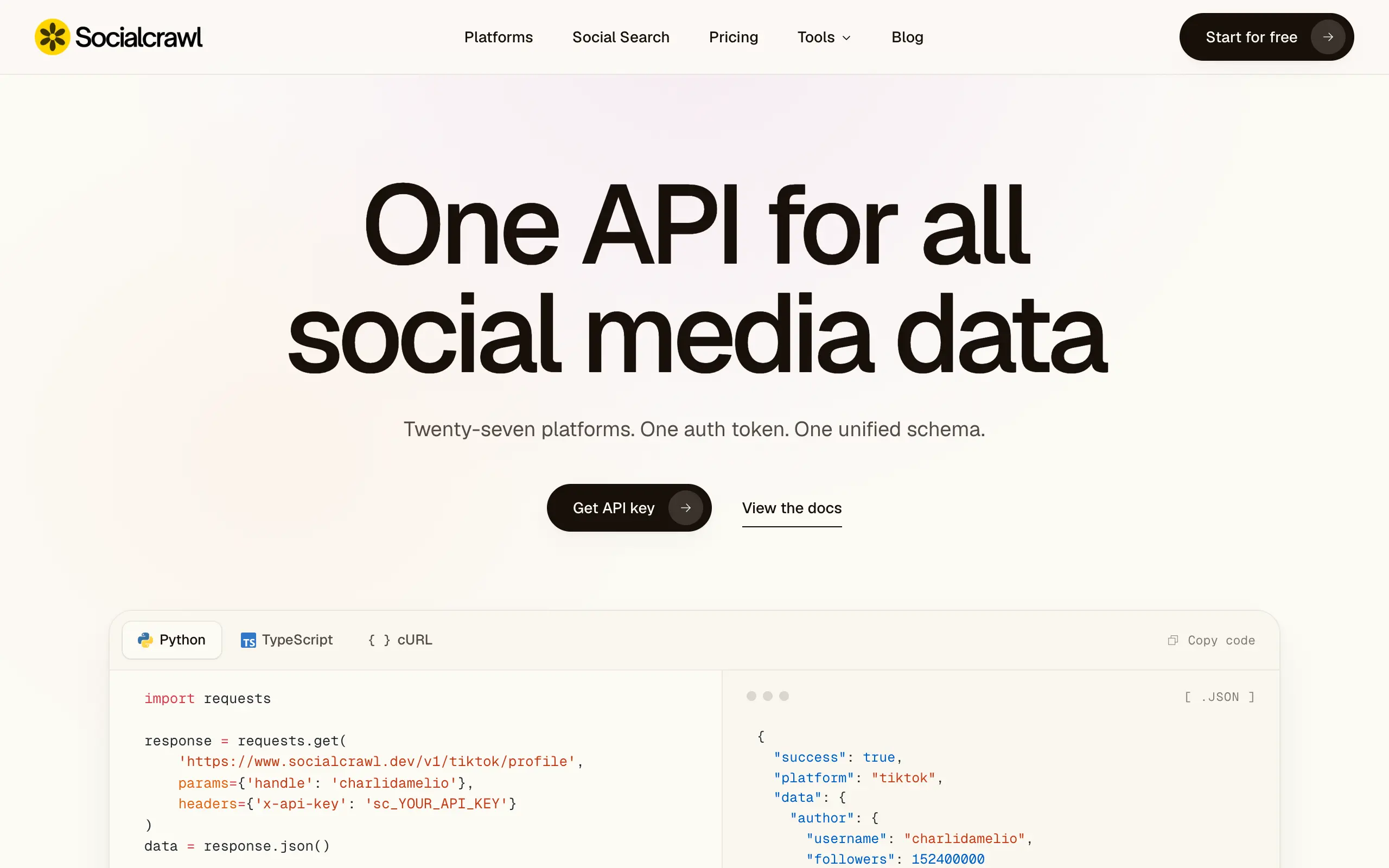
Socialcrawl
Get clean, structured data from 21 platforms like TikTok, Instagram, and YouTube with a single request 📊
Statiko
Monitor any Telegram channel in real time - track posts, edits, deletions, and growth with AI recaps 📡
Shibui
AI website builder - describe your business, pick a niche template, edit by chatting, and publish instantly ✨
Pro Service
Find verified home service professionals, compare quotes, and pay securely through escrow - built for Brazilians across the US 🏠
RankGrow
Fix your SEO with AI agents - connect Search Console, get prioritized tasks, and grow organic traffic 📈
SyncReads
Sync your favorite content for distraction-free reading, save time and replace multiple apps. Anytime, anywhere 🔄
Socialcrawl
Get clean, structured data from 21 platforms like TikTok, Instagram, and YouTube with a single request 📊
Statiko
Monitor any Telegram channel in real time - track posts, edits, deletions, and growth with AI recaps 📡
Shibui
AI website builder - describe your business, pick a niche template, edit by chatting, and publish instantly ✨
Pro Service
Find verified home service professionals, compare quotes, and pay securely through escrow - built for Brazilians across the US 🏠
RankGrow
Fix your SEO with AI agents - connect Search Console, get prioritized tasks, and grow organic traffic 📈
SyncReads
Sync your favorite content for distraction-free reading, save time and replace multiple apps. Anytime, anywhere 🔄
Socialcrawl
Get clean, structured data from 21 platforms like TikTok, Instagram, and YouTube with a single request 📊
Statiko
Monitor any Telegram channel in real time - track posts, edits, deletions, and growth with AI recaps 📡
Shibui
AI website builder - describe your business, pick a niche template, edit by chatting, and publish instantly ✨
Pro Service
Find verified home service professionals, compare quotes, and pay securely through escrow - built for Brazilians across the US 🏠
RankGrow
Fix your SEO with AI agents - connect Search Console, get prioritized tasks, and grow organic traffic 📈
SyncReads
Sync your favorite content for distraction-free reading, save time and replace multiple apps. Anytime, anywhere 🔄
Socialcrawl
Get clean, structured data from 21 platforms like TikTok, Instagram, and YouTube with a single request 📊
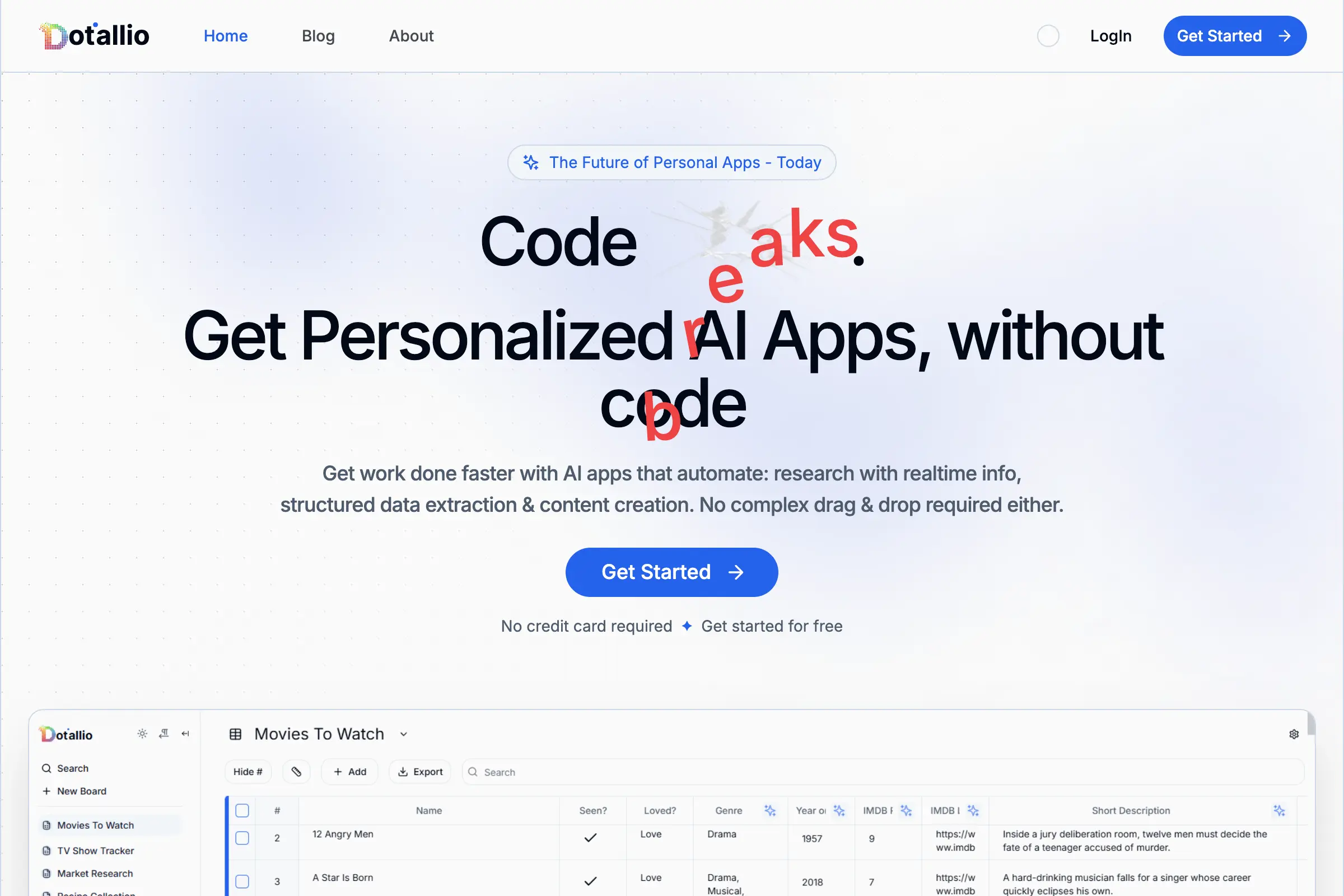
Dotallio
Personalized AI apps that automate research, data extraction, and content creation without code 🤖
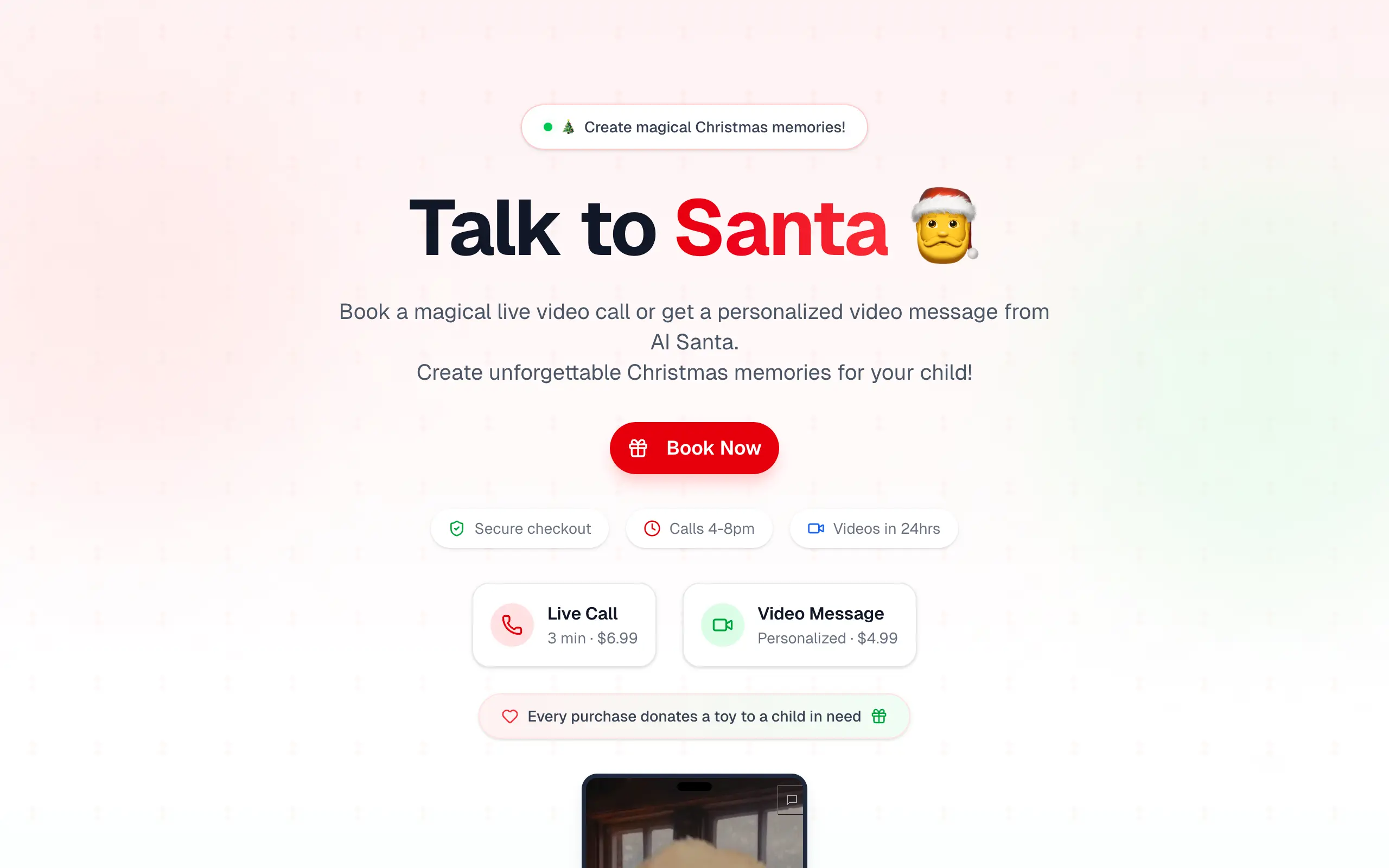
Talk to Santa
Enjoy a magical live video chat or receive a unique AI-generated video greeting from Santa Claus 🎅
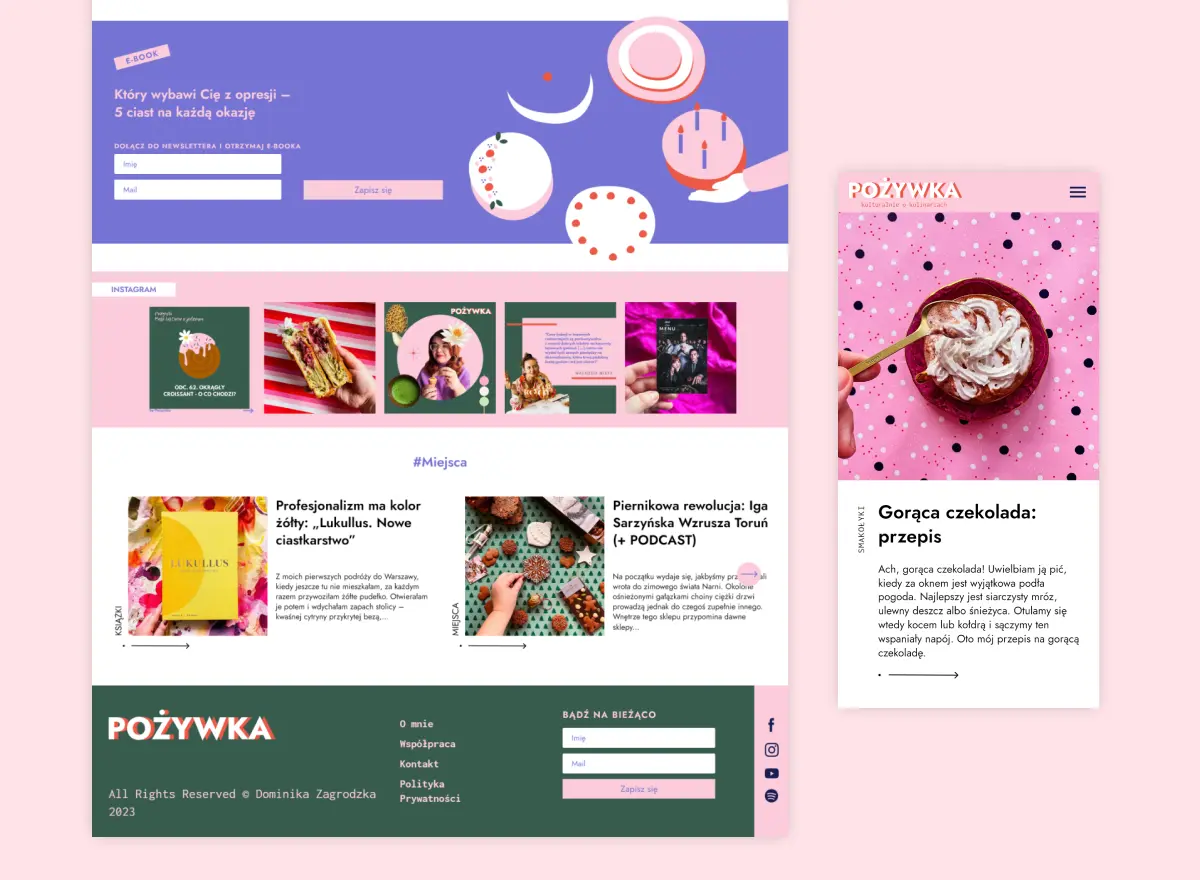
pozywka.pl
Scalable blog for food journalist, focused on performance and user experience 🌭
zagrodzki.me
Personal blog and portfolio of Bart Zagrodzki, where he shares his knowledge and work 💼
TurboStarter
Ship your startup everywhere. In minutes.
HTML to Markdown
Convert HTML to Markdown with ease, directly in your browser 📄
Dotallio
Personalized AI apps that automate research, data extraction, and content creation without code 🤖
Talk to Santa
Enjoy a magical live video chat or receive a unique AI-generated video greeting from Santa Claus 🎅
pozywka.pl
Scalable blog for food journalist, focused on performance and user experience 🌭
zagrodzki.me
Personal blog and portfolio of Bart Zagrodzki, where he shares his knowledge and work 💼
TurboStarter
Ship your startup everywhere. In minutes.
HTML to Markdown
Convert HTML to Markdown with ease, directly in your browser 📄
Dotallio
Personalized AI apps that automate research, data extraction, and content creation without code 🤖
Talk to Santa
Enjoy a magical live video chat or receive a unique AI-generated video greeting from Santa Claus 🎅
pozywka.pl
Scalable blog for food journalist, focused on performance and user experience 🌭
zagrodzki.me
Personal blog and portfolio of Bart Zagrodzki, where he shares his knowledge and work 💼
TurboStarter
Ship your startup everywhere. In minutes.
HTML to Markdown
Convert HTML to Markdown with ease, directly in your browser 📄
Dotallio
Personalized AI apps that automate research, data extraction, and content creation without code 🤖
Talk to Santa
Enjoy a magical live video chat or receive a unique AI-generated video greeting from Santa Claus 🎅
pozywka.pl
Scalable blog for food journalist, focused on performance and user experience 🌭
zagrodzki.me
Personal blog and portfolio of Bart Zagrodzki, where he shares his knowledge and work 💼
TurboStarter
Ship your startup everywhere. In minutes.
HTML to Markdown
Convert HTML to Markdown with ease, directly in your browser 📄
Omichat
Chat with 50+ AI models, including ChatGPT and Claude, in one place - switch models anytime without losing context 🤖
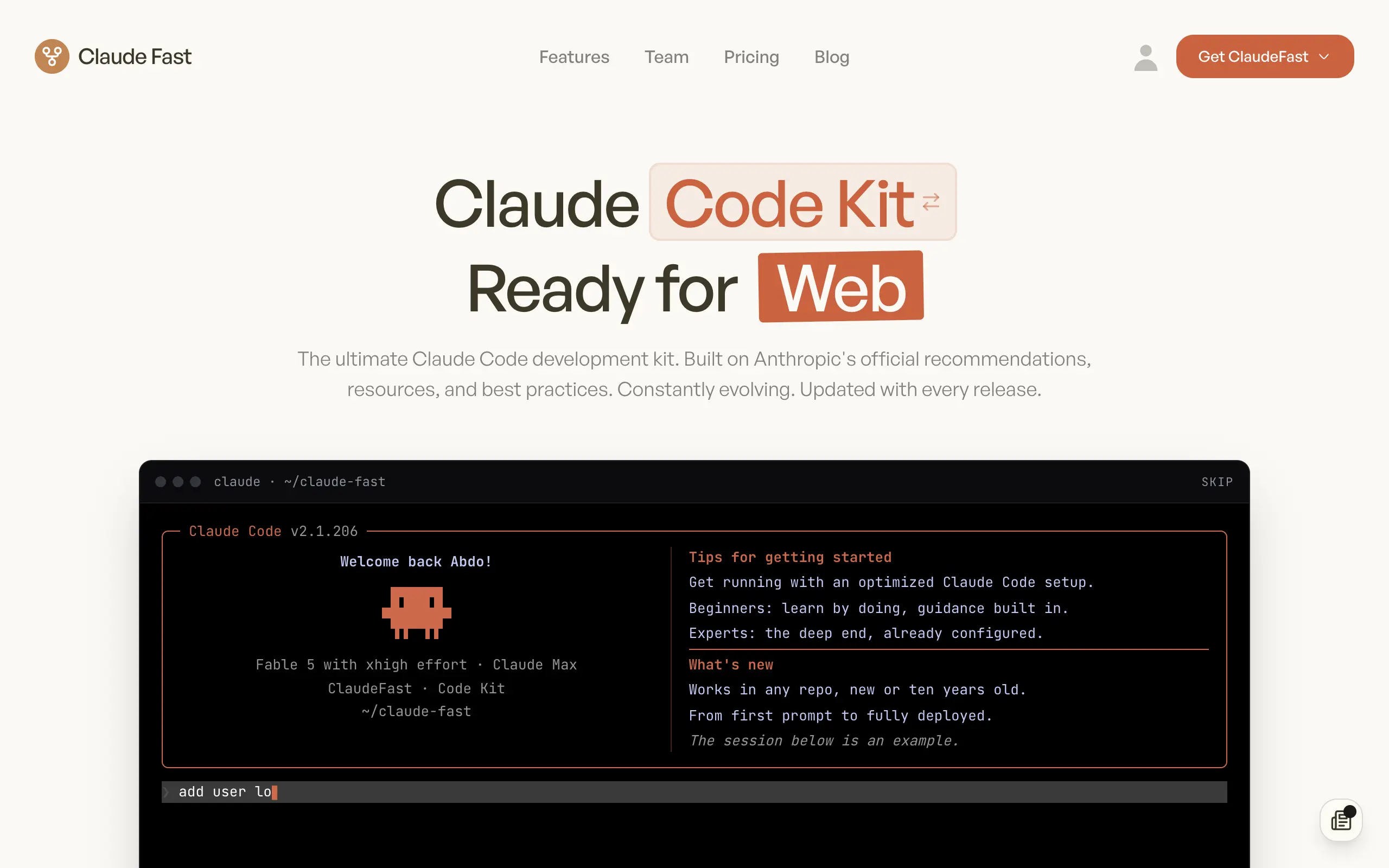
Claude Fast
Supercharge your Claude Code with 6x effective context window and specialized AI agents 🤖
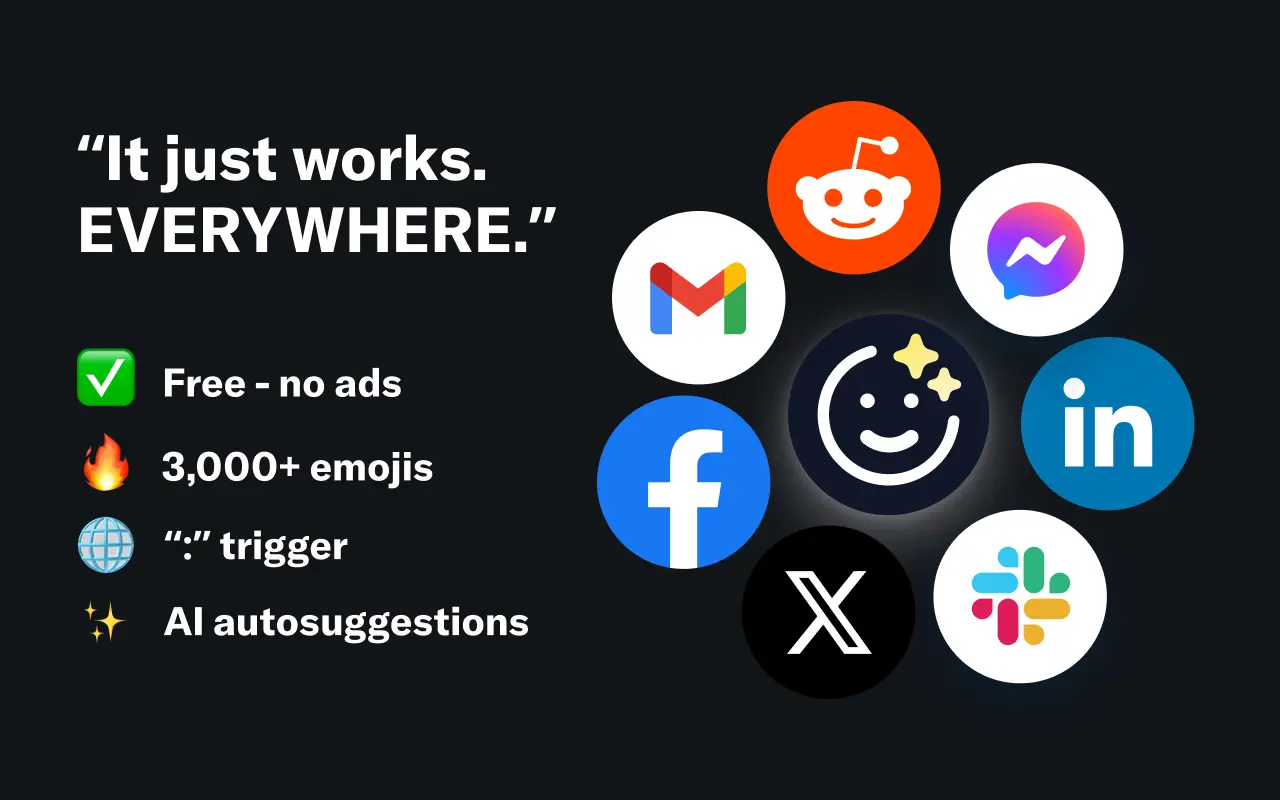
EmojAI
AI-powered emoji picker with smart, context-aware suggestions 🤖
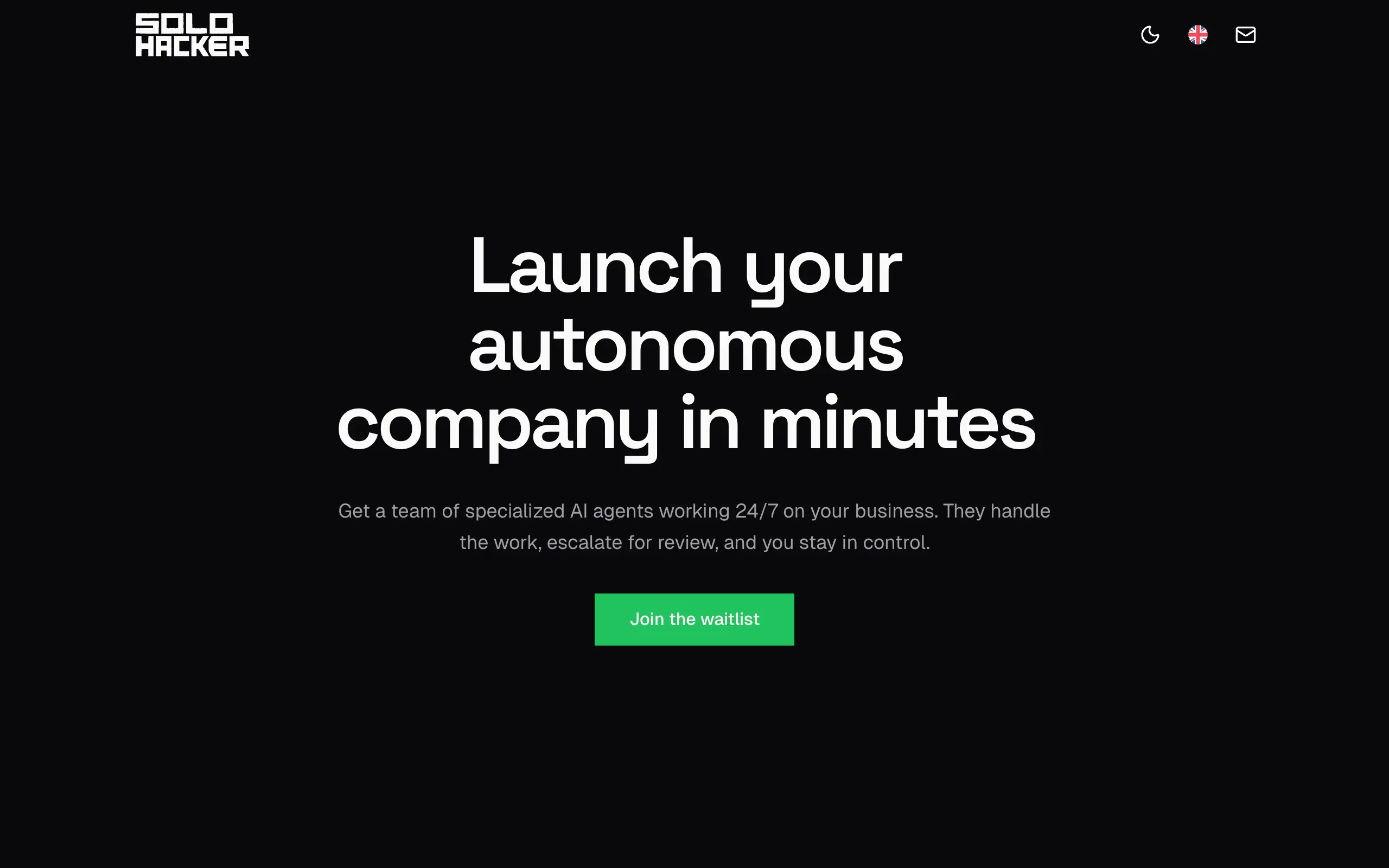
Solohacker
Autonomous company launcher - AI agents work 24/7, escalate what matters, and you stay in control 🤖
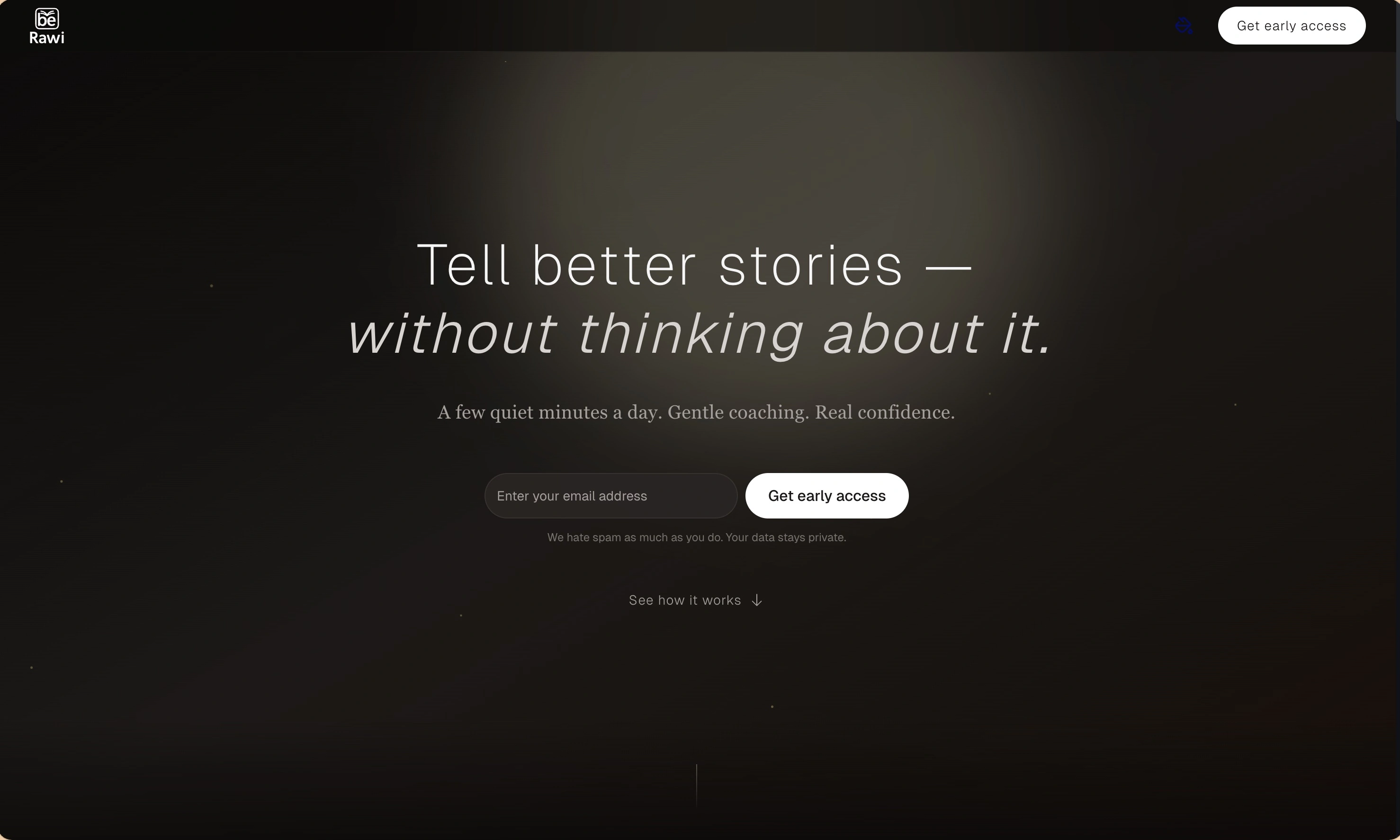
BeRawi: Storytelling Coach
Practice storytelling daily with instant feedback to sound clearer, more engaging, and confident 🎤
Omichat
Chat with 50+ AI models, including ChatGPT and Claude, in one place - switch models anytime without losing context 🤖
Claude Fast
Supercharge your Claude Code with 6x effective context window and specialized AI agents 🤖
EmojAI
AI-powered emoji picker with smart, context-aware suggestions 🤖
Solohacker
Autonomous company launcher - AI agents work 24/7, escalate what matters, and you stay in control 🤖
BeRawi: Storytelling Coach
Practice storytelling daily with instant feedback to sound clearer, more engaging, and confident 🎤
Omichat
Chat with 50+ AI models, including ChatGPT and Claude, in one place - switch models anytime without losing context 🤖
Claude Fast
Supercharge your Claude Code with 6x effective context window and specialized AI agents 🤖
EmojAI
AI-powered emoji picker with smart, context-aware suggestions 🤖
Solohacker
Autonomous company launcher - AI agents work 24/7, escalate what matters, and you stay in control 🤖
BeRawi: Storytelling Coach
Practice storytelling daily with instant feedback to sound clearer, more engaging, and confident 🎤
Omichat
Chat with 50+ AI models, including ChatGPT and Claude, in one place - switch models anytime without losing context 🤖
Claude Fast
Supercharge your Claude Code with 6x effective context window and specialized AI agents 🤖
EmojAI
AI-powered emoji picker with smart, context-aware suggestions 🤖
Solohacker
Autonomous company launcher - AI agents work 24/7, escalate what matters, and you stay in control 🤖
BeRawi: Storytelling Coach
Practice storytelling daily with instant feedback to sound clearer, more engaging, and confident 🎤

Connect with like-minded people
Join our community to get feedback, support, and grow together with 1,000+ builders on board, let's ship it!
Join usShip your startup everywhere. In minutes.
Don't burn tokens on setup and start building features on day one.