RoomieResolve
A confidential AI-guided platform for hostel maintenance, roommate concerns, and grievance tracking with escalation reminders and status transparency.
RoomieResolve is an AI-guided hostel grievance management platform designed for a problem that is often underestimated: shared-living issues are not simply operational tickets. A broken fan, noisy roommate, damaged bathroom fixture, blocked corridor, harassment concern, or unresolved security complaint can affect a resident’s safety, academic performance, mental wellbeing, and trust in the institution.
For hostels, dormitories, student residences, co-living operators, and managed accommodation providers, informal communication channels create a predictable failure pattern. Residents report issues through WhatsApp groups, phone calls, wardens, reception desks, or word of mouth. Requests get lost, ownership is unclear, sensitive complaints feel unsafe to report, and managers cannot reliably prove what happened or when.
RoomieResolve addresses this gap with confidential reporting, AI-guided intake, transparent status tracking, maintenance workflows, roommate concern management, automated reminders, and documented escalation paths. The product is positioned not merely as a ticketing system, but as a resident trust and accountability layer for shared accommodation.
Why AI hostel grievance management software matters now
Hostel operators are under growing pressure to deliver better resident experiences while managing limited facilities teams, rotating staff, high complaint volume, and increasingly complex safety expectations. Traditional helpdesk tools can capture tickets, but they rarely account for the emotional and operational complexity of residential complaints.
A resident reporting a leaking tap needs a quick maintenance workflow. A resident reporting intimidation by a roommate needs privacy, trauma-aware language, access controls, a clear escalation process, and protection from accidental exposure. Treating both cases as identical “tickets” creates risk.
AI hostel grievance management software can help accommodation teams distinguish urgency, gather the right details, suggest appropriate next steps, and ensure that a complaint is neither ignored nor mishandled.
The core product insight
RoomieResolve should treat every report as a structured accountability record, while still giving residents a simple and reassuring experience. The interface can feel conversational, but the operational data behind it must be auditable.
The market is also moving toward self-service, real-time status visibility, and mobile-first interactions. Students and young professionals expect to track a delivery, banking request, or support ticket from their phone. Residential grievance reporting should offer comparable transparency without compromising confidentiality.
Target audience for RoomieResolve
RoomieResolve has a multi-sided customer base. Product strategy should distinguish between the institution that pays, the staff members who operate the platform, and the residents who rely on it.
Primary buyers are hostel operators and institutions
The strongest initial customer segments are organizations with meaningful residential populations and recurring service requests.
- "Universities and colleges" can use RoomieResolve for student dormitories, residential halls, international student housing, and campus hostels.
- "Private hostel operators" can standardize reporting across one or multiple buildings.
- "Co-living brands" can use the platform to manage maintenance, cleanliness, resident disputes, and property-level service quality.
- "Boarding schools" can create a more structured route for student concerns while enforcing safeguarding rules.
- "Corporate accommodation providers" can support employees living in company-managed residences.
- "Property management companies" can offer grievance tracking as a premium operational service for managed shared housing.
The ideal early buyer is likely an operator with 200 to 2,000 beds, a central facilities or residence-life team, and an existing problem with fragmented complaint channels. These organizations are large enough to feel the pain of poor coordination but often too small to procure a complex enterprise service management suite.
Daily users include resident-facing teams
Several user roles need different dashboards and permissions.
Residents
Submit maintenance requests or sensitive concerns, add evidence, receive updates, and understand escalation options without exposing unnecessary personal data.
Wardens and residence managers
Triage reports, coordinate action, communicate with residents, and monitor unresolved cases across their buildings.
Facilities teams
Receive categorized work orders, document repairs, update service status, and identify repeat maintenance failures.
Student support and safeguarding teams
Handle restricted cases that involve wellbeing, harassment, discrimination, threats, or serious roommate disputes.
Leadership and compliance teams
Review service levels, escalation performance, complaint trends, and audit records without accessing sensitive details by default.
Residents need safety, speed, and proof
The resident experience should be designed around a simple truth: people delay reporting when they expect embarrassment, retaliation, dismissal, or administrative complexity.
A strong resident-facing workflow should answer these questions immediately:
- Can I report this privately?
- Do I need to know the correct department?
- Will someone acknowledge my issue?
- Can I see what is happening after I submit it?
- What can I do if nothing changes?
- Will the person I am reporting find out that it was me?
RoomieResolve should reduce the cognitive load of reporting. Residents should describe the issue in everyday language, attach optional images or documents where appropriate, select anonymity or confidentiality preferences, and receive a clear case reference.
The market gap in hostel maintenance and roommate complaint workflows
Most accommodation teams use a patchwork of tools rather than a dedicated grievance operating system. Common substitutes include spreadsheets, email inboxes, QR-code forms, generic ticketing platforms, building-management software, and messaging applications.
Each option solves part of the problem but introduces a new weakness.
| Approach | Strength | Operational weakness | Confidentiality fit | RoomieResolve opportunity |
|---|---|---|---|---|
| WhatsApp or SMS | Fast and familiar | Messages get buried and ownership is unclear | Low | Convert informal reports into trackable cases |
| Spreadsheets | Flexible and low cost | Manual updates and poor resident visibility | Low to medium | Provide workflow automation and access controls |
| Generic helpdesk | Strong ticketing basics | Not designed for sensitive residence-life cases | Medium | Add residential categories and protected workflows |
| Property management software | Useful for assets and leases | Often weak for interpersonal complaints and escalations | Medium | Unify maintenance and grievance accountability |
| Paper forms or office visits | Familiar for some organizations | Slow, inaccessible, and difficult to audit | Variable | Offer mobile-first, multilingual reporting |
The defensible gap is not simply “another helpdesk for hostels.” It is the intersection of:
- Maintenance ticket management
- Resident dispute documentation
- Confidential grievance intake
- Automated escalation
- Clear status transparency
- Role-based privacy
- Actionable operations analytics
That combination is especially valuable because maintenance issues and human concerns often overlap. A persistent room hygiene complaint may be a facilities issue, a roommate conflict, a health concern, or all three. RoomieResolve can route the case without forcing residents to understand internal departmental structures.
RoomieResolve’s unique value proposition
RoomieResolve should position itself as:
A confidential AI-guided grievance and maintenance platform that helps shared-living operators resolve resident issues fairly, visibly, and on time.
The unique selling proposition is the platform’s ability to make sensitive reporting easier for residents and accountability easier for operators.
Unlike a generic support inbox, RoomieResolve can guide each report through the correct level of care. Unlike an anonymous form, it can still maintain a structured case history, escalation timeline, and operational ownership. Unlike an asset-only maintenance platform, it recognizes that resident wellbeing and roommate dynamics require specialized workflows.
What makes the platform different
The product can stand out through five connected capabilities.
- "AI-guided intake" helps residents explain concerns in plain language and turns them into structured case data.
- "Confidentiality controls" allow residents and administrators to set visibility boundaries based on issue type and institutional policy.
- "Smart triage" identifies maintenance, safety, interpersonal, sanitation, and urgent categories without relying entirely on manual sorting.
- "Escalation automation" reminds owners before service-level deadlines are missed and routes overdue cases to the next responsible role.
- "Status transparency" gives residents meaningful progress updates without exposing sensitive internal notes or staff details.
The strongest marketing message should avoid promising that AI “solves” serious interpersonal conflict. Instead, RoomieResolve helps institutions respond consistently, document decisions, reduce delays, and make appropriate human intervention easier.
Core features for an AI grievance management platform
A successful MVP needs enough depth to create trust without becoming a full campus operating system. The first version should focus on the complete lifecycle from report submission to verified resolution.
AI-guided resident reporting
The reporting experience should begin with a conversational but controlled intake flow. Residents can select an issue category or type a natural-language description such as “My roommate keeps entering my side of the room and I do not feel comfortable talking to him.”
The AI layer can then ask only relevant clarifying questions:
- Is anyone in immediate danger?
- Does the resident want their identity restricted?
- Is this issue ongoing or a one-time event?
- Is a specific room, asset, or shared facility involved?
- Are photos, dates, or supporting documents available?
- Would the resident like to request a follow-up conversation?
The system should provide neutral, respectful wording and never make legal, medical, disciplinary, or safety determinations on its own.
Use AI for guidance, not final judgment
Sensitive grievances require a human-reviewed workflow. AI can summarize, categorize, detect missing details, and suggest urgency flags, but trained staff should make final routing and intervention decisions for high-risk reports.
Structured categories and case types
RoomieResolve should support separate case templates for different issue classes. This is essential for clean analytics, appropriate permissioning, and accurate service-level targets.
Useful initial categories include:
- Maintenance and repair requests
- Cleaning and sanitation concerns
- Internet, electricity, water, and utility issues
- Security and access concerns
- Noise and quiet-hours complaints
- Roommate conflict and shared-space disputes
- Harassment, bullying, discrimination, or intimidation reports
- Lost property or damage reports
- Feedback and general grievances
Each category should have configurable fields, priority rules, assigned teams, and escalation policies. For example, a blocked drain may route to facilities, while a harassment report routes only to authorized safeguarding staff.
Confidential and anonymous reporting modes
Confidentiality is a core product requirement rather than an optional feature. RoomieResolve should distinguish clearly between several reporting modes.
The resident’s identity is visible to designated case handlers. This is appropriate for most maintenance tasks where staff need access to a room or need to contact the resident.
The resident’s identity is stored by the platform but hidden from most operational users. Only authorized safeguarding or senior residence staff can reveal it based on policy.
The resident does not provide identifying information. The platform can still issue a private case code or secure follow-up link, though investigation options may be more limited.
The interface must explain the practical limits of anonymity. For instance, an anonymous report may prevent staff from entering a specific room, gathering additional context, or providing individualized follow-up. This transparency is essential to trust.
Case status transparency
Status updates should be understandable to residents. Generic labels such as “in progress” are insufficient when a case has remained open for days.
A useful status model could include:
- Submitted
- Acknowledged
- Under review
- Assigned to the responsible team
- Action scheduled
- Resolved pending confirmation
- Closed
- Escalated
Residents should see a clear timeline with timestamps, public-facing notes, expected next steps, and an option to confirm that the issue is resolved. Internal notes must remain separate from the resident timeline.
Smart assignment and escalation reminders
The system should assign cases based on building, floor, category, severity, staff workload, and predefined rules. Automatic escalation prevents a case from disappearing because a staff member is busy, absent, or unsure who owns it.
Example escalation logic might work like this:
type CaseRule = {
  category: "maintenance" | "roommate_conflict" | "safety";
  priority: "low" | "normal" | "high" | "urgent";
  acknowledgmentHours: number;
  resolutionHours: number;
  escalateTo: string;
};

const rules: CaseRule[] = [
  {
    category: "maintenance",
    priority: "normal",
    acknowledgmentHours: 12,
    resolutionHours: 72,
    escalateTo: "facilities_manager"
  },
  {
    category: "safety",
    priority: "urgent",
    acknowledgmentHours: 1,
    resolutionHours: 8,
    escalateTo: "residence_director"
  }
];
In production, escalation rules should be configurable by each organization. A university residence hall may have different policies from a private co-living building.
Secure communication and evidence management
Residents and staff need a secure way to exchange information without moving the conversation back to informal channels. Core capabilities should include:
- In-app case comments with role-aware visibility
- Optional file and image uploads
- Redaction support for uploaded documents
- A record of status changes and assignments
- Notifications through email, push notifications, or SMS where approved
- A secure resident portal for anonymous or confidential case follow-up
Evidence retention policies should be configurable. Operators may need different retention periods based on local regulations, institutional policy, or the nature of the complaint.
Operational dashboards and insights
Leadership does not need access to every sensitive case detail to understand operational performance. RoomieResolve should provide privacy-respecting analytics such as:
- Average acknowledgment time by building
- Average resolution time by case category
- Percentage of tickets resolved within target
- Number of overdue cases
- Reopened case rate
- Recurring assets or maintenance hotspots
- Complaint volume by building or floor
- Anonymous reporting trends
- Escalation frequency
- Resident satisfaction after resolution
Trend reporting can uncover structural problems. If the same wing generates repeated plumbing complaints, the issue may be an aging infrastructure problem rather than individual maintenance failures. If roommate concerns spike during move-in season, residence teams may need better onboarding and shared-living expectations.
Recommended tech stack for RoomieResolve
RoomieResolve should be built as a secure, multi-tenant SaaS application with a mobile-first interface and a clear separation between resident-facing data and internal case records.
A practical modern stack could include React and Next.js for the web application, TypeScript for type safety, and Tailwind CSS for a consistent interface system.
Frontend architecture
Use Next.js with server-side capabilities for authenticated dashboards, fast initial page loads, and secure backend endpoints. The resident interface should prioritize accessibility, translation readiness, responsive layouts, and low-bandwidth performance.
Key frontend considerations include:
- Accessible forms with descriptive error states
- Support for keyboard navigation and screen readers
- Clear urgency messaging without alarming language
- Draft saving for longer sensitive reports
- Mobile camera upload support
- Progressive web app capabilities for easier resident access
- Localization for multilingual accommodation communities
Backend and data layer
A relational database is the right foundation because the product has structured relationships across organizations, buildings, rooms, residents, staff, cases, messages, service-level rules, audit events, and permissions.
PostgreSQL is a strong choice for the primary database. Use a managed platform such as Supabase or a managed PostgreSQL provider if speed to market matters. PostgreSQL also supports row-level security patterns that can reinforce tenant and role isolation.
A recommended data model includes:
- Organization
- Building
- Floor
- Room
- Resident profile
- Staff profile
- Role and permission set
- Case
- Case category
- Assignment
- Timeline event
- Internal note
- Resident-visible message
- Attachment metadata
- Escalation policy
- Audit event
AI architecture and trade-offs
An LLM can be valuable for intake assistance, categorization, summarization, translation support, and drafting empathetic status updates. However, the AI component should be constrained by policy-driven workflows and careful data handling.
For example, use AI to produce structured output:
{
  "suggested_category": "roommate_conflict",
  "suggested_priority": "high",
  "requires_human_review": true,
  "missing_information": [
    "Whether there is an immediate safety risk",
    "Preferred contact method"
  ],
  "resident_facing_summary": "The report describes an ongoing shared-room boundary concern."
}
The trade-off is clear. AI improves speed and consistency, but sending sensitive resident data to an external model provider can create privacy, contractual, and compliance risks. Organizations should be able to disable AI features, limit which fields are processed, or use data-minimizing prompts.
Never train models on customer case data without explicit contractual permission. For highly sensitive deployments, consider private model infrastructure or a provider configuration that contractually restricts retention and training.
Authentication and authorization
For fast adoption, support email magic links, password login, and institution-managed single sign-on. Auth.js is a practical option for authentication in Next.js applications.
Authorization needs more than basic admin and user roles. Implement granular permissions such as:
- Residents can access only their own submitted cases.
- Facilities staff can view maintenance cases assigned to their building.
- Wardens can view operational cases in their residence scope.
- Safeguarding staff can access restricted categories.
- Organization administrators can configure workflows but cannot automatically read all confidential case content.
- Auditors can view immutable audit logs with limited content access.
Infrastructure, observability, and notifications
A production-ready platform needs operational resilience, especially when residents report urgent issues outside office hours.
Use:
- A cloud hosting provider with regional deployment options
- Encrypted object storage for attachments
- Background job processing for notifications and escalations
- Error monitoring and application observability
- Automated database backups
- Rate limiting and abuse prevention
- An incident response process for security events
For product teams that want to reduce setup time, TurboStarter can accelerate the SaaS foundation with starter architecture and common product building blocks. The implementation team should still conduct a dedicated privacy and security review before launching grievance workflows.
Monetization strategy for RoomieResolve
RoomieResolve is well suited to B2B SaaS pricing because the organization receives the primary operational and compliance value, while residents benefit from the service.
Recommended pricing model
A tiered subscription based on active beds or resident capacity is easier for operators to understand than per-seat pricing. Facilities teams and residents may need many accounts, so charging strictly per admin seat can discourage adoption.
Possible plans include:
- "Starter" for a single residence with core reporting, maintenance workflows, and basic dashboards.
- "Growth" for multi-building operators needing custom categories, service-level agreements, advanced analytics, and integrations.
- "Enterprise" for universities and large co-living portfolios requiring SSO, dedicated onboarding, audit exports, custom retention policies, API access, and enhanced support.
A platform fee plus a per-bed monthly charge can align revenue with customer scale. Annual billing should be the default for institutional customers because residential operations follow academic years and property contracts.
Additional revenue opportunities
RoomieResolve can expand revenue without compromising the core value proposition.
- Premium implementation and workflow configuration
- Data migration from legacy forms and spreadsheets
- Custom reporting for leadership or accreditation needs
- White-label resident portal branding
- SMS notification credits
- Integration packages for property management, student information, or access-control systems
- Staff training for complaint handling and service-level operations
- Portfolio analytics for multi-site operators
Avoid charging residents directly. A resident-paid model could undermine trust and create unequal access to a grievance channel.
Competitive advantage and defensibility
The most direct competitors are generic ticketing products, property management systems, resident-experience platforms, and internal form-based workflows. RoomieResolve does not need to replace every system. It needs to become the trusted system of record for resident issues that otherwise fall between systems.
A focused vertical product wins on workflow depth
Generic products can create forms and queues. They usually do not provide purpose-built workflows for roommate conflict, confidential reporting, safeguarding restrictions, escalation transparency, or the relationship between a physical room and a resident concern.
RoomieResolve can build defensibility through:
- Deep category templates and escalation policies for shared accommodation
- Role-specific permission models for residence staff
- Historical issue data connected to rooms, buildings, and assets
- Configurable confidentiality and anonymity options
- Institution-specific policy workflows
- Benchmarking insights across properties using aggregated and privacy-preserving data
- Integrations that make RoomieResolve difficult to remove after adoption
The product should avoid trying to compete on “AI chatbot” features alone. AI capabilities are increasingly easy to replicate. The durable advantage is the workflow design, trusted case history, policy configuration, operational integrations, and domain-specific data model.
Privacy, safety, and compliance risks
A grievance platform handles potentially sensitive information. This creates meaningful responsibilities. The startup should involve legal, security, and safeguarding advisors early, especially before serving educational institutions or minors.
Key risks to address
Residents may disclose personal, health-related, disciplinary, or safety information. Use encryption in transit and at rest, least-privilege permissions, tenant isolation, audit logs, and regular access reviews.
An AI model may underestimate urgency or route a sensitive case incorrectly. Require human review for high-risk classifications, offer obvious emergency guidance, and continuously evaluate classification outcomes.
A resident may fear that a roommate, warden, or staff member will learn about the report. Make confidentiality settings explicit, restrict identity access, and log every reveal of confidential information.
Notifications can fail or staff can ignore them. Use multiple escalation channels, monitor job failures, provide overdue dashboards, and define a clear after-hours responsibility model.
A platform should not declare allegations true or false. Preserve neutral language, keep an audit trail, establish fair investigation workflows, and allow institutions to document outcomes appropriately.
Practical compliance approach
Compliance requirements differ by country and customer type. Rather than making broad certification claims early, RoomieResolve should establish a measurable security program.
Priorities include:
- Publish a clear privacy policy and data processing terms.
- Define data retention and deletion procedures.
- Conduct vendor security assessments for AI, email, analytics, and file storage providers.
- Maintain access logs and incident response playbooks.
- Complete regular penetration testing as the product matures.
- Support customer data export and deletion requests where applicable.
- Document how sensitive reports are handled by staff.
For market-facing credibility, the company can eventually pursue relevant assurance frameworks based on customer demand. Legal counsel should determine the obligations that apply in each operating region.
Go-to-market strategy for RoomieResolve
The best initial go-to-market strategy is not broad consumer acquisition. It is a focused B2B motion targeting operators with visible operational pain.
Start with a narrow beachhead
A strong early segment could be private student accommodation and independent hostel chains. These buyers often have immediate maintenance challenges, need reputation protection, and can make purchasing decisions faster than large public institutions.
Create a focused sales narrative around outcomes:
- Fewer lost complaints
- Faster acknowledgment and resolution
- Better resident satisfaction
- Less administrative chasing
- Stronger management visibility
- More reliable documentation
- Earlier detection of recurring building problems
A pilot should be designed around a single building or residence cluster. The goal is not just usage. It is proving improvements in acknowledgment time, resolution time, overdue case volume, and resident confidence in reporting.
Build credibility with practitioner expertise
To demonstrate E-E-A-T, RoomieResolve should include real operational expertise in its content and product development process. Interview residence directors, hostel wardens, facilities managers, student support staff, and safeguarding experts.
Content can include:
- A guide to setting fair hostel complaint service levels
- A maintenance escalation checklist for residential operators
- A roommate conflict documentation template
- A privacy guide for anonymous grievance reporting
- A benchmark report based on aggregated and anonymized product data once sufficient scale exists
When publishing data-backed claims, cite primary research or respected industry reports. If specific statistics are used, include the publication name, year, methodology, and source URL only after verification. This approach improves trust and avoids unsupported marketing claims.
A practical MVP roadmap
The initial product should prioritize reliable workflows over an overly broad feature set. A simple but trustworthy platform will outperform a feature-heavy system that staff cannot configure or residents do not trust.
Define the first customer profile. Interview at least 15 hostel operators, wardens, facilities managers, and residents to validate categories, response expectations, privacy concerns, and current workarounds.
Map the end-to-end case lifecycle. Document how a maintenance issue, roommate conflict, and urgent safety concern should be received, assigned, updated, escalated, and closed.
Build the resident reporting portal. Include mobile-first submission, category selection, optional confidentiality preferences, attachment upload, case reference generation, and status tracking.
Build the staff dashboard. Deliver triage queues, assignment, internal notes, resident-visible updates, service-level timers, and escalation notifications.
Add a carefully constrained AI layer. Start with categorization, missing-detail prompts, case summaries, and translation assistance rather than autonomous decision-making.
Pilot with one operationally engaged customer. Measure response time, closure time, staff adoption, repeat issue rates, and resident satisfaction before expanding the feature set.
Harden security and integrations. Add single sign-on, audit exports, data retention controls, property system integrations, and more granular permissions as larger customers require them.
Metrics that prove RoomieResolve is working
The product team should track metrics that reflect both efficiency and resident trust. A high closure rate alone can be misleading if cases are closed without adequate resolution.
Useful product and business metrics include:
- Percentage of residents who receive acknowledgment within the target window
- Median time to resolution by case type
- Percentage of cases escalated due to missed targets
- Reopened case rate
- Resident satisfaction after closure
- Percentage of reports submitted through the official platform rather than informal channels
- Staff workload distribution
- Repeat maintenance issue rate by room or asset
- Anonymous versus named report adoption
- Net revenue retention across multi-building customers
- Time from pilot launch to paid rollout
For sensitive grievance workflows, also track qualitative feedback. Residents may report that the platform feels safer, clearer, or easier to use even before quantitative operational gains are fully visible.
Final perspective
RoomieResolve can occupy an important position in the shared-living technology market by turning fragmented, stressful, and often invisible resident complaints into accountable workflows.
The opportunity is not to automate empathy away. It is to give residents a clearer path to be heard, give staff the context and reminders needed to act, and give operators evidence that their residential experience is improving.
A successful launch should begin with a narrow, high-confidence use case: maintenance reporting and transparent escalation in a pilot residence. Once the platform proves it can reliably capture, assign, update, and resolve operational issues, RoomieResolve can expand into the more differentiated layer of confidential roommate concerns and grievance management.
The long-term advantage will come from trust. If residents trust the reporting process, staff trust the workflow, and operators trust the data, RoomieResolve can become the essential operating system for fairer, safer, and better-managed shared accommodation.
More 🤖 AI Startup SaaS ideas
Discover more innovative ai startup SaaS ideas that are trending in 2026. Each idea is AI-generated with market validation and growth potential to help you find your next profitable venture faster than competitors.
Your competitors are building with TurboStarter
Below are some of the SaaS ideas that have been generated and built with our starter kit.
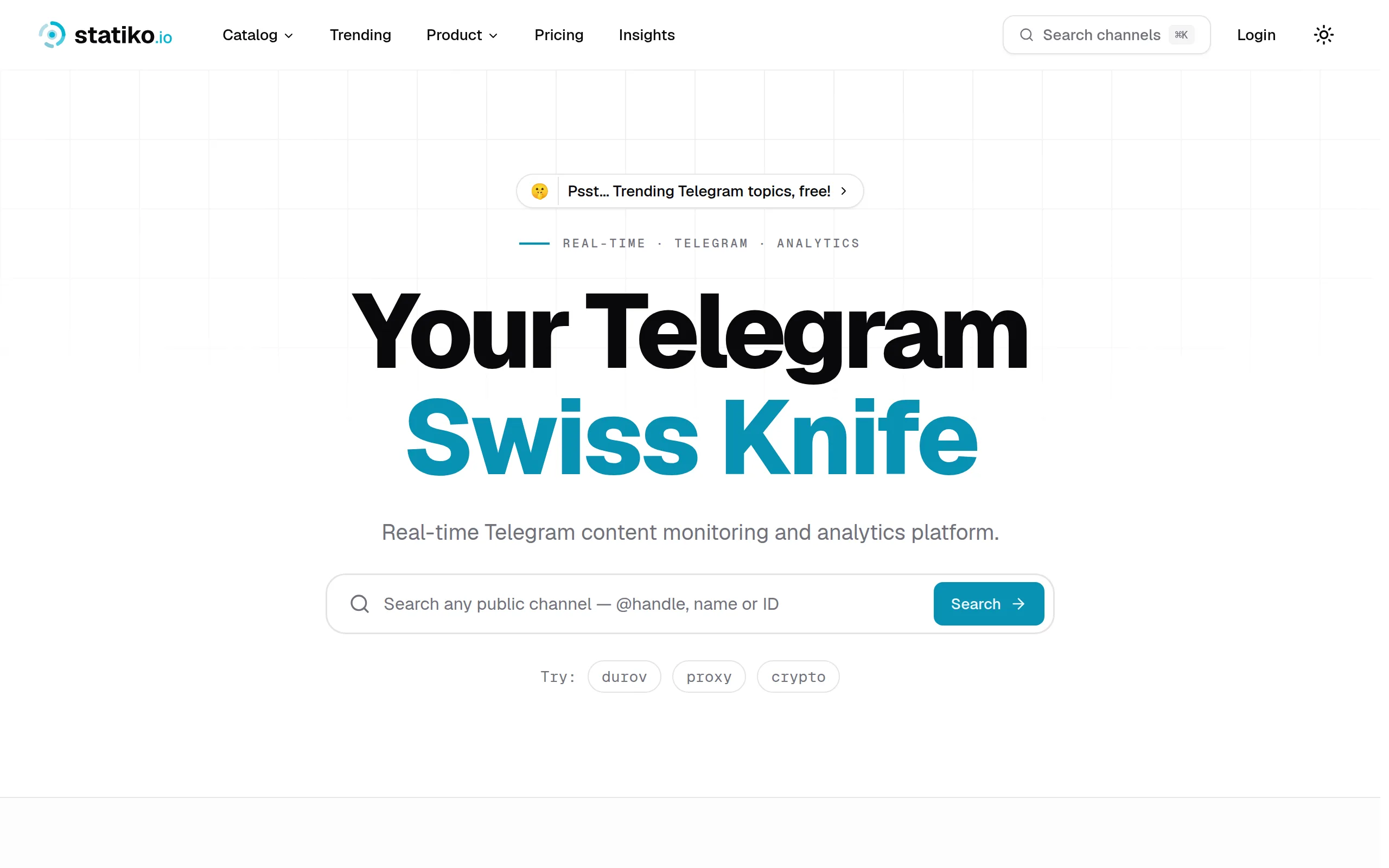
Statiko
Monitor any Telegram channel in real time - track posts, edits, deletions, and growth with AI recaps 📡

Shibui
AI website builder - describe your business, pick a niche template, edit by chatting, and publish instantly ✨
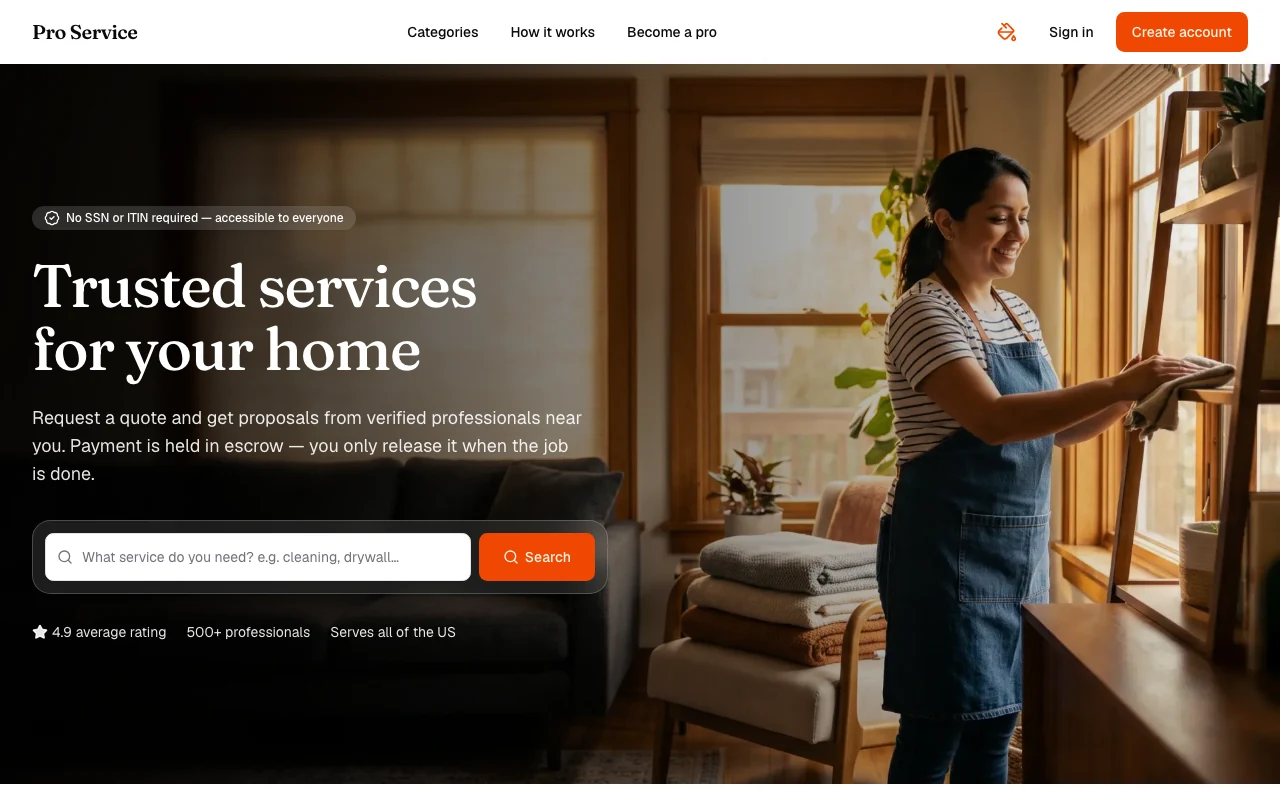
Pro Service
Find verified home service professionals, compare quotes, and pay securely through escrow - built for Brazilians across the US 🏠
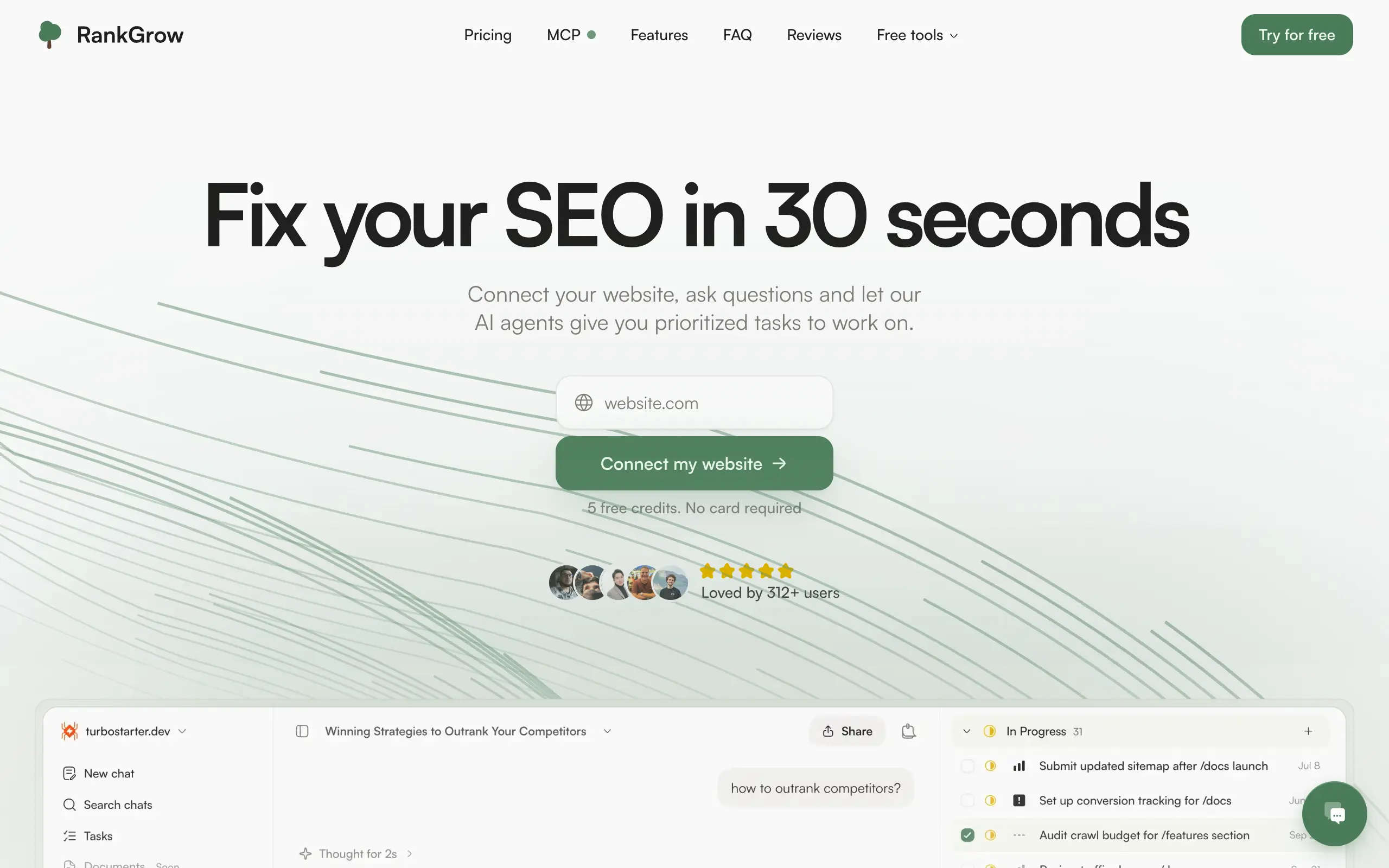
RankGrow
Fix your SEO with AI agents - connect Search Console, get prioritized tasks, and grow organic traffic 📈
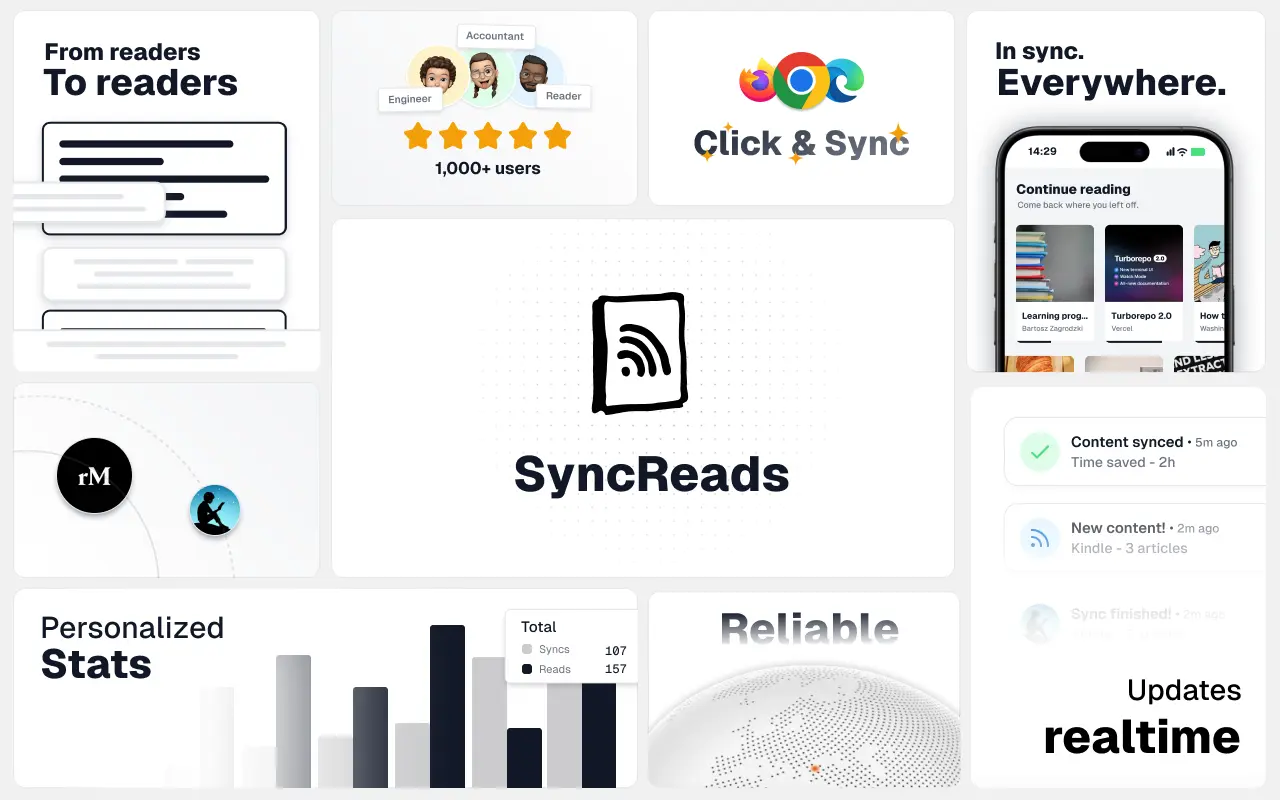
SyncReads
Sync your favorite content for distraction-free reading, save time and replace multiple apps. Anytime, anywhere 🔄
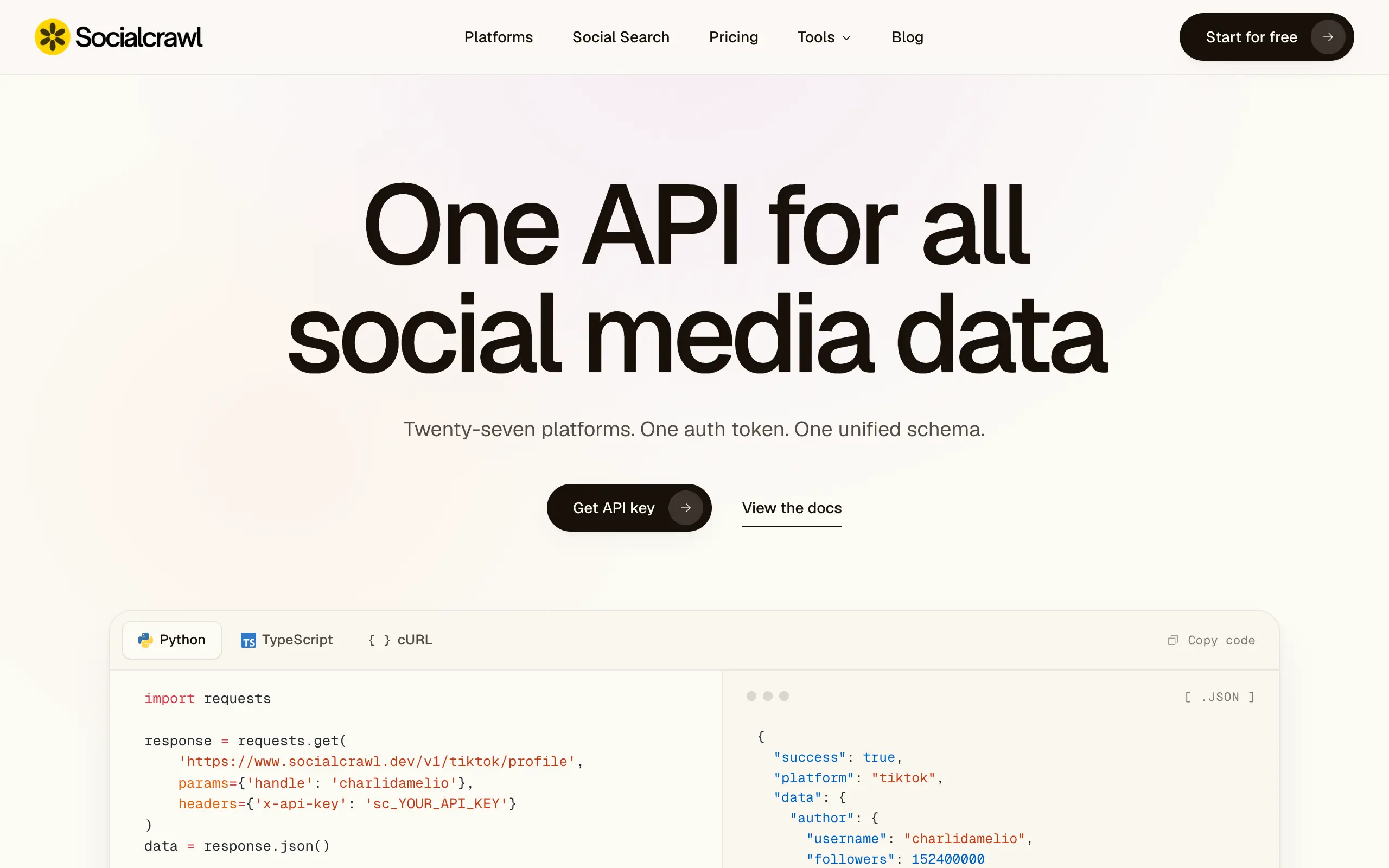
Socialcrawl
Get clean, structured data from 21 platforms like TikTok, Instagram, and YouTube with a single request 📊
Statiko
Monitor any Telegram channel in real time - track posts, edits, deletions, and growth with AI recaps 📡
Shibui
AI website builder - describe your business, pick a niche template, edit by chatting, and publish instantly ✨
Pro Service
Find verified home service professionals, compare quotes, and pay securely through escrow - built for Brazilians across the US 🏠
RankGrow
Fix your SEO with AI agents - connect Search Console, get prioritized tasks, and grow organic traffic 📈
SyncReads
Sync your favorite content for distraction-free reading, save time and replace multiple apps. Anytime, anywhere 🔄
Socialcrawl
Get clean, structured data from 21 platforms like TikTok, Instagram, and YouTube with a single request 📊
Statiko
Monitor any Telegram channel in real time - track posts, edits, deletions, and growth with AI recaps 📡
Shibui
AI website builder - describe your business, pick a niche template, edit by chatting, and publish instantly ✨
Pro Service
Find verified home service professionals, compare quotes, and pay securely through escrow - built for Brazilians across the US 🏠
RankGrow
Fix your SEO with AI agents - connect Search Console, get prioritized tasks, and grow organic traffic 📈
SyncReads
Sync your favorite content for distraction-free reading, save time and replace multiple apps. Anytime, anywhere 🔄
Socialcrawl
Get clean, structured data from 21 platforms like TikTok, Instagram, and YouTube with a single request 📊
Statiko
Monitor any Telegram channel in real time - track posts, edits, deletions, and growth with AI recaps 📡
Shibui
AI website builder - describe your business, pick a niche template, edit by chatting, and publish instantly ✨
Pro Service
Find verified home service professionals, compare quotes, and pay securely through escrow - built for Brazilians across the US 🏠
RankGrow
Fix your SEO with AI agents - connect Search Console, get prioritized tasks, and grow organic traffic 📈
SyncReads
Sync your favorite content for distraction-free reading, save time and replace multiple apps. Anytime, anywhere 🔄
Socialcrawl
Get clean, structured data from 21 platforms like TikTok, Instagram, and YouTube with a single request 📊
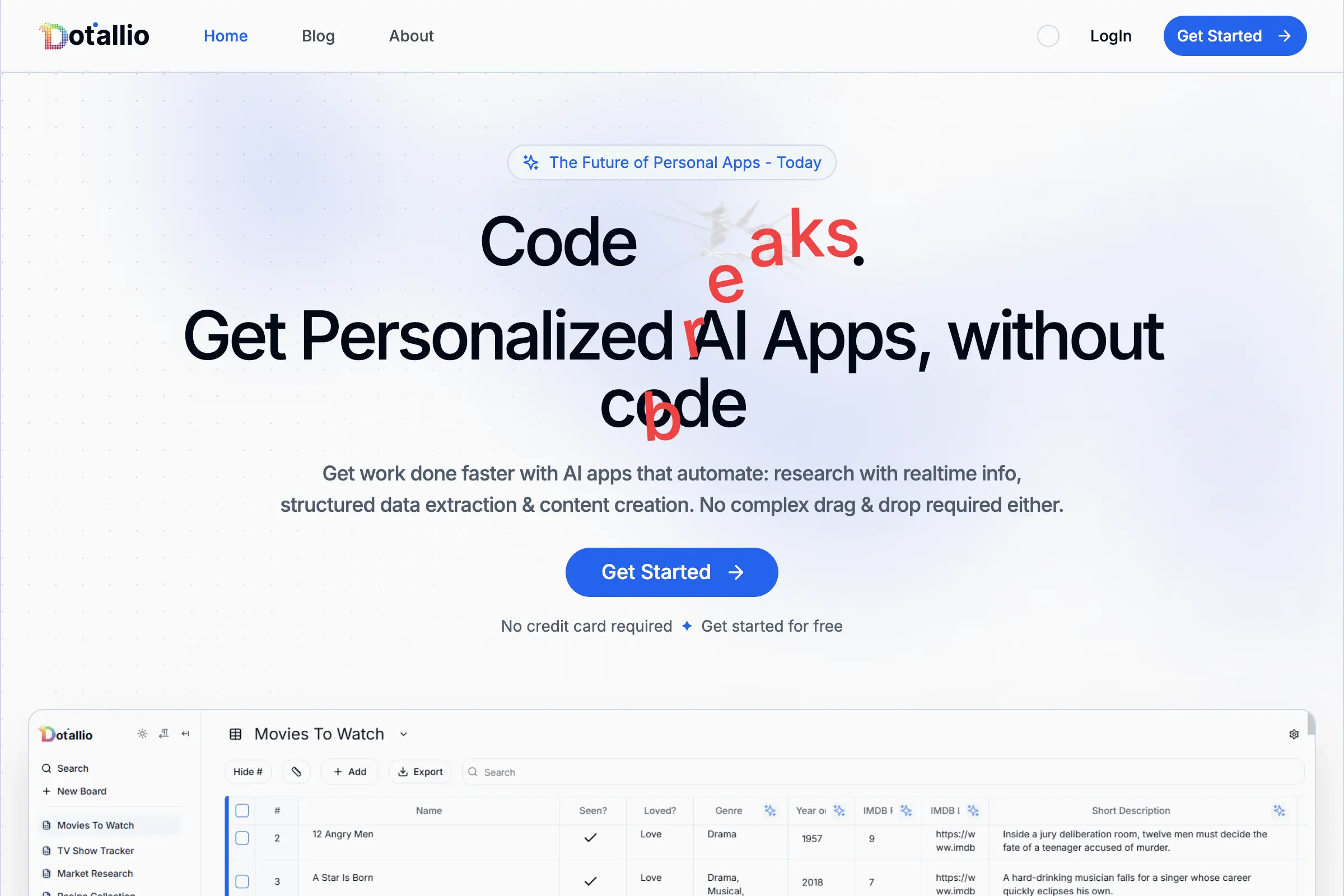
Dotallio
Personalized AI apps that automate research, data extraction, and content creation without code 🤖
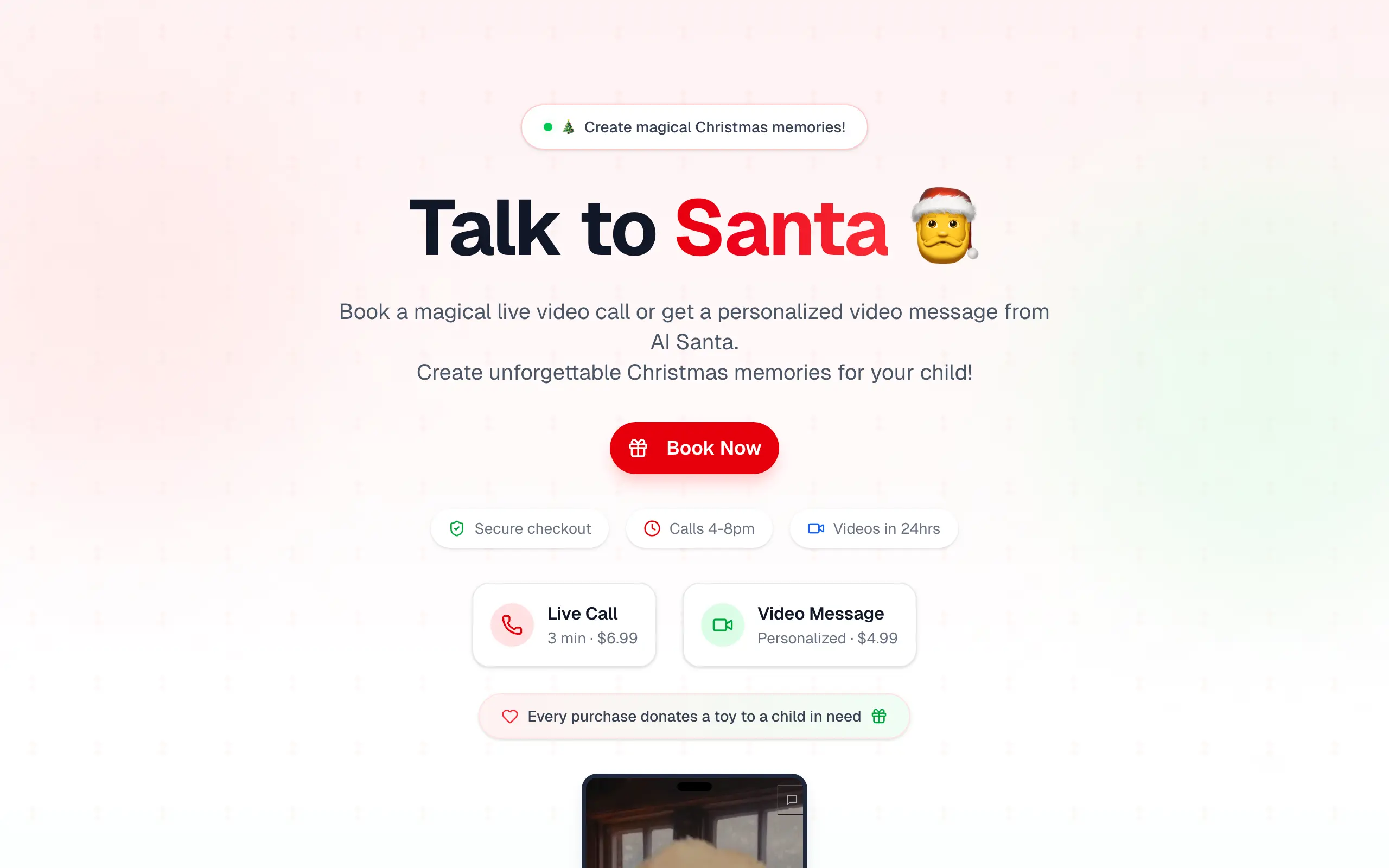
Talk to Santa
Enjoy a magical live video chat or receive a unique AI-generated video greeting from Santa Claus 🎅
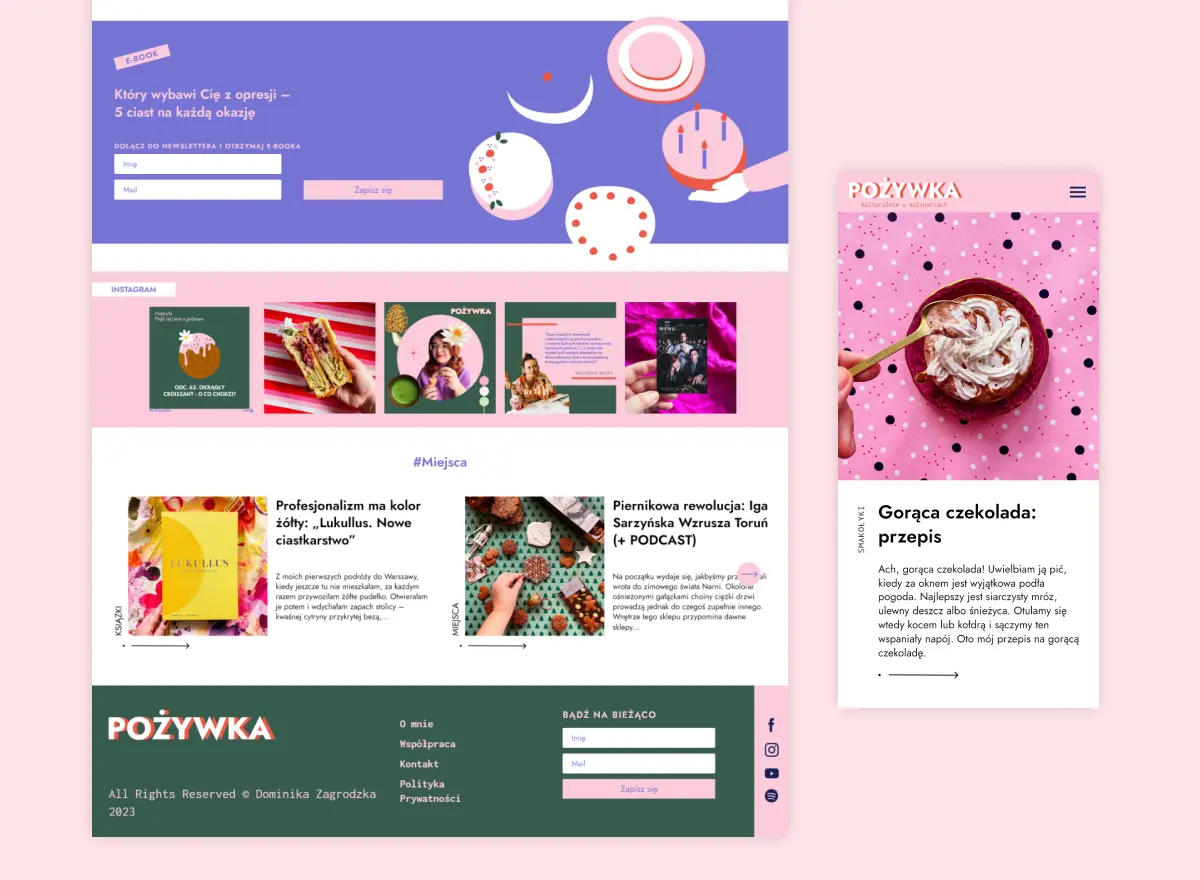
pozywka.pl
Scalable blog for food journalist, focused on performance and user experience 🌭
zagrodzki.me
Personal blog and portfolio of Bart Zagrodzki, where he shares his knowledge and work 💼
TurboStarter
Ship your startup everywhere. In minutes.
HTML to Markdown
Convert HTML to Markdown with ease, directly in your browser 📄
Dotallio
Personalized AI apps that automate research, data extraction, and content creation without code 🤖
Talk to Santa
Enjoy a magical live video chat or receive a unique AI-generated video greeting from Santa Claus 🎅
pozywka.pl
Scalable blog for food journalist, focused on performance and user experience 🌭
zagrodzki.me
Personal blog and portfolio of Bart Zagrodzki, where he shares his knowledge and work 💼
TurboStarter
Ship your startup everywhere. In minutes.
HTML to Markdown
Convert HTML to Markdown with ease, directly in your browser 📄
Dotallio
Personalized AI apps that automate research, data extraction, and content creation without code 🤖
Talk to Santa
Enjoy a magical live video chat or receive a unique AI-generated video greeting from Santa Claus 🎅
pozywka.pl
Scalable blog for food journalist, focused on performance and user experience 🌭
zagrodzki.me
Personal blog and portfolio of Bart Zagrodzki, where he shares his knowledge and work 💼
TurboStarter
Ship your startup everywhere. In minutes.
HTML to Markdown
Convert HTML to Markdown with ease, directly in your browser 📄
Dotallio
Personalized AI apps that automate research, data extraction, and content creation without code 🤖
Talk to Santa
Enjoy a magical live video chat or receive a unique AI-generated video greeting from Santa Claus 🎅
pozywka.pl
Scalable blog for food journalist, focused on performance and user experience 🌭
zagrodzki.me
Personal blog and portfolio of Bart Zagrodzki, where he shares his knowledge and work 💼
TurboStarter
Ship your startup everywhere. In minutes.
HTML to Markdown
Convert HTML to Markdown with ease, directly in your browser 📄
Omichat
Chat with 50+ AI models, including ChatGPT and Claude, in one place - switch models anytime without losing context 🤖
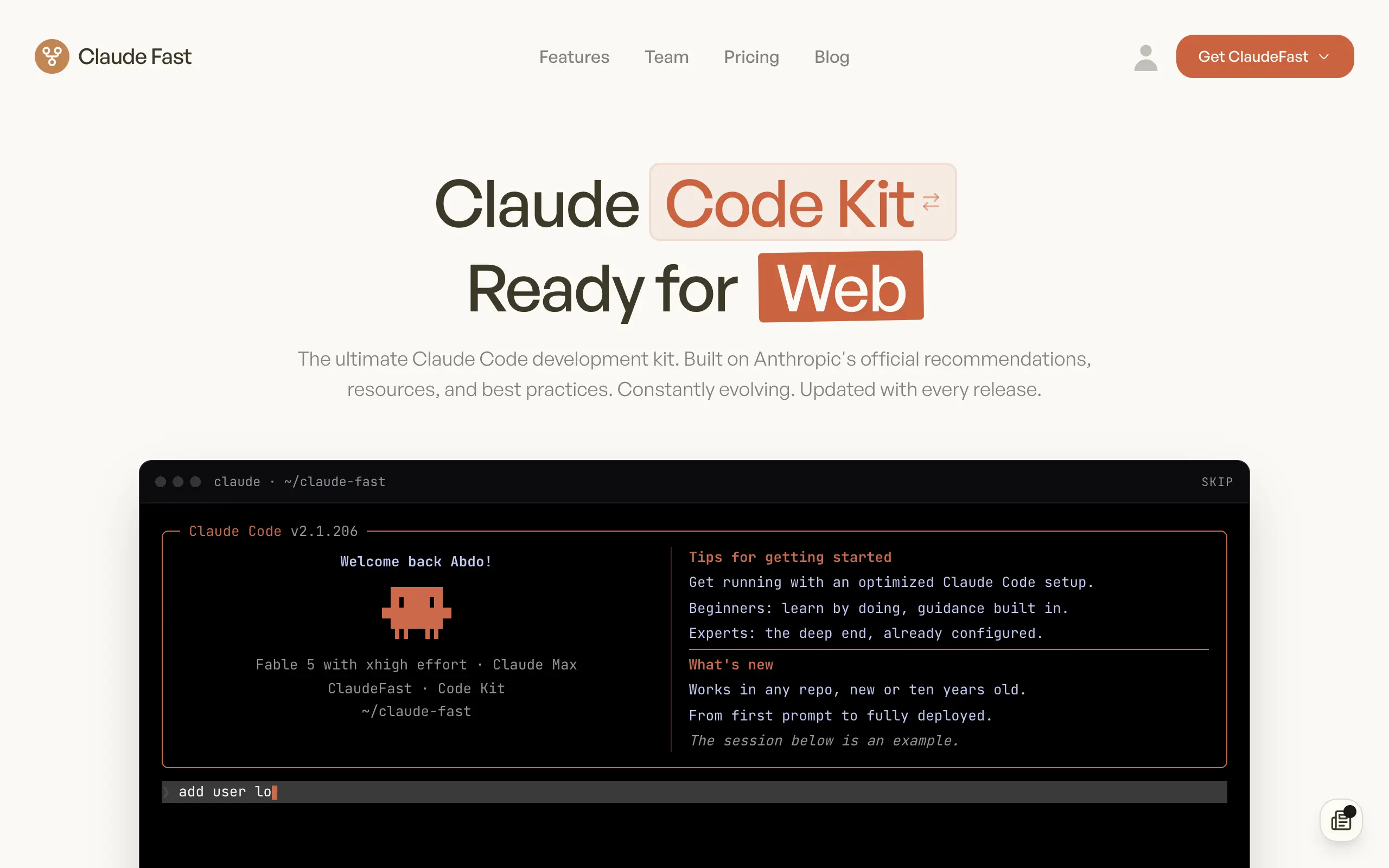
Claude Fast
Supercharge your Claude Code with 6x effective context window and specialized AI agents 🤖
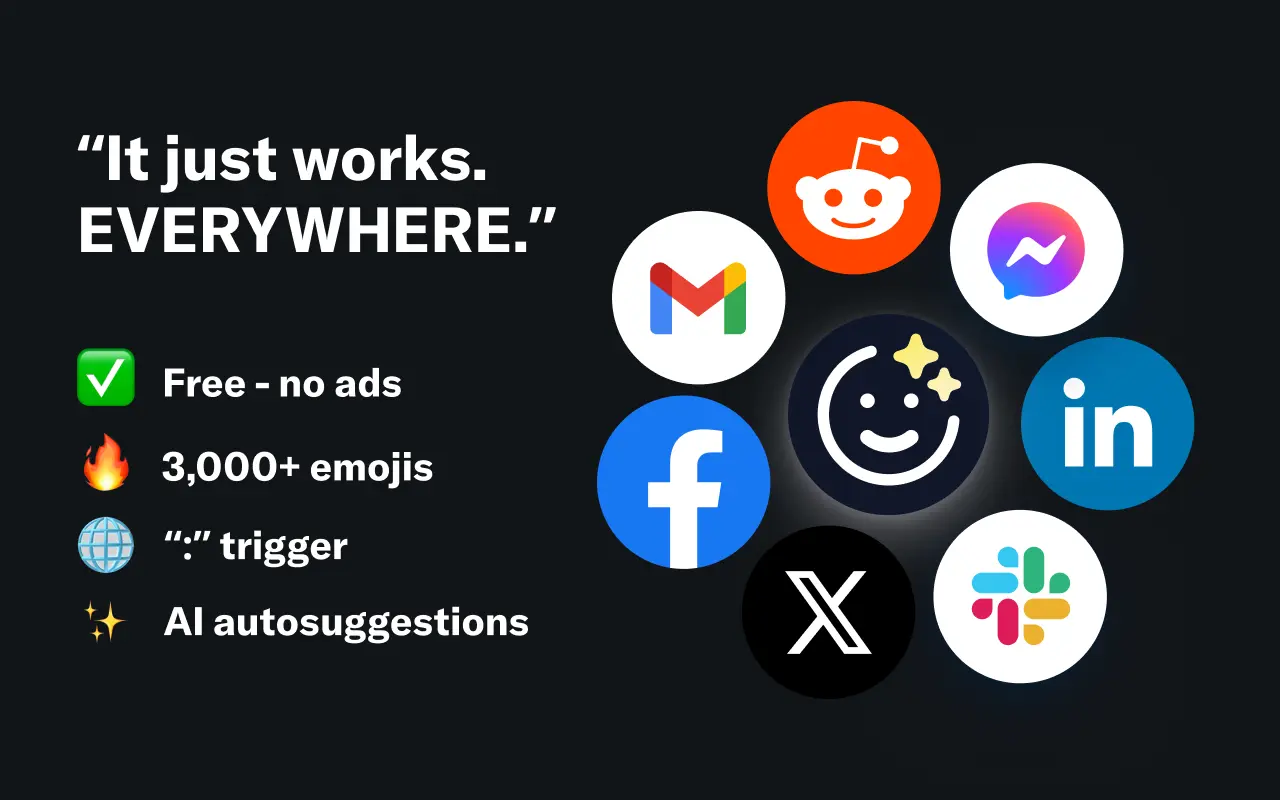
EmojAI
AI-powered emoji picker with smart, context-aware suggestions 🤖
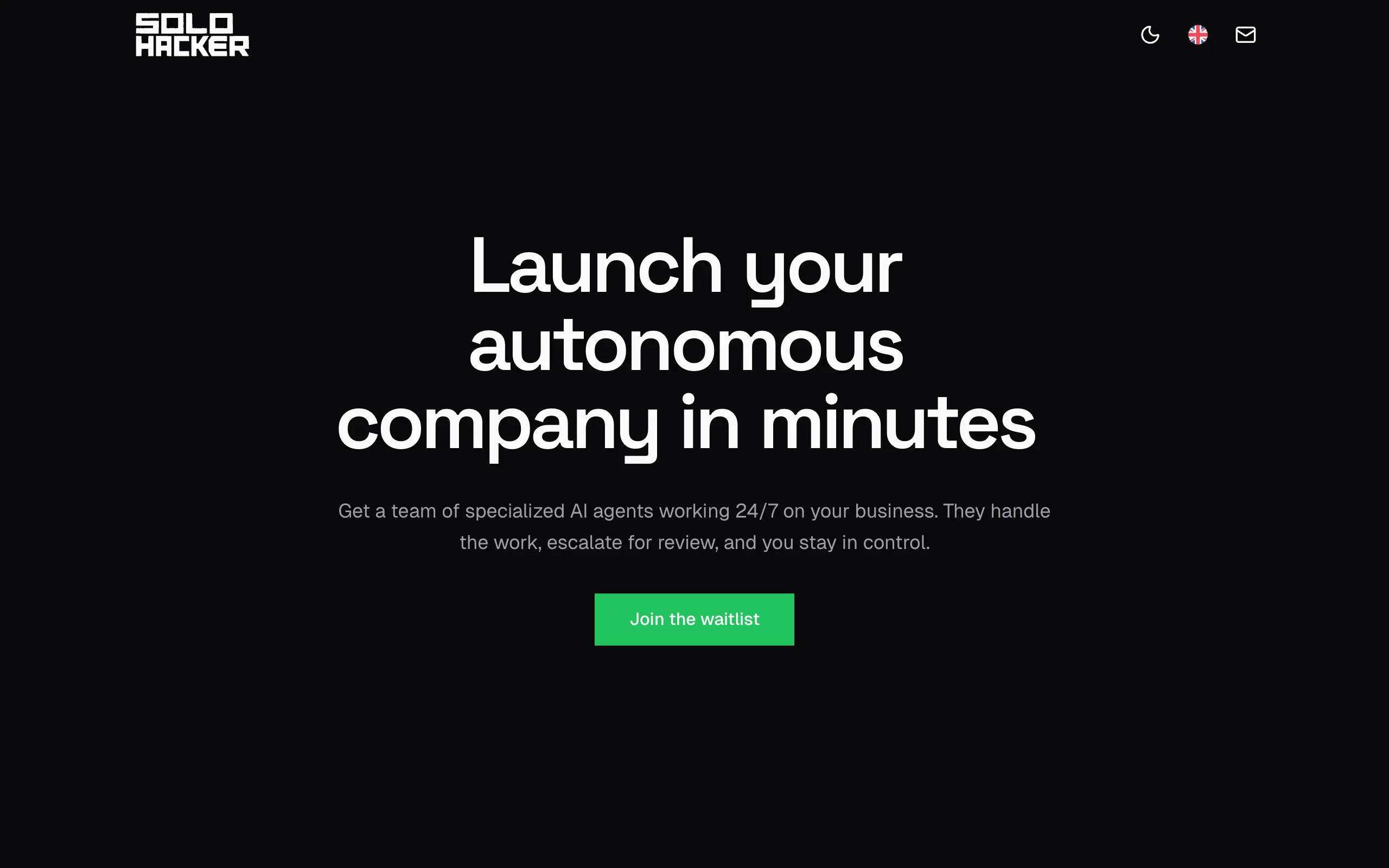
Solohacker
Autonomous company launcher - AI agents work 24/7, escalate what matters, and you stay in control 🤖
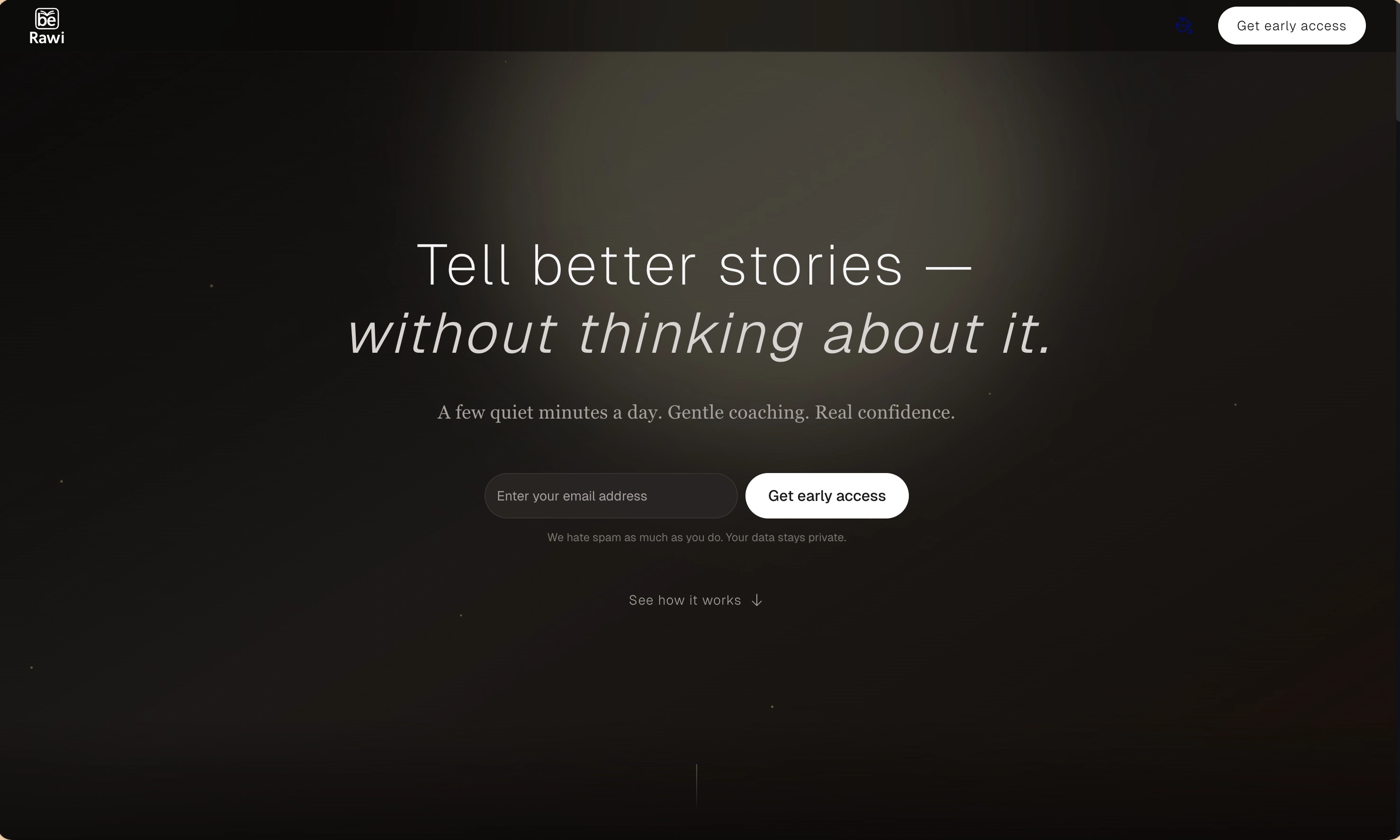
BeRawi: Storytelling Coach
Practice storytelling daily with instant feedback to sound clearer, more engaging, and confident 🎤
Omichat
Chat with 50+ AI models, including ChatGPT and Claude, in one place - switch models anytime without losing context 🤖
Claude Fast
Supercharge your Claude Code with 6x effective context window and specialized AI agents 🤖
EmojAI
AI-powered emoji picker with smart, context-aware suggestions 🤖
Solohacker
Autonomous company launcher - AI agents work 24/7, escalate what matters, and you stay in control 🤖
BeRawi: Storytelling Coach
Practice storytelling daily with instant feedback to sound clearer, more engaging, and confident 🎤
Omichat
Chat with 50+ AI models, including ChatGPT and Claude, in one place - switch models anytime without losing context 🤖
Claude Fast
Supercharge your Claude Code with 6x effective context window and specialized AI agents 🤖
EmojAI
AI-powered emoji picker with smart, context-aware suggestions 🤖
Solohacker
Autonomous company launcher - AI agents work 24/7, escalate what matters, and you stay in control 🤖
BeRawi: Storytelling Coach
Practice storytelling daily with instant feedback to sound clearer, more engaging, and confident 🎤
Omichat
Chat with 50+ AI models, including ChatGPT and Claude, in one place - switch models anytime without losing context 🤖
Claude Fast
Supercharge your Claude Code with 6x effective context window and specialized AI agents 🤖
EmojAI
AI-powered emoji picker with smart, context-aware suggestions 🤖
Solohacker
Autonomous company launcher - AI agents work 24/7, escalate what matters, and you stay in control 🤖
BeRawi: Storytelling Coach
Practice storytelling daily with instant feedback to sound clearer, more engaging, and confident 🎤

Connect with like-minded people
Join our community to get feedback, support, and grow together with 1,000+ builders on board, let's ship it!
Join usShip your startup everywhere. In minutes.
Don't burn tokens on setup and start building features on day one.