RoomVibe AI
Transform your living space with AI-generated interior design styles, complete with furniture suggestions and color schemes based on your input.
Understanding the need for AI-powered interior design solutions
The way we design and personalize our living spaces is rapidly evolving. With the rise of remote work, urbanization, and a growing emphasis on wellness at home, people are seeking more efficient, creative, and accessible ways to transform their interiors. Traditional interior design services can be expensive, time-consuming, and often out of reach for the average consumer. This is where RoomVibe AI steps in—leveraging artificial intelligence to democratize interior design by providing instant, personalized style recommendations, furniture suggestions, and color schemes tailored to user preferences.
In this comprehensive guide, we'll explore the market opportunity for RoomVibe AI, analyze its target audience, break down its core features, discuss the recommended tech stack, and outline a clear path to market success. Whether you're an entrepreneur, product manager, or developer, this article will equip you with the insights needed to understand and potentially implement a solution like RoomVibe AI.
Who is RoomVibe AI for? Target audience analysis
Understanding the target audience is crucial for any SaaS product, especially in the interior design space where user needs and expectations are highly diverse. RoomVibe AI is designed to serve a broad yet clearly defined set of users:
1. Homeowners and renters
- DIY enthusiasts: Individuals who enjoy decorating and personalizing their spaces but lack professional design expertise.
- First-time homeowners: People moving into a new home who want to make it their own without hiring an expensive designer.
- Renters: Those looking for non-permanent, budget-friendly design solutions.
2. Real estate professionals
- Realtors and property managers: Professionals seeking to stage properties virtually to attract buyers or tenants.
- Short-term rental hosts: Airbnb and vacation rental owners aiming to optimize their space for guest appeal.
3. Interior design professionals
- Freelance designers: Looking for AI-powered tools to streamline their workflow and offer quick mockups to clients.
- Design agencies: Interested in integrating AI to scale their services and reduce manual effort.
4. Furniture retailers and e-commerce platforms
- Retailers: Wanting to provide customers with interactive, AI-driven room styling experiences to boost sales.
User intent insight
RoomVibe AI primarily addresses users seeking inspiration, validation, and actionable design solutions—delivering instant, tailored recommendations that bridge the gap between idea and implementation.
Identifying the market opportunity and gaps
The global interior design market is projected to reach $255.4 billion by 2027 (source). Yet, several pain points persist:
- High cost and inaccessibility: Traditional design services are often unaffordable for the average consumer.
- Time-consuming process: Scheduling consultations, revisions, and sourcing products can take weeks or months.
- Lack of personalization: Many online tools offer generic templates, failing to capture individual tastes and needs.
- Overwhelming choices: Users are often paralyzed by the sheer volume of furniture and decor options online.
How RoomVibe AI fills the gap
- Instant, AI-driven recommendations: Users receive personalized design styles, furniture suggestions, and color palettes within minutes.
- Affordability: SaaS pricing models make professional-grade design accessible to a wider audience.
- Seamless integration: Furniture suggestions can be linked directly to e-commerce platforms for easy purchasing.
- User empowerment: The platform enables users to experiment with different styles and layouts risk-free.
Core features and solution details
RoomVibe AI's value proposition lies in its ability to deliver a seamless, end-to-end interior design experience powered by artificial intelligence. Let's break down the essential features:
1. AI-powered style generation
- Personalized design styles: Users input preferences (e.g., modern, bohemian, minimalist), room dimensions, and existing furniture.
- Visual mockups: AI generates photorealistic room renderings reflecting the selected style.
2. Furniture and decor suggestions
- Curated product lists: The system recommends furniture and decor items that match the generated style, budget, and room size.
- Direct shopping links: Integration with major retailers for one-click purchasing.
3. Color scheme recommendations
- AI-driven palettes: Suggests harmonious color schemes based on user input and current design trends.
- Visualization tools: Users can preview different color combinations in their virtual room.
4. User-friendly interface
- Drag-and-drop editing: Allows users to swap out furniture, adjust layouts, and experiment with different looks.
- Mobile and desktop compatibility: Responsive design ensures accessibility across devices.
5. Collaboration and sharing
- Shareable designs: Users can share their room mockups with friends, family, or professionals for feedback.
- Export options: Downloadable design boards and shopping lists.
6. Integration and extensibility
- API access: For partners (e.g., real estate platforms, furniture retailers) to embed RoomVibe AI functionality.
- Third-party integrations: Connect with smart home devices or AR/VR platforms for immersive experiences.
Instant AI design
Get personalized room styles and layouts in minutes.
Smart furniture suggestions
Curated product lists tailored to your taste and budget.
Interactive visualization
Preview color schemes and furniture in your space.
Recommended tech stack for RoomVibe AI
Building a robust, scalable, and user-friendly AI SaaS like RoomVibe AI requires careful selection of technologies. Here’s a recommended stack, with trade-offs and alternatives:
1. Frontend
- React (reactjs.org): Popular for building dynamic, component-based UIs. Large ecosystem and strong community support.
- Next.js (nextjs.org): Enables server-side rendering, SEO optimization, and fast performance.
- Tailwind CSS (tailwindcss.com): Utility-first CSS framework for rapid UI development.
Trade-off: React and Next.js offer flexibility and performance, but may require more setup compared to no-code platforms. However, they provide greater control and scalability.
2. Backend
- Node.js (nodejs.org): Efficient for handling API requests and real-time data.
- Express.js (expressjs.com): Minimalist web framework for building RESTful APIs.
- Python (python.org): Ideal for AI/ML model development and integration.
Trade-off: Node.js is excellent for real-time and API-driven applications, while Python excels in AI/ML. A hybrid approach can leverage the strengths of both.
3. AI/ML infrastructure
- OpenAI API (openai.com): For natural language processing and style generation.
- Stable Diffusion (stability.ai): For generating photorealistic room renderings.
- TensorFlow (tensorflow.org) or PyTorch (pytorch.org): For custom model training and deployment.
4. Database
- PostgreSQL (postgresql.org): Reliable, scalable relational database.
- MongoDB (mongodb.com): Flexible NoSQL option for storing unstructured data.
5. Cloud and DevOps
- AWS (aws.amazon.com), Google Cloud (cloud.google.com), or Azure (azure.microsoft.com): For hosting, storage, and AI/ML services.
- Docker (docker.com): Containerization for easy deployment.
- TurboStarter (TurboStarter): For rapid SaaS prototyping, authentication, and billing integration.
6. Integrations
- Stripe (stripe.com): Payment processing.
- Shopify API (shopify.dev): For furniture retailer integration.
- Twilio (twilio.com): For notifications and messaging.
Why TurboStarter?
TurboStarter accelerates SaaS development by providing pre-built modules for authentication, payments, and user management—allowing you to focus on core AI features and user experience.
Monetization strategy options
A successful SaaS must have a clear path to revenue. RoomVibe AI can employ several monetization models:
1. Freemium model
- Free tier: Basic design generation with limited features.
- Premium tier: Access to advanced AI styles, unlimited room mockups, and exclusive furniture deals.
2. Pay-per-design
- Users pay a one-time fee for each room design or rendering.
3. Subscription plans
- Monthly/annual subscriptions: Unlock all features, priority support, and regular updates.
4. Affiliate partnerships
- Earn commissions by directing users to partner furniture retailers through integrated shopping links.
5. B2B licensing
- Offer API access or white-label solutions to real estate platforms, furniture retailers, or design agencies.
| Freemium | Pay-per-design | Subscription | Affiliate | B2B |
|---|---|---|---|---|
| ✅ | ❌ | ❌ | ✅ | ❌ |
| ✅ | ❌ | ✅ | ✅ | ❌ |
Potential risks and mitigation strategies
Launching an AI-powered SaaS in the interior design space comes with unique challenges. Here’s how to anticipate and address them:
1. AI accuracy and user trust
- Risk: AI-generated designs may not always align with user expectations or real-world feasibility.
- Mitigation: Incorporate user feedback loops, allow manual adjustments, and provide clear disclaimers about AI limitations.
2. Data privacy and security
- Risk: Handling user-uploaded images and personal preferences raises privacy concerns.
- Mitigation: Implement robust encryption, comply with GDPR/CCPA, and be transparent about data usage.
3. Copyright and licensing
- Risk: Using third-party images or product data without proper licensing.
- Mitigation: Partner with retailers for official product feeds and use only licensed image generation models.
4. Market competition
- Risk: Competing with established design platforms and emerging AI startups.
- Mitigation: Focus on unique AI capabilities, superior UX, and strategic partnerships.
5. Technical scalability
- Risk: High demand for AI rendering can strain infrastructure.
- Mitigation: Use scalable cloud services and optimize AI model performance.
By combining AI recommendations with user customization and feedback, RoomVibe AI can continuously improve its design outputs and better match real-world expectations.
RoomVibe AI should prioritize end-to-end encryption, transparent privacy policies, and regular security audits to build user trust.
Competitive advantage analysis
To stand out in a crowded market, RoomVibe AI must offer clear, defensible advantages:
1. Hyper-personalization
- Unlike generic design tools, RoomVibe AI leverages advanced AI to tailor every aspect of the design to individual tastes, room dimensions, and budgets.
2. End-to-end solution
- From inspiration to purchase, users can visualize, customize, and buy—all within a single platform.
3. Speed and accessibility
- Instant design generation and a user-friendly interface make professional-quality design accessible to everyone, not just the affluent.
4. Integration ecosystem
- API and white-label options allow RoomVibe AI to embed its technology into partner platforms, expanding reach and utility.
5. Continuous learning
- The AI improves over time by learning from user interactions, staying ahead of trends and evolving preferences.
Actionable implementation steps
Ready to bring RoomVibe AI to life? Here’s a step-by-step roadmap:
Conclusion: Why RoomVibe AI is the future of interior design
RoomVibe AI is poised to revolutionize the way people design and experience their living spaces. By combining cutting-edge AI with a seamless, user-centric platform, it addresses the core pain points of traditional interior design—cost, accessibility, and personalization. Its unique blend of instant style generation, smart furniture suggestions, and direct shopping integration sets it apart from competitors.
For founders and teams looking to build or scale a solution like RoomVibe AI, leveraging modern tech stacks and platforms like TurboStarter can dramatically accelerate development and reduce time-to-market. The key to long-term success lies in continuous innovation, user trust, and strategic partnerships.
Frequently asked questions
RoomVibe AI uses advanced AI models trained on thousands of interior design images and user preferences. By analyzing your input (style, room size, budget), it generates tailored design mockups and product suggestions.
Yes! The platform integrates with major furniture retailers, allowing you to purchase recommended items with a single click.
Absolutely. RoomVibe AI employs industry-standard encryption and complies with privacy regulations to ensure your data is secure.
Definitely. Interior designers and real estate professionals can use RoomVibe AI to create quick mockups, collaborate with clients, and streamline their workflow.
By addressing real user needs with innovative AI technology, RoomVibe AI is set to become a leader in the next generation of interior design SaaS platforms.
More 🤖 AI Startup SaaS ideas
Discover more innovative ai startup SaaS ideas that are trending in 2026. Each idea is AI-generated with market validation and growth potential to help you find your next profitable venture faster than competitors.
Your competitors are building with TurboStarter
Below are some of the SaaS ideas that have been generated and built with our starter kit.
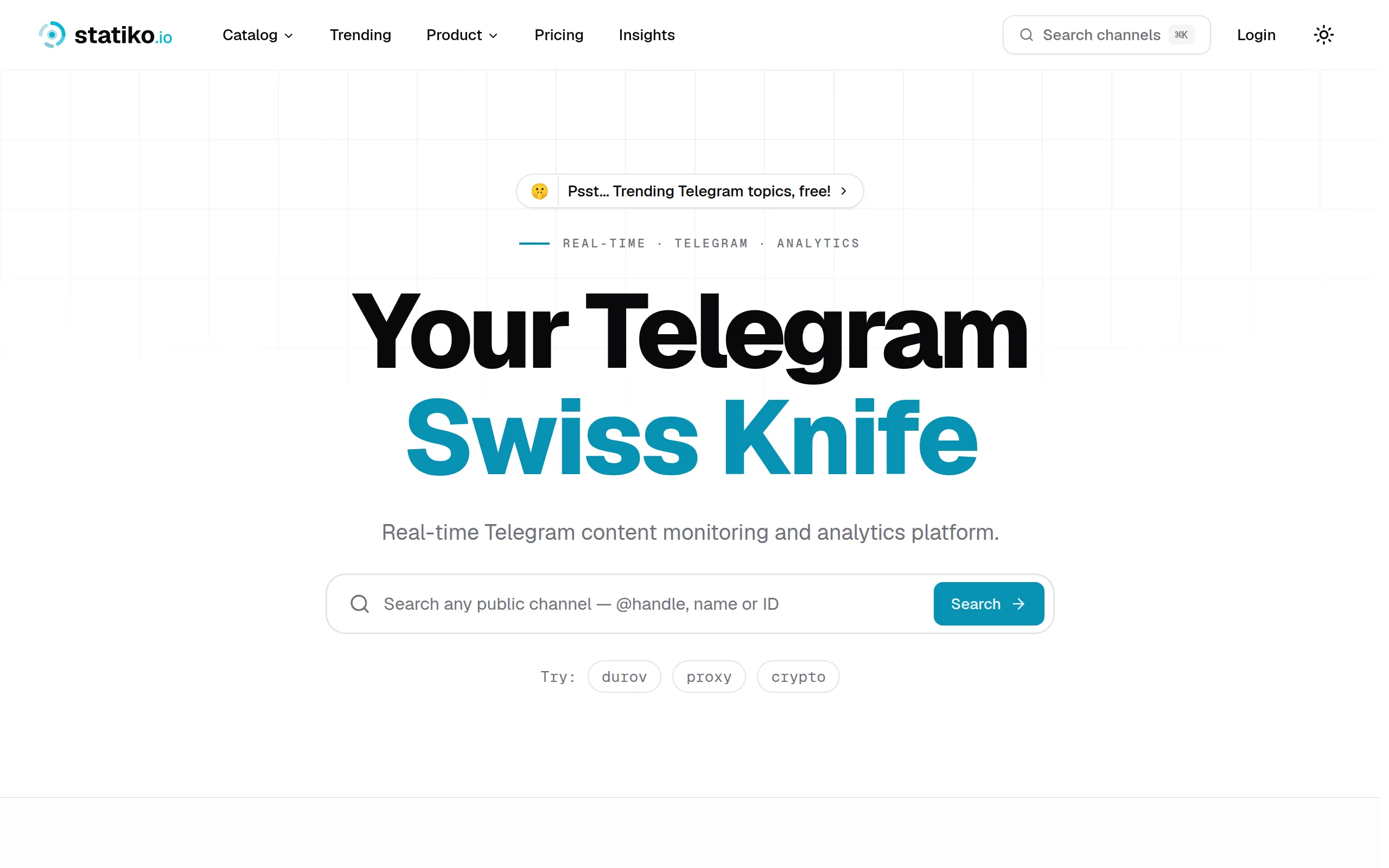
Statiko
Monitor any Telegram channel in real time - track posts, edits, deletions, and growth with AI recaps 📡

Shibui
AI website builder - describe your business, pick a niche template, edit by chatting, and publish instantly ✨

Pro Service
Find verified home service professionals, compare quotes, and pay securely through escrow - built for Brazilians across the US 🏠
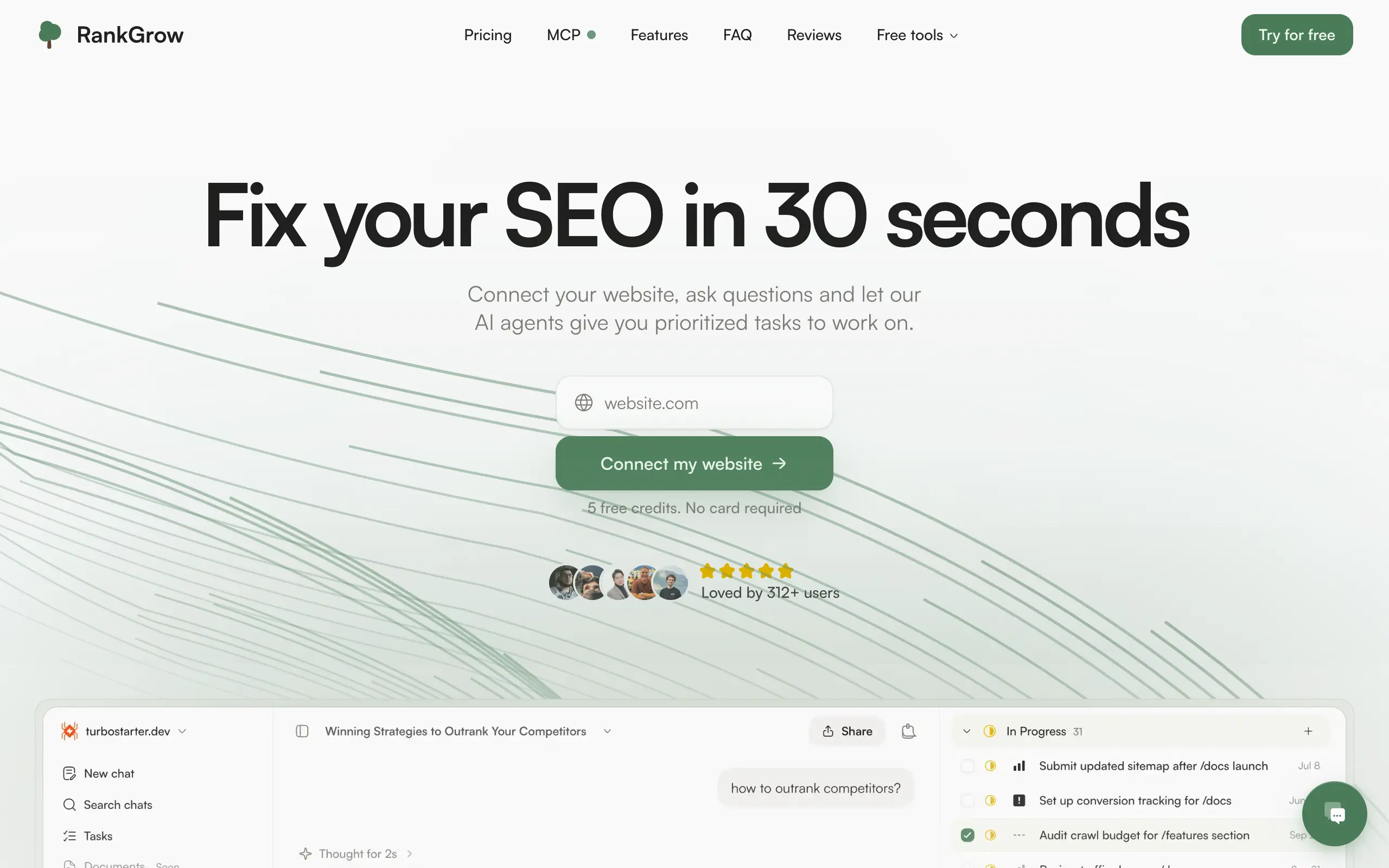
RankGrow
Fix your SEO with AI agents - connect Search Console, get prioritized tasks, and grow organic traffic 📈
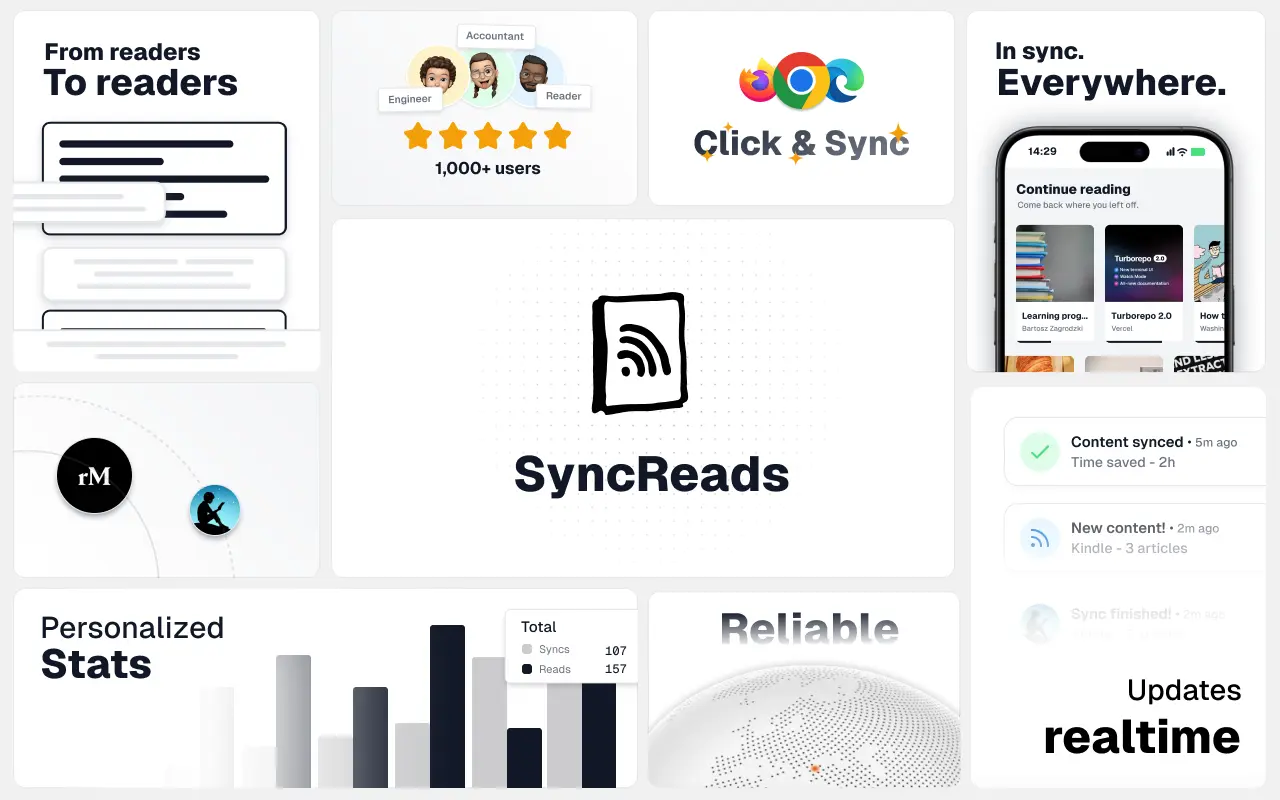
SyncReads
Sync your favorite content for distraction-free reading, save time and replace multiple apps. Anytime, anywhere 🔄
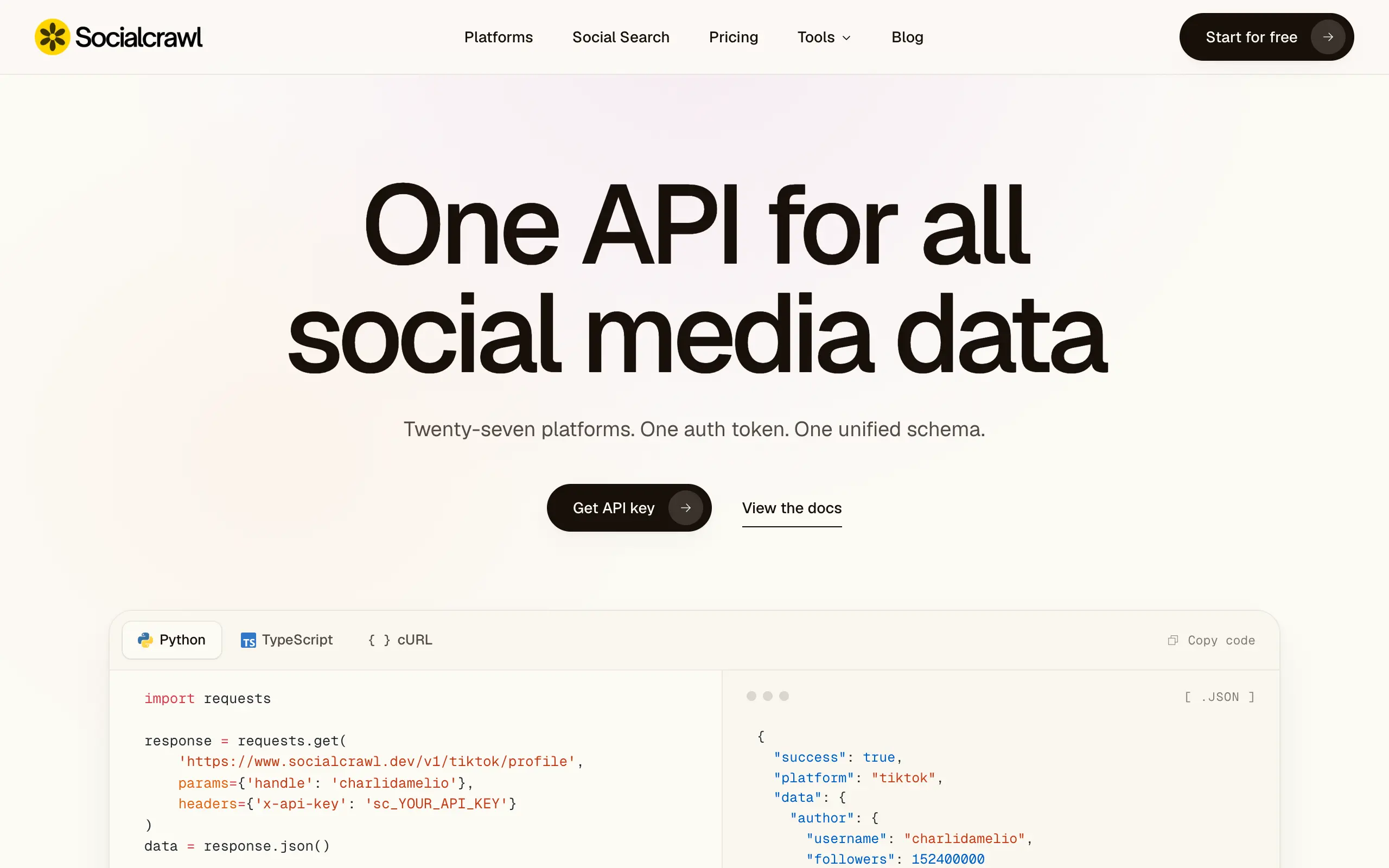
Socialcrawl
Get clean, structured data from 21 platforms like TikTok, Instagram, and YouTube with a single request 📊
Statiko
Monitor any Telegram channel in real time - track posts, edits, deletions, and growth with AI recaps 📡
Shibui
AI website builder - describe your business, pick a niche template, edit by chatting, and publish instantly ✨
Pro Service
Find verified home service professionals, compare quotes, and pay securely through escrow - built for Brazilians across the US 🏠
RankGrow
Fix your SEO with AI agents - connect Search Console, get prioritized tasks, and grow organic traffic 📈
SyncReads
Sync your favorite content for distraction-free reading, save time and replace multiple apps. Anytime, anywhere 🔄
Socialcrawl
Get clean, structured data from 21 platforms like TikTok, Instagram, and YouTube with a single request 📊
Statiko
Monitor any Telegram channel in real time - track posts, edits, deletions, and growth with AI recaps 📡
Shibui
AI website builder - describe your business, pick a niche template, edit by chatting, and publish instantly ✨
Pro Service
Find verified home service professionals, compare quotes, and pay securely through escrow - built for Brazilians across the US 🏠
RankGrow
Fix your SEO with AI agents - connect Search Console, get prioritized tasks, and grow organic traffic 📈
SyncReads
Sync your favorite content for distraction-free reading, save time and replace multiple apps. Anytime, anywhere 🔄
Socialcrawl
Get clean, structured data from 21 platforms like TikTok, Instagram, and YouTube with a single request 📊
Statiko
Monitor any Telegram channel in real time - track posts, edits, deletions, and growth with AI recaps 📡
Shibui
AI website builder - describe your business, pick a niche template, edit by chatting, and publish instantly ✨
Pro Service
Find verified home service professionals, compare quotes, and pay securely through escrow - built for Brazilians across the US 🏠
RankGrow
Fix your SEO with AI agents - connect Search Console, get prioritized tasks, and grow organic traffic 📈
SyncReads
Sync your favorite content for distraction-free reading, save time and replace multiple apps. Anytime, anywhere 🔄
Socialcrawl
Get clean, structured data from 21 platforms like TikTok, Instagram, and YouTube with a single request 📊
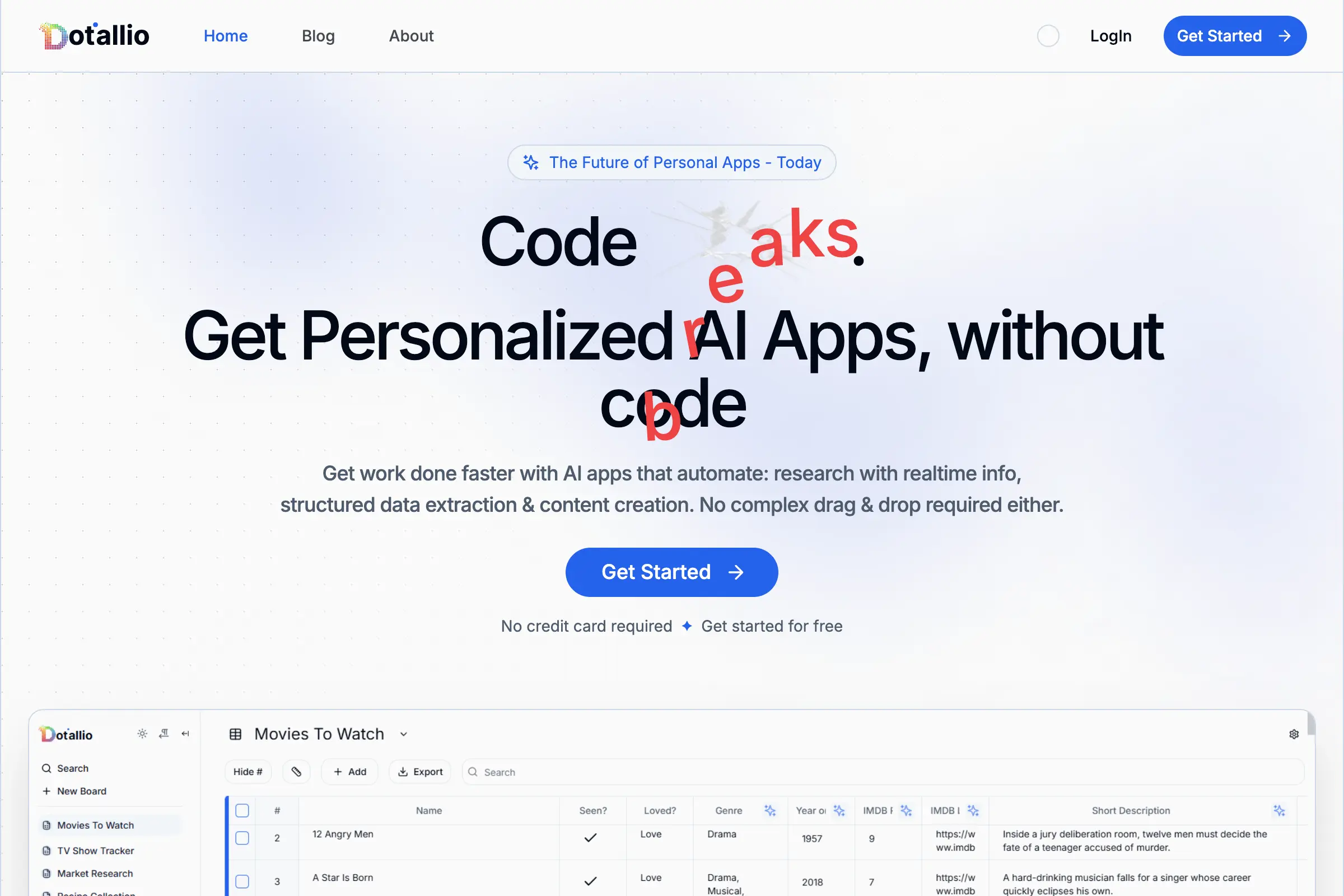
Dotallio
Personalized AI apps that automate research, data extraction, and content creation without code 🤖

Talk to Santa
Enjoy a magical live video chat or receive a unique AI-generated video greeting from Santa Claus 🎅
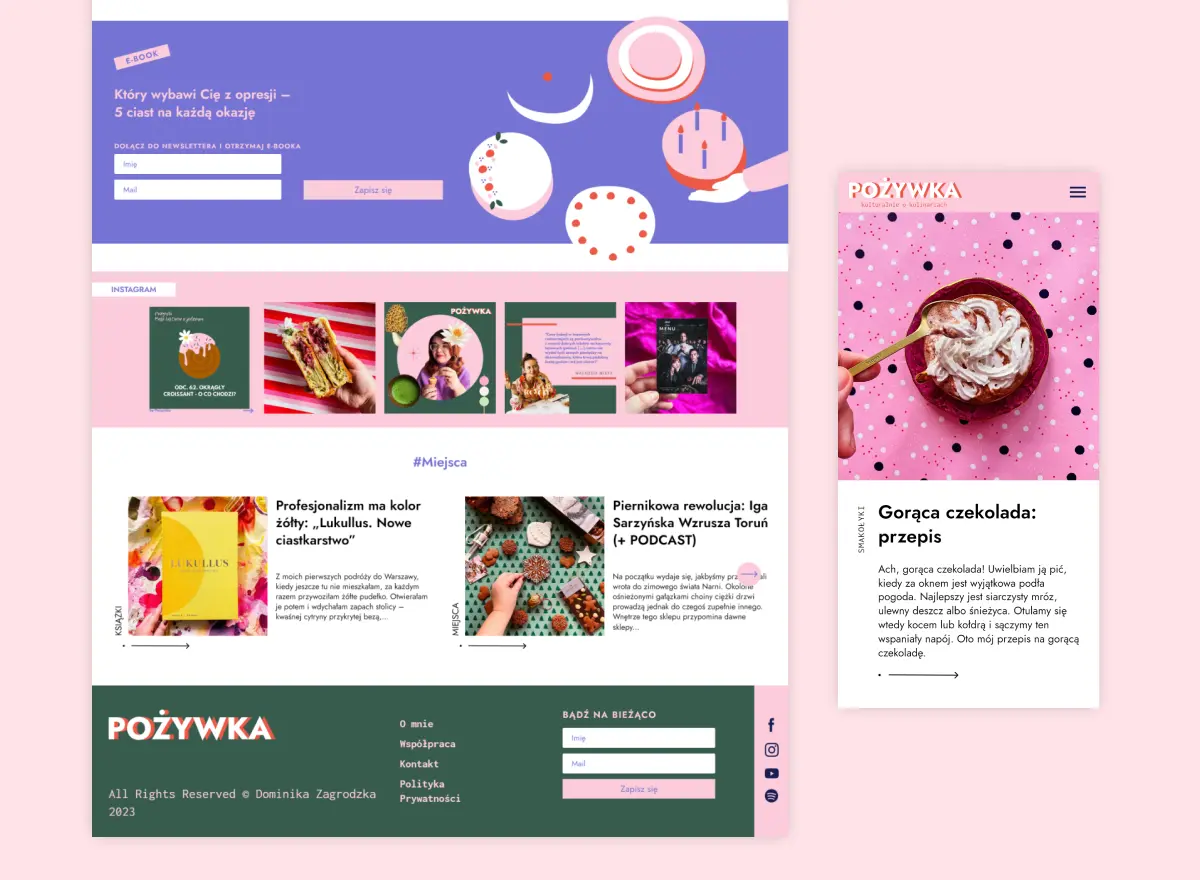
pozywka.pl
Scalable blog for food journalist, focused on performance and user experience 🌭
zagrodzki.me
Personal blog and portfolio of Bart Zagrodzki, where he shares his knowledge and work 💼
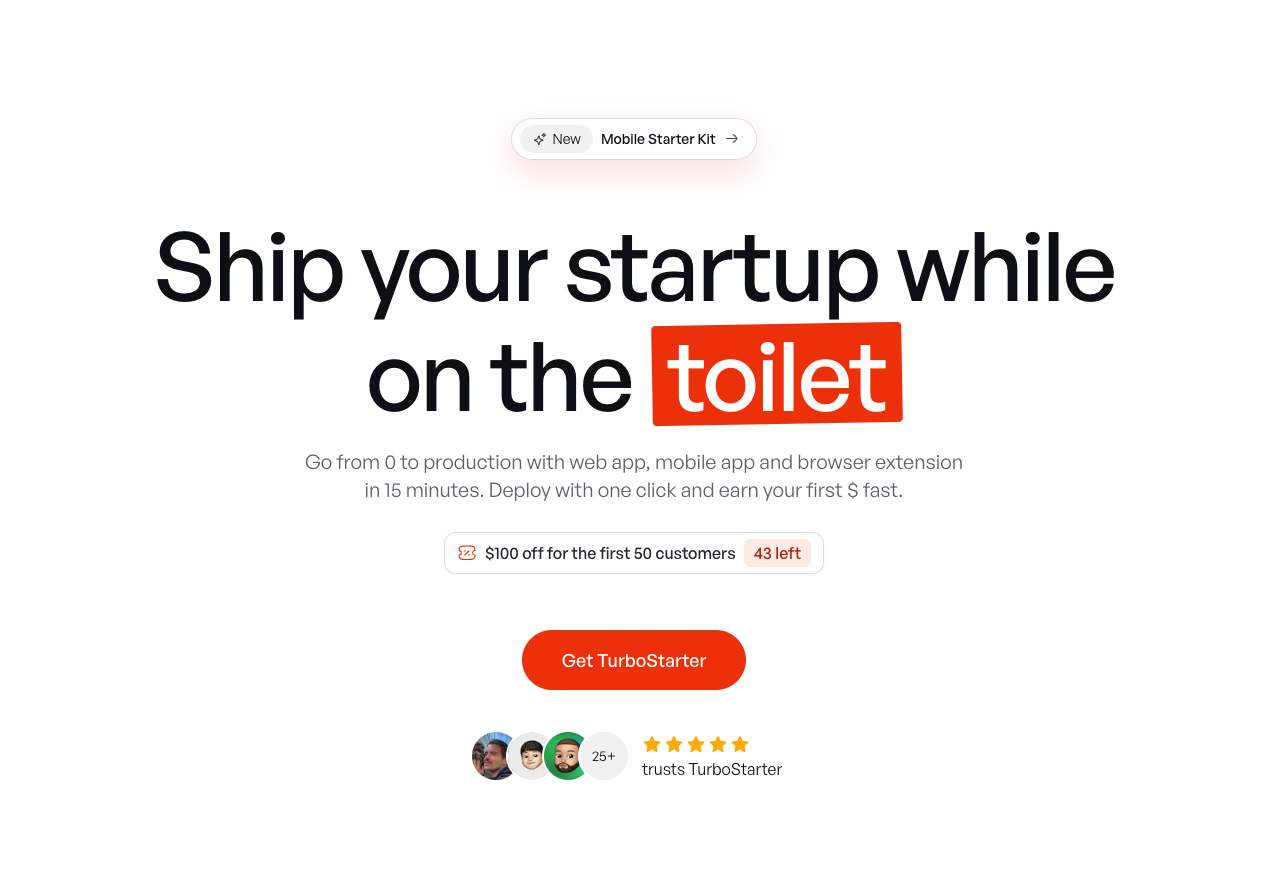
TurboStarter
Ship your startup everywhere. In minutes.
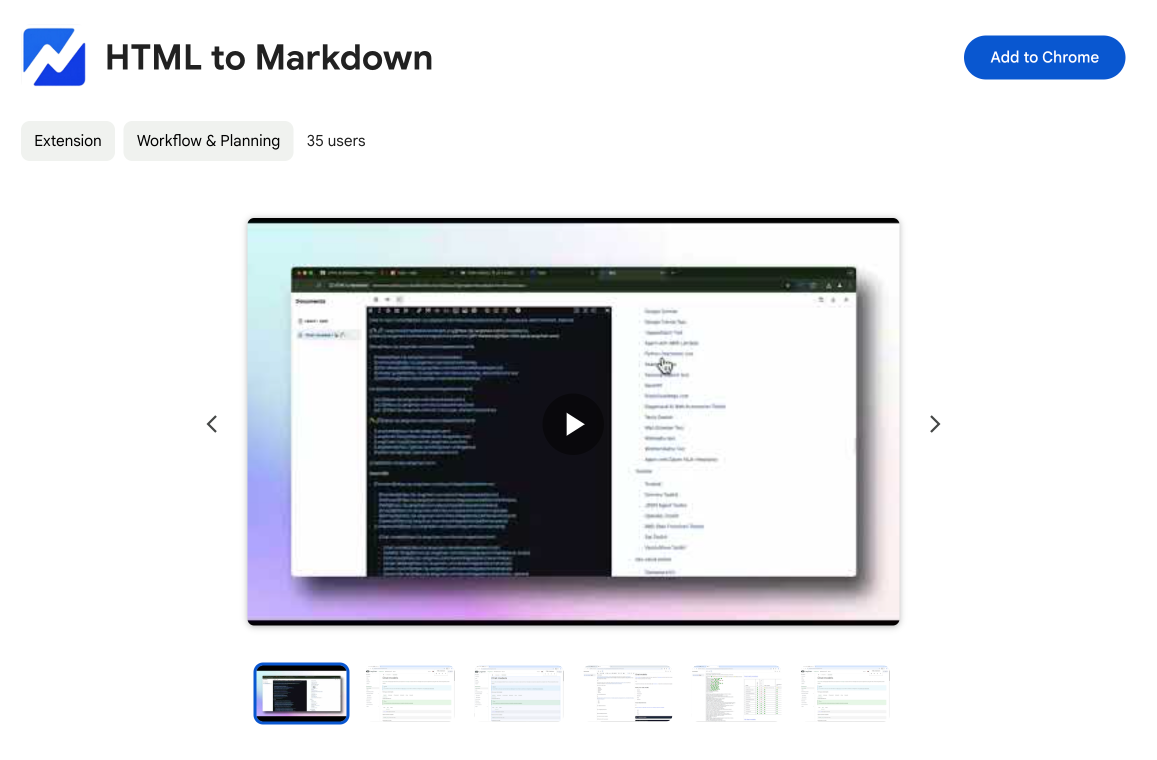
HTML to Markdown
Convert HTML to Markdown with ease, directly in your browser 📄
Dotallio
Personalized AI apps that automate research, data extraction, and content creation without code 🤖
Talk to Santa
Enjoy a magical live video chat or receive a unique AI-generated video greeting from Santa Claus 🎅
pozywka.pl
Scalable blog for food journalist, focused on performance and user experience 🌭
zagrodzki.me
Personal blog and portfolio of Bart Zagrodzki, where he shares his knowledge and work 💼
TurboStarter
Ship your startup everywhere. In minutes.
HTML to Markdown
Convert HTML to Markdown with ease, directly in your browser 📄
Dotallio
Personalized AI apps that automate research, data extraction, and content creation without code 🤖
Talk to Santa
Enjoy a magical live video chat or receive a unique AI-generated video greeting from Santa Claus 🎅
pozywka.pl
Scalable blog for food journalist, focused on performance and user experience 🌭
zagrodzki.me
Personal blog and portfolio of Bart Zagrodzki, where he shares his knowledge and work 💼
TurboStarter
Ship your startup everywhere. In minutes.
HTML to Markdown
Convert HTML to Markdown with ease, directly in your browser 📄
Dotallio
Personalized AI apps that automate research, data extraction, and content creation without code 🤖
Talk to Santa
Enjoy a magical live video chat or receive a unique AI-generated video greeting from Santa Claus 🎅
pozywka.pl
Scalable blog for food journalist, focused on performance and user experience 🌭
zagrodzki.me
Personal blog and portfolio of Bart Zagrodzki, where he shares his knowledge and work 💼
TurboStarter
Ship your startup everywhere. In minutes.
HTML to Markdown
Convert HTML to Markdown with ease, directly in your browser 📄
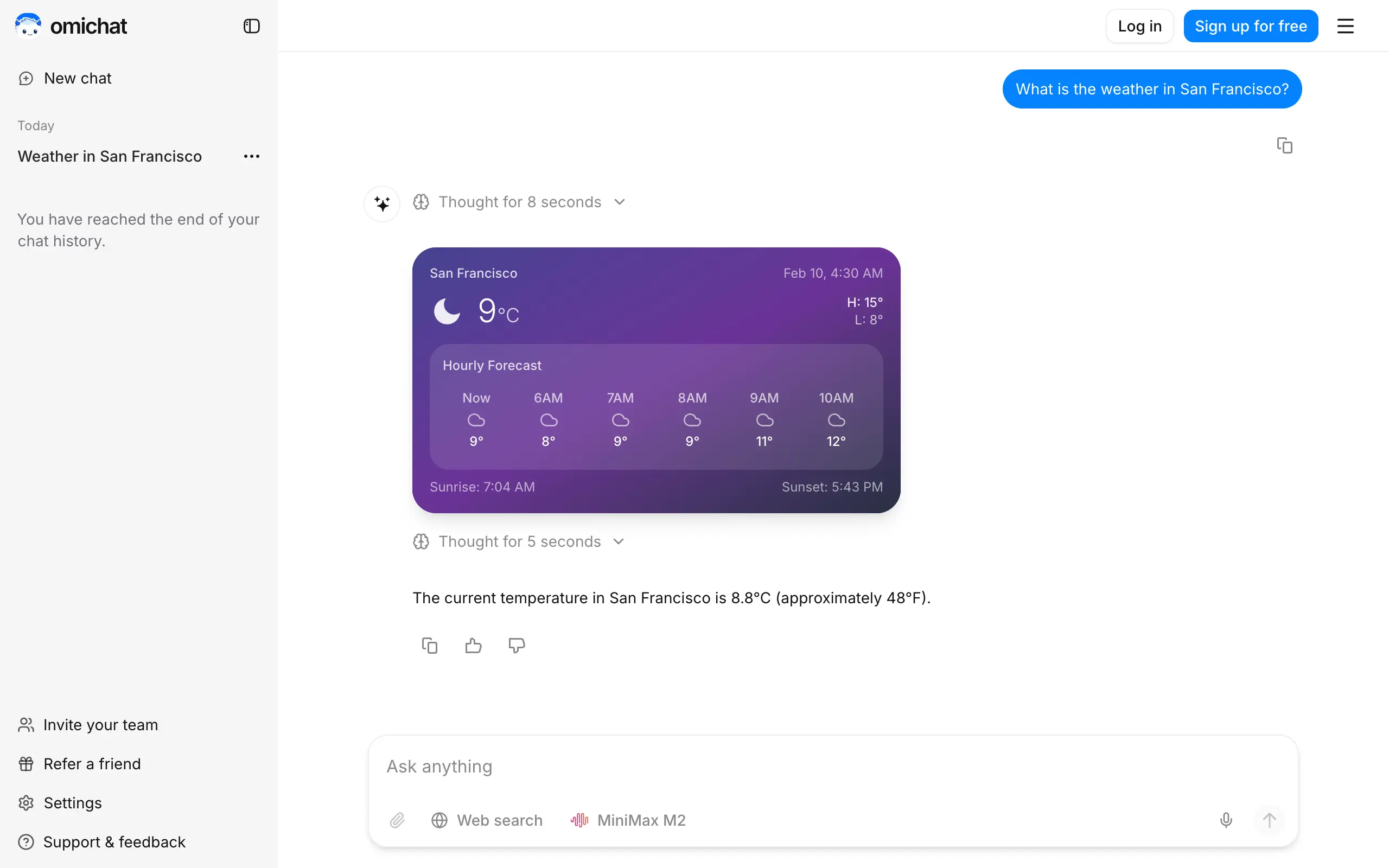
Omichat
Chat with 50+ AI models, including ChatGPT and Claude, in one place - switch models anytime without losing context 🤖
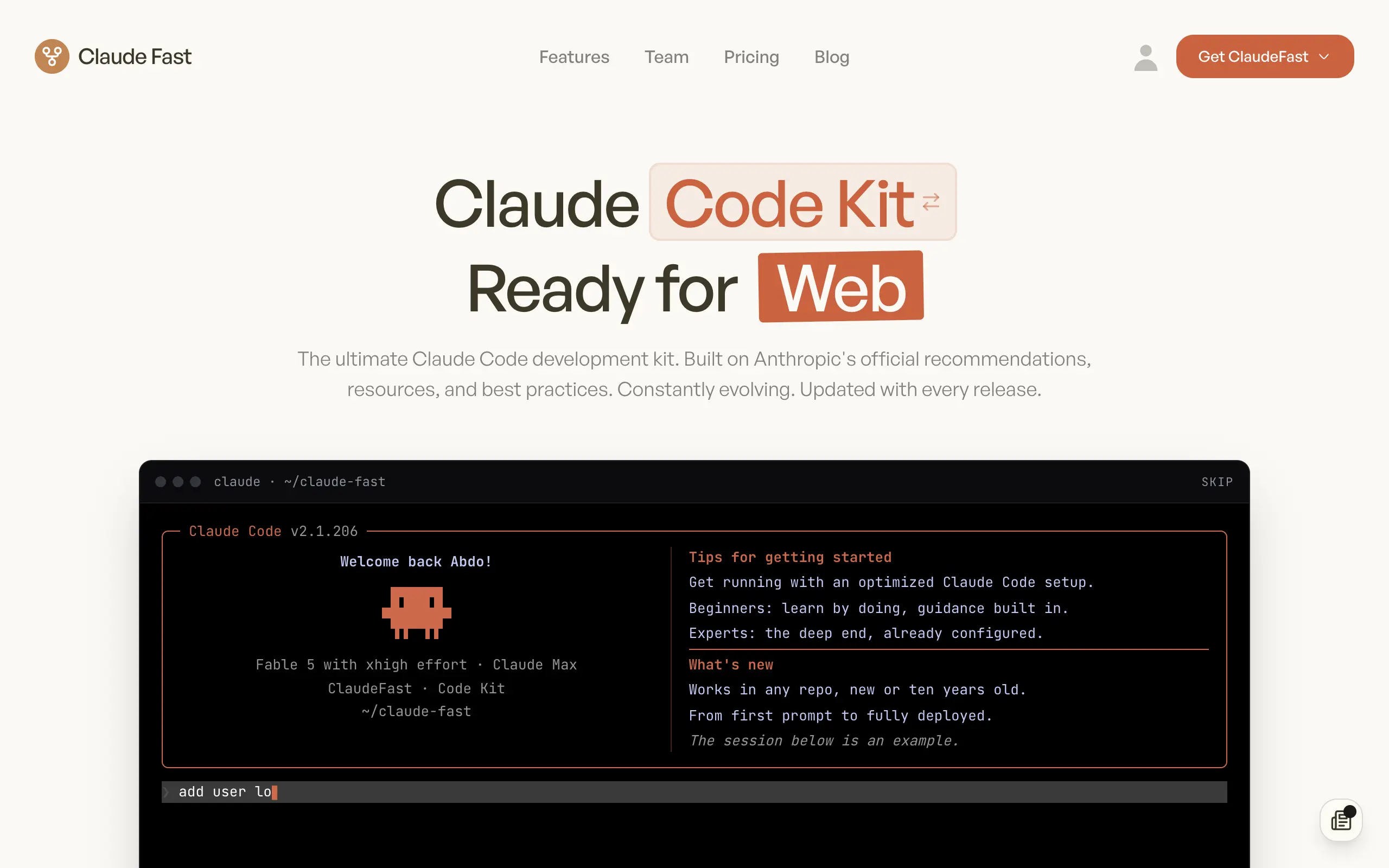
Claude Fast
Supercharge your Claude Code with 6x effective context window and specialized AI agents 🤖
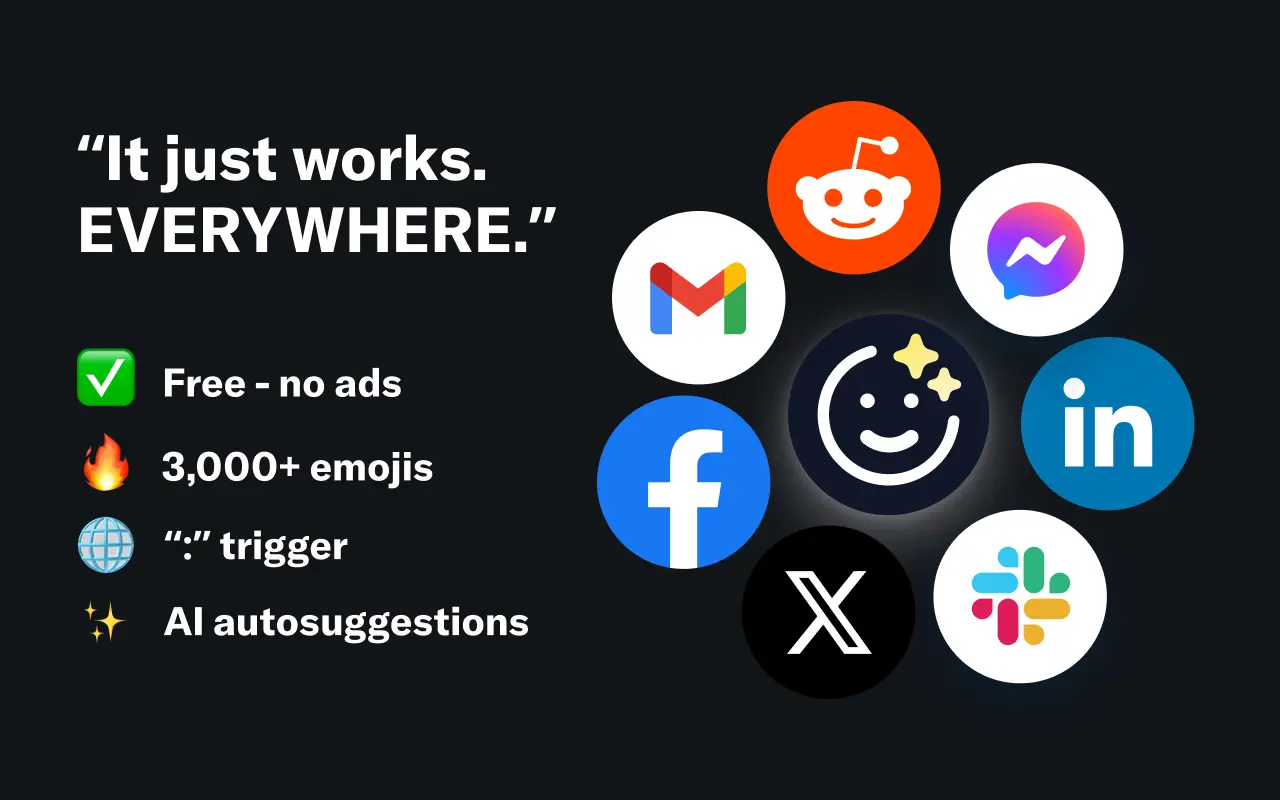
EmojAI
AI-powered emoji picker with smart, context-aware suggestions 🤖

Solohacker
Autonomous company launcher - AI agents work 24/7, escalate what matters, and you stay in control 🤖
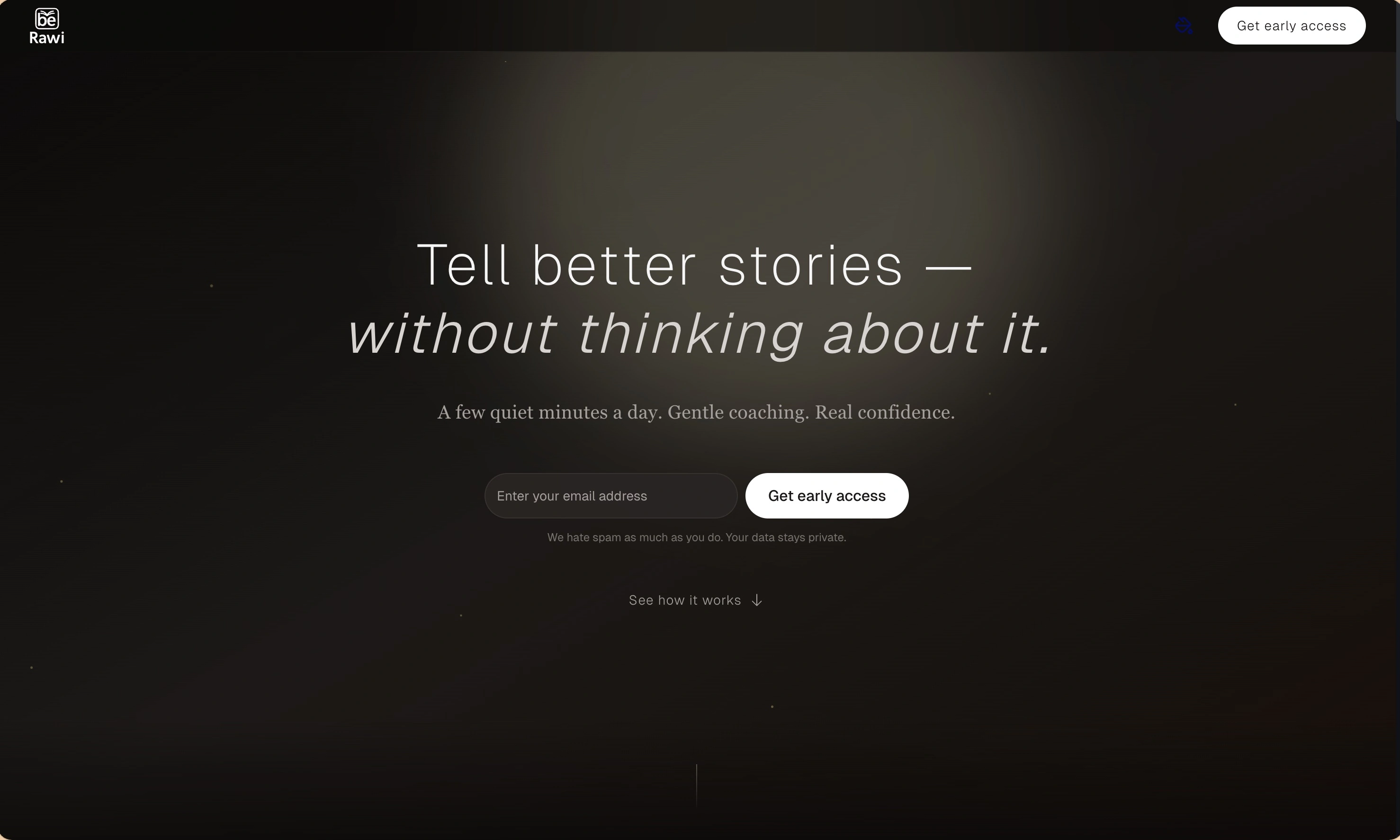
BeRawi: Storytelling Coach
Practice storytelling daily with instant feedback to sound clearer, more engaging, and confident 🎤
Omichat
Chat with 50+ AI models, including ChatGPT and Claude, in one place - switch models anytime without losing context 🤖
Claude Fast
Supercharge your Claude Code with 6x effective context window and specialized AI agents 🤖
EmojAI
AI-powered emoji picker with smart, context-aware suggestions 🤖
Solohacker
Autonomous company launcher - AI agents work 24/7, escalate what matters, and you stay in control 🤖
BeRawi: Storytelling Coach
Practice storytelling daily with instant feedback to sound clearer, more engaging, and confident 🎤
Omichat
Chat with 50+ AI models, including ChatGPT and Claude, in one place - switch models anytime without losing context 🤖
Claude Fast
Supercharge your Claude Code with 6x effective context window and specialized AI agents 🤖
EmojAI
AI-powered emoji picker with smart, context-aware suggestions 🤖
Solohacker
Autonomous company launcher - AI agents work 24/7, escalate what matters, and you stay in control 🤖
BeRawi: Storytelling Coach
Practice storytelling daily with instant feedback to sound clearer, more engaging, and confident 🎤
Omichat
Chat with 50+ AI models, including ChatGPT and Claude, in one place - switch models anytime without losing context 🤖
Claude Fast
Supercharge your Claude Code with 6x effective context window and specialized AI agents 🤖
EmojAI
AI-powered emoji picker with smart, context-aware suggestions 🤖
Solohacker
Autonomous company launcher - AI agents work 24/7, escalate what matters, and you stay in control 🤖
BeRawi: Storytelling Coach
Practice storytelling daily with instant feedback to sound clearer, more engaging, and confident 🎤

Connect with like-minded people
Join our community to get feedback, support, and grow together with 1,000+ builders on board, let's ship it!
Join usShip your startup everywhere. In minutes.
Don't burn tokens on setup and start building features on day one.