RootPilot
Automates incident triage by correlating logs, metrics, and traces to pinpoint root causes instantly, reducing MTTR for DevOps teams.
what is an AI-powered incident triage platform and why it matters
Modern software systems are increasingly distributed, event-driven, and complex. Microservices, serverless architectures, container orchestration, and multi-cloud deployments have dramatically improved scalability—but at a cost: observability complexity.
When something breaks, DevOps teams are flooded with alerts, logs, metrics, and traces. The real challenge isn’t detecting incidents anymore—it’s understanding them fast enough to minimize downtime.
This is where an AI-powered incident triage platform like RootPilot comes in.
RootPilot automates incident triage by correlating logs, metrics, and traces to instantly identify root causes. Instead of engineers manually piecing together fragmented data, the system does it in real time—dramatically reducing Mean Time to Resolution (MTTR).
This article explores the full strategic, technical, and business blueprint behind building a platform like RootPilot, including market opportunity, features, architecture, monetization, and implementation.
the growing problem: observability overload
DevOps teams today face a paradox: more observability tools don’t necessarily mean better visibility.
why traditional monitoring fails
Most teams rely on a combination of tools like:
These tools are powerful—but fragmented.
Each produces valuable signals:
- Logs show events
- Metrics show trends
- Traces show request flows
But they rarely connect the dots automatically.
the real cost of slow incident response
According to widely cited industry benchmarks (e.g., Google SRE reports), downtime costs can range from thousands to millions per hour depending on scale.
Key issues include:
- Alert fatigue
- Manual correlation across tools
- Delayed root cause identification
- Knowledge silos within teams
Critical insight
The biggest bottleneck in incident response is not detection—it’s diagnosis.
target audience and ideal users
RootPilot is not for every developer—it targets teams experiencing scale-induced complexity.
primary users
- DevOps engineers managing infrastructure
- SRE teams responsible for uptime and reliability
- Platform engineers building internal developer platforms
- Engineering managers tracking incident KPIs
secondary users
- CTOs and VP Engineering evaluating tooling efficiency
- Startups scaling from monolith to microservices
- Enterprises modernizing legacy systems
user pain points
- “We get alerts, but don’t know what caused them.”
- “Debugging takes hours across multiple dashboards.”
- “Incidents require tribal knowledge to resolve.”
- “Too many false positives, not enough context.”
market opportunity and gap analysis
existing solutions
Current observability and incident tools fall into categories:
- Monitoring platforms (Datadog, New Relic)
- Logging tools (Elastic, Loki)
- APM tools (Dynatrace)
- Incident management (PagerDuty)
But none fully solve automated root cause analysis across all signals.
gap in the market
There’s a clear shift toward:
- AI-assisted debugging
- Unified observability platforms
- Autonomous systems (AIOps)
Yet most tools still:
- Surface symptoms instead of causes
- Require manual investigation
- Lack cross-signal intelligence
emerging trend: AIOps
AIOps (Artificial Intelligence for IT Operations) is growing rapidly. Analysts frequently highlight:
- Increasing adoption of ML-driven anomaly detection
- Demand for automation in incident response
- Integration of telemetry data streams
RootPilot sits directly at this intersection.
core product vision: how RootPilot works
RootPilot acts as an intelligent correlation engine across logs, metrics, and traces.
high-level workflow
key features that define the product
1. intelligent signal correlation
Instead of viewing logs, metrics, and traces separately, RootPilot:
- Links related events across services
- Identifies causal relationships
- Builds a unified incident timeline
2. AI-powered root cause detection
Using machine learning models, the platform:
- Detects anomalies across multiple dimensions
- Matches patterns to known failure scenarios
- Outputs ranked root cause hypotheses
3. incident summarization
Automatically generates human-readable summaries:
- What happened
- When it started
- Which services are affected
- Likely cause
4. noise reduction and alert deduplication
- Groups related alerts into a single incident
- Eliminates redundant notifications
- Prioritizes critical issues
5. real-time debugging insights
- Suggests probable fixes
- Highlights affected code paths
- Identifies recent deployments or config changes
feature comparison vs traditional tools
| Capability | Datadog | Prometheus | PagerDuty | RootPilot | Manual Debugging |
|---|---|---|---|---|---|
| Cross-signal correlation | ❌ | ❌ | ❌ | ✅ | ❌ |
| AI root cause analysis | ⚠️ | ❌ | ❌ | ✅ | ❌ |
technical architecture and recommended stack
Building RootPilot requires a robust, scalable, and real-time architecture.
frontend
- React for UI
- Next.js for SSR and performance
- TailwindCSS for styling
backend
- Node.js or Go for high-performance services
- GraphQL or REST APIs
- Event-driven architecture using Kafka
data processing
- Stream processing with Apache Kafka or Apache Flink
- Time-series databases (e.g., ClickHouse, Prometheus TSDB)
- Log storage (e.g., Elasticsearch)
AI/ML layer
- Python-based microservices
- TensorFlow or PyTorch models
- Anomaly detection + graph-based correlation algorithms
observability integration
- Native support for OpenTelemetry
- SDKs for easy ingestion
sample correlation engine logic
function correlateSignals(logs, metrics, traces) {
  const anomalies = detectAnomalies(metrics);

  const relatedLogs = logs.filter(log =>
    anomalies.some(a => log.timestamp >= a.start && log.timestamp <= a.end)
  );

  const traceSpans = traces.filter(trace =>
    relatedLogs.some(log => log.traceId === trace.id)
  );

  return {
    anomalies,
    relatedLogs,
    traceSpans,
    rootCause: inferRootCause(anomalies, relatedLogs, traceSpans)
  };
}
monetization strategy
pricing models
RootPilot can adopt a hybrid SaaS pricing model:
1. usage-based pricing
- Charged per GB of data processed
- Aligns with industry standards (Datadog-style)
2. seat-based pricing
- Charges per engineer using the platform
3. tiered plans
Starter
Basic correlation, limited data ingestion
Growth
Full AI triage, integrations, alerting
Enterprise
Custom models, SLAs, on-prem deployment
competitive advantage and differentiation
RootPilot’s core advantage lies in automation + intelligence.
key differentiators
- True multi-signal correlation (not siloed insights)
- AI-first architecture (not bolted-on ML)
- Real-time root cause detection
- Developer-friendly UX with actionable insights
defensibility
- Proprietary ML models trained on incident data
- Network effects from aggregated telemetry patterns
- Deep integrations with DevOps ecosystems
risks and challenges (and how to mitigate them)
1. data ingestion complexity
Handling logs, metrics, and traces from multiple sources is hard.
Mitigation:
- Standardize with OpenTelemetry
- Provide easy SDKs and integrations
2. accuracy of AI predictions
False positives can erode trust.
Mitigation:
- Use confidence scoring
- Allow human-in-the-loop feedback
- Continuously retrain models
3. competition from incumbents
Large players may add similar features.
Mitigation:
- Focus on superior UX
- Move faster with AI innovation
- Target underserved mid-market teams
go-to-market strategy
initial niche
Start with:
- High-growth startups using Kubernetes
- Teams already struggling with observability complexity
acquisition channels
- Developer communities
- Technical blogs and SEO content
- Integrations with existing tools
content strategy
Create SEO-driven content around:
- “how to reduce MTTR”
- “AI for incident response”
- “root cause analysis tools”
implementation roadmap
why timing is perfect for RootPilot
Several macro trends make this idea especially viable:
- Explosion of microservices architectures
- Increasing complexity of distributed systems
- Growing adoption of OpenTelemetry
- Demand for AI-driven developer tools
The shift from observability to “actionability” is one of the biggest opportunities in DevOps today.
future expansion opportunities
RootPilot can evolve into a broader platform:
1. automated remediation
- Trigger fixes automatically
- Rollback deployments
- Restart failing services
2. incident knowledge base
- Store past incidents
- Suggest solutions based on history
3. predictive analytics
- Forecast failures before they happen
- Capacity planning insights
actionable steps to get started
If you're building RootPilot (or a similar SaaS), here’s a practical path:
final thoughts
RootPilot addresses a real and growing pain point: the gap between detecting incidents and understanding them.
While observability tools have matured, the next frontier is intelligent automation—helping engineers move from data overload to instant clarity.
If executed well, RootPilot has the potential to become a core part of the modern DevOps stack, sitting alongside monitoring tools but delivering something they fundamentally lack: answers, not just data.
By focusing on AI-driven correlation, strong developer experience, and real-world usability, RootPilot can carve out a meaningful position in the rapidly evolving AIOps landscape.
More 🤖 AI Startup SaaS ideas
Discover more innovative ai startup SaaS ideas that are trending in 2026. Each idea is AI-generated with market validation and growth potential to help you find your next profitable venture faster than competitors.
Your competitors are building with TurboStarter
Below are some of the SaaS ideas that have been generated and built with our starter kit.

Statiko
Monitor any Telegram channel in real time - track posts, edits, deletions, and growth with AI recaps 📡

Shibui
AI website builder - describe your business, pick a niche template, edit by chatting, and publish instantly ✨

Pro Service
Find verified home service professionals, compare quotes, and pay securely through escrow - built for Brazilians across the US 🏠
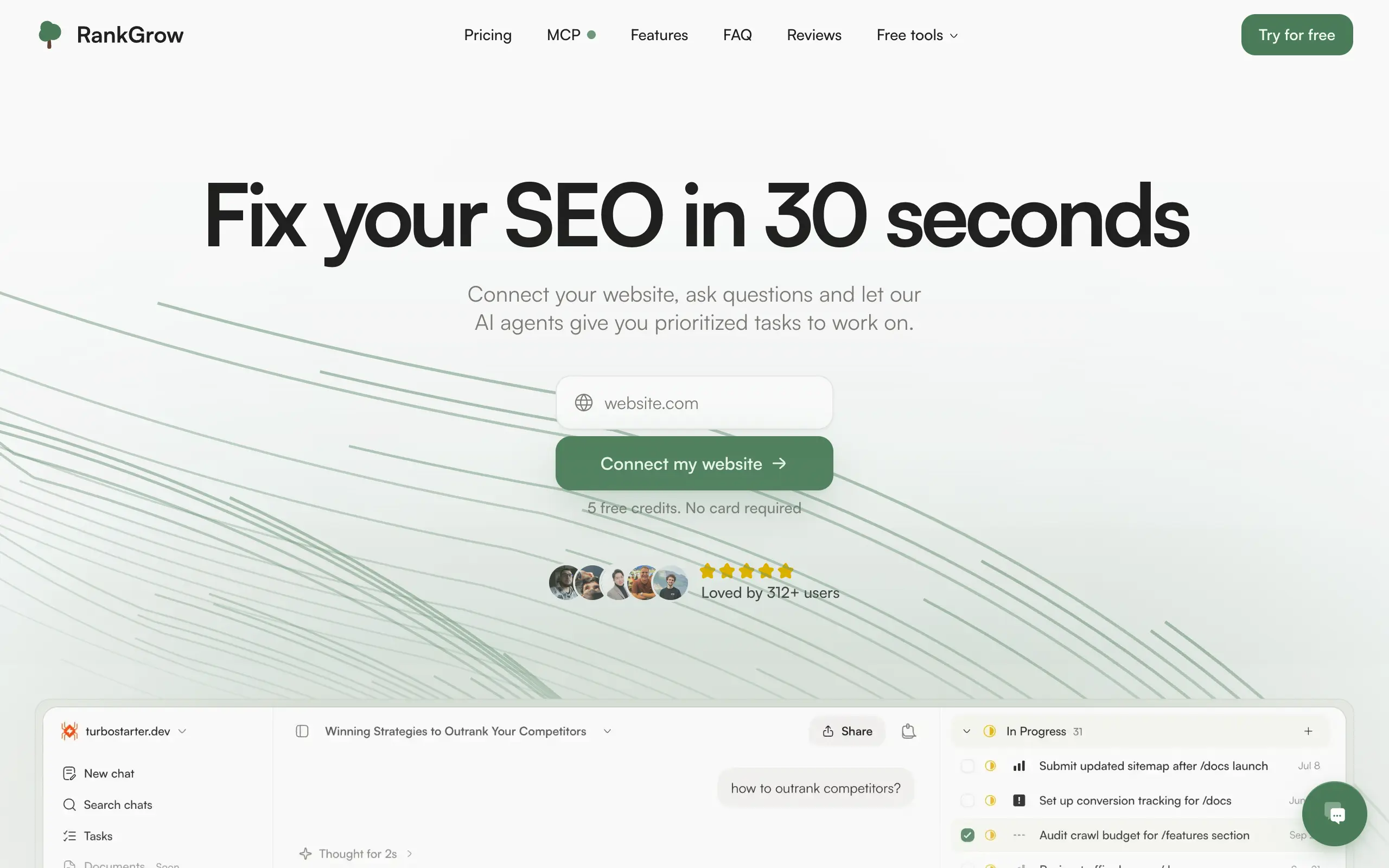
RankGrow
Fix your SEO with AI agents - connect Search Console, get prioritized tasks, and grow organic traffic 📈
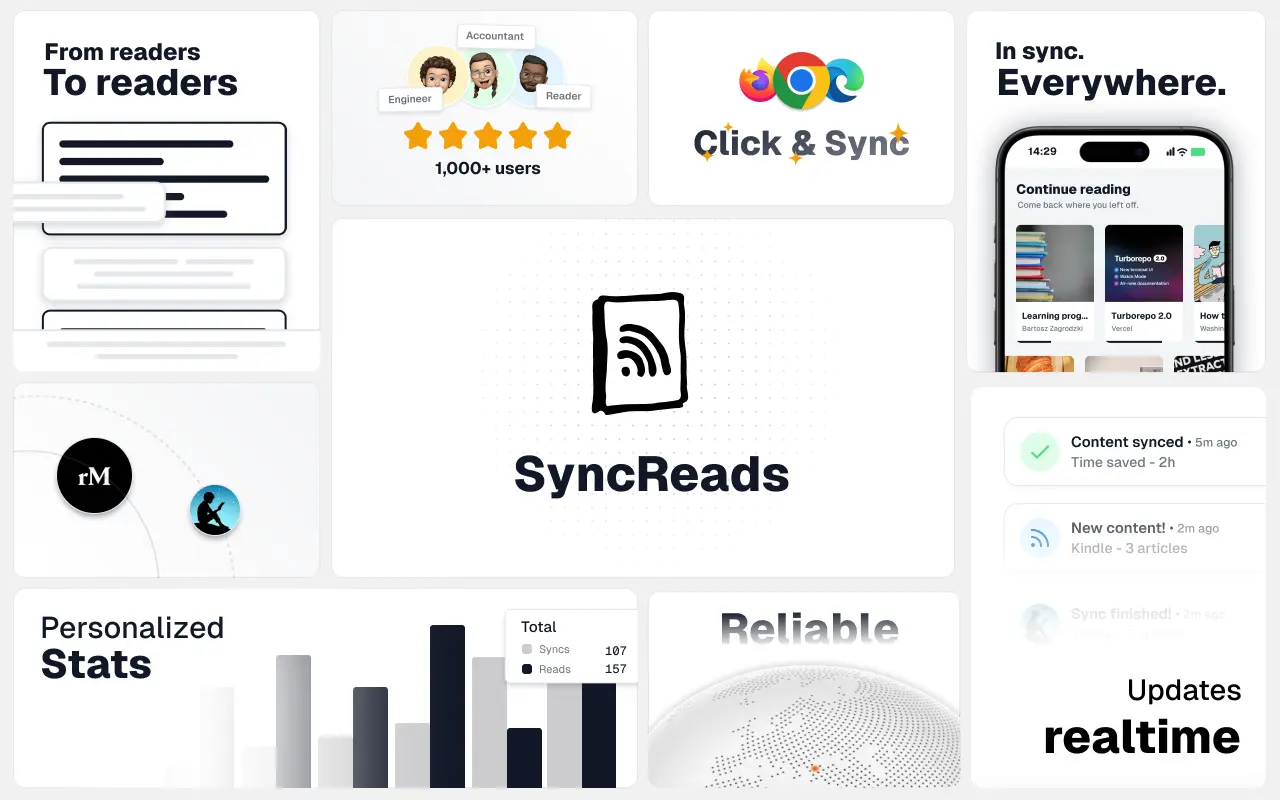
SyncReads
Sync your favorite content for distraction-free reading, save time and replace multiple apps. Anytime, anywhere 🔄
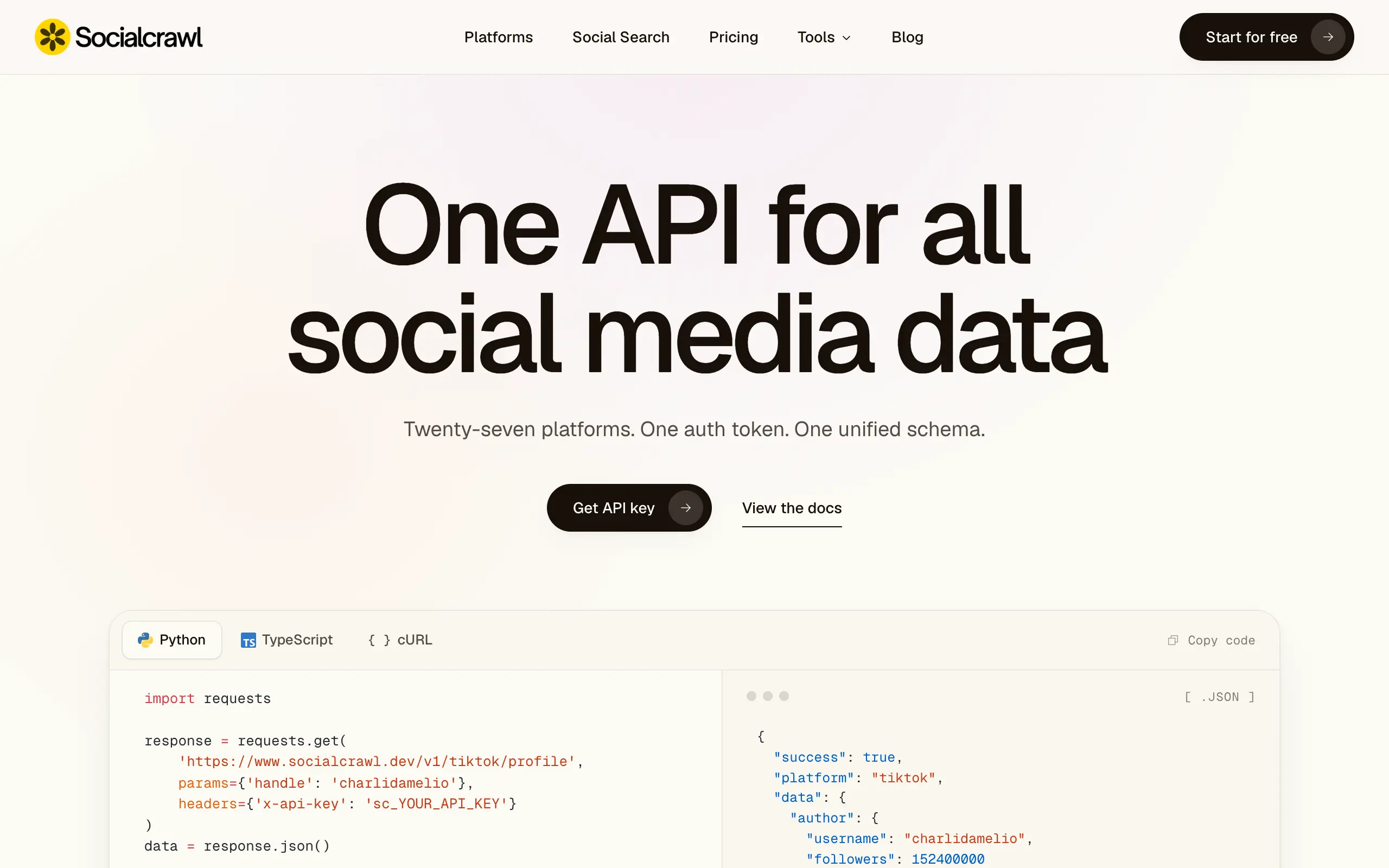
Socialcrawl
Get clean, structured data from 21 platforms like TikTok, Instagram, and YouTube with a single request 📊
Statiko
Monitor any Telegram channel in real time - track posts, edits, deletions, and growth with AI recaps 📡
Shibui
AI website builder - describe your business, pick a niche template, edit by chatting, and publish instantly ✨
Pro Service
Find verified home service professionals, compare quotes, and pay securely through escrow - built for Brazilians across the US 🏠
RankGrow
Fix your SEO with AI agents - connect Search Console, get prioritized tasks, and grow organic traffic 📈
SyncReads
Sync your favorite content for distraction-free reading, save time and replace multiple apps. Anytime, anywhere 🔄
Socialcrawl
Get clean, structured data from 21 platforms like TikTok, Instagram, and YouTube with a single request 📊
Statiko
Monitor any Telegram channel in real time - track posts, edits, deletions, and growth with AI recaps 📡
Shibui
AI website builder - describe your business, pick a niche template, edit by chatting, and publish instantly ✨
Pro Service
Find verified home service professionals, compare quotes, and pay securely through escrow - built for Brazilians across the US 🏠
RankGrow
Fix your SEO with AI agents - connect Search Console, get prioritized tasks, and grow organic traffic 📈
SyncReads
Sync your favorite content for distraction-free reading, save time and replace multiple apps. Anytime, anywhere 🔄
Socialcrawl
Get clean, structured data from 21 platforms like TikTok, Instagram, and YouTube with a single request 📊
Statiko
Monitor any Telegram channel in real time - track posts, edits, deletions, and growth with AI recaps 📡
Shibui
AI website builder - describe your business, pick a niche template, edit by chatting, and publish instantly ✨
Pro Service
Find verified home service professionals, compare quotes, and pay securely through escrow - built for Brazilians across the US 🏠
RankGrow
Fix your SEO with AI agents - connect Search Console, get prioritized tasks, and grow organic traffic 📈
SyncReads
Sync your favorite content for distraction-free reading, save time and replace multiple apps. Anytime, anywhere 🔄
Socialcrawl
Get clean, structured data from 21 platforms like TikTok, Instagram, and YouTube with a single request 📊
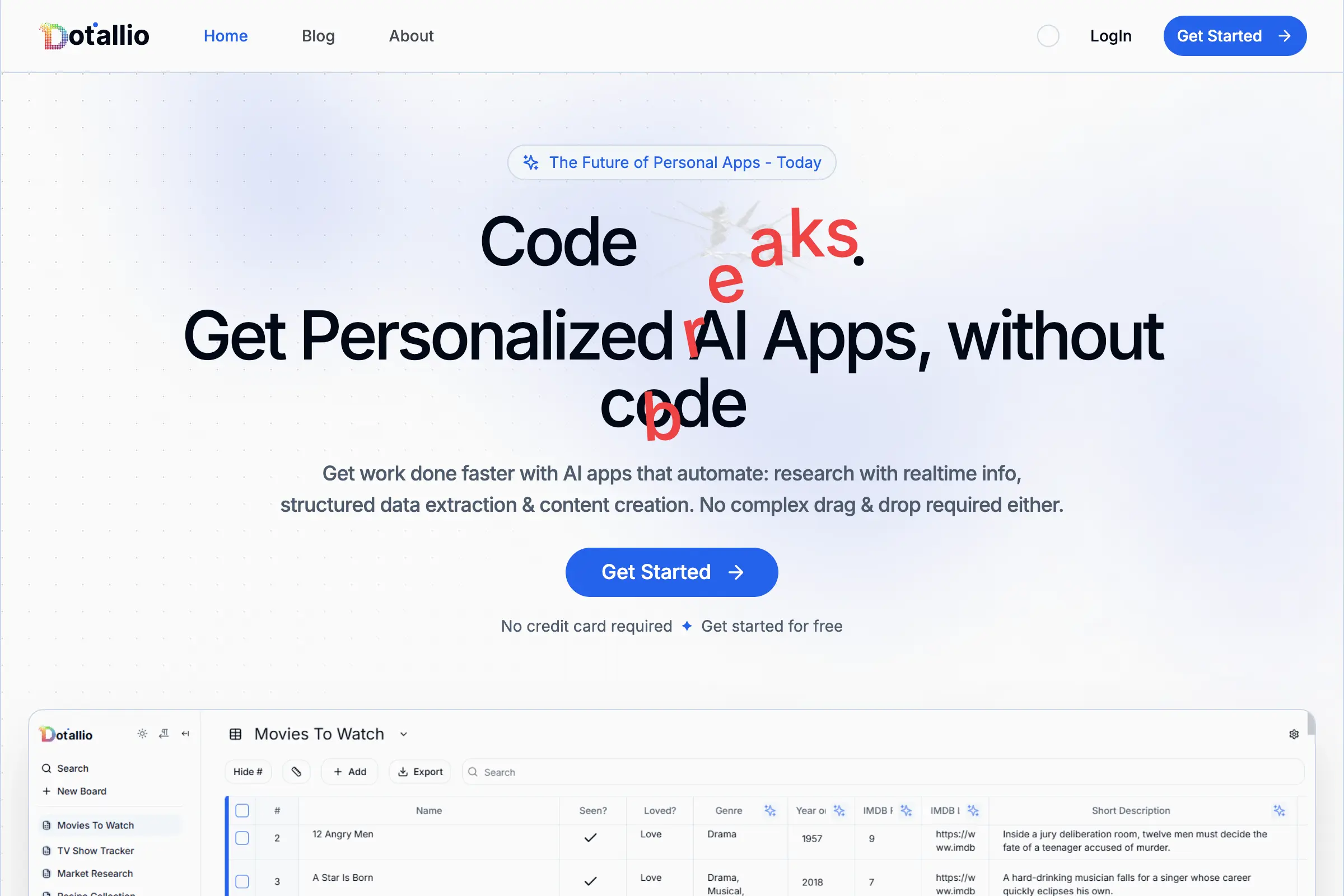
Dotallio
Personalized AI apps that automate research, data extraction, and content creation without code 🤖

Talk to Santa
Enjoy a magical live video chat or receive a unique AI-generated video greeting from Santa Claus 🎅

pozywka.pl
Scalable blog for food journalist, focused on performance and user experience 🌭
zagrodzki.me
Personal blog and portfolio of Bart Zagrodzki, where he shares his knowledge and work 💼
TurboStarter
Ship your startup everywhere. In minutes.
HTML to Markdown
Convert HTML to Markdown with ease, directly in your browser 📄
Dotallio
Personalized AI apps that automate research, data extraction, and content creation without code 🤖
Talk to Santa
Enjoy a magical live video chat or receive a unique AI-generated video greeting from Santa Claus 🎅
pozywka.pl
Scalable blog for food journalist, focused on performance and user experience 🌭
zagrodzki.me
Personal blog and portfolio of Bart Zagrodzki, where he shares his knowledge and work 💼
TurboStarter
Ship your startup everywhere. In minutes.
HTML to Markdown
Convert HTML to Markdown with ease, directly in your browser 📄
Dotallio
Personalized AI apps that automate research, data extraction, and content creation without code 🤖
Talk to Santa
Enjoy a magical live video chat or receive a unique AI-generated video greeting from Santa Claus 🎅
pozywka.pl
Scalable blog for food journalist, focused on performance and user experience 🌭
zagrodzki.me
Personal blog and portfolio of Bart Zagrodzki, where he shares his knowledge and work 💼
TurboStarter
Ship your startup everywhere. In minutes.
HTML to Markdown
Convert HTML to Markdown with ease, directly in your browser 📄
Dotallio
Personalized AI apps that automate research, data extraction, and content creation without code 🤖
Talk to Santa
Enjoy a magical live video chat or receive a unique AI-generated video greeting from Santa Claus 🎅
pozywka.pl
Scalable blog for food journalist, focused on performance and user experience 🌭
zagrodzki.me
Personal blog and portfolio of Bart Zagrodzki, where he shares his knowledge and work 💼
TurboStarter
Ship your startup everywhere. In minutes.
HTML to Markdown
Convert HTML to Markdown with ease, directly in your browser 📄
Omichat
Chat with 50+ AI models, including ChatGPT and Claude, in one place - switch models anytime without losing context 🤖
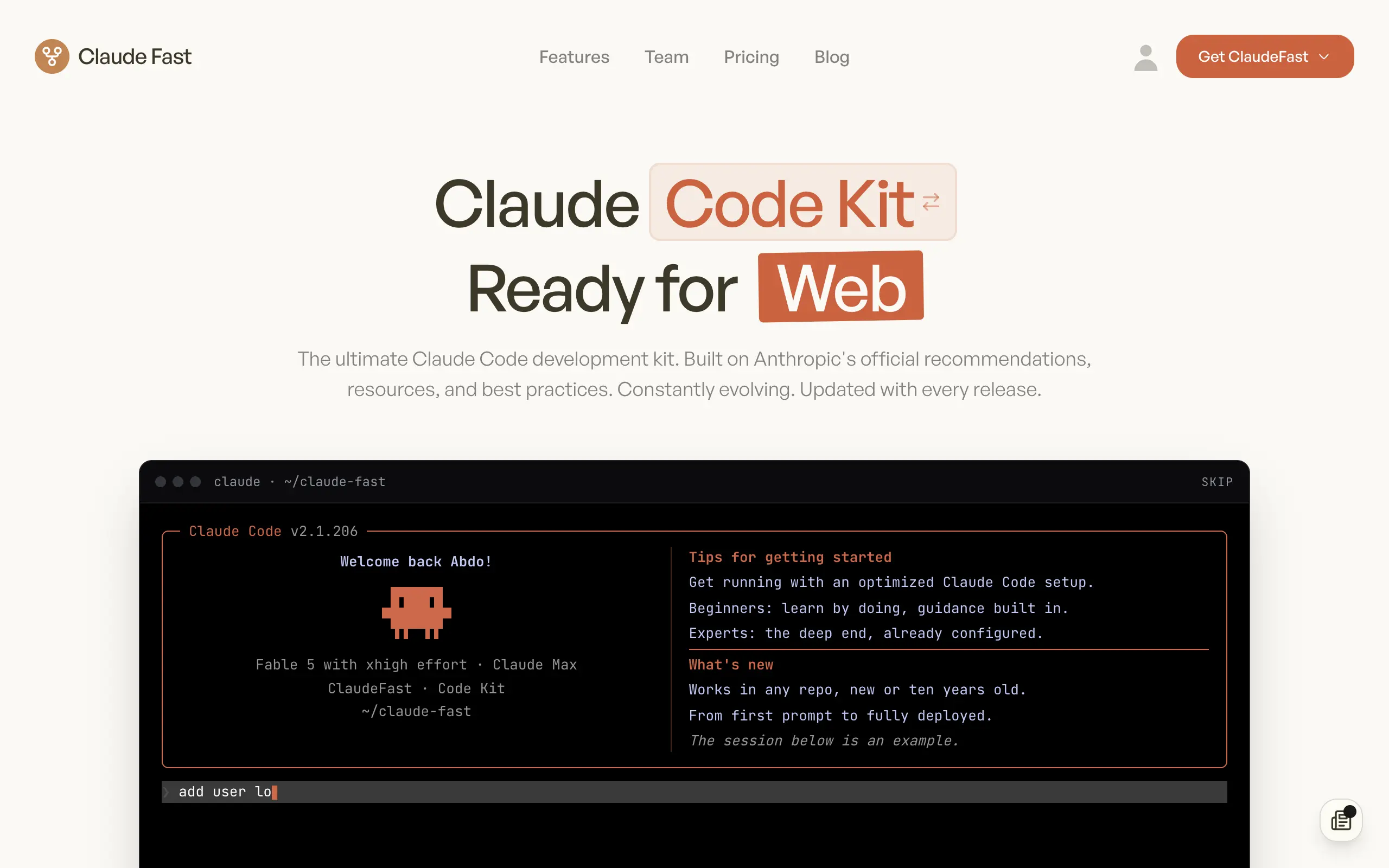
Claude Fast
Supercharge your Claude Code with 6x effective context window and specialized AI agents 🤖
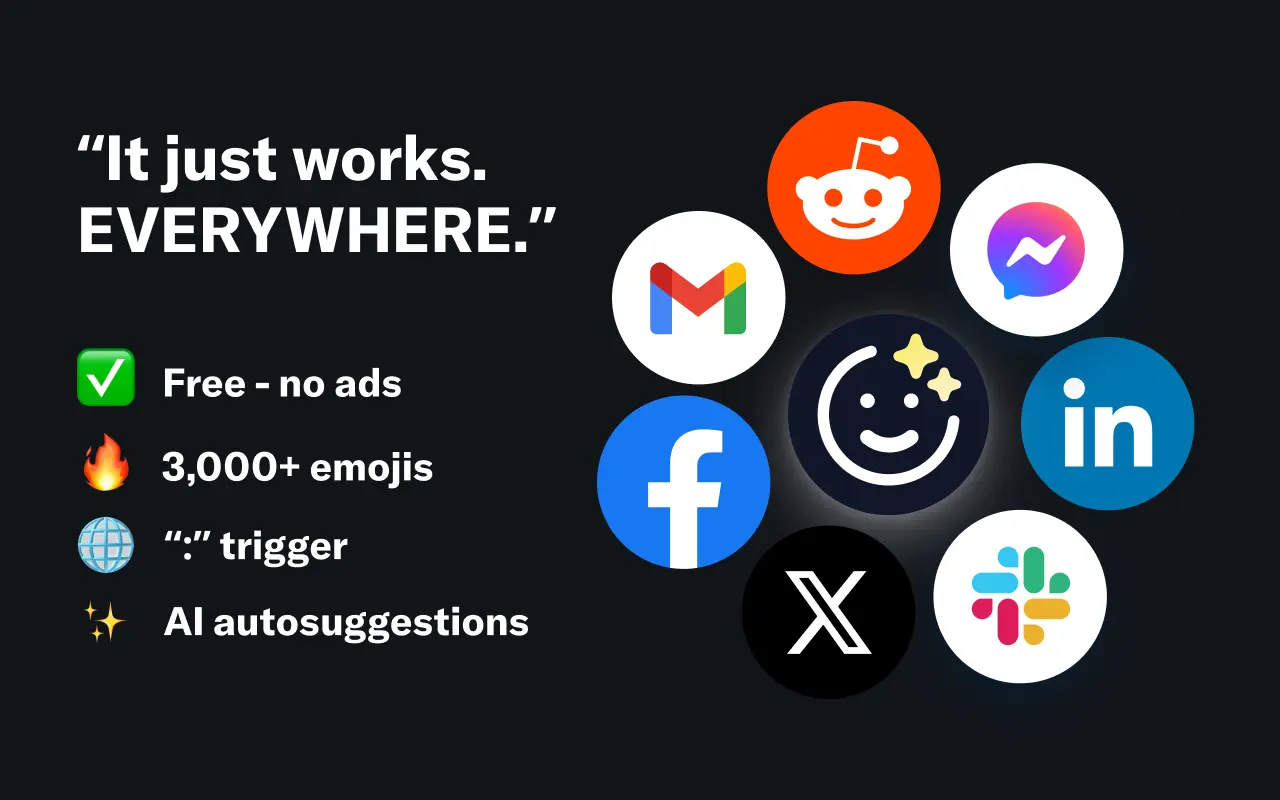
EmojAI
AI-powered emoji picker with smart, context-aware suggestions 🤖
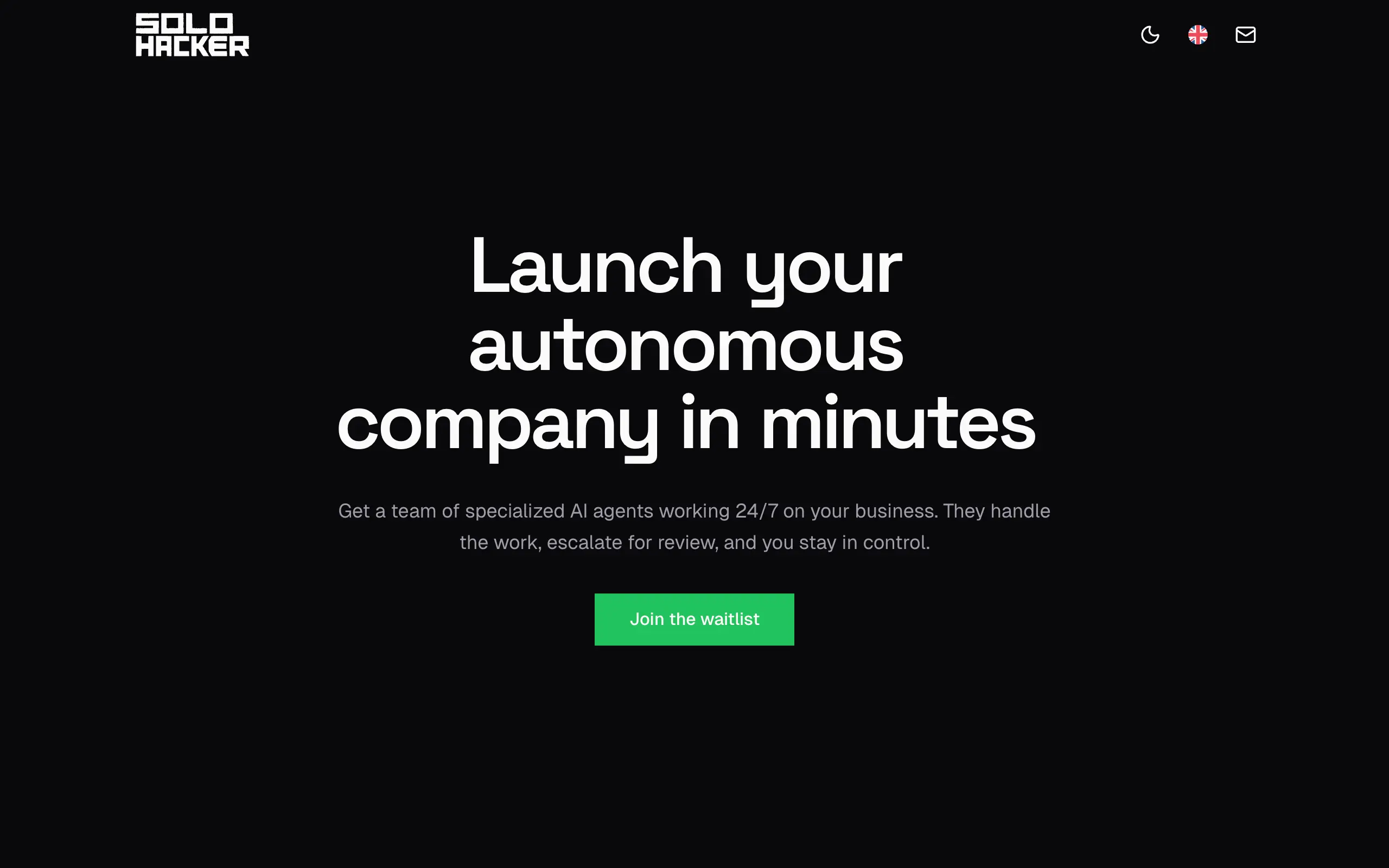
Solohacker
Autonomous company launcher - AI agents work 24/7, escalate what matters, and you stay in control 🤖

BeRawi: Storytelling Coach
Practice storytelling daily with instant feedback to sound clearer, more engaging, and confident 🎤
Omichat
Chat with 50+ AI models, including ChatGPT and Claude, in one place - switch models anytime without losing context 🤖
Claude Fast
Supercharge your Claude Code with 6x effective context window and specialized AI agents 🤖
EmojAI
AI-powered emoji picker with smart, context-aware suggestions 🤖
Solohacker
Autonomous company launcher - AI agents work 24/7, escalate what matters, and you stay in control 🤖
BeRawi: Storytelling Coach
Practice storytelling daily with instant feedback to sound clearer, more engaging, and confident 🎤
Omichat
Chat with 50+ AI models, including ChatGPT and Claude, in one place - switch models anytime without losing context 🤖
Claude Fast
Supercharge your Claude Code with 6x effective context window and specialized AI agents 🤖
EmojAI
AI-powered emoji picker with smart, context-aware suggestions 🤖
Solohacker
Autonomous company launcher - AI agents work 24/7, escalate what matters, and you stay in control 🤖
BeRawi: Storytelling Coach
Practice storytelling daily with instant feedback to sound clearer, more engaging, and confident 🎤
Omichat
Chat with 50+ AI models, including ChatGPT and Claude, in one place - switch models anytime without losing context 🤖
Claude Fast
Supercharge your Claude Code with 6x effective context window and specialized AI agents 🤖
EmojAI
AI-powered emoji picker with smart, context-aware suggestions 🤖
Solohacker
Autonomous company launcher - AI agents work 24/7, escalate what matters, and you stay in control 🤖
BeRawi: Storytelling Coach
Practice storytelling daily with instant feedback to sound clearer, more engaging, and confident 🎤

Connect with like-minded people
Join our community to get feedback, support, and grow together with 1,000+ builders on board, let's ship it!
Join usShip your startup everywhere. In minutes.
Don't burn tokens on setup and start building features on day one.