Roster Ready
Helps volunteer sports coaches in small municipal clubs build fair team rosters and schedules automatically. It saves hours each week that coaches currently spend on spreadsheets and group texts.
Roster Ready is an AI scheduling and lineup tool for volunteer coaches in small municipal sports clubs. It builds fair rosters, balanced playing time and conflict-free schedules from parent availability, so coaches stop living in spreadsheets and group texts. The opportunity in 2026 is that AI scheduling for volunteer sports coaches is still handled by generic team-management apps that treat fairness as the coach's problem, not the product's.
Key takeaways
- Target customer: volunteer coaches and club registrars in small municipal youth leagues (recreational soccer, basketball, baseball, hockey) who manage 10 to 20 kids with no staff.
- Pricing angle: a free tier for one team, roughly $8 to $15 per team per month for coaches, and a per-club plan for leagues that want shared fields and consistent rules.
- Biggest risk: coaches already have free tools, so adoption depends on saving real time in the first session, not on features.
- Time to MVP: about 4 to 6 weeks for a solo founder starting from a starter kit, assuming you cut payments for parents and live scoring.
What problem does Roster Ready solve for volunteer coaches?
Volunteer coaches lose hours every week to logistics that have nothing to do with coaching. They collect availability by text, copy it into a spreadsheet, juggle sibling conflicts and carpools, then try to make sure every kid plays a fair share. Roster Ready automates that loop.
The ideal customer profile
The best first customer is a parent-volunteer head coach in a municipal recreational league, coaching a team of 10 to 15 kids aged 6 to 14. They have a day job, a few hours on Sunday night, and a mild fear of angry parents.
A close second is the club registrar or league coordinator at a small town club. They assign kids to teams, book fields and referee the complaints. They are the person who will pay for a per-club plan once a few coaches love the tool.
Their current workaround and why it fails
Most coaches use a mix of a group chat, a shared spreadsheet and a paper lineup card. It works until it does not:
- Availability is scattered: replies arrive across texts, emails and hallway conversations, so the real picture is never in one place.
- Fairness is manual: tracking innings, minutes or positions per child across a season is tedious, so it quietly gets skipped.
- Changes cascade: one cancelled practice or a late "we are away this weekend" forces a rebuild of everything.
- Politics land on the coach: when playing time feels uneven, a parent complains. A transparent, rule-based system gives the coach something to point to.
Is there a market for AI sports team scheduling software in 2026?
Yes, but the gap is narrow and specific. Established team-management apps such as TeamSnap, SportsEngine and GameChanger cover messaging, calendars, payments and scoring well. What they typically do not do is generate the fair lineup and the schedule for you, then adjust it when reality changes.
The gap in existing solutions
Incumbents are built around communication and registration, because that is what clubs pay for. Their scheduling features generally record decisions rather than make them. Spreadsheets and generic tools like Google Sheets or Calendar are flexible but give no fairness logic.
That leaves an opening for a tool that starts from the coach's actual question: "Who plays where, and when, so that it is fair?"
Why now
- Constraint solving is easier to wrap in natural language. Language models can turn "Maya cannot play the first half, and the twins need a ride together" into structured constraints that a deterministic solver then respects.
- Volunteer fatigue is a standing problem. Clubs struggle to recruit coaches, so anything that lowers the weekly workload has a clear argument.
- Parents expect a self-serve experience. Availability by link, with no app install, is now a normal expectation.
Note the honest caveat: the AI part should be the input layer, not the decision maker. Fairness needs to be deterministic and explainable.
Core features and MVP scope
Build the smallest product that produces one convincing output: a fair lineup and a schedule the coach can send to parents in under ten minutes. The aha moment is the first time a coach pastes in a messy availability thread and gets back a balanced game-day plan.
Availability capture
Parents answer with a link, no account needed, and replies land in one structured view for the coach.
Fair lineup generator
Balances minutes, positions or innings across the season using rules the coach can see and adjust.
Schedule builder
Places practices and games around field slots, conflicts and sibling constraints, and re-plans after changes.
Shareable plans
Sends lineups and schedules to parents by link or calendar feed, with a clear fairness summary.
What to cut in version one
- Payments and registration: these are a different, heavily competitive product.
- Live scoring and stats: interesting, but not why a coach would switch.
- Native mobile apps: a responsive web app and calendar feeds are enough to learn.
- Multi-sport depth: pick one sport, such as youth soccer or baseball, and get the rules right before adding others.
How is Roster Ready different from spreadsheets and team apps?
The unique selling proposition is simple: Roster Ready makes the fairness decision for you and shows its work. Other tools help you store and share a plan. This one produces the plan.
| Option | Auto-generates lineups | Tracks fairness over a season | Handles availability changes | Cost to a volunteer coach |
|---|---|---|---|---|
| Roster Ready | ✅ | ✅ | ✅ | Low, free tier |
| Spreadsheets | ❌ | Manual | Manual | Free |
| Team management apps | Limited | Limited | Partial | Free to paid |
| Group chat and paper | ❌ | ❌ | ❌ | Free |
The honest weakness is that free alternatives are good enough for coaches who do not mind the work. Your messaging should target the coach who already feels the pain, not convince a satisfied one.
How would Roster Ready make money?
Coaches have little budget, and clubs have a bit more. Price accordingly.
Option 1: freemium for coaches
Offer one free team with a limited number of generated plans per month. Charge around $9 to $12 per team per month for unlimited re-planning and season fairness reports. As an assumption, if 3% of free teams convert at $10 per month, you need roughly 350 paying teams for $3,500 in monthly revenue, which means a large free base. Measure conversion honestly before relying on it.
Option 2: per-club plans
Sell to the registrar: a flat annual fee per club, covering all teams, shared field calendars and consistent fairness rules. This has fewer buyers but better retention and larger contracts. Municipal budgets can be slow, so expect sales cycles measured in months.
Option 3: seasonal passes
Youth sports run in seasons. A one-time seasonal price per team, for example one payment for a 12-week season, matches how coaches think about cost and avoids the awkwardness of subscribing during the off-season.
The first growth channel
Direct outreach to club coordinators and coaches' Facebook groups and local league forums is the most likely first channel. One happy coordinator can introduce the tool to 20 coaches. Parents who receive a shared plan also see the product, which creates a light referral loop.
How to validate this idea in two weeks
Interview ten coaches and two coordinators
Ask them to walk you through their last roster and schedule, including how long it took and what went wrong. Listen for hours per week and for the moment they get frustrated.
Run a manual concierge test
Take one coach's real availability and build the lineup yourself, with a spreadsheet and a script. If they send it to parents and ask for next week's, you have signal.
Launch a landing page with one promise
State "a fair lineup and schedule in ten minutes" and collect emails, asking for sport and team size. Post it in two local league groups.
Ask for a pre-commitment
Offer a discounted season pass or a club pilot to the most engaged respondents. Even five committed teams tell you more than 200 waitlist signups.
Tech stack and how to build it
Keep the architecture boring. A web app, a relational database, a deterministic scheduling engine and a thin AI layer for parsing messy input.
The architecture in brief
- Frontend and API: a TypeScript full-stack web app using React and Tailwind CSS.
- Database: relational, because teams, players, slots and constraints are naturally linked.
- Scheduling engine: a constraint solver or a simple heuristic you write yourself. Do not ask a language model to produce the final lineup.
- AI layer: parse free-text availability into structured constraints, and draft the parent-facing explanation.
How TurboStarter removes the undifferentiated work
TurboStarter gives you a monorepo for web and mobile with the plumbing already in place, so your time goes into the fairness engine. Specifically, it covers authentication for coaches, organizations that map neatly to clubs with several teams, billing for subscriptions and one-time seasonal passes, and AI integration for the parsing layer. Emails, storage, background tasks and an admin panel are also included, which helps with reminder notifications and support.
If the web app proves out, the same monorepo gives you a route to a mobile companion later.
Choosing the scheduling approach
Start here. A greedy algorithm with swaps is easy to debug and explain to parents, and handles most youth teams of under 20 players. It may produce good, not optimal, plans.
Move here when clubs share fields and multiple teams compete for slots. A solver such as Google OR-Tools handles hard constraints well, but adds complexity and makes explanations harder.
A starting data model
type Player = {
  id: string;
  teamId: string;
  name: string;
  preferredPositions: string[];
  unavailableSlotIds: string[];
  linkedPlayerIds: string[]; // siblings or carpools
};

type Assignment = {
  playerId: string;
  gameId: string;
  position: string;
  minutes: number;
};
Store fairness as a computed view over Assignment, so rules can change without rewriting history.
What are the biggest risks, and how do you reduce them?
Biggest risk: free alternatives are good enough
Volunteer coaches pay little and tolerate a lot of manual work. If the first plan takes more than a few minutes to produce, or looks unfair to a parent, they will go back to the spreadsheet. Design the first session around a visible time saving, and measure how many coaches generate a second plan the following week.
- Seasonality: usage drops outside the season. Use seasonal passes and multi-sport expansion to smooth revenue.
- Sport-specific rules: every league has its own quirks. Start with one sport and let coaches edit rules instead of hardcoding everything.
- Child data and privacy: you will store names of minors. Collect the minimum, avoid birthdates, and check the rules that apply in your target regions before launching.
- Slow municipal buyers: club-level sales take time. Keep the coach-led free tier as your engine and treat clubs as upside.
Next steps: a 30-day launch plan
Week 1: interviews and concierge
Complete the interviews, and build two real lineups by hand to learn the rules.
Week 2: landing page and pre-sales
Publish the page, post in local groups and ask five coaches for a seasonal commitment.
Week 3: build the MVP
Set up the project from TurboStarter, then build availability capture and the lineup heuristic for one sport.
Week 4: pilot with real teams
Run three to five teams through a live week, fix what breaks and add schedule sharing.
If coaches would miss it after one week, you have a business worth building. Start with the interviews this week, and let the answers decide the scope.
FAQ
Interview coaches about their last roster, then build one by hand for them. If they reuse your output the next week without being asked, the problem is real. Follow with a landing page and a small pre-sale to a handful of teams.
Volunteer coaches are price sensitive, so a free tier plus roughly $8 to $15 per team per month is a reasonable starting range. Seasonal passes often fit better than monthly plans. Test two price points with pre-sales before deciding.
TeamSnap, SportsEngine and GameChanger are the best-known team management products, alongside spreadsheets and group chats. They focus on communication, registration and scoring. Your edge is generating fair lineups and schedules, not storing them.
A TypeScript web app with a relational database, a deterministic scheduling engine and an AI layer for parsing input is enough. A starter kit like TurboStarter covers authentication, billing, organizations and emails so you can focus on the fairness logic.
A solo founder can typically ship a focused MVP in 4 to 6 weeks if payments, scoring and native apps are cut. Costs are mostly hosting, an AI provider and your time, and stay low until you have meaningful usage.
More 🤖 AI Startup SaaS ideas
Discover more innovative ai startup SaaS ideas that are trending in 2026. Each idea is AI-generated with market validation and growth potential to help you find your next profitable venture faster than competitors.
Your competitors are building with TurboStarter
Below are some of the SaaS ideas that have been generated and built with our starter kit.

Monitor any Telegram channel in real time - track posts, edits, deletions, and growth with AI recaps 📡

AI website builder - describe your business, pick a niche template, edit by chatting, and publish instantly ✨

Find verified home service professionals, compare quotes, and pay securely through escrow - built for Brazilians across the US 🏠
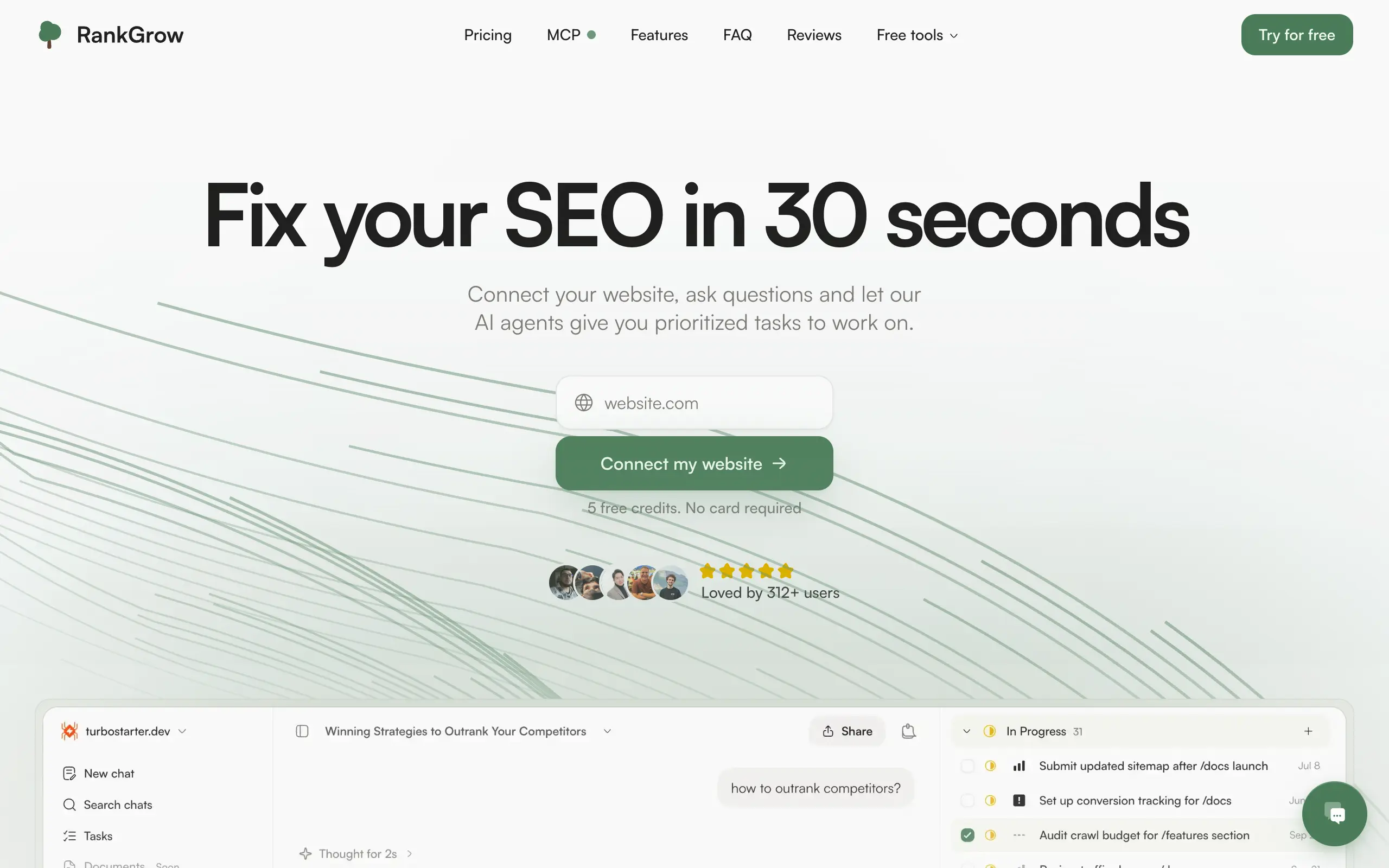
Fix your SEO with AI agents - connect Search Console, get prioritized tasks, and grow organic traffic 📈
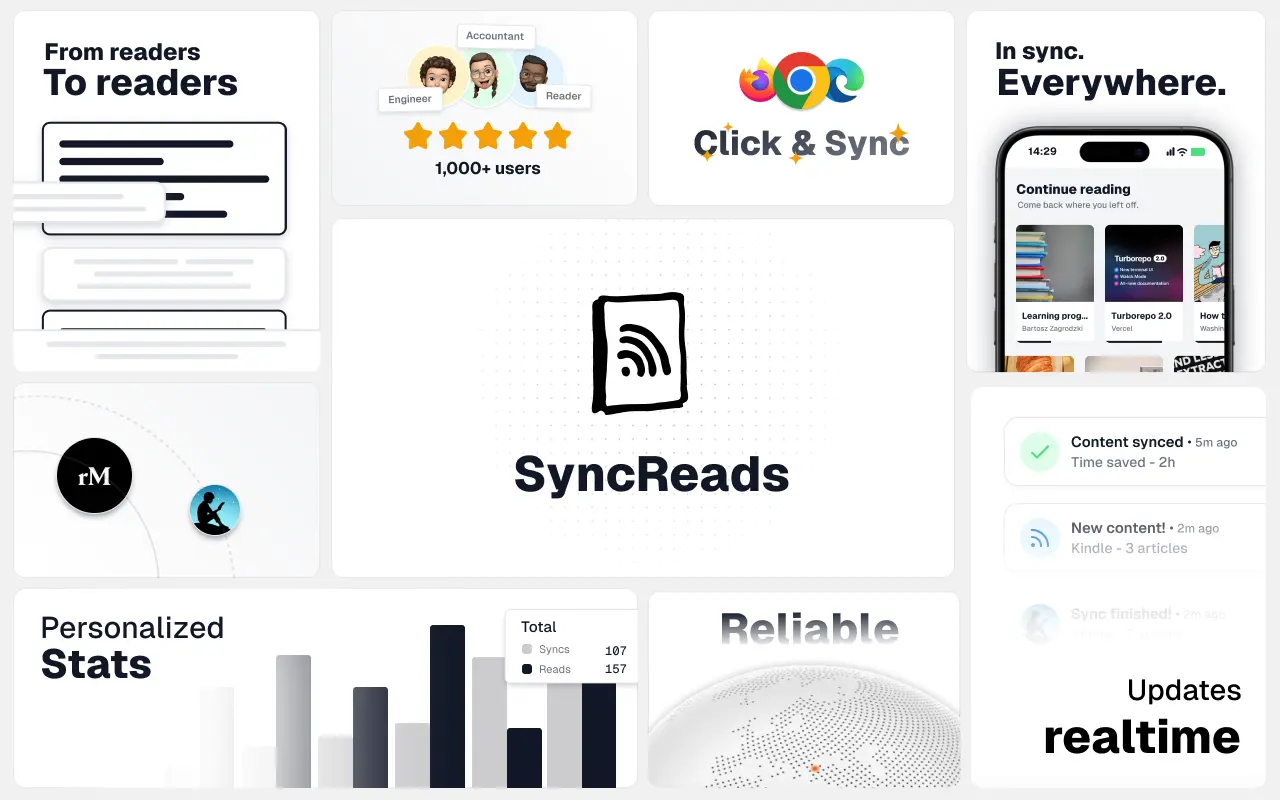
Sync your favorite content for distraction-free reading, save time and replace multiple apps. Anytime, anywhere 🔄
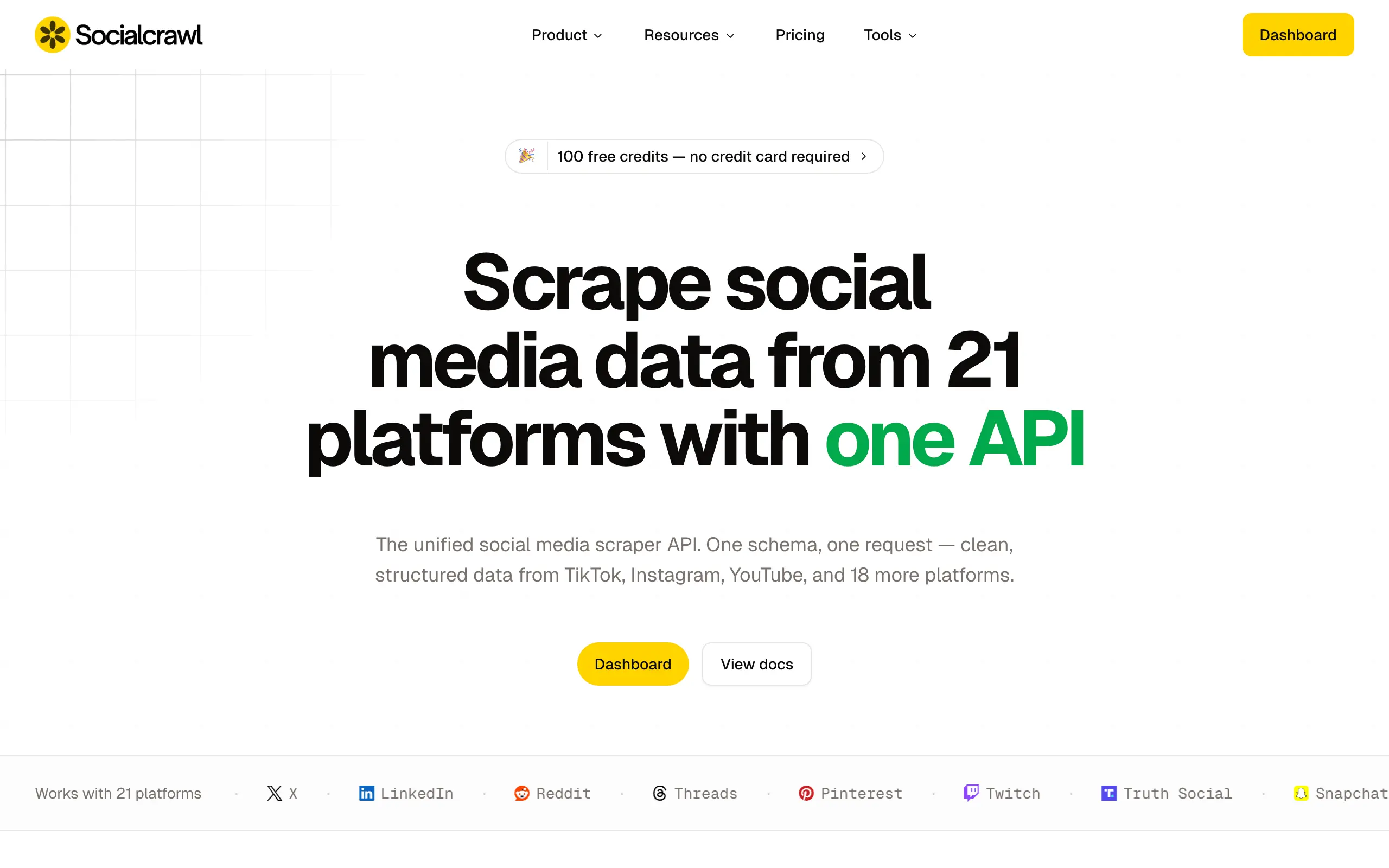
Get clean, structured data from 21 platforms like TikTok, Instagram, and YouTube with a single request 📊
Monitor any Telegram channel in real time - track posts, edits, deletions, and growth with AI recaps 📡
AI website builder - describe your business, pick a niche template, edit by chatting, and publish instantly ✨
Find verified home service professionals, compare quotes, and pay securely through escrow - built for Brazilians across the US 🏠
Fix your SEO with AI agents - connect Search Console, get prioritized tasks, and grow organic traffic 📈
Sync your favorite content for distraction-free reading, save time and replace multiple apps. Anytime, anywhere 🔄
Get clean, structured data from 21 platforms like TikTok, Instagram, and YouTube with a single request 📊
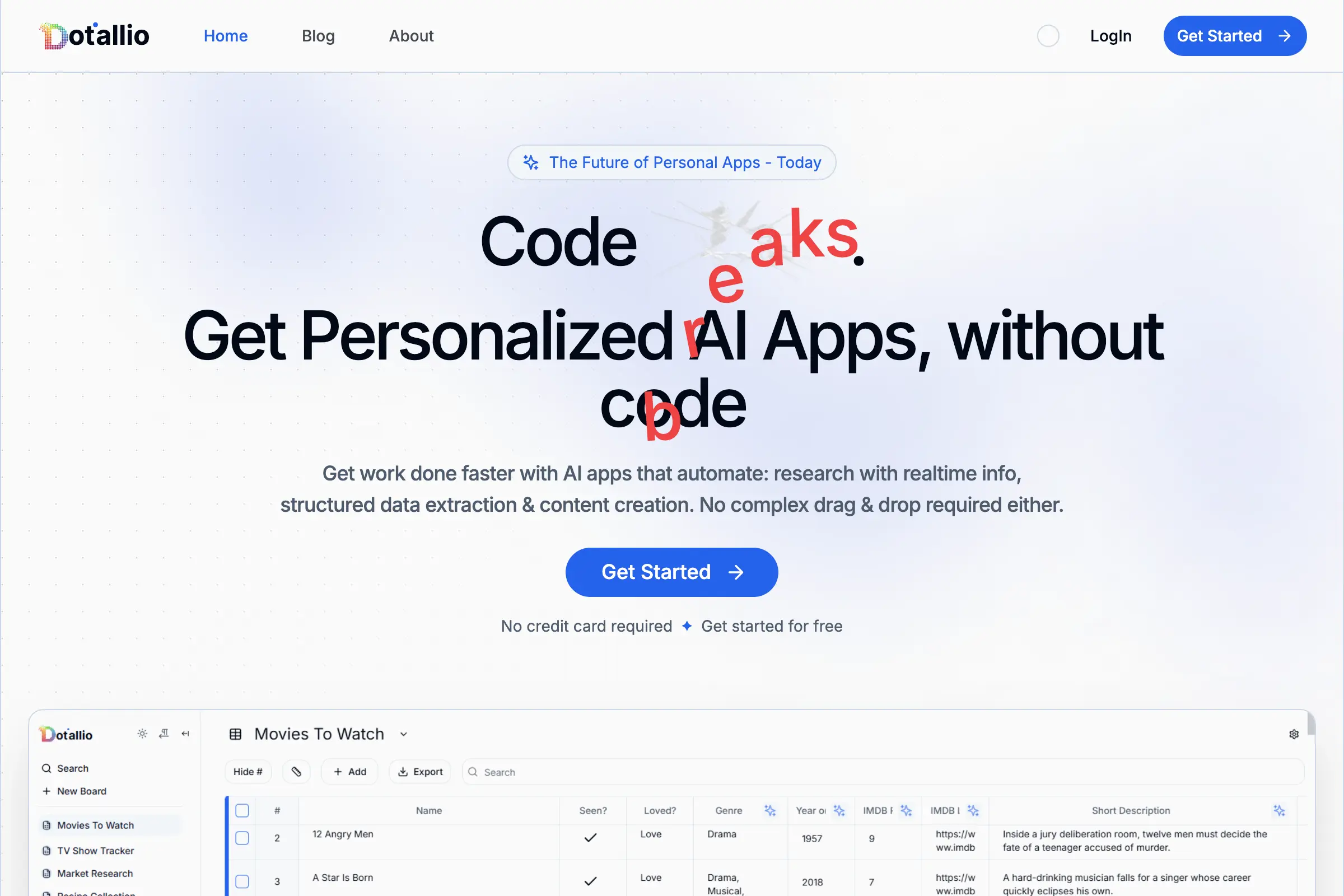
Personalized AI apps that automate research, data extraction, and content creation without code 🤖

Enjoy a magical live video chat or receive a unique AI-generated video greeting from Santa Claus 🎅

Scalable blog for food journalist, focused on performance and user experience 🌭
Personal blog and portfolio of Bart Zagrodzki, where he shares his knowledge and work 💼
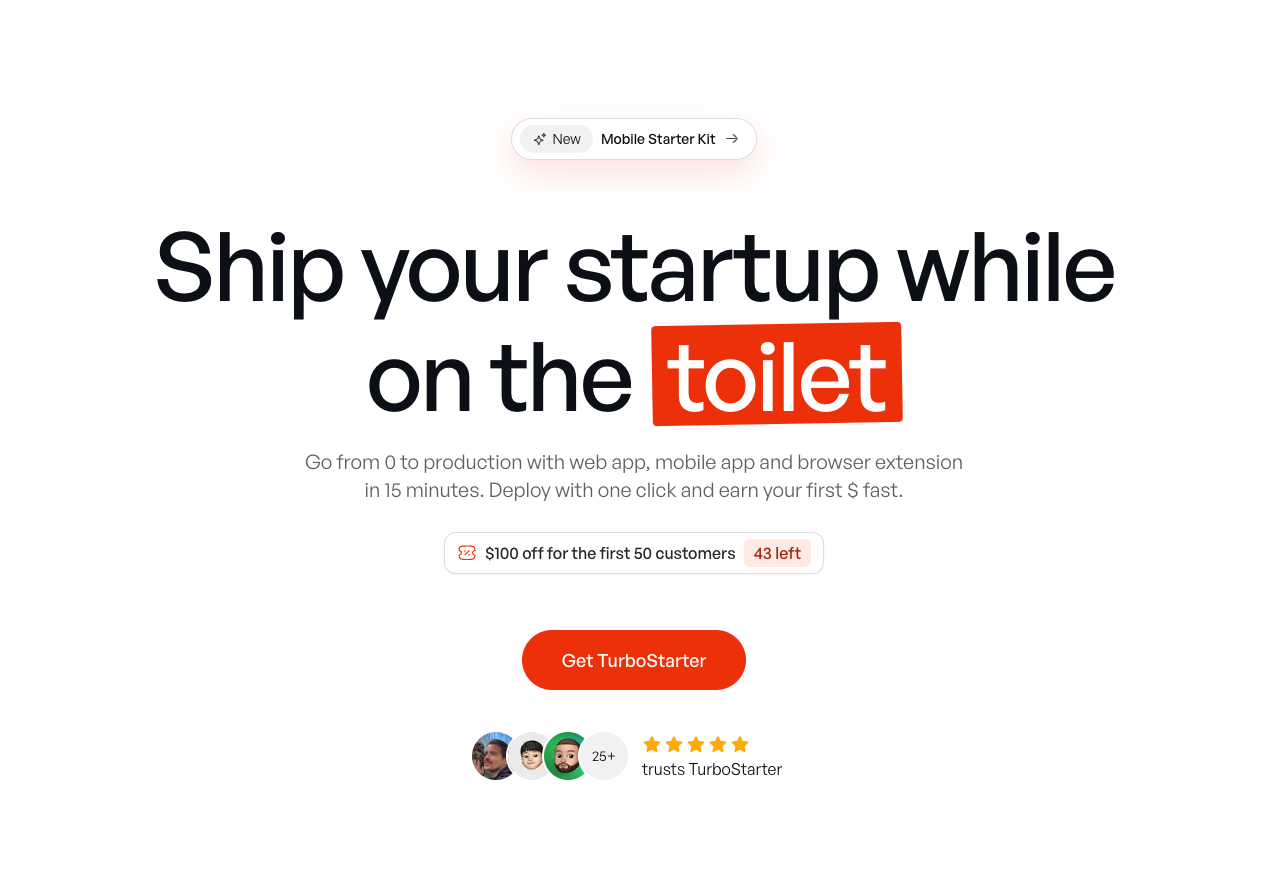
Ship your startup everywhere. In minutes.
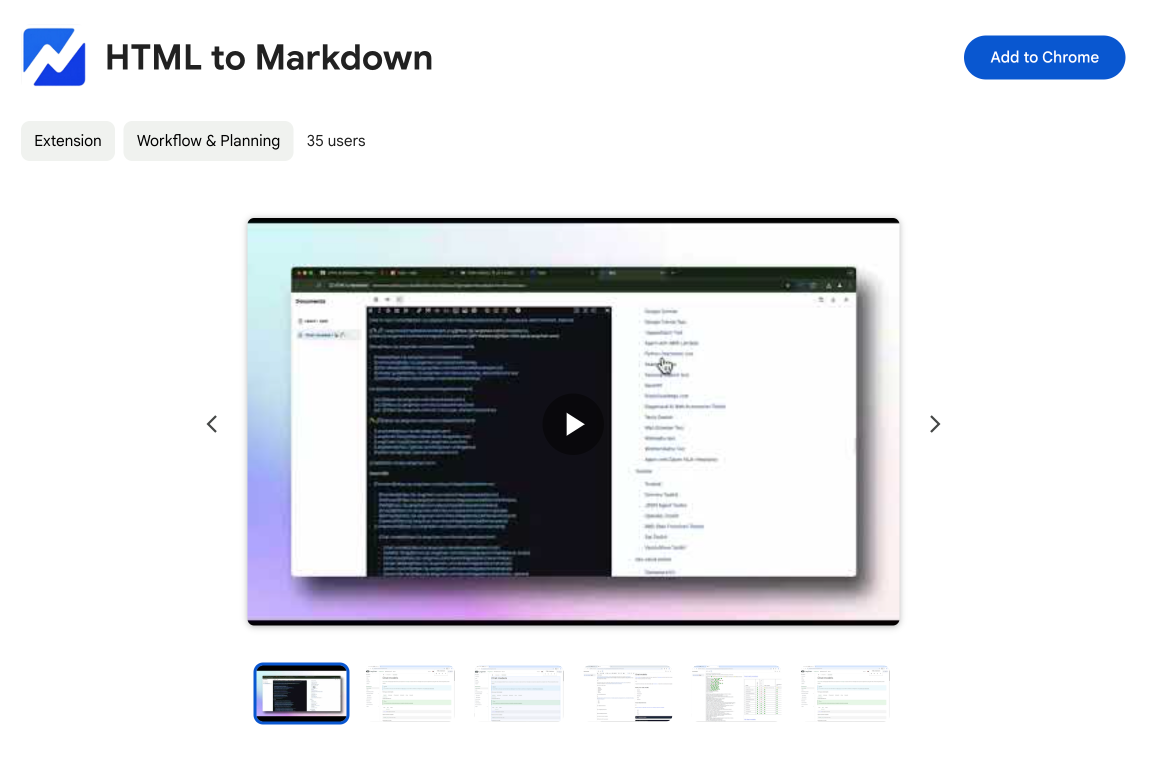
Convert HTML to Markdown with ease, directly in your browser 📄
Personalized AI apps that automate research, data extraction, and content creation without code 🤖
Enjoy a magical live video chat or receive a unique AI-generated video greeting from Santa Claus 🎅
Scalable blog for food journalist, focused on performance and user experience 🌭
Personal blog and portfolio of Bart Zagrodzki, where he shares his knowledge and work 💼
Ship your startup everywhere. In minutes.
Convert HTML to Markdown with ease, directly in your browser 📄
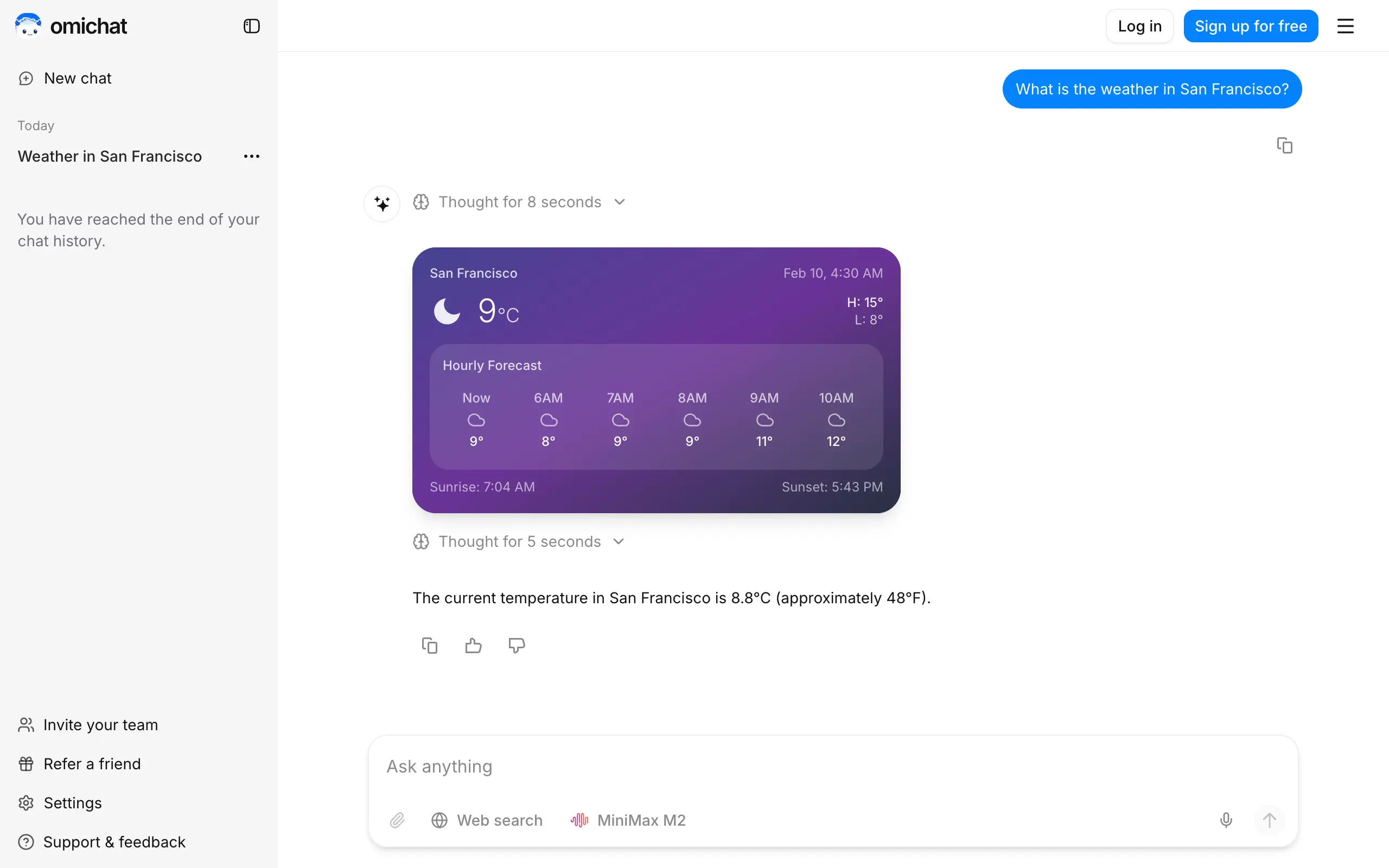
Chat with 50+ AI models, including ChatGPT and Claude, in one place - switch models anytime without losing context 🤖
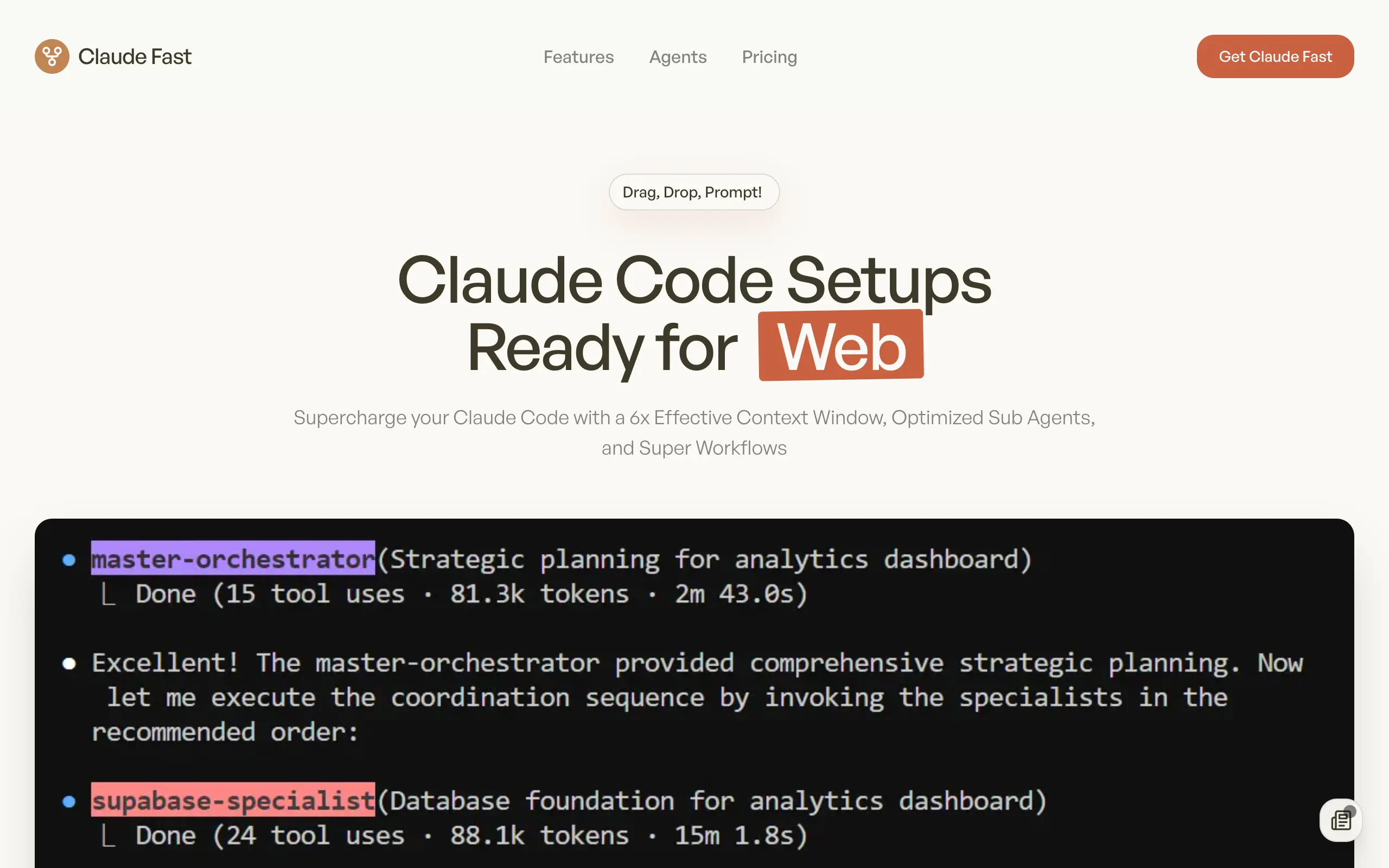
Supercharge your Claude Code with 6x effective context window and specialized AI agents 🤖
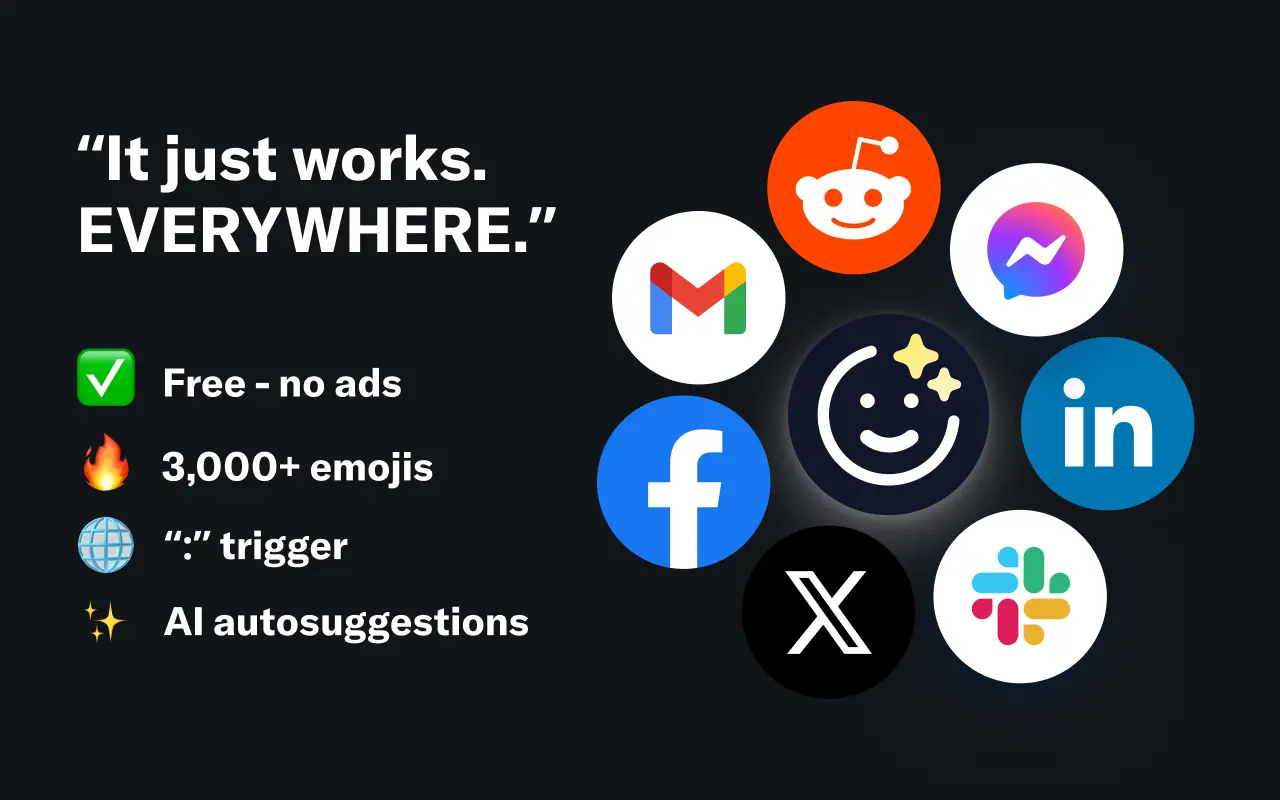
AI-powered emoji picker with smart, context-aware suggestions 🤖

Autonomous company launcher - AI agents work 24/7, escalate what matters, and you stay in control 🤖
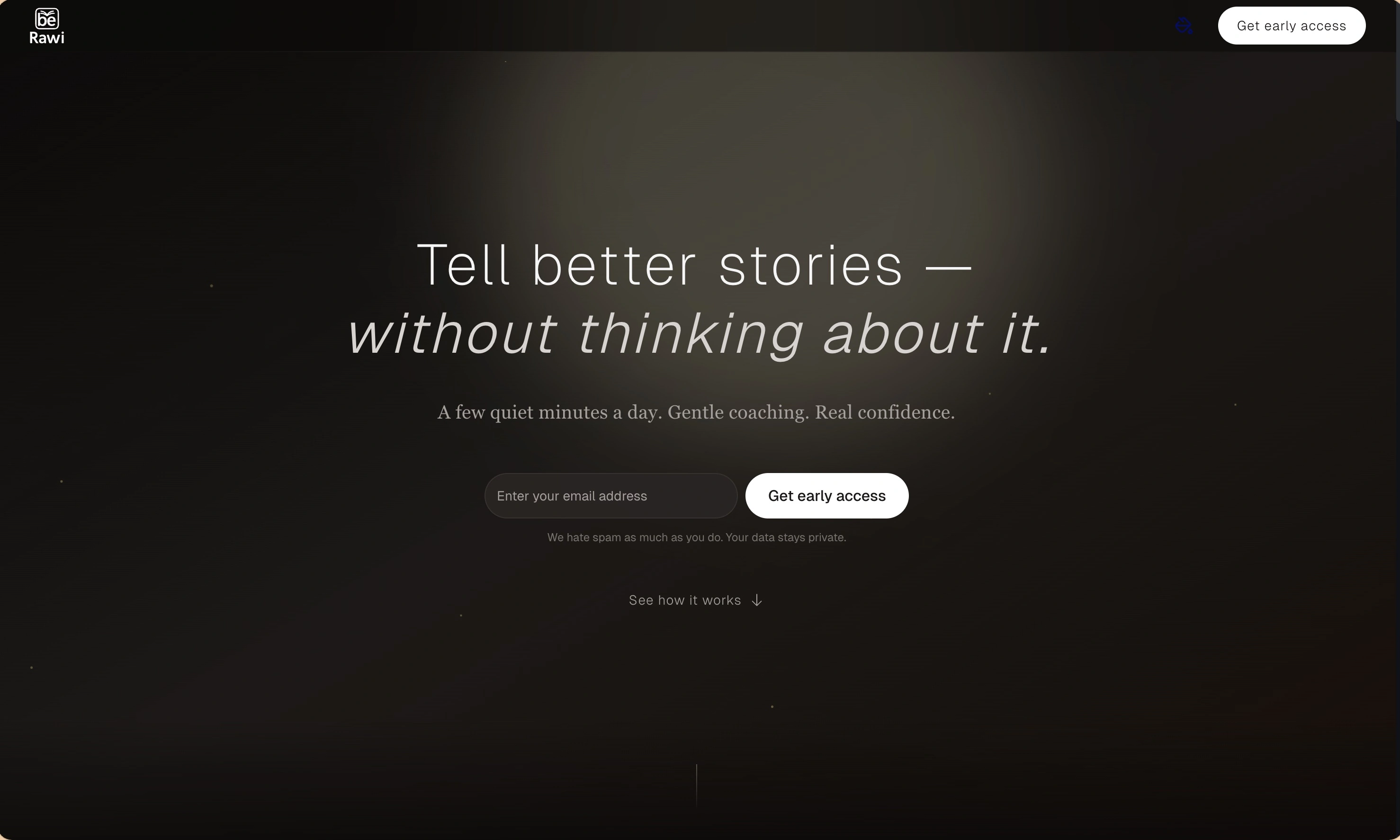
Practice storytelling daily with instant feedback to sound clearer, more engaging, and confident 🎤
Chat with 50+ AI models, including ChatGPT and Claude, in one place - switch models anytime without losing context 🤖
Supercharge your Claude Code with 6x effective context window and specialized AI agents 🤖
AI-powered emoji picker with smart, context-aware suggestions 🤖
Autonomous company launcher - AI agents work 24/7, escalate what matters, and you stay in control 🤖
Practice storytelling daily with instant feedback to sound clearer, more engaging, and confident 🎤

Connect with like-minded people
Join our community to get feedback, support, and grow together with 1,000+ builders on board, let's ship it!
Join usShip your startup everywhere. In minutes.
Don't burn tokens on setup and start building features on day one.