RosterIQ
AI-powered roster management that predicts fighter availability, injury risk, and matchup demand to help promoters book profitable, balanced cards.
The future of combat sports matchmaking with AI roster management
Combat sports promotions—from MMA and boxing to kickboxing and regional fight leagues—operate in a high-risk, high-uncertainty environment. Fighters pull out due to injuries, weight cuts fail, fan demand shifts rapidly, and poorly structured fight cards can destroy profitability.
This is where AI-powered roster management platforms like RosterIQ introduce a transformative edge.
RosterIQ is not just a scheduling tool—it’s a predictive intelligence system that helps promoters:
- Forecast fighter availability
- Assess injury and withdrawal risk
- Predict fan demand for matchups
- Optimize fight card profitability
In this guide, we’ll break down the market opportunity, product architecture, monetization strategy, competitive positioning, and implementation roadmap for building a SaaS like RosterIQ.
Understanding the problem: why fight promotions struggle with roster management
Combat sports promotions operate under unique constraints that traditional sports leagues don’t face:
- Fighters are independent contractors, not employees
- Injuries are frequent and unpredictable
- Fight outcomes directly influence future demand
- Short-notice replacements are common
- Event profitability depends heavily on match quality
Key operational challenges
1. Fighter availability uncertainty
Promoters often rely on manual tracking—spreadsheets, WhatsApp messages, and manager communication—to determine fighter readiness.
2. Injury risk blind spots
There is no standardized system for predicting injury likelihood based on:
- Fight frequency
- Training intensity
- Age and recovery cycles
3. Poor matchmaking decisions
Many matchups are made based on intuition rather than data, leading to:
- Low ticket sales
- Weak pay-per-view performance
- Fan disengagement
4. Last-minute cancellations
Late changes can disrupt entire fight cards, affecting broadcast deals and sponsorships.
Why this matters
Even a single canceled main event can cost a promotion millions in refunds, lost viewership, and damaged brand reputation.
What is AI-powered roster management?
AI roster management platforms like RosterIQ use machine learning models and historical data to optimize decision-making across fighter scheduling and matchmaking.
Core capabilities
- Predictive availability modeling
- Injury risk assessment
- Matchup demand forecasting
- Card profitability optimization
- Dynamic scheduling recommendations
Target audience for RosterIQ
Understanding the target users is essential for product-market fit.
Primary users
-
Combat sports promotions
- MMA organizations
- Boxing promoters
- Regional fight leagues
-
Matchmakers
- Responsible for fight card construction
-
Operations teams
- Handle scheduling and logistics
Secondary users
- Fighter management agencies
- Broadcasters and streaming platforms
- Sports analytics firms
User personas
The Matchmaker
Needs data-driven insights to build compelling fights while minimizing risk.
The Promoter
Focused on maximizing revenue, ticket sales, and audience engagement.
The Operations Lead
Wants fewer last-minute disruptions and smoother event execution.
Market opportunity and industry trends
Growth of combat sports
The global combat sports market continues to expand due to:
- Streaming platforms increasing accessibility
- Rising popularity of MMA worldwide
- Social media-driven fighter branding
Organizations like the UFC, ONE Championship, and regional promotions have demonstrated the scalability of fight-based entertainment.
The data gap
Despite growth, most promotions still rely on:
- Manual spreadsheets
- Gut-based decision making
- Fragmented data systems
This creates a massive opportunity for AI-driven optimization tools.
Adjacent trends enabling RosterIQ
- AI adoption in sports analytics
- Wearable tech data integration
- Predictive modeling in player performance
- Increasing demand for data-backed decisions
Core features of RosterIQ
A successful AI roster management SaaS needs to deliver clear, measurable value.
1. fighter availability prediction engine
Uses historical data to estimate:
- Recovery timelines
- Training cycles
- Fight readiness windows
2. injury risk scoring
Analyzes:
- Fight frequency
- Age
- Past injuries
- Weight class trends
Outputs a risk score that helps promoters avoid fragile matchups.
3. matchup demand forecasting
Predicts fan interest using:
- Fighter popularity metrics
- Social media engagement
- Past fight performance
4. fight card optimization
Automatically generates optimal fight cards based on:
- Revenue potential
- Risk minimization
- Competitive balance
5. real-time roster dashboard
A centralized interface showing:
- Fighter status
- Risk levels
- Scheduling recommendations
Feature comparison: traditional vs AI-driven approach
| Capability | Manual systems | Basic software | RosterIQ AI | Impact |
|---|---|---|---|---|
| Availability tracking | ✅ | ✅ | ✅ | Moderate |
| Injury prediction | ❌ | ❌ | ✅ | High |
| Demand forecasting | ❌ | ❌ | ✅ | Very High |
| Automated matchmaking | ❌ | ❌ | ✅ | Transformational |
Recommended tech stack for building RosterIQ
Choosing the right stack is critical for scalability and performance.
Frontend
- React for dynamic UI
- TailwindCSS for fast styling
- Data visualization libraries (e.g., charts for risk scoring)
Backend
- Node.js or Python (FastAPI)
- GraphQL or REST APIs
- Real-time updates via WebSockets
AI/ML layer
- Python-based ML pipelines
- TensorFlow or PyTorch
- Time-series forecasting models
Data sources
- Historical fight data
- Social media APIs
- Wearable integrations (future expansion)
Infrastructure
- AWS or GCP
- Serverless functions for scalability
- Managed databases (PostgreSQL + Redis)
Tech trade-off
Python is ideal for AI modeling, but Node.js may be better for real-time dashboards. A hybrid architecture often works best.
How the AI engine works (simplified)
// Example: fighter availability prediction
function predictAvailability(fighterData) {
  const recoveryScore = calculateRecovery(fighterData.lastFightDate);
  const injuryRisk = model.predictInjuryRisk(fighterData.history);
  const trainingLoad = analyzeTraining(fighterData.trainingData);

  return {
    availabilityWindow: estimateWindow(recoveryScore, injuryRisk),
    confidence: calculateConfidence(recoveryScore, injuryRisk, trainingLoad)
  };
}
Monetization strategy
RosterIQ can adopt multiple revenue streams.
1. SaaS subscription model
- Tiered pricing based on roster size
- Monthly or annual billing
2. premium analytics add-ons
- Advanced predictive insights
- Custom reporting
3. enterprise licensing
- Large promotions (e.g., UFC-level orgs)
- Custom integrations
4. data-as-a-service
- Sell anonymized insights to broadcasters
- Market intelligence reports
Pricing model example
- Small promotions
- Basic analytics
- Limited roster size
- Full AI features
- Matchmaking optimization
- API access
- Custom models
- Dedicated support
- Advanced integrations
Competitive advantage of RosterIQ
1. predictive intelligence vs reactive tools
Most tools track data. RosterIQ predicts outcomes.
2. niche specialization
Focused specifically on combat sports, unlike generic sports analytics platforms.
3. revenue-driven insights
Not just operational efficiency—direct impact on profitability.
4. continuous learning models
AI improves with more fight data, creating a strong moat.
Risks and mitigation strategies
Risk 1: data scarcity
Early-stage promotions may lack sufficient data.
Mitigation:
- Use public datasets
- Offer baseline models
Risk 2: resistance to AI
Matchmakers may trust intuition over data.
Mitigation:
- Provide explainable AI outputs
- Show ROI improvements
Risk 3: inaccurate predictions
Poor models could damage trust.
Mitigation:
- Continuous model training
- Human-in-the-loop validation
Risk 4: integration complexity
Promotions may use fragmented systems.
Mitigation:
- Offer flexible APIs
- Provide onboarding support
go-to-market strategy
Phase 1: niche targeting
Focus on:
- Regional MMA promotions
- Mid-tier boxing organizations
Phase 2: partnerships
- Fighter management agencies
- Broadcast platforms
Phase 3: expansion
- Global promotions
- Multi-sport adaptation
building an MVP for RosterIQ
implementation roadmap
Month 1–2: foundation
- Data schema design
- Basic UI prototype
- Initial ML model
Month 3–4: product development
- Dashboard build
- API integrations
- Prediction refinement
Month 5–6: launch
- Beta testing
- Feedback iteration
- First paying customers
future expansion opportunities
- Integration with wearable fitness devices
- Real-time injury monitoring
- Betting market insights
- AI-generated fight promotion strategies
why now is the right time to build RosterIQ
Several factors make this idea especially timely:
- AI adoption is accelerating across sports
- Promotions are seeking data-driven edges
- Fan expectations are higher than ever
- Competition among leagues is increasing
actionable steps to get started
If you're building a SaaS like RosterIQ, here’s a practical path:
- Validate demand with 3–5 promotions
- Build a lightweight MVP with core prediction features
- Focus on one key metric (e.g., reduced cancellations)
- Iterate based on real-world usage
- Scale AI capabilities gradually
To accelerate development, you can use tools like TurboStarter to bootstrap your SaaS infrastructure quickly and focus on core differentiation.
final thoughts
RosterIQ represents a new category of AI-powered sports operations platforms. By combining predictive analytics with real-world fight data, it transforms how promotions:
- Build fight cards
- Manage risk
- Maximize revenue
The biggest opportunity lies not just in automation—but in decision intelligence.
Promoters who adopt AI-driven roster management early will gain a significant competitive edge, while those who rely solely on intuition risk falling behind in an increasingly data-driven industry.
If executed well, RosterIQ isn’t just a tool—it becomes an essential layer in the future of combat sports.
More 🤖 AI Startup SaaS ideas
Discover more innovative ai startup SaaS ideas that are trending in 2026. Each idea is AI-generated with market validation and growth potential to help you find your next profitable venture faster than competitors.
Your competitors are building with TurboStarter
Below are some of the SaaS ideas that have been generated and built with our starter kit.

Statiko
Monitor any Telegram channel in real time - track posts, edits, deletions, and growth with AI recaps 📡

Shibui
AI website builder - describe your business, pick a niche template, edit by chatting, and publish instantly ✨

Pro Service
Find verified home service professionals, compare quotes, and pay securely through escrow - built for Brazilians across the US 🏠
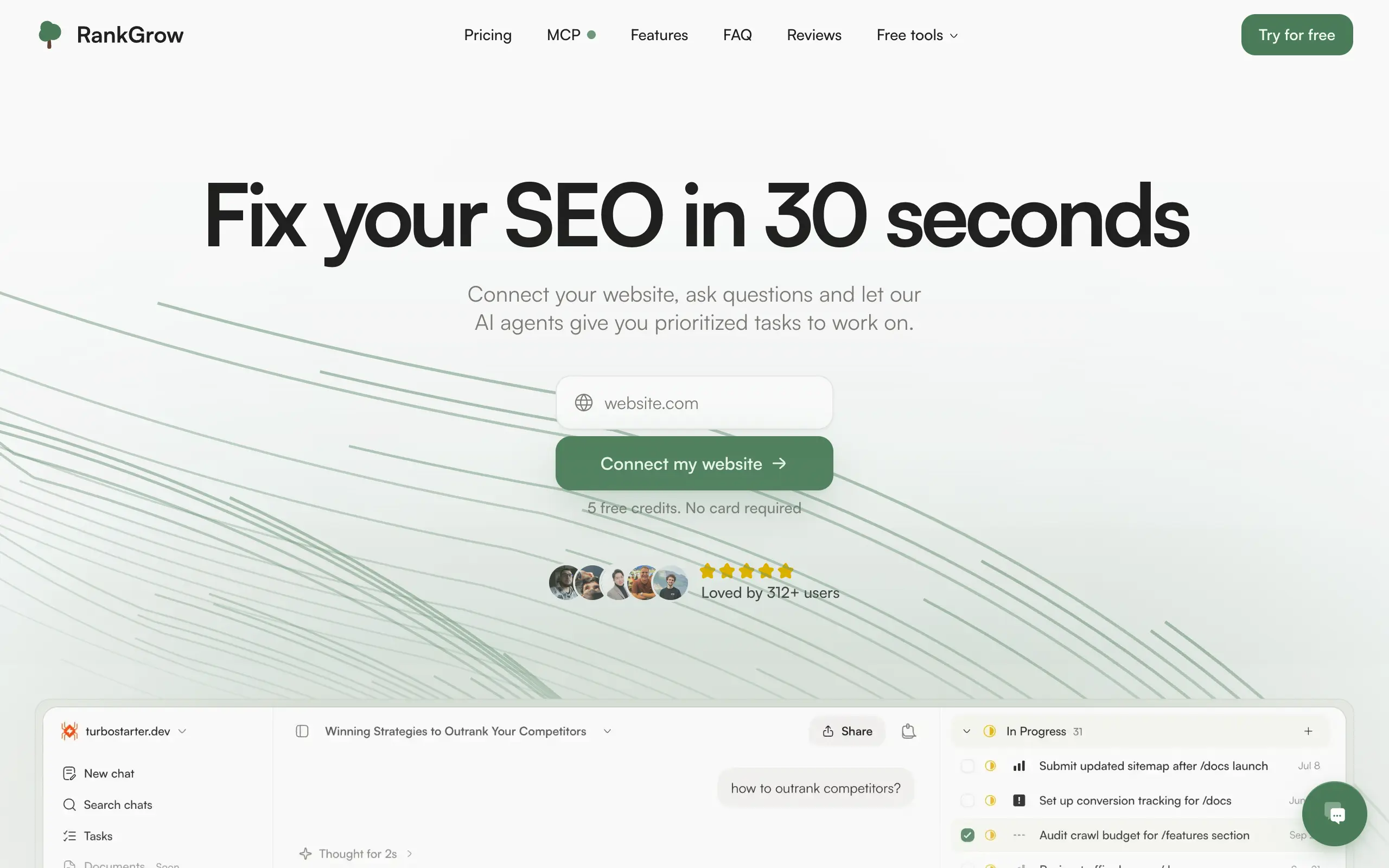
RankGrow
Fix your SEO with AI agents - connect Search Console, get prioritized tasks, and grow organic traffic 📈
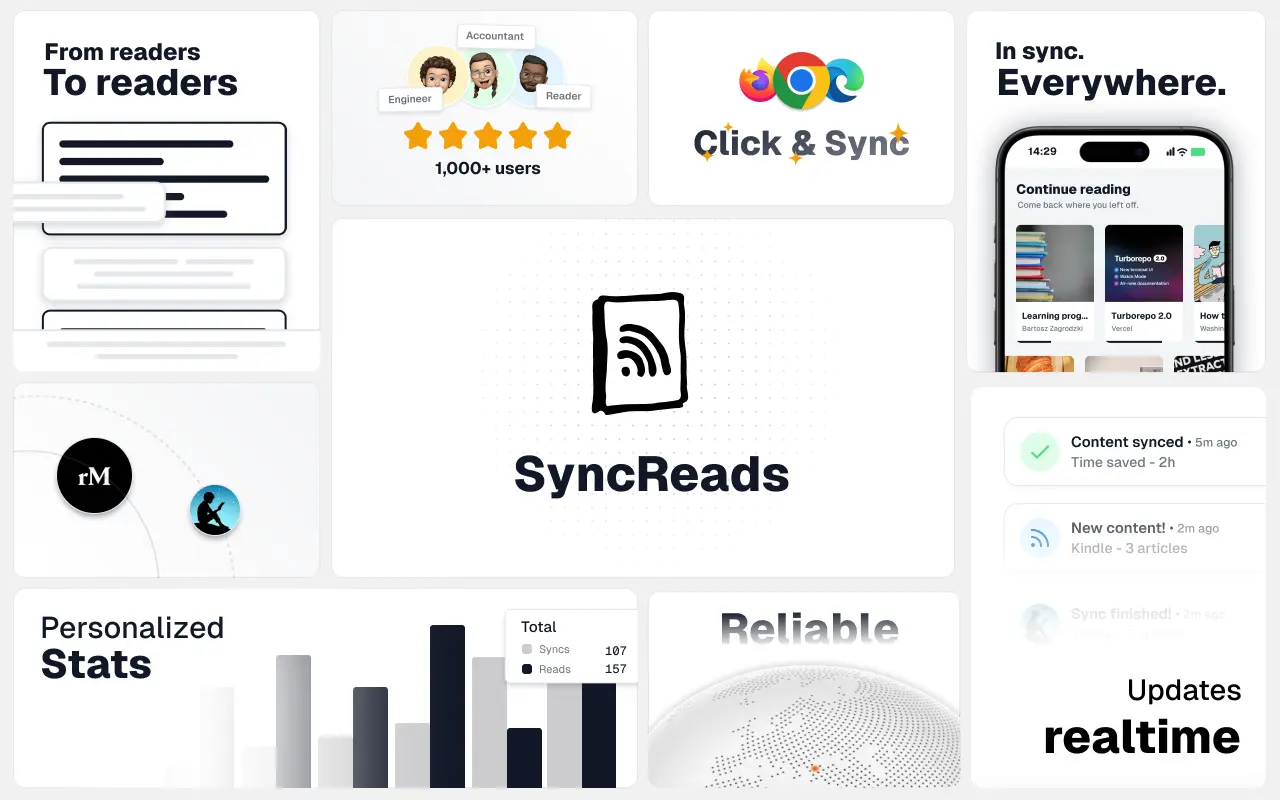
SyncReads
Sync your favorite content for distraction-free reading, save time and replace multiple apps. Anytime, anywhere 🔄
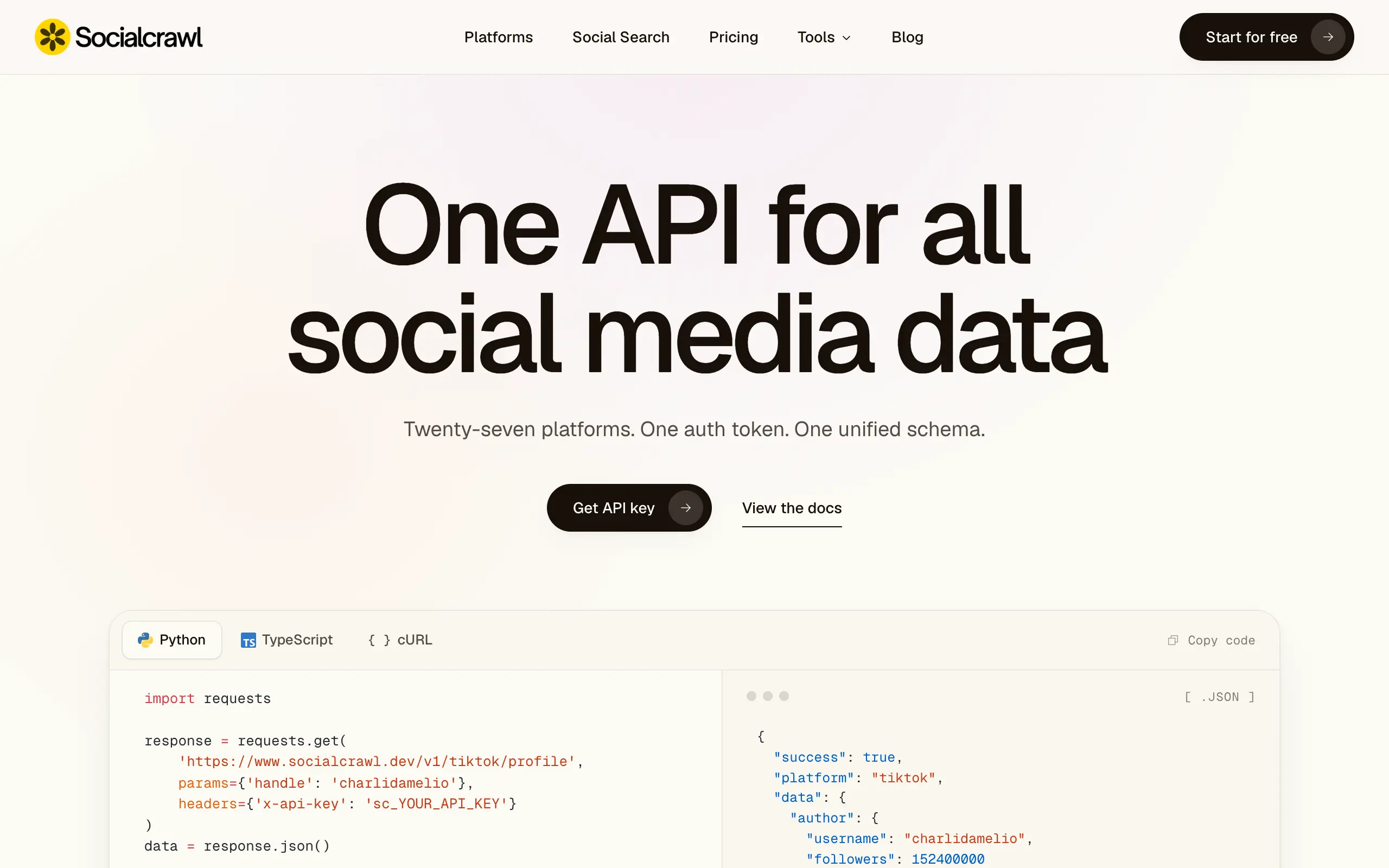
Socialcrawl
Get clean, structured data from 21 platforms like TikTok, Instagram, and YouTube with a single request 📊
Statiko
Monitor any Telegram channel in real time - track posts, edits, deletions, and growth with AI recaps 📡
Shibui
AI website builder - describe your business, pick a niche template, edit by chatting, and publish instantly ✨
Pro Service
Find verified home service professionals, compare quotes, and pay securely through escrow - built for Brazilians across the US 🏠
RankGrow
Fix your SEO with AI agents - connect Search Console, get prioritized tasks, and grow organic traffic 📈
SyncReads
Sync your favorite content for distraction-free reading, save time and replace multiple apps. Anytime, anywhere 🔄
Socialcrawl
Get clean, structured data from 21 platforms like TikTok, Instagram, and YouTube with a single request 📊
Statiko
Monitor any Telegram channel in real time - track posts, edits, deletions, and growth with AI recaps 📡
Shibui
AI website builder - describe your business, pick a niche template, edit by chatting, and publish instantly ✨
Pro Service
Find verified home service professionals, compare quotes, and pay securely through escrow - built for Brazilians across the US 🏠
RankGrow
Fix your SEO with AI agents - connect Search Console, get prioritized tasks, and grow organic traffic 📈
SyncReads
Sync your favorite content for distraction-free reading, save time and replace multiple apps. Anytime, anywhere 🔄
Socialcrawl
Get clean, structured data from 21 platforms like TikTok, Instagram, and YouTube with a single request 📊
Statiko
Monitor any Telegram channel in real time - track posts, edits, deletions, and growth with AI recaps 📡
Shibui
AI website builder - describe your business, pick a niche template, edit by chatting, and publish instantly ✨
Pro Service
Find verified home service professionals, compare quotes, and pay securely through escrow - built for Brazilians across the US 🏠
RankGrow
Fix your SEO with AI agents - connect Search Console, get prioritized tasks, and grow organic traffic 📈
SyncReads
Sync your favorite content for distraction-free reading, save time and replace multiple apps. Anytime, anywhere 🔄
Socialcrawl
Get clean, structured data from 21 platforms like TikTok, Instagram, and YouTube with a single request 📊
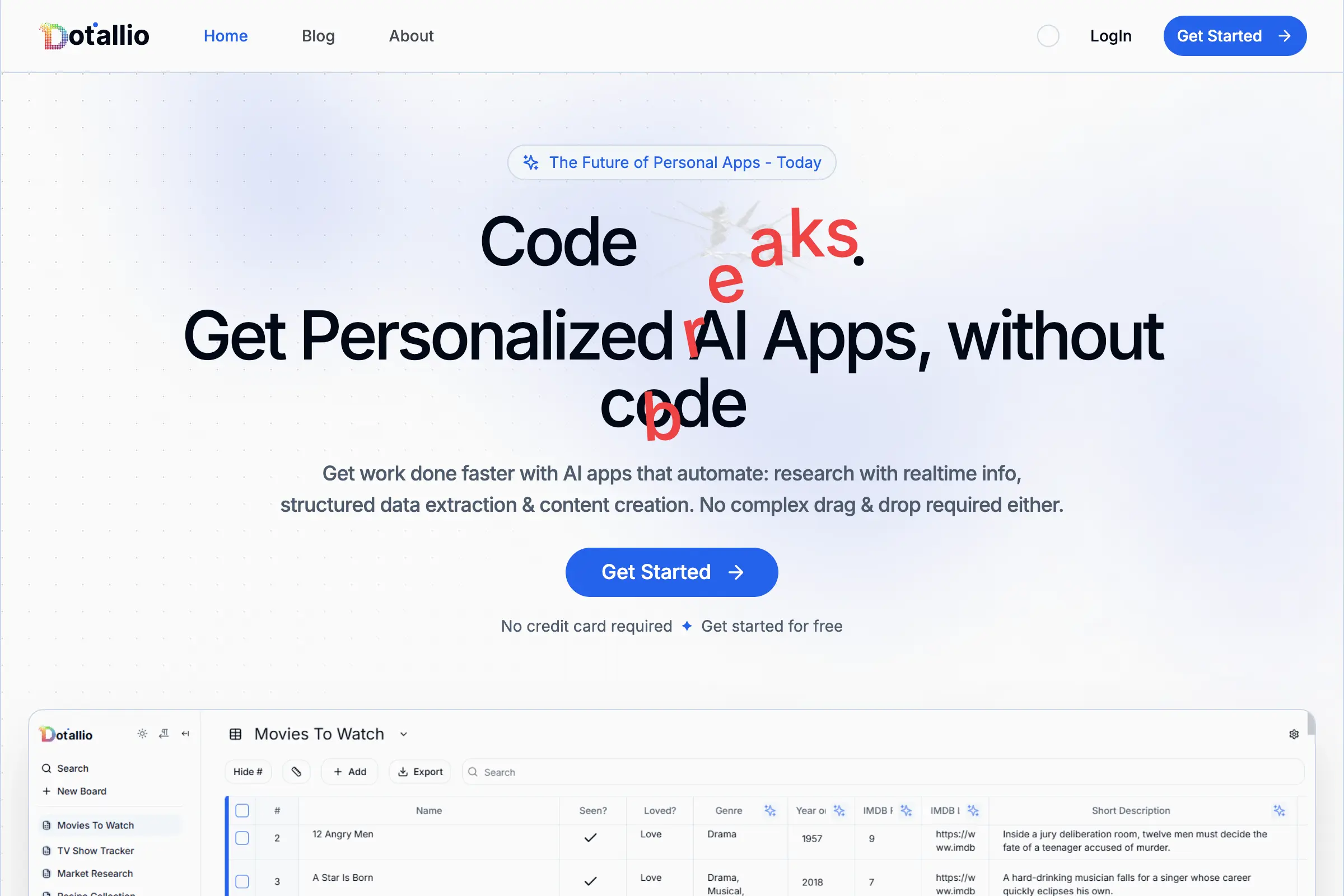
Dotallio
Personalized AI apps that automate research, data extraction, and content creation without code 🤖

Talk to Santa
Enjoy a magical live video chat or receive a unique AI-generated video greeting from Santa Claus 🎅

pozywka.pl
Scalable blog for food journalist, focused on performance and user experience 🌭
zagrodzki.me
Personal blog and portfolio of Bart Zagrodzki, where he shares his knowledge and work 💼
TurboStarter
Ship your startup everywhere. In minutes.
HTML to Markdown
Convert HTML to Markdown with ease, directly in your browser 📄
Dotallio
Personalized AI apps that automate research, data extraction, and content creation without code 🤖
Talk to Santa
Enjoy a magical live video chat or receive a unique AI-generated video greeting from Santa Claus 🎅
pozywka.pl
Scalable blog for food journalist, focused on performance and user experience 🌭
zagrodzki.me
Personal blog and portfolio of Bart Zagrodzki, where he shares his knowledge and work 💼
TurboStarter
Ship your startup everywhere. In minutes.
HTML to Markdown
Convert HTML to Markdown with ease, directly in your browser 📄
Dotallio
Personalized AI apps that automate research, data extraction, and content creation without code 🤖
Talk to Santa
Enjoy a magical live video chat or receive a unique AI-generated video greeting from Santa Claus 🎅
pozywka.pl
Scalable blog for food journalist, focused on performance and user experience 🌭
zagrodzki.me
Personal blog and portfolio of Bart Zagrodzki, where he shares his knowledge and work 💼
TurboStarter
Ship your startup everywhere. In minutes.
HTML to Markdown
Convert HTML to Markdown with ease, directly in your browser 📄
Dotallio
Personalized AI apps that automate research, data extraction, and content creation without code 🤖
Talk to Santa
Enjoy a magical live video chat or receive a unique AI-generated video greeting from Santa Claus 🎅
pozywka.pl
Scalable blog for food journalist, focused on performance and user experience 🌭
zagrodzki.me
Personal blog and portfolio of Bart Zagrodzki, where he shares his knowledge and work 💼
TurboStarter
Ship your startup everywhere. In minutes.
HTML to Markdown
Convert HTML to Markdown with ease, directly in your browser 📄
Omichat
Chat with 50+ AI models, including ChatGPT and Claude, in one place - switch models anytime without losing context 🤖
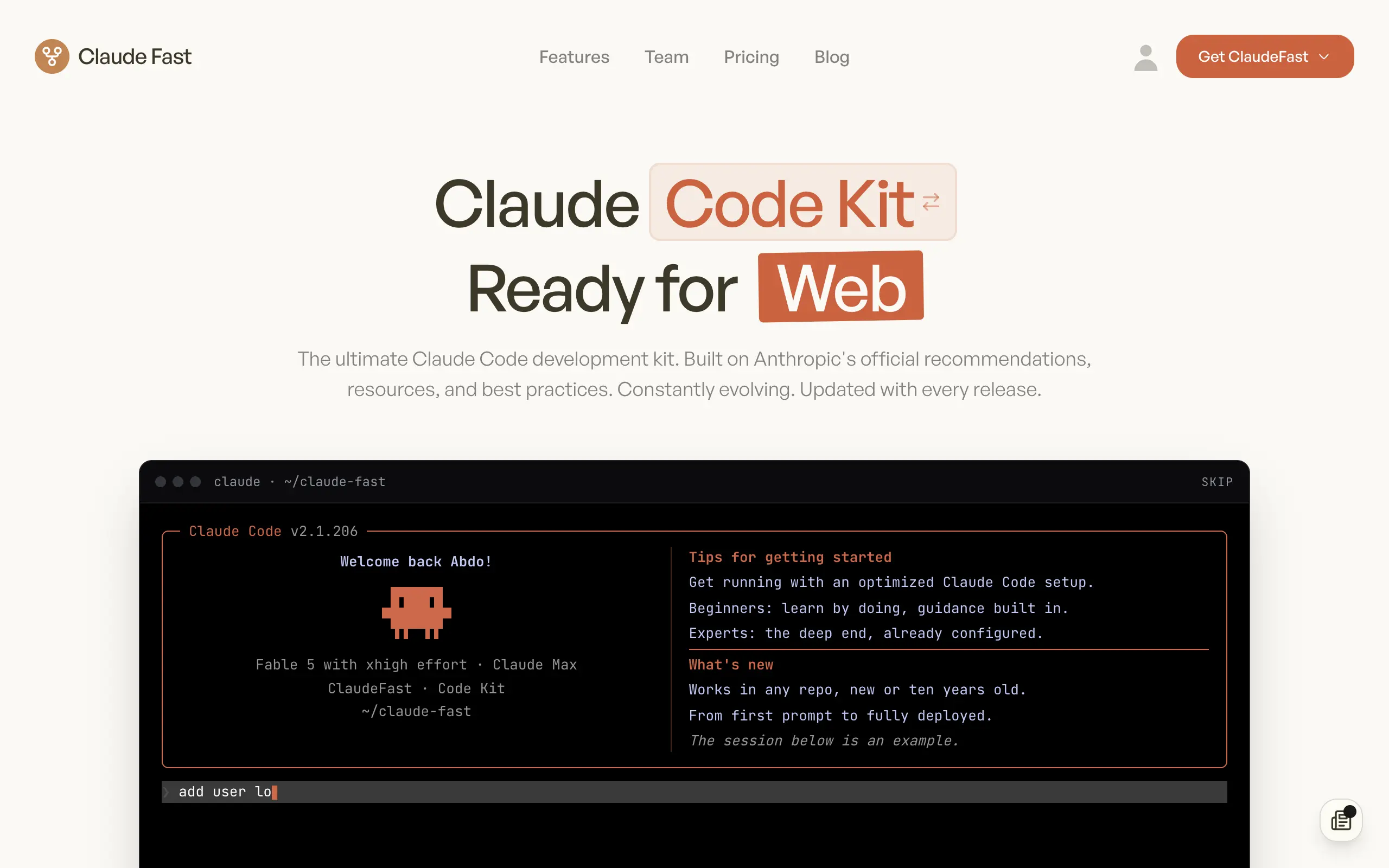
Claude Fast
Supercharge your Claude Code with 6x effective context window and specialized AI agents 🤖
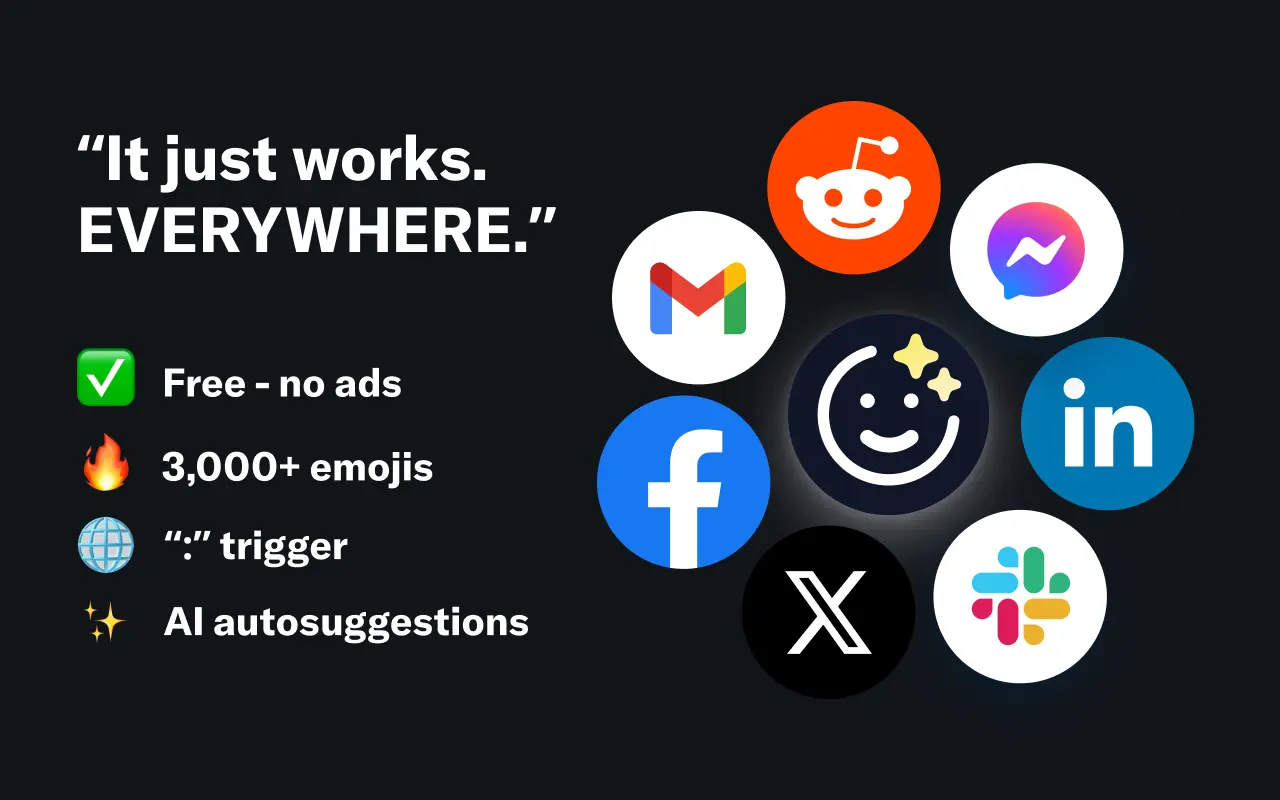
EmojAI
AI-powered emoji picker with smart, context-aware suggestions 🤖
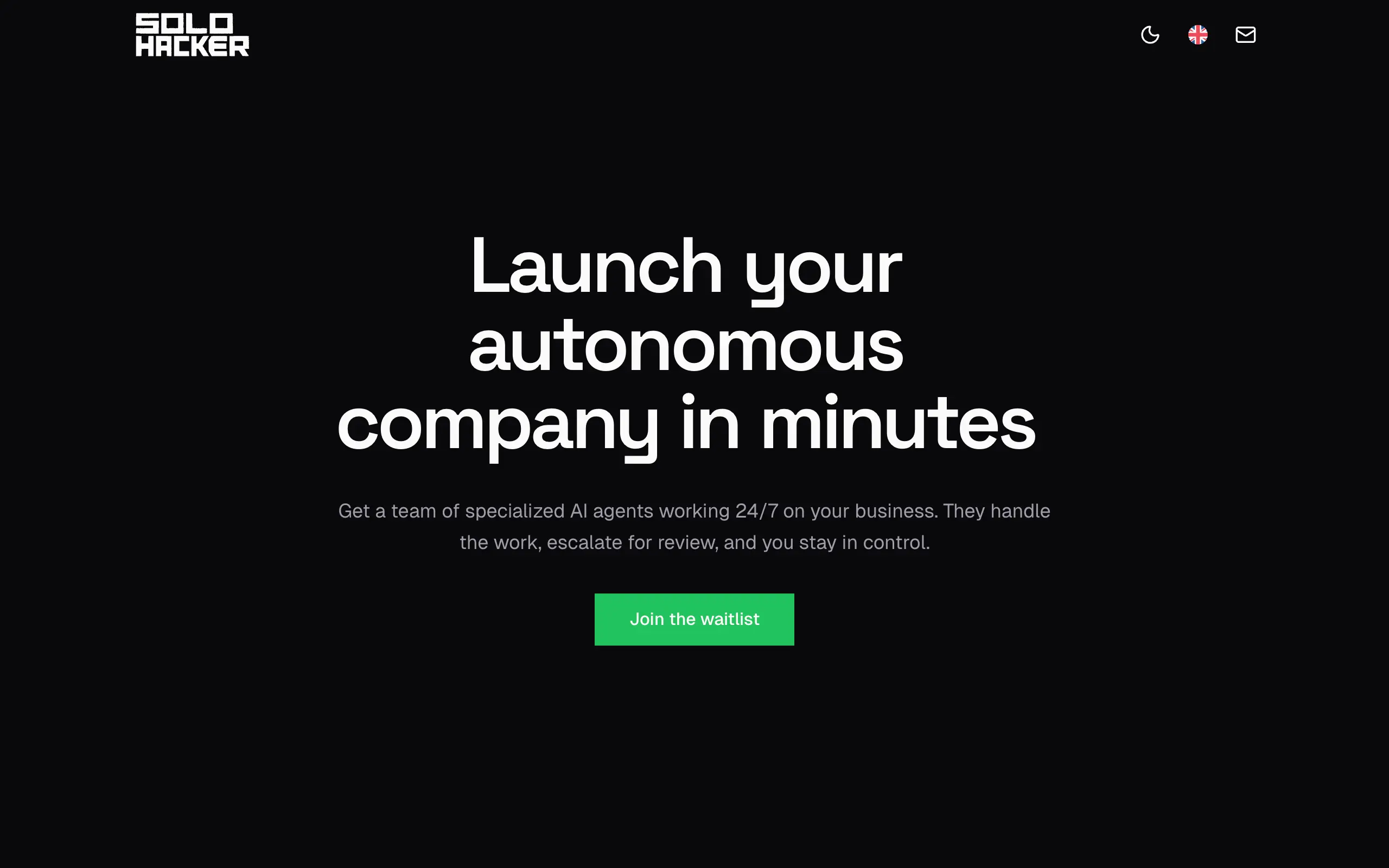
Solohacker
Autonomous company launcher - AI agents work 24/7, escalate what matters, and you stay in control 🤖
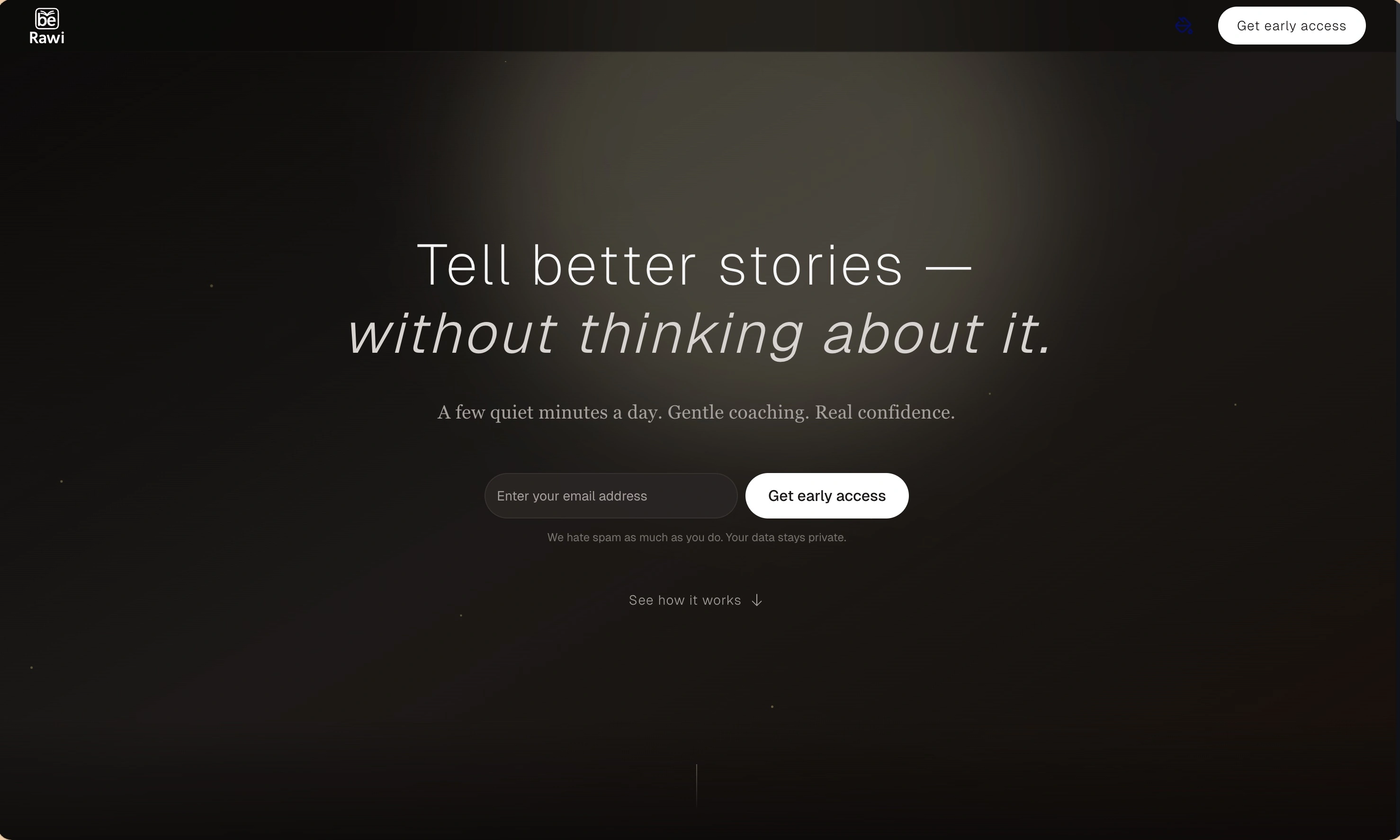
BeRawi: Storytelling Coach
Practice storytelling daily with instant feedback to sound clearer, more engaging, and confident 🎤
Omichat
Chat with 50+ AI models, including ChatGPT and Claude, in one place - switch models anytime without losing context 🤖
Claude Fast
Supercharge your Claude Code with 6x effective context window and specialized AI agents 🤖
EmojAI
AI-powered emoji picker with smart, context-aware suggestions 🤖
Solohacker
Autonomous company launcher - AI agents work 24/7, escalate what matters, and you stay in control 🤖
BeRawi: Storytelling Coach
Practice storytelling daily with instant feedback to sound clearer, more engaging, and confident 🎤
Omichat
Chat with 50+ AI models, including ChatGPT and Claude, in one place - switch models anytime without losing context 🤖
Claude Fast
Supercharge your Claude Code with 6x effective context window and specialized AI agents 🤖
EmojAI
AI-powered emoji picker with smart, context-aware suggestions 🤖
Solohacker
Autonomous company launcher - AI agents work 24/7, escalate what matters, and you stay in control 🤖
BeRawi: Storytelling Coach
Practice storytelling daily with instant feedback to sound clearer, more engaging, and confident 🎤
Omichat
Chat with 50+ AI models, including ChatGPT and Claude, in one place - switch models anytime without losing context 🤖
Claude Fast
Supercharge your Claude Code with 6x effective context window and specialized AI agents 🤖
EmojAI
AI-powered emoji picker with smart, context-aware suggestions 🤖
Solohacker
Autonomous company launcher - AI agents work 24/7, escalate what matters, and you stay in control 🤖
BeRawi: Storytelling Coach
Practice storytelling daily with instant feedback to sound clearer, more engaging, and confident 🎤

Connect with like-minded people
Join our community to get feedback, support, and grow together with 1,000+ builders on board, let's ship it!
Join usShip your startup everywhere. In minutes.
Don't burn tokens on setup and start building features on day one.