RubricPilot
An AI writing coach that checks assignments against a professor’s rubric, flags weak evidence, and suggests revisions without rewriting the work.
RubricPilot is an AI writing coach designed for a high-stakes academic problem that generic grammar tools do not solve: helping students understand whether their draft actually meets a professor’s grading rubric.
Instead of rewriting a paper and creating academic-integrity concerns, RubricPilot evaluates the student’s own work against explicit assignment criteria. It can identify missing evidence, weak analysis, unclear thesis alignment, unsupported claims, citation gaps, and sections that do not satisfy the rubric’s language. The result is actionable revision guidance that preserves student authorship.
For founders, educators, and product teams exploring the academic AI market, RubricPilot represents a focused opportunity at the intersection of AI tutoring, formative assessment, writing support, and responsible generative AI.
The central product principle
RubricPilot should coach students toward stronger reasoning and clearer revisions without generating a submit-ready assignment on their behalf. This distinction is critical for trust, institutional adoption, and long-term defensibility.
Why an AI rubric checker solves a real student problem
Students rarely lose marks because they do not know how to run a spell check. They lose marks because they misunderstand what “critical analysis,” “use scholarly evidence,” “evaluate competing perspectives,” or “demonstrate synthesis” means in the context of a specific course.
A traditional writing assistant may fix grammar, improve flow, or rephrase a sentence. Those capabilities are useful, but they do not tell a student whether their conclusion addresses the rubric, whether their body paragraphs contain enough evidence, or whether their citations support their argument.
An AI rubric checker can close that gap by connecting three inputs:
- The assignment prompt
- The professor’s grading rubric
- The student’s current draft
RubricPilot can then provide criterion-level feedback before submission. For example, it might explain that a student has made a relevant claim but has not compared sources, or that a paper cites evidence without interpreting why the evidence matters.
This is especially valuable because rubric language is often abstract. A student may see “excellent analysis” on a rubric and still have no practical understanding of what needs to change in their draft. RubricPilot turns that abstract evaluation standard into revision tasks.
Target audience for RubricPilot
The strongest initial audience is not “all students.” A narrow early focus makes the product easier to validate, market, and build.
Primary users: undergraduate and graduate students
Students are the most direct users because they feel the immediate pain of uncertainty before a deadline. They need fast, clear feedback that helps them revise independently.
The highest-intent student segments include:
- Students writing essays, research papers, literature reviews, and case analyses
- International students seeking help interpreting academic expectations in English
- First-year students learning university-level writing conventions
- Students in writing-intensive humanities and social science courses
- Graduate students preparing rubric-scored reflections, proposals, and research assignments
- Students who receive feedback after grades are already finalized and want feedback earlier
These users are likely to search for terms such as “AI rubric checker,” “check my essay against rubric,” “assignment rubric feedback,” “how to improve essay before submitting,” and “AI writing coach for students.”
Secondary users: writing centers and academic support teams
University writing centers often provide excellent feedback, but appointments are limited and demand spikes close to deadlines. RubricPilot can act as a first-pass writing coach between appointments.
A writing center could recommend RubricPilot to help students arrive with:
- A clearer understanding of the rubric
- A list of revision priorities
- Specific questions for a human tutor
- Evidence of the revisions they have already attempted
This framing positions the product as support for human coaching rather than a replacement for it.
Institutional buyers: instructors and universities
Instructors and academic departments may become the highest-value customer segment, but institutional sales should usually follow proven student demand.
Faculty and institutions care about different outcomes:
- More transparent assessment expectations
- Fewer repetitive clarification emails about assignments
- Better student revision behavior
- Stronger alignment between assignment design and student submissions
- Responsible AI use that does not undermine assessment
- Reporting controls, privacy protections, and accessibility
The product must earn trust before this audience adopts it. That requires transparent AI behavior, clear academic-integrity boundaries, data governance, and evidence that feedback is pedagogically sound.
Student-led entry
Launch with direct-to-student feedback for rubric-driven essays and build usage evidence quickly.
Writing center expansion
Offer tutoring teams a structured way to triage drafts and guide better revision conversations.
Institutional adoption
Add privacy controls, reporting, integrations, and instructor workflows after product-market fit.
The market gap in AI writing feedback
The academic AI market is crowded, but much of the competition concentrates on one of three categories: grammar correction, content generation, or plagiarism detection.
RubricPilot should occupy a more specific position: rubric-aware revision coaching that protects student ownership.
Why generic AI writing tools are insufficient
Generic AI tools often create several problems in academic settings.
First, they can produce polished replacement text that students may submit without understanding. That increases integrity concerns and may weaken learning.
Second, their feedback is often disconnected from the assignment’s actual grading standards. Improving a paragraph stylistically does not guarantee that it fulfills a criterion such as “evaluate methodology” or “integrate three peer-reviewed sources.”
Third, they may give confident but vague recommendations. Students need to know which rubric criterion is at risk, where it appears in the paper, why it is weak, and what kind of revision would improve it.
RubricPilot can differentiate itself by treating the rubric as the primary source of truth.
The opportunity created by responsible AI
Higher education is still developing policies for generative AI. This uncertainty creates a product opportunity for tools that provide assistance without impersonating the student.
A well-designed AI writing coach can focus on formative learning:
- Explain expectations in plain language
- Identify gaps between a draft and rubric criteria
- Ask students reflective questions
- Suggest revision strategies rather than completed passages
- Help students validate evidence and argument structure
- Provide a revision checklist linked to criteria
For current market data, cite authoritative annual sources such as EDUCAUSE research, UNESCO guidance on generative AI in education, institutional AI policy reports, and peer-reviewed learning science literature. Avoid relying on broad claims about adoption rates without a dated source.
RubricPilot’s unique selling proposition
RubricPilot’s USP is simple and compelling:
It helps students improve their own academic writing by showing how their draft aligns with the professor’s rubric, without rewriting the assignment for them.
That positioning gives the product a clearer ethical boundary than an AI essay generator and a more academically relevant purpose than a generic proofreading platform.
What makes the product defensible
The defensible value is not merely access to a large language model. Many competitors can call an AI model. RubricPilot becomes harder to copy when it combines:
- Rubric parsing and criterion normalization
- Assignment-specific evaluation workflows
- Evidence-aware feedback
- Citation and claim mapping
- Revision guidance tied to learning outcomes
- Consistent academic-integrity guardrails
- Instructor-configurable feedback standards
- Longitudinal learning insights across drafts
Over time, RubricPilot can develop proprietary evaluation patterns around how students interpret rubrics, where common misunderstandings occur, and which forms of feedback lead to meaningful revisions.
Core RubricPilot features for an MVP
The first version should solve one job exceptionally well: help a student revise a rubric-scored written assignment before submission.
Do not begin with every document type, every learning management system, and every discipline. Start with text-based assignments where rubric criteria are explicit.
Rubric upload and criterion extraction
Students should be able to paste or upload:
- Assignment instructions
- Grading rubric
- Instructor comments from a prior draft, if available
- Draft content
- Optional course context such as subject area and citation style
The system should extract each criterion, associated point values, performance descriptors, and key expectations. A student must be able to edit extracted criteria because rubrics vary substantially in format and wording.
For example, a criterion such as “demonstrates sophisticated use of evidence” should become understandable sub-signals such as:
- Evidence appears in relevant sections
- Sources are introduced with context
- Claims are supported by specific material
- Evidence is interpreted rather than dropped into the paragraph
- Sources are compared or synthesized where appropriate
Criterion-by-criterion draft analysis
The primary RubricPilot experience should present an understandable evaluation dashboard.
| Rubric criterion | Draft status | What RubricPilot found | Recommended next action | Student value |
|---|---|---|---|---|
| Thesis and argument | Needs revision | The thesis is present but does not make a debatable claim. | Clarify the position and preview the main reasons. | Stronger direction for the full paper |
| Use of evidence | Partially met | Two paragraphs make claims without a source or example. | Add relevant support and explain its significance. | Better alignment with source requirements |
| Critical analysis | Needs revision | The draft summarizes sources more often than it evaluates them. | Compare implications, limitations, or assumptions across sources. | More substantive analytical writing |
The language must be calibrated. Rather than declaring that a student “will receive 72%,” RubricPilot should say that a criterion appears “strong,” “partially demonstrated,” or “at risk based on the provided rubric.” It should never claim to predict an instructor’s final grade with certainty.
Evidence and claim strength detection
Weak evidence is one of the most practical problems RubricPilot can identify.
The product can flag patterns such as:
- Claims that appear unsupported
- Quotations that are not explained
- Statistics without a source or context
- Paragraphs with multiple assertions but little evidence
- Sources that are mentioned but not connected to the thesis
- Evidence that does not logically support the stated claim
- Overreliance on one source when the rubric expects synthesis
Feedback should show the relevant excerpt, explain the issue, and recommend a student-led action. For example, “This paragraph includes a claim about policy outcomes but does not identify evidence for it. Consider adding a credible source, data point, case example, or explanation of how your existing citation supports this statement.”
Revision plan and progress tracking
Students under deadline pressure need prioritization, not a wall of feedback.
RubricPilot should create a revision plan organized by impact:
- Address criteria that are missing or weak
- Strengthen thesis-to-paragraph alignment
- Add or interpret evidence
- Improve structure and transitions
- Complete proofreading after substantive revisions
A student can mark tasks as complete and re-run an analysis after revisions. This creates a learning loop and makes the product feel like a writing coach rather than a one-time evaluator.
Guided coaching questions
The safest and most educational feedback is often a question rather than a rewritten sentence.
Useful coaching prompts include:
- “What is the specific position this paragraph is trying to prove?”
- “Which source best supports this claim, and have you explained the connection?”
- “How does this example relate to the rubric’s requirement for critical analysis?”
- “What alternative interpretation could you acknowledge here?”
- “Does your conclusion answer the question posed in the assignment prompt?”
This approach promotes metacognition and reduces the risk of students submitting AI-authored work.
Academic integrity mode
Academic integrity must be a core product feature, not an afterthought.
RubricPilot should include configurable modes such as:
Provides criterion-level feedback, questions, checklists, and explanations while avoiding full paragraph generation.
Allows instructors to define what feedback is permitted for a specific course or assignment, including whether examples are allowed.
Limits output to issue detection, rubric interpretation, and revision prompts for institutions with restrictive AI policies.
A visible disclosure should explain what the tool does, what it does not do, and how students should use it in accordance with course policy.
A recommended technology stack for an AI writing coach
The best RubricPilot stack balances product speed, privacy, AI quality, and operational cost. A modern TypeScript web stack is a practical choice for an early-stage SaaS product.
Frontend and application layer
Use React for a responsive interface with reusable feedback components. A framework such as Next.js is a strong option for server-rendered pages, authenticated app routes, API endpoints, and SEO-friendly marketing content.
Use Tailwind CSS for rapid, consistent UI implementation. The feedback experience should prioritize accessibility, readable typography, keyboard navigation, and clear visual distinction between findings, explanations, and next steps.
A rich-text editing workflow can begin with paste-in text rather than a full document editor. This reduces early complexity. Once demand is validated, add support for .docx upload and an in-app editor with tracked revision tasks.
Backend, database, and authentication
A typical early architecture includes:
- PostgreSQL for users, assignments, rubrics, analyses, and subscription records
- Prisma for type-safe data access in a TypeScript stack
- Supabase for managed Postgres, authentication, storage, and row-level security
- Stripe for subscription billing and payment management
- Sentry for production error monitoring
A managed backend accelerates the MVP, but education customers may eventually require more detailed data residency controls, enterprise single sign-on, audit logs, and contractual privacy terms.
AI orchestration and evaluation pipeline
The core AI pipeline should not be a single prompt that asks a model to “grade this essay.” That approach is inconsistent, difficult to audit, and likely to overstate confidence.
Instead, use a staged workflow:
Parse the assignment prompt and rubric into editable structured criteria.
Segment the draft into sections, paragraphs, claims, citations, and evidence-bearing sentences.
Evaluate each criterion independently using explicit instructions and relevant draft excerpts.
Generate evidence-backed feedback with excerpts that explain each finding.
Apply safety rules that block ghostwriting and convert prohibited requests into coaching guidance.
Run quality checks for unsupported feedback, overly harsh language, and inconsistent criterion scoring.
A retrieval layer can help ground feedback in the rubric, assignment instructions, institutional writing resources, and citation-style guides. For semantic retrieval, consider pgvector when using PostgreSQL.
Trade-offs to consider
There is no universally perfect AI architecture.
- "Single-model workflow" offers a faster MVP and lower engineering complexity, but feedback quality may vary.
- "Multi-step evaluation pipeline" improves traceability and consistency, but increases latency and model cost.
- "Open-source models" may offer more data control, but require more infrastructure and may underperform on nuanced feedback.
- "Hosted frontier models" can deliver stronger reasoning, but require careful vendor review, cost controls, and user disclosures.
- "Full document editor" improves the writing workflow, but adds significant complexity compared with paste-and-review.
For an initial launch, optimize for reliable rubric parsing, helpful feedback citations, and clear integrity boundaries rather than building a sophisticated editor too early.
Monetization options for RubricPilot
RubricPilot can support both direct-to-student and institution-led revenue models.
Freemium student plan
A free tier reduces friction and enables product-led growth.
A practical structure could include:
- One limited rubric analysis each month
- Basic criterion feedback
- A restricted word count
- No saved revision history on the free plan
A paid student plan can unlock unlimited or higher-volume analyses, saved projects, revision tracking, document upload, advanced evidence feedback, and priority processing.
Avoid pricing that encourages frantic last-minute bulk usage without considering AI costs. Usage-based limits should be clear and predictable.
Course and educator plans
Instructors could pay for a course workspace that lets them:
- Upload assignment rubrics once
- Set approved feedback boundaries
- Share a course-specific RubricPilot link
- Review anonymized class-level trouble spots
- Create recommended revision resources
- See which rubric criteria students commonly misunderstand
This model requires thoughtful privacy design. Instructors should not automatically see student drafts or individual usage without transparent student consent and institutional approval.
Institutional licensing
Universities may purchase annual licenses for writing centers, departments, or campus-wide student success programs.
Institutional pricing can be based on:
- Active student seats
- Number of courses
- Annual analysis volume
- Support and implementation requirements
- Security and compliance requirements
- Learning management system integrations
This is a longer sales cycle, but it can deliver more stable revenue and lower churn than student subscriptions.
Competitive advantage and positioning
RubricPilot should not compete head-to-head on generic grammar correction or “write an essay for me” capabilities. Its advantage comes from being intentionally narrower and more trusted.
Position against grammar checkers
Grammar tools focus on correctness, fluency, tone, and mechanics. RubricPilot focuses on academic task completion.
A student can write grammatically perfect paragraphs that still fail a rubric because the paragraphs lack analysis, relevant evidence, or a coherent argument. RubricPilot addresses the reasoned relationship between the assignment, the rubric, and the student’s draft.
Position against AI essay generators
Essay generators optimize for producing text. RubricPilot optimizes for improving student thinking and revision behavior.
This distinction matters to students who want legitimate support, instructors who are concerned about authorship, and institutions developing responsible AI policies.
Position against plagiarism detection tools
Plagiarism tools assess similarity or originality risk. RubricPilot assesses assignment alignment and revision quality.
The products can coexist, but they solve different moments in the writing process. RubricPilot is most valuable before submission, when feedback can still improve learning outcomes.
Do not market RubricPilot as a grade predictor
A predicted grade can create false confidence, invite disputes, and produce misleading results across instructors and disciplines. Position the product as a rubric alignment and revision coach, not an automated grader.
Risks and mitigation strategies
An AI writing coach for education must anticipate product, ethical, and business risks.
Inaccurate or fabricated feedback
Language models can misread a rubric, overlook context, or make unsupported claims about a draft.
Mitigate this risk by requiring evidence excerpts for major feedback, providing confidence indicators, allowing students to challenge findings, and using a structured evaluation pipeline. Build a human-reviewed benchmark set of rubrics and drafts to test quality before expanding.
Academic integrity concerns
Some institutions may see any AI writing product as a risk.
Mitigate this with a coaching-first design, strict no-ghostwriting policies, configurable feedback modes, visible output disclosures, and instructor controls. The interface should make it harder to request a finished replacement paragraph than to receive a revision strategy.
Student privacy and sensitive data
Student writing may contain personal experiences, unpublished research, or course materials.
Mitigate this through data minimization, encryption in transit and at rest, short retention options, deletion controls, transparent privacy documentation, and clear policies about whether user content is used for model training. For institutional customers, prepare for security questionnaires and contractual requirements.
Bias across disciplines and writing styles
A model trained on common academic conventions may unfairly favor one style of writing or misinterpret disciplinary norms.
Mitigate this by asking for discipline and assignment context, testing across fields, avoiding overly prescriptive tone rules, and letting instructors customize criterion interpretation. Feedback should explain its reasoning rather than presenting subjective style preferences as objective facts.
High AI inference costs
Long drafts, multiple rubric criteria, and repeated analyses can become expensive.
Mitigate costs by chunking content intelligently, caching parsed rubrics, analyzing only changed sections on re-runs, setting plan limits, and routing simpler tasks to lower-cost models. Track cost per completed revision session, not only cost per API call.
How to validate RubricPilot before building too much
Validation should focus on whether students find rubric-linked feedback useful enough to change their revision behavior.
Run a concierge MVP
Before building a polished platform, recruit 20 to 40 students from writing-intensive courses. Ask each participant for an anonymized rubric, assignment prompt, and draft. Use a semi-manual workflow supported by an AI model to produce criterion-level feedback.
Measure:
- Whether students understand the feedback
- Whether they make revisions based on it
- Which feedback types are most useful
- Whether they would use the tool again
- Whether they would pay for access before a deadline
- Whether feedback crosses integrity boundaries
Do not ask only whether they “like” the concept. Ask whether the feedback changed a real draft.
Interview instructors and writing tutors
Speak with faculty and writing center staff early. Their feedback can reveal language that creates distrust, rubric edge cases, and policies that shape the product.
Key interview questions include:
- What feedback do students repeatedly need?
- Which rubric criteria are most misunderstood?
- What AI assistance is acceptable in your course?
- What would make an AI feedback tool useful rather than harmful?
- What proof would you need before recommending it?
Define meaningful success metrics
Useful early metrics include:
- Percentage of users who complete a first analysis
- Percentage who revise and re-run feedback
- Average number of high-priority tasks completed
- Student-reported clarity of next steps
- Week-four retention during an academic term
- Free-to-paid conversion near assignment deadlines
- Support requests related to confusing or inaccurate feedback
The strongest signal is repeated use across multiple assignments, not one-time curiosity.
Actionable implementation roadmap
A disciplined roadmap keeps RubricPilot focused on the highest-value workflow.
Phase one: define the integrity-first MVP
Build the smallest usable experience around one assignment type, such as argumentative essays or research papers.
The MVP should include:
- User authentication
- Rubric and assignment paste-in
- Draft paste-in
- Editable criterion extraction
- Criterion-level feedback
- Evidence and claim flags
- Revision checklist
- Feedback history
- Clear academic-integrity messaging
- Basic subscription limits
Phase two: establish feedback quality
Create a benchmark library with anonymized assignments, rubrics, sample drafts, and educator-reviewed feedback expectations.
Evaluate the system for:
- Rubric extraction accuracy
- Feedback relevance
- Evidence citation accuracy
- Tone and readability
- Hallucination rate
- Consistency between repeated runs
- Compliance with no-rewrite policies
Human review is essential during this stage. An AI writing coach earns trust through consistently useful feedback, not through a flashy demo.
Phase three: add workflow depth
Once the core analysis is trusted, expand into features that increase retention:
- Draft comparison between versions
- Instructor-approved rubric templates
.docximport and export- Citation-style checks
- Writing center referral workflows
- LMS integrations
- Course-specific feedback settings
- Accessibility improvements
- Team dashboards for academic support staff
Phase four: pursue institutional readiness
For university sales, prepare the operational layer:
- Role-based access control
- Audit logs
- Data retention settings
- Single sign-on
- Security documentation
- Accessibility conformance work
- Institution-specific AI policy controls
- Support processes for instructors and students
If you want to accelerate the SaaS foundation rather than spending weeks assembling authentication, billing, dashboards, and application infrastructure, TurboStarter can provide a practical starting point for building and validating the product faster.
Final perspective on building an AI rubric checker
RubricPilot has a compelling opportunity because it addresses a genuine academic pain point without relying on the most controversial use of generative AI.
Students do not simply need better prose. They need to understand what their instructor expects, recognize where their reasoning falls short, and revise with confidence before they submit. A rubric-aware AI writing coach can make that process faster, more accessible, and more educational.
The winning product will not be the one that writes the most convincing essay. It will be the one that earns trust from students, educators, and institutions by helping students produce better work that remains recognizably their own.
More 🤖 AI Startup SaaS ideas
Discover more innovative ai startup SaaS ideas that are trending in 2026. Each idea is AI-generated with market validation and growth potential to help you find your next profitable venture faster than competitors.
Your competitors are building with TurboStarter
Below are some of the SaaS ideas that have been generated and built with our starter kit.
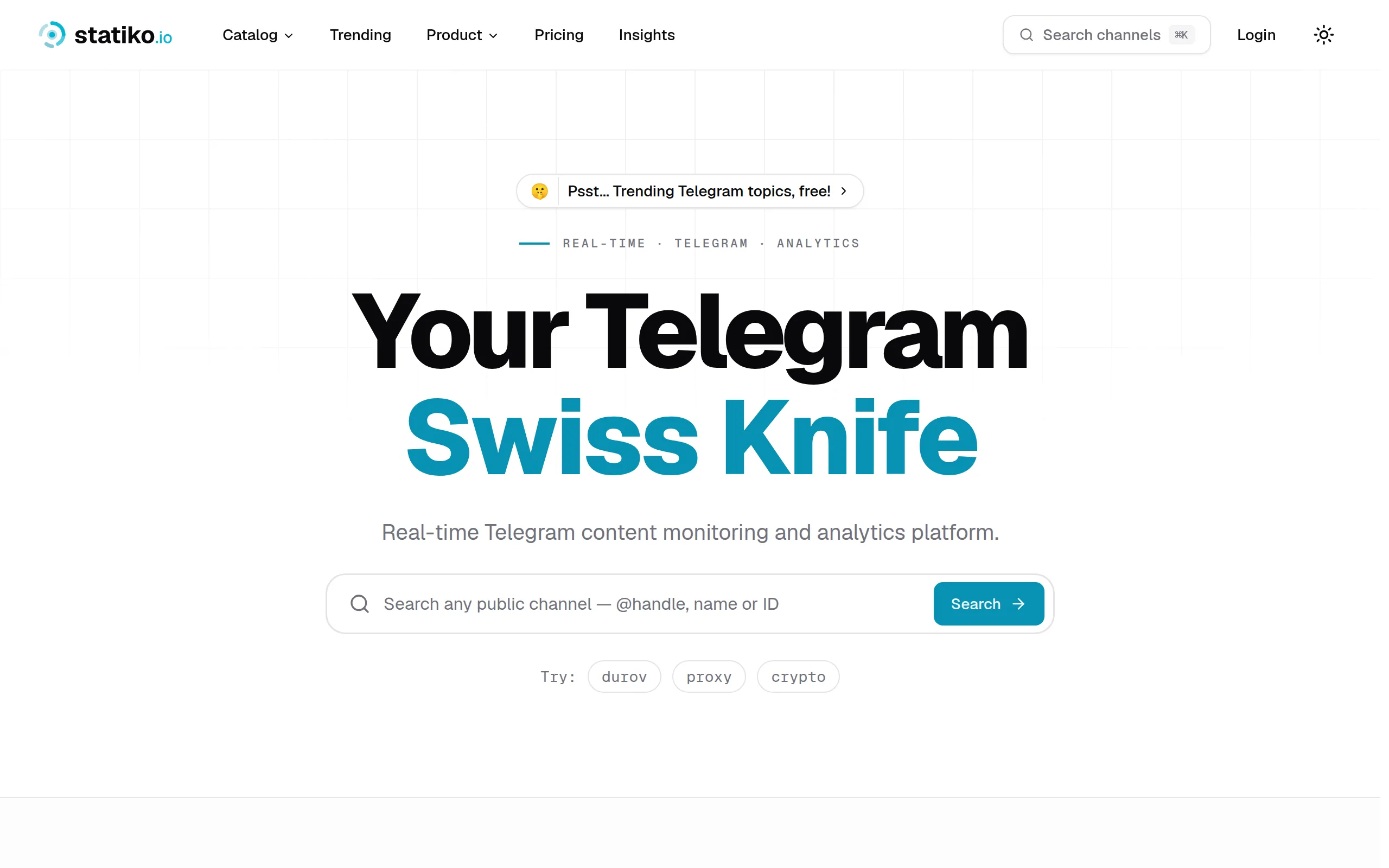
Statiko
Monitor any Telegram channel in real time - track posts, edits, deletions, and growth with AI recaps 📡

Shibui
AI website builder - describe your business, pick a niche template, edit by chatting, and publish instantly ✨

Pro Service
Find verified home service professionals, compare quotes, and pay securely through escrow - built for Brazilians across the US 🏠
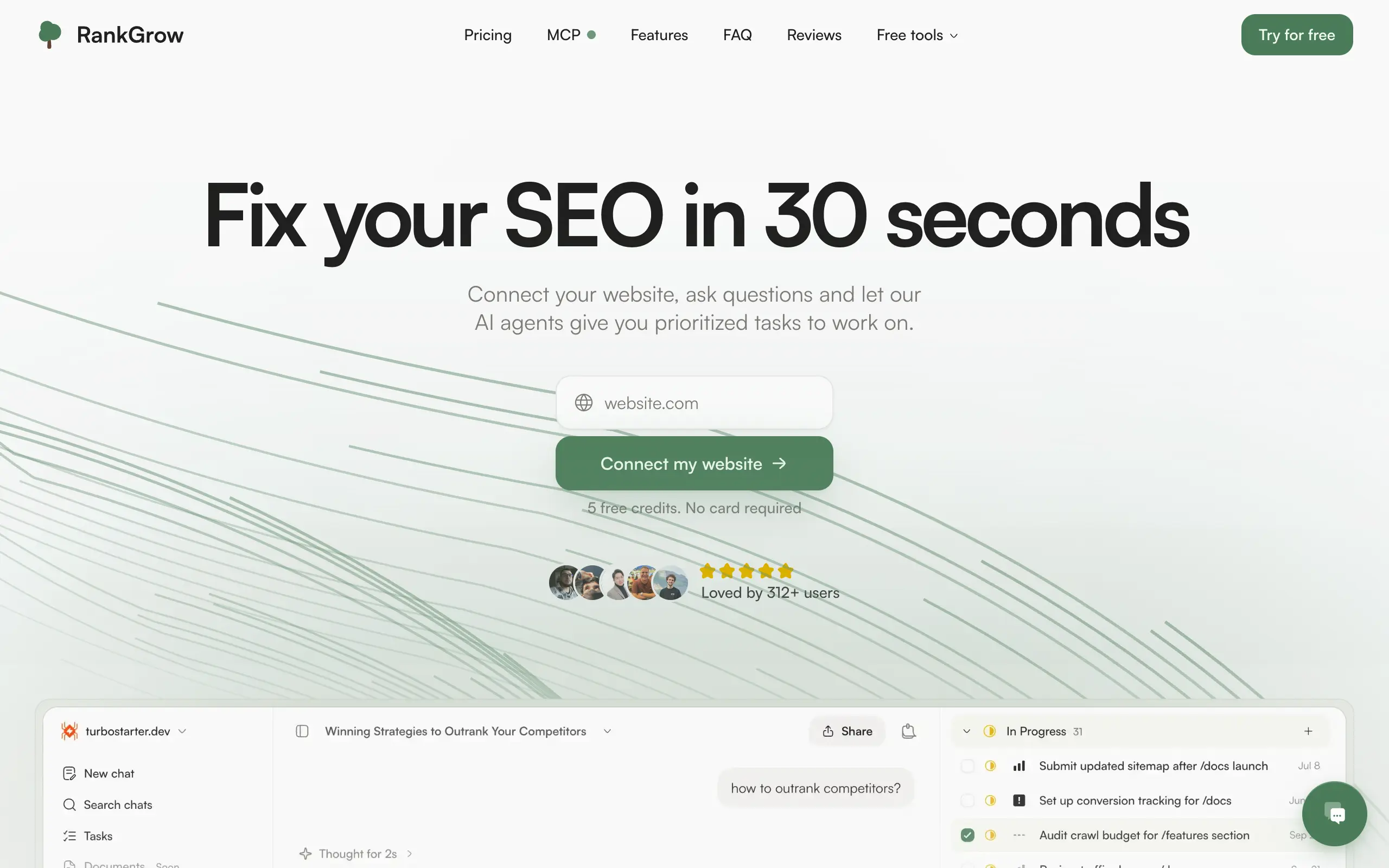
RankGrow
Fix your SEO with AI agents - connect Search Console, get prioritized tasks, and grow organic traffic 📈
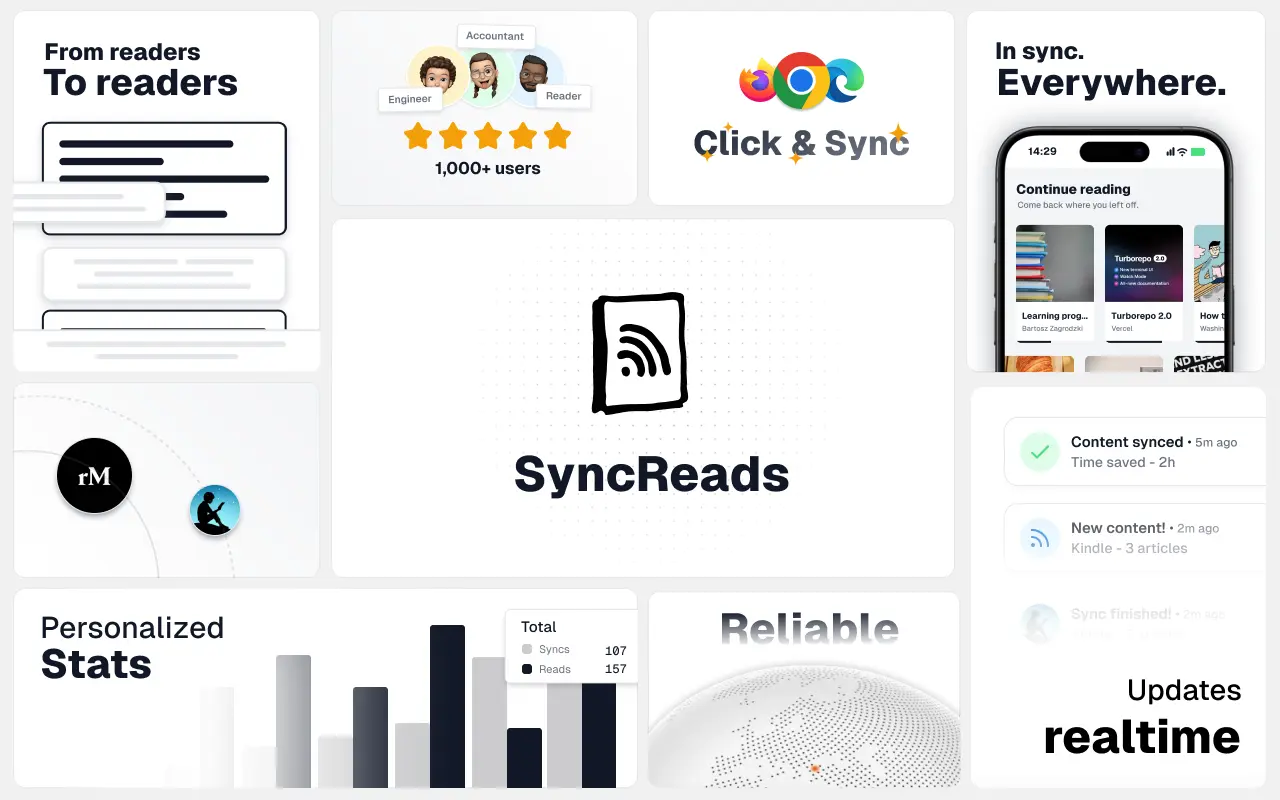
SyncReads
Sync your favorite content for distraction-free reading, save time and replace multiple apps. Anytime, anywhere 🔄
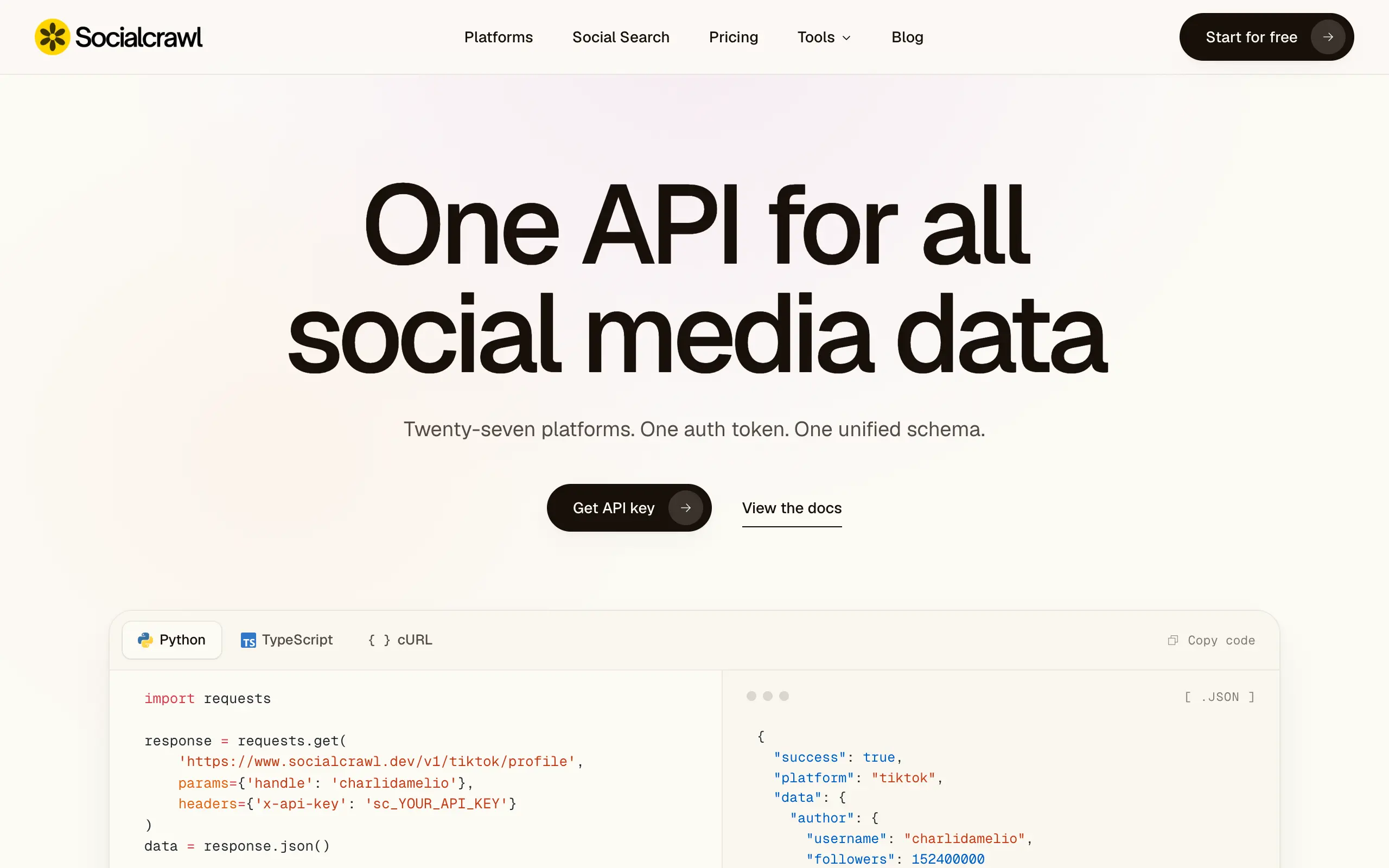
Socialcrawl
Get clean, structured data from 21 platforms like TikTok, Instagram, and YouTube with a single request 📊
Statiko
Monitor any Telegram channel in real time - track posts, edits, deletions, and growth with AI recaps 📡
Shibui
AI website builder - describe your business, pick a niche template, edit by chatting, and publish instantly ✨
Pro Service
Find verified home service professionals, compare quotes, and pay securely through escrow - built for Brazilians across the US 🏠
RankGrow
Fix your SEO with AI agents - connect Search Console, get prioritized tasks, and grow organic traffic 📈
SyncReads
Sync your favorite content for distraction-free reading, save time and replace multiple apps. Anytime, anywhere 🔄
Socialcrawl
Get clean, structured data from 21 platforms like TikTok, Instagram, and YouTube with a single request 📊
Statiko
Monitor any Telegram channel in real time - track posts, edits, deletions, and growth with AI recaps 📡
Shibui
AI website builder - describe your business, pick a niche template, edit by chatting, and publish instantly ✨
Pro Service
Find verified home service professionals, compare quotes, and pay securely through escrow - built for Brazilians across the US 🏠
RankGrow
Fix your SEO with AI agents - connect Search Console, get prioritized tasks, and grow organic traffic 📈
SyncReads
Sync your favorite content for distraction-free reading, save time and replace multiple apps. Anytime, anywhere 🔄
Socialcrawl
Get clean, structured data from 21 platforms like TikTok, Instagram, and YouTube with a single request 📊
Statiko
Monitor any Telegram channel in real time - track posts, edits, deletions, and growth with AI recaps 📡
Shibui
AI website builder - describe your business, pick a niche template, edit by chatting, and publish instantly ✨
Pro Service
Find verified home service professionals, compare quotes, and pay securely through escrow - built for Brazilians across the US 🏠
RankGrow
Fix your SEO with AI agents - connect Search Console, get prioritized tasks, and grow organic traffic 📈
SyncReads
Sync your favorite content for distraction-free reading, save time and replace multiple apps. Anytime, anywhere 🔄
Socialcrawl
Get clean, structured data from 21 platforms like TikTok, Instagram, and YouTube with a single request 📊
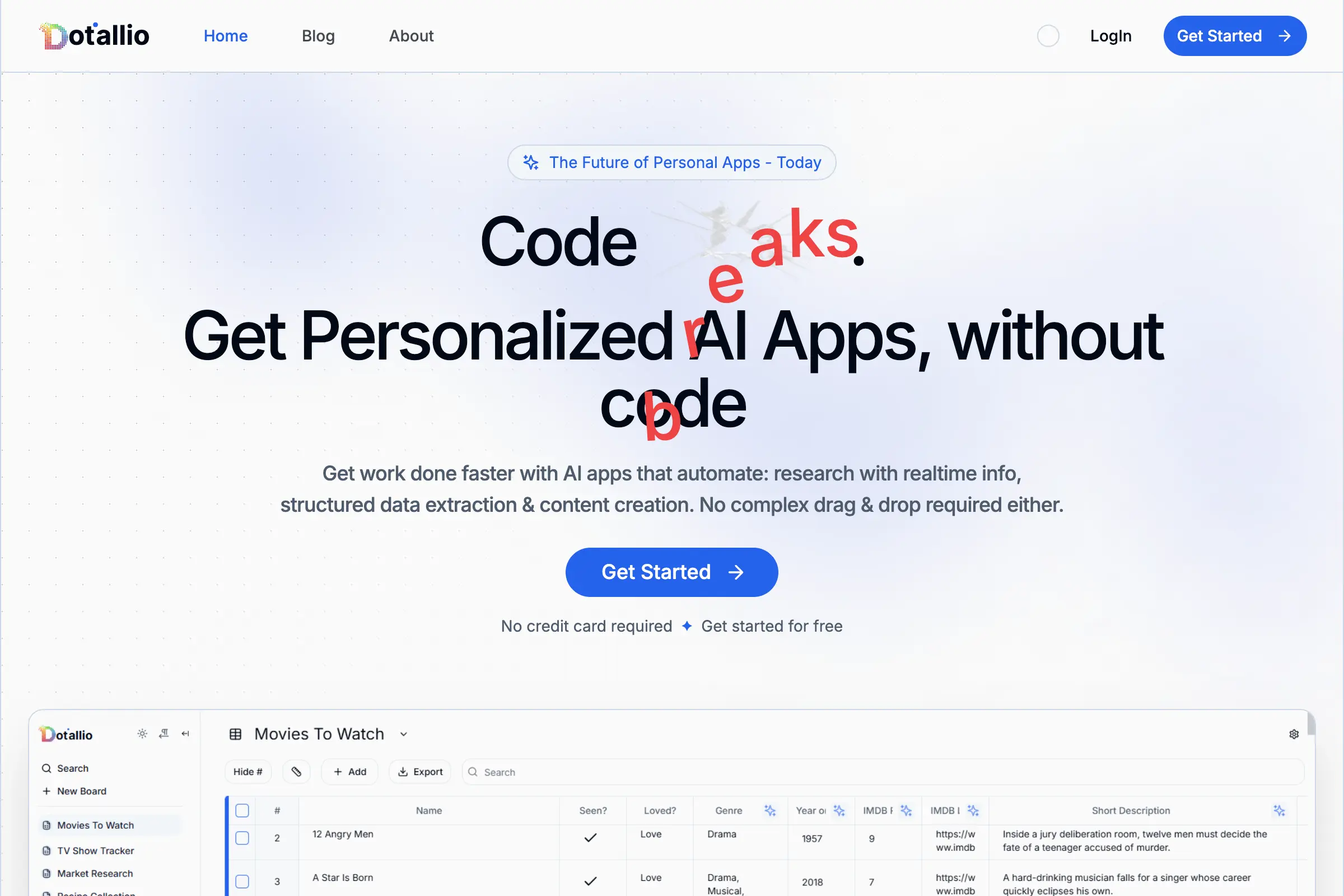
Dotallio
Personalized AI apps that automate research, data extraction, and content creation without code 🤖

Talk to Santa
Enjoy a magical live video chat or receive a unique AI-generated video greeting from Santa Claus 🎅

pozywka.pl
Scalable blog for food journalist, focused on performance and user experience 🌭
zagrodzki.me
Personal blog and portfolio of Bart Zagrodzki, where he shares his knowledge and work 💼
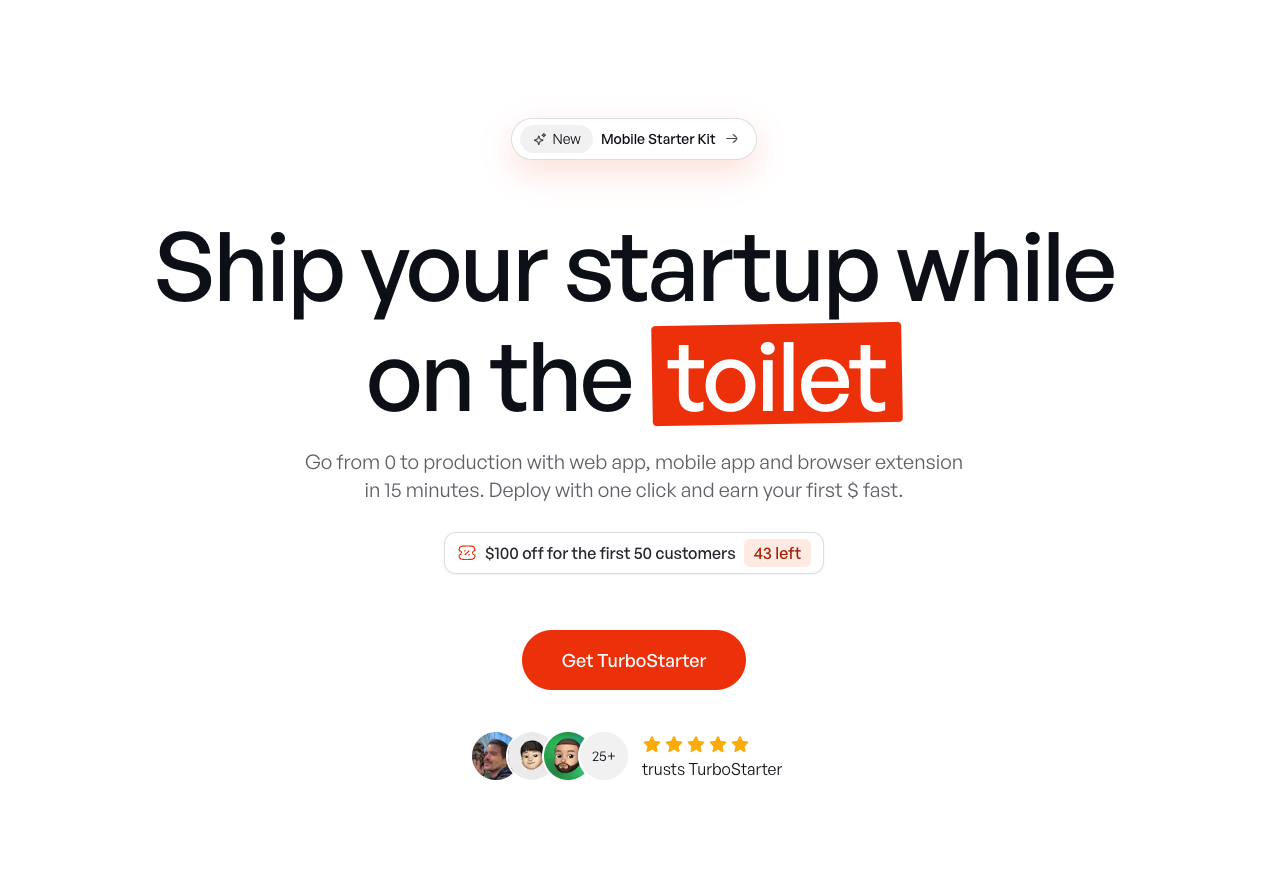
TurboStarter
Ship your startup everywhere. In minutes.
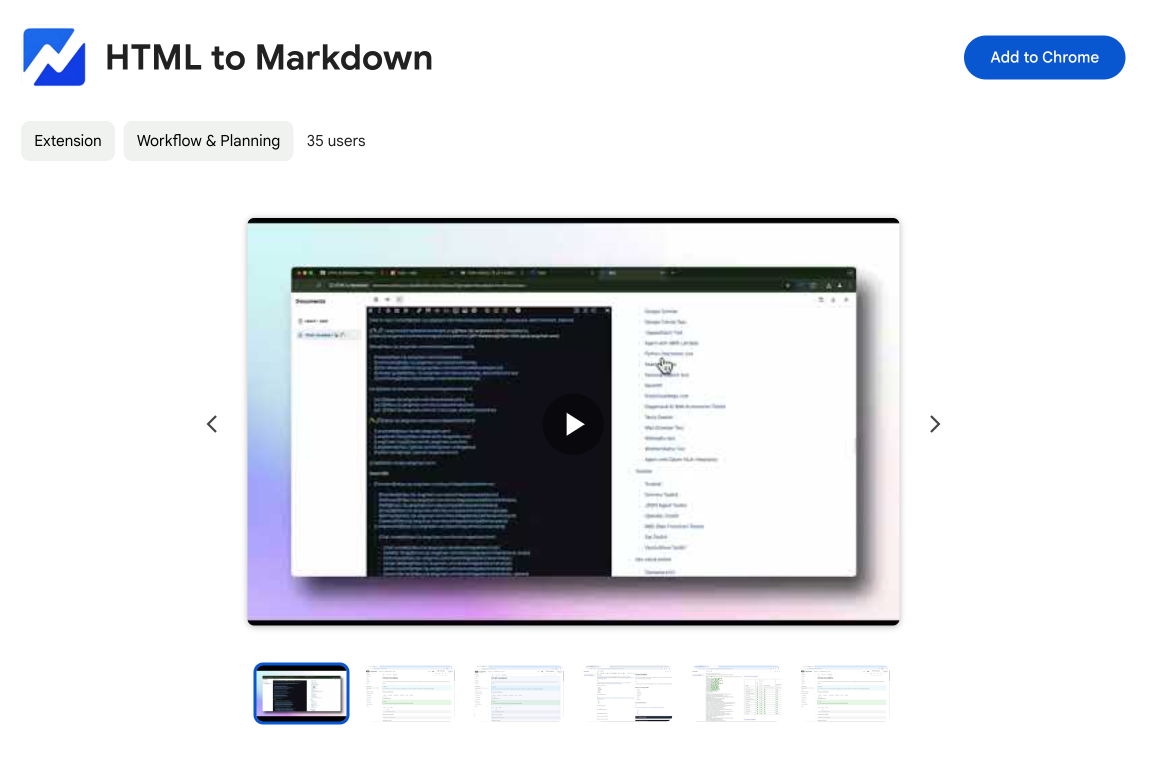
HTML to Markdown
Convert HTML to Markdown with ease, directly in your browser 📄
Dotallio
Personalized AI apps that automate research, data extraction, and content creation without code 🤖
Talk to Santa
Enjoy a magical live video chat or receive a unique AI-generated video greeting from Santa Claus 🎅
pozywka.pl
Scalable blog for food journalist, focused on performance and user experience 🌭
zagrodzki.me
Personal blog and portfolio of Bart Zagrodzki, where he shares his knowledge and work 💼
TurboStarter
Ship your startup everywhere. In minutes.
HTML to Markdown
Convert HTML to Markdown with ease, directly in your browser 📄
Dotallio
Personalized AI apps that automate research, data extraction, and content creation without code 🤖
Talk to Santa
Enjoy a magical live video chat or receive a unique AI-generated video greeting from Santa Claus 🎅
pozywka.pl
Scalable blog for food journalist, focused on performance and user experience 🌭
zagrodzki.me
Personal blog and portfolio of Bart Zagrodzki, where he shares his knowledge and work 💼
TurboStarter
Ship your startup everywhere. In minutes.
HTML to Markdown
Convert HTML to Markdown with ease, directly in your browser 📄
Dotallio
Personalized AI apps that automate research, data extraction, and content creation without code 🤖
Talk to Santa
Enjoy a magical live video chat or receive a unique AI-generated video greeting from Santa Claus 🎅
pozywka.pl
Scalable blog for food journalist, focused on performance and user experience 🌭
zagrodzki.me
Personal blog and portfolio of Bart Zagrodzki, where he shares his knowledge and work 💼
TurboStarter
Ship your startup everywhere. In minutes.
HTML to Markdown
Convert HTML to Markdown with ease, directly in your browser 📄
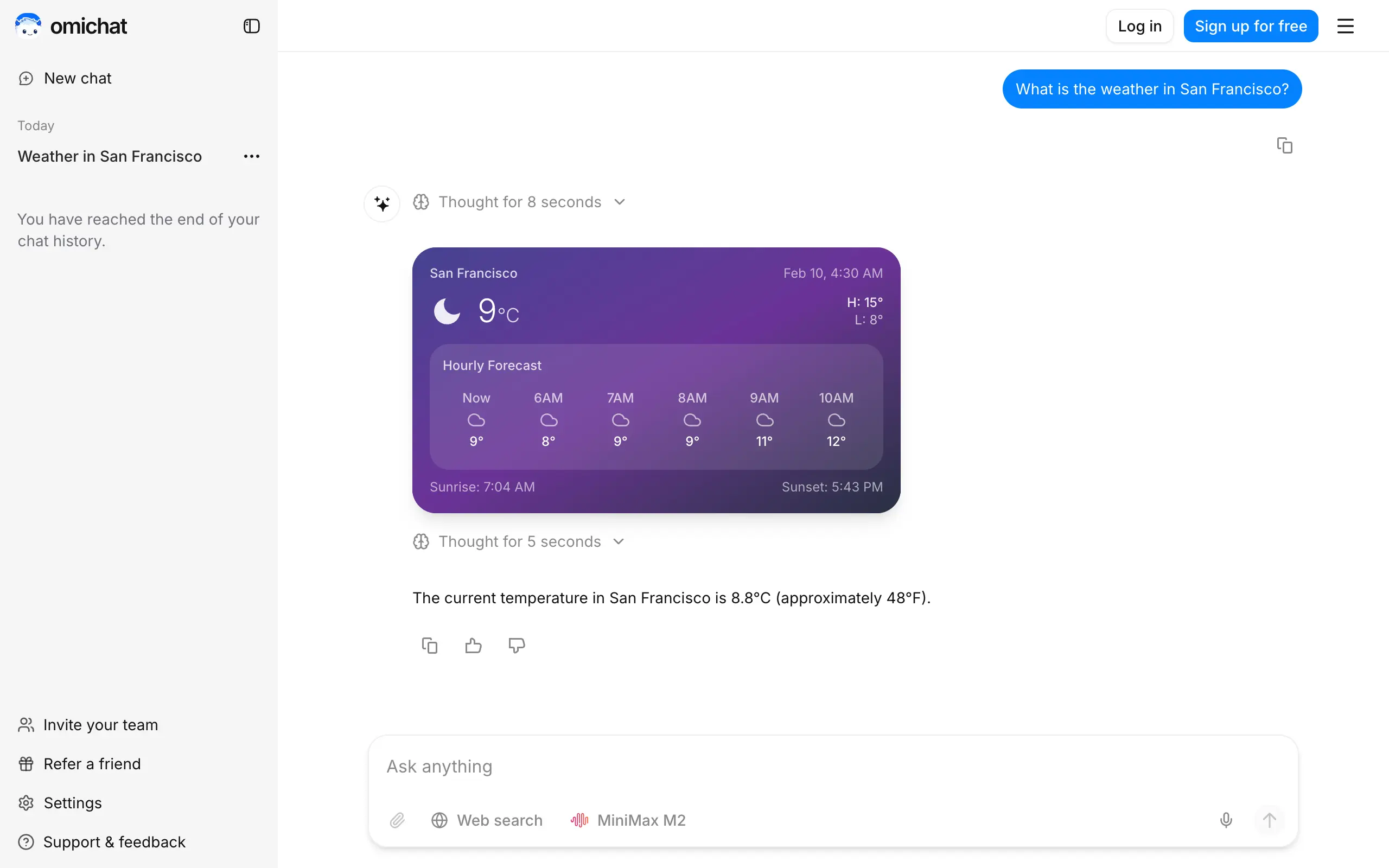
Omichat
Chat with 50+ AI models, including ChatGPT and Claude, in one place - switch models anytime without losing context 🤖
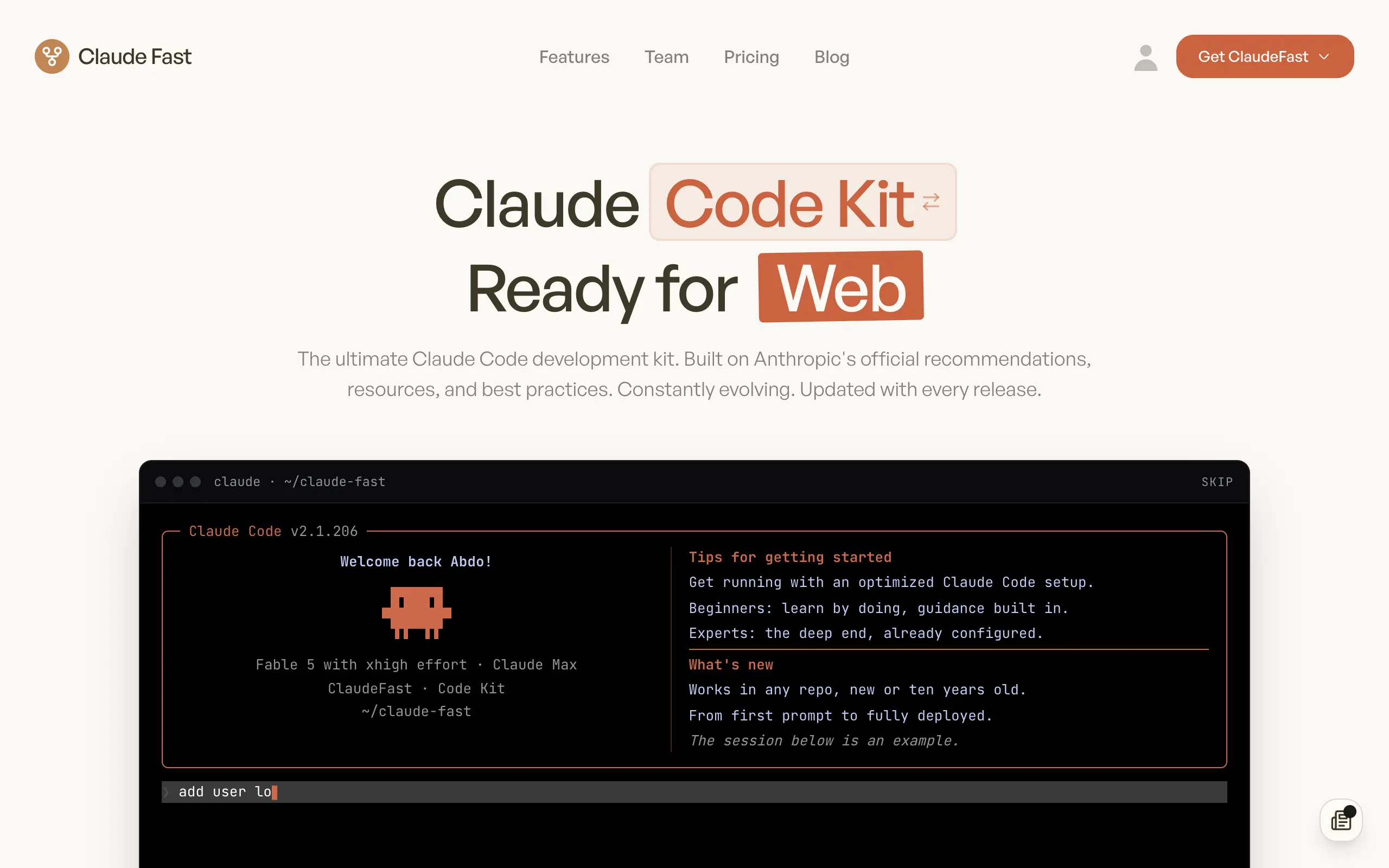
Claude Fast
Supercharge your Claude Code with 6x effective context window and specialized AI agents 🤖
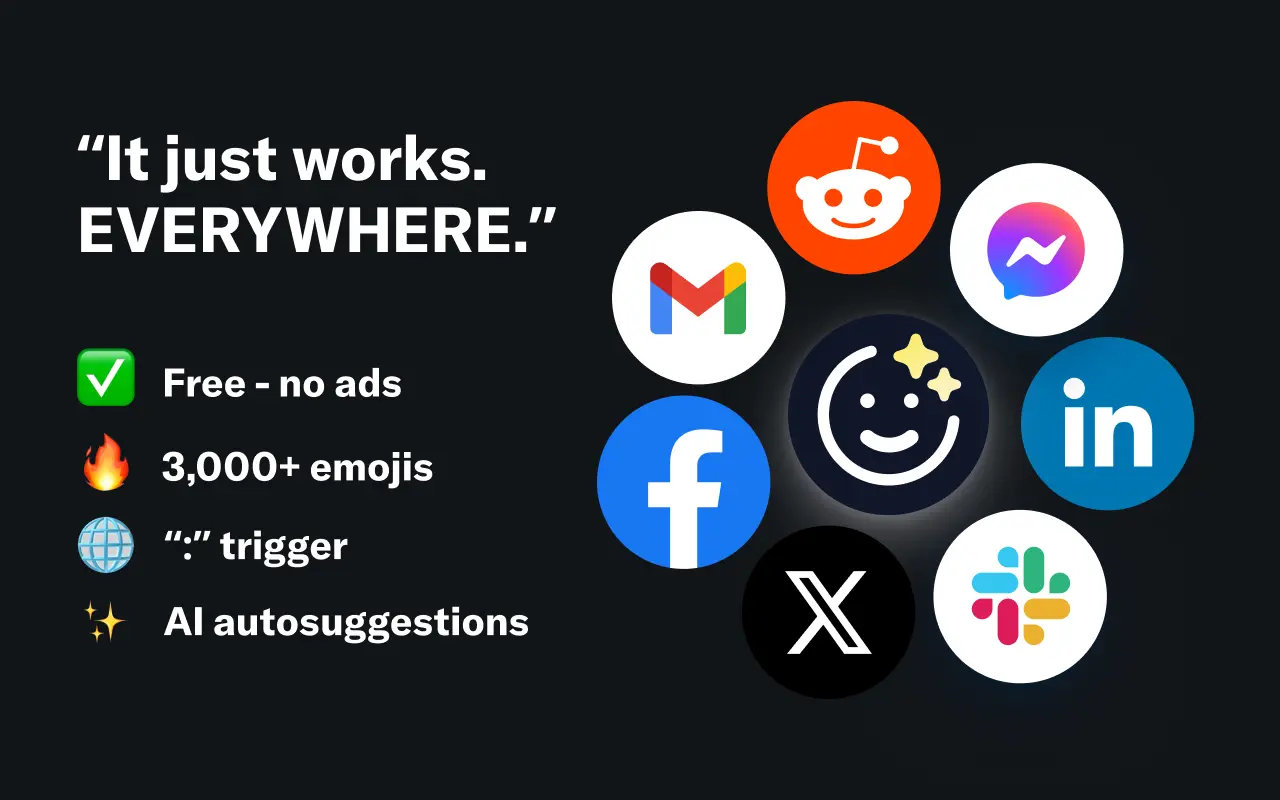
EmojAI
AI-powered emoji picker with smart, context-aware suggestions 🤖
Solohacker
Autonomous company launcher - AI agents work 24/7, escalate what matters, and you stay in control 🤖
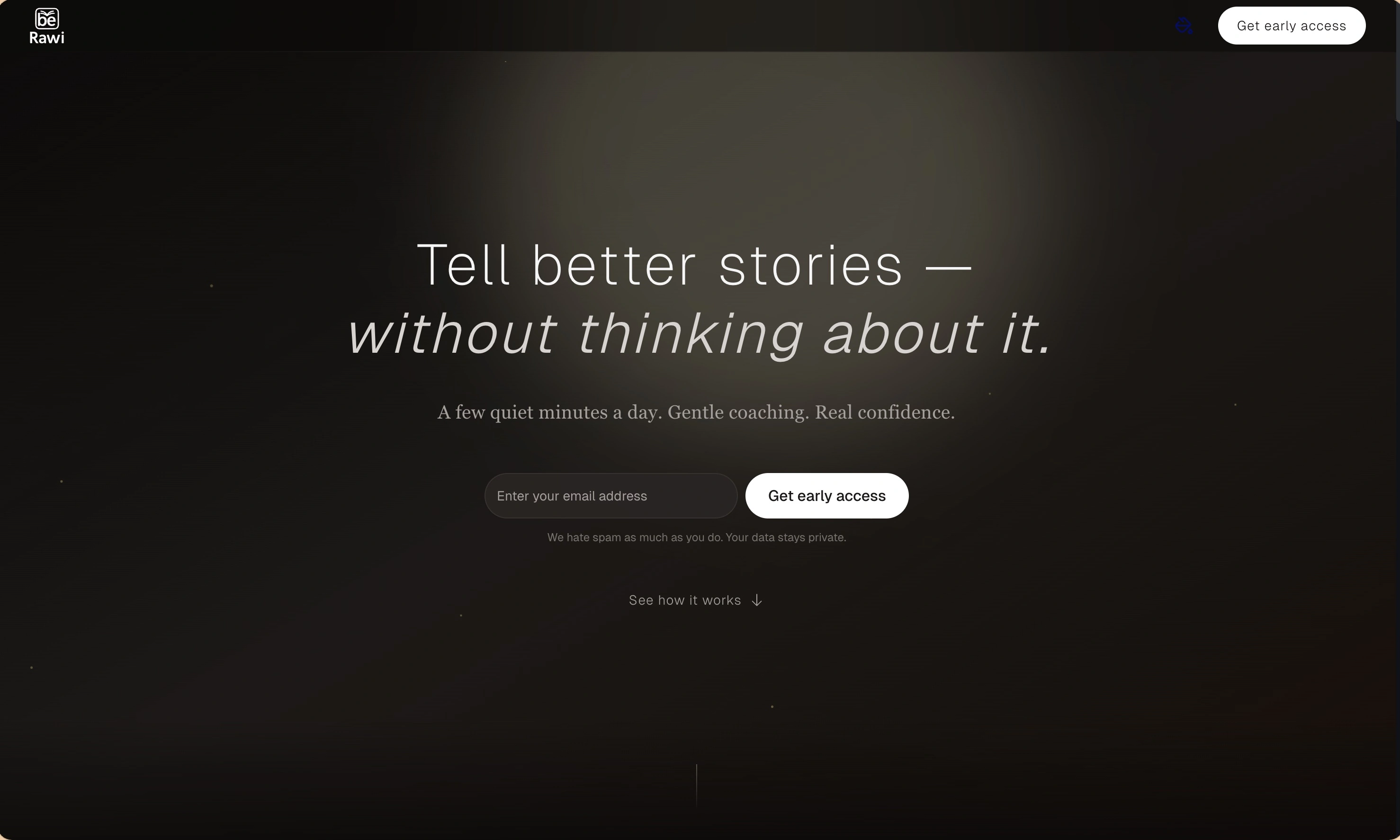
BeRawi: Storytelling Coach
Practice storytelling daily with instant feedback to sound clearer, more engaging, and confident 🎤
Omichat
Chat with 50+ AI models, including ChatGPT and Claude, in one place - switch models anytime without losing context 🤖
Claude Fast
Supercharge your Claude Code with 6x effective context window and specialized AI agents 🤖
EmojAI
AI-powered emoji picker with smart, context-aware suggestions 🤖
Solohacker
Autonomous company launcher - AI agents work 24/7, escalate what matters, and you stay in control 🤖
BeRawi: Storytelling Coach
Practice storytelling daily with instant feedback to sound clearer, more engaging, and confident 🎤
Omichat
Chat with 50+ AI models, including ChatGPT and Claude, in one place - switch models anytime without losing context 🤖
Claude Fast
Supercharge your Claude Code with 6x effective context window and specialized AI agents 🤖
EmojAI
AI-powered emoji picker with smart, context-aware suggestions 🤖
Solohacker
Autonomous company launcher - AI agents work 24/7, escalate what matters, and you stay in control 🤖
BeRawi: Storytelling Coach
Practice storytelling daily with instant feedback to sound clearer, more engaging, and confident 🎤
Omichat
Chat with 50+ AI models, including ChatGPT and Claude, in one place - switch models anytime without losing context 🤖
Claude Fast
Supercharge your Claude Code with 6x effective context window and specialized AI agents 🤖
EmojAI
AI-powered emoji picker with smart, context-aware suggestions 🤖
Solohacker
Autonomous company launcher - AI agents work 24/7, escalate what matters, and you stay in control 🤖
BeRawi: Storytelling Coach
Practice storytelling daily with instant feedback to sound clearer, more engaging, and confident 🎤

Connect with like-minded people
Join our community to get feedback, support, and grow together with 1,000+ builders on board, let's ship it!
Join usShip your startup everywhere. In minutes.
Don't burn tokens on setup and start building features on day one.