RubricReady
An AI assignment coach that checks drafts against professor rubrics, flags missing requirements and creates a prioritized revision plan.
Why an AI assignment coach solves a real student problem
Students rarely struggle because they have no ideas. More often, they lose marks because a strong draft does not fully satisfy the instructions used to grade it. A professor may expect a specific thesis format, a required number of scholarly sources, a named theoretical framework, a methodology section, page limits, citation style, or direct responses to multiple prompt questions. These requirements are often distributed across a rubric, syllabus, assignment brief, lecture slides, and class discussion.
That makes the final revision stage stressful and inefficient. Students must manually compare their draft to every criterion while also improving structure, clarity, evidence, and citations. Generic grammar tools can help with sentence-level polish, but they do not reliably answer the high-stakes question students actually have:
Does this paper meet the professor's rubric, and what should I fix first to improve my grade?
RubricReady is an AI assignment coach designed to answer that question. It ingests an assignment prompt, grading rubric, and student draft, then identifies missing requirements, weakly supported criteria, and high-priority revisions. Instead of simply producing feedback, it turns rubric language into an actionable revision plan.
The primary keyword for this opportunity is AI assignment coach. Important related terms include:
- AI rubric checker
- assignment rubric analyzer
- essay revision planner
- AI writing feedback for students
- rubric-based feedback
- college essay checklist
- academic draft review
- student revision assistant
- assignment requirement checker
- rubric alignment tool
The product should position itself carefully. RubricReady is not a tool for generating a finished paper or bypassing learning. Its value is in helping students understand requirements, evaluate their own work, and revise responsibly before submission.
Positioning principle
RubricReady should be framed as a rubric alignment and revision support platform. The product helps students improve work they have already created rather than replacing their authorship.
The target audience for an AI rubric checker
The most promising users are students who already care about their grades but lack a dependable process for interpreting grading criteria. These users do not necessarily need more words on the page. They need confidence that their existing work is aligned with what will be assessed.
Core user segment: undergraduate students
Undergraduate students are the strongest initial market because they complete frequent rubric-based assignments across a broad range of disciplines. Many are still learning the hidden conventions of academic writing and may not know how to translate a rubric into a revision workflow.
High-intent undergraduate use cases include:
- Essays in composition, literature, history, philosophy, and political science
- Research papers requiring evidence, source integration, and formal citations
- Lab reports with prescribed sections and evaluation standards
- Case-study analyses in business, nursing, education, and social work
- Discussion posts with minimum word counts, reply requirements, and citation expectations
- Capstone assignments where a rubric includes many weighted dimensions
The ideal early adopter is usually a student who has received feedback such as “needs more analysis,” “does not address the prompt,” or “insufficient evidence” without fully understanding how to prevent those comments next time.
Secondary segment: graduate and professional students
Graduate students write fewer assignments than undergraduates in some programs, but their work is often more complex and more consequential. They may need support with long-form writing, research proposals, literature reviews, reflective practice reports, and professional analyses.
This audience may be especially willing to pay for premium features such as:
- Deep criterion-to-evidence mapping
- Citation and source coverage reviews
- Long-document analysis
- Multi-draft progress tracking
- Custom templates for recurring assignment types
- Exportable revision reports for writing center appointments
However, graduate users have higher expectations for accuracy. RubricReady should never imply that it can predict a grade or replace subject-matter expertise.
Institutional users: writing centers and student success teams
A later expansion path is selling to colleges, university writing centers, tutoring programs, and student-success departments. These buyers may value a platform that helps students arrive at appointments with clearer questions and a stronger first revision.
Institutional buyers need controls that individual students may not request initially:
- Privacy and retention policies
- Accessibility documentation
- Usage analytics that protect student identity
- Administrative controls
- Support for campus-specific writing resources
- Clear academic-integrity guidance
- Potential learning management system integrations
A business-to-business motion can be attractive, but it requires more procurement readiness than a direct-to-student launch. The best early strategy is to prove engagement and outcomes with individual students before pursuing pilots with institutions.
Students
Need a fast, understandable way to verify that drafts meet assignment requirements before submission.
Writing centers
Need structured pre-appointment feedback that makes tutoring time more productive.
Institutions
Need scalable academic support that reinforces learning and integrity policies.
The market gap: generic writing tools do not understand the assignment
The AI writing market is crowded, but most products solve adjacent problems. Grammar checkers focus on correctness and readability. General-purpose chatbots respond to prompts but may not consistently ground their advice in the exact grading criteria. Citation tools manage references. Plagiarism systems identify overlap with existing content.
None of these categories inherently creates a structured connection between a specific rubric and a specific draft.
That gap is meaningful because rubrics are not merely checklists. A well-designed rubric contains criteria, performance levels, point weights, implied standards, and discipline-specific expectations. An “excellent analysis” criterion requires more than mentioning a topic. A “use credible sources” criterion may require identifying whether sources support claims, are sufficiently current, or are integrated rather than dropped into paragraphs.
RubricReady can differentiate by treating the rubric as the central source of truth.
| Student need | Grammar tool | General chatbot | RubricReady | Writing center |
|---|---|---|---|---|
| Catch grammar issues | Strong | Variable | Supporting | Supporting |
| Map draft to rubric criteria | Weak | Variable | Core capability | Manual |
| Prioritize revisions by impact | Limited | Variable | Core capability | Strong |
| Provide human context | None | None | Guided | Strong |
The strategic opportunity is not to claim that AI can grade better than a professor. It is to make rubric interpretation and self-revision dramatically easier. That is a credible, student-centered promise.
How RubricReady should work
A useful AI assignment coach needs to transform unstructured academic instructions into a transparent revision system. The workflow should feel simple to students, even though the underlying analysis is sophisticated.
Step 1: collect assignment context
The student begins by uploading or pasting:
- The assignment prompt
- The grading rubric
- Their current draft
- Optional context such as course level, discipline, instructor notes, required citation style, and due date
Supporting multiple input formats is important. Students commonly receive documents as PDFs, copied learning management system text, Word files, screenshots, or rubric tables. The first release can prioritize copy-and-paste text and document upload, then expand to OCR for image-based rubrics.
The product should ask students to confirm extracted requirements before analysis. This matters because assignment documents can be ambiguous, poorly formatted, or incomplete.
Step 2: convert the rubric into criteria
The system identifies individual requirements and normalizes them into clear criteria. For example, a rubric may be translated into a list such as:
- Answer all parts of the prompt
- State a clear and arguable thesis
- Use at least five peer-reviewed sources
- Explain how evidence supports the thesis
- Address a counterargument
- Follow APA formatting
- Remain within the 1,500 to 1,800 word range
Each criterion should preserve the original rubric wording wherever possible. The AI can add a plain-language explanation, but students should always be able to see the source requirement behind the recommendation.
This transparency reduces the risk of opaque or invented feedback.
Step 3: analyze evidence in the draft
Next, RubricReady searches the draft for evidence related to each criterion. Instead of producing a vague summary, it should classify findings into understandable states:
- Covered when the draft clearly addresses the requirement
- Partially covered when evidence exists but is weak, incomplete, or inconsistent
- Missing when the requirement appears absent
- Needs verification when the system cannot confidently determine compliance
For each finding, the platform should show relevant draft excerpts and explain the reasoning in direct language. For example:
Your thesis identifies the topic, but it does not yet make a debatable claim about the policy’s effect. The rubric calls for an arguable position. Consider revising the final sentence of your introduction to state your position and the main reasons you will defend.
This is materially more helpful than saying “improve thesis.”
Step 4: create a prioritized revision plan
Not every issue deserves equal attention. A missing major rubric criterion should matter more than a minor stylistic suggestion. RubricReady should calculate a revision priority using inputs such as:
- Rubric weight or points available
- Whether the requirement appears missing or partial
- The location of the issue in the draft
- Dependencies between revisions
- The time remaining before the due date
- The estimated effort to address the issue
A student facing a deadline needs a plan, not an overwhelming list of possible improvements.
Focus on high-point missing requirements, prompt coverage, required sections, source minimums, and submission constraints.
Focus on thesis quality, argument structure, evidence gaps, organization, and places where analysis needs development.
Focus on citation consistency, formatting, transitions, word count, clarity, proofreading, and final rubric verification.
Step 5: guide revision without doing the work
The product should provide coaching prompts, outlines, questions, and examples of revision approaches. It should not default to writing replacement paragraphs that students can submit unchanged.
Good coaching may include:
- Questions that help a student develop analysis
- A suggested order for revising sections
- An explanation of what makes evidence relevant
- A checklist for evaluating paragraph-level alignment
- A proposed outline to reorganize existing ideas
- Citation reminders based on the selected style
- A request to revisit the rubric after each major change
This approach improves learning outcomes and creates a more defensible academic-integrity position.
Essential features for a rubric-based feedback platform
A narrow, reliable product beats an ambitious but unreliable all-in-one writing assistant. The minimum viable product should center on the core loop: upload, assess, revise, reassess.
Rubric extraction and editing
Rubrics are frequently inconsistent. A table might contain point values, descriptions, levels of achievement, and instructor-specific language. The platform must extract this information while allowing students to edit it.
Key capabilities include:
- Paste text from a learning platform
- Upload PDF and DOCX files
- Detect criteria, point values, and performance descriptors
- Let users split, merge, delete, or rename extracted criteria
- Mark hard requirements such as source counts and word limits
- Save reusable rubric templates
Human confirmation is not a weakness. It is a quality-control mechanism that makes the AI’s output more trustworthy.
Requirement coverage map
The product’s signature screen should be a visual rubric coverage map. Students need to see exactly where they stand, not read pages of generalized advice.
Each rubric criterion can include:
- Coverage status
- Confidence indicator
- Point weight, if provided
- Relevant draft excerpts
- Explanation of the finding
- Suggested next action
- A checkbox for the student to mark the task complete
The interface should emphasize that a “covered” status means the criterion appears to be addressed, not that a professor will award full credit.
Prioritized revision queue
A revision queue turns assessment into action. It should be concise, ordered, and personalized.
A strong task format might read:
High priority: Add a counterargument section because the rubric awards 20% for engaging an opposing perspective. Your draft explains your position but does not currently acknowledge a substantive alternative view.
The task should then provide an expandable coaching path:
- Identify a credible opposing claim
- Explain why a reasonable reader may hold it
- Respond with evidence or reasoning
- Connect the response back to the thesis
- Recheck the criterion after revising
Draft comparison and progress tracking
Students often revise in several sessions. Version history helps them understand whether changes solved the original problem.
Useful functionality includes:
- Save named draft versions
- Compare rubric coverage between versions
- Show completed and unresolved revision tasks
- Preserve feedback context
- Allow students to add personal notes
- Export a revision checklist as PDF or document text
The product can make progress motivating without using misleading grade predictions.
Academic integrity guardrails
Academic integrity is both a product requirement and a market differentiator. RubricReady should include visible guardrails that reinforce student ownership.
Recommended controls include:
- Coaching-first responses instead of full assignment generation
- Reminders to verify factual claims and citations
- A disclosure explaining that AI feedback can be wrong
- Flags for potentially unsupported citations
- Configurable “no drafting” mode for institutions
- Instructor-facing language that describes the tool as revision support
- Clear privacy settings and deletion controls
Avoid grade guarantees
Do not promise a score increase, a specific grade, or perfect rubric compliance. AI can help students identify likely gaps, but instructors retain final authority over assessment.
Recommended tech stack for RubricReady
RubricReady needs a stack that supports document handling, structured AI outputs, secure user data, and a fast iteration cycle. The ideal architecture prioritizes reliability and traceability over novelty.
A practical web application foundation can use React with Next.js. Next.js provides a mature full-stack framework for building authenticated SaaS applications, server-side processing routes, and responsive user experiences.
For UI development, Tailwind CSS offers speed and consistency, particularly when the interface includes status indicators, checklists, document panes, and responsive dashboards.
Suggested application architecture
- "Frontend": React and Next.js for dashboards, document review, revision flows, and billing pages
- "Styling": Tailwind CSS with an accessible component system
- "Authentication": Auth.js or a managed authentication provider
- "Database": PostgreSQL for users, assignments, rubrics, feedback records, and subscriptions
- "ORM": Prisma for typed database access and migrations
- "File storage": Private object storage for uploaded documents
- "Payments": Stripe for subscriptions, metered usage, student discounts, and institution invoicing
- "Analytics": Privacy-conscious event analytics focused on activation and retention
- "Email": Transactional email for revision reminders, account verification, and usage notices
- "Observability": Error tracking, structured logs, latency monitoring, and AI evaluation metrics
For teams that want to avoid assembling basic SaaS infrastructure from scratch, TurboStarter can shorten the path to a production-ready foundation with common application patterns already considered.
AI pipeline design
The AI layer should not be a single prompt that says “grade this essay.” That approach is difficult to validate and likely to produce inconsistent results.
A more reliable pipeline separates the task into stages:
Structured outputs are particularly important. Rather than accepting free-form model prose, require fields such as criterion, status, evidence, reasoning, revision_action, and confidence. This makes feedback easier to render, audit, evaluate, and improve.
type RubricFinding = {
  criterionId: string;
  status: "covered" | "partial" | "missing" | "verify";
  confidence: number;
  evidence: Array<{
    excerpt: string;
    location: string;
  }>;
  reasoning: string;
  revisionAction: string;
  priority: "high" | "medium" | "low";
};
Trade-offs between model providers and self-hosted models
A hosted large language model API offers the fastest path to strong reasoning, document interpretation, and structured feedback. It reduces infrastructure complexity and enables a lean team to focus on product quality.
The trade-off is vendor dependency, variable inference cost, and data-handling concerns. Some students and institutions will ask where documents are processed and retained.
Self-hosted or private deployment options can improve control for enterprise customers, but they bring meaningful operational burdens:
- GPU infrastructure and deployment expertise
- Model monitoring and updates
- Evaluation work across disciplines
- Higher engineering complexity
- Potentially weaker performance on nuanced writing feedback
For an initial direct-to-student launch, a hosted model API with strict data minimization, encryption, clear retention controls, and opt-in product improvement policies is often the most practical choice. Enterprise deployment can become a later roadmap item once institutional demand justifies it.
Monetization options for an AI assignment coach
The best pricing model should align with how students work. Assignment usage is irregular, especially around midterms and finals, so a subscription-only approach may feel expensive to occasional users.
A hybrid model is likely strongest.
Freemium with limited analyses
Offer a free plan that demonstrates the central value proposition. For example, users can analyze one short assignment or receive a limited number of rubric checks each month.
The free experience must provide a real result. A vague teaser will not establish trust. Students should see a rubric map and a few prioritized findings before they are asked to upgrade.
Student subscription tiers
A monthly or semester-based plan can include:
- More assignment analyses
- Longer document limits
- Draft version comparisons
- Deep revision plans
- Citation and formatting checks
- Priority processing during peak periods
- Exportable reports
- Saved rubric templates
Semester plans may fit the academic calendar better than annual pricing. They also reduce churn caused by summer breaks.
Credit-based purchases
Credits work well for students who only need help with one major assignment, thesis chapter, scholarship essay, or final project. They can also reduce the friction of asking a student to start a recurring subscription.
A credit system must be simple. Avoid making users calculate tokens, pages, and model costs. Price around understandable units such as “one complete rubric review.”
Institutional licensing
Institutional plans can use annual contracts based on active students, department size, or a fixed usage pool. The product should not pursue this channel too early without enterprise basics such as security documentation, data-processing terms, accessibility testing, and administrative support.
Potential institutional value propositions include:
- Supplemental support outside writing center hours
- Better-prepared tutoring appointments
- More consistent revision guidance
- Visibility into common student skill gaps
- A responsible AI tool that supports rather than replaces learning
Competitive advantage: make feedback traceable and actionable
RubricReady’s defensible advantage is not simply “AI for essays.” That market position is too broad and easy to copy. Its advantage comes from building a workflow around traceability, prioritization, and revision behavior.
The Rubric-to-evidence model
Every feedback item should connect three elements:
- The original rubric criterion
- The relevant evidence found in the draft
- The exact revision action the student can take
This Rubric-to-evidence model creates a chain of reasoning that generic chat interfaces often lack. It allows students to challenge feedback, understand why it was offered, and decide whether to act on it.
A revision plan, not a feedback dump
Many AI tools generate long lists of observations. Students facing a deadline do not need fifty suggestions. They need to know what will make the greatest difference first.
RubricReady can win through prioritization that considers grading weight, missing requirements, dependencies, and available time. The product should feel like a calm academic coach that says, “Start here, then do this next.”
Discipline-aware templates
A generic essay analyzer may misunderstand the conventions of a lab report, legal brief, nursing reflection, design critique, or business case analysis. RubricReady can gradually develop assignment-type templates that tailor evaluation logic without pretending to be a substitute for an instructor.
Examples include:
- Argumentative essay template
- Literature review template
- Lab report template
- Case analysis template
- Reflection paper template
- Research proposal template
- Policy memo template
Each template should adjust the coaching questions and typical requirements while preserving the professor’s actual rubric as the controlling context.
Risks and mitigation strategies
An expert SaaS strategy must account for where an AI assignment coach can fail. These risks are manageable, but only if they are built into the product design from the beginning.
Language models can misread a criterion, overlook evidence, or claim that a requirement is missing when it is present. Mitigate this with rubric confirmation, excerpt-based evidence, confidence labels, a “needs verification” status, evaluation datasets, and an easy way for users to dismiss incorrect feedback.
Students, instructors, and institutions may worry that the product enables unauthorized authorship. Mitigate this by emphasizing self-review, offering coaching rather than automatic submission-ready prose, providing integrity controls, and publishing clear guidance on responsible use.
Drafts can contain personal reflections, unpublished research, or identifiable information. Use encryption in transit and at rest, minimize retention, provide deletion controls, restrict internal access, and document data practices in plain language.
Students may accept every recommendation without judgment. Design the experience to encourage review by showing evidence, asking reflection questions, and reminding users that instructors make final grading decisions.
Student usage peaks around deadlines and declines during breaks. Offset this with semester plans, credit packs, thesis workflows, saved templates, and partnerships that create recurring institutional usage.
Building trust through evaluation and evidence
Trust is the most important product asset for an AI rubric checker. If students receive obviously incorrect feedback, they will stop using the tool. If instructors view it as a shortcut for cheating, institutional growth becomes difficult.
RubricReady should establish an evaluation program before making strong marketing claims.
Create a benchmark set of anonymized assignments
Build a diverse internal dataset that includes anonymized assignment prompts, rubrics, drafts, and human-reviewed findings. Include multiple disciplines, assignment types, and writing quality levels.
Evaluate whether the system can accurately identify:
- Explicit assignment requirements
- Missing required sections
- Prompt coverage gaps
- Rubric-weighted priorities
- Evidence associated with each finding
- False positives and false negatives
- Appropriate uncertainty
Do not rely on model-provider benchmarks alone. The relevant question is whether the product performs well on rubric alignment, not whether a model performs generally well on language tasks.
Use expert review for high-risk feedback
Academic writing tutors, former instructors, and subject-matter reviewers can help assess whether generated guidance is useful, fair, and understandable. Their review is especially valuable when building templates for specialized disciplines.
When publishing performance claims, cite the methodology clearly. For example, instead of claiming that the tool “improves grades,” describe what was measured:
- Percentage of reviewer-verified missing requirements detected
- Student completion rate for high-priority revision tasks
- Reduction in time spent manually comparing a draft to a rubric
- Student-reported confidence after revision
For external market statistics, reference credible sources such as government education datasets, peer-reviewed research, or recognized higher-education organizations. Verify publication dates and methodology before using numbers in marketing materials.
Go-to-market strategy for RubricReady
The fastest early growth channel is likely search-driven student demand. Students actively search for help when a deadline approaches, and their queries are specific.
High-intent content topics include:
- How to use a grading rubric for an essay
- How to check if an assignment meets the rubric
- How to revise a paper before submitting it
- Why professors say an essay lacks analysis
- How to turn a rubric into a revision checklist
- How to respond to every part of an assignment prompt
- How to improve a draft without using AI to write it
These articles should include practical examples, downloadable checklists where appropriate, and a natural path to trying RubricReady.
Product-led acquisition
The onboarding experience should deliver value quickly:
- Ask the student to paste a rubric and draft.
- Extract and confirm the requirements.
- Show the first high-priority issue.
- Let the student explore the rubric coverage map.
- Offer an upgrade only when deeper analysis or another full review is needed.
A strong activation event is not merely account creation. It is when a student reviews at least one high-priority task and returns with a revised version.
Campus ambassadors and writing communities
Student ambassadors can be effective if the product is genuinely useful and easy to explain. Focus on communities where assignments and rubrics are frequent:
- First-year student groups
- Honors programs
- Pre-law and pre-health societies
- Academic clubs
- Peer tutoring programs
- Student productivity communities
- Graduate student associations
The message should remain responsible. “Check your draft against your rubric before you submit” is more trustworthy than “get better grades with AI.”
Actionable implementation roadmap
A focused launch can validate the core problem without building every possible academic feature.
Phase 1: validate the workflow
Build the simplest version that accepts pasted text for a rubric and a draft. Deliver:
- Rubric criterion extraction
- Student confirmation and editing
- Coverage statuses
- Evidence excerpts
- A short prioritized revision list
- Manual feedback reporting controls
Test this with 20 to 50 students across a small number of essay-heavy courses. Watch where they hesitate. Do they understand the statuses? Do they trust the evidence? Which suggestions do they actually use?
Phase 2: improve reliability and retention
Add the features that make repeat use practical:
- PDF and DOCX support
- Version comparison
- Saved assignments
- Draft reassessment
- Rubric templates
- Better prioritization
- Usage limits and billing
- Privacy controls
- Feedback quality evaluation tools
At this stage, measure whether users return after revising rather than only running one analysis.
Phase 3: expand by assignment type
After proving the core rubric workflow, introduce discipline-aware templates and specialized checks. Start with categories where rubrics are explicit and requirements are relatively structured, such as argumentative essays, research papers, and lab reports.
Avoid expanding based only on feature requests. Prioritize areas where the product can offer accurate, traceable value.
Phase 4: prepare for institutions
Only after establishing consumer traction should the team invest heavily in institution-ready capabilities:
- Administrative dashboards
- Accessibility documentation
- Security questionnaires
- Institutional data agreements
- Usage reporting
- Campus resource customization
- Controlled pilot programs
The MVP test
If students do not find the rubric map and prioritized revision queue useful, adding more AI features will not solve the core problem. Validate the decision-making workflow first.
Final takeaway
RubricReady has a strong SaaS opportunity because it focuses on a painful and repeatable academic moment: the period between finishing a draft and submitting it for grading. Students need more than grammar suggestions or generic chatbot responses. They need a reliable way to translate professor expectations into an ordered revision plan.
The winning product will not market itself as an automated grader or essay generator. It will become the AI assignment coach that helps students understand their rubric, find gaps in their own work, and make better revision decisions with confidence.
The product’s most compelling promise is simple:
Upload your rubric and draft, see what is missing, and know what to revise first.
Build that workflow with transparent evidence, strong privacy practices, academic-integrity guardrails, and rigorous feedback evaluation. Then expand into templates, progress tracking, and institutional partnerships from a position of trust.
More 🤖 AI Startup SaaS ideas
Discover more innovative ai startup SaaS ideas that are trending in 2026. Each idea is AI-generated with market validation and growth potential to help you find your next profitable venture faster than competitors.
Your competitors are building with TurboStarter
Below are some of the SaaS ideas that have been generated and built with our starter kit.
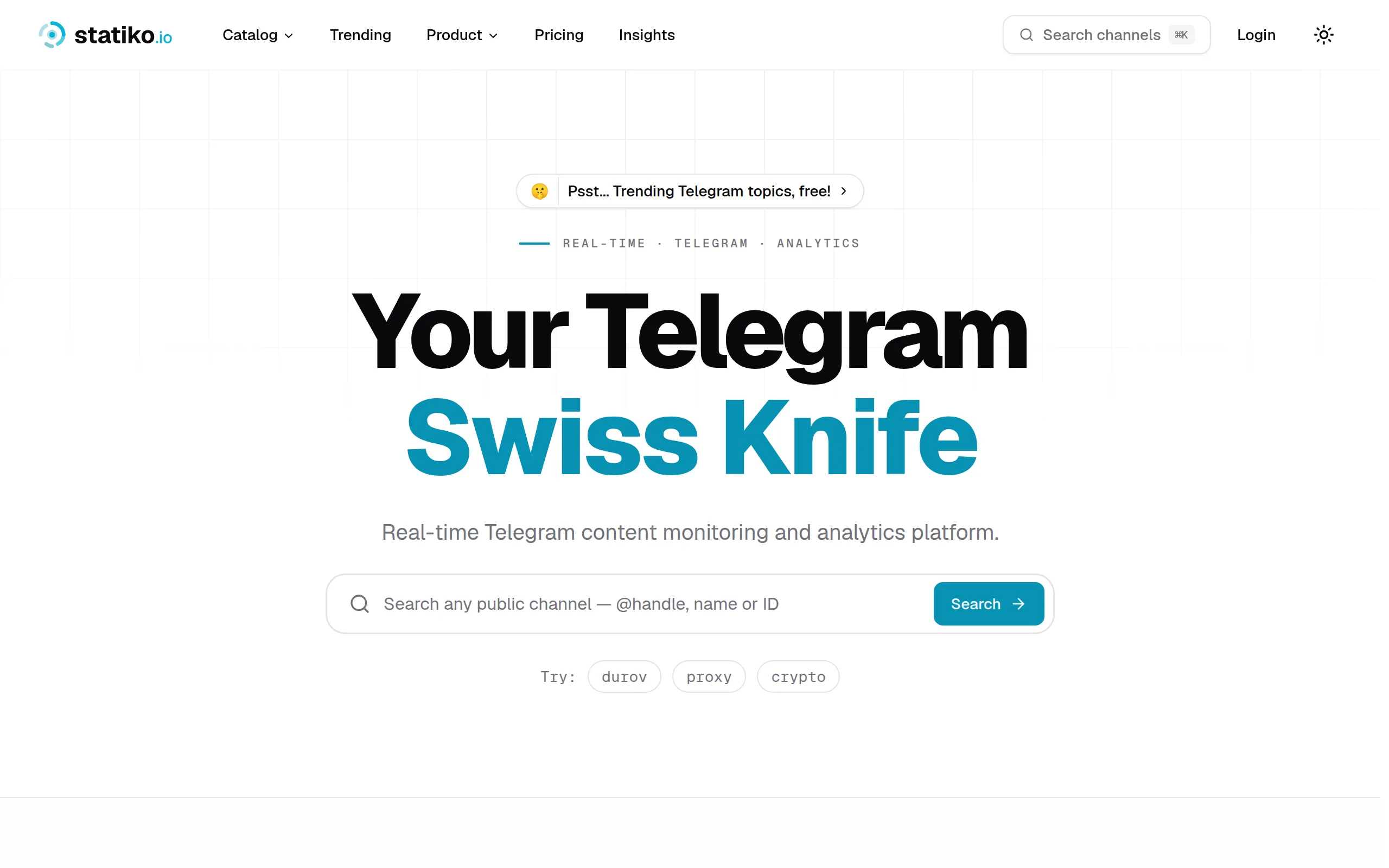
Statiko
Monitor any Telegram channel in real time - track posts, edits, deletions, and growth with AI recaps 📡

Shibui
AI website builder - describe your business, pick a niche template, edit by chatting, and publish instantly ✨

Pro Service
Find verified home service professionals, compare quotes, and pay securely through escrow - built for Brazilians across the US 🏠
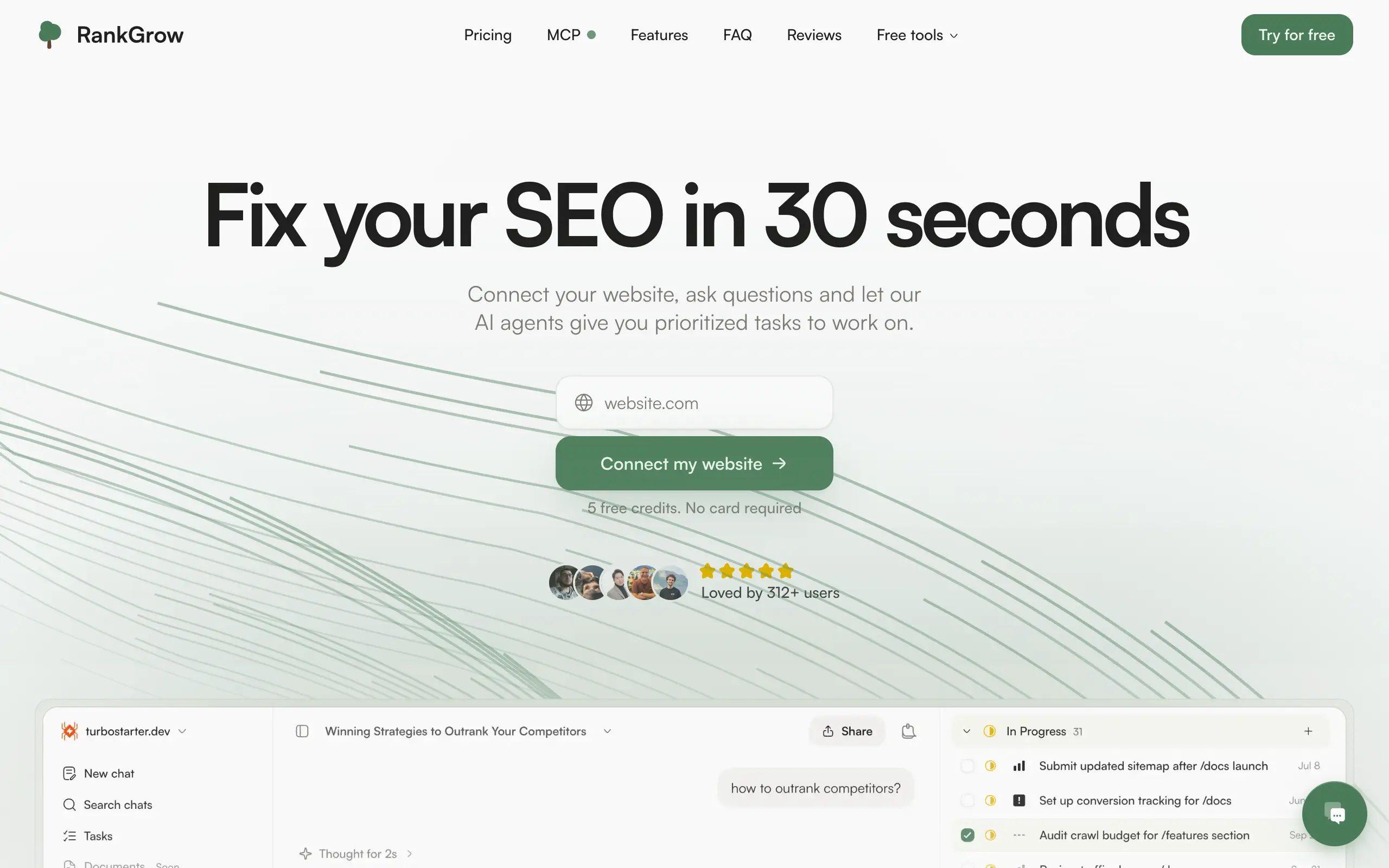
RankGrow
Fix your SEO with AI agents - connect Search Console, get prioritized tasks, and grow organic traffic 📈
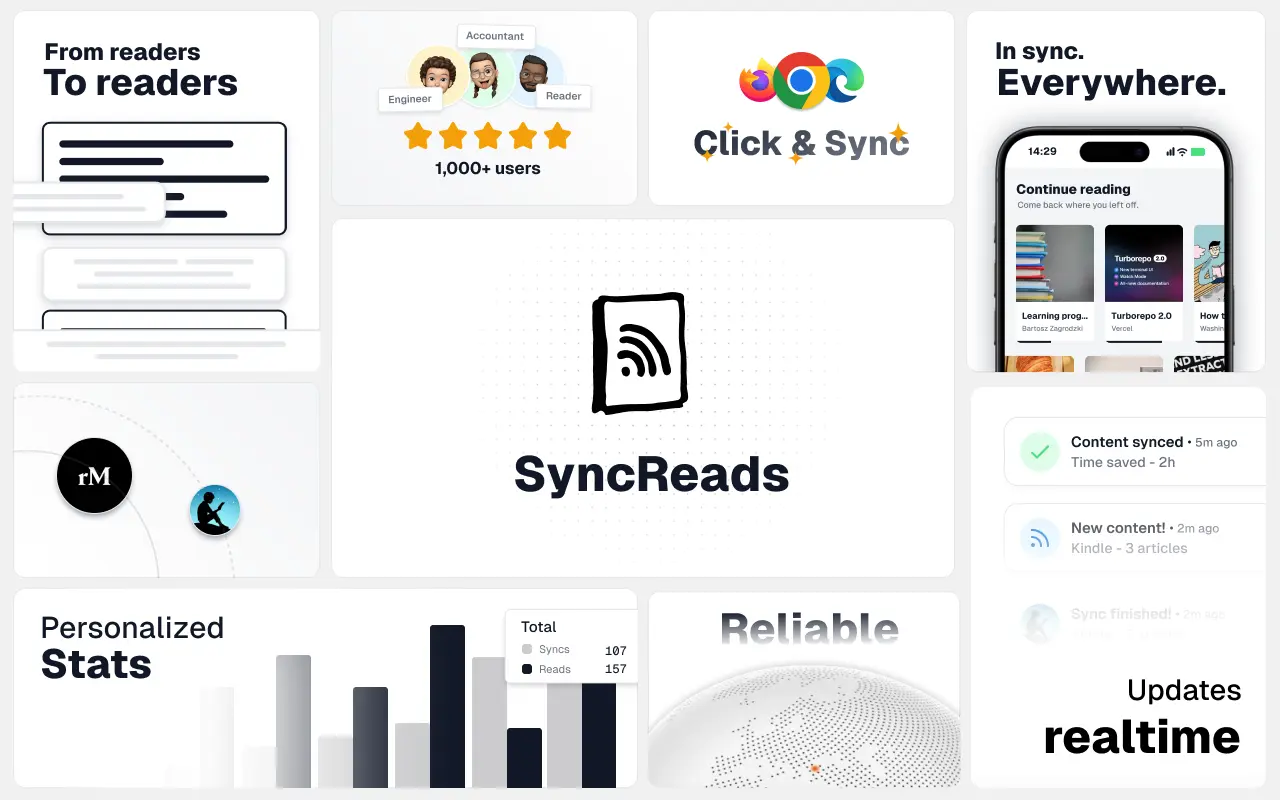
SyncReads
Sync your favorite content for distraction-free reading, save time and replace multiple apps. Anytime, anywhere 🔄
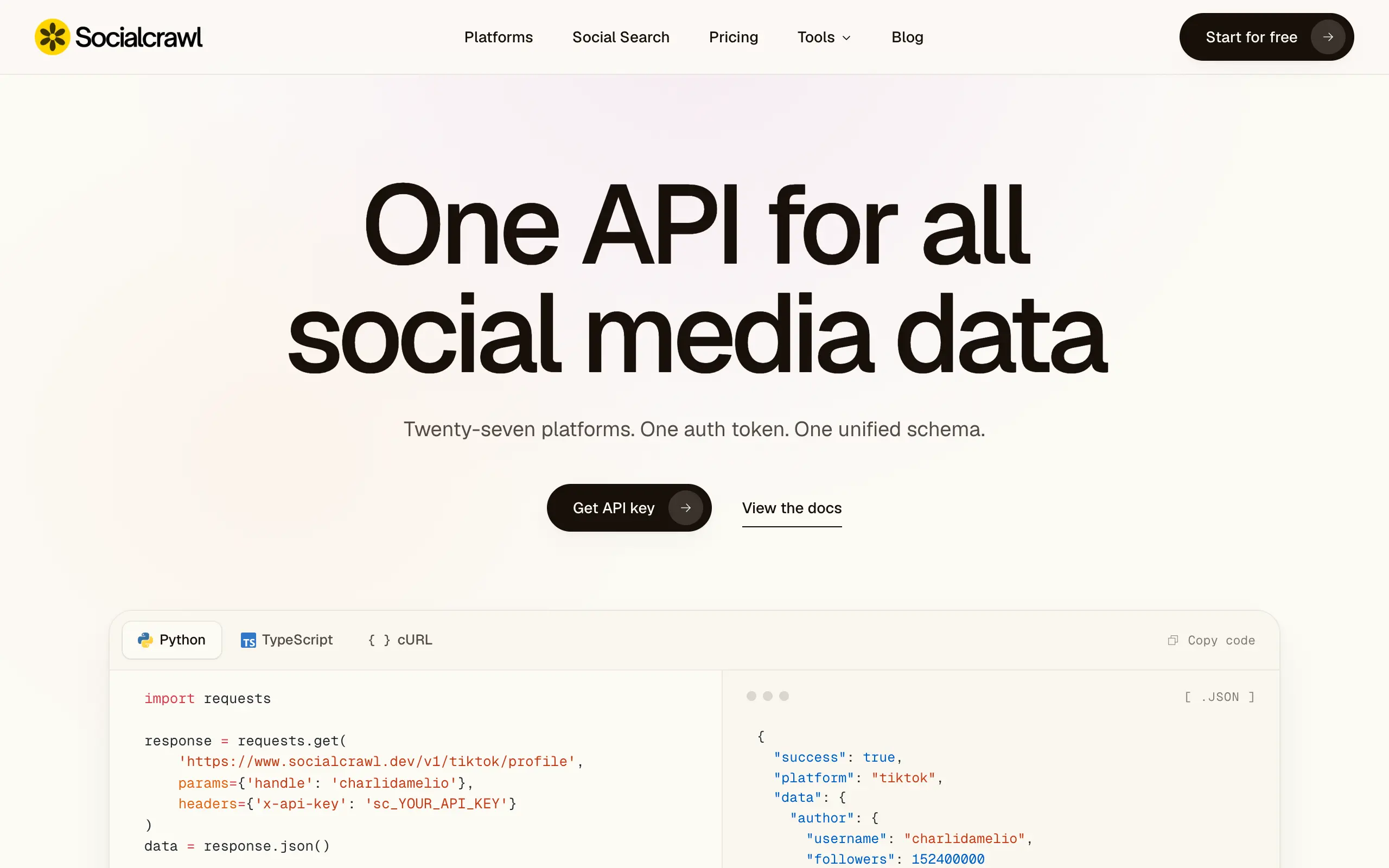
Socialcrawl
Get clean, structured data from 21 platforms like TikTok, Instagram, and YouTube with a single request 📊
Statiko
Monitor any Telegram channel in real time - track posts, edits, deletions, and growth with AI recaps 📡
Shibui
AI website builder - describe your business, pick a niche template, edit by chatting, and publish instantly ✨
Pro Service
Find verified home service professionals, compare quotes, and pay securely through escrow - built for Brazilians across the US 🏠
RankGrow
Fix your SEO with AI agents - connect Search Console, get prioritized tasks, and grow organic traffic 📈
SyncReads
Sync your favorite content for distraction-free reading, save time and replace multiple apps. Anytime, anywhere 🔄
Socialcrawl
Get clean, structured data from 21 platforms like TikTok, Instagram, and YouTube with a single request 📊
Statiko
Monitor any Telegram channel in real time - track posts, edits, deletions, and growth with AI recaps 📡
Shibui
AI website builder - describe your business, pick a niche template, edit by chatting, and publish instantly ✨
Pro Service
Find verified home service professionals, compare quotes, and pay securely through escrow - built for Brazilians across the US 🏠
RankGrow
Fix your SEO with AI agents - connect Search Console, get prioritized tasks, and grow organic traffic 📈
SyncReads
Sync your favorite content for distraction-free reading, save time and replace multiple apps. Anytime, anywhere 🔄
Socialcrawl
Get clean, structured data from 21 platforms like TikTok, Instagram, and YouTube with a single request 📊
Statiko
Monitor any Telegram channel in real time - track posts, edits, deletions, and growth with AI recaps 📡
Shibui
AI website builder - describe your business, pick a niche template, edit by chatting, and publish instantly ✨
Pro Service
Find verified home service professionals, compare quotes, and pay securely through escrow - built for Brazilians across the US 🏠
RankGrow
Fix your SEO with AI agents - connect Search Console, get prioritized tasks, and grow organic traffic 📈
SyncReads
Sync your favorite content for distraction-free reading, save time and replace multiple apps. Anytime, anywhere 🔄
Socialcrawl
Get clean, structured data from 21 platforms like TikTok, Instagram, and YouTube with a single request 📊
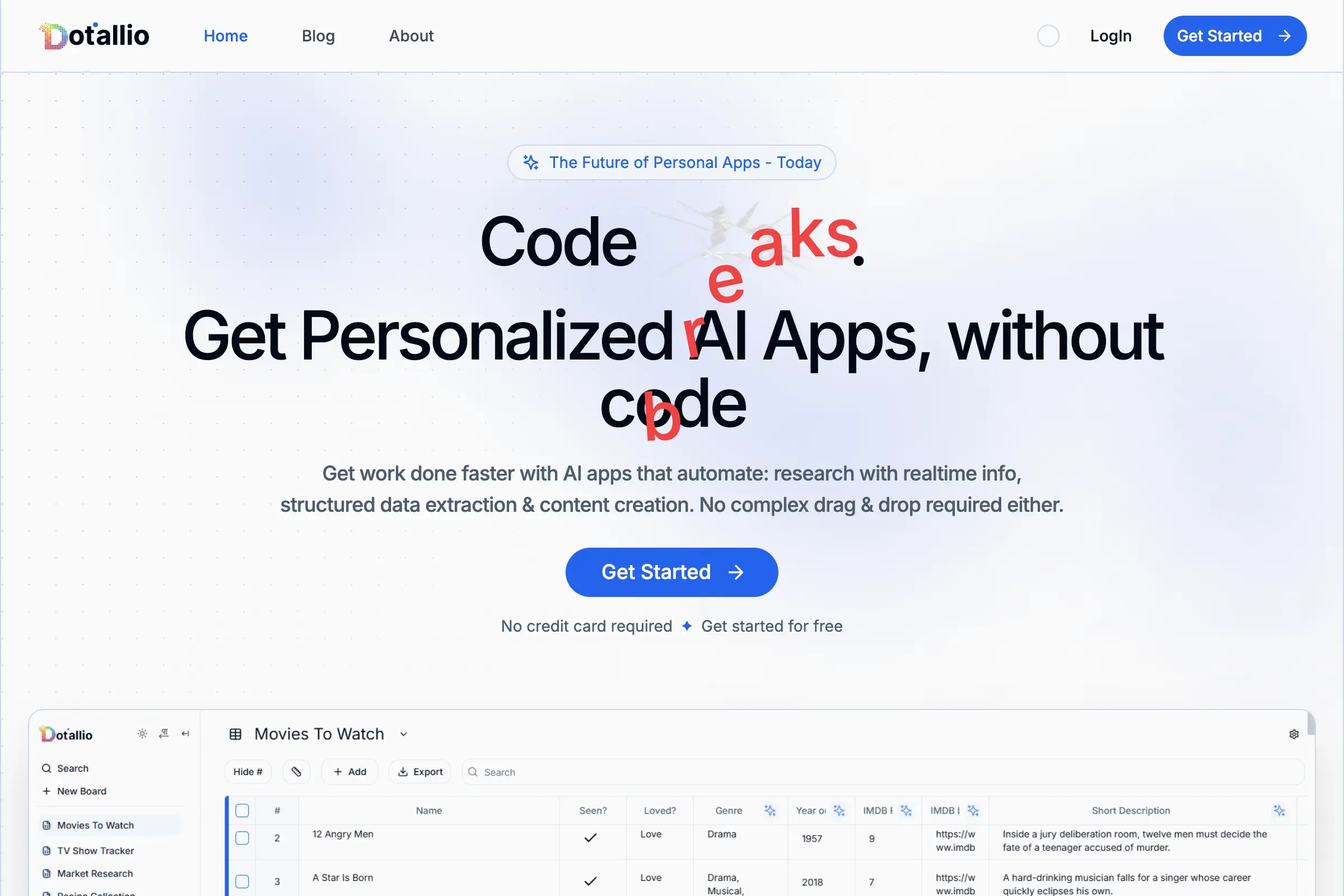
Dotallio
Personalized AI apps that automate research, data extraction, and content creation without code 🤖

Talk to Santa
Enjoy a magical live video chat or receive a unique AI-generated video greeting from Santa Claus 🎅

pozywka.pl
Scalable blog for food journalist, focused on performance and user experience 🌭
zagrodzki.me
Personal blog and portfolio of Bart Zagrodzki, where he shares his knowledge and work 💼
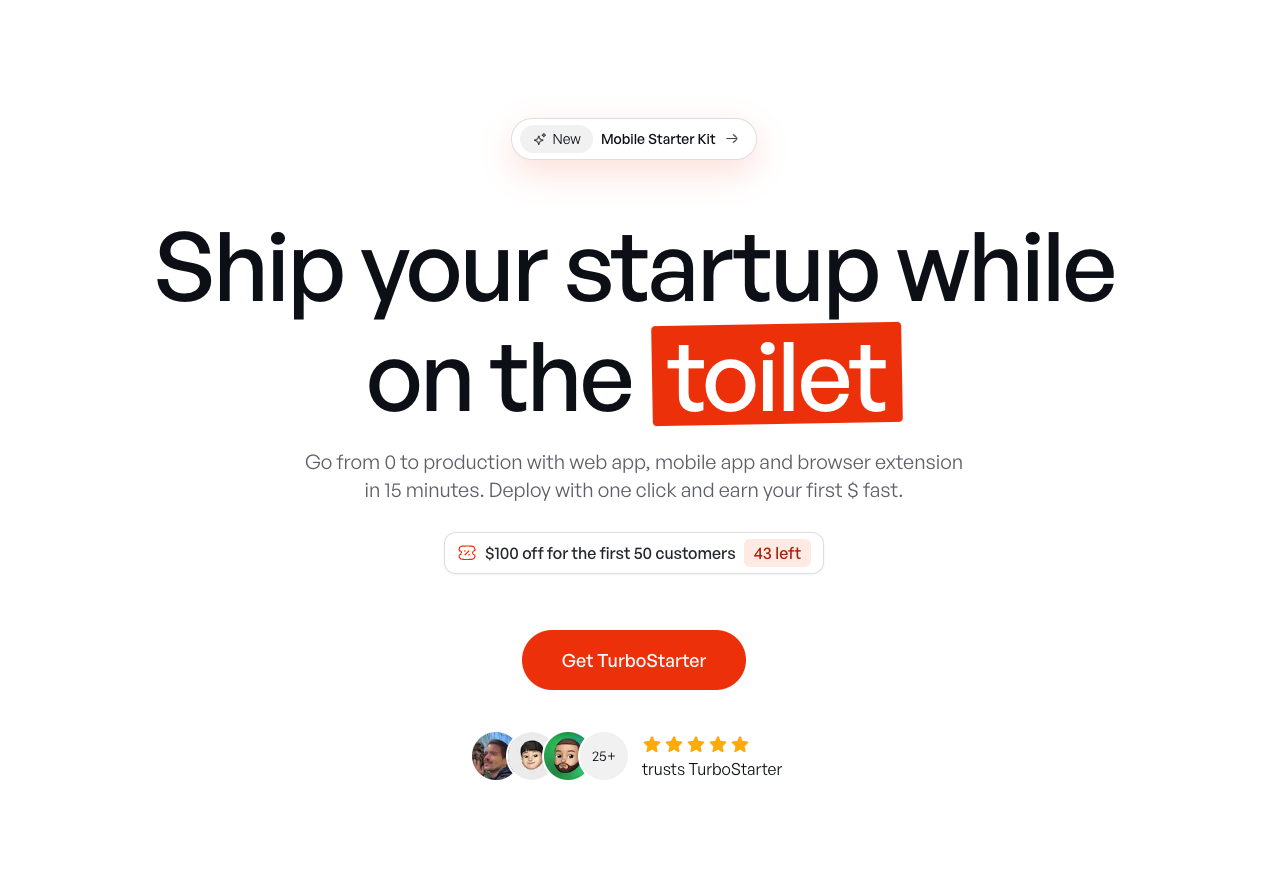
TurboStarter
Ship your startup everywhere. In minutes.
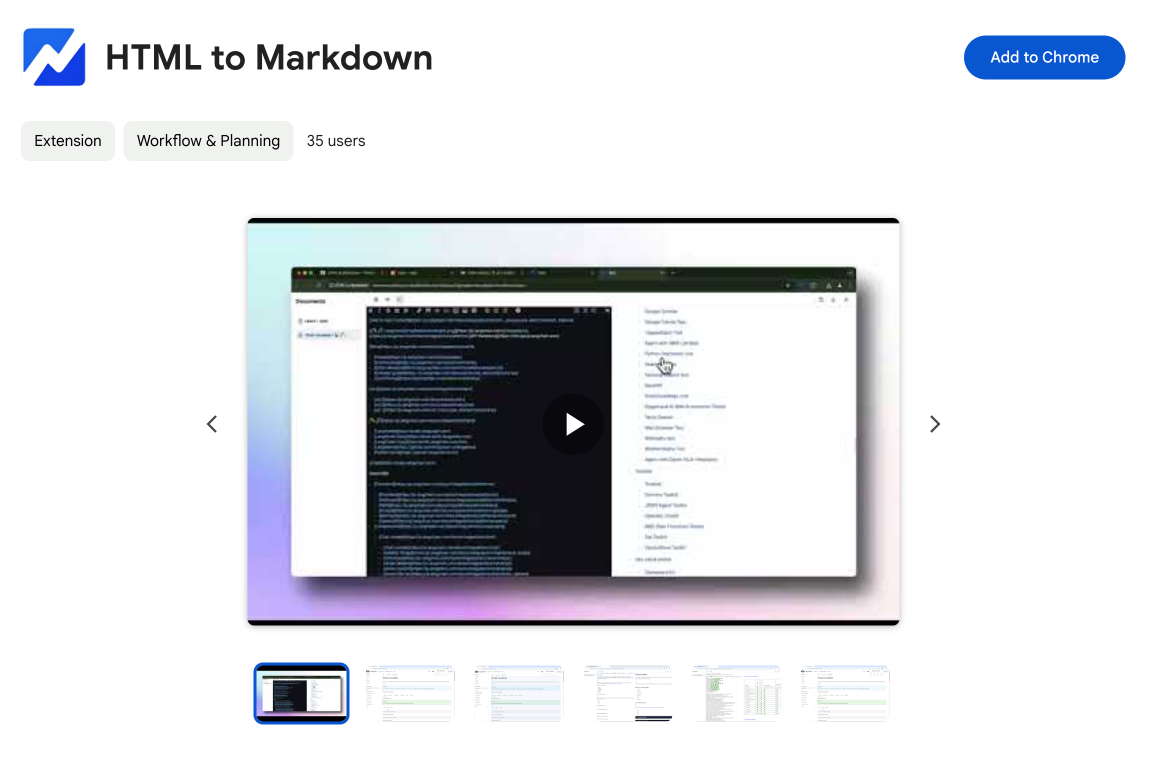
HTML to Markdown
Convert HTML to Markdown with ease, directly in your browser 📄
Dotallio
Personalized AI apps that automate research, data extraction, and content creation without code 🤖
Talk to Santa
Enjoy a magical live video chat or receive a unique AI-generated video greeting from Santa Claus 🎅
pozywka.pl
Scalable blog for food journalist, focused on performance and user experience 🌭
zagrodzki.me
Personal blog and portfolio of Bart Zagrodzki, where he shares his knowledge and work 💼
TurboStarter
Ship your startup everywhere. In minutes.
HTML to Markdown
Convert HTML to Markdown with ease, directly in your browser 📄
Dotallio
Personalized AI apps that automate research, data extraction, and content creation without code 🤖
Talk to Santa
Enjoy a magical live video chat or receive a unique AI-generated video greeting from Santa Claus 🎅
pozywka.pl
Scalable blog for food journalist, focused on performance and user experience 🌭
zagrodzki.me
Personal blog and portfolio of Bart Zagrodzki, where he shares his knowledge and work 💼
TurboStarter
Ship your startup everywhere. In minutes.
HTML to Markdown
Convert HTML to Markdown with ease, directly in your browser 📄
Dotallio
Personalized AI apps that automate research, data extraction, and content creation without code 🤖
Talk to Santa
Enjoy a magical live video chat or receive a unique AI-generated video greeting from Santa Claus 🎅
pozywka.pl
Scalable blog for food journalist, focused on performance and user experience 🌭
zagrodzki.me
Personal blog and portfolio of Bart Zagrodzki, where he shares his knowledge and work 💼
TurboStarter
Ship your startup everywhere. In minutes.
HTML to Markdown
Convert HTML to Markdown with ease, directly in your browser 📄
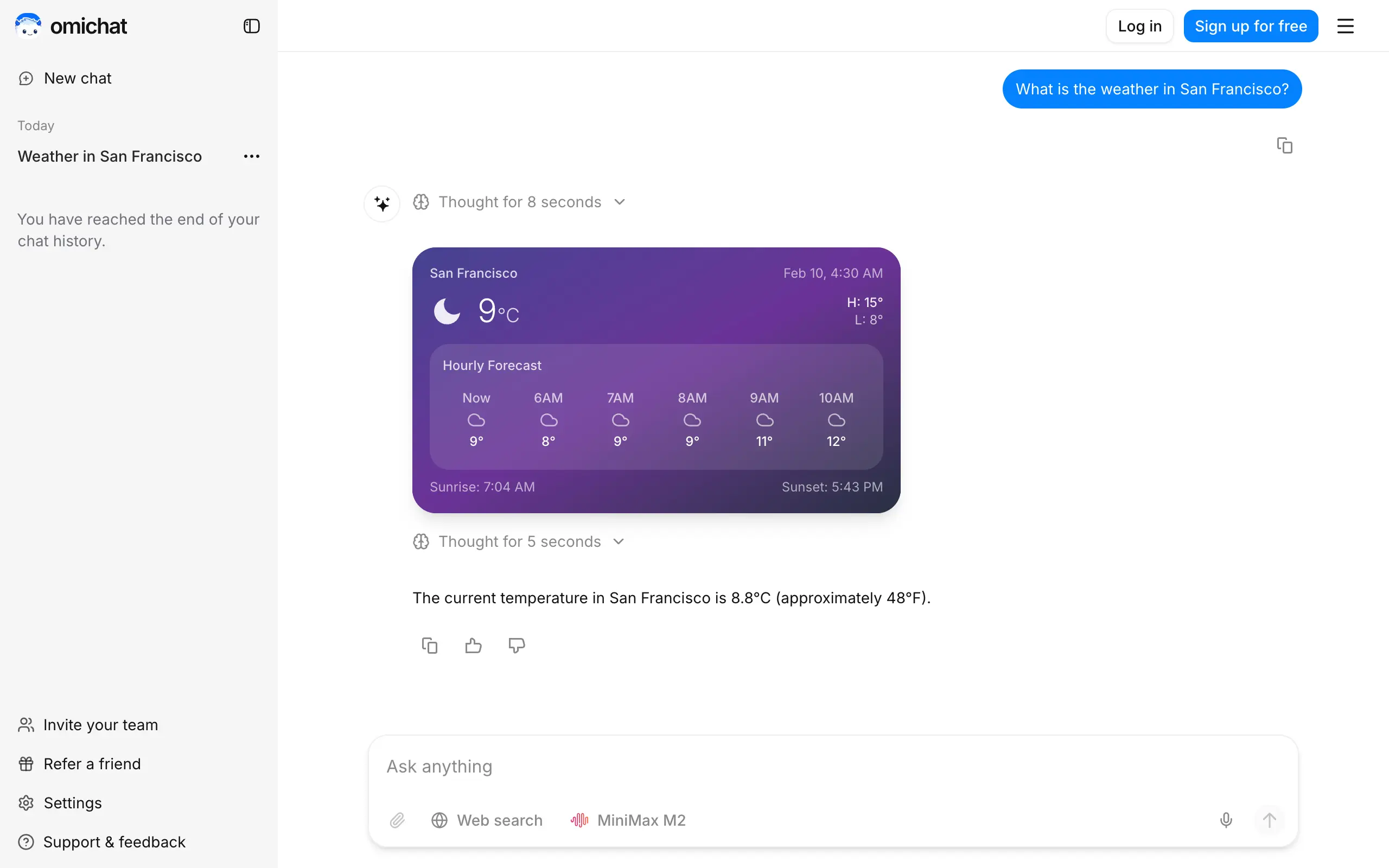
Omichat
Chat with 50+ AI models, including ChatGPT and Claude, in one place - switch models anytime without losing context 🤖
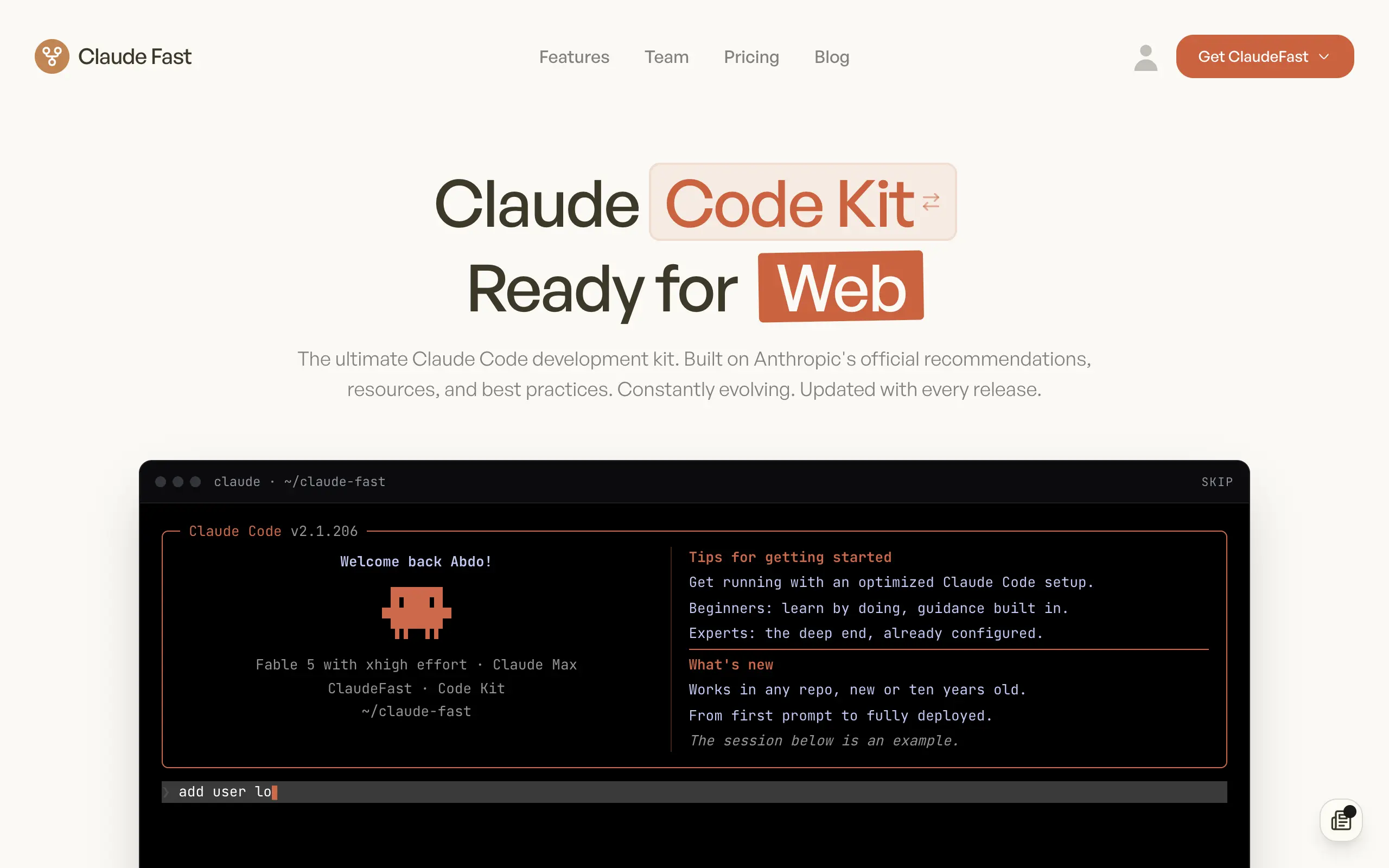
Claude Fast
Supercharge your Claude Code with 6x effective context window and specialized AI agents 🤖
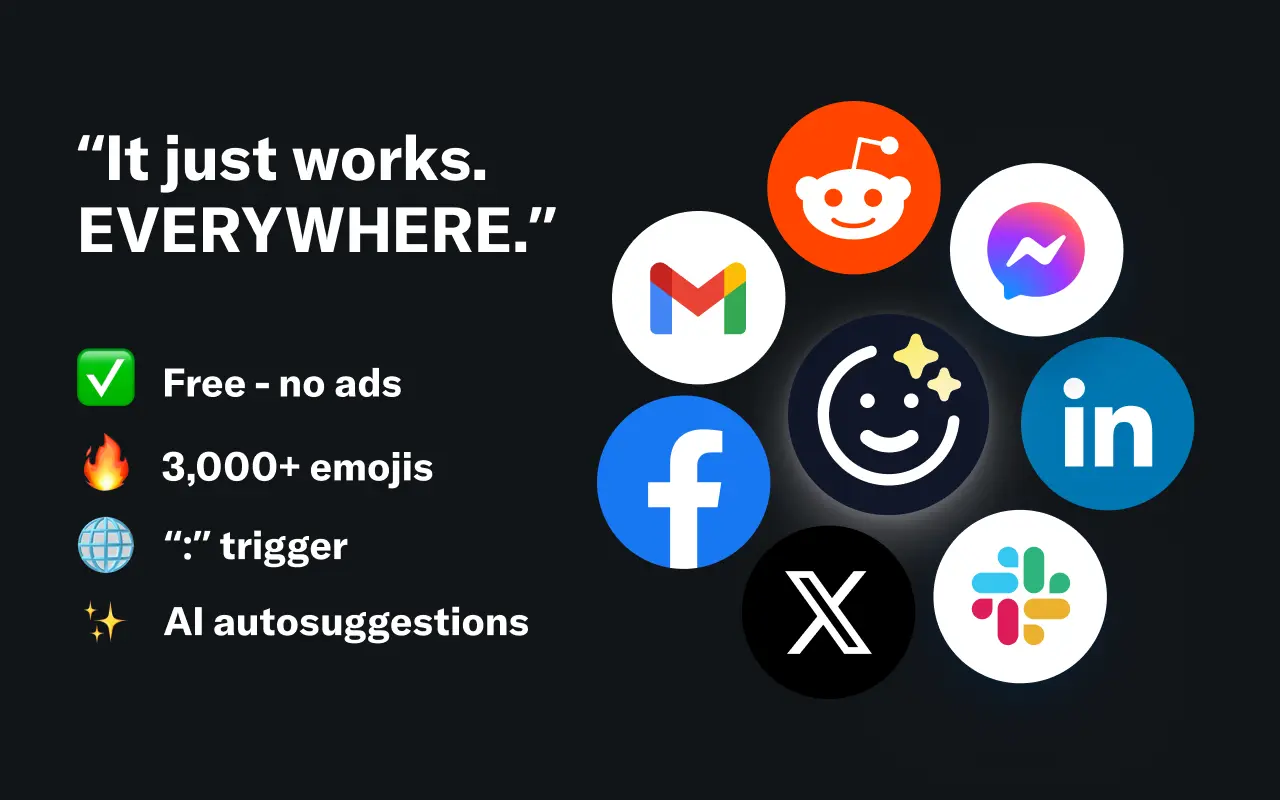
EmojAI
AI-powered emoji picker with smart, context-aware suggestions 🤖
Solohacker
Autonomous company launcher - AI agents work 24/7, escalate what matters, and you stay in control 🤖
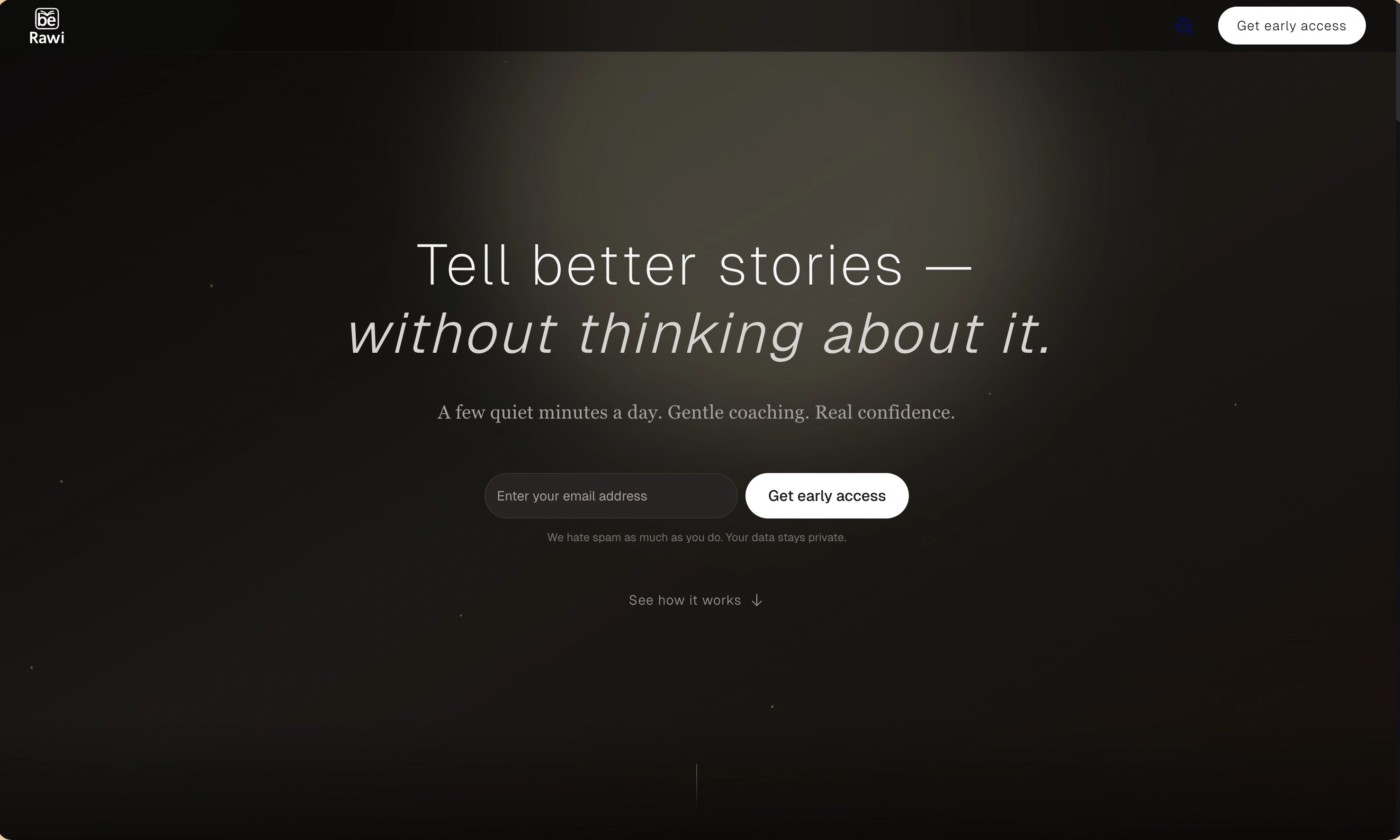
BeRawi: Storytelling Coach
Practice storytelling daily with instant feedback to sound clearer, more engaging, and confident 🎤
Omichat
Chat with 50+ AI models, including ChatGPT and Claude, in one place - switch models anytime without losing context 🤖
Claude Fast
Supercharge your Claude Code with 6x effective context window and specialized AI agents 🤖
EmojAI
AI-powered emoji picker with smart, context-aware suggestions 🤖
Solohacker
Autonomous company launcher - AI agents work 24/7, escalate what matters, and you stay in control 🤖
BeRawi: Storytelling Coach
Practice storytelling daily with instant feedback to sound clearer, more engaging, and confident 🎤
Omichat
Chat with 50+ AI models, including ChatGPT and Claude, in one place - switch models anytime without losing context 🤖
Claude Fast
Supercharge your Claude Code with 6x effective context window and specialized AI agents 🤖
EmojAI
AI-powered emoji picker with smart, context-aware suggestions 🤖
Solohacker
Autonomous company launcher - AI agents work 24/7, escalate what matters, and you stay in control 🤖
BeRawi: Storytelling Coach
Practice storytelling daily with instant feedback to sound clearer, more engaging, and confident 🎤
Omichat
Chat with 50+ AI models, including ChatGPT and Claude, in one place - switch models anytime without losing context 🤖
Claude Fast
Supercharge your Claude Code with 6x effective context window and specialized AI agents 🤖
EmojAI
AI-powered emoji picker with smart, context-aware suggestions 🤖
Solohacker
Autonomous company launcher - AI agents work 24/7, escalate what matters, and you stay in control 🤖
BeRawi: Storytelling Coach
Practice storytelling daily with instant feedback to sound clearer, more engaging, and confident 🎤

Connect with like-minded people
Join our community to get feedback, support, and grow together with 1,000+ builders on board, let's ship it!
Join usShip your startup everywhere. In minutes.
Don't burn tokens on setup and start building features on day one.