SahmHR
Help Saudi SMEs track Saudization targets, Qiwa and GOSI requirements, and HR deadlines with an AI copilot that flags risks and missing documents.
Saudi SMEs face a demanding mix of workforce planning, employment administration, and regulatory deadlines. Saudization requirements can vary by business activity, establishment profile, and current rules, while HR teams may also need to manage information and processes connected to Qiwa and GOSI. For a small business without a dedicated compliance department, keeping track of what applies—and what needs attention next—can be difficult.
SahmHR is an AI-powered HR compliance copilot concept designed to help Saudi small and medium-sized businesses organize that work. It would bring compliance tasks, document tracking, deadline reminders, and risk signals into one practical workspace. Its purpose would not be to replace Qiwa, GOSI, an employment-law adviser, or a company’s own judgment. Instead, it would help teams see what may need action and prepare to act on it.
This article examines the opportunity for Saudi HR compliance software, including the target market, product features, technology choices, business model, competitive positioning, risks, and a practical plan for launching SahmHR.
What is SahmHR?
SahmHR is a proposed Saudi HR compliance platform for SMEs. It combines workforce information, document management, deadline tracking, and AI-assisted guidance to help employers monitor Saudization-related targets and organize requirements involving Qiwa and GOSI.
A useful way to describe the product is:
SahmHR helps Saudi SMEs understand their HR compliance workload, spot potential gaps earlier, and keep the evidence and next steps organized.
The product’s most important job is not to make a legal determination on behalf of a customer. Its job is to make important information easier to find and act on.
For example, an owner or HR manager might use SahmHR to:
- See which HR deadlines are approaching.
- Review a checklist of documents that may be missing or out of date.
- Monitor workforce information relevant to internal Saudization planning.
- Assign a follow-up task to the right person.
- Ask an AI copilot where a particular item is tracked in the company’s workspace.
- Prepare questions or records before using an official government platform or contacting an adviser.
The distinction between compliance support and official compliance determination should be explicit throughout the product. Requirements can change, and the applicability of a rule may depend on company-specific details. SahmHR should make that uncertainty visible rather than imply that a dashboard can guarantee compliance.
Why Saudi SMEs may need HR compliance software
Large organizations often have HR departments, legal support, and established processes for monitoring employment obligations. Smaller companies may rely on an owner, office manager, accountant, or generalist HR employee to handle the same work alongside many other responsibilities.
That creates a coordination problem. Relevant information may be spread across spreadsheets, email threads, personnel files, calendar reminders, and separate government platforms. Even when a business knows what it needs to do, it may be unclear who owns the next step or where supporting documents are stored.
A focused HR compliance tool could help address several recurring operational challenges:
- Fragmented records: Workforce data and supporting documents are stored in different places.
- Manual deadline tracking: Reminders depend on individual calendars or memory.
- Unclear ownership: A task is known but has no named person responsible for completing it.
- Reactive administration: Teams discover a possible issue close to a deadline rather than during routine reviews.
- Limited internal expertise: A small HR team may not have a specialist for every regulatory question.
- Unstructured evidence: A business may struggle to assemble a clear record of what it reviewed and when.
These are product hypotheses, not proof of demand. SahmHR should validate them through interviews with Saudi SME owners, HR managers, payroll providers, and qualified local advisers before investing in extensive automation.
Target audience for SahmHR
The initial market should be specific enough to support focused product design. “All Saudi businesses” is too broad for an early-stage SaaS product. Different industries, establishment profiles, and company sizes may have different workflows and needs.
Primary customers
SahmHR’s strongest early customer profile is likely to be a Saudi SME with a small HR or administration team and recurring employment-related tasks. Potential buyers include:
- Business owners who personally oversee HR administration.
- HR managers or HR generalists at growing companies.
- Operations managers responsible for employee records and internal follow-up.
- Finance or payroll leads who coordinate with HR.
- Professional service firms supporting multiple small-business clients.
The ideal early customer has enough employees and process complexity to feel the cost of manual tracking, but not enough internal resources to build a dedicated compliance operations function.
Secondary audiences and partners
Several adjacent audiences could influence adoption or become distribution partners:
- HR consultants who need a consistent way to track tasks across clients.
- Accounting and payroll firms that want to offer a more complete administrative service.
- Business setup and corporate service providers that support employers after incorporation.
- Recruitment or staffing businesses managing a larger volume of employee records.
- Multi-branch SMEs that need a shared view of tasks across locations.
These users may have different needs from a single-company customer. A consultancy, for example, may need separate client workspaces, delegated access, and portfolio-level reporting. Those capabilities should be validated before they are added to the initial product.
A practical first segment
SahmHR could start with one or two industries where businesses have recurring hiring and employee administration workflows. The team should select a segment based on interviews, access to pilot customers, and the frequency of the problem—not on assumptions about which industry is easiest to sell into.
Useful discovery questions include:
- Which HR or compliance tasks are hardest to remember?
- What information is kept in spreadsheets, email, or paper files?
- Who checks whether a task is complete?
- How does the team learn that a requirement or process has changed?
- What evidence does the business keep after completing a task?
- What would make the team trust a software-generated warning?
- Which system would the product need to complement rather than replace?
The market opportunity and product gap
SahmHR sits between general HR software and official government services. That position matters. A broad HR platform may be useful for employee records, leave, payroll workflows, or hiring, while a government platform serves its own official processes. A small employer can still need a central place to coordinate what it must review, prepare, assign, and follow up on.
The opportunity is not simply to add an AI chatbot to an HR system. It is to create a Saudi-focused compliance operations layer that connects:
- Company and workforce context.
- A library of reviewed HR tasks and checklists.
- Document status and ownership.
- Deadlines and reminders.
- Human review and escalation.
- Clear links between an alert and the evidence behind it.
A useful product gap may exist when a company has the necessary official portals but lacks an easy, shared operating view of its internal obligations. SahmHR should therefore complement official services and existing HR systems rather than suggest that it replaces them.
What customers are likely to value
The product will be valuable if it reduces the effort required to answer practical questions such as:
- What needs attention this week?
- Which employee records or documents should we review?
- Who is responsible for the next step?
- Why did the system flag this item?
- What information should we verify before acting?
- Where can we see the history of the issue?
This emphasis on operational clarity is a stronger differentiator than a generic promise to “automate compliance.” In a regulated workflow, customers need to understand the reasoning behind a flag and retain control over the final action.
Core features for an AI HR compliance copilot
SahmHR should begin with a narrow set of dependable workflows. A product that tracks a few important tasks accurately is more useful than one that claims to automate every HR obligation but gives uncertain guidance.
1. Company profile and applicability setup
During onboarding, SahmHR should collect only the information needed to configure the workspace. Depending on the validated product scope, that could include company details, business activity, employee counts, locations, and the systems or processes the customer currently uses.
The product should explain why each data point is requested and how it affects the customer experience. It should also allow an authorized user to review and update the company profile when circumstances change.
Where the software cannot confidently determine whether a rule applies, it should say so. A clear “needs verification” state is safer and more useful than a definitive but unsupported answer.
2. Saudization and workforce monitoring
A workforce dashboard could help customers organize information relevant to Saudization planning. It might show the data the company has entered, highlight changes that could affect internal monitoring, and create reminders to review the company’s position.
This feature requires careful product design. Saudization requirements and classifications can depend on current rules and company-specific details. SahmHR should avoid presenting a simple percentage as a universal measure of compliance unless the calculation has been validated for the customer’s specific circumstances and reflects current authoritative guidance.
A responsible dashboard should show:
- The data and reporting period used.
- The date of the last review.
- Any assumptions or missing information.
- The source and version of the relevant guidance.
- A clear prompt to verify the result when the situation is uncertain.
3. Qiwa and GOSI task coordination
SahmHR can help teams organize tasks and documents associated with Qiwa and GOSI workflows without claiming to be an official channel. A task might include a title, owner, due date, status, supporting files, and instructions for what the user should verify.
The initial version can be useful without direct system integrations. For example, it can give a team a checklist and a place to record completion after the responsible employee uses the appropriate official service.
If integrations are considered later, the team must first confirm that they are permitted, technically supported, secure, and operationally reliable. The product should never imply that it has submitted or confirmed an official action unless that has actually happened through an approved mechanism.
4. Document management and expiry reminders
A document workspace could help employers see which records are present, which require review, and who last updated them. Useful capabilities may include:
- Categorized document folders.
- Upload and access permissions.
- Review or expiry dates.
- Missing-document checklists.
- Version history.
- Audit events showing who viewed or changed a record.
SahmHR should be cautious about collecting sensitive employee information. It should store only what is necessary for the product’s defined workflows and provide clear retention and deletion controls.
5. Deadline calendar and task ownership
A shared calendar can turn obligations into assigned work. Each task should have an owner, due date, status, and escalation path. Notifications should be configurable so users receive useful reminders without being overwhelmed.
A helpful task model might include:
- Upcoming: The due date is approaching.
- In progress: Someone has accepted ownership.
- Needs review: A human must confirm the result.
- Blocked: The task cannot proceed without more information.
- Complete: The assigned user has recorded completion and any required evidence.
Completion should not necessarily mean that SahmHR has verified legal compliance. The interface should distinguish between “marked complete by a user” and “verified by an authorized reviewer.”
6. AI copilot with grounded answers
The AI copilot could answer questions about the customer’s workspace, summarize uploaded materials, and help explain product checklists. It should be grounded in reviewed content and clearly distinguish between:
- Information retrieved from the customer’s records.
- Guidance from SahmHR’s reviewed knowledge base.
- A suggestion generated by the AI.
- An issue that requires confirmation from a qualified professional or an official source.
For example, a safe response might say: “This document is marked as missing in your workspace. The checklist recommends that you verify whether it is required for your situation.” It should not confidently declare that an employer is compliant or noncompliant based on incomplete data.
Every AI-generated compliance-related answer should include an explanation of its basis, a confidence or uncertainty signal where appropriate, and a route to human review.
7. Audit trail and reporting
A trustworthy compliance workflow needs a record of what happened. SahmHR should maintain an audit trail for meaningful events, such as changes to task status, document uploads, changes in access, and updates to company profile information.
Reports could help managers review:
- Open tasks by owner or due date.
- Recently completed tasks.
- Items awaiting verification.
- Missing or outdated records.
- Changes since the previous review.
These reports should be designed for operational oversight, not presented as official compliance certificates unless the product has a valid basis to provide one.
Recommended MVP for SahmHR
An MVP should test whether Saudi SMEs will use and pay for a centralized HR compliance workspace. The first release does not need to include every proposed feature.
A focused MVP could contain:
- Company onboarding and role-based access.
- A configurable HR task and deadline tracker.
- A basic workforce and document register.
- Reviewed checklists for a small number of validated workflows.
- Notifications and task assignment.
- An AI assistant that answers questions from approved content and the customer’s own workspace.
- An audit log and clear “verify this” states.
- A simple way for users to report incorrect or outdated guidance.
The product team should postpone complex government integrations, automated legal interpretations, and broad analytics until there is evidence of demand and a clear basis for implementing them safely.
Competitive advantage and positioning
SahmHR would enter a market that already includes HR platforms, payroll tools, consultants, spreadsheets, and official government services. Its advantage should come from how it connects these pieces for a specific customer—not from claiming that no alternatives exist.
| Alternative | What it may do well | Potential gap SahmHR can address |
|---|---|---|
| Spreadsheets and calendars | Flexible, familiar, inexpensive | Weak ownership, auditability, and shared context |
| General HR software | Employee records and recurring HR workflows | May not focus on Saudi compliance task coordination |
| Consultants | Expert judgment and tailored advice | May be costly for ongoing routine tracking |
| Official government platforms | Official services and transactions | May not provide a unified internal task workspace |
| SahmHR | Compliance-oriented coordination and reminders | Must earn trust through accuracy, transparency, and security |
SahmHR’s potential USP
A strong unique selling proposition could be:
A Saudi-first HR compliance workspace that turns scattered workforce information, documents, and deadlines into clear, assigned next steps—with AI assistance that shows its sources and limits.
The key elements are local workflow focus, actionable task management, visible evidence, and responsible AI. This is more specific and credible than positioning SahmHR as a fully automated compliance solution.
The product can reinforce its advantage through:
- Saudi-focused onboarding and terminology.
- Clear explanations of why an item is flagged.
- Reviewed and versioned checklists.
- A human-review path for uncertain situations.
- Simple workflows suited to lean HR teams.
- A strong privacy and security posture.
- Support for advisers or service providers who manage multiple SMEs, if validated.
Recommended technology stack
The technology stack should support secure handling of business and employee information, reliable task workflows, and an AI system that can be updated as reviewed guidance changes. The team should prioritize maintainability and security over novelty.
Front end
React is a practical choice for building a responsive web application. A framework such as Next.js can support application routing, server-rendered pages where useful, and a structured full-stack development experience. Tailwind CSS can help a small team build a consistent interface quickly, provided the design system is maintained rather than allowing one-off styles to proliferate.
A responsive web app is a sensible starting point. Many SME users will work from a desktop browser, while owners and managers may need to check task alerts from a phone.
Backend and data storage
A relational database such as PostgreSQL is well suited to structured information such as organizations, users, employees, tasks, permissions, and audit events. Relational constraints can help preserve data consistency across linked records.
The application should use tenant-aware data access from the start. Each business’s records must be isolated, and authorization checks should be enforced on the server rather than relying only on interface controls.
For uploaded files, use private object storage with encryption, access controls, and time-limited access links. Keep file metadata and permissions in the database, and define retention and deletion behavior before launch.
AI and retrieval
A retrieval-augmented generation approach can help the copilot answer questions using a curated knowledge base and the customer’s authorized records. The AI should not treat an unreviewed internet search or a model’s general training as the source of truth for current regulatory guidance.
A responsible AI pipeline could:
- Retrieve relevant, approved content.
- Check whether the user is authorized to access the related company data.
- Generate an answer that cites the retrieved internal source or checklist.
- Mark uncertainty and request missing information when needed.
- Log the interaction according to the product’s privacy policy.
- Offer a human-review or escalation path.
The team should evaluate different model providers for data handling, regional requirements, latency, cost, and contractual terms. Avoid sending sensitive employee data to an AI provider unless the data flow, permissions, and safeguards have been reviewed.
Authentication, hosting, and observability
Use a mature authentication approach with multi-factor authentication for privileged accounts, session controls, and secure account recovery. Hosting choices should be based on customer requirements, data residency expectations, available security certifications, and applicable Saudi regulations. These requirements should be confirmed with qualified legal and security advisers rather than inferred from a cloud provider’s marketing materials.
Operationally, SahmHR should include:
- Encrypted data transmission and storage.
- Backups with tested restoration procedures.
- Monitoring for errors and unusual access patterns.
- Centralized logs with appropriate access restrictions.
- A documented incident response plan.
- Regular dependency and security reviews.
For a faster product launch, a SaaS starter kit such as TurboStarter may help accelerate standard application foundations. The team should still review its architecture, security controls, and licensing against SahmHR’s specific needs.
Monetization strategy
SahmHR should charge for ongoing value, not for creating fear about regulatory consequences. Pricing can reflect the number of employees, the number of managed workspaces, or the level of workflow support.
Tiered subscription pricing
A simple subscription model could include:
- Starter: Core task tracking and a limited document register for smaller businesses.
- Growth: More employees, expanded workflows, reporting, and team collaboration.
- Business: Advanced permissions, multiple locations, configurable review processes, and priority support.
Any employee-based pricing should be easy to understand and predictable. A customer should know how a hiring increase will affect the bill before it happens.
Per-company or per-employee pricing
A flat company subscription is straightforward to explain and can suit very small businesses. Per-employee pricing can scale with usage but may create uncertainty for companies with seasonal or fluctuating headcount. SahmHR could test both structures with pilot customers before committing.
Partner and accountant plans
A partner plan could serve consultants, payroll providers, and corporate service firms that support multiple SME clients. Possible features include separate client workspaces, limited delegated access, and portfolio-level task reporting.
This channel may reduce customer acquisition costs, but it also introduces additional requirements around data separation, roles, and client authorization. It should be designed as a distinct use case rather than added as a superficial “multi-client” toggle.
Paid onboarding and advisory support
Some customers may pay for initial data setup, workflow configuration, or training. These services can help customers reach value sooner, but the product should keep the software experience self-service where possible.
If SahmHR offers compliance advice directly, it must clearly define the scope, qualifications, and liability of that service. A safer early model may be to provide software and connect customers with qualified advisers when a question requires professional judgment.
Risks and mitigation
Because SahmHR touches employment records and compliance workflows, trust is a core product requirement. The team should address risks during product design, not after launch.
Incorrect or outdated guidance
Regulatory guidance can change, and AI systems can produce incorrect answers. SahmHR should use a reviewed knowledge base, maintain content version history, display review dates, and assign a responsible owner for each checklist. High-impact guidance should be reviewed by qualified Saudi specialists.
When a system cannot establish an answer confidently, it should communicate that limitation and route the user to a suitable next step.
False confidence in compliance status
A green dashboard indicator can be misread as a guarantee. Use careful language such as “reviewed,” “missing information,” or “needs verification” rather than an unsupported declaration of compliance.
The interface should show what information was used, what assumptions remain, and who recorded the latest review.
Privacy and security exposure
Employee records may contain sensitive information. SahmHR should minimize collection, restrict access by role, encrypt data, monitor administrative actions, and provide clear retention and deletion controls. The team should obtain expert guidance on applicable privacy and data protection obligations, including the Saudi Personal Data Protection Law and related implementing requirements.
Integration dependencies
Government platforms may not provide the integrations a startup expects, and access policies can change. Build an MVP that remains useful without direct integration. Treat integrations as a later capability that requires technical, contractual, and regulatory validation.
Low customer trust in AI
Customers may be reluctant to rely on an AI copilot for HR compliance. The answer is not to hide the AI’s role. Explain what it can and cannot do, show the source behind its response, and make human review easy.
Difficult customer acquisition
SMEs may not search for a dedicated compliance platform until they have encountered a problem. SahmHR can test distribution through HR consultants, payroll providers, accounting firms, business communities, and educational content. The product should still demonstrate value in routine operations, not only during a compliance incident.
Go-to-market strategy
SahmHR should validate customer demand before scaling paid acquisition. A focused pilot can reveal which workflows users complete, which alerts they trust, and what they are willing to pay for.
A practical early go-to-market plan could include:
- Interviewing business owners and HR generalists in a defined industry segment.
- Recruiting a small group of pilot companies through direct outreach and adviser referrals.
- Observing how users currently manage deadlines and documents.
- Testing onboarding with real, permissioned business data.
- Measuring weekly active use, task completion, alert usefulness, and renewal intent.
- Publishing educational content about HR administration without presenting it as personalized legal advice.
- Building partnerships with local HR and payroll professionals who can review workflows and refer suitable customers.
Content marketing can target searches such as “Saudi HR compliance software,” “Saudization tracking for SMEs,” “Qiwa HR task management,” and “GOSI document checklist.” Content should explain the limits of general information and encourage readers to verify their specific obligations through authoritative channels.
Actionable implementation steps
A disciplined launch plan will reduce both product risk and wasted engineering effort.
1. Validate the problem with interviews
Speak with SME owners, HR generalists, and advisers. Ask about actual recent tasks, missed follow-ups, document workflows, and current tools. Avoid asking only whether they “like” the idea. Look for evidence that the problem is frequent, costly, and already addressed through workarounds.
2. Choose a narrow customer segment
Select an initial industry or business profile based on interview evidence and access to pilot customers. Define what is in scope for the first release and record which customer types will not be served initially.
3. Review the workflows with local experts
Have qualified Saudi HR or legal specialists review the initial checklists, terminology, and user-facing limitations. Document the source, review date, and owner for each piece of guidance.
4. Build the compliance task workspace
Start with company profiles, task ownership, reminders, document status, roles, and audit history. Make the product useful before adding AI. A customer should be able to organize and complete a basic workflow even if the copilot is unavailable.
5. Add a grounded AI copilot
Limit the copilot to approved content and authorized customer records. Test for unsupported claims, misleading certainty, sensitive-data exposure, and incorrect retrieval. Make it easy for users to report a poor answer.
6. Run a measured pilot
Onboard a small cohort and track completion rates, time to first value, recurring use, support requests, and willingness to pay. Ask users which alerts they trust and which they ignore. Use that evidence to refine the product.
7. Establish a content and security review cycle
Assign owners for regulatory content, application security, incident response, and customer support. Review checklists on a defined schedule and when relevant authoritative guidance changes.
After the pilot, SahmHR should expand only where customer behavior supports it. If customers consistently use task reminders but ignore AI answers, prioritize workflow quality. If advisers ask for multi-client controls, test a partner offering. If users want integrations, validate technical and permission requirements before promising them.
Frequently asked questions
Saudi HR compliance software helps employers organize HR-related records, workflows, deadlines, and review tasks. A product such as SahmHR would aim to support that work for Saudi SMEs, while remaining distinct from official government platforms and qualified legal or HR advice.
No. SahmHR should be positioned as an internal coordination and preparation tool, not a replacement for official services. Customers should continue to use the appropriate official channels for applicable transactions and confirmations.
An AI copilot should not claim to make a definitive compliance determination without validated rules, complete and current company information, and appropriate human oversight. SahmHR should explain the basis for flags, identify missing information, and direct uncertain cases to qualified review.
Look for clear assumptions, review dates, transparent calculations where applicable, role-based access, audit history, and an easy way to verify results. Be cautious of any product that promises a universal compliance guarantee without explaining how it handles differences in company circumstances and changing requirements.
The long-term opportunity for SahmHR
SahmHR’s strongest opportunity is to become a trusted operating layer for HR follow-up at Saudi SMEs. The product can help employers move from scattered reminders and unclear ownership toward a shared view of tasks, records, and next steps.
The winning approach is likely to be deliberately practical: start with a narrow set of validated workflows, make every alert explainable, protect employee data, and keep humans involved in consequential decisions. If SahmHR earns trust through accuracy and useful day-to-day coordination, it can expand over time into partner workspaces, deeper reporting, and carefully validated integrations.
For founders, the next move is not to build every proposed feature. It is to verify that a specific group of Saudi SMEs has a recurring coordination problem, then test whether a secure, transparent compliance workspace solves it well enough that customers will adopt and pay for it.
More 🤖 AI Startup SaaS ideas
Discover more innovative ai startup SaaS ideas that are trending in 2026. Each idea is AI-generated with market validation and growth potential to help you find your next profitable venture faster than competitors.
Your competitors are building with TurboStarter
Below are some of the SaaS ideas that have been generated and built with our starter kit.
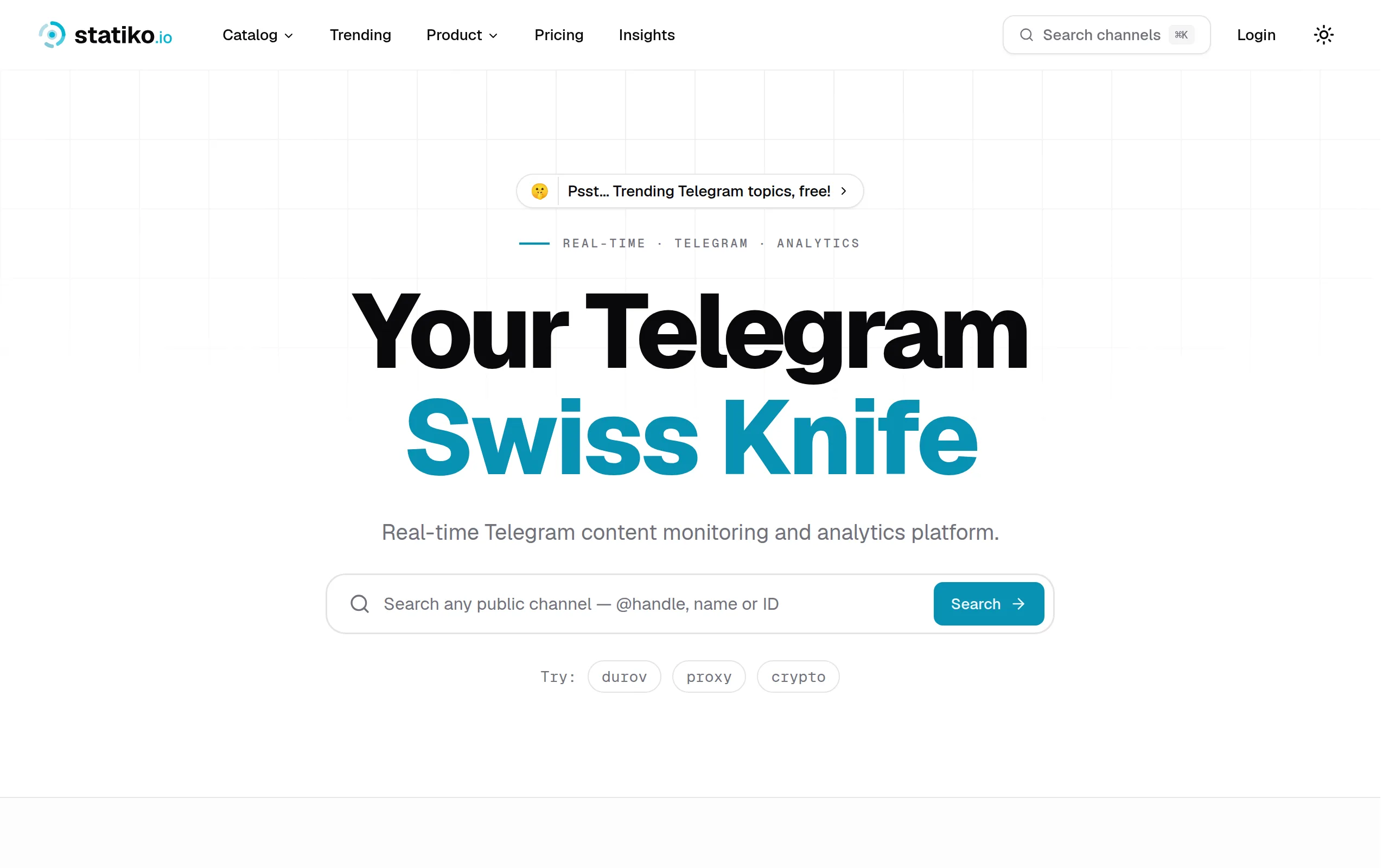
Statiko
Monitor any Telegram channel in real time - track posts, edits, deletions, and growth with AI recaps 📡
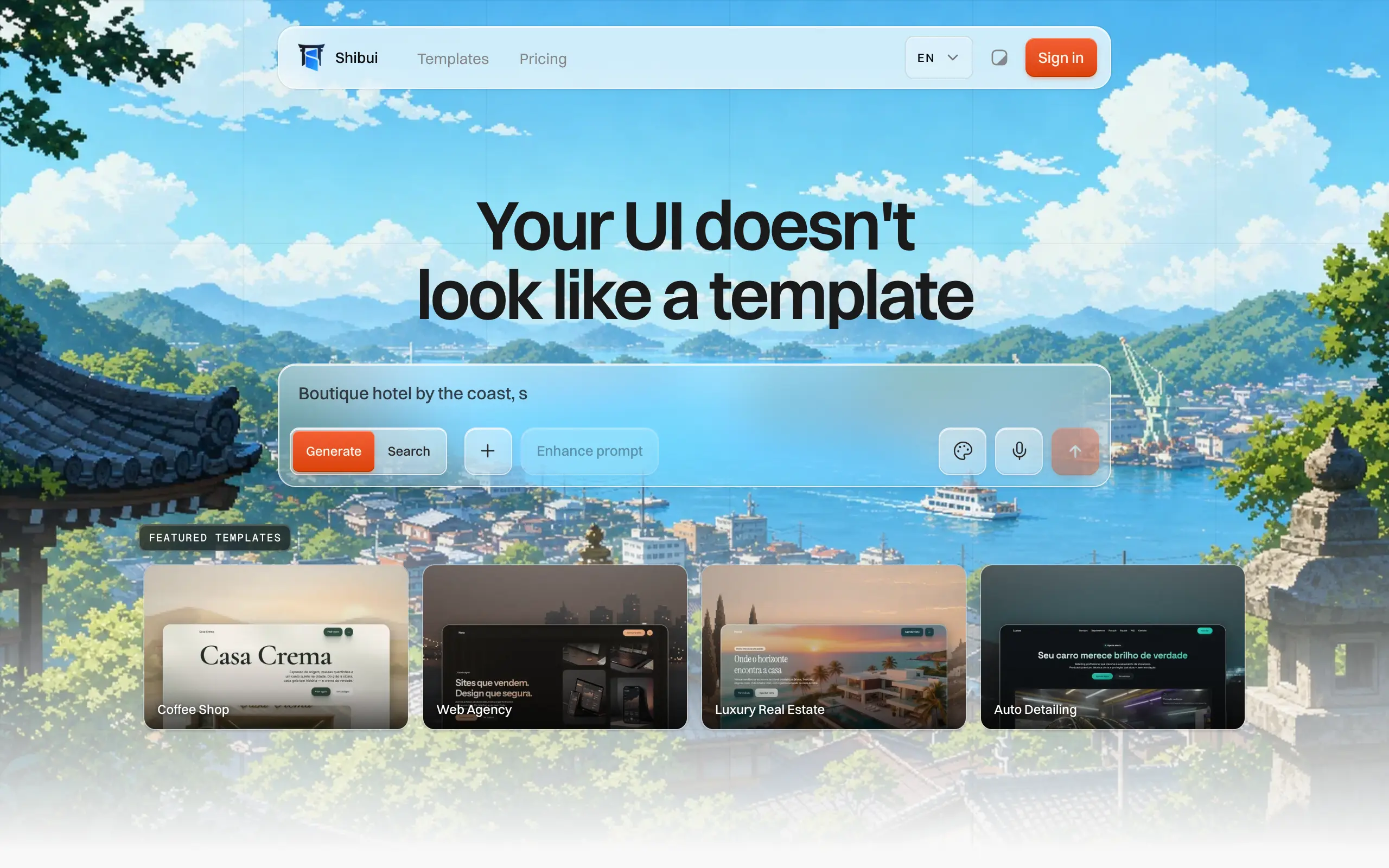
Shibui
AI website builder - describe your business, pick a niche template, edit by chatting, and publish instantly ✨

Pro Service
Find verified home service professionals, compare quotes, and pay securely through escrow - built for Brazilians across the US 🏠
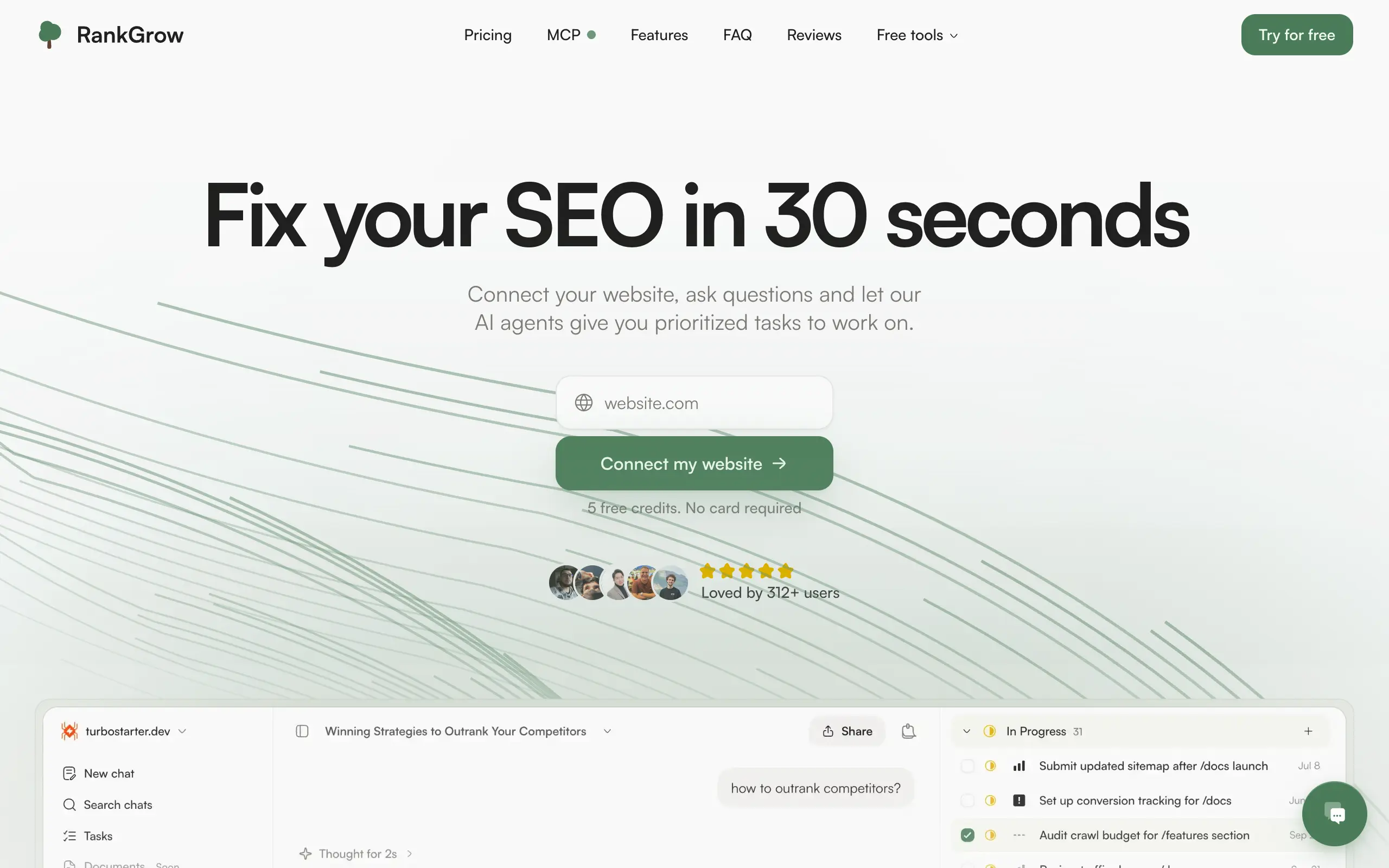
RankGrow
Fix your SEO with AI agents - connect Search Console, get prioritized tasks, and grow organic traffic 📈
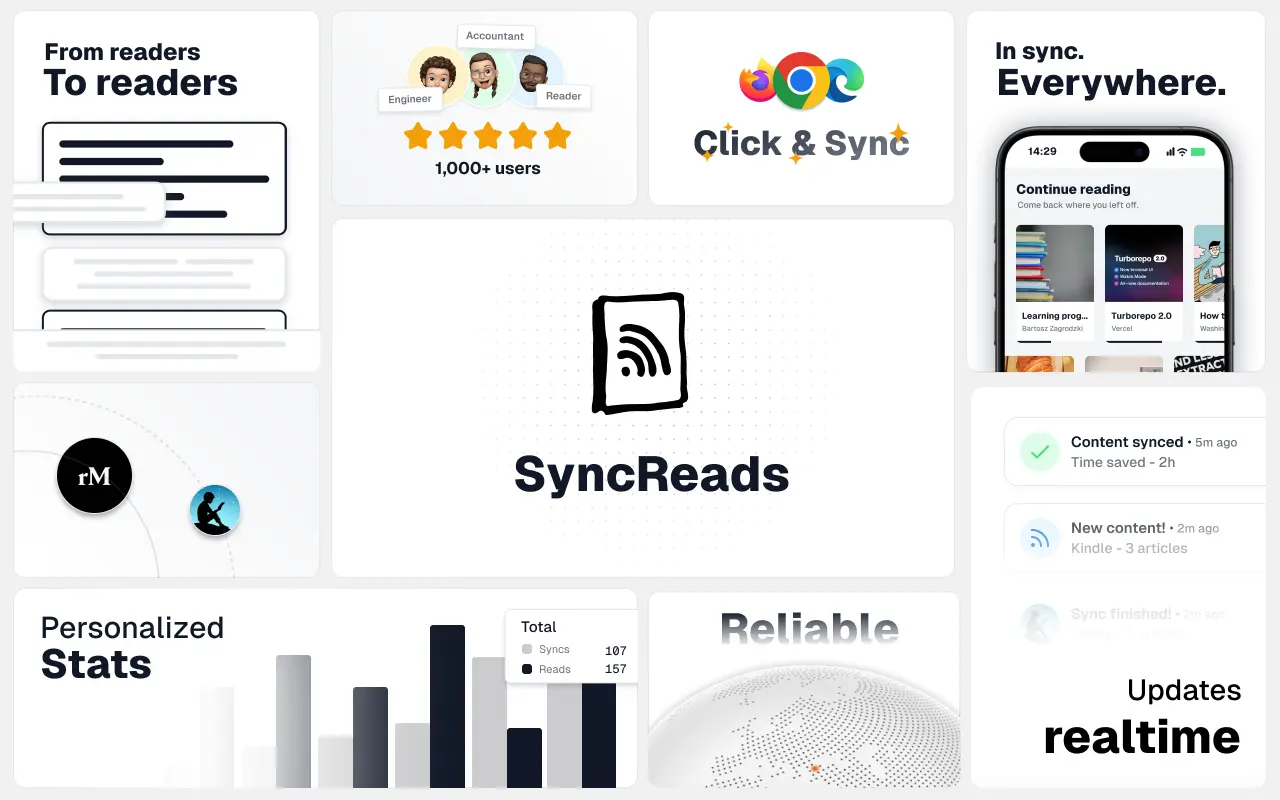
SyncReads
Sync your favorite content for distraction-free reading, save time and replace multiple apps. Anytime, anywhere 🔄
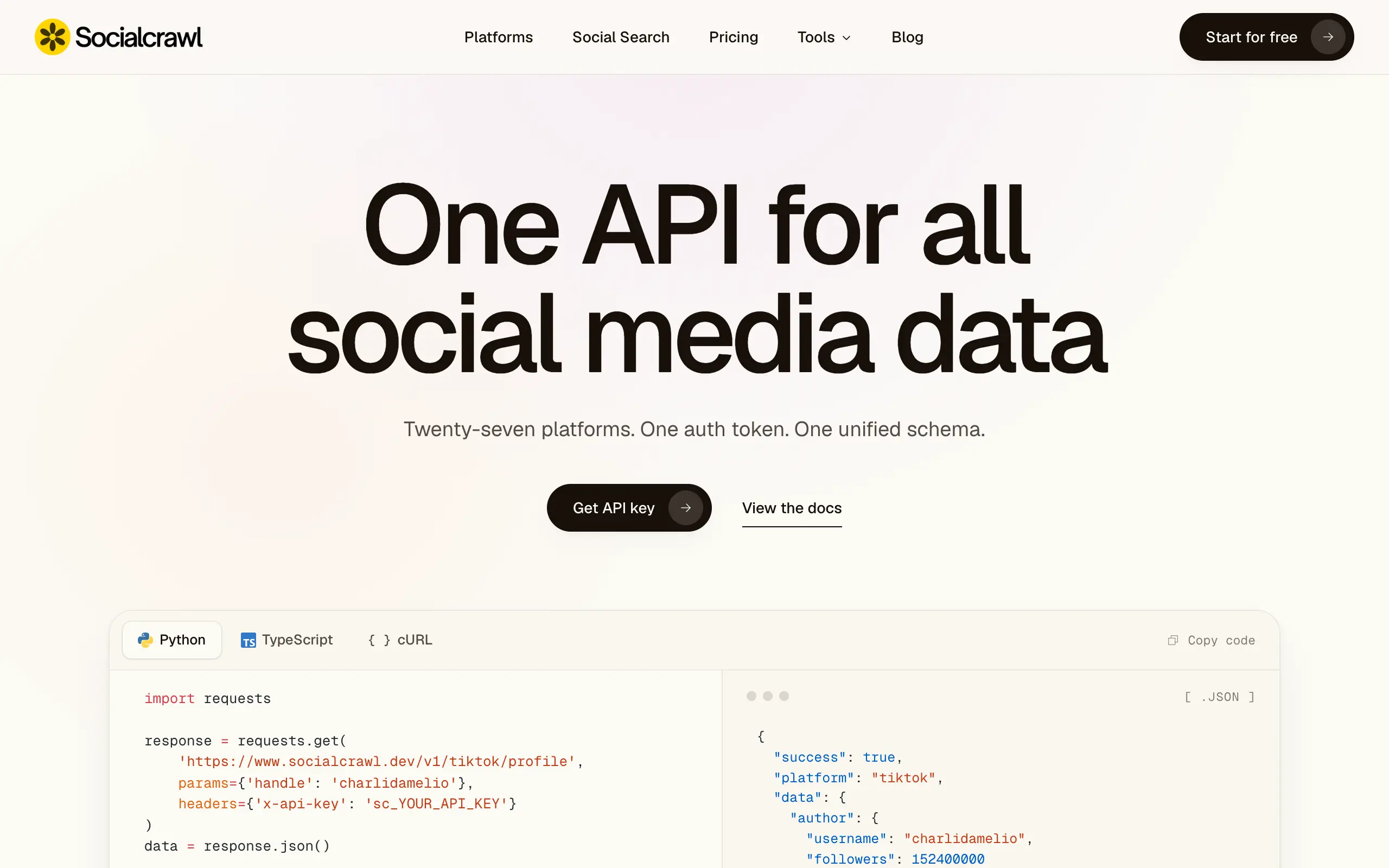
Socialcrawl
Get clean, structured data from 21 platforms like TikTok, Instagram, and YouTube with a single request 📊
Statiko
Monitor any Telegram channel in real time - track posts, edits, deletions, and growth with AI recaps 📡
Shibui
AI website builder - describe your business, pick a niche template, edit by chatting, and publish instantly ✨
Pro Service
Find verified home service professionals, compare quotes, and pay securely through escrow - built for Brazilians across the US 🏠
RankGrow
Fix your SEO with AI agents - connect Search Console, get prioritized tasks, and grow organic traffic 📈
SyncReads
Sync your favorite content for distraction-free reading, save time and replace multiple apps. Anytime, anywhere 🔄
Socialcrawl
Get clean, structured data from 21 platforms like TikTok, Instagram, and YouTube with a single request 📊
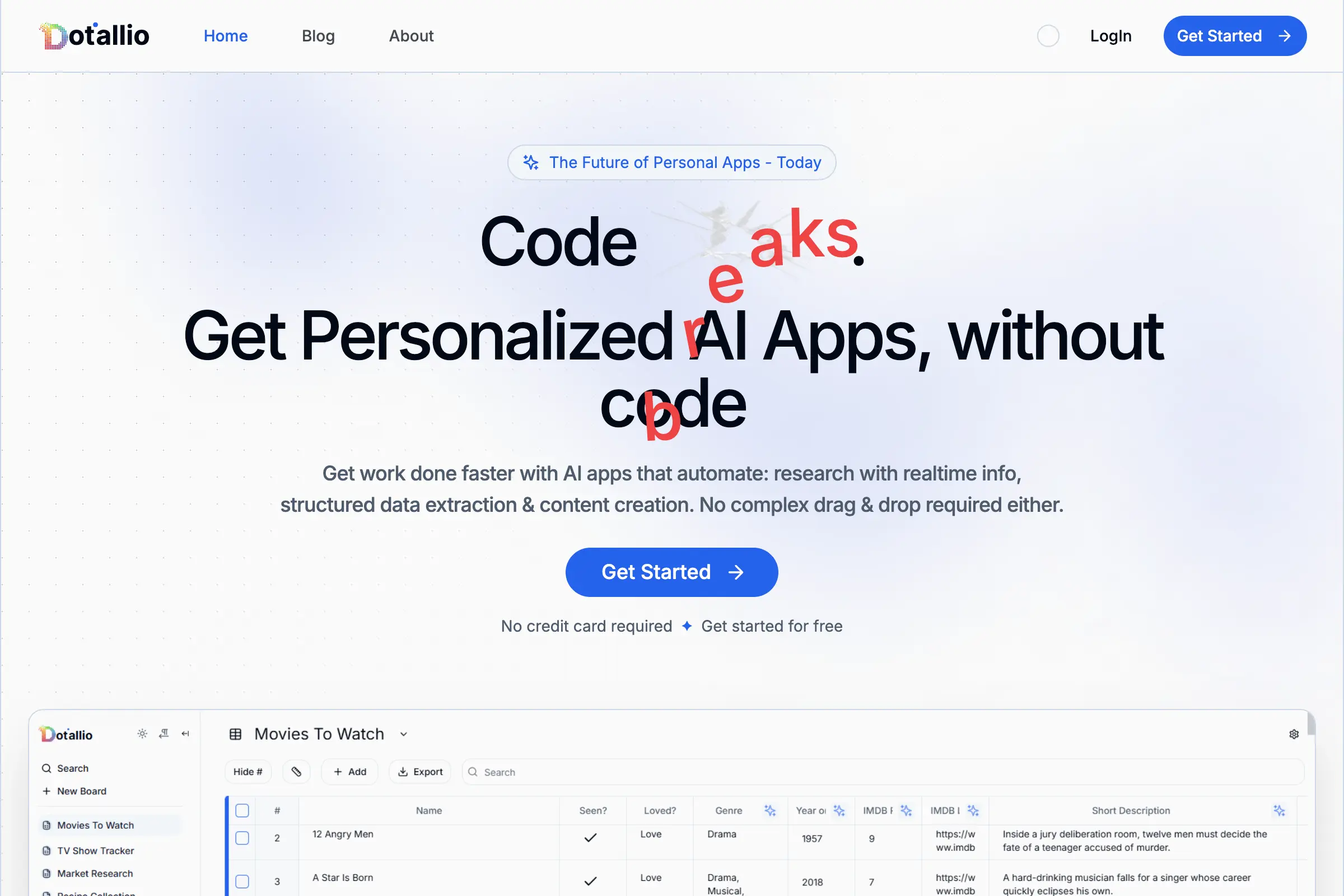
Dotallio
Personalized AI apps that automate research, data extraction, and content creation without code 🤖

Talk to Santa
Enjoy a magical live video chat or receive a unique AI-generated video greeting from Santa Claus 🎅
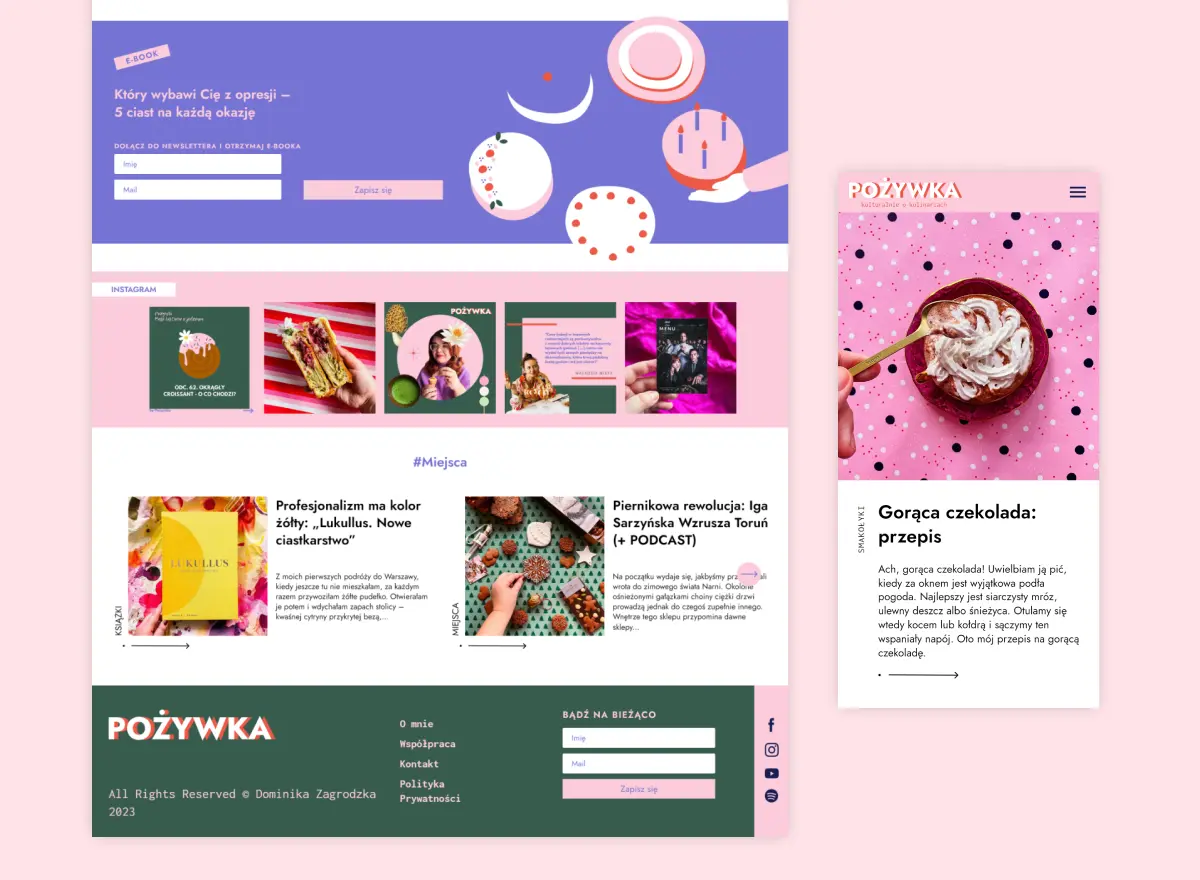
pozywka.pl
Scalable blog for food journalist, focused on performance and user experience 🌭
zagrodzki.me
Personal blog and portfolio of Bart Zagrodzki, where he shares his knowledge and work 💼
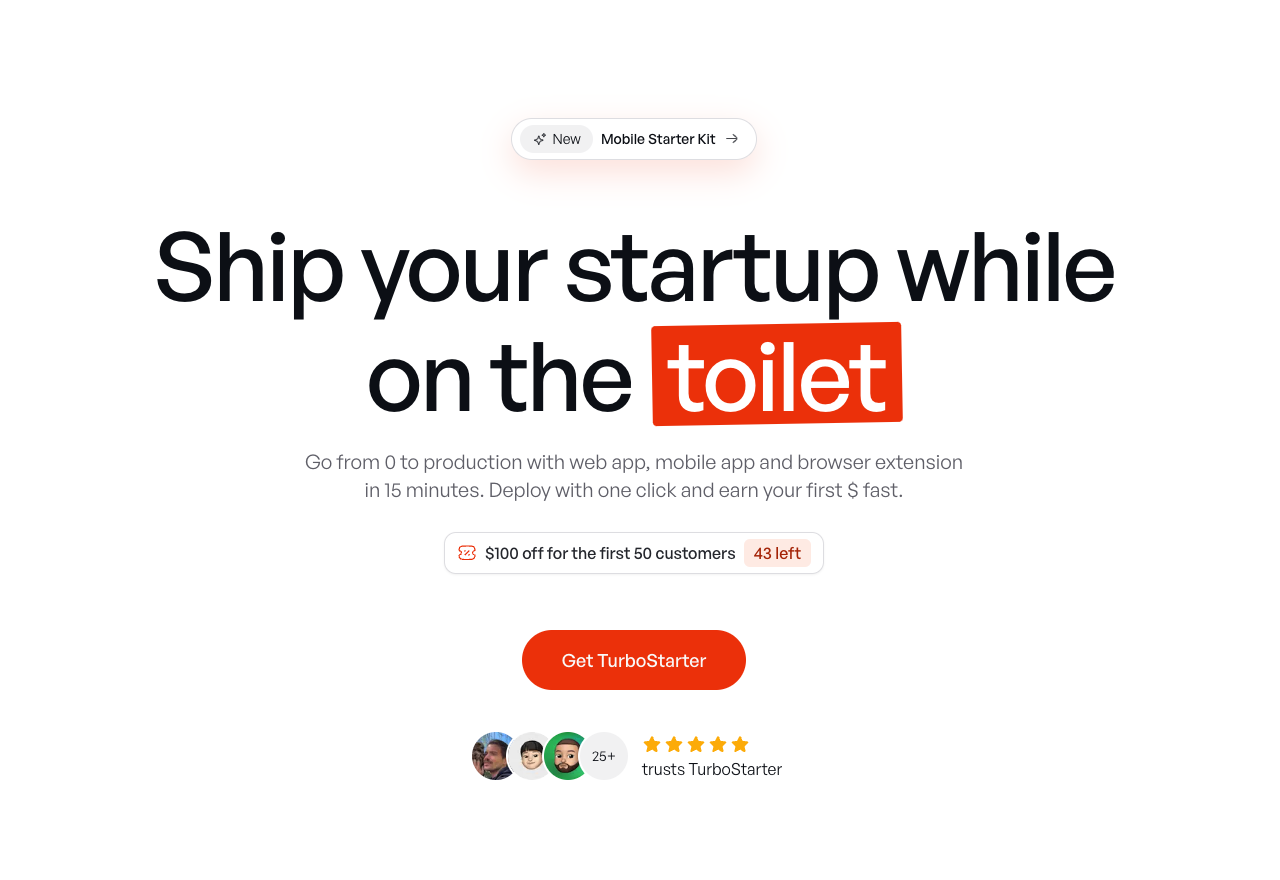
TurboStarter
Ship your startup everywhere. In minutes.
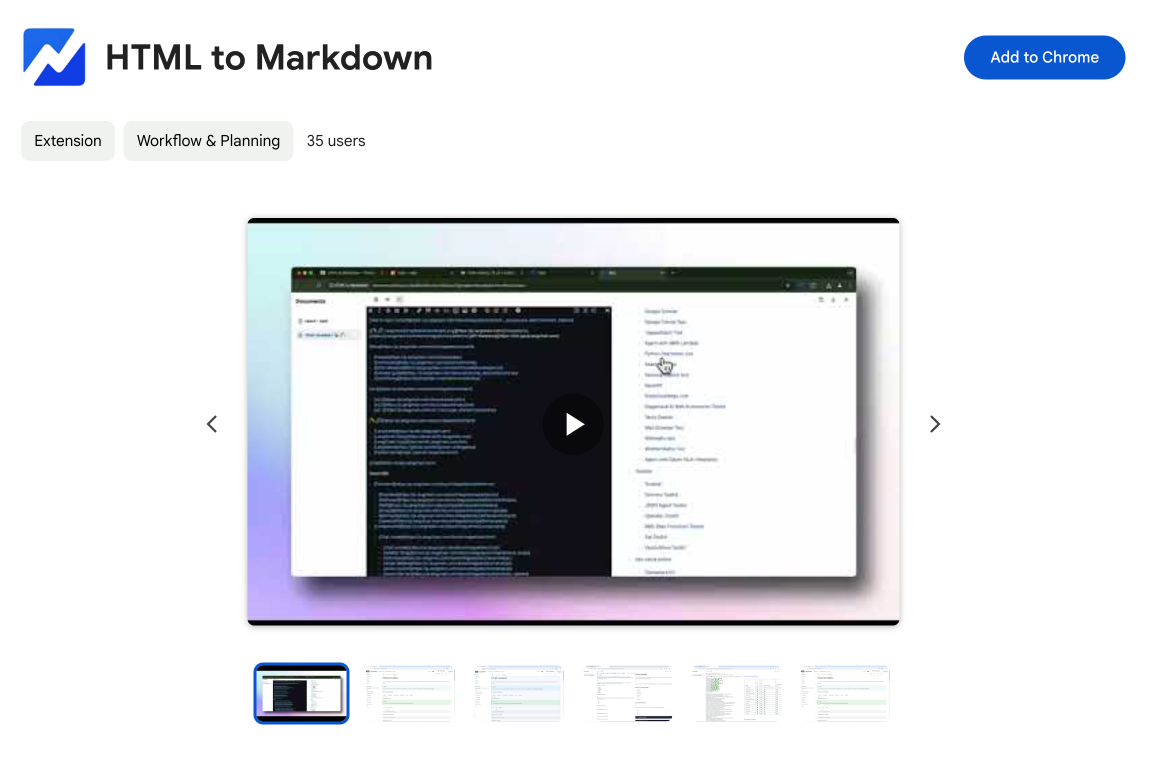
HTML to Markdown
Convert HTML to Markdown with ease, directly in your browser 📄
Dotallio
Personalized AI apps that automate research, data extraction, and content creation without code 🤖
Talk to Santa
Enjoy a magical live video chat or receive a unique AI-generated video greeting from Santa Claus 🎅
pozywka.pl
Scalable blog for food journalist, focused on performance and user experience 🌭
zagrodzki.me
Personal blog and portfolio of Bart Zagrodzki, where he shares his knowledge and work 💼
TurboStarter
Ship your startup everywhere. In minutes.
HTML to Markdown
Convert HTML to Markdown with ease, directly in your browser 📄
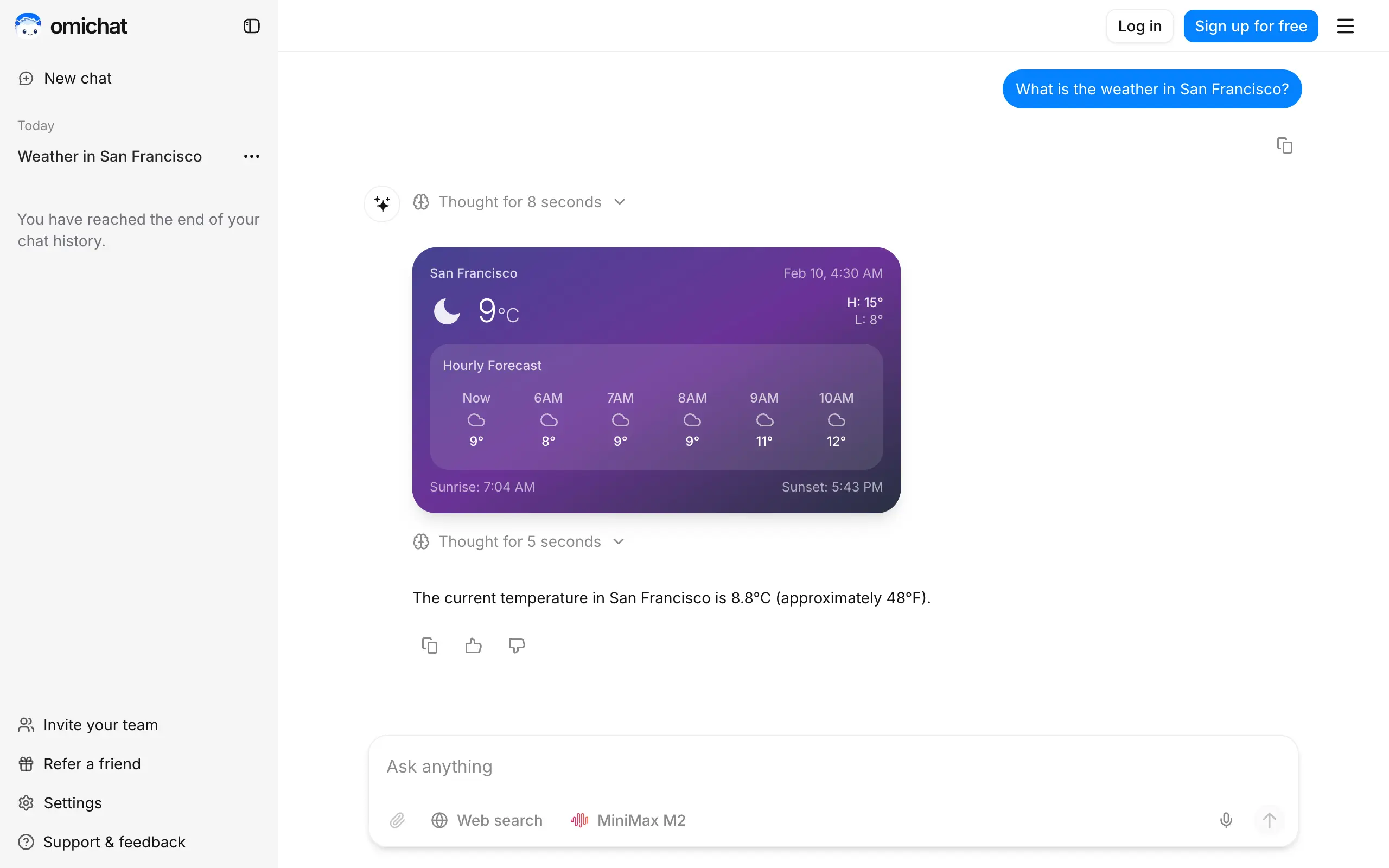
Omichat
Chat with 50+ AI models, including ChatGPT and Claude, in one place - switch models anytime without losing context 🤖
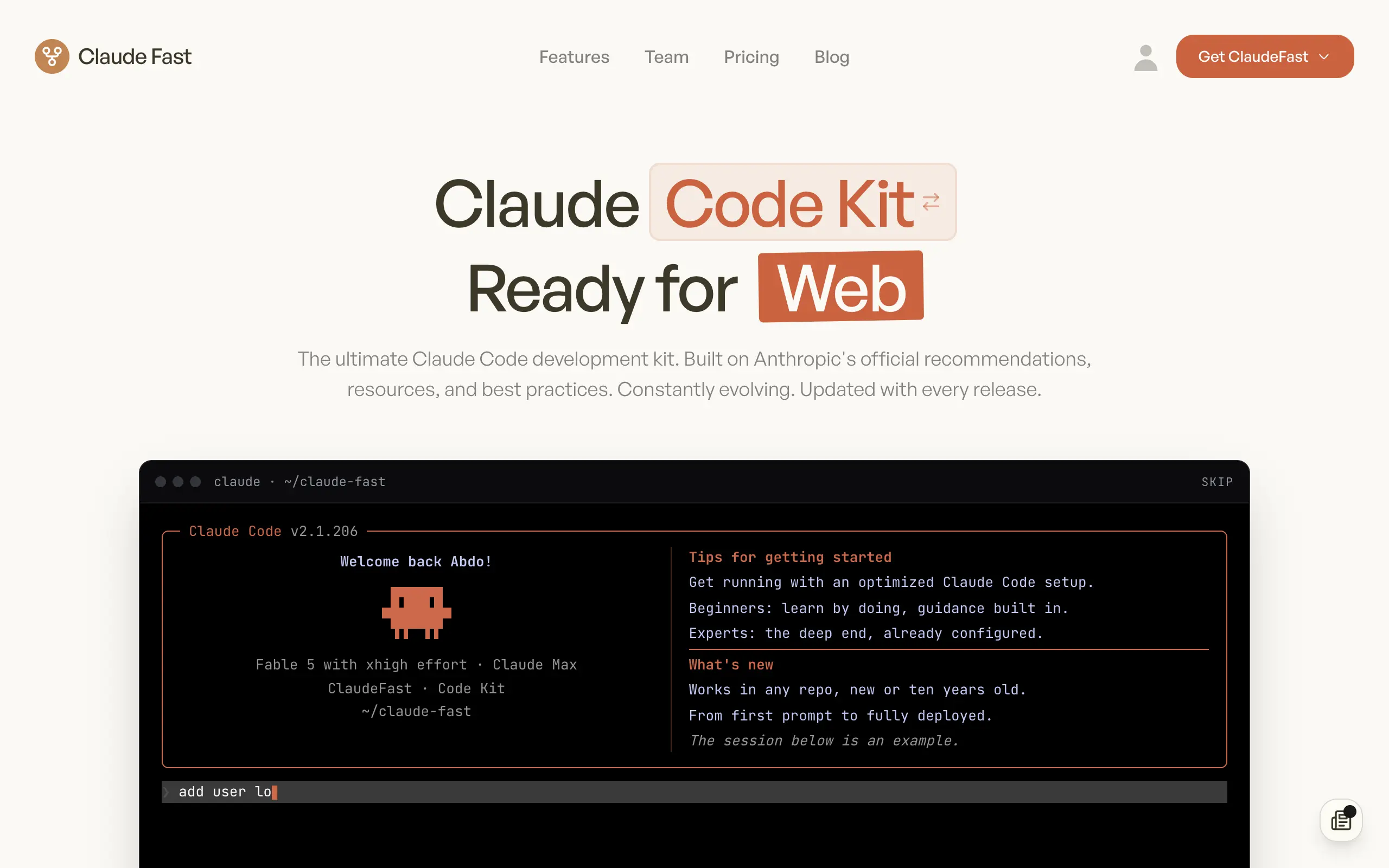
Claude Fast
Supercharge your Claude Code with 6x effective context window and specialized AI agents 🤖
EmojAI
AI-powered emoji picker with smart, context-aware suggestions 🤖
Solohacker
Autonomous company launcher - AI agents work 24/7, escalate what matters, and you stay in control 🤖

BeRawi: Storytelling Coach
Practice storytelling daily with instant feedback to sound clearer, more engaging, and confident 🎤
Omichat
Chat with 50+ AI models, including ChatGPT and Claude, in one place - switch models anytime without losing context 🤖
Claude Fast
Supercharge your Claude Code with 6x effective context window and specialized AI agents 🤖
EmojAI
AI-powered emoji picker with smart, context-aware suggestions 🤖
Solohacker
Autonomous company launcher - AI agents work 24/7, escalate what matters, and you stay in control 🤖
BeRawi: Storytelling Coach
Practice storytelling daily with instant feedback to sound clearer, more engaging, and confident 🎤

Connect with like-minded people
Join our community to get feedback, support, and grow together with 1,000+ builders on board, let's ship it!
Join usShip your startup everywhere. In minutes.
Don't burn tokens on setup and start building features on day one.