SalahSense
Context-aware prayer reminder using AI to adjust alerts based on schedule, location, and behavior while teaching the deeper benefits of each prayer.
Context-aware prayer reminder SaaS: a smarter way to stay consistent with salah
In a world of constant notifications, meetings, travel, and digital distraction, maintaining consistency in daily prayers (salah) can be challenging—even for highly committed individuals. Traditional prayer apps rely on static time-based alerts, which often fail to account for real-life variability like meetings, commuting, sleep patterns, or location changes.
This is where an AI-powered, context-aware prayer reminder like SalahSense introduces a meaningful innovation. Instead of simply notifying users when it’s time to pray, it intelligently adapts to behavior, schedule, and environment—while also educating users on the deeper spiritual, psychological, and health benefits of each prayer.
This article explores the full SaaS opportunity behind such a product—from market demand and feature design to monetization, tech stack, and execution strategy.
understanding user intent: why people need smarter prayer reminders
The primary user intent behind searching for tools like “AI prayer reminder” or “smart salah app” typically falls into these categories:
- Consistency improvement: Users want help maintaining regular prayer habits.
- Lifestyle alignment: They need reminders that adapt to work, travel, and sleep.
- Spiritual growth: They seek deeper meaning behind prayers, not just reminders.
- Non-intrusive notifications: They want reminders that respect context and avoid disruption.
Most existing solutions only address the first point. SalahSense targets all four.
target audience analysis
primary segments
-
Busy professionals
- Struggle with meetings overlapping prayer times
- Need subtle, intelligent reminders
- Often use productivity tools (Google Calendar, Slack)
-
Students and young adults
- Irregular schedules
- High smartphone usage
- Open to AI-driven experiences
-
Frequent travelers
- Constantly changing time zones and locations
- Difficulty tracking accurate prayer times
- Need location-aware automation
-
New Muslims (reverts)
- Learning prayer routines
- Need educational guidance
- Benefit from contextual insights
-
Spiritually motivated users
- Already consistent but want deeper understanding
- Interested in habit optimization and mindfulness
market opportunity and gap
The global Muslim population exceeds 1.9 billion, with a rapidly growing segment of digitally active users. The Islamic app market (including prayer apps, Quran apps, and lifestyle tools) continues to expand, but remains largely underserved in terms of AI-driven personalization.
current market limitations
- Static notification systems
- Minimal personalization
- Lack of behavioral learning
- Limited educational depth
- Poor integration with modern digital ecosystems
opportunity for SalahSense
SalahSense can position itself as:
- A habit optimization tool, not just a reminder app
- A spiritual companion, not just a utility
- A context-aware assistant, not just a timer
This creates a strong differentiation layer in a crowded but under-innovated market.
core product vision: what makes SalahSense different
At its core, SalahSense is not just about reminding—it’s about understanding and guiding behavior.
key differentiators
- AI-driven adaptive notifications
- Behavioral pattern recognition
- Context-aware scheduling
- Integrated spiritual education
- Cross-platform integrations
core features and functionality
1. AI-powered context-aware reminders
Instead of fixed alerts, SalahSense adjusts notifications based on:
- Calendar events
- Location (home, work, travel)
- Device usage patterns
- Past prayer behavior
Example:
- If a user is in a meeting, the app delays or softens the alert
- If a user consistently delays Asr prayer, the app nudges earlier
2. smart scheduling engine
The system dynamically prioritizes prayer timing windows:
- Suggests optimal prayer times within permissible ranges
- Avoids user conflicts (e.g., commuting, sleep)
- Learns preferred prayer habits over time
3. behavioral insights dashboard
Users can track:
- Prayer consistency
- Delay patterns
- Time-of-day performance
- Weekly and monthly trends
This transforms prayer into a measurable habit without gamifying it in a disrespectful way.
4. educational insights for each prayer
Each notification includes:
- Spiritual benefits
- Relevant Quranic verses or hadith (with suggested sourcing from credible collections)
- Psychological and health benefits (e.g., mindfulness, posture)
Why this matters
Most prayer apps focus on obligation. SalahSense focuses on meaning, which increases long-term consistency.
5. adaptive notification system
Different notification modes:
- Silent nudge
- Gentle vibration
- Full alert (if user consistently misses prayers)
6. location intelligence
- Auto-adjusts prayer times based on GPS
- Detects travel and adapts reminders accordingly
- Suggests nearby mosques (optional feature)
7. integration ecosystem
Potential integrations:
- Google Calendar
- Apple Calendar
- Wearables (Apple Watch, Fitbit)
- Smart home devices
feature comparison with traditional prayer apps
| Feature | Traditional Apps | SalahSense | AI-powered | Behavior-aware |
|---|---|---|---|---|
| Static reminders | ✅ | ❌ | ❌ | ❌ |
| Context-aware alerts | ❌ | ✅ | ✅ | ✅ |
| Behavior tracking | ❌ | ✅ | ✅ | ✅ |
| Spiritual insights | Limited | ✅ | ✅ | ✅ |
recommended tech stack
frontend
- React or React Native for cross-platform development
- TailwindCSS for UI styling
- Expo (if using React Native for faster deployment)
backend
- Node.js with NestJS or Express
- Python (for AI models and behavior analysis)
- GraphQL or REST API
AI and machine learning
- Behavioral modeling using Python (scikit-learn or TensorFlow)
- Time-series prediction for prayer habits
- Context classification using lightweight ML models
database
- PostgreSQL for structured data
- Redis for real-time context caching
- Firebase for push notifications
integrations
- Google Calendar API
- Apple Health / HealthKit (optional)
- Location services (Mapbox or Google Maps)
sample logic for adaptive reminders
function getReminderTime(userContext, prayerWindow) {
  const { calendarEvents, pastBehavior, location } = userContext;

  const preferredOffset = pastBehavior.averageDelay || 10;

  const conflict = calendarEvents.find(event =>
    event.time overlaps prayerWindow
  );

  if (conflict) {
    return conflict.endTime + 5; // delay reminder
  }

  if (location === "travel") {
    return prayerWindow.start + 5;
  }

  return prayerWindow.start + preferredOffset;
}
This simple logic demonstrates how reminders become personalized rather than static.
monetization strategy
freemium model (recommended)
Free tier:
- Basic prayer times
- Limited reminders
- Basic insights
Premium tier:
- AI-powered reminders
- Behavioral analytics
- Advanced insights
- Calendar integration
- Multi-device sync
subscription pricing
- $3–$7/month depending on region
- Discounted annual plan
additional revenue streams
- Family plans
- Mosque/community partnerships
- Enterprise wellness programs (for Muslim employees)
competitive landscape
existing players
- Muslim Pro
- Athan apps
- IslamicFinder tools
gaps they leave
- Minimal personalization
- No adaptive intelligence
- Limited behavioral insights
- Generic user experience
SalahSense advantage
- AI-first architecture
- Deep personalization
- Habit-focused approach
- Educational layer
risks and mitigation strategies
1. privacy concerns
Users may hesitate to share:
- Location data
- Behavioral patterns
- Calendar access
Mitigation:
- Transparent data policies
- On-device processing where possible
- Optional feature toggles
2. religious sensitivity
Incorrect or inappropriate messaging can harm trust.
Mitigation:
- Collaborate with qualified scholars
- Use verified sources for content
- Avoid gamification that trivializes prayer
3. AI inaccuracies
Behavior predictions may be wrong initially.
Mitigation:
- Gradual learning models
- User override options
- Feedback loops
growth strategy
organic acquisition
- SEO content targeting keywords like:
- “smart prayer reminder”
- “AI salah app”
- “how to stay consistent with salah”
social media
- Short-form educational content
- Productivity + spirituality crossover
community partnerships
- Mosques
- Islamic organizations
- Student groups
implementation roadmap
building faster with the right foundation
Instead of building everything from scratch, using a SaaS starter kit can significantly accelerate development.
TurboStarter provides a strong foundation with authentication, billing, and scalable architecture—allowing you to focus on the unique AI and product logic behind SalahSense.
future expansion opportunities
AI spiritual coach
- Personalized advice based on behavior
- Encouragement messages
- Habit-building strategies
wearable integration
- Smartwatch nudges
- Haptic reminders
global community features
- Anonymous progress sharing
- Group accountability
multilingual support
- Expand to global Muslim markets
why this idea stands out
SalahSense succeeds because it combines three powerful trends:
- AI personalization
- habit optimization
- spiritual technology
Most competitors focus on utility. SalahSense focuses on transformation.
final thoughts and next steps
The opportunity for an AI-powered prayer reminder SaaS is both commercially viable and socially meaningful. By addressing real-world user pain points—like inconsistency, distraction, and lack of understanding—SalahSense can carve out a unique position in a large, underserved market.
If you’re building this:
- Start simple: adaptive reminders + basic insights
- Focus on trust and accuracy
- Prioritize user experience over feature overload
- Build with privacy and respect at the core
With the right execution, SalahSense has the potential to become more than an app—it can become a daily companion that helps millions improve both discipline and spiritual connection.
More 🤖 AI Startup SaaS ideas
Discover more innovative ai startup SaaS ideas that are trending in 2026. Each idea is AI-generated with market validation and growth potential to help you find your next profitable venture faster than competitors.
Your competitors are building with TurboStarter
Below are some of the SaaS ideas that have been generated and built with our starter kit.
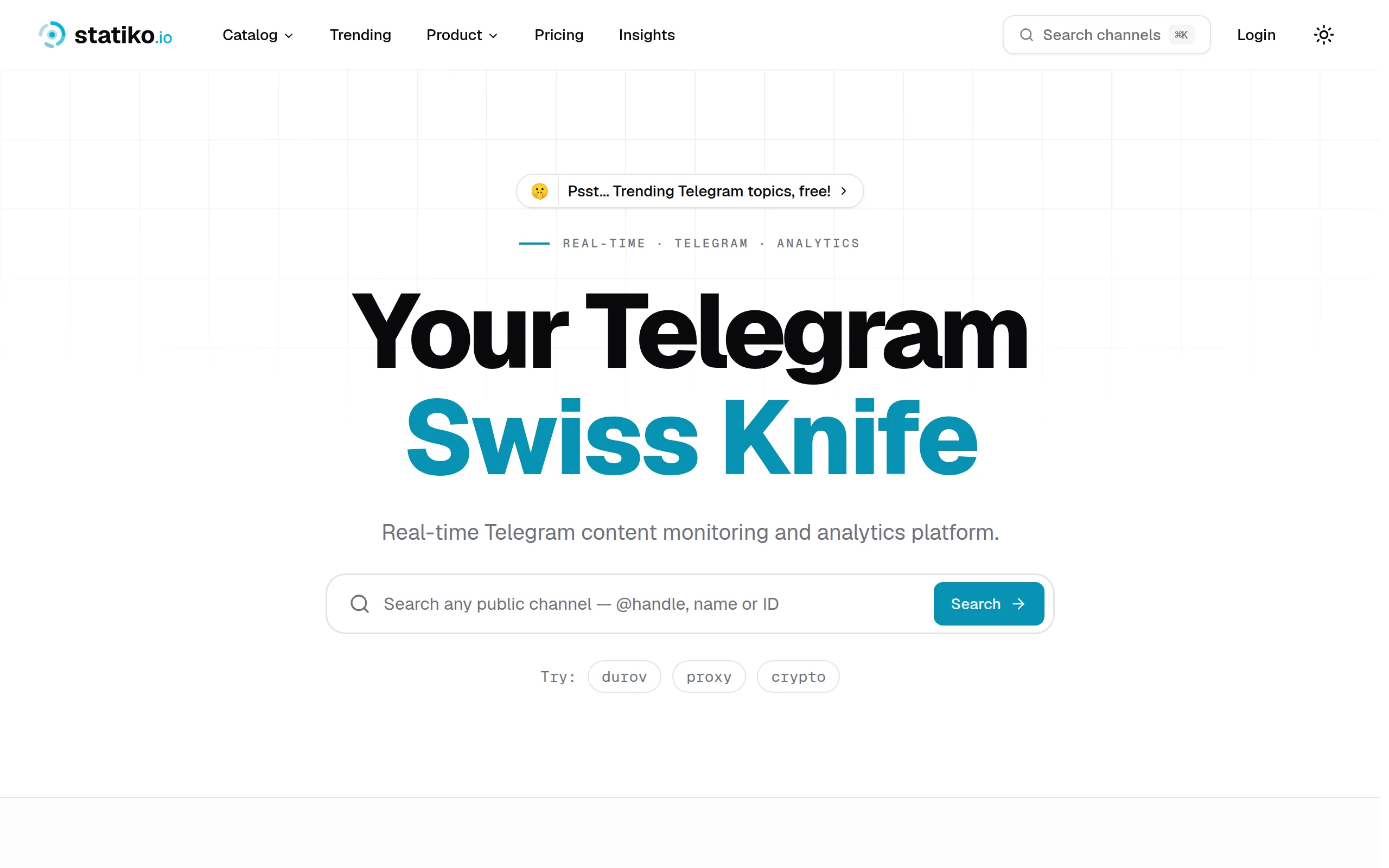
Statiko
Monitor any Telegram channel in real time - track posts, edits, deletions, and growth with AI recaps 📡

Shibui
AI website builder - describe your business, pick a niche template, edit by chatting, and publish instantly ✨

Pro Service
Find verified home service professionals, compare quotes, and pay securely through escrow - built for Brazilians across the US 🏠
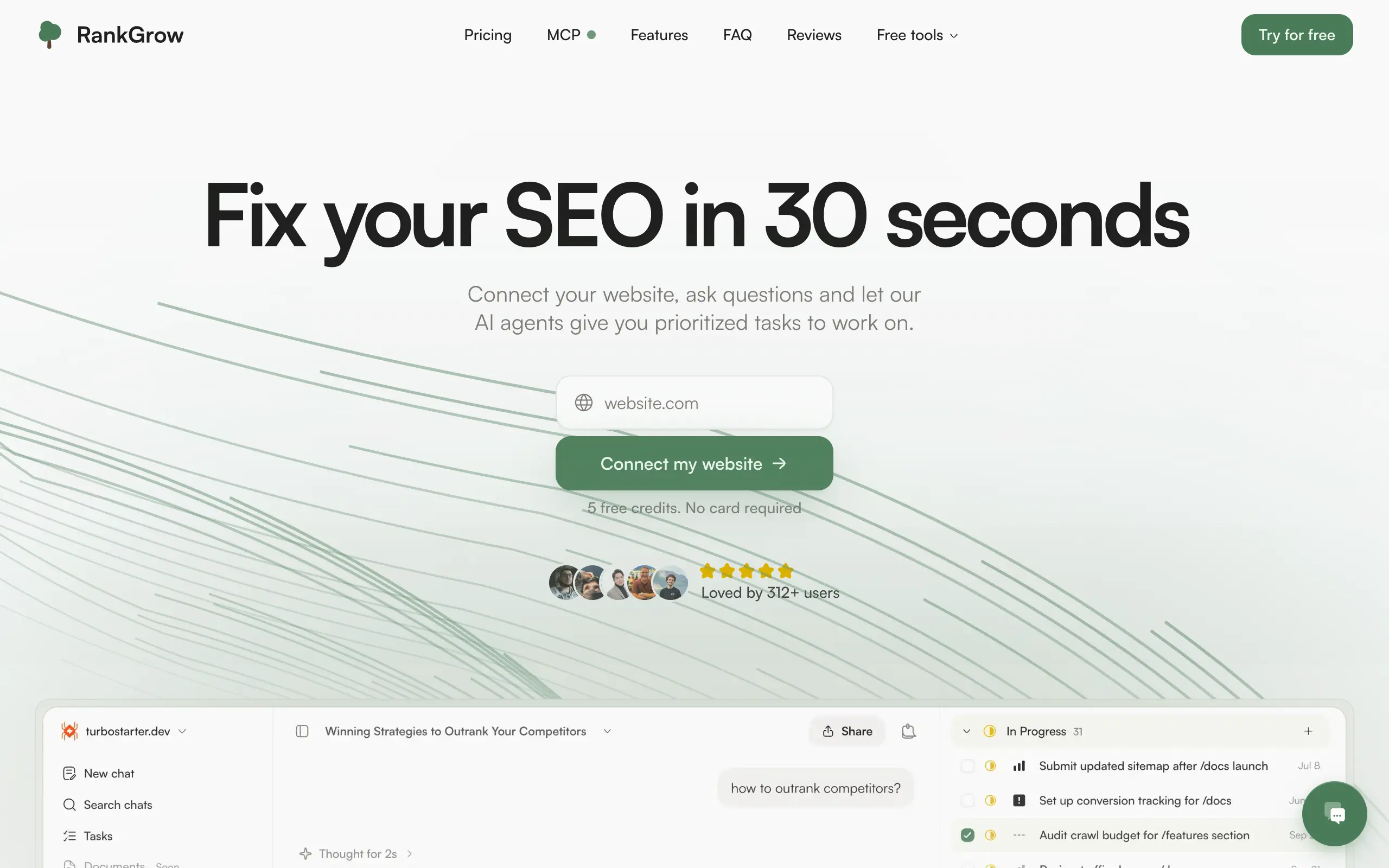
RankGrow
Fix your SEO with AI agents - connect Search Console, get prioritized tasks, and grow organic traffic 📈
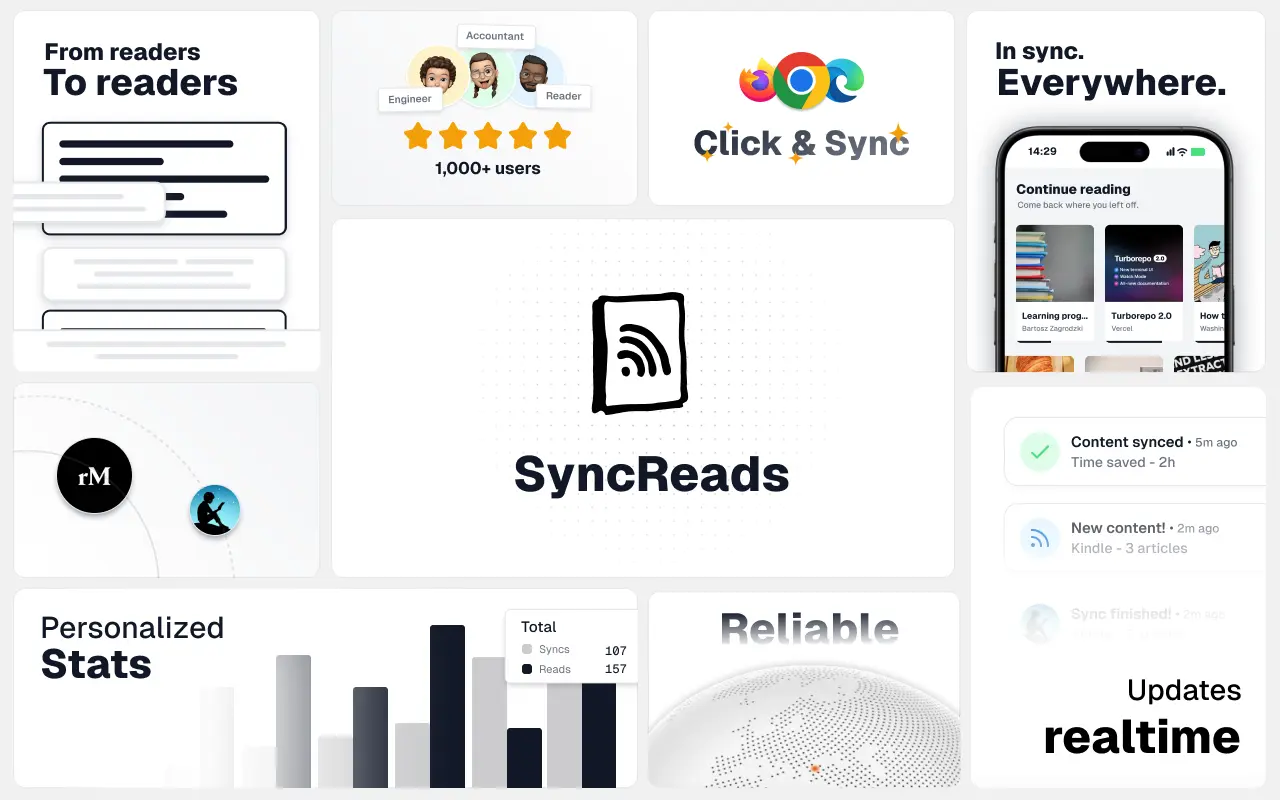
SyncReads
Sync your favorite content for distraction-free reading, save time and replace multiple apps. Anytime, anywhere 🔄
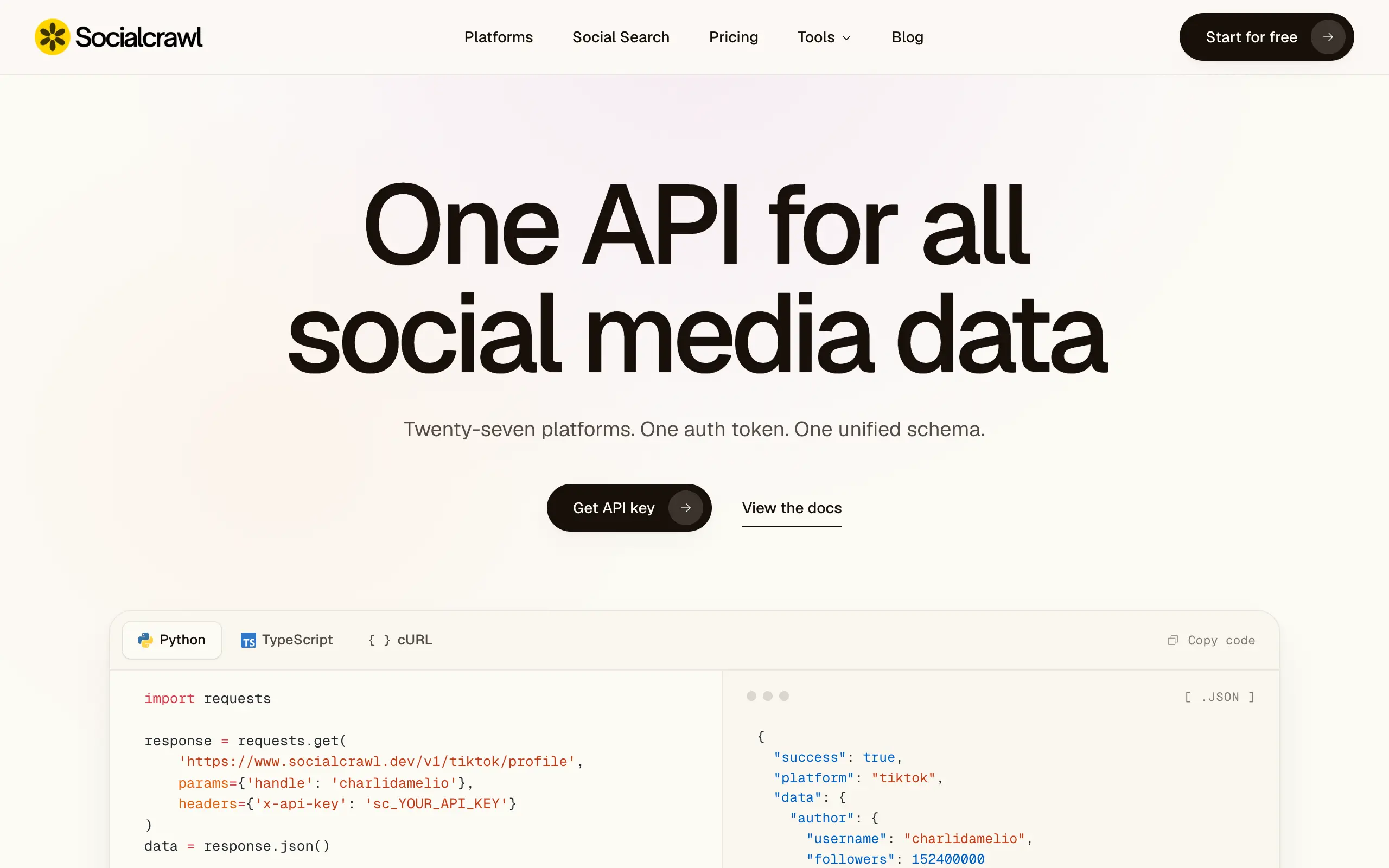
Socialcrawl
Get clean, structured data from 21 platforms like TikTok, Instagram, and YouTube with a single request 📊
Statiko
Monitor any Telegram channel in real time - track posts, edits, deletions, and growth with AI recaps 📡
Shibui
AI website builder - describe your business, pick a niche template, edit by chatting, and publish instantly ✨
Pro Service
Find verified home service professionals, compare quotes, and pay securely through escrow - built for Brazilians across the US 🏠
RankGrow
Fix your SEO with AI agents - connect Search Console, get prioritized tasks, and grow organic traffic 📈
SyncReads
Sync your favorite content for distraction-free reading, save time and replace multiple apps. Anytime, anywhere 🔄
Socialcrawl
Get clean, structured data from 21 platforms like TikTok, Instagram, and YouTube with a single request 📊
Statiko
Monitor any Telegram channel in real time - track posts, edits, deletions, and growth with AI recaps 📡
Shibui
AI website builder - describe your business, pick a niche template, edit by chatting, and publish instantly ✨
Pro Service
Find verified home service professionals, compare quotes, and pay securely through escrow - built for Brazilians across the US 🏠
RankGrow
Fix your SEO with AI agents - connect Search Console, get prioritized tasks, and grow organic traffic 📈
SyncReads
Sync your favorite content for distraction-free reading, save time and replace multiple apps. Anytime, anywhere 🔄
Socialcrawl
Get clean, structured data from 21 platforms like TikTok, Instagram, and YouTube with a single request 📊
Statiko
Monitor any Telegram channel in real time - track posts, edits, deletions, and growth with AI recaps 📡
Shibui
AI website builder - describe your business, pick a niche template, edit by chatting, and publish instantly ✨
Pro Service
Find verified home service professionals, compare quotes, and pay securely through escrow - built for Brazilians across the US 🏠
RankGrow
Fix your SEO with AI agents - connect Search Console, get prioritized tasks, and grow organic traffic 📈
SyncReads
Sync your favorite content for distraction-free reading, save time and replace multiple apps. Anytime, anywhere 🔄
Socialcrawl
Get clean, structured data from 21 platforms like TikTok, Instagram, and YouTube with a single request 📊
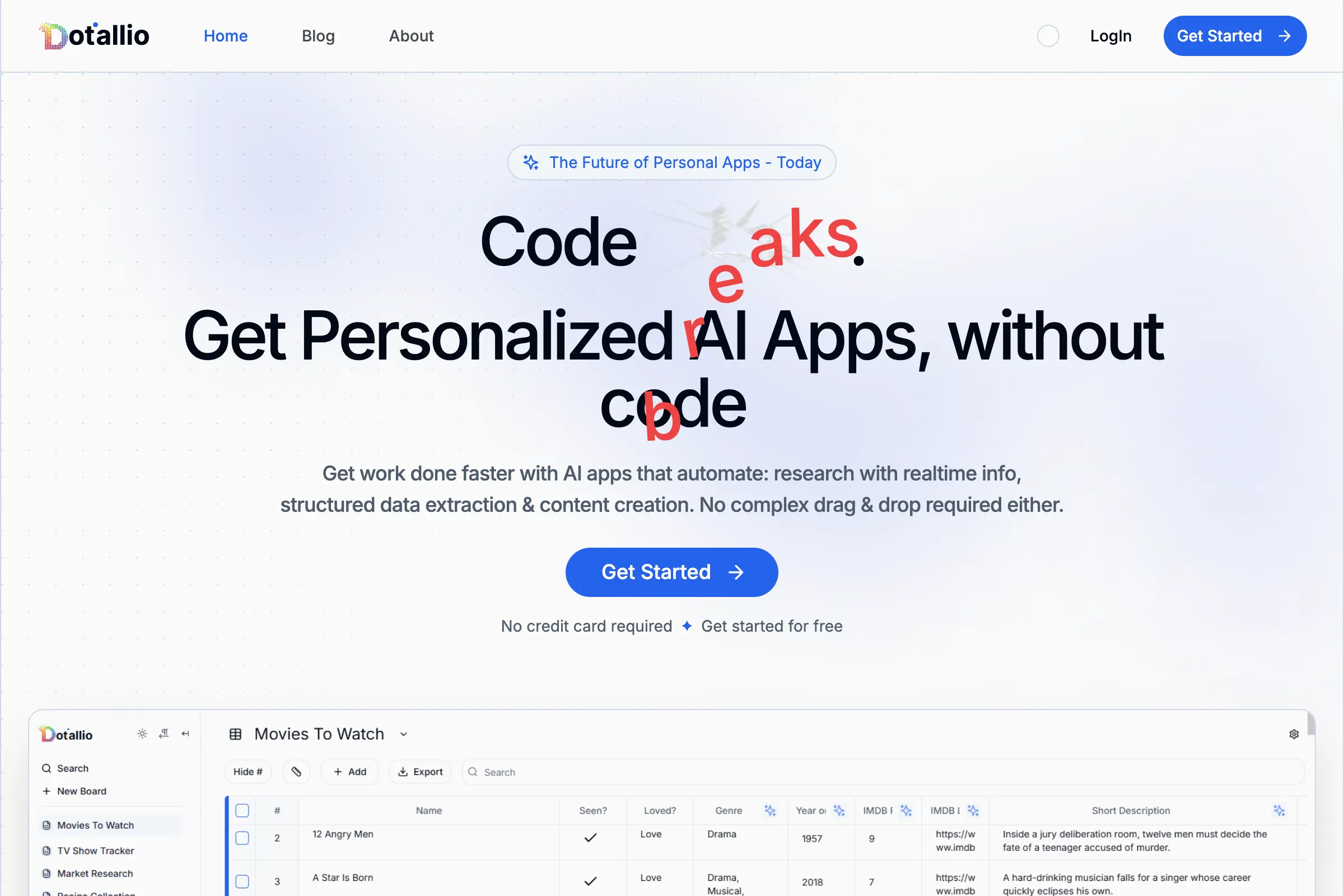
Dotallio
Personalized AI apps that automate research, data extraction, and content creation without code 🤖
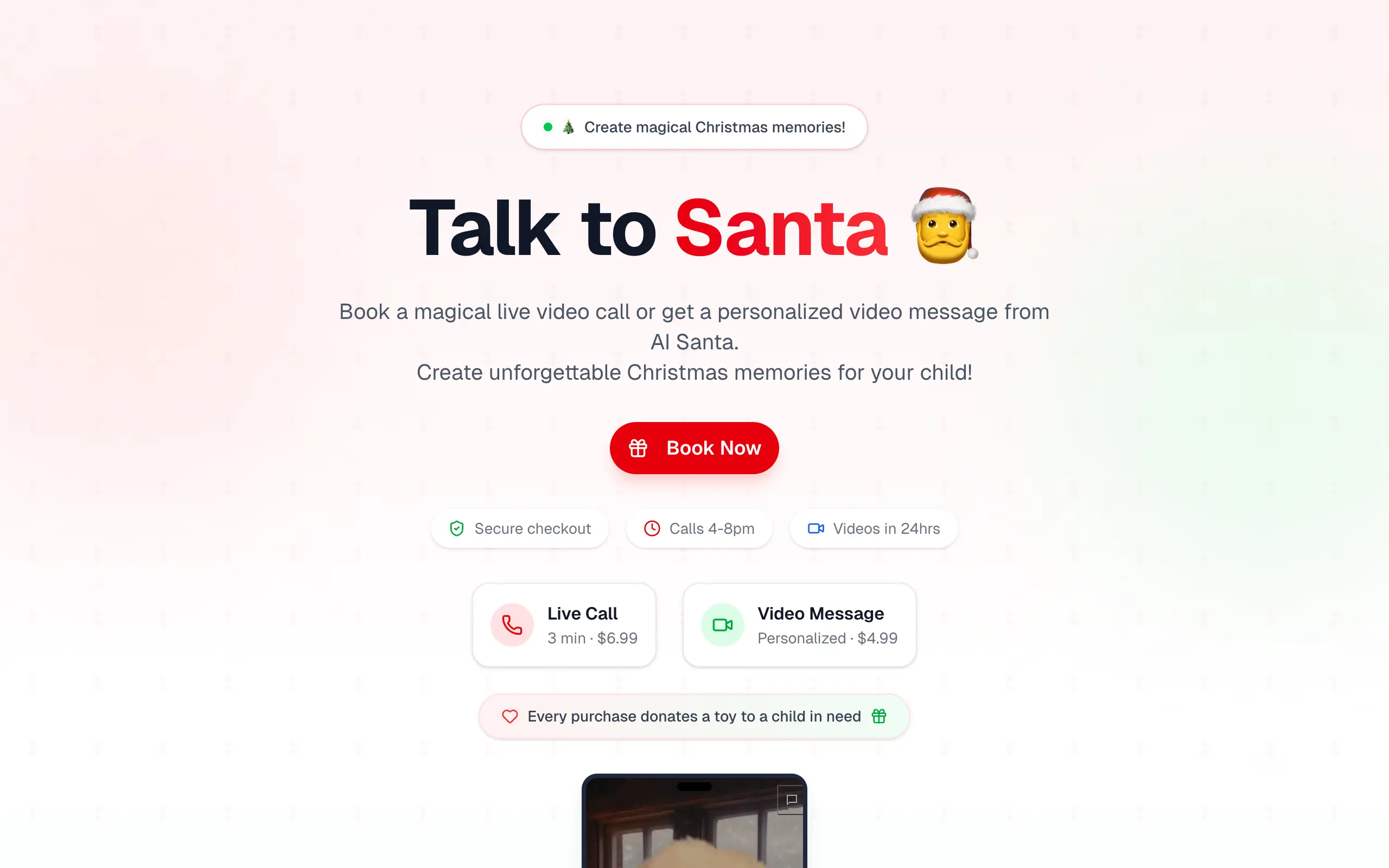
Talk to Santa
Enjoy a magical live video chat or receive a unique AI-generated video greeting from Santa Claus 🎅
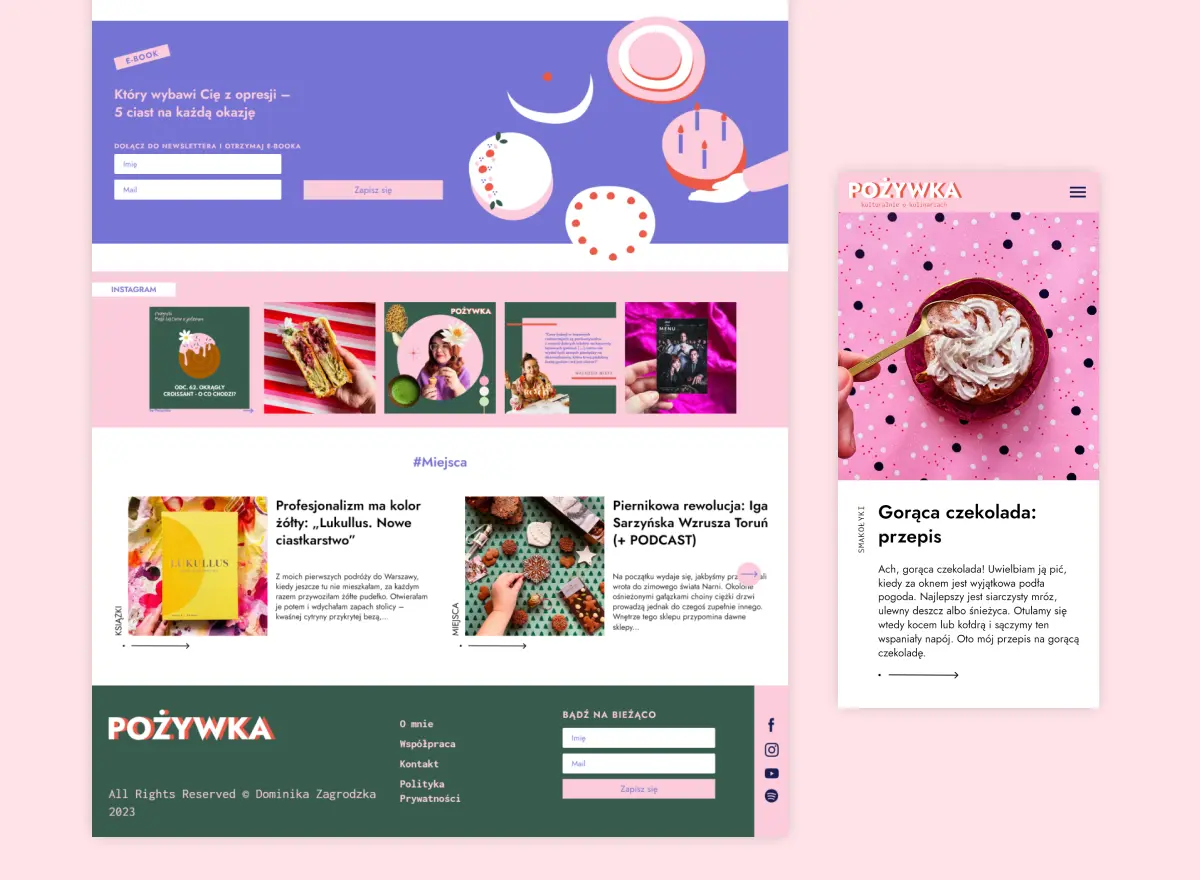
pozywka.pl
Scalable blog for food journalist, focused on performance and user experience 🌭
zagrodzki.me
Personal blog and portfolio of Bart Zagrodzki, where he shares his knowledge and work 💼
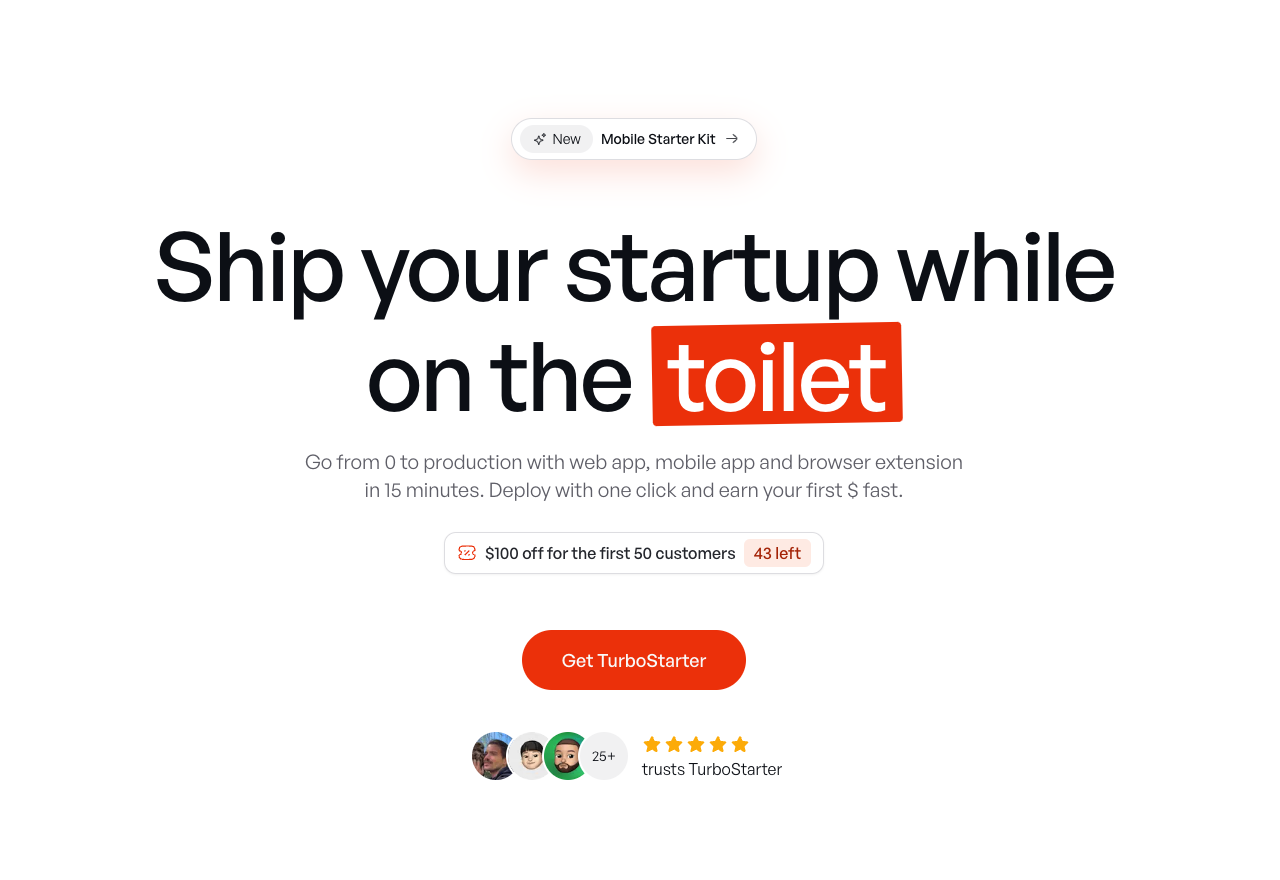
TurboStarter
Ship your startup everywhere. In minutes.
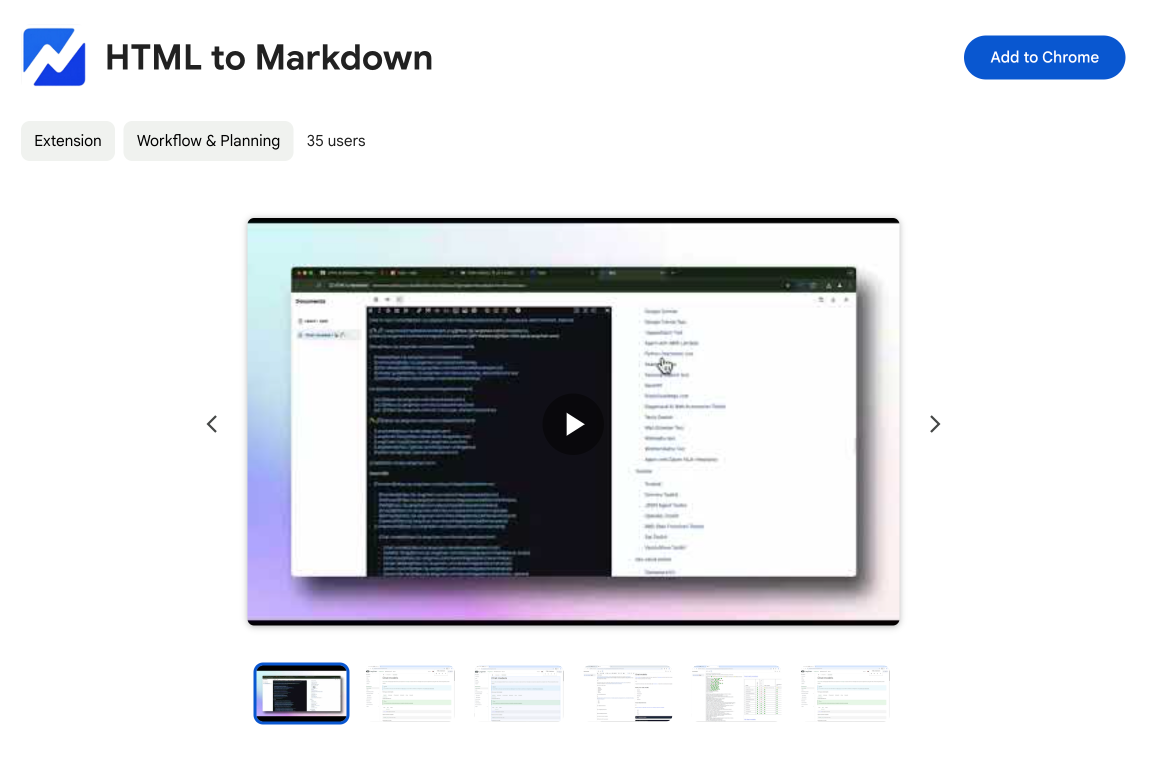
HTML to Markdown
Convert HTML to Markdown with ease, directly in your browser 📄
Dotallio
Personalized AI apps that automate research, data extraction, and content creation without code 🤖
Talk to Santa
Enjoy a magical live video chat or receive a unique AI-generated video greeting from Santa Claus 🎅
pozywka.pl
Scalable blog for food journalist, focused on performance and user experience 🌭
zagrodzki.me
Personal blog and portfolio of Bart Zagrodzki, where he shares his knowledge and work 💼
TurboStarter
Ship your startup everywhere. In minutes.
HTML to Markdown
Convert HTML to Markdown with ease, directly in your browser 📄
Dotallio
Personalized AI apps that automate research, data extraction, and content creation without code 🤖
Talk to Santa
Enjoy a magical live video chat or receive a unique AI-generated video greeting from Santa Claus 🎅
pozywka.pl
Scalable blog for food journalist, focused on performance and user experience 🌭
zagrodzki.me
Personal blog and portfolio of Bart Zagrodzki, where he shares his knowledge and work 💼
TurboStarter
Ship your startup everywhere. In minutes.
HTML to Markdown
Convert HTML to Markdown with ease, directly in your browser 📄
Dotallio
Personalized AI apps that automate research, data extraction, and content creation without code 🤖
Talk to Santa
Enjoy a magical live video chat or receive a unique AI-generated video greeting from Santa Claus 🎅
pozywka.pl
Scalable blog for food journalist, focused on performance and user experience 🌭
zagrodzki.me
Personal blog and portfolio of Bart Zagrodzki, where he shares his knowledge and work 💼
TurboStarter
Ship your startup everywhere. In minutes.
HTML to Markdown
Convert HTML to Markdown with ease, directly in your browser 📄
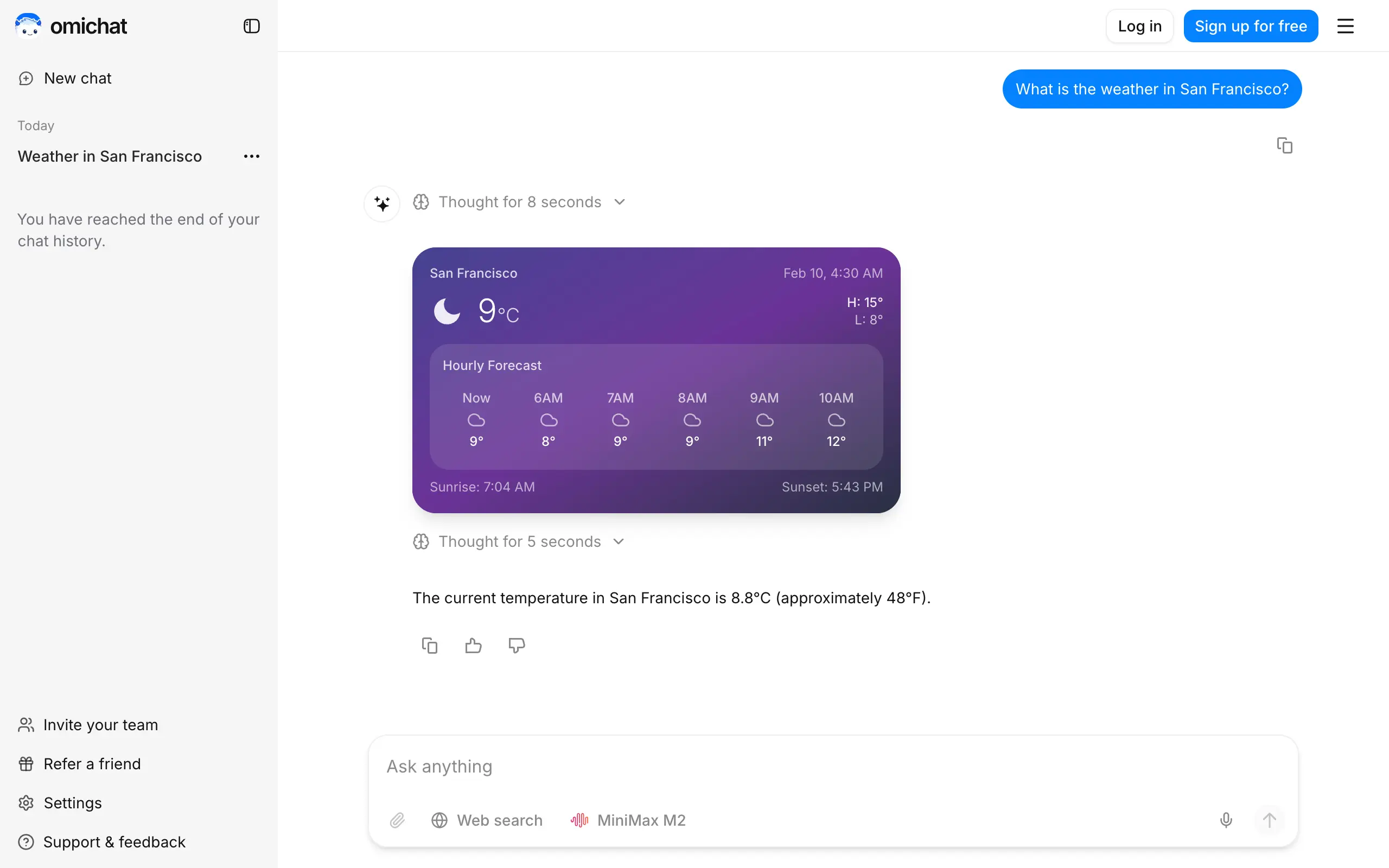
Omichat
Chat with 50+ AI models, including ChatGPT and Claude, in one place - switch models anytime without losing context 🤖
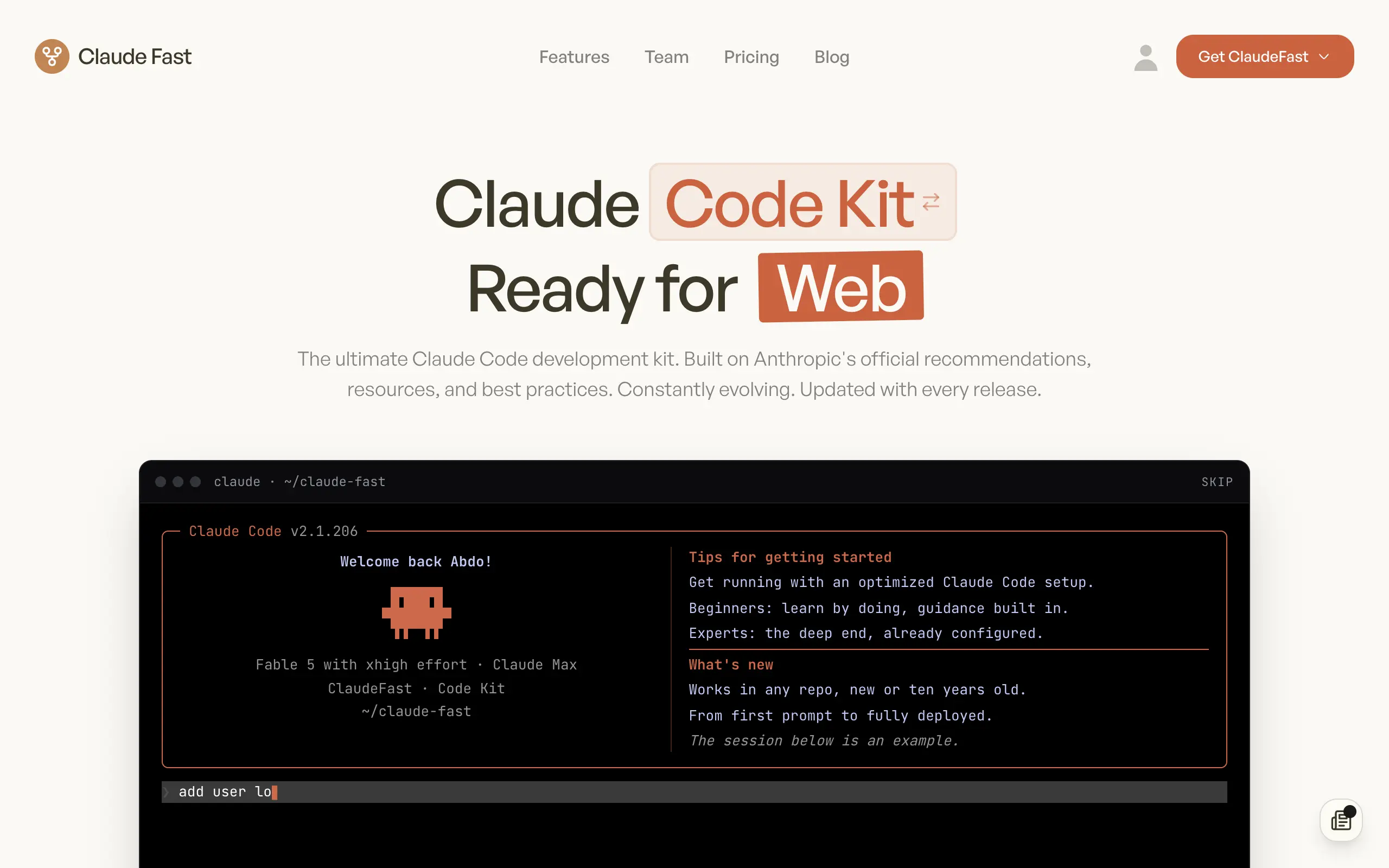
Claude Fast
Supercharge your Claude Code with 6x effective context window and specialized AI agents 🤖
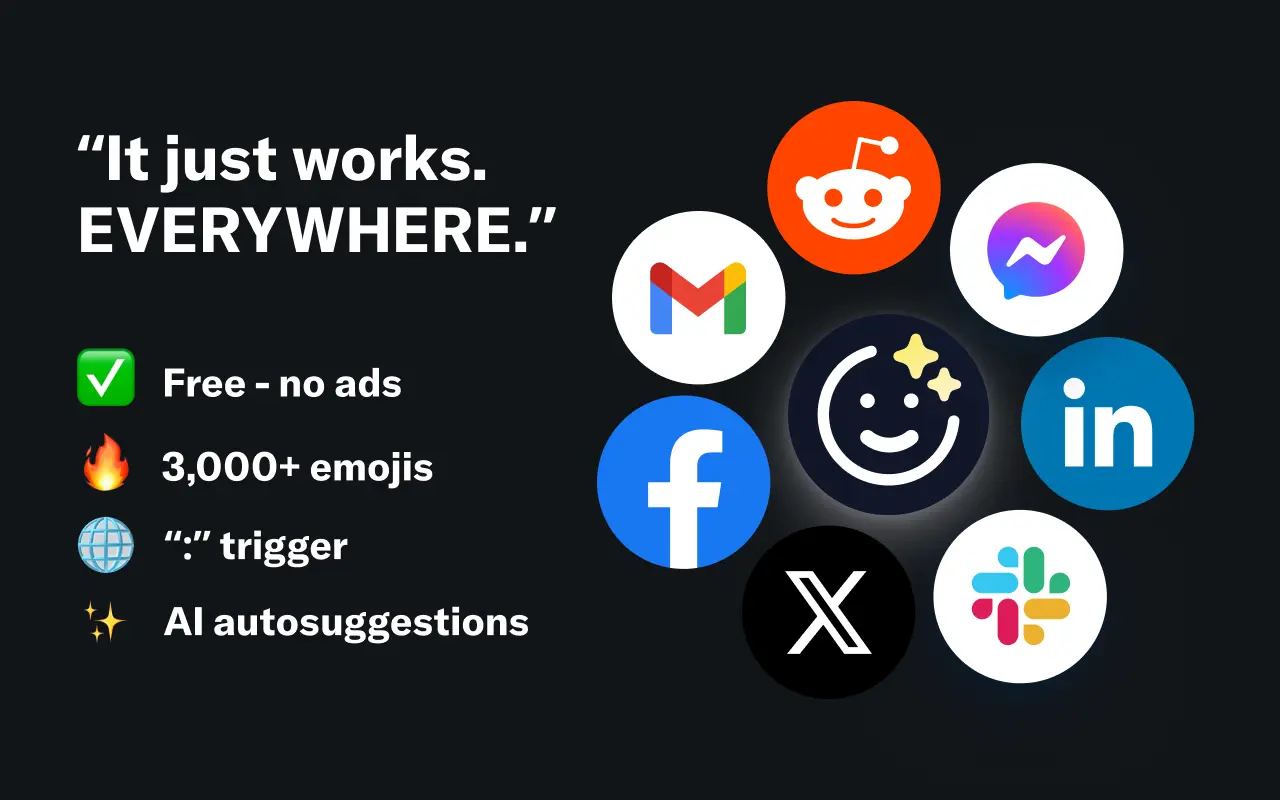
EmojAI
AI-powered emoji picker with smart, context-aware suggestions 🤖
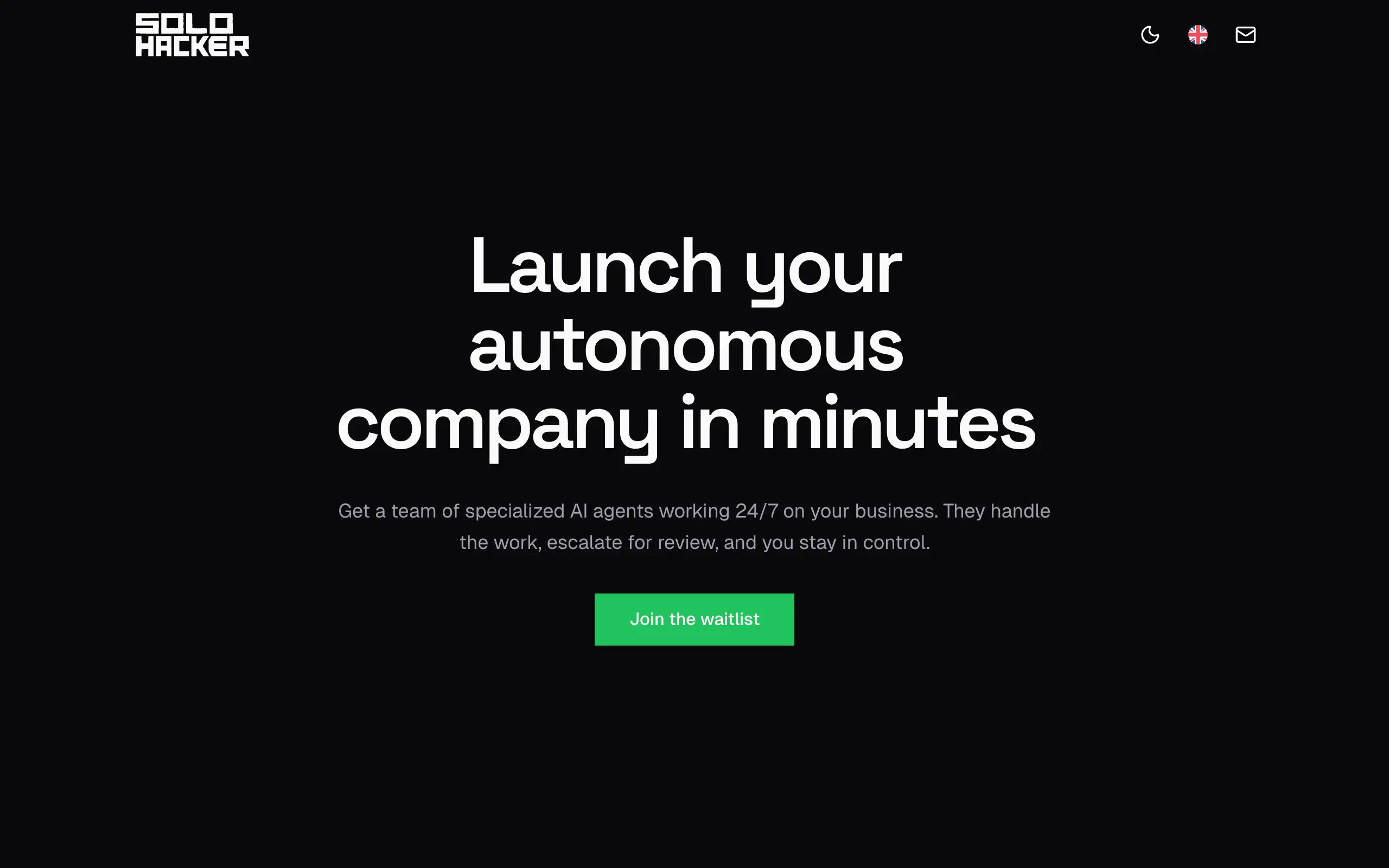
Solohacker
Autonomous company launcher - AI agents work 24/7, escalate what matters, and you stay in control 🤖
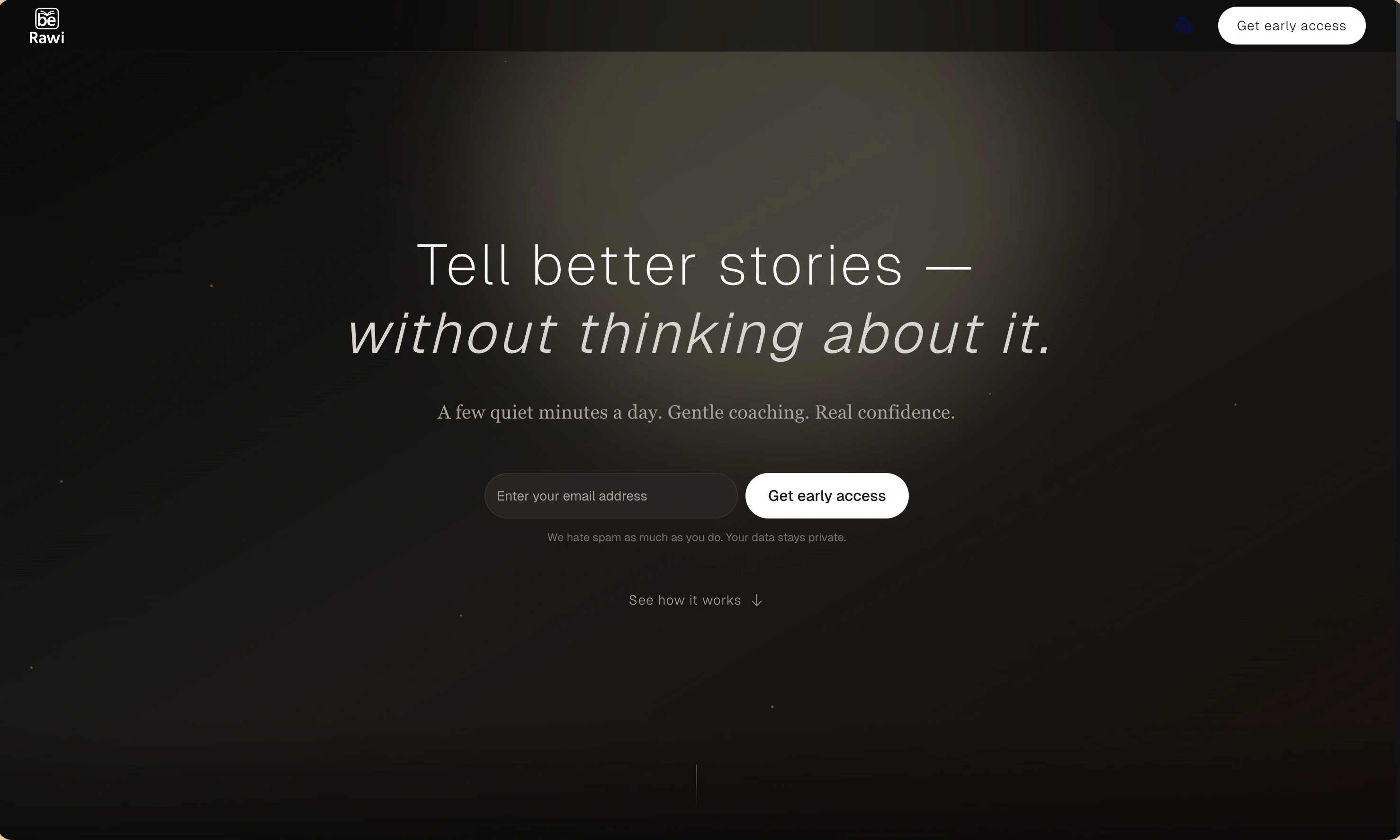
BeRawi: Storytelling Coach
Practice storytelling daily with instant feedback to sound clearer, more engaging, and confident 🎤
Omichat
Chat with 50+ AI models, including ChatGPT and Claude, in one place - switch models anytime without losing context 🤖
Claude Fast
Supercharge your Claude Code with 6x effective context window and specialized AI agents 🤖
EmojAI
AI-powered emoji picker with smart, context-aware suggestions 🤖
Solohacker
Autonomous company launcher - AI agents work 24/7, escalate what matters, and you stay in control 🤖
BeRawi: Storytelling Coach
Practice storytelling daily with instant feedback to sound clearer, more engaging, and confident 🎤
Omichat
Chat with 50+ AI models, including ChatGPT and Claude, in one place - switch models anytime without losing context 🤖
Claude Fast
Supercharge your Claude Code with 6x effective context window and specialized AI agents 🤖
EmojAI
AI-powered emoji picker with smart, context-aware suggestions 🤖
Solohacker
Autonomous company launcher - AI agents work 24/7, escalate what matters, and you stay in control 🤖
BeRawi: Storytelling Coach
Practice storytelling daily with instant feedback to sound clearer, more engaging, and confident 🎤
Omichat
Chat with 50+ AI models, including ChatGPT and Claude, in one place - switch models anytime without losing context 🤖
Claude Fast
Supercharge your Claude Code with 6x effective context window and specialized AI agents 🤖
EmojAI
AI-powered emoji picker with smart, context-aware suggestions 🤖
Solohacker
Autonomous company launcher - AI agents work 24/7, escalate what matters, and you stay in control 🤖
BeRawi: Storytelling Coach
Practice storytelling daily with instant feedback to sound clearer, more engaging, and confident 🎤

Connect with like-minded people
Join our community to get feedback, support, and grow together with 1,000+ builders on board, let's ship it!
Join usShip your startup everywhere. In minutes.
Don't burn tokens on setup and start building features on day one.