SalesBrain
AI that listens to sales calls, emails, and CRM data to surface objections, deal risks, and next-best actions for founders and small sales teams.
Understanding the problem SalesBrain solves in modern sales teams
Sales has changed dramatically over the last decade, but the reality for founders and small sales teams is still brutally manual. Conversations happen across Zoom calls, emails, Slack threads, and CRM notes—yet insights remain scattered, subjective, and often lost.
Most early-stage companies rely on:
- Gut feeling instead of data-backed deal forecasts
- Incomplete CRM updates after calls
- Managers reviewing only a tiny fraction of sales conversations
- Reactive deal management instead of proactive risk detection
This gap is exactly where SalesBrain AI positions itself.
SalesBrain is an AI-powered sales intelligence platform that listens to sales calls, analyzes emails, and connects CRM data to surface buyer objections, deal risks, and next-best actions—automatically. The goal is not to replace salespeople, but to give founders and lean teams the same analytical firepower that large enterprises get from expensive revenue intelligence tools.
This article breaks down the opportunity, strategy, and execution behind SalesBrain AI in detail, helping you understand why this product can win in today’s sales tech market—and how to build it successfully.
Who SalesBrain is built for (target audience analysis)
Understanding search intent and buyer context is critical for both SEO and product success. People searching for terms like AI sales assistant, sales call analysis AI, or sales deal risk detection are typically looking for practical ways to improve close rates and forecasting accuracy.
Primary target audience
SalesBrain is designed for founders and small sales teams, specifically:
- B2B SaaS founders doing sales themselves
- Startups with 1–10 sales reps
- Revenue leaders without a dedicated RevOps team
- Agencies and consultancies running high-volume sales calls
These users share a common pain: they do not have the time, budget, or headcount to manually analyze every interaction, but they still need clarity and predictability.
Secondary audience
- Sales managers at SMBs who want lightweight call intelligence
- Customer success leaders monitoring expansion and churn risk
- RevOps generalists supporting early-stage growth
Founder-led sales
Founders need quick, actionable insights without complex setup or enterprise pricing.
Lean sales teams
Small teams want AI-driven guidance without hiring analysts or ops specialists.
Budget-conscious SMBs
They need value fast and cannot justify tools built for 500+ rep organizations.
The market opportunity for AI-powered sales intelligence
Why the timing is right
The rise of remote selling and AI maturity has created a perfect storm:
- Sales calls are now mostly digital (Zoom, Google Meet, Teams)
- Large language models can reliably summarize, classify, and reason over conversations
- CRM fatigue is real—reps hate manual data entry
- Founders want clear signals, not dashboards full of noise
Enterprise tools like Gong and Chorus validated the category, but they left a massive gap at the lower end of the market.
The underserved gap
Most existing sales intelligence platforms are:
- Too expensive for startups (often $100–$150 per seat/month)
- Too complex to implement and maintain
- Overbuilt for teams that just want answers, not analytics projects
SalesBrain focuses on clarity over complexity.
Instead of endless metrics, it answers questions like:
- Why did this deal stall?
- What objection keeps coming up?
- Which deals are at risk this week?
- What should I do next to move this forward?
Core features that define SalesBrain AI
AI-powered sales call listening and analysis
At the heart of SalesBrain is automated analysis of sales calls.
Key capabilities include:
- Speech-to-text transcription
- Speaker separation (rep vs prospect)
- Objection detection (price, timing, competition, trust)
- Buying signals and intent classification
This allows SalesBrain to understand what was said, how it was said, and what it means for the deal.
Email and CRM data intelligence
SalesBrain doesn’t stop at calls.
It also analyzes:
- Sales emails (threads, tone, response latency)
- CRM data (stage changes, deal size, activity history)
By combining these sources, SalesBrain builds a holistic deal narrative instead of isolated insights.
Why multimodal data matters
Deals rarely fail because of a single bad call. They fail due to patterns across conversations, follow-ups, and inactivity. SalesBrain connects those dots.
Objection and deal risk surfacing
One of the most valuable outputs of SalesBrain is deal risk detection.
Examples include:
- Repeated pricing objections without progress
- Long gaps between prospect responses
- Decision-maker absence across calls
- Sudden drop in engagement after proposal
These risks are surfaced automatically, allowing founders to intervene early.
Next-best action recommendations
SalesBrain goes beyond analysis by suggesting what to do next:
- Ask for a budget range clarification
- Introduce a case study relevant to the objection
- Schedule a call with a technical stakeholder
- Follow up within a specific timeframe
This transforms SalesBrain from a passive analytics tool into an active sales assistant.
How SalesBrain compares to existing solutions
SalesBrain focuses on speed, simplicity, and actionable insights. It is optimized for founders and small teams who want answers, not dashboards.
Enterprise tools offer deep analytics but require long onboarding, high per-seat pricing, and dedicated ops resources.
Manual CRM workflows rely on rep discipline and are prone to bias, inconsistency, and missing data.
| Feature | SalesBrain | Enterprise tools | Manual process | Founder-friendly | Affordable |
|---|---|---|---|---|---|
| AI call analysis | ✅ | ✅ | ❌ | ✅ | ✅ |
| Next-best actions | ✅ | ✅ | ❌ | ✅ | ❌ |
Recommended tech stack for building SalesBrain AI
Frontend
- React for UI flexibility and ecosystem (React)
- Tailwind CSS for rapid, consistent styling (TailwindCSS)
These choices allow fast iteration while keeping the interface clean and intuitive.
Backend and infrastructure
- Node.js or Python-based API layer
- Event-driven architecture for processing calls and emails
- Secure authentication and role-based access
AI and data processing layer
- Speech-to-text models for call transcription
- LLMs for summarization, objection detection, and recommendations
- Vector databases for semantic search across conversations
Trade-offs to consider:
- More powerful models increase cost
- Real-time analysis vs batch processing
- Privacy and data residency requirements
AI cost control
Unoptimized LLM usage can quickly destroy margins. Caching, summarization layers, and selective analysis are critical.
Monetization strategies that fit the SalesBrain audience
Per-seat pricing (with limits)
A simple per-seat model works well for small teams, especially when paired with:
- Call analysis limits
- Usage-based overages
Deal-based or usage-based pricing
Alternative models include:
- Price per analyzed call
- Monthly conversation caps
- Tiered plans based on volume
This aligns pricing with value and keeps entry-level plans accessible.
Add-on revenue streams
- Advanced analytics modules
- CRM-specific integrations
- White-label reports for agencies
Risks and challenges (and how to mitigate them)
Data privacy and trust
Sales data is sensitive.
Mitigation strategies:
- Clear data handling policies
- Strong encryption at rest and in transit
- Transparent AI usage explanations
Model accuracy and hallucination
Incorrect insights can damage trust.
Mitigation strategies:
- Confidence scoring for insights
- Human-readable reasoning behind recommendations
- Continuous feedback loops from users
SalesBrain should present insights as guidance, not absolute truth, and allow users to validate and correct outputs.
The unique competitive advantage of SalesBrain AI
SalesBrain’s biggest strength is focus.
It is not trying to be:
- A full CRM replacement
- A massive enterprise analytics platform
- A generic AI chatbot
Instead, it is laser-focused on:
- Deal clarity
- Objection visibility
- Actionable guidance
This focus allows SalesBrain to win on:
- Time-to-value
- Ease of adoption
- Pricing accessibility
How to implement SalesBrain step by step
For founders who want to move quickly without reinventing infrastructure, platforms like TurboStarter can dramatically reduce setup time by providing production-ready SaaS foundations.
Final thoughts: why SalesBrain is positioned to win
SalesBrain AI aligns perfectly with modern sales realities:
- Smaller teams
- Faster cycles
- Less tolerance for bloated tools
By delivering clear, trustworthy, and actionable sales intelligence, SalesBrain becomes a daily decision-making companion—not just another dashboard.
If executed with discipline around focus, pricing, and user experience, SalesBrain has the potential to become the default AI sales assistant for founders and small teams worldwide.
More 🤖 AI Startup SaaS ideas
Discover more innovative ai startup SaaS ideas that are trending in 2026. Each idea is AI-generated with market validation and growth potential to help you find your next profitable venture faster than competitors.
Your competitors are building with TurboStarter
Below are some of the SaaS ideas that have been generated and built with our starter kit.
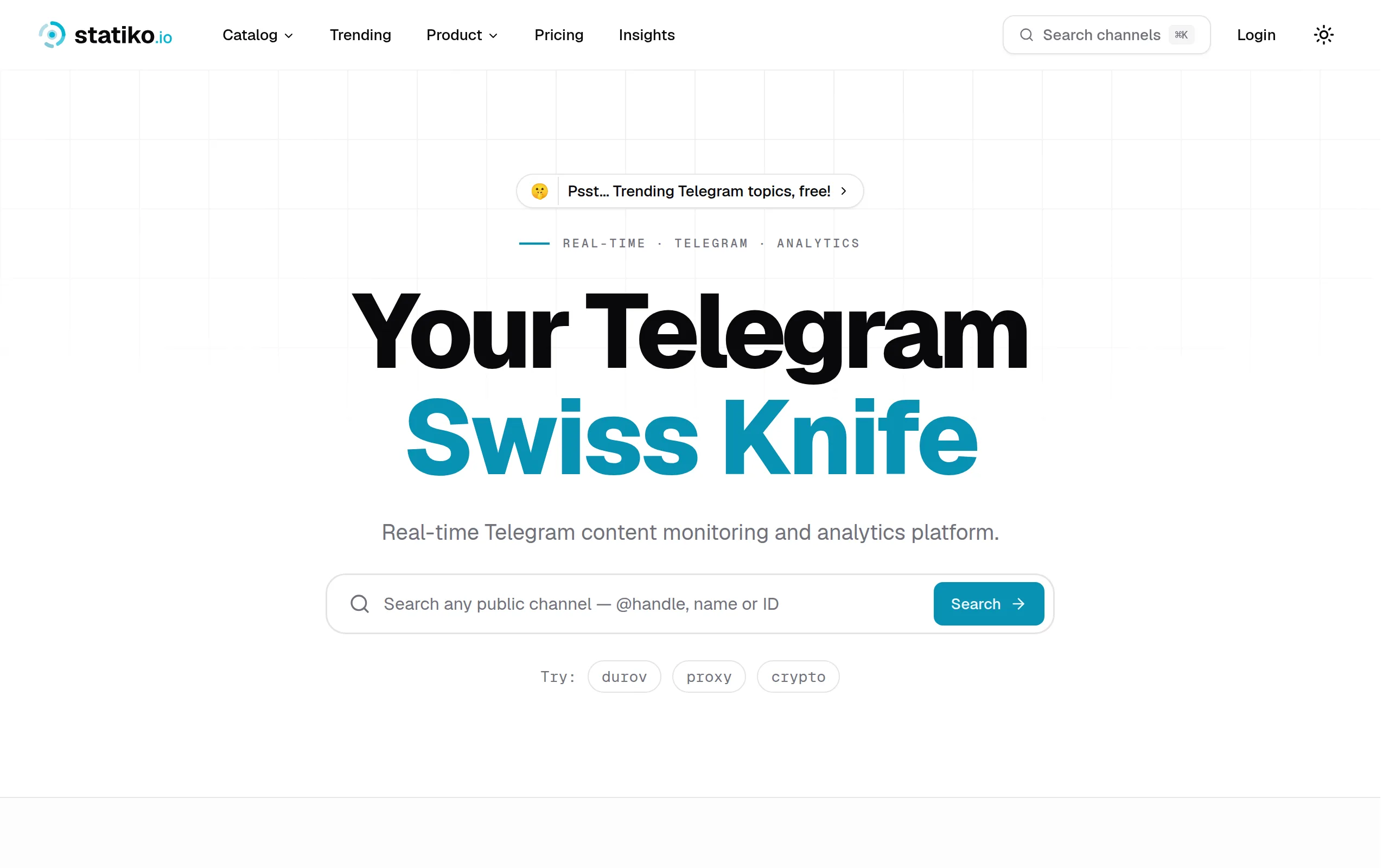
Statiko
Monitor any Telegram channel in real time - track posts, edits, deletions, and growth with AI recaps 📡
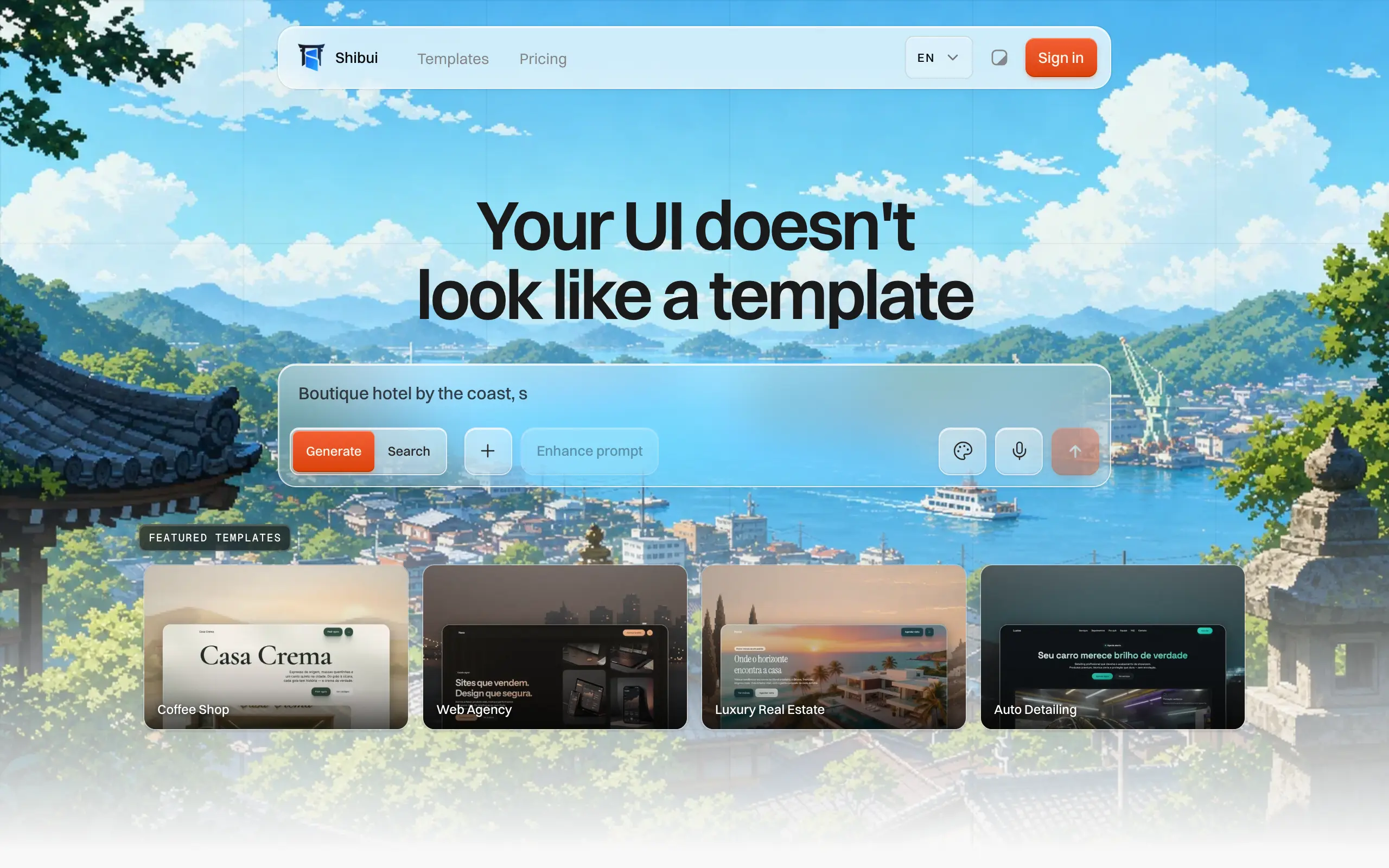
Shibui
AI website builder - describe your business, pick a niche template, edit by chatting, and publish instantly ✨

Pro Service
Find verified home service professionals, compare quotes, and pay securely through escrow - built for Brazilians across the US 🏠
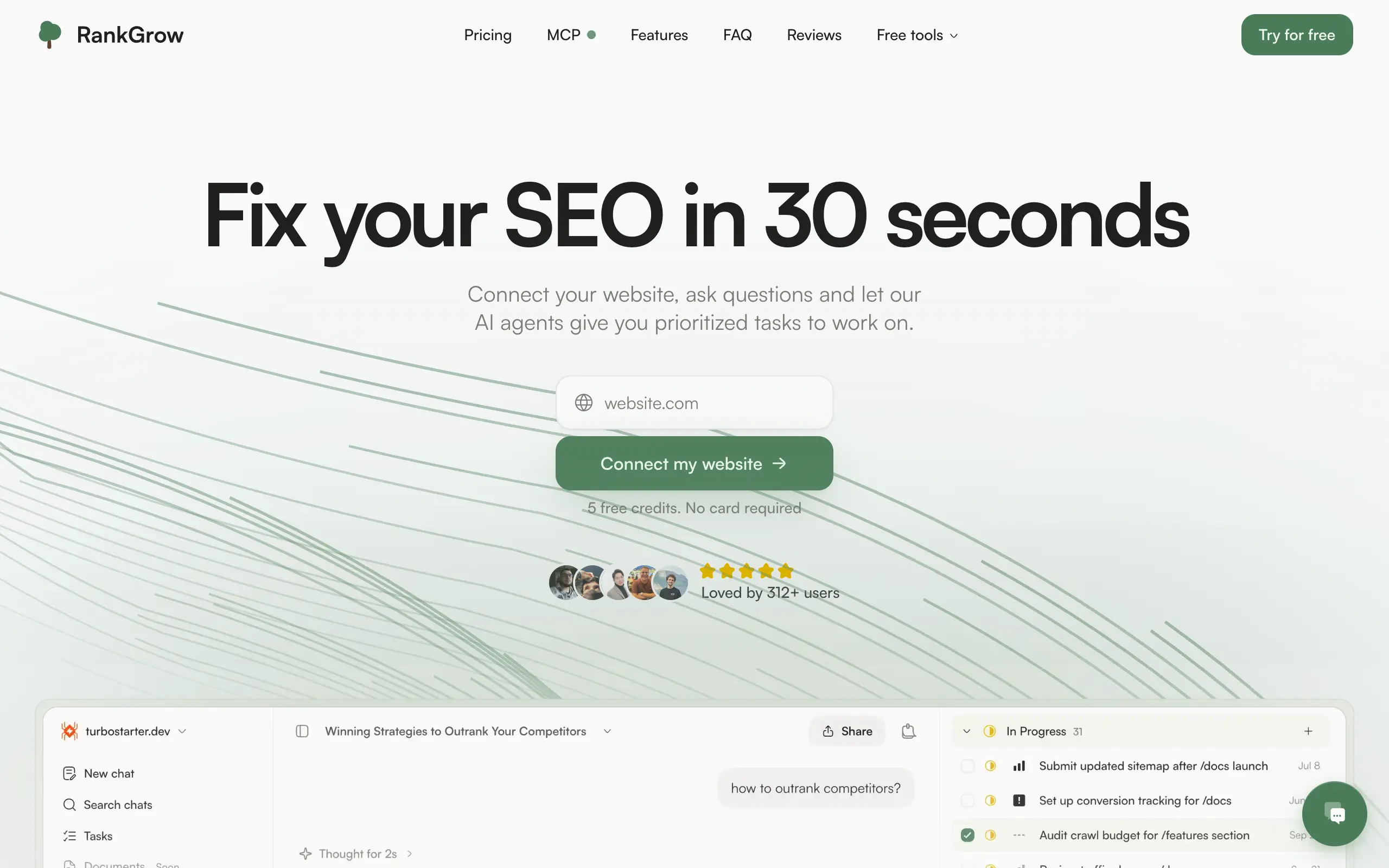
RankGrow
Fix your SEO with AI agents - connect Search Console, get prioritized tasks, and grow organic traffic 📈
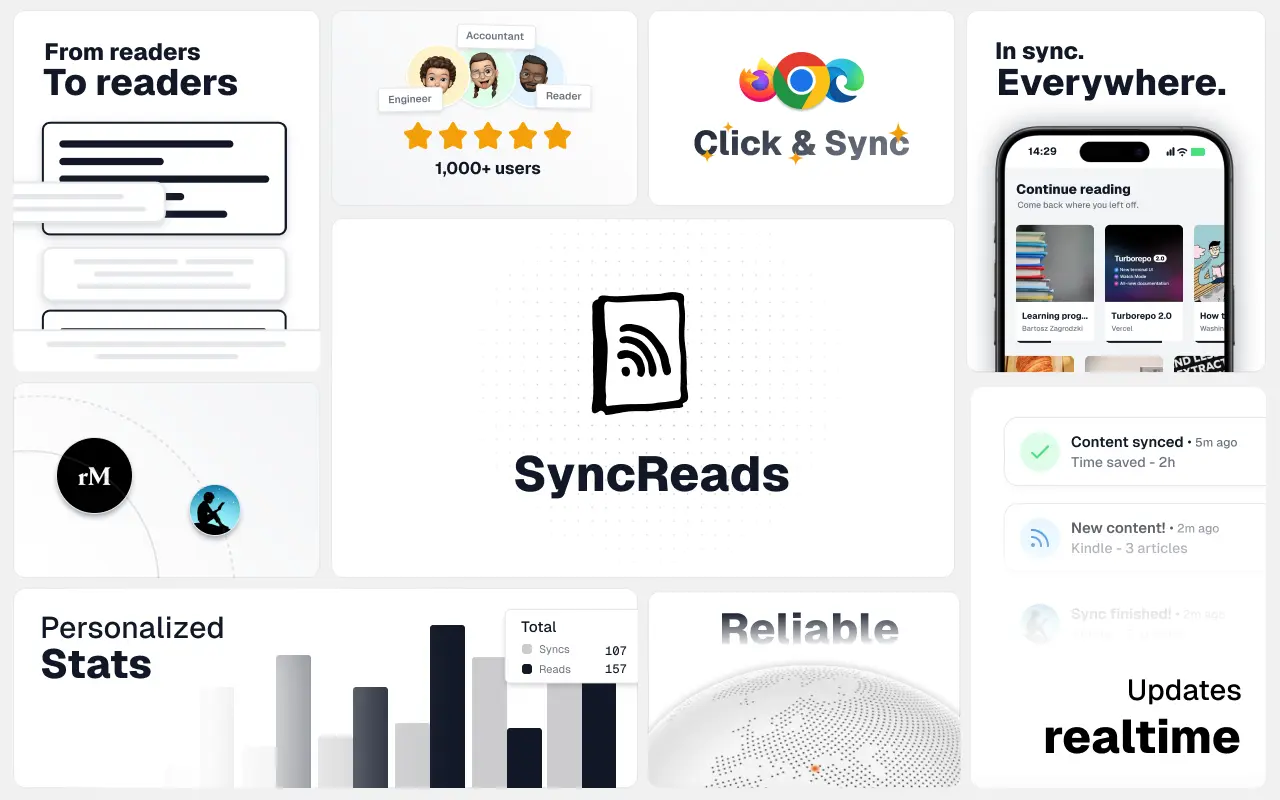
SyncReads
Sync your favorite content for distraction-free reading, save time and replace multiple apps. Anytime, anywhere 🔄
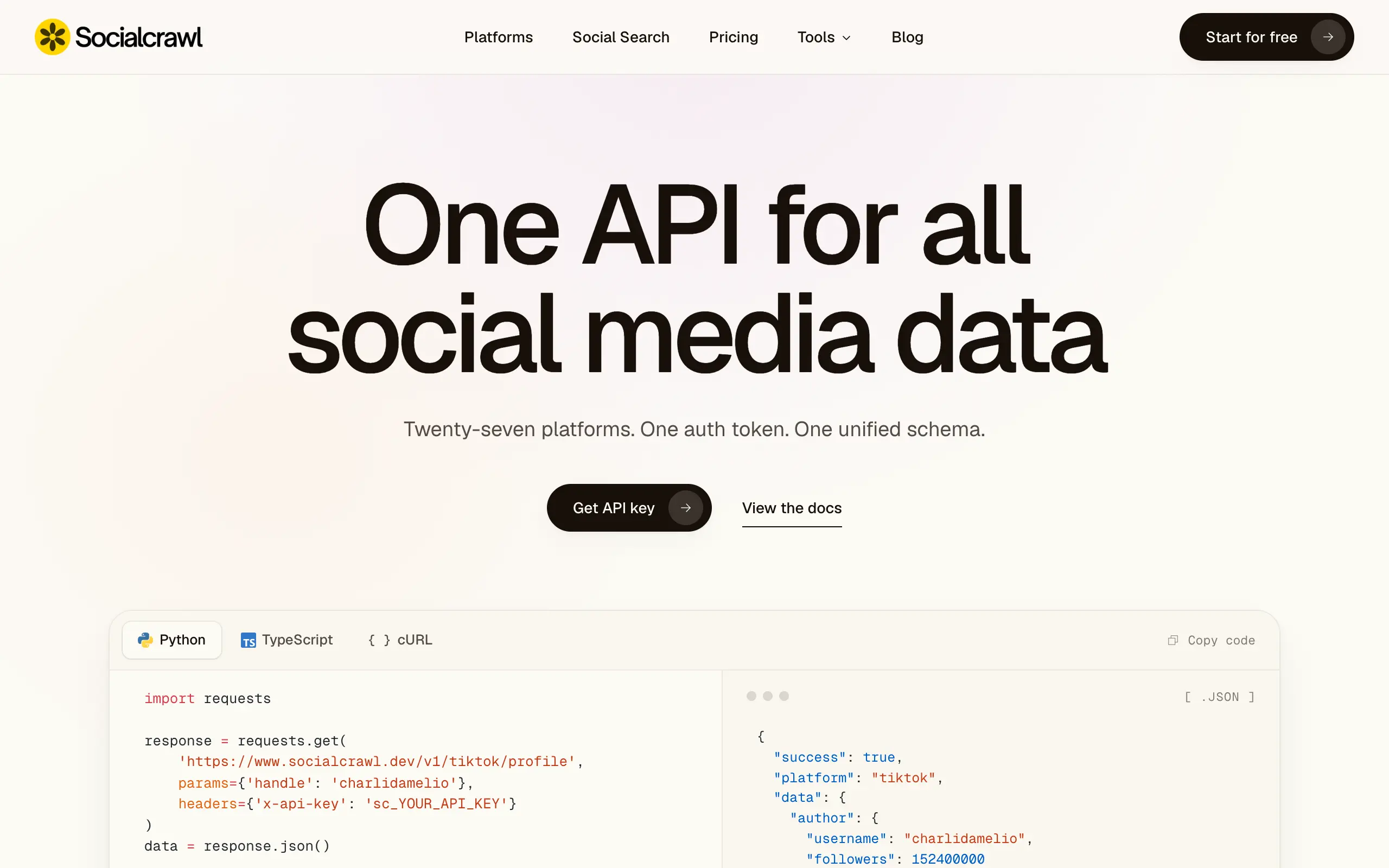
Socialcrawl
Get clean, structured data from 21 platforms like TikTok, Instagram, and YouTube with a single request 📊
Statiko
Monitor any Telegram channel in real time - track posts, edits, deletions, and growth with AI recaps 📡
Shibui
AI website builder - describe your business, pick a niche template, edit by chatting, and publish instantly ✨
Pro Service
Find verified home service professionals, compare quotes, and pay securely through escrow - built for Brazilians across the US 🏠
RankGrow
Fix your SEO with AI agents - connect Search Console, get prioritized tasks, and grow organic traffic 📈
SyncReads
Sync your favorite content for distraction-free reading, save time and replace multiple apps. Anytime, anywhere 🔄
Socialcrawl
Get clean, structured data from 21 platforms like TikTok, Instagram, and YouTube with a single request 📊
Statiko
Monitor any Telegram channel in real time - track posts, edits, deletions, and growth with AI recaps 📡
Shibui
AI website builder - describe your business, pick a niche template, edit by chatting, and publish instantly ✨
Pro Service
Find verified home service professionals, compare quotes, and pay securely through escrow - built for Brazilians across the US 🏠
RankGrow
Fix your SEO with AI agents - connect Search Console, get prioritized tasks, and grow organic traffic 📈
SyncReads
Sync your favorite content for distraction-free reading, save time and replace multiple apps. Anytime, anywhere 🔄
Socialcrawl
Get clean, structured data from 21 platforms like TikTok, Instagram, and YouTube with a single request 📊
Statiko
Monitor any Telegram channel in real time - track posts, edits, deletions, and growth with AI recaps 📡
Shibui
AI website builder - describe your business, pick a niche template, edit by chatting, and publish instantly ✨
Pro Service
Find verified home service professionals, compare quotes, and pay securely through escrow - built for Brazilians across the US 🏠
RankGrow
Fix your SEO with AI agents - connect Search Console, get prioritized tasks, and grow organic traffic 📈
SyncReads
Sync your favorite content for distraction-free reading, save time and replace multiple apps. Anytime, anywhere 🔄
Socialcrawl
Get clean, structured data from 21 platforms like TikTok, Instagram, and YouTube with a single request 📊
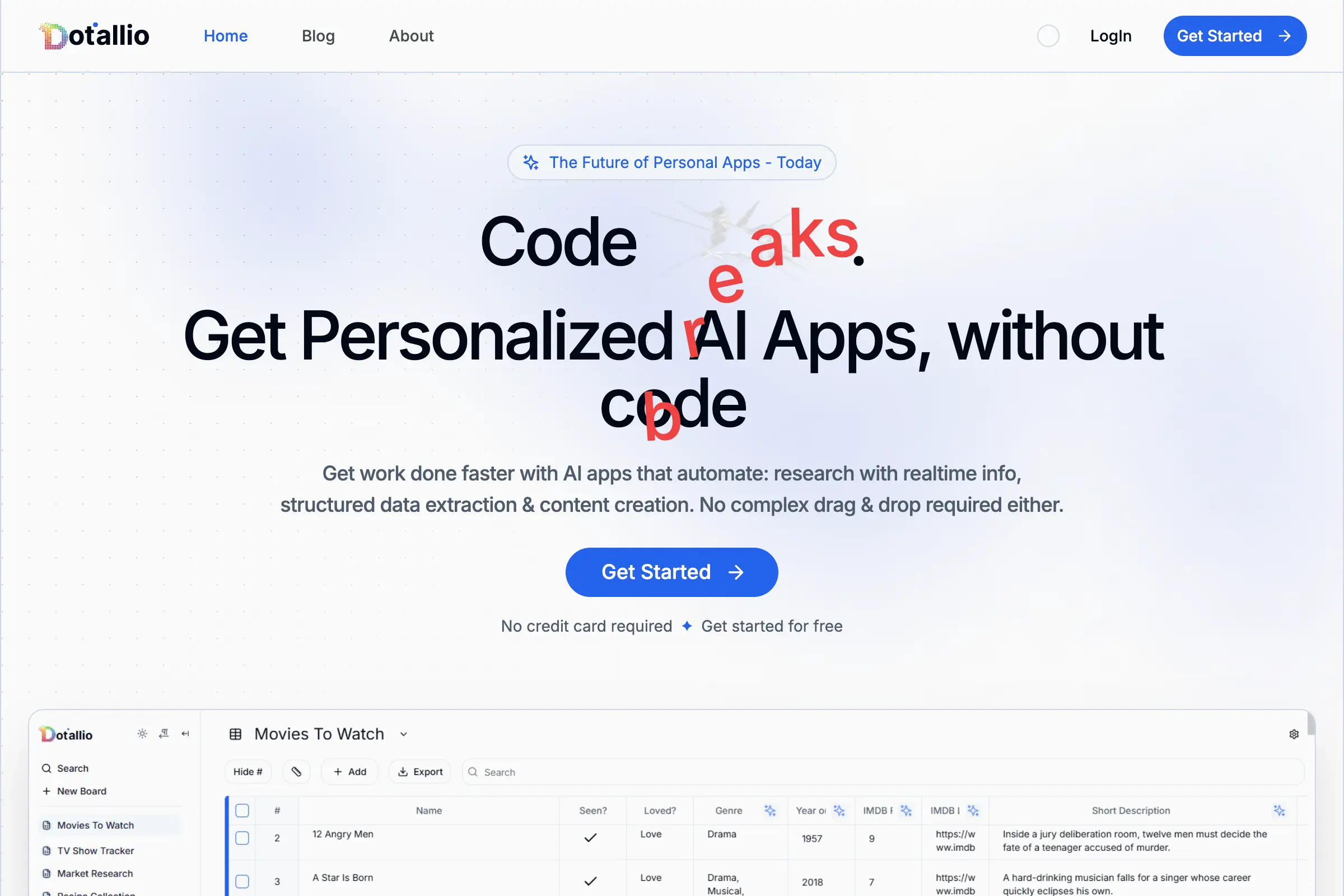
Dotallio
Personalized AI apps that automate research, data extraction, and content creation without code 🤖
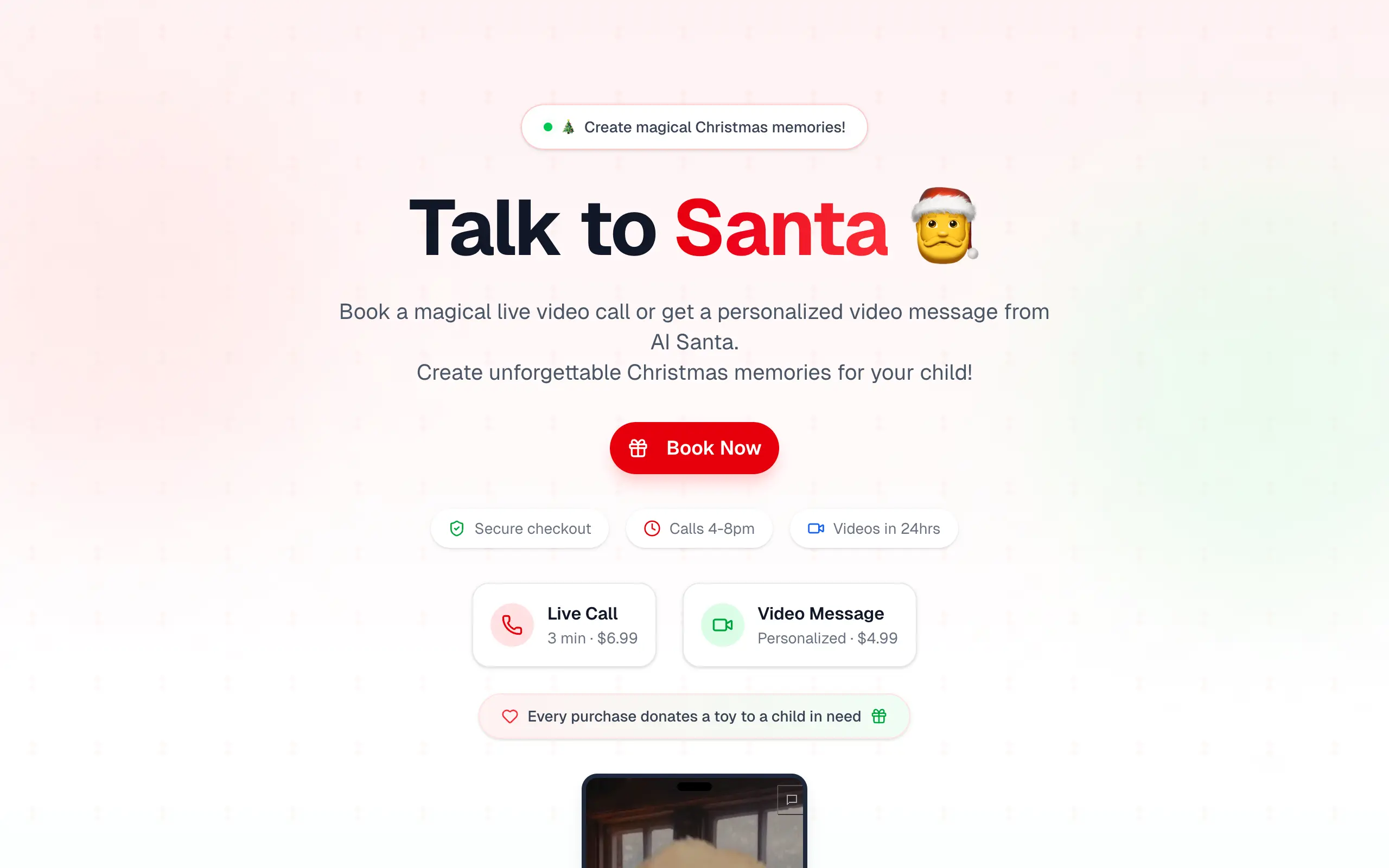
Talk to Santa
Enjoy a magical live video chat or receive a unique AI-generated video greeting from Santa Claus 🎅
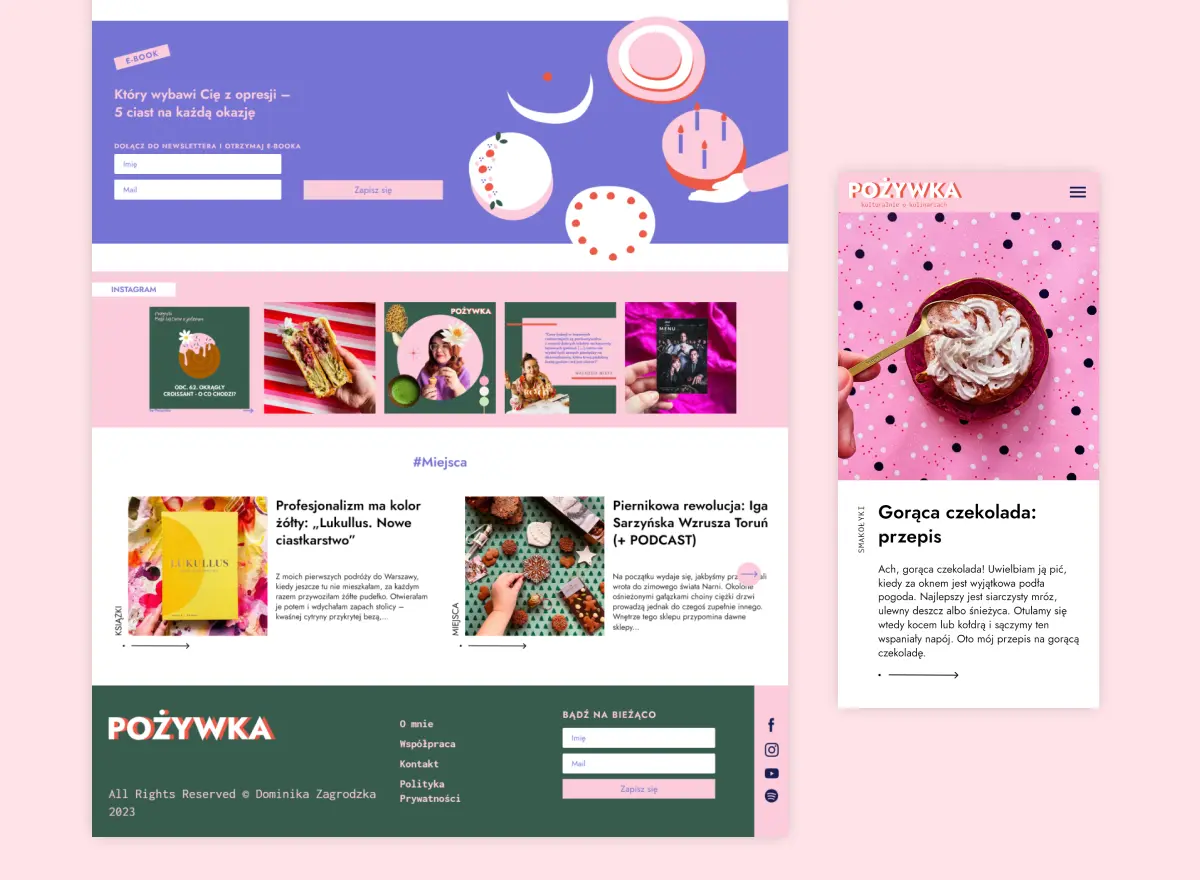
pozywka.pl
Scalable blog for food journalist, focused on performance and user experience 🌭
zagrodzki.me
Personal blog and portfolio of Bart Zagrodzki, where he shares his knowledge and work 💼
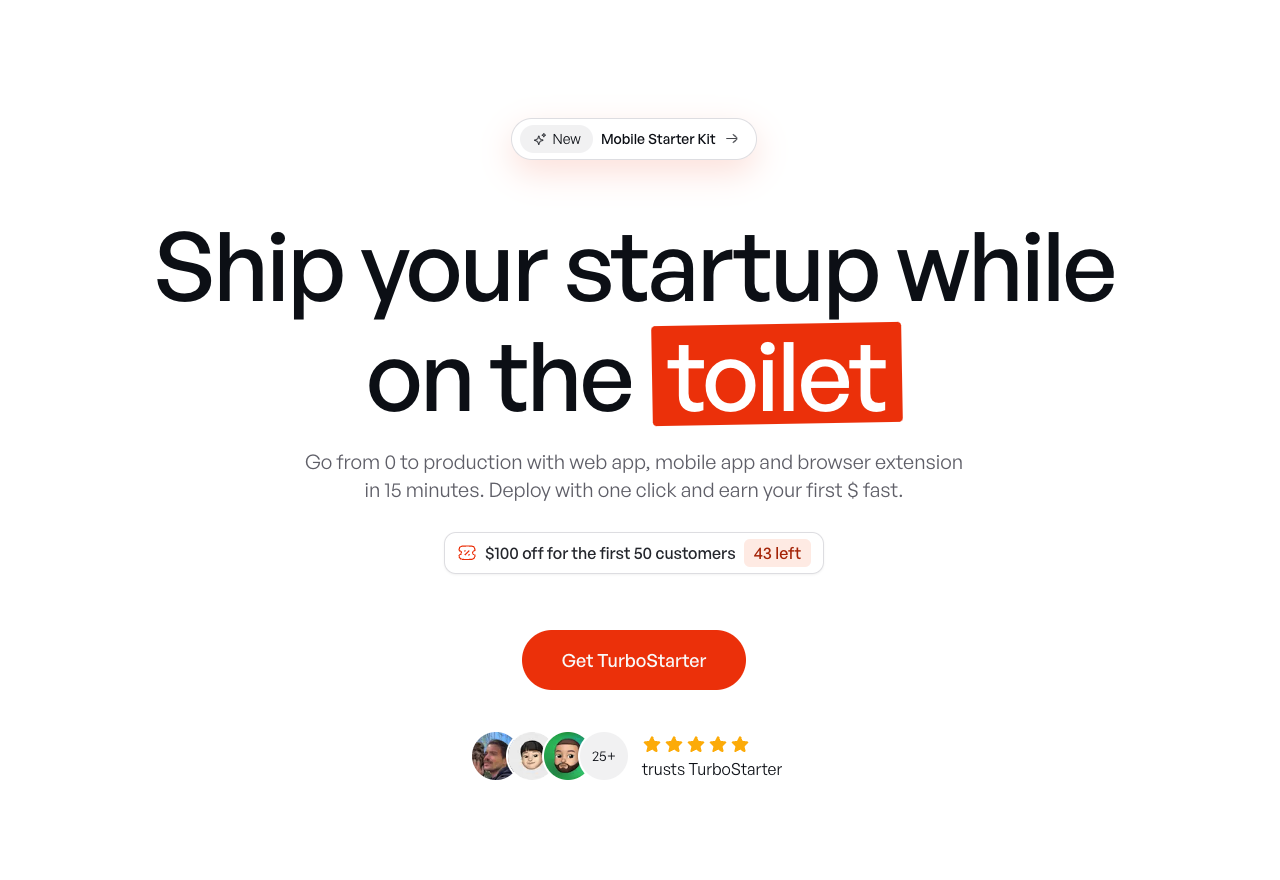
TurboStarter
Ship your startup everywhere. In minutes.
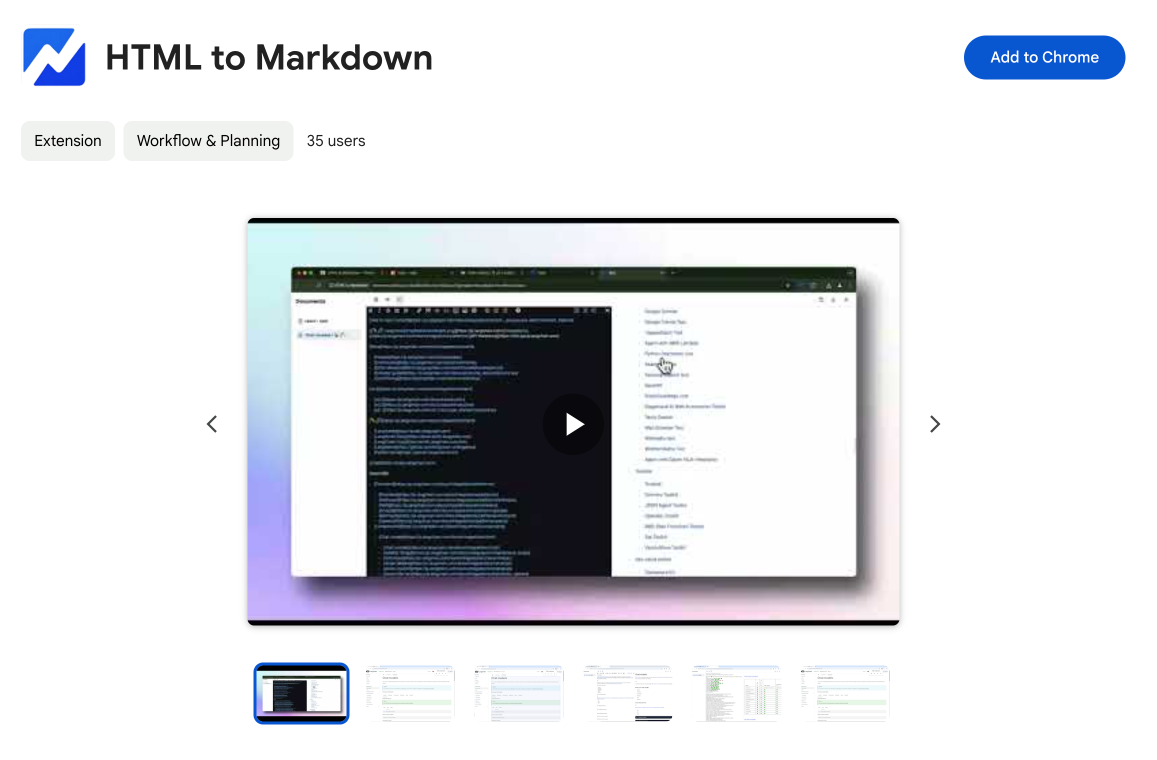
HTML to Markdown
Convert HTML to Markdown with ease, directly in your browser 📄
Dotallio
Personalized AI apps that automate research, data extraction, and content creation without code 🤖
Talk to Santa
Enjoy a magical live video chat or receive a unique AI-generated video greeting from Santa Claus 🎅
pozywka.pl
Scalable blog for food journalist, focused on performance and user experience 🌭
zagrodzki.me
Personal blog and portfolio of Bart Zagrodzki, where he shares his knowledge and work 💼
TurboStarter
Ship your startup everywhere. In minutes.
HTML to Markdown
Convert HTML to Markdown with ease, directly in your browser 📄
Dotallio
Personalized AI apps that automate research, data extraction, and content creation without code 🤖
Talk to Santa
Enjoy a magical live video chat or receive a unique AI-generated video greeting from Santa Claus 🎅
pozywka.pl
Scalable blog for food journalist, focused on performance and user experience 🌭
zagrodzki.me
Personal blog and portfolio of Bart Zagrodzki, where he shares his knowledge and work 💼
TurboStarter
Ship your startup everywhere. In minutes.
HTML to Markdown
Convert HTML to Markdown with ease, directly in your browser 📄
Dotallio
Personalized AI apps that automate research, data extraction, and content creation without code 🤖
Talk to Santa
Enjoy a magical live video chat or receive a unique AI-generated video greeting from Santa Claus 🎅
pozywka.pl
Scalable blog for food journalist, focused on performance and user experience 🌭
zagrodzki.me
Personal blog and portfolio of Bart Zagrodzki, where he shares his knowledge and work 💼
TurboStarter
Ship your startup everywhere. In minutes.
HTML to Markdown
Convert HTML to Markdown with ease, directly in your browser 📄
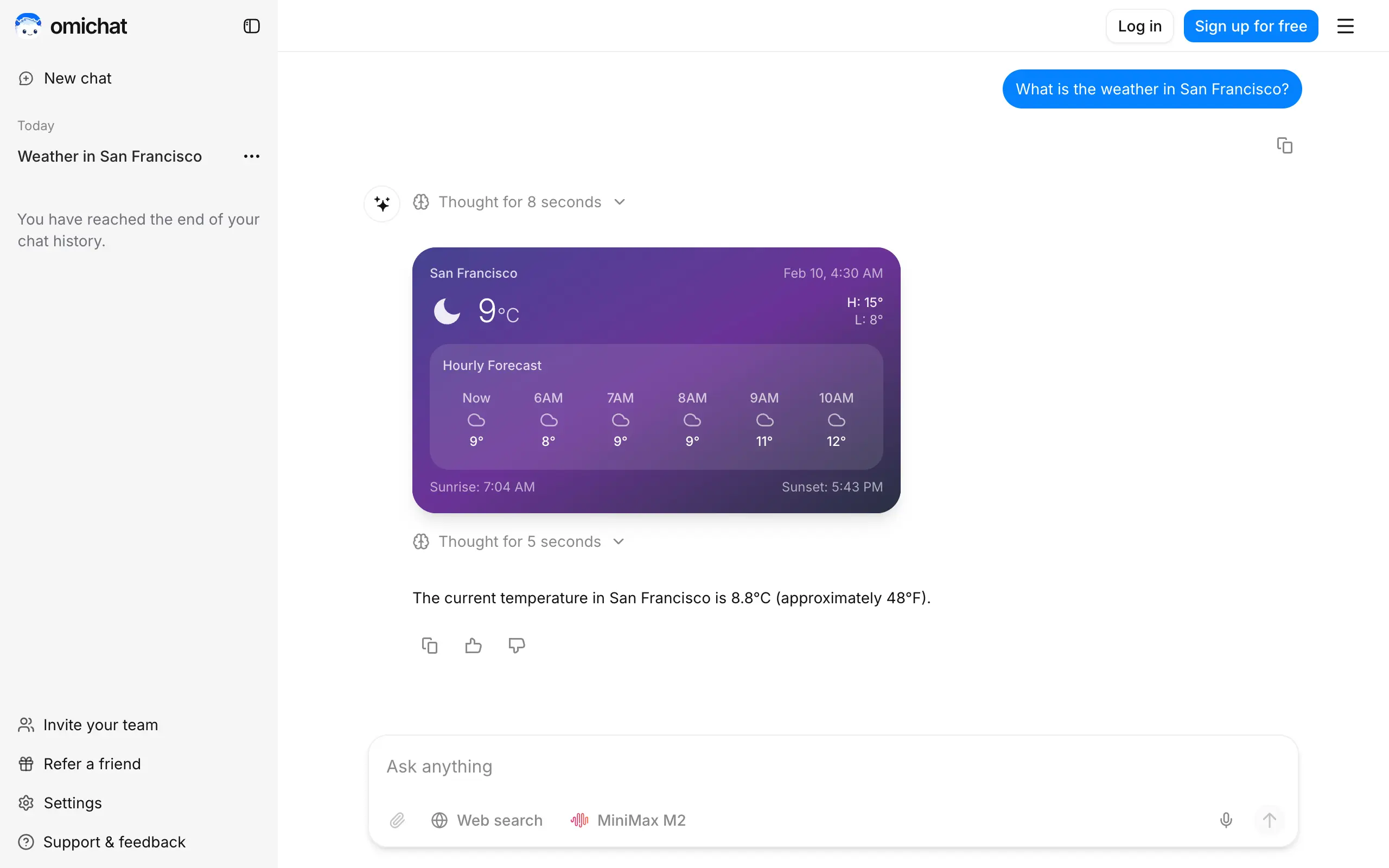
Omichat
Chat with 50+ AI models, including ChatGPT and Claude, in one place - switch models anytime without losing context 🤖
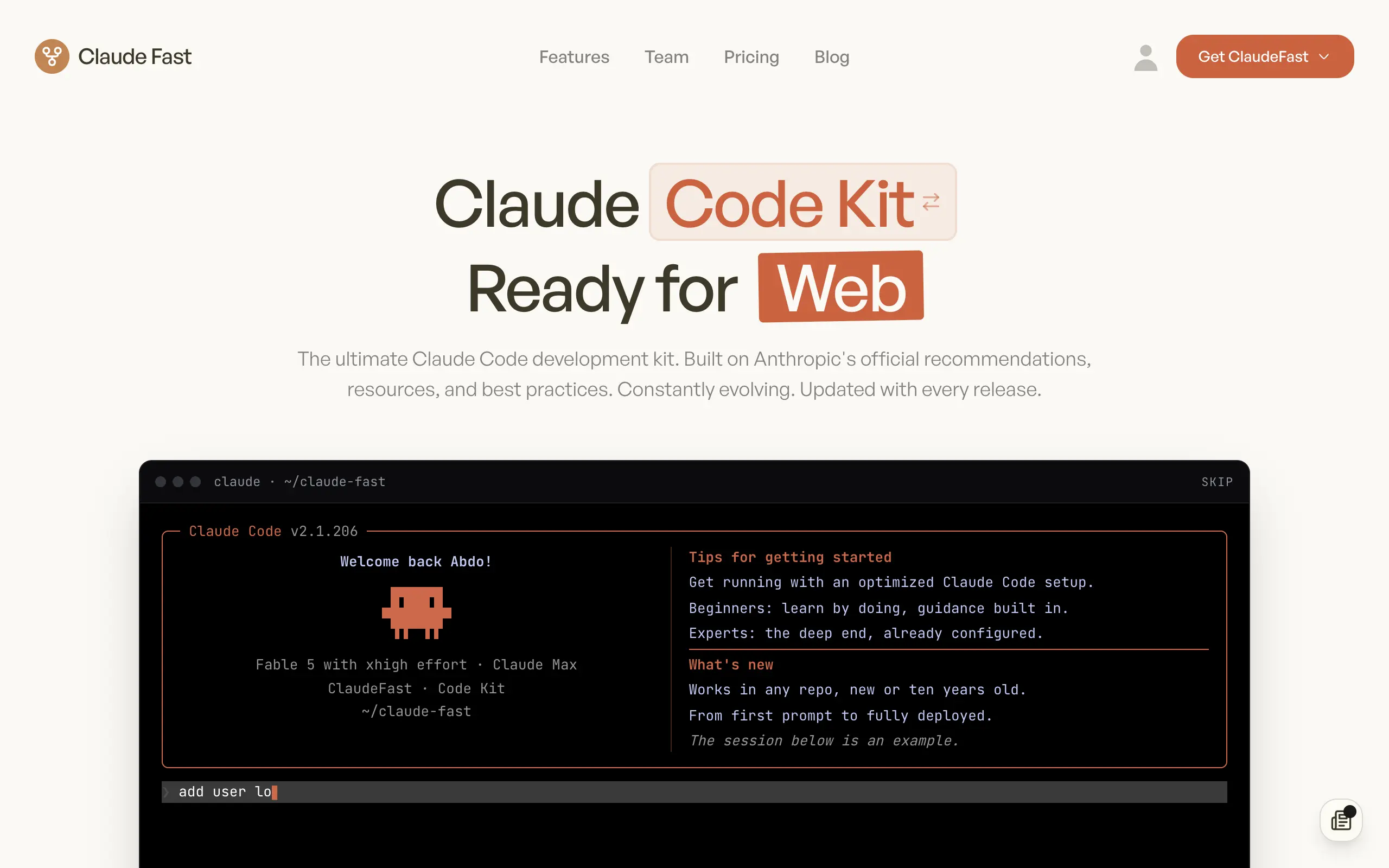
Claude Fast
Supercharge your Claude Code with 6x effective context window and specialized AI agents 🤖
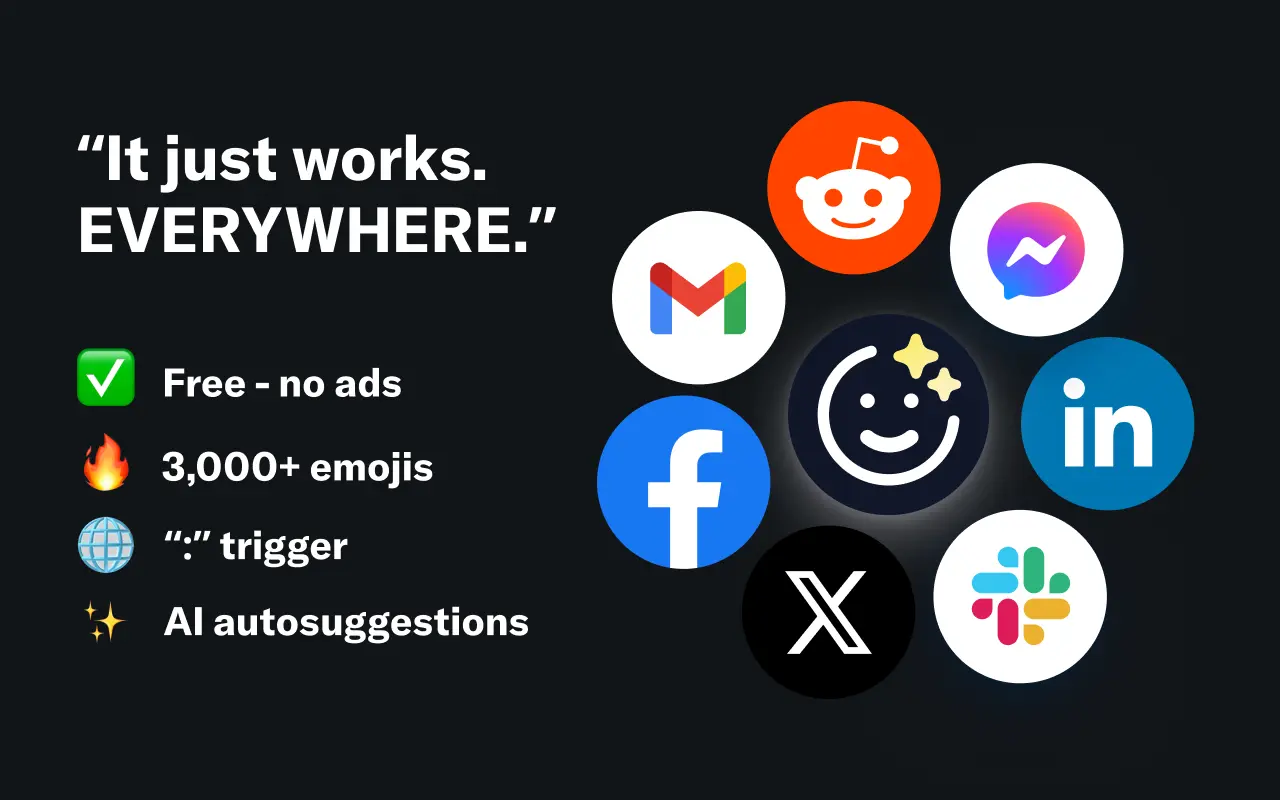
EmojAI
AI-powered emoji picker with smart, context-aware suggestions 🤖
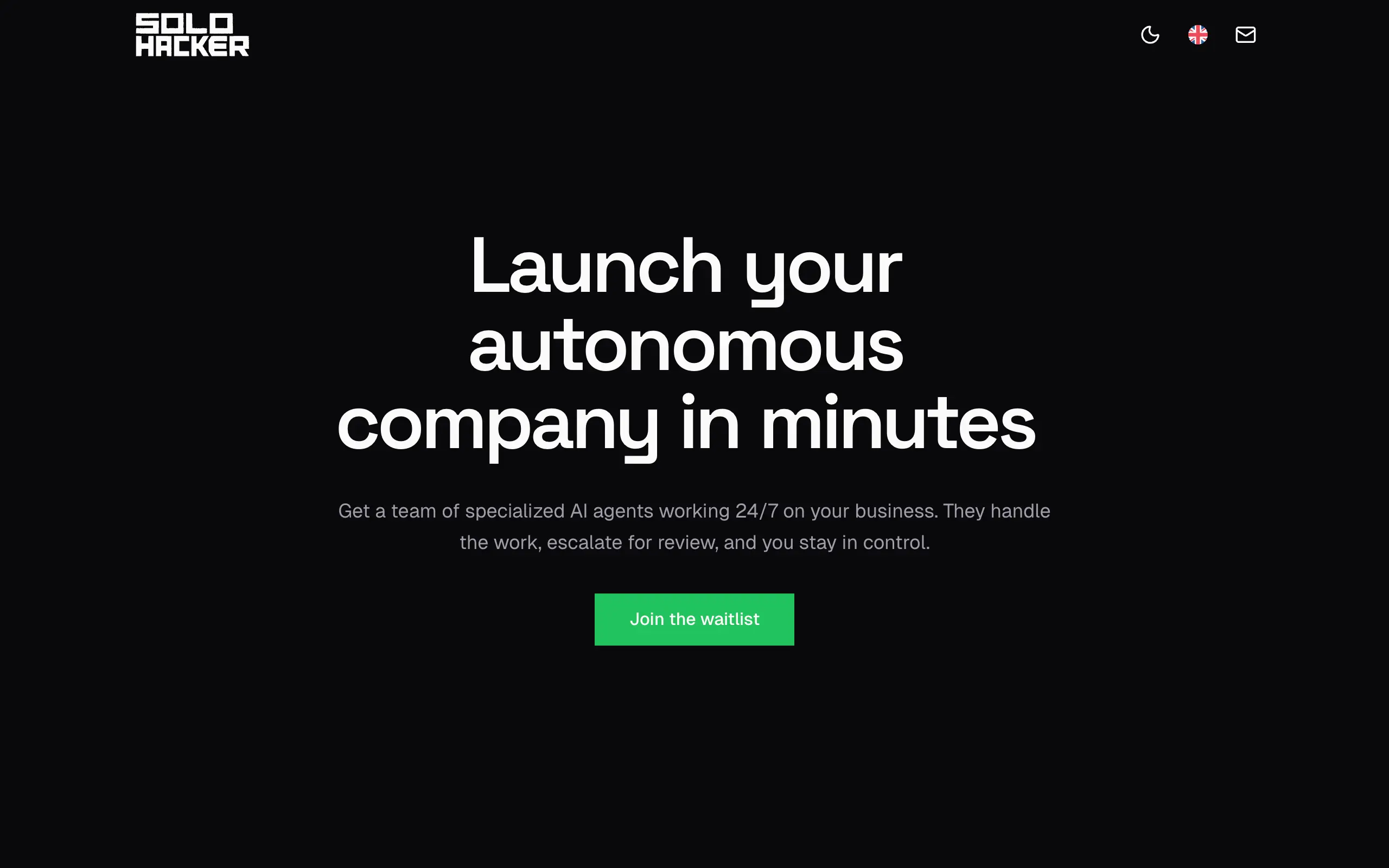
Solohacker
Autonomous company launcher - AI agents work 24/7, escalate what matters, and you stay in control 🤖
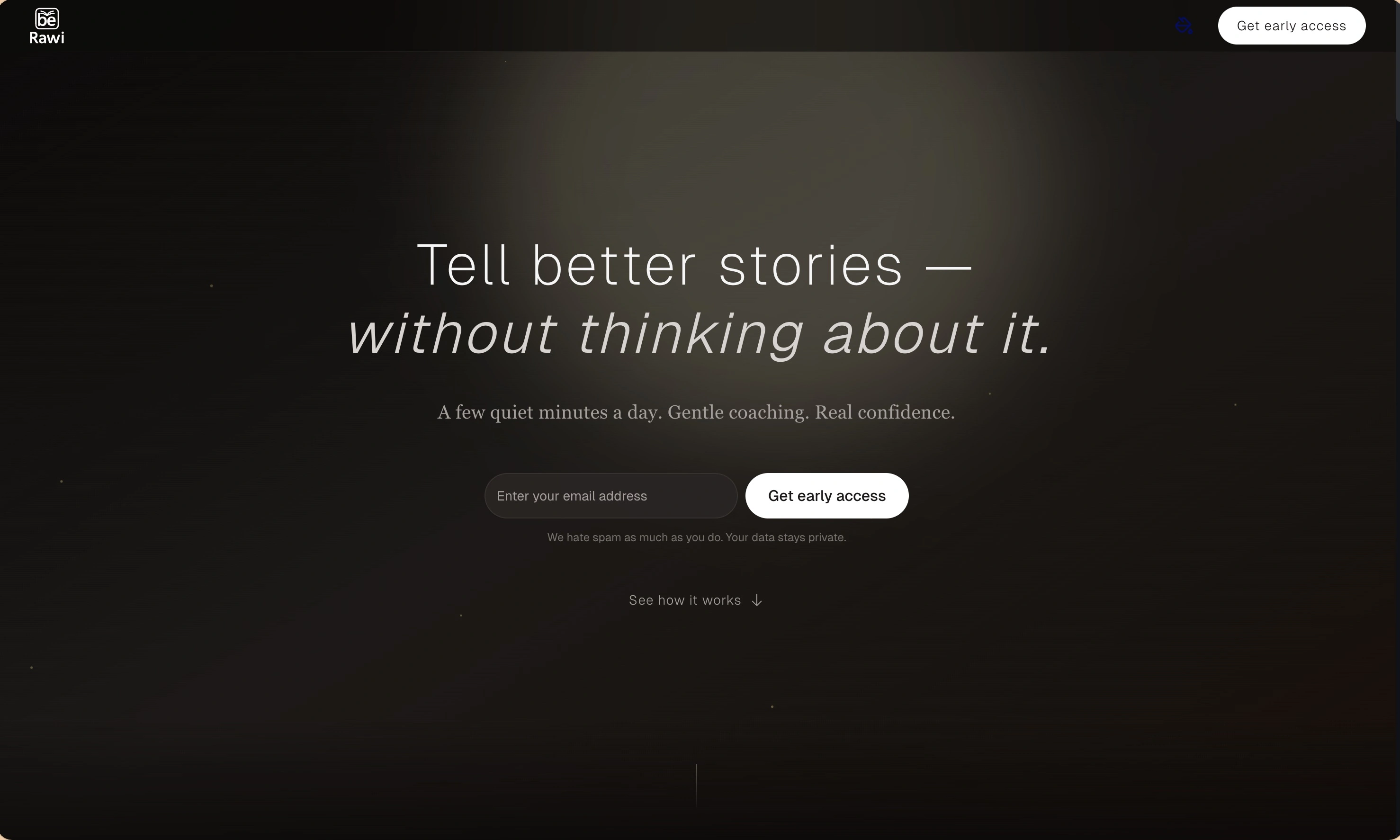
BeRawi: Storytelling Coach
Practice storytelling daily with instant feedback to sound clearer, more engaging, and confident 🎤
Omichat
Chat with 50+ AI models, including ChatGPT and Claude, in one place - switch models anytime without losing context 🤖
Claude Fast
Supercharge your Claude Code with 6x effective context window and specialized AI agents 🤖
EmojAI
AI-powered emoji picker with smart, context-aware suggestions 🤖
Solohacker
Autonomous company launcher - AI agents work 24/7, escalate what matters, and you stay in control 🤖
BeRawi: Storytelling Coach
Practice storytelling daily with instant feedback to sound clearer, more engaging, and confident 🎤
Omichat
Chat with 50+ AI models, including ChatGPT and Claude, in one place - switch models anytime without losing context 🤖
Claude Fast
Supercharge your Claude Code with 6x effective context window and specialized AI agents 🤖
EmojAI
AI-powered emoji picker with smart, context-aware suggestions 🤖
Solohacker
Autonomous company launcher - AI agents work 24/7, escalate what matters, and you stay in control 🤖
BeRawi: Storytelling Coach
Practice storytelling daily with instant feedback to sound clearer, more engaging, and confident 🎤
Omichat
Chat with 50+ AI models, including ChatGPT and Claude, in one place - switch models anytime without losing context 🤖
Claude Fast
Supercharge your Claude Code with 6x effective context window and specialized AI agents 🤖
EmojAI
AI-powered emoji picker with smart, context-aware suggestions 🤖
Solohacker
Autonomous company launcher - AI agents work 24/7, escalate what matters, and you stay in control 🤖
BeRawi: Storytelling Coach
Practice storytelling daily with instant feedback to sound clearer, more engaging, and confident 🎤

Connect with like-minded people
Join our community to get feedback, support, and grow together with 1,000+ builders on board, let's ship it!
Join usShip your startup everywhere. In minutes.
Don't burn tokens on setup and start building features on day one.