SavePoint
Prepare safer software releases with AI-generated readiness checks, rollback plans, and milestone checkpoints before deployment.
What SavePoint is and why it matters
SavePoint is an AI-powered release readiness platform designed to help software teams prepare safer deployments. Before a release, it turns information from tickets, pull requests, CI pipelines, monitoring systems, and team procedures into a practical readiness review: what is complete, what remains uncertain, what could go wrong, and how the team can respond.
The product’s core promise is not that AI can make releases risk-free. No tool can guarantee that. Its value is helping teams identify overlooked dependencies, document decisions, and prepare rollback plans before a change reaches production.
A strong positioning statement is:
SavePoint helps teams turn scattered release information into clear readiness checks, rollback plans, and milestone checkpoints before deployment.
That positions the product as an AI release readiness tool rather than another general-purpose project tracker, deployment platform, or code assistant. The distinction matters. SavePoint should make existing release practices more consistent and explainable without requiring teams to replace their source control, CI/CD, incident management, or observability systems.
For engineering leaders evaluating the idea, the opportunity is to make release preparation less dependent on memory and informal handoffs. For teams building the product, the challenge is to deliver useful recommendations while keeping humans in control of release decisions.
Product principle
SavePoint should recommend, explain, and record. It should not approve or deploy a release on a team’s behalf by default.
The release readiness problem
A software release is rarely represented in one place. A change may begin as a ticket, appear in a pull request, pass through a build pipeline, require a database migration, and depend on an operations checklist. The relevant information is distributed across tools and people.
That fragmentation creates predictable coordination problems:
- A release owner may not know that an included change depends on another service.
- A migration may require a specific order of operations that is documented only in a ticket.
- A deployment can pass its build checks while still lacking a tested rollback plan.
- Important release decisions may be made in chat and never appear in the final change record.
- A team may skip a readiness check because the process is unclear, tedious, or easy to forget.
- Teams may have checklists but no reliable way to tell whether each item has been addressed.
These are not all technical failures. Many are information and workflow failures. A deployment system can tell a team whether a build succeeded, but a successful build does not necessarily mean that a release is operationally ready. Likewise, a checklist can establish that a process exists, but it cannot reliably tell whether a checklist item applies to a particular change unless someone reviews the release context.
SavePoint can bridge that gap by assembling evidence from a release and presenting it in a reviewable format. Instead of asking an engineer to start from a blank page, it can propose checks based on the changes, team policies, service ownership, and prior release procedures.
The product should make its evidence visible. “Rollback plan missing” is more useful when the tool can explain that it found a database migration but no documented reversal or recovery procedure. “Monitoring is ready” is less trustworthy if the system cannot show which dashboards, alerts, or service-level signals support that conclusion.
Target audience for an AI release readiness platform
SavePoint is best suited to organizations where releases involve multiple changes, systems, or contributors, but release preparation still relies heavily on manual coordination.
Primary users
Engineering managers and tech leads need a repeatable way to assess release risk, assign follow-up work, and understand whether a deployment is ready to proceed.
Release managers and technical program managers coordinate changes across teams. They benefit from a shared view of milestones, blockers, required approvals, and release evidence.
Site reliability engineers and platform teams care about operational readiness: monitoring, alerting, rollback options, capacity, incident ownership, and the operational impact of a change.
Software engineers need a concise checklist that reflects the changes they are shipping. They should be able to correct inaccurate AI suggestions, add missing context, and mark evidence without wrestling with a second project management system.
Initial customer segment
A practical initial market is software companies with:
- Several engineering teams or services.
- Regular production releases.
- A mix of automated and manual release checks.
- Existing source control and CI/CD systems.
- A need to show how release decisions were made.
- Enough release complexity that an informal checklist is no longer sufficient.
The first version should avoid trying to serve every kind of organization. Highly regulated enterprises may require deep audit controls, complex identity management, procurement reviews, and private deployment options. Very small teams may not experience enough release coordination pain to pay for a dedicated tool.
A focused starting segment could be mid-sized software organizations that release frequently but have not standardized readiness across every team. Their needs are substantial enough to justify a product, while their workflows are often more adaptable than those of a large enterprise.
The buyer and the daily user may differ
The buyer may be a VP of Engineering, head of platform, or engineering operations leader. The daily user may be the release owner, on-call engineer, or team lead.
That difference shapes product design. Buyers need reporting, policy configuration, permissions, and confidence that the platform does not create more operational risk. Daily users need fast setup, useful recommendations, clear ownership, and a low-friction review process.
SavePoint should serve both without turning the release page into a management dashboard full of vanity metrics. The core experience should remain focused on helping a team prepare and make a documented decision.
Market opportunity and product gap
There are already many products for source control, deployment automation, project tracking, incident response, and observability. SavePoint should not try to compete with all of them. Its opportunity lies in coordinating the information those products already contain around the moment a team prepares a release.
The product gap is not simply “teams need more AI.” It is that release readiness often sits between established tools:
- CI systems report whether automated jobs passed.
- Code hosting platforms display changes and reviews.
- Issue trackers explain why work was undertaken.
- Monitoring tools show service health.
- Incident systems record operational events.
- Internal documents describe policies and runbooks.
Each system answers part of the readiness question. A release owner still has to assemble the answers, identify missing context, and make sure that someone owns the follow-up. SavePoint can add value by creating a release-centered workflow across those sources.
Where existing approaches can fall short
A static checklist is easy to understand and control, but it may become generic, stale, or detached from the actual changes in a release.
A project management tool can track tasks, but it is not necessarily designed to evaluate technical evidence or connect a change to a rollback plan.
A deployment platform can execute a release and report pipeline status, but teams may need a broader readiness review before deciding to initiate a deployment.
A general AI assistant can summarize pasted context, but its usefulness depends on what data the user provides, how reliably it is kept current, and whether the resulting recommendations are tied to a repeatable workflow.
SavePoint’s opportunity is to combine the consistency of a structured release checklist with the context gathering and drafting capabilities of AI. Its output should remain editable, attributable, and auditable.
The strongest initial wedge
The clearest first use case is a release readiness review for a specific deployment or release train. Avoid launching with a broad promise to manage every aspect of software delivery. A narrow workflow makes it easier to demonstrate value and measure whether the product reduces missed steps or coordination time.
The initial review might include:
- A proposed release scope assembled from linked pull requests and tickets.
- Required checks based on the team’s release policy.
- AI-generated questions about changes, dependencies, and operational risk.
- A human-reviewed rollback plan.
- Milestones and owners for unresolved readiness items.
- A final decision record with evidence and timestamps.
Core SavePoint features
The product should be organized around a release record. Each record becomes the place where the team sees what is shipping, what has been checked, what remains open, and who is responsible for the next action.
1. Release workspace
Each release workspace should provide a concise overview of:
- Release name, target date, environment, and owner.
- Included services, tickets, and code changes.
- Readiness status and unresolved blockers.
- Milestones and owners.
- Relevant evidence, links, and decisions.
- A timeline of updates and approvals.
The workspace should support both planned releases and smaller deployments. Teams may group changes into a release train, or create a readiness record for a single high-risk change.
A critical design choice is to distinguish status from confidence. A checklist item can be marked complete, incomplete, blocked, or not applicable. Separately, SavePoint can indicate how much evidence supports that status. This avoids presenting an AI-generated conclusion as if it were verified fact.
2. AI-generated readiness checks
SavePoint can use release context to suggest checks that are relevant to the changes being shipped. For example, when a release includes a database schema change, the system might ask whether the migration is backward-compatible, whether the deployment order is documented, and whether a recovery path has been tested.
Recommendations should be presented as questions or draft checklist items, not unquestionable verdicts. Users need to see:
- What information prompted the suggestion.
- Why the check may matter.
- Whether the item is required by team policy or suggested by AI.
- Who owns the item and what evidence will satisfy it.
- How to dismiss or mark it not applicable.
This distinction helps preserve trust. A policy-required item and an AI-generated suggestion should not look identical.
3. Rollback and recovery planning
Rollback planning is a strong differentiator because it translates readiness into action. A useful rollback plan should describe more than a button to revert code. Depending on the change, it may need to address:
- How to return to a previous application version.
- Whether data migrations can be reversed safely.
- Whether feature flags can disable the change.
- What customer or internal signals should trigger a rollback.
- Who is authorized to initiate recovery.
- Which services or teams may be affected.
- What to do if a direct rollback is unsafe or impossible.
AI can draft a plan from documented runbooks, previous releases, and change descriptions, but it should not invent a recovery procedure. If the required information is missing, the product should say so and prompt the team to fill the gap.
4. Milestone checkpoints
A readiness process often has multiple stages, such as code freeze, pre-deployment review, deployment start, smoke testing, and post-release monitoring. SavePoint can turn these stages into checkpoints with owners, due times, and completion evidence.
Teams should be able to configure templates by service, release type, or risk level. A low-risk documentation release should not require the same process as a database migration affecting multiple services.
5. Integrations and evidence collection
Integrations are central to the product’s value. Useful starting points include source control, issue tracking, CI/CD, chat, and observability. The goal is not to collect every possible data point. It is to gather enough trusted evidence to make the readiness review faster and more accurate.
Potential integration data includes:
- Pull request status, reviewers, and linked work items.
- CI checks and deployment status.
- Service ownership and release policies.
- Incident history and runbook references.
- Monitoring dashboards and alert ownership.
- Team decisions recorded in chat or documentation.
Integrations should be designed with least-privilege access. SavePoint should request only the permissions required for the selected workflow and explain why each permission is needed.
6. Decision history and audit trail
Release readiness decisions should be traceable. SavePoint should record who changed a checklist item, what evidence was attached, when a decision was made, and whether an AI suggestion was edited or dismissed.
This history is valuable even when an organization has no formal audit requirement. It makes handoffs easier, helps teams learn from incidents, and reduces ambiguity after a release.
The audit trail should clearly differentiate between:
- Information imported from another system.
- Content drafted by AI.
- Changes made by a user.
- Automated status updates.
- Final human decisions.
How SavePoint should use AI responsibly
The product’s AI layer should support a well-defined workflow rather than serve as a vague “chat with your release” feature.
A robust approach is to use AI for tasks where drafting and synthesis are useful:
- Summarizing changes in a release.
- Identifying potentially related services or dependencies.
- Suggesting readiness questions.
- Drafting a rollback plan from approved internal sources.
- Highlighting missing information.
- Producing a concise handoff summary.
For each recommendation, SavePoint should provide the supporting references or explain that it lacks sufficient evidence. It should not fabricate a linked runbook, assume that a deployment passed, or claim a migration is reversible without confirmation.
A practical AI interaction could look like this:
Observation:
The release includes a database schema change.

Suggested check:
Confirm that the migration is compatible with the currently deployed application version.

Why it was suggested:
The linked change description mentions a new column used by the updated service.

Evidence:
Pull request #1842 and the linked migration file.

Owner:
Unassigned

Status:
Needs human review
This format makes uncertainty visible and gives the team a clear next step. It is more actionable than a generated paragraph that appears authoritative but does not identify its evidence.
Recommended technology stack
The stack should support reliable integrations, multi-tenant data isolation, background processing, and careful handling of customer code and operational information.
Application and interface
A modern TypeScript web application is a sensible choice for the dashboard and release workflow. Next.js can support a full-stack application structure, while React provides a flexible foundation for interactive release pages, checklists, and review interfaces.
A utility-first styling system such as Tailwind CSS can speed up interface development, especially when the product needs consistent tables, status indicators, and responsive layouts. The trade-off is that teams should establish design tokens and component conventions early; otherwise, utility classes can become inconsistent across a growing application.
Data storage
Use a relational database such as PostgreSQL for organizations, users, releases, checklist items, evidence references, integration installations, and audit events. These entities have clear relationships, and relational constraints help preserve data integrity.
A possible starting data model includes:
- Organization and membership.
- Integration connection and granted scopes.
- Release and release scope.
- Readiness item and item status.
- Evidence reference and source system.
- AI suggestion and supporting context.
- Decision event and actor.
- Policy template and version.
Store large imported payloads only when necessary. In many cases, SavePoint can retain a reference, summary, and relevant metadata rather than copying entire tickets, code diffs, or chat histories.
AI and background jobs
An LLM API can generate summaries and draft recommendations, but the architecture should treat the model as one service in a controlled pipeline. Keep prompts, model configuration, and evaluation examples versioned. Use background jobs for integration synchronization and longer-running analysis so that the user interface remains responsive.
Recommended safeguards include:
- Redacting secrets and unnecessary personal data before model requests.
- Limiting the amount of source content sent to the model.
- Logging model version, prompt version, and referenced evidence.
- Applying output validation before saving generated checklist items.
- Allowing users to edit, reject, and report poor recommendations.
- Avoiding model-generated actions that directly alter production systems.
Review the provider’s current data handling, retention, and security documentation before selecting a model vendor. Do not promise that customer data is never retained or used for training unless the contract and configuration support that claim.
Integrations and event handling
Use webhooks where available to receive relevant changes instead of repeatedly polling every connected system. For example, GitHub’s webhook documentation describes a way to receive events when repository activity changes.
Webhook processing should be idempotent, authenticated, and resilient to duplicate or delayed events. A queue can help absorb bursts, retry temporary failures, and keep the user-facing application independent from third-party availability.
For observability, adopt structured logs, metrics, and traces. OpenTelemetry provides vendor-neutral observability standards and instrumentation options. This is especially useful for diagnosing integration failures and background job delays.
Authentication and security foundations
Use a mature identity solution or a well-maintained authentication library rather than building every authentication flow from scratch. Support role-based access control from the beginning, even if the first role model is simple.
For secure development practices, teams can consult the NIST Secure Software Development Framework as a reference. It is not a substitute for a security review, but it can help structure secure development activities.
A useful technical principle is to isolate customer data by organization at the application and database layers. Test access controls explicitly, particularly around integration tokens, release evidence, and audit events.
Monetization strategy
SavePoint’s pricing should reflect the value of coordinated release readiness while remaining understandable to engineering buyers. A complicated pricing model can undermine trust in a product intended to simplify operational work.
Per-seat subscription
Charging by active user is familiar and can work for products used regularly by engineering teams. The drawback is that it may discourage broad participation in a release review, especially when occasional approvers need access.
If using per-seat pricing, consider whether read-only reviewers and occasional release participants should count as full paid seats.
Per-organization or per-service tiers
A base subscription with limits based on connected services, active repositories, or release volume may better reflect the product’s operational footprint. This can work for teams where only a subset of employees actively manages releases.
The risk is creating a pricing unit that feels arbitrary. Customers should be able to predict how their bill changes as their engineering organization grows.
Enterprise plans
Larger organizations may pay for capabilities such as:
- SSO and advanced identity management.
- Custom retention and data policies.
- Multiple workspaces or business units.
- Policy templates and centralized controls.
- Advanced audit exports.
- Private networking or deployment options.
- Priority support and onboarding.
These features should be introduced in response to verified buyer needs, not simply added to make the pricing page look enterprise-ready.
A sensible launch approach
Start with a free trial or a limited free tier that lets teams complete a real release workflow. Measure activation through meaningful actions: connecting a source system, creating a release, reviewing generated checks, and recording a readiness decision.
Avoid optimizing for sign-ups alone. The product’s strongest evidence of value is repeated use across releases and teams.
Competitive advantage and positioning
SavePoint’s competitive advantage should come from a focused workflow, trusted evidence, and useful preparation—not from claiming to have the most advanced AI model.
| Alternative | What it does well | Opportunity for SavePoint |
|---|---|---|
| Static release checklist | Provides a simple, familiar process | Adapt checks to release context and show evidence |
| Project management platform | Tracks tasks and ownership | Connect readiness items to technical changes and decisions |
| CI/CD platform | Automates builds and deployments | Add human-centered preparation before deployment begins |
| General AI assistant | Summarizes information and drafts text | Provide a repeatable workflow with sources, status, and audit history |
| Internal runbooks | Capture team-specific knowledge | Surface relevant procedures in the release review |
The product’s USP can be expressed as context-aware release preparation with human-verifiable evidence. Each part of that claim needs to be reflected in the product:
- Context-aware means the checks relate to the actual release, team, and service.
- Human-verifiable means users can inspect the sources and correct the output.
- Evidence-based means readiness statuses link to observable information rather than opaque model judgment.
- Operationally useful means the tool helps teams prepare recovery and follow-up actions, not just summarize changes.
That positioning is harder to copy than a generic AI summary because it depends on strong workflow design, useful integrations, careful data handling, and accumulated knowledge of how teams structure releases.
Risks and how to mitigate them
Incorrect or overconfident recommendations
AI may miss a dependency, misunderstand a change, or produce a plausible but incorrect rollback step.
Mitigation: Label AI content clearly, link to evidence, require human review for operational plans, and track user corrections. Measure recommendation quality against real review outcomes rather than relying only on informal feedback.
Integration complexity
Third-party APIs change, access scopes can be confusing, and webhook events may arrive out of order or more than once.
Mitigation: Begin with a small number of high-value integrations. Build retries, idempotency, clear connection health indicators, and graceful handling of unavailable sources. Tell users when a readiness review is based on stale information.
Security and confidentiality concerns
Release context can contain proprietary code details, incident information, infrastructure references, or sensitive business plans.
Mitigation: Minimize collection, encrypt data in transit and at rest, implement tenant isolation, audit sensitive access, and provide clear retention controls. Document which data is sent to AI providers and allow organizations to configure or disable AI features where appropriate.
Alert fatigue and checklist overload
If SavePoint generates too many low-value suggestions, teams may ignore the entire review.
Mitigation: Separate required policy checks from optional suggestions. Let teams tune templates, measure dismissal rates, and prioritize checks by relevance. Prefer a short list of useful questions over an exhaustive list of generic warnings.
Confusing readiness with a guarantee of safety
A green status may be interpreted as assurance that a release cannot cause an incident.
Mitigation: Avoid language such as “risk-free” or “guaranteed safe.” Explain that readiness indicates completion of defined checks, not certainty about production outcomes. Keep decision ownership with the team.
Slow adoption
Teams may already have a release process, even if it is informal. A new tool can feel like extra administration.
Mitigation: Integrate with existing systems, support importing or linking to current checklists, and make the first release workspace useful within minutes. The product should reduce manual coordination rather than require teams to duplicate every task.
Long enterprise sales cycles
Organizations with complex release governance may require extended security, legal, and procurement reviews.
Mitigation: Validate the initial customer segment before building extensive enterprise features. Offer a clear security overview and a practical onboarding path, then prioritize enterprise requirements based on repeated customer demand.
Metrics that show whether the product works
SavePoint should track product outcomes that reflect a better release process, not just activity inside the application.
Useful measures include:
- Time from creating a release record to completing its readiness review.
- Percentage of releases with an assigned owner and documented decision.
- Number of unresolved readiness items at deployment time.
- Frequency with which AI suggestions are accepted, edited, or dismissed.
- Rate of completed rollback or recovery plans for applicable changes.
- Integration failure rate and data freshness.
- Repeat usage across releases and teams.
- User-reported reduction in manual coordination.
Interpret these metrics carefully. For example, a lower number of open blockers may reflect better preparation, but it could also reflect teams dismissing checks too quickly. Pair quantitative measures with interviews and review of actual release workflows.
Actionable implementation steps
A focused build plan can validate the core value before investing in a broad integration ecosystem.
Interview release owners before designing the workflow
Talk with engineering managers, SREs, release coordinators, and engineers who prepare deployments. Ask them to walk through their last few releases, including what information they gathered, what they missed, and how they planned recovery.
Look for repeated friction rather than asking only whether they like the idea of AI. Identify the one release workflow that is most painful and frequent enough to justify a dedicated product.
Define a narrow first customer and release type
Choose a customer profile and a clear initial use case, such as coordinating readiness for a multi-service release or preparing a high-risk deployment. Write down what is explicitly out of scope for the first version.
A narrow definition helps the team avoid building a generic project management tool or attempting to support every deployment pattern at launch.
Prototype the release workspace
Create a clickable or lightweight working prototype that includes release scope, readiness items, owners, evidence, milestones, and the final decision record. Test it with real users using a past release, not a hypothetical example.
Observe whether users can understand the status of the release without a long explanation. Pay attention to where they distrust recommendations or need more context.
Build the workflow before expanding integrations
Start with one source control integration and one issue or project tracking integration that match the target customer. Add manual links and evidence uploads as a fallback.
Prove that the product can create a useful readiness review from a small, reliable set of inputs before building many connectors.
Add AI as a reviewable assistant
Use AI to summarize known changes, suggest checks, and draft recovery plans only when supporting information is available. Show source references, mark generated content, and require human confirmation for consequential decisions.
Create a set of evaluation examples from real, anonymized release scenarios. Test for unsupported claims, missing caveats, and irrelevant suggestions before exposing new AI behavior broadly.
Establish security and operational basics
Implement organization-level access controls, secure integration token storage, audit events, data retention policies, and background job monitoring. Document what data is collected and how AI processing works.
Treat these controls as part of product quality. Trust is essential when the product handles source code context and release decisions.
Run a design-partner pilot
Work with a small number of teams through several real releases. Track setup time, review completion, user corrections, and whether the team continues using SavePoint without prompting.
Ask users which checks were genuinely helpful and which added noise. Use those findings to refine templates, onboarding, and the AI’s evidence presentation.
Launch with a measurable promise
Position the first release around a concrete benefit, such as making readiness reviews more consistent or helping teams document rollback plans. Do not promise that the platform prevents incidents.
Publish a clear explanation of how AI suggestions work, what integrations are supported, and how customers control their data. Add capabilities as evidence from pilots supports them.
Build efficiently without compromising the product
A SaaS starter can reduce the time spent on common foundations such as authentication, billing, and application structure, leaving more room to validate SavePoint’s release workflow and integration model. TurboStarter is one option to consider when evaluating a starting point.
A starter kit is not a substitute for product discovery or security review. Before adopting one, assess whether its architecture, licensing, authentication approach, deployment model, and update path fit the product’s requirements. Keep the core release domain model and integration boundaries understandable so the team can evolve them as the product grows.
The long-term opportunity
SavePoint can become valuable when it helps teams prepare releases with less guesswork and more shared context. Its strongest path is not to automate every decision, but to make readiness work clearer: gather the relevant evidence, identify what is missing, assign ownership, and document how the team plans to respond if a release behaves unexpectedly.
The product’s durable advantage will depend on trust. Teams need to understand where information came from, when it was last updated, which checks are policy-driven, and which recommendations were generated by AI. If SavePoint handles those distinctions well, it can sit alongside existing engineering tools as a practical release coordination layer.
For founders, the next step is to validate the workflow with real release owners. For engineering teams, it is to build a small, dependable version that makes one recurring release problem easier to solve. A focused AI release readiness platform—with visible evidence, human control, and useful rollback planning—has a clearer reason to exist than a broad promise to make software delivery “smarter.”
More 🤖 AI Startup SaaS ideas
Discover more innovative ai startup SaaS ideas that are trending in 2026. Each idea is AI-generated with market validation and growth potential to help you find your next profitable venture faster than competitors.
Your competitors are building with TurboStarter
Below are some of the SaaS ideas that have been generated and built with our starter kit.
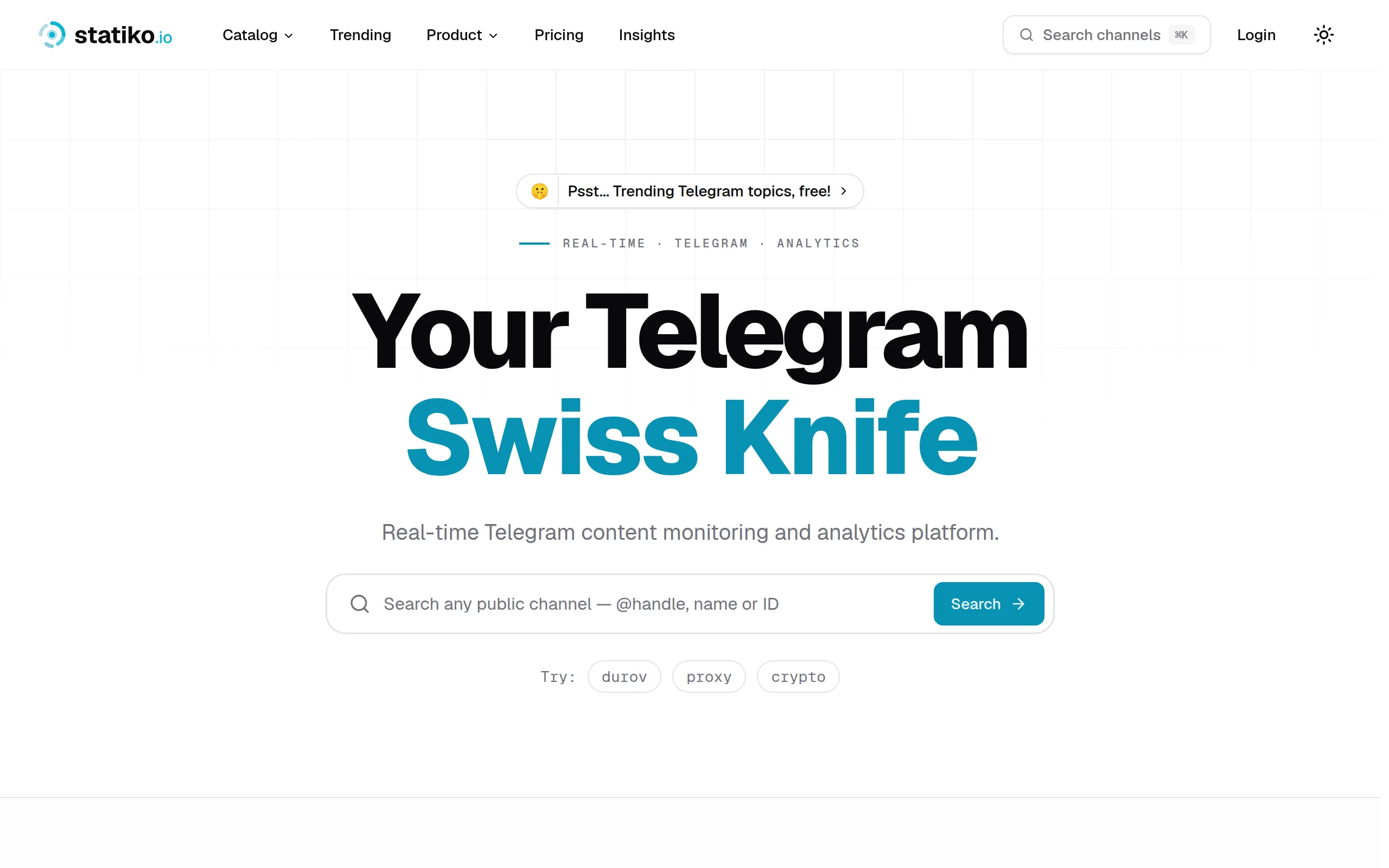
Statiko
Monitor any Telegram channel in real time - track posts, edits, deletions, and growth with AI recaps 📡

Shibui
AI website builder - describe your business, pick a niche template, edit by chatting, and publish instantly ✨

Pro Service
Find verified home service professionals, compare quotes, and pay securely through escrow - built for Brazilians across the US 🏠
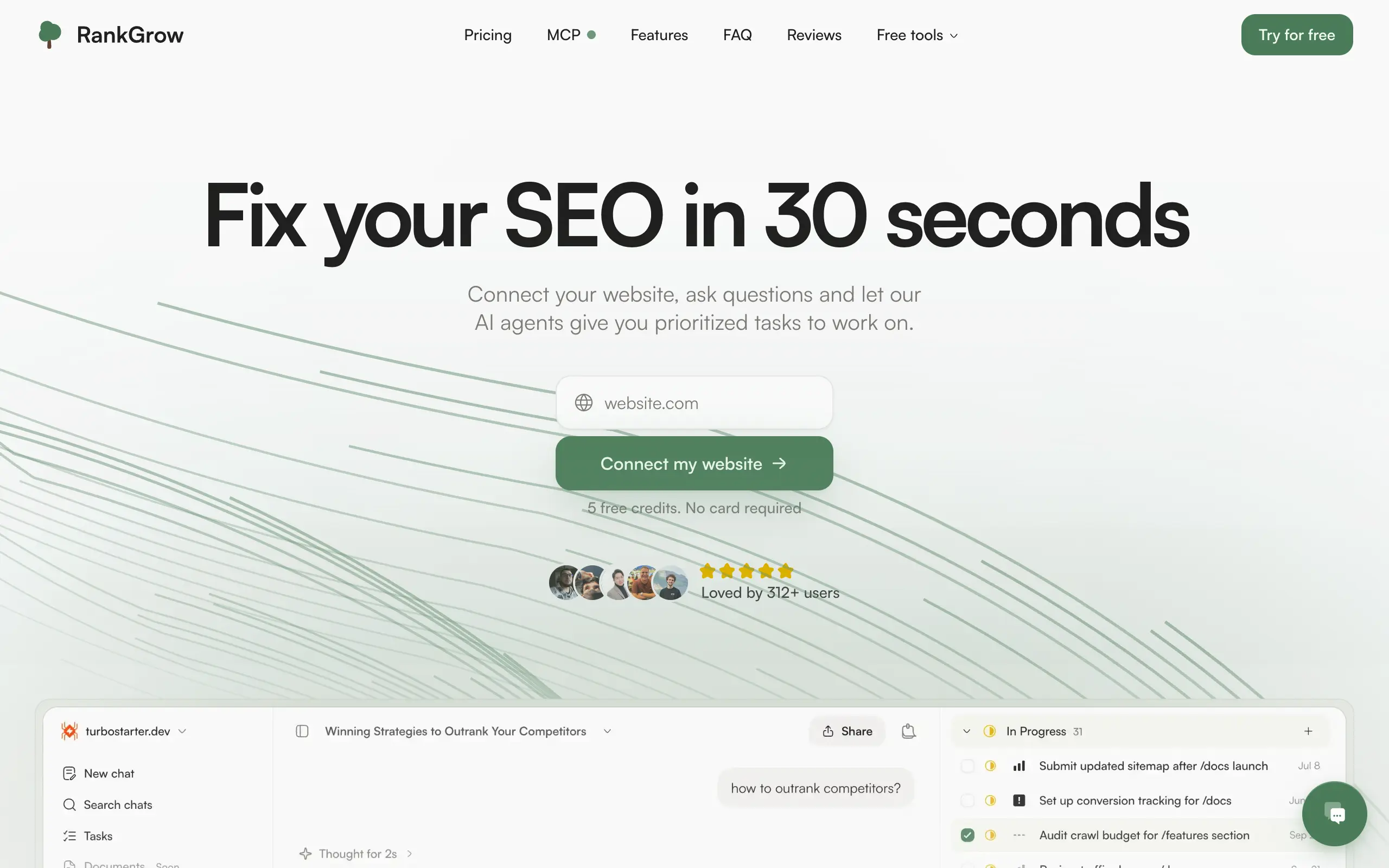
RankGrow
Fix your SEO with AI agents - connect Search Console, get prioritized tasks, and grow organic traffic 📈
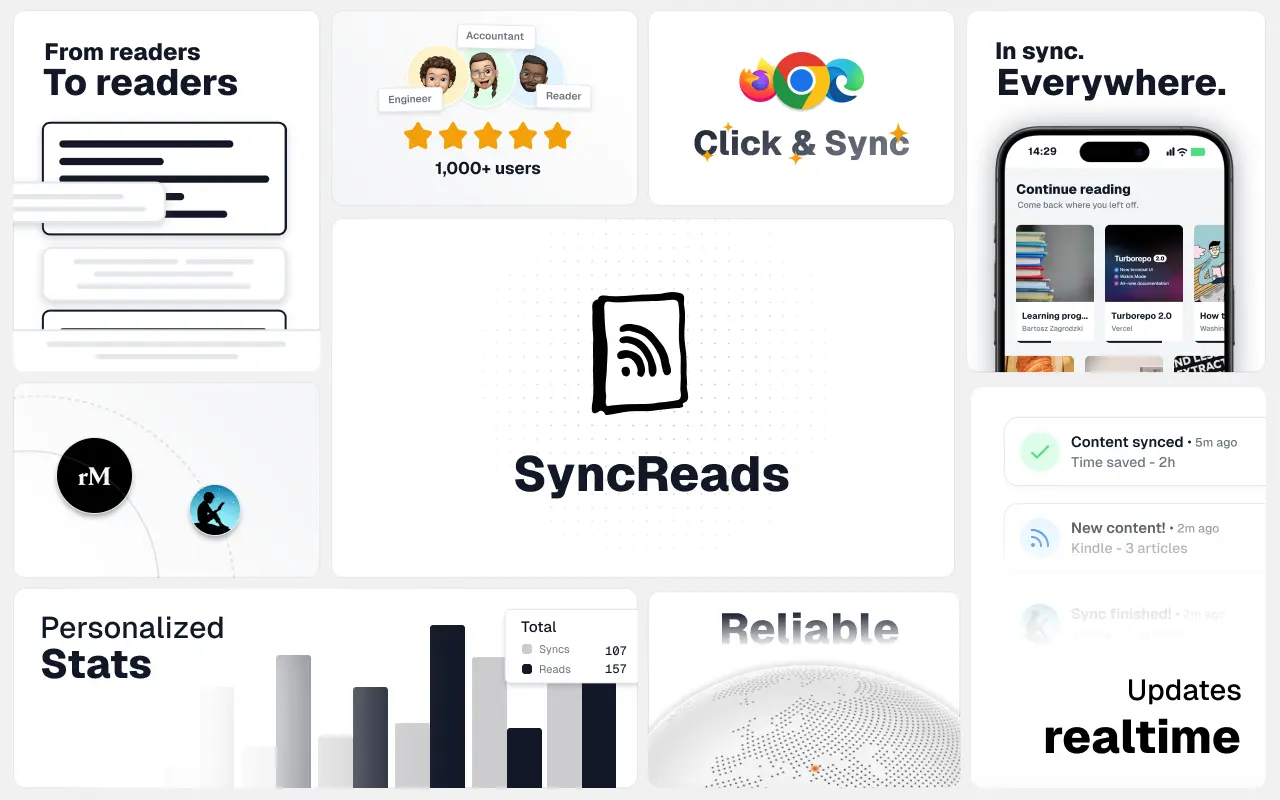
SyncReads
Sync your favorite content for distraction-free reading, save time and replace multiple apps. Anytime, anywhere 🔄
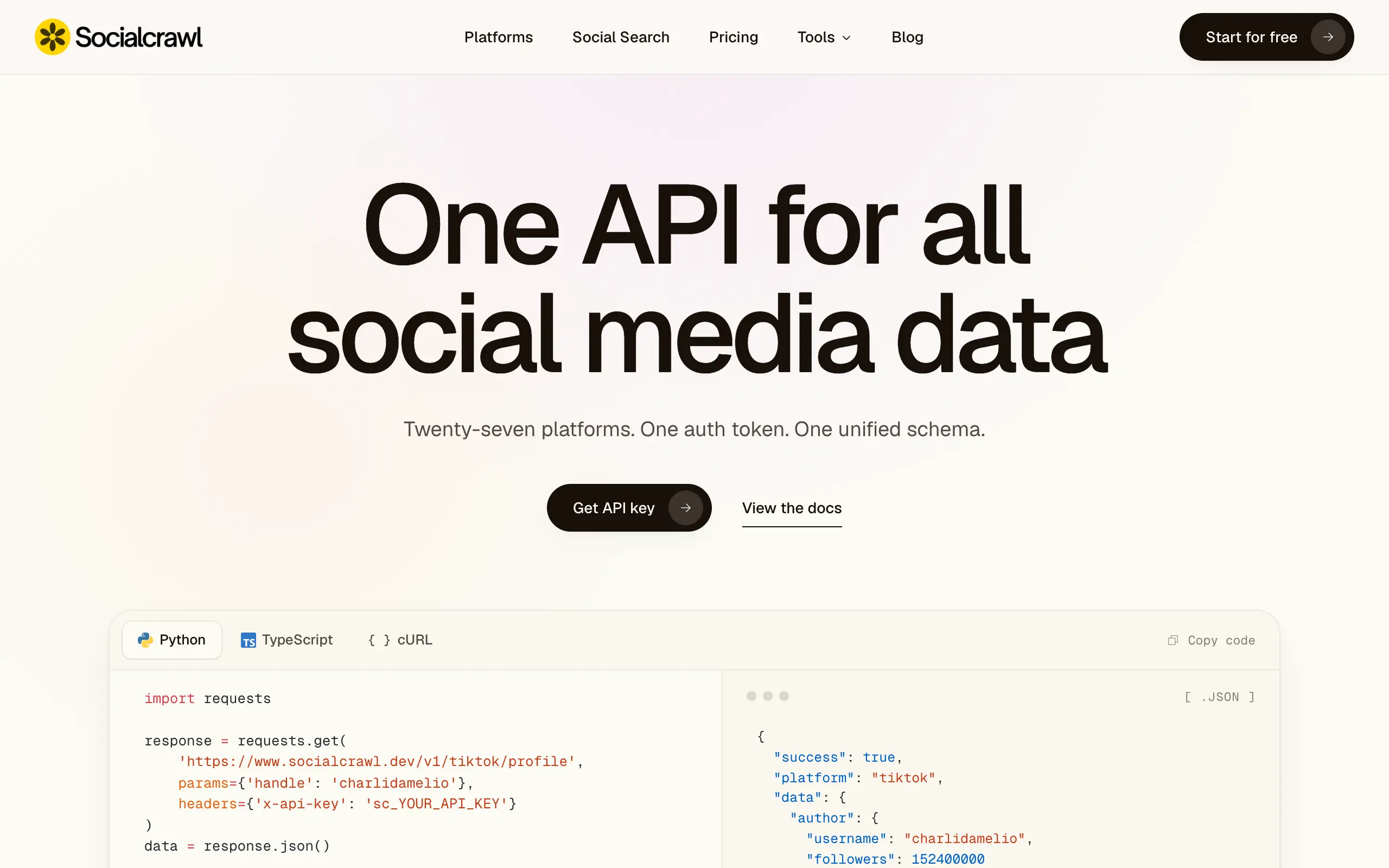
Socialcrawl
Get clean, structured data from 21 platforms like TikTok, Instagram, and YouTube with a single request 📊
Statiko
Monitor any Telegram channel in real time - track posts, edits, deletions, and growth with AI recaps 📡
Shibui
AI website builder - describe your business, pick a niche template, edit by chatting, and publish instantly ✨
Pro Service
Find verified home service professionals, compare quotes, and pay securely through escrow - built for Brazilians across the US 🏠
RankGrow
Fix your SEO with AI agents - connect Search Console, get prioritized tasks, and grow organic traffic 📈
SyncReads
Sync your favorite content for distraction-free reading, save time and replace multiple apps. Anytime, anywhere 🔄
Socialcrawl
Get clean, structured data from 21 platforms like TikTok, Instagram, and YouTube with a single request 📊
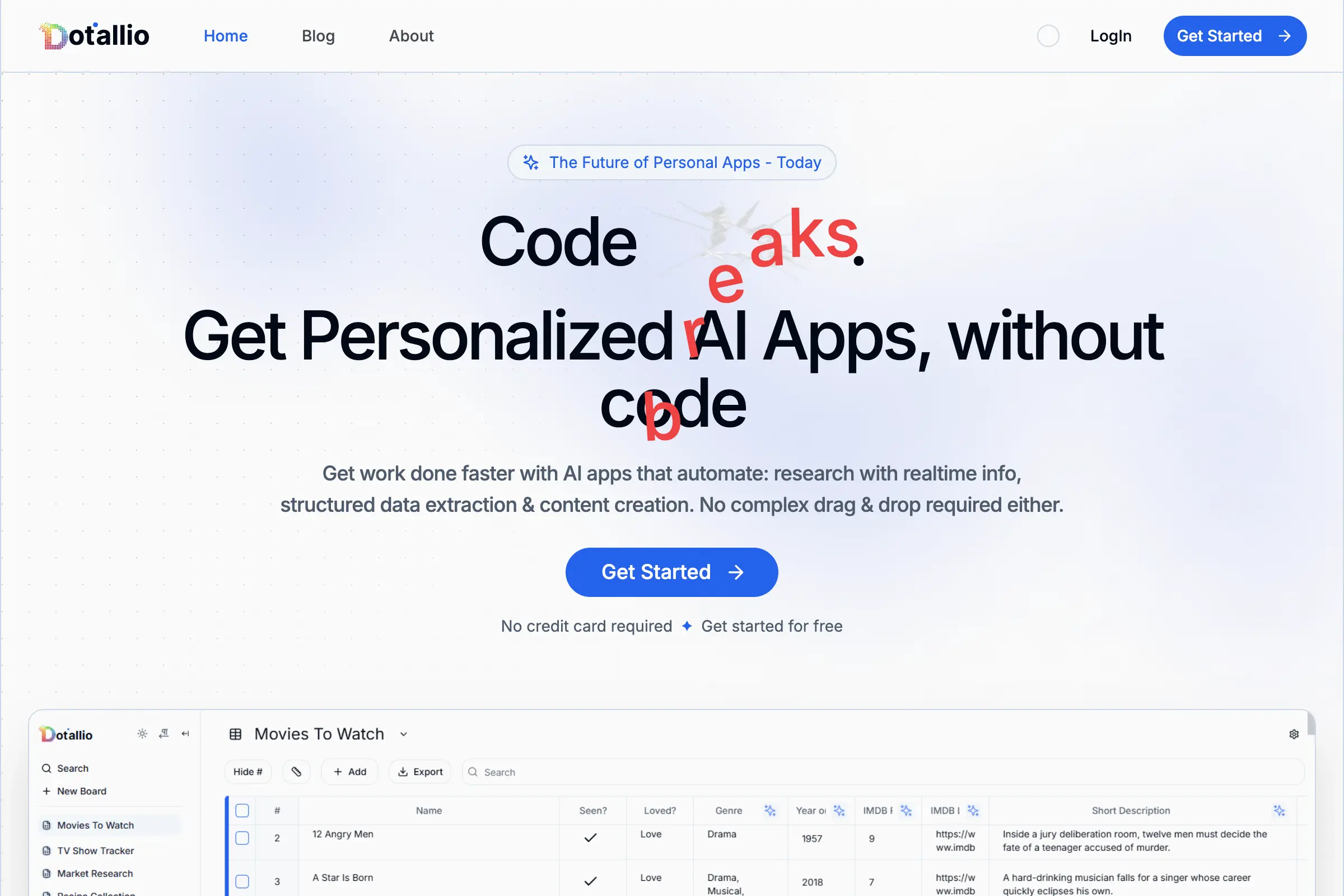
Dotallio
Personalized AI apps that automate research, data extraction, and content creation without code 🤖

Talk to Santa
Enjoy a magical live video chat or receive a unique AI-generated video greeting from Santa Claus 🎅
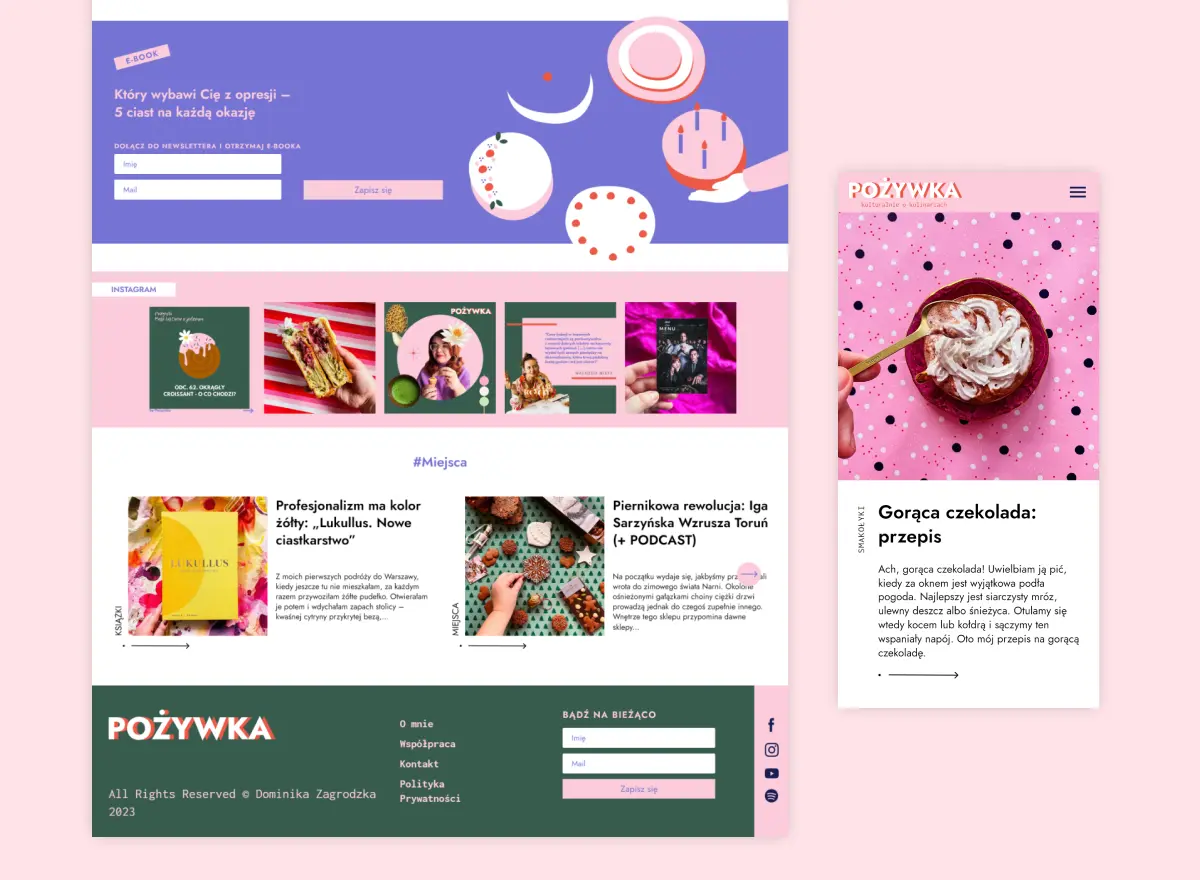
pozywka.pl
Scalable blog for food journalist, focused on performance and user experience 🌭
zagrodzki.me
Personal blog and portfolio of Bart Zagrodzki, where he shares his knowledge and work 💼
TurboStarter
Ship your startup everywhere. In minutes.
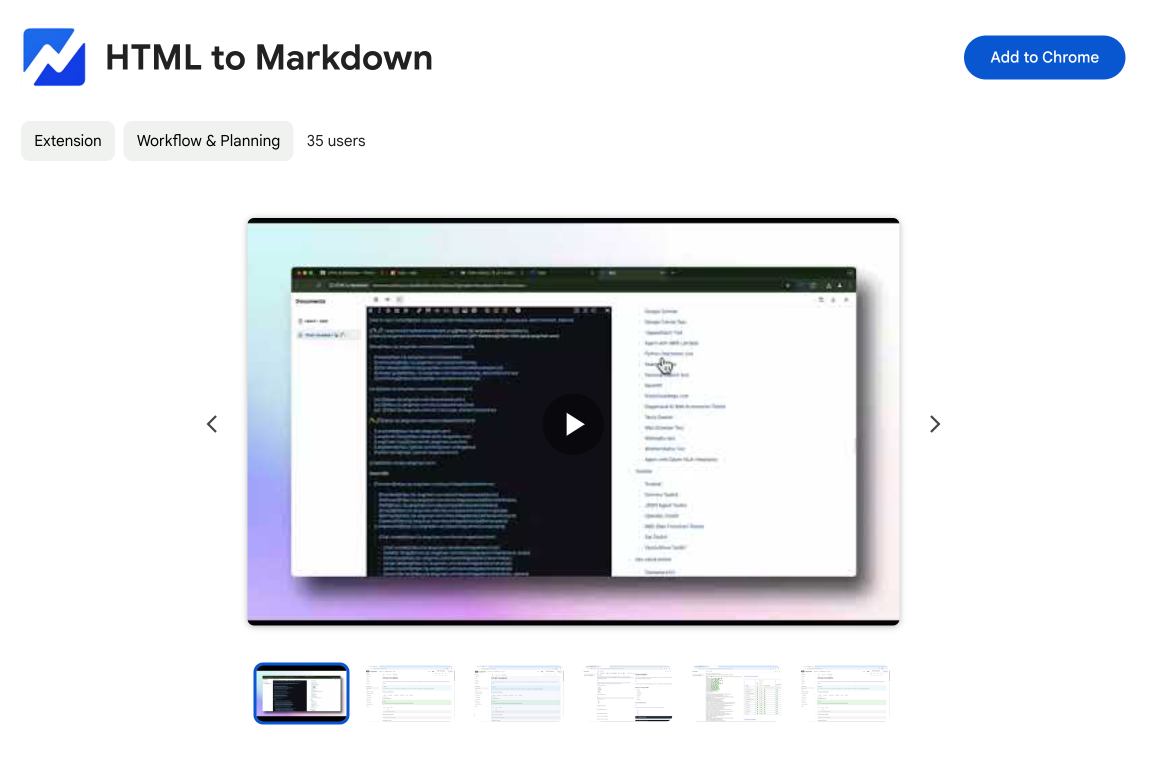
HTML to Markdown
Convert HTML to Markdown with ease, directly in your browser 📄
Dotallio
Personalized AI apps that automate research, data extraction, and content creation without code 🤖
Talk to Santa
Enjoy a magical live video chat or receive a unique AI-generated video greeting from Santa Claus 🎅
pozywka.pl
Scalable blog for food journalist, focused on performance and user experience 🌭
zagrodzki.me
Personal blog and portfolio of Bart Zagrodzki, where he shares his knowledge and work 💼
TurboStarter
Ship your startup everywhere. In minutes.
HTML to Markdown
Convert HTML to Markdown with ease, directly in your browser 📄
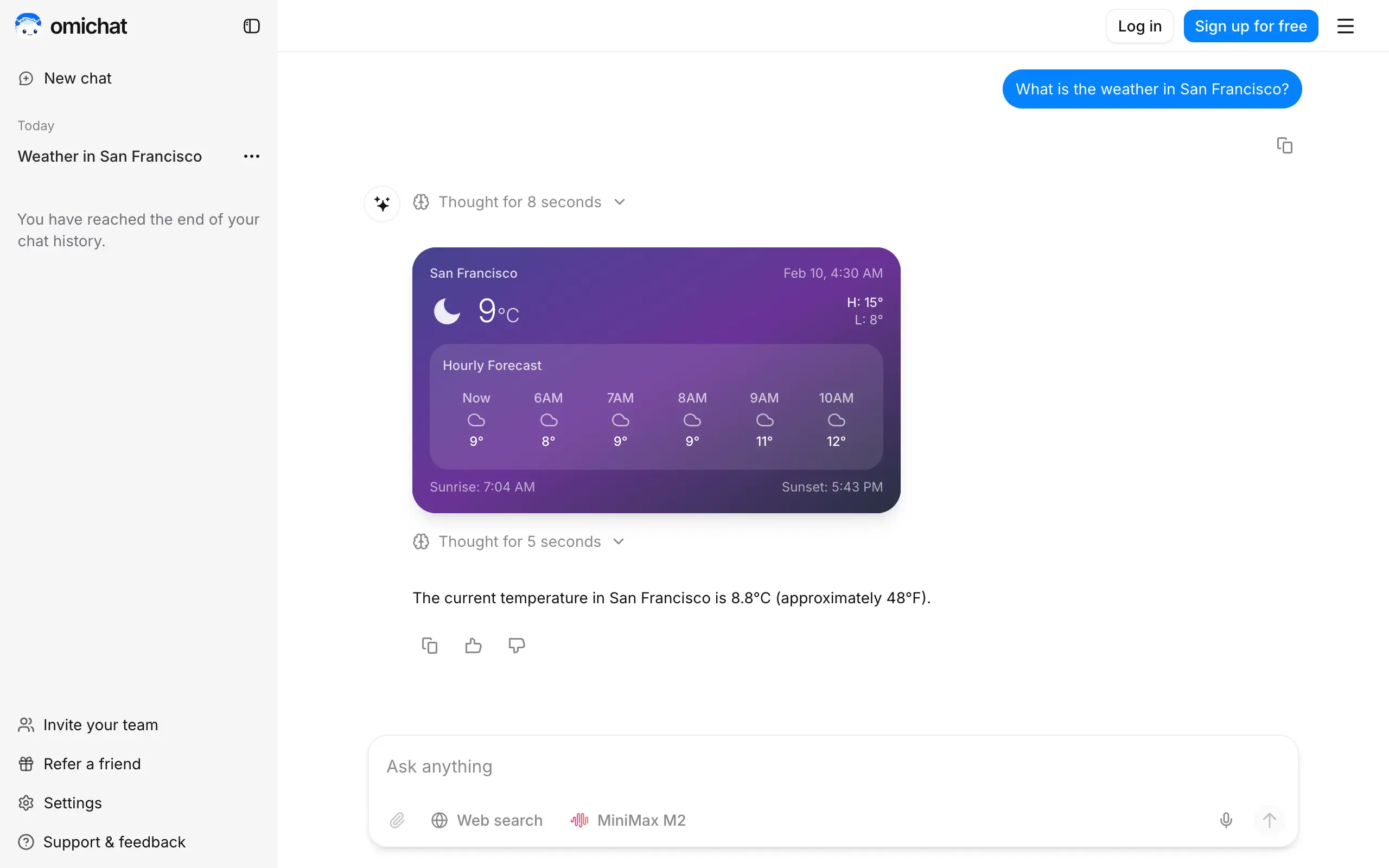
Omichat
Chat with 50+ AI models, including ChatGPT and Claude, in one place - switch models anytime without losing context 🤖
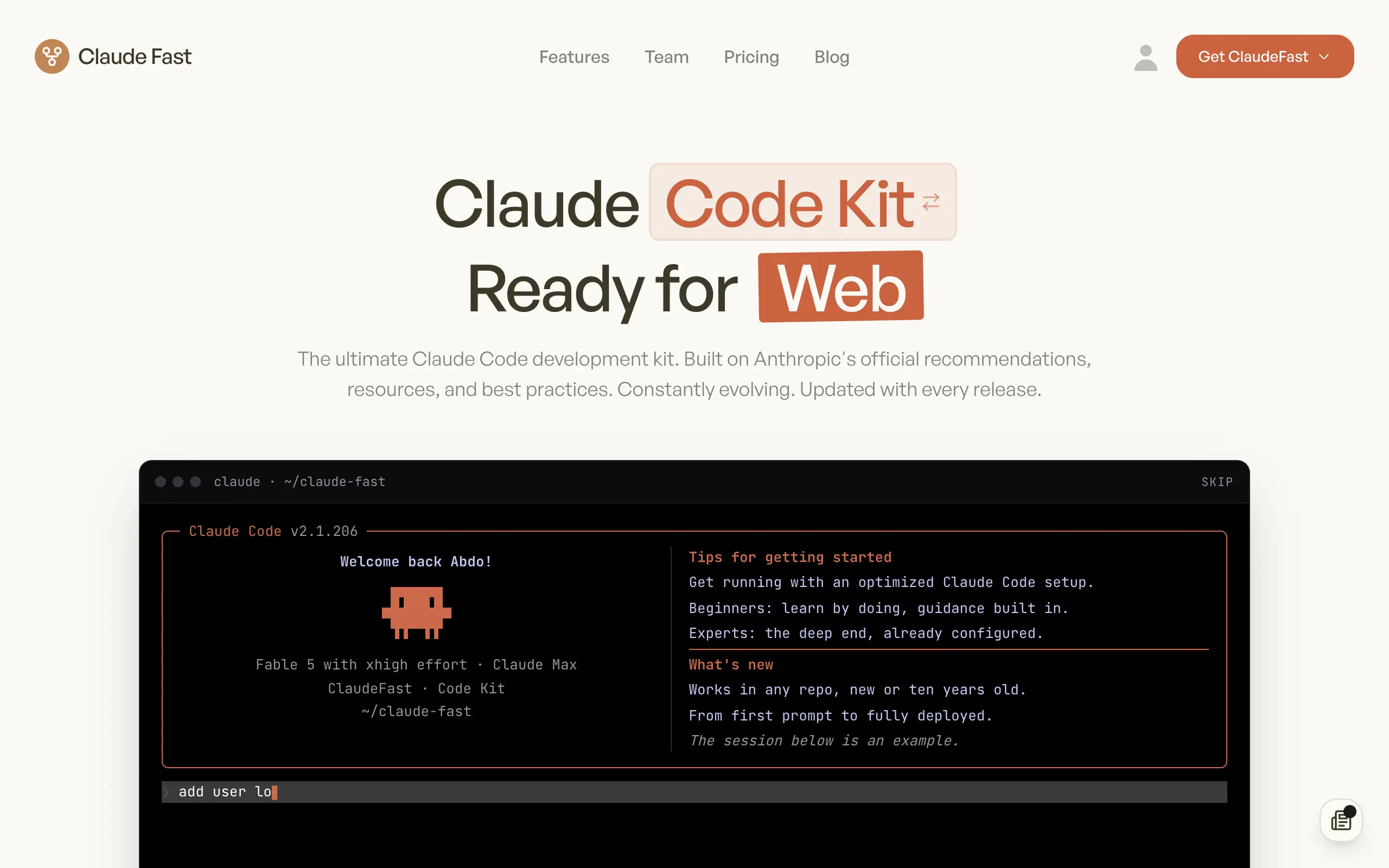
Claude Fast
Supercharge your Claude Code with 6x effective context window and specialized AI agents 🤖
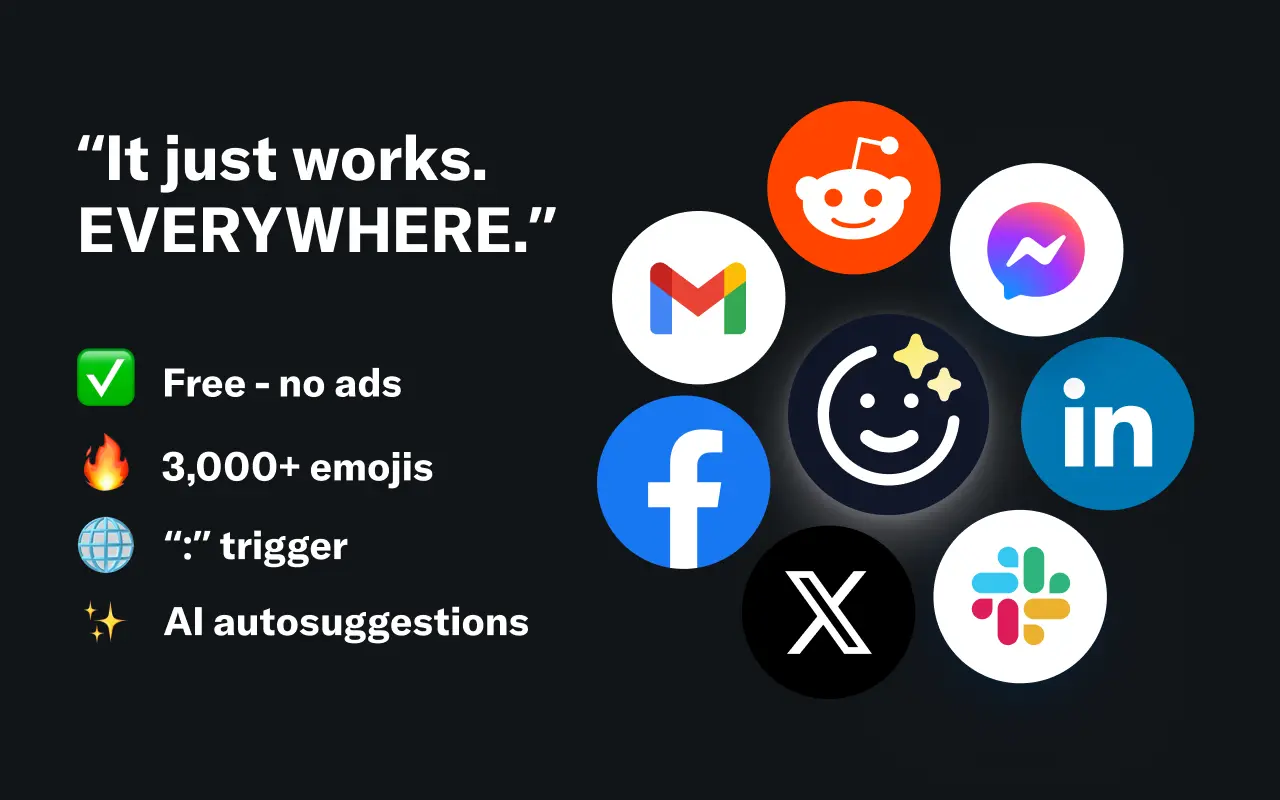
EmojAI
AI-powered emoji picker with smart, context-aware suggestions 🤖
Solohacker
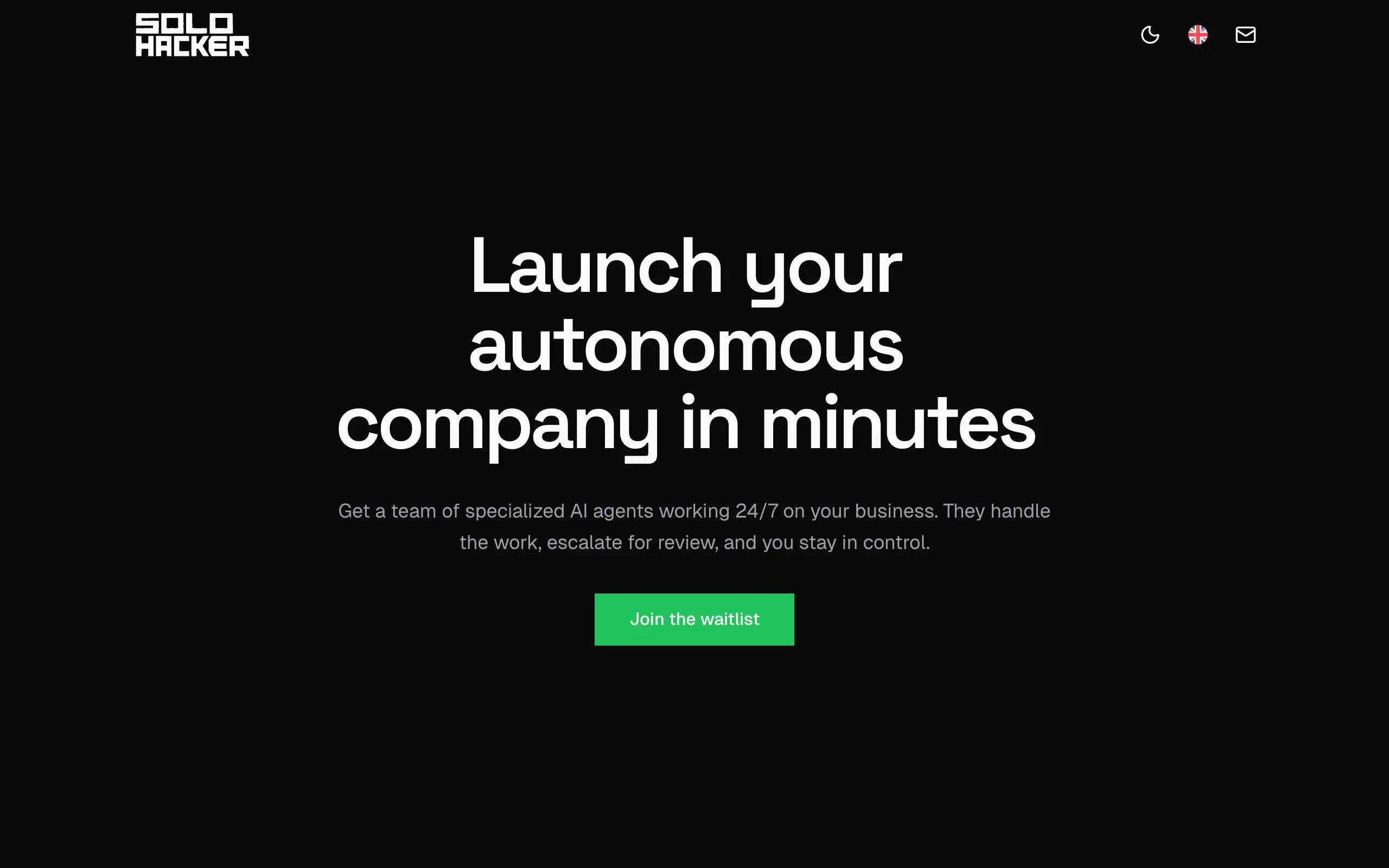
Autonomous company launcher - AI agents work 24/7, escalate what matters, and you stay in control 🤖

BeRawi: Storytelling Coach
Practice storytelling daily with instant feedback to sound clearer, more engaging, and confident 🎤
Omichat
Chat with 50+ AI models, including ChatGPT and Claude, in one place - switch models anytime without losing context 🤖
Claude Fast
Supercharge your Claude Code with 6x effective context window and specialized AI agents 🤖
EmojAI
AI-powered emoji picker with smart, context-aware suggestions 🤖
Solohacker
Autonomous company launcher - AI agents work 24/7, escalate what matters, and you stay in control 🤖
BeRawi: Storytelling Coach
Practice storytelling daily with instant feedback to sound clearer, more engaging, and confident 🎤

Connect with like-minded people
Join our community to get feedback, support, and grow together with 1,000+ builders on board, let's ship it!
Join usShip your startup everywhere. In minutes.
Don't burn tokens on setup and start building features on day one.