ScamSignal
Check suspicious phone numbers, emails, payment links, and marketplace messages for scam indicators. A trial scan pack converts into real-time family protection.
Why an AI scam detection app is a timely SaaS opportunity
Scams have evolved from obvious, poorly written emails into targeted, highly credible social-engineering attacks. Fraudsters now impersonate banks, delivery companies, employers, family members, government agencies, online marketplaces, and even customer support teams. They use phone calls, SMS, email, QR codes, payment links, messaging apps, and compromised social media accounts to create urgency and exploit trust.
That shift creates a strong market opportunity for ScamSignal, an AI scam detection app that helps people evaluate suspicious phone numbers, email addresses, payment links, and marketplace messages before they share information or send money.
The core product promise is simple:
Paste, forward, upload, or scan something suspicious, and ScamSignal explains whether it shows scam indicators, why it may be risky, and what the user should do next.
The opportunity is especially compelling because consumers do not need another generic internet safety article after they receive a suspicious message. They need an immediate, understandable decision-support tool at the exact moment of risk.
ScamSignal can turn a one-time “is this a scam?” search into recurring protection through real-time alerts, family monitoring, trusted-contact escalation, and scam education that adapts to the threats users actually encounter.
The central product insight
The strongest value proposition is not simply “AI detects scams.” It is “ScamSignal helps ordinary people make safer decisions when a message, caller, link, or buyer feels urgent and confusing.”
What ScamSignal should solve for users
ScamSignal should function as a practical fraud risk assessment layer for everyday digital communication. Instead of expecting users to understand domain reputation, caller spoofing, phishing signals, payment fraud patterns, or marketplace safety rules, the product translates complex signals into plain-language guidance.
A user might submit any of the following:
- A phone number that repeatedly calls but never leaves a voicemail
- An email claiming that a subscription payment failed
- A text message asking them to verify a delivery address
- A payment URL sent by a marketplace buyer or seller
- A screenshot of a WhatsApp, Telegram, Facebook Marketplace, or SMS conversation
- A job offer that requests identity documents or a processing fee
- A message from an apparent relative requesting emergency money
- A QR code posted in a public place or sent by an unknown account
The AI scam detection app should return an assessment that is specific enough to be useful without overstating certainty. Rather than saying “this is definitely a scam” in every ambiguous case, ScamSignal can provide a transparent risk classification:
- Low risk when available indicators are benign, while still advising users to verify independently for sensitive actions
- Caution recommended when evidence is incomplete or the communication includes unusual patterns
- High risk when the content matches established phishing, impersonation, payment fraud, or social-engineering tactics
- Urgent danger when a link, message, or caller behavior strongly resembles active credential theft, account takeover, or payment redirection
The result should explain the reasoning in non-technical language. For example, if a link is suspicious, the report may say that the domain is newly registered, visually resembles a known brand, uses a misleading subdomain, and requests payment or login details under time pressure.
That explanation is essential for trust. People are more likely to act on an alert when they understand the signal behind it.
Target audience for an AI scam detection app
ScamSignal should not try to serve every user with the same onboarding, messaging, or subscription offer. Scam exposure and purchasing motivations differ sharply across audiences.
Consumers who frequently transact online
This group includes people who shop online, use peer-to-peer marketplaces, sell used items, book rentals, trade collectibles, or interact with unknown buyers and sellers.
They commonly face:
- Fake payment confirmation messages
- Overpayment scams
- Requests to move a conversation off-platform
- Fake courier or delivery links
- “Buyer protection” links that steal payment details
- Fraudulent escrow services
- Advance-fee scams involving deposits or refunds
For this group, ScamSignal should emphasize marketplace message analysis, payment-link verification, screenshot scanning, and quick safety checklists before a transaction is completed.
Adults supporting parents and older relatives
Adult children are often the actual buyers of family security products. They worry about a parent or grandparent receiving a fake bank call, a romance scam message, a “grandchild emergency” request, or an email that appears to be from a government agency.
This audience wants prevention, not just post-incident analysis. Their highest-value features include:
- Shared family protection plans
- An easy “ask a trusted contact” option
- High-risk alerts for repeated scam attempts
- A simple mobile interface with large text and minimal jargon
- Fraud education tailored to common scam patterns
- A way to review alerts without invading a relative’s privacy
The family plan is one of ScamSignal’s most defensible monetization paths because the buyer is paying for reassurance, shared visibility, and reduced emotional burden.
Small business owners and independent professionals
Freelancers, creators, contractors, recruiters, property managers, and small online sellers often receive fraudulent invoices, fake client inquiries, business email compromise attempts, and impersonation messages.
Their risks may include:
- Fake invoice requests
- Spoofed supplier emails
- Payroll redirect scams
- Fraudulent job candidates
- “SEO service” or advertising scams
- Domain renewal notices
- Fake customer support messages
- Payment links presented as vendor portals
A future ScamSignal business tier can offer shared inbox scanning, webhook integrations, audit trails, domain monitoring, and team-level policies. However, the initial product should remain consumer-first unless the founding team has direct access to a small-business distribution channel.
Digitally confident users who need a second opinion
Even technically skilled people can fall for sophisticated fraud when they are rushed, emotionally manipulated, or dealing with an unfamiliar transaction. This audience may know how to inspect a URL but still want a fast, independent risk signal.
They will value:
- URL and domain analysis
- Reputation aggregation
- Detection of lookalike domains
- Detailed technical evidence
- Browser extension support
- API access in a premium plan
The product should offer an “explain in detail” view for this segment while keeping the default user experience simple.
| Audience | Primary concern | Most valuable feature | Best conversion trigger | Retention driver |
|---|---|---|---|---|
| Marketplace users | Payment and buyer fraud | Message and link scanner | High-risk transaction result | Saved scam history |
| Families | Protecting relatives | Family alerts and trusted contacts | Repeated scam attempts | Ongoing monitoring |
| Small businesses | Invoice and impersonation fraud | Email and URL analysis | Team security incident | Shared policies and audit logs |
| Power users | Verification confidence | Evidence-rich reports | Unknown domain analysis | Extension and API utility |
The market gap: scam prevention at the moment of decision
Existing scam prevention tools often fall into one of four categories:
- Security suites that focus on malware, antivirus, or identity monitoring
- Spam filters that block only a portion of unwanted calls and messages
- Crowd-sourced reputation websites with incomplete or hard-to-interpret reports
- Educational resources that explain scams after users have already encountered them
Each category provides some value, but none fully solves the in-the-moment decision problem.
A suspicious message creates a short window in which a user may click, reply, send money, share a one-time code, or disclose personal information. In that moment, they need a quick answer that is nuanced, actionable, and easy to understand.
ScamSignal’s market gap is the combination of:
- Multi-format analysis across phone numbers, emails, links, QR codes, and message screenshots
- Human-readable explanations instead of opaque risk scores
- Contextual scam pattern detection based on language, urgency, impersonation, and payment behavior
- Family protection workflows that support vulnerable users without making them feel incapable
- Ongoing monitoring that turns a trial utility into a trusted protection service
This position is stronger than building “another spam checker.” ScamSignal is a consumer fraud prevention assistant.
Why AI improves scam detection without replacing trusted verification
Modern language models are particularly useful for identifying social-engineering patterns. They can detect common fraud tactics in messages, including manufactured urgency, threats, unusual payment instructions, secretiveness, impersonation claims, requests for verification codes, and attempts to move a conversation to another channel.
However, AI alone should never be presented as infallible. The most reliable ScamSignal architecture combines AI interpretation with deterministic and reputation-based signals:
- Domain age and registration patterns
- URL redirect chain inspection
- HTTPS and certificate characteristics
- Known phishing or malware intelligence feeds
- Brand impersonation detection
- Phone-number reputation signals where legally and commercially available
- OCR extraction from screenshots
- Linguistic analysis of scam pressure tactics
- User reports with fraud-review safeguards
- First-party rules based on known scam signatures
The AI model’s role is to synthesize evidence and explain risk, not to invent certainty.
Avoid absolute promises
Do not market ScamSignal as a guarantee that users will never be scammed. Fraud evolves quickly, and false negatives are possible. Position the product as a decision-support and early-warning tool that helps users identify risk and verify safely.
Core ScamSignal features for a high-value MVP
The best MVP is not a fully autonomous fraud intelligence platform. It is a focused product that makes a fast, credible assessment across the most common scam surfaces.
Unified suspicious-content scanner
The primary workflow should be exceptionally simple:
- The user selects what they want to check.
- They paste text, enter a phone number, upload a screenshot, or scan a QR code.
- ScamSignal extracts relevant entities and analyzes risk.
- The user receives a verdict, explanation, evidence, and recommended next step.
The initial scan types should include:
- Phone number lookup
- Email address and email-content analysis
- URL and payment-link scanning
- SMS and messaging-app text analysis
- Screenshot upload with OCR
- QR code destination analysis
The interface should make it clear that users can redact private details before submission. This is important for trust, especially when messages include account numbers, addresses, health information, or business records.
Scam risk score with plain-language reasoning
A single numerical score is not enough. Users should receive a clear, layered result:
- Risk level such as low, moderate, high, or critical
- Confidence range based on the amount and quality of available evidence
- Key signals that explain why the item was flagged
- Recommended action such as do not click, contact the organization through an official channel, block and report, or pause the transaction
- Safe verification path that helps the user avoid responding to the suspicious sender
For example, a useful result could say:
High risk. This message uses a common parcel-delivery scam pattern. It creates urgency, asks for a small “redelivery fee,” and links to a domain that does not match the delivery company’s official website. Do not enter payment details. Find the carrier’s official website independently and use the tracking number there.
This explanation directly supports the user’s next decision.
Link and payment-page inspection
Payment-link fraud is a valuable wedge for ScamSignal because it is both common and emotionally urgent. Many users encounter suspicious checkout pages while buying event tickets, products, rentals, services, or secondhand goods.
A payment link scanner should evaluate:
- Final destination after redirects
- Domain similarity to known brands
- URL structure and suspicious parameters
- Domain reputation and age where available
- Presence of credential or payment collection forms
- Embedded brand names that do not match the site owner
- Known phishing indicators
- QR code destination URLs
- Whether a marketplace conversation contains off-platform payment pressure
The product should avoid collecting payment details itself. ScamSignal should analyze URLs and page characteristics, not ask the user to submit card numbers, bank credentials, or private authentication codes.
Marketplace conversation analyzer
Marketplace fraud has recognizable patterns that are well suited to AI-assisted analysis. Users can paste a chat transcript or upload a screenshot, and ScamSignal can identify indicators such as:
- Pressure to leave the marketplace platform
- Requests for deposits, gift cards, cryptocurrency, or wire transfers
- Fake courier or escrow claims
- Overpayment narratives
- Requests to send verification codes
- Suspiciously generic buyer messages
- Attempts to create urgency around a limited-time offer
- A refusal to use built-in platform payment tools
This feature creates a clear path for search-driven acquisition because users frequently search phrases such as “is this buyer a scammer,” “is this payment link safe,” and “Facebook Marketplace scam message checker.”
Phone and email reputation checks
Phone numbers and email addresses should be analyzed with an evidence-based approach. A bare phone number does not always reveal enough information, particularly because caller ID can be spoofed. ScamSignal should communicate that limitation clearly.
Useful phone and email signals include:
- Report frequency and recency
- Repeated association with similar scam narratives
- Email-domain mismatch with claimed organization
- Disposable email patterns
- Brand impersonation characteristics
- Public breach exposure checks where legally appropriate
- Geographic or carrier anomalies, if reliable data is available
- Community report trends subject to moderation
A high-quality result should distinguish between “reported as suspicious by other users” and “verified malicious behavior.” That distinction protects users from misleading crowd reports and protects ScamSignal from becoming a defamation risk.
Family safety dashboard
The trial scan pack can introduce users to ScamSignal, but family protection should create recurring value. A family plan may include:
- Up to five or more protected members
- Simple scan forwarding from mobile devices
- Optional high-risk alert notifications
- Trusted contacts for a second opinion
- A monthly scam exposure summary
- Personalized scam education prompts
- Shared emergency guidance after a suspected fraud event
- Privacy controls that let each person choose what is shared
The design must avoid turning family protection into surveillance. A better framing is “help is available when something feels suspicious,” not “someone is monitoring every message you receive.”
Fast scan
Check a message, phone number, email, URL, QR code, or screenshot in seconds.
Clear explanation
Show the specific signals behind a scam assessment in everyday language.
Safe next step
Tell users how to verify independently, block a sender, or report suspected fraud.
Family protection
Convert one-time scans into a recurring safety layer for the people users care about.
Competitive advantage for ScamSignal
ScamSignal’s USP is its ability to combine multi-channel scam detection, explainable AI, and family-focused protection in a product designed for ordinary people.
Many security tools are either too technical, too broad, or too reactive. ScamSignal should own the user experience between suspicion and action.
The defensible product advantages
The strongest competitive advantages can come from the following areas:
- Cross-channel context because scams rarely exist in one isolated format. A suspicious message may contain a phone number, a payment link, an email address, and an impersonated brand.
- Explainable results because users need reasons, not just a red or green indicator.
- High-intent utility because a scan tool addresses immediate user need and can acquire users through search, app-store discovery, and shareable reports.
- Family subscription design because ongoing protection solves a recurring emotional and practical problem.
- Proprietary feedback loops because anonymized user submissions, reviewed reports, and outcome feedback can improve scam-pattern detection over time.
- Localized scam intelligence because fraud language, payment methods, brands, and impersonation techniques vary by country and region.
The moat will not be “we use AI.” AI models and APIs are accessible to competitors. The moat is a trusted product workflow, high-quality risk evaluation, safety-focused UX, a well-governed data set, and retention through family protection.
Recommended tech stack for ScamSignal
The product needs a stack that supports rapid iteration, secure data handling, asynchronous analysis jobs, and strong observability. A modern TypeScript architecture is a sensible choice for the first version.
Frontend and application framework
Use Next.js with React and TypeScript for the web application. Next.js supports server-side rendering for SEO landing pages, secure server-side actions, route handlers, and a fast path to a polished SaaS dashboard.
For the user interface, combine Tailwind CSS with an accessible component system. The design should prioritize large touch targets, readable risk summaries, and calm visual hierarchy. Scam safety products should not use alarming design patterns that make users more anxious.
For mobile access, begin with a responsive web app and progressive web app capabilities. A native app can follow once retention data proves that push notifications, QR scanning, and share-sheet integrations materially improve engagement.
Backend, database, and authentication
A practical initial architecture includes:
- PostgreSQL for users, scan history, subscriptions, reporting data, and audit records
- Prisma for type-safe database access and migrations
- Auth.js for authentication, depending on product requirements
- Stripe for subscriptions, trial packs, invoices, and customer billing management
- Vercel or a comparable managed platform for deployment and edge delivery
- Object storage for encrypted screenshot uploads and scan artifacts
- A queue system for OCR, link crawling, enrichment, and AI analysis jobs
For founders who want to move quickly without rebuilding billing, authentication, teams, dashboards, and SaaS foundations from scratch, TurboStarter can reduce implementation time and provide a production-oriented starting point.
AI, OCR, and threat intelligence layer
The analysis pipeline should be modular. Different scan types require different evidence sources, and no single model should own the final decision.
A recommended workflow is:
type ScanResult = {
  riskLevel: "low" | "moderate" | "high" | "critical";
  confidence: number;
  signals: string[];
  explanation: string;
  recommendedActions: string[];
};

async function analyzeSuspiciousContent(input: string): Promise<ScanResult> {
  const entities = await extractEntities(input);
  const reputationSignals = await lookupReputation(entities);
  const urlSignals = await inspectUrls(entities.urls);
  const languageSignals = await classifySocialEngineering(input);

  return combineSignals({
    reputationSignals,
    urlSignals,
    languageSignals,
  });
}
The production implementation should include more than a simple AI prompt. It should use structured outputs, entity extraction, validation rules, confidence scoring, source attribution, rate limits, and safe fallbacks.
Potential services and components include:
- OCR for screenshots and image-based messages
- URL parsing and redirect resolution in a sandboxed environment
- Domain and certificate metadata lookups
- Brand similarity detection
- Content classification models for social-engineering tactics
- Malware and phishing intelligence providers
- An internal rules engine for known high-risk patterns
- Human review tooling for disputed community reports
Tech stack trade-offs to consider
For a fast MVP, use managed services, a hosted database, a third-party AI API, and a curated reputation provider. This reduces build time and lets the team validate whether users trust the results enough to pay.
The trade-off is vendor dependency and potentially higher per-scan costs.
For security-first scale, isolate analysis workers, encrypt sensitive scan inputs, use strict retention rules, build internal signal aggregation, and maintain detailed audit logs.
The trade-off is more infrastructure complexity and slower early shipping.
For a native mobile path, use a responsive web app first, then introduce iOS and Android applications after validating repeated scan behavior. Native apps improve camera scanning, notifications, contact workflows, and share-sheet access.
The trade-off is higher product and release-management overhead.
Monetization strategy for ScamSignal
A blended freemium and subscription model fits ScamSignal well because the product has both immediate utility and ongoing protection value.
Free trial scan pack
The entry offer should allow users to experience the product in a real moment of concern. Options include:
- Three to five free scans during onboarding
- A free link or message scan with a limited explanation
- One free screenshot scan
- A free “scam risk report” that unlocks detailed guidance after account creation
- A referral-based scan credit program
The goal is not to maximize free usage indefinitely. The goal is to establish trust at the moment a user feels vulnerable.
Individual subscription
An individual plan can include unlimited or high-volume scans, saved scan history, enhanced link analysis, scam trend alerts, and prioritized support.
A reasonable pricing hypothesis might be a low monthly price or discounted annual plan. Pricing should be tested by geography and audience, but the product must feel affordable enough for consumers while covering AI, enrichment, and support costs.
Family protection plan
The family plan should be the primary premium tier. It can include multiple household members, shared trusted contacts, high-risk alerts, and guided recovery resources.
This is likely to outperform an individual-only model because the emotional value is clearer:
“Help protect the people in your family who are most likely to receive a convincing scam.”
Small business and professional plan
Once the consumer product has a strong detection system, ScamSignal can introduce professional features:
- Shared team workspace
- Business email scanning
- Shared reporting queue
- Team permissions
- Exportable incident reports
- API or webhook access
- Security policy templates
- Enhanced retention and audit controls
Avoid adding this tier too early unless early users consistently request it. Consumer and business buyers have different trust requirements, support expectations, and sales cycles.
Additional revenue opportunities
Potential secondary monetization paths include:
- White-label scam-checking tools for community organizations
- API access for marketplaces, financial educators, or support teams
- Referral partnerships with identity protection or cybersecurity providers
- Scam awareness workshops for employers or retirement communities
- Premium fraud recovery guidance, delivered carefully and ethically
Do not monetize through intrusive advertising, lead sales, or data resale. Those models are especially damaging for a trust-based security product.
Privacy, compliance, and trust risks
A scam detection SaaS processes potentially sensitive information. Users may submit private conversations, account notices, purchase records, phone numbers, email addresses, and payment-related links. Trust and data minimization must be product requirements, not a legal afterthought.
Data privacy risks
Users may accidentally upload sensitive data that is unnecessary for analysis. Mitigation should include:
- Clear pre-upload guidance to redact passwords, PINs, full card numbers, and one-time codes
- Automatic detection and masking of likely sensitive values
- Encryption in transit and at rest
- Configurable scan-history retention periods
- A prominent delete-scan option
- Separate consent for product improvement or model training
- Strict internal access controls and audit logs
- Clear privacy documentation written in plain language
False positives and reputational harm
A legitimate small business, individual seller, or phone number could be incorrectly flagged. That creates legal, ethical, and trust risks.
Mitigations include:
- Using calibrated language such as “shows risk indicators” rather than declaring guilt
- Separating verified threat data from unverified community reports
- Providing report-dispute workflows
- Requiring evidence and moderation for public reputation claims
- Maintaining a human review path for high-impact disputes
- Logging the sources and model rationale that informed a result
False negatives and user overreliance
A user may assume that a low-risk result means a transaction is guaranteed safe. Product copy must explain that ScamSignal identifies indicators based on available evidence, not certainty.
Every result should include situational guidance. For example:
- Never share verification codes
- Avoid off-platform payments when a marketplace provides built-in payment protection
- Call organizations using contact details found independently
- Pause when a person demands secrecy or urgency
- Use payment methods with appropriate buyer protection when possible
Threat intelligence and infrastructure security
Scanning links can be risky in itself. ScamSignal should never open suspicious URLs in an ordinary application environment.
Use sandboxed workers, controlled network egress, timeouts, URL validation, content-type restrictions, and malware-safe inspection methods. The platform should also include abuse controls to prevent attackers from using the service to probe detection logic at scale.
Not by default. Public accusation systems create significant defamation, moderation, and manipulation risks. A safer initial approach is private risk analysis for the submitting user, combined with carefully governed, evidence-based threat intelligence.
It can evaluate available reputation and behavioral signals, but caller ID spoofing means a displayed number cannot always prove who actually called. The product should explain this limitation and recommend independent verification for sensitive calls.
Provide immediate containment steps, including blocking the sender, contacting the financial institution through official channels, changing compromised passwords, preserving evidence, and reporting the incident to appropriate local authorities or platform providers.
SEO strategy for ScamSignal content growth
ScamSignal can attract high-intent organic traffic because scam-related searches often occur immediately before or after a user encounters suspicious content. The site should not rely only on broad keywords such as “scam checker.” It should build topic clusters around specific scam scenarios.
High-intent content opportunities include:
- Is this payment link safe?
- How to check if a text message is a scam
- How to identify a fake delivery text
- How to tell if a marketplace buyer is a scammer
- What to do if someone asks for a verification code
- How to spot a fake bank fraud alert
- Is this QR code safe to scan?
- How to verify a suspicious email address
- Signs of a romance scam
- How to report an online scam
Each educational page should provide a genuinely useful answer, a scenario-specific checklist, and a relevant ScamSignal scan workflow. Avoid thin pages designed only to rank for individual phone numbers or email addresses. Those pages can create low-quality content, privacy issues, and reputational risk.
A stronger long-term approach is to publish expert resources informed by real, anonymized scam patterns. When citing fraud-loss statistics, consumer complaint trends, or annual phishing data, reference primary reports from respected bodies such as national consumer protection agencies, cybersecurity organizations, financial regulators, or established research firms. Use dated citations and update them regularly.
Actionable implementation plan
The fastest route to validation is to launch a narrow, trustworthy product rather than attempting to cover every fraud category at once.
Define the initial wedge around suspicious messages, payment links, and marketplace conversations. These are high-intent use cases where users can quickly understand the value of a scan.
Interview at least 20 potential users across marketplace sellers, adult children supporting parents, and people who have recently experienced a scam attempt. Ask for real examples, decision points, and the language they use to describe uncertainty.
Build the first scan flow with pasted text, URL analysis, screenshot upload, OCR extraction, risk classification, evidence explanations, and recommended safety actions.
Create a structured detection pipeline that combines rules, reputation data, URL inspection, and AI analysis. Store evidence separately from the final user-facing explanation.
Add a limited free scan pack, email capture, and a clear upgrade path to individual or family protection. Measure scan-to-account, account-to-paid, and repeat-scan behavior.
Launch educational SEO pages for the first three to five high-intent scam categories. Each page should answer the question fully before introducing the product.
Introduce family features only after validating that users return for repeat scans and that buyers are willing to pay for protection beyond their own usage.
Metrics that determine whether the idea is working
Focus on behavioral evidence rather than vanity metrics.
Key early metrics include:
- Percentage of visitors who start a scan
- Scan completion rate
- Time to result
- Percentage of users who say the explanation was helpful
- Repeat scans per user over 30 days
- Free scan pack conversion rate
- Family-plan attachment rate
- False-positive dispute rate
- Scan result confidence distribution
- Cost per scan and gross margin by scan type
- Percentage of high-risk users who follow recommended safety actions
A particularly important metric is trusted repeat usage. If users return to ScamSignal whenever they encounter a suspicious message, the product is becoming a habit rather than a one-time novelty.
Final assessment: why ScamSignal can win
ScamSignal addresses a painful and growing consumer problem with a product experience people can understand immediately. Its strongest position is not as a generic cybersecurity platform, but as an accessible AI scam detection app that helps users pause, assess risk, and act safely.
The initial product should focus on the highest-frequency, highest-anxiety scenarios: suspicious messages, payment links, marketplace conversations, emails, phone numbers, and QR codes. Every result should be explainable, calibrated, and paired with a safe next action.
The long-term business model is strengthened by family protection. A user may arrive because of one suspicious text, but stay because they want a reliable safety net for themselves and the people they care about.
The winning version of ScamSignal will combine strong threat signals with careful product language, privacy-first design, transparent uncertainty, and a calm user experience. In a market full of fear-based security messaging, that combination can become a meaningful competitive advantage.
More 🤖 AI Startup SaaS ideas
Discover more innovative ai startup SaaS ideas that are trending in 2026. Each idea is AI-generated with market validation and growth potential to help you find your next profitable venture faster than competitors.
Your competitors are building with TurboStarter
Below are some of the SaaS ideas that have been generated and built with our starter kit.
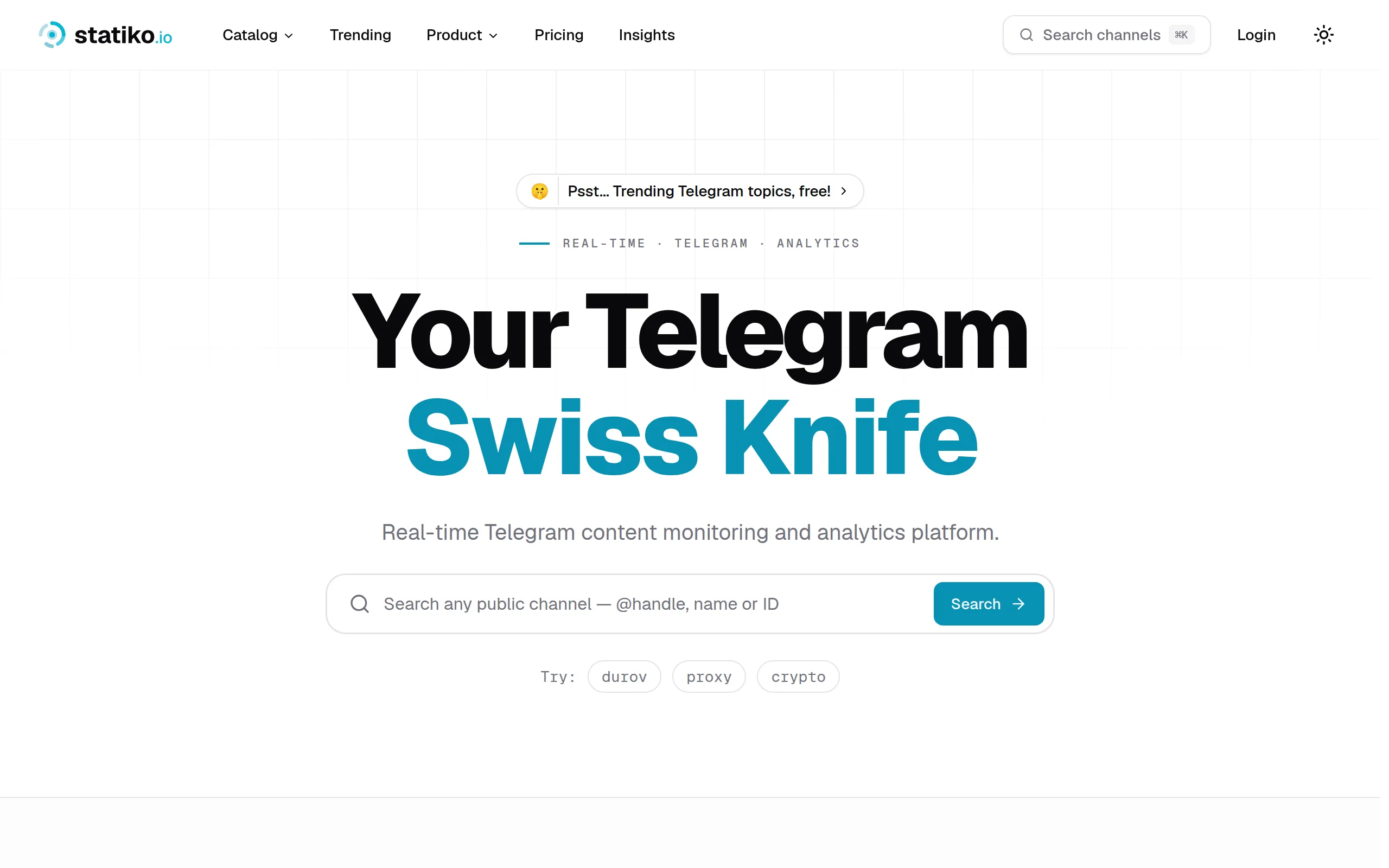
Statiko
Monitor any Telegram channel in real time - track posts, edits, deletions, and growth with AI recaps 📡

Shibui
AI website builder - describe your business, pick a niche template, edit by chatting, and publish instantly ✨

Pro Service
Find verified home service professionals, compare quotes, and pay securely through escrow - built for Brazilians across the US 🏠
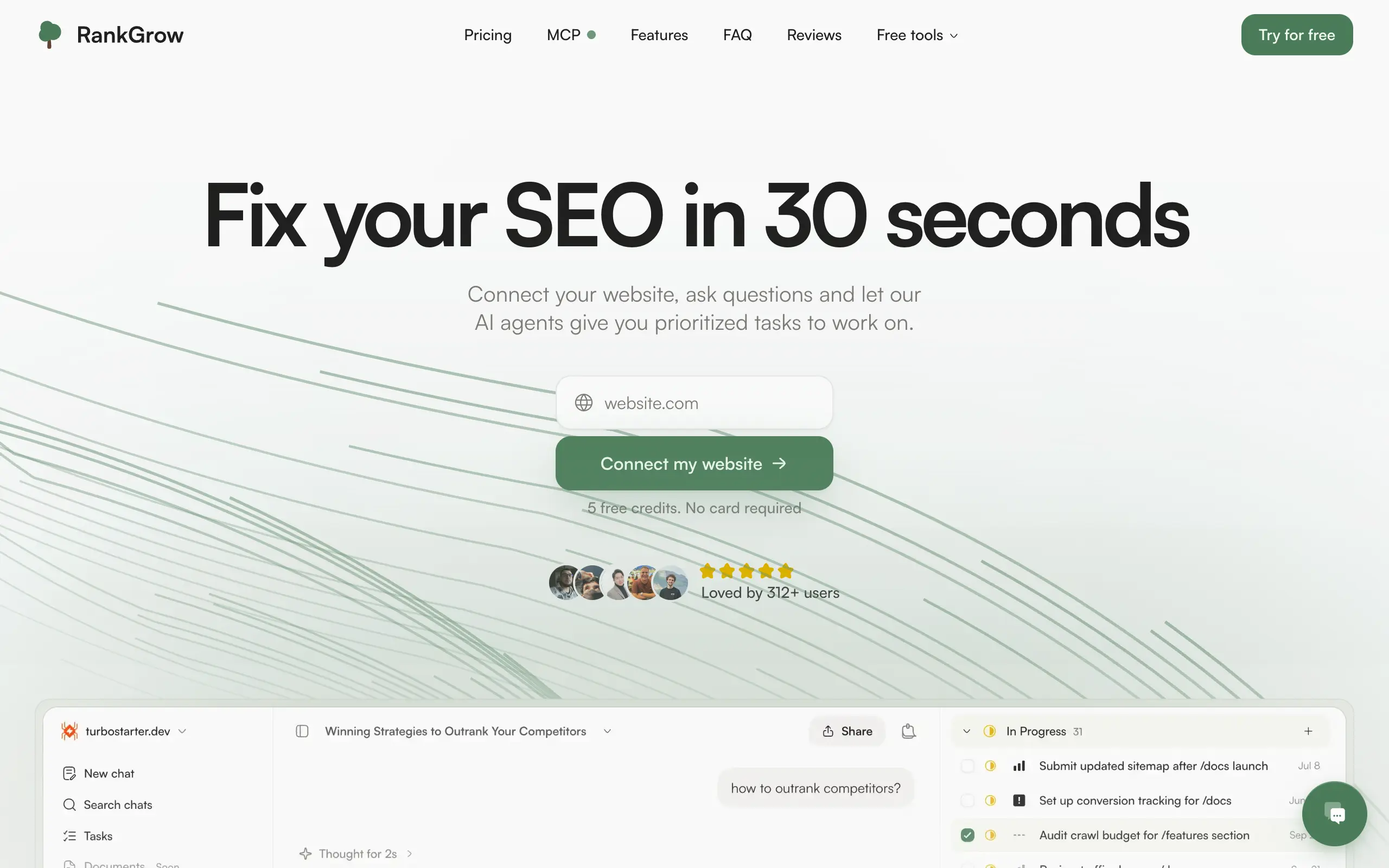
RankGrow
Fix your SEO with AI agents - connect Search Console, get prioritized tasks, and grow organic traffic 📈
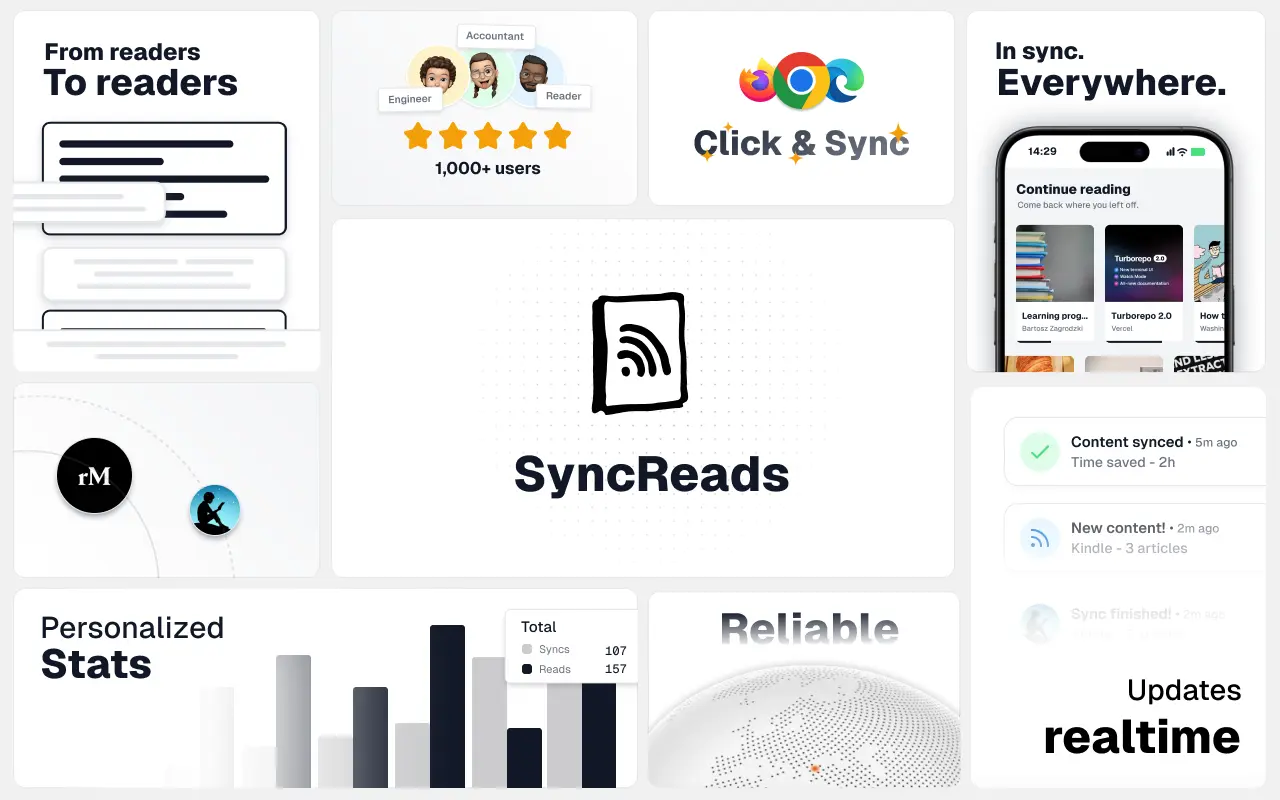
SyncReads
Sync your favorite content for distraction-free reading, save time and replace multiple apps. Anytime, anywhere 🔄
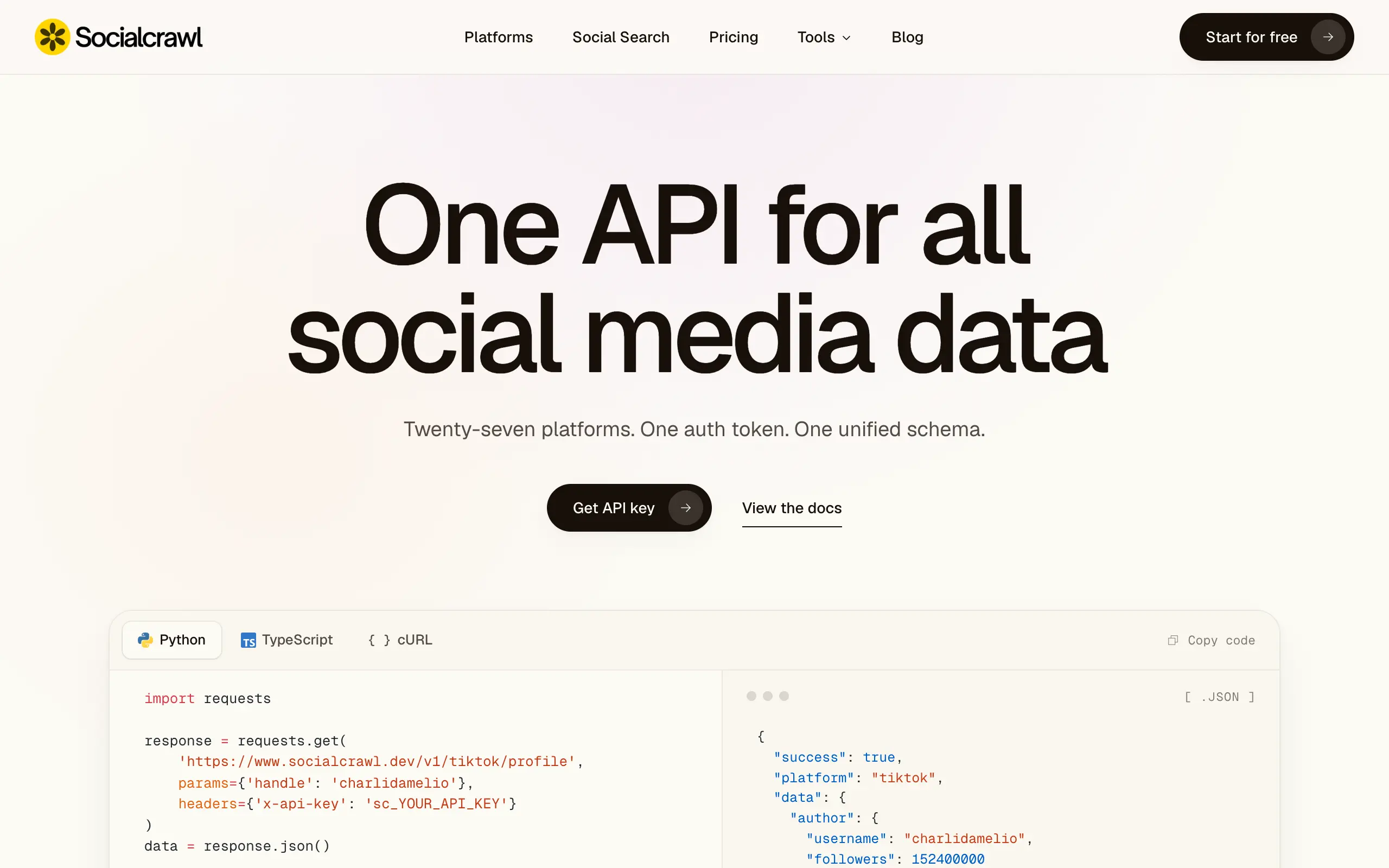
Socialcrawl
Get clean, structured data from 21 platforms like TikTok, Instagram, and YouTube with a single request 📊
Statiko
Monitor any Telegram channel in real time - track posts, edits, deletions, and growth with AI recaps 📡
Shibui
AI website builder - describe your business, pick a niche template, edit by chatting, and publish instantly ✨
Pro Service
Find verified home service professionals, compare quotes, and pay securely through escrow - built for Brazilians across the US 🏠
RankGrow
Fix your SEO with AI agents - connect Search Console, get prioritized tasks, and grow organic traffic 📈
SyncReads
Sync your favorite content for distraction-free reading, save time and replace multiple apps. Anytime, anywhere 🔄
Socialcrawl
Get clean, structured data from 21 platforms like TikTok, Instagram, and YouTube with a single request 📊
Statiko
Monitor any Telegram channel in real time - track posts, edits, deletions, and growth with AI recaps 📡
Shibui
AI website builder - describe your business, pick a niche template, edit by chatting, and publish instantly ✨
Pro Service
Find verified home service professionals, compare quotes, and pay securely through escrow - built for Brazilians across the US 🏠
RankGrow
Fix your SEO with AI agents - connect Search Console, get prioritized tasks, and grow organic traffic 📈
SyncReads
Sync your favorite content for distraction-free reading, save time and replace multiple apps. Anytime, anywhere 🔄
Socialcrawl
Get clean, structured data from 21 platforms like TikTok, Instagram, and YouTube with a single request 📊
Statiko
Monitor any Telegram channel in real time - track posts, edits, deletions, and growth with AI recaps 📡
Shibui
AI website builder - describe your business, pick a niche template, edit by chatting, and publish instantly ✨
Pro Service
Find verified home service professionals, compare quotes, and pay securely through escrow - built for Brazilians across the US 🏠
RankGrow
Fix your SEO with AI agents - connect Search Console, get prioritized tasks, and grow organic traffic 📈
SyncReads
Sync your favorite content for distraction-free reading, save time and replace multiple apps. Anytime, anywhere 🔄
Socialcrawl
Get clean, structured data from 21 platforms like TikTok, Instagram, and YouTube with a single request 📊
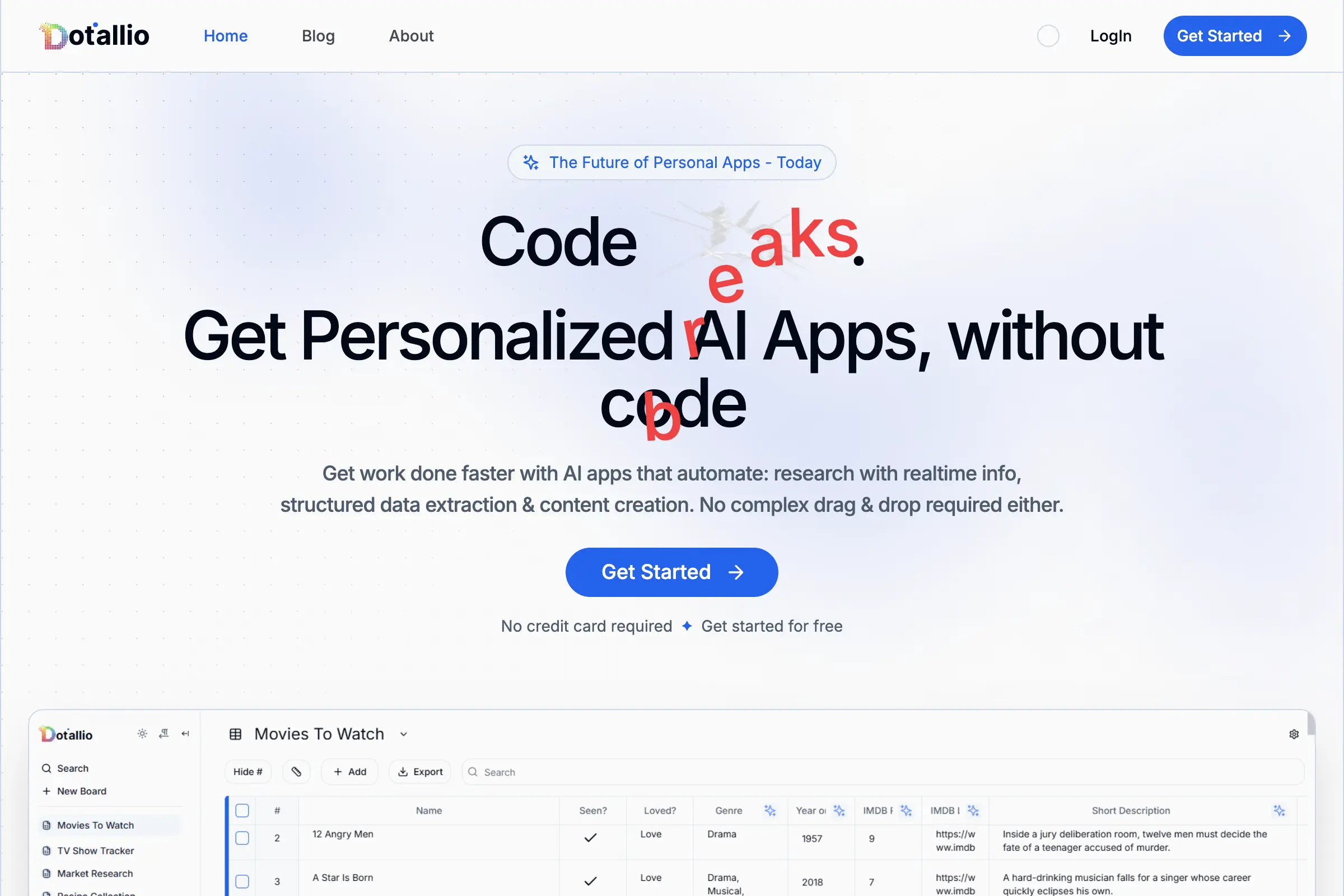
Dotallio
Personalized AI apps that automate research, data extraction, and content creation without code 🤖
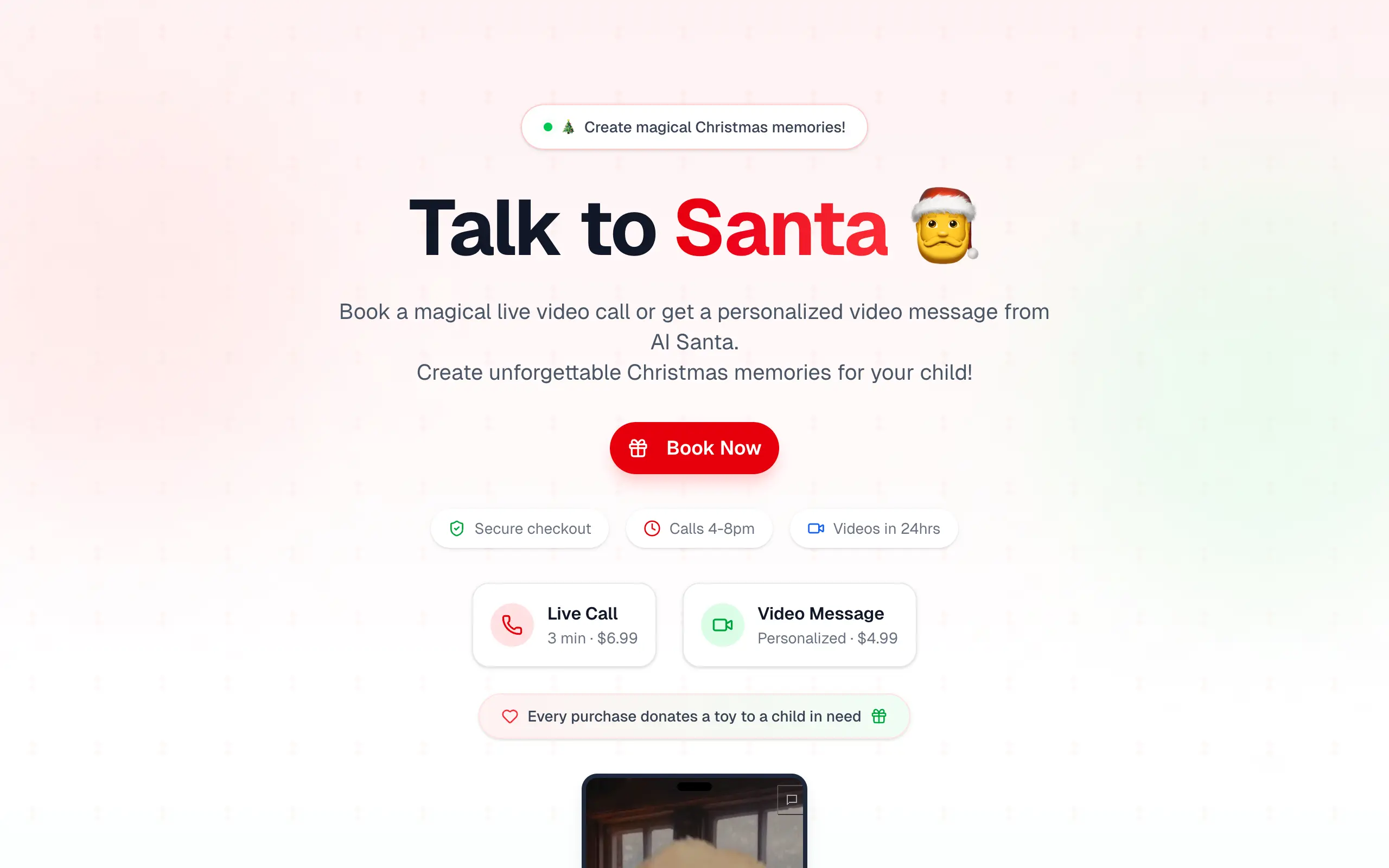
Talk to Santa
Enjoy a magical live video chat or receive a unique AI-generated video greeting from Santa Claus 🎅

pozywka.pl
Scalable blog for food journalist, focused on performance and user experience 🌭
zagrodzki.me
Personal blog and portfolio of Bart Zagrodzki, where he shares his knowledge and work 💼
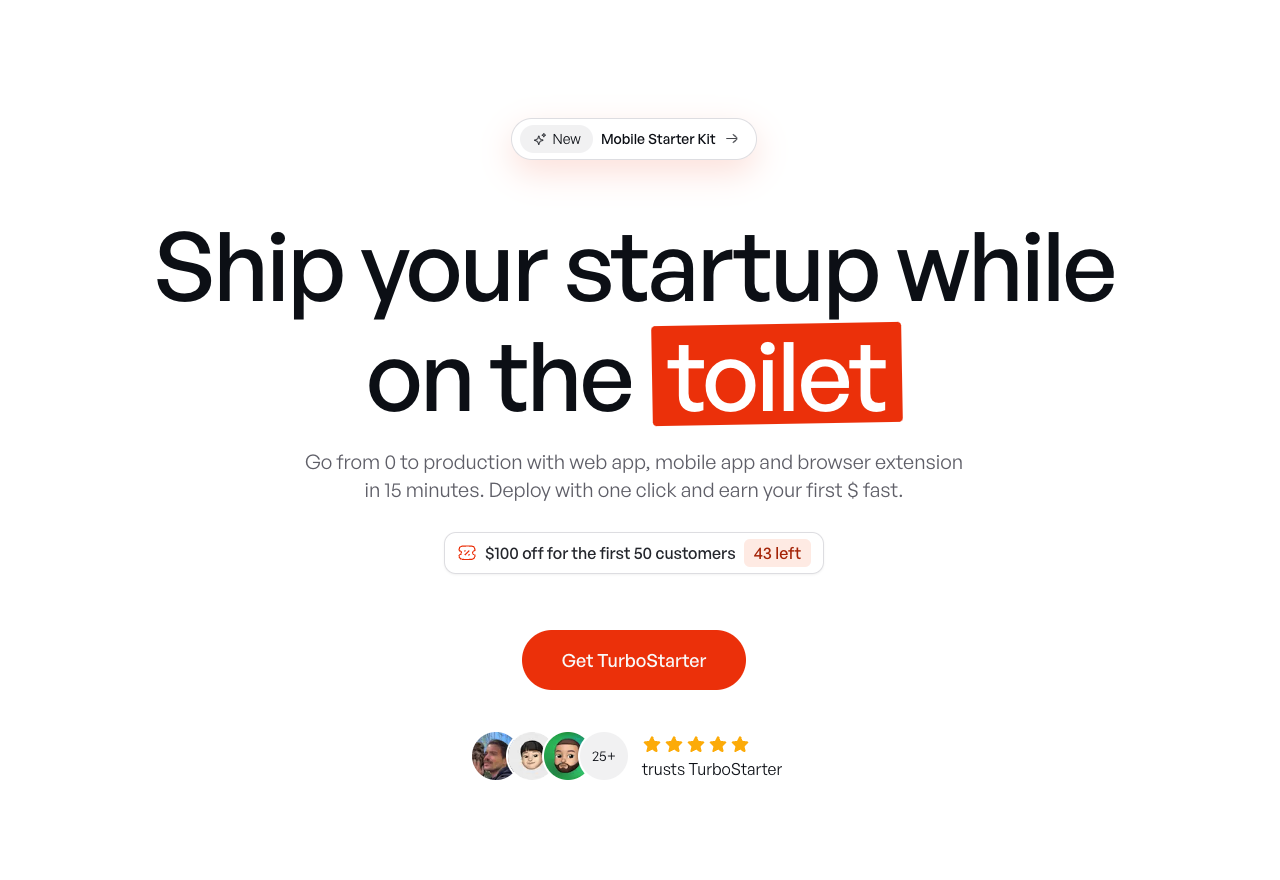
TurboStarter
Ship your startup everywhere. In minutes.
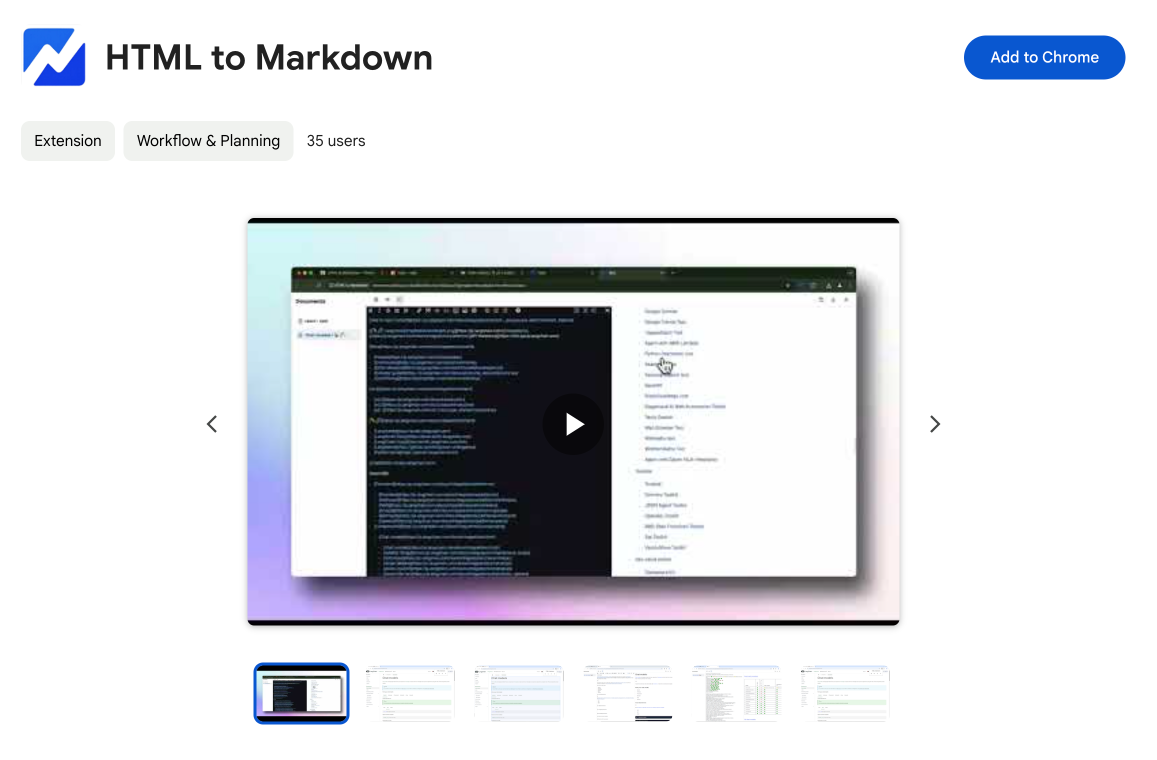
HTML to Markdown
Convert HTML to Markdown with ease, directly in your browser 📄
Dotallio
Personalized AI apps that automate research, data extraction, and content creation without code 🤖
Talk to Santa
Enjoy a magical live video chat or receive a unique AI-generated video greeting from Santa Claus 🎅
pozywka.pl
Scalable blog for food journalist, focused on performance and user experience 🌭
zagrodzki.me
Personal blog and portfolio of Bart Zagrodzki, where he shares his knowledge and work 💼
TurboStarter
Ship your startup everywhere. In minutes.
HTML to Markdown
Convert HTML to Markdown with ease, directly in your browser 📄
Dotallio
Personalized AI apps that automate research, data extraction, and content creation without code 🤖
Talk to Santa
Enjoy a magical live video chat or receive a unique AI-generated video greeting from Santa Claus 🎅
pozywka.pl
Scalable blog for food journalist, focused on performance and user experience 🌭
zagrodzki.me
Personal blog and portfolio of Bart Zagrodzki, where he shares his knowledge and work 💼
TurboStarter
Ship your startup everywhere. In minutes.
HTML to Markdown
Convert HTML to Markdown with ease, directly in your browser 📄
Dotallio
Personalized AI apps that automate research, data extraction, and content creation without code 🤖
Talk to Santa
Enjoy a magical live video chat or receive a unique AI-generated video greeting from Santa Claus 🎅
pozywka.pl
Scalable blog for food journalist, focused on performance and user experience 🌭
zagrodzki.me
Personal blog and portfolio of Bart Zagrodzki, where he shares his knowledge and work 💼
TurboStarter
Ship your startup everywhere. In minutes.
HTML to Markdown
Convert HTML to Markdown with ease, directly in your browser 📄
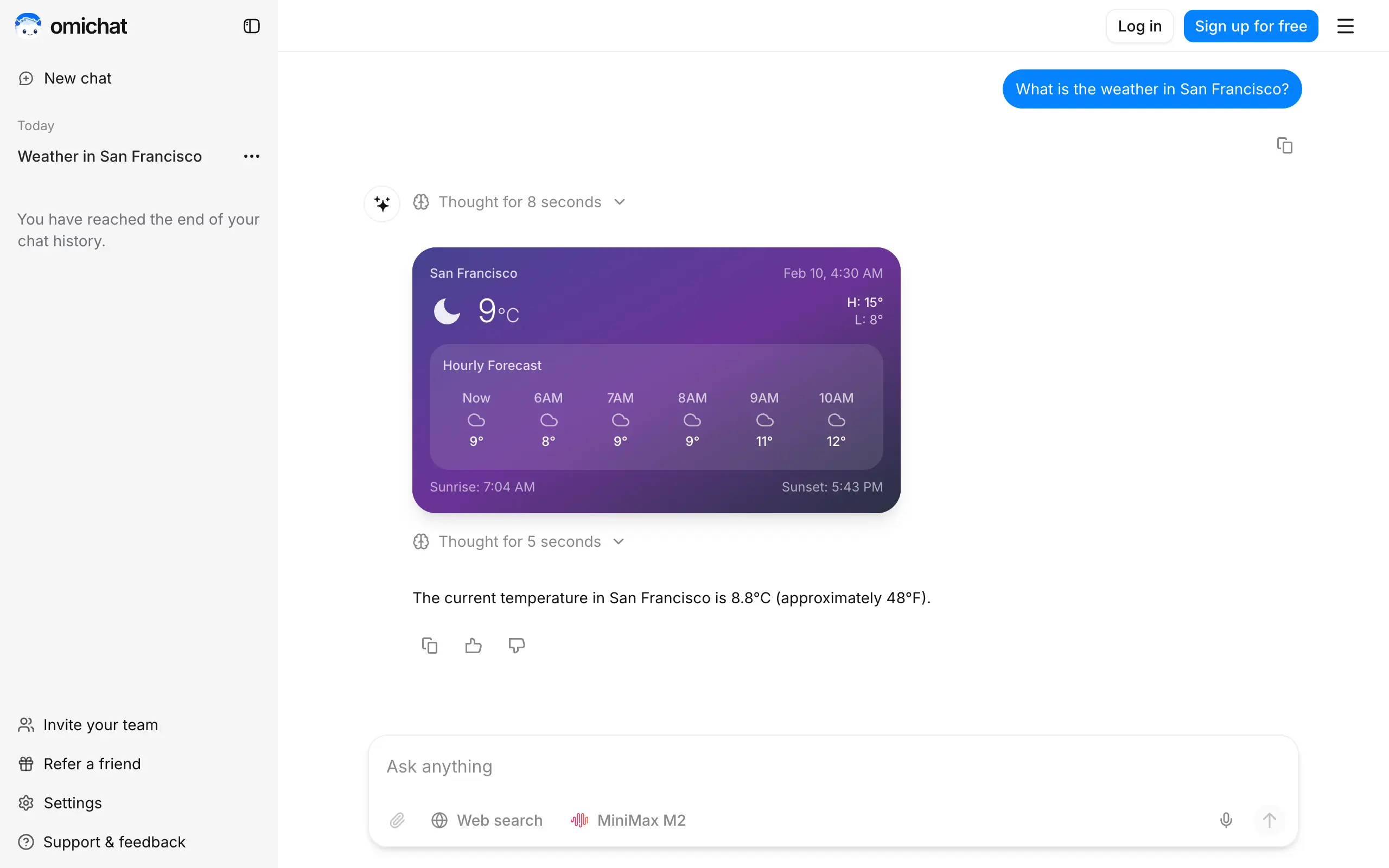
Omichat
Chat with 50+ AI models, including ChatGPT and Claude, in one place - switch models anytime without losing context 🤖
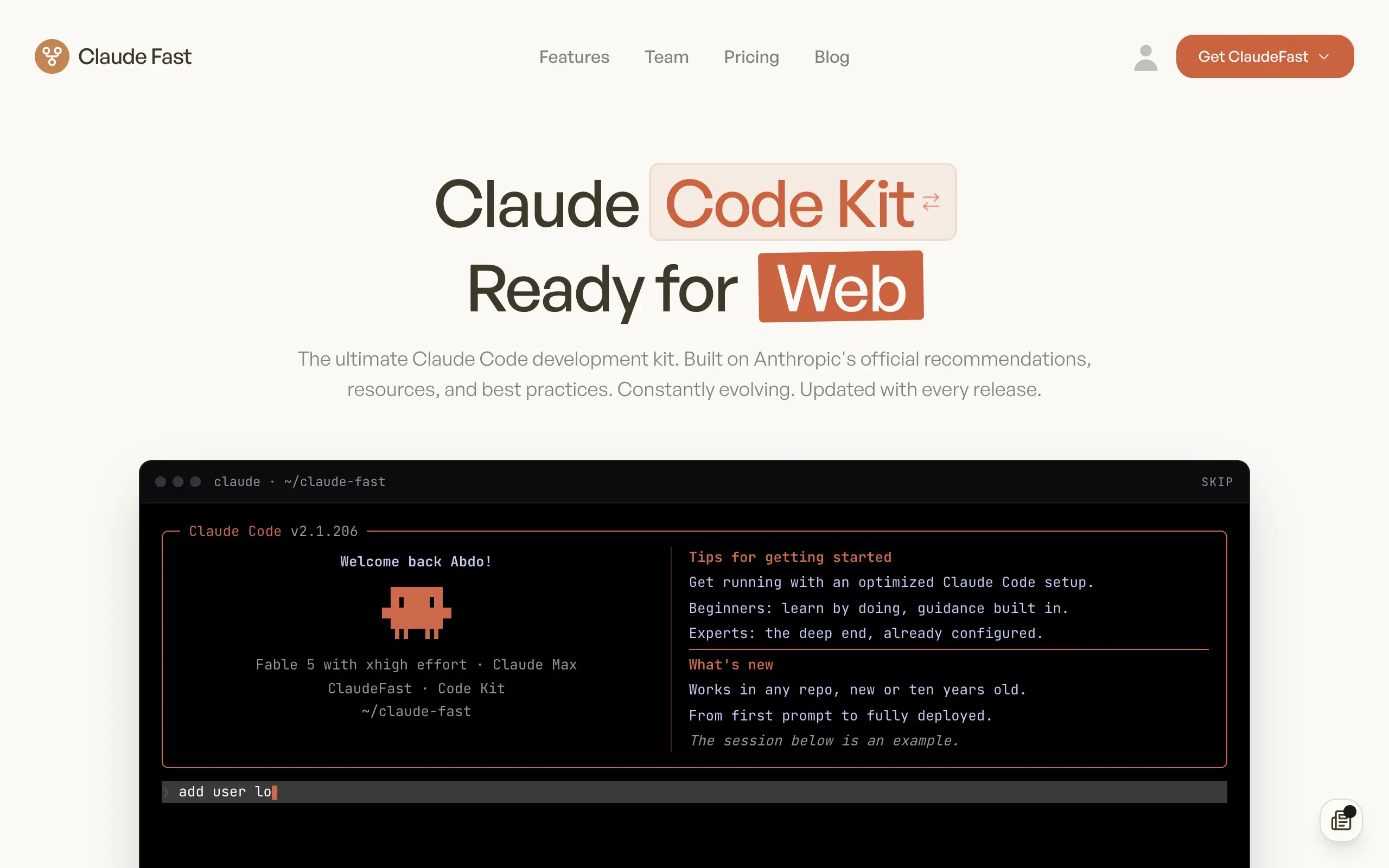
Claude Fast
Supercharge your Claude Code with 6x effective context window and specialized AI agents 🤖
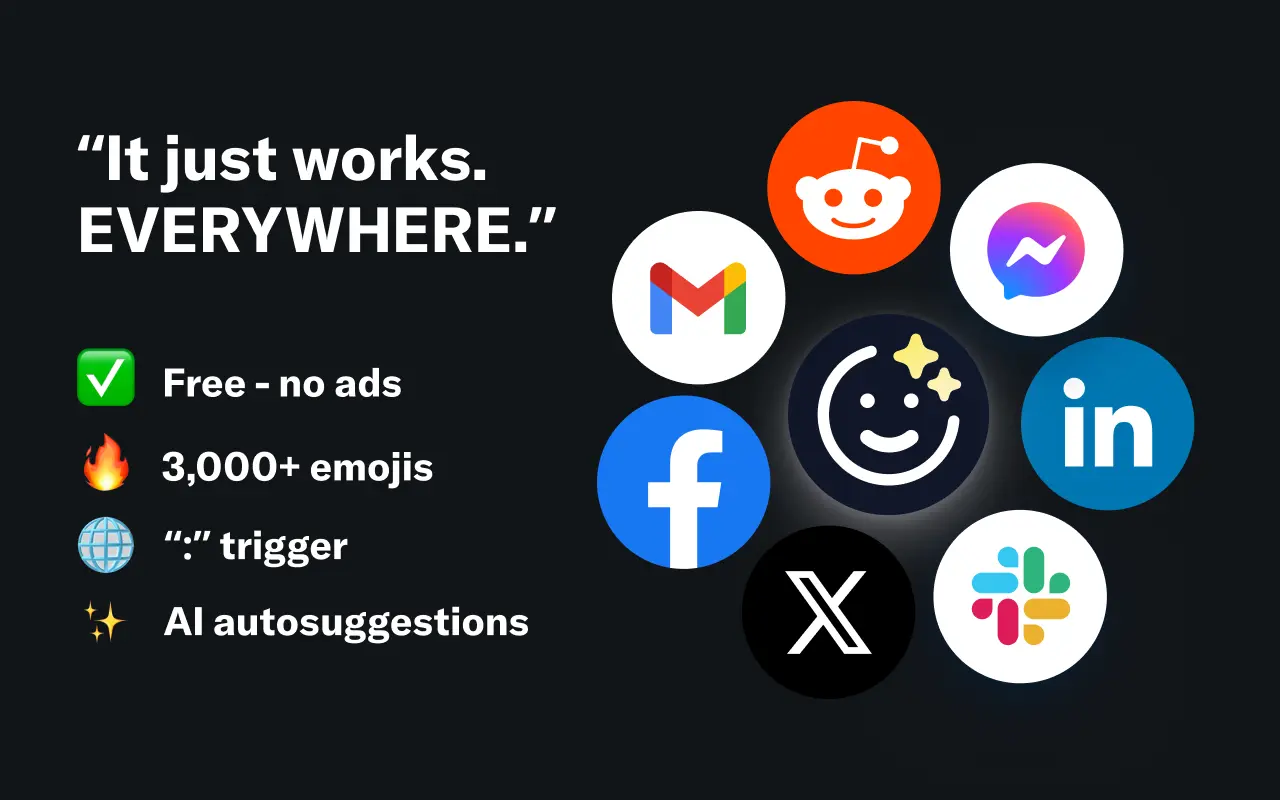
EmojAI
AI-powered emoji picker with smart, context-aware suggestions 🤖

Solohacker
Autonomous company launcher - AI agents work 24/7, escalate what matters, and you stay in control 🤖

BeRawi: Storytelling Coach
Practice storytelling daily with instant feedback to sound clearer, more engaging, and confident 🎤
Omichat
Chat with 50+ AI models, including ChatGPT and Claude, in one place - switch models anytime without losing context 🤖
Claude Fast
Supercharge your Claude Code with 6x effective context window and specialized AI agents 🤖
EmojAI
AI-powered emoji picker with smart, context-aware suggestions 🤖
Solohacker
Autonomous company launcher - AI agents work 24/7, escalate what matters, and you stay in control 🤖
BeRawi: Storytelling Coach
Practice storytelling daily with instant feedback to sound clearer, more engaging, and confident 🎤
Omichat
Chat with 50+ AI models, including ChatGPT and Claude, in one place - switch models anytime without losing context 🤖
Claude Fast
Supercharge your Claude Code with 6x effective context window and specialized AI agents 🤖
EmojAI
AI-powered emoji picker with smart, context-aware suggestions 🤖
Solohacker
Autonomous company launcher - AI agents work 24/7, escalate what matters, and you stay in control 🤖
BeRawi: Storytelling Coach
Practice storytelling daily with instant feedback to sound clearer, more engaging, and confident 🎤
Omichat
Chat with 50+ AI models, including ChatGPT and Claude, in one place - switch models anytime without losing context 🤖
Claude Fast
Supercharge your Claude Code with 6x effective context window and specialized AI agents 🤖
EmojAI
AI-powered emoji picker with smart, context-aware suggestions 🤖
Solohacker
Autonomous company launcher - AI agents work 24/7, escalate what matters, and you stay in control 🤖
BeRawi: Storytelling Coach
Practice storytelling daily with instant feedback to sound clearer, more engaging, and confident 🎤

Connect with like-minded people
Join our community to get feedback, support, and grow together with 1,000+ builders on board, let's ship it!
Join usShip your startup everywhere. In minutes.
Don't burn tokens on setup and start building features on day one.