Scene Lab
Turns a film's shot list and dialogue into annotated scene breakdowns for aspiring screenwriters and film students. Writers get structured notes they can reuse in their own drafts.
Scene Lab is an AI tool that turns a film's shot list and dialogue into annotated scene breakdowns, so aspiring screenwriters and film students can study how professional scenes are built and reuse the structure in their own drafts. The opportunity in 2026 is that AI tools for writing are everywhere, but almost none help people learn craft from existing films in a structured, reusable format. An AI screenwriting study tool for film students and aspiring writers can win by being a trustworthy analyst rather than yet another text generator.
Key takeaways
- Target customer: film students, early-career screenwriters and screenwriting instructors who already study scenes by hand.
- Pricing angle: a low monthly subscription for individuals (for example $12 to $19/month) plus a per-seat education plan.
- Biggest risk: rights and licensing around film scripts, stills and dialogue, which shapes what input you can accept and store.
- Time to MVP: roughly 3 to 5 weeks for a solo founder using a starter kit, assuming you restrict input to user-supplied material.
What problem does an AI scene breakdown tool solve?
Learning screenwriting by studying films is slow, manual and inconsistent. Scene Lab replaces hand-written notes with structured, comparable breakdowns that live in one searchable place.
Who is Scene Lab for?
The sharpest ideal customer is a second-year film school student (or self-taught writer in an online course) who has been told "watch and break down ten scenes a week" and has no repeatable method. A close second is the instructor who assigns those breakdowns and has to read dozens of inconsistent submissions.
Secondary segments, such as script readers and hobbyist writers, can come later. Start where the pain is assigned, recurring and tied to a grade or a deadline.
What do they do today, and why does it fail?
The current workaround is a mix of pausing a video, typing notes into Google Docs or Notion, and sometimes a spreadsheet of shots. It fails for three reasons:
- It is inconsistent. Every breakdown has a different structure, so patterns across scenes are hard to see.
- It is slow. Logging shots and transcribing dialogue eats the time that should go into analysis.
- It is not reusable. Notes about a scene's tension curve or entrances and exits rarely turn into something a writer can apply to their own draft.
Is there a market for AI screenwriting study tools in 2026?
Yes, but it is a niche you win by being specific. Screenwriting software is dominated by well-known formatting and drafting tools such as Final Draft and Fade In, and general assistants like ChatGPT can summarize a scene on request. What is missing is a product built around analysis as a repeatable workflow.
What is the gap in existing solutions?
Drafting tools help you write your script, not understand someone else's. General chatbots can comment on a scene, but the output is unstructured, varies between runs, and does not accumulate into a personal library. Script databases and film-analysis blogs offer reading material, not a tool you work inside.
Why now?
Several shifts make this buildable today:
- Multimodal and long-context models can reason over dialogue, scene text and shot descriptions in one pass.
- Film schools and online courses increasingly expect students to submit digital work, which makes software-based assignments normal.
- Writers are wary of AI that writes for them, which creates room for tools that teach and annotate instead.
Treat that last point as a hypothesis to test in interviews, not a given.
What should the Scene Lab MVP include?
Build the smallest loop that gets a user from raw input to a breakdown they would paste into their own notes. The aha moment is seeing a messy scene turn into a clean beat-by-beat map, with the turning point and the shot choices labeled, in under a minute.
Shot and dialogue import
Paste or upload a shot list and dialogue for a scene you own or have the right to use, and get it parsed into a clean timeline.
Annotated breakdown
Generate beats, objectives, conflict, turning point and shot-by-shot notes in one consistent template.
Reusable notes library
Save breakdowns, tag them by device or genre, and search across everything you have studied.
Export to your draft
Copy a breakdown as a structure template you can adapt in your own script or notes app.
What should you cut from version one?
- Automatic video ingestion and shot detection. It is expensive, error-prone and a licensing headache.
- Rewriting or generating scenes for the user. It dilutes the positioning and invites the generic-AI comparison.
- Collaboration, comments and social features. Add them only when instructors ask.
- Native mobile apps. A responsive web app is enough to learn what people value.
How is Scene Lab different from spreadsheets and chatbots?
The unique selling proposition: a consistent, structured scene analysis you can save, search and reuse, instead of one-off commentary. The product's value compounds as a user's library grows.
| Option | Consistent structure | Saved, searchable library | Built for craft study |
|---|---|---|---|
| Scene Lab | ✅ | ✅ | ✅ |
| Spreadsheets and docs | Manual | Manual | ❌ |
| General AI chatbots | ❌ | ❌ | Depends on prompt |
| Screenwriting software | ❌ | ❌ | ❌ (drafting focus) |
| Books and courses | ❌ | ❌ | ✅ |
The defensible part is not the model. It is the annotation schema (what you label and how), the quality of your prompts and evaluation set, and the library each user builds inside the product.
How would Scene Lab make money?
Start with a simple subscription and add an education plan once individuals prove the value.
- Individual subscription: for example $15/month or a discounted annual plan. If 3% of free-trial users convert and you bring in 1,000 trials a month, that is about 30 paying users, or roughly $450 in monthly recurring revenue. Treat this as a planning assumption, not a forecast.
- Credit-based usage: a free tier with a small monthly allowance of breakdowns, then paid tiers with higher limits. This protects your AI costs, since long scenes cost more to process.
- Instructor and school seats: a per-seat or per-class plan with shared libraries and a standard template for assignments. Sales cycles are longer, but contracts are stickier.
The growth channel most likely to work first is direct outreach to instructors and film student communities. One instructor who adopts the tool for a class can bring in a whole cohort, and writing communities on Reddit and Discord are reachable without ad spend. Short public breakdowns of scenes in the public domain make good content for search and social.
How do you validate Scene Lab before building it?
Spend one to two weeks proving that people care and will pay before you write much code.
Interview ten students and two instructors
Ask them to walk you through their last scene breakdown and what they did with the notes afterward. Listen for time spent, frustration and whether anyone has paid for a tool.
Run a manual concierge test
Take three scenes from willing participants, produce breakdowns by hand or with a prompt, and send them back. Ask whether they would use this weekly and what is missing.
Publish a landing page with one promise
Show a sample breakdown and a waitlist form. Drive traffic from film school communities and measure the share of visitors who leave an email.
Ask for a pre-sale
Offer a founding-member price to waitlist users and to one instructor. Even five to ten paid commitments tell you more than a hundred polite signups.
What tech stack should you use to build an AI scene breakdown app?
A standard web SaaS with an AI layer is enough. The work that makes Scene Lab unique is the annotation schema, prompt quality and evaluation, not the plumbing around it. That is where TurboStarter helps: it ships a monorepo with web and mobile apps, authentication, billing, database, emails, file storage, AI, background tasks, an admin panel, analytics, internationalization and monitoring, so you start on the product rather than on setup.
What does TurboStarter cover for this idea?
- Authentication for student and instructor accounts.
- Billing for subscriptions, so you can test pricing quickly.
- Database for scenes, breakdowns and tags.
- AI integrations for calling model providers from your backend.
Background jobs are a natural fit for long scene analyses, and organizations and teams support the later classroom plan.
Which AI provider approach should you pick?
Pick one strong long-context model and tune your prompts around it. This is the fastest route for an MVP, and it keeps evaluation simple because you are testing one behavior. The trade-off is vendor dependence and cost exposure.
Route cheap steps (parsing, tagging) to a smaller model and reserve a stronger model for the analysis itself. This lowers cost per breakdown once you have volume. It adds evaluation overhead, so do it after the first paying users.
What does the data model look like?
Keep the schema simple and structured so exports and search are easy. A sketch:
type Breakdown = {
  id: string;
  userId: string;
  title: string;
  sourceType: "user_script" | "user_notes" | "public_domain";
  beats: {
    order: number;
    summary: string;
    objective: string;
    conflict: string;
    shotNotes: string[];
  }[];
  turningPoint: string;
  tags: string[];
  createdAt: Date;
};
Have the model return JSON that matches this shape, validate it on the server, and retry on failure. Consistent structure is the product.
What could make Scene Lab fail?
Biggest risk: rights and licensing
Film scripts, dialogue and shot lists are usually copyrighted. If your product stores or redistributes that material, you invite takedown requests and platform problems. Limit input to material users own or have the right to use, store only the user's own analysis where possible, and get legal advice before adding any shared library or public catalog.
Other realistic failure modes:
- Generic output. If breakdowns read like a chatbot summary, users will go back to ChatGPT. Build an evaluation set of scenes with expert-written breakdowns and iterate until the notes are specific and useful.
- Small, seasonal audience. Student demand follows the academic calendar and budgets are low. Offer annual plans and pursue instructor seats to smooth revenue.
- Input friction. If users must prepare shot lists by hand, they will quit. Make pasting messy text work well, and consider guided templates before any video ingestion.
- AI cost creep. Long scenes can be expensive to process. Cap scene length, cache results and meter usage from day one.
What are the next steps to launch in 30 days?
- Days 1 to 5: run interviews and the concierge test, and write your annotation schema from what you learn.
- Days 6 to 10: publish the landing page with a sample breakdown and start collecting waitlist emails.
- Days 11 to 20: set up the project with TurboStarter, wire authentication and billing, and build the import-to-breakdown flow.
- Days 21 to 25: build the notes library, tagging and export, and test with five waitlist users.
- Days 26 to 30: open a paid beta to the waitlist, offer founding pricing and approach three instructors.
If you want to test an AI screenwriting study tool for film students without spending a month on infrastructure, start from a starter kit, ship the narrow loop and let paying users tell you what to build next.
FAQ
Run a manual version first: produce breakdowns for a handful of students and see whether they come back for more. Pair that with a landing page and a pre-sale offer. Willingness to pay, even at a small founding price, is the clearest signal.
A range of $12 to $19/month is a reasonable starting point for individuals, since students are price sensitive. Test annual discounts and a free tier with a small usage cap. Education seats can be priced per class or per student once instructors show interest.
Indirect competitors include general AI assistants, note apps like Notion, and screenwriting software such as Final Draft. None focus on structured, reusable scene analysis as a core workflow. Your real competition is the habit of doing it in a doc.
It depends on the source and how you store and display it. Analysis of material a user owns or has the right to use is lower risk than hosting copyrighted scripts for others. Talk to a lawyer before building any shared library.
A TypeScript web app with a database, authentication, subscription billing, background jobs and an LLM provider covers the MVP. A starter kit like TurboStarter handles most of the non-differentiating pieces. Your effort goes into prompts, schema and evaluation.
A solo developer can typically ship a focused MVP in 3 to 5 weeks. Costs are mostly your time, hosting and model usage, which scales with how many scenes users analyze. Cap scene length and usage early to keep spending predictable.
More 🤖 AI Startup SaaS ideas
Discover more innovative ai startup SaaS ideas that are trending in 2026. Each idea is AI-generated with market validation and growth potential to help you find your next profitable venture faster than competitors.
Your competitors are building with TurboStarter
Below are some of the SaaS ideas that have been generated and built with our starter kit.

Monitor any Telegram channel in real time - track posts, edits, deletions, and growth with AI recaps 📡

AI website builder - describe your business, pick a niche template, edit by chatting, and publish instantly ✨

Find verified home service professionals, compare quotes, and pay securely through escrow - built for Brazilians across the US 🏠
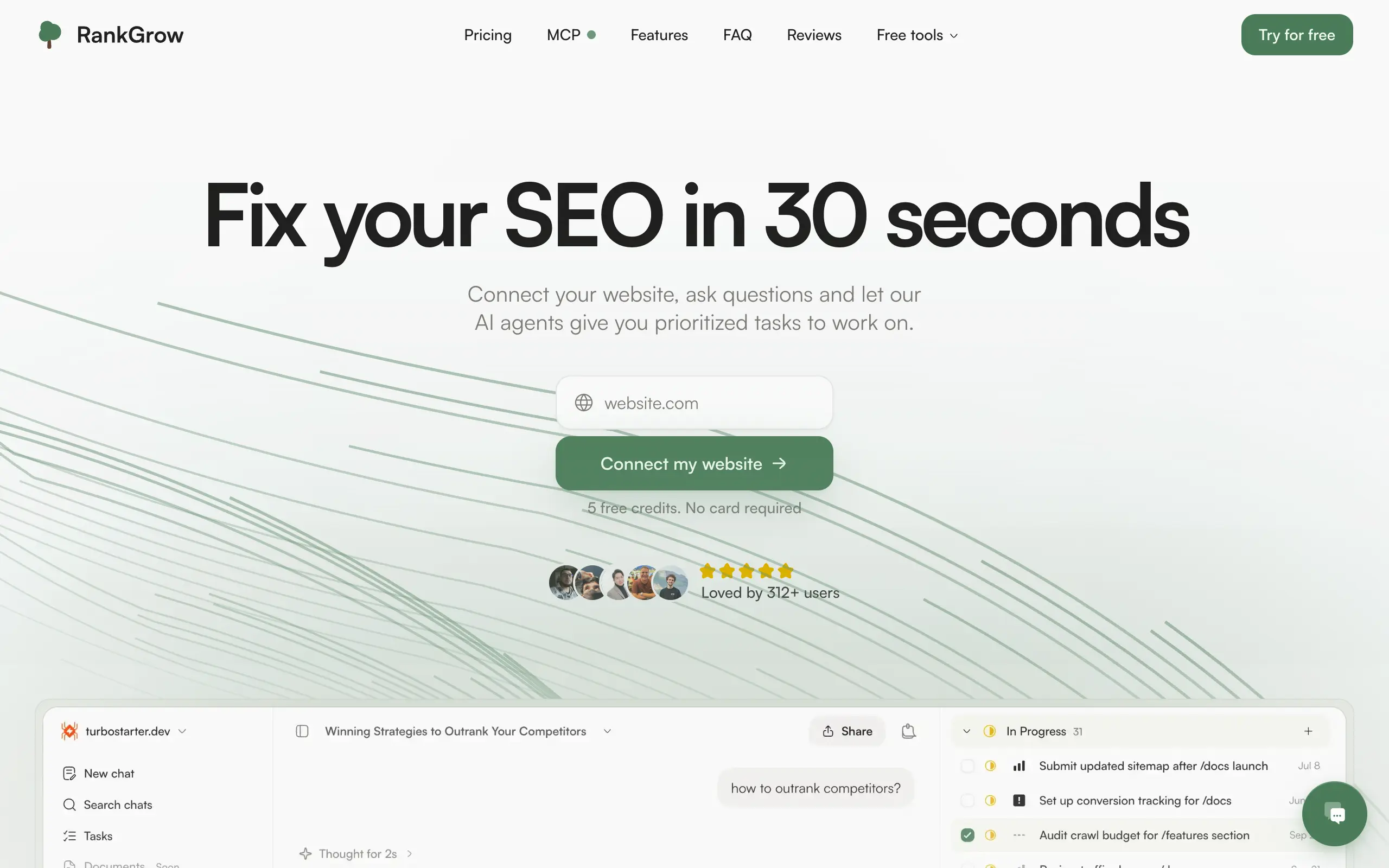
Fix your SEO with AI agents - connect Search Console, get prioritized tasks, and grow organic traffic 📈
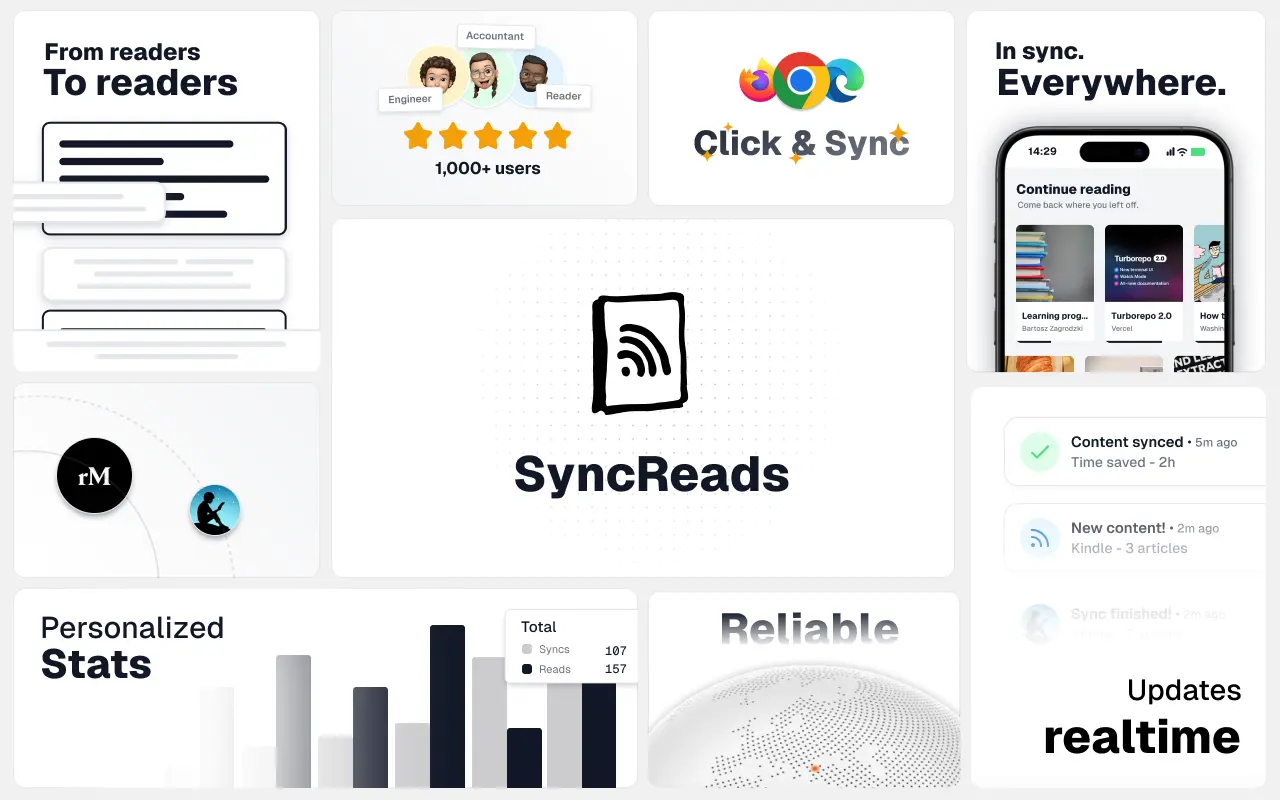
Sync your favorite content for distraction-free reading, save time and replace multiple apps. Anytime, anywhere 🔄
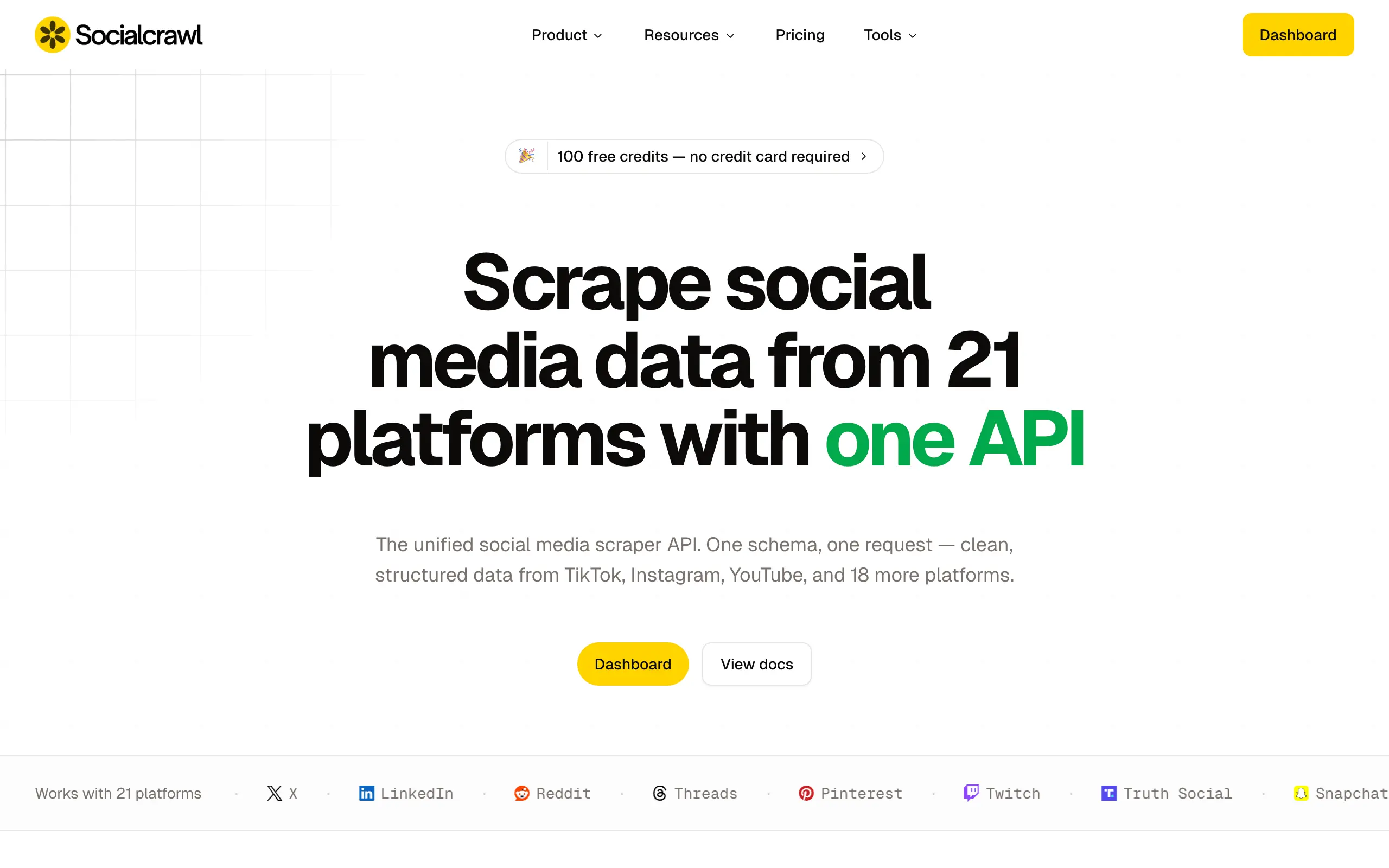
Get clean, structured data from 21 platforms like TikTok, Instagram, and YouTube with a single request 📊
Monitor any Telegram channel in real time - track posts, edits, deletions, and growth with AI recaps 📡
AI website builder - describe your business, pick a niche template, edit by chatting, and publish instantly ✨
Find verified home service professionals, compare quotes, and pay securely through escrow - built for Brazilians across the US 🏠
Fix your SEO with AI agents - connect Search Console, get prioritized tasks, and grow organic traffic 📈
Sync your favorite content for distraction-free reading, save time and replace multiple apps. Anytime, anywhere 🔄
Get clean, structured data from 21 platforms like TikTok, Instagram, and YouTube with a single request 📊
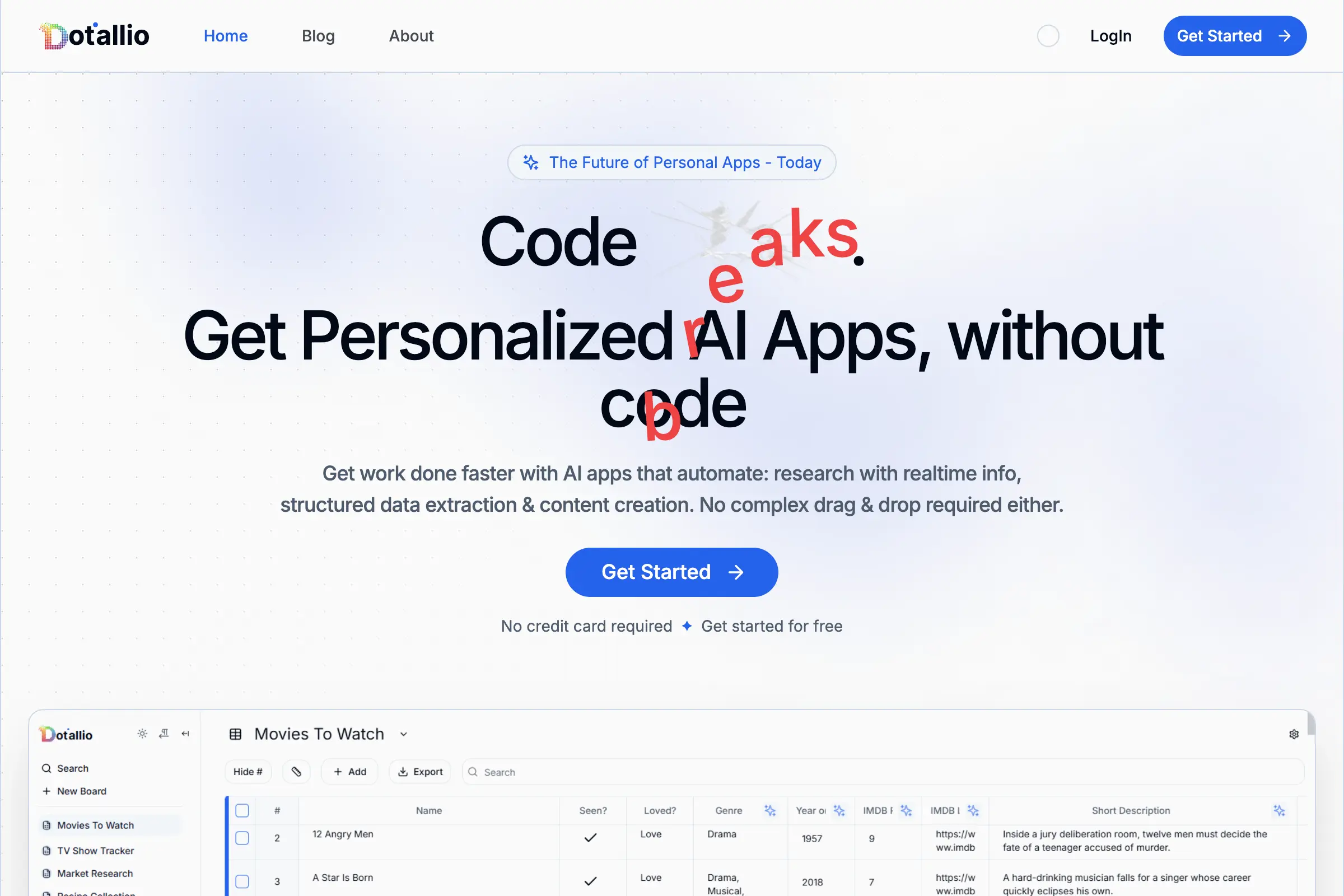
Personalized AI apps that automate research, data extraction, and content creation without code 🤖
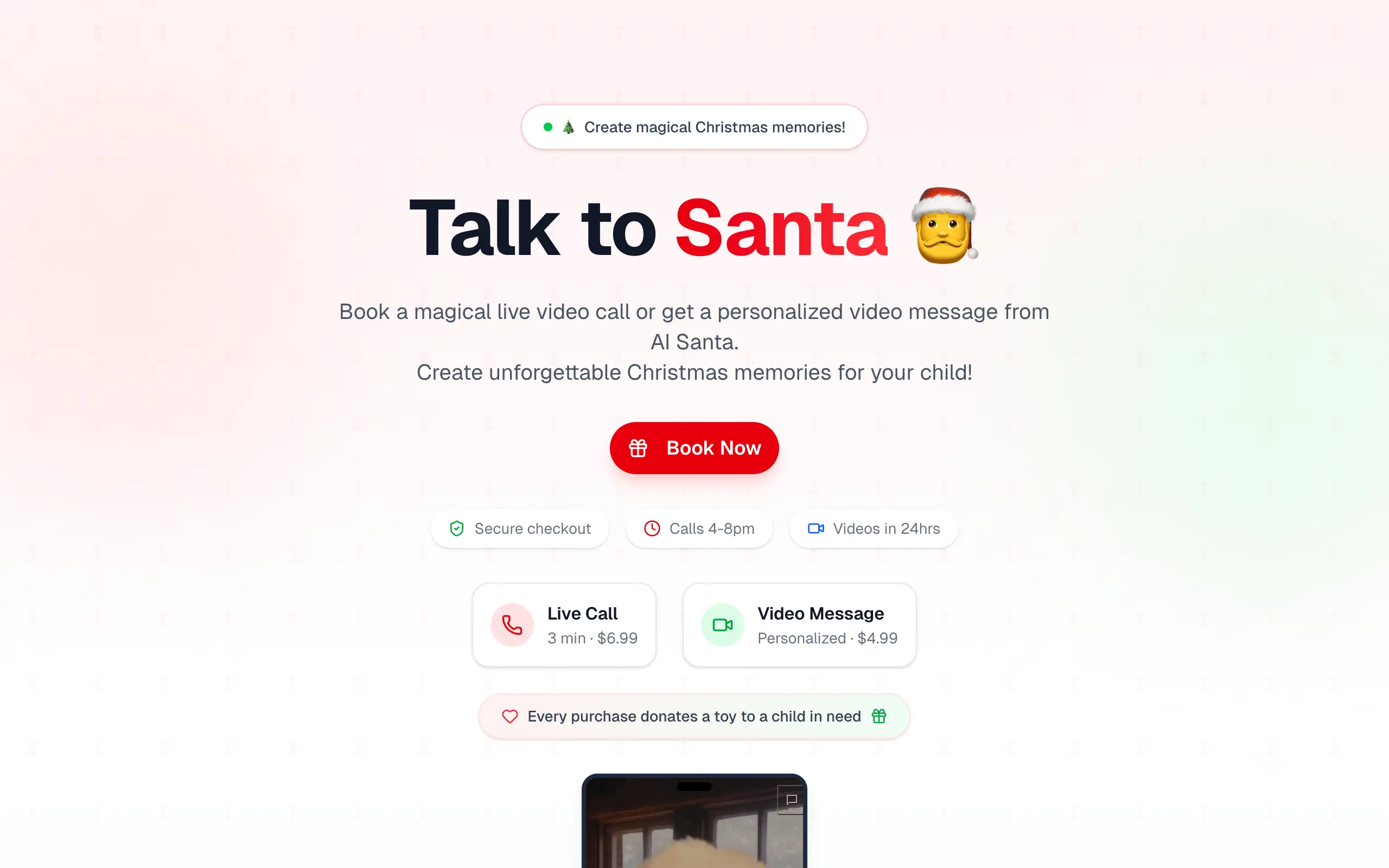
Enjoy a magical live video chat or receive a unique AI-generated video greeting from Santa Claus 🎅
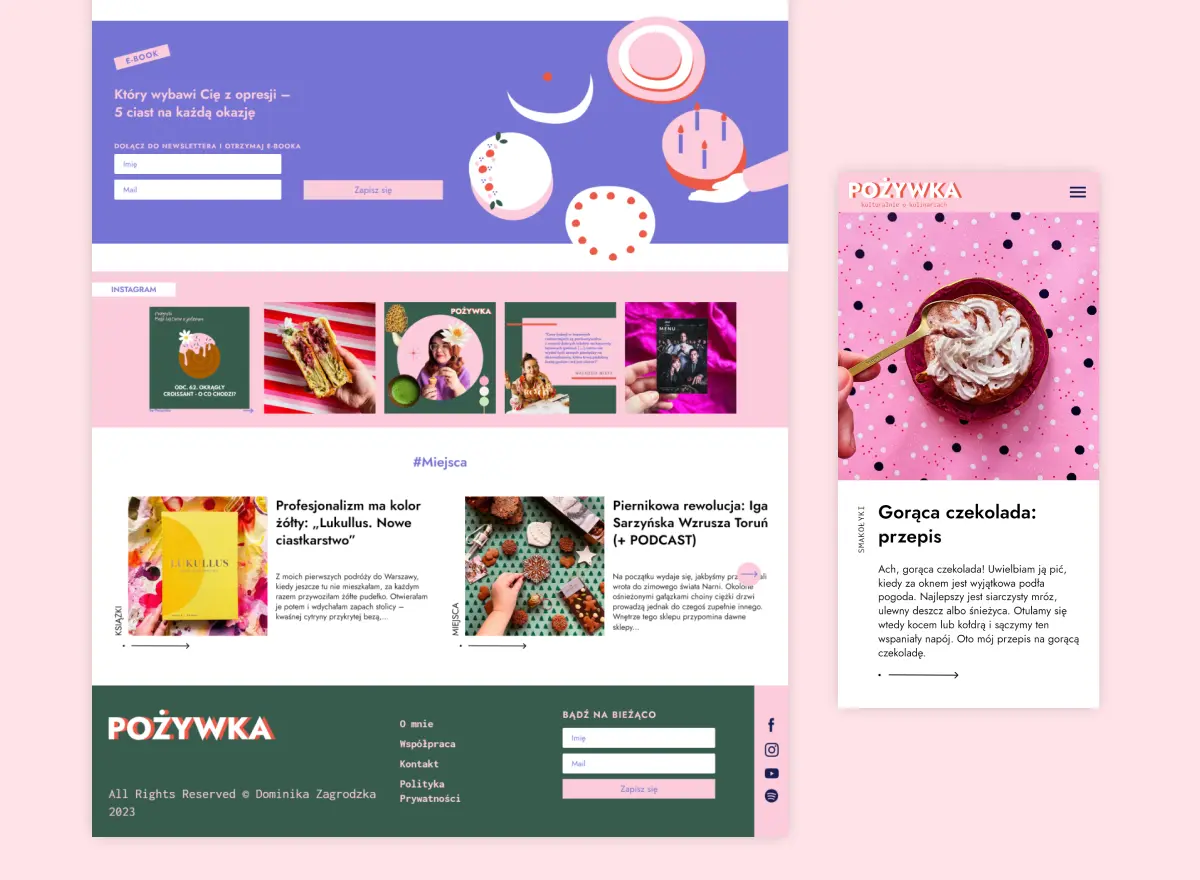
Scalable blog for food journalist, focused on performance and user experience 🌭
Personal blog and portfolio of Bart Zagrodzki, where he shares his knowledge and work 💼
Ship your startup everywhere. In minutes.
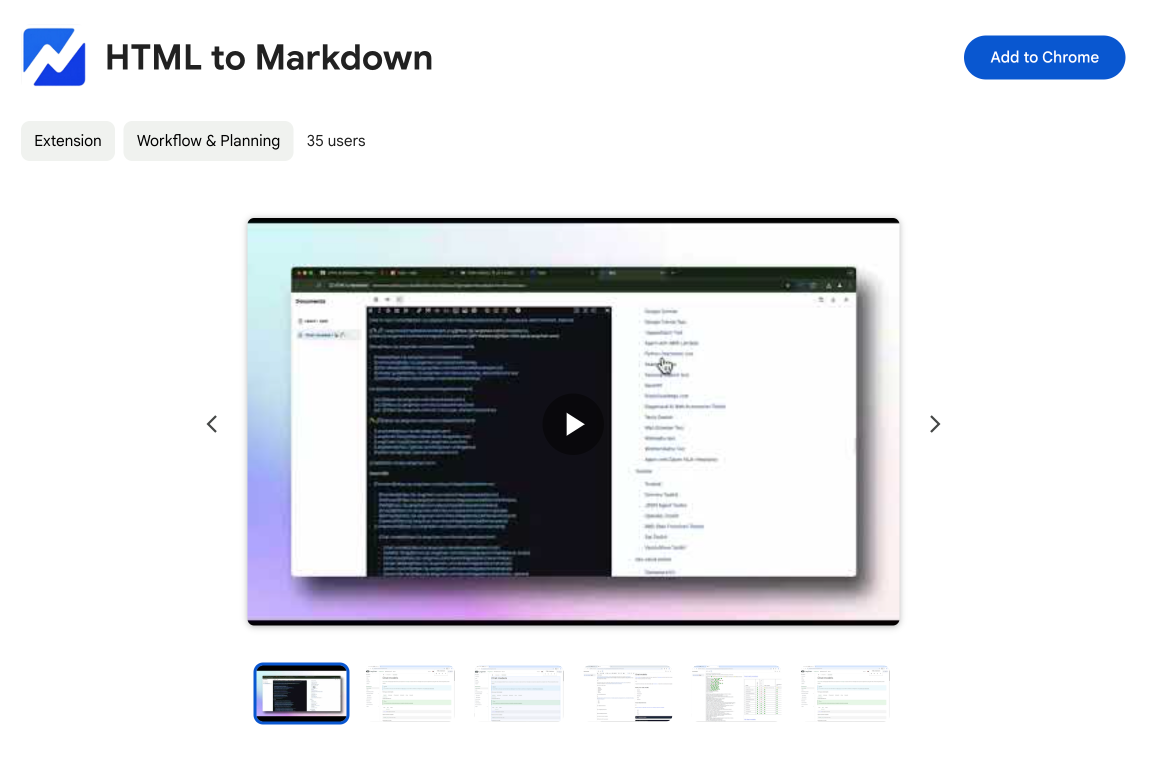
Convert HTML to Markdown with ease, directly in your browser 📄
Personalized AI apps that automate research, data extraction, and content creation without code 🤖
Enjoy a magical live video chat or receive a unique AI-generated video greeting from Santa Claus 🎅
Scalable blog for food journalist, focused on performance and user experience 🌭
Personal blog and portfolio of Bart Zagrodzki, where he shares his knowledge and work 💼
Ship your startup everywhere. In minutes.
Convert HTML to Markdown with ease, directly in your browser 📄
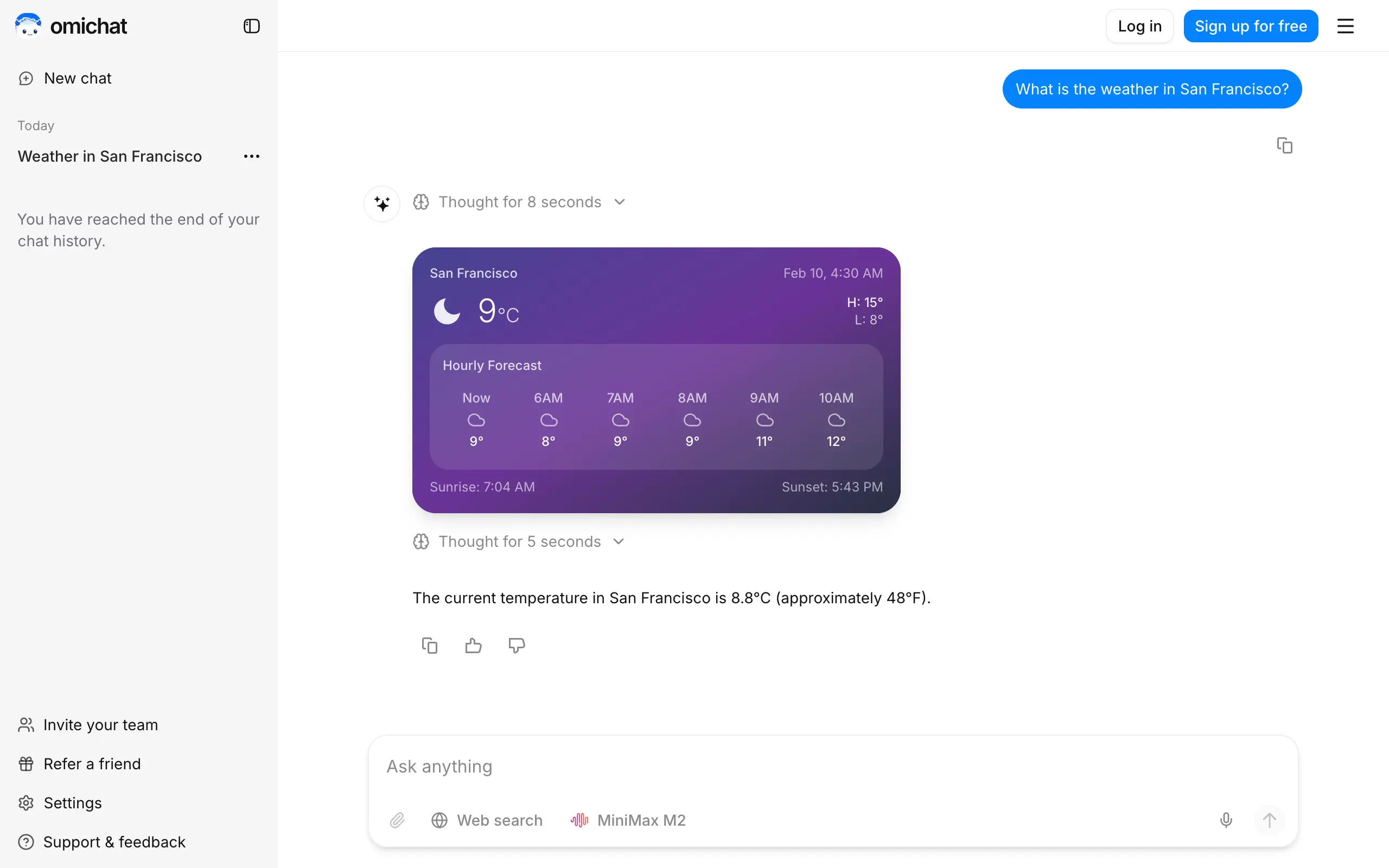
Chat with 50+ AI models, including ChatGPT and Claude, in one place - switch models anytime without losing context 🤖
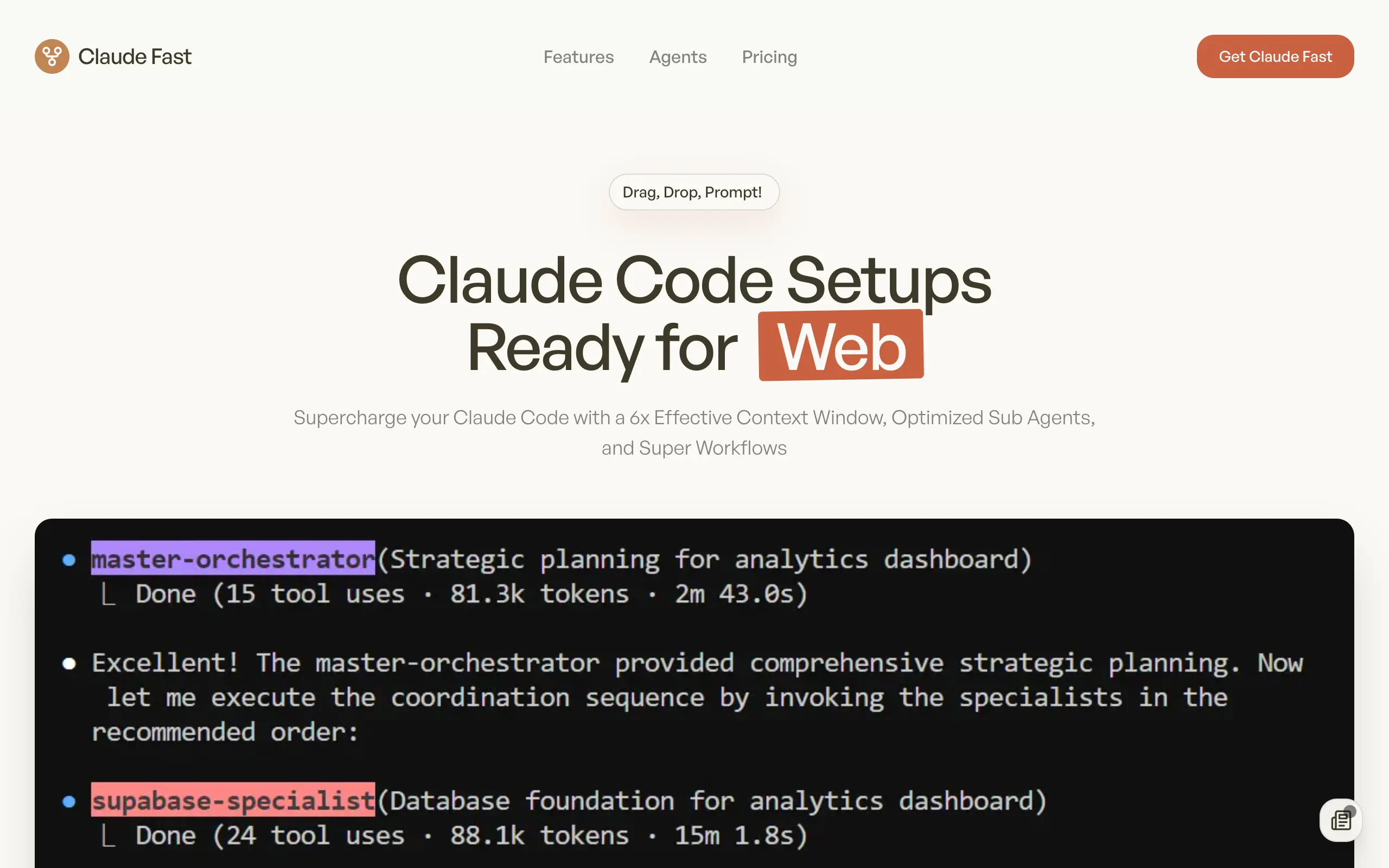
Supercharge your Claude Code with 6x effective context window and specialized AI agents 🤖
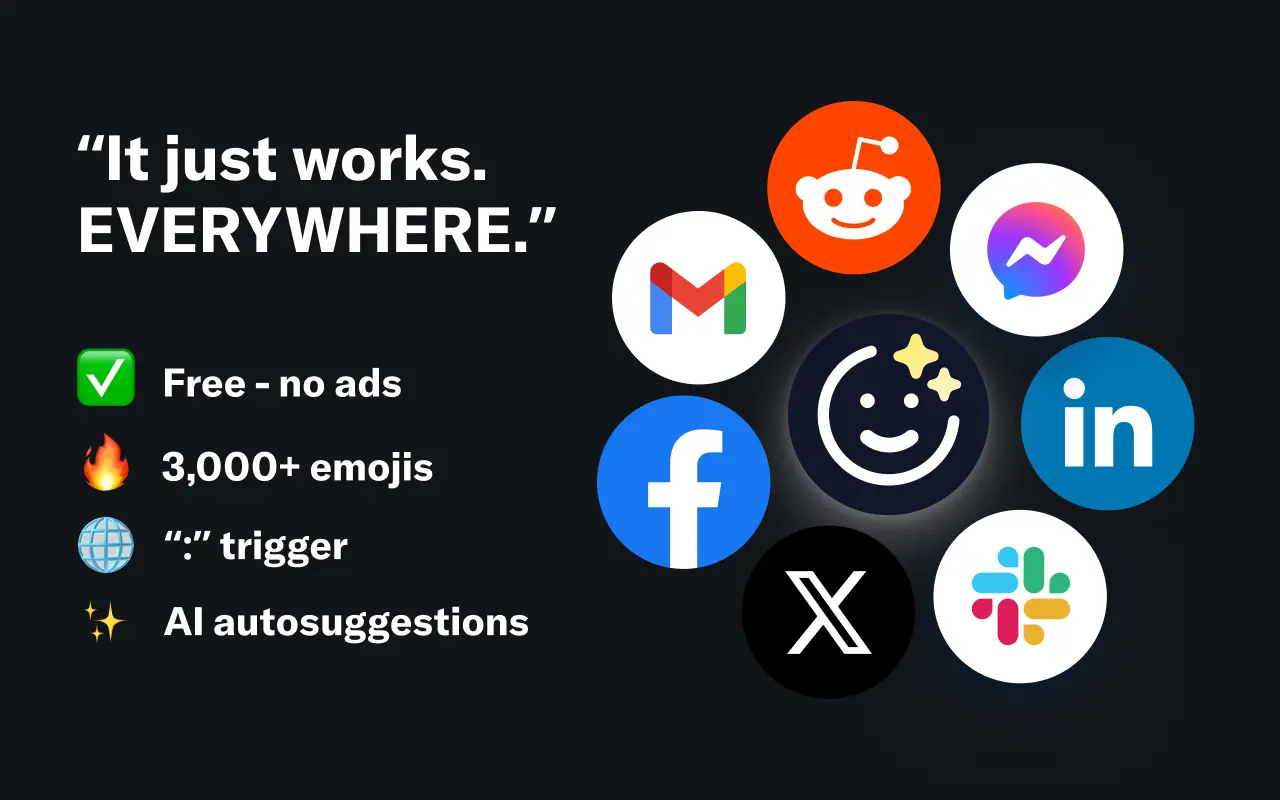
AI-powered emoji picker with smart, context-aware suggestions 🤖
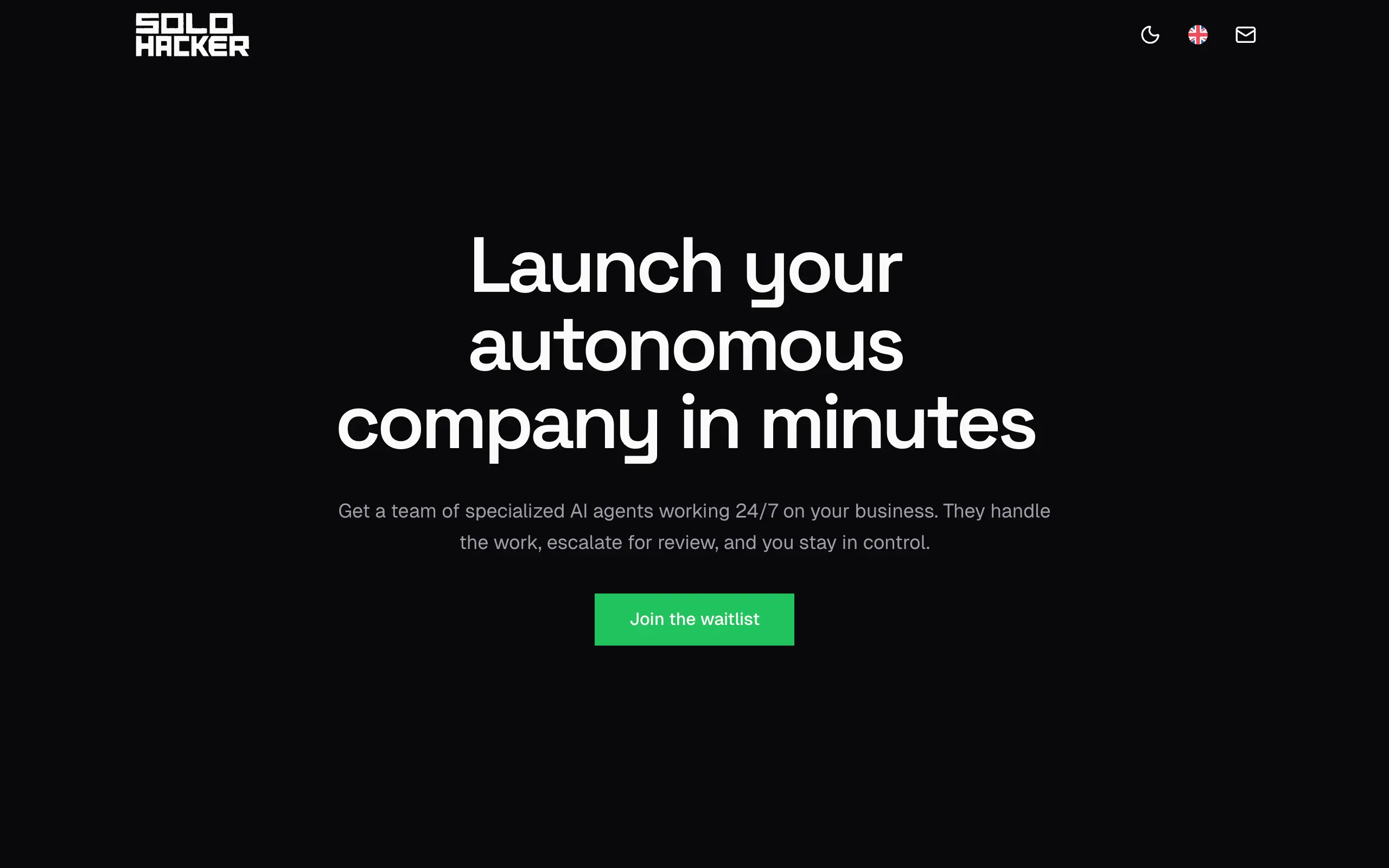
Autonomous company launcher - AI agents work 24/7, escalate what matters, and you stay in control 🤖
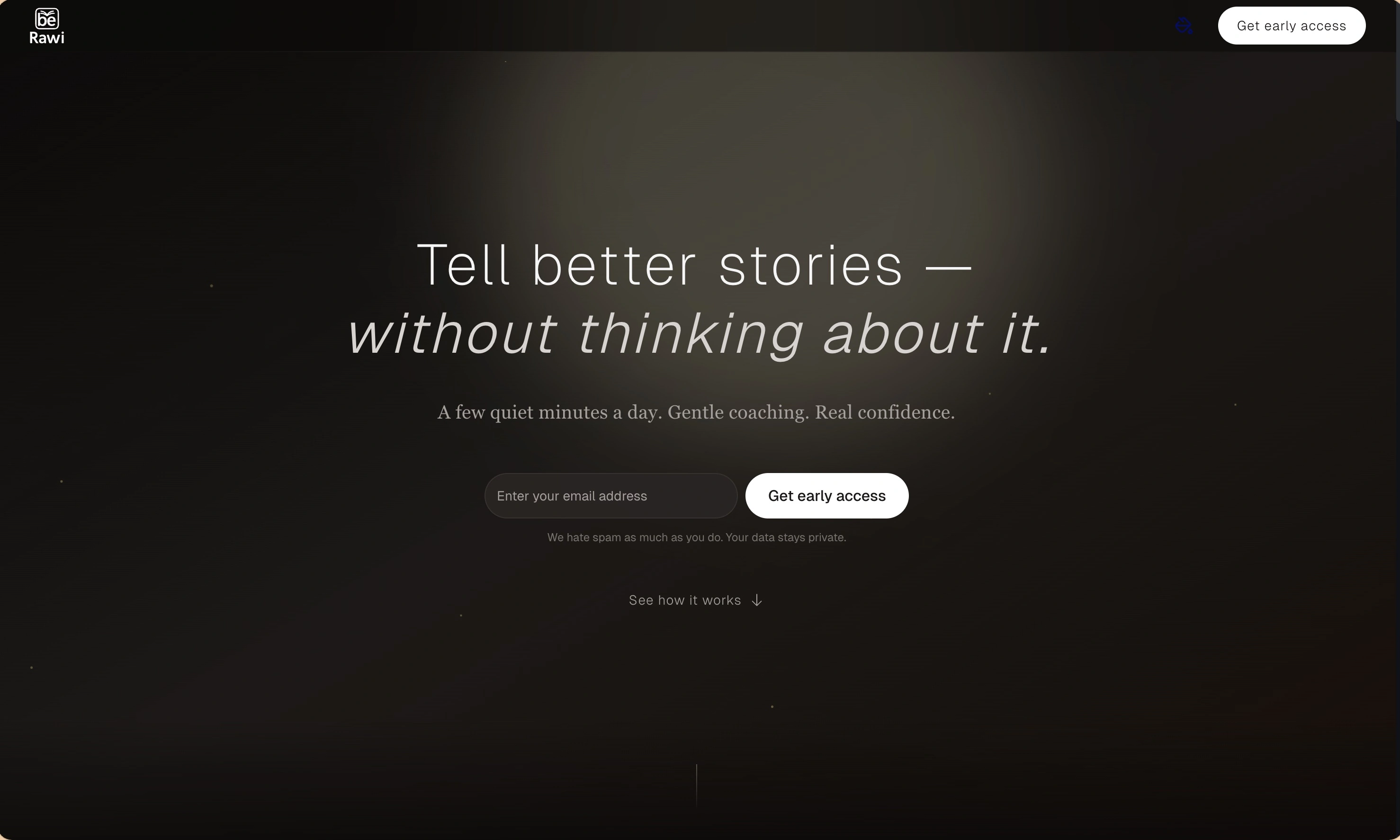
Practice storytelling daily with instant feedback to sound clearer, more engaging, and confident 🎤
Chat with 50+ AI models, including ChatGPT and Claude, in one place - switch models anytime without losing context 🤖
Supercharge your Claude Code with 6x effective context window and specialized AI agents 🤖
AI-powered emoji picker with smart, context-aware suggestions 🤖
Autonomous company launcher - AI agents work 24/7, escalate what matters, and you stay in control 🤖
Practice storytelling daily with instant feedback to sound clearer, more engaging, and confident 🎤

Connect with like-minded people
Join our community to get feedback, support, and grow together with 1,000+ builders on board, let's ship it!
Join usShip your startup everywhere. In minutes.
Don't burn tokens on setup and start building features on day one.