SchemaShift
Map code, API traffic, and database dependencies to predict breaking changes and draft safe migrations before releases disrupt customers.
SchemaShift is an AI-powered platform for understanding how changes to code, APIs, and databases may affect the rest of a software system. It maps dependencies across repositories and runtime traffic, identifies potentially breaking changes, and helps teams draft safer migrations before a release reaches customers.
The idea addresses a problem that grows with every service, integration, and data model a company adds: engineers can see the change they are making, but may not know every system, client, or workflow that depends on it. SchemaShift aims to turn that uncertainty into a practical, reviewable change plan.
What is SchemaShift?
SchemaShift is a change-impact analysis and migration-planning tool for software teams. It connects information from source code, API definitions, database schemas, and production or staging traffic to build a map of how technical components depend on one another.
When a team proposes a change—such as renaming a database column, modifying an API response, or changing an event payload—SchemaShift can use that map to help answer:
- Which services, endpoints, clients, or jobs may be affected?
- Is the change likely to be backward compatible?
- Which consumers appear to rely on the affected field or behavior?
- What sequence of changes would reduce deployment risk?
- What tests and checks should run before release?
- What migration or rollout steps should reviewers consider?
The product should not position AI as an oracle that guarantees a release is safe. A stronger and more trustworthy promise is that SchemaShift gathers evidence, highlights uncertainty, and helps engineers make better-informed decisions.
That distinction matters. Static analysis can reveal declared dependencies. Runtime observations can show what has actually been used. Neither source is complete in every system. By combining them and showing where conclusions come from, SchemaShift can offer a more useful picture than either source alone.
The problem SchemaShift solves
A change can be locally correct and still break a customer-facing system. A database migration may preserve data but disrupt an older service. An API response may pass tests in one repository while an external client still expects the old shape. An event producer may publish a new payload that a downstream consumer cannot parse.
These failures are difficult to predict because dependency knowledge is often scattered across:
- Source code and configuration files
- API contracts and schema registries
- Database migration history
- Service catalogs and architecture diagrams
- CI pipelines and test suites
- Logs, traces, and analytics
- Team documentation and individual engineers’ experience
Traditional code review helps, but reviewers may not have visibility into every repository or consumer. Architecture diagrams can help teams understand a system, but they become less useful when they are manually maintained and quickly drift out of date. Tests catch many problems, but only when they cover the affected use case and run against realistic dependencies.
SchemaShift’s opportunity is to connect these sources into a continuously updated dependency graph and apply change analysis to the graph. Rather than ask engineers to reconstruct impact from memory, it can make relevant evidence available at the point where they plan and review a change.
Who should use SchemaShift?
The strongest initial audience is engineering organizations where multiple services or teams share APIs, data models, or event contracts. A small application with one codebase and one database may not need a dedicated dependency intelligence product. The value rises when the cost of missed dependencies rises.
Platform and infrastructure teams
Platform engineering teams maintain shared infrastructure, service templates, deployment workflows, and internal tooling. They often need to understand how changes to common components affect many teams.
SchemaShift could help platform teams:
- Identify which services use a shared library or API
- Assess the blast radius of infrastructure or contract changes
- Provide consistent migration guidance across repositories
- Create evidence-backed change reviews for platform releases
Backend and API teams
Backend teams frequently change request and response models, authentication flows, database structures, and event contracts. SchemaShift can help them find consumers and make compatibility concerns visible earlier.
This audience may be especially receptive when teams already publish OpenAPI specifications, GraphQL schemas, protobuf definitions, or similar contracts. Those artifacts provide structured inputs that are easier to analyze than undocumented behavior.
Data and database engineers
Database teams need to coordinate schema changes with application releases, data pipelines, reporting systems, and operational processes. A field that appears unused in one service may still be read by a batch job or a downstream analytics workflow.
SchemaShift could help these teams plan staged migrations, find likely consumers, and document the evidence behind a proposed change.
Technical leads and engineering managers
Engineering leads are responsible for delivery, reliability, and coordination across teams. They may not need to inspect every dependency themselves, but they need to understand release risk and assign the right reviewers.
For this audience, SchemaShift should translate technical analysis into clear summaries: affected systems, likely risk, unresolved questions, and recommended next steps. A score without supporting evidence is less useful than a concise explanation of what is known and what is missing.
Regulated and high-assurance teams
Organizations in finance, healthcare, enterprise software, and other high-assurance environments may need traceable records of how a change was assessed. SchemaShift could support this need with audit trails, approvals, evidence snapshots, and policy checks.
The product should avoid implying that it provides regulatory compliance by itself. Instead, it can help teams produce more consistent change documentation that complements their existing controls.
The market opportunity and product gap
SchemaShift sits at the intersection of several established categories: code intelligence, observability, API governance, database migration tooling, and developer productivity. These categories solve related but distinct problems.
Code search can help locate symbols and references in repositories. Observability tools show behavior in running systems. API governance tools validate contracts against policies. Database tools help manage migrations. SchemaShift’s potential differentiation is to connect those perspectives around a specific workflow: understanding and planning the impact of a proposed change.
The product opportunity is not simply to create another architecture map. The challenge is to make the map actionable and current enough to support release decisions.
Why existing approaches leave a gap
Teams commonly rely on a combination of manual practices:
- Searching repositories for a field or endpoint name
- Asking other teams whether they use a particular service
- Reviewing API specifications independently
- Inspecting logs or traces after a suspected issue
- Writing migration notes in pull requests
- Maintaining architecture diagrams and service catalogs
These practices can work well in smaller systems or highly disciplined teams. They become harder to coordinate as repositories, services, external clients, and deployment schedules multiply.
SchemaShift can address the gap by joining the evidence sources and relating them to a specific change. The result should be more than a static inventory. An engineer should be able to ask, “What could this change break?” and receive a traceable answer.
How to validate demand before building deeply
Before investing in broad integrations or advanced AI capabilities, validate that teams experience the problem frequently and will pay to reduce it.
Conduct discovery interviews with platform engineers, API owners, database engineers, and engineering leaders. Ask about a recent breaking change rather than asking whether they like the idea. Useful questions include:
- What changed, and how did the team discover who depended on it?
- What information was missing during review?
- How much coordination did the change require?
- Did the team experience an incident, rollback, or delayed release?
- Which tools or internal scripts were used?
- Who owns the process and budget for improving it?
The strongest validation signals are behavioral. A team that shares a real migration plan, grants access to a test repository, or agrees to evaluate a prototype is offering stronger evidence than a team that simply says the concept sounds useful.
Core features for an effective SchemaShift product
SchemaShift should begin with a narrow, dependable workflow and expand as it proves value. The first version does not need to understand every language, framework, or infrastructure platform. It does need to explain its conclusions and fit naturally into how engineering teams already work.
1. A unified dependency graph
The dependency graph is the foundation of the product. It can represent entities such as:
- Repositories and code components
- Services and scheduled jobs
- API operations and schemas
- Database tables, columns, and views
- Events, topics, and message schemas
- Environments and deployments
- Teams and system owners
Edges in the graph should explain relationships. For example, a service may call an API operation, read a database table, publish an event, or depend on a shared package.
The graph should be built from multiple sources and include metadata about each relationship, including:
- Where the relationship was detected
- When the evidence was last updated
- Whether it is statically declared or observed at runtime
- How confident the system is in the inference
- Which team or repository owns the evidence
Without provenance, the graph risks becoming another opaque diagram. With provenance, users can verify its findings and identify stale or incomplete inputs.
2. Change impact analysis
A user should be able to select or describe a proposed change and see the likely affected components. Examples include removing an API field, changing a database column type, changing an event schema, or upgrading a shared package.
For each potential impact, the interface should answer:
- What changed?
- Which dependency may be affected?
- What evidence connects the dependency to the change?
- Is the relationship confirmed, inferred, or uncertain?
- What follow-up action is recommended?
A useful impact report distinguishes between a direct consumer and a possible downstream effect. It should not present every graph traversal as equally certain.
3. Compatibility and risk checks
SchemaShift can apply rules to identify common compatibility hazards. Examples include:
- Removing a field that may still be read by a consumer
- Making an optional API field required
- Changing a database column type in a way that may reject existing values
- Reusing or changing an event field with different semantics
- Altering an endpoint behavior without an explicit versioning plan
Rules should be configurable because compatibility depends on a team’s conventions and deployment model. A breaking change for a public API may be acceptable for an internal service when all consumers deploy together.
A risk label can help prioritize attention, but the explanation is more important than the label. A high-risk result should cite the specific consumer and supporting evidence. A low-risk result should clarify the scope and limitations of the analysis.
4. Migration planning
SchemaShift can draft a migration plan that engineers review and adapt. For example, a database field rename might be approached in stages:
- Add the replacement field while retaining the original.
- Update writers to populate both fields.
- Backfill existing records.
- Update readers to use the new field.
- Verify that old-field reads have stopped.
- Remove the old field in a later release.
This pattern is not universal, and SchemaShift should never apply a destructive migration automatically without explicit authorization. The product’s role is to present a plausible sequence, identify prerequisites, and call out what must be verified.
Migration plans should be editable and linked to the evidence that informed them. A generated plan that cannot be inspected or changed may undermine trust.
5. Repository and CI integration
The analysis is most useful when it appears inside the existing development workflow. SchemaShift could integrate with pull requests to comment on likely affected consumers, compatibility concerns, and recommended checks.
A useful CI result should be:
- Fast enough to fit into the review cycle
- Specific enough to avoid generic warnings
- Configurable by repository and change type
- Clear about whether it blocks a merge or only advises
- Linked to a full analysis for deeper review
Teams should be able to begin with informational comments and later introduce blocking policies for high-confidence rules. This reduces the risk of disrupting work with false positives during onboarding.
6. Runtime evidence
Static analysis cannot always reveal which paths are used in practice. Runtime evidence from traces, logs, or other telemetry can help distinguish declared dependencies from observed ones.
SchemaShift could use telemetry to answer questions such as:
- Which services called this endpoint during the observed period?
- Which operations accessed a particular field?
- Was a consumer seen in production, staging, or both?
- When was the dependency last observed?
Runtime data has limits. A dependency not observed during a particular window may still be used rarely, seasonally, or by an external client. The interface should communicate the observation window and should never treat “not seen” as proof of “not used.”
7. Ownership and collaboration
Dependency information becomes more actionable when it connects to teams and owners. SchemaShift can help route questions to the right maintainers and record decisions made during review.
Useful collaboration features may include:
- Service and schema ownership
- Reviewer recommendations
- Comments on impact findings
- Approval records for high-risk changes
- Saved migration plans
- Notifications when a shared contract changes
These features should support existing ownership sources where possible instead of forcing teams to maintain a duplicate directory.
Design for explainability
Every AI-generated conclusion should be labeled as a finding, inference, or recommendation. Show the source evidence, confidence limits, and the next verification step. This helps users treat SchemaShift as a decision-support tool rather than an unquestionable authority.
A practical competitive advantage
SchemaShift’s advantage should not be “AI for code.” That claim is broad and easy for competitors to copy. A more defensible position is evidence-based impact analysis across code, contracts, runtime behavior, and database dependencies.
Compete on connected evidence
Many tools focus on one layer of the system. SchemaShift can stand out by correlating several layers around a proposed change. For example, it could connect a database column to the code that reads it, the service that exposes it, and the API consumer that depends on that service.
The more useful the relationship evidence, the harder the product is to replace with a generic code assistant or static diagram.
Compete on workflow timing
SchemaShift should surface insight before a risky change ships, not only after an incident. That means integrating with pull requests, migration reviews, and release planning rather than limiting the product to dashboards.
Compete on trust
Engineering teams will not rely on findings that feel like guesses. SchemaShift can build trust by making evidence inspectable, showing freshness, supporting human review, and recording what the system could not determine.
Compete on safe recommendations
The product should prefer staged, reversible plans over simplistic “apply this migration” outputs. It can explain trade-offs, flag data-loss risks, and recommend verification steps. This is particularly important for database changes and public contracts, where the safest rollout often requires coordination across multiple releases.
Compete on adoption flexibility
A low-friction evaluation path can be a meaningful advantage. Teams should be able to connect a repository, inspect a useful result, and understand what additional permissions or telemetry would improve coverage. Avoid requiring broad production access before users can see value.
Recommended technology stack
The stack should support secure integrations, explainable analysis, and reliable processing of potentially sensitive source and telemetry data. The exact choices depend on the team’s language preferences, deployment model, and customer requirements.
Frontend
A web application built with React and TypeScript is a practical choice for a complex dependency graph, impact review interface, and configuration workflows. TypeScript can improve consistency across the client and API contracts, although it does not eliminate runtime validation needs.
A graph visualization should prioritize readability over showing every relationship at once. Large systems may require filtering by service, repository, environment, relationship type, or ownership.
Backend and APIs
A typed backend can handle integrations, analysis jobs, authorization, and the product API. The team might choose TypeScript for shared code or a language better suited to existing analysis infrastructure.
Separate interactive requests from longer-running analysis jobs. Users should receive clear job status, partial progress when appropriate, and a durable result they can revisit. This separation helps prevent large repository scans from making the main application feel unreliable.
Data storage
A relational database such as PostgreSQL can store users, organizations, integrations, policies, analysis runs, and audit records. Its mature transaction model and indexing capabilities make it a solid default for core product data. Official guidance is available in the PostgreSQL documentation.
A graph database may become useful if dependency traversal and graph-specific queries become central workloads. However, adopting one too early adds operational complexity. A common starting point is to store graph entities and edges in a relational model, measure query patterns, and introduce a specialized graph store only when there is a demonstrated need.
Background processing
Repository indexing, schema comparison, telemetry ingestion, and impact analysis should run asynchronously. A durable queue and worker architecture can support retries, rate limits, and workload isolation.
Design jobs to be idempotent where possible. If a worker retries after a timeout, it should not create duplicate analysis records or apply the same external change twice.
Integrations and telemetry
For distributed tracing and observability integrations, OpenTelemetry provides a vendor-neutral foundation for collecting and exporting telemetry. SchemaShift should be selective about what it ingests, retain only what is needed for dependency analysis, and provide controls for excluding sensitive attributes.
For API analysis, support structured specifications before relying on inference from source code alone. An API contract is easier to compare, validate, and explain than an undocumented behavior inferred from multiple files.
AI and analysis architecture
Use deterministic rules for clear structural checks and AI for tasks where language understanding or synthesis adds value. For example:
- Deterministic logic can compare schema versions and identify removed fields.
- Static analysis can locate references and likely consumers.
- Runtime evidence can show observed usage.
- AI can summarize findings, draft a migration sequence, or explain trade-offs.
This hybrid approach is more reliable than asking a language model to infer the entire dependency graph from raw code. The model should operate on retrieved, scoped evidence and produce outputs that can be checked against the underlying analysis.
Security and isolation
SchemaShift may process proprietary code, schemas, internal endpoints, and operational metadata. Security must be part of the architecture from the beginning.
Priorities include:
- Least-privilege access to connected repositories
- Encryption in transit and at rest
- Tenant isolation
- Secrets management and credential rotation
- Audit logging for administrative actions
- Data retention and deletion controls
- Clear documentation of whether customer data is used for model training
- Secure handling of webhook signatures and integration tokens
A cloud-hosted service is simpler to launch and operate, while self-hosted or private-network deployment may be important for some enterprise customers. Supporting both from day one can slow product development, so validate the requirement with target buyers before committing.
Monetization strategies
SchemaShift can use a SaaS subscription model, but the packaging should reflect the value drivers customers understand. Potential pricing dimensions include analyzed repositories, connected services, team seats, analysis volume, or premium governance features.
Tiered subscriptions
A practical early structure could include:
- A free or limited evaluation tier for a small number of repositories
- A team plan with pull request analysis, integrations, and shared ownership
- An enterprise plan with SSO, audit logs, advanced policy controls, and deployment options
Avoid charging solely by the number of alerts. A pricing model tied to alerts can create the wrong incentive and may make customers reluctant to enable useful analysis.
Usage-based pricing
Usage-based pricing may work when costs vary meaningfully with scan volume, telemetry processing, or analysis jobs. If used, make the meter understandable and predictable. Customers should be able to estimate usage before enabling a large integration.
Enterprise contracts
Larger organizations may pay for centralized governance, longer audit retention, private networking, support commitments, and organization-wide policy management. These features should be grounded in real buying requirements, not added merely to make an enterprise pricing page look comprehensive.
Services as a learning tool
Paid onboarding or migration workshops can help early customers connect complex systems. Services can also teach the product team where setup breaks down. However, the long-term product should not depend on manual expert analysis for every customer. Track which onboarding activities can become self-service workflows.
Potential risks and how to mitigate them
False positives and alert fatigue
If every possible dependency becomes a warning, teams may ignore the product. Prioritize findings by evidence strength, allow scoped policies, and make it easy to mark a relationship as reviewed or irrelevant.
Measure more than the number of findings. Track whether users open explanations, resolve warnings, and retain CI checks over time.
False confidence from incomplete data
A dependency graph may look comprehensive while omitting external clients, infrequent jobs, or undocumented integrations. Communicate coverage boundaries and show when information was last updated.
Where a conclusion depends on an observation window, show that window prominently. “No consumer detected in the last 30 days” is more accurate than “no consumer exists.”
Sensitive source code and telemetry
Customers may hesitate to connect a product that handles their intellectual property or production metadata. Minimize data collection, support scoped permissions, document retention clearly, and provide deletion controls.
Offer a local or customer-controlled analysis option only when demand and operational capacity justify it. Security claims should be reviewed by qualified security professionals and supported by actual controls.
AI-generated mistakes
A generated migration plan can be plausible but incomplete. Keep recommendations reviewable, cite the evidence behind them, and distinguish generated text from deterministic findings.
Do not execute destructive changes autonomously. Start with drafts and reviewer guidance. If automation is introduced later, require explicit approval, preflight validation, and an audit trail.
Integration complexity
Every source control system, language, API format, and database introduces integration work. Trying to support everything from the start can delay product validation.
Begin with a small set of common, high-value inputs. Design connectors around a stable internal model so that new integrations extend the product without requiring a rewrite.
Long sales cycles
Enterprise software buyers may require security review, legal review, procurement, and pilot programs. A self-service evaluation and a clear value demonstration can reduce friction, but the product should not assume that every customer can approve a new code-access integration immediately.
Provide a sandbox or repository-scoped trial, and make the product’s permissions and data-handling behavior easy to explain to security teams.
Metrics to measure product value
SchemaShift should measure whether it helps teams understand and manage change, not just whether it processes code.
Useful product metrics include:
- Time from proposed change to completed impact review
- Percentage of findings with evidence users can verify
- Number of repositories with fresh analysis
- Pull request findings reviewed or resolved
- Adoption and retention of CI checks
- False-positive reports and dismissed findings
- Migration plans created and edited
- Incidents or rollbacks associated with covered changes, interpreted cautiously
Do not claim that SchemaShift reduces incidents by a specific percentage without a defensible study. If measuring incident impact, define the comparison period, customer sample, incident criteria, and other factors that may influence the result. For published claims, provide a transparent methodology and cite the underlying research or customer study.
Actionable implementation steps
A focused roadmap can reduce risk while testing the product’s core value.
Interview teams about a real change
Recruit platform engineers, API owners, and database teams. Ask them to walk through a recent breaking change or migration, including how they found consumers and what slowed the release.
Document the current workflow, data sources, and consequences of missed dependencies. Choose a customer segment where the problem appears repeatedly.
Choose a narrow initial use case
Pick one change category, such as API schema changes or database column migrations. Define the supported inputs and the exact outcome the product will provide.
A narrow use case makes it easier to validate accuracy and usefulness than an ambitious promise to understand every system.
Build a small, inspectable dependency graph
Ingest a limited set of repositories and structured contracts. Store entities, relationships, evidence sources, timestamps, and confidence metadata.
Make the first graph useful for answering a specific question, not merely visually impressive.
Create an impact report with evidence
Allow a user to select a proposed change and see affected components, supporting evidence, uncertainty, and recommended verification steps.
Ask design partners to review the report against a known change. Record where the analysis was correct, incomplete, or misleading.
Add a pull request workflow
Integrate with one source control and CI workflow that your initial customers already use. Start with advisory comments and gather feedback before making findings merge-blocking.
Keep the full analysis accessible from the pull request so reviewers can inspect details without leaving their workflow.
Add runtime signals selectively
Once static and contract-based analysis provides value, evaluate whether runtime observations improve coverage. Use an established telemetry standard where practical, limit data collection, and make observation windows visible.
Test pricing and deployment needs
Ask design partners who owns the budget, what outcomes justify payment, and what security requirements would block adoption. Compare subscription, usage-based, and enterprise packaging using real buying conversations.
Improve coverage before expanding scope
Review missed dependencies and false positives with users. Improve evidence quality, freshness, and explanations before adding many languages or integrations.
The bottom line
SchemaShift has a clear opportunity to make software changes safer by connecting code, API traffic, and database dependencies in one review workflow. Its strongest value is not a promise that AI can predict every failure. It is the ability to show engineers what a change may affect, why the system believes that, and what they can do to reduce risk.
The product’s success will depend on three things: useful dependency coverage, trustworthy explanations, and integration into the release workflow. Start with a focused change category, validate the analysis against real customer examples, and expand only when the evidence shows that the next integration will improve decisions.
Teams building the first version can use TurboStarter to accelerate SaaS foundations while keeping attention on SchemaShift’s distinctive dependency analysis and migration-planning experience.
More 🤖 AI Startup SaaS ideas
Discover more innovative ai startup SaaS ideas that are trending in 2026. Each idea is AI-generated with market validation and growth potential to help you find your next profitable venture faster than competitors.
Your competitors are building with TurboStarter
Below are some of the SaaS ideas that have been generated and built with our starter kit.
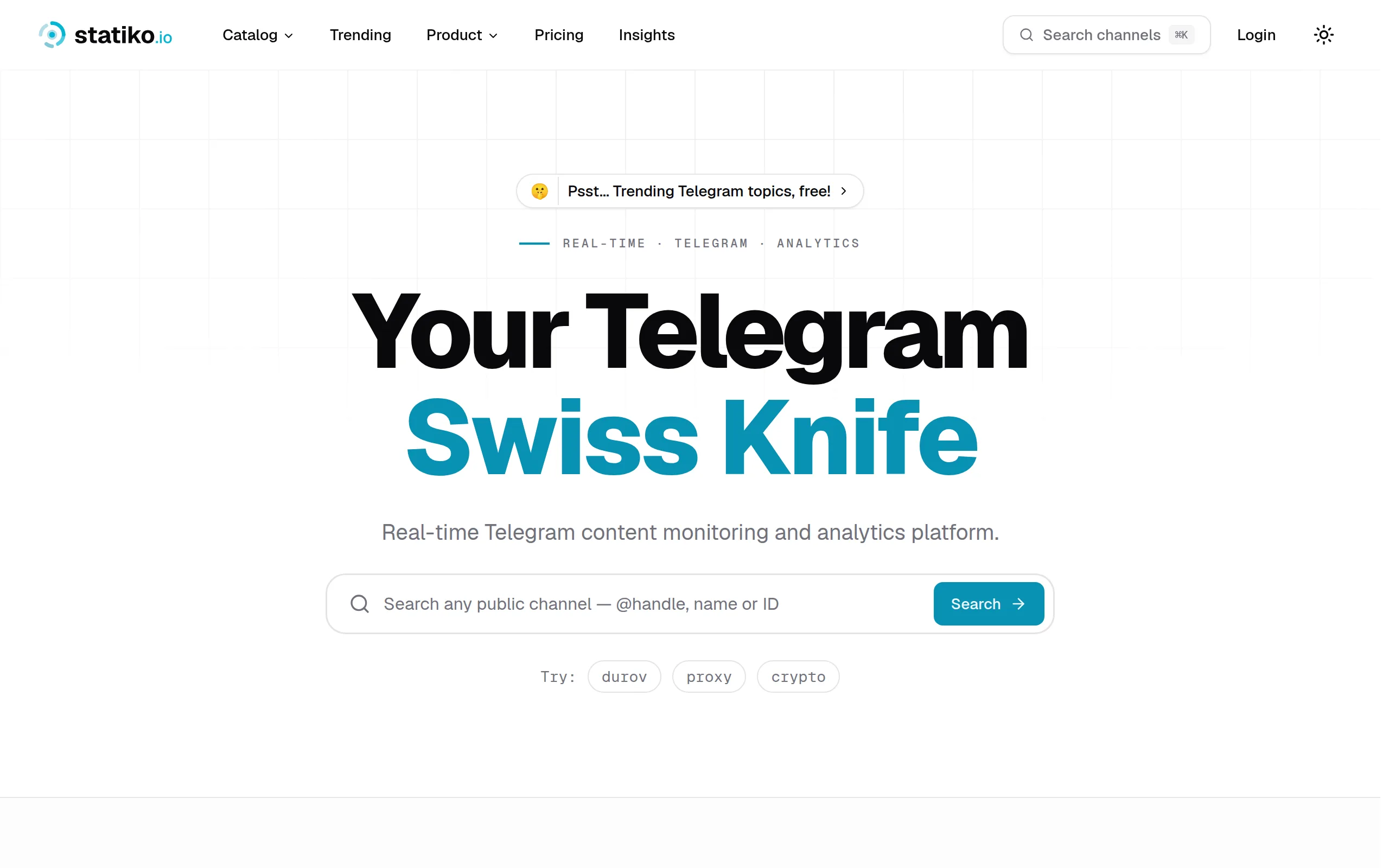
Statiko
Monitor any Telegram channel in real time - track posts, edits, deletions, and growth with AI recaps 📡

Shibui
AI website builder - describe your business, pick a niche template, edit by chatting, and publish instantly ✨

Pro Service
Find verified home service professionals, compare quotes, and pay securely through escrow - built for Brazilians across the US 🏠
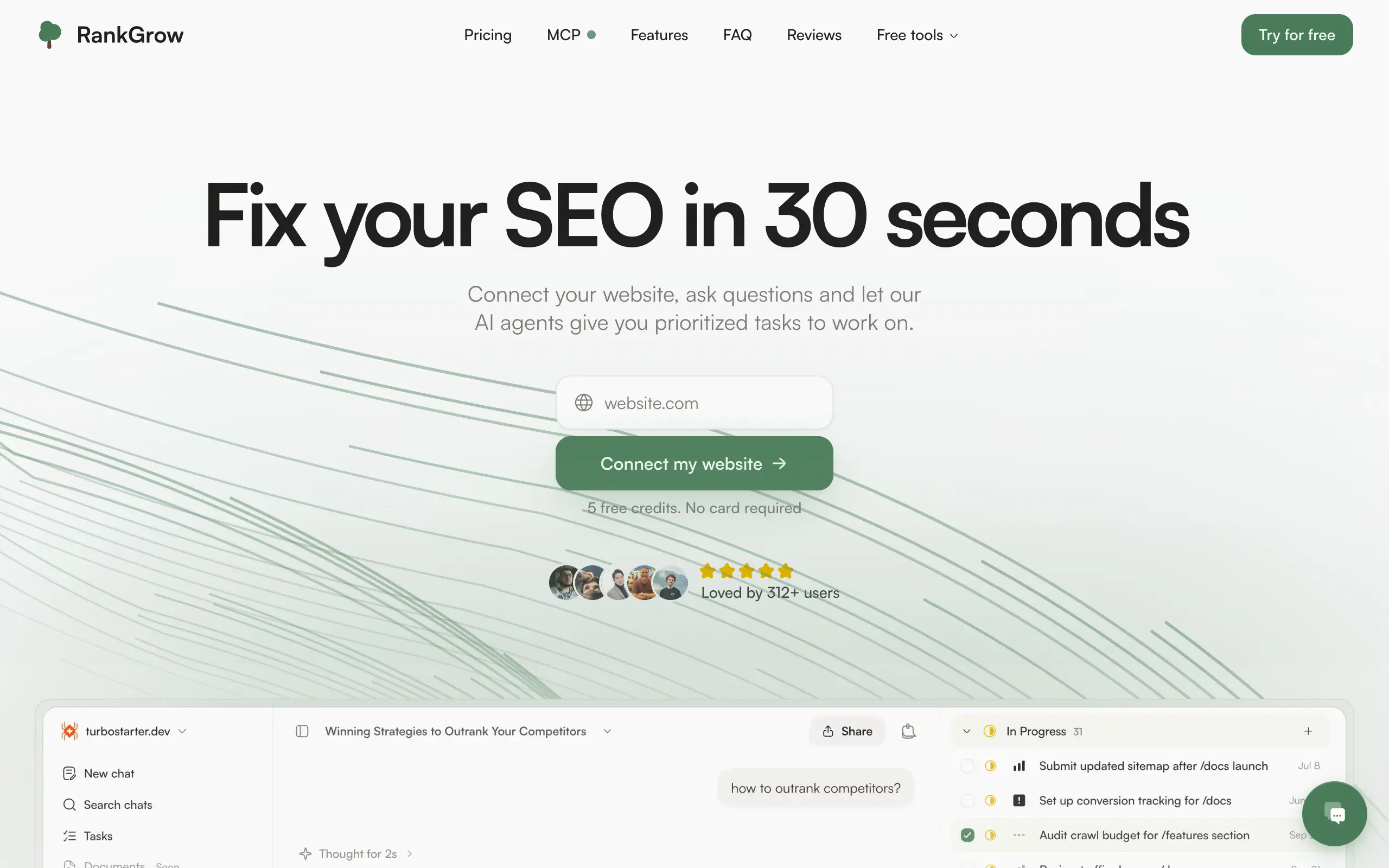
RankGrow
Fix your SEO with AI agents - connect Search Console, get prioritized tasks, and grow organic traffic 📈
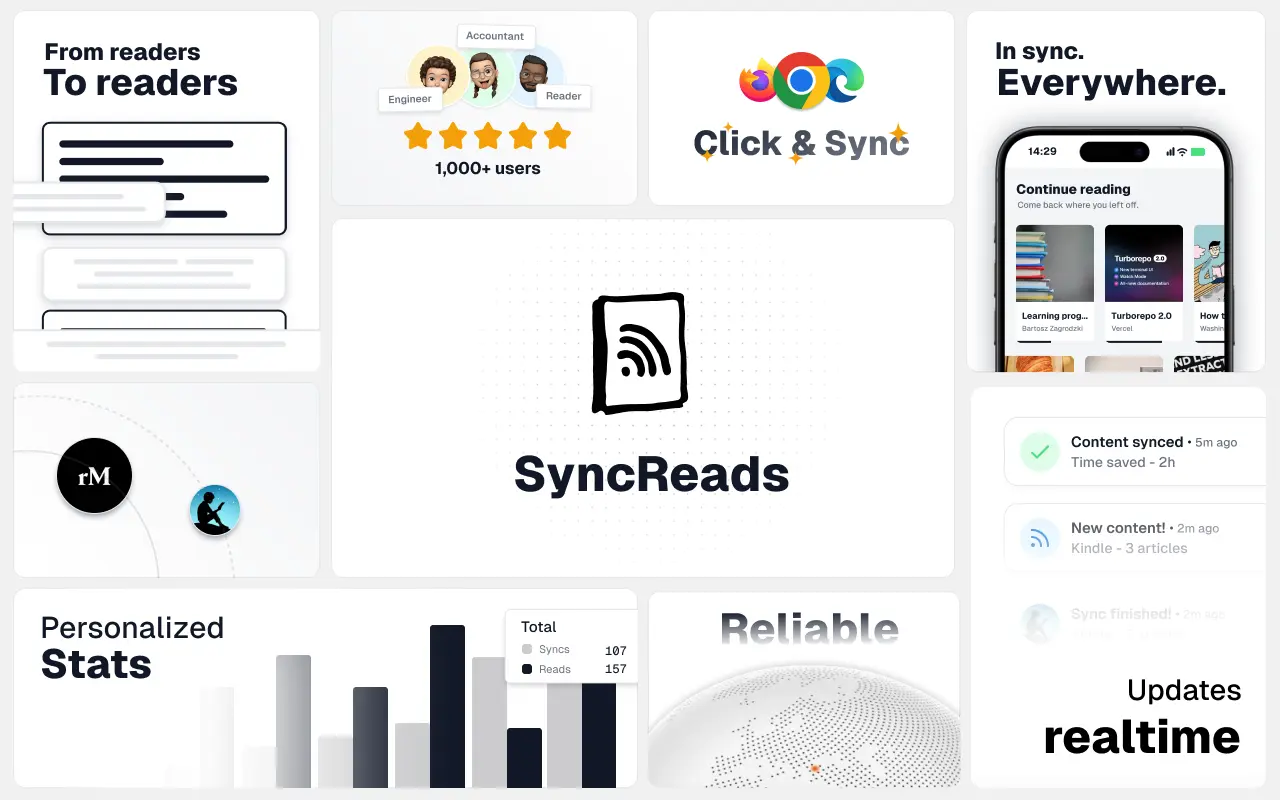
SyncReads
Sync your favorite content for distraction-free reading, save time and replace multiple apps. Anytime, anywhere 🔄
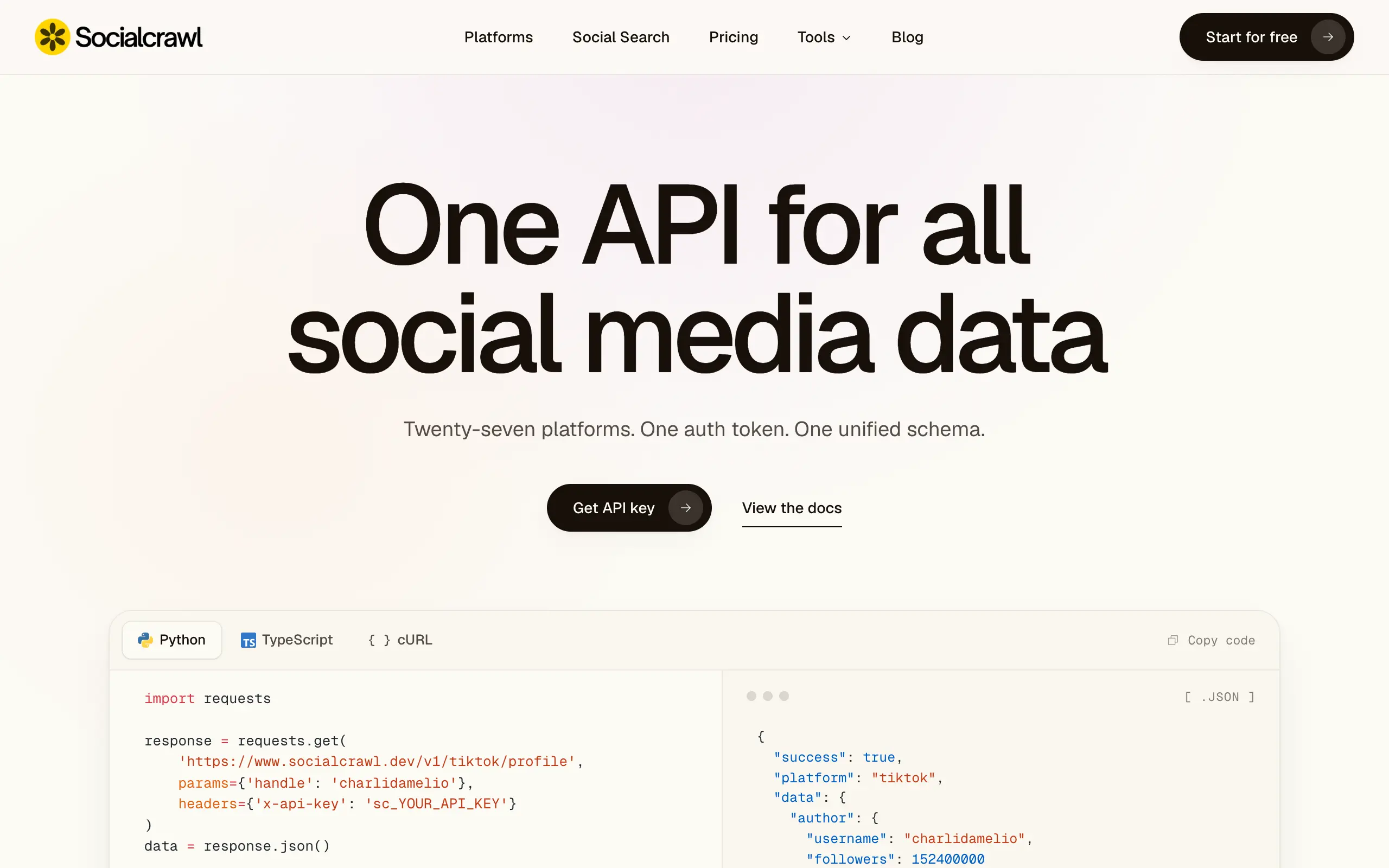
Socialcrawl
Get clean, structured data from 21 platforms like TikTok, Instagram, and YouTube with a single request 📊
Statiko
Monitor any Telegram channel in real time - track posts, edits, deletions, and growth with AI recaps 📡
Shibui
AI website builder - describe your business, pick a niche template, edit by chatting, and publish instantly ✨
Pro Service
Find verified home service professionals, compare quotes, and pay securely through escrow - built for Brazilians across the US 🏠
RankGrow
Fix your SEO with AI agents - connect Search Console, get prioritized tasks, and grow organic traffic 📈
SyncReads
Sync your favorite content for distraction-free reading, save time and replace multiple apps. Anytime, anywhere 🔄
Socialcrawl
Get clean, structured data from 21 platforms like TikTok, Instagram, and YouTube with a single request 📊
Statiko
Monitor any Telegram channel in real time - track posts, edits, deletions, and growth with AI recaps 📡
Shibui
AI website builder - describe your business, pick a niche template, edit by chatting, and publish instantly ✨
Pro Service
Find verified home service professionals, compare quotes, and pay securely through escrow - built for Brazilians across the US 🏠
RankGrow
Fix your SEO with AI agents - connect Search Console, get prioritized tasks, and grow organic traffic 📈
SyncReads
Sync your favorite content for distraction-free reading, save time and replace multiple apps. Anytime, anywhere 🔄
Socialcrawl
Get clean, structured data from 21 platforms like TikTok, Instagram, and YouTube with a single request 📊
Statiko
Monitor any Telegram channel in real time - track posts, edits, deletions, and growth with AI recaps 📡
Shibui
AI website builder - describe your business, pick a niche template, edit by chatting, and publish instantly ✨
Pro Service
Find verified home service professionals, compare quotes, and pay securely through escrow - built for Brazilians across the US 🏠
RankGrow
Fix your SEO with AI agents - connect Search Console, get prioritized tasks, and grow organic traffic 📈
SyncReads
Sync your favorite content for distraction-free reading, save time and replace multiple apps. Anytime, anywhere 🔄
Socialcrawl
Get clean, structured data from 21 platforms like TikTok, Instagram, and YouTube with a single request 📊
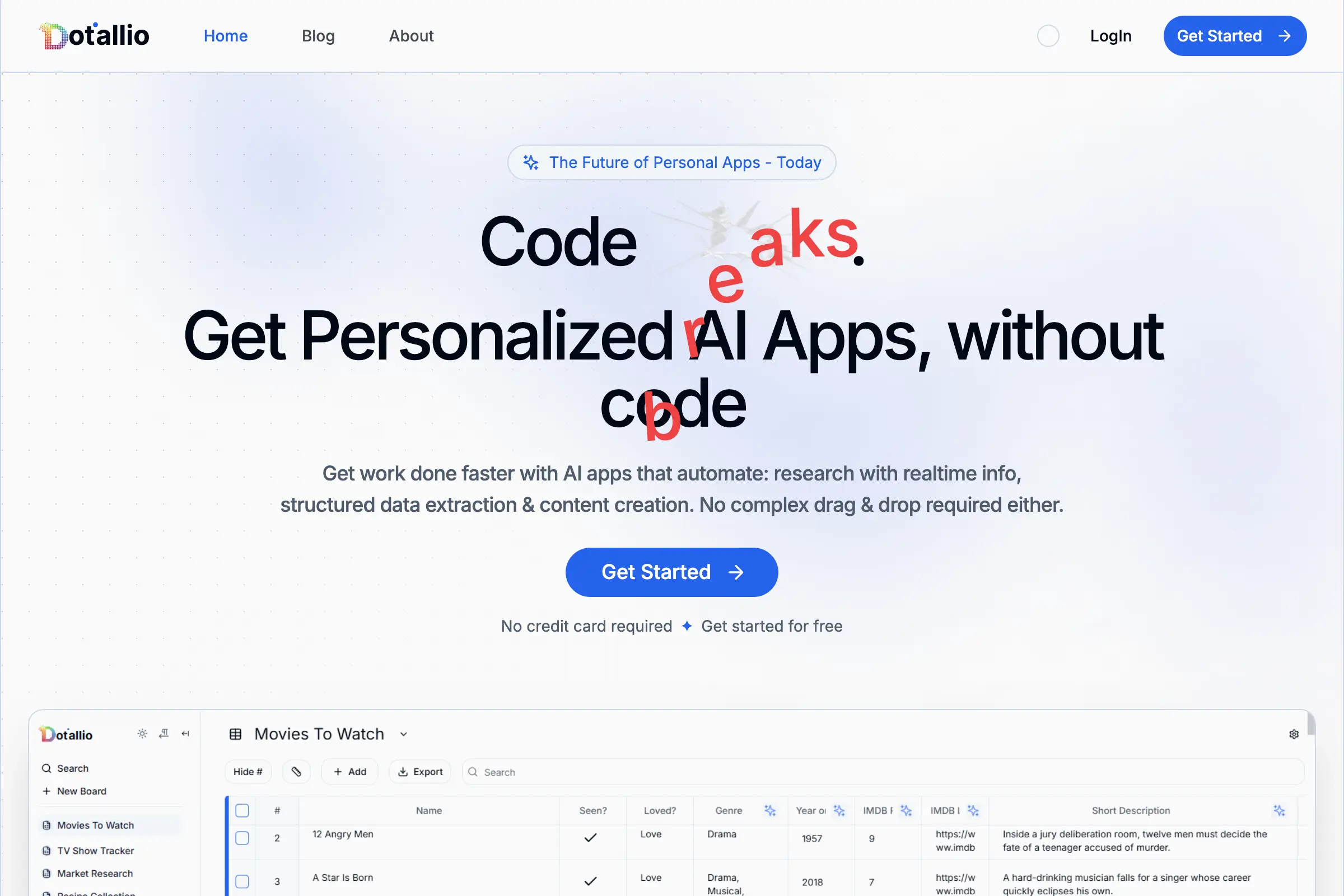
Dotallio
Personalized AI apps that automate research, data extraction, and content creation without code 🤖

Talk to Santa
Enjoy a magical live video chat or receive a unique AI-generated video greeting from Santa Claus 🎅

pozywka.pl
Scalable blog for food journalist, focused on performance and user experience 🌭
zagrodzki.me
Personal blog and portfolio of Bart Zagrodzki, where he shares his knowledge and work 💼
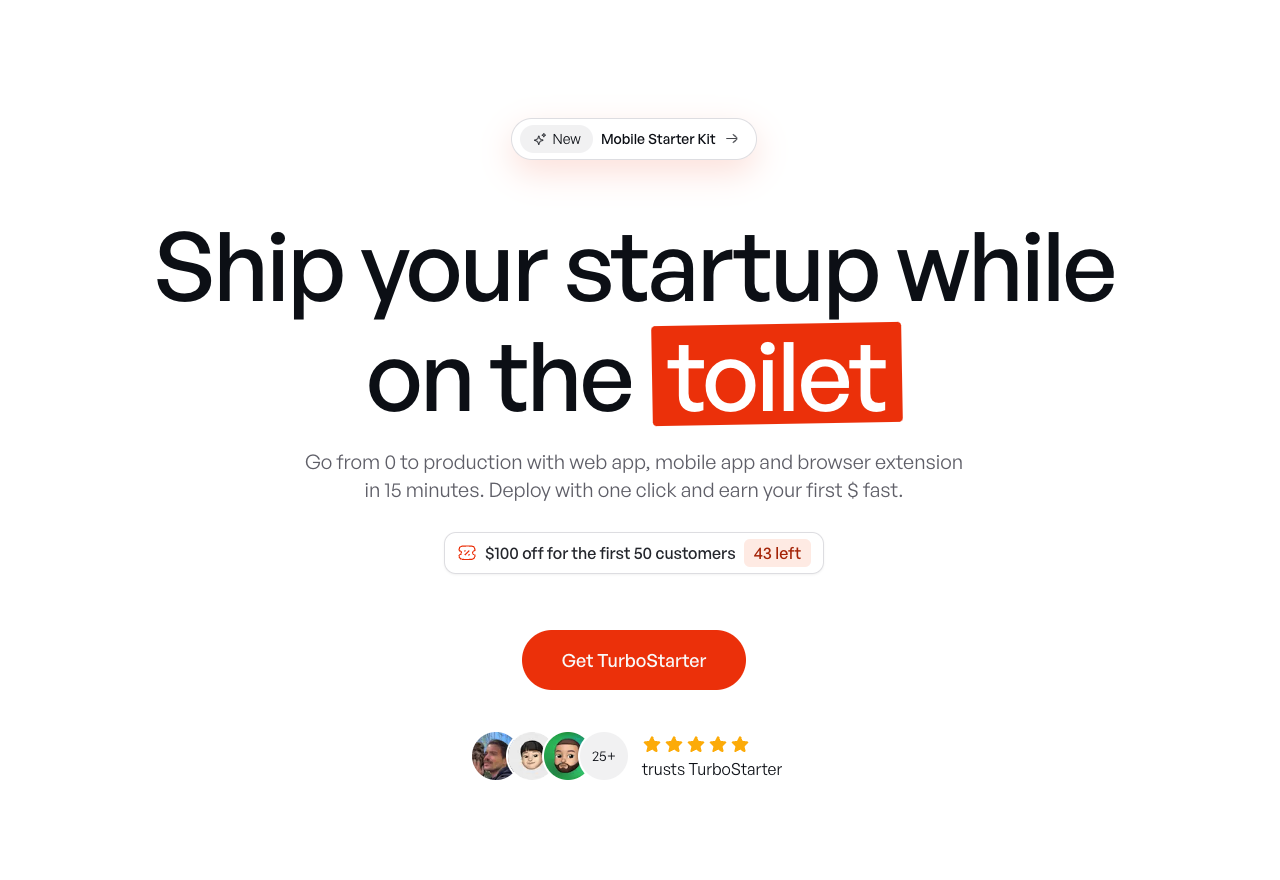
TurboStarter
Ship your startup everywhere. In minutes.
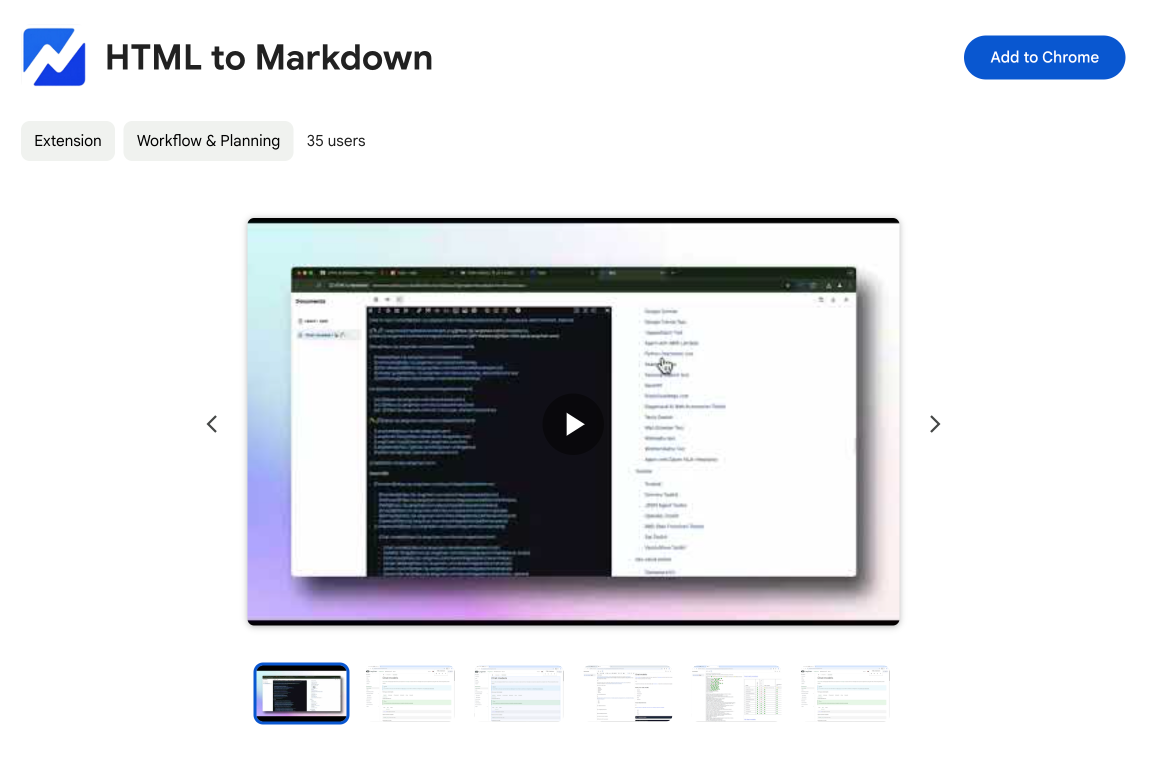
HTML to Markdown
Convert HTML to Markdown with ease, directly in your browser 📄
Dotallio
Personalized AI apps that automate research, data extraction, and content creation without code 🤖
Talk to Santa
Enjoy a magical live video chat or receive a unique AI-generated video greeting from Santa Claus 🎅
pozywka.pl
Scalable blog for food journalist, focused on performance and user experience 🌭
zagrodzki.me
Personal blog and portfolio of Bart Zagrodzki, where he shares his knowledge and work 💼
TurboStarter
Ship your startup everywhere. In minutes.
HTML to Markdown
Convert HTML to Markdown with ease, directly in your browser 📄
Dotallio
Personalized AI apps that automate research, data extraction, and content creation without code 🤖
Talk to Santa
Enjoy a magical live video chat or receive a unique AI-generated video greeting from Santa Claus 🎅
pozywka.pl
Scalable blog for food journalist, focused on performance and user experience 🌭
zagrodzki.me
Personal blog and portfolio of Bart Zagrodzki, where he shares his knowledge and work 💼
TurboStarter
Ship your startup everywhere. In minutes.
HTML to Markdown
Convert HTML to Markdown with ease, directly in your browser 📄
Dotallio
Personalized AI apps that automate research, data extraction, and content creation without code 🤖
Talk to Santa
Enjoy a magical live video chat or receive a unique AI-generated video greeting from Santa Claus 🎅
pozywka.pl
Scalable blog for food journalist, focused on performance and user experience 🌭
zagrodzki.me
Personal blog and portfolio of Bart Zagrodzki, where he shares his knowledge and work 💼
TurboStarter
Ship your startup everywhere. In minutes.
HTML to Markdown
Convert HTML to Markdown with ease, directly in your browser 📄
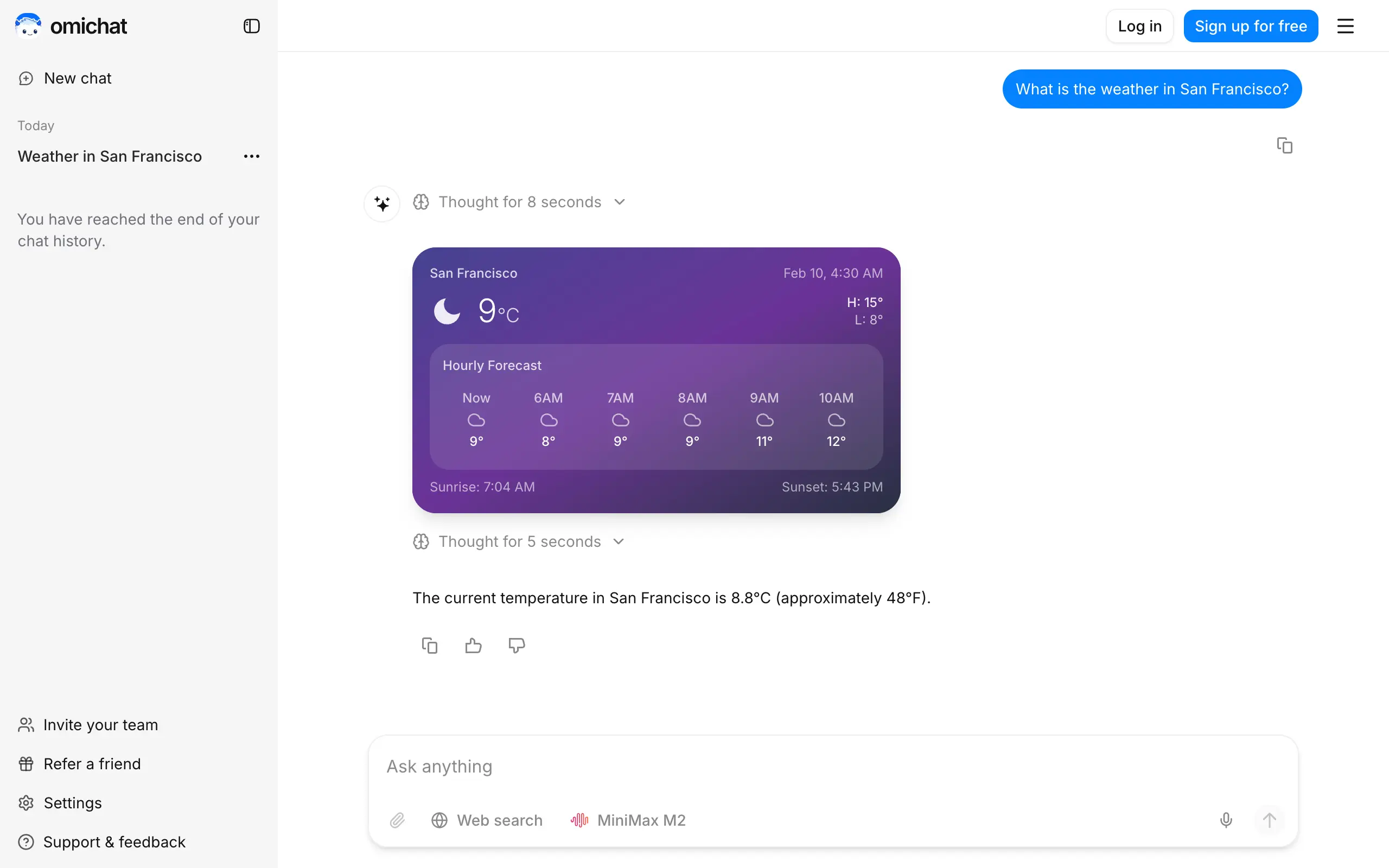
Omichat
Chat with 50+ AI models, including ChatGPT and Claude, in one place - switch models anytime without losing context 🤖
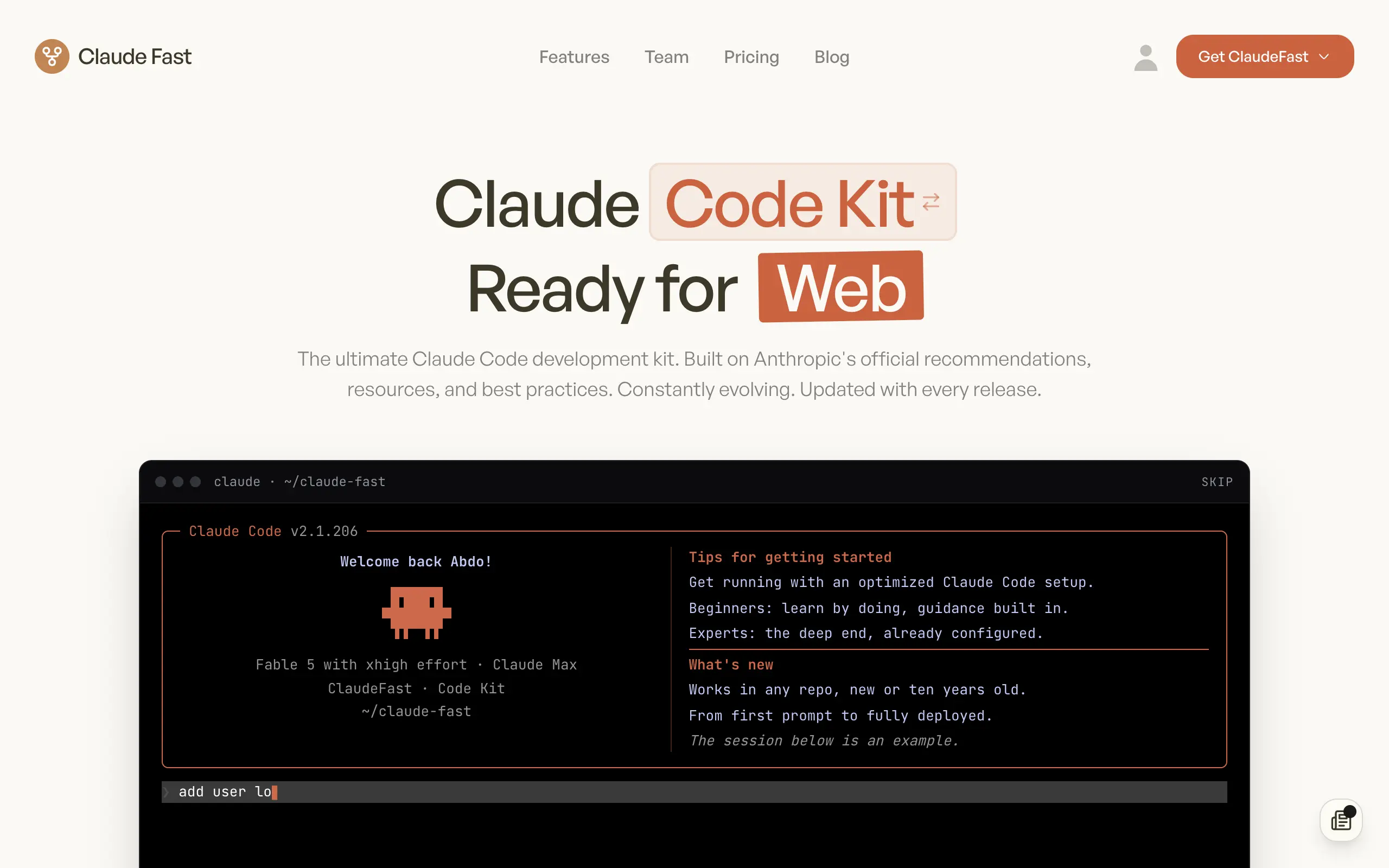
Claude Fast
Supercharge your Claude Code with 6x effective context window and specialized AI agents 🤖
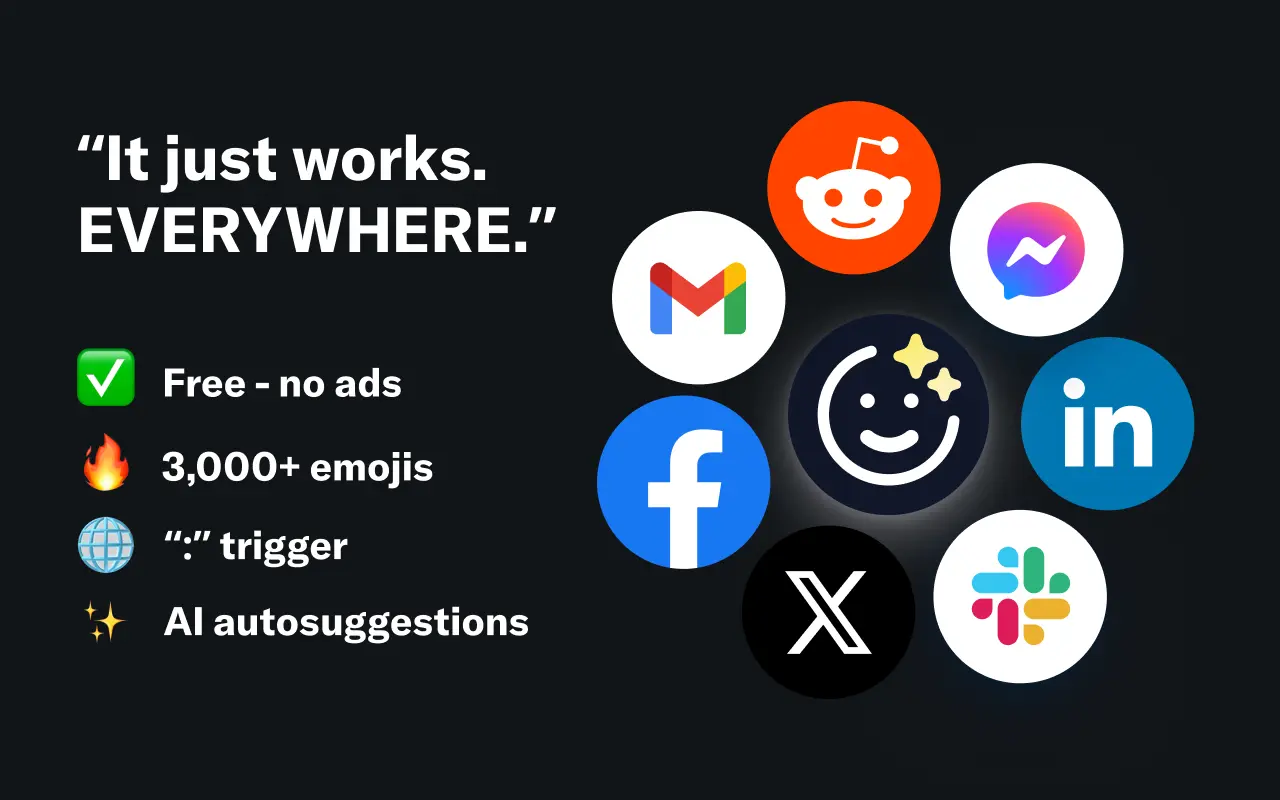
EmojAI
AI-powered emoji picker with smart, context-aware suggestions 🤖
Solohacker
Autonomous company launcher - AI agents work 24/7, escalate what matters, and you stay in control 🤖
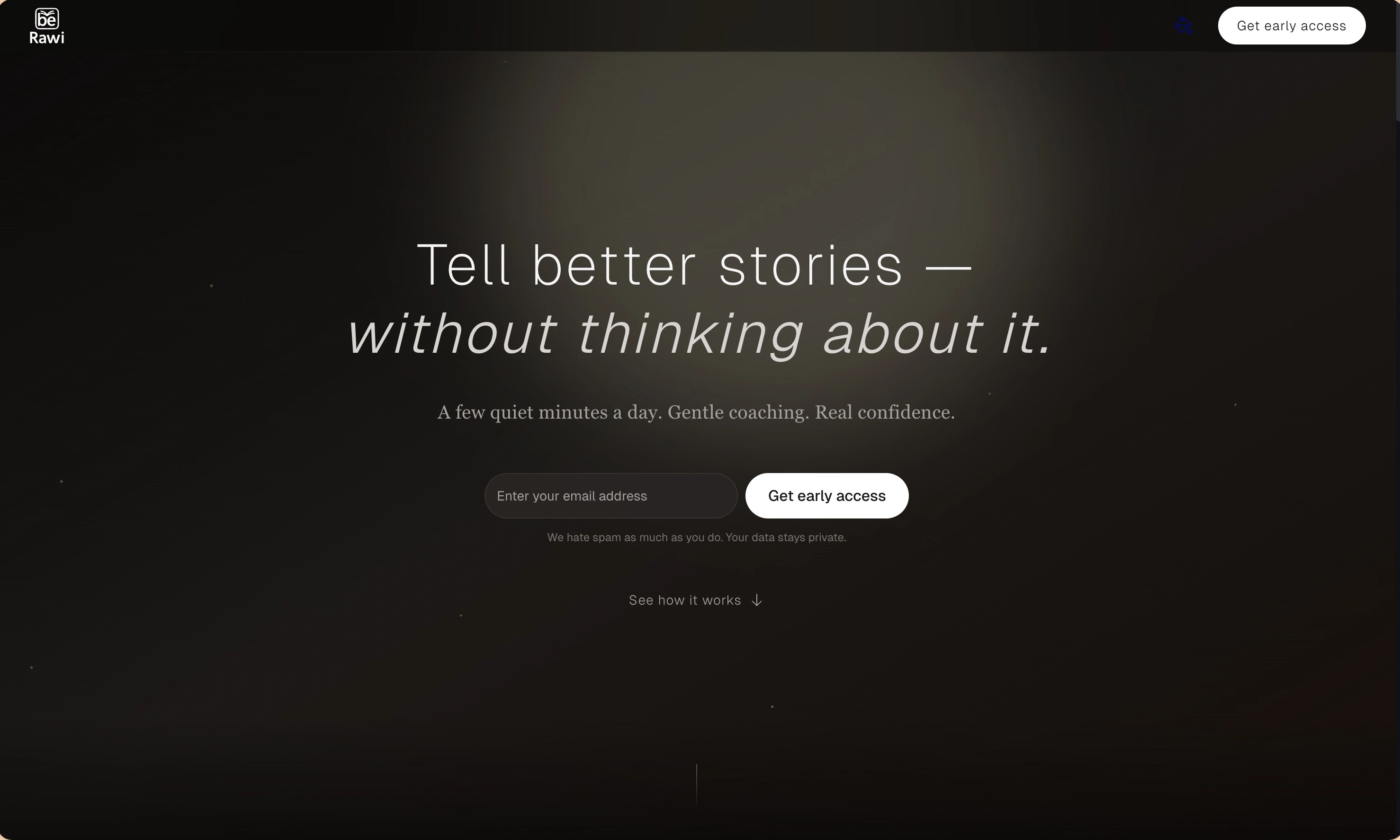
BeRawi: Storytelling Coach
Practice storytelling daily with instant feedback to sound clearer, more engaging, and confident 🎤
Omichat
Chat with 50+ AI models, including ChatGPT and Claude, in one place - switch models anytime without losing context 🤖
Claude Fast
Supercharge your Claude Code with 6x effective context window and specialized AI agents 🤖
EmojAI
AI-powered emoji picker with smart, context-aware suggestions 🤖
Solohacker
Autonomous company launcher - AI agents work 24/7, escalate what matters, and you stay in control 🤖
BeRawi: Storytelling Coach
Practice storytelling daily with instant feedback to sound clearer, more engaging, and confident 🎤
Omichat
Chat with 50+ AI models, including ChatGPT and Claude, in one place - switch models anytime without losing context 🤖
Claude Fast
Supercharge your Claude Code with 6x effective context window and specialized AI agents 🤖
EmojAI
AI-powered emoji picker with smart, context-aware suggestions 🤖
Solohacker
Autonomous company launcher - AI agents work 24/7, escalate what matters, and you stay in control 🤖
BeRawi: Storytelling Coach
Practice storytelling daily with instant feedback to sound clearer, more engaging, and confident 🎤
Omichat
Chat with 50+ AI models, including ChatGPT and Claude, in one place - switch models anytime without losing context 🤖
Claude Fast
Supercharge your Claude Code with 6x effective context window and specialized AI agents 🤖
EmojAI
AI-powered emoji picker with smart, context-aware suggestions 🤖
Solohacker
Autonomous company launcher - AI agents work 24/7, escalate what matters, and you stay in control 🤖
BeRawi: Storytelling Coach
Practice storytelling daily with instant feedback to sound clearer, more engaging, and confident 🎤

Connect with like-minded people
Join our community to get feedback, support, and grow together with 1,000+ builders on board, let's ship it!
Join usShip your startup everywhere. In minutes.
Don't burn tokens on setup and start building features on day one.