ScholarSight
AI analytics platform for schools that predicts at-risk students early using behavioral and academic data, enabling proactive interventions.
Why AI-powered student risk prediction is becoming essential for schools
Across K–12 and higher education, schools face mounting pressure to improve student outcomes, increase retention, and support mental health—all while operating under tight budgets and limited staff capacity. Traditional methods of identifying at-risk students rely heavily on teacher intuition, manual grade reviews, or reactive discipline systems. By the time a student is flagged, the window for effective intervention is often already closing.
An AI analytics platform for schools like ScholarSight addresses this gap. By leveraging behavioral, attendance, and academic data, it predicts at-risk students early—enabling proactive, data-driven interventions.
This article explores:
- The market opportunity for AI in education analytics
- The target audience and pain points
- Core features of an AI student risk prediction platform
- Technical architecture and recommended tech stack
- Monetization models and pricing strategy
- Competitive landscape and differentiation
- Risks, compliance, and mitigation strategies
- Actionable steps to build and launch ScholarSight
The problem: reactive interventions are too late
Schools collect enormous amounts of data:
- Attendance records
- Assignment submissions
- Grades and test scores
- Behavioral incidents
- LMS activity logs
- Counselor notes
- Demographic and program participation data
Yet most institutions underutilize this data.
Key challenges schools face
- Fragmented systems (SIS, LMS, behavior tracking tools don’t communicate well)
- Manual analysis by administrators or counselors
- Subjective risk assessments
- Limited staff bandwidth
- Inconsistent early warning systems
Research consistently shows that early indicators—such as chronic absenteeism, declining GPA, or behavioral shifts—strongly correlate with dropout risk. However, detecting complex, multi-factor risk patterns requires more than spreadsheets.
This is where AI-powered student analytics becomes transformative.
What is ScholarSight?
ScholarSight is an AI analytics platform for schools that predicts at-risk students early using behavioral and academic data, empowering administrators, teachers, and counselors to intervene before problems escalate.
Rather than replacing human judgment, ScholarSight augments it by:
- Aggregating multi-source student data
- Running predictive risk models
- Flagging students with rising risk trajectories
- Recommending evidence-based intervention pathways
- Tracking intervention effectiveness over time
It transforms raw data into actionable insight.
Target audience analysis
Understanding who ScholarSight serves is critical for product design, messaging, and monetization.
Primary audiences
K–12 public school districts
District administrators seeking improved graduation rates, attendance metrics, and equitable student support systems.
Charter school networks
Data-driven organizations focused on measurable performance improvements and accountability.
Private schools
Institutions prioritizing student well-being, parent satisfaction, and academic excellence.
Higher education institutions
Colleges aiming to reduce dropout rates and improve first-year retention.
Secondary stakeholders
- School principals
- Academic deans
- Counselors and social workers
- Teachers
- Special education coordinators
- Student success officers
Buyer persona
The typical decision-maker:
- Title: Director of Student Services, Superintendent, CIO, or VP of Student Success
- Goals: Improve retention, reduce disciplinary incidents, increase graduation rates
- Pain Points:
- “We don’t know which students need help until it’s too late.”
- “Our systems don’t talk to each other.”
- “We need data-backed intervention strategies.”
ScholarSight must speak both to educational impact and operational efficiency.
Market opportunity for AI in education analytics
The EdTech market continues to grow, driven by digital transformation in schools and post-pandemic hybrid learning models. AI adoption in education is accelerating, particularly in:
- Personalized learning
- Predictive analytics
- Administrative automation
- Mental health support systems
Why now is the right time
- Data maturity: Schools already collect structured data in SIS and LMS platforms.
- Cloud adoption: Increasing comfort with SaaS tools in education.
- Accountability pressure: Governments and boards demand measurable improvement.
- AI accessibility: Advances in machine learning frameworks make predictive modeling more affordable.
Despite this, most schools still rely on:
- Static dashboards
- Basic early warning rules (e.g., “attendance below 85%”)
- Manual counselor check-ins
There’s a major gap between data availability and predictive intelligence.
ScholarSight bridges that gap.
Core features of ScholarSight
To truly compete in the AI student risk prediction space, the platform must go beyond simple dashboards.
1. Unified data integration layer
ScholarSight connects with:
- Student Information Systems (SIS)
- Learning Management Systems (LMS)
- Behavior tracking tools
- Attendance databases
- Assessment platforms
Using APIs and secure ETL pipelines, it consolidates data into a centralized model.
2. AI-powered risk scoring engine
The heart of ScholarSight is its predictive analytics model.
It should:
- Use supervised learning on historical student outcomes
- Incorporate academic, behavioral, and engagement signals
- Continuously retrain as new data is added
- Provide explainable risk factors
Example risk output:
interface StudentRiskProfile {
  studentId: string;
  riskScore: number; // 0–100
  riskLevel: "Low" | "Moderate" | "High";
  contributingFactors: string[];
  recommendedInterventions: string[];
}
Explainability is critical for trust. Schools must understand why a student is flagged.
3. Behavioral trend detection
Instead of static thresholds, ScholarSight analyzes:
- Sudden attendance drops
- Assignment submission decline
- Increasing disciplinary incidents
- LMS inactivity
It detects trajectory shifts, not just fixed values.
4. Intervention management system
Flagging risk is only half the solution.
ScholarSight should include:
- Intervention planning workflows
- Task assignment to counselors or teachers
- Follow-up reminders
- Documentation logs
- Outcome tracking
This transforms the platform from predictive tool to intervention lifecycle manager.
5. Role-based dashboards
Different stakeholders need different views.
- School-wide risk distribution
- Trend reports by grade level
- Intervention effectiveness metrics
- Equity analysis by demographic groups
- Assigned at-risk students
- Risk factor breakdown
- Intervention notes
- Follow-up scheduling
- Classroom-level risk alerts
- Attendance trends
- Academic performance changes
6. Equity and bias monitoring
AI in education must proactively address bias.
ScholarSight should:
- Monitor model outputs across demographics
- Provide fairness reports
- Allow bias auditing
- Enable manual override with justification logging
Competitive landscape and differentiation
There are existing early warning systems and student analytics platforms. However, many suffer from:
- Limited predictive modeling
- Static rule-based alerts
- Poor UI/UX
- Lack of intervention tracking
- Weak explainability
Competitive advantage of ScholarSight
| Feature | Basic dashboards | Rule-based alerts | ScholarSight | Traditional SIS |
|---|---|---|---|---|
| Predictive AI modeling | ❌ | ❌ | ✅ | ❌ |
| Trajectory-based risk detection | ❌ | ❌ | ✅ | ❌ |
| Intervention lifecycle tracking | ❌ | ❌ | ✅ | ❌ |
| Explainable AI outputs | ❌ | ❌ | ✅ | ❌ |
Unique selling proposition (USP)
ScholarSight combines predictive AI, behavioral trend analysis, and structured intervention workflows into one unified, compliance-ready platform for schools.
It’s not just analytics—it’s actionable intelligence.
Technical architecture and recommended tech stack
Building a scalable AI analytics SaaS requires careful technical decisions.
Frontend
- React for UI
- Next.js for server-side rendering and performance
- TailwindCSS for consistent design system
These choices ensure:
- Fast performance
- Accessibility compliance
- Maintainable UI components
Backend
Options:
- Node.js (TypeScript) for API layer
- Python (FastAPI) for ML services
Why Python?
- Strong ML ecosystem (scikit-learn, PyTorch, TensorFlow)
- Easy model experimentation
- Rich data processing libraries
Data pipeline
- Secure API ingestion from SIS/LMS
- ETL processing layer
- Data warehouse (e.g., PostgreSQL or Snowflake)
- Feature engineering service
- Model training pipeline
AI modeling approach
Start with:
- Logistic regression (baseline)
- Gradient boosting (e.g., XGBoost)
- Random forest models
Then explore:
- Temporal sequence models for trend detection
- Ensemble methods
Hosting and infrastructure
- AWS or GCP for compliance-ready infrastructure
- Encrypted storage (AES-256)
- Role-based access control
- SOC 2 readiness roadmap
For faster SaaS deployment and boilerplate setup, leveraging a production-ready starter kit like TurboStarter can significantly reduce time-to-market.
Data privacy, compliance, and trust
This is non-negotiable in education.
Key regulations
- FERPA (U.S.)
- COPPA (for younger students)
- GDPR (if serving EU institutions)
Required safeguards
- End-to-end encryption
- Role-based access controls
- Data minimization
- Audit logging
- Explicit data processing agreements
Trust is everything
If schools perceive AI as opaque or invasive, adoption will fail. Transparency and compliance must be core product pillars—not afterthoughts.
Monetization strategy
ScholarSight should adopt a B2B SaaS pricing model.
Pricing models to consider
- Per-student pricing (e.g., $3–$8 per student/year)
- Tiered plans (Basic, Pro, Enterprise)
- District-wide annual contracts
- Add-on modules (advanced analytics, custom integrations)
Recommended structure
- Minimum annual contract
- Pricing based on total enrolled students
- Implementation onboarding fee
- Optional premium support package
Upsell opportunities
- Custom model tuning
- Predictive mental health indicators
- Grant reporting automation
- Advanced equity analytics
Risks and mitigation strategies
Mitigation: Regular fairness audits, demographic performance tracking, and transparent reporting dashboards.
Mitigation: Build standardized connectors and prioritize top SIS/LMS vendors first.
Mitigation: Provide training, emphasize augmentation (not replacement), and include explainable AI outputs.
Mitigation: Clear disclaimers, advisory positioning (not diagnostic), and legal review of risk scoring language.
Go-to-market strategy
ScholarSight should focus on:
- Pilot programs in mid-sized districts
- Case studies demonstrating measurable retention improvement
- Conference presence (education leadership events)
- Partnerships with EdTech consultants
Sales approach
- Direct B2B sales
- 6–9 month procurement cycle
- Demo-heavy process
- ROI-focused messaging
Implementation roadmap
Building ScholarSight requires structured execution.
Long-term vision
ScholarSight can evolve into:
- A national benchmark risk model
- An intervention effectiveness intelligence platform
- A predictive enrollment and retention planning tool
- A cross-district data insights network
The real power lies not just in predicting risk—but in continuously improving student outcomes through data-informed strategy.
Final thoughts: building an impactful AI analytics platform for schools
The future of education will be shaped by institutions that move from reactive to proactive support systems. AI student risk prediction platforms like ScholarSight represent a fundamental shift:
- From static dashboards to predictive intelligence
- From late intervention to early action
- From fragmented data to unified insight
For founders and product teams, the opportunity is substantial—but so is the responsibility.
Build with transparency.
Design with educators in mind.
Prioritize fairness.
Lead with measurable outcomes.
If executed thoughtfully, ScholarSight can become more than a SaaS product—it can be a catalyst for improving student success at scale.
More 🤖 AI Startup SaaS ideas
Discover more innovative ai startup SaaS ideas that are trending in 2026. Each idea is AI-generated with market validation and growth potential to help you find your next profitable venture faster than competitors.
Your competitors are building with TurboStarter
Below are some of the SaaS ideas that have been generated and built with our starter kit.
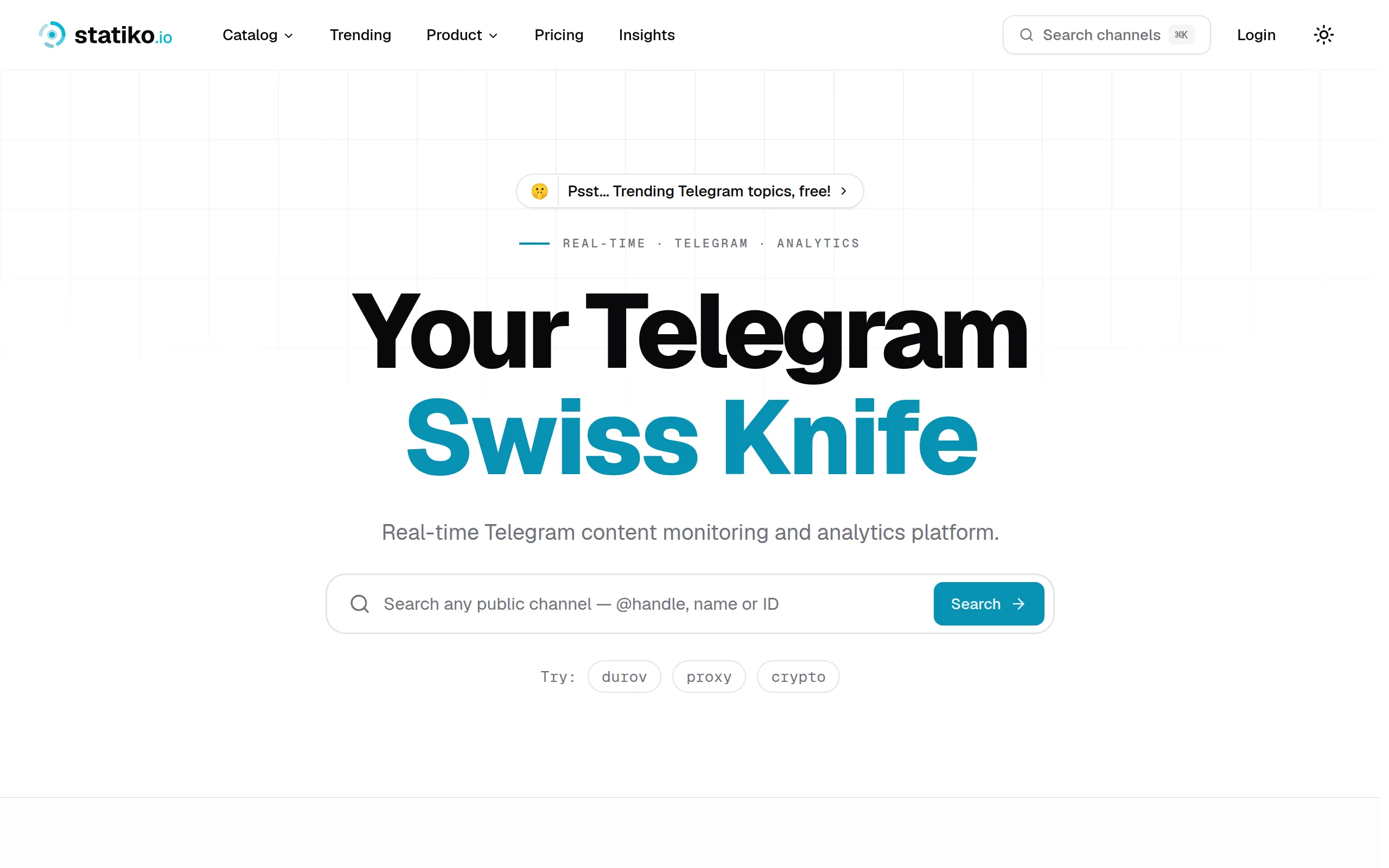
Statiko
Monitor any Telegram channel in real time - track posts, edits, deletions, and growth with AI recaps 📡

Shibui
AI website builder - describe your business, pick a niche template, edit by chatting, and publish instantly ✨

Pro Service
Find verified home service professionals, compare quotes, and pay securely through escrow - built for Brazilians across the US 🏠
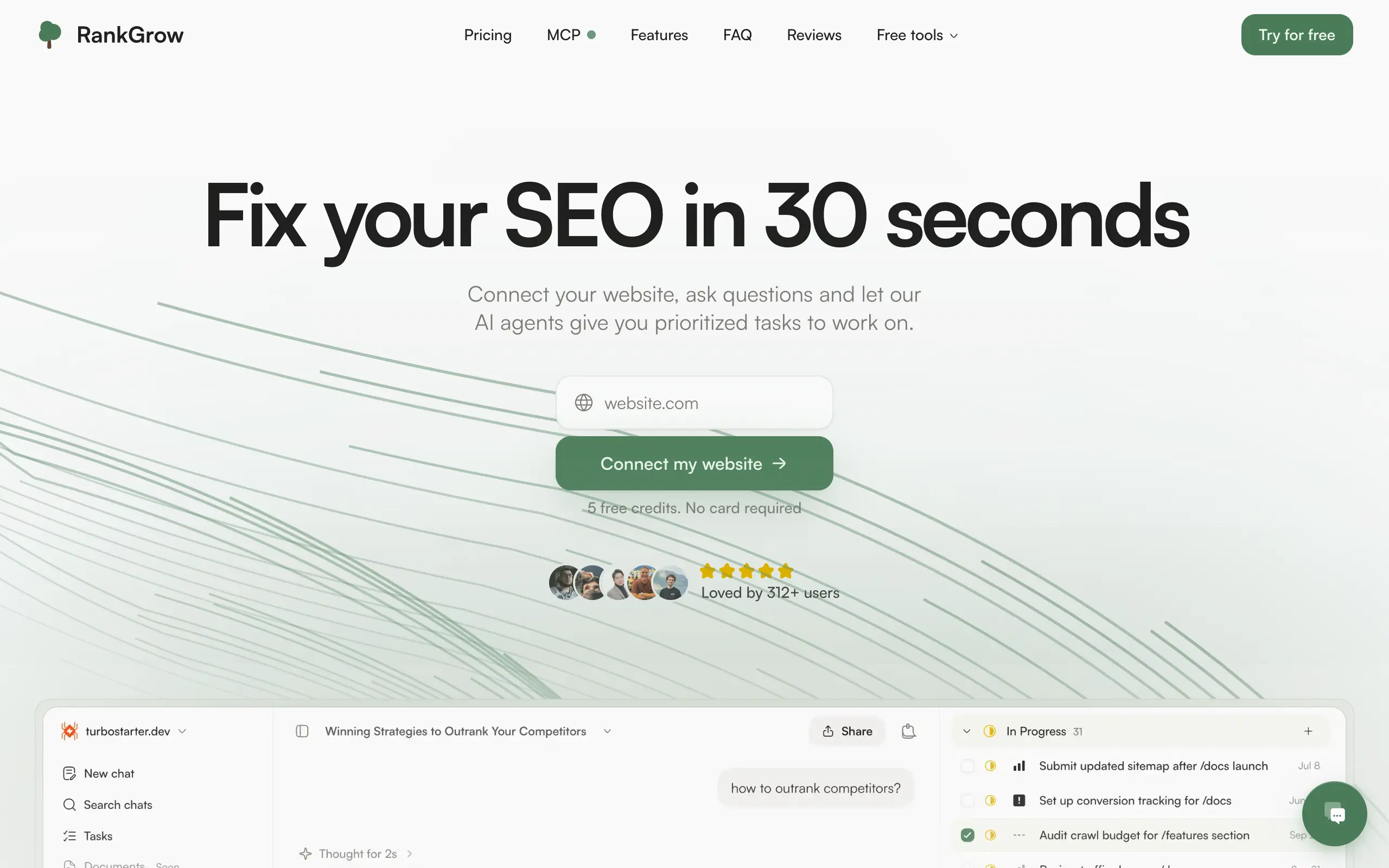
RankGrow
Fix your SEO with AI agents - connect Search Console, get prioritized tasks, and grow organic traffic 📈
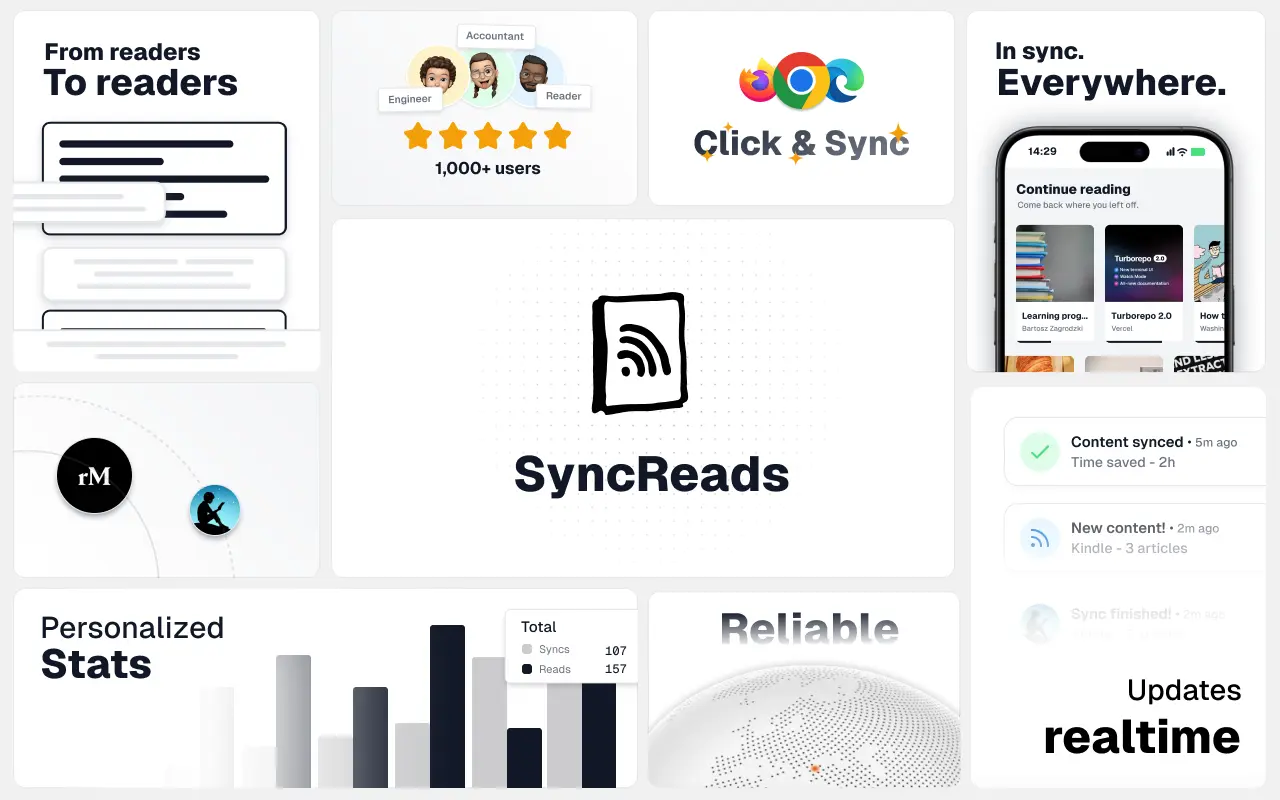
SyncReads
Sync your favorite content for distraction-free reading, save time and replace multiple apps. Anytime, anywhere 🔄
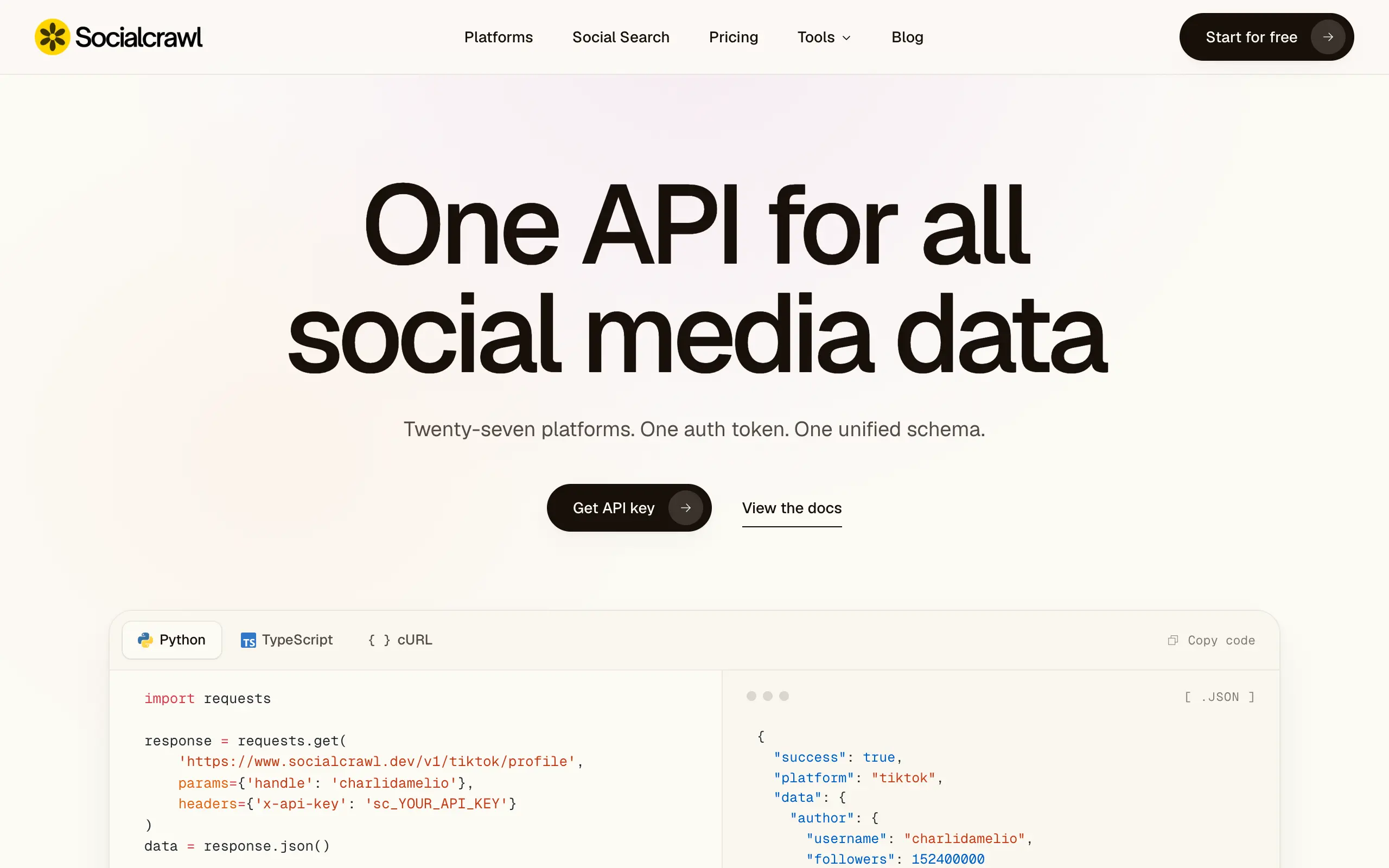
Socialcrawl
Get clean, structured data from 21 platforms like TikTok, Instagram, and YouTube with a single request 📊
Statiko
Monitor any Telegram channel in real time - track posts, edits, deletions, and growth with AI recaps 📡
Shibui
AI website builder - describe your business, pick a niche template, edit by chatting, and publish instantly ✨
Pro Service
Find verified home service professionals, compare quotes, and pay securely through escrow - built for Brazilians across the US 🏠
RankGrow
Fix your SEO with AI agents - connect Search Console, get prioritized tasks, and grow organic traffic 📈
SyncReads
Sync your favorite content for distraction-free reading, save time and replace multiple apps. Anytime, anywhere 🔄
Socialcrawl
Get clean, structured data from 21 platforms like TikTok, Instagram, and YouTube with a single request 📊
Statiko
Monitor any Telegram channel in real time - track posts, edits, deletions, and growth with AI recaps 📡
Shibui
AI website builder - describe your business, pick a niche template, edit by chatting, and publish instantly ✨
Pro Service
Find verified home service professionals, compare quotes, and pay securely through escrow - built for Brazilians across the US 🏠
RankGrow
Fix your SEO with AI agents - connect Search Console, get prioritized tasks, and grow organic traffic 📈
SyncReads
Sync your favorite content for distraction-free reading, save time and replace multiple apps. Anytime, anywhere 🔄
Socialcrawl
Get clean, structured data from 21 platforms like TikTok, Instagram, and YouTube with a single request 📊
Statiko
Monitor any Telegram channel in real time - track posts, edits, deletions, and growth with AI recaps 📡
Shibui
AI website builder - describe your business, pick a niche template, edit by chatting, and publish instantly ✨
Pro Service
Find verified home service professionals, compare quotes, and pay securely through escrow - built for Brazilians across the US 🏠
RankGrow
Fix your SEO with AI agents - connect Search Console, get prioritized tasks, and grow organic traffic 📈
SyncReads
Sync your favorite content for distraction-free reading, save time and replace multiple apps. Anytime, anywhere 🔄
Socialcrawl
Get clean, structured data from 21 platforms like TikTok, Instagram, and YouTube with a single request 📊
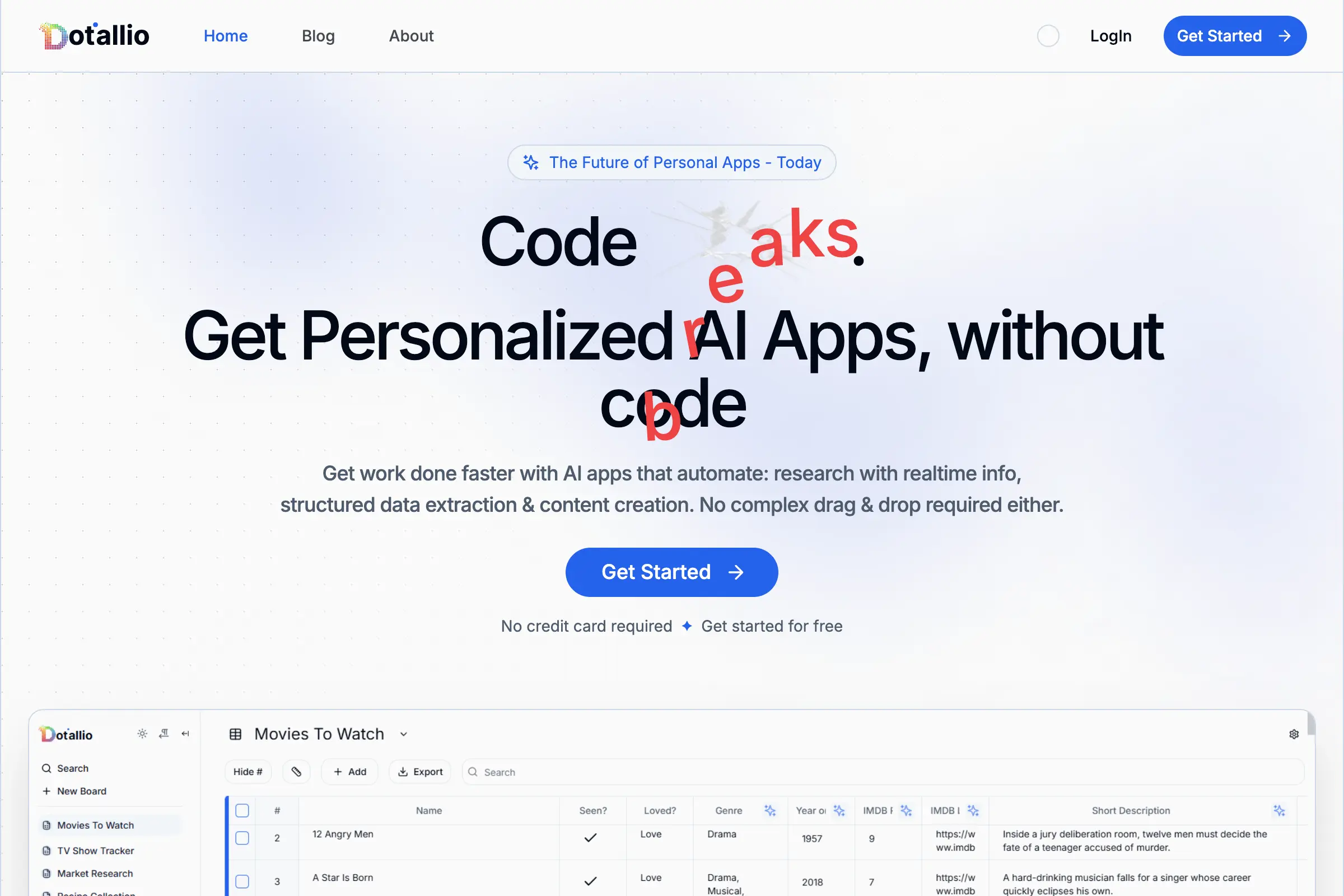
Dotallio
Personalized AI apps that automate research, data extraction, and content creation without code 🤖

Talk to Santa
Enjoy a magical live video chat or receive a unique AI-generated video greeting from Santa Claus 🎅

pozywka.pl
Scalable blog for food journalist, focused on performance and user experience 🌭
zagrodzki.me
Personal blog and portfolio of Bart Zagrodzki, where he shares his knowledge and work 💼
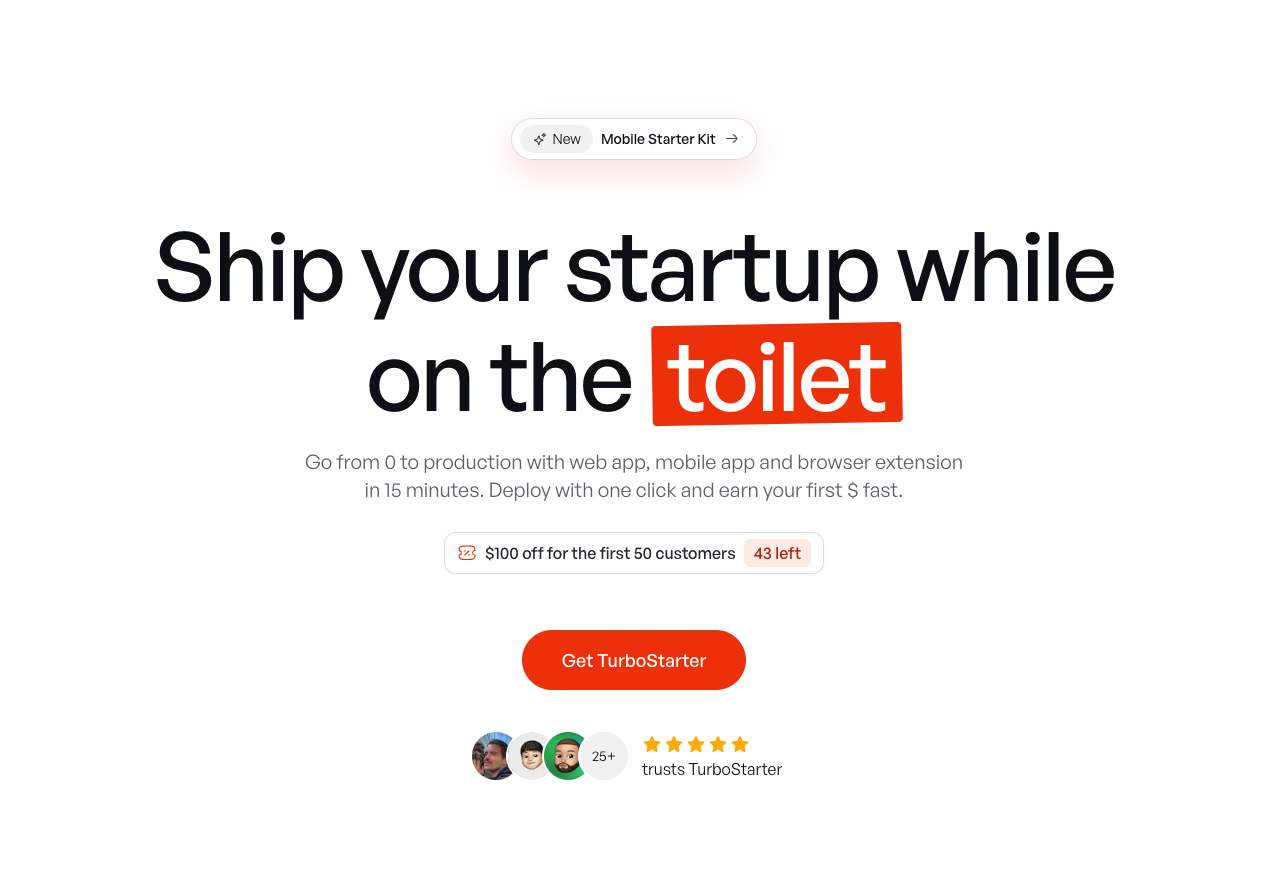
TurboStarter
Ship your startup everywhere. In minutes.
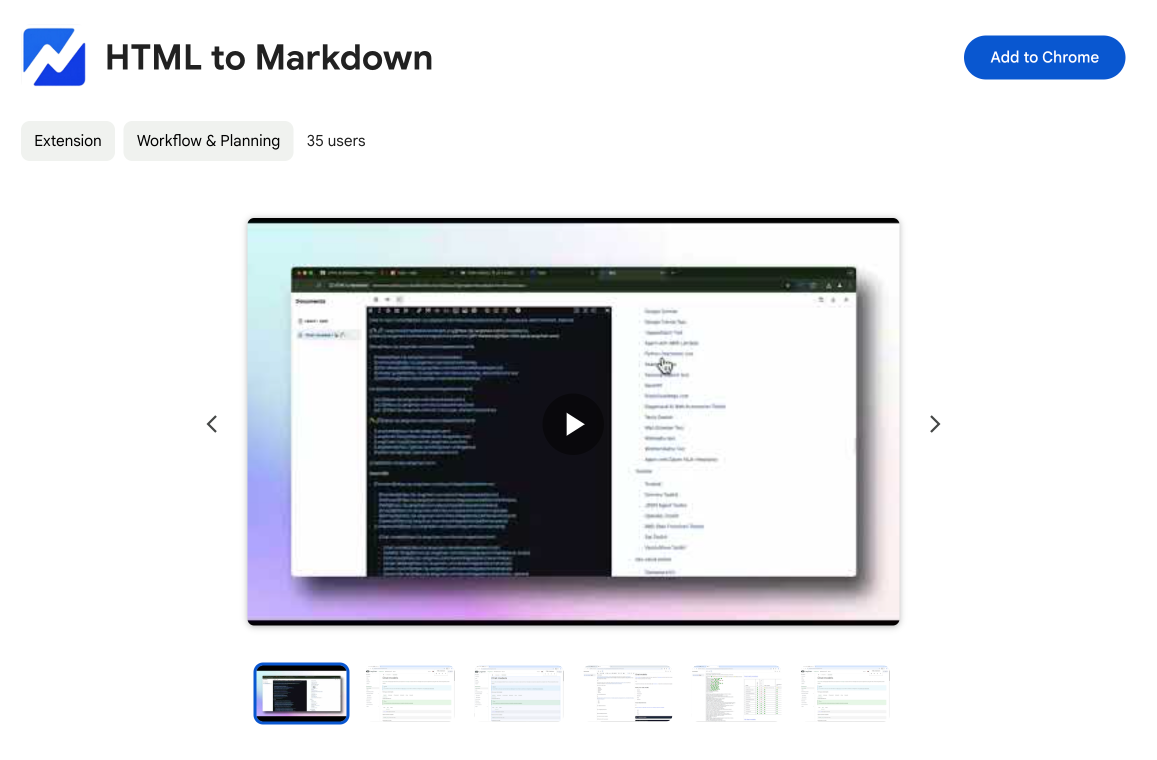
HTML to Markdown
Convert HTML to Markdown with ease, directly in your browser 📄
Dotallio
Personalized AI apps that automate research, data extraction, and content creation without code 🤖
Talk to Santa
Enjoy a magical live video chat or receive a unique AI-generated video greeting from Santa Claus 🎅
pozywka.pl
Scalable blog for food journalist, focused on performance and user experience 🌭
zagrodzki.me
Personal blog and portfolio of Bart Zagrodzki, where he shares his knowledge and work 💼
TurboStarter
Ship your startup everywhere. In minutes.
HTML to Markdown
Convert HTML to Markdown with ease, directly in your browser 📄
Dotallio
Personalized AI apps that automate research, data extraction, and content creation without code 🤖
Talk to Santa
Enjoy a magical live video chat or receive a unique AI-generated video greeting from Santa Claus 🎅
pozywka.pl
Scalable blog for food journalist, focused on performance and user experience 🌭
zagrodzki.me
Personal blog and portfolio of Bart Zagrodzki, where he shares his knowledge and work 💼
TurboStarter
Ship your startup everywhere. In minutes.
HTML to Markdown
Convert HTML to Markdown with ease, directly in your browser 📄
Dotallio
Personalized AI apps that automate research, data extraction, and content creation without code 🤖
Talk to Santa
Enjoy a magical live video chat or receive a unique AI-generated video greeting from Santa Claus 🎅
pozywka.pl
Scalable blog for food journalist, focused on performance and user experience 🌭
zagrodzki.me
Personal blog and portfolio of Bart Zagrodzki, where he shares his knowledge and work 💼
TurboStarter
Ship your startup everywhere. In minutes.
HTML to Markdown
Convert HTML to Markdown with ease, directly in your browser 📄
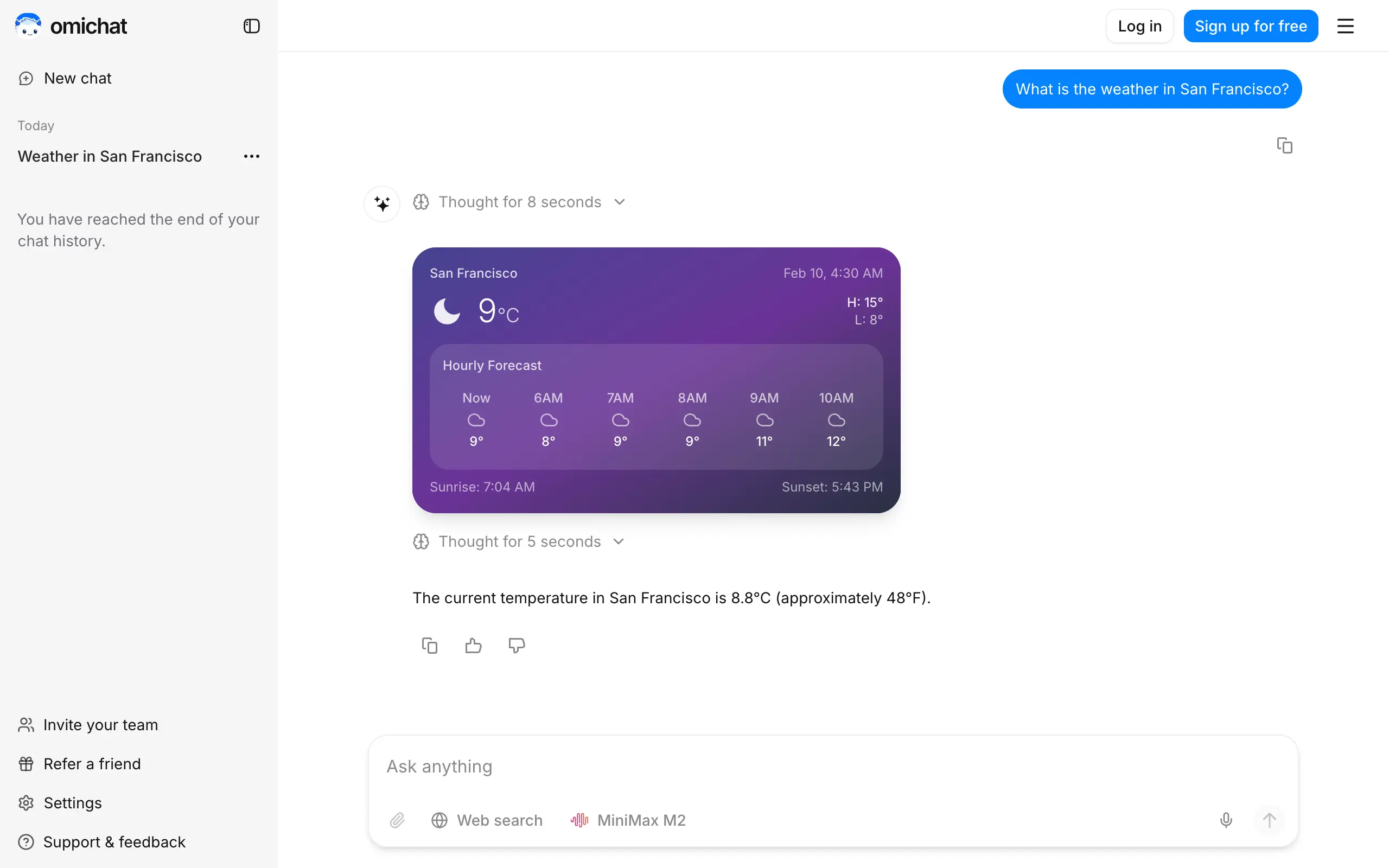
Omichat
Chat with 50+ AI models, including ChatGPT and Claude, in one place - switch models anytime without losing context 🤖
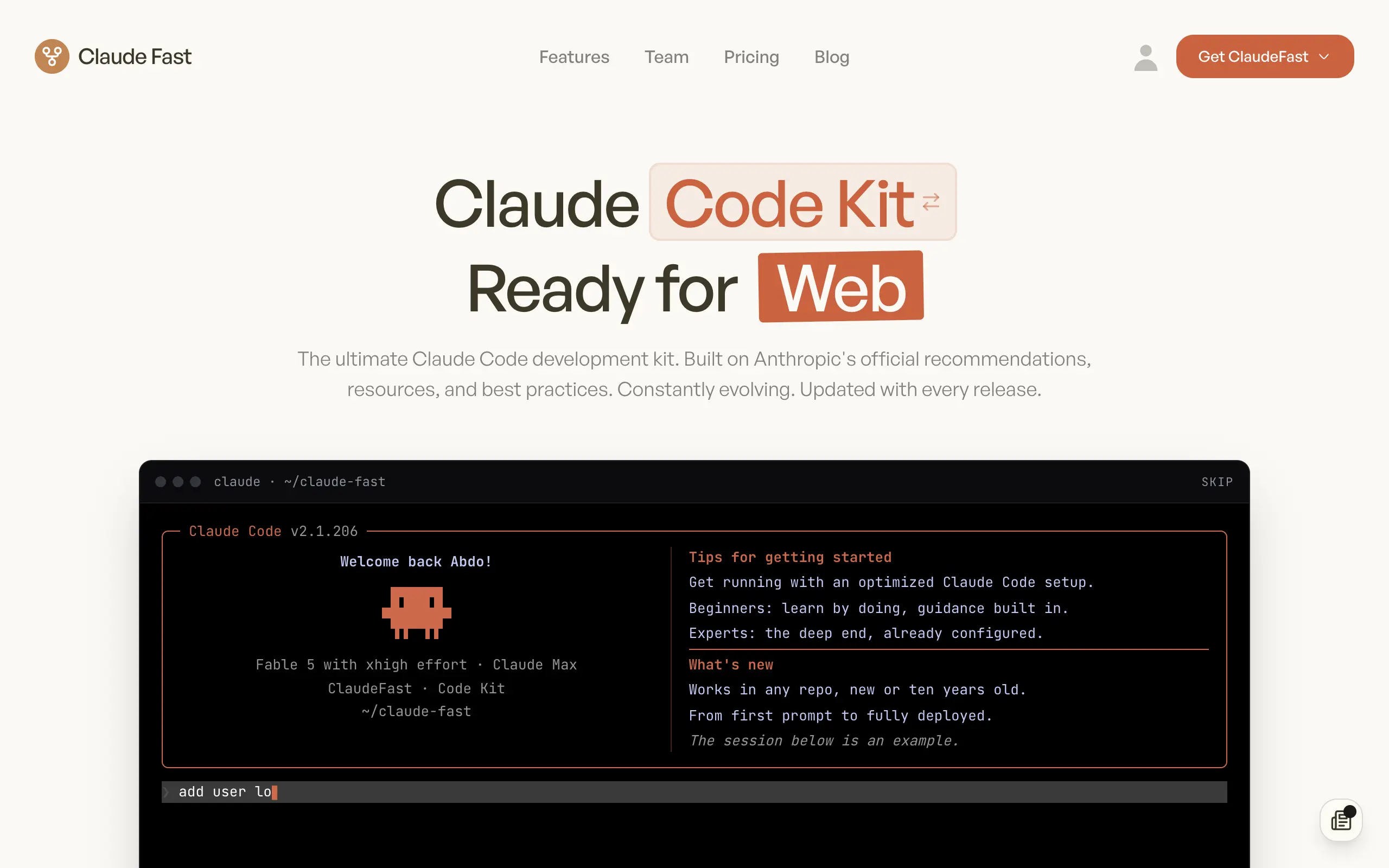
Claude Fast
Supercharge your Claude Code with 6x effective context window and specialized AI agents 🤖
EmojAI
AI-powered emoji picker with smart, context-aware suggestions 🤖
Solohacker
Autonomous company launcher - AI agents work 24/7, escalate what matters, and you stay in control 🤖
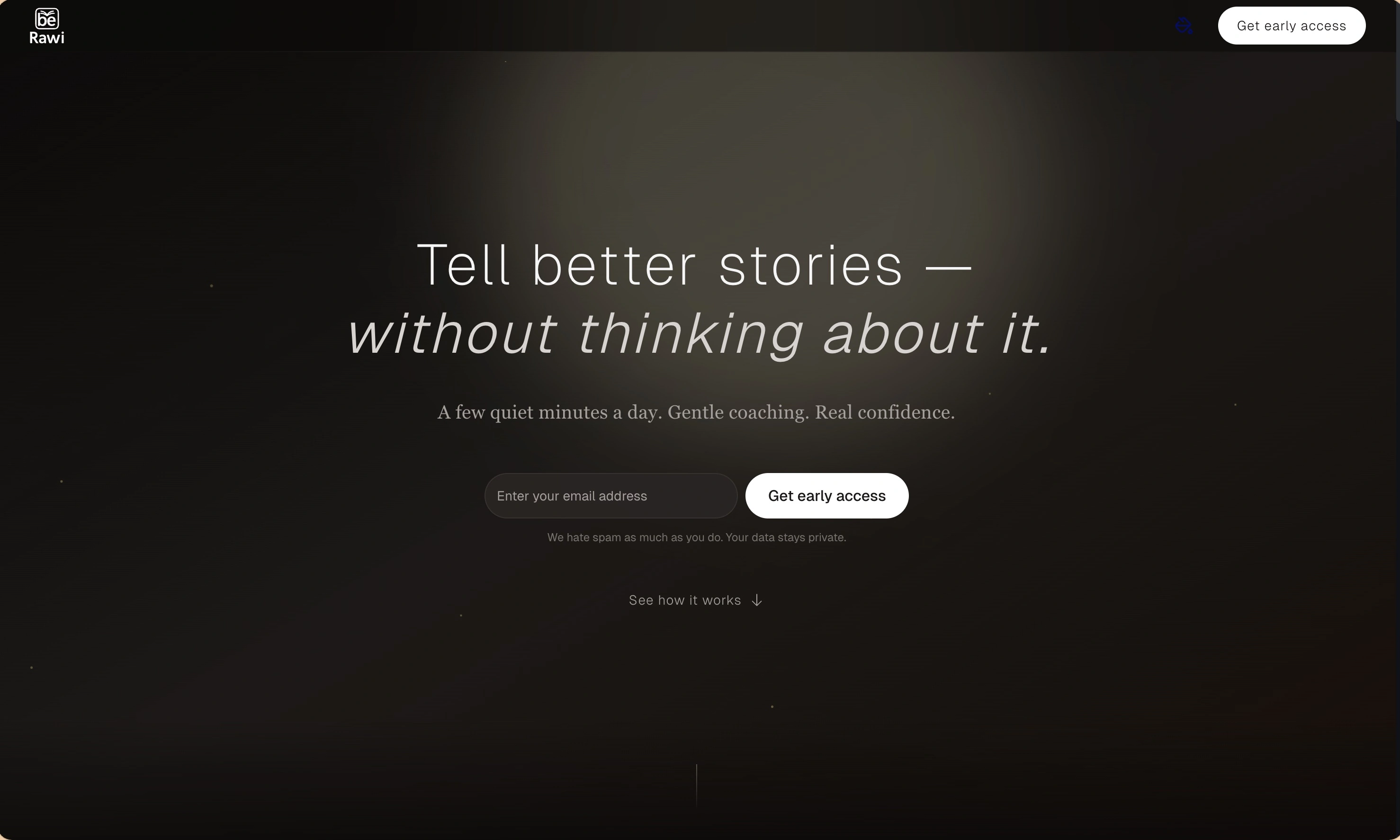
BeRawi: Storytelling Coach
Practice storytelling daily with instant feedback to sound clearer, more engaging, and confident 🎤
Omichat
Chat with 50+ AI models, including ChatGPT and Claude, in one place - switch models anytime without losing context 🤖
Claude Fast
Supercharge your Claude Code with 6x effective context window and specialized AI agents 🤖
EmojAI
AI-powered emoji picker with smart, context-aware suggestions 🤖
Solohacker
Autonomous company launcher - AI agents work 24/7, escalate what matters, and you stay in control 🤖
BeRawi: Storytelling Coach
Practice storytelling daily with instant feedback to sound clearer, more engaging, and confident 🎤
Omichat
Chat with 50+ AI models, including ChatGPT and Claude, in one place - switch models anytime without losing context 🤖
Claude Fast
Supercharge your Claude Code with 6x effective context window and specialized AI agents 🤖
EmojAI
AI-powered emoji picker with smart, context-aware suggestions 🤖
Solohacker
Autonomous company launcher - AI agents work 24/7, escalate what matters, and you stay in control 🤖
BeRawi: Storytelling Coach
Practice storytelling daily with instant feedback to sound clearer, more engaging, and confident 🎤
Omichat
Chat with 50+ AI models, including ChatGPT and Claude, in one place - switch models anytime without losing context 🤖
Claude Fast
Supercharge your Claude Code with 6x effective context window and specialized AI agents 🤖
EmojAI
AI-powered emoji picker with smart, context-aware suggestions 🤖
Solohacker
Autonomous company launcher - AI agents work 24/7, escalate what matters, and you stay in control 🤖
BeRawi: Storytelling Coach
Practice storytelling daily with instant feedback to sound clearer, more engaging, and confident 🎤

Connect with like-minded people
Join our community to get feedback, support, and grow together with 1,000+ builders on board, let's ship it!
Join usShip your startup everywhere. In minutes.
Don't burn tokens on setup and start building features on day one.