ScholarSynth
AI-powered research assistant for academics and professionals—summarize, cite, and organize papers with collaborative tools and deep insights in seconds.
Understanding the user’s intent: why ScholarSynth matters
When searching for an AI-powered research assistant like ScholarSynth, users—academics, professionals, and knowledge workers—are looking for much more than a simple tool. They want a powerful platform that can save time, enhance productivity, and ensure rigor by helping them summarize, cite, organize, and collaborate on research materials.
Increasingly, the sheer volume of academic papers and industry reports overwhelms even the most seasoned professionals. Effective research today requires not just reading, but extracting insights, managing references, enabling collaboration, and ensuring accurate citations—all as efficiently as possible. ScholarSynth directly addresses these pain points by employing state-of-the-art AI for streamlined workflows, accurate literature insights, and collaborative workspaces.
This guide offers an expert-level deep dive into ScholarSynth’s value, features, the market it serves, implementation strategy, and how it stands out in the rapidly growing landscape of AI research tools.
Target audience analysis: Who benefits from ScholarSynth?
To maximize impact, it’s crucial to understand who stands to gain the most from an AI research assistant:
Core user segments
- Academic researchers
Graduate students, postdocs, and faculty needing rapid summaries, literature reviews, and effortless citation management. - Industry R&D professionals
Teams in biotech, engineering, finance, and technology sectors seeking to keep pace with emerging research trends and organize intellectual capital. - Consultants and analysts
Professionals delivering reports or whitepapers who require efficient synthesis and referencing of up-to-date studies and data. - Students and early-career scholars
Managing daunting reading lists, extracting key takeaways, and maintaining correct citations for coursework and theses. - Librarians and information specialists
Organizing institutional knowledge and guiding users to relevant sources.
User pain points solved
- Information overload: Too many papers to read in limited time.
- Manual citation and bibliography tasks: Prone to error and time-consuming.
- Difficulty extracting main ideas quickly from dense literature.
- Challenges in remote or cross-institutional collaboration on research projects.
- Keeping references and notes organized across multiple projects.
Emily, a PhD student in neuroscience, juggles dozens of new publications weekly as she prepares her dissertation. Traditional reference managers help her store PDFs, but extracting key findings, linking citations, and summarizing evidence is painfully slow. She often spends hours reading, only to realize she’s missed critical points or cited the wrong paper.
Market opportunity and gap analysis: Why now is the moment for ScholarSynth
The demand for AI-powered research assistants is exploding, driven by:
- The annual growth of scholarly articles—over 2.5 million published in 2023 alone (suggest referencing STM Report statistics).
- The relentless pace of technological innovation, creating knowledge silos and increasing pressure on researchers to keep up.
- Hybrid and distributed research teams evolving post-pandemic, fueling the need for remote collaboration tools.
Key market gaps addressed by ScholarSynth
- Intelligent summarization: Most tools either focus on storage (like legacy reference managers) or basic note-taking—few offer contextual, AI-driven synthesis of insights.
- Citation accuracy & style compliance: Many existing solutions don’t reliably automate citations across multiple formatting standards.
- Actionable collaboration: Competing platforms lack robust, real-time collaborative features tailored to academic workflows.
- Integrated organization: Fragmentation between PDF readers, note apps, and citation managers hinders research efficiency.
ScholarSynth’s core features and in-depth solution breakdown
Primary keyword: AI-powered research assistant
LSI keywords: academic research, paper summarization, citation management, collaborative workspace, research productivity, literature organization, knowledge synthesis
Smart paper summarization
- Uses state-of-the-art natural language processing to extract main arguments, methods, results, and key findings from PDFs, arXiv links, or DOI numbers.
- Multi-level summary (abstract, executive summary, bullet-point takeaways) for tailored depth.
Accurate citation management
- Automatic extraction of bibliographic details (authors, journal, year, etc.) from vast databases (Crossref, PubMed, etc.).
- One-click citation style selection (APA, MLA, Chicago, and custom styles).
Collaborative research workspace
- Real-time shared notes, highlights, comment threads for teams or labs.
- Version control and data security for institutional compliance.
Deep research insights
- Thematic clustering of papers using semantic AI.
- Contextual recommendation engine for related literature and prior work.
- Tagging system and custom research collections for advanced organization.
Workflow automation
- Bulk import for existing libraries from Zotero, Mendeley, EndNote, and BibTeX.
- Research timeline visualization to map citations, influences, and evolution of concepts.
AI summaries
Get quick, accurate overviews and deep-dives of every paper in your library.
Cite as you go
Instantly generate and organize citations in any standard format.
Seamless collaboration
Invite colleagues, add comments, and work in real time across institutions.
Smart recommendations
Discover relevant papers you might have missed, powered by contextual AI.
Recommended tech stack for developing ScholarSynth
Choosing the right technologies ensures scalability, performance, and seamless user experience. Here’s a breakdown of the optimal stack—with trade-offs:
Backend
-
Python (FastAPI)
Excellent for serving AI models and handling asynchronous paper processing.- Trade-off: Python is ideal for AI but can be resource-intensive at scale; may need to switch to Go or Node.js for high-concurrency workloads.
-
PostgreSQL
Robust relational database for storing user data, paper metadata, and research notes. -
Elasticsearch
Powers semantic search, rapid retrieval, and recommendation systems. -
Celery (for task queues)
Handles background jobs like document parsing and model inference.
Machine learning & NLP
-
Transformers (e.g., HuggingFace Transformers), OpenAI GPT APIs
State-of-the-art summarization, thematic clustering, and citation extraction. -
spaCy
Fast, customizable entity recognition and citation parsing.
Frontend
-
React
Industry-standard SPA framework for robust, interactive UIs. -
TailwindCSS
Rapid, scalable styling with utility classes. -
Redux or Zustand for state management.
Hosting and deployment
-
Docker + Kubernetes
For packaging, orchestration, and auto-scaling complex workloads. -
AWS/GCP/Azure
Cloud infrastructure for compute, storage, and backups.
Key tech trade-offs
| Scalability | Learning Curve | Cost | AI Capabilities | Integration |
|---|---|---|---|---|
| ✅ | ❌ | ❌ | ✅ | ❌ |
| ✅ | ❌ | ✅ | ✅ | ❌ |
Why not build on legacy reference managers?
Old-school tools focus on static storage, not dynamic AI-enhanced synthesis, collaboration, or real-time contextual recommendations.
Monetization strategies for an AI research assistant
ScholarSynth’s versatility enables multiple revenue models. Each targets a different user segment and balances accessibility with sustainability.
Freemium
- Free tier:
Basic paper uploading, single-user library, limited AI summaries per month. - Premium:
Unlimited summarizations, advanced citation styles, and collaborative spaces.
Institutional licensing
- Sell team, department, or university-wide subscriptions supporting SSO, cross-lab collaboration, and priority support.
- Includes analytics for librarians or faculty.
Add-on services
- Pay-per-use for advanced insights (e.g., grant proposal analysis, reviewer matching).
- White-label solutions for publishers or knowledge management firms.
API access model
- Allow B2B integration by charging per usage of research summarization, thematic tagging, and citation generation APIs.
Tip:
Modern SaaS pricing should include annual options, student discounts, and rolling multi-year enterprise agreements to boost retention and predictability.
Assessing potential risks and mitigation strategies
Implementing an AI-powered research tool involves sensitive data and high user expectations.
Data privacy and compliance
- Risk: Storing personal notes or unpublished research could introduce privacy or intellectual property concerns.
- Mitigation: End-to-end encryption, fine-grained access controls, regular third-party security audits, and strict GDPR/FERPA compliance.
Model bias and quality
- Risk: AI-generated summaries may introduce factual errors or overlook key findings.
- Mitigation: Human-in-the-loop review options, adjustable summary settings, transparency around AI confidence scores.
Scaling computational costs
- Risk: Advanced NLP models can be resource-heavy as user base scales.
- Mitigation: Smart caching, serverless inference, usage quotas on free tiers, and optimizing model size for common case usage.
User adoption and workflow integration
- Risk: Academic inertia—users may be reluctant to switch from entrenched tools.
- Mitigation: Bulk import from legacy apps, tutorials, responsive onboarding, and integrations with common writing platforms.
Competitive advantage: What sets ScholarSynth apart?
The market is crowded with reference managers and generic note-taking apps. What makes the ScholarSynth AI-powered research assistant unique?
Unique selling propositions (USPs)
- AI-first approach: Not just storing PDFs, but truly reading, understanding, and synthesizing your research.
- Seamless collaboration: First-class support for group projects, lab teams, and remote collaboration—real-time editing plus discussion threads.
- Contextual insights: Goes beyond keyword search, surfacing connections and themes across your entire knowledge base.
- User-centered design: Modern UI/UX that learns your preferences, coupled with effortless citation management.
Head-to-head: ScholarSynth vs. conventional tools
- AI-powered paper summarization
- Real-time, cloud-based collaboration
- Thematic clustering, timeline mapping
- Automated, customizable citations
- Smart recommendations and cross-project search
- Manual note-taking only
- No collaborative editing
- Limited search/filtering
- Basic citation tools, often error-prone
- No AI-driven insights or paper recommendations
Implementation steps: Building and launching ScholarSynth
To realize the vision for a next-generation AI-powered research assistant, follow an agile, iterative roadmap.
Conduct deep user interviews
Validate product-market fit by interviewing researchers, students, and research administrators. Identify priority pain points and must-have features.
Design MVP features and architecture
Focus on core modules: AI summarization, citation extraction, and collaborative workspace. Map rough UI/UX wireframes.
Implement AI and NLP pipelines
Integrate with transformer models or OpenAI APIs, and set up text extraction and citation parsing flows.
Develop frontend and research workspace
Use React, TailwindCSS, and state management to build an intuitive app interface.
Integrate bulk import and export utilities
Ensure smooth migration from existing tools (Zotero, Mendeley, BibTeX).
Beta test with targeted user groups
Recruit academic departments or R&D teams. Collect workflow feedback and iterate.
Launch SaaS platform, market to key segments
Use content marketing, research webinars, and partnerships with universities and industry associations.
Conclusion: ScholarSynth—The future of research, powered by AI
As research volume and complexity rise, the need for intelligent, collaborative, and highly-organized tools becomes a necessity—not a luxury. ScholarSynth is poised to be the AI-powered research assistant that academics and professionals trust to summarize, cite, organize, and distill deep insights at lightning speed.
By combining world-class AI summarization, error-free citation generation, and a collaborative, user-friendly interface, ScholarSynth empowers users to focus on high-impact thinking—not administrative busywork. With robust privacy protections and flexible monetization, it’s designed for broad accessibility and institutional scale.
Ready to bring ScholarSynth to life? Check out TurboStarter for a fast-track SaaS launch toolkit and best practices curated for AI-powered platforms.
Frequently asked questions (FAQs)
ScholarSynth uses state-of-the-art transformer architectures fine-tuned for scientific and academic literature. Human-in-the-loop review and AI confidence scores help ensure transparency and reliability, but users should always cross-check critical claims.
Yes! ScholarSynth is cloud-based, so you can invite external collaborators with role-based permissions. Activity logs and version history keep everyone on the same page.
ScholarSynth is being developed with GDPR and FERPA compliance as core requirements, featuring data encryption, security audits, and user-controlled access.
All major citation styles—APA, MLA, Chicago, IEEE, plus custom formats. The citation generator pulls metadata directly from trusted databases for accuracy.
Example code snippet: Leveraging HuggingFace Transformers for summarization
from transformers import pipeline

# Load a summarization pipeline
summarizer = pipeline("summarization", model="facebook/bart-large-cnn")

article_text = """
The AI-powered research assistant market has grown rapidly, driven by the explosion of scientific literature...
"""

# Generate a summary
summary = summarizer(article_text, max_length=100, min_length=40, do_sample=False)
print(summary)
By carefully considering user intent, market dynamics, and deploying the best in AI and SaaS design, ScholarSynth is uniquely positioned to elevate the future of research productivity and collaboration.
More 🤖 AI Startup SaaS ideas
Discover more innovative ai startup SaaS ideas that are trending in 2026. Each idea is AI-generated with market validation and growth potential to help you find your next profitable venture faster than competitors.
Your competitors are building with TurboStarter
Below are some of the SaaS ideas that have been generated and built with our starter kit.
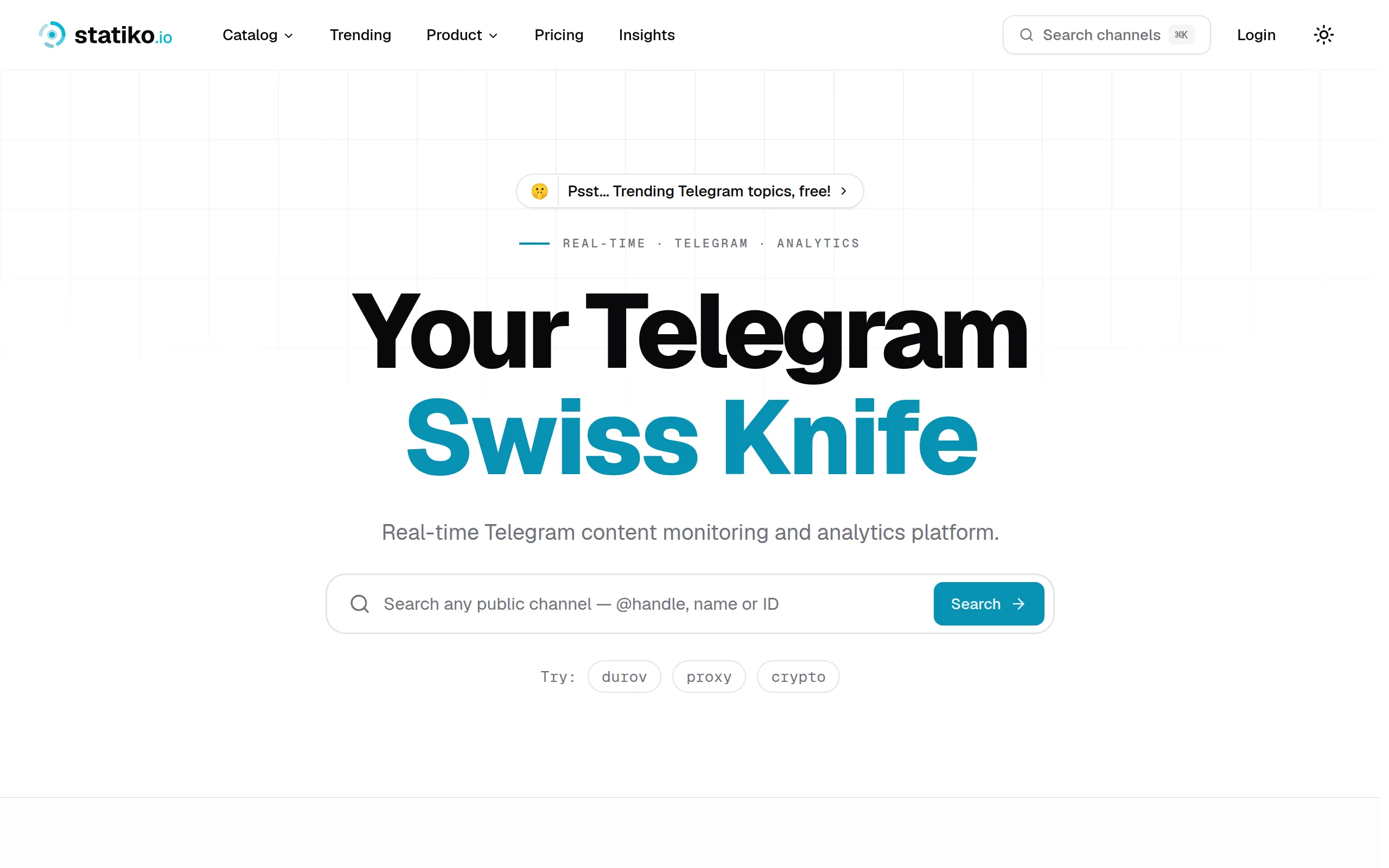
Statiko
Monitor any Telegram channel in real time - track posts, edits, deletions, and growth with AI recaps 📡

Shibui
AI website builder - describe your business, pick a niche template, edit by chatting, and publish instantly ✨

Pro Service
Find verified home service professionals, compare quotes, and pay securely through escrow - built for Brazilians across the US 🏠
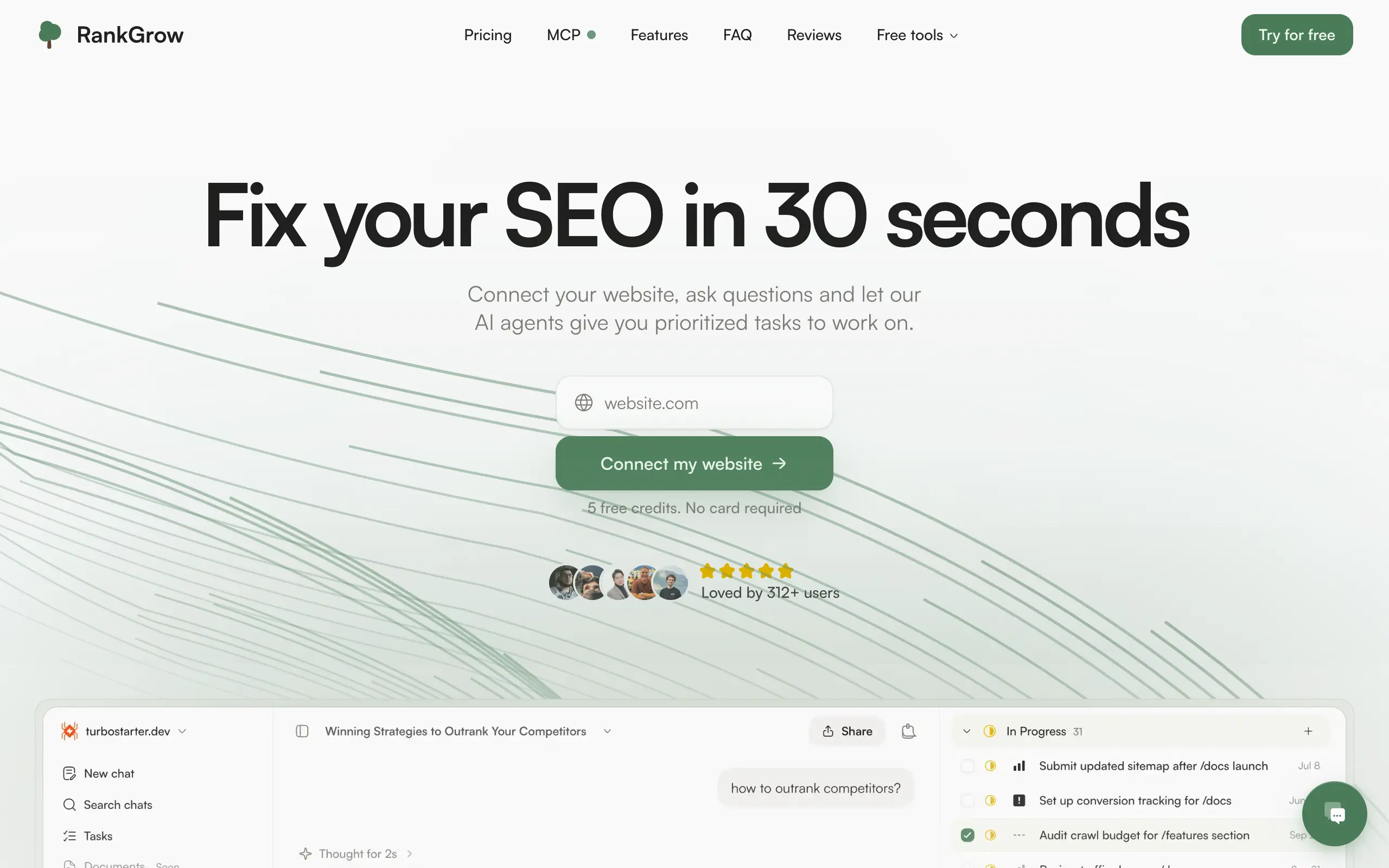
RankGrow
Fix your SEO with AI agents - connect Search Console, get prioritized tasks, and grow organic traffic 📈
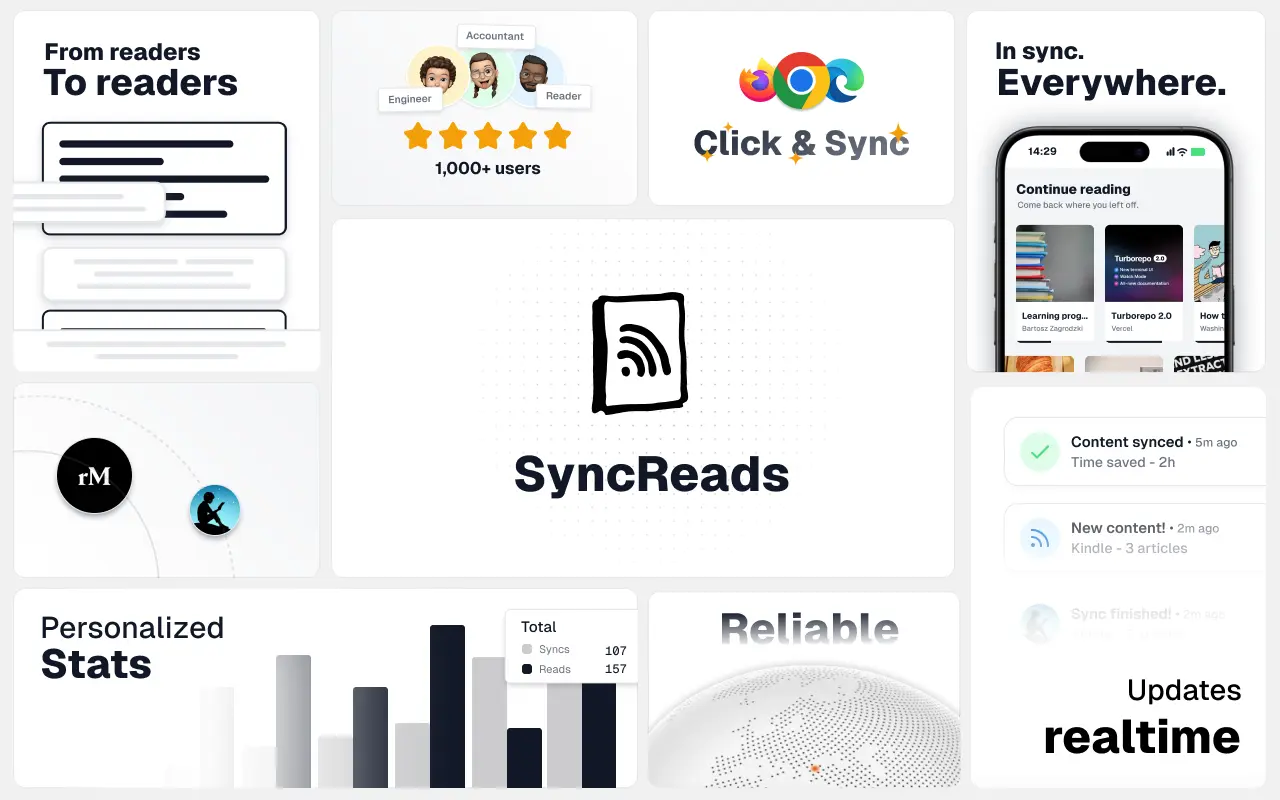
SyncReads
Sync your favorite content for distraction-free reading, save time and replace multiple apps. Anytime, anywhere 🔄
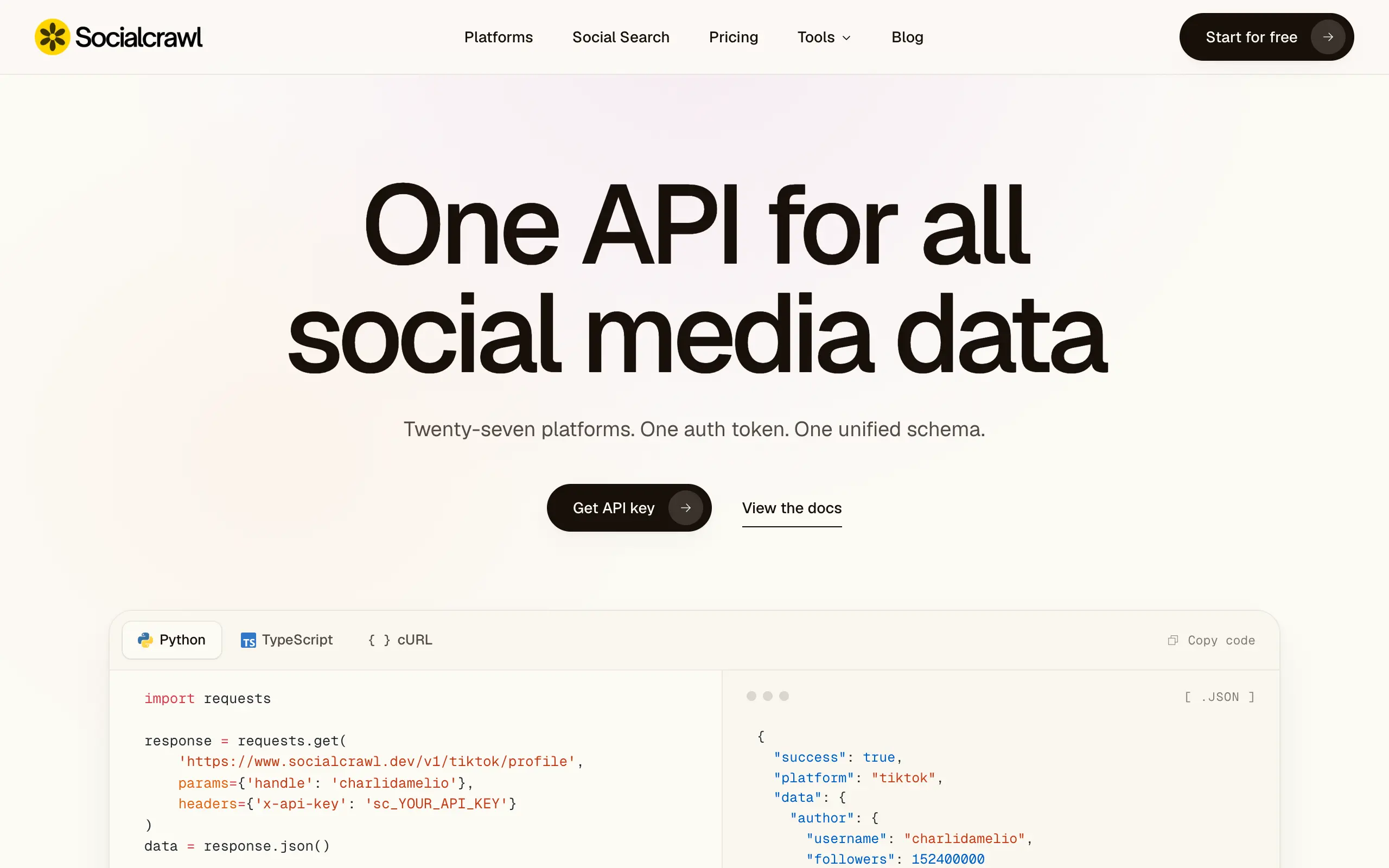
Socialcrawl
Get clean, structured data from 21 platforms like TikTok, Instagram, and YouTube with a single request 📊
Statiko
Monitor any Telegram channel in real time - track posts, edits, deletions, and growth with AI recaps 📡
Shibui
AI website builder - describe your business, pick a niche template, edit by chatting, and publish instantly ✨
Pro Service
Find verified home service professionals, compare quotes, and pay securely through escrow - built for Brazilians across the US 🏠
RankGrow
Fix your SEO with AI agents - connect Search Console, get prioritized tasks, and grow organic traffic 📈
SyncReads
Sync your favorite content for distraction-free reading, save time and replace multiple apps. Anytime, anywhere 🔄
Socialcrawl
Get clean, structured data from 21 platforms like TikTok, Instagram, and YouTube with a single request 📊
Statiko
Monitor any Telegram channel in real time - track posts, edits, deletions, and growth with AI recaps 📡
Shibui
AI website builder - describe your business, pick a niche template, edit by chatting, and publish instantly ✨
Pro Service
Find verified home service professionals, compare quotes, and pay securely through escrow - built for Brazilians across the US 🏠
RankGrow
Fix your SEO with AI agents - connect Search Console, get prioritized tasks, and grow organic traffic 📈
SyncReads
Sync your favorite content for distraction-free reading, save time and replace multiple apps. Anytime, anywhere 🔄
Socialcrawl
Get clean, structured data from 21 platforms like TikTok, Instagram, and YouTube with a single request 📊
Statiko
Monitor any Telegram channel in real time - track posts, edits, deletions, and growth with AI recaps 📡
Shibui
AI website builder - describe your business, pick a niche template, edit by chatting, and publish instantly ✨
Pro Service
Find verified home service professionals, compare quotes, and pay securely through escrow - built for Brazilians across the US 🏠
RankGrow
Fix your SEO with AI agents - connect Search Console, get prioritized tasks, and grow organic traffic 📈
SyncReads
Sync your favorite content for distraction-free reading, save time and replace multiple apps. Anytime, anywhere 🔄
Socialcrawl
Get clean, structured data from 21 platforms like TikTok, Instagram, and YouTube with a single request 📊
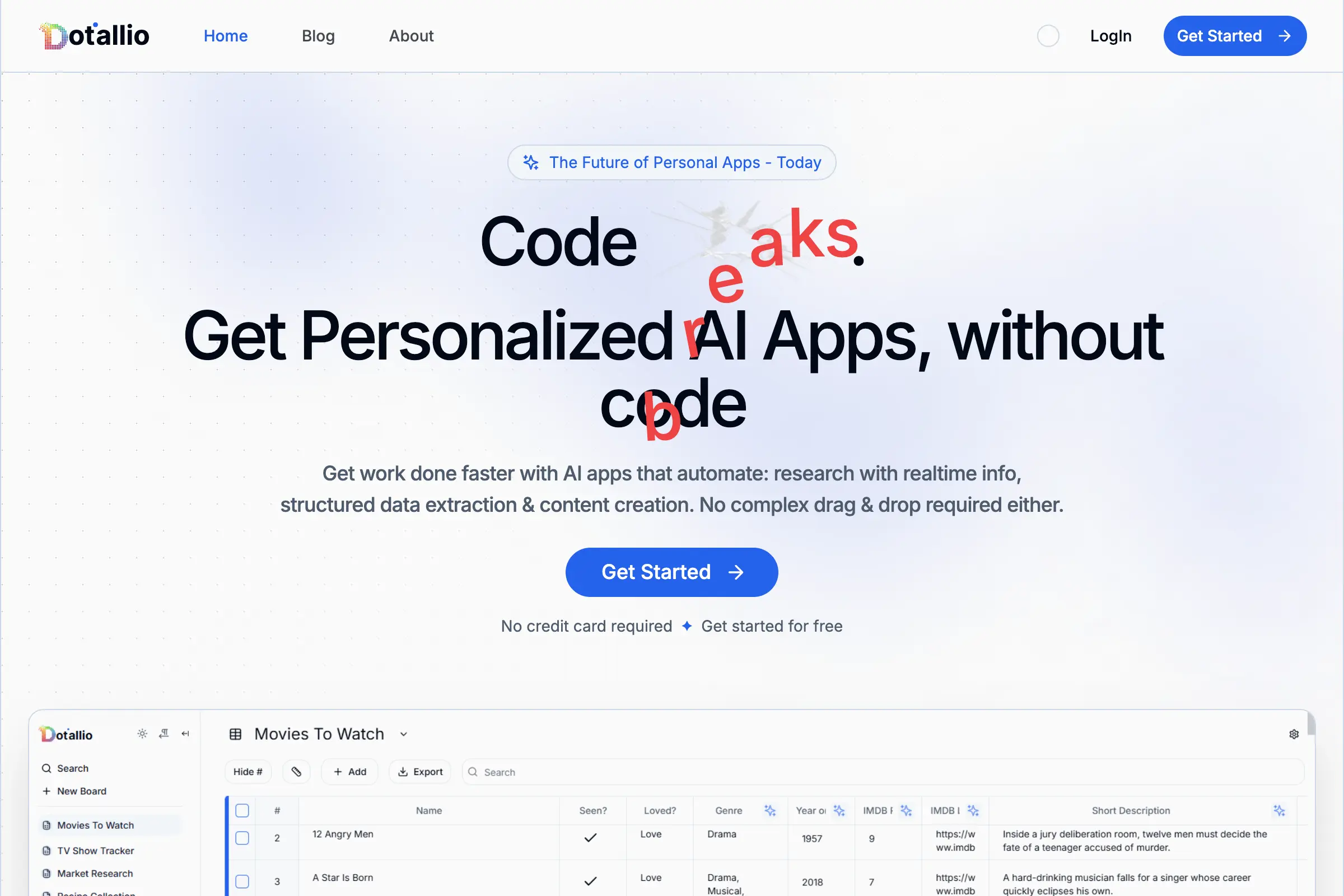
Dotallio
Personalized AI apps that automate research, data extraction, and content creation without code 🤖

Talk to Santa
Enjoy a magical live video chat or receive a unique AI-generated video greeting from Santa Claus 🎅
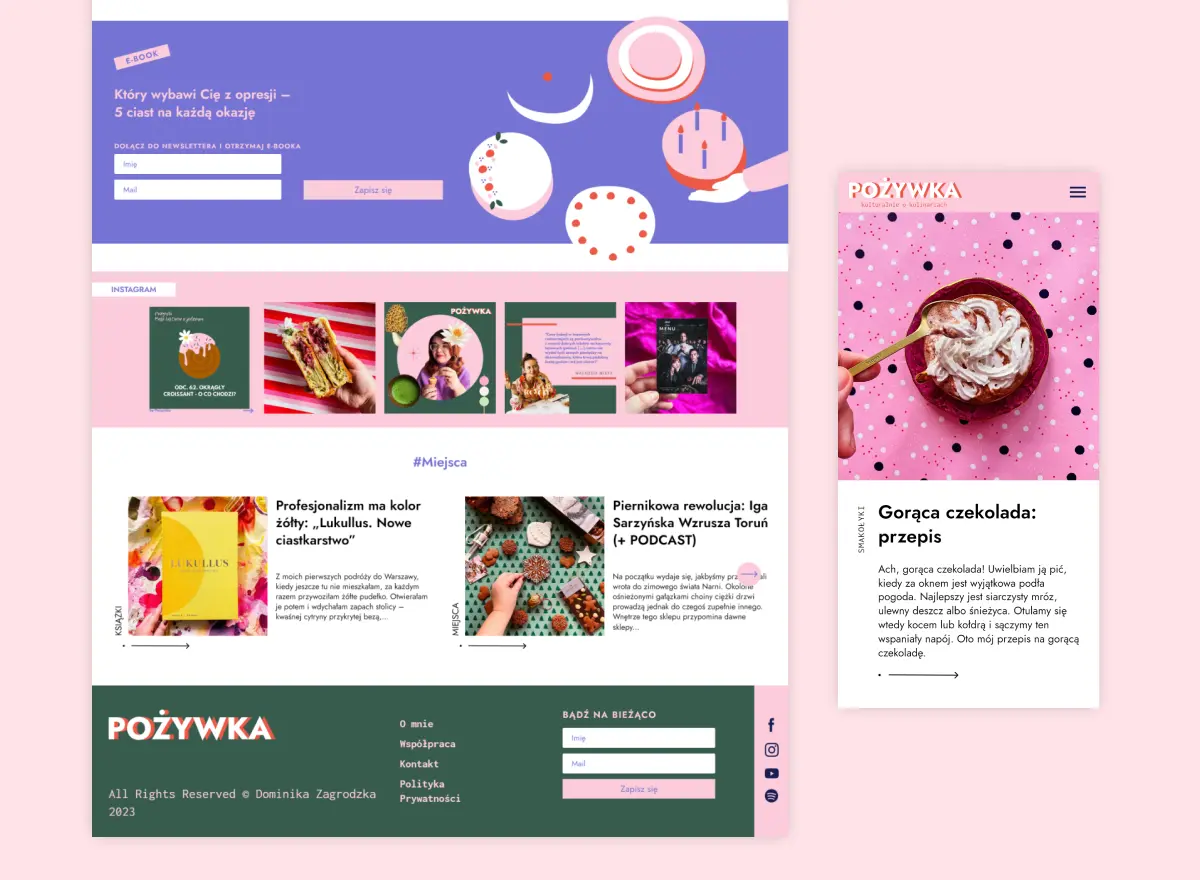
pozywka.pl
Scalable blog for food journalist, focused on performance and user experience 🌭
zagrodzki.me
Personal blog and portfolio of Bart Zagrodzki, where he shares his knowledge and work 💼
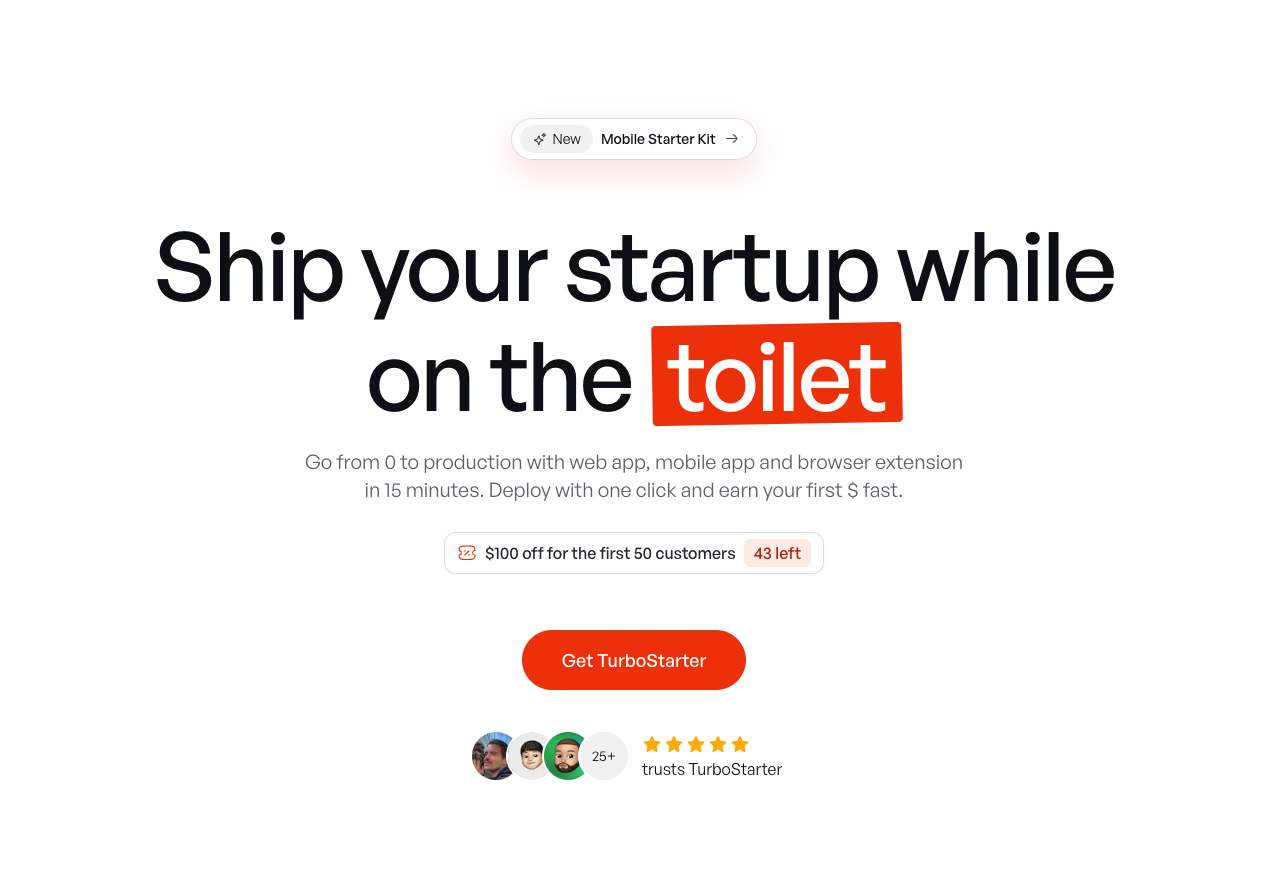
TurboStarter
Ship your startup everywhere. In minutes.
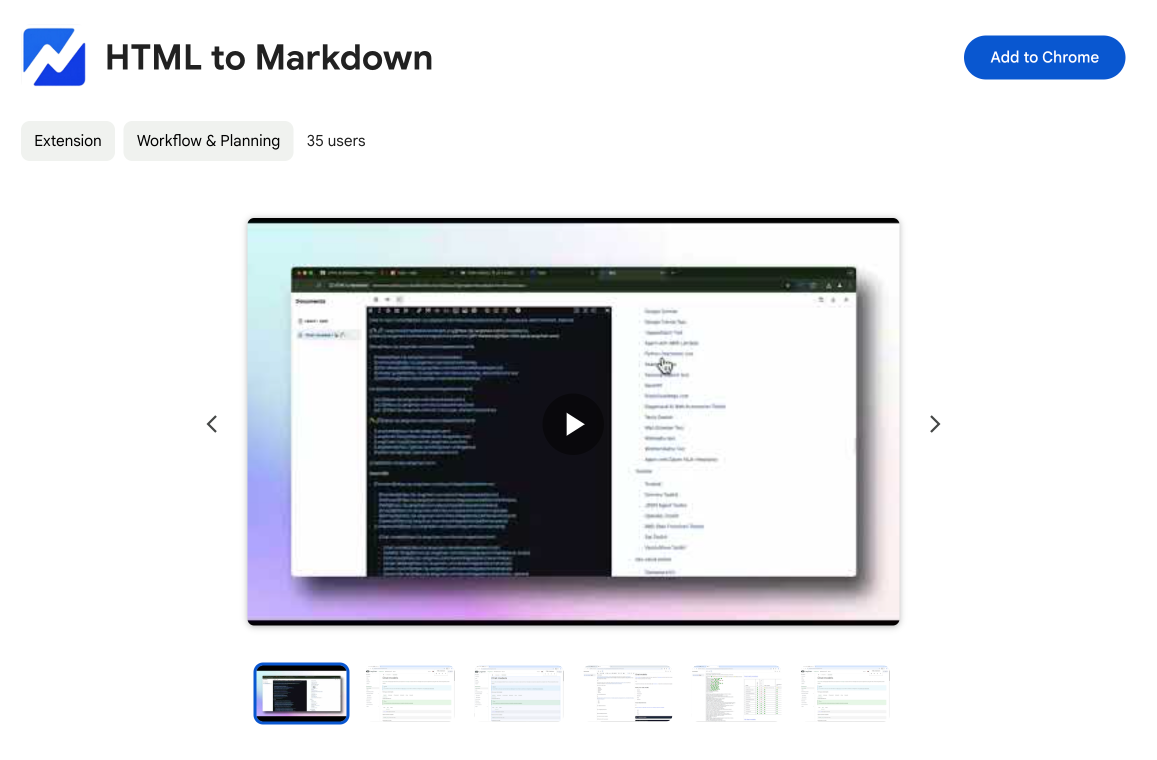
HTML to Markdown
Convert HTML to Markdown with ease, directly in your browser 📄
Dotallio
Personalized AI apps that automate research, data extraction, and content creation without code 🤖
Talk to Santa
Enjoy a magical live video chat or receive a unique AI-generated video greeting from Santa Claus 🎅
pozywka.pl
Scalable blog for food journalist, focused on performance and user experience 🌭
zagrodzki.me
Personal blog and portfolio of Bart Zagrodzki, where he shares his knowledge and work 💼
TurboStarter
Ship your startup everywhere. In minutes.
HTML to Markdown
Convert HTML to Markdown with ease, directly in your browser 📄
Dotallio
Personalized AI apps that automate research, data extraction, and content creation without code 🤖
Talk to Santa
Enjoy a magical live video chat or receive a unique AI-generated video greeting from Santa Claus 🎅
pozywka.pl
Scalable blog for food journalist, focused on performance and user experience 🌭
zagrodzki.me
Personal blog and portfolio of Bart Zagrodzki, where he shares his knowledge and work 💼
TurboStarter
Ship your startup everywhere. In minutes.
HTML to Markdown
Convert HTML to Markdown with ease, directly in your browser 📄
Dotallio
Personalized AI apps that automate research, data extraction, and content creation without code 🤖
Talk to Santa
Enjoy a magical live video chat or receive a unique AI-generated video greeting from Santa Claus 🎅
pozywka.pl
Scalable blog for food journalist, focused on performance and user experience 🌭
zagrodzki.me
Personal blog and portfolio of Bart Zagrodzki, where he shares his knowledge and work 💼
TurboStarter
Ship your startup everywhere. In minutes.
HTML to Markdown
Convert HTML to Markdown with ease, directly in your browser 📄
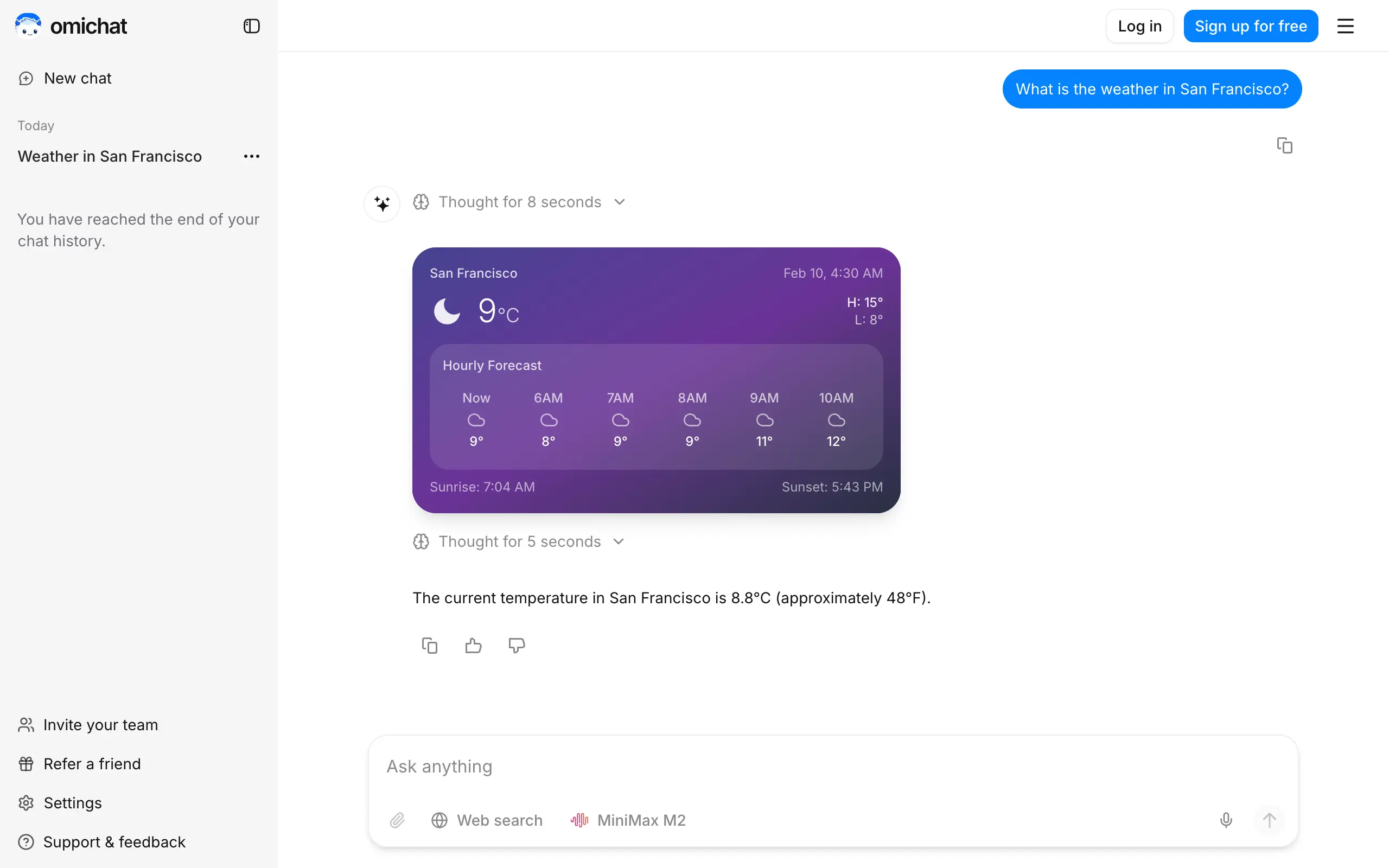
Omichat
Chat with 50+ AI models, including ChatGPT and Claude, in one place - switch models anytime without losing context 🤖
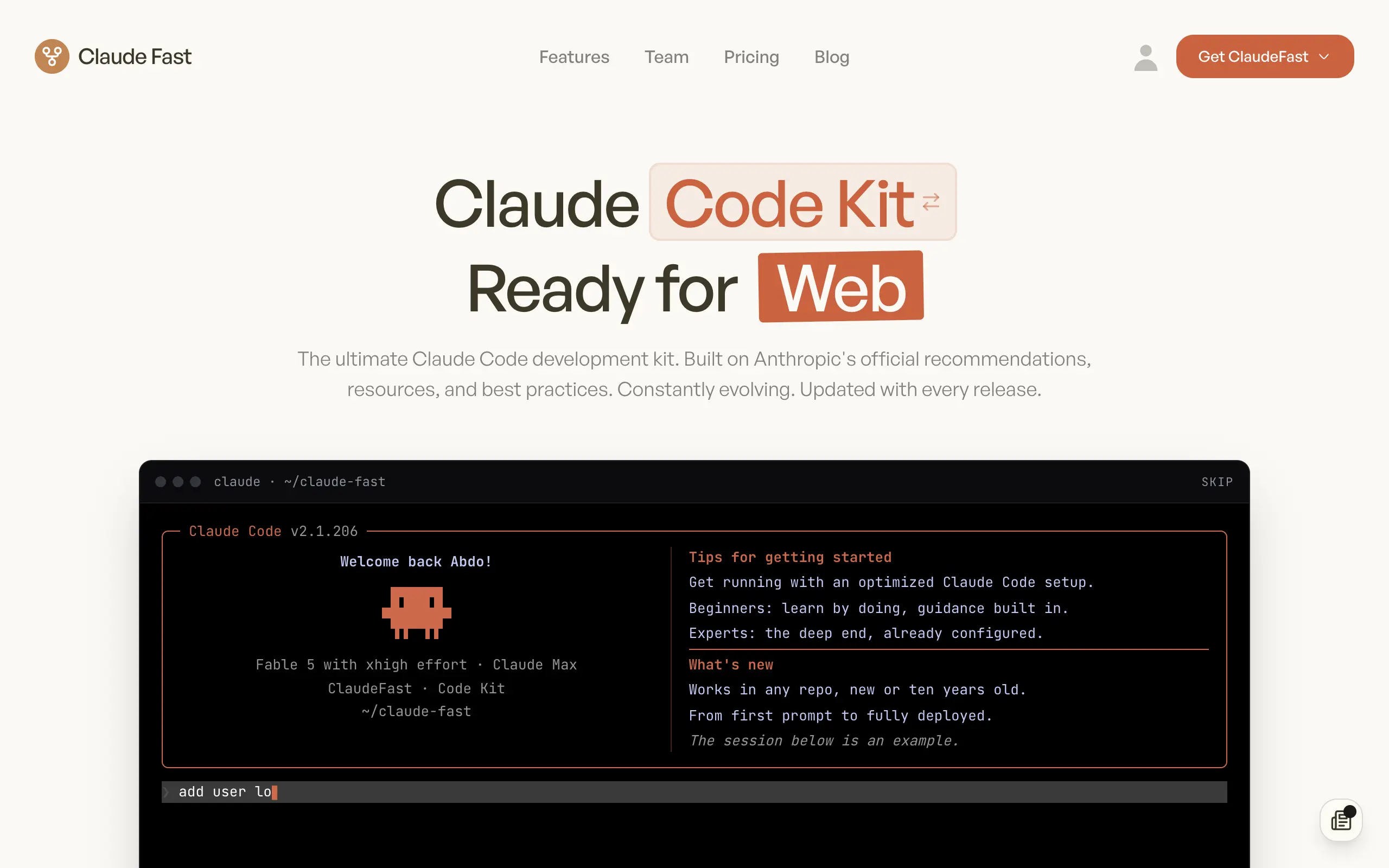
Claude Fast
Supercharge your Claude Code with 6x effective context window and specialized AI agents 🤖
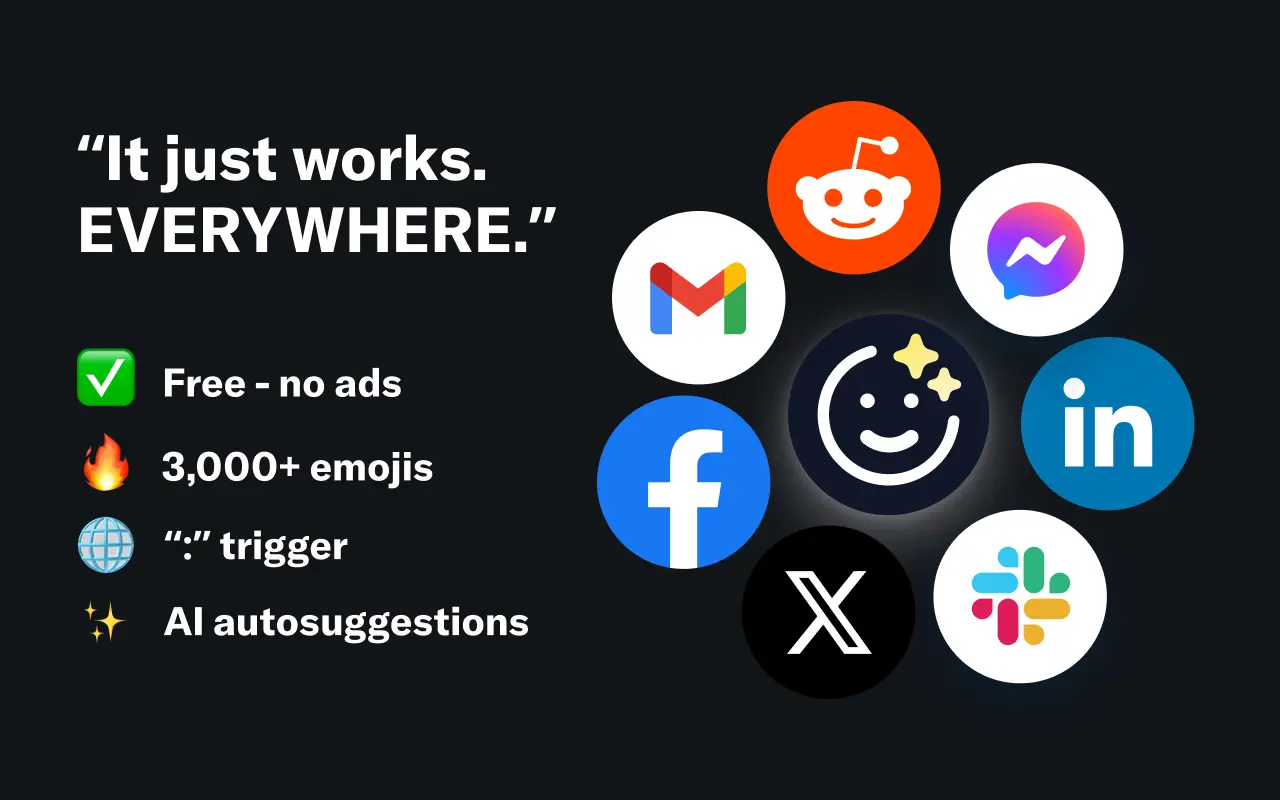
EmojAI
AI-powered emoji picker with smart, context-aware suggestions 🤖
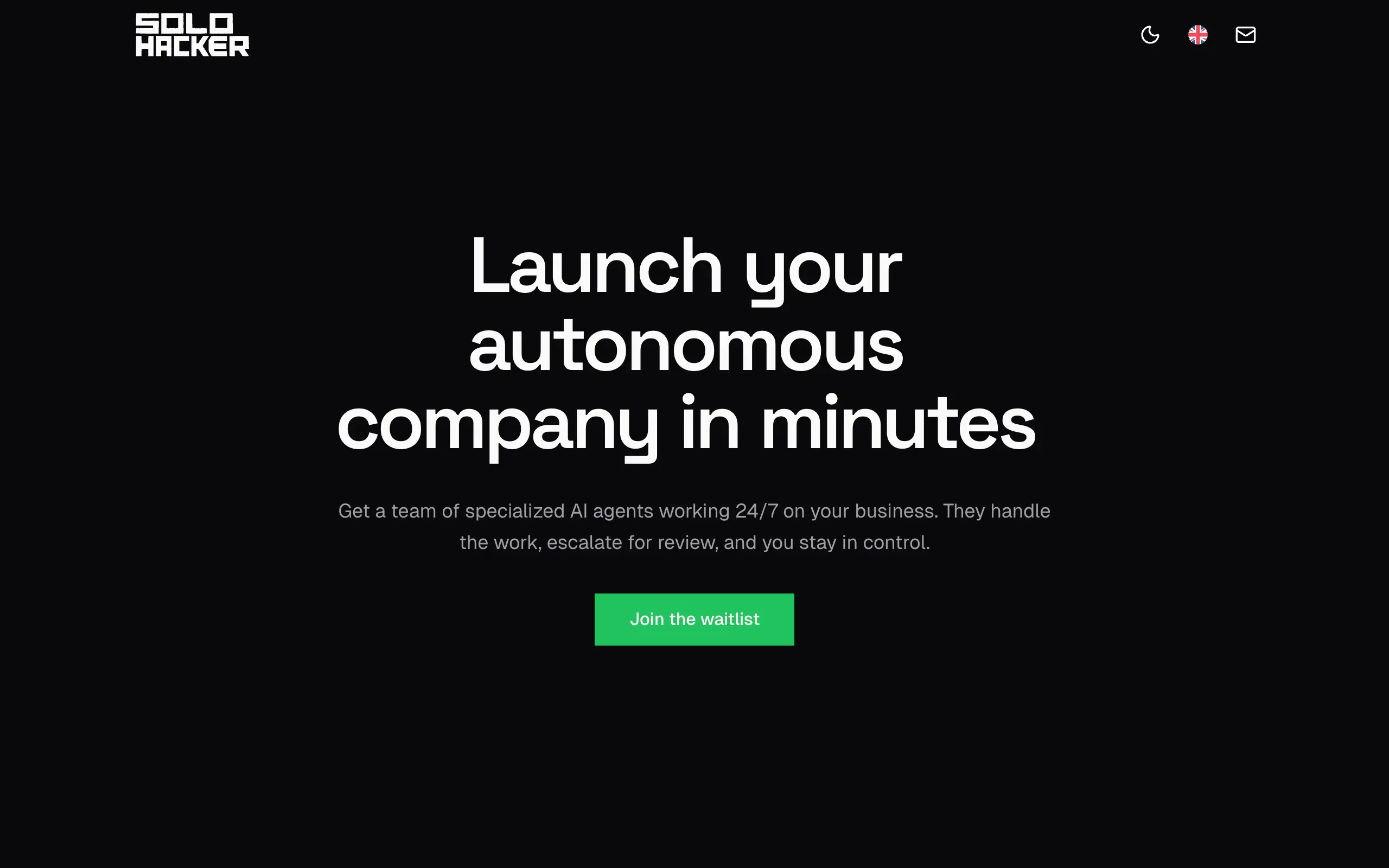
Solohacker
Autonomous company launcher - AI agents work 24/7, escalate what matters, and you stay in control 🤖
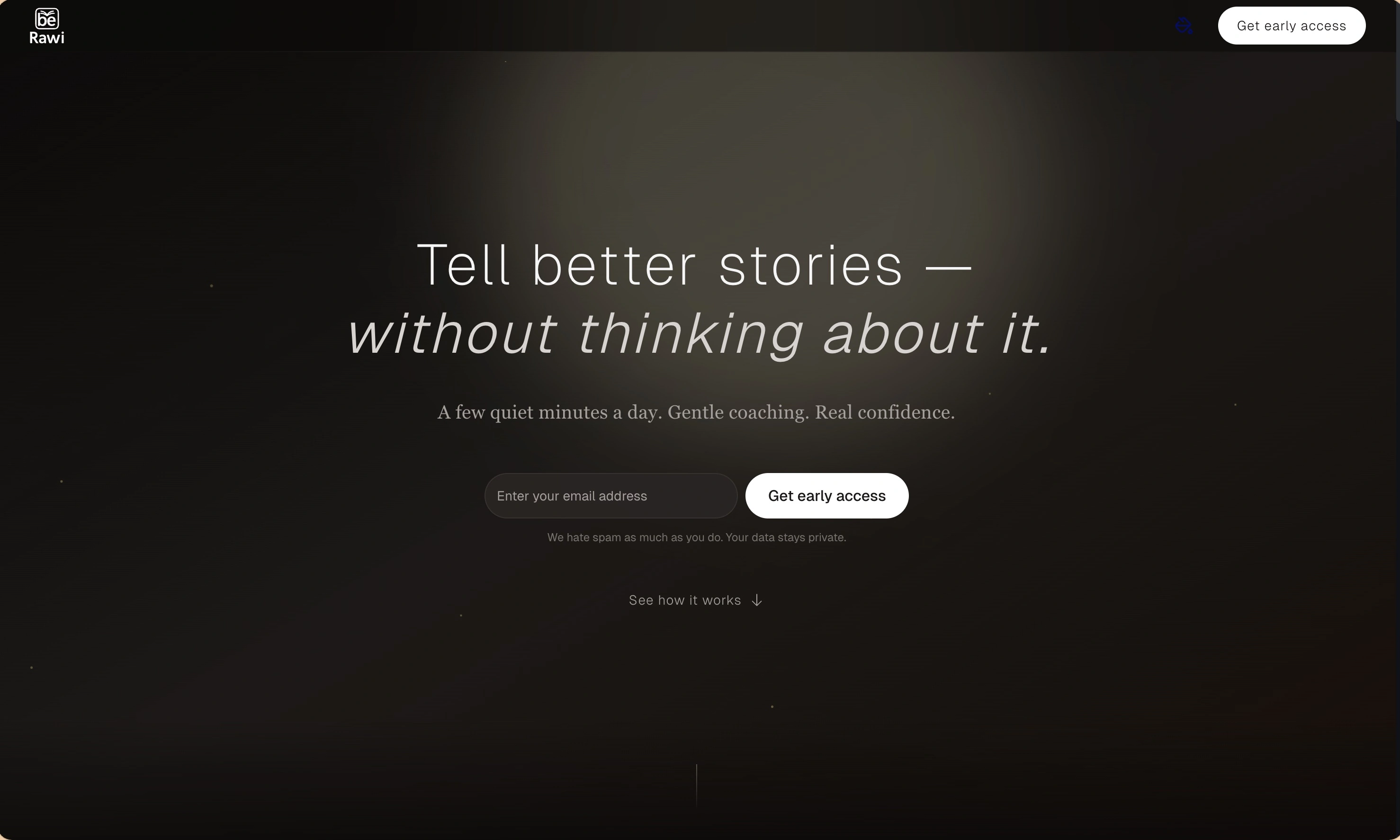
BeRawi: Storytelling Coach
Practice storytelling daily with instant feedback to sound clearer, more engaging, and confident 🎤
Omichat
Chat with 50+ AI models, including ChatGPT and Claude, in one place - switch models anytime without losing context 🤖
Claude Fast
Supercharge your Claude Code with 6x effective context window and specialized AI agents 🤖
EmojAI
AI-powered emoji picker with smart, context-aware suggestions 🤖
Solohacker
Autonomous company launcher - AI agents work 24/7, escalate what matters, and you stay in control 🤖
BeRawi: Storytelling Coach
Practice storytelling daily with instant feedback to sound clearer, more engaging, and confident 🎤
Omichat
Chat with 50+ AI models, including ChatGPT and Claude, in one place - switch models anytime without losing context 🤖
Claude Fast
Supercharge your Claude Code with 6x effective context window and specialized AI agents 🤖
EmojAI
AI-powered emoji picker with smart, context-aware suggestions 🤖
Solohacker
Autonomous company launcher - AI agents work 24/7, escalate what matters, and you stay in control 🤖
BeRawi: Storytelling Coach
Practice storytelling daily with instant feedback to sound clearer, more engaging, and confident 🎤
Omichat
Chat with 50+ AI models, including ChatGPT and Claude, in one place - switch models anytime without losing context 🤖
Claude Fast
Supercharge your Claude Code with 6x effective context window and specialized AI agents 🤖
EmojAI
AI-powered emoji picker with smart, context-aware suggestions 🤖
Solohacker
Autonomous company launcher - AI agents work 24/7, escalate what matters, and you stay in control 🤖
BeRawi: Storytelling Coach
Practice storytelling daily with instant feedback to sound clearer, more engaging, and confident 🎤

Connect with like-minded people
Join our community to get feedback, support, and grow together with 1,000+ builders on board, let's ship it!
Join usShip your startup everywhere. In minutes.
Don't burn tokens on setup and start building features on day one.