ScholarWise AI
Your peer-reviewed research co-pilot—offering up-to-date, reference-linked answers, smart summaries, and seamless academic discovery workflow.
ScholarWise AI is positioned at the intersection of artificial intelligence and academic research, providing scholars, students, and professionals with a transformative platform for navigating the ever-expanding landscape of peer-reviewed literature. In this in-depth article, we’ll analyze the unique opportunity ScholarWise AI addresses, its key features, recommended technical implementation, monetization strategies, and the actionable steps to bring this vision to life, all while maximizing SEO value for terms like ScholarWise AI research assistant, AI academic discovery tool, and AI for research referencing.
Understanding the user: Who needs ScholarWise AI and why?
Any SaaS product must start by identifying and deeply understanding its users. ScholarWise AI serves a diverse audience within the academic ecosystem, each group with unique use cases but sharing common pain points.
Target audience segmentation
- Academic researchers: Professors, postdocs, and graduate students who must keep up-to-date with the latest literature and produce novel scholarship.
- Undergraduate students: Navigating citations, summarizing dense research, and avoiding plagiarism can be daunting.
- Educators & librarians: Facilitating student research, conducting syllabus development, and ensuring reference accuracy.
- Industry professionals & R&D teams: Quick, authoritative answers to technical questions drive innovation and informed business decisions.
- Journalists & science communicators: Demanding fact-checked, reference-linked knowledge on tight deadlines.
User pain points ScholarWise AI solves
- Information overload: The rate of new publications is overwhelming; manually searching, reading, and tracking references is inefficient.
- Discoverability gaps: Relevant research is often hidden behind paywalls or scattered across multiple platforms.
- Citation complexity: Keeping references organized and up-to-date with evolving literature is challenging.
- Plagiarism concerns: Ensuring academic integrity and avoiding accidental plagiarism.
- Workflow friction: Jumping between tools disrupts focus and productivity.
Insider insight
As an expert in both academic research and SaaS innovation, I’ve seen firsthand the workflow challenges facing today’s knowledge workers. ScholarWise AI leverages advanced language models to directly address the needs above—bridging data silos, reducing cognitive load, and fostering credible, reference-backed insights.
Market opportunity: Why ScholarWise AI matters now
The global EdTech and academic services market has boomed in recent years. The post-pandemic surge in digital learning and the rise of powerful AI models (such as GPT-4 and domain-specific LLMs) present a rare inflection point.
Key indicators of market potential:
- Over 30 million scholars worldwide publish or review research actively (source: UNESCO).
- The academic AI tools market is expected to surpass $1.6B by 2025 (most recent data: [HolonIQ, 2023]).
- Competition is fragmented, with a handful of reference managers (Zotero, Mendeley), generalist LLM tools (ChatGPT), and academic search engines (Google Scholar) — but very few that offer an integrated, AI-powered, peer-reviewed workflow.
Current gaps and user demand
- Quality & credibility: Most AI writing tools lack authoritative, reference-linked responses.
- Access to up-to-date research: Preprints and new publications often lag in indexing or aren’t leveraged by existing tools.
- Summarization and comprehension: While some tools summarize papers, few can contextualize findings, link to sources, or generate citable answers—all in one workflow.
This confluence of unmet needs and rapid AI advancement makes ScholarWise AI exceptionally well-timed.
Core features: ScholarWise AI's peer-reviewed research co-pilot
ScholarWise AI’s USP lies in its ability to combine deep academic search, credible answer generation, reference linkage, and intuitive discovery workflows in a single platform.
Feature breakdown
Reference-linked AI answers
Every ScholarWise AI answer cites sources with DOIs or publisher links, enhancing credibility and easing citation importing.
Smart summarization
Dense papers are instantly transformed into plain-language, discipline-aware synopses with automated highlighting of novel findings.
Cross-platform academic search
Aggregate results and full texts from major journals, arXiv, PubMed, SSRN, and institutional repositories.
Integrated citation management
Export references in BibTeX, EndNote, or with direct integration to your reference manager.
Discovery workflow automations
Save, annotate, organize, and share findings with your research team or students.
Semantic keyword coverage
- Research workflow automation AI
- Academic paper summarizer
- Citation management SaaS
- AI-powered reference generator
- Peer-reviewed knowledge base
Workflow illustration
Technology stack recommendations for ScholarWise AI
Selecting the right tech stack for an advanced research assistant SaaS is essential to support scalability, data privacy, and AI-driven workflows.
Frontend
- React: Robust UI, interactive workflows, and a rich ecosystem.
- TailwindCSS: Accelerated, consistent styling.
- Additional Layer: Next.js for SSR and SEO optimization.
Backend
- Node.js (with Express or Fastify): Efficient RESTful APIs and event-driven architecture.
- Python: For AI pipeline, NLP tasks, and integration with LLMs (leveraging frameworks like Hugging Face Transformers).
- PostgreSQL or MongoDB: Flexible, scalable database for citations, user data, and annotations.
- Redis: Caching frequent queries and summaries for latency reduction.
AI & data
- Custom domain-specific LLMs, potentially fine-tuned from open models (e.g., GPT-4, Bloom, Llama-2).
- DOI, PubMed, arXiv, SSRN, and crossref APIs for real-time data.
- Paper similarity & recommendation models.
Cloud and DevOps
- AWS or Google Cloud: Managed AI compute, autoscaling.
- Docker/Kubernetes: Containerization for reproducibility and deployment.
- CI/CD pipelines with GitHub Actions.
Important trade-offs and considerations
- Latency vs. accuracy: Real-time answers require efficient retrieval and summarization. Heavy LLMs can be slow—consider hybrid approaches (retrieval-augmented generation, vector search).
- Cost vs. data security: Academic users demand privacy—consider on-prem or hybrid deployments for institutions.
Monetization strategy options
Sustainable SaaS models need diverse, user-aligned revenue streams. ScholarWise AI can support multiple pricing options:
- Freemium model:
- Basic features (summaries, limited answers) free.
- Premium for advanced summarization, export, collaboration, and topic tracking.
- Academic and institutional licensing:
- Discounted or department-wide access for universities, research labs, and libraries.
- Pay-per-use credits:
- For occasional power users or journalists.
- White-label/API access:
- Integrate ScholarWise AI’s capabilities into existing EdTech platforms or library systems.
- Affiliate and referral partnerships:
- E.g., with digital libraries or citation management tools.
Example pricing tiers
| Plan | Features | Monthly Price | Best For | Custom Solutions |
|---|---|---|---|---|
| Free | Basic search, summaries, limited exports | $0 | Students | ❌ |
| Pro | All features, unlimited use, priority support | $15–$30 | Researchers, Educators | ❌ |
| Enterprise | Institutional SSO integration, custom models | Custom | Universities, R&D | ✅ |
Risk factors and mitigation strategies
Launching an AI-powered research co-pilot for academia poses several risks:
| Risk | Impact | Mitigation |
|---|---|---|
| Inaccurate or hallucinated responses | Erodes trust, potential for academic error or misconduct | Use retrieval-augmented generation, enforce reference linkage, allow user review/flagging |
| Data privacy & compliance | Sensitive research queries/info | GDPR, FERPA, and institutional compliance; encrypt user data and offer opt-in anonymous mode |
| API rate limits / downtime | Service reliability | Cache recent answers, multi-source redundancy, transparent status dashboards |
| Heavy AI operational costs | Winner’s curse if free use spikes | Enforce usage quotas, optimize model serving, prioritize paid conversions |
| Market competition from Big Tech | Being outpaced by Google Scholar, Microsoft Semantic Scholar | Double-down on workflow integration, unique features, and academic-first trust, and pursue academic partnerships |
Although ScholarWise AI leverages state-of-the-art language models, its outputs are not a substitute for professional advice or peer review. Users should always verify information and defer to domain experts for high-stakes decisions.
The platform surfaces metadata and abstracts for paywalled articles, and points users to institutional or open-access repositories whenever possible.
ScholarWise AI draws exclusively from reputable, peer-reviewed sources indexed by major scientific databases and crossref. Users can up-vote or flag references to further improve answer quality.
Competitive analysis: Standing out in the academic SaaS landscape
ScholarWise AI’s key competitors span academic search (Google Scholar, Semantic Scholar), AI assistants (ChatGPT, Perplexity), and citation managers (Zotero, Mendeley). Its differentiation is rooted in:
- Reference-linked, peer-reviewed responses (not generic text generation)
- Integrated workflow automation tailored to academic discovery and writing
- Data privacy alignment—built for academic and institutional needs, not just consumers
Side-by-side comparison
| Feature | ScholarWise AI | ChatGPT/Bard | Google Scholar | Zotero | Mendeley |
|---|---|---|---|---|---|
| Reference-linked answers | ✅ | ❌ | ❌ | ✅ | ❌ |
| AI-powered summaries | ✅ | ❌ | ✅ | ✅ | ❌ |
| Integrated citation management | ✅ | ❌ | ✅ | ✅ | ❌ |
Unique selling proposition (USP)
ScholarWise AI is the only SaaS platform that combines:
- Real-time, reference-verified answers
- Multi-source literature discovery
- Seamless citation and workflow integration
- A privacy-first approach for academia
Implementation steps: Bringing ScholarWise AI from concept to launch
Launching a robust AI research assistant platform requires careful planning and phased execution. Here is a recommended roadmap:
Actionable next steps and resources
- Conduct a deep-dive competitor and keyword research audit targeting “AI academic discovery tool,” “AI research referencing,” and “peer-reviewed answer generator.”
- Engage early users via university partnerships, academic forums, and LinkedIn groups.
- Leverage rapid prototyping with platforms such as TurboStarter for SaaS scaffolding, authentication, and scalable API backends—accelerating time to MVP.
- Iterate quickly based on actual researcher feedback—accuracy, citation reliability, and workflow fit are the north stars.
- Begin influencer and academic partnership outreach to seed trust and early adopters.
Conclusion: ScholarWise AI's path to disrupting academic discovery
ScholarWise AI represents a much-needed leap forward in research workflow automation. By providing trustworthy, source-linked answers, smart summarization, and a workflow tailored to academic integrity, it has the potential to dramatically improve the quality, pace, and credibility of modern scholarship.
For founders and product leaders pursuing this vision, success depends on technical rigor, community trust-building, and rapid, honest iteration. In a world drowning in information but starved for credible knowledge, ScholarWise AI is well-poised to become the next essential SaaS tool for students, researchers, and institutions worldwide.
Suggested reading & resources:
- React official docs
- TailwindCSS styling framework
- Hugging Face Transformers
- TurboStarter for rapid SaaS delivery
For the latest in AI research tool innovation, keep tracking arXiv and high-impact academic SaaS launches.
Ready to accelerate your MVP?
Explore how TurboStarter can fast-track your ScholarWise AI build with scalable SaaS scaffolding, best-in-class templates, and seamless API integrations.
More 🤖 AI Startup SaaS ideas
Discover more innovative ai startup SaaS ideas that are trending in 2026. Each idea is AI-generated with market validation and growth potential to help you find your next profitable venture faster than competitors.
Your competitors are building with TurboStarter
Below are some of the SaaS ideas that have been generated and built with our starter kit.
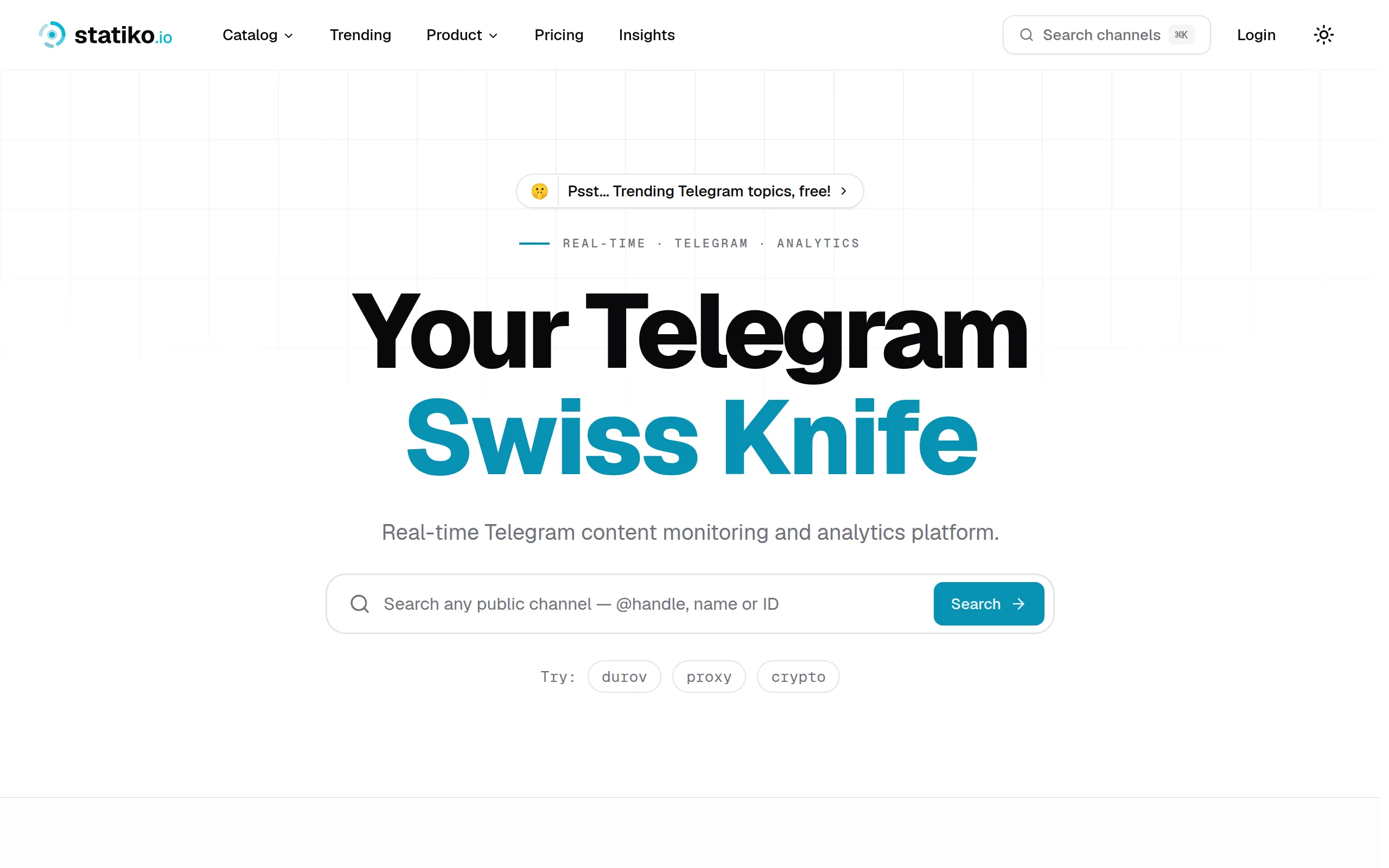
Statiko
Monitor any Telegram channel in real time - track posts, edits, deletions, and growth with AI recaps 📡

Shibui
AI website builder - describe your business, pick a niche template, edit by chatting, and publish instantly ✨

Pro Service
Find verified home service professionals, compare quotes, and pay securely through escrow - built for Brazilians across the US 🏠
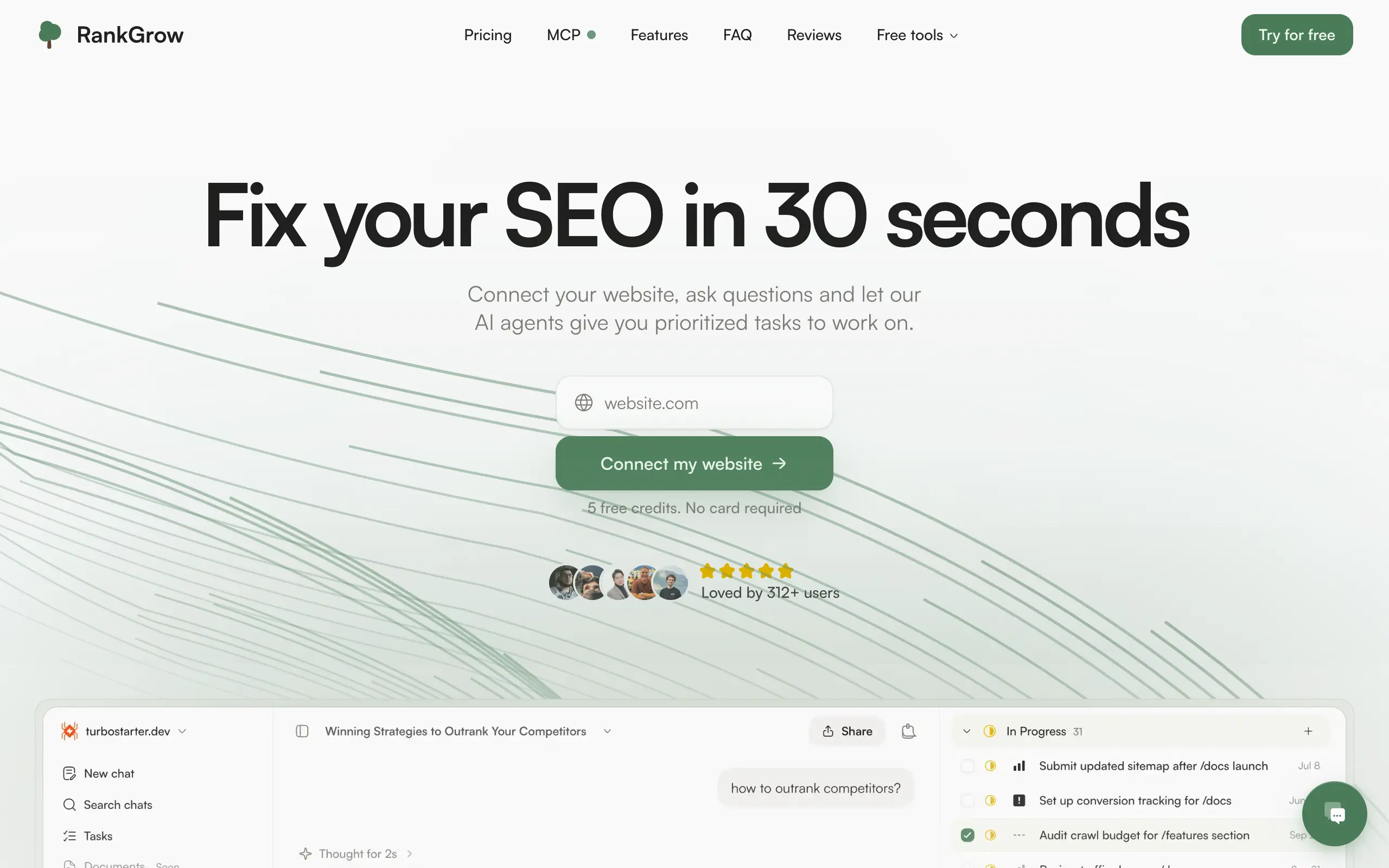
RankGrow
Fix your SEO with AI agents - connect Search Console, get prioritized tasks, and grow organic traffic 📈
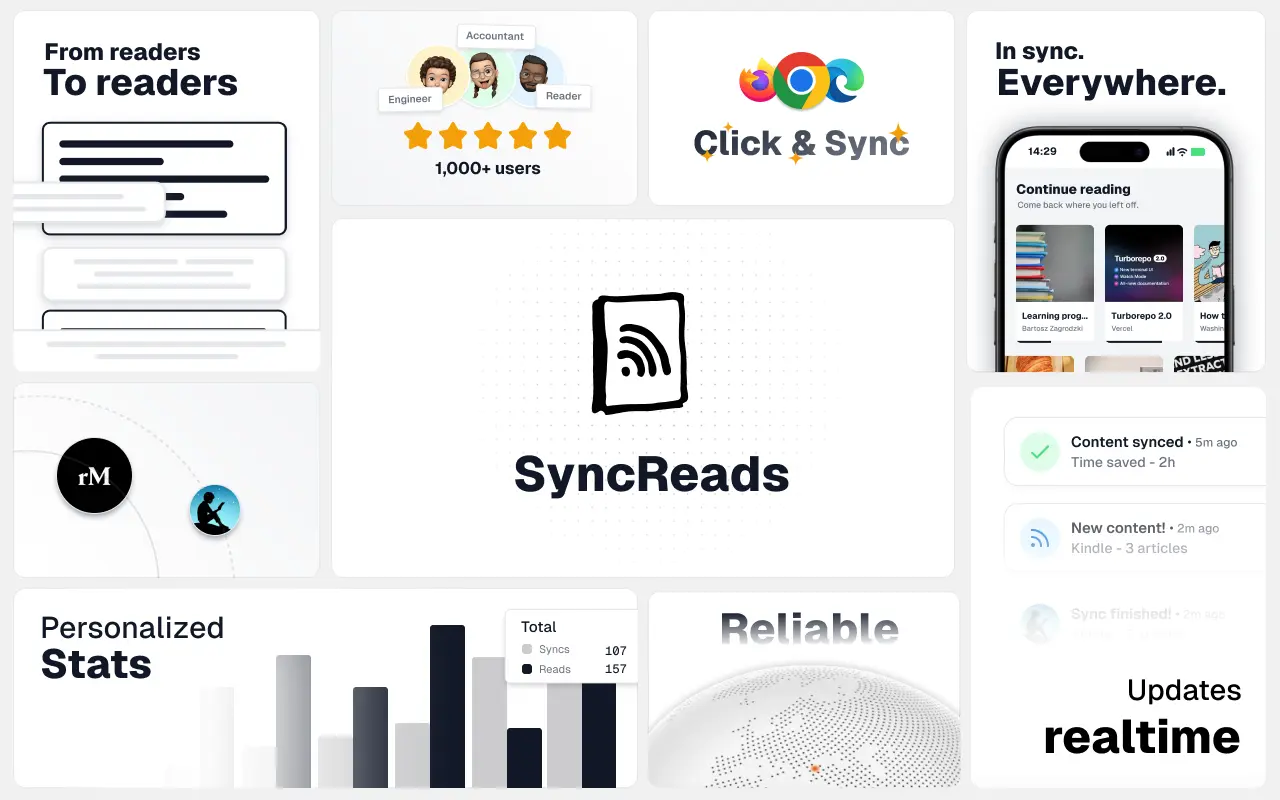
SyncReads
Sync your favorite content for distraction-free reading, save time and replace multiple apps. Anytime, anywhere 🔄
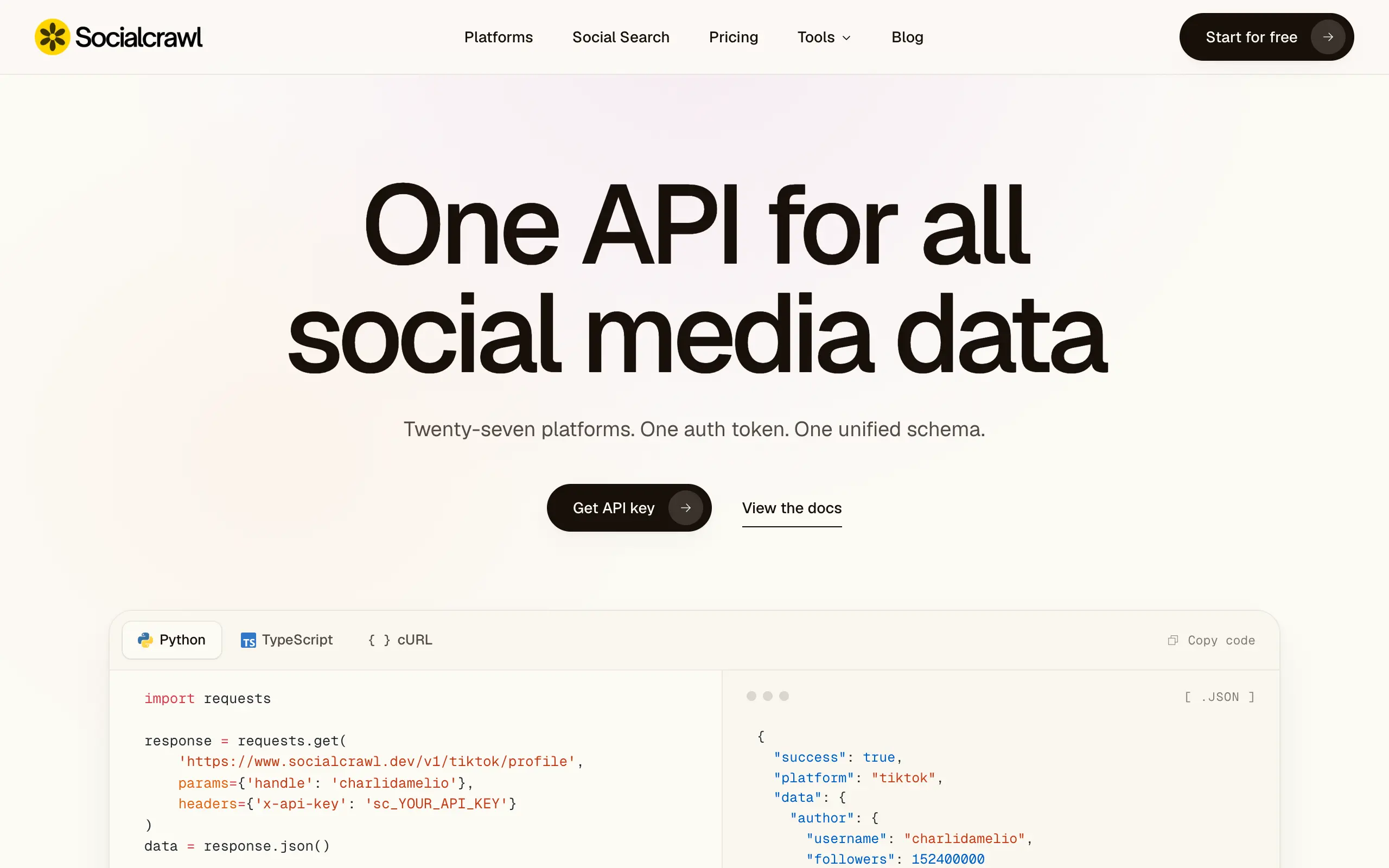
Socialcrawl
Get clean, structured data from 21 platforms like TikTok, Instagram, and YouTube with a single request 📊
Statiko
Monitor any Telegram channel in real time - track posts, edits, deletions, and growth with AI recaps 📡
Shibui
AI website builder - describe your business, pick a niche template, edit by chatting, and publish instantly ✨
Pro Service
Find verified home service professionals, compare quotes, and pay securely through escrow - built for Brazilians across the US 🏠
RankGrow
Fix your SEO with AI agents - connect Search Console, get prioritized tasks, and grow organic traffic 📈
SyncReads
Sync your favorite content for distraction-free reading, save time and replace multiple apps. Anytime, anywhere 🔄
Socialcrawl
Get clean, structured data from 21 platforms like TikTok, Instagram, and YouTube with a single request 📊
Statiko
Monitor any Telegram channel in real time - track posts, edits, deletions, and growth with AI recaps 📡
Shibui
AI website builder - describe your business, pick a niche template, edit by chatting, and publish instantly ✨
Pro Service
Find verified home service professionals, compare quotes, and pay securely through escrow - built for Brazilians across the US 🏠
RankGrow
Fix your SEO with AI agents - connect Search Console, get prioritized tasks, and grow organic traffic 📈
SyncReads
Sync your favorite content for distraction-free reading, save time and replace multiple apps. Anytime, anywhere 🔄
Socialcrawl
Get clean, structured data from 21 platforms like TikTok, Instagram, and YouTube with a single request 📊
Statiko
Monitor any Telegram channel in real time - track posts, edits, deletions, and growth with AI recaps 📡
Shibui
AI website builder - describe your business, pick a niche template, edit by chatting, and publish instantly ✨
Pro Service
Find verified home service professionals, compare quotes, and pay securely through escrow - built for Brazilians across the US 🏠
RankGrow
Fix your SEO with AI agents - connect Search Console, get prioritized tasks, and grow organic traffic 📈
SyncReads
Sync your favorite content for distraction-free reading, save time and replace multiple apps. Anytime, anywhere 🔄
Socialcrawl
Get clean, structured data from 21 platforms like TikTok, Instagram, and YouTube with a single request 📊
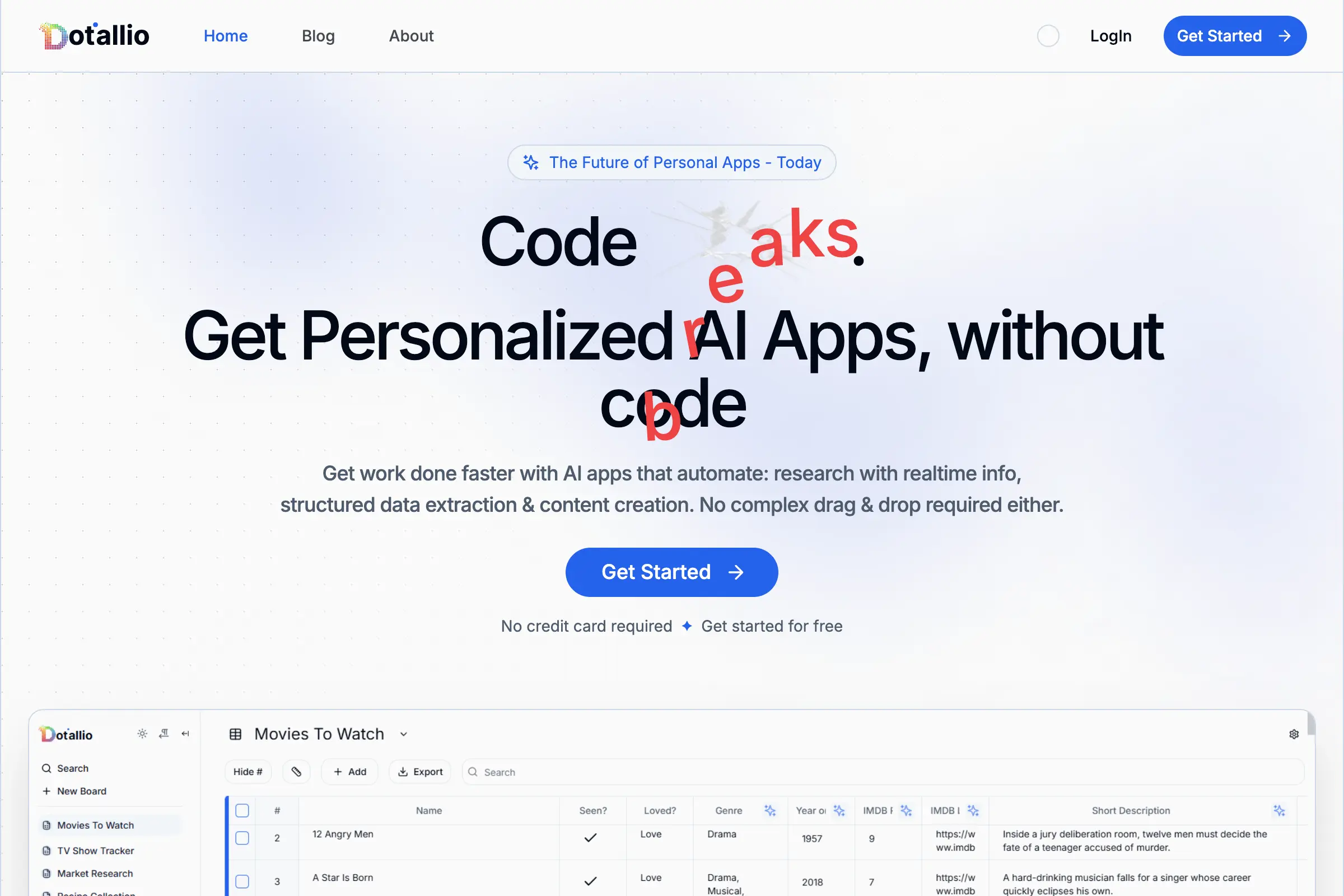
Dotallio
Personalized AI apps that automate research, data extraction, and content creation without code 🤖

Talk to Santa
Enjoy a magical live video chat or receive a unique AI-generated video greeting from Santa Claus 🎅

pozywka.pl
Scalable blog for food journalist, focused on performance and user experience 🌭
zagrodzki.me
Personal blog and portfolio of Bart Zagrodzki, where he shares his knowledge and work 💼
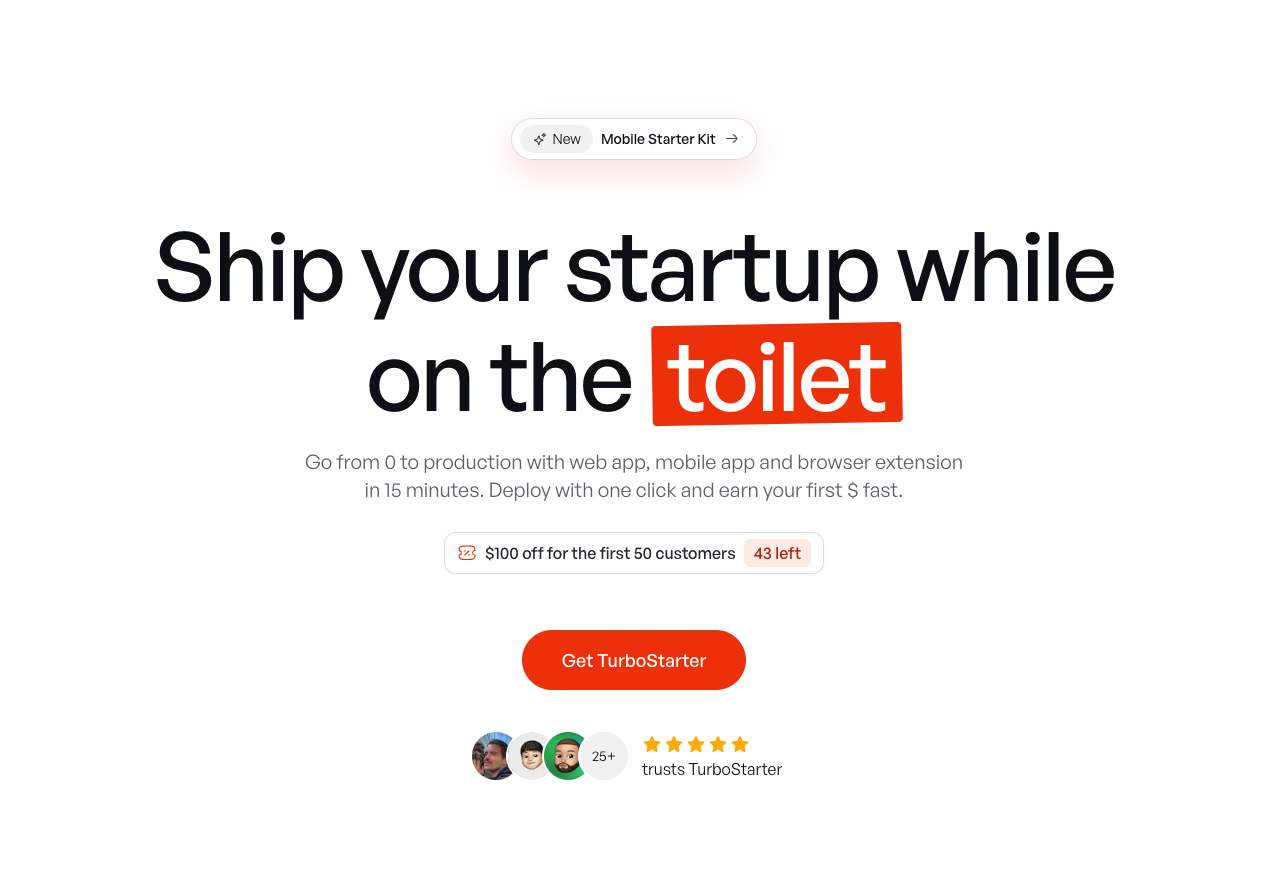
TurboStarter
Ship your startup everywhere. In minutes.
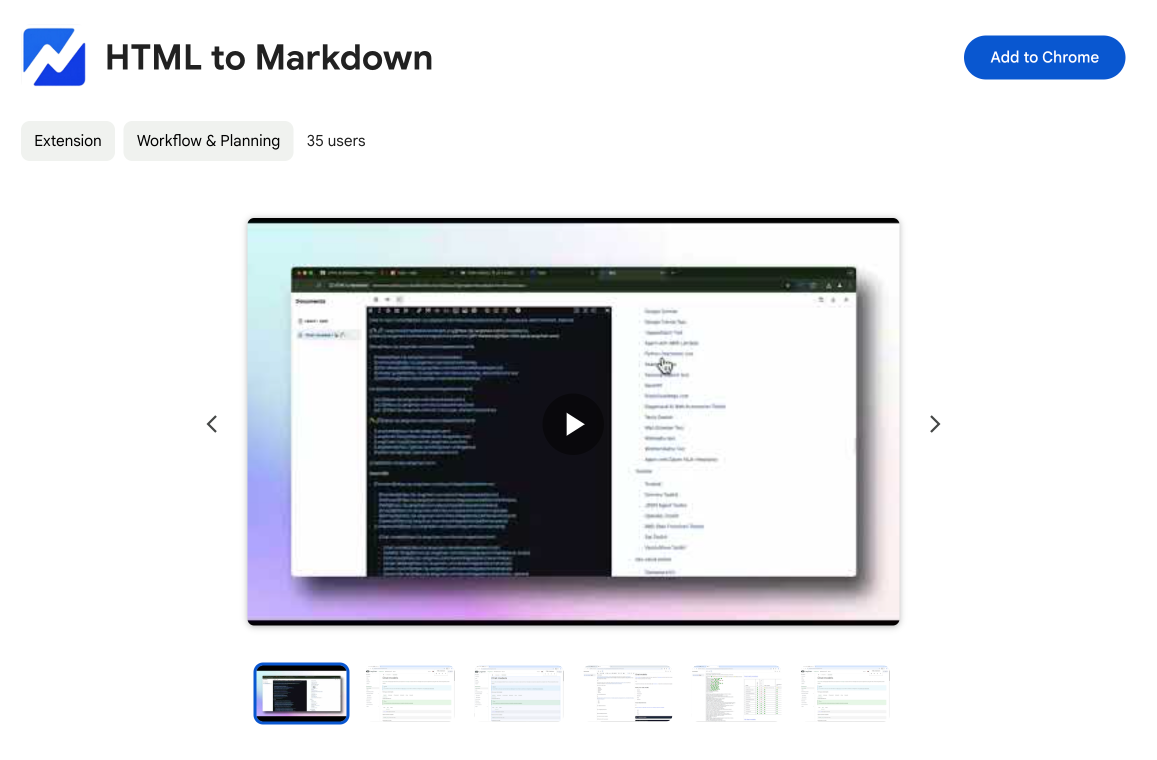
HTML to Markdown
Convert HTML to Markdown with ease, directly in your browser 📄
Dotallio
Personalized AI apps that automate research, data extraction, and content creation without code 🤖
Talk to Santa
Enjoy a magical live video chat or receive a unique AI-generated video greeting from Santa Claus 🎅
pozywka.pl
Scalable blog for food journalist, focused on performance and user experience 🌭
zagrodzki.me
Personal blog and portfolio of Bart Zagrodzki, where he shares his knowledge and work 💼
TurboStarter
Ship your startup everywhere. In minutes.
HTML to Markdown
Convert HTML to Markdown with ease, directly in your browser 📄
Dotallio
Personalized AI apps that automate research, data extraction, and content creation without code 🤖
Talk to Santa
Enjoy a magical live video chat or receive a unique AI-generated video greeting from Santa Claus 🎅
pozywka.pl
Scalable blog for food journalist, focused on performance and user experience 🌭
zagrodzki.me
Personal blog and portfolio of Bart Zagrodzki, where he shares his knowledge and work 💼
TurboStarter
Ship your startup everywhere. In minutes.
HTML to Markdown
Convert HTML to Markdown with ease, directly in your browser 📄
Dotallio
Personalized AI apps that automate research, data extraction, and content creation without code 🤖
Talk to Santa
Enjoy a magical live video chat or receive a unique AI-generated video greeting from Santa Claus 🎅
pozywka.pl
Scalable blog for food journalist, focused on performance and user experience 🌭
zagrodzki.me
Personal blog and portfolio of Bart Zagrodzki, where he shares his knowledge and work 💼
TurboStarter
Ship your startup everywhere. In minutes.
HTML to Markdown
Convert HTML to Markdown with ease, directly in your browser 📄
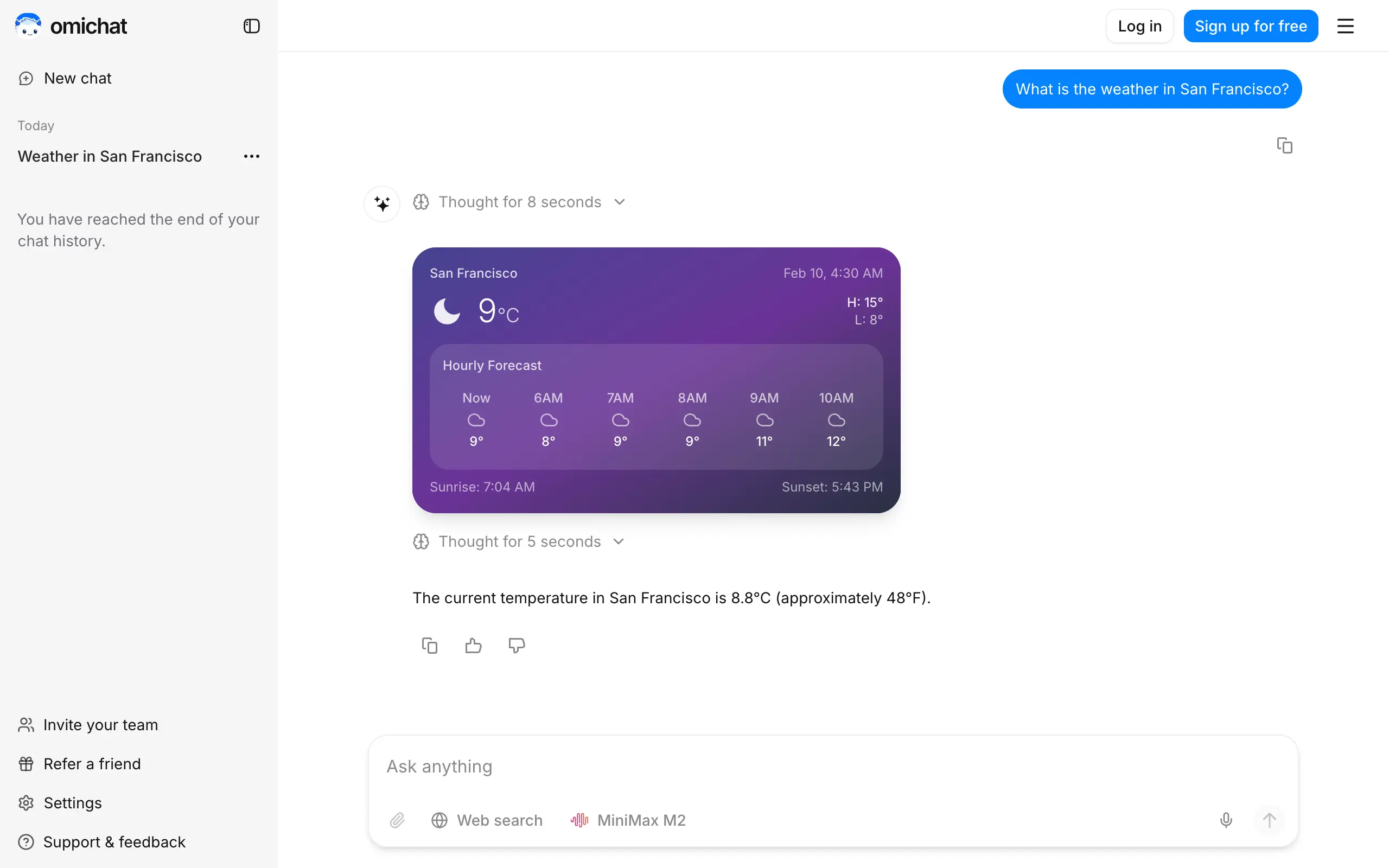
Omichat
Chat with 50+ AI models, including ChatGPT and Claude, in one place - switch models anytime without losing context 🤖
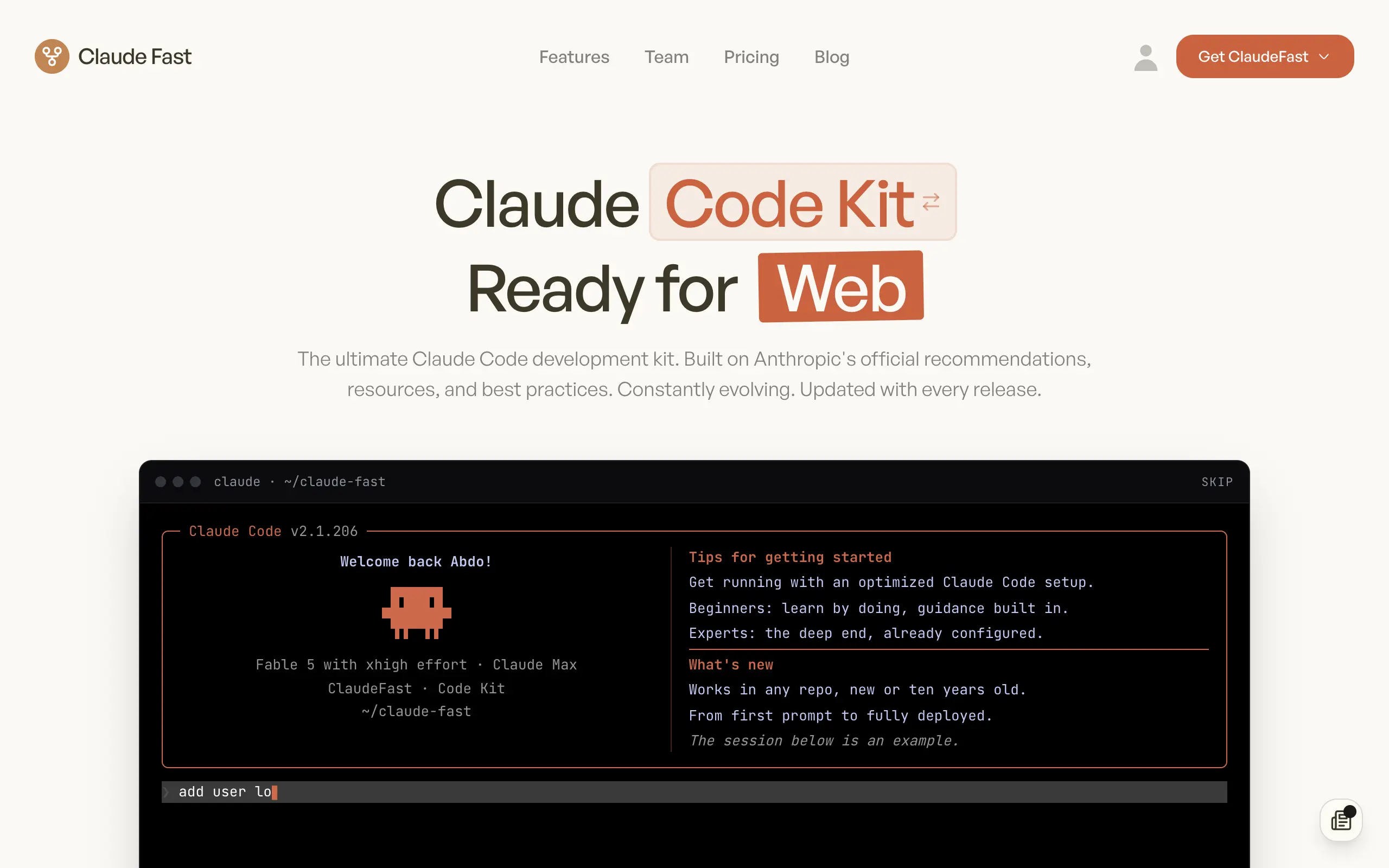
Claude Fast
Supercharge your Claude Code with 6x effective context window and specialized AI agents 🤖
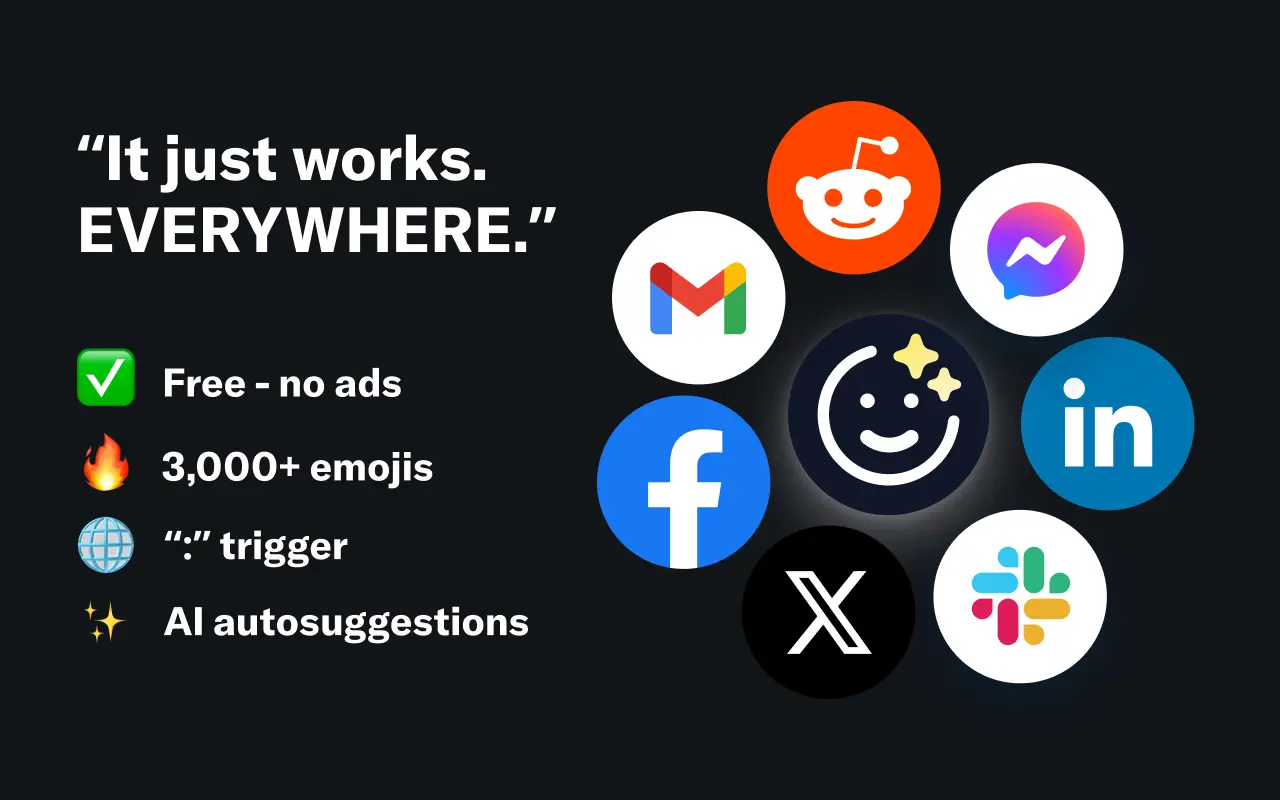
EmojAI
AI-powered emoji picker with smart, context-aware suggestions 🤖
Solohacker
Autonomous company launcher - AI agents work 24/7, escalate what matters, and you stay in control 🤖
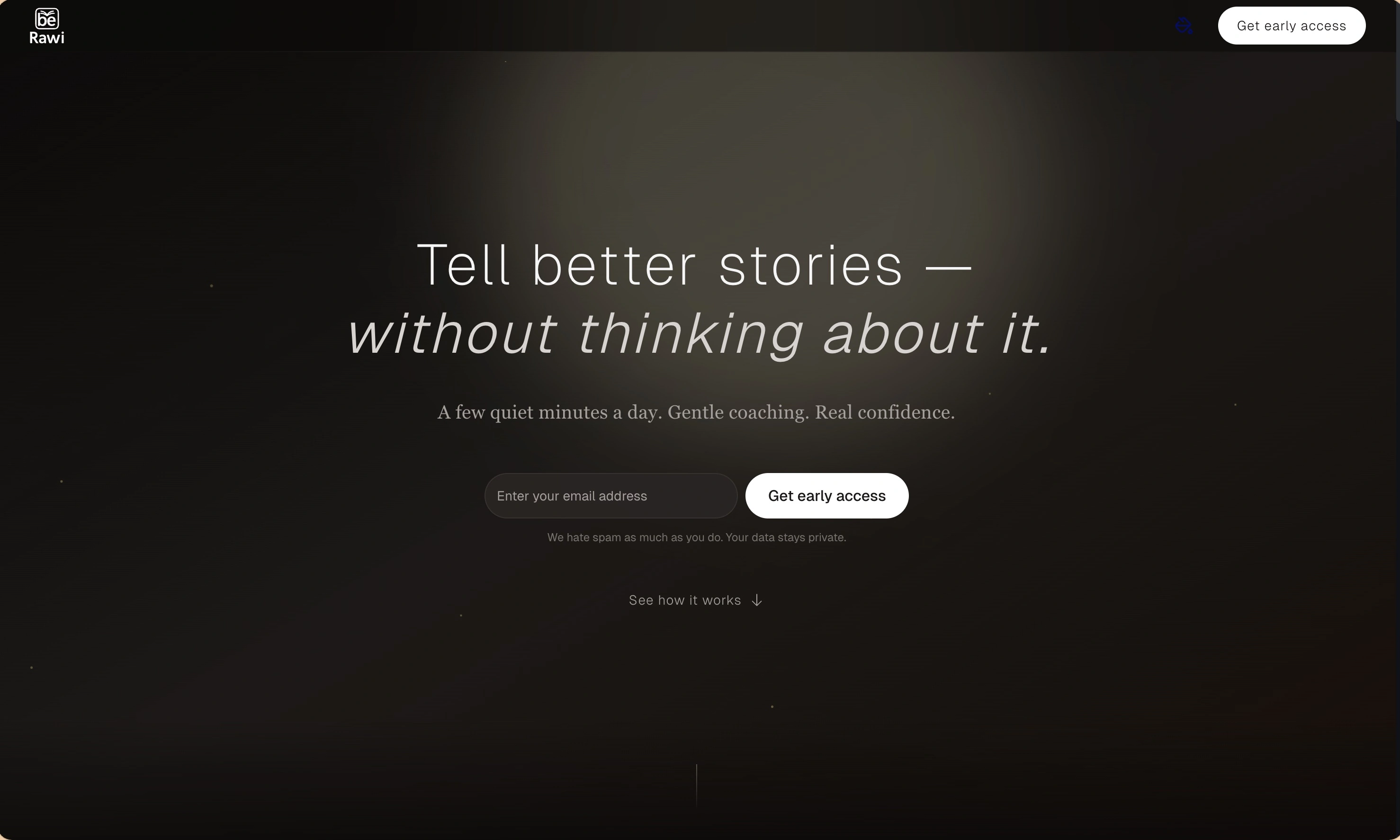
BeRawi: Storytelling Coach
Practice storytelling daily with instant feedback to sound clearer, more engaging, and confident 🎤
Omichat
Chat with 50+ AI models, including ChatGPT and Claude, in one place - switch models anytime without losing context 🤖
Claude Fast
Supercharge your Claude Code with 6x effective context window and specialized AI agents 🤖
EmojAI
AI-powered emoji picker with smart, context-aware suggestions 🤖
Solohacker
Autonomous company launcher - AI agents work 24/7, escalate what matters, and you stay in control 🤖
BeRawi: Storytelling Coach
Practice storytelling daily with instant feedback to sound clearer, more engaging, and confident 🎤
Omichat
Chat with 50+ AI models, including ChatGPT and Claude, in one place - switch models anytime without losing context 🤖
Claude Fast
Supercharge your Claude Code with 6x effective context window and specialized AI agents 🤖
EmojAI
AI-powered emoji picker with smart, context-aware suggestions 🤖
Solohacker
Autonomous company launcher - AI agents work 24/7, escalate what matters, and you stay in control 🤖
BeRawi: Storytelling Coach
Practice storytelling daily with instant feedback to sound clearer, more engaging, and confident 🎤
Omichat
Chat with 50+ AI models, including ChatGPT and Claude, in one place - switch models anytime without losing context 🤖
Claude Fast
Supercharge your Claude Code with 6x effective context window and specialized AI agents 🤖
EmojAI
AI-powered emoji picker with smart, context-aware suggestions 🤖
Solohacker
Autonomous company launcher - AI agents work 24/7, escalate what matters, and you stay in control 🤖
BeRawi: Storytelling Coach
Practice storytelling daily with instant feedback to sound clearer, more engaging, and confident 🎤

Connect with like-minded people
Join our community to get feedback, support, and grow together with 1,000+ builders on board, let's ship it!
Join usShip your startup everywhere. In minutes.
Don't burn tokens on setup and start building features on day one.