ScopeSentry
A client-facing scope and change-order portal for freelancers that turns requests into approved, billable work. It keeps small projects profitable without enterprise software.
The freelance scope problem ScopeSentry is built to solve
ScopeSentry is an AI project scope management platform for student developers and freelancers. It turns unstructured client communication, including chats, emails, discovery-call notes, and meeting summaries, into clear project scopes, milestones, approval-ready documents, and proactive change-order alerts.
This matters because many independent developers do not lose money because they cannot build software. They lose money because a project’s boundaries are unclear.
A typical freelance project starts with messages such as:
- “Can you build a simple dashboard?”
- “We only need a few pages at first.”
- “It should work like the competitor’s product.”
- “Could we add user roles later?”
- “I thought mobile support was included.”
Those statements often sound harmless during a sales conversation. Once development starts, they become a source of ambiguity, rework, delayed payment, difficult client relationships, and unpaid feature additions.
For student developers, the problem is even more acute. They may be learning client communication, delivery planning, contracts, and estimating at the same time they are trying to ship quality work. They often accept loosely defined projects to gain experience, only to discover that the client expects a full product team’s output for a student-budget price.
ScopeSentry’s core opportunity is to make professional scope control accessible before a freelancer needs a project manager, operations team, or expensive consulting process.
The central value proposition
ScopeSentry should not position itself as another generic AI writing tool. Its value is operational. It helps freelancers convert informal conversations into evidence-backed project agreements that protect revenue, deadlines, and client trust.
Who needs AI project scope management software
The most valuable customers are not “all freelancers.” ScopeSentry should focus on people who have meaningful delivery risk but limited time, process maturity, or administrative support.
Student developers building paid client projects
Student developers are a high-potential initial audience because they regularly face a difficult mix of factors:
- They are often working part time around coursework.
- They may have limited experience pricing and scoping projects.
- They frequently communicate through informal channels such as WhatsApp, Discord, Slack, email, and direct messages.
- They need portfolio projects and may hesitate to push back on requests.
- They can benefit immediately from structured milestones and a written record of approvals.
For this group, ScopeSentry should feel like an experienced project manager sitting beside them during every client engagement. The product should explain why an item is risky, not simply label it as scope creep.
A student developer may not know that “make it like Uber” implies mapping, location tracking, payments, driver workflows, customer workflows, notifications, support tooling, data privacy responsibilities, and far more. ScopeSentry can turn vague product language into questions and assumptions before the developer makes a costly promise.
Freelance web developers and no-code builders
Independent web developers, designers who also build, and no-code specialists have a consistent need for lightweight project scope management.
Their projects often include:
- Marketing websites
- E-commerce storefronts
- Internal dashboards
- Client portals
- Automation workflows
- MVP SaaS applications
- Design-to-code builds
- CMS migrations
- Landing page packages
These professionals tend to manage multiple small or mid-sized engagements simultaneously. Their problem is not merely writing a statement of work. It is maintaining an accurate view of what was agreed, what has changed, and what requires a new quote.
For these users, the best ScopeSentry experience is fast:
- Connect a communication source or paste a conversation.
- Review AI-extracted requirements and assumptions.
- Generate a scope document and milestone plan.
- Send it for client approval.
- Monitor future messages for change-order triggers.
Small freelance agencies and studio owners
Once ScopeSentry is validated with solo freelancers, small agencies are a logical expansion market. A two- to ten-person studio often has more communication volume, more handoffs, and more risk of inconsistent documentation.
Agency owners need a system that helps them answer practical questions:
- What did the client approve?
- Which features are included in the current phase?
- Which requests need a revised estimate?
- Is a developer starting work on unapproved functionality?
- Is the project timeline still realistic?
- How much work is at risk of becoming unpaid?
For agencies, collaboration features, project-level permissions, approval histories, and integrations become increasingly important.
Consultants and fractional product teams
Product consultants, fractional CTOs, UX consultants, and technical project leads can also benefit from a structured scope-to-milestone workflow. Their deliverables may be strategic rather than code-based, but scope ambiguity still creates costly misunderstandings.
A consultant could use ScopeSentry to formalize:
- Discovery deliverables
- Workshop commitments
- Research activities
- Prototype rounds
- Stakeholder review cycles
- Revision limits
- Technical audit boundaries
- Handoff expectations
This creates a broader market without diluting the initial freelancer-focused message.
Why scope creep remains a major freelancer pain point
Scope creep is not just “a client asking for more.” It is the gradual expansion of deliverables without a matching change in budget, timeline, or resource allocation.
It usually happens when one or more of these conditions exist:
- The original scope used vague language.
- Requirements were agreed verbally or in scattered messages.
- Assumptions were never documented.
- A client sees a new request as a minor adjustment.
- The freelancer fears jeopardizing the relationship by saying no.
- There is no simple process for approving a change order.
- The freelancer cannot quickly find the original agreement.
Traditional project management software can store tasks, but it often fails at the earlier and more important stage: converting messy pre-sales and client communication into a reliable commercial agreement.
A task board cannot reliably tell a freelancer whether “please add account roles” was part of the initial agreement. A notes application can store meeting notes, but it does not compare those notes against a signed scope and flag potentially billable work.
That is the market gap for AI scope management software for freelancers.
| Workflow need | Spreadsheets | Task tools | Generic AI chat | ScopeSentry opportunity |
|---|---|---|---|---|
| Extract requirements from client messages | Manual | Limited | Possible but unstructured | Purpose-built and traceable |
| Generate approval-ready scopes | Manual | Limited | Possible but inconsistent | Template-driven with source evidence |
| Detect possible scope changes | Manual review | Rarely supported | Requires repeated prompting | Continuous project-aware alerts |
| Create a client-facing change order | Manual | Usually external | Draft only | Generated from the request and baseline scope |
The market opportunity for ScopeSentry
The freelancer economy has created a large and growing base of independent professionals who sell knowledge work directly to clients. Developers, designers, automation consultants, marketers, and niche technical specialists increasingly operate as lean businesses.
Yet many still rely on an improvised tool stack:
- Email for formal conversations
- Chat apps for fast decisions
- Notion or Google Docs for notes
- A proposal tool for selling
- A task manager for delivery
- A spreadsheet for estimates
- An e-signature platform for contracts
- Memory for tracking verbal changes
The resulting process is fragmented. Important commitments are hard to retrieve, and the freelancer often discovers a disagreement only after time has already been spent.
ScopeSentry can occupy the layer between sales communication and delivery management. Its role is not to replace every tool. Its role is to establish a trustworthy baseline of what the client approved and protect that baseline as the project evolves.
The underserved gap between proposals and project delivery
Proposal software is helpful for presenting an offer, but it often assumes the freelancer already knows the scope. Generic project management software organizes execution, but it usually assumes the project definition is complete.
In practice, the highest-risk information arrives before and during delivery through fragmented communication:
- A client sends new requirements after a discovery call.
- A stakeholder adds a request in a group chat.
- A client responds to a design mockup with “one quick thing.”
- A verbal agreement changes a timeline.
- A client asks for an integration that was discussed but never priced.
ScopeSentry should own this gap by creating a continuously updated, approval-aware scope record.
Why AI is useful here, and where it should not be trusted blindly
Large language models are well suited to extract, classify, summarize, and compare natural-language requirements. They can identify entities such as features, deadlines, integrations, roles, platforms, dependencies, and approval criteria across long conversations.
However, AI should not unilaterally decide legal or financial outcomes. It should not tell a freelancer that a message is definitely a contractual breach. It should not create false certainty around an ambiguous request.
The product should instead use careful language:
- “Potential scope addition detected”
- “This request does not appear in the approved scope”
- “Review before committing”
- “Clarification recommended”
- “Suggested change-order draft”
That approach improves trust, reduces legal risk, and keeps the human freelancer in control.
Do not overpromise legal protection
ScopeSentry can help users create a stronger paper trail and disciplined approval workflow, but it should not market itself as a substitute for legal counsel or a jurisdiction-specific contract. Include clear product disclaimers and encourage users to obtain professional legal review for their templates.
Core ScopeSentry features that create real customer value
A strong MVP needs to solve a painful workflow end to end. The objective is not to add every project management feature. It is to help users move from unstructured communication to signed scope, then identify changes before unpaid work begins.
AI requirement extraction from chats, emails, and call notes
The input experience should support the places where freelancers already work. Initially, users can paste text or upload call transcripts. Later, ScopeSentry can add secure integrations with email and collaboration tools.
The AI extraction engine should identify and organize:
- Functional requirements
- Non-functional requirements
- Deliverables
- Exclusions
- Client-provided assets
- Integrations
- Deadlines
- Dependencies
- Assumptions
- Open questions
- Revision requests
- Stakeholders
- Acceptance criteria
- Budget references
- Risk indicators
The critical design choice is showing the user where each extracted item came from. Every requirement should link back to a source message, email segment, or meeting-note excerpt.
This provenance model is a major trust feature. If ScopeSentry says that a Stripe integration was discussed, the freelancer should be able to click the item and see the original client language.
Scope document generation with explicit boundaries
The system should convert reviewed requirements into a professional scope of work. A useful scope template includes:
- Project overview
- Business objective
- Included deliverables
- Out-of-scope items
- Project assumptions
- Client responsibilities
- Technical constraints
- Milestones
- Timeline assumptions
- Review and feedback process
- Revision limits
- Acceptance criteria
- Payment schedule
- Change-control process
The scope document should avoid vague statements such as “build a modern website.” Instead, it should produce verifiable language such as “implement up to five responsive marketing pages using the approved design system.”
ScopeSentry can improve scope quality by flagging weak wording. For example, terms such as “fast,” “simple,” “similar to,” “user-friendly,” and “fully functional” should trigger a suggestion to define measurable expectations.
Milestone planning and delivery sequencing
A signed scope alone does not guarantee a healthy project. Freelancers need a practical way to break work into manageable phases with clear review points.
ScopeSentry should generate milestone suggestions based on the project type. For a SaaS MVP, it may recommend:
- Discovery and technical specification
- Wireframes or design approval
- Authentication and core data model
- Primary user workflow
- Admin functionality and integrations
- Quality assurance and client acceptance
- Launch support and handoff
Each milestone should include a definition of done, a client approval state, target dates, dependencies, and optional payment linkage.
This gives the freelancer an operational plan rather than a static document.
Change-order detection and alerts
The change-order alert system is ScopeSentry’s most defensible core feature. It should compare incoming communication against the approved project baseline.
A useful alert should include:
- The new client request
- Why the request may be outside scope
- Related approved scope items
- The source evidence
- A confidence level
- The likely impact category
- Recommended next actions
Impact categories could include time, budget, complexity, timeline, third-party cost, or support burden.
For example, if a client asks for “Google login too,” ScopeSentry might identify that authentication exists in the scope but social login does not. It could recommend a response that acknowledges the request without committing to free delivery.
Thanks for sharing this. Google sign-in is not included in the current approved authentication scope, which covers email and password access. I can prepare a small change order with the additional implementation and testing effort before we add it to the schedule.
The key is that ScopeSentry helps users protect the relationship, not escalate conflict.
Client approval and signature workflows
The “signed” portion of the product vision requires a low-friction approval experience. Client-facing documents should be polished, mobile-friendly, and easy to understand.
A basic workflow can include:
- Shareable secure link
- Client name and project details
- Read receipt or viewing status
- Explicit approval checkbox
- Typed name or e-signature capture
- Timestamped approval record
- Immutable PDF export
- Scope version history
For early releases, ScopeSentry can support approval acknowledgment rather than claiming advanced legal e-signature compliance. If the product later integrates with a dedicated signature provider, it should clearly communicate what is legally supported in each market.
Scope health dashboard
A freelancer needs visibility without being overwhelmed by dashboards. The main project screen should answer four questions immediately:
- What has been approved?
- What is currently in progress?
- What requests need clarification?
- What changes may require a new quote?
A simple scope health score can be useful if it is explainable. Avoid opaque scores that appear arbitrary. Instead, show the factors behind the rating:
- Number of unresolved questions
- Number of unapproved requirements
- New requests awaiting review
- Missing acceptance criteria
- Upcoming milestone approval
- Unconfirmed client dependencies
Reusable templates for common freelance engagements
Templates reduce the blank-page problem and help less experienced freelancers adopt best practices. Initial templates could cover:
- Website design and development
- Landing page build
- Shopify store implementation
- SaaS MVP development
- Internal dashboard
- No-code automation
- API integration
- UX audit
- Ongoing maintenance retainer
Each template should be configurable. A freelancer should be able to define their standard revision policy, payment terms, support period, and exclusions once, then reuse them across projects.
ScopeSentry’s unique selling proposition
The strongest ScopeSentry positioning is:
ScopeSentry turns client conversations into approved project boundaries, then watches for the requests that put freelancer margins at risk.
That positioning is more specific than “AI project management” and more valuable than “AI proposal writer.”
The product’s unique selling proposition rests on three connected capabilities:
Conversation-to-scope intelligence
Transform scattered client messages and meeting notes into structured requirements, assumptions, exclusions, and unanswered questions.
Approval-backed project baseline
Create a shared, versioned source of truth that clients can review and approve before delivery begins.
Proactive scope protection
Detect potential out-of-scope work in new communication and prepare a professional response or change order.
The combination matters. A proposal generator can produce a document. A note-taking tool can summarize a call. A project board can track tasks. ScopeSentry connects evidence, scope, approval, and ongoing change control in one workflow.
Recommended tech stack for an AI scope management SaaS
ScopeSentry needs a stack that supports rapid iteration, secure multi-tenant data, document workflows, and reliable AI processing. The implementation should prioritize a stable user experience over unnecessary architectural complexity.
Front end and application framework
A strong default is Next.js with React and TypeScript.
This combination works well because it supports:
- Server-rendered marketing pages for SEO
- Authenticated application routes
- API endpoints and server actions
- Type-safe frontend development
- Streaming AI user experiences
- A mature ecosystem for SaaS integrations
Use Tailwind CSS for fast, consistent product UI development. It is especially effective for an MVP because it enables a small team to build responsive interfaces without maintaining a large custom CSS architecture.
For forms, React Hook Form paired with Zod is a practical choice. Client intake, scope editing, and change-order review all require robust validation.
Backend, database, and authentication
Supabase is a compelling early-stage choice because it combines PostgreSQL, authentication, object storage, and row-level security. PostgreSQL is especially appropriate for ScopeSentry because projects, scope versions, requirements, approvals, message sources, and alerts are strongly relational.
A core data model might include:
type Project = {
  id: string
  workspaceId: string
  clientId: string
  name: string
  status: "draft" | "awaiting_approval" | "active" | "completed"
  approvedScopeVersionId?: string
}

type ScopeItem = {
  id: string
  projectId: string
  category: "deliverable" | "exclusion" | "assumption" | "dependency"
  text: string
  acceptanceCriteria?: string
  sourceReferenceIds: string[]
  approvalStatus: "draft" | "approved" | "superseded"
}

type ChangeAlert = {
  id: string
  projectId: string
  messageId: string
  confidence: number
  status: "needs_review" | "dismissed" | "change_order_created"
  explanation: string
}
Row-level security is essential. A freelancer should only access records belonging to their workspace, and client approval links should expose only the precise documents intended for that client.
For authentication, use Supabase Auth or a dedicated provider such as Clerk. Supabase reduces vendor count, while Clerk can accelerate polished user and organization management. The right trade-off depends on the team’s existing experience and pricing needs.
AI and retrieval architecture
The AI layer should combine structured prompting, deterministic rules, and retrieval of project-specific context.
The model should receive:
- The incoming client message or transcript segment
- The approved scope version
- Existing project requirements
- Known exclusions and assumptions
- A defined output schema
- Instructions to express uncertainty where appropriate
Do not rely solely on a conversational prompt. Require structured JSON output validated by a schema. This reduces UI failures and makes alerts easier to audit.
A vector database can be helpful for larger projects with extensive communication history. pgvector, used with PostgreSQL, is a reasonable option when the team wants to keep relational and semantic project data close together.
The trade-off is important. For an MVP with short projects and well-structured scope records, standard relational retrieval may be enough. Adding embeddings too early increases processing cost, debugging complexity, and privacy considerations. Start with clear document chunks and metadata filters. Add semantic search when users genuinely need to query long histories.
Background jobs and integrations
AI analysis, document rendering, email synchronization, and alert evaluation should run outside the request-response cycle.
Use a workflow or job platform such as Inngest or Trigger.dev for durable background tasks. These tools help manage retries, scheduled processing, and multi-step workflows.
An example workflow could be:
For email, begin with forwarding or manual upload before building a broad inbox integration. This reduces OAuth complexity and lets the team validate whether users trust the analysis. Chat integrations can follow, starting with the platforms most common among the target audience.
Payments, analytics, and observability
Use Stripe for subscription billing, trials, metered AI usage, and invoice management. It supports the monetization flexibility ScopeSentry will need as it serves both students and agencies.
Product analytics should track activation and retention events, including:
- First project created
- First communication imported
- First scope generated
- First client approval requested
- First approval completed
- First change alert reviewed
- First change order created
For errors and performance monitoring, Sentry is a mature choice. AI workflows require especially careful observability because failures can arise from model output, third-party APIs, job queues, or document rendering.
For teams that want a quicker route from idea to a production-ready SaaS foundation, TurboStarter can reduce setup time around common SaaS requirements such as authentication, payments, database workflows, and polished application structure.
Privacy, security, and trust requirements
ScopeSentry will process sensitive client communication. That makes privacy and trust part of the product, not a legal footnote.
Users may upload client names, budgets, internal plans, credentials accidentally included in messages, and commercially sensitive product ideas. A trustworthy product needs clear safeguards.
Data handling principles
ScopeSentry should implement these practices from the start:
- Encrypt data in transit and at rest.
- Use tenant isolation and strict authorization checks.
- Minimize the data sent to AI providers.
- Redact obvious secrets where feasible before analysis.
- Let users delete projects and source content permanently.
- Maintain audit logs for approvals and scope versions.
- Clearly explain retention periods.
- Provide consent guidance for call recording and transcript uploads.
- Avoid training models on customer data without explicit, informed permission.
If the company makes privacy, security, or compliance claims, those claims must match actual implementation. Publishing a security page before the product is ready is fine, but it should be precise about current controls and planned improvements.
Human review is a product requirement
AI extraction should never silently alter an approved project scope. The user must review and approve generated content before it becomes client-facing.
Likewise, a change alert should be a recommendation, not an automated accusation. False positives are inevitable, especially when clients phrase requests ambiguously. The product wins trust by making it easy to dismiss an alert, edit AI-generated text, and explain why a request is already covered.
ScopeSentry should describe alerts as a protective layer rather than a guarantee. Give users manual tools to create change orders, search project communication, and compare new requests against their approved scope even when no alert appears.
Users should be able to dismiss the alert, mark it as included, or update the scope. Capture this feedback to improve future classifications for that workspace without presenting the system as infallible.
No. It can improve documentation and workflow discipline, but users need appropriately reviewed agreements for their jurisdiction, business model, and risk profile.
Monetization strategy for ScopeSentry
ScopeSentry should use pricing that matches the financial reality of its core users. Student developers need an accessible entry point, while successful freelancers and small agencies will pay for risk reduction, automation, and team workflows.
A practical tiered pricing model
A freemium or low-cost starter plan can drive adoption among students and early-stage freelancers.
- "Free plan": one active project, limited AI analyses, basic scope templates, and watermark-free client approval links.
- "Freelancer plan": multiple active projects, higher AI limits, change-order alerts, custom templates, PDF exports, and email support.
- "Pro plan": unlimited or high-volume project capacity, priority processing, advanced integrations, custom branding, and detailed project analytics.
- "Agency plan": multiple seats, workspace permissions, shared templates, portfolio reporting, client access controls, and centralized billing.
The most natural value metric is a blend of active projects and AI analyses. Charging solely by seats can discourage adoption in small teams, while charging only by messages may feel unpredictable. Clear included allowances, visible usage, and paid add-ons are easier for customers to understand.
Why customers will pay
The return on investment is straightforward. If ScopeSentry helps a freelancer catch even one unpaid feature request per month, the product can pay for itself many times over.
The sales message should focus on avoided loss and saved administrative time:
- Fewer unpaid revisions
- Faster scope creation
- Better client expectations
- Easier milestone approval
- Stronger documentation during disputes
- More confidence when pricing changes
- Less context switching between tools
Avoid making income guarantees. Instead, use realistic use cases and customer stories once they are available.
Expansion revenue opportunities
After achieving product-market fit, ScopeSentry can add revenue through:
- Premium legal-template partnerships
- Additional AI analysis credits
- White-label client portals
- Agency workspace add-ons
- Advanced CRM and project-tool integrations
- Branded proposal and scope libraries
- Payment milestone automation
- Expert onboarding or scope review services
The company should be cautious about turning too quickly into a services business. Services can validate demand and produce valuable customer insight, but the scalable core remains the SaaS workflow.
Competitive advantages and how to defend them
ScopeSentry will compete indirectly with project management systems, proposal tools, CRM platforms, contract software, transcription products, and generic AI assistants.
The company does not need to beat every category at its own game. It needs to become the best tool for one high-value job: helping independent professionals establish and enforce project boundaries from real client communication.
Advantage one: project-specific source evidence
A generic AI assistant can summarize a message, but ScopeSentry can preserve the connection between each scope item and the conversation that created it.
This creates defensibility through workflow depth. Over time, the product becomes a historical record of how a project evolved, not just a generator that produces a document once.
Advantage two: a structured scope graph
Every project creates linked data:
- Client messages
- Extracted requirements
- Scope versions
- Milestones
- Approvals
- Change alerts
- Change orders
- Final outcomes
This structured “scope graph” improves AI context and enables features that point tools cannot easily replicate. For example, ScopeSentry can identify which milestones are affected by a new request or show which assumptions have never been confirmed.
Advantage three: freelancer-first language and workflow
Enterprise project software often feels too complex for a solo developer. Generic contract tools can feel intimidating. ScopeSentry should use plain language, short setup flows, and practical guidance.
The user should not need formal project-management certification to benefit from the product.
Advantage four: compounding template and benchmark data
With appropriate privacy controls and user permission, anonymized patterns can inform better templates and risk guidance. ScopeSentry may eventually identify common scope gaps in website projects, frequent change-order categories, or typical dependencies that freelancers forget to document.
This should only be pursued with strong governance. Trust is more valuable than aggressive data extraction.
Key risks and mitigation strategies
Every SaaS idea has execution risks. ScopeSentry’s biggest risks are manageable when addressed deliberately.
Risk: AI output is inaccurate or overly confident
A weak extraction or false alert can undermine user trust.
"Mitigation":
- Require user approval for every generated scope item.
- Show source references and confidence indicators.
- Use structured output schemas.
- Separate facts from inferred assumptions.
- Phrase alerts as potential changes, not definitive judgments.
- Collect explicit feedback when users edit or dismiss results.
Risk: users see the product as “just another AI wrapper”
Freelancers already have access to general-purpose AI tools. ScopeSentry must provide a workflow advantage that a single prompt cannot replicate.
"Mitigation":
- Prioritize source traceability, approval history, and scope comparison.
- Build project memory across client interactions.
- Make change-order generation fast and contextual.
- Integrate with the tools where communication happens.
- Demonstrate outcomes rather than generic AI capability.
Risk: sensitive client data creates adoption resistance
Users may hesitate to upload email threads or call transcripts.
"Mitigation":
- Start with user-controlled paste and upload flows.
- Publish plain-English privacy practices.
- Add granular data deletion controls.
- Offer redaction guidance.
- Use secure vendor agreements and documented access controls.
- Make integrations opt-in and transparent.
Risk: the product expands into bloated project management software
It is tempting to add task boards, time tracking, CRM features, invoicing, and full document management. Doing so too early risks diluting the product.
"Mitigation":
- Keep the MVP centered on scope generation, approval, and change detection.
- Integrate with existing delivery tools instead of replacing them.
- Use customer interviews to identify high-frequency, high-value workflow gaps.
- Measure whether each feature improves activation, retention, or expansion.
Risk: legal expectations exceed the product’s role
Customers may assume an approved scope is always legally enforceable.
"Mitigation":
- Use clear disclaimers.
- Offer customizable templates instead of universal legal claims.
- Support audit trails and exports.
- Encourage legal review for high-value engagements.
- Consider partnerships with qualified legal-template providers only after validation.
How to validate ScopeSentry before building too much
The fastest validation approach is a concierge MVP. Rather than building every integration, work closely with ten to twenty target users and learn from real projects.
Start with a narrow customer segment
The best initial segment may be student developers and solo web freelancers who build custom websites or SaaS MVPs priced above a meaningful threshold. They experience scope ambiguity frequently and can quickly evaluate whether the product prevents problems.
Recruit users through:
- Developer communities
- University entrepreneurship groups
- Freelance communities
- Web development newsletters
- Local startup events
- Online creator communities
- Portfolio and agency networks
The first research interviews should focus on behavior, not hypothetical enthusiasm. Ask users to show an anonymized recent project where scope changed unexpectedly.
Useful questions include:
- How did the client first describe the project?
- Where did requirements get discussed?
- What did you send for approval?
- Which requests became unpaid work?
- How did you decide whether to charge extra?
- What proof did you have of the original agreement?
- What would have made the conversation easier?
Build the smallest valuable workflow
The first working product can be intentionally narrow:
- Create a project.
- Paste a discovery call transcript or message thread.
- Generate requirements, assumptions, and open questions.
- Edit and approve the generated scope.
- Share a client approval link.
- Paste a later client request.
- Receive a possible scope-change analysis and draft response.
If users repeatedly use this flow and say they would pay for it, ScopeSentry has a foundation worth expanding.
Measure the right early signals
Vanity metrics such as signups are not enough. Track behavior that demonstrates users received the intended value.
Strong signals include:
- Users create a second project.
- Users send approval links to real clients.
- Clients complete approvals.
- Users review change alerts rather than ignoring them.
- Users create change orders from alerts.
- Users report recovering time, money, or confidence.
- Users invite collaborators or upgrade plans.
A strong qualitative signal is when a freelancer says, “I would not start another client project without this.”
Actionable implementation plan for launching ScopeSentry
A disciplined launch can happen in phases without overbuilding.
Phase one: customer discovery and workflow design
Spend the first phase interviewing target users and mapping their current process. Collect anonymized examples of vague briefs, discovery notes, scope documents, and change requests.
Define a canonical project data model before creating complex UI. The product needs clean relationships between source communication, extracted requirements, scope versions, approvals, and alerts.
Create a small set of high-quality scope templates based on actual freelancer language. The templates should be useful enough that users would adopt them even without AI.
Phase two: build the focused MVP
Build the essential workflow:
- User authentication and workspace setup
- Project creation
- Manual communication upload or paste
- AI requirement extraction
- Source-linked scope editor
- Scope export and approval link
- Scope version history
- Manual new-request analysis
- Change-order draft generation
Keep integrations out of the first release unless a specific customer segment demands one. Manual input is acceptable while validating the core outcome.
Phase three: launch with hands-on onboarding
Personally onboard early users. Watch them import conversations, correct AI output, send scope documents, and respond to change alerts.
This is not merely customer support. It is product research. Each correction reveals how the data model, prompt design, templates, or interface should improve.
Build a small library of educational content alongside the product:
- How to scope a web development project
- How to write project exclusions
- How to identify scope creep early
- How to create freelance project milestones
- How to ask clients clarifying questions
- How to send a professional change-order request
This content supports SEO while directly helping the intended audience become better at client work.
Phase four: add integrations and team capabilities
Once the core workflow is retained, add the integrations users request most often. Email ingestion is likely to be more broadly valuable than attempting to support every chat platform immediately.
Then expand into:
- Automated message monitoring
- Shared agency workspaces
- Client portals
- Payment milestone links
- CRM and project management integrations
- Advanced reporting
- Template marketplaces or expert-reviewed packs
Final perspective
ScopeSentry has a compelling SaaS opportunity because it addresses a painful, recurring, and expensive problem for freelancers: unclear agreements that turn into unpaid work.
The winning product will not be the one that generates the most polished AI text. It will be the one that gives independent professionals confidence at the exact moments when scope is uncertain:
- Before they make a promise
- Before they start a milestone
- When a client makes a new request
- When they need to ask for additional budget
- When they need proof of what was approved
By turning client conversations into structured scopes, clear milestones, and evidence-backed change-order alerts, ScopeSentry can help student developers and freelancers operate with the discipline of a much larger business without adding enterprise-level complexity.
More 🤖 AI Startup SaaS ideas
Discover more innovative ai startup SaaS ideas that are trending in 2026. Each idea is AI-generated with market validation and growth potential to help you find your next profitable venture faster than competitors.
Your competitors are building with TurboStarter
Below are some of the SaaS ideas that have been generated and built with our starter kit.
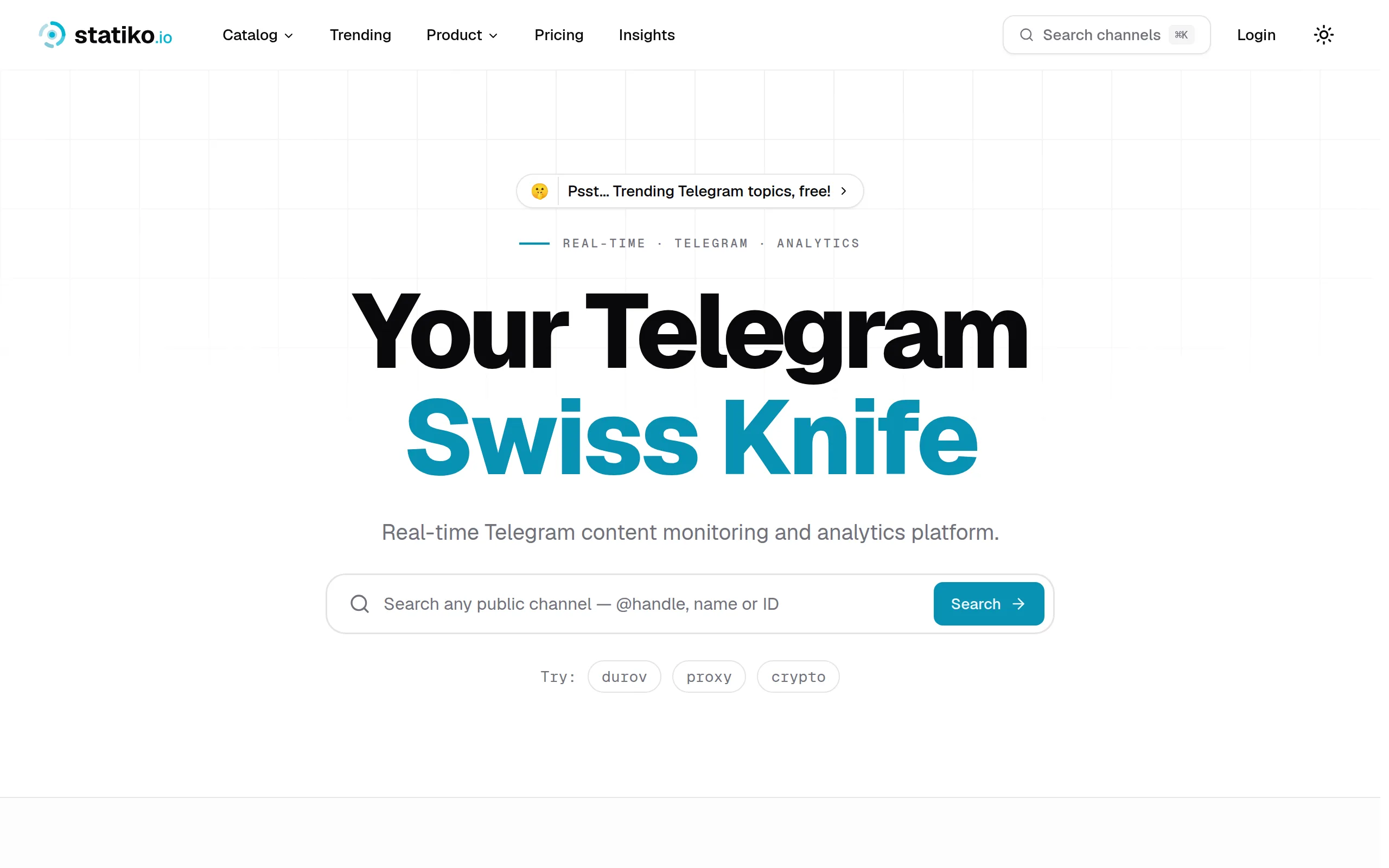
Statiko
Monitor any Telegram channel in real time - track posts, edits, deletions, and growth with AI recaps 📡

Shibui
AI website builder - describe your business, pick a niche template, edit by chatting, and publish instantly ✨

Pro Service
Find verified home service professionals, compare quotes, and pay securely through escrow - built for Brazilians across the US 🏠
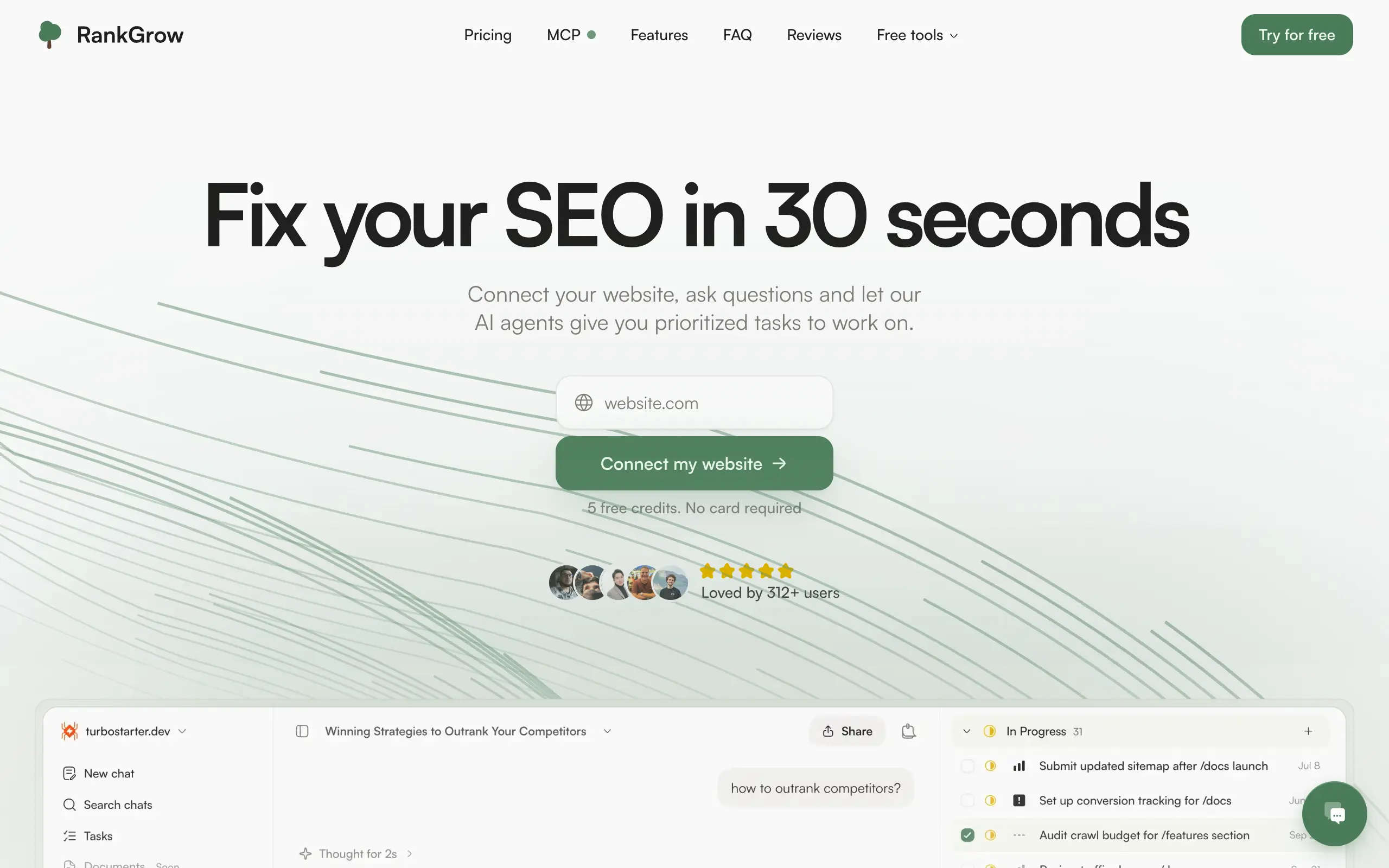
RankGrow
Fix your SEO with AI agents - connect Search Console, get prioritized tasks, and grow organic traffic 📈
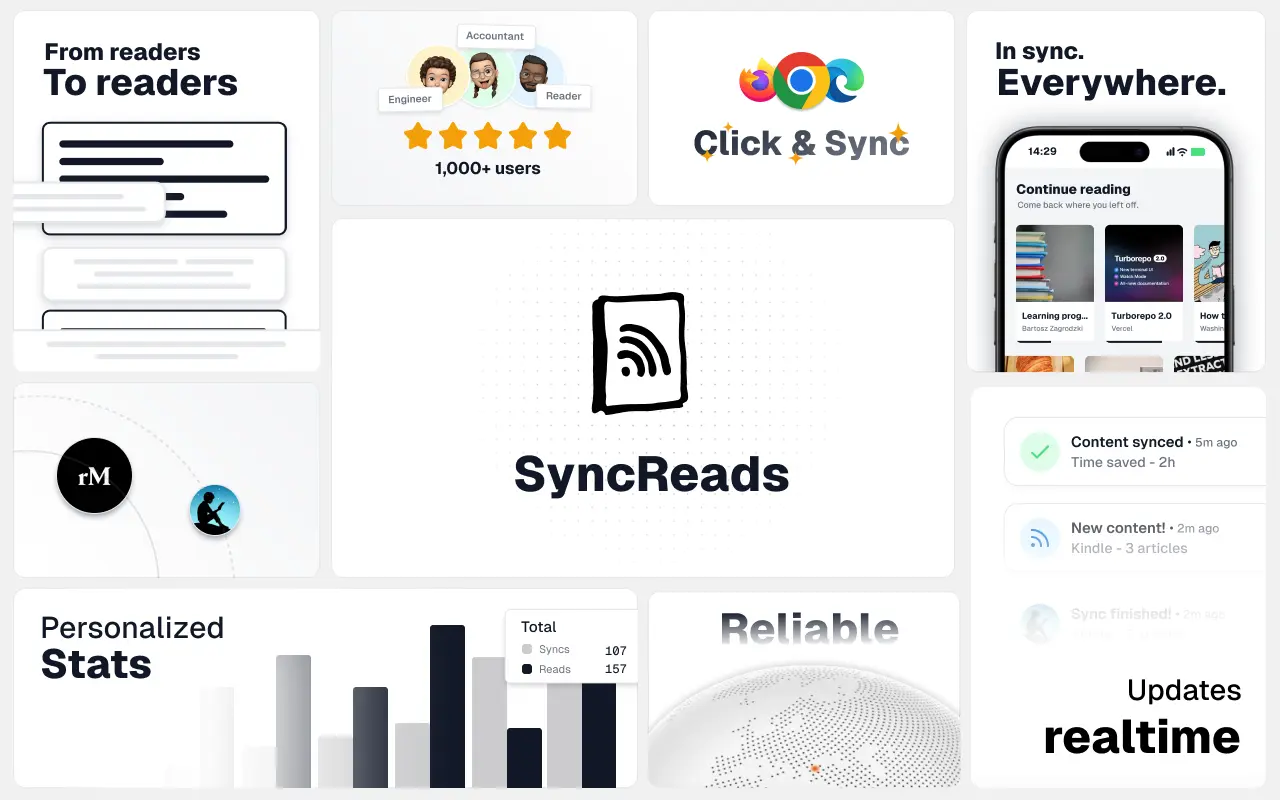
SyncReads
Sync your favorite content for distraction-free reading, save time and replace multiple apps. Anytime, anywhere 🔄
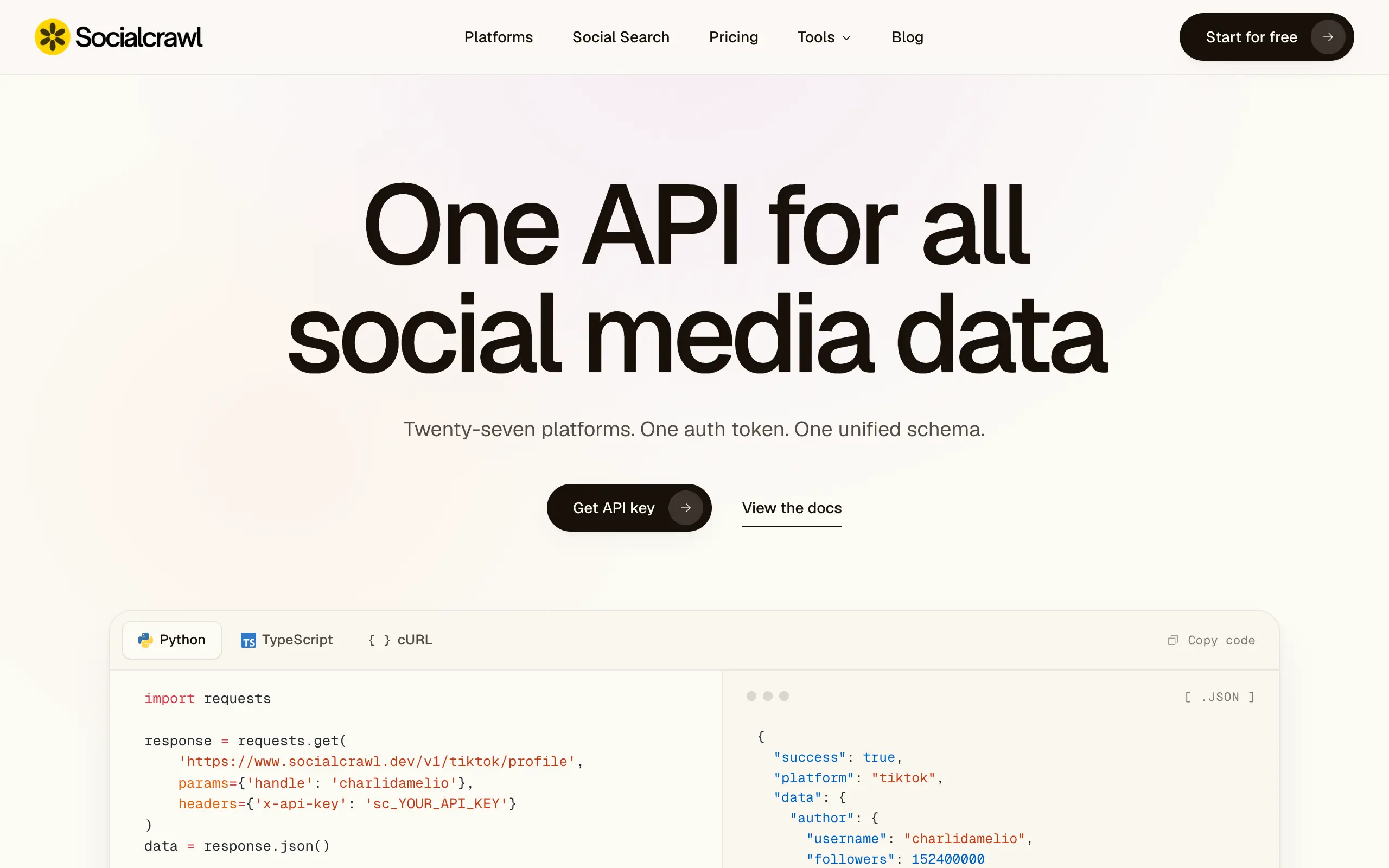
Socialcrawl
Get clean, structured data from 21 platforms like TikTok, Instagram, and YouTube with a single request 📊
Statiko
Monitor any Telegram channel in real time - track posts, edits, deletions, and growth with AI recaps 📡
Shibui
AI website builder - describe your business, pick a niche template, edit by chatting, and publish instantly ✨
Pro Service
Find verified home service professionals, compare quotes, and pay securely through escrow - built for Brazilians across the US 🏠
RankGrow
Fix your SEO with AI agents - connect Search Console, get prioritized tasks, and grow organic traffic 📈
SyncReads
Sync your favorite content for distraction-free reading, save time and replace multiple apps. Anytime, anywhere 🔄
Socialcrawl
Get clean, structured data from 21 platforms like TikTok, Instagram, and YouTube with a single request 📊
Statiko
Monitor any Telegram channel in real time - track posts, edits, deletions, and growth with AI recaps 📡
Shibui
AI website builder - describe your business, pick a niche template, edit by chatting, and publish instantly ✨
Pro Service
Find verified home service professionals, compare quotes, and pay securely through escrow - built for Brazilians across the US 🏠
RankGrow
Fix your SEO with AI agents - connect Search Console, get prioritized tasks, and grow organic traffic 📈
SyncReads
Sync your favorite content for distraction-free reading, save time and replace multiple apps. Anytime, anywhere 🔄
Socialcrawl
Get clean, structured data from 21 platforms like TikTok, Instagram, and YouTube with a single request 📊
Statiko
Monitor any Telegram channel in real time - track posts, edits, deletions, and growth with AI recaps 📡
Shibui
AI website builder - describe your business, pick a niche template, edit by chatting, and publish instantly ✨
Pro Service
Find verified home service professionals, compare quotes, and pay securely through escrow - built for Brazilians across the US 🏠
RankGrow
Fix your SEO with AI agents - connect Search Console, get prioritized tasks, and grow organic traffic 📈
SyncReads
Sync your favorite content for distraction-free reading, save time and replace multiple apps. Anytime, anywhere 🔄
Socialcrawl
Get clean, structured data from 21 platforms like TikTok, Instagram, and YouTube with a single request 📊
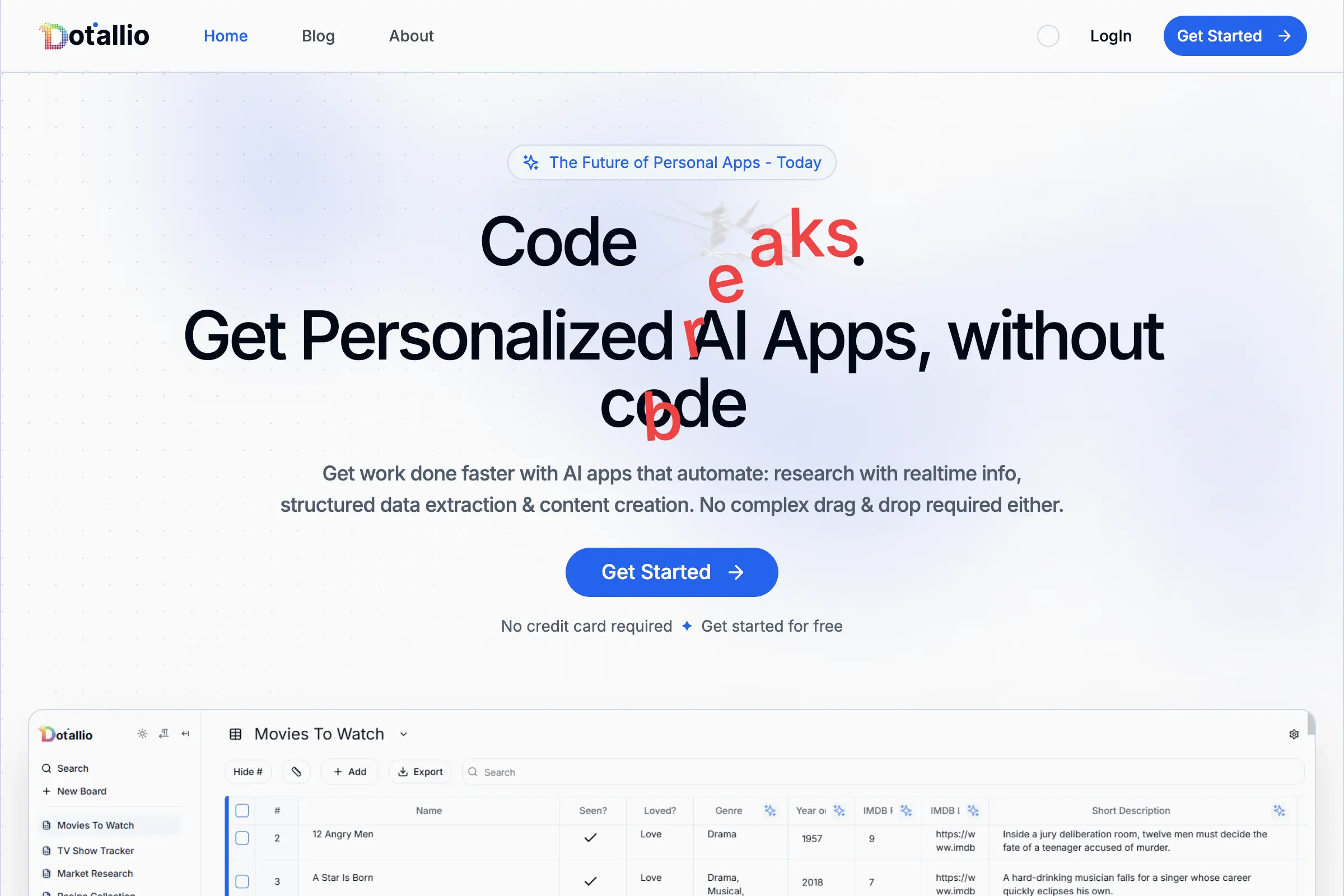
Dotallio
Personalized AI apps that automate research, data extraction, and content creation without code 🤖
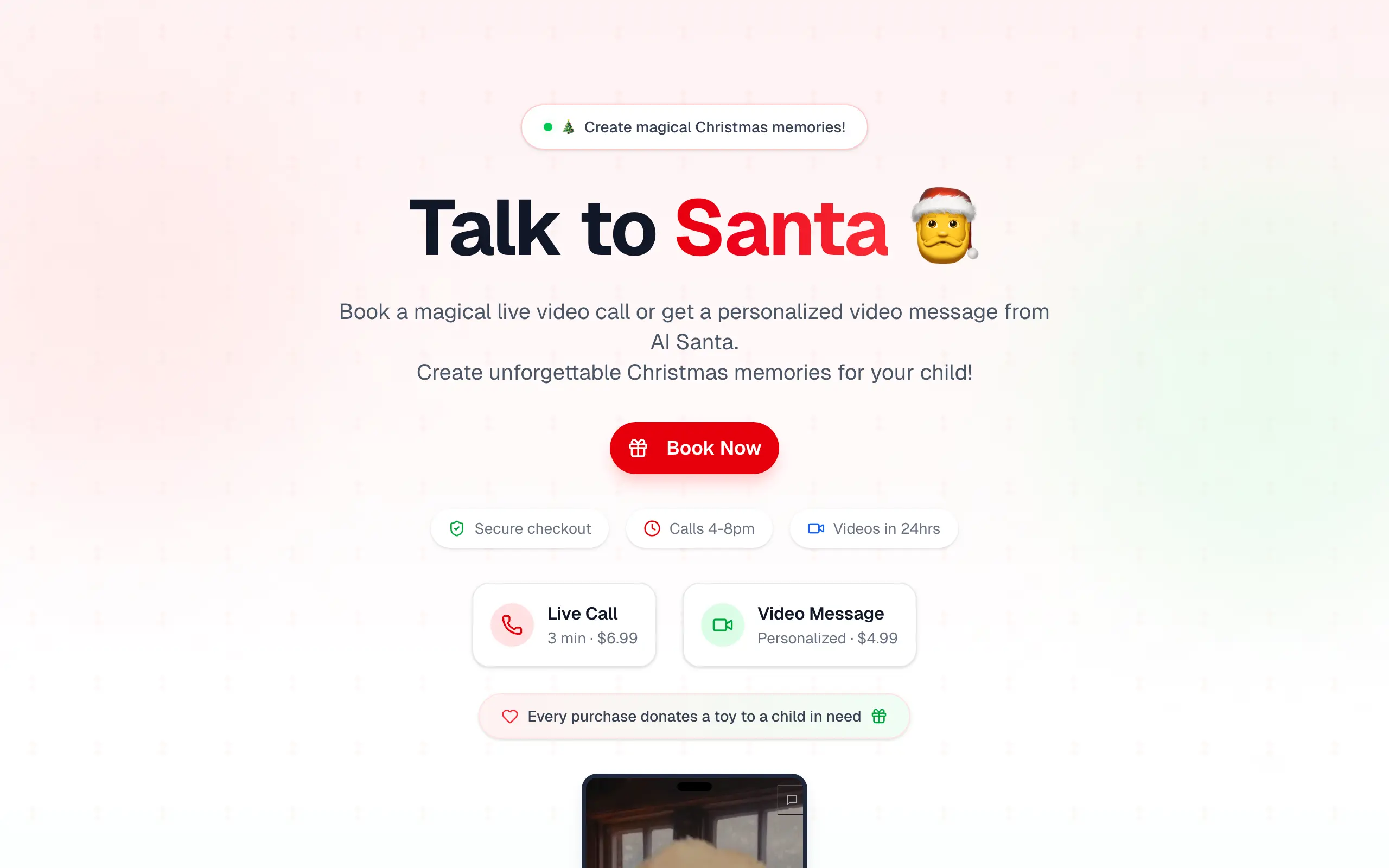
Talk to Santa
Enjoy a magical live video chat or receive a unique AI-generated video greeting from Santa Claus 🎅
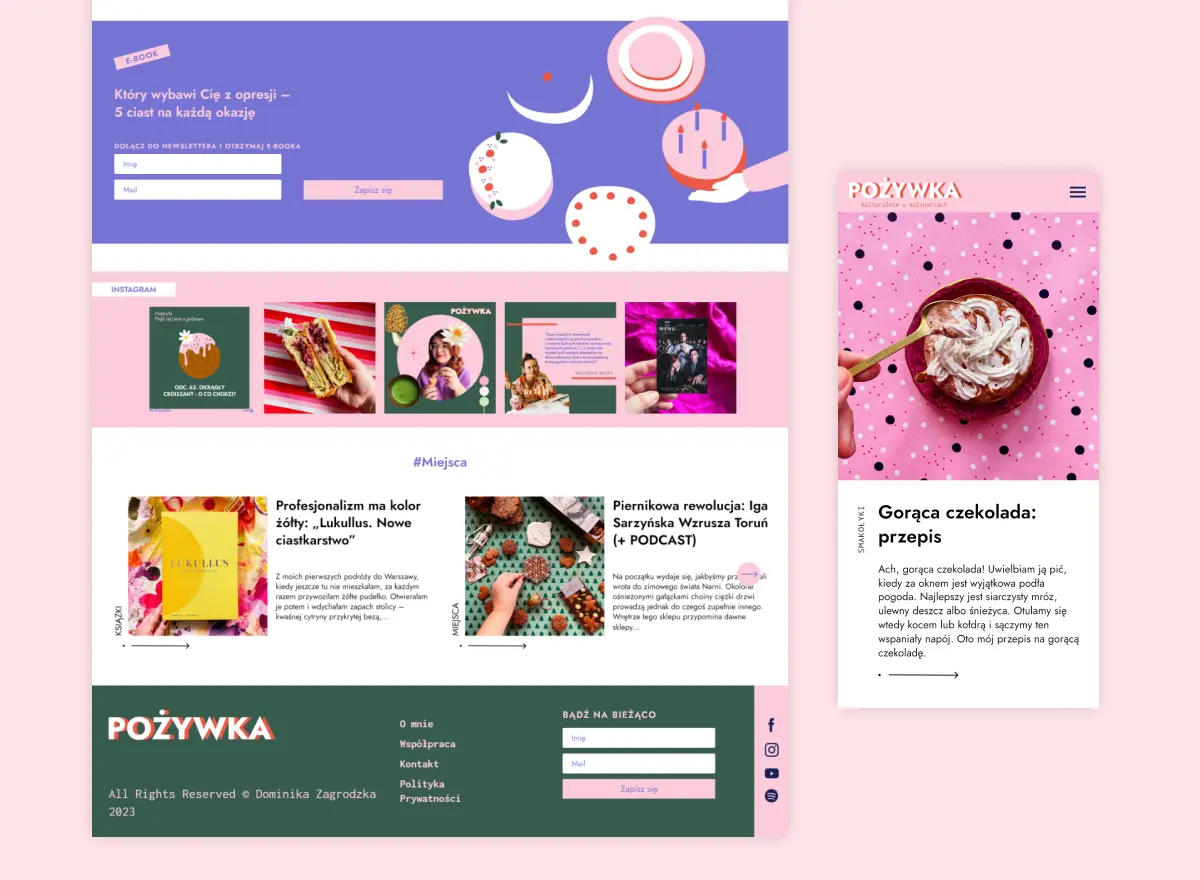
pozywka.pl
Scalable blog for food journalist, focused on performance and user experience 🌭
zagrodzki.me
Personal blog and portfolio of Bart Zagrodzki, where he shares his knowledge and work 💼
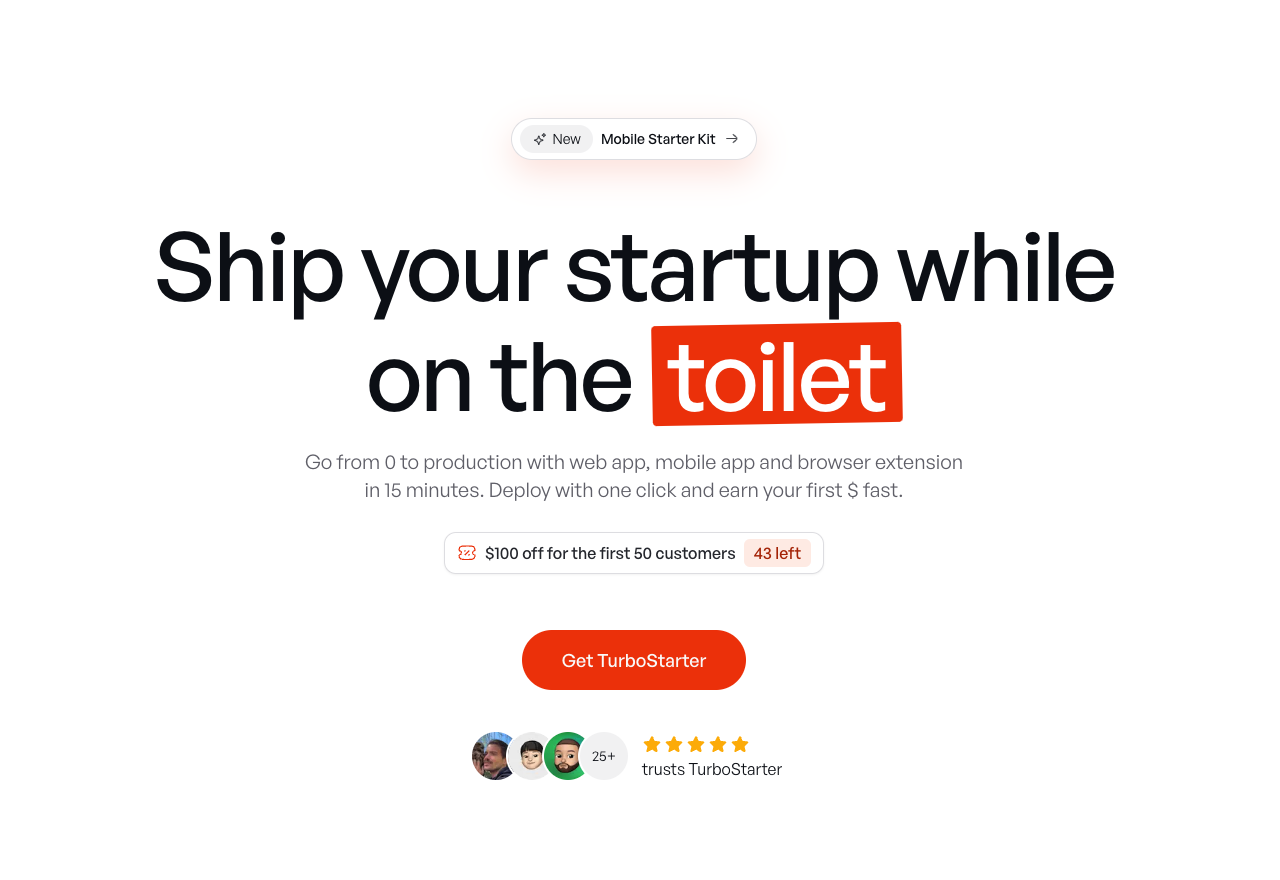
TurboStarter
Ship your startup everywhere. In minutes.
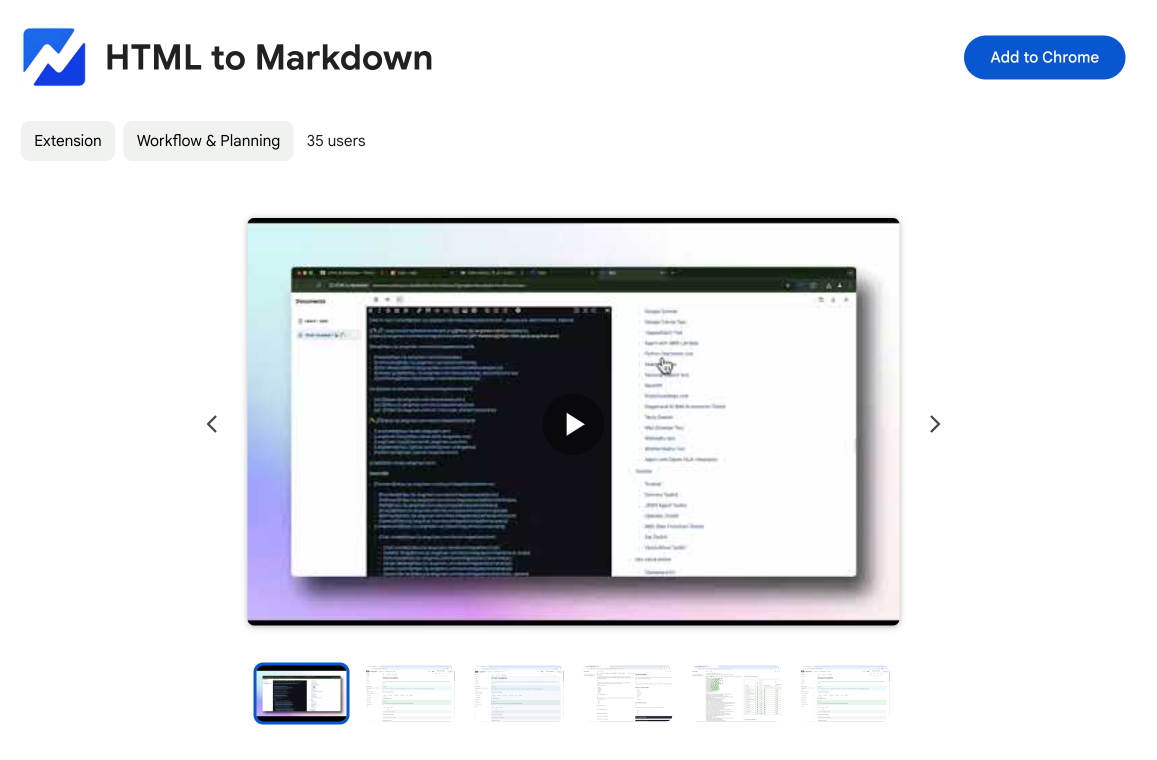
HTML to Markdown
Convert HTML to Markdown with ease, directly in your browser 📄
Dotallio
Personalized AI apps that automate research, data extraction, and content creation without code 🤖
Talk to Santa
Enjoy a magical live video chat or receive a unique AI-generated video greeting from Santa Claus 🎅
pozywka.pl
Scalable blog for food journalist, focused on performance and user experience 🌭
zagrodzki.me
Personal blog and portfolio of Bart Zagrodzki, where he shares his knowledge and work 💼
TurboStarter
Ship your startup everywhere. In minutes.
HTML to Markdown
Convert HTML to Markdown with ease, directly in your browser 📄
Dotallio
Personalized AI apps that automate research, data extraction, and content creation without code 🤖
Talk to Santa
Enjoy a magical live video chat or receive a unique AI-generated video greeting from Santa Claus 🎅
pozywka.pl
Scalable blog for food journalist, focused on performance and user experience 🌭
zagrodzki.me
Personal blog and portfolio of Bart Zagrodzki, where he shares his knowledge and work 💼
TurboStarter
Ship your startup everywhere. In minutes.
HTML to Markdown
Convert HTML to Markdown with ease, directly in your browser 📄
Dotallio
Personalized AI apps that automate research, data extraction, and content creation without code 🤖
Talk to Santa
Enjoy a magical live video chat or receive a unique AI-generated video greeting from Santa Claus 🎅
pozywka.pl
Scalable blog for food journalist, focused on performance and user experience 🌭
zagrodzki.me
Personal blog and portfolio of Bart Zagrodzki, where he shares his knowledge and work 💼
TurboStarter
Ship your startup everywhere. In minutes.
HTML to Markdown
Convert HTML to Markdown with ease, directly in your browser 📄
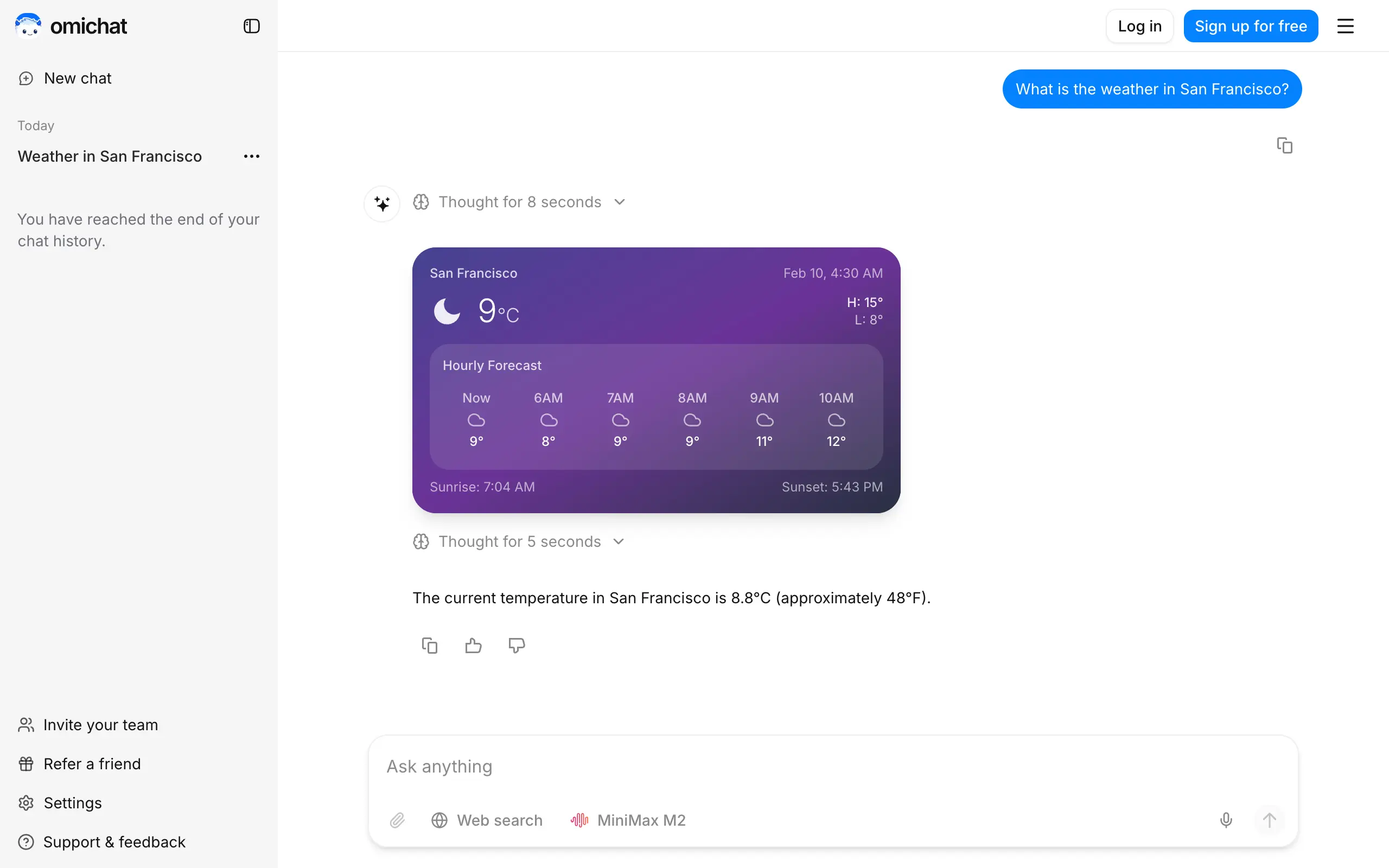
Omichat
Chat with 50+ AI models, including ChatGPT and Claude, in one place - switch models anytime without losing context 🤖
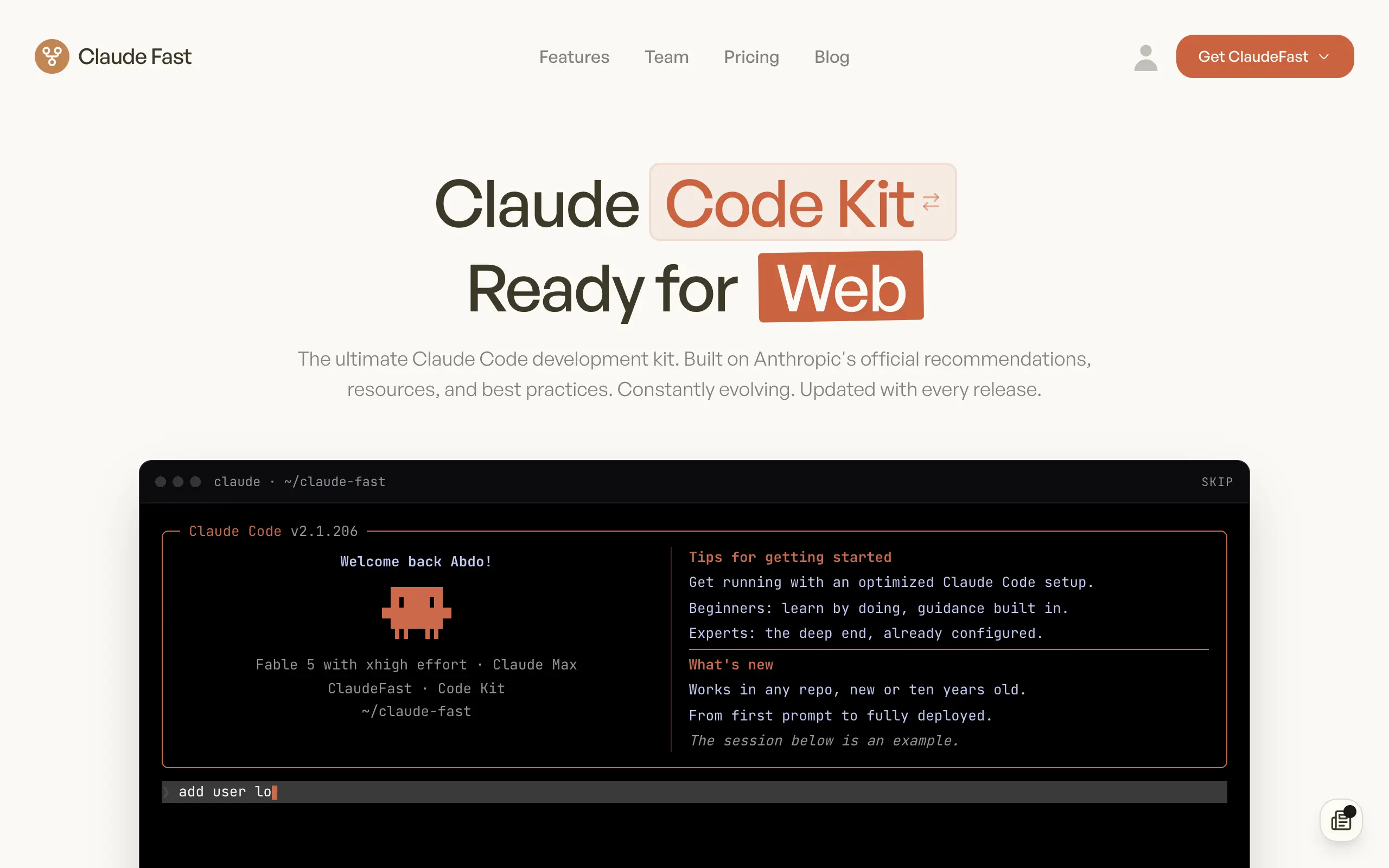
Claude Fast
Supercharge your Claude Code with 6x effective context window and specialized AI agents 🤖
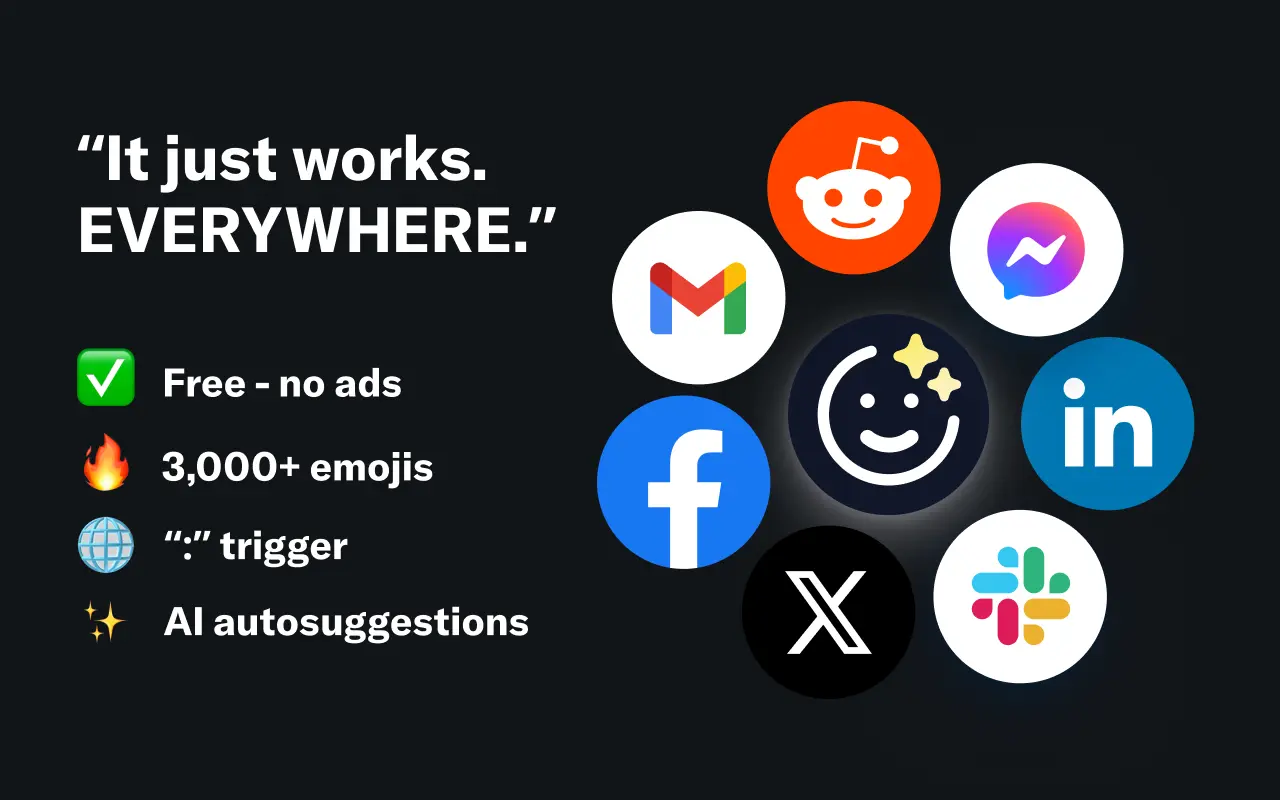
EmojAI
AI-powered emoji picker with smart, context-aware suggestions 🤖
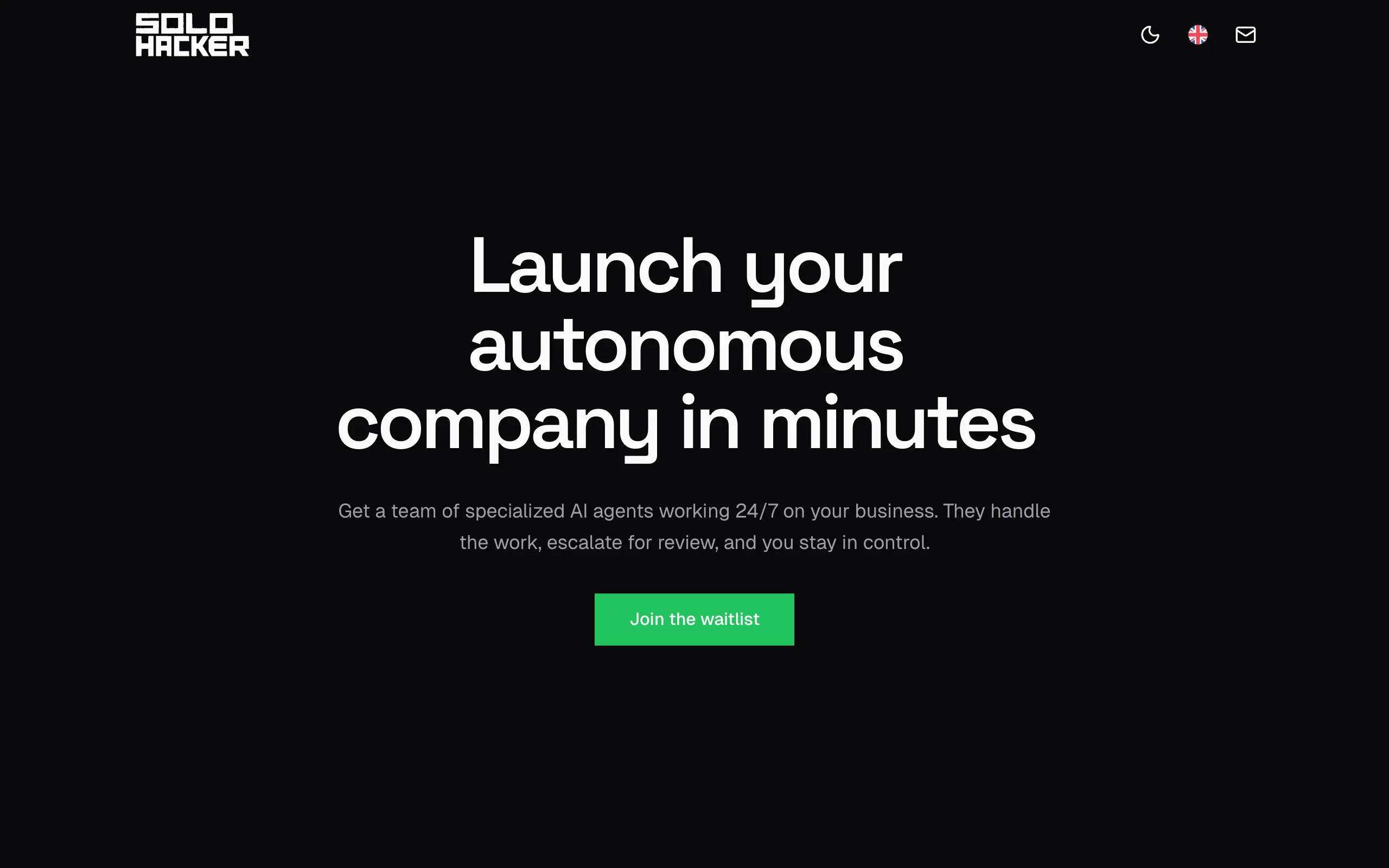
Solohacker
Autonomous company launcher - AI agents work 24/7, escalate what matters, and you stay in control 🤖
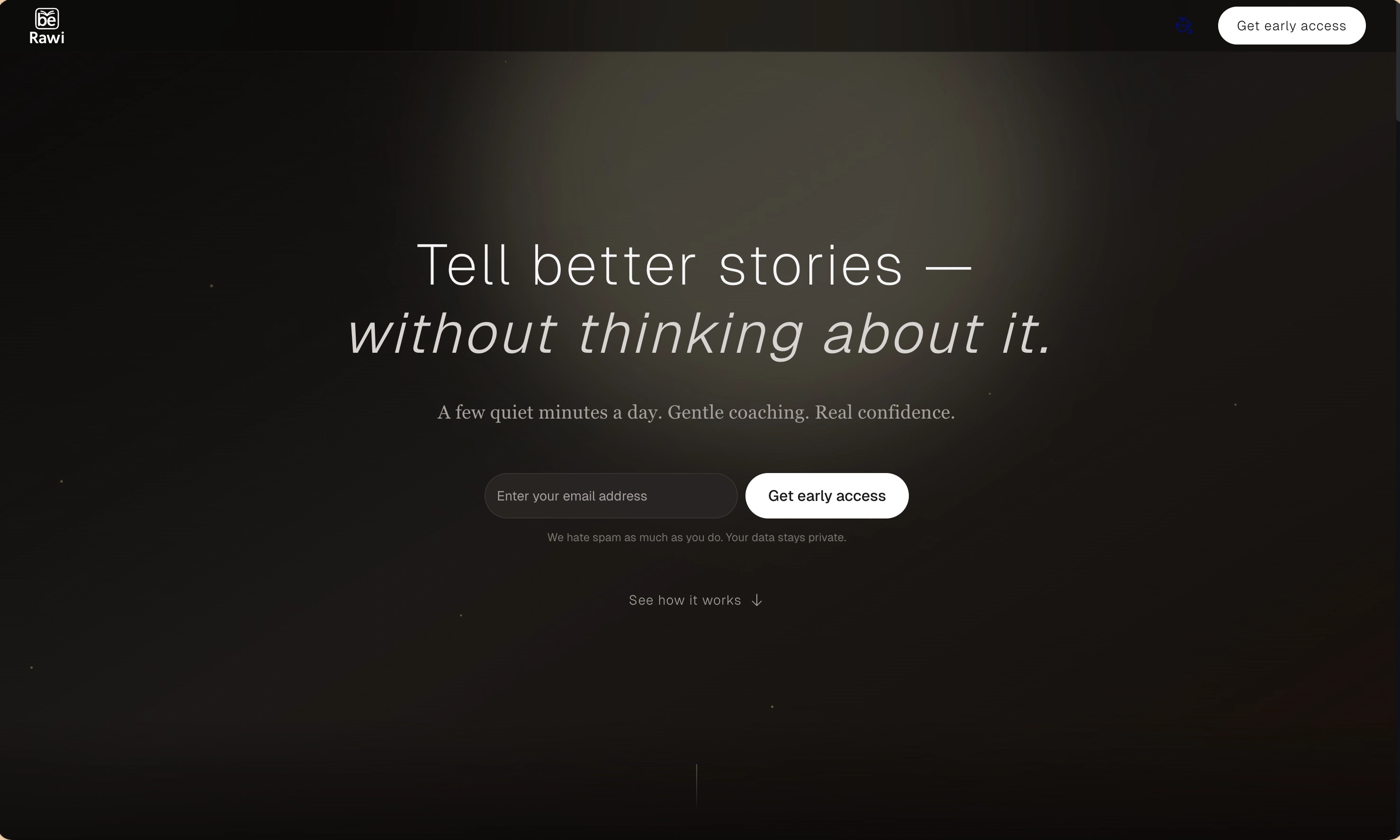
BeRawi: Storytelling Coach
Practice storytelling daily with instant feedback to sound clearer, more engaging, and confident 🎤
Omichat
Chat with 50+ AI models, including ChatGPT and Claude, in one place - switch models anytime without losing context 🤖
Claude Fast
Supercharge your Claude Code with 6x effective context window and specialized AI agents 🤖
EmojAI
AI-powered emoji picker with smart, context-aware suggestions 🤖
Solohacker
Autonomous company launcher - AI agents work 24/7, escalate what matters, and you stay in control 🤖
BeRawi: Storytelling Coach
Practice storytelling daily with instant feedback to sound clearer, more engaging, and confident 🎤
Omichat
Chat with 50+ AI models, including ChatGPT and Claude, in one place - switch models anytime without losing context 🤖
Claude Fast
Supercharge your Claude Code with 6x effective context window and specialized AI agents 🤖
EmojAI
AI-powered emoji picker with smart, context-aware suggestions 🤖
Solohacker
Autonomous company launcher - AI agents work 24/7, escalate what matters, and you stay in control 🤖
BeRawi: Storytelling Coach
Practice storytelling daily with instant feedback to sound clearer, more engaging, and confident 🎤
Omichat
Chat with 50+ AI models, including ChatGPT and Claude, in one place - switch models anytime without losing context 🤖
Claude Fast
Supercharge your Claude Code with 6x effective context window and specialized AI agents 🤖
EmojAI
AI-powered emoji picker with smart, context-aware suggestions 🤖
Solohacker
Autonomous company launcher - AI agents work 24/7, escalate what matters, and you stay in control 🤖
BeRawi: Storytelling Coach
Practice storytelling daily with instant feedback to sound clearer, more engaging, and confident 🎤

Connect with like-minded people
Join our community to get feedback, support, and grow together with 1,000+ builders on board, let's ship it!
Join usShip your startup everywhere. In minutes.
Don't burn tokens on setup and start building features on day one.