ScopeShield
AI turns messy client chats, emails, and calls into approved scopes, milestones, and change-order alerts for student freelancers.
Why AI scope management matters for student freelancers
Student freelancers often begin with a practical advantage: they are fast, affordable, digitally fluent, and willing to work across design, development, content, social media, video, and no-code projects. Their biggest operational weakness is rarely talent. It is scope control.
A client sends a quick message such as, “Could you also make a mobile version?” A follow-up email requests “just a few more pages.” During a call, the client casually asks for integrations, revisions, or a different project direction. The freelancer agrees in the moment, but the request never makes it into the original deliverable list, timeline, or invoice.
That is where AI scope management software for student freelancers becomes valuable.
ScopeShield is an AI-powered workspace that turns fragmented client communication from chats, emails, meeting notes, and call transcripts into structured project scopes, milestones, approvals, and change-order alerts. Instead of expecting an inexperienced freelancer to remember every promise made across multiple channels, the product creates a documented operational record.
The core promise is simple:
Help student freelancers protect their time, avoid unpaid work, and communicate project changes professionally without needing enterprise project-management expertise.
Unlike generic productivity tools, ScopeShield should be designed around the realities of early-stage freelancers:
- Projects are often small but poorly defined.
- Clients communicate through informal channels.
- Freelancers may not know how to write a scope of work.
- Payments may be fixed-price rather than hourly.
- The freelancer needs confidence to push back on extra requests.
- Documentation must be easy enough to use between classes, work, and client deadlines.
This makes ScopeShield more than an AI note taker. It is a lightweight scope of work generator, project change tracker, and client approval system built for freelance work.
The target audience for ScopeShield
The strongest initial market is not every freelancer. It is the segment with frequent scope ambiguity and limited process maturity.
Primary audience: student freelancers
Student freelancers are a high-potential audience because they regularly face scope creep but often lack formal business systems. They may be studying computer science, graphic design, marketing, film, communications, business, or UX design while freelancing for local businesses, startups, student organizations, creators, and family referrals.
Common jobs include:
- Website design and development
- Social media management
- Brand design and logo work
- Video editing
- Copywriting and content creation
- SEO setup and content optimization
- No-code automation
- Presentation design
- Virtual assistant work
- Photography and event coverage
Their working style creates predictable documentation problems.
- “Communication fragmentation” means work requests arrive in WhatsApp, Discord, Slack, Instagram DMs, email, Zoom calls, and text messages.
- “Pricing pressure” means freelancers are more likely to accept additional work without renegotiating.
- “Limited experience” means they may not recognize when a client request is outside the agreed scope.
- “Time constraints” mean manual note-taking and contract administration tend to be skipped.
- “Confidence gaps” make it hard to send a professional change-order request.
ScopeShield should make a student freelancer feel organized, credible, and protected without making them feel like they are operating an enterprise PMO.
Secondary audience: early-career independent professionals
Once the product has validated its workflow with students, a natural expansion audience includes early-career freelancers, contractors, boutique agencies, and side-hustle operators.
These users have similar needs but may be willing to pay more for:
- Client portals
- Team collaboration
- Branded documentation
- E-signature workflows
- Invoicing integrations
- Multi-project dashboards
- CRM integrations
- Advanced reporting
This expansion path creates an opportunity to retain users as they grow beyond student freelancing.
Buyer and user dynamics
In the first version, the freelancer is both the user and buyer. The client is a secondary participant who receives scope summaries, milestone requests, approval links, and change-order notifications.
That distinction matters for product design. The freelancer dashboard should be detailed and actionable, while the client experience should be extremely simple:
- Review the summary.
- Confirm what is included.
- Approve or request edits.
- Acknowledge changes.
- See next milestones and deadlines.
A client should not need to create an account to approve a scope update in the earliest product version.
Student designer
Needs a fast way to document revisions, asset requests, and expanded deliverables for logo, brand, and web design projects.
Student developer
Needs evidence when a simple landing page turns into authentication, payments, dashboards, API integrations, and ongoing support.
Student marketer
Needs clear monthly deliverables for content calendars, campaign setup, reporting, ad management, and revision cycles.
The market gap: communication tools do not protect project scope
Most freelancers already have tools. The problem is that those tools are not purpose-built to identify, document, and monetize scope changes.
A freelancer may use:
- Gmail for email
- Slack or Discord for messages
- Zoom or Google Meet for calls
- Notion for notes
- Trello, Asana, or ClickUp for tasks
- Google Docs for proposals
- Stripe, PayPal, or bank transfer for payment
- ChatGPT for drafting messages
Each tool handles a small part of the workflow. None consistently answers the most important question:
Is this client request included in the agreed project scope?
This is the gap ScopeShield can own.
Existing tools are not optimized for informal freelance work
Traditional project management platforms are powerful but often too complex for a student freelancer managing three to six projects. They require manual setup, disciplined task creation, and clear project definitions before the work begins.
However, the real-world issue is that the project definition changes after the project starts.
Generic AI meeting assistants can summarize calls, but a call summary is not the same as a scope baseline. A freelancer needs the system to identify:
- New deliverables
- Changed requirements
- New integrations
- Additional revision requests
- Timeline changes
- New approval dependencies
- Requests that may require a price adjustment
A generic chatbot may help draft a reply, but it does not create an auditable record showing what was approved, when it changed, and how the change affects the project.
ScopeShield’s product opportunity
ScopeShield can position itself as the AI scope control layer for freelance client communication.
The platform should ingest or accept communication, extract project commitments, compare new requests against a baseline, and convert important changes into client-ready documentation.
| Workflow need | Chat apps | Project tools | Meeting notes | ScopeShield |
|---|---|---|---|---|
| Capture informal requests | ✅ | ❌ | ✅ | ✅ |
| Compare requests against approved scope | ❌ | Limited | ❌ | ✅ |
| Create client-ready change orders | ❌ | Manual | ❌ | ✅ |
| Protect freelancer billing boundaries | ❌ | Limited | ❌ | ✅ |
The market research process should validate how often users experience unpaid scope expansion, which communication channels they use most, and whether they will pay for a tool that helps them convert extra work into approved paid work. For credible market-sizing claims, cite sources such as labor market research, freelancer economy reports, university entrepreneurship studies, and reputable payment-platform reports rather than relying on unsupported estimates.
ScopeShield’s unique selling proposition
ScopeShield should not market itself as “another AI assistant.” That category is crowded and vague.
Its unique selling proposition is:
ScopeShield transforms unstructured client communication into approved project boundaries and clear change-order actions, so student freelancers can prevent scope creep before it becomes unpaid work.
The differentiator is not merely transcription or summarization. It is scope intelligence.
A useful scope intelligence system needs to understand the relationship between:
- What was originally promised
- What the client later requested
- What has already been approved
- What is still ambiguous
- What work is likely additional
- How the extra work affects time, milestones, and price
The product should give the freelancer a recommendation, not a rigid verdict. For example:
This request appears outside the approved scope because the original agreement includes one landing page and does not mention user authentication. Consider sending a change-order request for the authentication feature, timeline impact, and added fee.
That phrasing is useful because it is confident while preserving user control.
Core features for an AI scope management platform
A strong MVP should focus on the complete scope workflow rather than trying to replace every project management system.
AI scope of work generator
The onboarding flow should help a freelancer turn a brief, message thread, or discovery call into a usable scope of work.
The AI should extract and organize:
- Project objectives
- Deliverables
- Exclusions
- Client responsibilities
- Revision limits
- Required assets and access
- Milestones
- Timeline assumptions
- Payment schedule
- Acceptance criteria
- Open questions
The generated output should be editable. AI-generated text must never be treated as a binding agreement without a human review step.
A good scope template should include explicit exclusions. For example, a website project may include page design and implementation but exclude copywriting, hosting costs, domain purchase, analytics setup, legal compliance review, custom integrations, and post-launch maintenance unless selected.
Communication capture and import
In the earliest release, avoid building difficult direct integrations first. Let users forward emails, upload call transcripts, paste chat messages, or submit screenshots with OCR support.
Start with low-friction capture methods:
- Email forwarding address per project
- Copy-and-paste conversation importer
- File upload for meeting transcripts
- Manual notes after calls
- Browser extension for selected web-based messaging platforms
- Voice-note transcription through mobile upload
Later, the platform can add official integrations where platform APIs, privacy requirements, and user permissions make them viable.
The key experience is not “connect everything.” It is “never lose a meaningful client request again.”
Scope change detection
This is the feature that turns ScopeShield into a defensible SaaS product.
The system should compare incoming communication against an approved scope baseline. It can classify each request into categories such as:
- Included work
- Clarification needed
- Possible scope change
- Confirmed scope change
- Client dependency
- Timeline risk
- Payment risk
- New opportunity
For a student freelancer, an alert must be understandable. Avoid opaque scoring systems. Explain why the request was flagged.
A useful alert might say:
The client asked for three additional email templates. Your approved scope includes one email sequence with two templates. This may add design, copywriting, review, and implementation time.
The freelancer can then choose one of several actions:
- Mark as included
- Ask a clarifying question
- Create a change order
- Add to a future phase
- Ignore the alert
- Update the base scope
Client approval and change-order workflows
Detection without action does not solve the business problem. ScopeShield should convert a flagged request into a polished client-facing approval flow.
A change order should contain:
- Requested change
- Reason for the change
- New deliverables
- Impact on current deliverables
- Timeline adjustment
- Additional fee or pricing placeholder
- Approval deadline
- Approval status
- Conversation evidence or source reference
The freelancer should be able to choose a tone, such as friendly, direct, or formal. The AI can draft the message, but the user should edit and approve it before sending.
This is especially helpful for inexperienced freelancers who know they need to charge more but do not know how to phrase the request professionally.
Milestone planning and risk alerts
After scope approval, ScopeShield should create a lightweight milestone plan. The system can map deliverables to dates, dependencies, client inputs, and approval moments.
Examples of useful alerts include:
- A client has not provided assets needed for the next milestone.
- Two revisions remain, but the client is requesting a third revision round.
- A new change order has not been approved, but work appears to be starting.
- The project deadline may be at risk because a dependency is overdue.
- The final milestone is ready to invoice.
The goal is not to create a complicated Gantt chart. It is to surface the few decisions that protect delivery and profitability.
Freelancer-friendly scope history
A project timeline should make it easy to see what changed over time.
Each event can include:
- Original scope version
- Submitted scope update
- Client approval or rejection
- New request detected
- Milestone completed
- Client delay noted
- Payment status update
This history is valuable when a client says, “I thought that was included.” A calm, timestamped record is far more effective than a vague memory.
The AI should recommend, not silently decide
A scope change can depend on context, client relationships, and freelancer judgment. ScopeShield should explain its reasoning, preserve source evidence, and always let the freelancer override a recommendation.
How the AI workflow should work
The best product experience is a clear loop from communication to resolution.
A practical AI extraction model
The initial AI layer does not need to solve every complex legal or contractual question. It needs reliable structured extraction.
Each imported conversation can be transformed into a record like this:
{
  "project": "Local bakery website refresh",
  "source_type": "client_email",
  "detected_requests": [
    {
      "request": "Add online ordering integration",
      "category": "possible_scope_change",
      "confidence": 0.88,
      "reason": "The approved scope includes a five-page marketing website but does not include ecommerce or third-party ordering integration.",
      "estimated_impact": {
        "timeline": "2 to 4 additional days",
        "pricing": "requires freelancer review"
      }
    }
  ],
  "recommended_action": "Create change-order draft"
}
The application should store the original source, extracted text, structured analysis, user decision, and final client communication. This preserves traceability and allows the AI to improve through user feedback.
Confidence and uncertainty handling
AI can misinterpret tone, implied commitments, or industry-specific terminology. ScopeShield should show confidence carefully.
Avoid language like “This is definitely out of scope” when the evidence is incomplete. Prefer:
- “Likely outside the current scope”
- “Potential new deliverable”
- “Needs clarification before work begins”
- “Not explicitly covered in the approved scope”
- “Possible timeline impact”
This language builds trust and reduces the risk of the tool creating unnecessary friction between freelancer and client.
Recommended tech stack for ScopeShield
The technology stack should support fast iteration, secure document handling, AI workflows, and multi-tenant SaaS fundamentals.
A practical starting point is a modern TypeScript stack with a managed database and modular background processing.
Frontend and application framework
Use Next.js with React and TypeScript. This combination supports fast full-stack development, SEO-friendly marketing pages, authenticated dashboards, server-side capabilities, and a broad hiring ecosystem.
For interface design, Tailwind CSS is a strong choice for a small team because it makes it easier to build a consistent, responsive design system quickly.
Recommended frontend capabilities include:
- Responsive project dashboard
- Rich-text scope editor
- Approval-link pages
- Conversation import interface
- AI recommendation review panel
- Diff view for scope versions
- Accessible notification center
- Mobile-friendly quick capture
Database and data model
Use PostgreSQL as the primary relational database. ScopeShield’s core data has clear relationships among users, workspaces, projects, scopes, messages, change orders, approvals, and milestones.
A simplified model may include:
usersworkspacesclientsprojectsscope_versionsscope_itemscommunicationsextractionsscope_alertschange_ordersapprovalsmilestonesaudit_events
For the ORM layer, Prisma can improve developer productivity and type safety. The trade-off is that teams with highly complex database patterns may eventually need more direct SQL control. For an MVP and early scale, Prisma is generally a practical choice.
AI and retrieval architecture
The AI workflow should use a structured-output approach. Avoid relying on free-form text responses when the product needs auditable decisions.
Key AI operations include:
- Transcript or message cleanup
- Request extraction
- Deliverable identification
- Comparison against scope baseline
- Risk classification
- Change-order draft generation
- Suggested clarification message generation
Use a model provider with strong structured output support, data-processing controls, and reliable API documentation. Keep the provider abstraction behind an internal service so that the product can change models as quality, cost, and privacy needs evolve.
For semantic matching between scope items and new client requests, use embeddings and a vector search capability. pgvector is a practical option when using PostgreSQL because it can keep relational and semantic project data in the same core system.
The trade-off is that a dedicated vector database can offer advanced retrieval features at high scale, while pgvector reduces operational complexity for an early-stage SaaS.
Background jobs and notifications
AI analysis, document ingestion, transcript processing, and email parsing should run asynchronously. A background job architecture prevents long waits in the user interface.
Use a queue and worker setup for:
- Email ingestion
- OCR processing
- Transcript analysis
- AI extraction
- Reminder notifications
- Approval follow-ups
- Daily project risk summaries
For transactional email, choose an established email provider with robust deliverability and webhook support. Build retry logic, failure monitoring, and idempotency from the beginning because client approval emails are business-critical.
Authentication, payments, and deployment
For authentication, consider a managed provider that supports passwordless login, social login, multi-tenant organizations, and secure session management. Student freelancers value low-friction onboarding, so Google login can be especially helpful.
For recurring billing, Stripe is a strong default because it supports subscriptions, trials, coupons, tax-related tooling, billing portals, and webhooks.
Deploy the web application on a platform suited to the chosen framework, with separate managed services for database, file storage, and background jobs. Ensure backups, logs, encryption, and environment separation are part of the foundation rather than a later cleanup project.
MVP priorities include Next.js, TypeScript, PostgreSQL, a managed auth provider, Stripe, object storage, email ingestion, structured AI extraction, and basic approval links.
Scale-up additions include direct communication integrations, browser extensions, deeper client portal features, team permissions, advanced analytics, and agency workspace controls.
Monetization strategies for ScopeShield
The pricing model must match the financial reality of students while preserving a clear path to higher-value customers.
Freemium with project limits
A free plan can attract student freelancers who are unsure whether scope management is worth paying for.
Possible free-plan limits include:
- One active project
- Limited monthly AI analyses
- Basic scope templates
- A small number of approval links
- Standard scope-change alerts
- Watermarked or unbranded client documents
The goal of the free tier is activation. A user should experience a real “saved me from scope creep” moment before being asked to upgrade.
Student plan
A discounted student tier can be the strongest initial paid offering.
It could include:
- More active projects
- Higher AI analysis limits
- Client approval tracking
- Change-order generation
- Project history
- Branded scope documents
- Email reminders
- Exportable records
Student verification can be optional. Requiring verification may prevent abuse but also creates onboarding friction. An alternative is offering an affordable “starter” plan to everyone, with student discounts available through partnerships.
Professional plan
A professional plan can target freelancers who have graduated or are earning consistent client revenue.
Premium capabilities may include:
- Unlimited active projects
- Client portal
- Multiple workspace members
- Custom branding
- Higher automation limits
- Reusable proposal and scope templates
- Priority AI processing
- CRM and calendar integrations
- Advanced reporting
Transactional revenue opportunities
ScopeShield can also explore usage-based or transaction-based monetization carefully.
Potential options include:
- Paid document signature add-ons
- White-label client portals
- AI call transcription credits
- Premium legal-template partnerships
- Payment collection integrations
- Agency team seats
Avoid taking a percentage of the freelancer’s change order or invoice without delivering substantial payment infrastructure. Students may perceive this as punitive, especially when they are already price-sensitive.
Competitive advantage and defensibility
The strongest competitive advantage is not the AI model itself. Model access is increasingly commoditized. Defensibility comes from workflow depth, data structure, trust, and user habit.
Workflow-specific product intelligence
ScopeShield can learn from the relationship between initial scopes, incoming client requests, user decisions, approved changes, and project outcomes.
Over time, the platform can improve its recommendations for different freelance categories:
- A web developer’s hidden integration work
- A designer’s revision-cycle overload
- A marketer’s additional content requests
- A video editor’s format and cutdown expansion
- A copywriter’s extra pages and research requirements
This creates a specialized dataset and workflow understanding that a general-purpose AI assistant does not naturally possess.
A student-first product experience
Enterprise scope management tools can feel intimidating. Generic task tools can feel too manual. ScopeShield should win through a user experience that is:
- Friendly and non-legalistic
- Fast to set up
- Designed for informal client communication
- Clear about what to do next
- Focused on confidence-building language
- Affordable for early-career users
The product should help users become more professional, not merely more productive.
Embedded client approvals
Approval links and scope histories create a system of record. Once a freelancer uses ScopeShield for client communication across several projects, moving to another tool becomes less attractive because the product holds valuable decision history.
That creates reasonable switching costs without locking users into opaque data practices. Users should always be able to export their own project records.
Risks and mitigation strategies
AI scope management involves sensitive client communication and potentially high-stakes business decisions. A credible product strategy must address these risks directly.
Risk: inaccurate AI recommendations
An AI model may misunderstand a conversation or miss context from verbal agreements.
Mitigation steps
- Require freelancer review before client-facing actions.
- Display source text for every extracted request.
- Use cautious labels such as “possible scope change.”
- Provide fast override actions.
- Capture feedback when users accept or reject recommendations.
- Test extraction quality across common freelance categories.
Risk: privacy and data security concerns
Client messages, call transcripts, project budgets, and business details can be sensitive.
Mitigation steps
- Minimize data collection.
- Encrypt data in transit and at rest.
- Clearly explain retention policies.
- Let users delete projects and exports easily.
- Use role-based access controls.
- Review AI provider data-handling terms carefully.
- Avoid training external models on customer content unless users explicitly consent.
For privacy and security claims, the company should involve qualified legal and security professionals. Marketing language must accurately reflect implemented controls.
Risk: the product feels too complex
Student freelancers may abandon the product if setup feels like writing a contract or managing a corporate project system.
Mitigation steps
- Start with one guided project setup flow.
- Offer templates by freelance category.
- Default to simple language.
- Make importing a chat or email immediately useful.
- Surface one recommended next action at a time.
- Use progressive disclosure for advanced settings.
Risk: clients resist approval requests
Some clients may perceive change orders as bureaucratic or confrontational.
Mitigation steps
- Provide warm, collaborative message templates.
- Position approvals as a way to protect timeline and quality.
- Let freelancers choose the level of formality.
- Offer a “clarify before pricing” workflow.
- Make approval pages clean and mobile-friendly.
Risk: direct integrations become expensive or fragile
Third-party API restrictions, rate limits, permission requirements, and changing platform policies can make integrations difficult.
Mitigation steps
- Validate the core workflow with imports and forwarding first.
- Prioritize integrations based on real user demand.
- Build a modular connector architecture.
- Do not depend on a single communication platform.
- Maintain manual capture options as a reliable fallback.
No. ScopeShield can help users organize project terms, document approvals, and draft professional communication. It should clearly state that generated content is not legal advice and encourage users to seek qualified legal guidance for contracts, disputes, and jurisdiction-specific requirements.
Avoid trying to become a full CRM, accounting suite, task manager, contract platform, meeting platform, and team collaboration suite at launch. The MVP should win one job exceptionally well: detecting and documenting scope changes from client communication.
A strong activation event is when a freelancer sends their first AI-generated scope summary or resolves their first potential scope change through a documented approval flow.
Go-to-market strategy for a student freelancer SaaS
The most efficient acquisition strategy is to reach users where they are learning freelancing and actively experiencing client communication problems.
University and student-community partnerships
Potential distribution channels include:
- University entrepreneurship centers
- Student freelancer groups
- Design and coding clubs
- Career centers
- Campus startup incubators
- Student marketing organizations
- Freelance communities on Discord and Slack
- Portfolio-building workshops
ScopeShield can offer workshops such as “How to stop scope creep on your first freelance project” or “How to write a scope of work clients actually approve.” Education-led acquisition is particularly effective because the product solves a knowledge gap as well as a workflow problem.
SEO content strategy
Search-driven content should focus on high-intent questions student freelancers already ask.
Examples include:
- How to prevent scope creep as a freelancer
- Scope of work template for freelance designers
- How to charge for extra client requests
- What is a change order in freelance work
- How to handle unlimited revisions
- Freelance project scope checklist
- How to document client requests
- Scope creep examples for web designers
- Client approval process for freelancers
Each article should provide practical examples, downloadable templates where appropriate, and a natural path into ScopeShield’s workflow.
Avoid publishing generic AI content simply to target broad keywords. The strongest content will demonstrate real knowledge of freelance operations, client communication, pricing boundaries, revision policies, and delivery risk.
Product-led referrals
A client approval flow can become a subtle acquisition channel. A client who receives a polished ScopeShield approval page may recognize the value for their own freelance team or contractor network.
Referral incentives could include additional AI analyses, free premium months, or branded document upgrades rather than aggressive cash incentives.
Actionable implementation plan for ScopeShield
The most important strategic decision is to build a narrow, valuable MVP rather than an oversized freelance operating system.
Phase one: validate the painful workflow
Interview at least 20 to 30 student freelancers across design, development, marketing, and content work. Focus on recent projects rather than hypothetical behavior.
Ask for examples of:
- A project that expanded without additional payment
- A difficult client request
- A confusing revision cycle
- A message they wished they had documented
- The tools they used to manage the project
- Whether they ever sent a formal change order
- What stopped them from charging for extra work
Collect anonymized samples of project briefs, email threads, chat exports, and call notes with permission. These samples will be far more useful than broad surveys when defining extraction categories.
Phase two: build the smallest complete workflow
The first usable version should include:
- User authentication and project creation
- AI-generated editable scope from pasted text
- Scope baseline with version history
- Communication import through paste, upload, or email forwarding
- AI detection of potential scope changes
- A client-ready change-order draft
- Shareable approval links
- Basic project timeline and audit log
Do not wait for native integrations before testing demand. If users will not paste messages into the tool to protect thousands of dollars of unpaid work, an integration will not fix the underlying value proposition.
Phase three: measure the right product metrics
Early metrics should focus on whether ScopeShield changes freelancer behavior.
Track:
- Project setup completion rate
- Time to first approved scope
- Number of communications imported per project
- Scope alert review rate
- Change-order draft creation rate
- Client approval rate
- Weekly active projects
- Paid conversion after a scope alert
- Retention after the first completed project
- User-reported value from prevented unpaid work
A particularly meaningful metric is the percentage of users who say ScopeShield helped them identify or document work that otherwise would have been unpaid.
Phase four: expand only after repeatable value
Once users repeatedly generate scopes and resolve change requests, add the integrations and premium functionality that reduce friction.
Prioritize roadmap items using three questions:
- Does this help freelancers detect scope creep earlier?
- Does this help them get a clear client decision faster?
- Does this help them protect profitability or delivery timelines?
If the feature does not support one of those outcomes, it is probably not a near-term priority.
For founders who want to move quickly from validation to a production-ready SaaS foundation, TurboStarter can reduce time spent on common application infrastructure and let the team focus on ScopeShield’s differentiated scope intelligence workflow.
Final takeaways
ScopeShield has a compelling opportunity because scope creep is a universal freelancer problem, while student freelancers are especially underserved by existing tools. They need help translating informal client communication into professional boundaries, not another complicated dashboard.
The winning product will make an emotionally difficult task easier:
- Recognizing when a request changes the project
- Explaining the impact without sounding confrontational
- Asking for approval before doing extra work
- Keeping a reliable record of what was agreed
- Building better freelance habits from the first client project
By combining AI extraction, scope comparison, milestone planning, client approvals, and change-order automation, ScopeShield can become a practical operating layer for the next generation of independent professionals.
More 🤖 AI Startup SaaS ideas
Discover more innovative ai startup SaaS ideas that are trending in 2026. Each idea is AI-generated with market validation and growth potential to help you find your next profitable venture faster than competitors.
Your competitors are building with TurboStarter
Below are some of the SaaS ideas that have been generated and built with our starter kit.
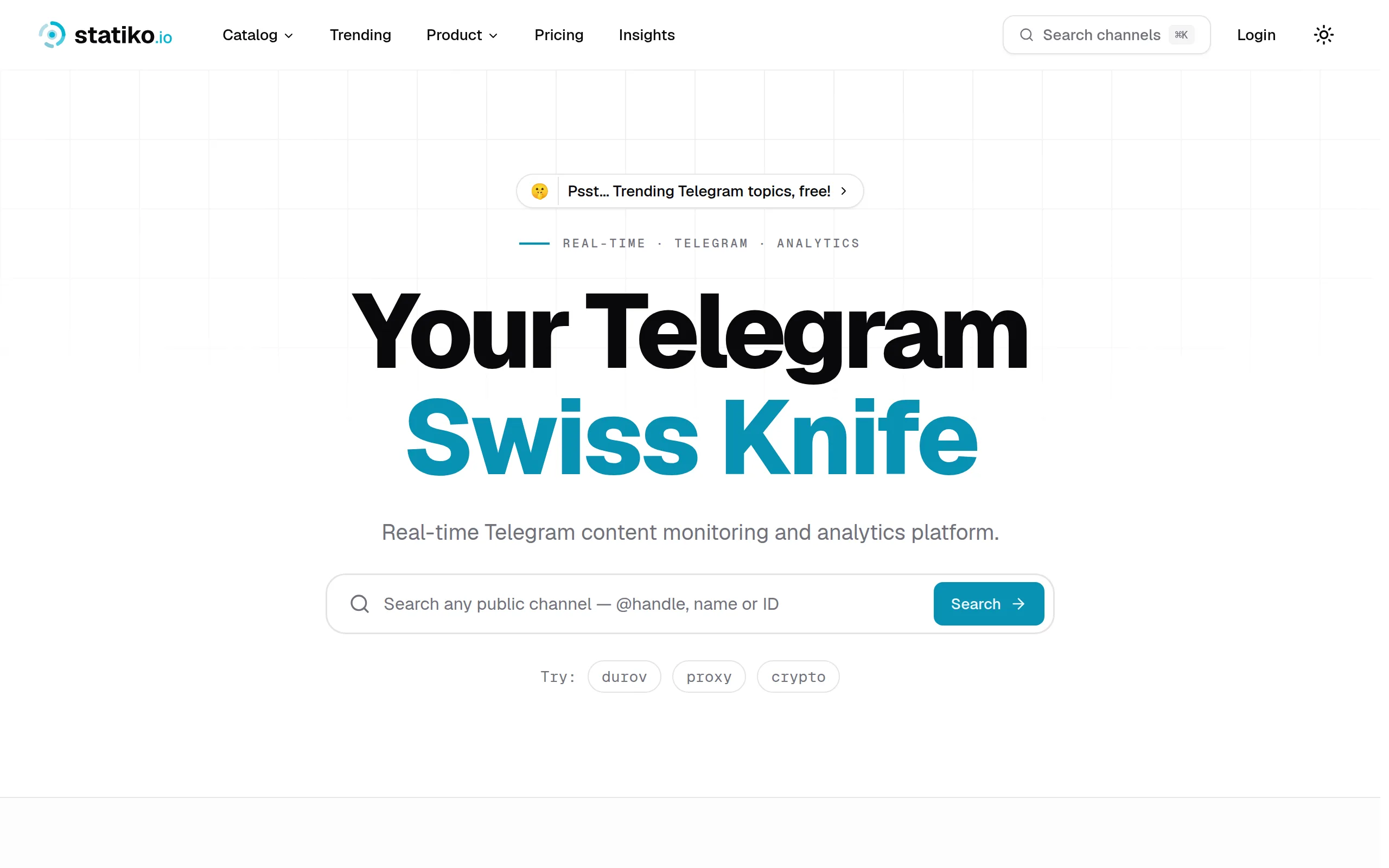
Statiko
Monitor any Telegram channel in real time - track posts, edits, deletions, and growth with AI recaps 📡
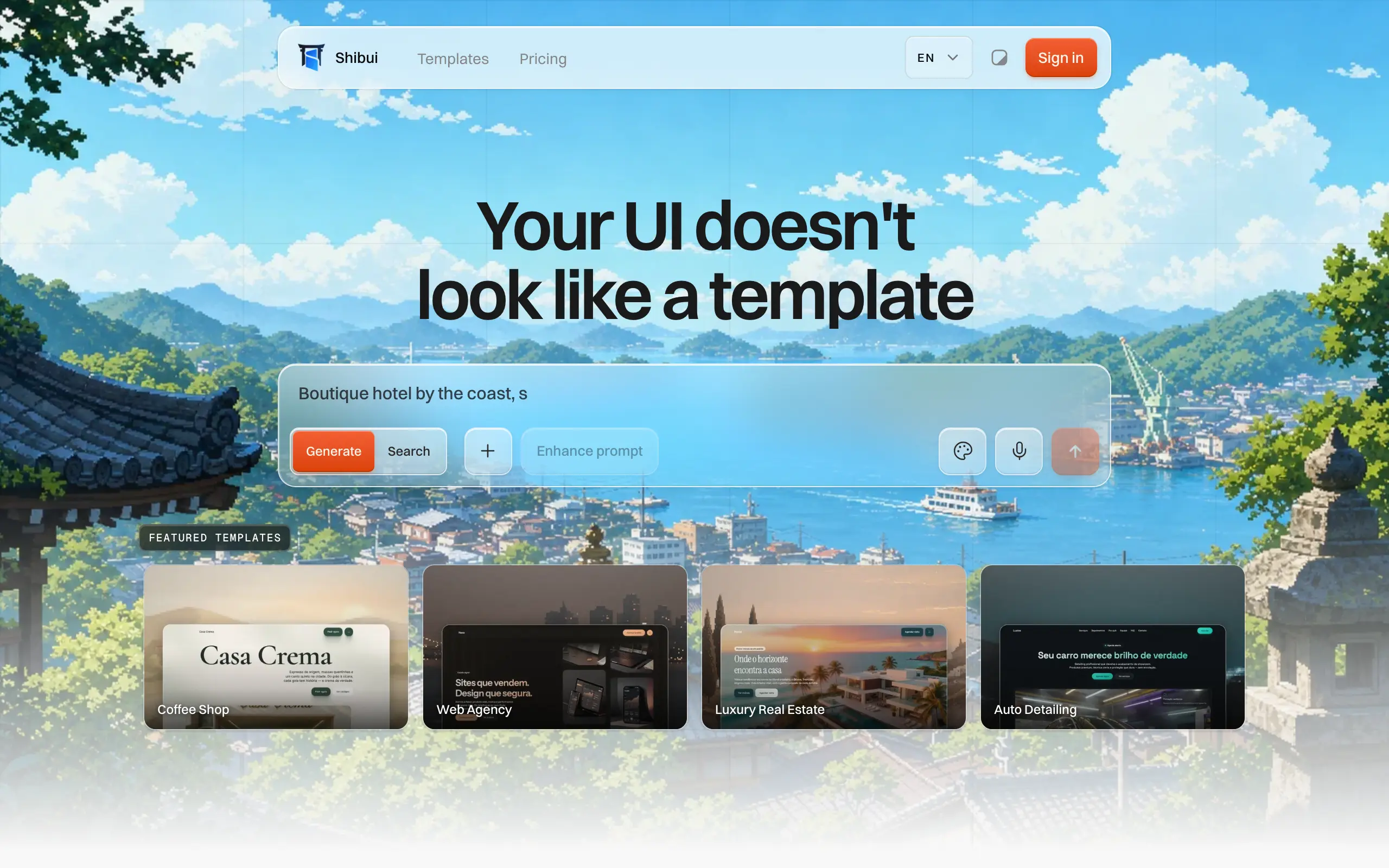
Shibui
AI website builder - describe your business, pick a niche template, edit by chatting, and publish instantly ✨

Pro Service
Find verified home service professionals, compare quotes, and pay securely through escrow - built for Brazilians across the US 🏠
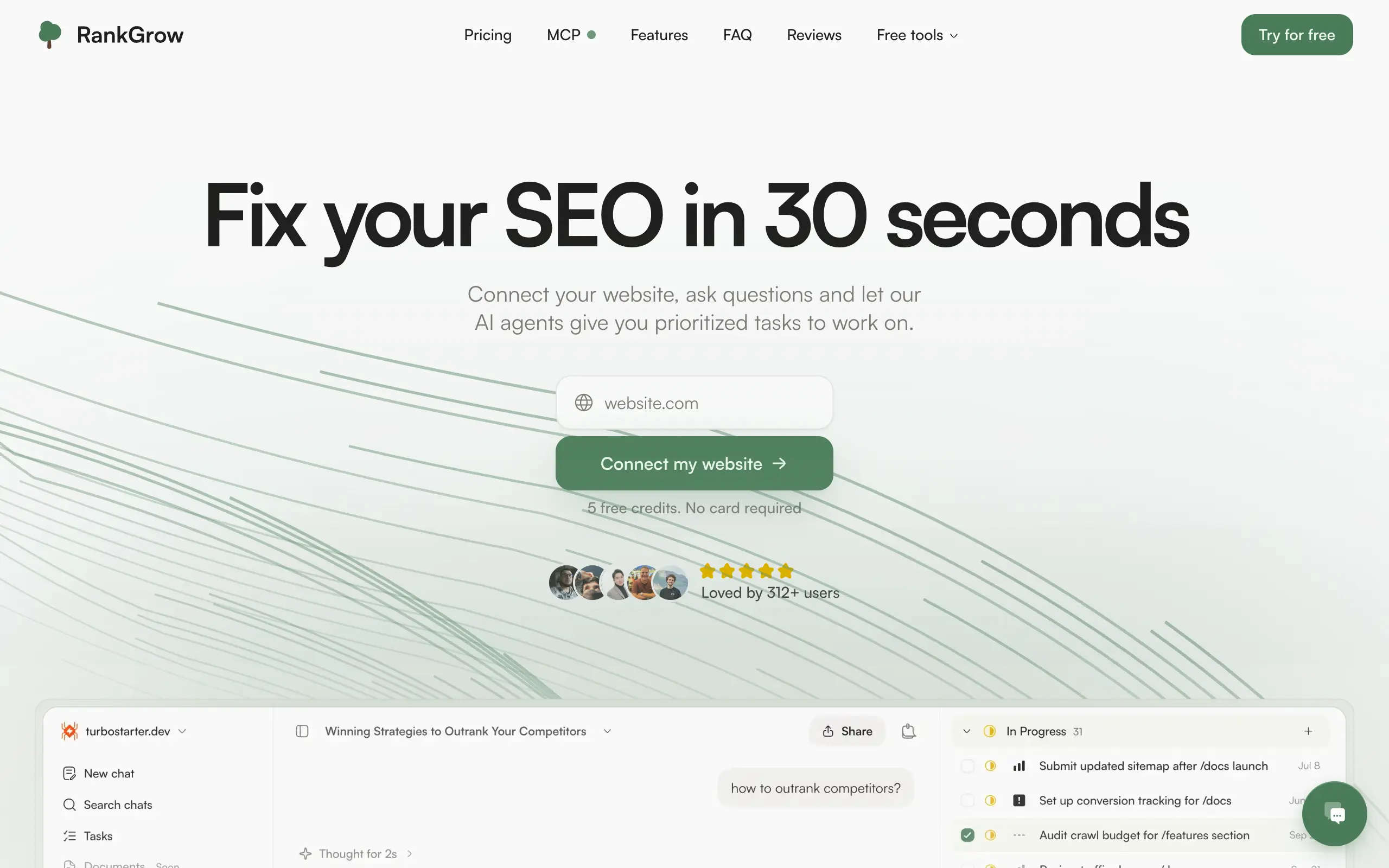
RankGrow
Fix your SEO with AI agents - connect Search Console, get prioritized tasks, and grow organic traffic 📈
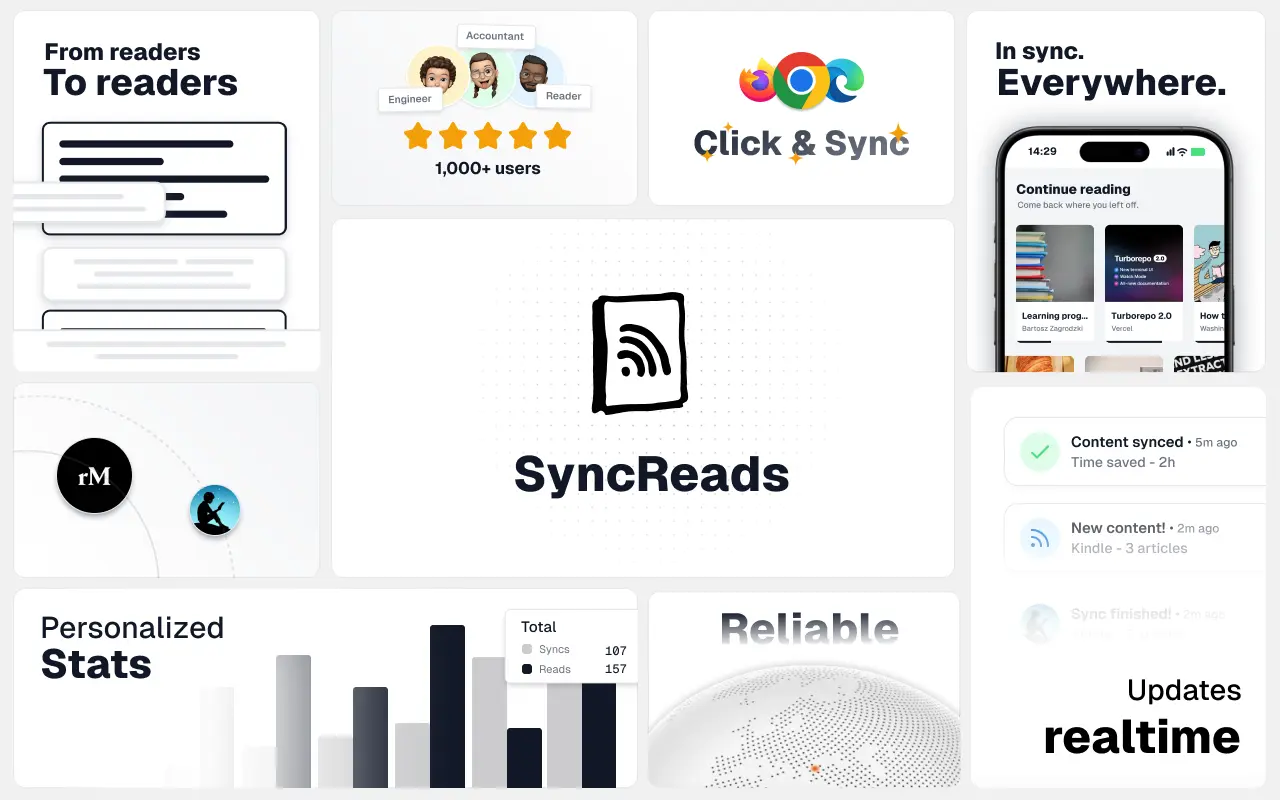
SyncReads
Sync your favorite content for distraction-free reading, save time and replace multiple apps. Anytime, anywhere 🔄
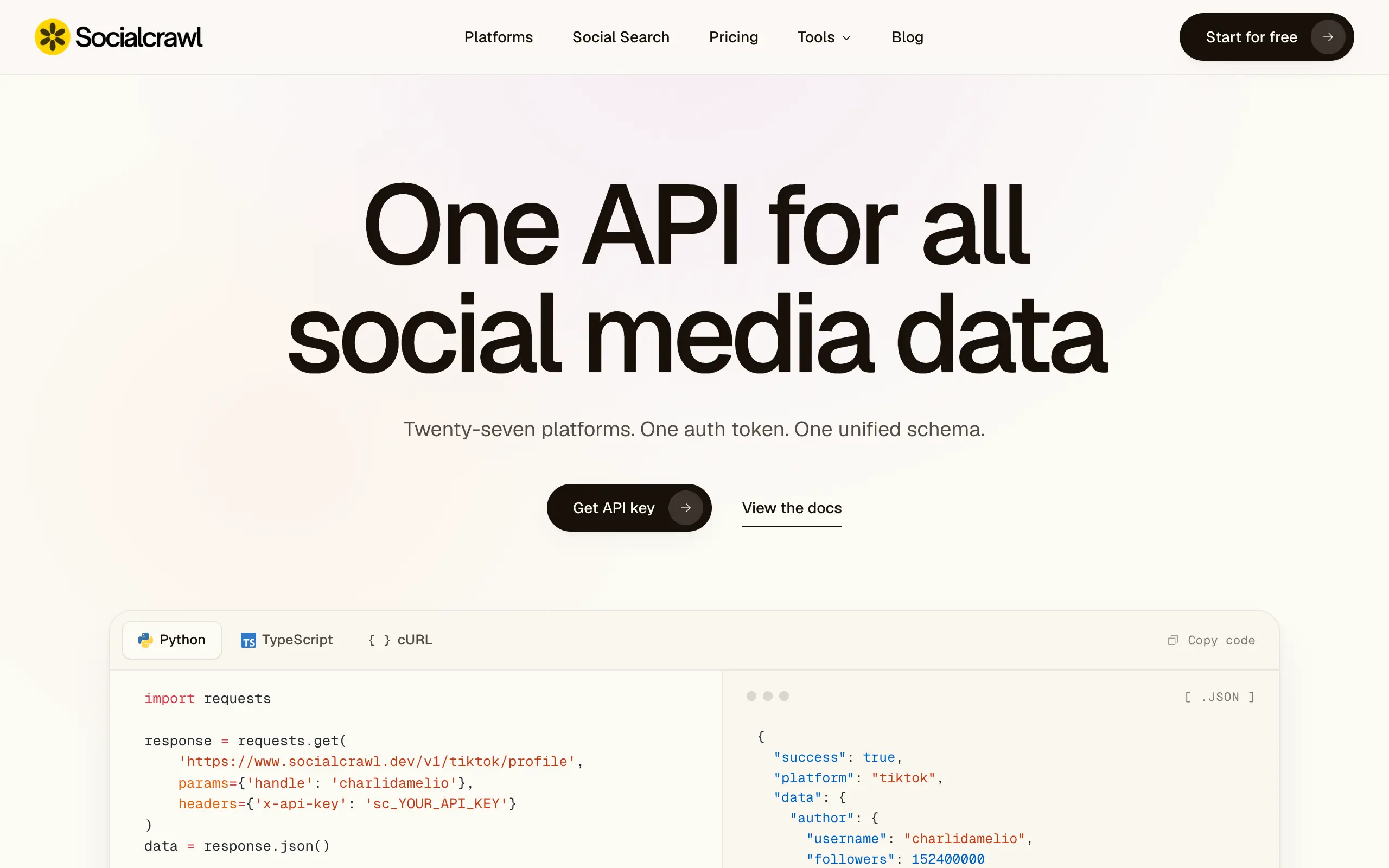
Socialcrawl
Get clean, structured data from 21 platforms like TikTok, Instagram, and YouTube with a single request 📊
Statiko
Monitor any Telegram channel in real time - track posts, edits, deletions, and growth with AI recaps 📡
Shibui
AI website builder - describe your business, pick a niche template, edit by chatting, and publish instantly ✨
Pro Service
Find verified home service professionals, compare quotes, and pay securely through escrow - built for Brazilians across the US 🏠
RankGrow
Fix your SEO with AI agents - connect Search Console, get prioritized tasks, and grow organic traffic 📈
SyncReads
Sync your favorite content for distraction-free reading, save time and replace multiple apps. Anytime, anywhere 🔄
Socialcrawl
Get clean, structured data from 21 platforms like TikTok, Instagram, and YouTube with a single request 📊
Statiko
Monitor any Telegram channel in real time - track posts, edits, deletions, and growth with AI recaps 📡
Shibui
AI website builder - describe your business, pick a niche template, edit by chatting, and publish instantly ✨
Pro Service
Find verified home service professionals, compare quotes, and pay securely through escrow - built for Brazilians across the US 🏠
RankGrow
Fix your SEO with AI agents - connect Search Console, get prioritized tasks, and grow organic traffic 📈
SyncReads
Sync your favorite content for distraction-free reading, save time and replace multiple apps. Anytime, anywhere 🔄
Socialcrawl
Get clean, structured data from 21 platforms like TikTok, Instagram, and YouTube with a single request 📊
Statiko
Monitor any Telegram channel in real time - track posts, edits, deletions, and growth with AI recaps 📡
Shibui
AI website builder - describe your business, pick a niche template, edit by chatting, and publish instantly ✨
Pro Service
Find verified home service professionals, compare quotes, and pay securely through escrow - built for Brazilians across the US 🏠
RankGrow
Fix your SEO with AI agents - connect Search Console, get prioritized tasks, and grow organic traffic 📈
SyncReads
Sync your favorite content for distraction-free reading, save time and replace multiple apps. Anytime, anywhere 🔄
Socialcrawl
Get clean, structured data from 21 platforms like TikTok, Instagram, and YouTube with a single request 📊
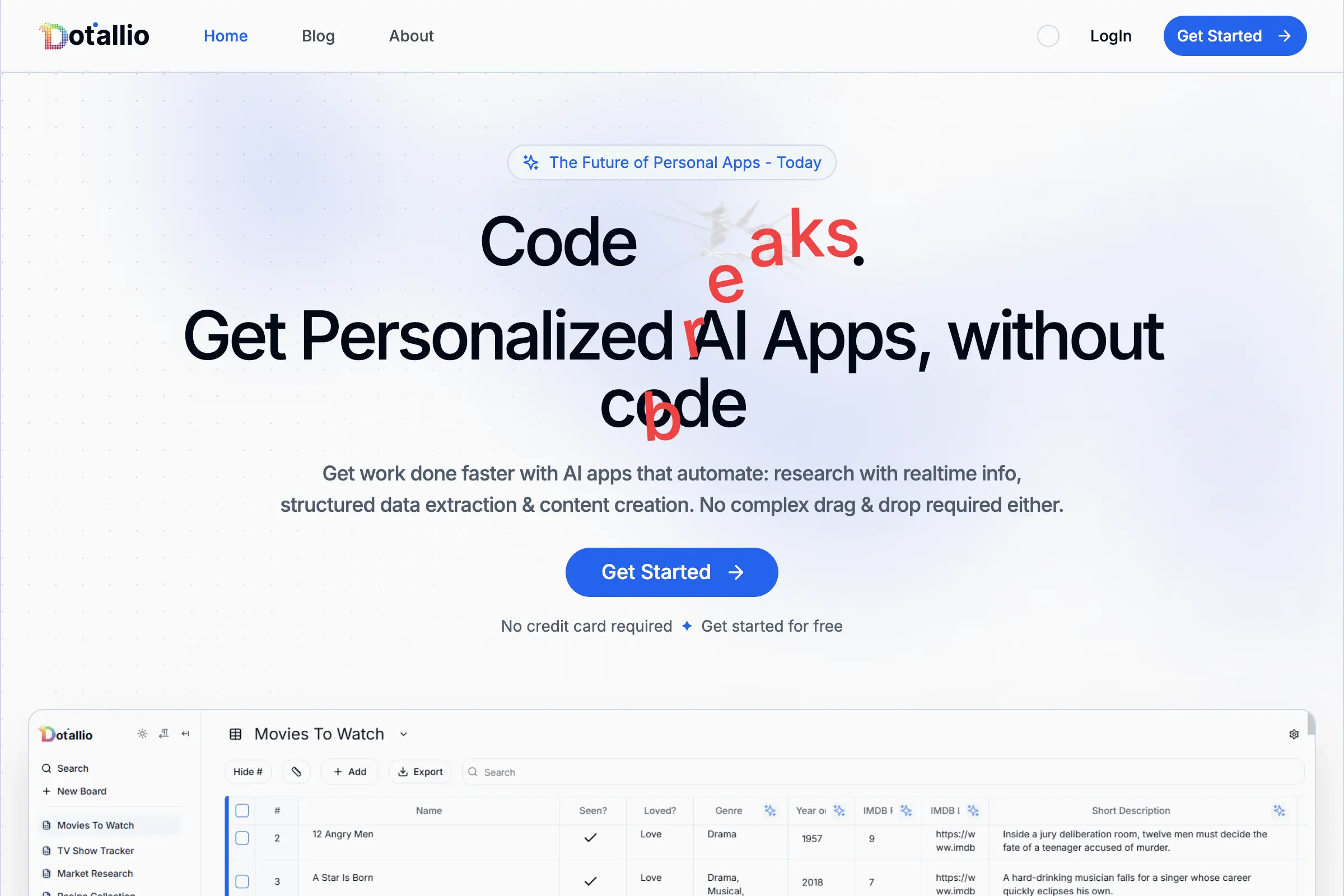
Dotallio
Personalized AI apps that automate research, data extraction, and content creation without code 🤖
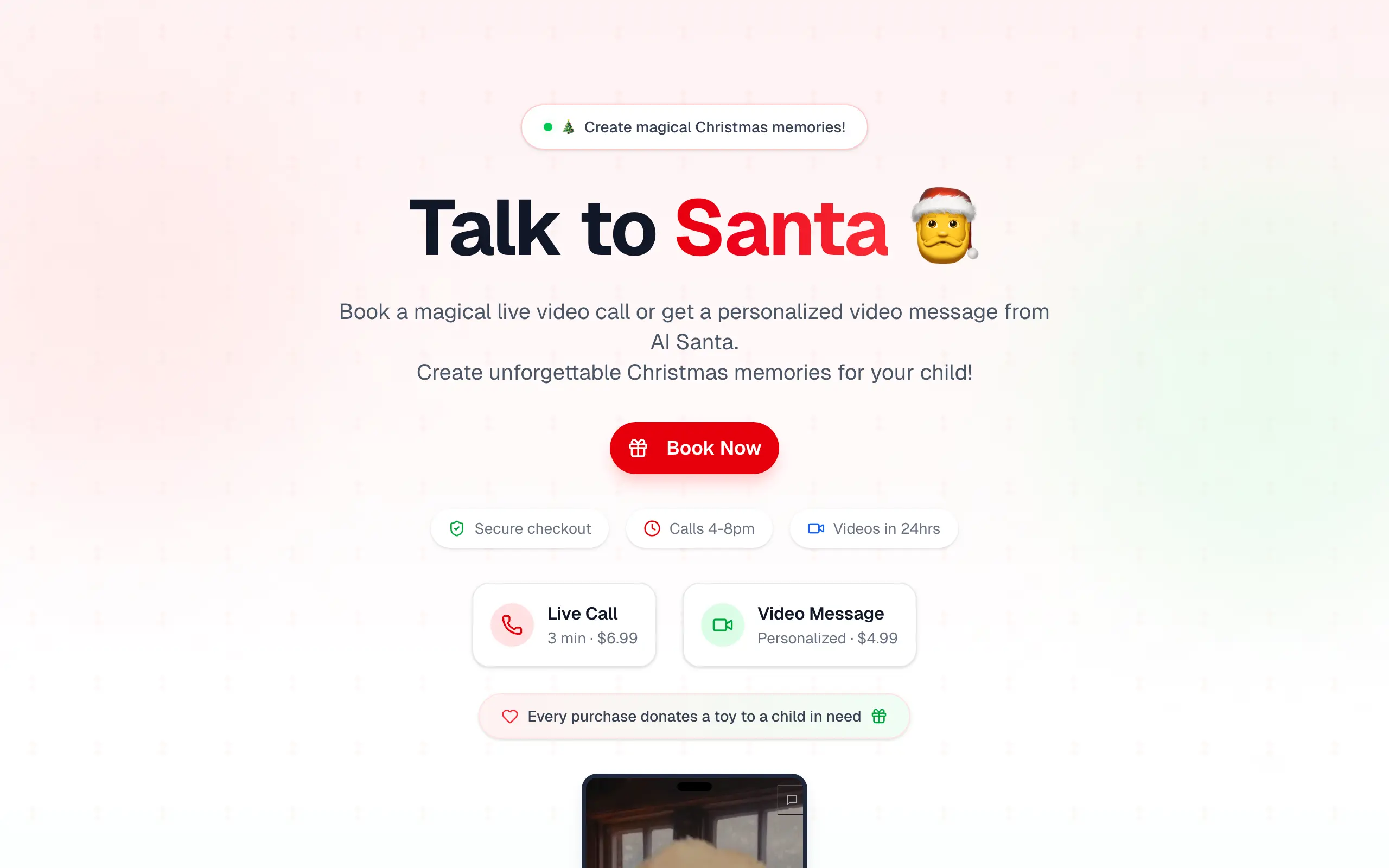
Talk to Santa
Enjoy a magical live video chat or receive a unique AI-generated video greeting from Santa Claus 🎅
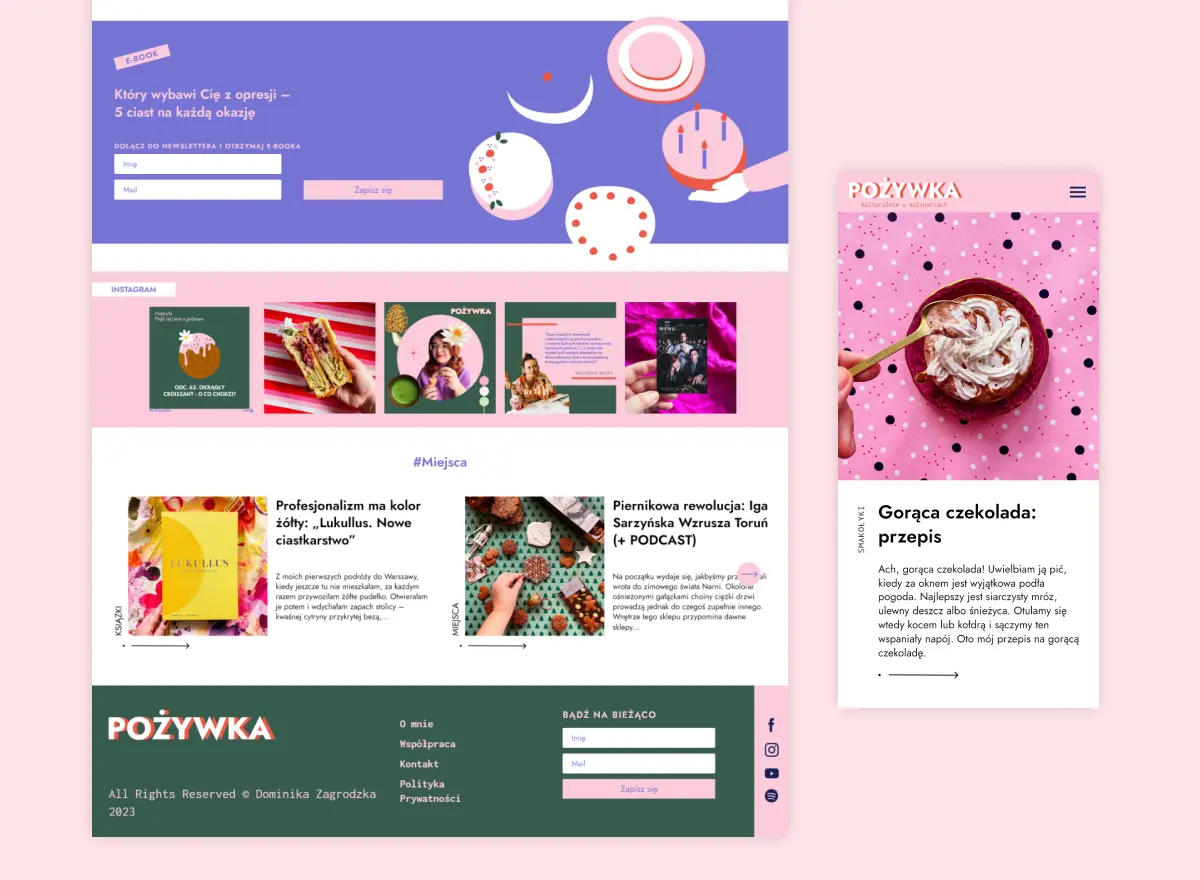
pozywka.pl
Scalable blog for food journalist, focused on performance and user experience 🌭
zagrodzki.me
Personal blog and portfolio of Bart Zagrodzki, where he shares his knowledge and work 💼
TurboStarter
Ship your startup everywhere. In minutes.
HTML to Markdown
Convert HTML to Markdown with ease, directly in your browser 📄
Dotallio
Personalized AI apps that automate research, data extraction, and content creation without code 🤖
Talk to Santa
Enjoy a magical live video chat or receive a unique AI-generated video greeting from Santa Claus 🎅
pozywka.pl
Scalable blog for food journalist, focused on performance and user experience 🌭
zagrodzki.me
Personal blog and portfolio of Bart Zagrodzki, where he shares his knowledge and work 💼
TurboStarter
Ship your startup everywhere. In minutes.
HTML to Markdown
Convert HTML to Markdown with ease, directly in your browser 📄
Dotallio
Personalized AI apps that automate research, data extraction, and content creation without code 🤖
Talk to Santa
Enjoy a magical live video chat or receive a unique AI-generated video greeting from Santa Claus 🎅
pozywka.pl
Scalable blog for food journalist, focused on performance and user experience 🌭
zagrodzki.me
Personal blog and portfolio of Bart Zagrodzki, where he shares his knowledge and work 💼
TurboStarter
Ship your startup everywhere. In minutes.
HTML to Markdown
Convert HTML to Markdown with ease, directly in your browser 📄
Dotallio
Personalized AI apps that automate research, data extraction, and content creation without code 🤖
Talk to Santa
Enjoy a magical live video chat or receive a unique AI-generated video greeting from Santa Claus 🎅
pozywka.pl
Scalable blog for food journalist, focused on performance and user experience 🌭
zagrodzki.me
Personal blog and portfolio of Bart Zagrodzki, where he shares his knowledge and work 💼
TurboStarter
Ship your startup everywhere. In minutes.
HTML to Markdown
Convert HTML to Markdown with ease, directly in your browser 📄
Omichat
Chat with 50+ AI models, including ChatGPT and Claude, in one place - switch models anytime without losing context 🤖
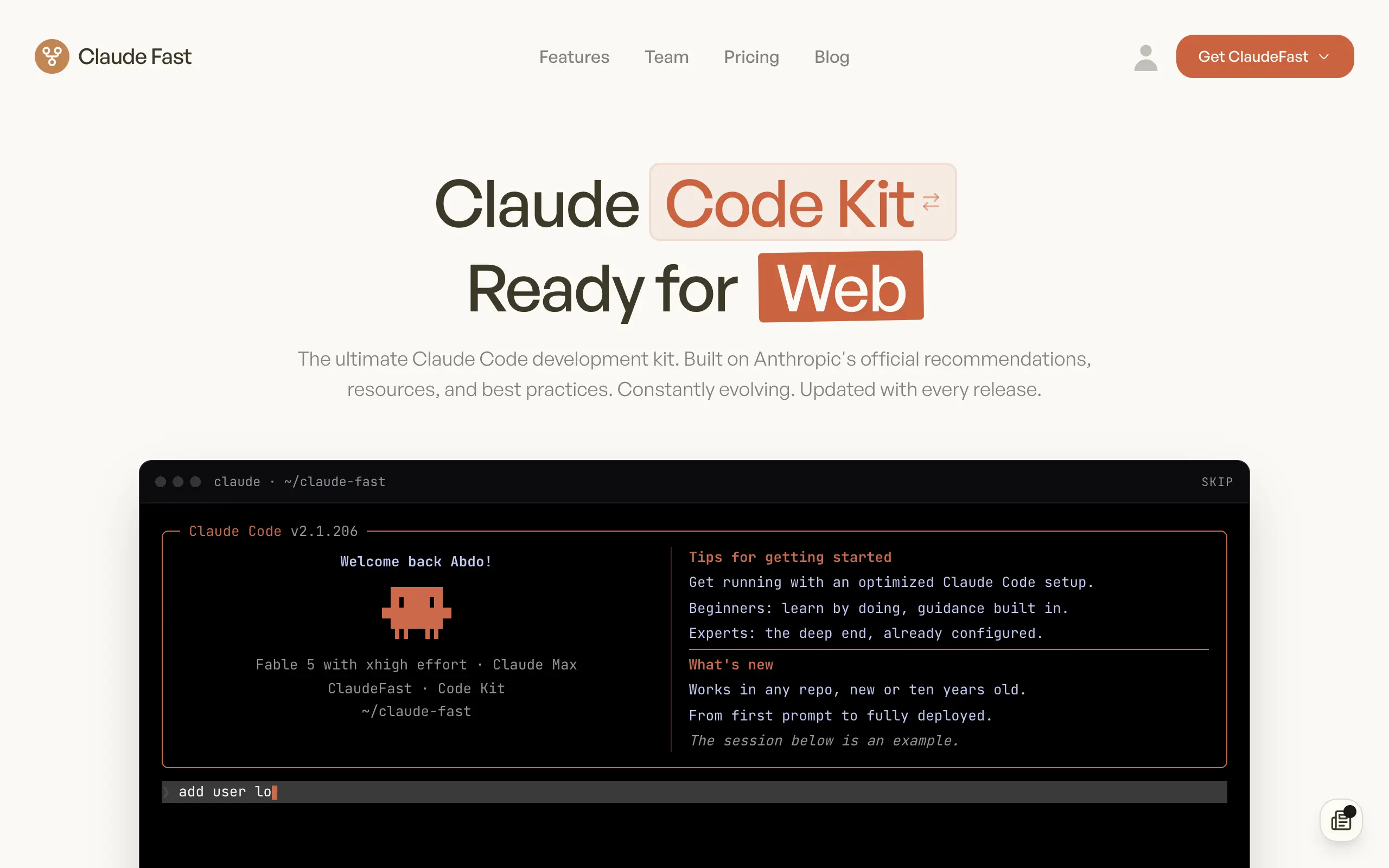
Claude Fast
Supercharge your Claude Code with 6x effective context window and specialized AI agents 🤖
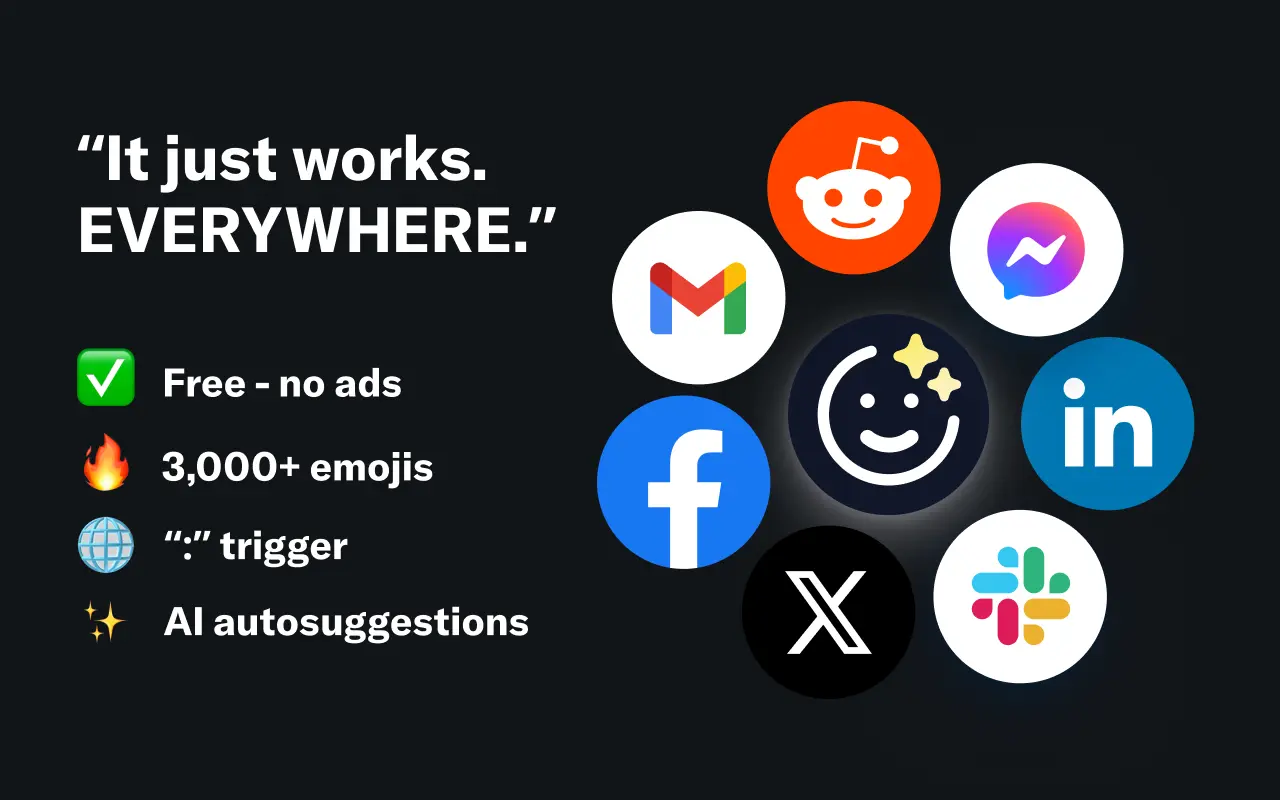
EmojAI
AI-powered emoji picker with smart, context-aware suggestions 🤖
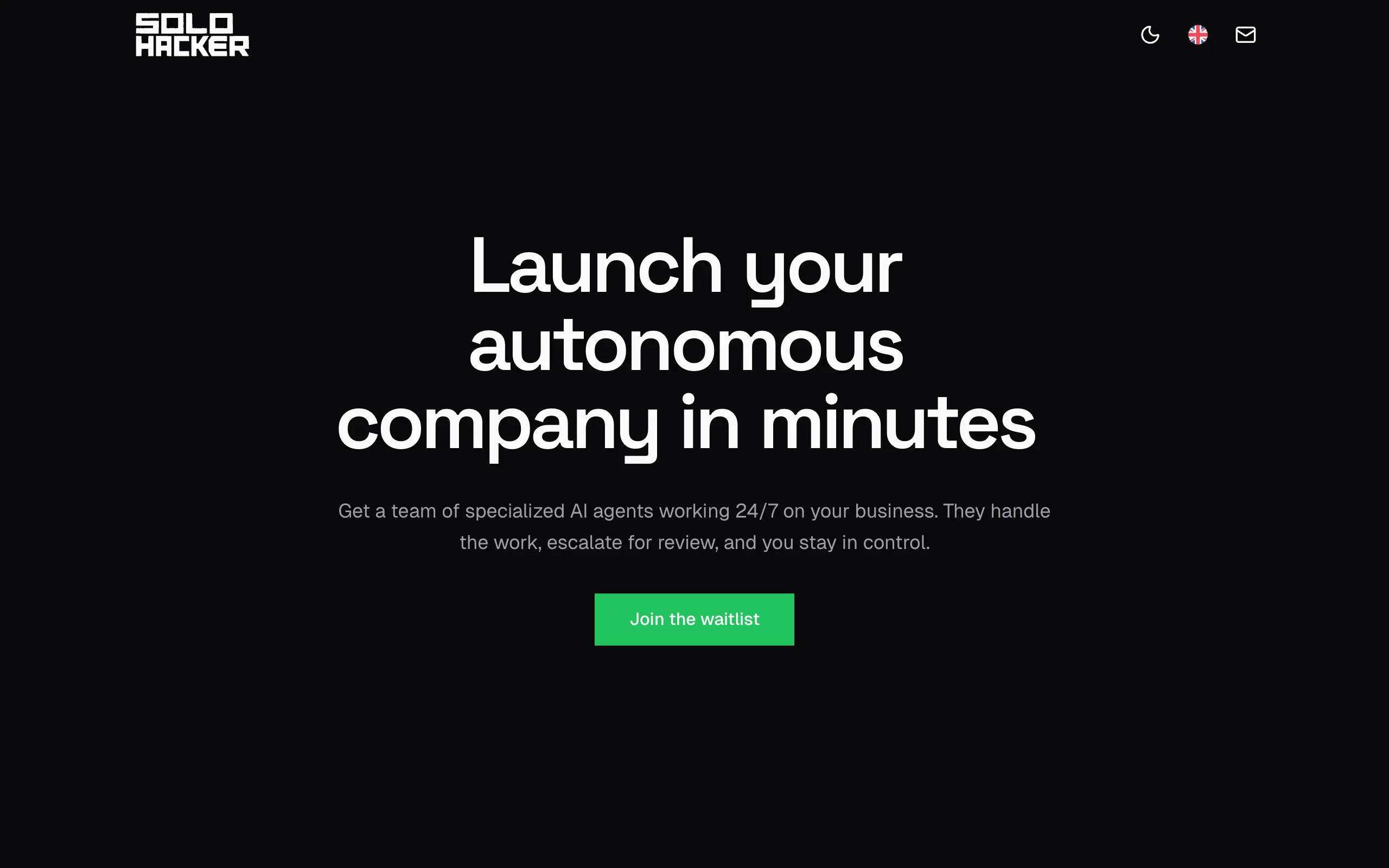
Solohacker
Autonomous company launcher - AI agents work 24/7, escalate what matters, and you stay in control 🤖
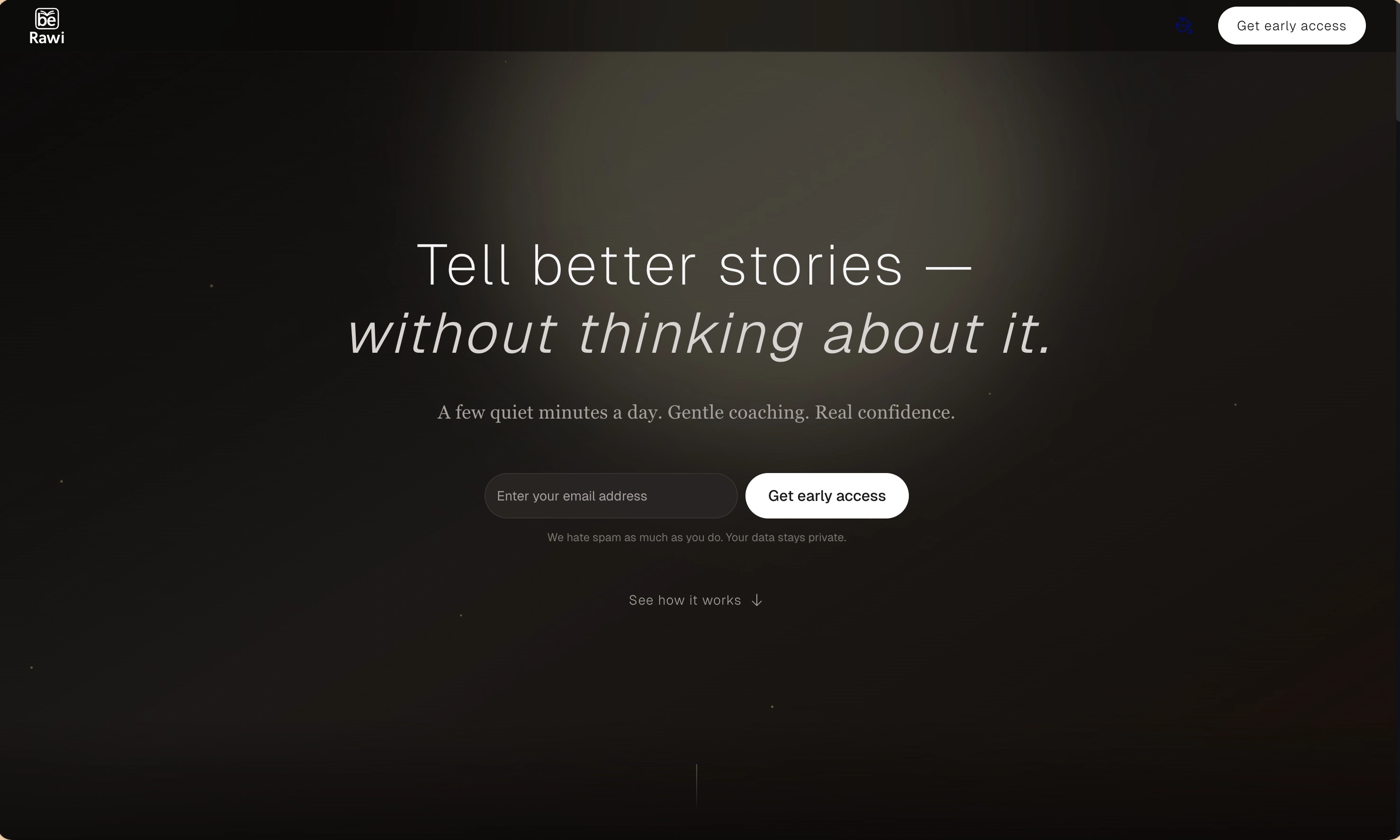
BeRawi: Storytelling Coach
Practice storytelling daily with instant feedback to sound clearer, more engaging, and confident 🎤
Omichat
Chat with 50+ AI models, including ChatGPT and Claude, in one place - switch models anytime without losing context 🤖
Claude Fast
Supercharge your Claude Code with 6x effective context window and specialized AI agents 🤖
EmojAI
AI-powered emoji picker with smart, context-aware suggestions 🤖
Solohacker
Autonomous company launcher - AI agents work 24/7, escalate what matters, and you stay in control 🤖
BeRawi: Storytelling Coach
Practice storytelling daily with instant feedback to sound clearer, more engaging, and confident 🎤
Omichat
Chat with 50+ AI models, including ChatGPT and Claude, in one place - switch models anytime without losing context 🤖
Claude Fast
Supercharge your Claude Code with 6x effective context window and specialized AI agents 🤖
EmojAI
AI-powered emoji picker with smart, context-aware suggestions 🤖
Solohacker
Autonomous company launcher - AI agents work 24/7, escalate what matters, and you stay in control 🤖
BeRawi: Storytelling Coach
Practice storytelling daily with instant feedback to sound clearer, more engaging, and confident 🎤
Omichat
Chat with 50+ AI models, including ChatGPT and Claude, in one place - switch models anytime without losing context 🤖
Claude Fast
Supercharge your Claude Code with 6x effective context window and specialized AI agents 🤖
EmojAI
AI-powered emoji picker with smart, context-aware suggestions 🤖
Solohacker
Autonomous company launcher - AI agents work 24/7, escalate what matters, and you stay in control 🤖
BeRawi: Storytelling Coach
Practice storytelling daily with instant feedback to sound clearer, more engaging, and confident 🎤

Connect with like-minded people
Join our community to get feedback, support, and grow together with 1,000+ builders on board, let's ship it!
Join usShip your startup everywhere. In minutes.
Don't burn tokens on setup and start building features on day one.