ScopeSnap AI
AI-powered proposal and scope generator that turns client calls, emails, or briefs into clear scopes, timelines, and pricing to prevent scope creep for agencies.
What is ScopeSnap AI and why it matters for modern agencies
ScopeSnap AI is an AI-powered proposal and scope generator designed specifically for agencies, consultancies, and professional service teams that struggle with unclear project scopes, misaligned expectations, and chronic scope creep. By transforming raw inputs—such as client calls, email threads, discovery notes, or written briefs—into clear scopes of work, realistic timelines, and structured pricing, ScopeSnap AI addresses one of the most expensive and emotionally draining problems in agency operations.
The primary keyword for this article is AI proposal and scope generator, with related semantic keywords including scope of work software, AI proposal generator for agencies, scope creep prevention tools, automated project scoping, agency proposal automation, and AI pricing estimation. These terms naturally reflect how users search when they are:
- Frustrated by unclear or constantly changing client requirements
- Looking to standardize proposals and scopes across teams
- Seeking AI tools to improve margins and reduce rework
- Exploring ways to professionalize sales-to-delivery handoff
This article provides a deep, practical, and experience-driven analysis of the ScopeSnap AI concept—covering the target audience, market opportunity, core features, technical architecture, monetization models, competitive positioning, risks, and a step-by-step path to implementation.
The real problem: why scope creep is still killing agency margins
Scope creep isn’t a new problem—but it’s becoming more expensive as agencies take on more complex, cross-functional work.
What scope creep looks like in practice
Most agencies recognize these patterns immediately:
- A client says, “It’s just a small change,” five times per week
- Sales promises flexibility, delivery absorbs the cost
- Proposals lack specificity to avoid friction during closing
- Project managers rely on interpretation instead of documentation
- Invoices get challenged because scope was never explicit
The root cause is rarely bad intent. It’s usually poor translation of client intent into an enforceable scope of work.
Why existing tools fail to solve it
Current solutions fall into three weak categories:
-
Static templates
- Google Docs or Notion templates are only as good as the person filling them out
- They don’t adapt to nuance or complexity
-
Generic proposal software
- Optimized for sales aesthetics, not delivery clarity
- Focus on closing deals, not protecting margins
-
Project management tools
- Operate after the scope is already flawed
- Don’t help define or negotiate scope up front
ScopeSnap AI sits before all of these—at the moment where ambiguity is cheapest to fix.
Target audience analysis: who ScopeSnap AI is built for
Understanding the target audience is critical for positioning, feature prioritization, and go-to-market strategy.
Primary audience: digital agencies and consultancies
These organizations feel scope pain the most:
- Web design and development agencies
- Product studios and UX/UI agencies
- Marketing and growth agencies
- Branding and creative studios
- IT consultancies and systems integrators
Common characteristics:
- Project-based revenue
- Custom work (not fully productized)
- Multiple stakeholders on both sides
- Thin margins sensitive to overruns
Secondary audience: freelancers and small teams
While enterprise agencies feel the biggest financial impact, freelancers experience the most emotional and time cost:
- Difficulty pushing back on vague requests
- Fear of losing the client if they “get too strict”
- No legal or operational buffer
ScopeSnap AI gives them a professional backbone without needing years of experience.
Tertiary audience: internal service teams
Internal teams can also benefit:
- In-house product teams working with stakeholders
- IT departments handling internal requests
- Innovation labs and R&D teams
For them, ScopeSnap AI becomes a requirement alignment tool, not a billing mechanism.
Market opportunity and gap analysis
Why now is the right time for an AI scope generator
Several macro trends converge to make ScopeSnap AI timely:
- Remote-first work increases miscommunication
- AI transcription makes call-to-text reliable and cheap
- Rising labor costs punish inefficiency
- Client sophistication demands more transparency
Despite these trends, no dominant player owns AI-powered scoping as a category.
Existing alternatives and their gaps
Let’s compare the current landscape:
| Capability | Templates | Proposal tools | PM tools | ScopeSnap AI |
|---|---|---|---|---|
| Uses raw client inputs | ❌ | ❌ | ❌ | ✅ |
| AI-generated scope clarity | ❌ | ❌ | ❌ | ✅ |
| Delivery-focused language | ❌ | ⚠️ | ✅ | ✅ |
| Prevents scope creep | ❌ | ⚠️ | ❌ | ✅ |
The gap ScopeSnap AI fills
ScopeSnap AI is not “another proposal tool.” Its unique market position is:
AI that translates messy client intent into enforceable, delivery-ready scope definitions.
This is a category-creating opportunity, not a feature race.
Core features that define ScopeSnap AI
1. Multi-input ingestion (calls, emails, briefs)
ScopeSnap AI should accept:
- Call transcripts (Zoom, Google Meet, manual uploads)
- Email threads (Gmail, Outlook)
- Text briefs or Notion docs
- Chat logs (Slack, WhatsApp exports)
The AI’s first job is signal extraction, not summarization.
Expert insight
High-quality scoping depends more on what the AI ignores than what it includes. Filtering fluff is as important as capturing requirements.
2. Structured scope of work generation
The output should be a clean, standardized scope including:
- Project overview
- Objectives and success criteria
- In-scope items
- Explicit out-of-scope items
- Assumptions and dependencies
- Client responsibilities
- Change request process
This structure builds legal and operational defensibility.
3. Timeline and milestone estimation
Using historical patterns and heuristics, ScopeSnap AI can propose:
- Phases (discovery, design, build, QA, launch)
- Estimated durations
- Review and feedback buffers
The value is not perfect accuracy—but setting expectations early.
4. Pricing and effort modeling
Depending on agency preference:
- Fixed price
- Hourly with caps
- Retainer-style phases
ScopeSnap AI can suggest ranges and highlight risk areas where pricing should be higher.
5. Editable, client-ready outputs
Outputs should be:
- Human-readable
- Easily editable
- Exportable to PDF, Google Docs, or proposal tools
The AI assists—not replaces—human judgment.
Recommended tech stack and architectural considerations
Frontend
- React for UI flexibility and ecosystem support
- Official site: https://reactjs.org
- TailwindCSS for rapid, consistent styling
- Official site: https://tailwindcss.com
Trade-off: Tailwind speeds development but requires design discipline to avoid inconsistency.
Backend
- Node.js with a modular service architecture
- REST or GraphQL API depending on integration needs
AI layer
- LLM orchestration with prompt chaining
- Separate prompts for:
- Requirement extraction
- Risk detection
- Scope structuring
Key principle: deterministic structure, probabilistic language.
Data and security
- Encrypted storage for client data
- Clear data retention policies
- Optional “no training on my data” mode
This is critical for trust and compliance.
Monetization strategies that align with agency value
1. Per-seat SaaS pricing
Best for mid-sized agencies.
- Starter: limited scopes/month
- Pro: unlimited scopes + integrations
- Enterprise: compliance and custom workflows
2. Usage-based pricing
Charges per:
- Processed transcript
- Generated scope
- Exported proposal
Aligns price with value delivered.
3. Hybrid model
Base subscription + usage overages. This is often the most sustainable.
4. Upsells and add-ons
- Legal clause packs
- Industry-specific scope templates
- White-label exports
Competitive advantage and defensibility
ScopeSnap AI’s moat is workflow depth, not AI novelty.
Key differentiators
- Focus on delivery protection, not just sales
- Domain-specific prompting for agencies
- Explicit out-of-scope generation
- Pricing and risk awareness
Long-term defensibility
- Learning from anonymized scope patterns
- Industry benchmarks
- Deep integrations into agency workflows
Risks, limitations, and mitigation strategies
Risk: Over-reliance on AI output
Mitigation:
Position ScopeSnap AI as a co-pilot, not an autopilot.
Risk: Client disputes despite clear scopes
Mitigation:
Include explicit acceptance and change request language.
Risk: Data sensitivity concerns
Mitigation:
Transparent security practices and optional local-only processing.
Important
Agencies will not trust a black box with client data. Explain how the AI works at a conceptual level.
How ScopeSnap AI compares to building in-house
Build internally
High customization, but slow, expensive, and rarely maintained long-term.
Use generic tools
Fast setup, but poor scope clarity and no real protection.
Use ScopeSnap AI
Purpose-built scoping intelligence with agency-specific workflows.
Implementation roadmap: from idea to live SaaS
Go-to-market strategy recommendations
Start niche, then expand
Example progression:
- Web and product agencies
- Marketing agencies
- Consultancies
- Freelancers
Each niche adds vocabulary depth.
Content-led growth
High-intent content ideas:
- “How to write a scope of work that prevents scope creep”
- “Real examples of bad scopes (and how to fix them)”
- “Agency pricing mistakes and how to avoid them”
Partnerships
- Agency coaches
- Fractional COOs
- Proposal consultants
Why TurboStarter accelerates building ScopeSnap AI
Building a SaaS like ScopeSnap AI from scratch requires speed, structure, and best practices. Using TurboStarter provides:
- Production-ready SaaS architecture
- Auth, billing, and deployment baked in
- Faster iteration on AI features
This reduces time-to-market and allows founders to focus on domain intelligence, not boilerplate.
The future of AI-powered scoping
As AI matures, ScopeSnap AI can evolve into:
- Predictive margin analysis
- Scope risk scoring
- Automated change request generation
- Cross-project benchmarking
Ultimately, it becomes an operating system for agency clarity.
Final thoughts: why ScopeSnap AI is a high-leverage SaaS idea
ScopeSnap AI addresses a pain that agencies already feel daily, with:
- Clear ROI
- Emotional relief
- Operational maturity
By focusing on scoping—not generic proposals—it creates a defensible, valuable niche in the AI SaaS ecosystem.
If executed well, ScopeSnap AI doesn’t just save time.
It protects trust, margins, and sanity—three things agencies can’t afford to lose.
More 🤖 AI Startup SaaS ideas
Discover more innovative ai startup SaaS ideas that are trending in 2026. Each idea is AI-generated with market validation and growth potential to help you find your next profitable venture faster than competitors.
Your competitors are building with TurboStarter
Below are some of the SaaS ideas that have been generated and built with our starter kit.
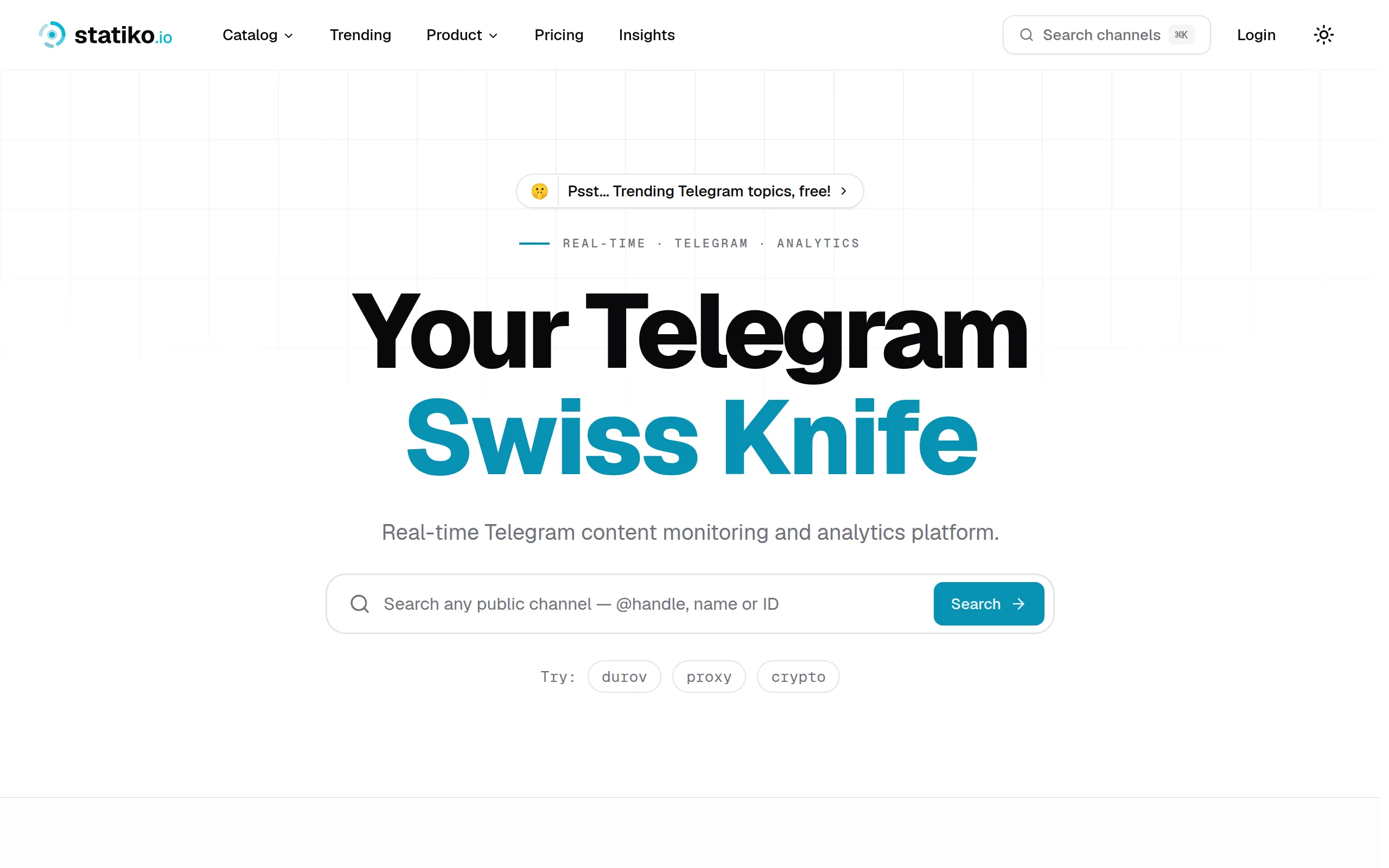
Statiko
Monitor any Telegram channel in real time - track posts, edits, deletions, and growth with AI recaps 📡

Shibui
AI website builder - describe your business, pick a niche template, edit by chatting, and publish instantly ✨

Pro Service
Find verified home service professionals, compare quotes, and pay securely through escrow - built for Brazilians across the US 🏠
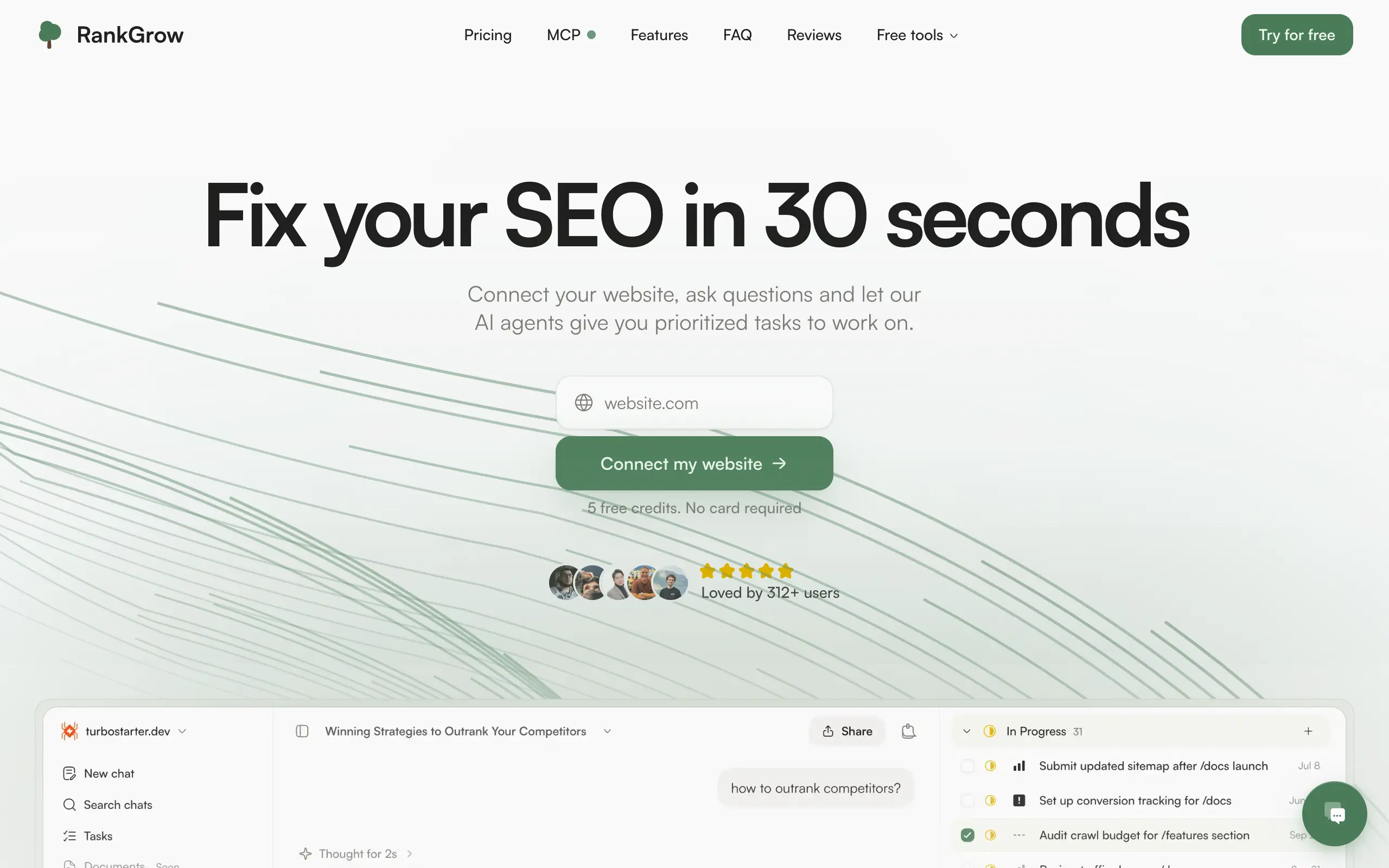
RankGrow
Fix your SEO with AI agents - connect Search Console, get prioritized tasks, and grow organic traffic 📈
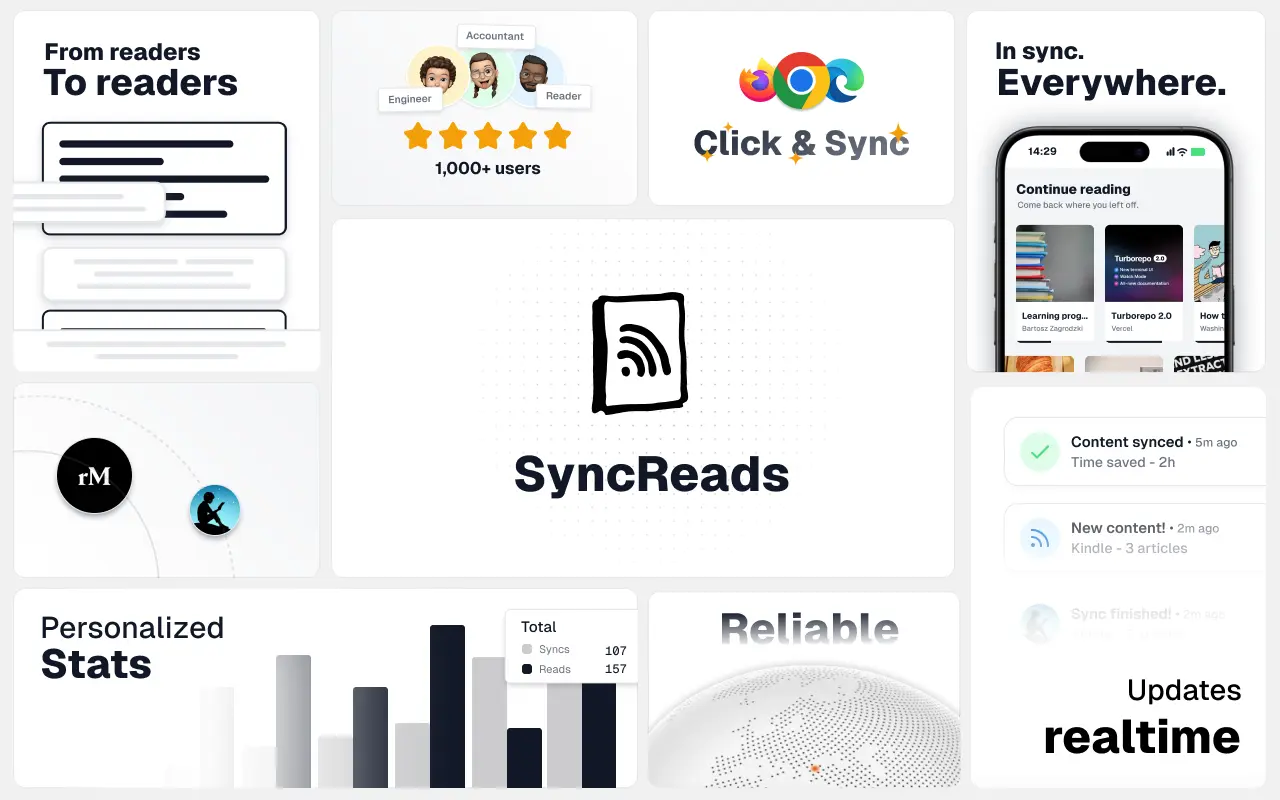
SyncReads
Sync your favorite content for distraction-free reading, save time and replace multiple apps. Anytime, anywhere 🔄
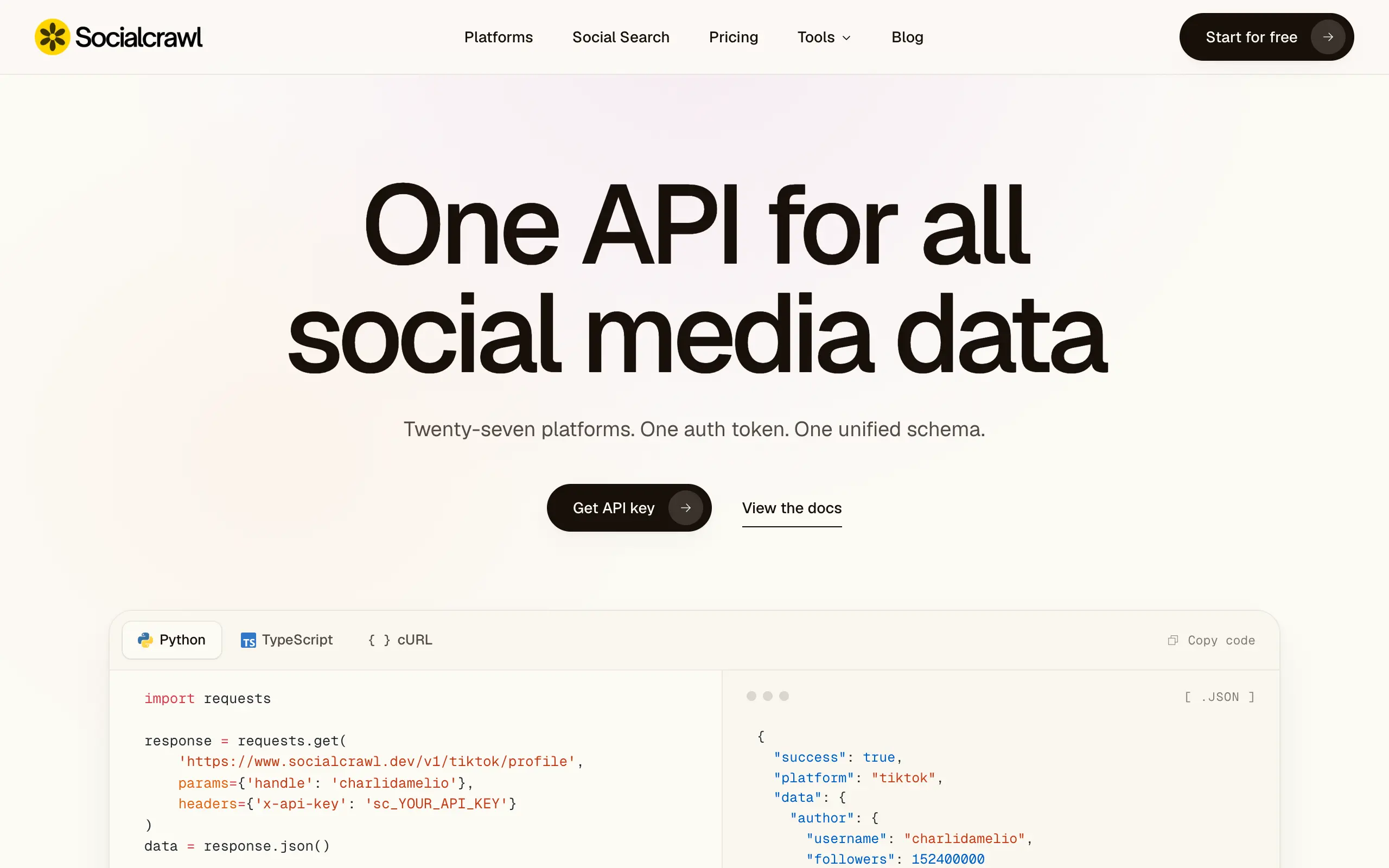
Socialcrawl
Get clean, structured data from 21 platforms like TikTok, Instagram, and YouTube with a single request 📊
Statiko
Monitor any Telegram channel in real time - track posts, edits, deletions, and growth with AI recaps 📡
Shibui
AI website builder - describe your business, pick a niche template, edit by chatting, and publish instantly ✨
Pro Service
Find verified home service professionals, compare quotes, and pay securely through escrow - built for Brazilians across the US 🏠
RankGrow
Fix your SEO with AI agents - connect Search Console, get prioritized tasks, and grow organic traffic 📈
SyncReads
Sync your favorite content for distraction-free reading, save time and replace multiple apps. Anytime, anywhere 🔄
Socialcrawl
Get clean, structured data from 21 platforms like TikTok, Instagram, and YouTube with a single request 📊
Statiko
Monitor any Telegram channel in real time - track posts, edits, deletions, and growth with AI recaps 📡
Shibui
AI website builder - describe your business, pick a niche template, edit by chatting, and publish instantly ✨
Pro Service
Find verified home service professionals, compare quotes, and pay securely through escrow - built for Brazilians across the US 🏠
RankGrow
Fix your SEO with AI agents - connect Search Console, get prioritized tasks, and grow organic traffic 📈
SyncReads
Sync your favorite content for distraction-free reading, save time and replace multiple apps. Anytime, anywhere 🔄
Socialcrawl
Get clean, structured data from 21 platforms like TikTok, Instagram, and YouTube with a single request 📊
Statiko
Monitor any Telegram channel in real time - track posts, edits, deletions, and growth with AI recaps 📡
Shibui
AI website builder - describe your business, pick a niche template, edit by chatting, and publish instantly ✨
Pro Service
Find verified home service professionals, compare quotes, and pay securely through escrow - built for Brazilians across the US 🏠
RankGrow
Fix your SEO with AI agents - connect Search Console, get prioritized tasks, and grow organic traffic 📈
SyncReads
Sync your favorite content for distraction-free reading, save time and replace multiple apps. Anytime, anywhere 🔄
Socialcrawl
Get clean, structured data from 21 platforms like TikTok, Instagram, and YouTube with a single request 📊
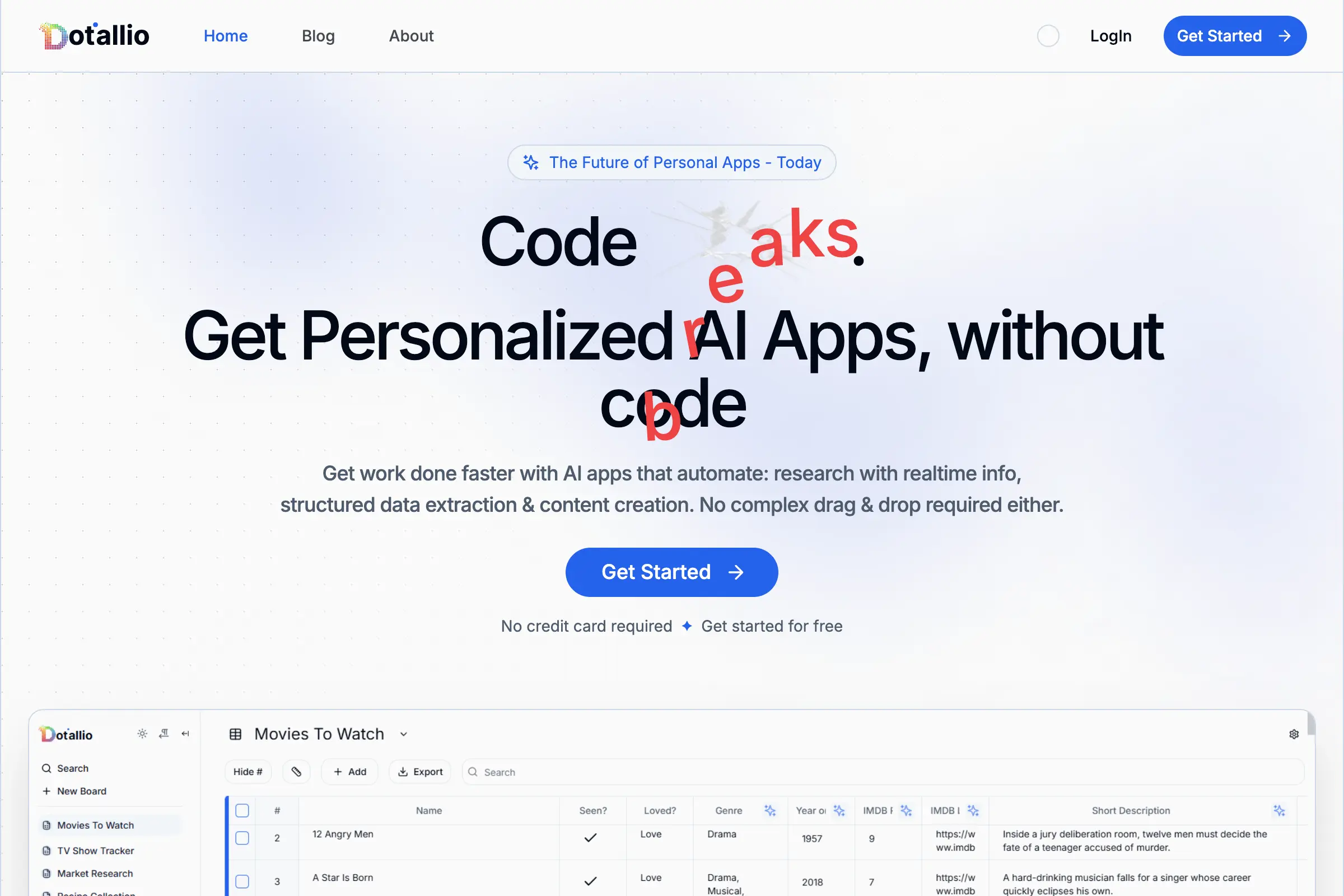
Dotallio
Personalized AI apps that automate research, data extraction, and content creation without code 🤖
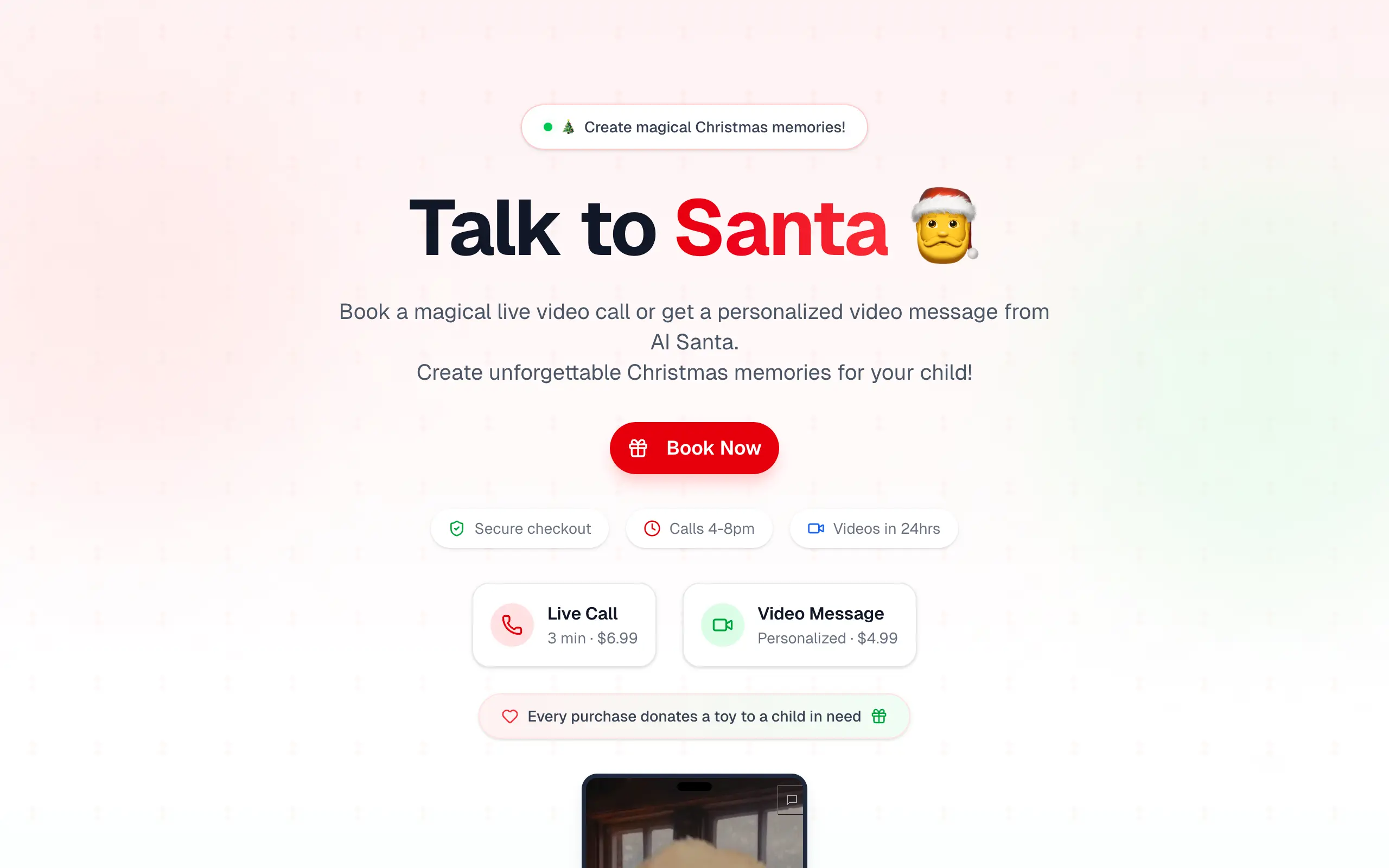
Talk to Santa
Enjoy a magical live video chat or receive a unique AI-generated video greeting from Santa Claus 🎅

pozywka.pl
Scalable blog for food journalist, focused on performance and user experience 🌭
zagrodzki.me
Personal blog and portfolio of Bart Zagrodzki, where he shares his knowledge and work 💼
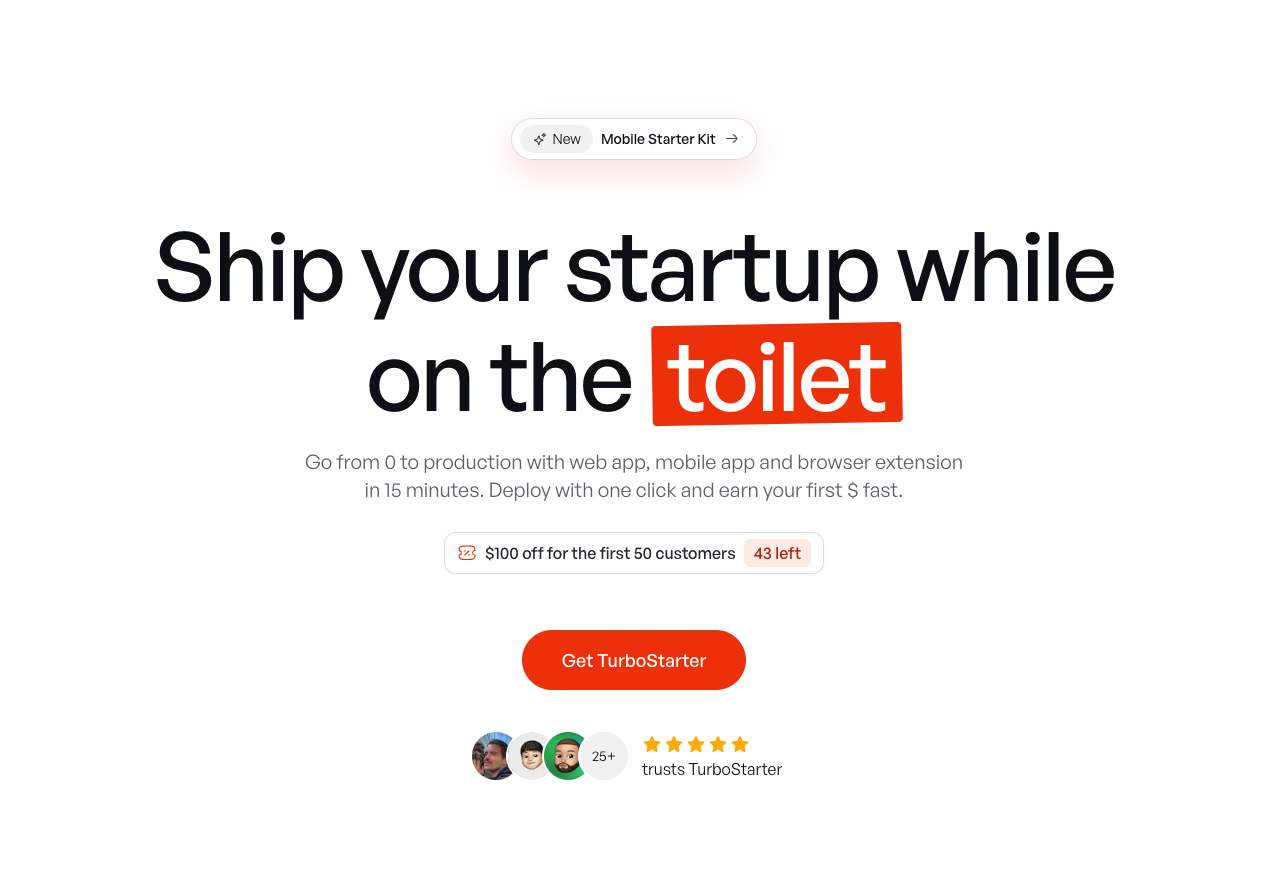
TurboStarter
Ship your startup everywhere. In minutes.
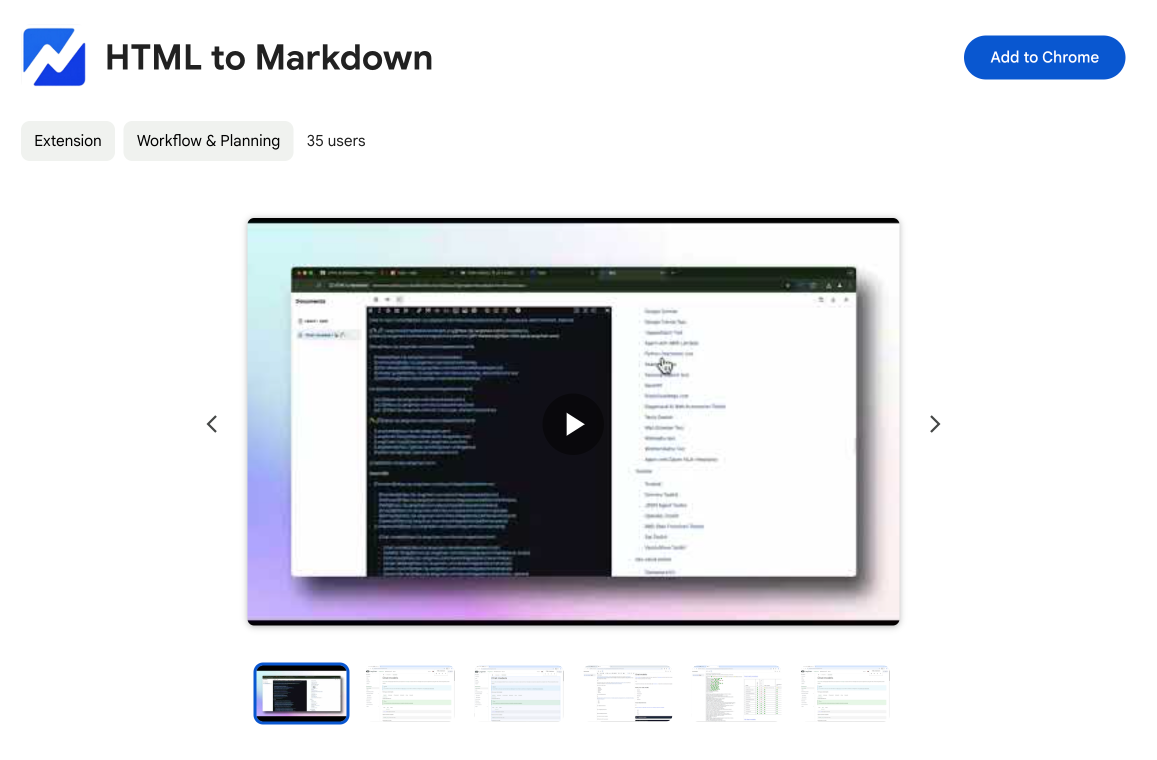
HTML to Markdown
Convert HTML to Markdown with ease, directly in your browser 📄
Dotallio
Personalized AI apps that automate research, data extraction, and content creation without code 🤖
Talk to Santa
Enjoy a magical live video chat or receive a unique AI-generated video greeting from Santa Claus 🎅
pozywka.pl
Scalable blog for food journalist, focused on performance and user experience 🌭
zagrodzki.me
Personal blog and portfolio of Bart Zagrodzki, where he shares his knowledge and work 💼
TurboStarter
Ship your startup everywhere. In minutes.
HTML to Markdown
Convert HTML to Markdown with ease, directly in your browser 📄
Dotallio
Personalized AI apps that automate research, data extraction, and content creation without code 🤖
Talk to Santa
Enjoy a magical live video chat or receive a unique AI-generated video greeting from Santa Claus 🎅
pozywka.pl
Scalable blog for food journalist, focused on performance and user experience 🌭
zagrodzki.me
Personal blog and portfolio of Bart Zagrodzki, where he shares his knowledge and work 💼
TurboStarter
Ship your startup everywhere. In minutes.
HTML to Markdown
Convert HTML to Markdown with ease, directly in your browser 📄
Dotallio
Personalized AI apps that automate research, data extraction, and content creation without code 🤖
Talk to Santa
Enjoy a magical live video chat or receive a unique AI-generated video greeting from Santa Claus 🎅
pozywka.pl
Scalable blog for food journalist, focused on performance and user experience 🌭
zagrodzki.me
Personal blog and portfolio of Bart Zagrodzki, where he shares his knowledge and work 💼
TurboStarter
Ship your startup everywhere. In minutes.
HTML to Markdown
Convert HTML to Markdown with ease, directly in your browser 📄
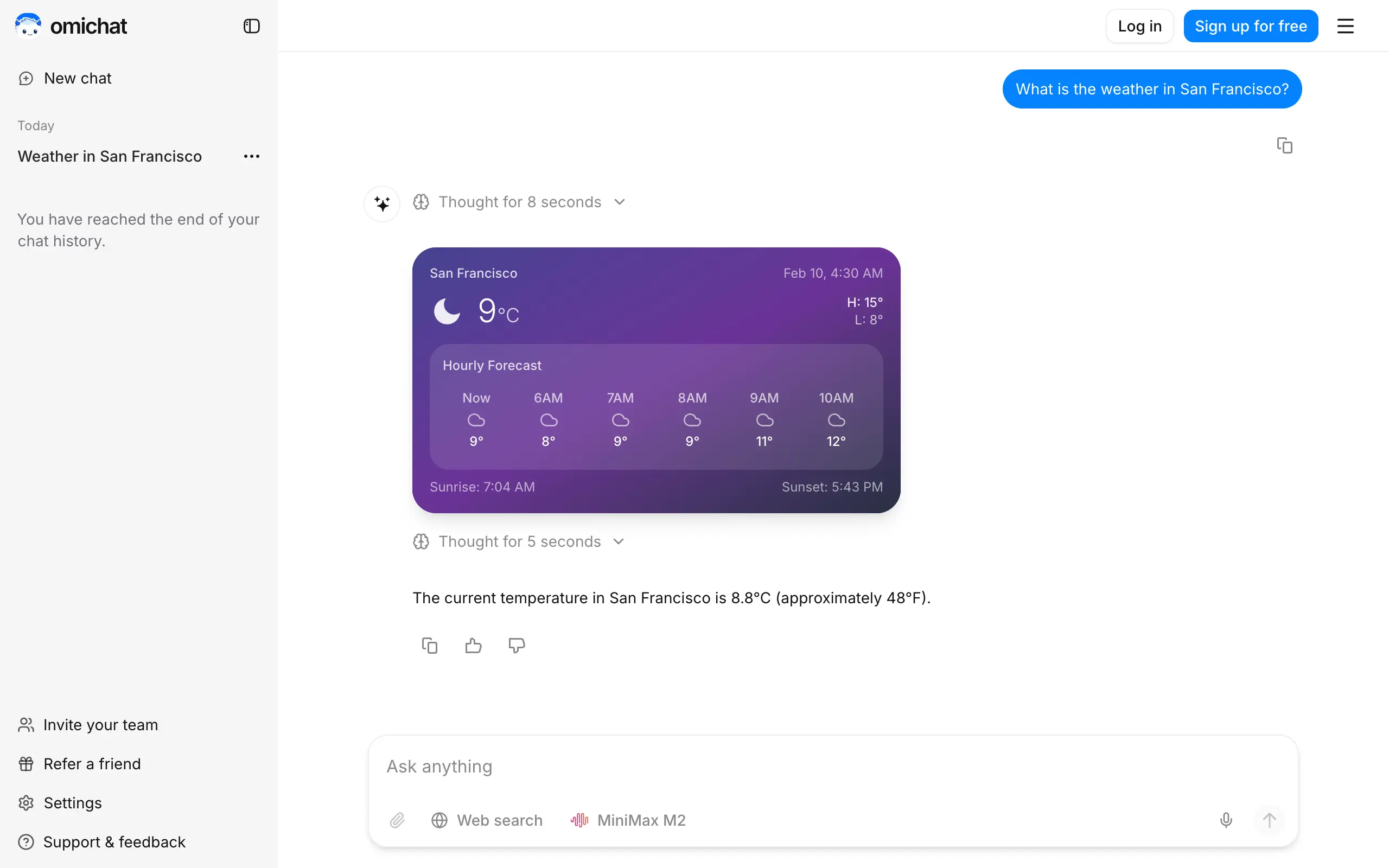
Omichat
Chat with 50+ AI models, including ChatGPT and Claude, in one place - switch models anytime without losing context 🤖
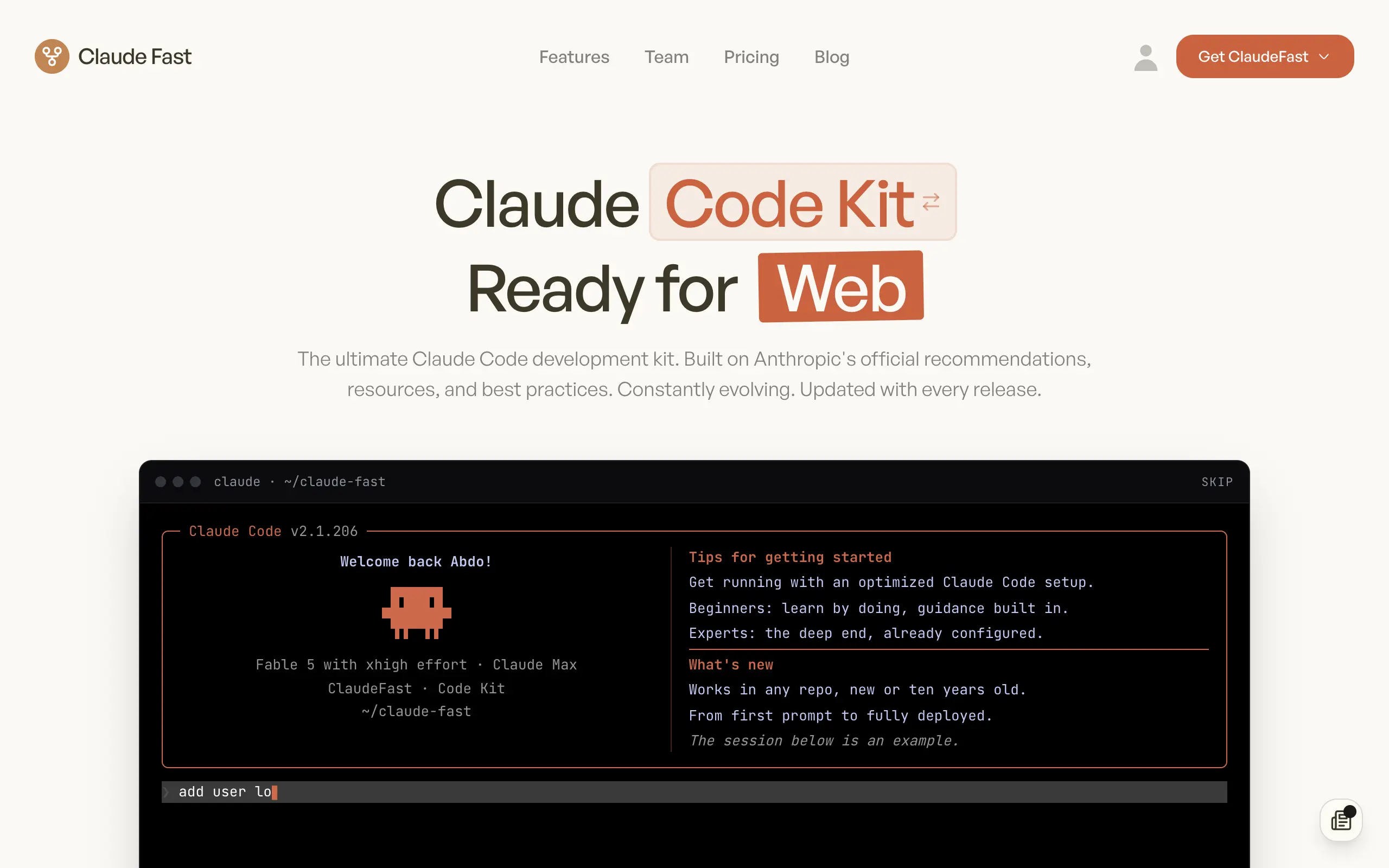
Claude Fast
Supercharge your Claude Code with 6x effective context window and specialized AI agents 🤖
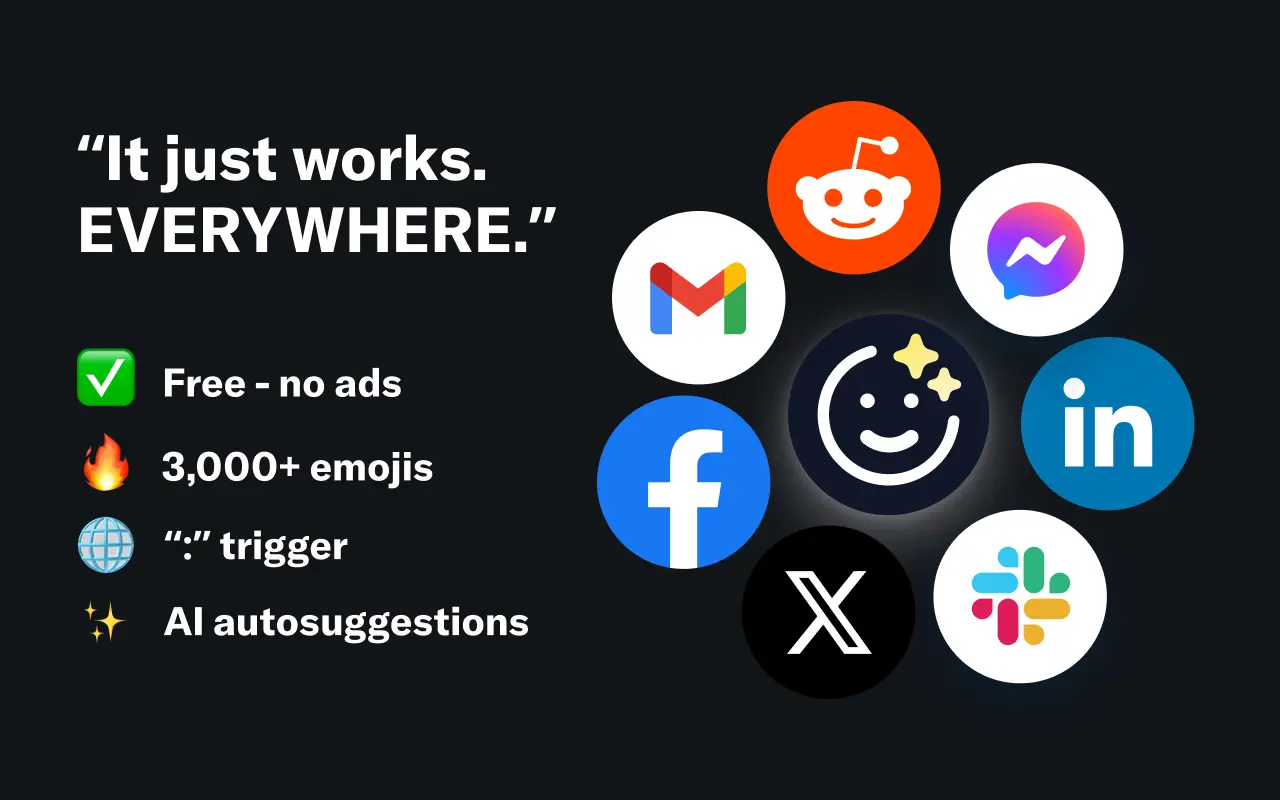
EmojAI
AI-powered emoji picker with smart, context-aware suggestions 🤖
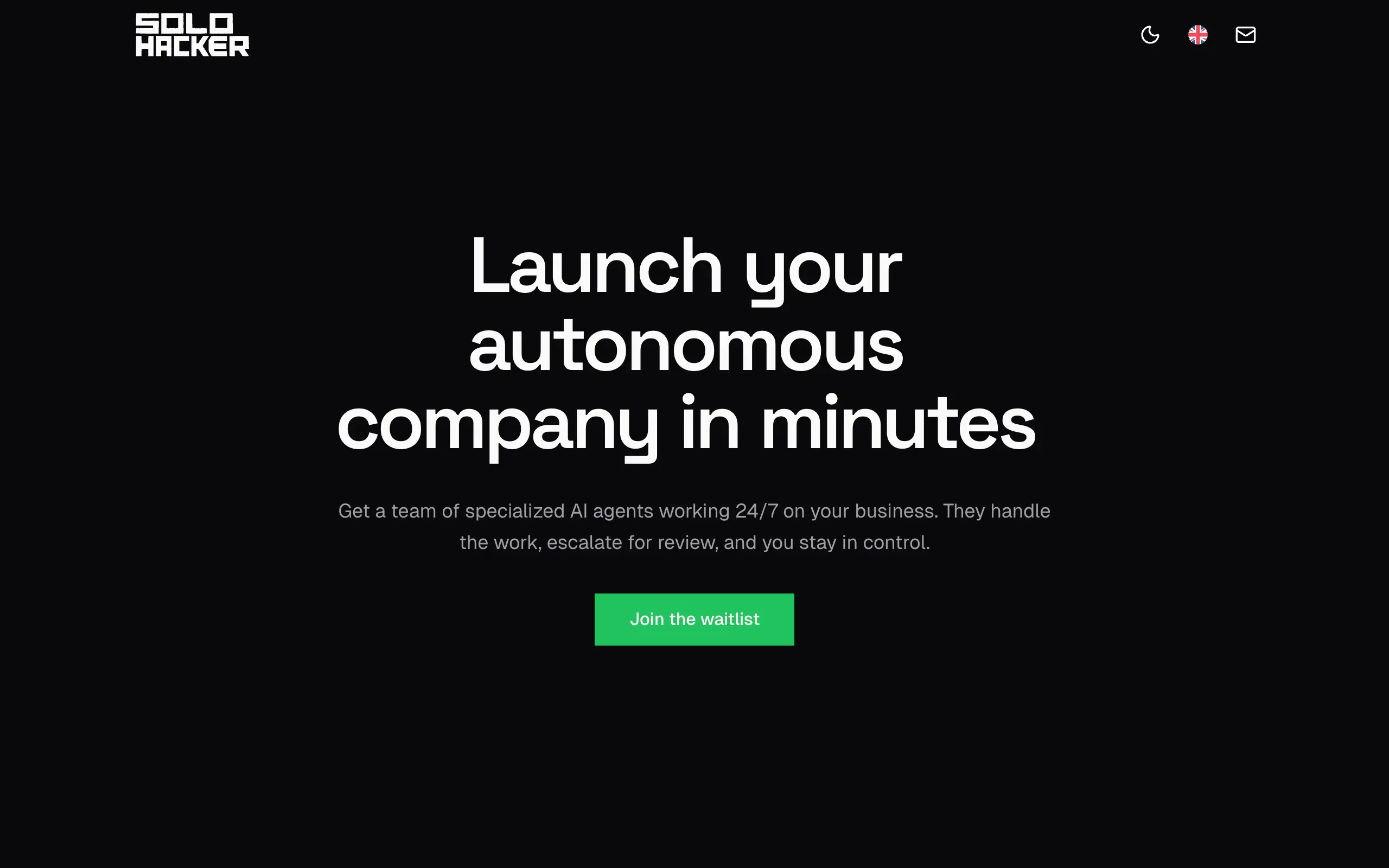
Solohacker
Autonomous company launcher - AI agents work 24/7, escalate what matters, and you stay in control 🤖
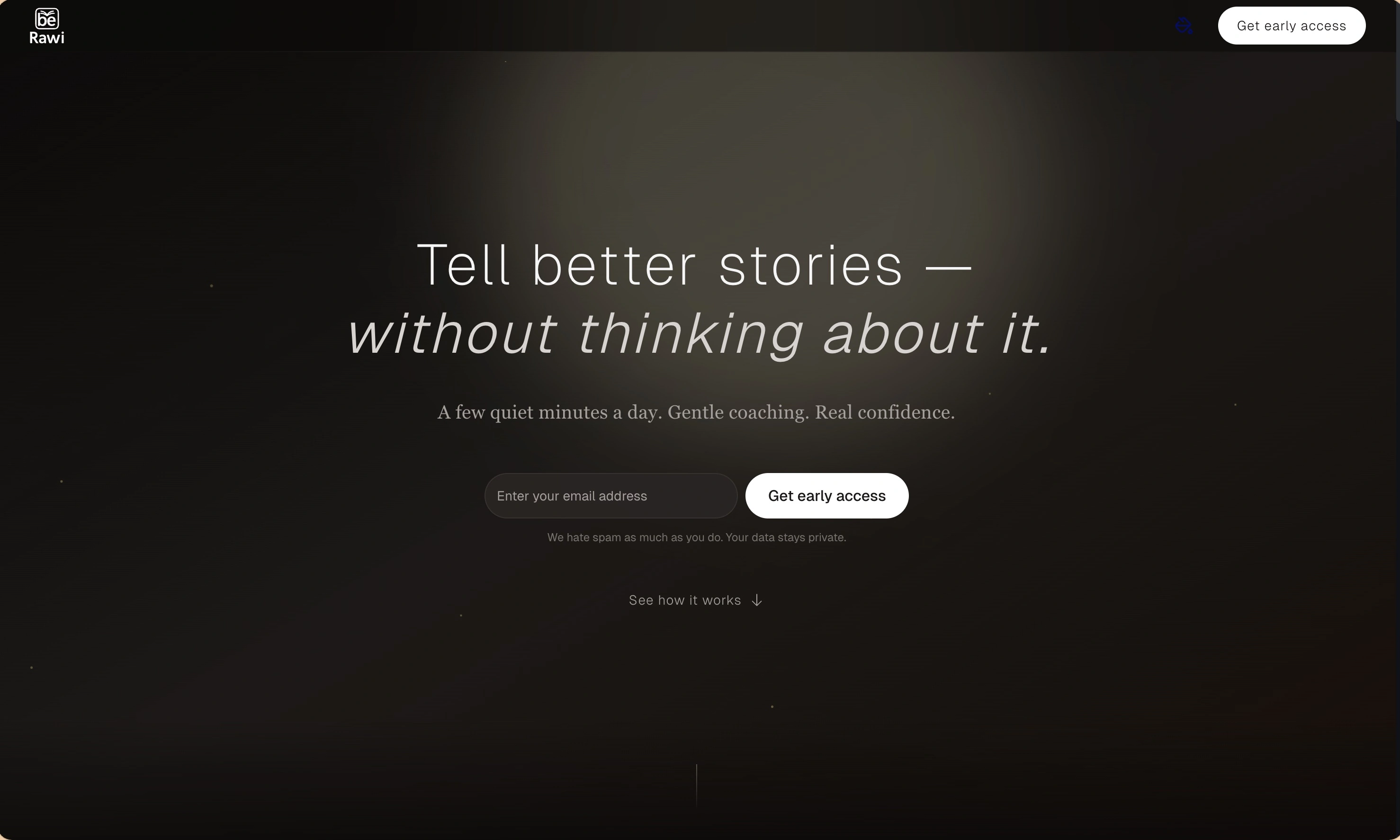
BeRawi: Storytelling Coach
Practice storytelling daily with instant feedback to sound clearer, more engaging, and confident 🎤
Omichat
Chat with 50+ AI models, including ChatGPT and Claude, in one place - switch models anytime without losing context 🤖
Claude Fast
Supercharge your Claude Code with 6x effective context window and specialized AI agents 🤖
EmojAI
AI-powered emoji picker with smart, context-aware suggestions 🤖
Solohacker
Autonomous company launcher - AI agents work 24/7, escalate what matters, and you stay in control 🤖
BeRawi: Storytelling Coach
Practice storytelling daily with instant feedback to sound clearer, more engaging, and confident 🎤
Omichat
Chat with 50+ AI models, including ChatGPT and Claude, in one place - switch models anytime without losing context 🤖
Claude Fast
Supercharge your Claude Code with 6x effective context window and specialized AI agents 🤖
EmojAI
AI-powered emoji picker with smart, context-aware suggestions 🤖
Solohacker
Autonomous company launcher - AI agents work 24/7, escalate what matters, and you stay in control 🤖
BeRawi: Storytelling Coach
Practice storytelling daily with instant feedback to sound clearer, more engaging, and confident 🎤
Omichat
Chat with 50+ AI models, including ChatGPT and Claude, in one place - switch models anytime without losing context 🤖
Claude Fast
Supercharge your Claude Code with 6x effective context window and specialized AI agents 🤖
EmojAI
AI-powered emoji picker with smart, context-aware suggestions 🤖
Solohacker
Autonomous company launcher - AI agents work 24/7, escalate what matters, and you stay in control 🤖
BeRawi: Storytelling Coach
Practice storytelling daily with instant feedback to sound clearer, more engaging, and confident 🎤

Connect with like-minded people
Join our community to get feedback, support, and grow together with 1,000+ builders on board, let's ship it!
Join usShip your startup everywhere. In minutes.
Don't burn tokens on setup and start building features on day one.