ScrapeShield
Monitor critical web data pipelines with AI-powered selector repair, anti-bot diagnosis, and source-change alerts for scraping teams.
Why AI web scraping monitoring has become essential
Web scraping systems rarely fail in obvious ways. A job can return HTTP 200 responses, complete on schedule, and still deliver incorrect, stale, partial, or structurally broken data. A price field may silently become null, an anti-bot challenge may return a consent page instead of product information, or a redesigned page may shift selectors while leaving the scraper technically “successful.”
This is the operational gap that ScrapeShield addresses. It is an AI web scraping monitoring platform designed for teams that depend on external web data for pricing intelligence, lead generation, marketplace analytics, SEO monitoring, research, fraud detection, or product catalog enrichment.
Instead of treating scraping reliability as a collection of logs, retries, and support tickets, ScrapeShield can turn it into an observable, measurable, and repairable data pipeline. Its core value proposition is simple:
Detect web data failures before they affect downstream decisions, identify the likely cause, and help teams recover faster with AI-assisted selector repair and anti-bot diagnosis.
For teams operating dozens, hundreds, or thousands of scrapers, the product is not merely a monitoring dashboard. It becomes a reliability layer between the unpredictable public web and the internal systems that rely on fresh, structured data.
The key shift
A scraper should not be considered healthy simply because it ran successfully. It is healthy only when it produces complete, accurate, timely, and policy-compliant data that matches the expected schema.
The target audience for ScrapeShield
ScrapeShield should focus on organizations that have already moved beyond occasional scripts and now operate web data extraction as a business-critical workflow. These users feel the cost of scraper failures directly, whether through lost revenue, inaccurate analytics, manual rework, or missed opportunities.
Web scraping teams and data engineering departments
The primary audience is internal scraping and data engineering teams that maintain a portfolio of crawlers, browser automations, API collectors, and parsing pipelines.
These teams commonly face issues such as:
- A website changes HTML structure and breaks extraction rules.
- A browser automation workflow starts receiving CAPTCHA or challenge pages.
- A proxy provider suffers regional routing failures.
- A required field is missing but the job still completes.
- A source begins rendering key content client-side.
- A data pipeline becomes slow enough to miss freshness targets.
- An upstream website changes its login, checkout, or search flow.
For this audience, ScrapeShield should offer operational visibility, anomaly detection, root-cause hints, repair workflows, and escalation paths.
E-commerce and competitive intelligence companies
Retail intelligence platforms, dynamic pricing vendors, and marketplace analytics tools rely on dependable product, inventory, seller, and price data. A silent scraper failure can lead to bad pricing recommendations, inaccurate stock reports, and customer-facing data quality incidents.
High-value use cases include:
- Product price monitoring
- Competitor assortment tracking
- Stock availability detection
- Marketplace seller analysis
- Promotional campaign tracking
- Product attribute enrichment
- Brand compliance monitoring
These customers value confidence scores, historical comparisons, source-level health reports, and alerts tied to high-priority domains or product categories.
Sales intelligence and lead generation platforms
Lead data providers need to extract and validate public company information, job listings, executive details, location data, and contact context. They often run scheduled data refreshes across large source lists.
Their biggest concern is not only whether a crawler executes. It is whether it continues to return usable records at the expected volume and quality.
ScrapeShield can help these teams monitor:
- Field completeness rates
- Record volume deviations
- Source availability
- Login and session failures
- Duplicate content patterns
- Unexpected content language or geography changes
- Stale source data
Agencies, research firms, and managed scraping providers
A scraping agency or managed web data service often has a unique challenge. It must prove reliability to clients while operating across a changing landscape of source websites.
ScrapeShield can become a client-facing operational layer by providing:
- Team and client workspaces
- Service-level reporting
- Source health dashboards
- Incident timelines
- Alert history
- Data freshness metrics
- Repair activity logs
This customer segment is especially attractive for a higher-tier plan because each account may manage multiple client projects and many monitored sources.
Best early adopters
Teams maintaining 20 or more recurring scrapers where a broken source creates real operational cost.
Strong buying trigger
A recent incident where bad scraped data reached customers, analytics, pricing logic, or a production database.
High-retention users
Data businesses that need continuous source health monitoring rather than one-time extraction.
The market gap in web scraping observability
The scraping ecosystem has mature tools for extraction, browser automation, proxies, queues, and data storage. Teams can use frameworks such as Scrapy, Playwright, and Puppeteer to collect data. They can deploy workers through cloud infrastructure and send logs to conventional observability platforms.
However, conventional application monitoring does not fully solve web data reliability.
An infrastructure monitoring tool can tell a team that CPU usage rose, a request timed out, or an endpoint returned a 403 status. It cannot reliably tell the team that the page content is a challenge screen, a consent modal replaced the product page, the price selector is targeting an outdated element, or the extracted product titles suddenly dropped by 68 percent.
This creates a major opportunity for a specialized AI web scraping monitoring product.
Existing tools usually monitor technical execution, not data correctness
Most generic observability platforms focus on application performance metrics:
- Request duration
- Error rates
- Queue depth
- Memory use
- CPU load
- Container failures
- HTTP status codes
Those indicators matter, but scraper health needs another layer of monitoring:
- Schema conformity
- Field-level completeness
- Content similarity
- Extraction confidence
- Expected record volume
- Page template changes
- Source freshness
- Anti-bot challenge detection
- Selector durability
- Cross-run data anomalies
ScrapeShield should own this category by describing itself as data observability for web scraping pipelines.
AI makes diagnosis more useful than basic alerts
A simple alert stating “job failed” is not enough for a team operating at scale. The real time sink is diagnosis. Engineers need to know whether they should update a selector, rotate a session, inspect proxy behavior, change browser fingerprinting, wait for a source outage to clear, or investigate a downstream parser issue.
AI can provide meaningful assistance when it is grounded in source snapshots, extraction schemas, historical runs, request metadata, browser artifacts, and prior incidents.
For example, instead of reporting a vague error, ScrapeShield could provide a diagnosis such as:
The product-title extraction rate fell from 99.2 percent to 12.4 percent after a page template change. The old selector now matches navigation labels rather than product cards. A candidate selector was found in the latest DOM snapshot and can be tested against 30 sampled pages.
That is a substantially more actionable outcome than raw logs.
ScrapeShield’s unique selling proposition
ScrapeShield should differentiate itself from scraper frameworks, proxy tools, and generic monitoring platforms with a clear positioning statement:
ScrapeShield is the AI reliability layer for web data pipelines, automatically detecting source changes, diagnosing anti-bot failures, and proposing safe selector repairs before bad data spreads downstream.
The product should not attempt to replace every scraper framework. Instead, it should integrate with the existing extraction stack and become the control plane for reliability.
What makes the product defensible
The strongest long-term moat is not simply an alerting interface. It is the structured intelligence created from repeated observation of source behavior.
Over time, ScrapeShield can build a valuable internal model around:
- Historical source page structures
- Selector performance trends
- Content signatures
- Source-specific failure patterns
- Anti-bot response fingerprints
- Successful repair outcomes
- Extraction schema changes
- Source volatility scores
- Team-approved remediation workflows
This gives the platform a compounding advantage. Each monitored pipeline improves the ability to classify, diagnose, and prioritize future failures.
The ideal product promise
A strong homepage promise could be:
Know when your scraped data changes, understand why it changed, and recover before your customers notice.
That message addresses the main buyer anxiety. Teams do not only fear downtime. They fear silent data corruption.
Core features for an AI web scraping monitoring platform
The first version of ScrapeShield should prioritize the workflows that reduce incident detection and recovery time. The goal is to help users move from discovery to resolution without switching between logs, browser recordings, parser code, and team chat.
Source health monitoring and scraper status dashboards
The dashboard should give users a concise but meaningful view of all monitored sources. It should not merely show whether jobs passed or failed.
Each monitored source can include:
- Source name and domain
- Environment and scraper version
- Last successful extraction time
- Data freshness status
- Expected versus actual record count
- Schema health score
- Field completeness score
- Error and retry rate
- Anti-bot risk signal
- Last detected source change
- Open incident status
A visual health score can be useful, but it must be explainable. Users should be able to click into a score and see which signals caused it to decline.
AI-powered selector repair
Selector breakage is one of the most common and expensive maintenance problems in web scraping. An effective selector repair workflow can be a central product feature.
The process should work like this:
- The system identifies a field whose extraction rate dropped below a defined threshold.
- It compares current HTML and rendered DOM output against historical snapshots.
- It identifies candidate elements based on text proximity, semantic role, repeated layout patterns, attributes, and visual position.
- It generates one or more suggested selectors.
- It tests candidates across a representative page sample.
- It presents confidence, expected coverage, and potential false-match risk.
- A user approves the change or exports it to the scraper repository.
The product should avoid marketing this as fully autonomous at launch. In data-critical environments, human review is often necessary. The better promise is AI-assisted repair with evidence and validation.
ScrapeShield detects a broken field, suggests a selector, validates it against recent page snapshots, and lets an engineer approve the repair before deployment.
ScrapeShield opens a pull request or sends a configuration update to an approved staging environment, runs regression tests, and promotes the repair only when policy checks pass.
Anti-bot and challenge page diagnosis
A 200 response does not guarantee that a scraper accessed the intended content. Anti-bot systems can return CAPTCHA pages, JavaScript challenges, access-denied templates, login walls, interstitial pages, or misleading empty-state responses.
ScrapeShield should classify these events using several signals:
- Response body fingerprints
- Title and meta tag changes
- Screenshot analysis
- DOM structure changes
- Known challenge language
- Redirect behavior
- Cookie and session patterns
- Browser console errors
- HTTP headers
- Geographic and proxy-related variance
The product should report probable failure categories, such as:
- CAPTCHA challenge detected
- Rate-limit response suspected
- Session expiration likely
- Consent wall detected
- Login workflow changed
- Bot mitigation provider identified
- Source temporarily unavailable
- JavaScript rendering failure suspected
This diagnosis should be framed as technical observability and operational response support. ScrapeShield should encourage customers to follow source terms, applicable laws, and their own compliance policies.
Source-change alerts and DOM diffing
A source website can change in ways that matter long before a scraper produces a visible error. A product card could add a new wrapper element, a search results page could change pagination behavior, or a data field could move into a script payload.
ScrapeShield should capture versioned snapshots and present changes in a way that helps engineers understand impact.
Useful source-change monitoring features include:
- DOM structure diffing
- Screenshot comparisons
- Text content changes
- Page template classification
- Attribute changes around monitored selectors
- Structured data changes in JSON-LD
- Script payload changes
- Field-level extraction impact analysis
- Change severity scoring
A source change should not trigger noisy alerts every time a page updates. The platform needs intelligent filtering that distinguishes normal content churn from structural changes that threaten extraction reliability.
Data quality anomaly detection
A mature web scraping monitoring platform should validate output data, not just page retrieval.
Users should be able to define checks such as:
- Price must be a valid positive number.
- Product title must not be empty.
- SKU coverage must remain above a threshold.
- Record volume should remain within an expected range.
- Currency should match the monitored market.
- Publication dates should not be in the future.
- Category values should match an allowed set.
- Null rate should not increase unexpectedly.
- Duplicate rate should remain below a defined threshold.
AI can complement rules by detecting unusual distributions. For example, if a retailer normally has prices between $10 and $1,500 and a run suddenly outputs $0.01 across thousands of products, ScrapeShield should flag this even if the scraper technically completed.
Incident workflows and collaboration
Monitoring only delivers value when it shortens recovery time. ScrapeShield should support a practical incident workflow with ownership, evidence, and resolution history.
Each incident should include:
- Severity level
- Affected sources and fields
- Detection timestamp
- Likely cause
- Relevant run logs
- HTML, DOM, and screenshot artifacts
- Suggested remediation
- Assigned owner
- Resolution status
- Post-incident notes
Integrations with Slack, email, webhooks, and issue trackers should be part of the roadmap. For enterprise users, audit trails and role-based access control will become essential.
Recommended technical architecture for ScrapeShield
ScrapeShield needs to handle high-volume event ingestion while maintaining enough raw evidence to diagnose failures. The system should be designed around asynchronous processing, flexible schema handling, and careful data retention controls.
A practical SaaS stack
A strong implementation can use Next.js for the application layer, React for interactive interfaces, and Tailwind CSS for a fast, maintainable design system.
For a modern SaaS foundation, TurboStarter can reduce setup time by providing production-oriented application scaffolding for authentication, billing, database patterns, and team workflows.
A recommended stack could include:
| Layer | Recommended option | Why it fits | Trade-off | Priority |
|---|---|---|---|---|
| Frontend | Next.js and React | Strong SaaS UX and server rendering | Requires disciplined state handling | High |
| Database | PostgreSQL | Reliable relational data and JSON support | Large artifacts need separate storage | High |
| Queue | Redis-backed jobs or managed queue | Asynchronous analysis and alerting | Operational complexity at scale | High |
| Artifact storage | S3-compatible object storage | Low-cost HTML, screenshots, and traces | Retention policies are necessary | High |
| AI analysis | LLM plus deterministic validators | Useful diagnosis and repair suggestions | Must control cost and hallucinations | High |
Ingestion should be SDK-first
The lowest-friction way to integrate ScrapeShield is through lightweight SDKs and a generic event API. Users should be able to instrument a scraper in a few lines.
The event model can capture:
- Job ID
- Source ID
- URL
- Timestamp
- Response status
- Response headers
- Extraction schema version
- Extracted record counts
- Field completeness metrics
- Selector metadata
- Browser screenshot URL
- HTML snapshot reference
- Error details
- Proxy and region metadata
- Runtime duration
A TypeScript SDK integration may look like this:
await scrapeShield.reportRun({
  sourceId: "competitor-products-us",
  url: page.url(),
  status: "success",
  recordsExtracted: products.length,
  fields: {
    title: products.filter((item) => item.title).length,
    price: products.filter((item) => item.price).length,
    availability: products.filter((item) => item.availability).length,
  },
  artifacts: {
    screenshot: screenshotUrl,
    htmlSnapshot: htmlSnapshotUrl,
  },
});
The platform should provide SDKs for JavaScript and Python first because those ecosystems cover a large share of browser automation and scraping workloads.
Combine AI with deterministic checks
An important product principle is that AI should not be the sole decision-maker for pipeline health. Deterministic checks provide reliable guardrails, while AI adds contextual reasoning.
Use deterministic systems for:
- Schema validation
- Threshold alerts
- Required fields
- Numeric ranges
- Expected record count
- Known challenge fingerprints
- Source allowlists
- Retention controls
- Policy enforcement
Use AI for:
- Explaining anomaly patterns
- Summarizing DOM changes
- Proposing selector candidates
- Clustering related incidents
- Prioritizing likely root causes
- Generating incident summaries
- Suggesting test cases
This hybrid architecture improves user trust and keeps AI usage economically sustainable.
Avoid autonomous production changes by default
Selector recommendations can be highly useful, but a wrong repair can quietly introduce bad matches. Start with approval workflows, confidence thresholds, and sample-based validation before enabling automated deployment.
Monetization strategies for ScrapeShield
The best pricing model should align with the ongoing value delivered by monitoring. Since customers receive continuous health analysis, recurring usage-based SaaS pricing is a natural fit.
Tiered plans based on monitored source volume
A straightforward entry model can include plans based on active monitored sources, monthly runs, artifact retention, and team seats.
Possible tiers include:
- "Starter": for small teams monitoring a limited number of sources
- "Growth": for teams managing many recurring pipelines and needing Slack alerts
- "Scale": for high-volume data operations with advanced anomaly detection
- "Enterprise": for custom retention, SSO, private networking, and priority support
The value metric should be easy to understand. Monitored sources is often more intuitive than raw events, while run volume can act as a fair usage limit.
Usage-based charges for AI analysis
AI-powered selector repair, screenshot analysis, and long-context incident diagnosis may create meaningful variable costs. Rather than burying these costs in every plan, ScrapeShield can include a monthly analysis allowance and charge for additional usage.
This approach offers two advantages:
- Customers can try AI features without procurement friction.
- High-volume users help fund their own compute consumption.
Be transparent about what counts as an AI analysis unit. Ambiguous pricing reduces trust.
Premium enterprise capabilities
Enterprise plans can justify higher annual contracts with capabilities that solve governance and workflow problems:
- Single sign-on
- Role-based access control
- Audit logs
- Custom data retention
- Private cloud or dedicated deployment options
- Bring-your-own storage
- Custom alert routing
- Source compliance controls
- Service-level agreements
- Dedicated solutions support
- Historical source intelligence exports
For larger customers, the ROI narrative should focus on reduced maintenance hours, fewer data quality incidents, faster source recovery, and improved confidence in downstream decisions.
Competitive advantage and positioning strategy
ScrapeShield operates near several adjacent categories, including scraping frameworks, managed scraping APIs, proxy networks, browser automation tools, data observability products, and application monitoring platforms.
Its competitive advantage comes from being specialized at the intersection of web extraction and data reliability.
How ScrapeShield differs from scraper frameworks
Frameworks help teams build and run scrapers. ScrapeShield helps them understand whether those scrapers continue to produce trustworthy data.
A framework may provide retries and error handling. ScrapeShield provides source intelligence, field-level monitoring, page change detection, and remediation assistance.
How ScrapeShield differs from proxy and anti-bot providers
Proxy vendors and browser infrastructure providers help customers access websites reliably. They generally do not own the full data-quality monitoring loop after access is achieved.
ScrapeShield can integrate with those providers while remaining vendor-neutral. It should diagnose patterns across proxies, sessions, regions, and browser configurations without forcing users to switch their existing infrastructure.
How ScrapeShield differs from generic data observability tools
Data observability platforms are valuable once data reaches warehouses and analytics systems. But scraper failures often need to be diagnosed much earlier, at the page, browser, selector, and source level.
ScrapeShield can monitor the unique artifacts that generic data observability typically lacks:
- Raw HTML
- Rendered DOM
- Browser screenshots
- Selector definitions
- Request traces
- Challenge page fingerprints
- Source template history
- Extraction-level field metrics
That source-aware context is the core differentiation.
Risks and mitigation strategies
A strong SaaS strategy needs to confront the difficult parts of the market. ScrapeShield can be valuable, but it must earn trust through technical accuracy, careful positioning, and disciplined product scope.
Risk of inaccurate AI recommendations
An LLM may propose a selector that looks plausible but extracts the wrong data, especially on pages with repeated components or inconsistent templates.
Mitigation should include:
- Confidence scores
- Sample-page validation
- Side-by-side old and new extraction previews
- Human approval workflows
- Rollback support
- Automated regression tests
- Field-specific precision checks
Risk of handling sensitive scraped content
Customers may send HTML, screenshots, or extracted records that contain personal information, account details, or confidential business data.
Mitigation should include:
- Encryption in transit and at rest
- Configurable artifact redaction
- Short default retention periods
- Regional storage options where feasible
- Strict tenant isolation
- Access logging
- Clear data processing terms
- Customer-controlled deletion tools
Risk of excessive alert noise
If users receive alerts for every minor markup change, they will quickly ignore the platform.
Mitigation should include:
- Severity scoring
- Baselines by source
- Deduplication
- Alert grouping
- Maintenance windows
- Field and source criticality settings
- Escalation policies
- Feedback controls for marking expected changes
Risk of broad and unclear product scope
Trying to build a scraper framework, proxy network, browser cloud, ETL tool, and observability platform at once would dilute the product.
Mitigation is to remain focused on the reliability layer. The MVP should integrate with existing stacks rather than replace them.
A practical MVP roadmap for ScrapeShield
The first release should solve a painful, measurable problem for a narrow group of users. The strongest initial wedge is likely selector breakage and silent data quality failure detection for teams using Playwright, Puppeteer, Scrapy, or custom browser automation.
What to validate before building deeply
Before investing heavily in advanced AI repair automation, validate these questions with design partners:
- Which failure type costs the most time today?
- How do teams currently detect silent data quality issues?
- What evidence do engineers need before trusting a suggested repair?
- Would users install an SDK, send webhooks, or prefer a proxy-based integration?
- Which metric best reflects value for pricing?
- How long do teams need to retain HTML, screenshots, and run artifacts?
- Which alert destinations are mandatory for adoption?
The answers will help determine whether selector repair, anti-bot diagnosis, or data quality monitoring should lead the product narrative.
Final takeaways for building ScrapeShield
ScrapeShield has a credible opportunity because web scraping has evolved from a collection of scripts into business-critical infrastructure. As more companies use external web data for decisions and customer-facing products, scraper reliability becomes a material operational concern.
The strongest version of ScrapeShield is not a generic AI dashboard. It is a focused web data observability platform that helps teams answer four urgent questions:
- Is this source still producing usable data?
- What changed?
- Why did it change?
- What is the safest path to recovery?
Start with clear health monitoring, field-level data quality checks, source-change detection, and evidence-rich incident workflows. Then layer in AI where it meaningfully reduces diagnosis and repair time. By keeping humans in control of high-impact changes, ScrapeShield can build the trust required for data teams to depend on it every day.
More 🤖 AI Startup SaaS ideas
Discover more innovative ai startup SaaS ideas that are trending in 2026. Each idea is AI-generated with market validation and growth potential to help you find your next profitable venture faster than competitors.
Your competitors are building with TurboStarter
Below are some of the SaaS ideas that have been generated and built with our starter kit.
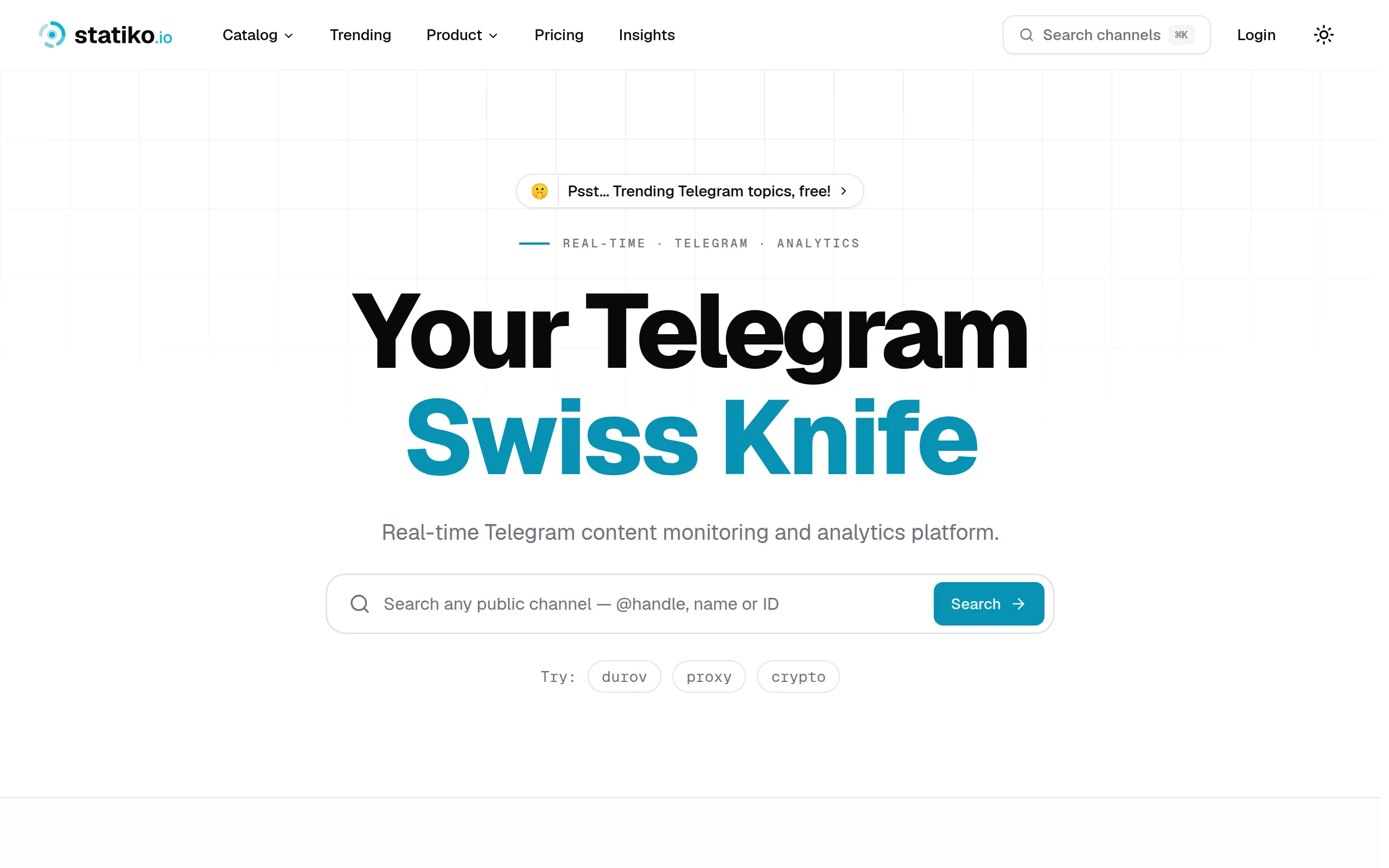
Statiko
Monitor any Telegram channel in real time - track posts, edits, deletions, and growth with AI recaps 📡

Shibui
AI website builder - describe your business, pick a niche template, edit by chatting, and publish instantly ✨

Pro Service
Find verified home service professionals, compare quotes, and pay securely through escrow - built for Brazilians across the US 🏠
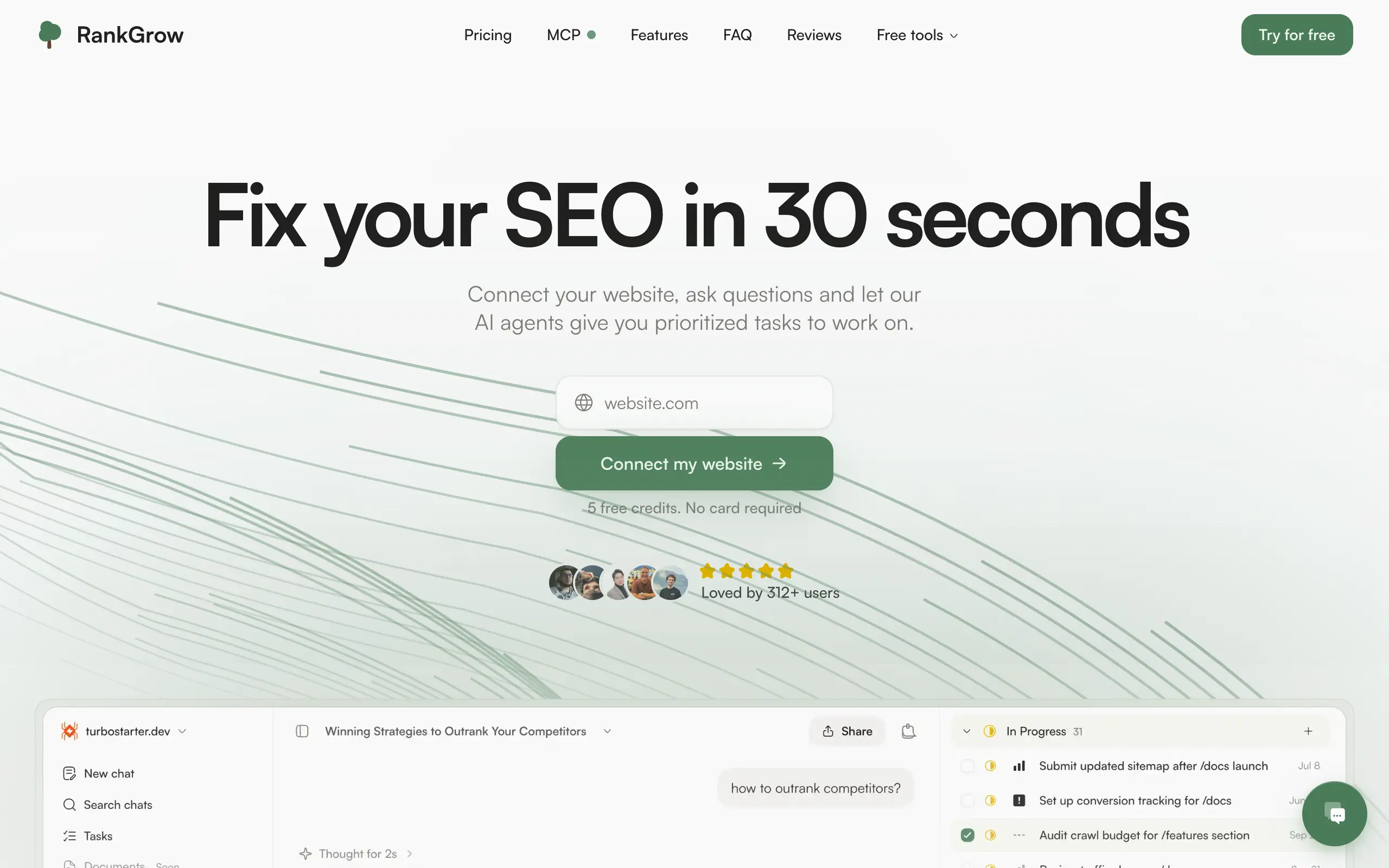
RankGrow
Fix your SEO with AI agents - connect Search Console, get prioritized tasks, and grow organic traffic 📈
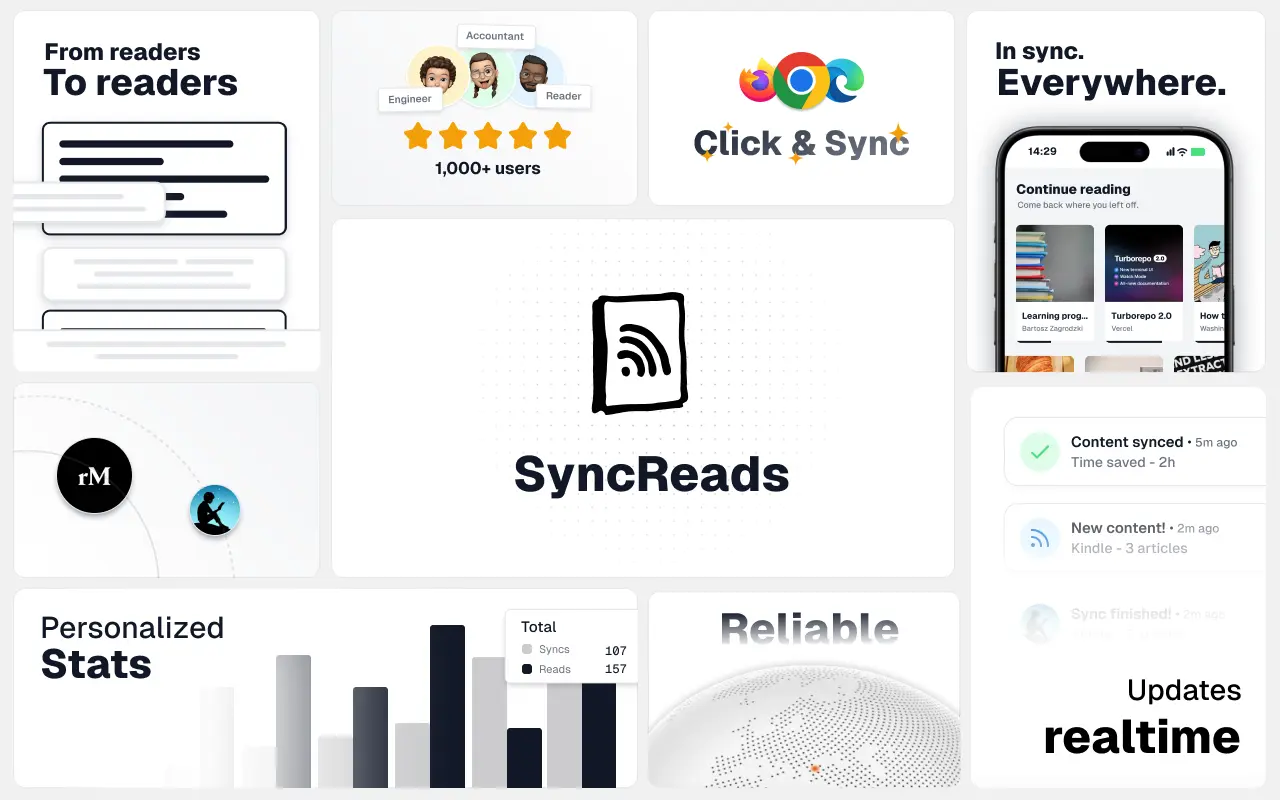
SyncReads
Sync your favorite content for distraction-free reading, save time and replace multiple apps. Anytime, anywhere 🔄
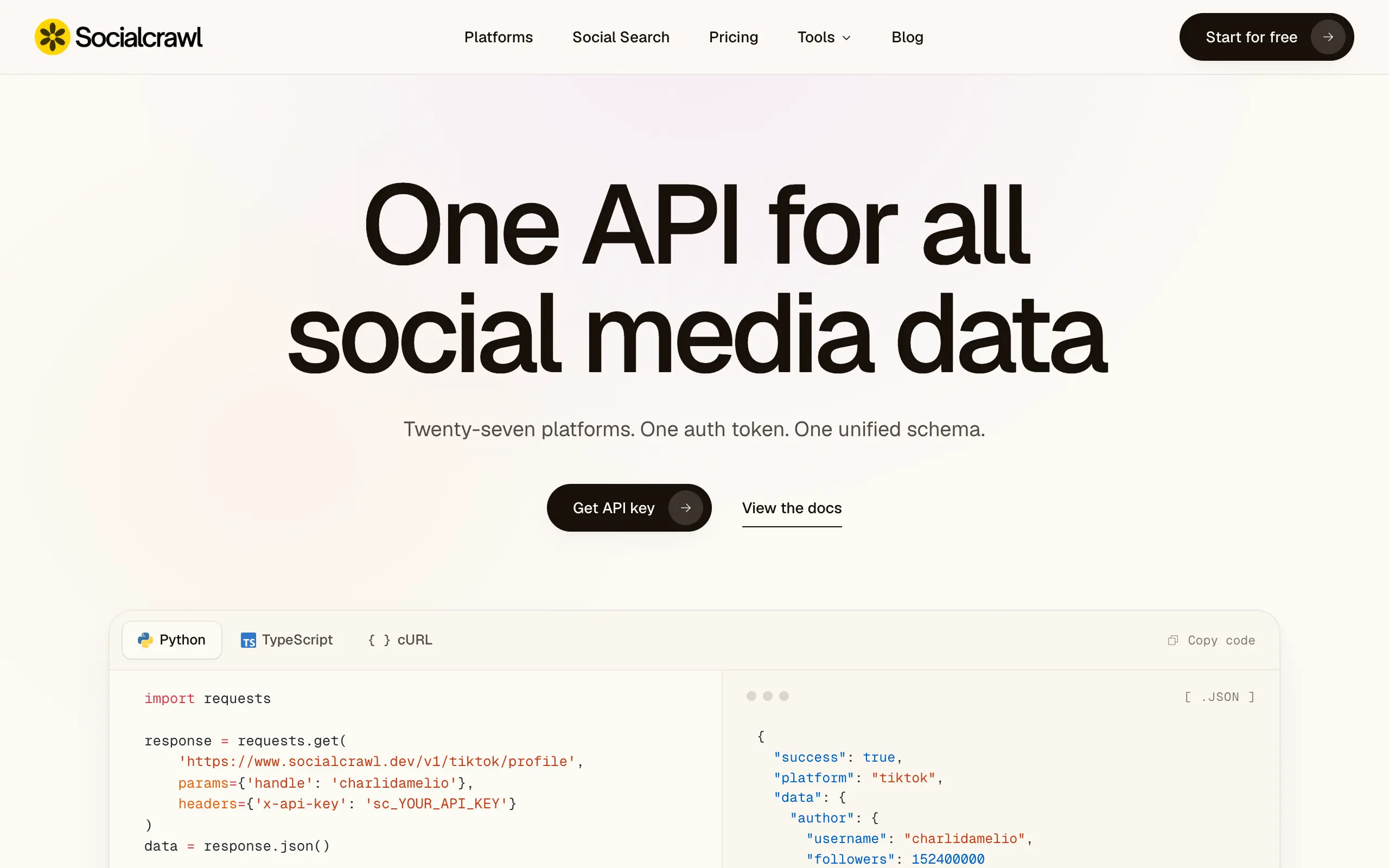
Socialcrawl
Get clean, structured data from 21 platforms like TikTok, Instagram, and YouTube with a single request 📊
Statiko
Monitor any Telegram channel in real time - track posts, edits, deletions, and growth with AI recaps 📡
Shibui
AI website builder - describe your business, pick a niche template, edit by chatting, and publish instantly ✨
Pro Service
Find verified home service professionals, compare quotes, and pay securely through escrow - built for Brazilians across the US 🏠
RankGrow
Fix your SEO with AI agents - connect Search Console, get prioritized tasks, and grow organic traffic 📈
SyncReads
Sync your favorite content for distraction-free reading, save time and replace multiple apps. Anytime, anywhere 🔄
Socialcrawl
Get clean, structured data from 21 platforms like TikTok, Instagram, and YouTube with a single request 📊
Statiko
Monitor any Telegram channel in real time - track posts, edits, deletions, and growth with AI recaps 📡
Shibui
AI website builder - describe your business, pick a niche template, edit by chatting, and publish instantly ✨
Pro Service
Find verified home service professionals, compare quotes, and pay securely through escrow - built for Brazilians across the US 🏠
RankGrow
Fix your SEO with AI agents - connect Search Console, get prioritized tasks, and grow organic traffic 📈
SyncReads
Sync your favorite content for distraction-free reading, save time and replace multiple apps. Anytime, anywhere 🔄
Socialcrawl
Get clean, structured data from 21 platforms like TikTok, Instagram, and YouTube with a single request 📊
Statiko
Monitor any Telegram channel in real time - track posts, edits, deletions, and growth with AI recaps 📡
Shibui
AI website builder - describe your business, pick a niche template, edit by chatting, and publish instantly ✨
Pro Service
Find verified home service professionals, compare quotes, and pay securely through escrow - built for Brazilians across the US 🏠
RankGrow
Fix your SEO with AI agents - connect Search Console, get prioritized tasks, and grow organic traffic 📈
SyncReads
Sync your favorite content for distraction-free reading, save time and replace multiple apps. Anytime, anywhere 🔄
Socialcrawl
Get clean, structured data from 21 platforms like TikTok, Instagram, and YouTube with a single request 📊
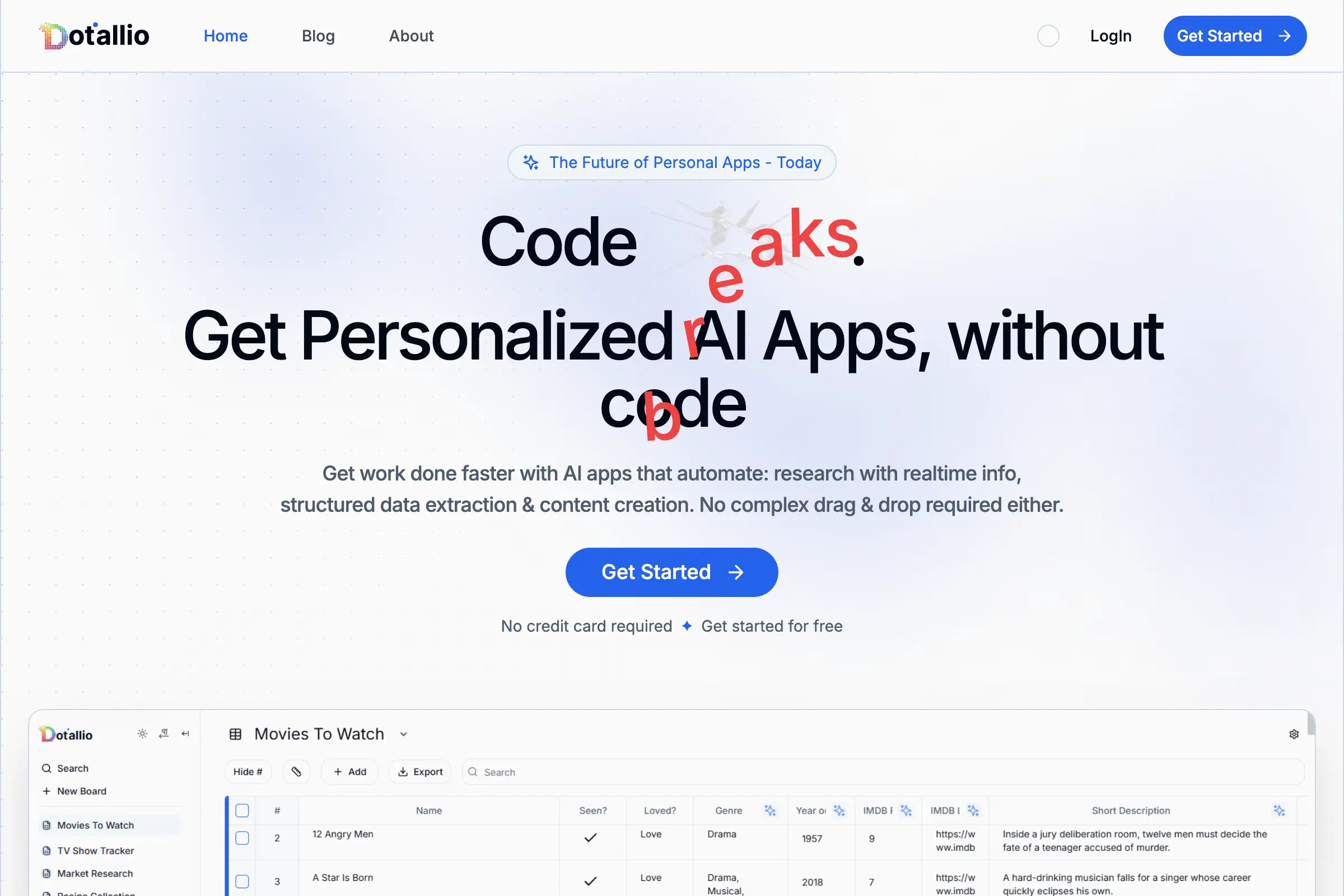
Dotallio
Personalized AI apps that automate research, data extraction, and content creation without code 🤖

Talk to Santa
Enjoy a magical live video chat or receive a unique AI-generated video greeting from Santa Claus 🎅

pozywka.pl
Scalable blog for food journalist, focused on performance and user experience 🌭
zagrodzki.me
Personal blog and portfolio of Bart Zagrodzki, where he shares his knowledge and work 💼
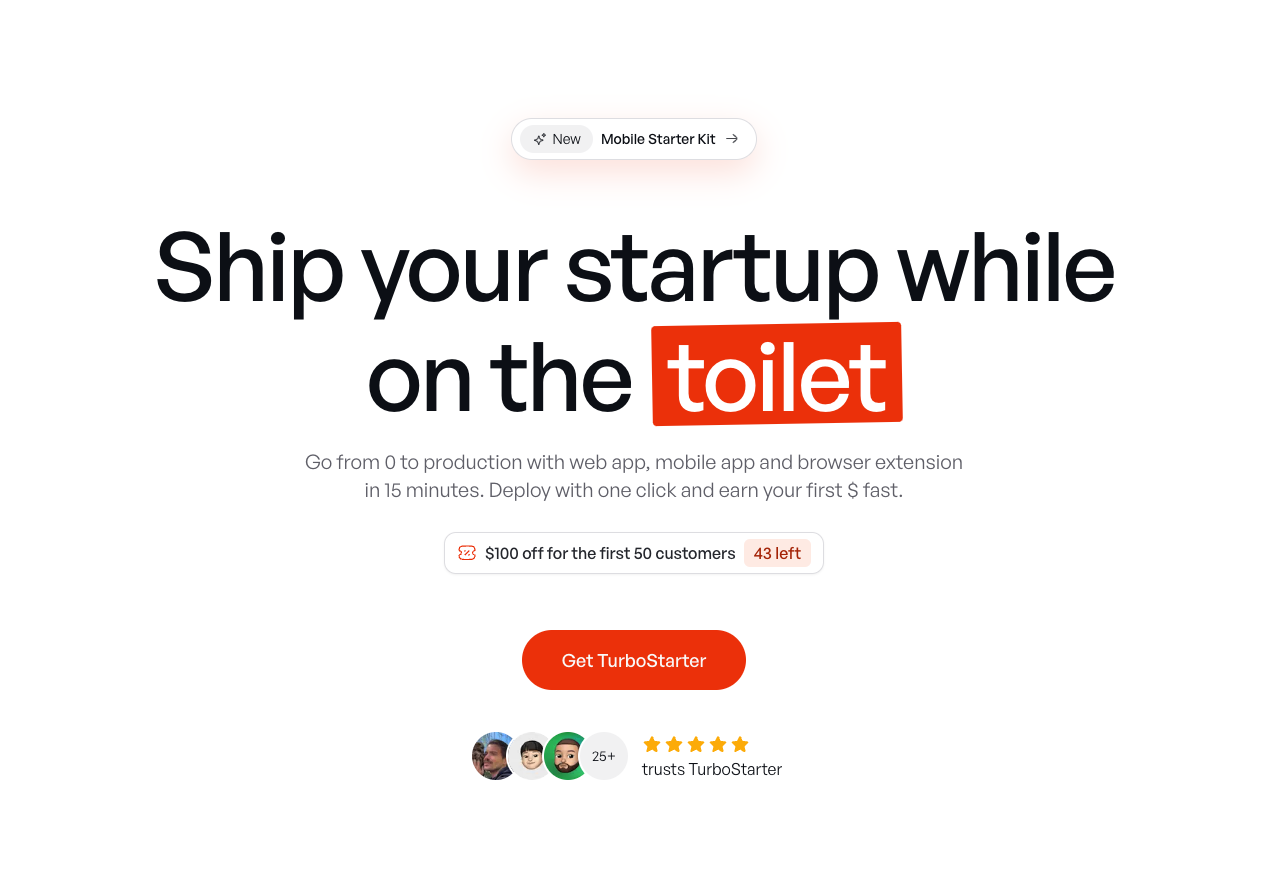
TurboStarter
Ship your startup everywhere. In minutes.
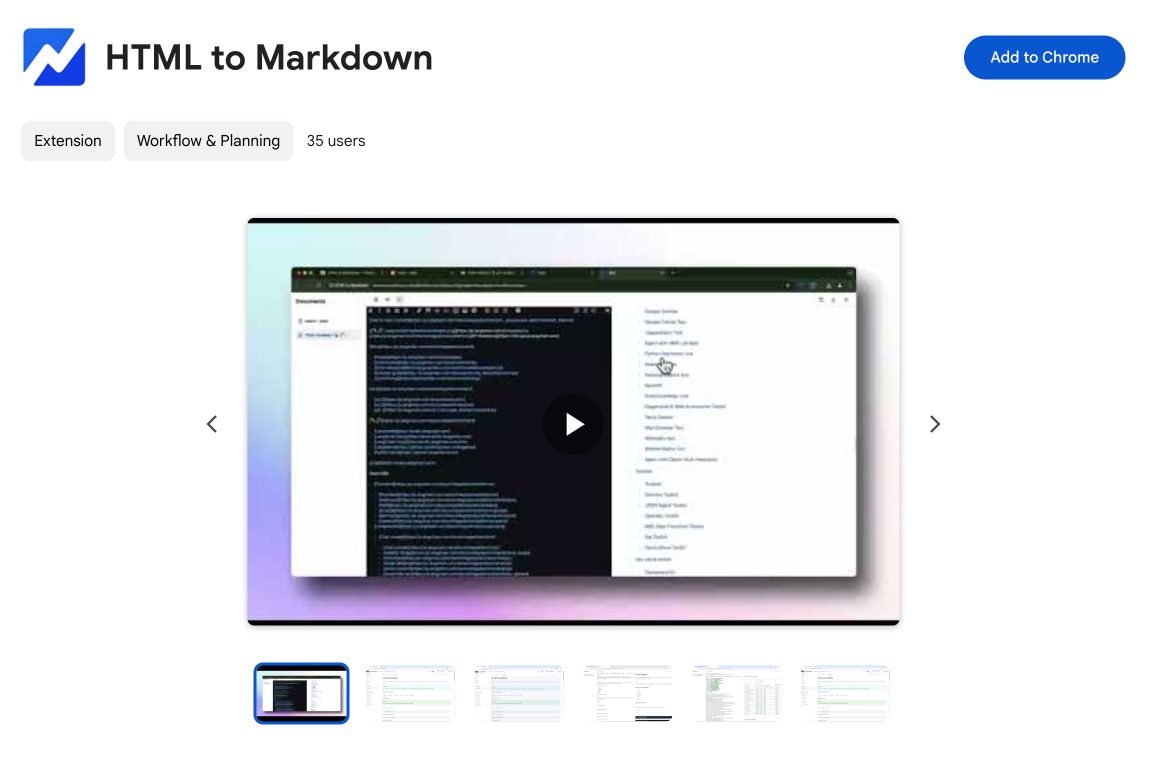
HTML to Markdown
Convert HTML to Markdown with ease, directly in your browser 📄
Dotallio
Personalized AI apps that automate research, data extraction, and content creation without code 🤖
Talk to Santa
Enjoy a magical live video chat or receive a unique AI-generated video greeting from Santa Claus 🎅
pozywka.pl
Scalable blog for food journalist, focused on performance and user experience 🌭
zagrodzki.me
Personal blog and portfolio of Bart Zagrodzki, where he shares his knowledge and work 💼
TurboStarter
Ship your startup everywhere. In minutes.
HTML to Markdown
Convert HTML to Markdown with ease, directly in your browser 📄
Dotallio
Personalized AI apps that automate research, data extraction, and content creation without code 🤖
Talk to Santa
Enjoy a magical live video chat or receive a unique AI-generated video greeting from Santa Claus 🎅
pozywka.pl
Scalable blog for food journalist, focused on performance and user experience 🌭
zagrodzki.me
Personal blog and portfolio of Bart Zagrodzki, where he shares his knowledge and work 💼
TurboStarter
Ship your startup everywhere. In minutes.
HTML to Markdown
Convert HTML to Markdown with ease, directly in your browser 📄
Dotallio
Personalized AI apps that automate research, data extraction, and content creation without code 🤖
Talk to Santa
Enjoy a magical live video chat or receive a unique AI-generated video greeting from Santa Claus 🎅
pozywka.pl
Scalable blog for food journalist, focused on performance and user experience 🌭
zagrodzki.me
Personal blog and portfolio of Bart Zagrodzki, where he shares his knowledge and work 💼
TurboStarter
Ship your startup everywhere. In minutes.
HTML to Markdown
Convert HTML to Markdown with ease, directly in your browser 📄
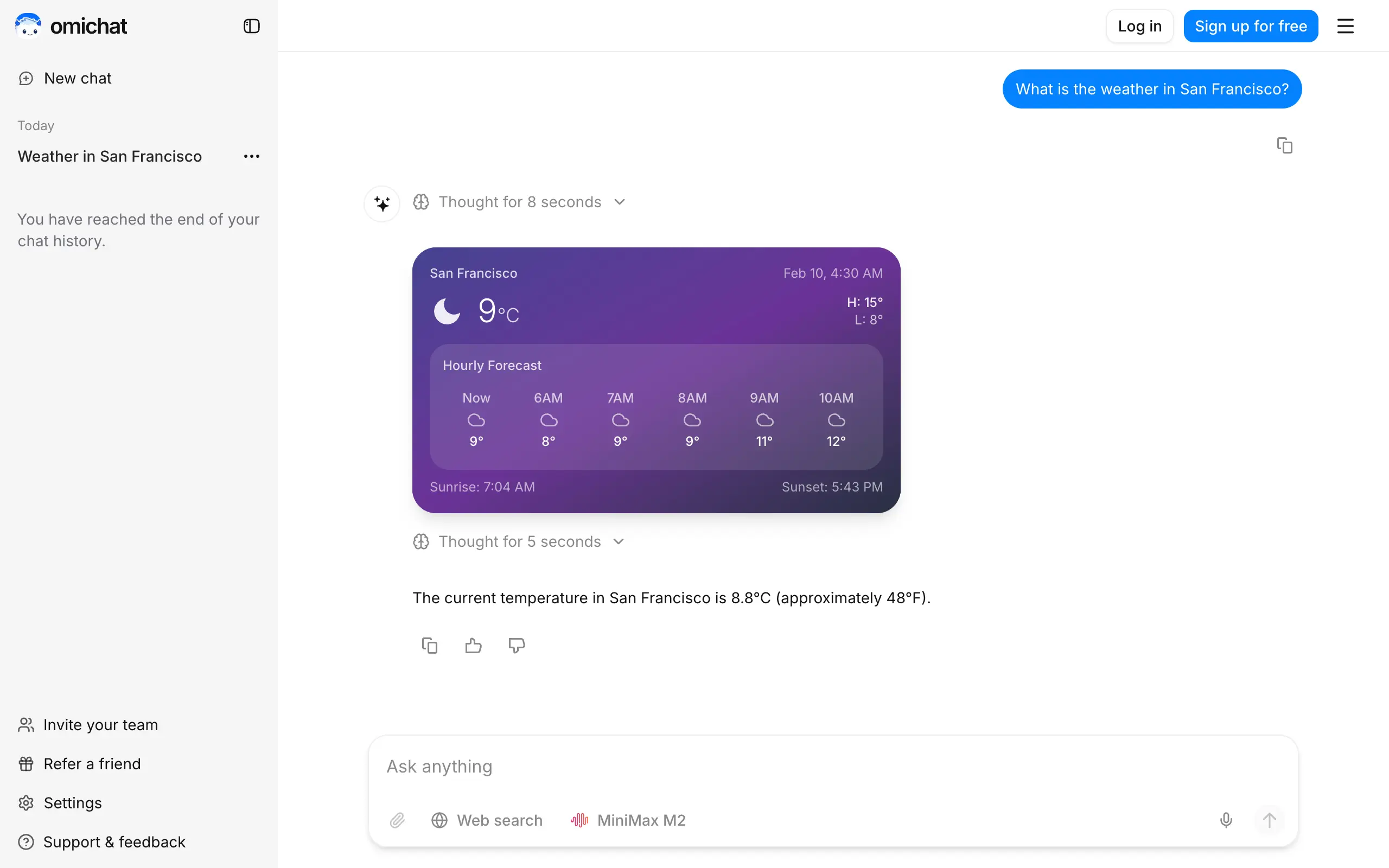
Omichat
Chat with 50+ AI models, including ChatGPT and Claude, in one place - switch models anytime without losing context 🤖
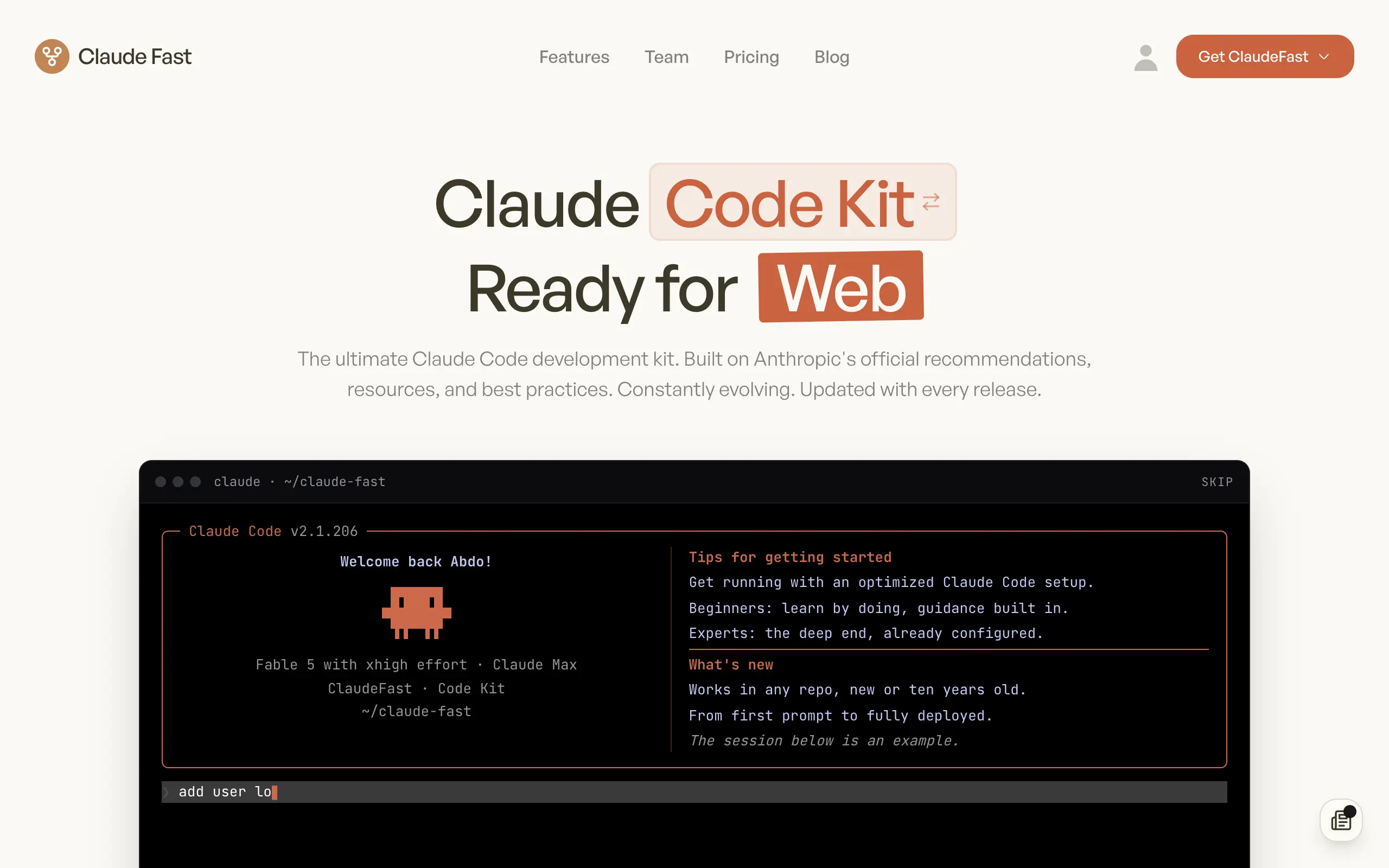
Claude Fast
Supercharge your Claude Code with 6x effective context window and specialized AI agents 🤖
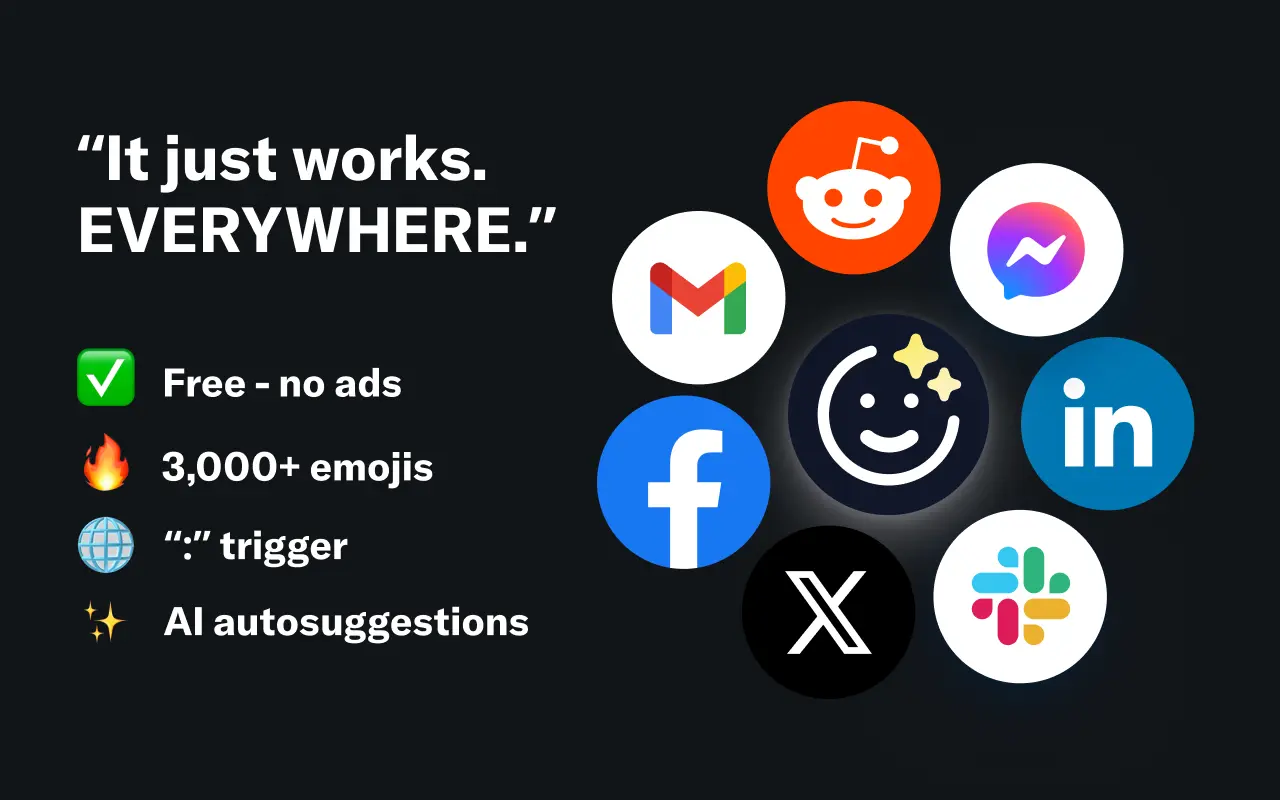
EmojAI
AI-powered emoji picker with smart, context-aware suggestions 🤖

Solohacker
Autonomous company launcher - AI agents work 24/7, escalate what matters, and you stay in control 🤖

BeRawi: Storytelling Coach
Practice storytelling daily with instant feedback to sound clearer, more engaging, and confident 🎤
Omichat
Chat with 50+ AI models, including ChatGPT and Claude, in one place - switch models anytime without losing context 🤖
Claude Fast
Supercharge your Claude Code with 6x effective context window and specialized AI agents 🤖
EmojAI
AI-powered emoji picker with smart, context-aware suggestions 🤖
Solohacker
Autonomous company launcher - AI agents work 24/7, escalate what matters, and you stay in control 🤖
BeRawi: Storytelling Coach
Practice storytelling daily with instant feedback to sound clearer, more engaging, and confident 🎤
Omichat
Chat with 50+ AI models, including ChatGPT and Claude, in one place - switch models anytime without losing context 🤖
Claude Fast
Supercharge your Claude Code with 6x effective context window and specialized AI agents 🤖
EmojAI
AI-powered emoji picker with smart, context-aware suggestions 🤖
Solohacker
Autonomous company launcher - AI agents work 24/7, escalate what matters, and you stay in control 🤖
BeRawi: Storytelling Coach
Practice storytelling daily with instant feedback to sound clearer, more engaging, and confident 🎤
Omichat
Chat with 50+ AI models, including ChatGPT and Claude, in one place - switch models anytime without losing context 🤖
Claude Fast
Supercharge your Claude Code with 6x effective context window and specialized AI agents 🤖
EmojAI
AI-powered emoji picker with smart, context-aware suggestions 🤖
Solohacker
Autonomous company launcher - AI agents work 24/7, escalate what matters, and you stay in control 🤖
BeRawi: Storytelling Coach
Practice storytelling daily with instant feedback to sound clearer, more engaging, and confident 🎤

Connect with like-minded people
Join our community to get feedback, support, and grow together with 1,000+ builders on board, let's ship it!
Join usShip your startup everywhere. In minutes.
Don't burn tokens on setup and start building features on day one.