Sculpt2Scene
Turn physical sculptures or maquettes into immersive digital environments with AI-generated lighting, staging, and gallery simulations for portfolios and grants.
Sculpt2Scene: transforming physical sculptures into immersive digital environments with AI
Artists who work with physical media—especially sculptors—face a recurring challenge: how do you present a three-dimensional, tactile work in a compelling digital format? Grant committees, galleries, collectors, and online audiences rarely experience the piece in person. Instead, they judge based on flat photographs, often shot in less-than-ideal lighting or studio conditions.
An AI platform like Sculpt2Scene directly addresses this gap. It enables sculptors to turn physical sculptures or maquettes into immersive digital environments with AI-generated lighting, staging, and gallery simulations—optimized for portfolios, grant applications, and online exhibitions.
This article provides a comprehensive, SEO-optimized analysis of the Sculpt2Scene SaaS concept, including:
- Target audience and user intent analysis
- Market opportunity and competitive landscape
- Core features and AI architecture
- Recommended tech stack (with trade-offs)
- Monetization strategies
- Risks and mitigation
- Implementation roadmap
If you’re evaluating this idea for validation, product development, or investment, this guide will help you assess its viability with an expert lens.
Understanding the user intent behind sculpt2scene
Before building or investing in Sculpt2Scene, we must understand why users would search for it and what problem they are trying to solve.
Primary keyword: AI sculpture visualization
Related LSI keywords:
- digital gallery simulation
- virtual exhibition for artists
- sculpture portfolio software
- AI lighting for art
- grant-ready art presentation
- 3D sculpture mockups
- immersive art staging tools
User intent categories
-
Professional sculptors
- Need professional visuals for grants and residencies
- Want realistic gallery simulations
- Need polished digital portfolios
-
Emerging artists & art students
- Limited access to gallery spaces
- Want affordable presentation tools
- Need social media-ready renders
-
Curators & galleries
- Want to preview installations
- Need mockups for exhibition planning
-
Art grant applicants
- Need persuasive visual presentation
- Want to simulate scale and spatial context
Users are not looking for generic 3D modeling tools. They want:
- Minimal technical setup
- AI-assisted lighting and staging
- Output tailored for real-world art contexts
This means Sculpt2Scene must be positioned as a vertical AI tool for sculptors, not just another 3D rendering platform.
The market opportunity in AI-driven art presentation
Digital art tools are growing rapidly
Creative SaaS tools have exploded in the past decade. Platforms like:
have empowered creators—but they remain complex and not tailored specifically to sculptors.
At the same time:
- Remote exhibitions and digital portfolios are standard.
- Grant applications increasingly require polished digital documentation.
- Social media (Instagram, ArtStation, Behance) prioritizes visually compelling content.
However, most sculptors are not 3D rendering experts.
The core gap
There is currently no widely adopted, AI-powered, sculptor-specific tool that:
- Takes simple sculpture photos or scans
- Automatically enhances lighting
- Simulates gallery environments
- Exports grant-ready presentation boards
- Creates immersive 360° walkthroughs
That is the niche Sculpt2Scene fills.
Target audience deep dive
Let’s segment the market more precisely.
1. Professional sculptors (mid-career and established)
Pain points:
- Poor lighting in studios
- Expensive professional photography
- No access to large exhibition spaces
- Difficulty showing scale digitally
Willingness to pay: High
Primary value: Time-saving and professional polish
2. Emerging artists and students
Pain points:
- Limited budget
- No gallery representation
- No staging experience
- Struggle to stand out online
Willingness to pay: Moderate (subscription-friendly)
Primary value: Leveling the playing field
3. Art institutions & universities
Pain points:
- Students lack professional documentation
- Inconsistent portfolio quality
Opportunity: Institutional licensing
4. Curators and exhibition planners
Pain points:
- Hard to visualize installations
- Time-consuming 3D mockups
Opportunity: Higher-tier plan with collaborative features
Core features of sculpt2scene
Below is a structured overview of the ideal feature set.
AI lighting simulation
Automatically enhance sculpture lighting with realistic shadow modeling and material-aware rendering.
Gallery environment generation
Generate museum-grade, industrial, outdoor, or minimalist gallery backdrops.
Scale simulation
Add human silhouettes and architectural elements for accurate scale context.
Grant-ready exports
Auto-format images into clean, professional PDF boards optimized for grant applications.
Now let’s break these down in detail.
AI-powered 3D reconstruction
Input methods:
- Multiple-angle photos
- LiDAR scan (mobile)
- Basic 3D file import (OBJ, STL, GLTF)
The system should:
- Detect geometry
- Infer material properties
- Estimate surface reflectivity
- Generate a clean 3D mesh
Modern techniques could use:
- Neural radiance fields (NeRF)
- Photogrammetry pipelines
- Diffusion-based material synthesis
Intelligent lighting engine
Lighting is the single biggest differentiator between amateur and professional art photography.
The AI should:
- Detect sculpture form
- Identify focal points
- Generate directional lighting setups
- Simulate museum-grade spotlighting
- Offer presets:
- Contemporary gallery
- Dramatic chiaroscuro
- Natural daylight
- Outdoor dusk
Users shouldn’t need to understand HDRI or ray tracing.
Immersive gallery simulations
This is where Sculpt2Scene stands out.
Users select:
- Space type
- Wall color
- Floor material
- Ceiling height
- Window placement
The AI then:
- Places the sculpture proportionally
- Adjusts shadow casting
- Simulates environmental reflections
This turns static art into experiential content.
Grant-optimized presentation builder
Grant committees review hundreds of applications. Clean presentation increases credibility.
Sculpt2Scene could:
- Auto-generate formatted PDF sheets
- Include:
- Artwork title
- Dimensions
- Medium
- Year
- Concept statement
- Maintain consistent visual style
This becomes a major selling point.
Competitive landscape analysis
Let’s compare Sculpt2Scene against common alternatives.
| Feature | Blender | Sketchfab | Generic AI Image Tools | Sculpt2Scene |
|---|---|---|---|---|
| AI lighting automation | ❌ | ❌ | ✅ | ✅ |
| Gallery simulation presets | ❌ | ❌ | ❌ | ✅ |
| Grant-ready export | ❌ | ❌ | ❌ | ✅ |
| Sculptor-specific UX | ❌ | ❌ | ❌ | ✅ |
Competitive advantage
Sculpt2Scene wins by being:
- Vertical-specific
- AI-first
- Portfolio-oriented
- Grant-optimized
Recommended tech stack (with trade-offs)
Here’s a practical stack for building Sculpt2Scene.
Frontend
- React
- TailwindCSS
- WebGL via Three.js
Why?
React provides component modularity. Three.js enables interactive 3D previews. Tailwind accelerates UI development.
Backend
- Node.js or Python (FastAPI)
- GPU-based inference server
- Cloud storage (S3-compatible)
AI components
- Photogrammetry pipeline
- Diffusion-based rendering models
- NeRF-based reconstruction
- Lighting estimation models
Trade-offs:
| Option | Pros | Cons |
|---|---|---|
| Fully in-house ML | Control & defensibility | High cost |
| API-based AI | Faster MVP | Less differentiation |
Early-stage recommendation:
Start API-assisted, move to proprietary models later.
Monetization strategy
Sculpt2Scene fits a tiered SaaS model.
- Limited renders per month
- Basic lighting presets
- Watermarked exports
- Unlimited renders
- Premium gallery simulations
- Grant-ready PDF export
- 4K output
- Multi-user accounts
- Classroom licensing
- Shared project folders
- Admin dashboard
Additional revenue streams
- Pay-per-render model
- White-label for art schools
- Custom exhibition simulation for galleries
Risks and mitigation strategies
High computational costs
3D reconstruction and AI rendering require GPU resources. Margins can shrink quickly if usage spikes.
Mitigation:
- Queue-based rendering
- Credit-based system
- Optimize model inference
AI output inaccuracies
Scale errors or lighting artifacts could undermine credibility.
Mitigation:
- Manual adjustment controls
- Human verification option (premium tier)
Artist skepticism
Some artists may resist AI involvement.
Mitigation: Position the tool as a presentation enhancer—not a creative replacement.
Implementation roadmap
For rapid MVP development, leveraging a production-ready SaaS foundation like TurboStarter can dramatically reduce time-to-market by handling authentication, billing, and core infrastructure out of the box.
Go-to-market strategy
Phase 1: Niche penetration
- Target MFA students
- Partner with art schools
- Offer student discounts
Phase 2: Grant positioning
Market Sculpt2Scene as:
“The easiest way to create grant-ready sculpture visuals.”
Long-term vision
Sculpt2Scene can evolve into:
- A virtual sculpture marketplace
- A VR exhibition platform
- An AI-assisted installation planning tool
- A digital archive for sculptors
The moat strengthens as:
- More artists upload data
- Lighting models improve
- Gallery templates expand
Why sculpt2scene stands out
Unlike generic rendering tools, Sculpt2Scene:
- Understands sculptors’ real workflow
- Prioritizes grant success
- Removes technical complexity
- Bridges physical and digital art worlds
This vertical specialization is the core defensibility.
Final actionable blueprint
If building Sculpt2Scene today:
- Validate demand with 100+ sculptor interviews
- Build MVP with photo-to-render workflow
- Focus marketing on grant optimization
- Use usage-based pricing
- Build proprietary lighting intelligence over time
The intersection of AI, digital exhibitions, and creative SaaS is expanding. Sculpt2Scene is uniquely positioned to become the default digital presentation layer for physical sculpture.
If executed strategically, this platform doesn’t just generate renders—it transforms how sculpture is experienced in the digital age.
More 🤖 AI Startup SaaS ideas
Discover more innovative ai startup SaaS ideas that are trending in 2026. Each idea is AI-generated with market validation and growth potential to help you find your next profitable venture faster than competitors.
Your competitors are building with TurboStarter
Below are some of the SaaS ideas that have been generated and built with our starter kit.
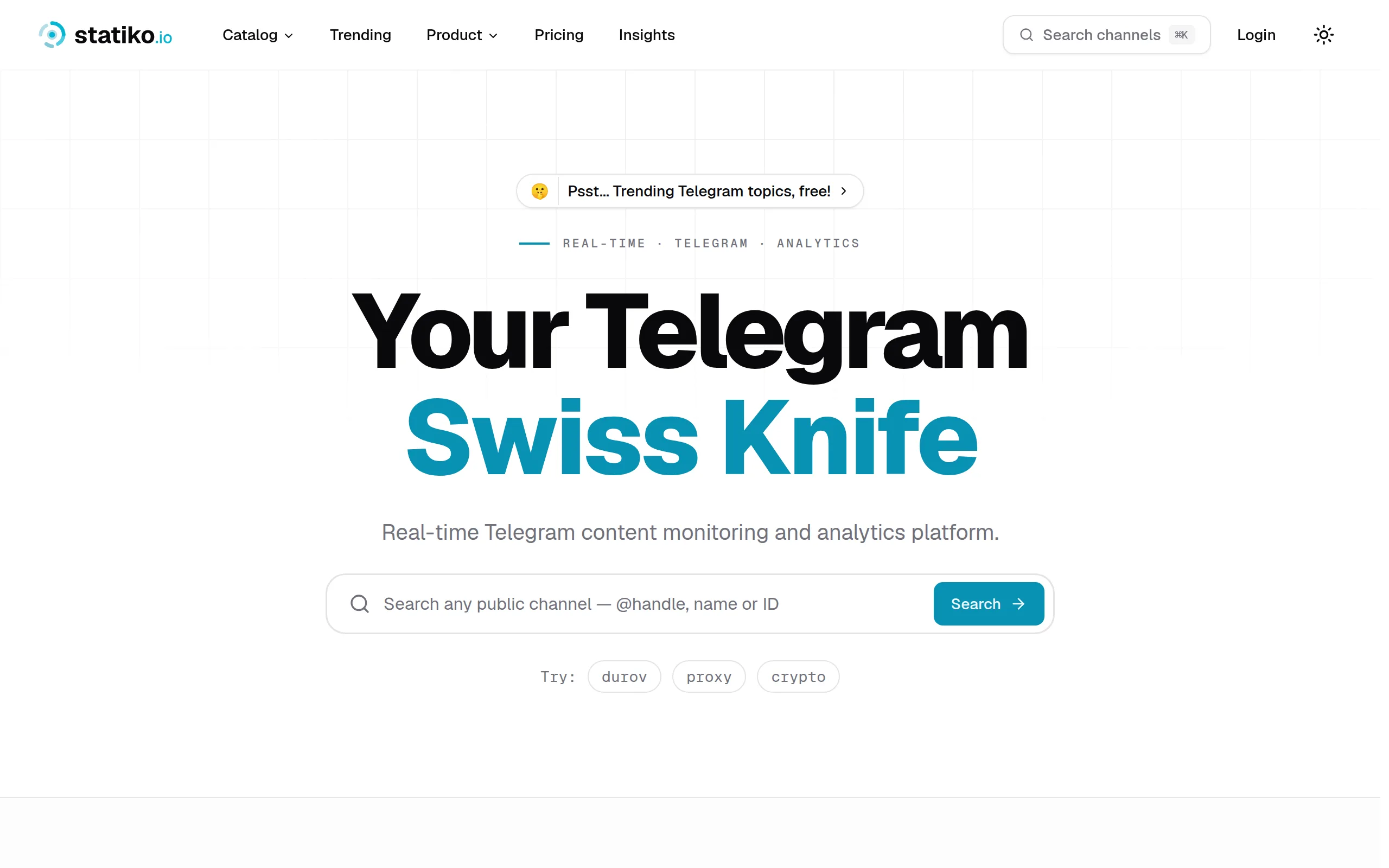
Statiko
Monitor any Telegram channel in real time - track posts, edits, deletions, and growth with AI recaps 📡
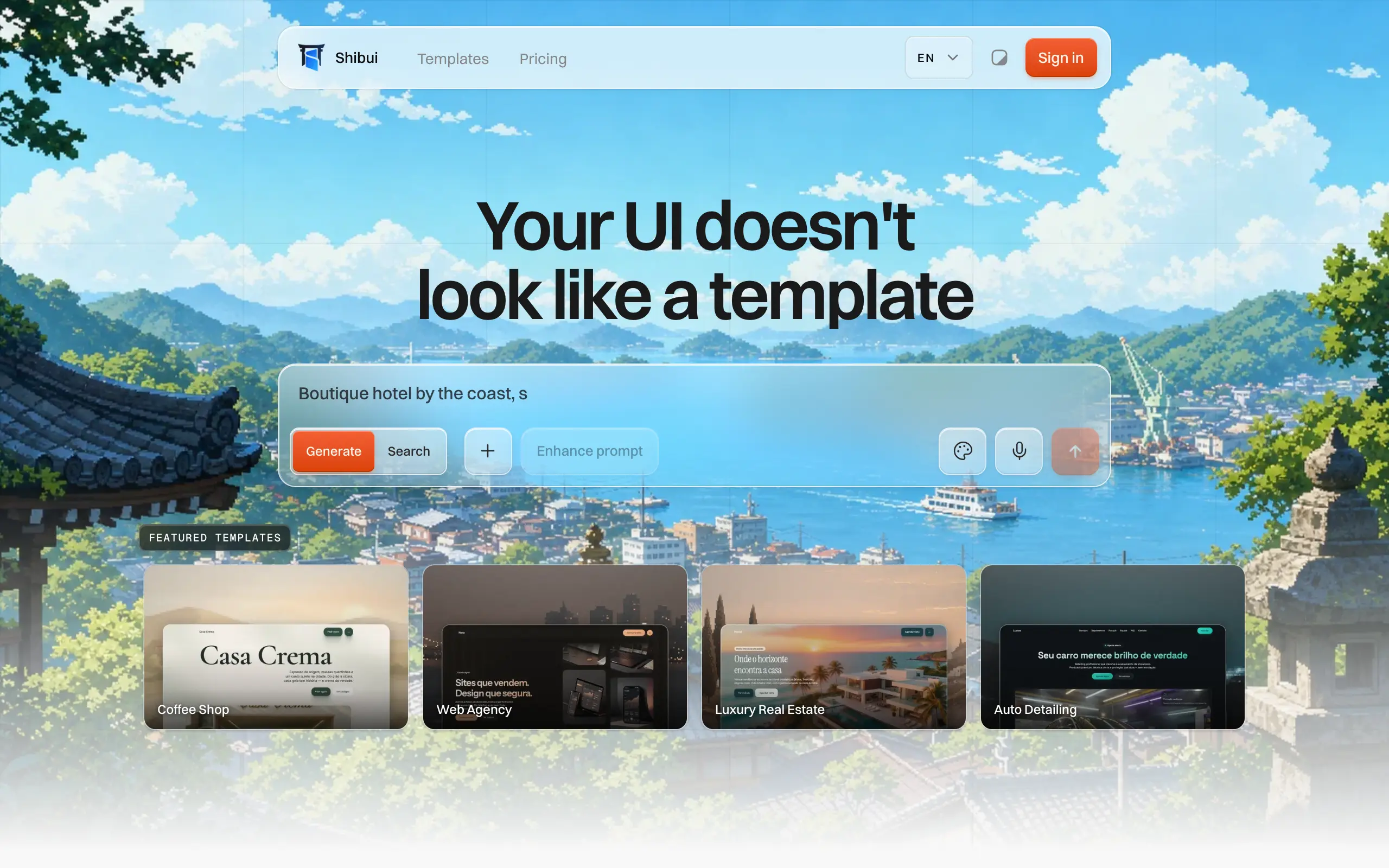
Shibui
AI website builder - describe your business, pick a niche template, edit by chatting, and publish instantly ✨

Pro Service
Find verified home service professionals, compare quotes, and pay securely through escrow - built for Brazilians across the US 🏠

RankGrow
Fix your SEO with AI agents - connect Search Console, get prioritized tasks, and grow organic traffic 📈
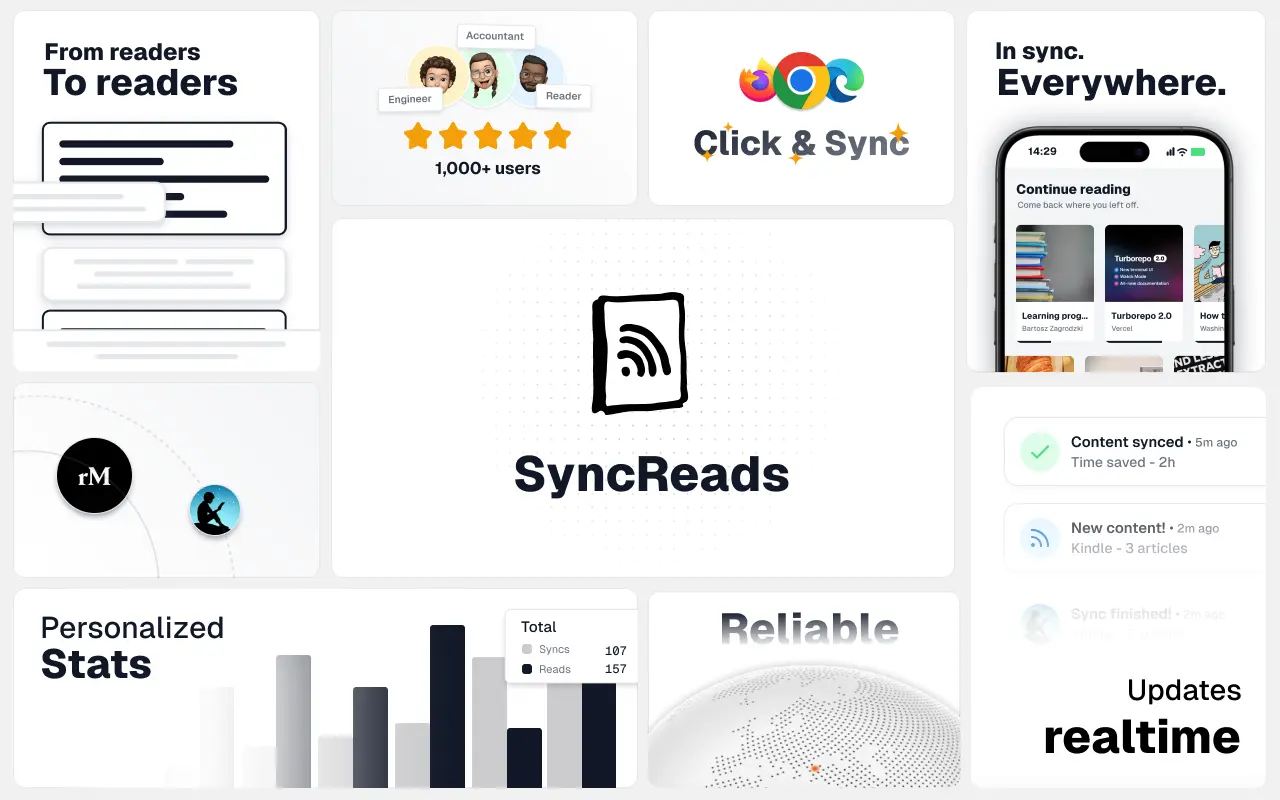
SyncReads
Sync your favorite content for distraction-free reading, save time and replace multiple apps. Anytime, anywhere 🔄
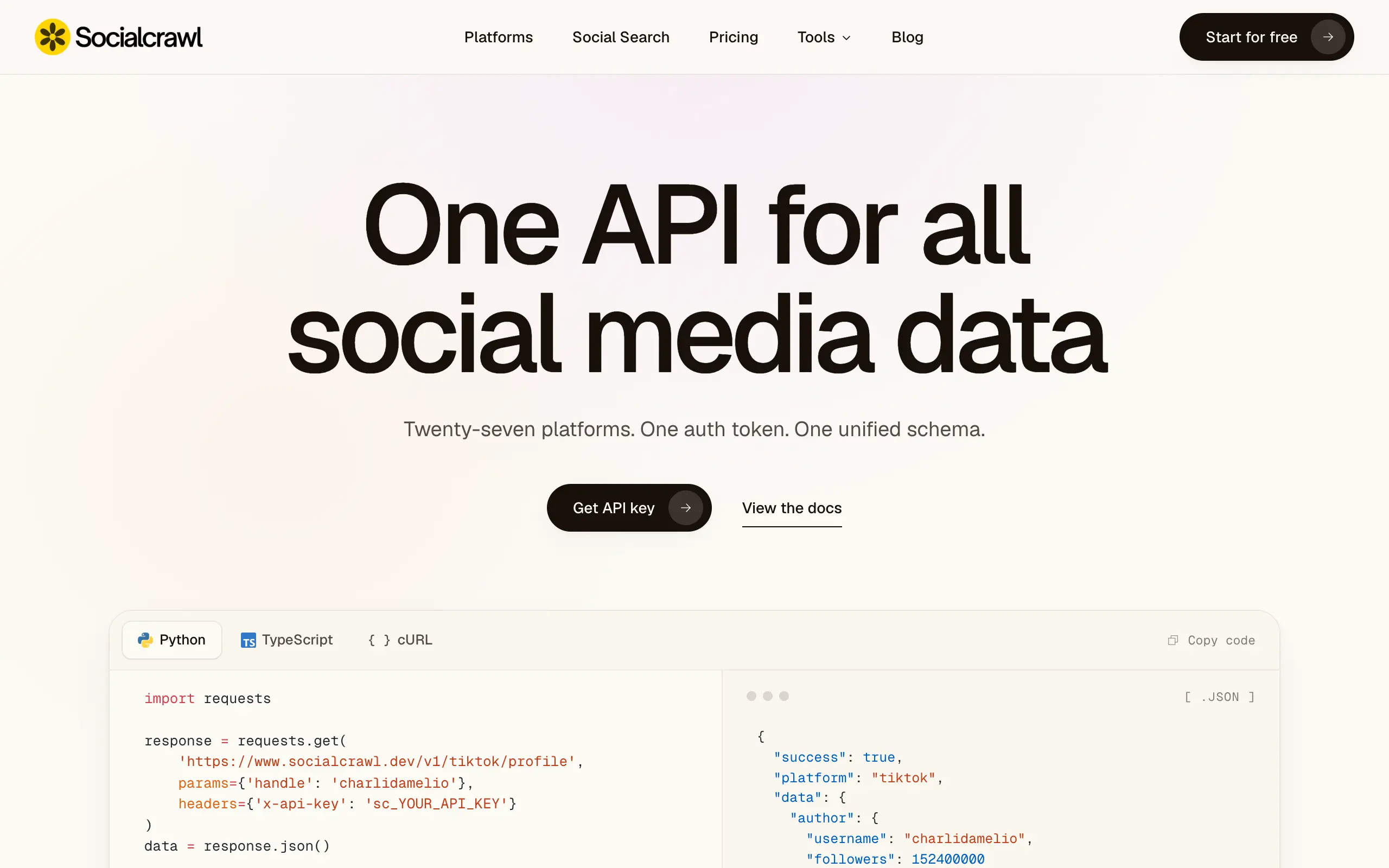
Socialcrawl
Get clean, structured data from 21 platforms like TikTok, Instagram, and YouTube with a single request 📊
Statiko
Monitor any Telegram channel in real time - track posts, edits, deletions, and growth with AI recaps 📡
Shibui
AI website builder - describe your business, pick a niche template, edit by chatting, and publish instantly ✨
Pro Service
Find verified home service professionals, compare quotes, and pay securely through escrow - built for Brazilians across the US 🏠
RankGrow
Fix your SEO with AI agents - connect Search Console, get prioritized tasks, and grow organic traffic 📈
SyncReads
Sync your favorite content for distraction-free reading, save time and replace multiple apps. Anytime, anywhere 🔄
Socialcrawl
Get clean, structured data from 21 platforms like TikTok, Instagram, and YouTube with a single request 📊
Statiko
Monitor any Telegram channel in real time - track posts, edits, deletions, and growth with AI recaps 📡
Shibui
AI website builder - describe your business, pick a niche template, edit by chatting, and publish instantly ✨
Pro Service
Find verified home service professionals, compare quotes, and pay securely through escrow - built for Brazilians across the US 🏠
RankGrow
Fix your SEO with AI agents - connect Search Console, get prioritized tasks, and grow organic traffic 📈
SyncReads
Sync your favorite content for distraction-free reading, save time and replace multiple apps. Anytime, anywhere 🔄
Socialcrawl
Get clean, structured data from 21 platforms like TikTok, Instagram, and YouTube with a single request 📊
Statiko
Monitor any Telegram channel in real time - track posts, edits, deletions, and growth with AI recaps 📡
Shibui
AI website builder - describe your business, pick a niche template, edit by chatting, and publish instantly ✨
Pro Service
Find verified home service professionals, compare quotes, and pay securely through escrow - built for Brazilians across the US 🏠
RankGrow
Fix your SEO with AI agents - connect Search Console, get prioritized tasks, and grow organic traffic 📈
SyncReads
Sync your favorite content for distraction-free reading, save time and replace multiple apps. Anytime, anywhere 🔄
Socialcrawl
Get clean, structured data from 21 platforms like TikTok, Instagram, and YouTube with a single request 📊
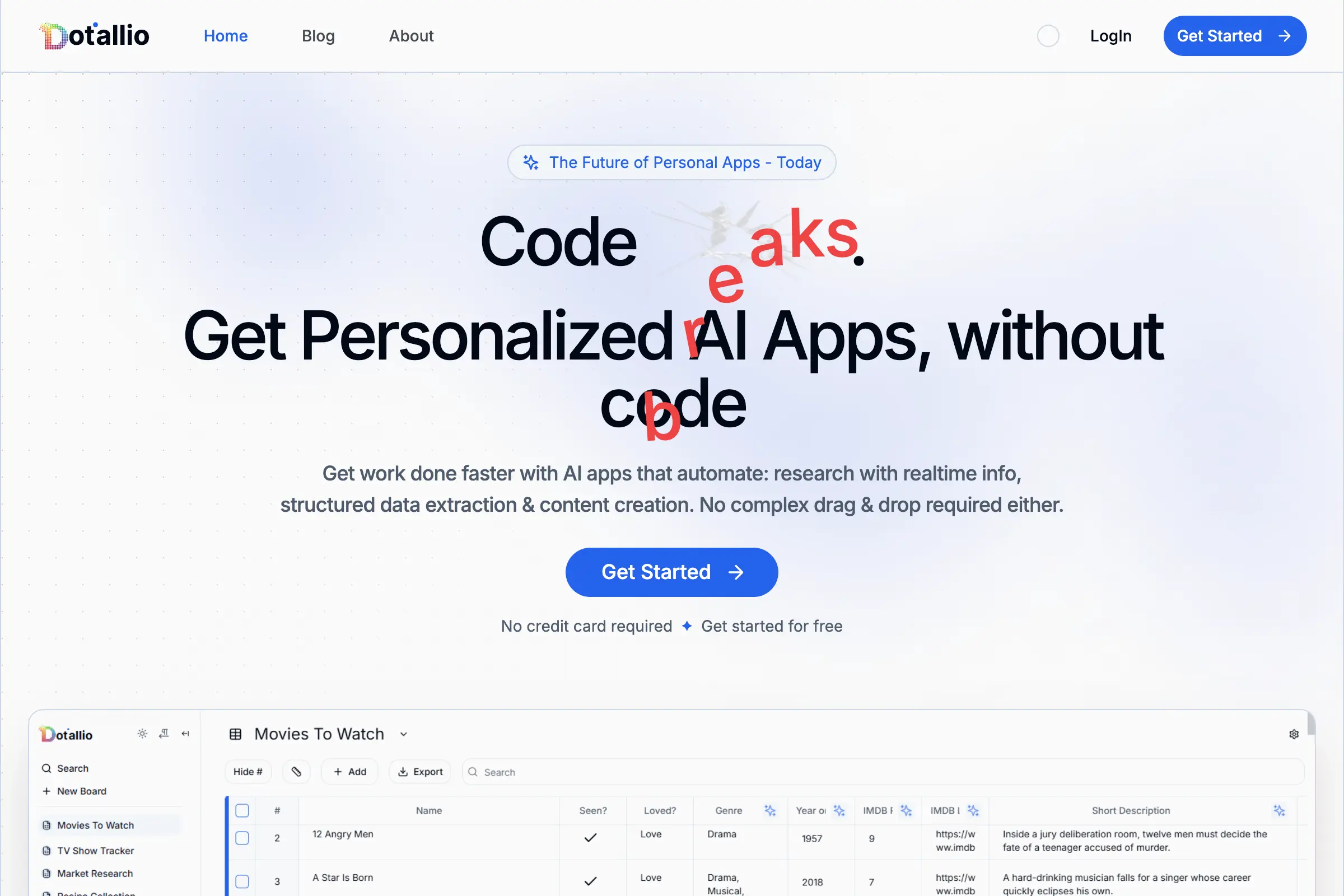
Dotallio
Personalized AI apps that automate research, data extraction, and content creation without code 🤖

Talk to Santa
Enjoy a magical live video chat or receive a unique AI-generated video greeting from Santa Claus 🎅
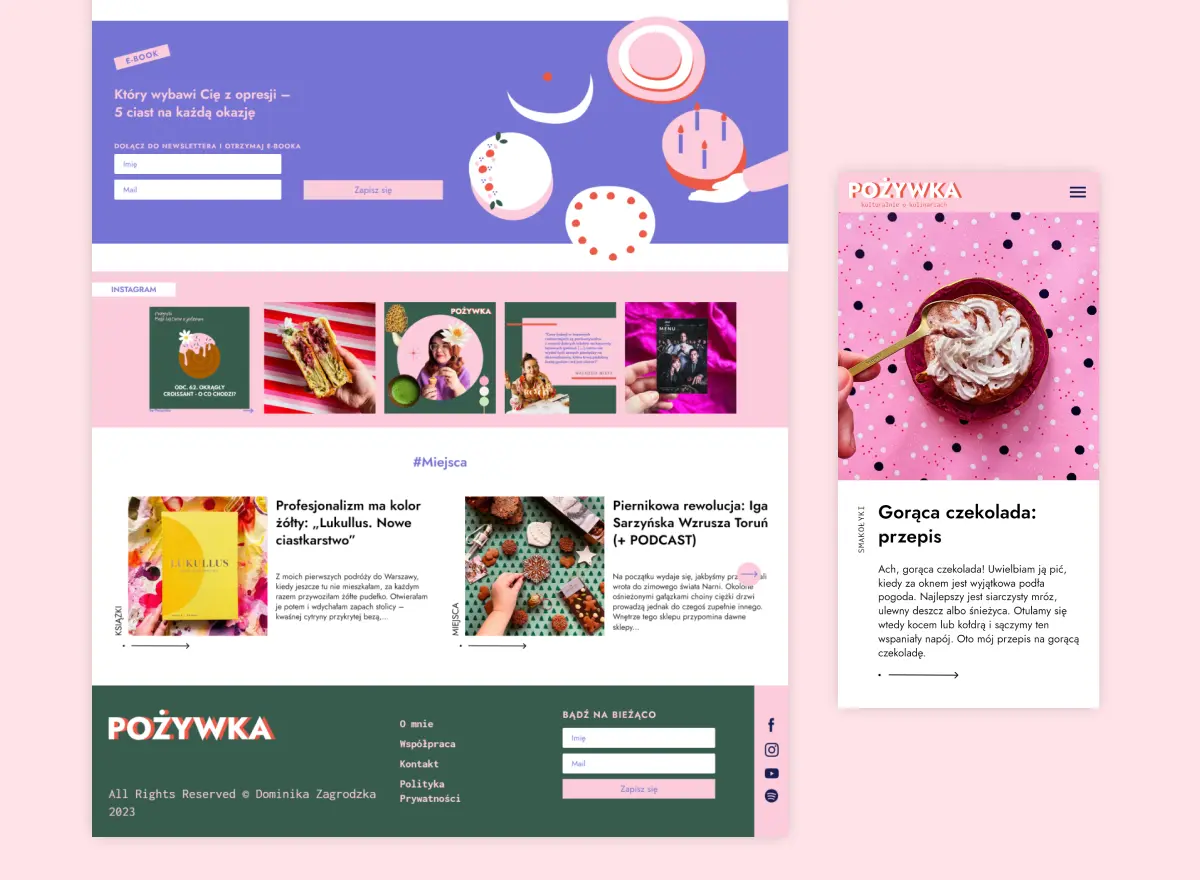
pozywka.pl
Scalable blog for food journalist, focused on performance and user experience 🌭
zagrodzki.me
Personal blog and portfolio of Bart Zagrodzki, where he shares his knowledge and work 💼
TurboStarter
Ship your startup everywhere. In minutes.
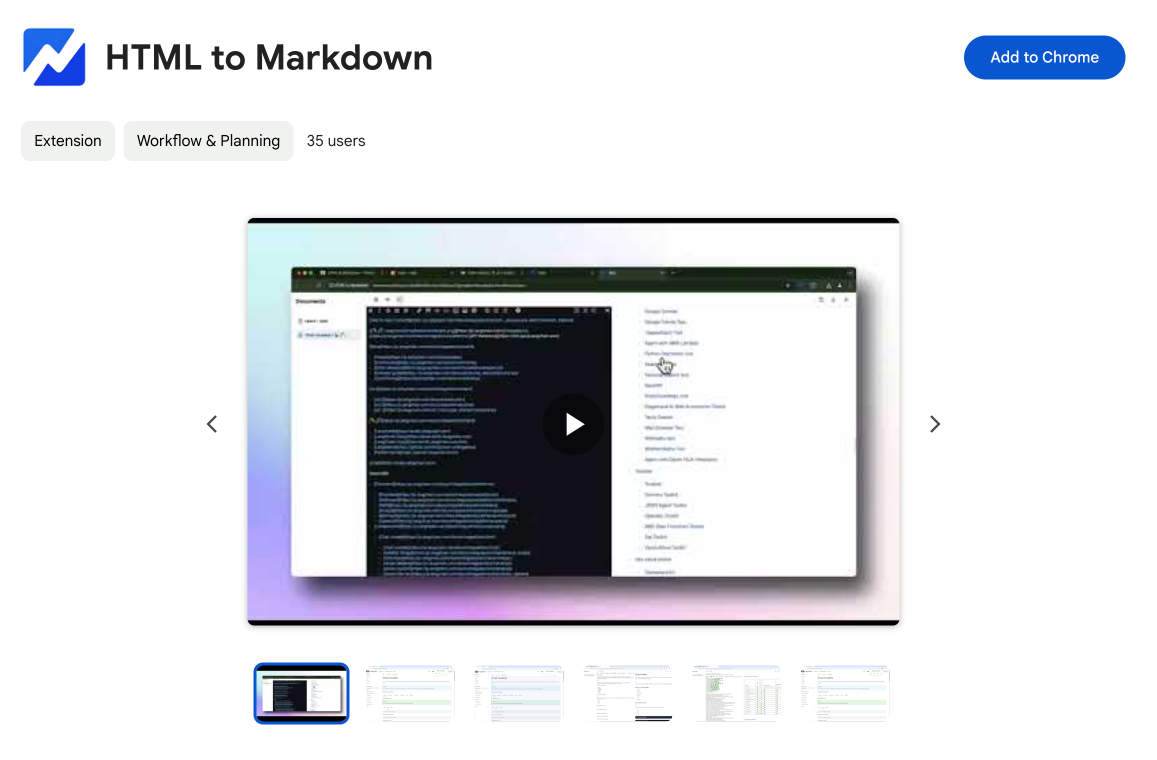
HTML to Markdown
Convert HTML to Markdown with ease, directly in your browser 📄
Dotallio
Personalized AI apps that automate research, data extraction, and content creation without code 🤖
Talk to Santa
Enjoy a magical live video chat or receive a unique AI-generated video greeting from Santa Claus 🎅
pozywka.pl
Scalable blog for food journalist, focused on performance and user experience 🌭
zagrodzki.me
Personal blog and portfolio of Bart Zagrodzki, where he shares his knowledge and work 💼
TurboStarter
Ship your startup everywhere. In minutes.
HTML to Markdown
Convert HTML to Markdown with ease, directly in your browser 📄
Dotallio
Personalized AI apps that automate research, data extraction, and content creation without code 🤖
Talk to Santa
Enjoy a magical live video chat or receive a unique AI-generated video greeting from Santa Claus 🎅
pozywka.pl
Scalable blog for food journalist, focused on performance and user experience 🌭
zagrodzki.me
Personal blog and portfolio of Bart Zagrodzki, where he shares his knowledge and work 💼
TurboStarter
Ship your startup everywhere. In minutes.
HTML to Markdown
Convert HTML to Markdown with ease, directly in your browser 📄
Dotallio
Personalized AI apps that automate research, data extraction, and content creation without code 🤖
Talk to Santa
Enjoy a magical live video chat or receive a unique AI-generated video greeting from Santa Claus 🎅
pozywka.pl
Scalable blog for food journalist, focused on performance and user experience 🌭
zagrodzki.me
Personal blog and portfolio of Bart Zagrodzki, where he shares his knowledge and work 💼
TurboStarter
Ship your startup everywhere. In minutes.
HTML to Markdown
Convert HTML to Markdown with ease, directly in your browser 📄
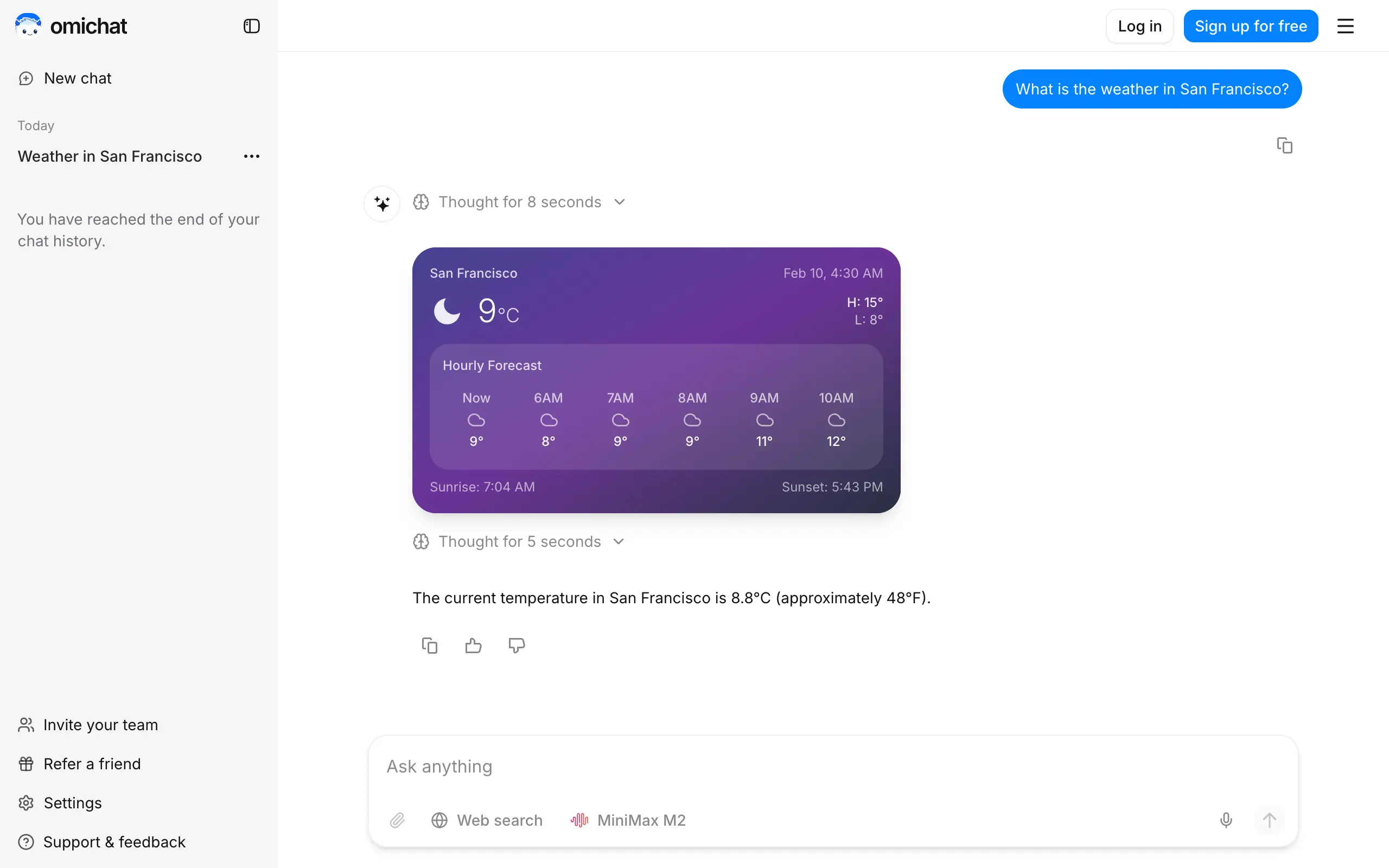
Omichat
Chat with 50+ AI models, including ChatGPT and Claude, in one place - switch models anytime without losing context 🤖
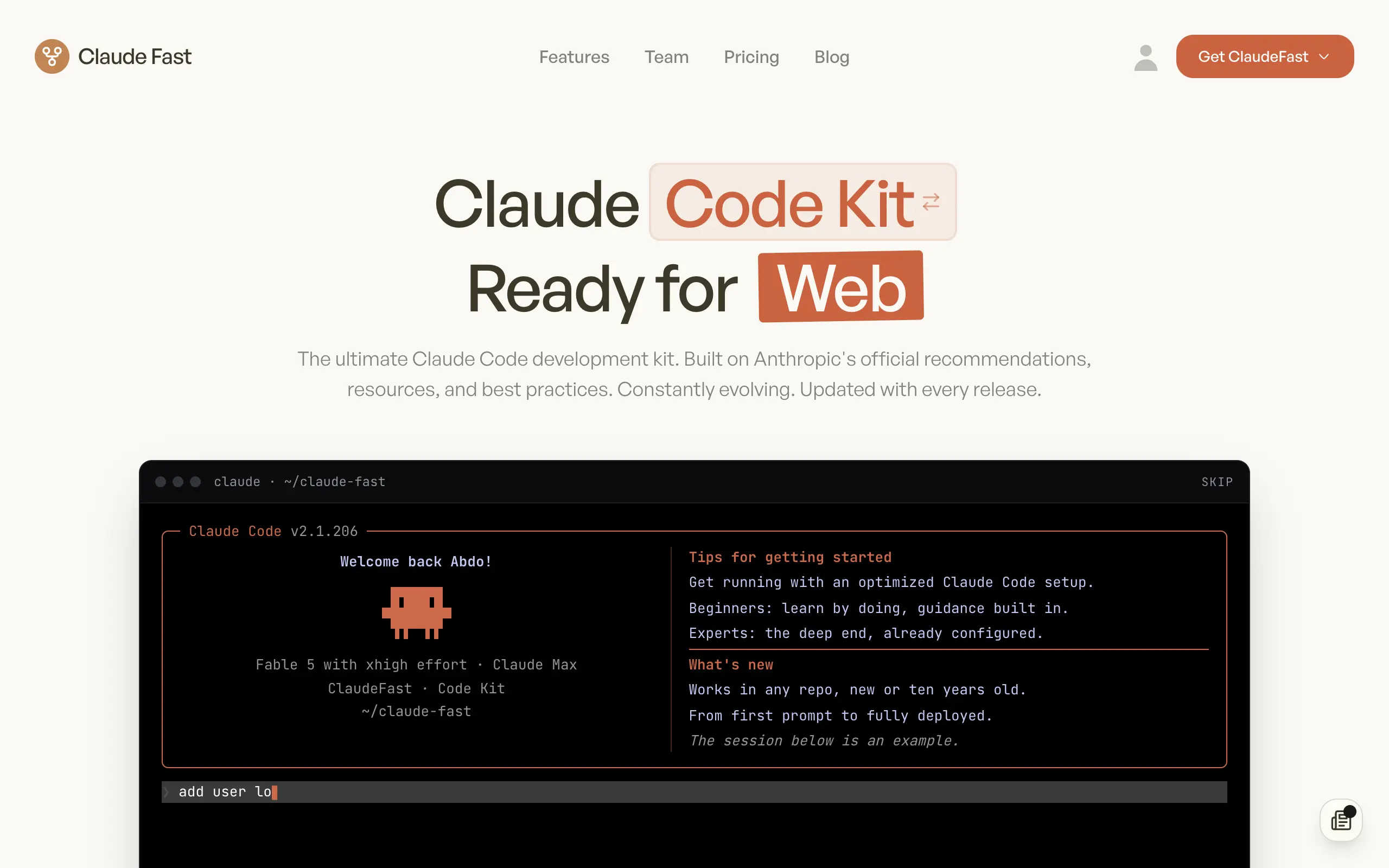
Claude Fast
Supercharge your Claude Code with 6x effective context window and specialized AI agents 🤖
EmojAI
AI-powered emoji picker with smart, context-aware suggestions 🤖

Solohacker
Autonomous company launcher - AI agents work 24/7, escalate what matters, and you stay in control 🤖
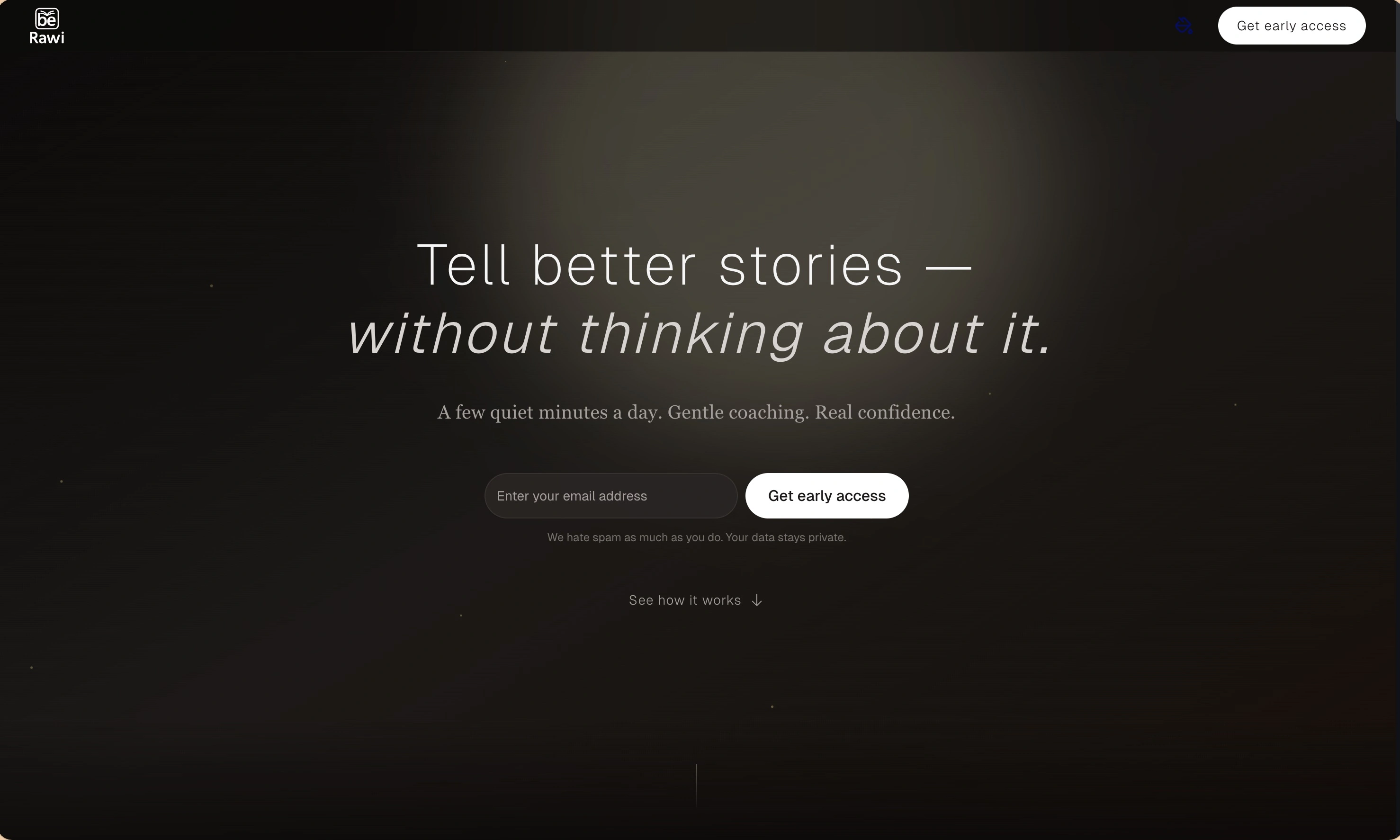
BeRawi: Storytelling Coach
Practice storytelling daily with instant feedback to sound clearer, more engaging, and confident 🎤
Omichat
Chat with 50+ AI models, including ChatGPT and Claude, in one place - switch models anytime without losing context 🤖
Claude Fast
Supercharge your Claude Code with 6x effective context window and specialized AI agents 🤖
EmojAI
AI-powered emoji picker with smart, context-aware suggestions 🤖
Solohacker
Autonomous company launcher - AI agents work 24/7, escalate what matters, and you stay in control 🤖
BeRawi: Storytelling Coach
Practice storytelling daily with instant feedback to sound clearer, more engaging, and confident 🎤
Omichat
Chat with 50+ AI models, including ChatGPT and Claude, in one place - switch models anytime without losing context 🤖
Claude Fast
Supercharge your Claude Code with 6x effective context window and specialized AI agents 🤖
EmojAI
AI-powered emoji picker with smart, context-aware suggestions 🤖
Solohacker
Autonomous company launcher - AI agents work 24/7, escalate what matters, and you stay in control 🤖
BeRawi: Storytelling Coach
Practice storytelling daily with instant feedback to sound clearer, more engaging, and confident 🎤
Omichat
Chat with 50+ AI models, including ChatGPT and Claude, in one place - switch models anytime without losing context 🤖
Claude Fast
Supercharge your Claude Code with 6x effective context window and specialized AI agents 🤖
EmojAI
AI-powered emoji picker with smart, context-aware suggestions 🤖
Solohacker
Autonomous company launcher - AI agents work 24/7, escalate what matters, and you stay in control 🤖
BeRawi: Storytelling Coach
Practice storytelling daily with instant feedback to sound clearer, more engaging, and confident 🎤

Connect with like-minded people
Join our community to get feedback, support, and grow together with 1,000+ builders on board, let's ship it!
Join usShip your startup everywhere. In minutes.
Don't burn tokens on setup and start building features on day one.