SeasonSync Nomad
AI-powered planner that matches remote workers with ideal destinations based on weather patterns, cost trends, and local nomad activity in real time.
The rise of AI-powered digital nomad planning tools
Remote work is no longer a niche lifestyle. It’s a structural shift in how professionals design their careers. Millions of knowledge workers now operate independently of a fixed office, and a growing segment identifies as digital nomads—people who move between cities or countries while working remotely.
With that growth comes complexity:
- Where is the weather ideal next month?
- Which city has affordable short-term housing right now?
- Are other nomads there (community, networking, events)?
- What’s the visa situation?
- Is it safe and stable?
Most remote workers still stitch answers together manually using:
- Weather sites
- Cost-of-living calculators
- Facebook groups
- Reddit threads
- Nomad Slack communities
- Google Flights and Airbnb
This fragmented process is inefficient and error-prone.
SeasonSync Nomad solves this problem by using AI to match remote workers with ideal destinations based on real-time weather patterns, cost trends, and local nomad activity.
This article breaks down:
- Target audience analysis
- Market opportunity and gap
- Core features and AI architecture
- Recommended tech stack (with trade-offs)
- Monetization models
- Competitive positioning
- Risks and mitigation
- Step-by-step implementation roadmap
If you're evaluating or building an AI travel SaaS in 2026, this is your blueprint.
Understanding the target audience
Before building any AI SaaS product, clarity on user intent is critical.
SeasonSync Nomad targets multiple high-intent segments.
1. Full-time digital nomads
These users:
- Move every 1–3 months
- Optimize for weather, cost, and community
- Actively seek “next destination” inspiration
Pain points:
- Wasting hours researching viable cities
- Arriving in a destination during bad weather
- Overpaying due to seasonal cost spikes
- Feeling isolated in low-nomad-density areas
2. Hybrid remote workers
These professionals:
- Work remotely but must attend quarterly meetings
- Travel 2–4 times per year
- Need predictable internet and coworking access
Their search intent is more structured:
“Best European cities to work remotely in September with mild weather and good WiFi.”
3. Aspiring nomads
This group is researching:
- “Best countries for digital nomads”
- “Affordable remote work destinations”
- “Warm places in winter for remote workers”
They’re not yet moving monthly—but they’re planning.
4. Remote-first companies
HR teams and founders increasingly allow:
- Work-from-anywhere policies
- Distributed teams across continents
SeasonSync Nomad could help them:
- Recommend quarterly hubs
- Suggest team meetup destinations
- Identify safe, stable regions
The market opportunity: why now?
Remote work is structural, not temporary
According to research published by Stanford’s WFH Research team (suggest linking to their published reports), remote and hybrid work remain significantly above pre-2020 levels. Even conservative projections show sustained distributed work adoption.
That creates a long-term behavioral shift, not a trend bubble.
Existing tools are fragmented
Today’s alternatives:
- Nomad List (static rankings)
- Weather websites
- Cost of living databases
- Community forums
None combine:
- Real-time weather forecasting
- Dynamic cost trend tracking
- Nomad density signals
- AI-powered personalized matching
This fragmentation is the core gap.
AI personalization is now expected
In 2026, users expect:
- Context-aware recommendations
- Preference learning
- Predictive suggestions
Static “Top 10 Cities for Nomads” blog posts are outdated. Users want:
“Where should I go next month?”
That personalization layer is SeasonSync Nomad’s moat.
The core problem: decision fatigue in location-independent living
Being a digital nomad sounds glamorous. In reality, it involves:
- Visa research
- Flight tracking
- Housing timing
- Climate planning
- Budget management
- Community scouting
Each move is a micro-project.
SeasonSync Nomad reduces the cognitive load by turning a chaotic process into:
- Input preferences
- AI evaluates global data
- Personalized ranked recommendations
The SeasonSync Nomad solution
At its core, SeasonSync Nomad is an AI-powered destination intelligence engine for remote workers.
Core value proposition
“We tell you where to live next month — based on your lifestyle, budget, weather preferences, and real-time global conditions.”
Not generic travel advice.
Not static rankings.
But adaptive recommendations.
Core features and product architecture
1. Smart destination matching engine
Users input:
- Preferred temperature range
- Rain tolerance
- Budget (monthly housing target)
- Region preference
- Time zone preference
- Nomad community importance
- Visa flexibility
The AI engine scores cities using:
- Weather forecasts (30–90 day projections)
- Historical seasonal trends
- Short-term rental price trends
- Nomad density signals
- Internet reliability data
- Political stability indicators
The output:
- Ranked destination list
- Confidence score
- Risk indicators
2. Real-time seasonal intelligence
Unlike static lists, SeasonSync analyzes:
- Current weather anomalies
- El Niño / La Niña impacts
- Unexpected heatwaves
- Sudden rental price spikes
This creates seasonal arbitrage opportunities, such as:
- Shoulder season discounts
- Weather sweet spots
- Emerging nomad hubs before saturation
3. Nomad activity signals
To differentiate from generic travel planners, SeasonSync can incorporate:
- Coworking space density
- Meetup frequency
- Remote worker event listings
- Short-term rental occupancy rates
- Social media geo-signals (aggregated)
This produces a “Nomad Activity Score.”
4. Predictive cost trends
Rather than just showing:
“Lisbon average rent: $1,500”
It shows:
- 3-month forecast
- High/low probability scenarios
- Seasonal pricing shifts
This is where AI forecasting models create defensibility.
5. Personal travel rhythm modeling
Over time, the system learns:
- You prefer coastal cities
- You avoid humidity
- You stay 6–8 weeks
- You value community > nightlife
Recommendations improve with usage.
Feature comparison vs typical alternatives
| Feature | Static blogs | Weather apps | Nomad directories | SeasonSync Nomad | Generic travel AI |
|---|---|---|---|---|---|
| Personalized matching | ❌ | ❌ | ❌ | ✅ | ✅ |
| Cost trend forecasting | ❌ | ❌ | ✅ | ✅ | ❌ |
| Nomad activity score | ❌ | ❌ | ✅ | ✅ | ❌ |
| Seasonal weather intelligence | ✅ | ✅ | ❌ | ✅ | ❌ |
Recommended tech stack for SeasonSync Nomad
Building an AI travel intelligence SaaS requires a careful balance between speed and scalability.
Frontend
- React for UI
- TailwindCSS for rapid design
- Next.js for SSR and SEO optimization
Why SSR matters:
- Destination pages rank organically
- Seasonal landing pages capture long-tail search
Example dynamic destination route:
// app/destination/[city]/page.tsx
export default async function CityPage({ params }) {
  const data = await fetchCityData(params.city)

  return (
    <div>
      <h1>{data.name} for remote work</h1>
      <p>Weather forecast: {data.weatherSummary}</p>
      <p>Nomad activity score: {data.nomadScore}</p>
    </div>
  )
}
Backend
- Node.js or Python (FastAPI for ML-heavy workloads)
- PostgreSQL for relational data
- Redis for caching forecast responses
AI layer
- LLM for personalization reasoning
- Time-series forecasting models for:
- Weather trends
- Cost fluctuations
- Scoring engine combining weighted features
Infrastructure
- Vercel (frontend deployment)
- AWS or GCP for data pipelines
- Scheduled ingestion jobs for:
- Weather APIs
- Rental pricing feeds
- Nomad signals
Data sources and trade-offs
SeasonSync Nomad’s credibility depends on reliable data.
Weather data
Options:
- Global weather APIs
- Historical climate datasets
Trade-off:
- Free APIs limit accuracy
- Premium APIs increase cost
Cost of living data
Sources may include:
- Rental platforms (aggregated data)
- Public cost databases
Risk:
- Data licensing complexity
- Scraping legal issues
Mitigation:
- Focus on partnerships over scraping
Monetization strategy
SeasonSync Nomad has strong monetization potential due to high-intent users.
1. Subscription model (primary)
Tiered structure:
Free tier
Limited recommendations per month, static insights.
Pro nomad
Unlimited matching, forecast insights, community heatmap.
Team plan
Remote team destination planning tools.
Estimated pricing:
- $12–$29/month for individuals
- $99+/month for teams
2. Affiliate revenue
High-ticket affiliate opportunities:
- Travel insurance
- Coworking passes
- Short-term rentals
- Flight aggregators
Nomads are high-LTV users.
3. Destination sponsorships
Emerging cities may pay to:
- Be featured in “rising nomad hubs”
- Run targeted campaigns
Must maintain transparency to preserve trust.
Competitive advantage and defensibility
SeasonSync Nomad’s moat lies in:
- Data aggregation layer
- Personalization engine
- Seasonal forecasting
Unlike static competitors, it improves over time.
Long-term defensibility strategy
- Build proprietary nomad activity dataset
- Encourage user-submitted reports
- Develop switching costs via saved travel history
Risks and mitigation strategies
Major risk: data accuracy
If forecasts are wrong or outdated, user trust erodes quickly.
Key risks
- Inaccurate forecasts
- API cost explosion
- Copycat AI competitors
- Regulatory changes affecting visas
Mitigation
- Confidence scoring transparency
- Data redundancy across multiple APIs
- Focus on UX excellence, not just data
- Add community-generated signals
SEO strategy for organic growth
SeasonSync Nomad can dominate long-tail SEO queries such as:
- “Best cities for remote work in October”
- “Warm affordable places for digital nomads in winter”
- “Cheapest European cities with good weather in spring”
Each destination page becomes:
- Dynamic
- Frequently updated
- AI-enhanced
Programmatic SEO at scale.
Step-by-step implementation roadmap
For rapid development of the SaaS foundation (auth, billing, dashboard, SEO architecture), using a production-ready starter kit like TurboStarter can dramatically reduce time to launch.
Why SeasonSync Nomad stands out
Most travel tools answer:
“What are the best places?”
SeasonSync Nomad answers:
“Where should YOU go next month — based on your preferences and real-time global conditions?”
That personalization, combined with seasonal intelligence, creates:
- High perceived value
- Strong retention
- Recurring revenue
- Defensible data moats
Final thoughts
The digital nomad economy is maturing. As remote work stabilizes into a permanent global shift, infrastructure products will outperform inspiration blogs.
SeasonSync Nomad is not just another travel app. It is:
- A decision engine
- A forecasting platform
- A lifestyle optimizer for location-independent professionals
For founders, this represents a powerful intersection of:
- AI personalization
- Predictive analytics
- Remote work trends
- Programmatic SEO
The opportunity is not in building a prettier travel list.
The opportunity is in building the operating system for global remote living.
More 🤖 AI Startup SaaS ideas
Discover more innovative ai startup SaaS ideas that are trending in 2026. Each idea is AI-generated with market validation and growth potential to help you find your next profitable venture faster than competitors.
Your competitors are building with TurboStarter
Below are some of the SaaS ideas that have been generated and built with our starter kit.

Statiko
Monitor any Telegram channel in real time - track posts, edits, deletions, and growth with AI recaps 📡

Shibui
AI website builder - describe your business, pick a niche template, edit by chatting, and publish instantly ✨

Pro Service
Find verified home service professionals, compare quotes, and pay securely through escrow - built for Brazilians across the US 🏠
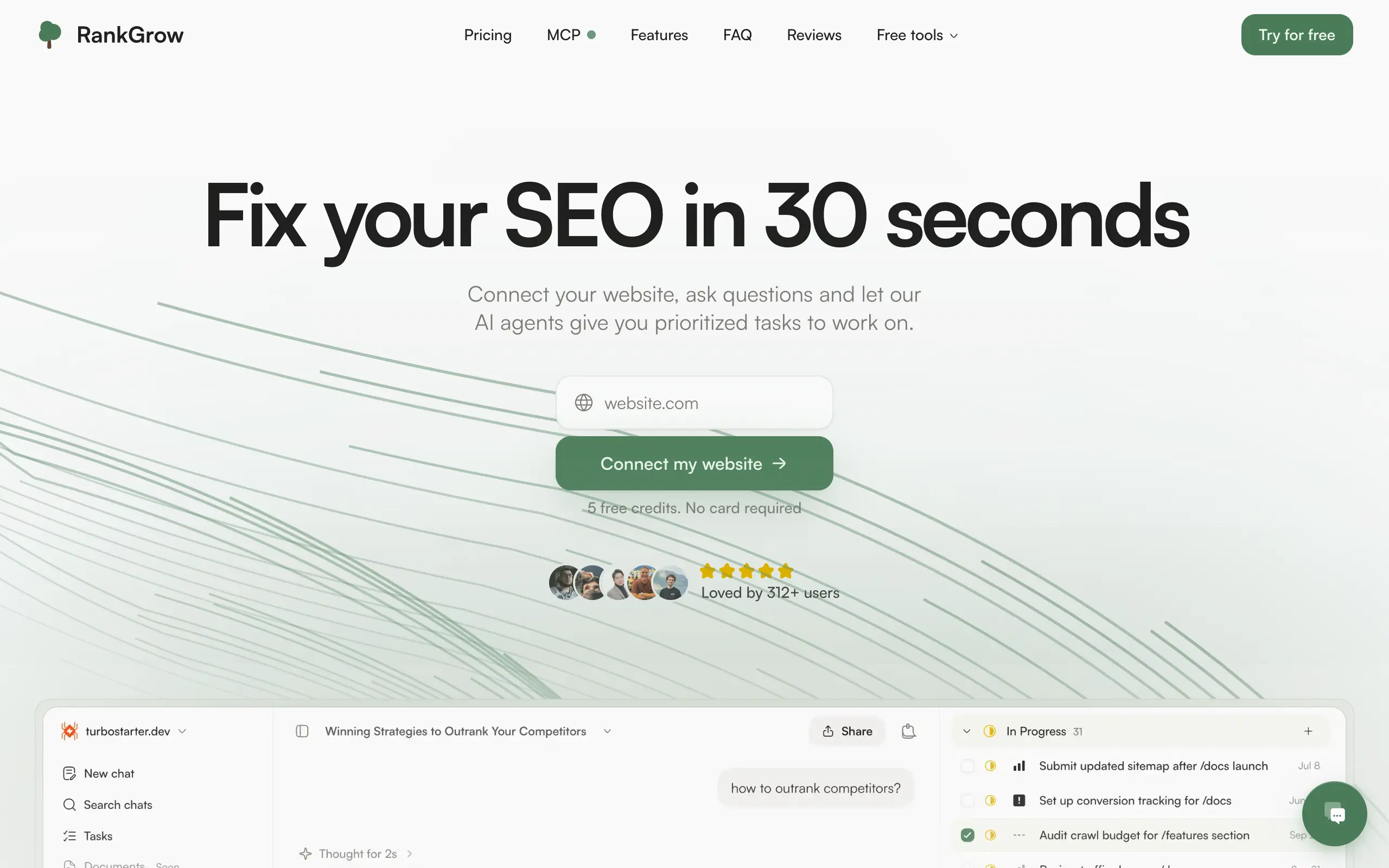
RankGrow
Fix your SEO with AI agents - connect Search Console, get prioritized tasks, and grow organic traffic 📈
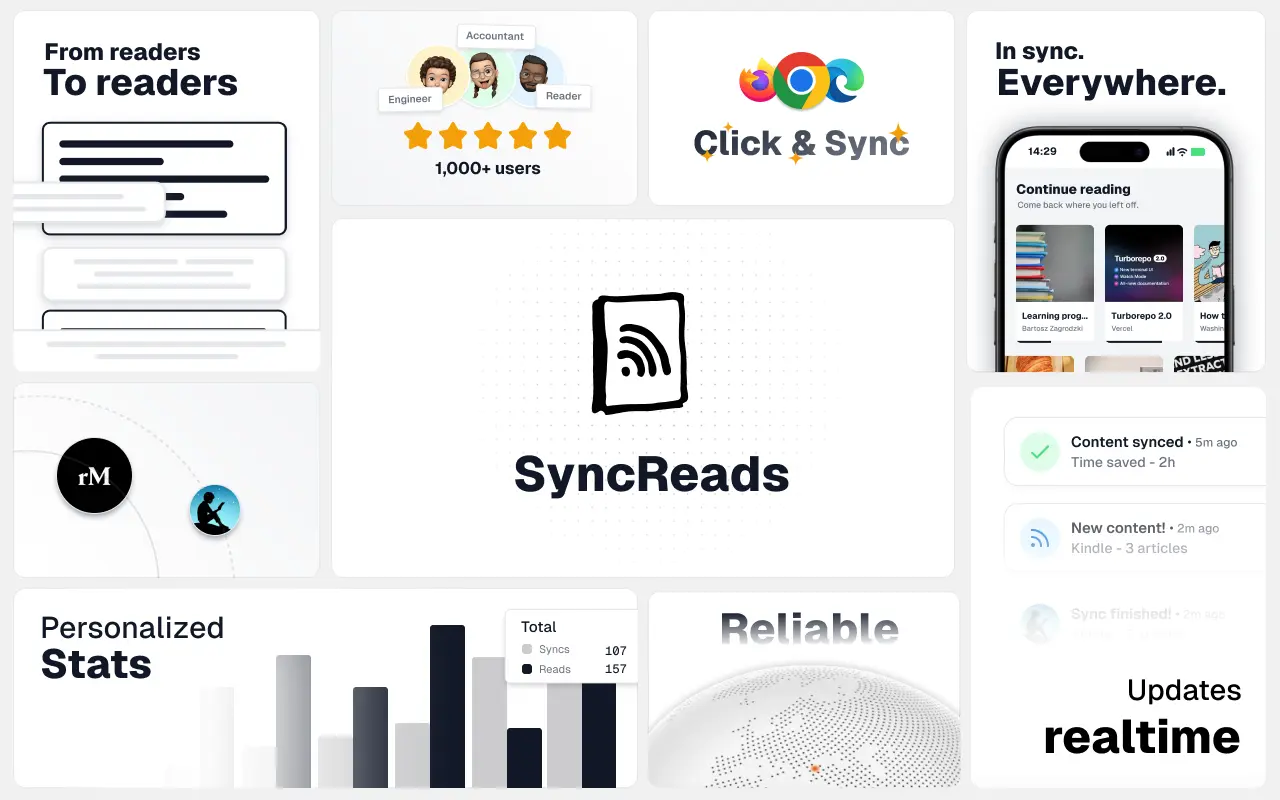
SyncReads
Sync your favorite content for distraction-free reading, save time and replace multiple apps. Anytime, anywhere 🔄
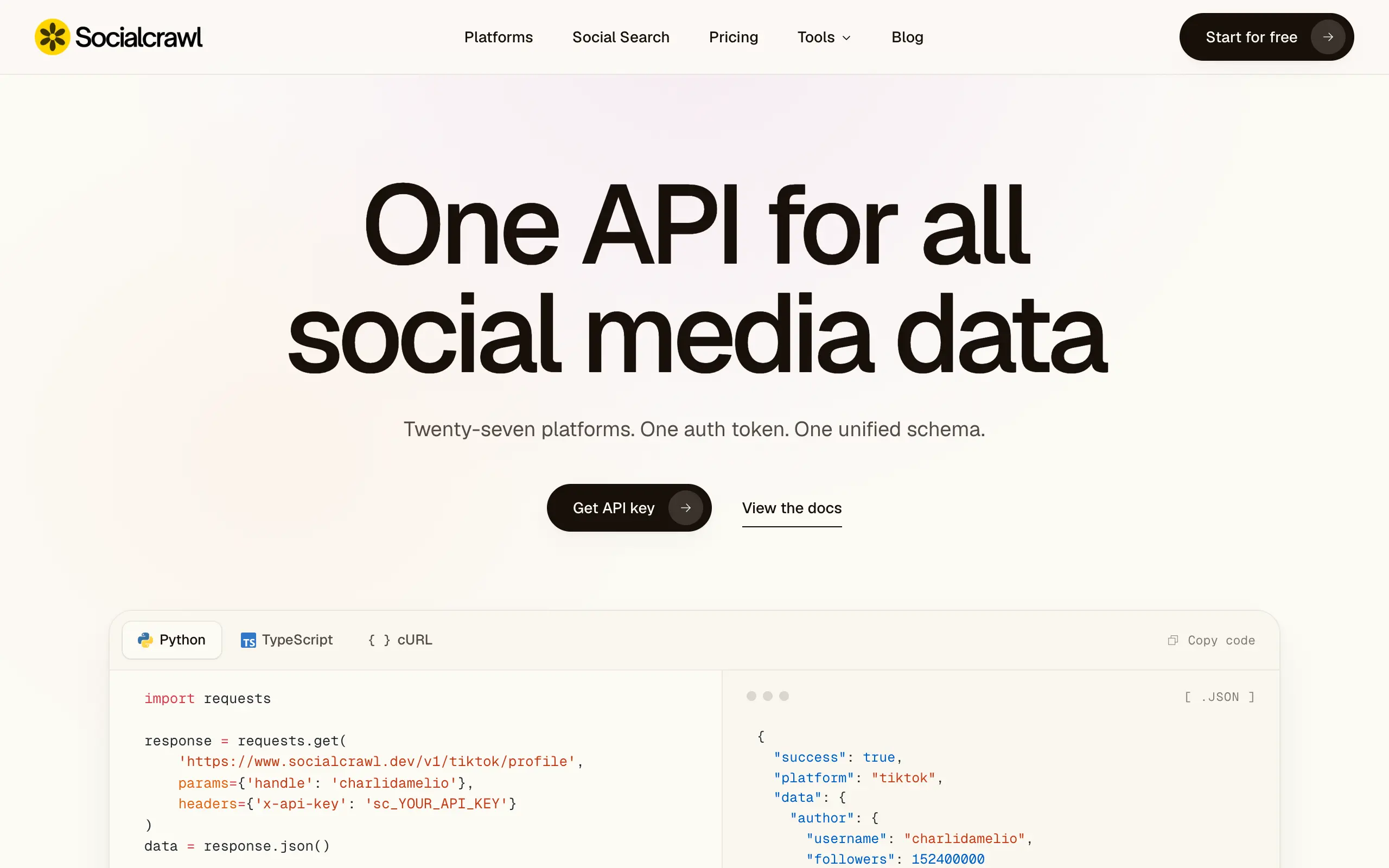
Socialcrawl
Get clean, structured data from 21 platforms like TikTok, Instagram, and YouTube with a single request 📊
Statiko
Monitor any Telegram channel in real time - track posts, edits, deletions, and growth with AI recaps 📡
Shibui
AI website builder - describe your business, pick a niche template, edit by chatting, and publish instantly ✨
Pro Service
Find verified home service professionals, compare quotes, and pay securely through escrow - built for Brazilians across the US 🏠
RankGrow
Fix your SEO with AI agents - connect Search Console, get prioritized tasks, and grow organic traffic 📈
SyncReads
Sync your favorite content for distraction-free reading, save time and replace multiple apps. Anytime, anywhere 🔄
Socialcrawl
Get clean, structured data from 21 platforms like TikTok, Instagram, and YouTube with a single request 📊
Statiko
Monitor any Telegram channel in real time - track posts, edits, deletions, and growth with AI recaps 📡
Shibui
AI website builder - describe your business, pick a niche template, edit by chatting, and publish instantly ✨
Pro Service
Find verified home service professionals, compare quotes, and pay securely through escrow - built for Brazilians across the US 🏠
RankGrow
Fix your SEO with AI agents - connect Search Console, get prioritized tasks, and grow organic traffic 📈
SyncReads
Sync your favorite content for distraction-free reading, save time and replace multiple apps. Anytime, anywhere 🔄
Socialcrawl
Get clean, structured data from 21 platforms like TikTok, Instagram, and YouTube with a single request 📊
Statiko
Monitor any Telegram channel in real time - track posts, edits, deletions, and growth with AI recaps 📡
Shibui
AI website builder - describe your business, pick a niche template, edit by chatting, and publish instantly ✨
Pro Service
Find verified home service professionals, compare quotes, and pay securely through escrow - built for Brazilians across the US 🏠
RankGrow
Fix your SEO with AI agents - connect Search Console, get prioritized tasks, and grow organic traffic 📈
SyncReads
Sync your favorite content for distraction-free reading, save time and replace multiple apps. Anytime, anywhere 🔄
Socialcrawl
Get clean, structured data from 21 platforms like TikTok, Instagram, and YouTube with a single request 📊
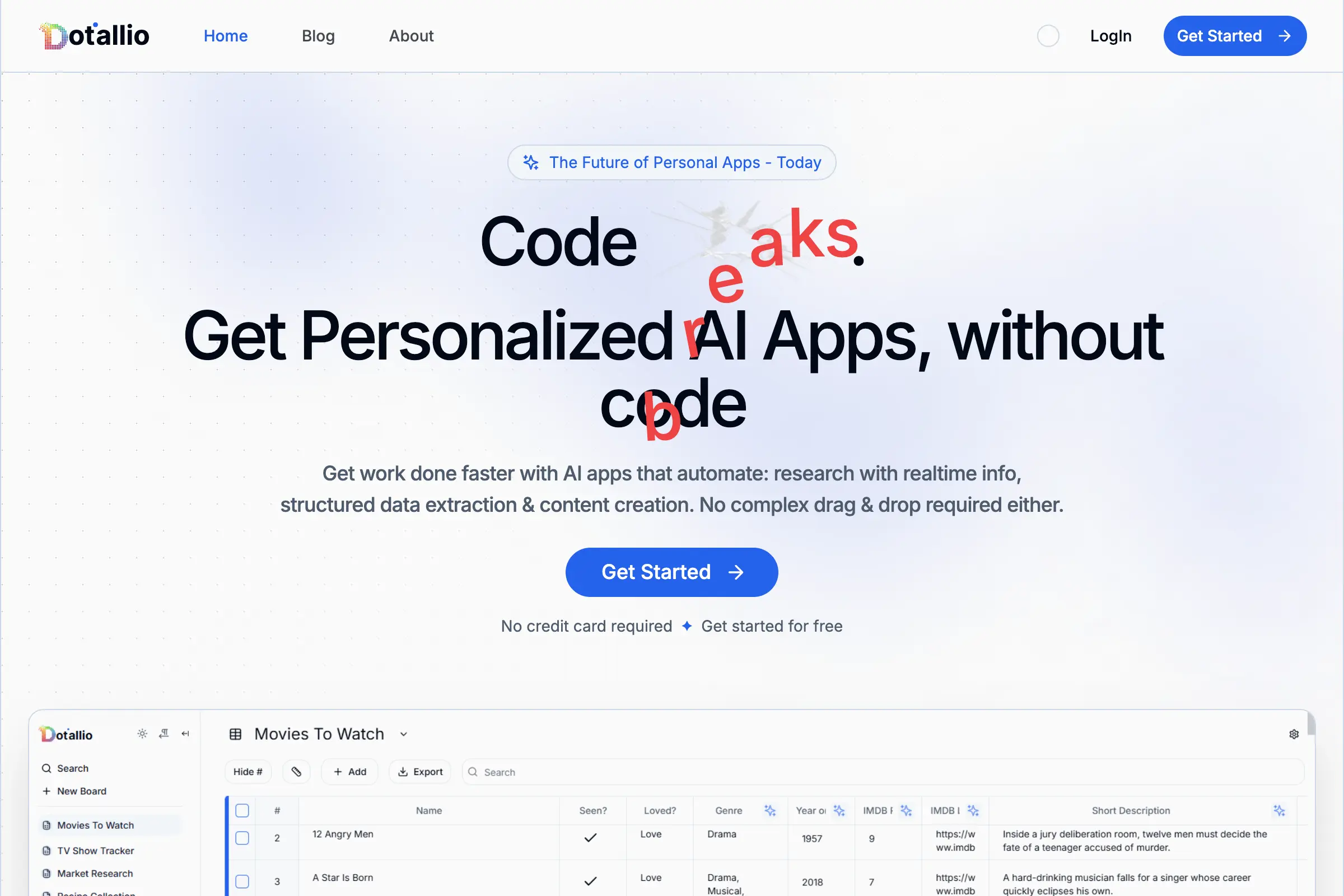
Dotallio
Personalized AI apps that automate research, data extraction, and content creation without code 🤖

Talk to Santa
Enjoy a magical live video chat or receive a unique AI-generated video greeting from Santa Claus 🎅

pozywka.pl
Scalable blog for food journalist, focused on performance and user experience 🌭
zagrodzki.me
Personal blog and portfolio of Bart Zagrodzki, where he shares his knowledge and work 💼
TurboStarter
Ship your startup everywhere. In minutes.
HTML to Markdown
Convert HTML to Markdown with ease, directly in your browser 📄
Dotallio
Personalized AI apps that automate research, data extraction, and content creation without code 🤖
Talk to Santa
Enjoy a magical live video chat or receive a unique AI-generated video greeting from Santa Claus 🎅
pozywka.pl
Scalable blog for food journalist, focused on performance and user experience 🌭
zagrodzki.me
Personal blog and portfolio of Bart Zagrodzki, where he shares his knowledge and work 💼
TurboStarter
Ship your startup everywhere. In minutes.
HTML to Markdown
Convert HTML to Markdown with ease, directly in your browser 📄
Dotallio
Personalized AI apps that automate research, data extraction, and content creation without code 🤖
Talk to Santa
Enjoy a magical live video chat or receive a unique AI-generated video greeting from Santa Claus 🎅
pozywka.pl
Scalable blog for food journalist, focused on performance and user experience 🌭
zagrodzki.me
Personal blog and portfolio of Bart Zagrodzki, where he shares his knowledge and work 💼
TurboStarter
Ship your startup everywhere. In minutes.
HTML to Markdown
Convert HTML to Markdown with ease, directly in your browser 📄
Dotallio
Personalized AI apps that automate research, data extraction, and content creation without code 🤖
Talk to Santa
Enjoy a magical live video chat or receive a unique AI-generated video greeting from Santa Claus 🎅
pozywka.pl
Scalable blog for food journalist, focused on performance and user experience 🌭
zagrodzki.me
Personal blog and portfolio of Bart Zagrodzki, where he shares his knowledge and work 💼
TurboStarter
Ship your startup everywhere. In minutes.
HTML to Markdown
Convert HTML to Markdown with ease, directly in your browser 📄
Omichat
Chat with 50+ AI models, including ChatGPT and Claude, in one place - switch models anytime without losing context 🤖
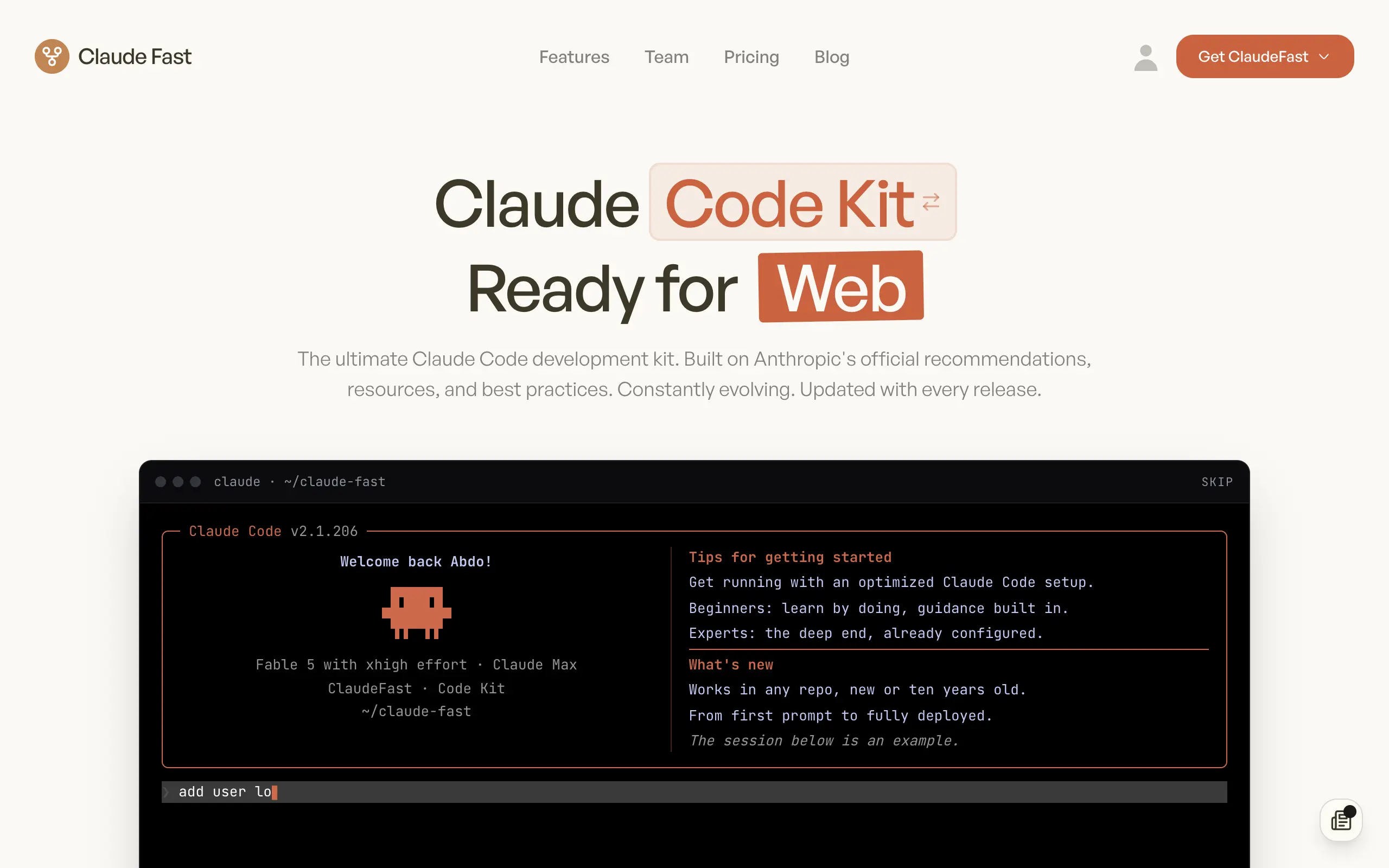
Claude Fast
Supercharge your Claude Code with 6x effective context window and specialized AI agents 🤖
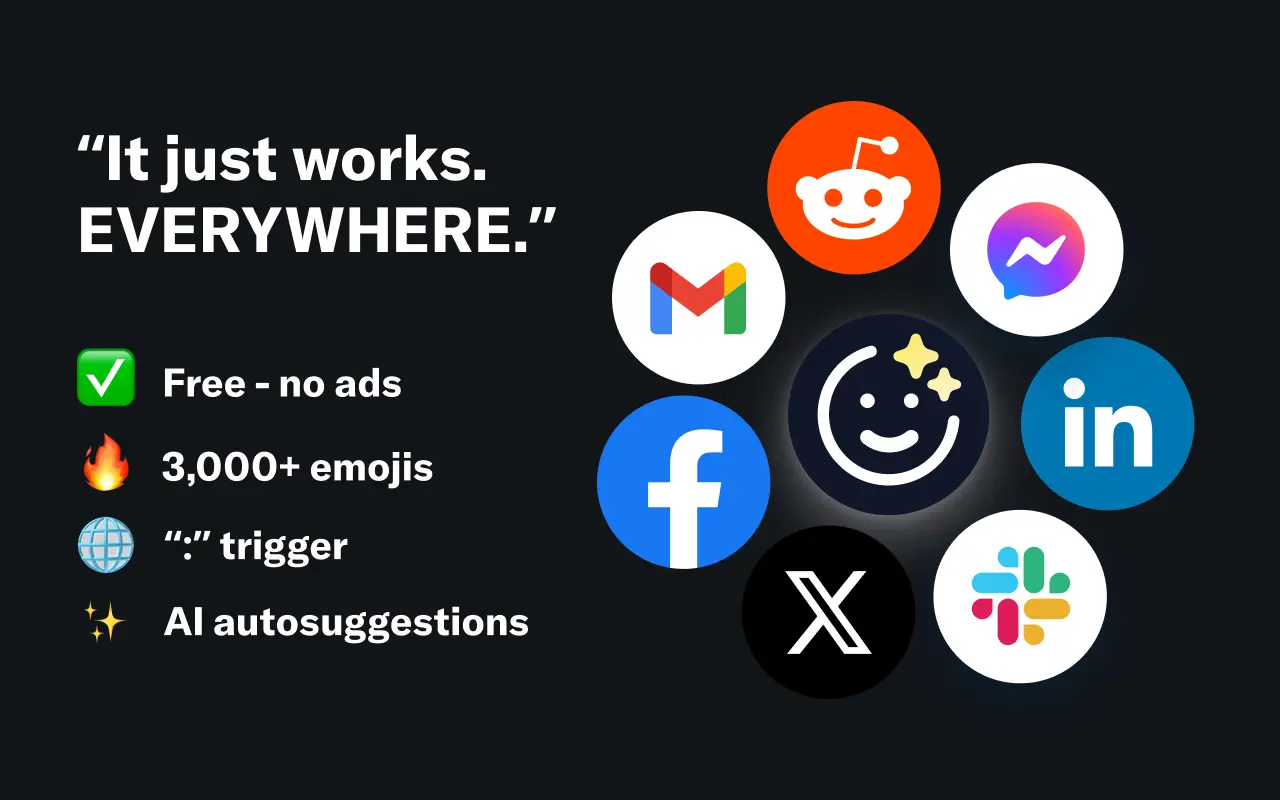
EmojAI
AI-powered emoji picker with smart, context-aware suggestions 🤖
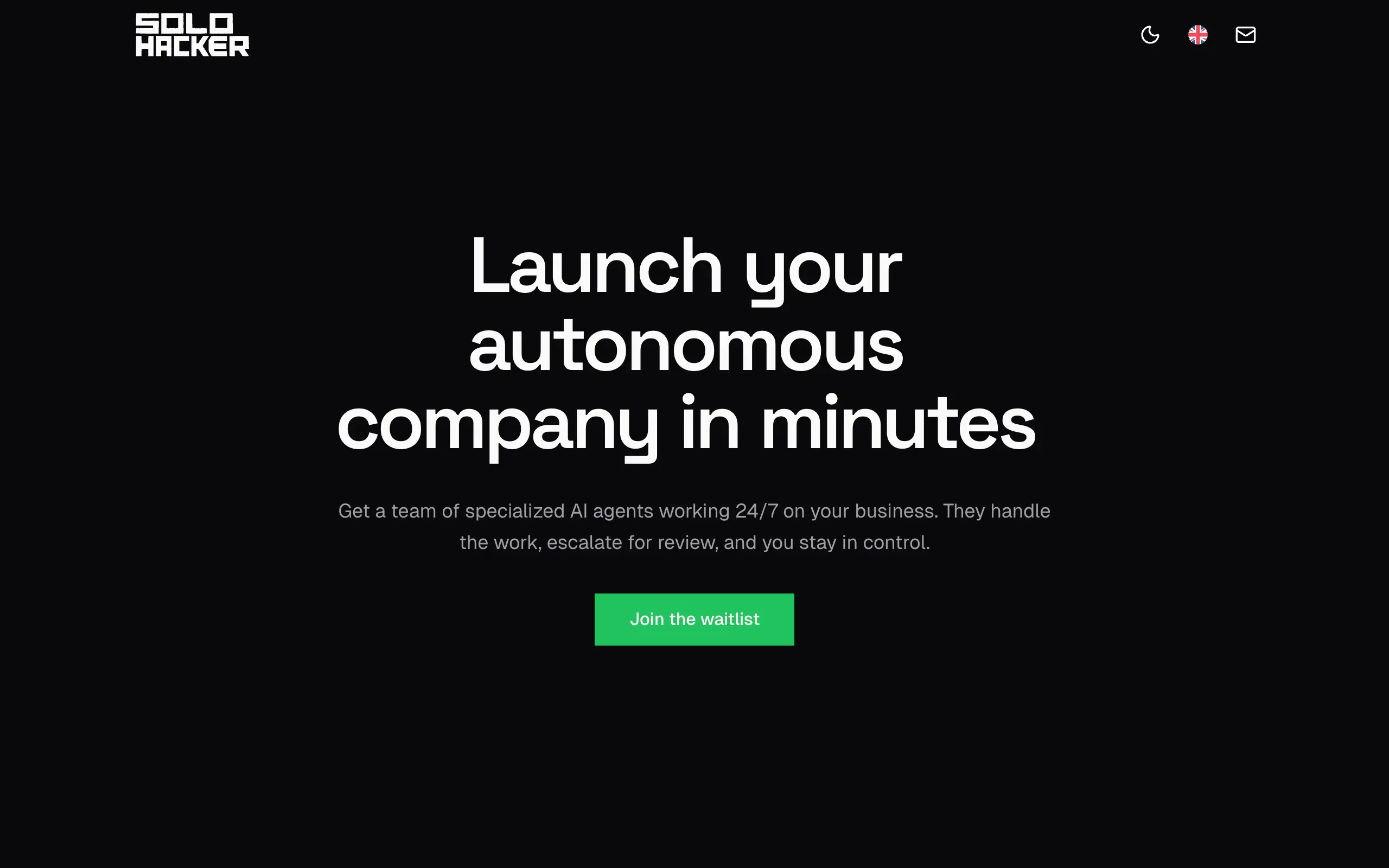
Solohacker
Autonomous company launcher - AI agents work 24/7, escalate what matters, and you stay in control 🤖
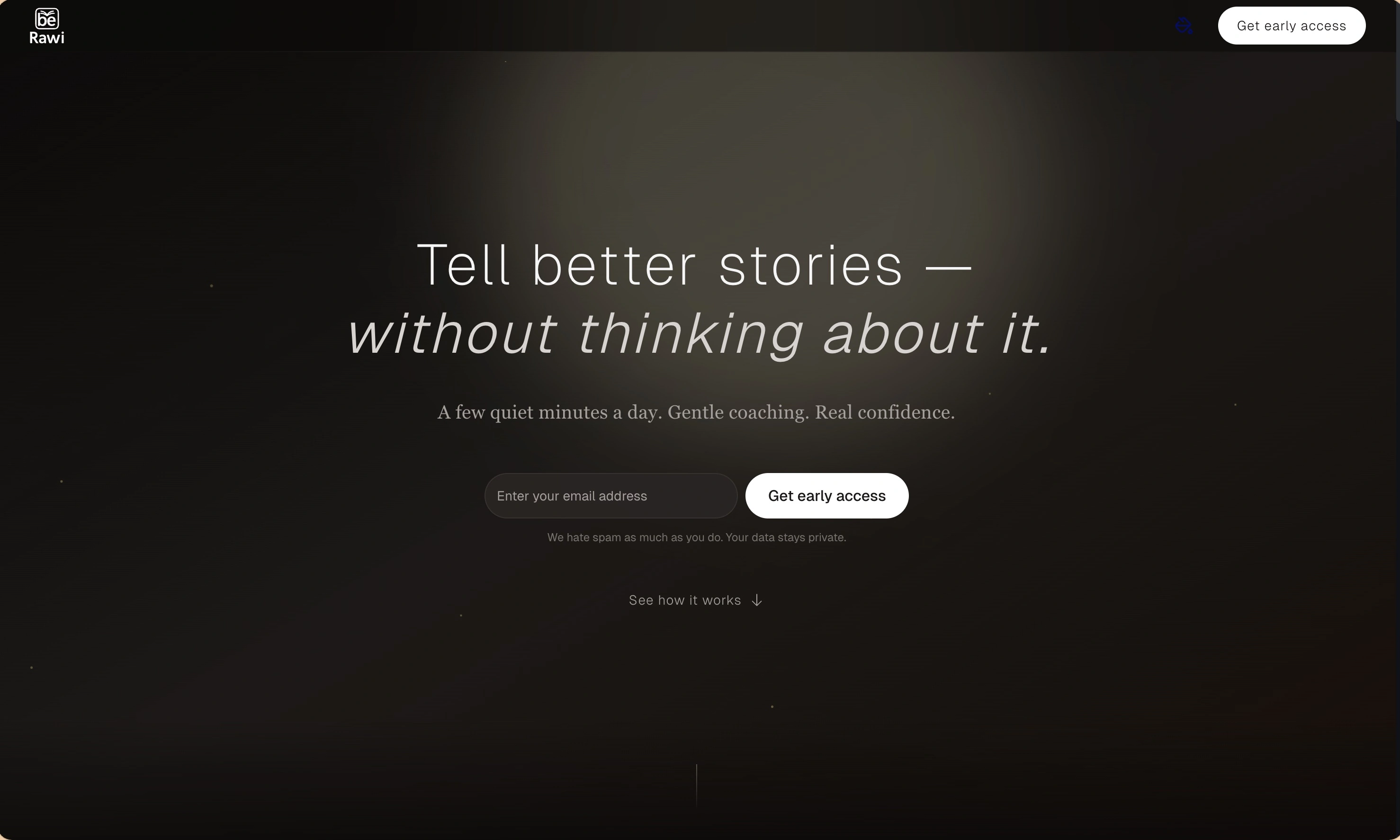
BeRawi: Storytelling Coach
Practice storytelling daily with instant feedback to sound clearer, more engaging, and confident 🎤
Omichat
Chat with 50+ AI models, including ChatGPT and Claude, in one place - switch models anytime without losing context 🤖
Claude Fast
Supercharge your Claude Code with 6x effective context window and specialized AI agents 🤖
EmojAI
AI-powered emoji picker with smart, context-aware suggestions 🤖
Solohacker
Autonomous company launcher - AI agents work 24/7, escalate what matters, and you stay in control 🤖
BeRawi: Storytelling Coach
Practice storytelling daily with instant feedback to sound clearer, more engaging, and confident 🎤
Omichat
Chat with 50+ AI models, including ChatGPT and Claude, in one place - switch models anytime without losing context 🤖
Claude Fast
Supercharge your Claude Code with 6x effective context window and specialized AI agents 🤖
EmojAI
AI-powered emoji picker with smart, context-aware suggestions 🤖
Solohacker
Autonomous company launcher - AI agents work 24/7, escalate what matters, and you stay in control 🤖
BeRawi: Storytelling Coach
Practice storytelling daily with instant feedback to sound clearer, more engaging, and confident 🎤
Omichat
Chat with 50+ AI models, including ChatGPT and Claude, in one place - switch models anytime without losing context 🤖
Claude Fast
Supercharge your Claude Code with 6x effective context window and specialized AI agents 🤖
EmojAI
AI-powered emoji picker with smart, context-aware suggestions 🤖
Solohacker
Autonomous company launcher - AI agents work 24/7, escalate what matters, and you stay in control 🤖
BeRawi: Storytelling Coach
Practice storytelling daily with instant feedback to sound clearer, more engaging, and confident 🎤

Connect with like-minded people
Join our community to get feedback, support, and grow together with 1,000+ builders on board, let's ship it!
Join usShip your startup everywhere. In minutes.
Don't burn tokens on setup and start building features on day one.