SekolahRisk Radar
Early-warning AI that flags at-risk schools using attendance, finance, and facility data, with actionable interventions and budget scenarios for policymakers.
what is an AI-powered school risk radar and why it matters now
Education systems today are sitting on mountains of underutilized data: attendance logs, financial records, infrastructure reports, teacher allocation, and more. Yet, most governments and education bodies still operate reactively—responding to crises like school dropouts, infrastructure failures, or budget misallocations after the damage is already done.
An AI-powered school risk radar like SekolahRisk Radar flips that model. Instead of reacting, it predicts. It uses machine learning models to analyze multi-dimensional school data and flag institutions at risk before problems escalate.
This concept directly aligns with growing global demand for predictive analytics in public sector education, especially in emerging markets where resource allocation must be highly optimized.
From a search intent perspective, users exploring this idea are typically looking for:
- Validation of the concept
- Market potential and feasibility
- Technical architecture and implementation
- Competitive positioning
This article delivers all of that—deep, practical, and actionable.
the core problem: reactive education systems are failing
Most education systems suffer from three critical blind spots:
1. delayed visibility into school performance
Schools often report data monthly or quarterly. By the time issues are identified:
- Dropout rates have already increased
- Facilities have degraded significantly
- Budget deficits have worsened
2. siloed data systems
Attendance, finance, and infrastructure data are rarely integrated. This leads to:
- Fragmented decision-making
- Incomplete insights
- Inefficient interventions
3. lack of predictive capability
Even when data exists, it's rarely used for forecasting:
- No early-warning systems
- No risk scoring
- No scenario simulation
Key insight
The biggest opportunity isn't collecting more data—it's making existing data predictive and actionable.
solution overview: how SekolahRisk Radar works
SekolahRisk Radar is an AI-driven early warning system designed to:
- Identify at-risk schools using predictive models
- Provide intervention recommendations
- Simulate budget scenarios for policymakers
core functionality
Risk scoring engine
Assigns risk levels to schools based on multiple indicators like attendance trends, financial health, and infrastructure conditions.
Predictive analytics
Uses machine learning to forecast potential issues such as dropout spikes or facility failures.
Intervention recommendations
Suggests actionable steps tailored to each school's specific risks.
Budget scenario simulation
Allows policymakers to test funding strategies and see projected outcomes.
target audience and buyer personas
primary users
- Government education ministries
- Local education authorities (district/city level)
- Public policy analysts
- NGOs in education sector
secondary users
- School administrators
- Education consultants
- International development organizations
buyer personas breakdown
Needs macro-level insights across regions. Values predictive modeling and budget optimization. Concerned with national KPIs like literacy rates and dropout reduction.
Focuses on operational decisions. Needs actionable alerts and prioritization of interventions across schools.
Seeks data-driven justification for funding and interventions. Values transparency and measurable impact.
market opportunity and gap analysis
global trends driving demand
- Increased adoption of AI in public sector decision-making
- Rising focus on data-driven education policy
- Growth in GovTech and EdTech convergence
According to reports from organizations like UNESCO and the World Bank (reference recommended), education systems are under increasing pressure to:
- Improve outcomes with limited budgets
- Reduce inequality across regions
- Digitize infrastructure
existing gaps in the market
Most existing tools fall into one of these categories:
- Student performance analytics platforms
- School management systems (SMS)
- Financial tracking tools
None combine:
- Multi-dimensional risk modeling
- Predictive analytics
- Policy-level simulation tools
competitive landscape
| Feature | SMS tools | EdTech analytics | Gov dashboards | SekolahRisk Radar |
|---|---|---|---|---|
| Predictive risk scoring | ❌ | ✅ | ❌ | ✅ |
| Multi-data integration | ✅ | ❌ | ✅ | ✅ |
| Policy simulation | ❌ | ❌ | ❌ | ✅ |
| Actionable interventions | ❌ | ✅ | ❌ | ✅ |
key features and system architecture
1. data ingestion layer
Sources include:
- Attendance systems
- Financial records
- Facility inspection reports
- Teacher staffing data
2. AI modeling layer
Models used:
- Classification models (risk levels)
- Time-series forecasting (trend prediction)
- Anomaly detection (sudden changes)
3. decision engine
Transforms predictions into:
- Alerts
- Recommendations
- Budget scenarios
4. visualization dashboard
- Heatmaps of risk distribution
- Drill-down reports per school
- Scenario comparison tools
recommended tech stack (with trade-offs)
frontend
- React for dynamic UI
- TailwindCSS for fast styling
Trade-off: React offers flexibility but requires strong state management planning.
backend
- Node.js (fast iteration) or Python (better for ML integration)
AI/ML layer
- Python ecosystem:
- scikit-learn
- TensorFlow or PyTorch
Trade-off: TensorFlow is production-ready; PyTorch is more flexible for experimentation.
data infrastructure
- PostgreSQL for structured data
- BigQuery or Snowflake for analytics at scale
cloud
- AWS or GCP for scalability
- GCP is often preferred for ML-heavy workloads
monetization strategy
1. government SaaS contracts
- Annual licensing fees
- Tiered pricing based on number of schools
2. consulting + implementation
- Data integration services
- Model customization
3. usage-based pricing
- Charge per analysis or simulation
4. freemium pilot model
Offer:
- Limited dashboard access
- Basic risk scoring
Upsell:
- Advanced analytics
- Scenario modeling
unique selling proposition (USP)
SekolahRisk Radar stands out because it combines:
- Predictive analytics + policy simulation
- Multi-source data integration
- Actionable recommendations (not just insights)
Most tools stop at dashboards. This goes further into decision intelligence.
potential risks and mitigation strategies
data quality issues
Risk: Inaccurate predictions due to poor data
Mitigation:
- Data validation pipelines
- Confidence scoring
resistance to adoption
Risk: Government reluctance
Mitigation:
- Pilot programs
- ROI demonstrations
ethical concerns
Risk: Bias in AI models
Mitigation:
- Transparent modeling
- Regular audits
Important
AI predictions in education must be interpretable. Black-box models can erode trust among policymakers.
implementation roadmap
sample architecture snippet
// Simplified risk scoring logic
function calculateRiskScore(school) {
  const attendanceWeight = 0.4;
  const financeWeight = 0.3;
  const facilityWeight = 0.3;

  const score =
    school.attendanceRisk * attendanceWeight +
    school.financeRisk * financeWeight +
    school.facilityRisk * facilityWeight;

  return score;
}
go-to-market strategy
phase 1: pilot partnerships
- Partner with local governments
- Offer subsidized pilots
phase 2: credibility building
- Publish case studies
- Present at education conferences
phase 3: scale
- Expand regionally
- Target international development agencies
future opportunities and expansion
- Integration with student-level analytics
- AI-driven funding allocation optimization
- Cross-country benchmarking
- Integration with smart city infrastructure
why now is the perfect timing
Several factors make this idea especially viable today:
- Governments are prioritizing digital transformation
- AI adoption barriers are lower than ever
- Cloud infrastructure is widely accessible
- Data availability is increasing rapidly
actionable next steps for building this SaaS
final thoughts
SekolahRisk Radar is more than just another analytics tool—it's a decision intelligence platform for education systems. Its ability to combine predictive insights with actionable recommendations and budget simulations makes it uniquely positioned in the GovTech + EdTech space.
For founders and builders, this is a high-impact opportunity with strong market demand, especially in regions where education outcomes are closely tied to national development goals.
If you're serious about launching a SaaS like this, having the right foundation matters.
You can accelerate development using frameworks like TurboStarter, which help you skip boilerplate and focus on building differentiated features like AI models and data pipelines.
The opportunity is clear: move education systems from reactive to predictive—and make every decision count.
More 🤖 AI Startup SaaS ideas
Discover more innovative ai startup SaaS ideas that are trending in 2026. Each idea is AI-generated with market validation and growth potential to help you find your next profitable venture faster than competitors.
Your competitors are building with TurboStarter
Below are some of the SaaS ideas that have been generated and built with our starter kit.

Statiko
Monitor any Telegram channel in real time - track posts, edits, deletions, and growth with AI recaps 📡

Shibui
AI website builder - describe your business, pick a niche template, edit by chatting, and publish instantly ✨

Pro Service
Find verified home service professionals, compare quotes, and pay securely through escrow - built for Brazilians across the US 🏠
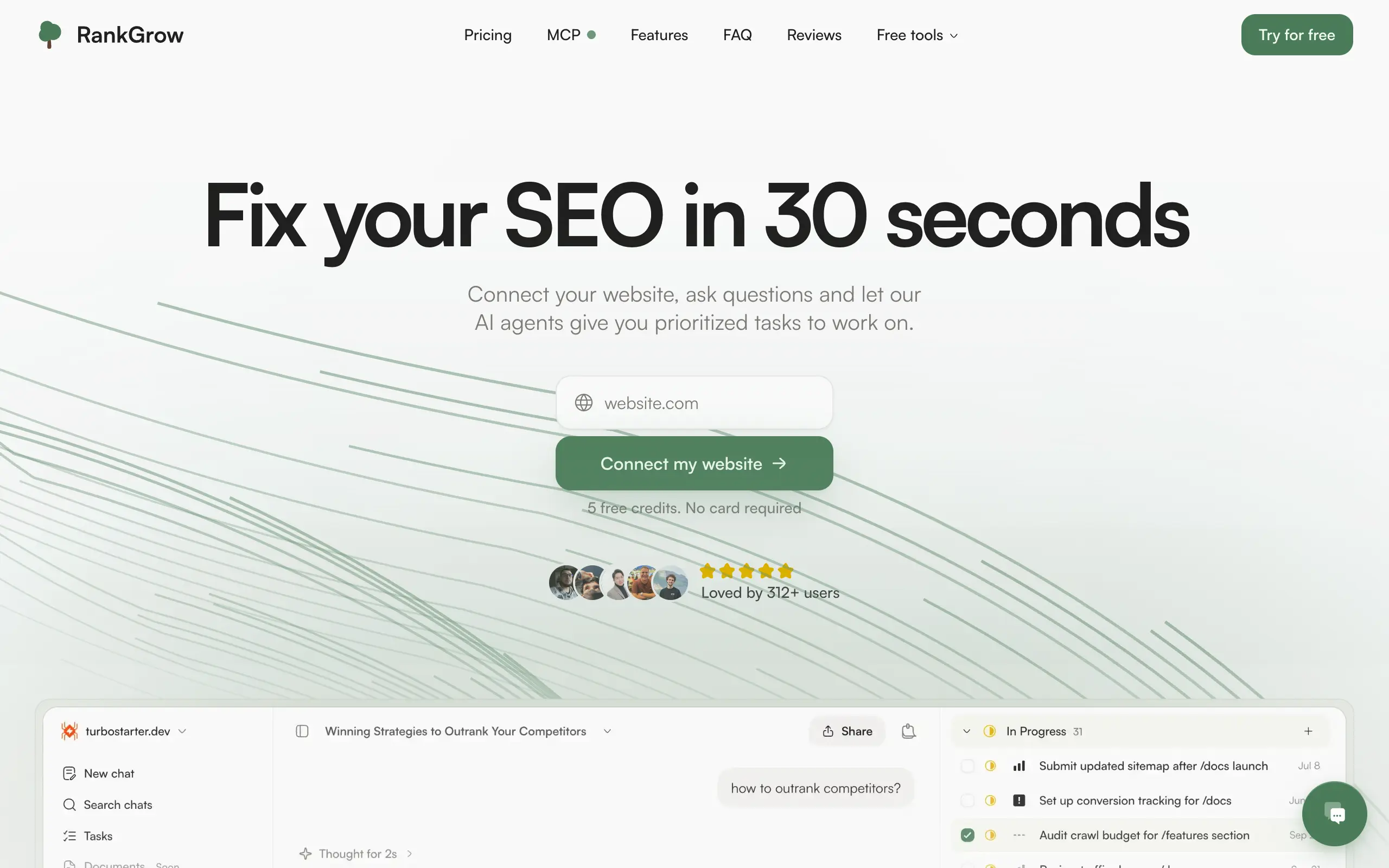
RankGrow
Fix your SEO with AI agents - connect Search Console, get prioritized tasks, and grow organic traffic 📈
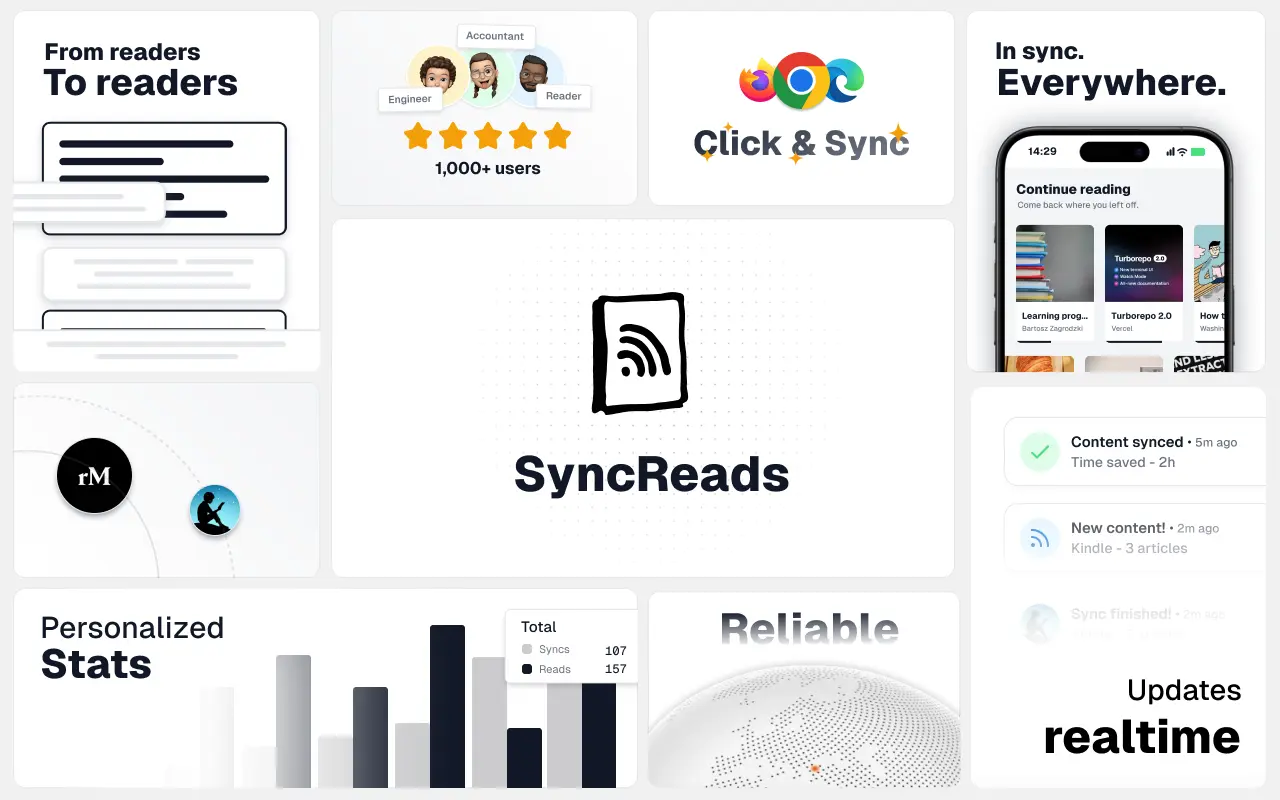
SyncReads
Sync your favorite content for distraction-free reading, save time and replace multiple apps. Anytime, anywhere 🔄
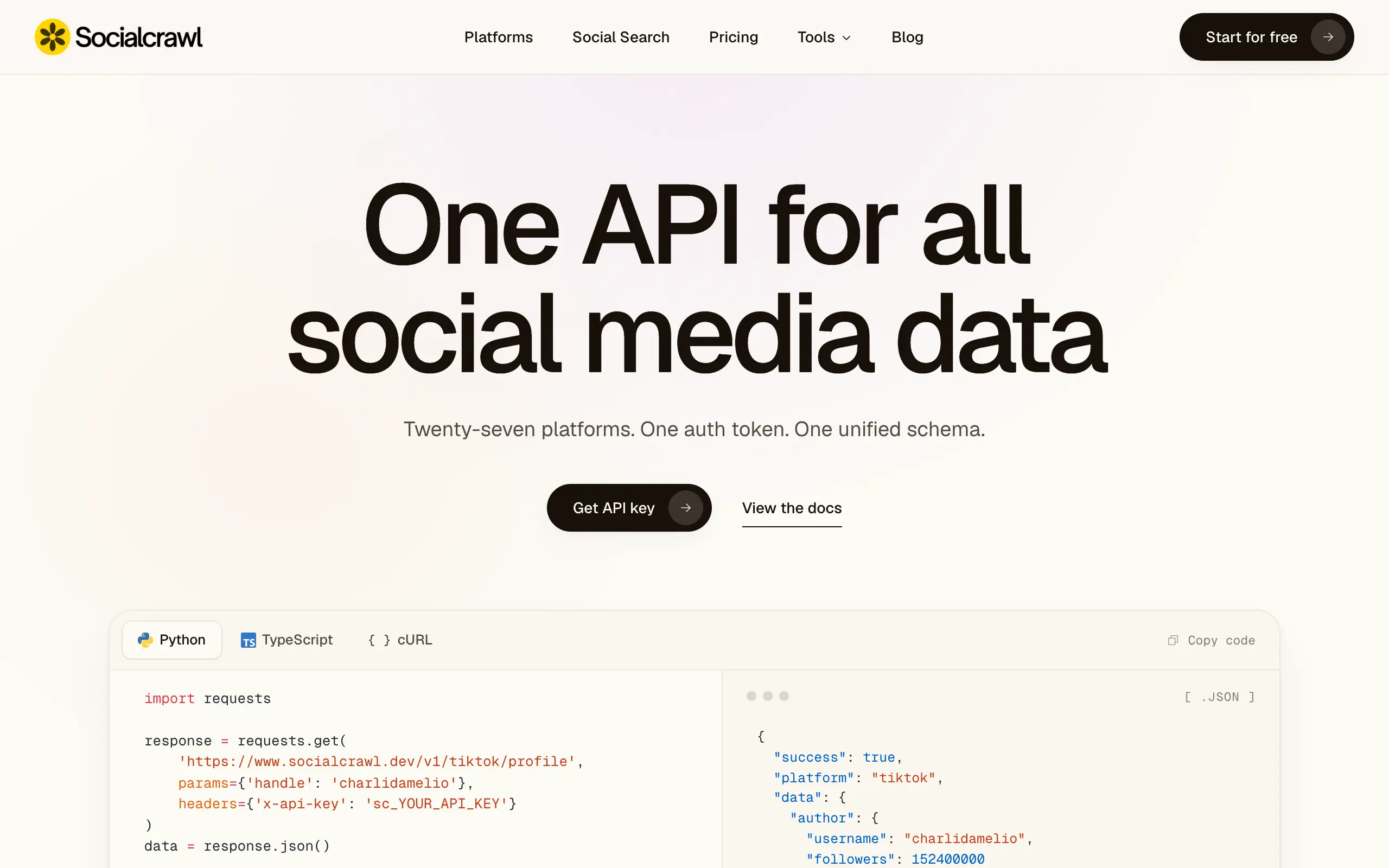
Socialcrawl
Get clean, structured data from 21 platforms like TikTok, Instagram, and YouTube with a single request 📊
Statiko
Monitor any Telegram channel in real time - track posts, edits, deletions, and growth with AI recaps 📡
Shibui
AI website builder - describe your business, pick a niche template, edit by chatting, and publish instantly ✨
Pro Service
Find verified home service professionals, compare quotes, and pay securely through escrow - built for Brazilians across the US 🏠
RankGrow
Fix your SEO with AI agents - connect Search Console, get prioritized tasks, and grow organic traffic 📈
SyncReads
Sync your favorite content for distraction-free reading, save time and replace multiple apps. Anytime, anywhere 🔄
Socialcrawl
Get clean, structured data from 21 platforms like TikTok, Instagram, and YouTube with a single request 📊
Statiko
Monitor any Telegram channel in real time - track posts, edits, deletions, and growth with AI recaps 📡
Shibui
AI website builder - describe your business, pick a niche template, edit by chatting, and publish instantly ✨
Pro Service
Find verified home service professionals, compare quotes, and pay securely through escrow - built for Brazilians across the US 🏠
RankGrow
Fix your SEO with AI agents - connect Search Console, get prioritized tasks, and grow organic traffic 📈
SyncReads
Sync your favorite content for distraction-free reading, save time and replace multiple apps. Anytime, anywhere 🔄
Socialcrawl
Get clean, structured data from 21 platforms like TikTok, Instagram, and YouTube with a single request 📊
Statiko
Monitor any Telegram channel in real time - track posts, edits, deletions, and growth with AI recaps 📡
Shibui
AI website builder - describe your business, pick a niche template, edit by chatting, and publish instantly ✨
Pro Service
Find verified home service professionals, compare quotes, and pay securely through escrow - built for Brazilians across the US 🏠
RankGrow
Fix your SEO with AI agents - connect Search Console, get prioritized tasks, and grow organic traffic 📈
SyncReads
Sync your favorite content for distraction-free reading, save time and replace multiple apps. Anytime, anywhere 🔄
Socialcrawl
Get clean, structured data from 21 platforms like TikTok, Instagram, and YouTube with a single request 📊
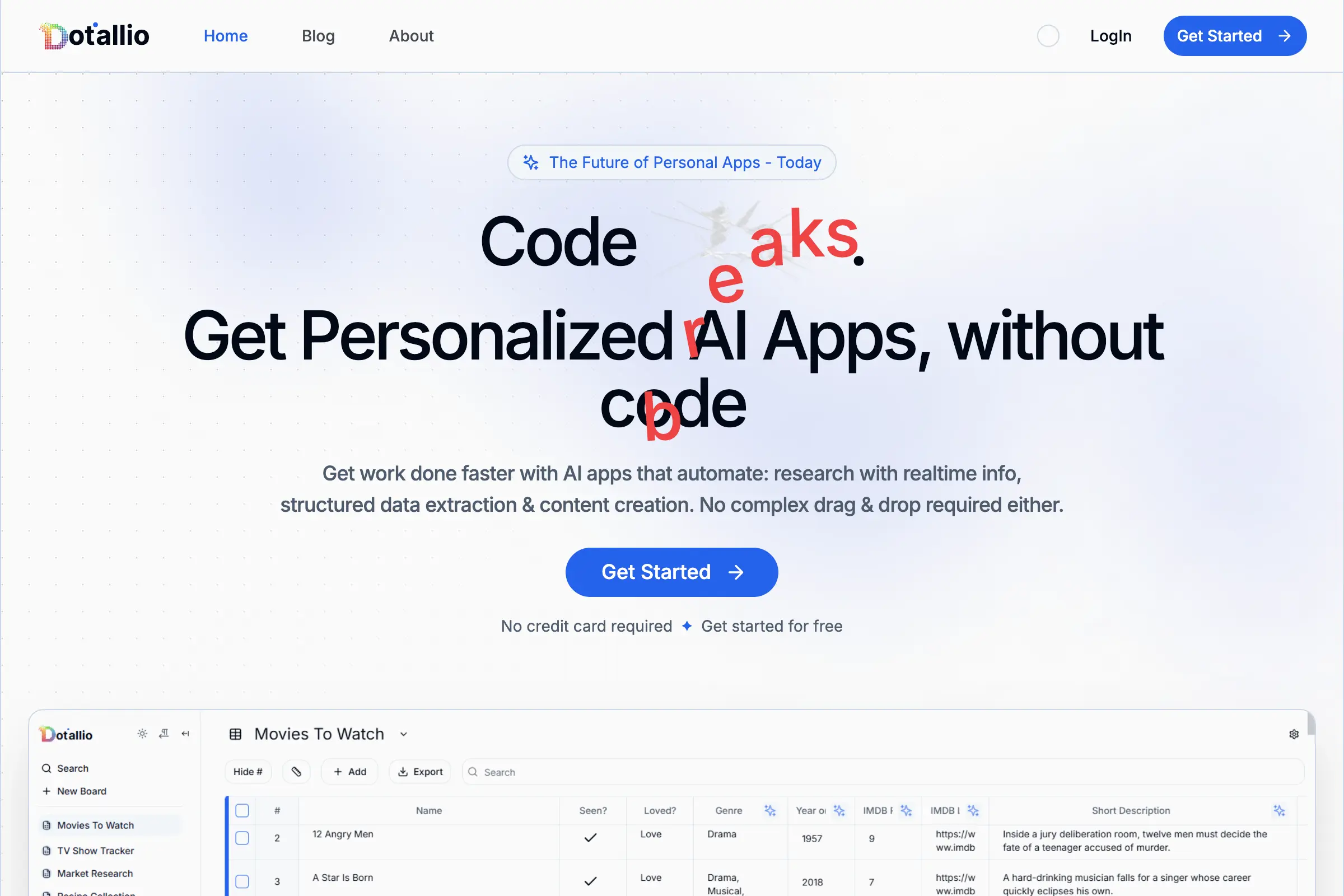
Dotallio
Personalized AI apps that automate research, data extraction, and content creation without code 🤖

Talk to Santa
Enjoy a magical live video chat or receive a unique AI-generated video greeting from Santa Claus 🎅

pozywka.pl
Scalable blog for food journalist, focused on performance and user experience 🌭
zagrodzki.me
Personal blog and portfolio of Bart Zagrodzki, where he shares his knowledge and work 💼
TurboStarter
Ship your startup everywhere. In minutes.
HTML to Markdown
Convert HTML to Markdown with ease, directly in your browser 📄
Dotallio
Personalized AI apps that automate research, data extraction, and content creation without code 🤖
Talk to Santa
Enjoy a magical live video chat or receive a unique AI-generated video greeting from Santa Claus 🎅
pozywka.pl
Scalable blog for food journalist, focused on performance and user experience 🌭
zagrodzki.me
Personal blog and portfolio of Bart Zagrodzki, where he shares his knowledge and work 💼
TurboStarter
Ship your startup everywhere. In minutes.
HTML to Markdown
Convert HTML to Markdown with ease, directly in your browser 📄
Dotallio
Personalized AI apps that automate research, data extraction, and content creation without code 🤖
Talk to Santa
Enjoy a magical live video chat or receive a unique AI-generated video greeting from Santa Claus 🎅
pozywka.pl
Scalable blog for food journalist, focused on performance and user experience 🌭
zagrodzki.me
Personal blog and portfolio of Bart Zagrodzki, where he shares his knowledge and work 💼
TurboStarter
Ship your startup everywhere. In minutes.
HTML to Markdown
Convert HTML to Markdown with ease, directly in your browser 📄
Dotallio
Personalized AI apps that automate research, data extraction, and content creation without code 🤖
Talk to Santa
Enjoy a magical live video chat or receive a unique AI-generated video greeting from Santa Claus 🎅
pozywka.pl
Scalable blog for food journalist, focused on performance and user experience 🌭
zagrodzki.me
Personal blog and portfolio of Bart Zagrodzki, where he shares his knowledge and work 💼
TurboStarter
Ship your startup everywhere. In minutes.
HTML to Markdown
Convert HTML to Markdown with ease, directly in your browser 📄
Omichat
Chat with 50+ AI models, including ChatGPT and Claude, in one place - switch models anytime without losing context 🤖
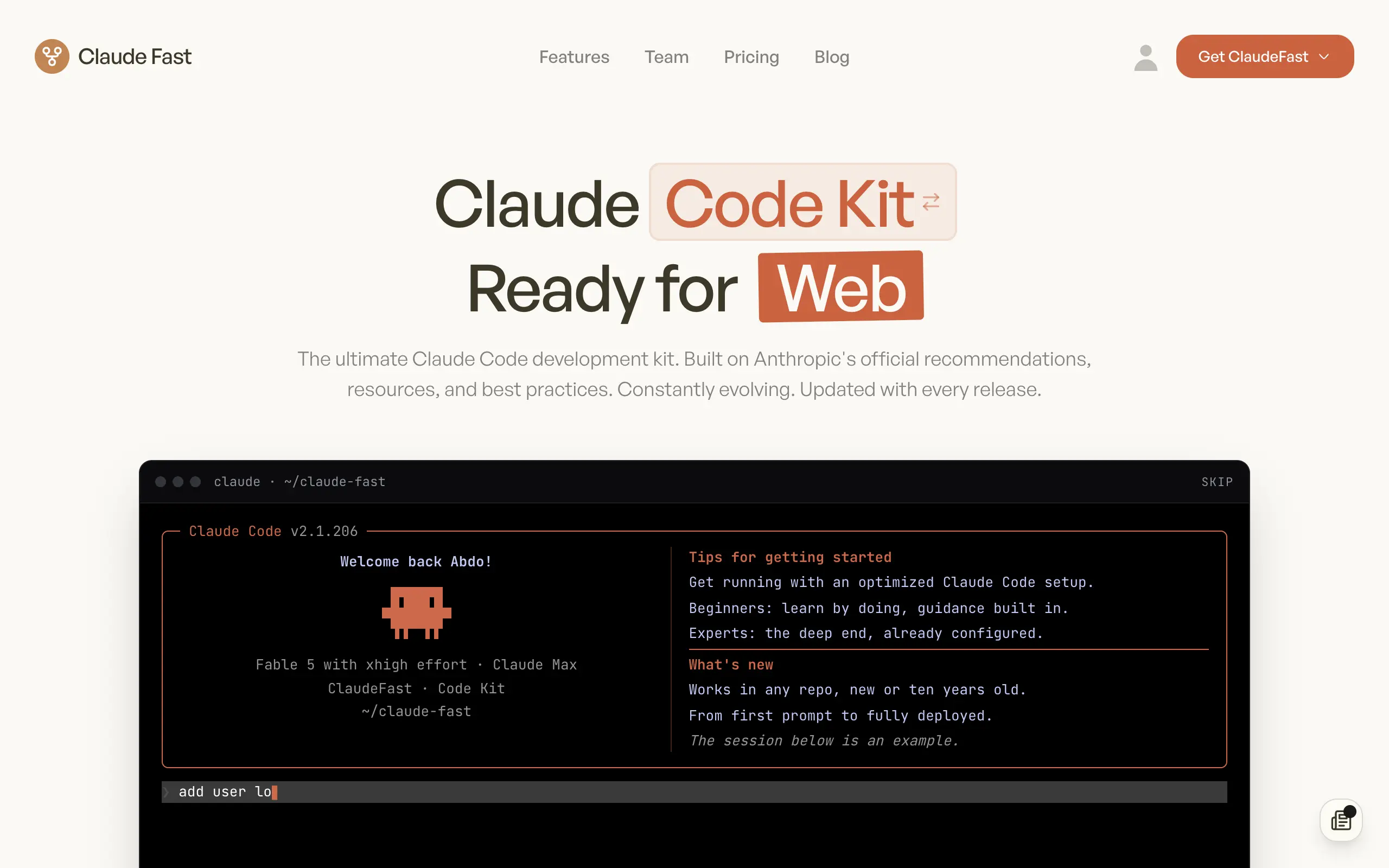
Claude Fast
Supercharge your Claude Code with 6x effective context window and specialized AI agents 🤖
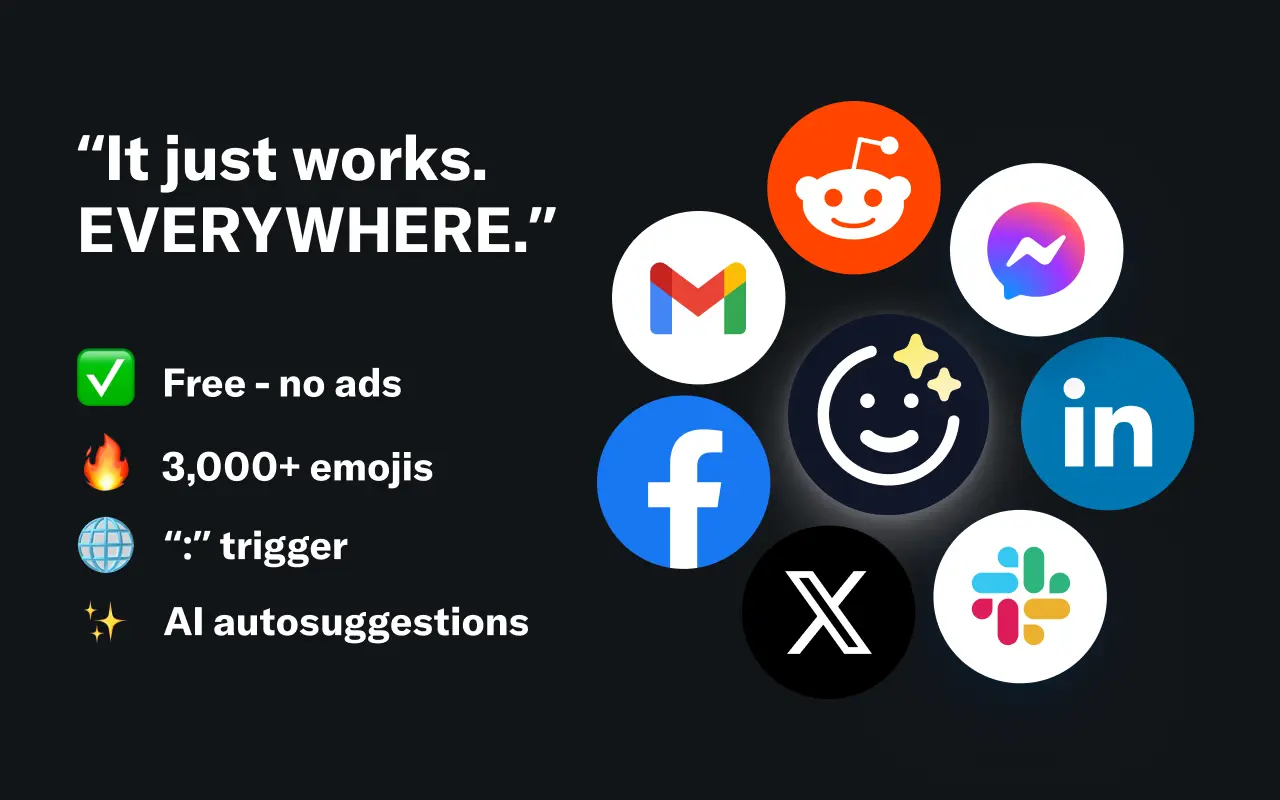
EmojAI
AI-powered emoji picker with smart, context-aware suggestions 🤖
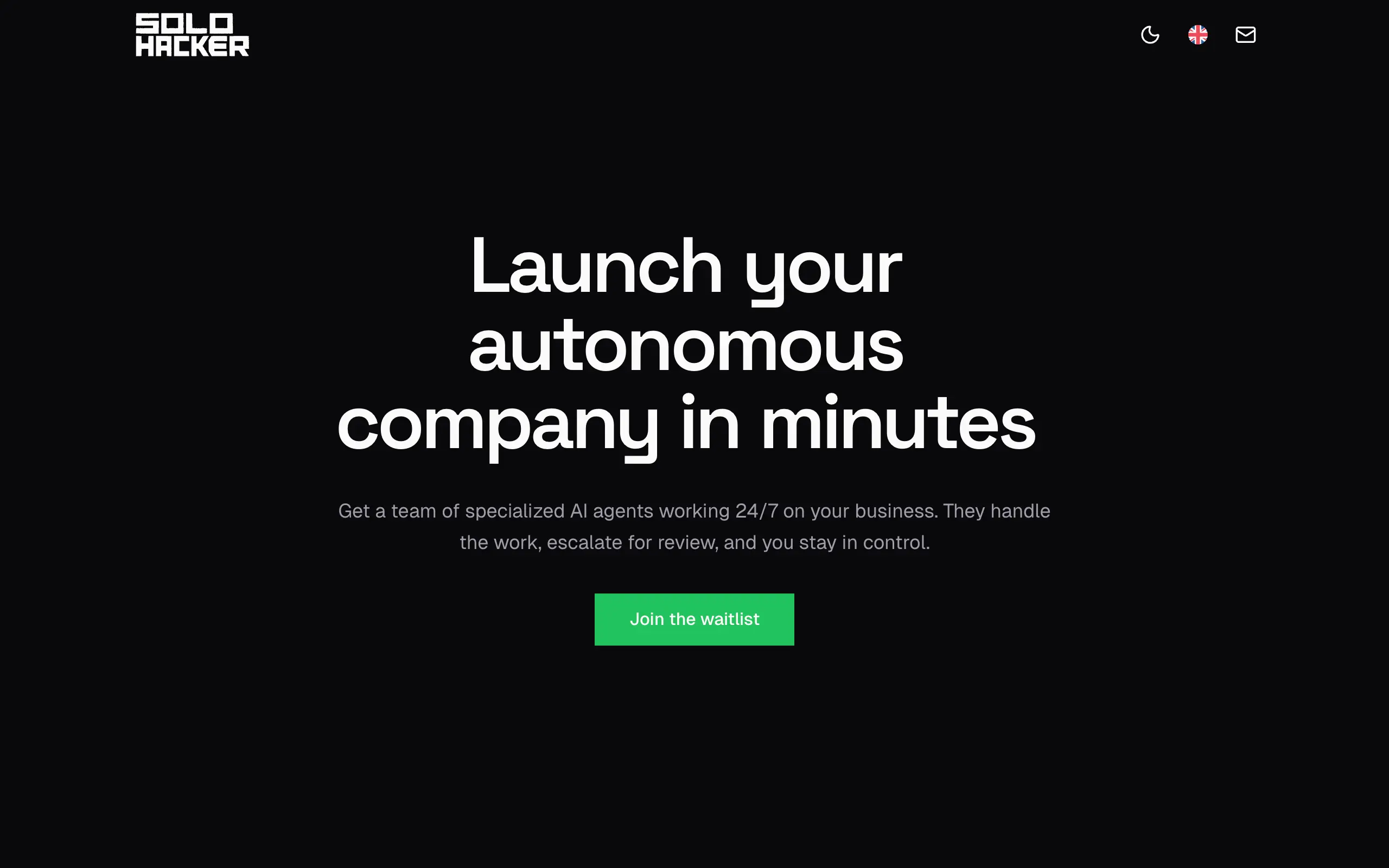
Solohacker
Autonomous company launcher - AI agents work 24/7, escalate what matters, and you stay in control 🤖
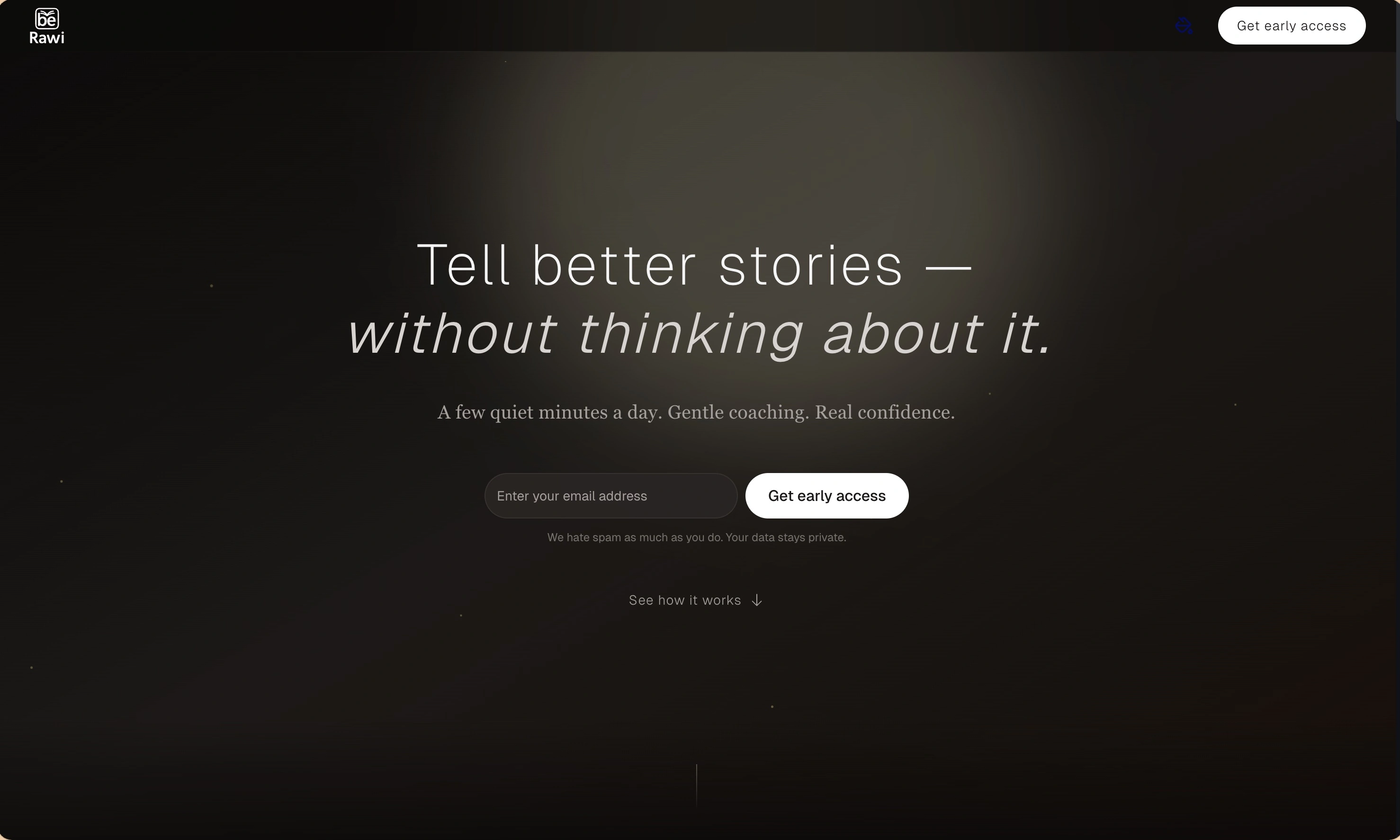
BeRawi: Storytelling Coach
Practice storytelling daily with instant feedback to sound clearer, more engaging, and confident 🎤
Omichat
Chat with 50+ AI models, including ChatGPT and Claude, in one place - switch models anytime without losing context 🤖
Claude Fast
Supercharge your Claude Code with 6x effective context window and specialized AI agents 🤖
EmojAI
AI-powered emoji picker with smart, context-aware suggestions 🤖
Solohacker
Autonomous company launcher - AI agents work 24/7, escalate what matters, and you stay in control 🤖
BeRawi: Storytelling Coach
Practice storytelling daily with instant feedback to sound clearer, more engaging, and confident 🎤
Omichat
Chat with 50+ AI models, including ChatGPT and Claude, in one place - switch models anytime without losing context 🤖
Claude Fast
Supercharge your Claude Code with 6x effective context window and specialized AI agents 🤖
EmojAI
AI-powered emoji picker with smart, context-aware suggestions 🤖
Solohacker
Autonomous company launcher - AI agents work 24/7, escalate what matters, and you stay in control 🤖
BeRawi: Storytelling Coach
Practice storytelling daily with instant feedback to sound clearer, more engaging, and confident 🎤
Omichat
Chat with 50+ AI models, including ChatGPT and Claude, in one place - switch models anytime without losing context 🤖
Claude Fast
Supercharge your Claude Code with 6x effective context window and specialized AI agents 🤖
EmojAI
AI-powered emoji picker with smart, context-aware suggestions 🤖
Solohacker
Autonomous company launcher - AI agents work 24/7, escalate what matters, and you stay in control 🤖
BeRawi: Storytelling Coach
Practice storytelling daily with instant feedback to sound clearer, more engaging, and confident 🎤

Connect with like-minded people
Join our community to get feedback, support, and grow together with 1,000+ builders on board, let's ship it!
Join usShip your startup everywhere. In minutes.
Don't burn tokens on setup and start building features on day one.