SEOgenius AI
Optimisez votre contenu web grâce à une IA qui génère, analyse et améliore automatiquement vos textes pour un meilleur référencement SEO, en plusieurs langues.
Understanding the need for AI-powered SEO content optimization
In today's digital landscape, ranking high on search engines is more competitive than ever. Businesses, bloggers, and agencies are constantly seeking ways to improve their online visibility and drive organic traffic. Traditional SEO strategies—while still valuable—are often time-consuming, require deep expertise, and can be difficult to scale, especially when targeting multiple languages or markets.
SEOgenius AI addresses these challenges by leveraging artificial intelligence to generate, analyze, and enhance web content for optimal SEO performance, all while supporting multilingual capabilities. This article explores the core value proposition of SEOgenius AI, its target audience, market opportunity, features, technology stack, monetization strategies, risks, and actionable steps for implementation.
Who benefits most from SEOgenius AI? Target audience analysis
Understanding the primary users is crucial for product-market fit. SEOgenius AI is designed for:
- Digital marketing agencies: Agencies managing multiple clients need scalable, consistent, and high-quality SEO content solutions.
- Content creators and bloggers: Individuals aiming to boost their organic reach without hiring dedicated SEO experts.
- E-commerce businesses: Online stores seeking to optimize product descriptions, category pages, and blog content in several languages.
- SMBs and startups: Small and medium businesses with limited resources for in-house SEO teams.
- Enterprise marketing teams: Large organizations looking to streamline and automate their content optimization workflows.
- Freelance SEO consultants: Professionals who want to deliver more value to clients with AI-driven insights and automation.
User intent for this audience typically revolves around:
- Finding ways to automate and scale SEO content creation.
- Improving existing content for better rankings.
- Expanding reach to international markets with multilingual SEO.
- Reducing manual effort and reliance on expensive human resources.
Identifying the market opportunity and gaps
The global SEO software market is projected to reach over $1.6 billion by 2027 (source: suggest referencing a recent market research report). However, several pain points persist:
- Manual content optimization is slow and error-prone: Even with tools like SEMrush or Ahrefs, much of the work is still manual.
- Multilingual SEO is underserved: Many platforms focus on English, leaving a gap for businesses targeting non-English-speaking audiences.
- AI content tools lack true SEO intelligence: While AI writers exist, few deeply integrate real-time SEO analysis and recommendations.
- Scalability issues: Agencies and enterprises struggle to maintain quality and consistency across large volumes of content.
SEOgenius AI fills these gaps by combining advanced AI content generation with real-time SEO analysis and multilingual support, all in a single, user-friendly platform.
Core features and solution details
SEOgenius AI stands out by offering a comprehensive suite of features tailored to modern SEO needs:
1. AI-powered content generation
- Context-aware writing: Generates articles, product descriptions, and landing pages optimized for target keywords and user intent.
- Semantic keyword integration: Automatically includes LSI (Latent Semantic Indexing) keywords for better topical relevance.
- Tone and style customization: Adapts to brand voice and audience preferences.
2. Real-time SEO analysis
- On-page SEO scoring: Evaluates content for keyword density, readability, meta tags, and more.
- Competitor benchmarking: Compares your content against top-ranking pages.
- Actionable recommendations: Provides step-by-step suggestions to improve rankings.
3. Multilingual optimization
- Automatic translation: Generates and optimizes content in multiple languages.
- Localized keyword research: Identifies high-value keywords for each target market.
- Cultural adaptation: Ensures content resonates with local audiences.
4. Continuous content improvement
- Content audits: Scans existing pages for SEO gaps and suggests improvements.
- A/B testing support: Facilitates testing of headlines, meta descriptions, and content variations.
- Performance tracking: Monitors ranking changes and traffic impact over time.
5. Collaboration and workflow tools
- Team management: Assign roles, track progress, and manage approvals.
- Integration with CMS: Connects with platforms like WordPress, Shopify, and Webflow.
- API access: Enables custom integrations and automation.
AI content generation
Produce SEO-optimized articles, product pages, and more with context-aware AI.
Real-time SEO analysis
Get instant feedback and actionable recommendations to boost rankings.
Multilingual support
Expand your reach with content optimized for multiple languages and locales.
Content improvement
Audit and enhance existing content for ongoing SEO gains.
Collaboration tools
Streamline workflows with team management and CMS integrations.
Recommended tech stack for SEOgenius AI
Choosing the right technology stack is critical for scalability, performance, and maintainability. Here’s a recommended stack for building SEOgenius AI, along with trade-offs:
Frontend
- React: Modern, component-based UI development. Large ecosystem and community support.
- Next.js: Server-side rendering for SEO-friendly pages and fast performance.
- TailwindCSS: Utility-first CSS framework for rapid UI development.
Trade-off: React and Next.js offer flexibility and performance, but may require more initial setup compared to simpler frameworks.
Backend
- Node.js: Scalable, event-driven backend for handling API requests.
- Express: Lightweight web framework for building RESTful APIs.
- Python (for AI/ML): Leverage libraries like spaCy, Transformers, and TensorFlow for natural language processing and AI content generation.
Trade-off: Combining Node.js and Python allows leveraging the best of both worlds, but requires robust inter-process communication (e.g., via REST or gRPC).
Database
- PostgreSQL: Reliable, scalable relational database for storing user data, content, and analytics.
- Redis: In-memory caching for fast data retrieval.
AI/ML infrastructure
- Hugging Face: Pre-trained language models for content generation and analysis.
- Google Cloud AI or AWS SageMaker: Scalable cloud-based model training and deployment.
Integrations
- Zapier: Automate workflows with third-party tools.
- Google Search Console: Track SEO performance and indexing.
Pro tip
Consider using containerization with Docker and orchestration via Kubernetes for scalable deployments.
Monetization strategy options
A robust monetization plan ensures long-term sustainability. Here are proven strategies for SEOgenius AI:
1. Subscription-based SaaS
- Tiered pricing: Offer plans based on usage (number of articles, languages, team members).
- Freemium model: Provide basic features for free, with premium upgrades for advanced capabilities.
- Enterprise custom plans: Tailored solutions for large organizations with dedicated support.
2. Pay-as-you-go
- Credit system: Users purchase credits for content generation or analysis tasks.
- API access: Charge per API call for integration with other platforms.
3. Add-on services
- SEO audits: Offer in-depth, one-time content audits as a paid service.
- Consulting: Provide expert SEO consulting or managed services.
4. Affiliate partnerships
- Integrate with other SaaS tools: Earn commissions by recommending complementary products (e.g., hosting, analytics).
| Subscription | Pay-as-you-go | Freemium | Enterprise | Affiliate |
|---|---|---|---|---|
| ✅ | ❌ | ❌ | ✅ | ❌ |
| ✅ | ❌ | ✅ | ✅ | ❌ |
Potential risks and mitigation strategies
Launching an AI-powered SEO platform comes with challenges. Here’s how to address them:
1. Content quality and originality
- Risk: AI-generated content may lack originality or be flagged as low-quality by search engines.
- Mitigation: Use advanced models with human-in-the-loop editing. Regularly update algorithms to align with Google’s guidelines.
2. Algorithm updates
- Risk: Search engine algorithm changes can impact the effectiveness of optimization strategies.
- Mitigation: Monitor industry updates and adapt features accordingly. Offer dynamic recommendations based on the latest best practices.
3. Multilingual accuracy
- Risk: Poor translations can harm brand reputation and SEO.
- Mitigation: Combine AI translation with native speaker review for critical content. Continuously improve language models.
4. Data privacy and security
- Risk: Handling user data and content requires strict compliance.
- Mitigation: Implement robust encryption, follow GDPR and CCPA guidelines, and provide transparent privacy policies.
5. Market competition
- Risk: Competing with established SEO tools and AI writers.
- Mitigation: Focus on unique value (multilingual, real-time analysis, seamless workflow integration) and superior user experience.
SEOgenius AI uses advanced language models, continuous learning, and optional human review to maintain high standards and avoid duplicate or low-value content.
The platform is regularly updated to reflect the latest Google and Bing SEO best practices, reducing the risk of penalties.
All data is encrypted in transit and at rest, with strict access controls and compliance with major privacy regulations.
Competitive advantage: What makes SEOgenius AI unique?
While there are many SEO tools and AI writers, SEOgenius AI stands out due to its:
- True multilingual SEO optimization: Not just translation, but localized keyword research and cultural adaptation.
- Integrated, real-time SEO analysis: Immediate feedback and actionable steps, not just generic suggestions.
- Seamless workflow integration: Connects with popular CMSs and offers team collaboration features.
- Continuous improvement: Audits and enhances both new and existing content for ongoing SEO gains.
- User-friendly interface: Designed for both experts and beginners, reducing the learning curve.
SEOgenius AI vs. traditional tools
Unlike legacy SEO platforms that focus on analysis or reporting, SEOgenius AI combines content creation, optimization, and multilingual support in one unified solution.
Implementation steps: How to launch SEOgenius AI
Building and launching a SaaS like SEOgenius AI requires a structured approach. Here’s a step-by-step guide:
Actionable next steps and resources
To maximize your chances of success with SEOgenius AI:
- Start small, iterate fast: Focus on a core feature set and expand based on real user feedback.
- Leverage existing frameworks: Use proven technologies like React, Next.js, and Hugging Face to accelerate development.
- Prioritize multilingual SEO: This is a key differentiator—invest in high-quality language models and localization workflows.
- Build partnerships: Integrate with popular CMSs and marketing tools to increase adoption.
- Stay updated: Follow SEO industry news and algorithm updates to keep your platform relevant.
For rapid prototyping and SaaS launch acceleration, consider using TurboStarter.
Conclusion: Why SEOgenius AI is the future of SEO content optimization
SEOgenius AI is uniquely positioned to transform how businesses approach SEO content creation and optimization. By combining advanced AI, real-time analysis, and true multilingual support, it empowers users to scale their content strategies, reach new markets, and stay ahead of the competition.
Whether you're an agency, business owner, or content creator, adopting an AI-powered, all-in-one SEO platform like SEOgenius AI can be the key to unlocking sustainable organic growth in an increasingly crowded digital world.
Frequently asked questions
While AI can generate high-quality drafts and optimize content, human oversight ensures brand voice, creativity, and compliance with nuanced guidelines.
The platform is continuously updated to reflect the latest SEO best practices, ensuring your content remains competitive.
Absolutely. With over half of global searches conducted in languages other than English, multilingual SEO is essential for international growth.
By following the strategies and insights outlined above, you can confidently build, launch, and scale a SaaS like SEOgenius AI—delivering real value to users and capturing a significant share of the growing SEO software market.
More 🤖 AI Startup SaaS ideas
Discover more innovative ai startup SaaS ideas that are trending in 2026. Each idea is AI-generated with market validation and growth potential to help you find your next profitable venture faster than competitors.
Your competitors are building with TurboStarter
Below are some of the SaaS ideas that have been generated and built with our starter kit.

Statiko
Monitor any Telegram channel in real time - track posts, edits, deletions, and growth with AI recaps 📡

Shibui
AI website builder - describe your business, pick a niche template, edit by chatting, and publish instantly ✨

Pro Service
Find verified home service professionals, compare quotes, and pay securely through escrow - built for Brazilians across the US 🏠
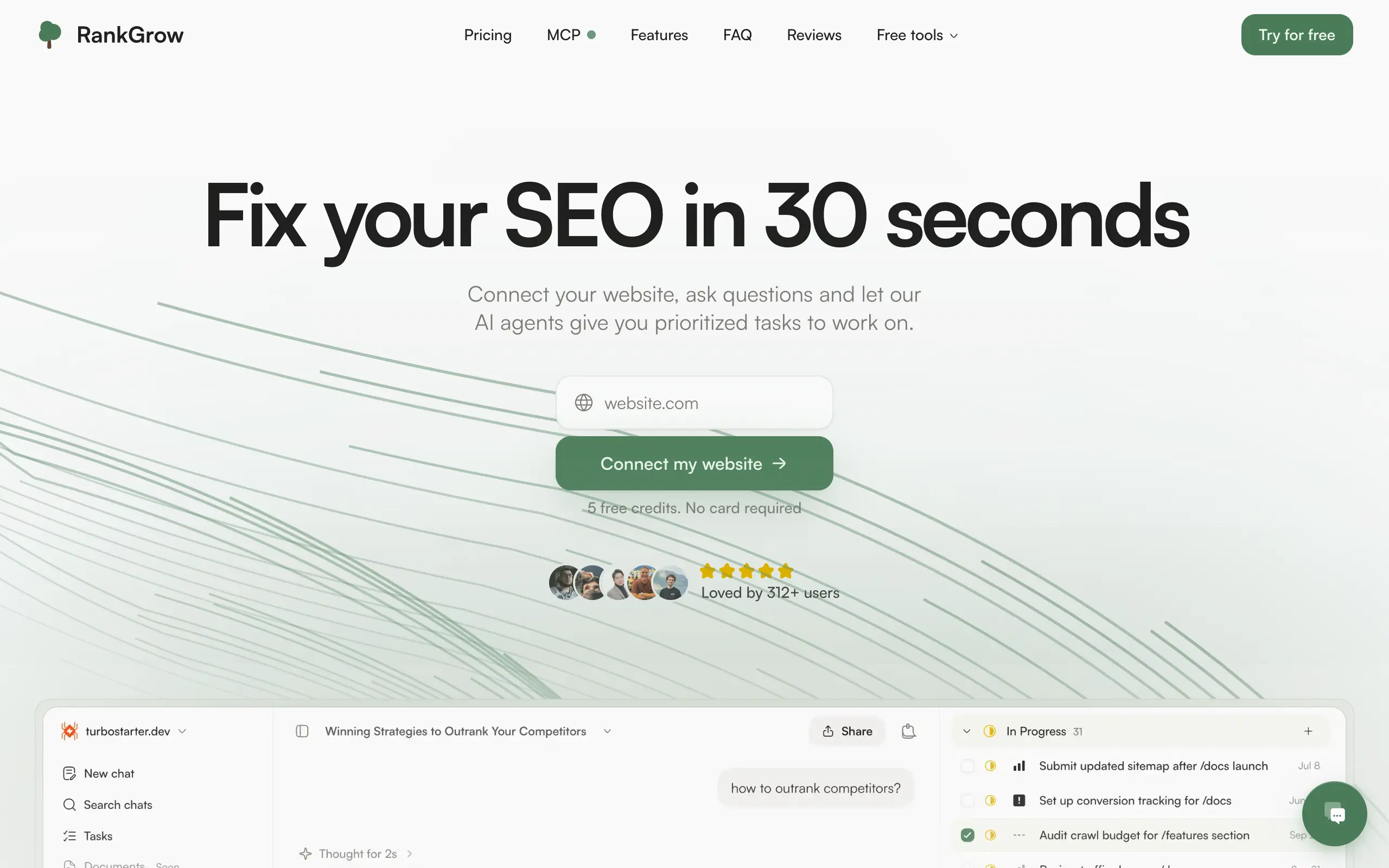
RankGrow
Fix your SEO with AI agents - connect Search Console, get prioritized tasks, and grow organic traffic 📈
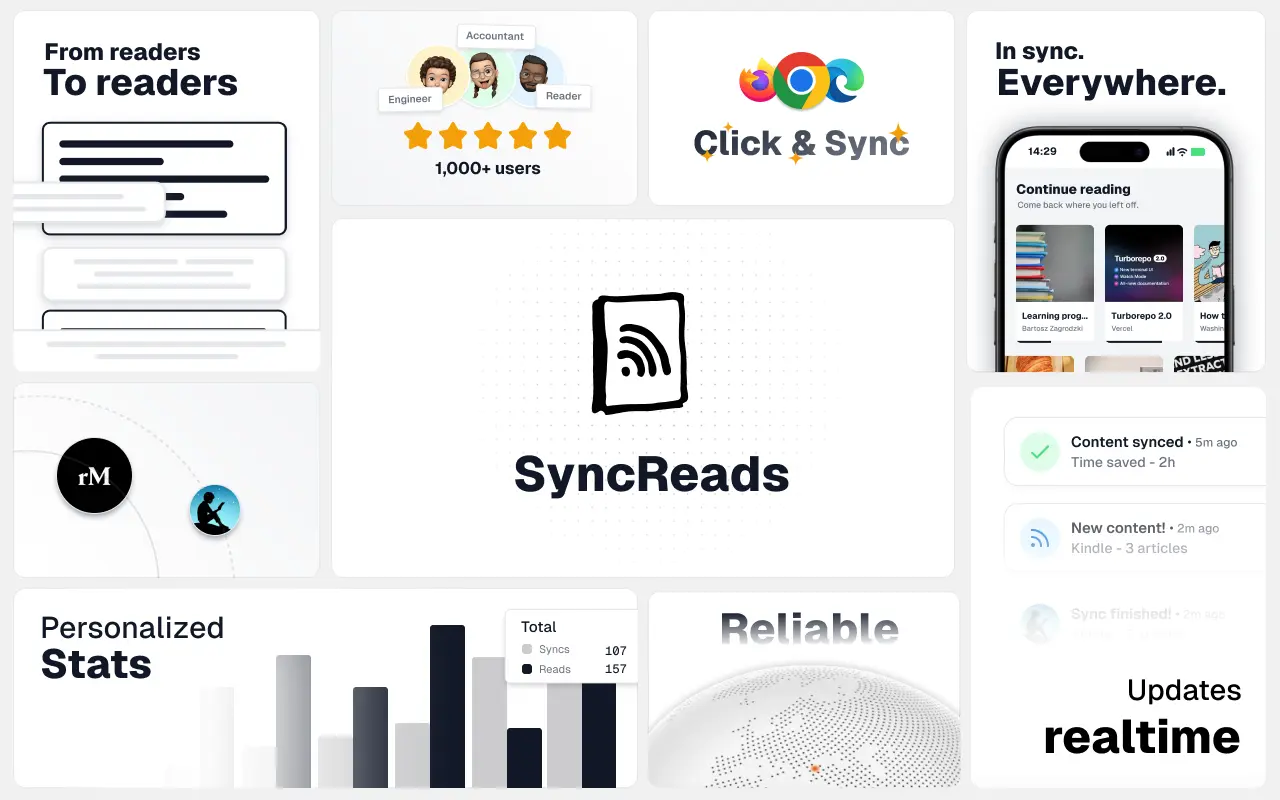
SyncReads
Sync your favorite content for distraction-free reading, save time and replace multiple apps. Anytime, anywhere 🔄
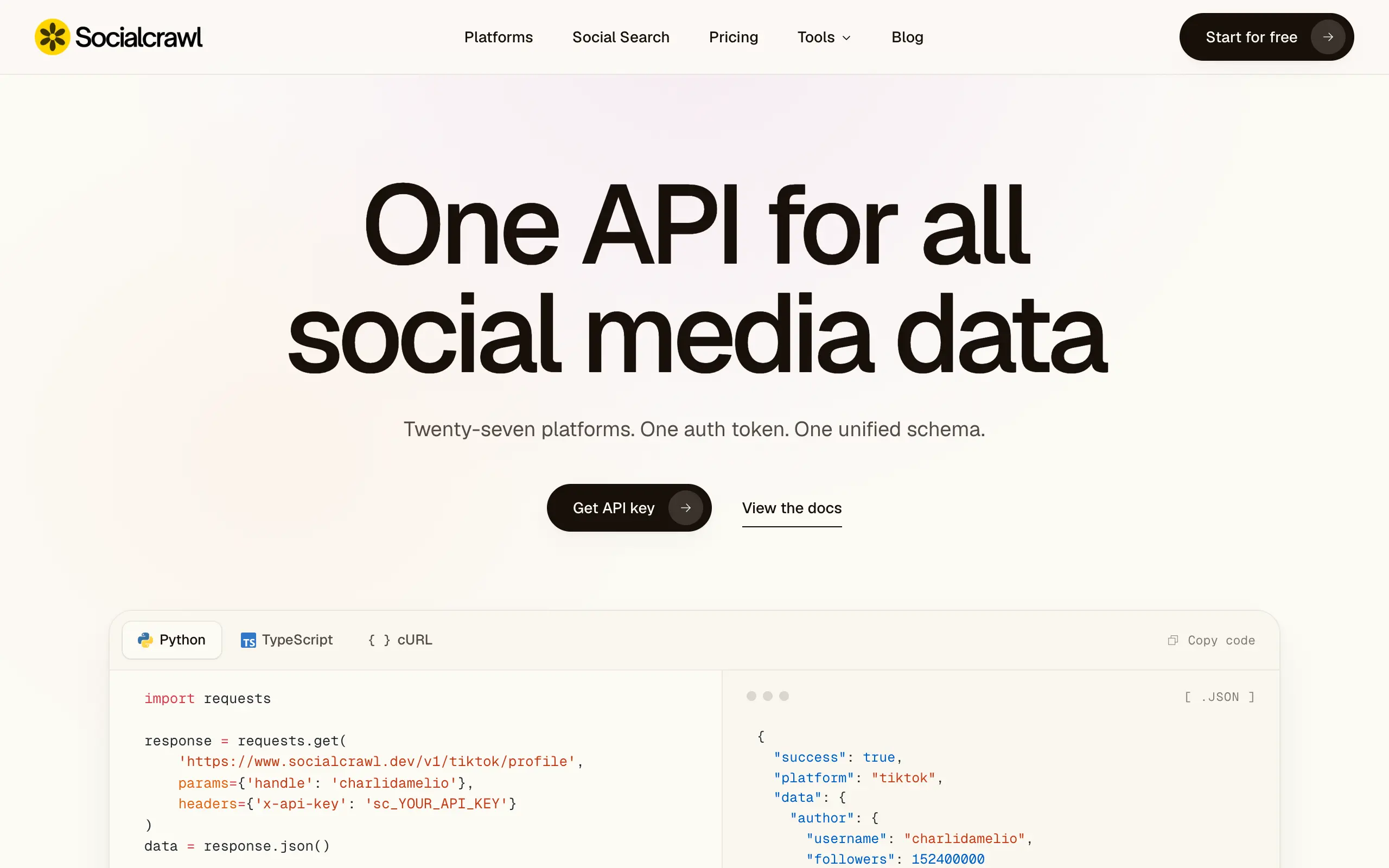
Socialcrawl
Get clean, structured data from 21 platforms like TikTok, Instagram, and YouTube with a single request 📊
Statiko
Monitor any Telegram channel in real time - track posts, edits, deletions, and growth with AI recaps 📡
Shibui
AI website builder - describe your business, pick a niche template, edit by chatting, and publish instantly ✨
Pro Service
Find verified home service professionals, compare quotes, and pay securely through escrow - built for Brazilians across the US 🏠
RankGrow
Fix your SEO with AI agents - connect Search Console, get prioritized tasks, and grow organic traffic 📈
SyncReads
Sync your favorite content for distraction-free reading, save time and replace multiple apps. Anytime, anywhere 🔄
Socialcrawl
Get clean, structured data from 21 platforms like TikTok, Instagram, and YouTube with a single request 📊
Statiko
Monitor any Telegram channel in real time - track posts, edits, deletions, and growth with AI recaps 📡
Shibui
AI website builder - describe your business, pick a niche template, edit by chatting, and publish instantly ✨
Pro Service
Find verified home service professionals, compare quotes, and pay securely through escrow - built for Brazilians across the US 🏠
RankGrow
Fix your SEO with AI agents - connect Search Console, get prioritized tasks, and grow organic traffic 📈
SyncReads
Sync your favorite content for distraction-free reading, save time and replace multiple apps. Anytime, anywhere 🔄
Socialcrawl
Get clean, structured data from 21 platforms like TikTok, Instagram, and YouTube with a single request 📊
Statiko
Monitor any Telegram channel in real time - track posts, edits, deletions, and growth with AI recaps 📡
Shibui
AI website builder - describe your business, pick a niche template, edit by chatting, and publish instantly ✨
Pro Service
Find verified home service professionals, compare quotes, and pay securely through escrow - built for Brazilians across the US 🏠
RankGrow
Fix your SEO with AI agents - connect Search Console, get prioritized tasks, and grow organic traffic 📈
SyncReads
Sync your favorite content for distraction-free reading, save time and replace multiple apps. Anytime, anywhere 🔄
Socialcrawl
Get clean, structured data from 21 platforms like TikTok, Instagram, and YouTube with a single request 📊
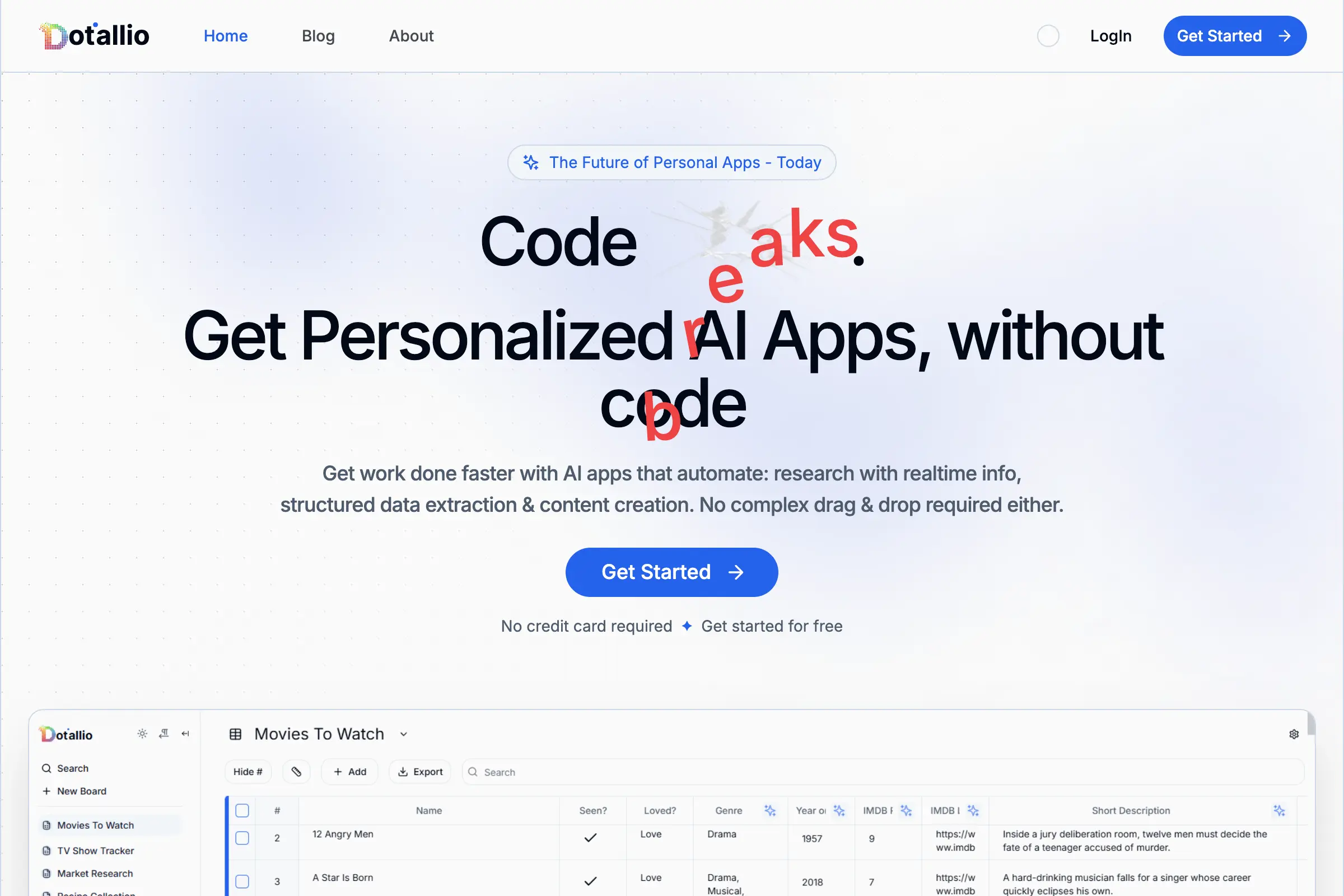
Dotallio
Personalized AI apps that automate research, data extraction, and content creation without code 🤖

Talk to Santa
Enjoy a magical live video chat or receive a unique AI-generated video greeting from Santa Claus 🎅

pozywka.pl
Scalable blog for food journalist, focused on performance and user experience 🌭
zagrodzki.me
Personal blog and portfolio of Bart Zagrodzki, where he shares his knowledge and work 💼
TurboStarter
Ship your startup everywhere. In minutes.
HTML to Markdown
Convert HTML to Markdown with ease, directly in your browser 📄
Dotallio
Personalized AI apps that automate research, data extraction, and content creation without code 🤖
Talk to Santa
Enjoy a magical live video chat or receive a unique AI-generated video greeting from Santa Claus 🎅
pozywka.pl
Scalable blog for food journalist, focused on performance and user experience 🌭
zagrodzki.me
Personal blog and portfolio of Bart Zagrodzki, where he shares his knowledge and work 💼
TurboStarter
Ship your startup everywhere. In minutes.
HTML to Markdown
Convert HTML to Markdown with ease, directly in your browser 📄
Dotallio
Personalized AI apps that automate research, data extraction, and content creation without code 🤖
Talk to Santa
Enjoy a magical live video chat or receive a unique AI-generated video greeting from Santa Claus 🎅
pozywka.pl
Scalable blog for food journalist, focused on performance and user experience 🌭
zagrodzki.me
Personal blog and portfolio of Bart Zagrodzki, where he shares his knowledge and work 💼
TurboStarter
Ship your startup everywhere. In minutes.
HTML to Markdown
Convert HTML to Markdown with ease, directly in your browser 📄
Dotallio
Personalized AI apps that automate research, data extraction, and content creation without code 🤖
Talk to Santa
Enjoy a magical live video chat or receive a unique AI-generated video greeting from Santa Claus 🎅
pozywka.pl
Scalable blog for food journalist, focused on performance and user experience 🌭
zagrodzki.me
Personal blog and portfolio of Bart Zagrodzki, where he shares his knowledge and work 💼
TurboStarter
Ship your startup everywhere. In minutes.
HTML to Markdown
Convert HTML to Markdown with ease, directly in your browser 📄
Omichat
Chat with 50+ AI models, including ChatGPT and Claude, in one place - switch models anytime without losing context 🤖
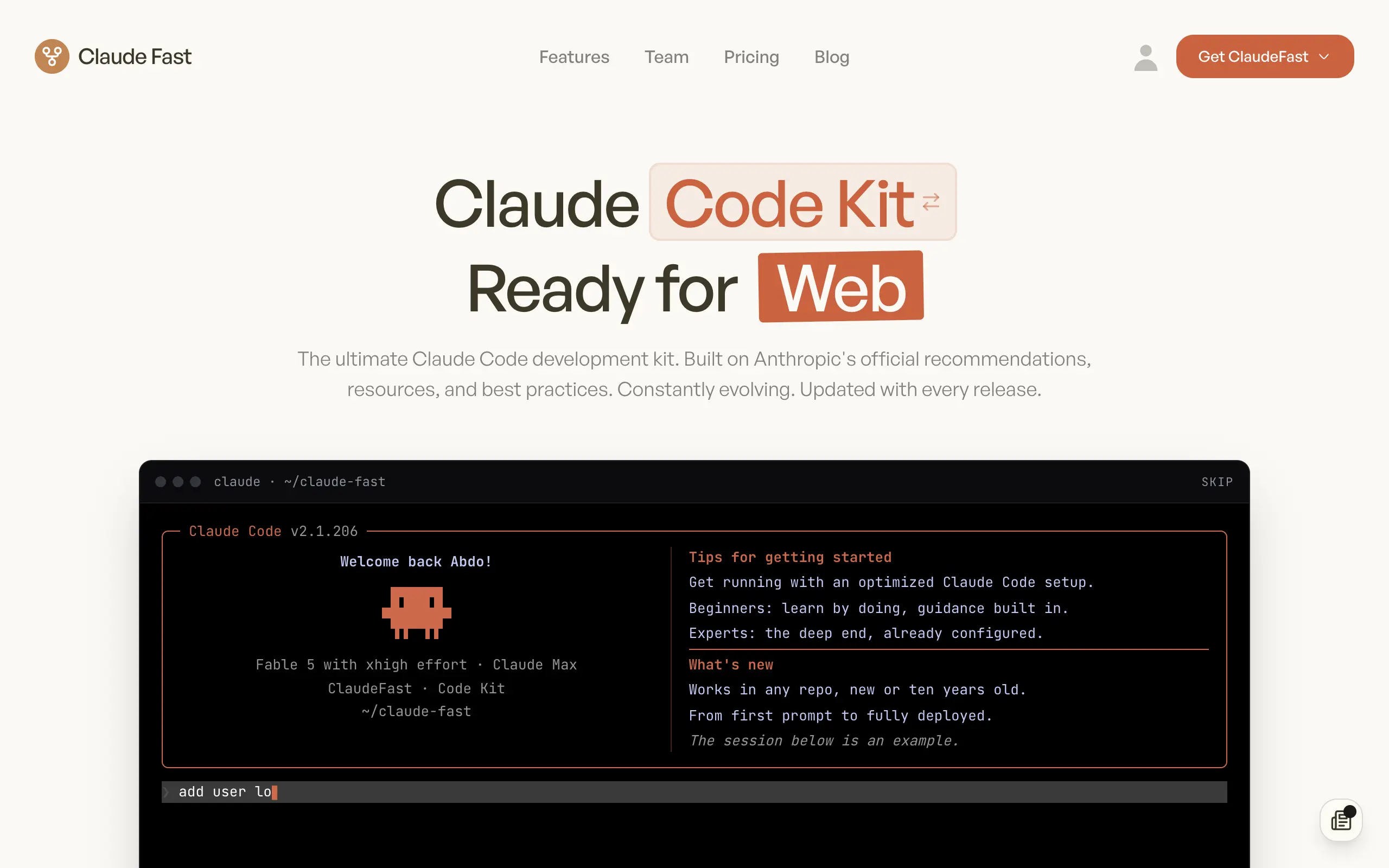
Claude Fast
Supercharge your Claude Code with 6x effective context window and specialized AI agents 🤖
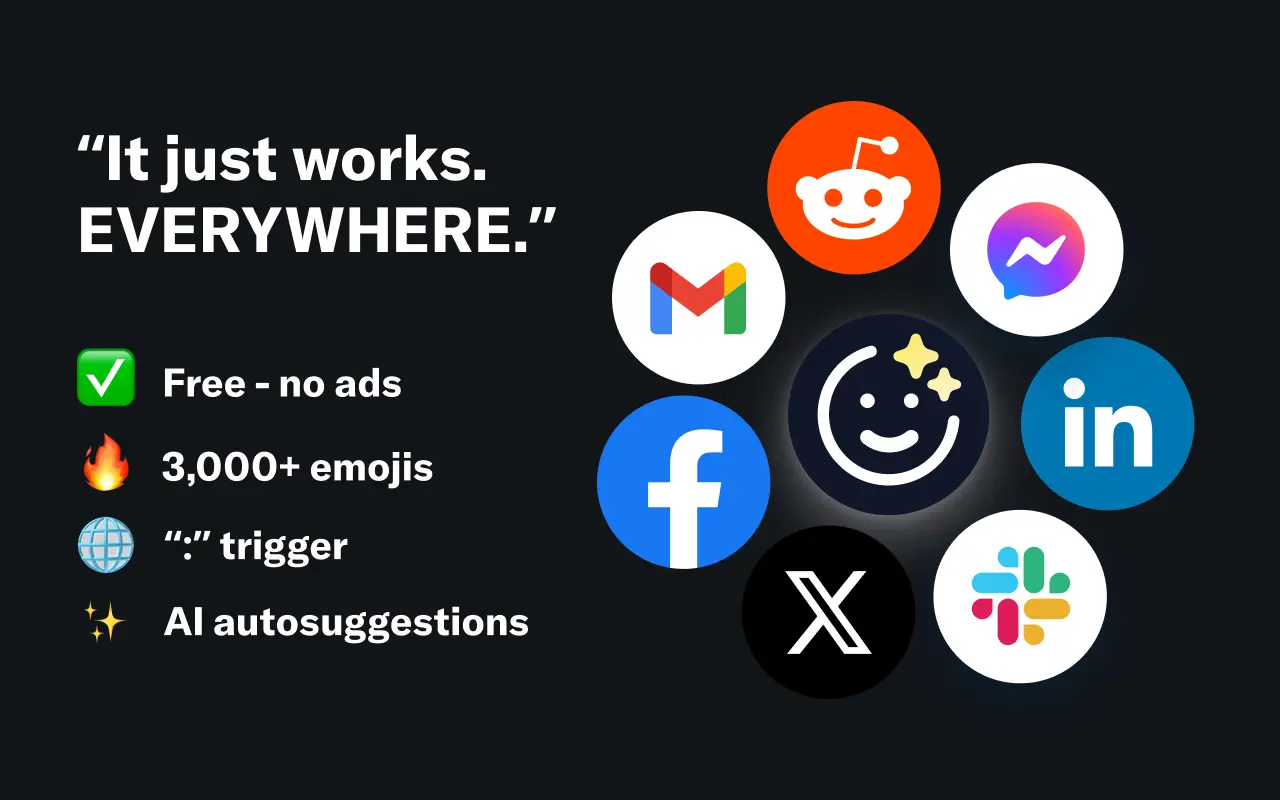
EmojAI
AI-powered emoji picker with smart, context-aware suggestions 🤖
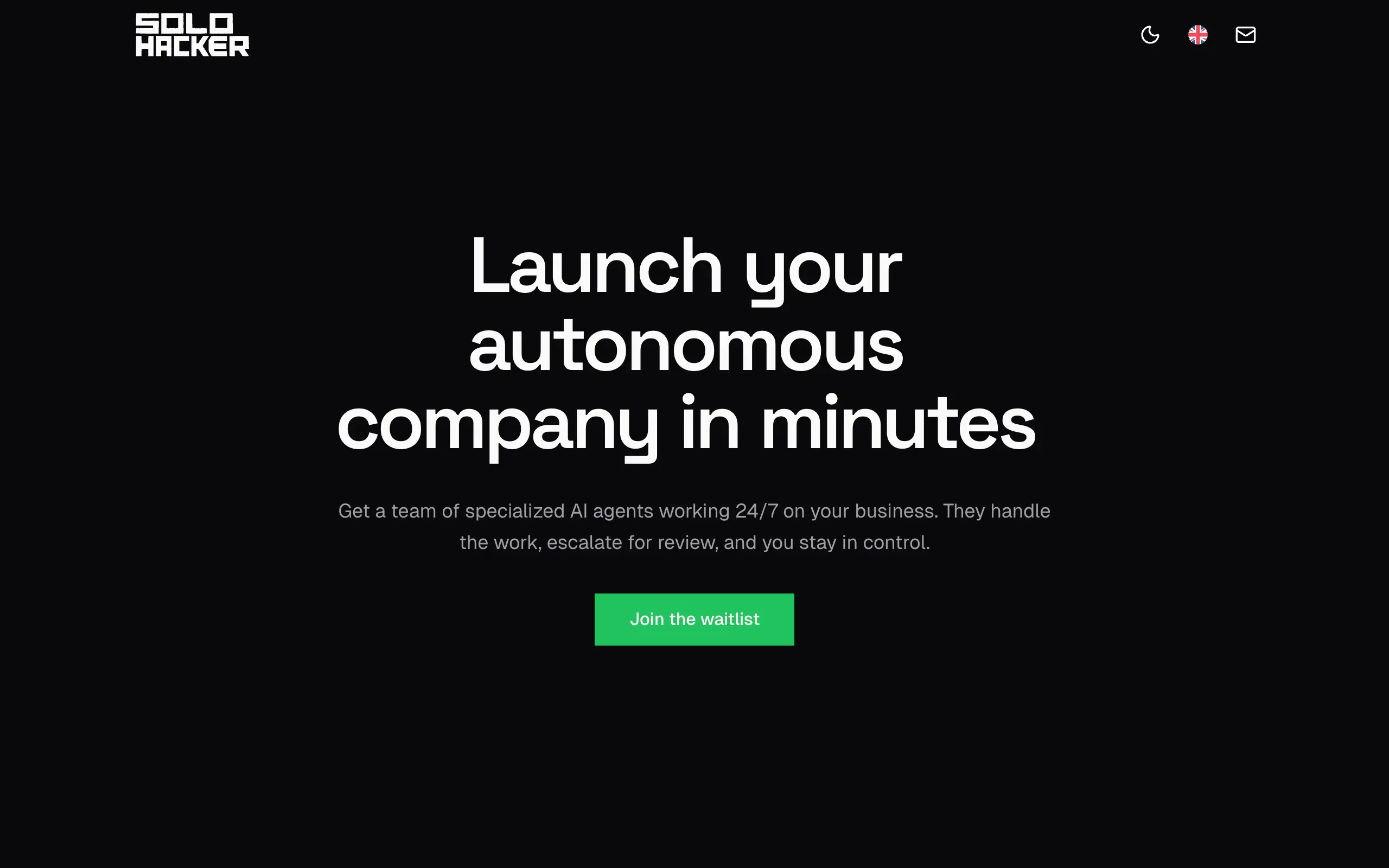
Solohacker
Autonomous company launcher - AI agents work 24/7, escalate what matters, and you stay in control 🤖

BeRawi: Storytelling Coach
Practice storytelling daily with instant feedback to sound clearer, more engaging, and confident 🎤
Omichat
Chat with 50+ AI models, including ChatGPT and Claude, in one place - switch models anytime without losing context 🤖
Claude Fast
Supercharge your Claude Code with 6x effective context window and specialized AI agents 🤖
EmojAI
AI-powered emoji picker with smart, context-aware suggestions 🤖
Solohacker
Autonomous company launcher - AI agents work 24/7, escalate what matters, and you stay in control 🤖
BeRawi: Storytelling Coach
Practice storytelling daily with instant feedback to sound clearer, more engaging, and confident 🎤
Omichat
Chat with 50+ AI models, including ChatGPT and Claude, in one place - switch models anytime without losing context 🤖
Claude Fast
Supercharge your Claude Code with 6x effective context window and specialized AI agents 🤖
EmojAI
AI-powered emoji picker with smart, context-aware suggestions 🤖
Solohacker
Autonomous company launcher - AI agents work 24/7, escalate what matters, and you stay in control 🤖
BeRawi: Storytelling Coach
Practice storytelling daily with instant feedback to sound clearer, more engaging, and confident 🎤
Omichat
Chat with 50+ AI models, including ChatGPT and Claude, in one place - switch models anytime without losing context 🤖
Claude Fast
Supercharge your Claude Code with 6x effective context window and specialized AI agents 🤖
EmojAI
AI-powered emoji picker with smart, context-aware suggestions 🤖
Solohacker
Autonomous company launcher - AI agents work 24/7, escalate what matters, and you stay in control 🤖
BeRawi: Storytelling Coach
Practice storytelling daily with instant feedback to sound clearer, more engaging, and confident 🎤

Connect with like-minded people
Join our community to get feedback, support, and grow together with 1,000+ builders on board, let's ship it!
Join usShip your startup everywhere. In minutes.
Don't burn tokens on setup and start building features on day one.