SerenityBot
Conversational AI companion offering evidence-based anxiety relief, mood journaling, and daily check-ins, tailored for young adults and students.
Understanding the need for SerenityBot: Why conversational AI for anxiety relief matters
The demand for accessible, stigma-free mental health support has never been higher. Young adults and students, in particular, face mounting pressures—academic, social, and personal—that can trigger or exacerbate anxiety. Traditional therapy, while effective, is often expensive, difficult to access, or intimidating for those new to mental health care. This is where SerenityBot, a conversational AI companion for evidence-based anxiety relief, mood journaling, and daily check-ins, steps in to fill a critical gap.
By leveraging AI, SerenityBot offers immediate, personalized support, helping users manage anxiety in real time. Its conversational interface mimics the comfort of talking to a friend, while its evidence-based techniques ensure users receive strategies grounded in psychological research.
Target audience analysis: Who benefits most from SerenityBot?
Understanding the core users is essential for building a solution that truly resonates. SerenityBot is designed with the following primary audiences in mind:
- Young adults (ages 18-30): Navigating transitions such as college, first jobs, and new relationships, this group is particularly vulnerable to anxiety and stress.
- Students (high school, college, graduate): Academic pressures, social dynamics, and uncertainty about the future contribute to heightened anxiety levels.
- Tech-savvy individuals: Comfortable with digital tools and open to AI-driven solutions for self-care.
- Individuals hesitant to seek traditional therapy: Whether due to stigma, cost, or accessibility, many prefer anonymous, on-demand support.
Secondary audiences may include:
- Parents and educators seeking resources for students.
- Mental health professionals looking for adjunct tools for clients.
Young adults
Facing life transitions, career pressures, and social challenges.
Students
Managing academic stress, exams, and peer relationships.
Tech adopters
Open to AI and digital self-care tools.
Therapy-hesitant users
Seeking private, stigma-free support.
Market opportunity and gap analysis
The mental health crisis among young adults
Recent studies indicate that anxiety disorders are the most common mental health concern among young people. According to the World Health Organization, one in seven adolescents experiences a mental disorder, with anxiety and depression leading the list. The COVID-19 pandemic has further intensified these challenges, increasing the demand for accessible mental health support.
Limitations of existing solutions
- Therapy apps: While platforms like BetterHelp and Talkspace connect users with therapists, they often require scheduling, payment, and a willingness to engage in formal therapy.
- Meditation and mindfulness apps: Headspace and Calm offer valuable resources but lack conversational, interactive support tailored to anxiety management.
- Chatbots: Some mental health chatbots exist, but many lack evidence-based interventions or feel impersonal and generic.
The gap SerenityBot fills
SerenityBot uniquely combines:
- Conversational AI for real-time, empathetic interaction.
- Evidence-based anxiety relief techniques (e.g., CBT, mindfulness).
- Mood journaling and daily check-ins to foster self-awareness and track progress.
- Personalization for young adults and students, addressing their specific stressors.
Market insight
The global mental health app market is projected to reach $17.5 billion by 2030 (source: Grand View Research). Solutions that blend AI, personalization, and evidence-based care are poised for rapid growth.
Core features and solution details
SerenityBot’s feature set is designed to maximize user engagement, efficacy, and trust. Here’s a breakdown of its core offerings:
1. Conversational AI companion
- Natural language processing (NLP): Enables empathetic, context-aware conversations.
- 24/7 availability: Support whenever users need it, without wait times.
- Personalized responses: Adapts to user mood, history, and preferences.
2. Evidence-based anxiety relief
- Cognitive Behavioral Therapy (CBT) techniques: Guided exercises for reframing negative thoughts.
- Mindfulness and grounding exercises: Breathing, visualization, and body scans.
- Crisis support: Gentle redirection to professional help if severe distress is detected.
3. Mood journaling
- Daily mood tracking: Simple, intuitive interface for logging emotions.
- Reflective prompts: Encourage deeper self-awareness and pattern recognition.
- Progress visualization: Charts and summaries to track improvement over time.
4. Daily check-ins and reminders
- Customizable check-in times: Users set their preferred schedule.
- Gentle nudges: Encouragement to maintain healthy routines and self-care habits.
5. Privacy and data security
- End-to-end encryption: Protects sensitive user data.
- Anonymous mode: Option to use the app without creating an account.
6. Resource library
- Curated articles and videos: Evidence-based content on anxiety management.
- Coping strategies: Quick tips for handling stressful moments.
SerenityBot’s interventions are designed in collaboration with licensed mental health professionals, drawing from established therapies like CBT and mindfulness. Regular updates ensure alignment with the latest research.
No. SerenityBot is a supportive tool for anxiety management and self-care, not a substitute for professional mental health treatment. In cases of crisis, it encourages users to seek help from qualified professionals.
Recommended tech stack for SerenityBot
Building a secure, scalable, and engaging AI companion requires a thoughtful selection of technologies. Here’s a recommended stack, with trade-offs considered:
Frontend
- React: Flexible, component-based UI for web and mobile.
- TailwindCSS: Rapid, utility-first styling for a modern, accessible interface.
- Next.js: Server-side rendering for SEO and performance.
Backend
- Node.js: Efficient, event-driven server environment.
- Express: Lightweight API framework.
- PostgreSQL: Robust, scalable relational database for user data and journaling entries.
AI and NLP
- OpenAI GPT-4: Advanced conversational AI for empathetic, context-aware dialogue.
- spaCy: NLP toolkit for intent recognition and sentiment analysis.
Security and privacy
- Auth0: Secure authentication and user management.
- AWS or Google Cloud: Scalable cloud infrastructure with compliance options (HIPAA, GDPR).
Mobile (optional)
- React Native: Cross-platform mobile app development.
Trade-offs
- OpenAI GPT-4 offers state-of-the-art conversation but incurs higher costs and requires careful prompt engineering for safety.
- React Native accelerates mobile development but may not match the performance of fully native apps for complex features.
- Cloud hosting provides scalability but demands rigorous security practices to protect sensitive health data.
Monetization strategy options
A sustainable business model is crucial for SerenityBot’s long-term impact. Here are several monetization approaches, each with pros and cons:
1. Freemium model
- Free tier: Basic features (chat, journaling, daily check-ins).
- Premium tier: Advanced analytics, personalized plans, expanded resource library.
Pros: Low barrier to entry, encourages user growth.
Cons: Requires compelling premium features to convert free users.
2. Subscription-based
- Monthly/annual plans: Unlimited access to all features, priority support.
Pros: Predictable recurring revenue.
Cons: May deter price-sensitive users.
3. Institutional partnerships
- Schools, universities, and employers: Offer SerenityBot as a wellness benefit.
Pros: Bulk licensing, increased reach.
Cons: Longer sales cycles, need for B2B support.
4. In-app purchases
- One-time purchases: Guided programs, personalized reports.
Pros: Flexible revenue streams.
Cons: Can fragment user experience.
| Freemium | Subscription | Institutional | In-app | Ads |
|---|---|---|---|---|
| ✅ | ❌ | ❌ | ✅ | ❌ |
| ✅ | ❌ | ✅ | ✅ | ❌ |
Important
Avoid intrusive advertising, as it can undermine user trust and the sensitive nature of mental health support.
Potential risks and mitigation strategies
Launching an AI-powered mental health companion comes with unique challenges. Proactively addressing these risks is essential for user trust and regulatory compliance.
1. Data privacy and security
Risk: Breach of sensitive user data.
Mitigation:
- End-to-end encryption.
- Regular security audits.
- Compliance with HIPAA, GDPR, and other relevant standards.
2. AI safety and accuracy
Risk: Inaccurate or inappropriate responses from the AI.
Mitigation:
- Human-in-the-loop moderation for flagged conversations.
- Continuous model fine-tuning and prompt engineering.
- Clear disclaimers about the AI’s limitations.
3. User dependency
Risk: Users may rely solely on SerenityBot instead of seeking professional help.
Mitigation:
- Regular reminders that SerenityBot is a supportive tool, not a replacement for therapy.
- Crisis detection and escalation protocols.
4. Stigma and user engagement
Risk: Users may feel embarrassed or disengaged.
Mitigation:
- Anonymous usage options.
- Friendly, non-judgmental tone.
- Gamified elements to encourage regular use.
Competitive advantage analysis: What makes SerenityBot unique?
While several mental health apps and chatbots exist, SerenityBot stands out in key ways:
- Tailored for young adults and students: Content, tone, and features are designed specifically for this demographic.
- Conversational, not transactional: Empathetic AI mimics a supportive friend, not a clinical questionnaire.
- Evidence-based interventions: All techniques are grounded in established psychological research.
- Integrated journaling and check-ins: Fosters self-reflection and habit formation, not just symptom tracking.
- Privacy-first approach: Anonymous mode and robust encryption build trust.
Personalized for youth
Addresses the unique stressors of young adults and students.
Conversational AI
Feels like talking to a friend, not a form.
Evidence-based
Backed by CBT, mindfulness, and expert input.
Privacy by design
Anonymous use and strong data protection.
Actionable implementation steps
Building and launching SerenityBot requires a structured, iterative approach. Here’s a step-by-step roadmap:
Conclusion: SerenityBot’s promise for the future of mental health support
SerenityBot is more than just another mental health app—it’s a trusted, evidence-based AI companion designed to meet young adults and students where they are. By combining empathetic conversation, proven anxiety relief techniques, and privacy-first design, SerenityBot empowers users to take control of their mental well-being, one conversation at a time.
For founders, developers, and mental health advocates, SerenityBot represents a unique opportunity to make a meaningful impact in a rapidly growing market. With the right blend of technology, empathy, and scientific rigor, it can set a new standard for digital mental health support.
Frequently asked questions
SerenityBot uses end-to-end encryption and offers anonymous usage options. No personal data is shared without explicit consent.
While SerenityBot provides supportive conversation and coping strategies, it is not a substitute for professional help. In crisis situations, it encourages users to contact emergency services or a mental health professional.
SerenityBot offers a free tier with core features. Premium features and expanded resources are available via subscription.
SerenityBot uniquely combines conversational AI, evidence-based interventions, and privacy-first design, tailored specifically for young adults and students.
Further resources
- TurboStarter — for rapid SaaS prototyping and launch.
- OpenAI GPT-4 documentation
- React documentation
- TailwindCSS documentation
- World Health Organization: Adolescent mental health
By focusing on user needs, scientific rigor, and ethical AI, SerenityBot is poised to become a leader in the next generation of digital mental health solutions.
More 🤖 AI Startup SaaS ideas
Discover more innovative ai startup SaaS ideas that are trending in 2026. Each idea is AI-generated with market validation and growth potential to help you find your next profitable venture faster than competitors.
Your competitors are building with TurboStarter
Below are some of the SaaS ideas that have been generated and built with our starter kit.
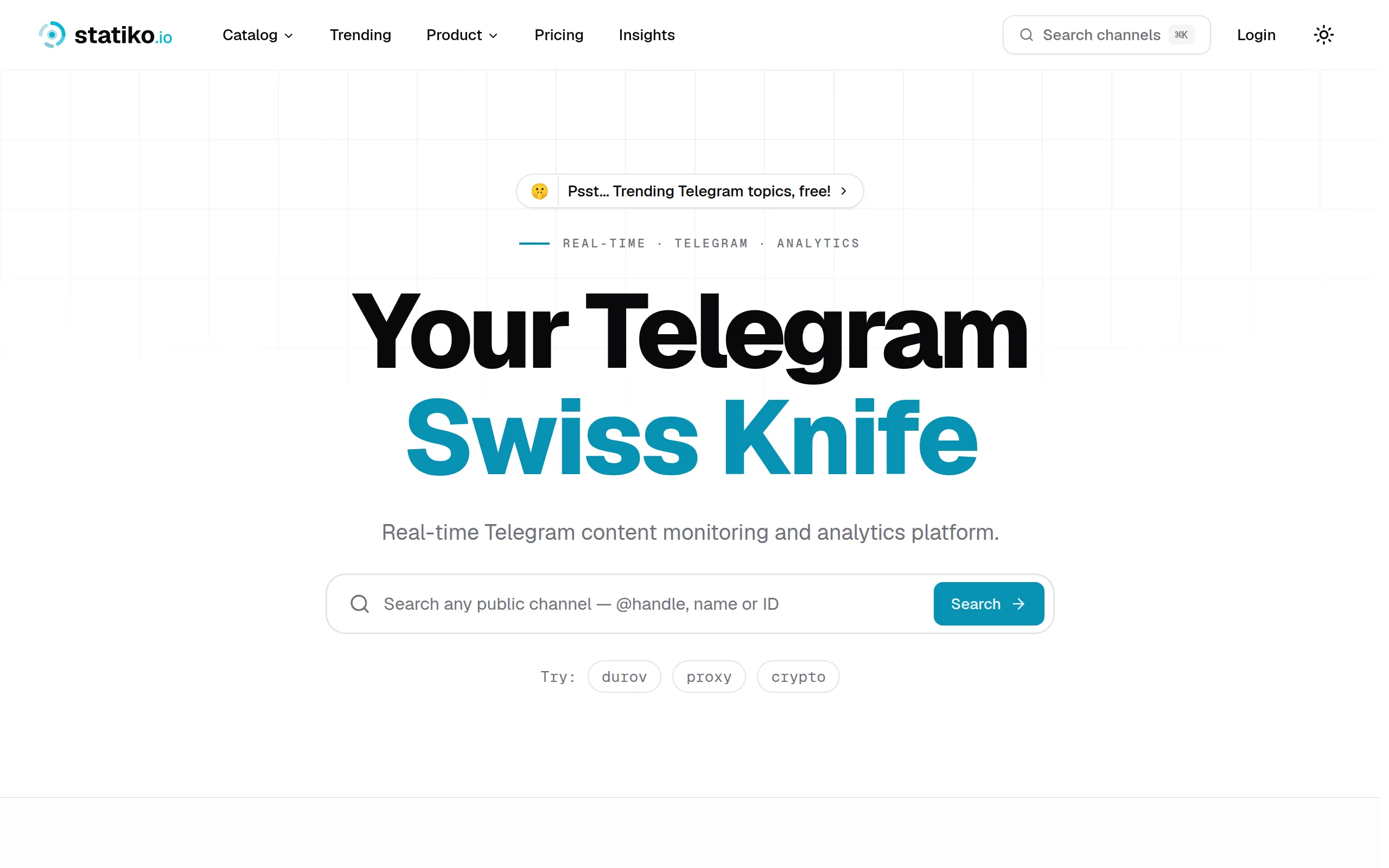
Statiko
Monitor any Telegram channel in real time - track posts, edits, deletions, and growth with AI recaps 📡

Shibui
AI website builder - describe your business, pick a niche template, edit by chatting, and publish instantly ✨

Pro Service
Find verified home service professionals, compare quotes, and pay securely through escrow - built for Brazilians across the US 🏠
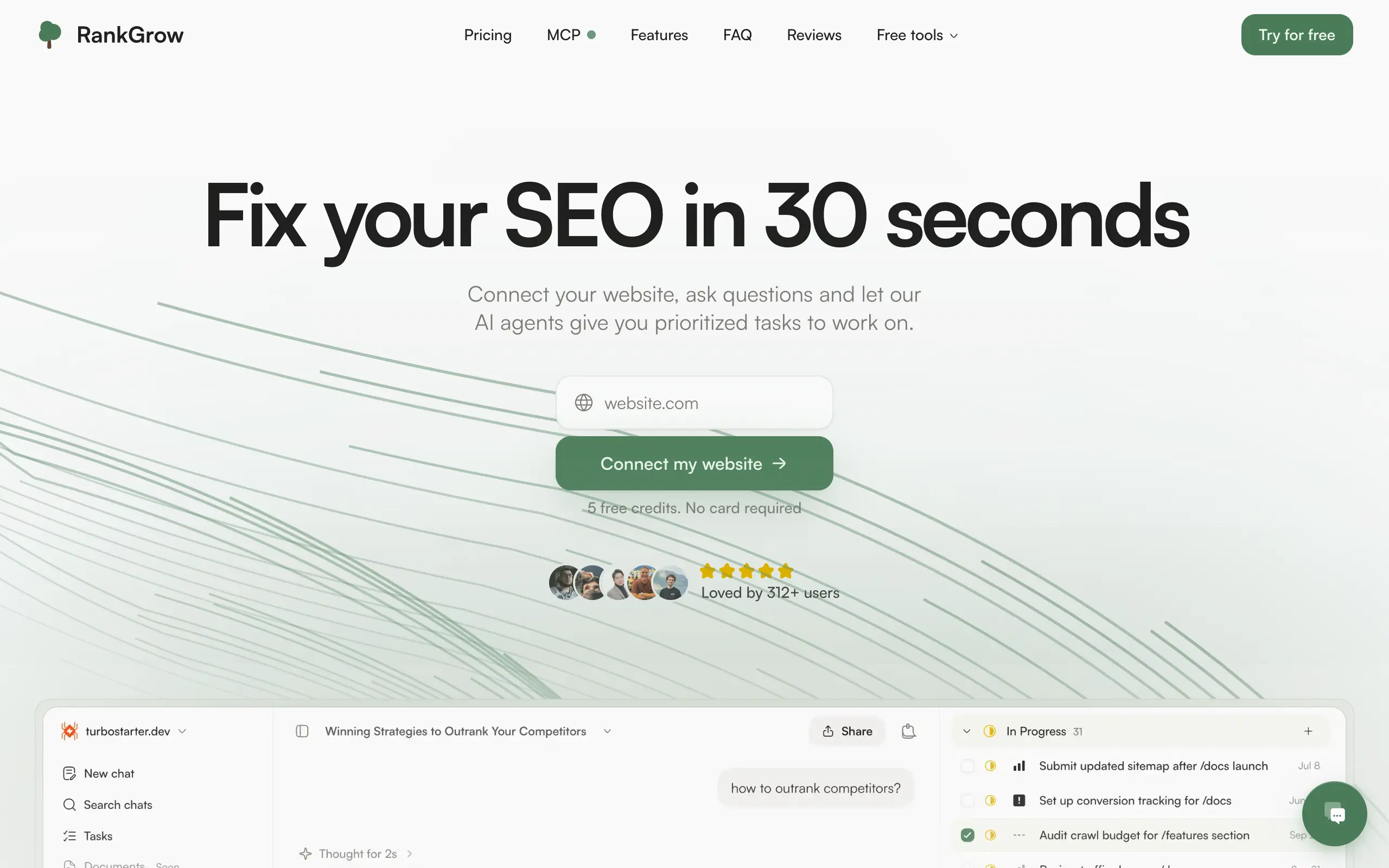
RankGrow
Fix your SEO with AI agents - connect Search Console, get prioritized tasks, and grow organic traffic 📈
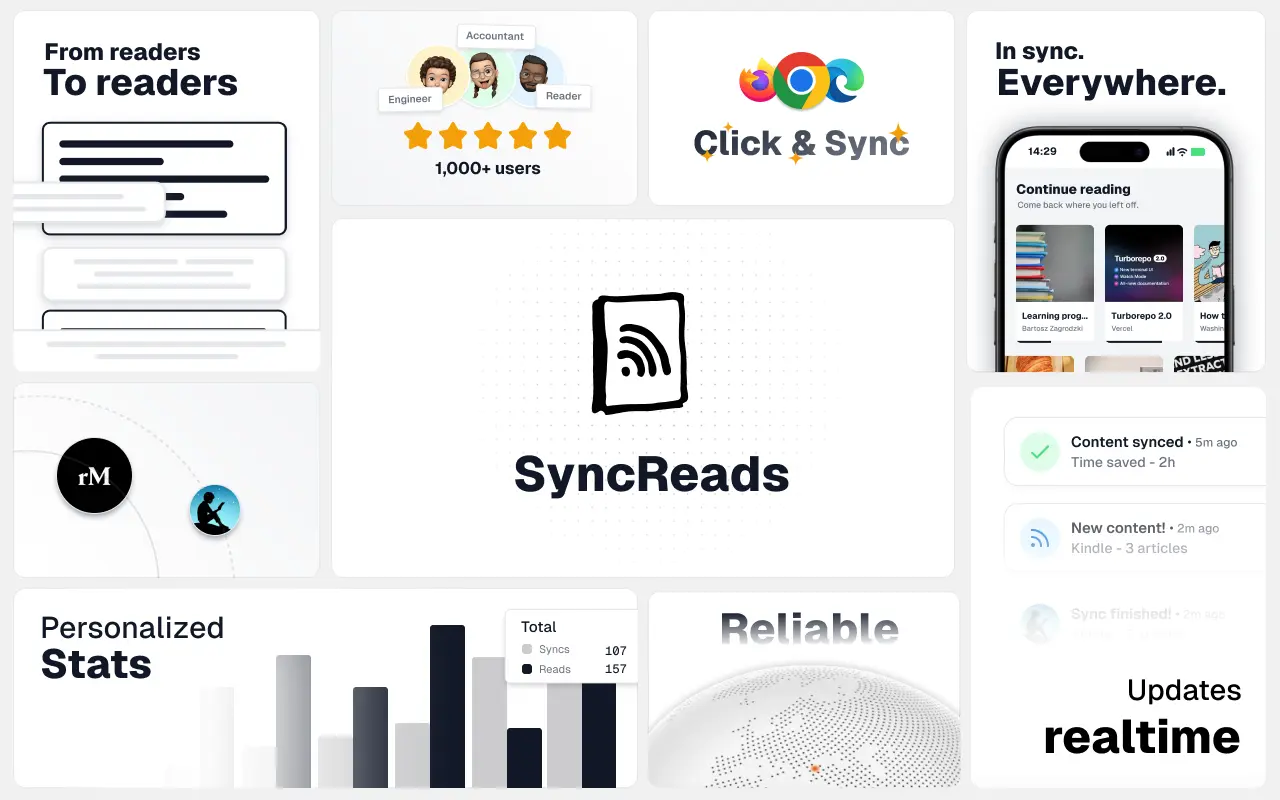
SyncReads
Sync your favorite content for distraction-free reading, save time and replace multiple apps. Anytime, anywhere 🔄
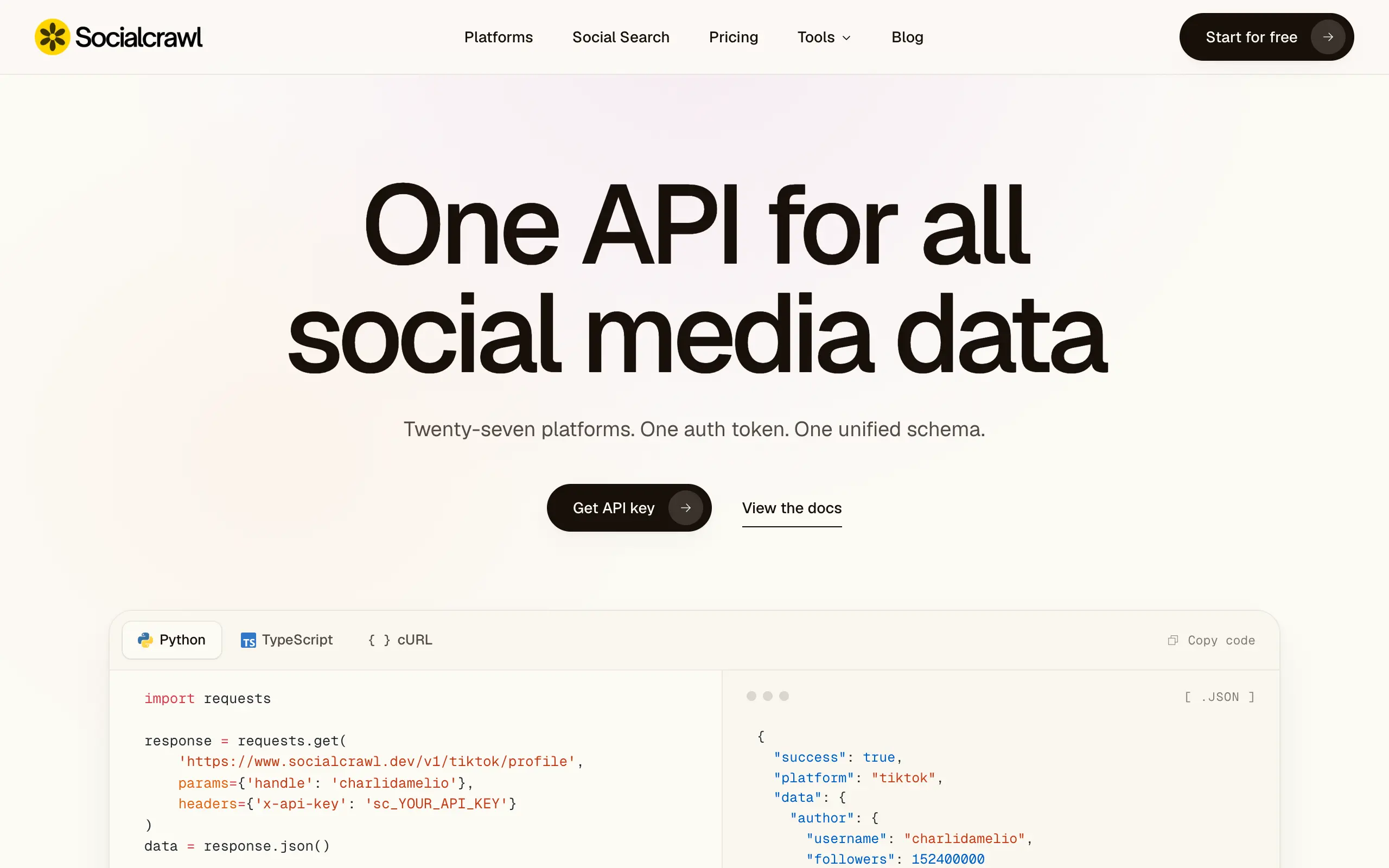
Socialcrawl
Get clean, structured data from 21 platforms like TikTok, Instagram, and YouTube with a single request 📊
Statiko
Monitor any Telegram channel in real time - track posts, edits, deletions, and growth with AI recaps 📡
Shibui
AI website builder - describe your business, pick a niche template, edit by chatting, and publish instantly ✨
Pro Service
Find verified home service professionals, compare quotes, and pay securely through escrow - built for Brazilians across the US 🏠
RankGrow
Fix your SEO with AI agents - connect Search Console, get prioritized tasks, and grow organic traffic 📈
SyncReads
Sync your favorite content for distraction-free reading, save time and replace multiple apps. Anytime, anywhere 🔄
Socialcrawl
Get clean, structured data from 21 platforms like TikTok, Instagram, and YouTube with a single request 📊
Statiko
Monitor any Telegram channel in real time - track posts, edits, deletions, and growth with AI recaps 📡
Shibui
AI website builder - describe your business, pick a niche template, edit by chatting, and publish instantly ✨
Pro Service
Find verified home service professionals, compare quotes, and pay securely through escrow - built for Brazilians across the US 🏠
RankGrow
Fix your SEO with AI agents - connect Search Console, get prioritized tasks, and grow organic traffic 📈
SyncReads
Sync your favorite content for distraction-free reading, save time and replace multiple apps. Anytime, anywhere 🔄
Socialcrawl
Get clean, structured data from 21 platforms like TikTok, Instagram, and YouTube with a single request 📊
Statiko
Monitor any Telegram channel in real time - track posts, edits, deletions, and growth with AI recaps 📡
Shibui
AI website builder - describe your business, pick a niche template, edit by chatting, and publish instantly ✨
Pro Service
Find verified home service professionals, compare quotes, and pay securely through escrow - built for Brazilians across the US 🏠
RankGrow
Fix your SEO with AI agents - connect Search Console, get prioritized tasks, and grow organic traffic 📈
SyncReads
Sync your favorite content for distraction-free reading, save time and replace multiple apps. Anytime, anywhere 🔄
Socialcrawl
Get clean, structured data from 21 platforms like TikTok, Instagram, and YouTube with a single request 📊
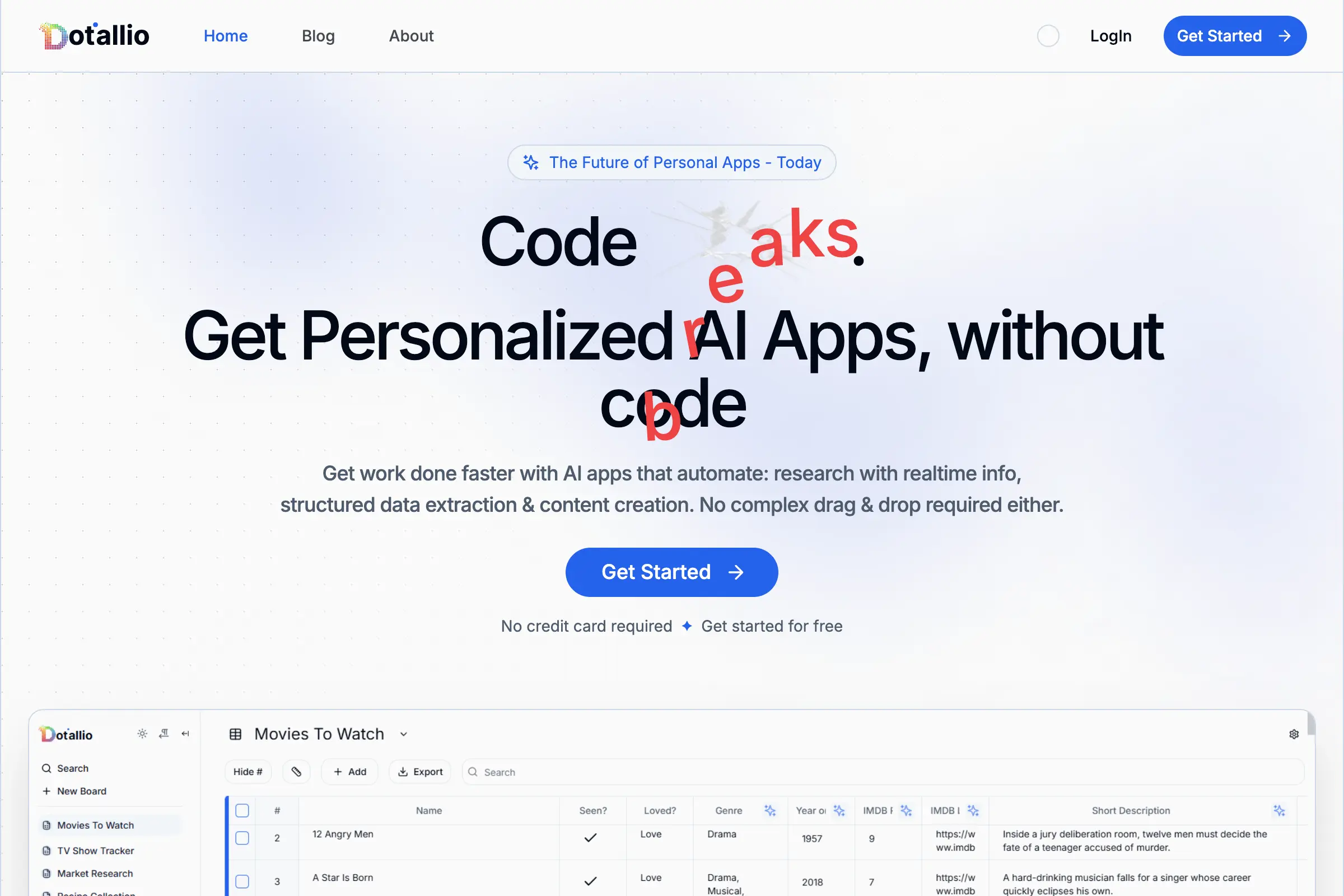
Dotallio
Personalized AI apps that automate research, data extraction, and content creation without code 🤖
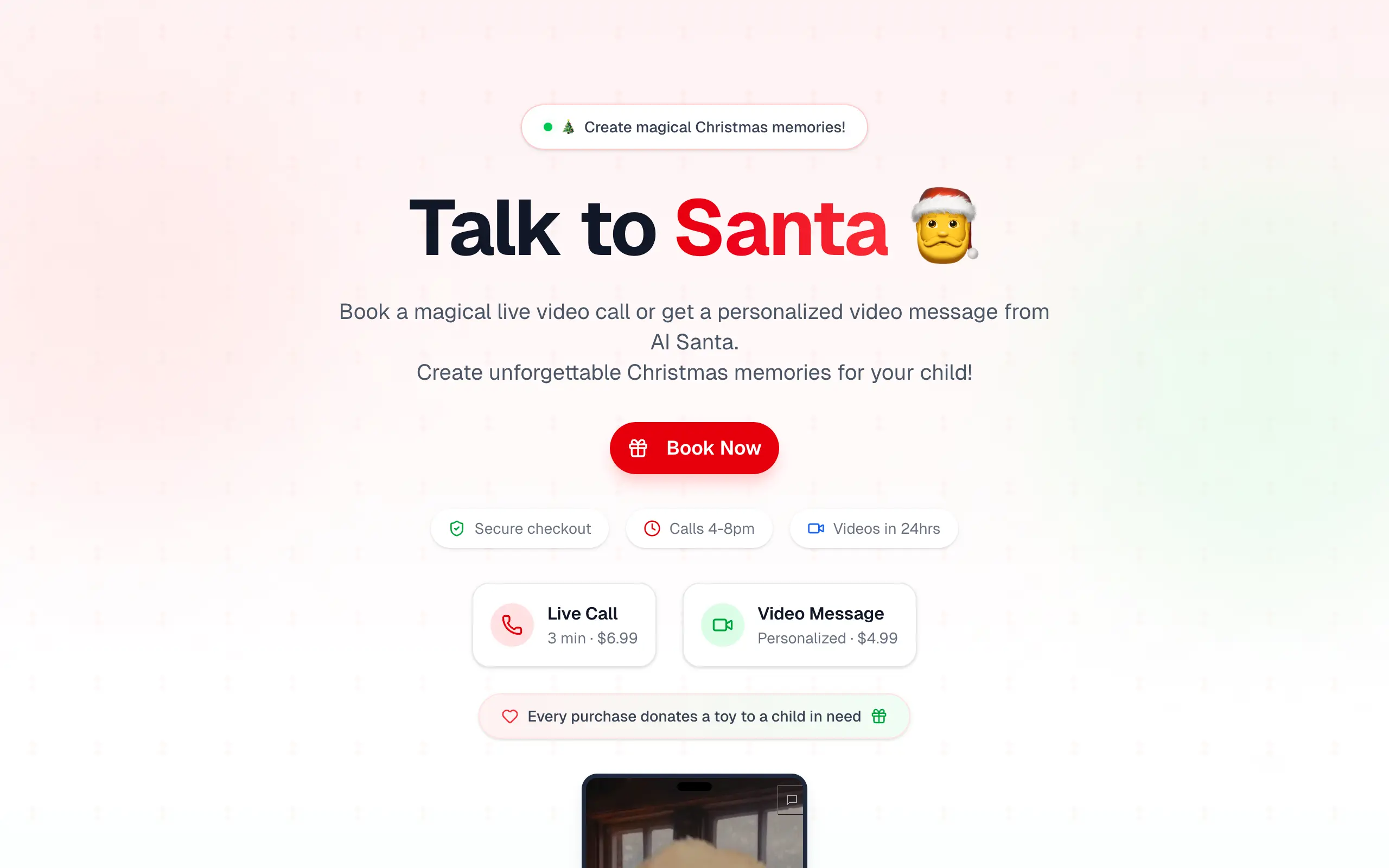
Talk to Santa
Enjoy a magical live video chat or receive a unique AI-generated video greeting from Santa Claus 🎅
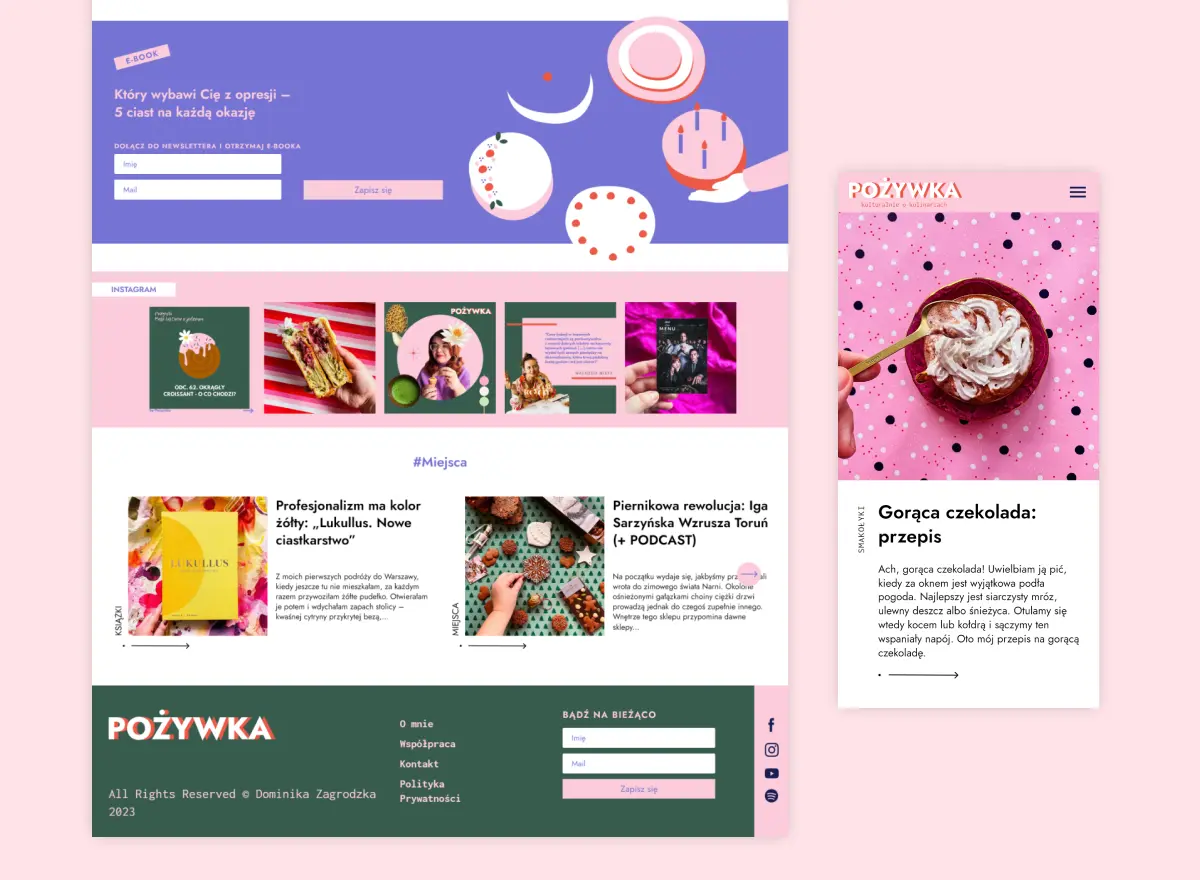
pozywka.pl
Scalable blog for food journalist, focused on performance and user experience 🌭
zagrodzki.me
Personal blog and portfolio of Bart Zagrodzki, where he shares his knowledge and work 💼
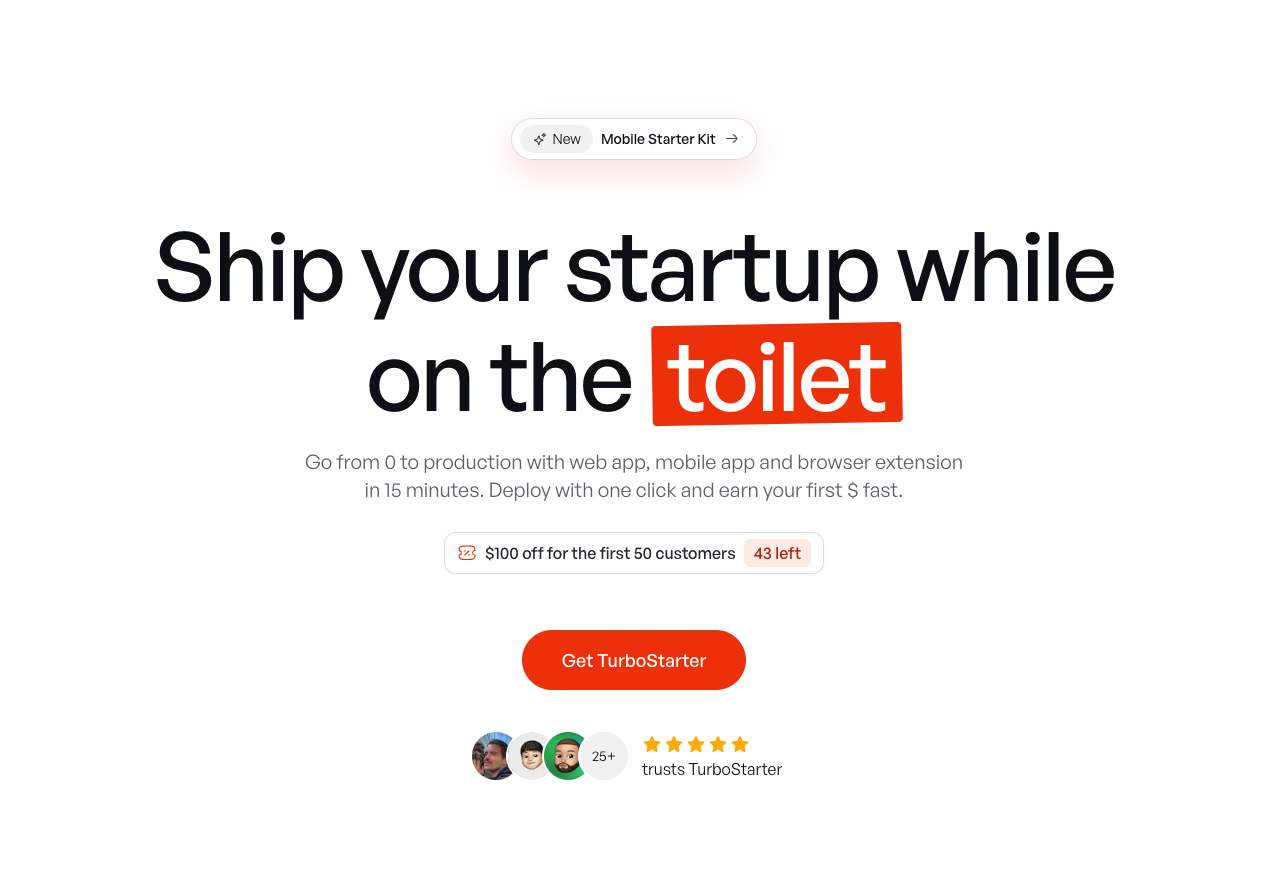
TurboStarter
Ship your startup everywhere. In minutes.
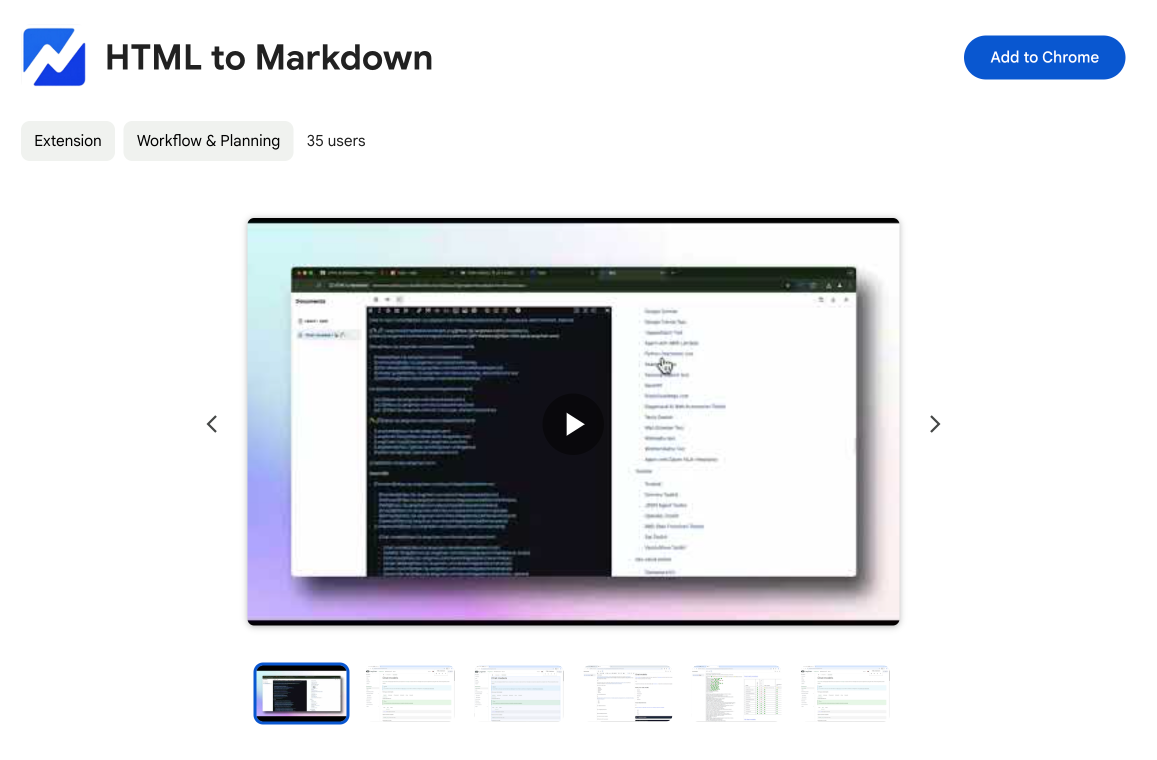
HTML to Markdown
Convert HTML to Markdown with ease, directly in your browser 📄
Dotallio
Personalized AI apps that automate research, data extraction, and content creation without code 🤖
Talk to Santa
Enjoy a magical live video chat or receive a unique AI-generated video greeting from Santa Claus 🎅
pozywka.pl
Scalable blog for food journalist, focused on performance and user experience 🌭
zagrodzki.me
Personal blog and portfolio of Bart Zagrodzki, where he shares his knowledge and work 💼
TurboStarter
Ship your startup everywhere. In minutes.
HTML to Markdown
Convert HTML to Markdown with ease, directly in your browser 📄
Dotallio
Personalized AI apps that automate research, data extraction, and content creation without code 🤖
Talk to Santa
Enjoy a magical live video chat or receive a unique AI-generated video greeting from Santa Claus 🎅
pozywka.pl
Scalable blog for food journalist, focused on performance and user experience 🌭
zagrodzki.me
Personal blog and portfolio of Bart Zagrodzki, where he shares his knowledge and work 💼
TurboStarter
Ship your startup everywhere. In minutes.
HTML to Markdown
Convert HTML to Markdown with ease, directly in your browser 📄
Dotallio
Personalized AI apps that automate research, data extraction, and content creation without code 🤖
Talk to Santa
Enjoy a magical live video chat or receive a unique AI-generated video greeting from Santa Claus 🎅
pozywka.pl
Scalable blog for food journalist, focused on performance and user experience 🌭
zagrodzki.me
Personal blog and portfolio of Bart Zagrodzki, where he shares his knowledge and work 💼
TurboStarter
Ship your startup everywhere. In minutes.
HTML to Markdown
Convert HTML to Markdown with ease, directly in your browser 📄
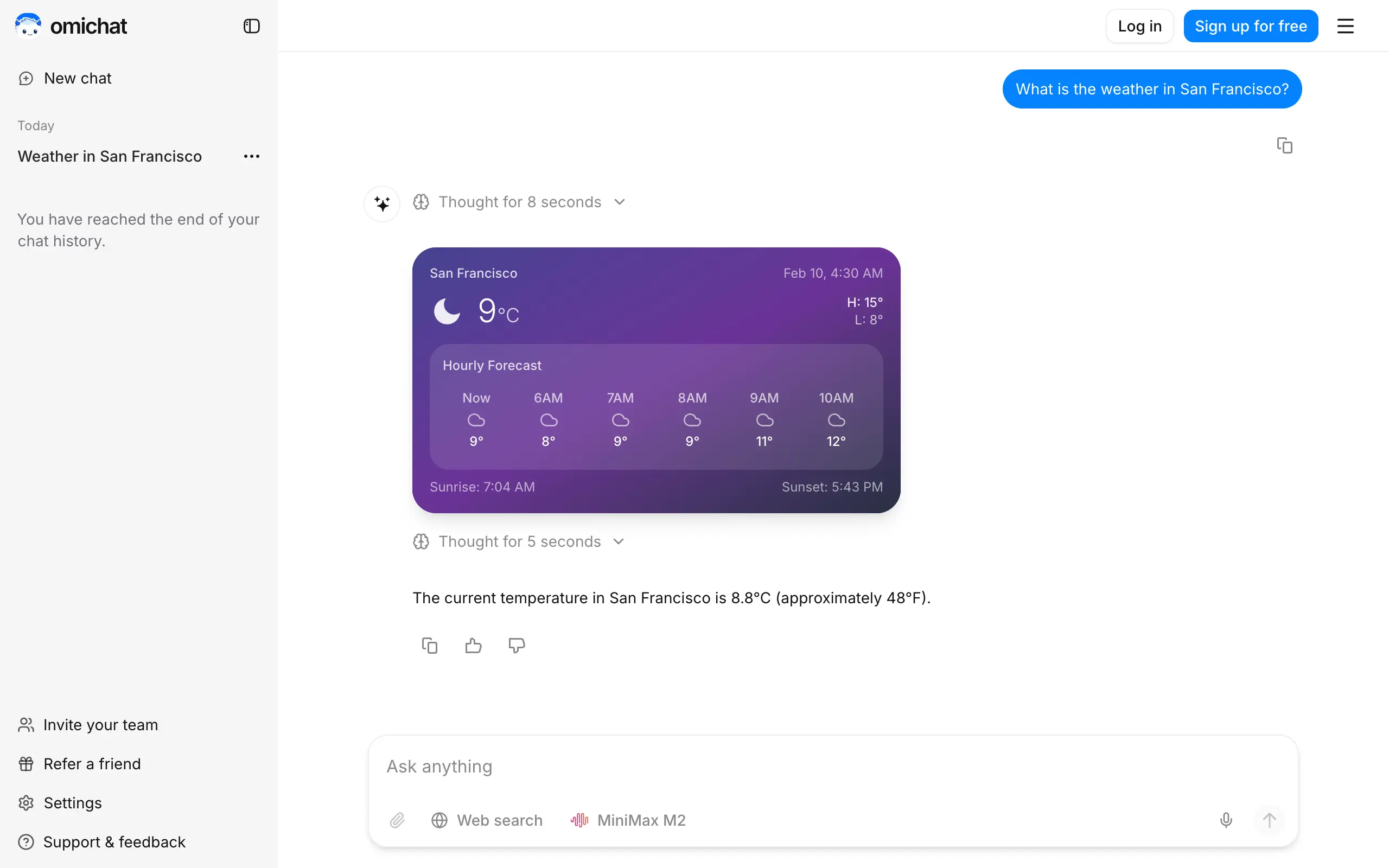
Omichat
Chat with 50+ AI models, including ChatGPT and Claude, in one place - switch models anytime without losing context 🤖
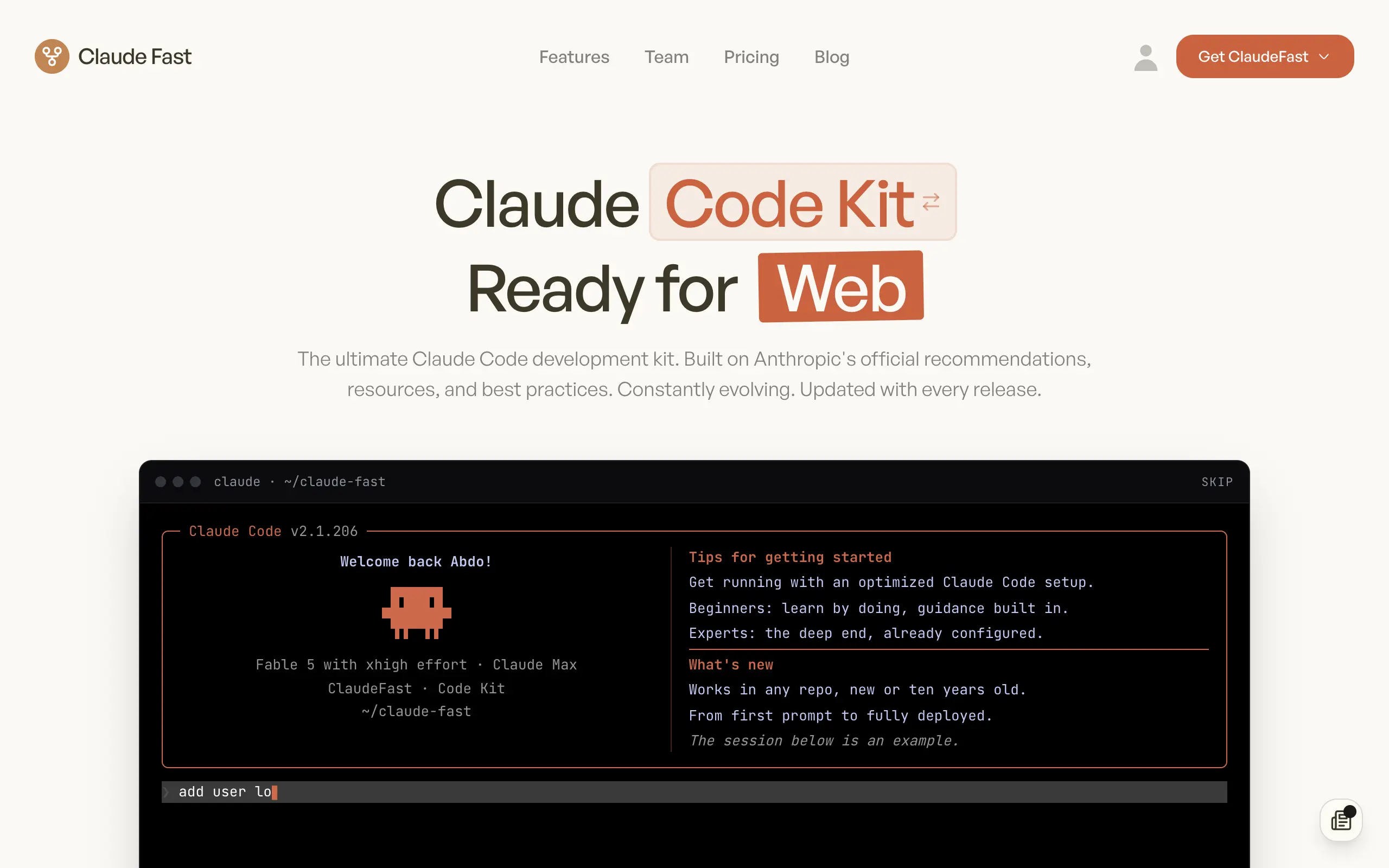
Claude Fast
Supercharge your Claude Code with 6x effective context window and specialized AI agents 🤖
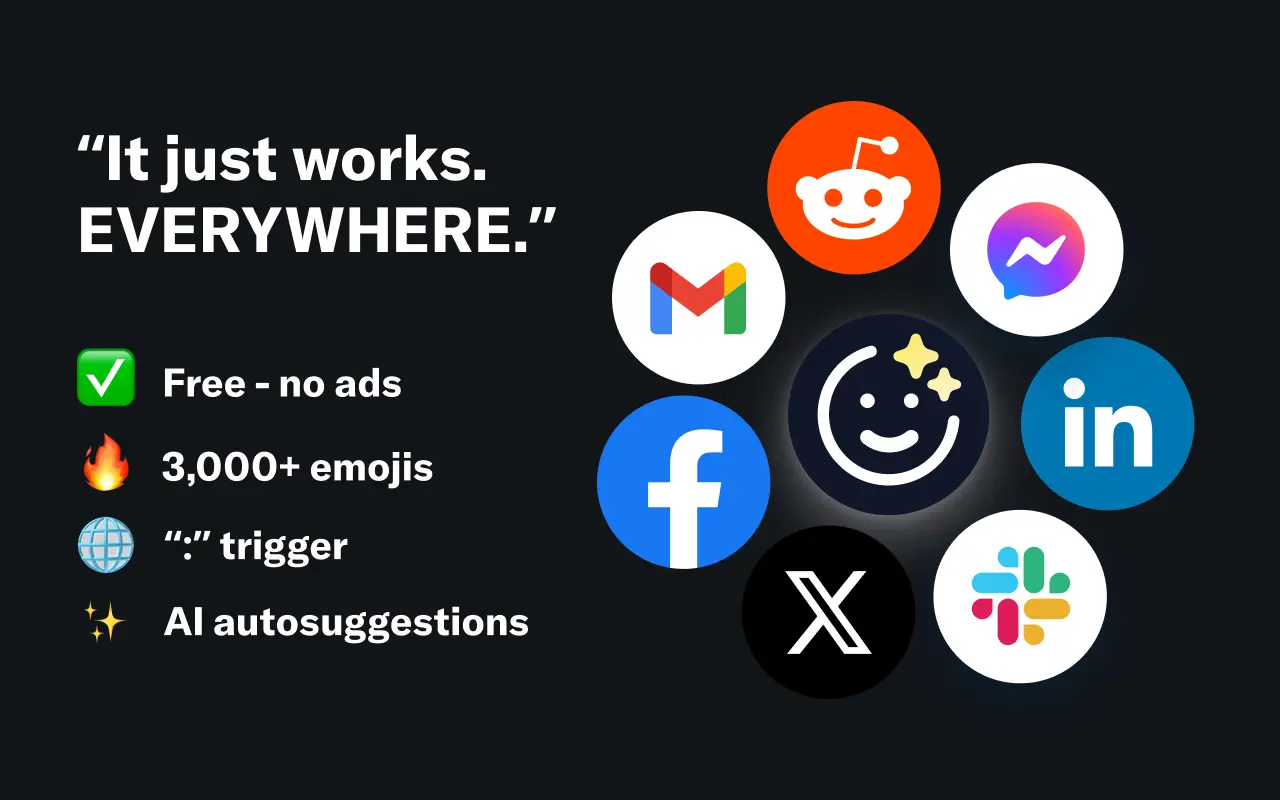
EmojAI
AI-powered emoji picker with smart, context-aware suggestions 🤖
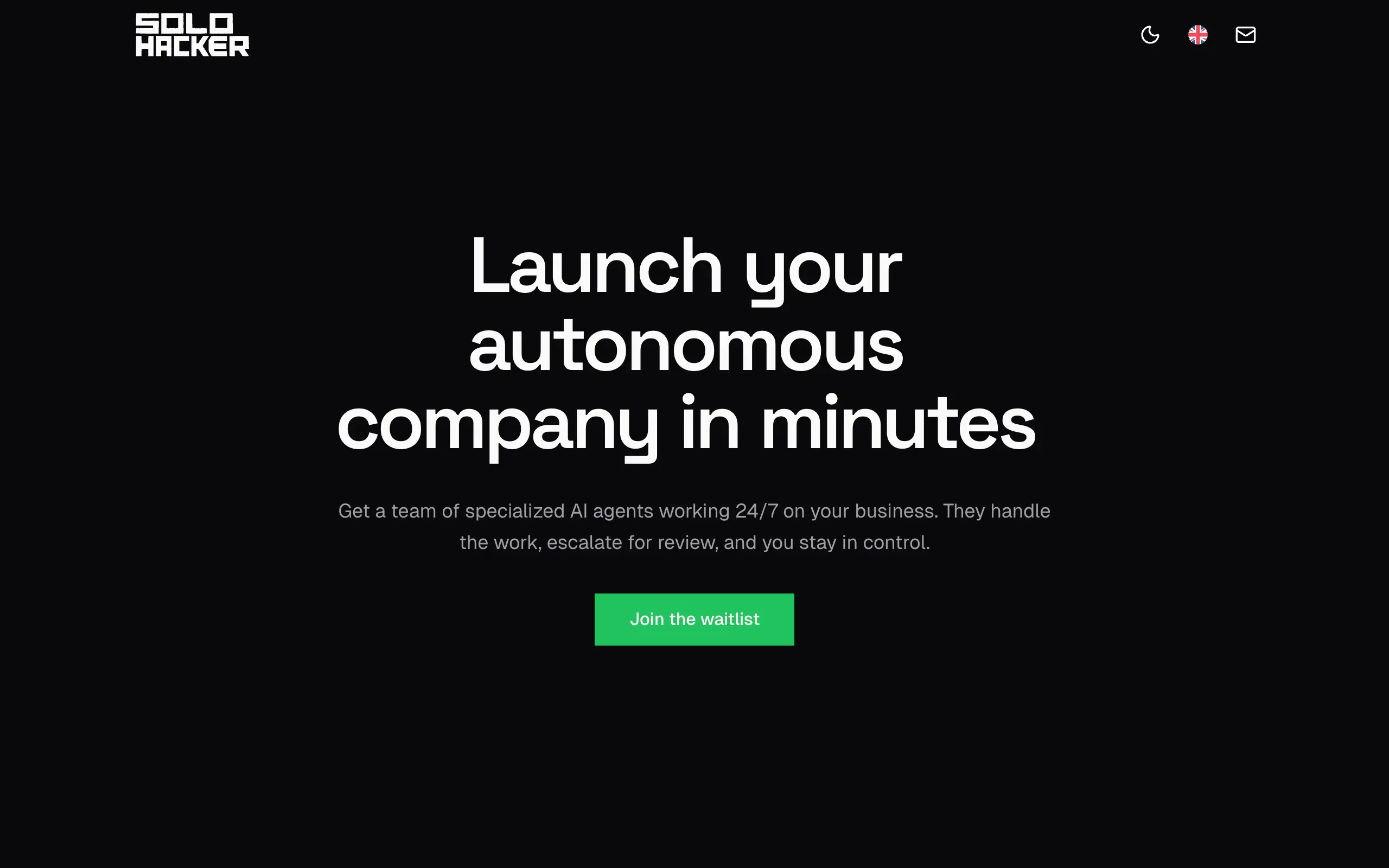
Solohacker
Autonomous company launcher - AI agents work 24/7, escalate what matters, and you stay in control 🤖
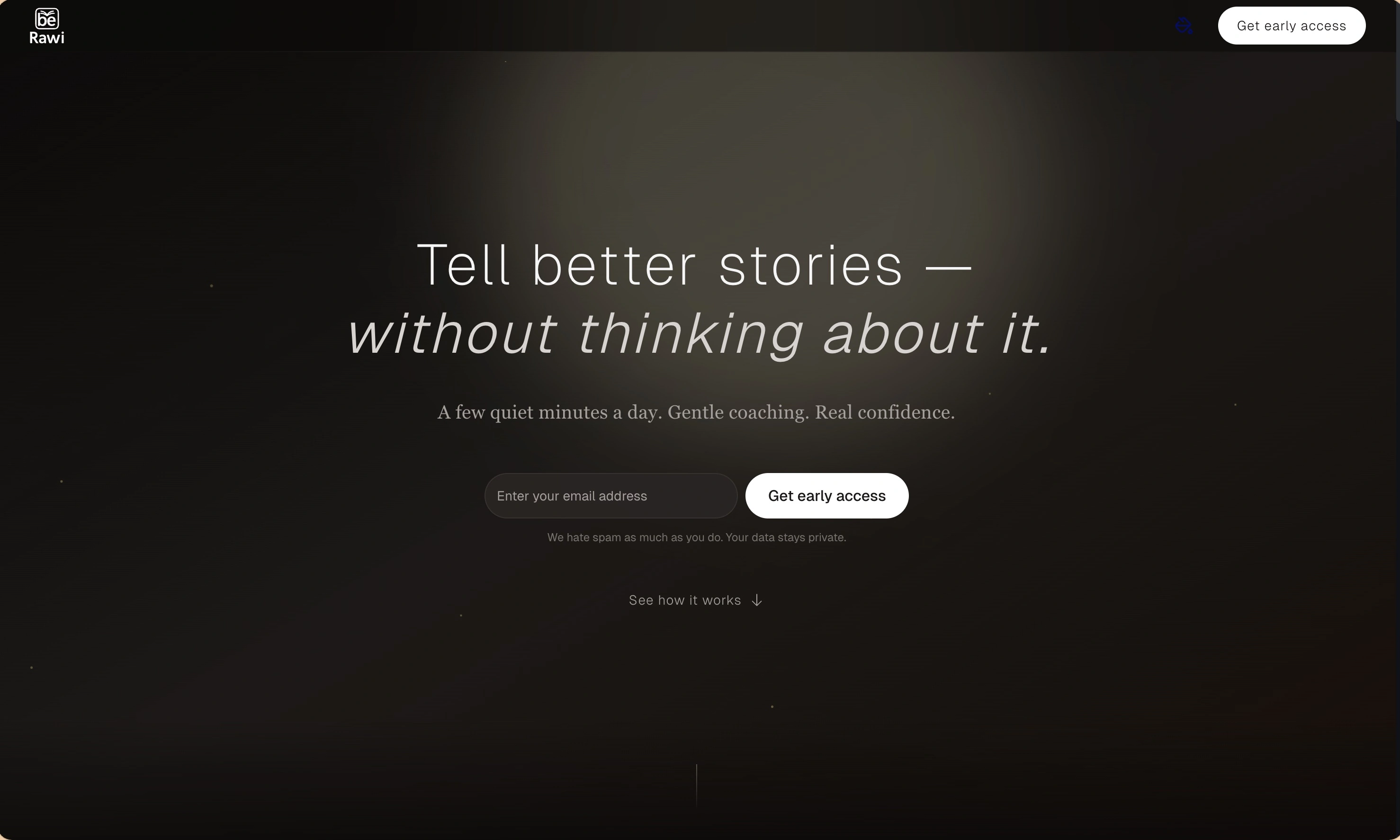
BeRawi: Storytelling Coach
Practice storytelling daily with instant feedback to sound clearer, more engaging, and confident 🎤
Omichat
Chat with 50+ AI models, including ChatGPT and Claude, in one place - switch models anytime without losing context 🤖
Claude Fast
Supercharge your Claude Code with 6x effective context window and specialized AI agents 🤖
EmojAI
AI-powered emoji picker with smart, context-aware suggestions 🤖
Solohacker
Autonomous company launcher - AI agents work 24/7, escalate what matters, and you stay in control 🤖
BeRawi: Storytelling Coach
Practice storytelling daily with instant feedback to sound clearer, more engaging, and confident 🎤
Omichat
Chat with 50+ AI models, including ChatGPT and Claude, in one place - switch models anytime without losing context 🤖
Claude Fast
Supercharge your Claude Code with 6x effective context window and specialized AI agents 🤖
EmojAI
AI-powered emoji picker with smart, context-aware suggestions 🤖
Solohacker
Autonomous company launcher - AI agents work 24/7, escalate what matters, and you stay in control 🤖
BeRawi: Storytelling Coach
Practice storytelling daily with instant feedback to sound clearer, more engaging, and confident 🎤
Omichat
Chat with 50+ AI models, including ChatGPT and Claude, in one place - switch models anytime without losing context 🤖
Claude Fast
Supercharge your Claude Code with 6x effective context window and specialized AI agents 🤖
EmojAI
AI-powered emoji picker with smart, context-aware suggestions 🤖
Solohacker
Autonomous company launcher - AI agents work 24/7, escalate what matters, and you stay in control 🤖
BeRawi: Storytelling Coach
Practice storytelling daily with instant feedback to sound clearer, more engaging, and confident 🎤

Connect with like-minded people
Join our community to get feedback, support, and grow together with 1,000+ builders on board, let's ship it!
Join usShip your startup everywhere. In minutes.
Don't burn tokens on setup and start building features on day one.